
‘The Intensity of Being a Woman’, by Vanessa Sanches
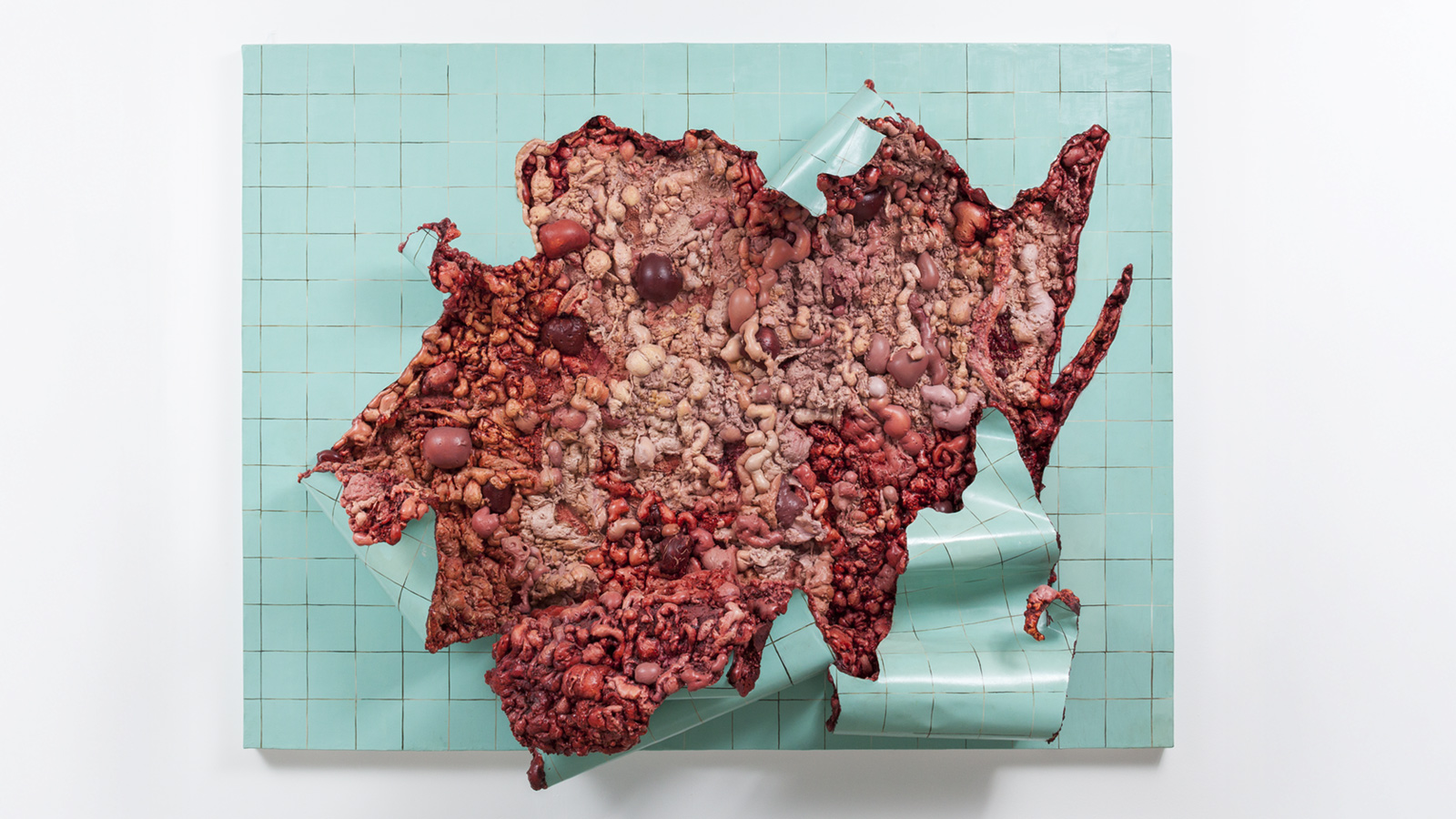
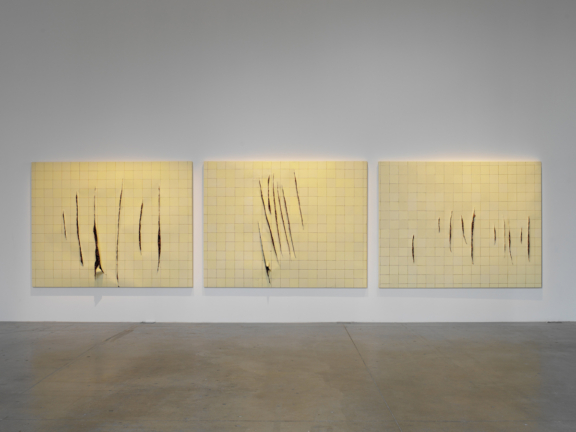
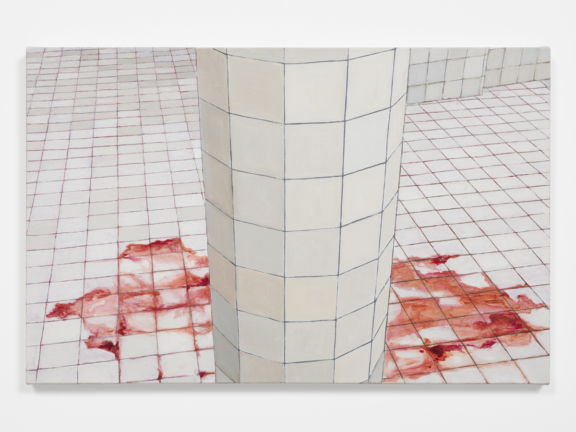
‘Green Tilework in Live Flesh’ is a cry. It is the most faithful depiction I have found of what it means to be a woman. At first glance, we are like tiles: beautiful, ornate, fitted into a pattern, our presence decorative, moulded to suit expectations. Yet a single tear is enough to expose, without permission, the guts of what so often lies hidden behind the clean façade, the geometric pattern, the tamed surface. In my perspective and sensitivity, this is what it means to be a woman. Or, at least, what it means to be this woman and what pulses, bleeds, and longs to be spoken from within.
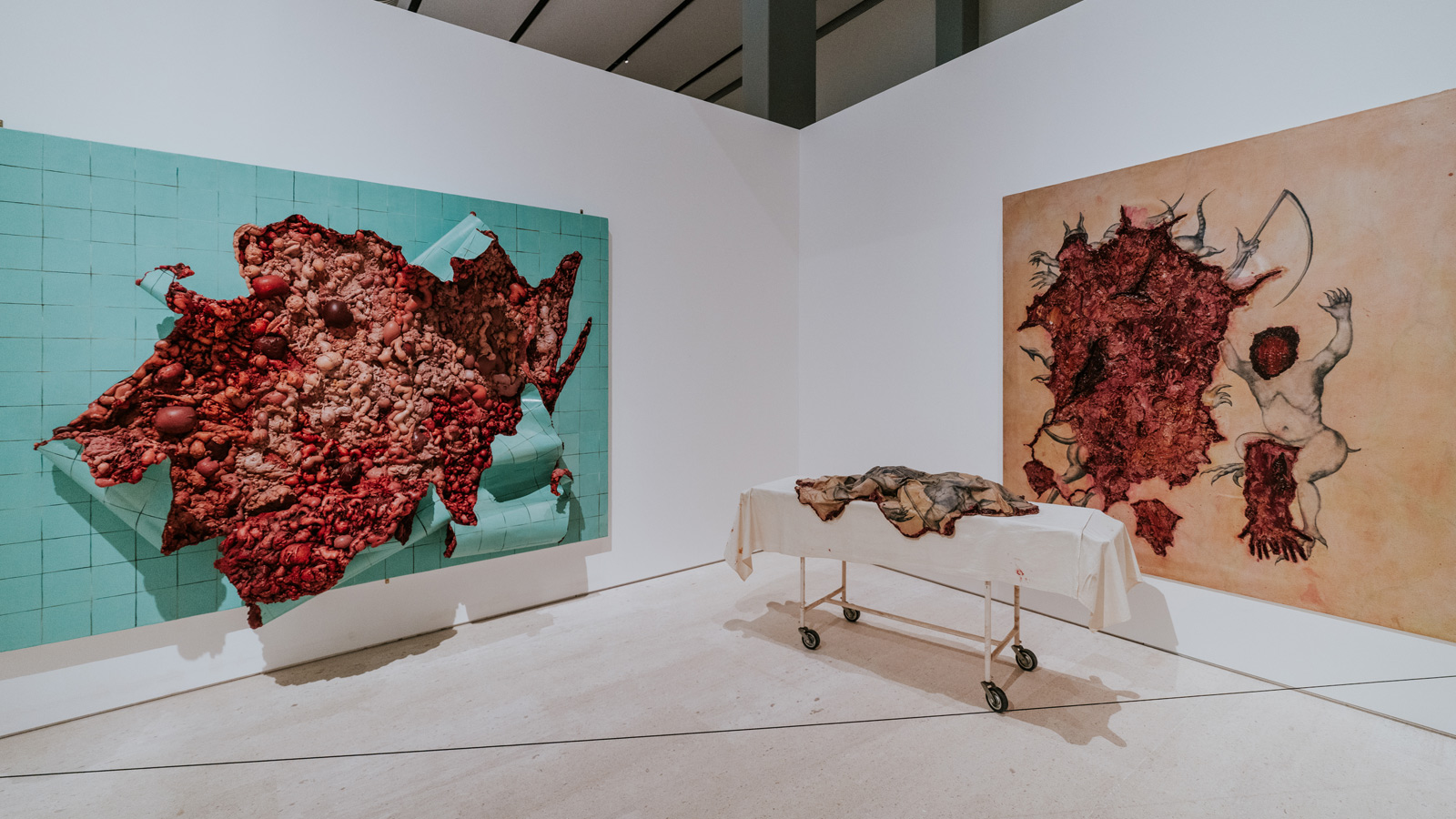
In this work by Adriana Varejão, the tile – a symbol of ornamentation, tradition, and aesthetic colonialism – is torn open, and from within erupts flesh: raw, alive, chaotic. And it is precisely that flesh that speaks to me. The work does not pretend. It does not disguise pain. It does not apologise for being intense, for being too much. And for that very reason, it is profoundly liberating.
I see in it, too, an act of protest and a possibility for truth. The truth that being a woman means carrying a history of wounds – on the body, in language, in existence – and yet, still remaining whole. Whole like the artwork, even when it seems in ruins. Whole despite everything. Or perhaps because of everything. This painting is us when we refuse to be just a surface. When we reveal, without filters, the live flesh we are made of.
Reflections on ’Paula Rego and Adriana Varejão. Between Your Teeth’
Explore the series
No results were found for your criteria.
You may also like
No results were found for your criteria.