
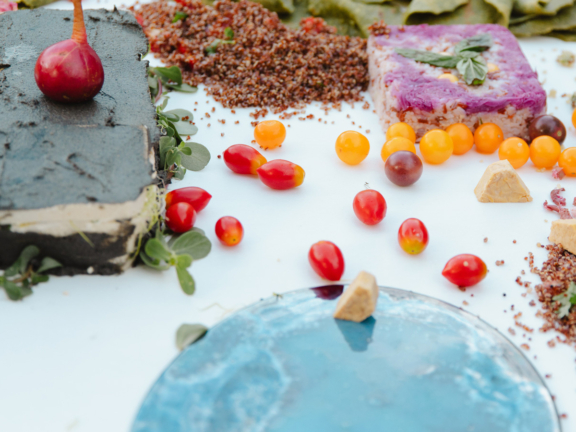
‘Paula Rego’s Monkeys’, by chef André Magalhães
I was born in Luanda, I grew up on farms in the south of Angola, and I came across many monkeys, most of them marmosets and blue monkeys kept as pets, with collars clamped around their middles. We even had a chimpanzee friend, Sofia, who liked hugs and used her nail to pick the warts from my sister’s knees. My favourite stuffed toy was a brown monkey wearing red napa leather boxing gloves and scarlet satin shorts.
I didn’t understand why some white kids called our Black friends ‘monkeys’, especially when they started dribbling the ball during our kickabouts.
Later, in the village in Portugal, Zé Rato got angry with me and said that my family were all monkeys [because] my grandmother was Black. Only then did I start to reflect on the idiosyncrasies of men and monkeys as I walked through the countryside with Mondego, the family dog.
As a young adult, I was captivated by a drawing of monkeys, by Paula Rego, which I saw in Galeria Sesimbra, in the former Galerias Ritz. I saved up enough money to buy the monkeys, but by the time I returned, they had already escaped.
Since then, I’ve become more and more intrigued by Paula Rego’s imagery of animals and humans.
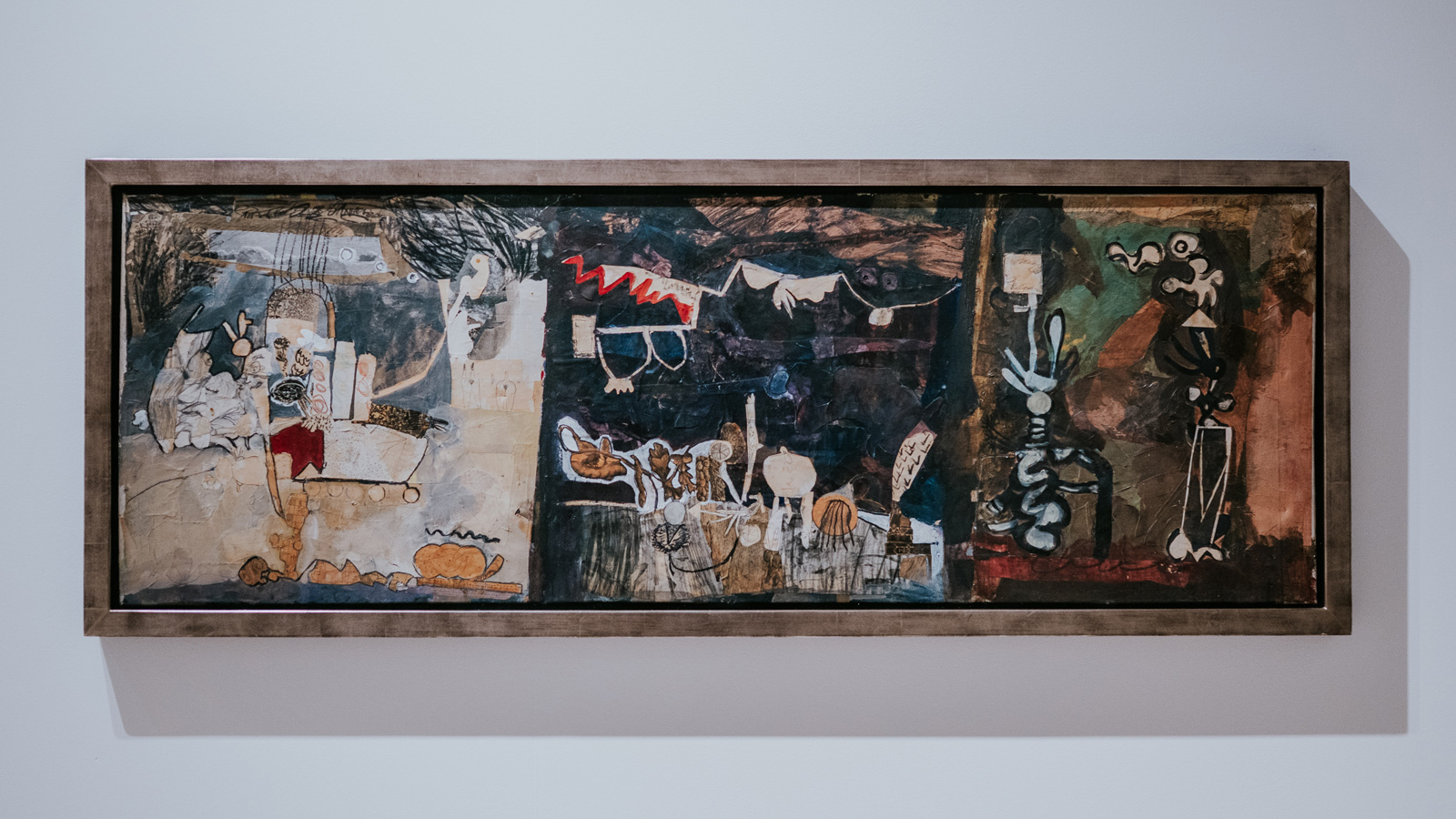
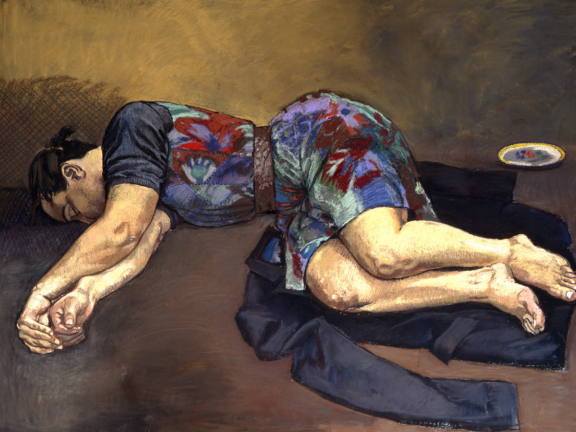
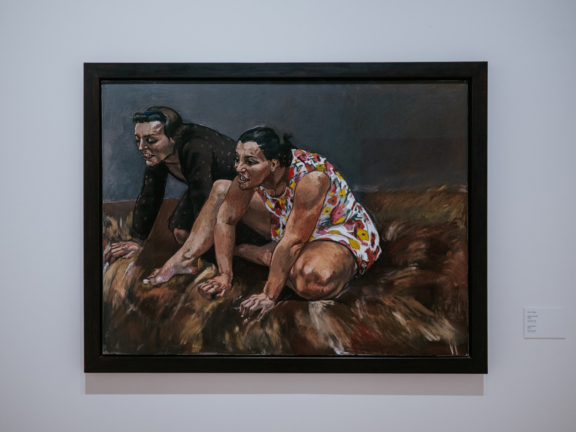
No monkeys live in this picture, but it made me think that the monkeys in Paula Rego’s works are always bad white men.
This painting gives off an almost earthly reverberation, that transports me to my African family, to my childhood, to the innocent passivity of living in a society that is imperfect, unfair and morally obsolete.
This painting from 1961 has a startling topicality – in too many geographies around the world, humans are still being killed after wonderful parties.
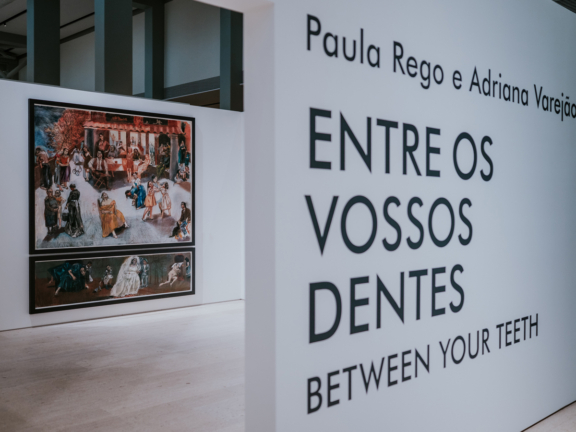
Reflections on ’Paula Rego and Adriana Varejão. Between Your Teeth’
Explore the series
No results were found for your criteria.
You may also like



No results were found for your criteria.