
‘Could it be me, mother?’, by Paulo Pascoal
-
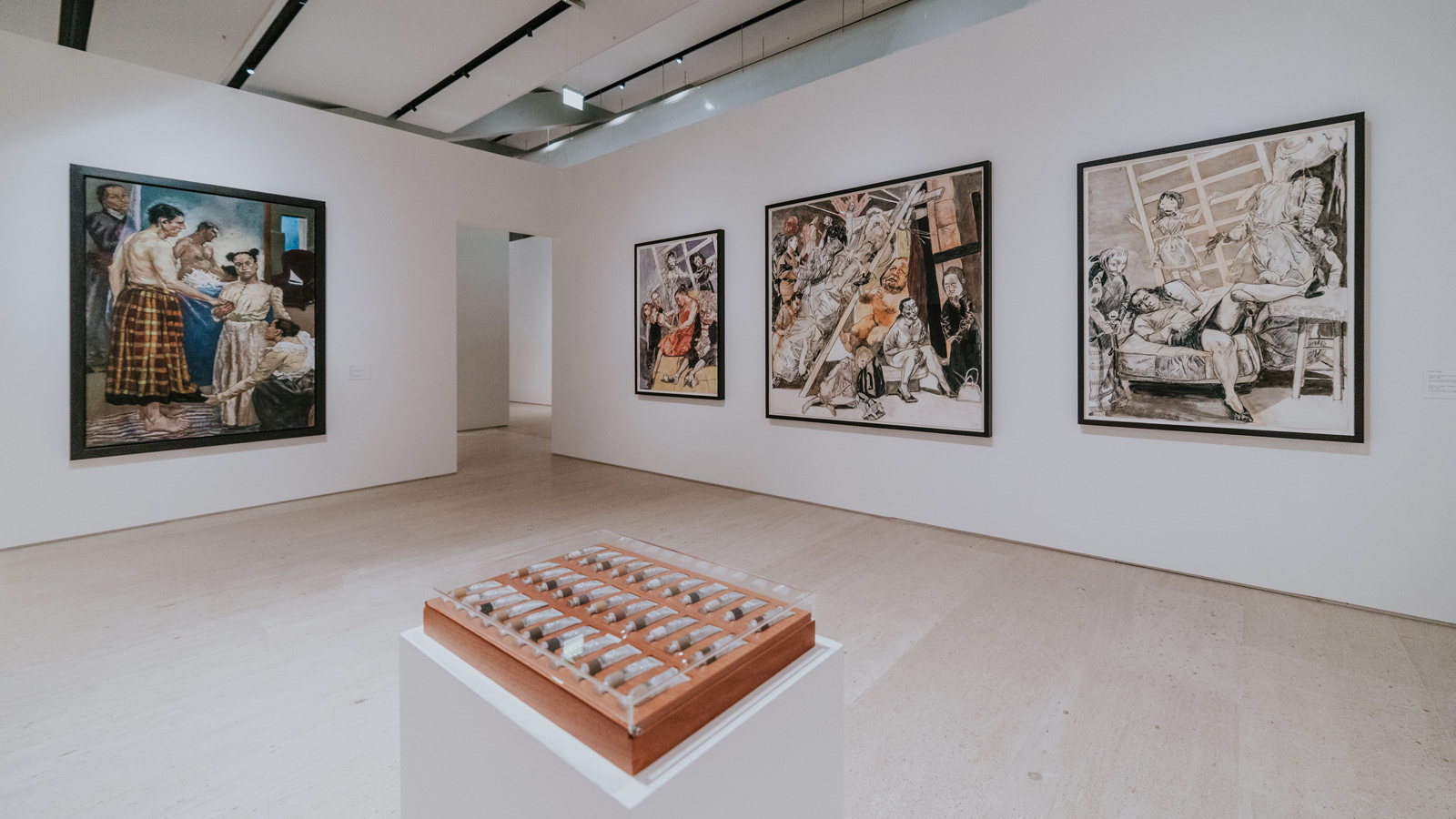
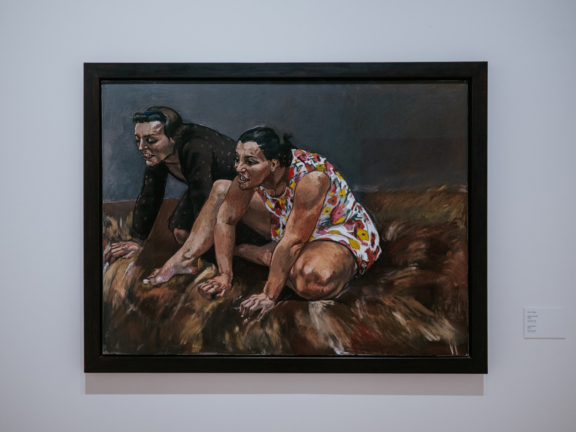
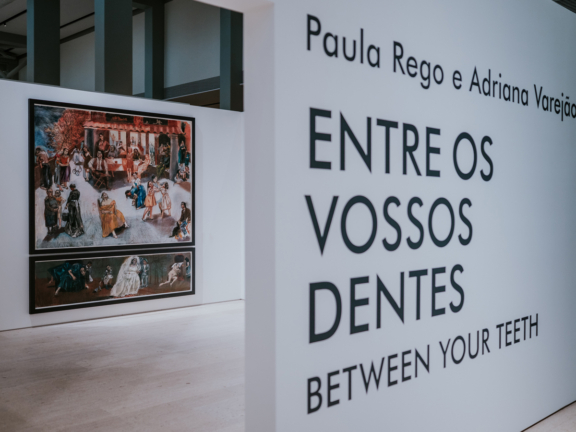
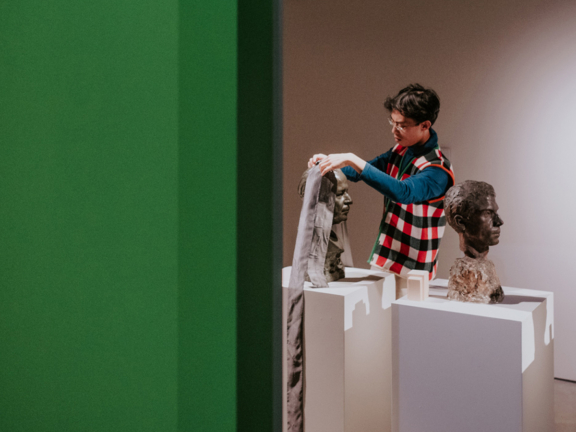
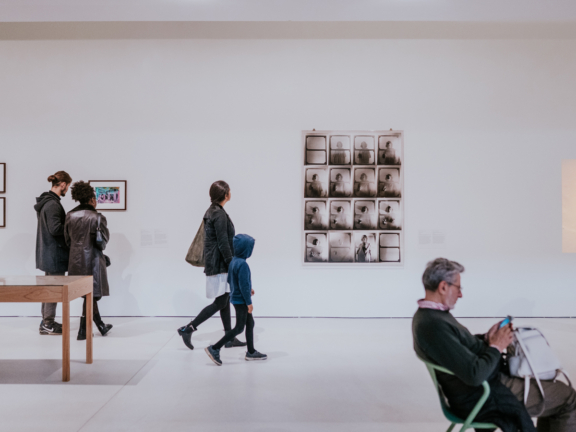
View of the exhibition © Pedro Pina
At noon on the seventh of May, three days after Mother’s Day, and with lingering echoes of the celebration that she is still with us, I was confronted with a question in the company of Filipa Bossuet that plunged me into a state of apathetic silence.
We stood in one of the exhibition rooms, whispering under our breath, resisting the urge to identify with artists who strip away the human aspect from us: ‘When we had a country house, we used to throw wonderful parties and then go into the bush to kill blacks’ (1961).
The question that arose within me was deeply personal: as a revolutionary and even decolonial feminist, would Paula Rego have been capable of killing me, for fun, in the year my mother was born? It could not have been more succinct, nor more philosophical. Thus, provocation becomes a legitimate space within interpretation – of what is seen, how it is seen, of what is felt, and how it is felt.
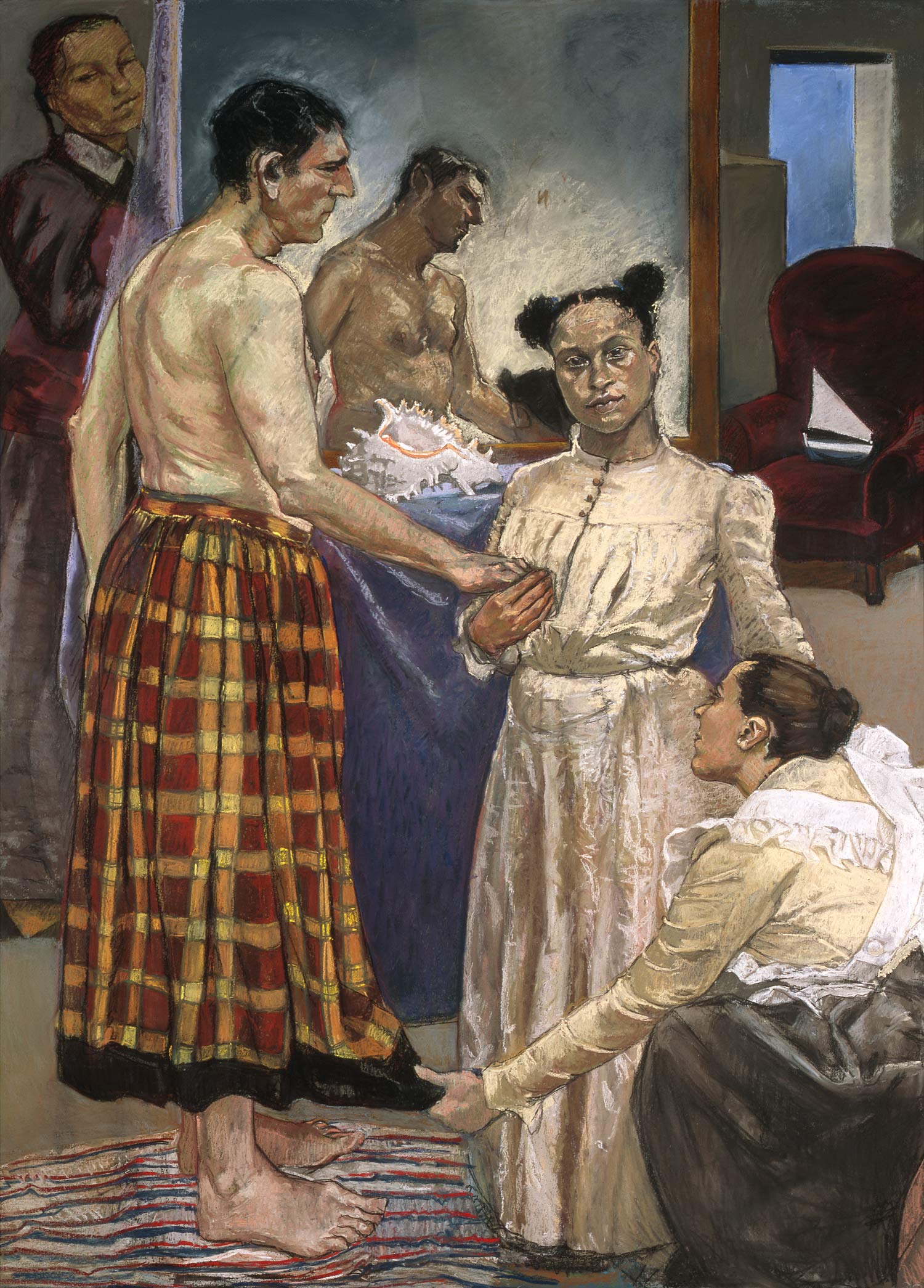
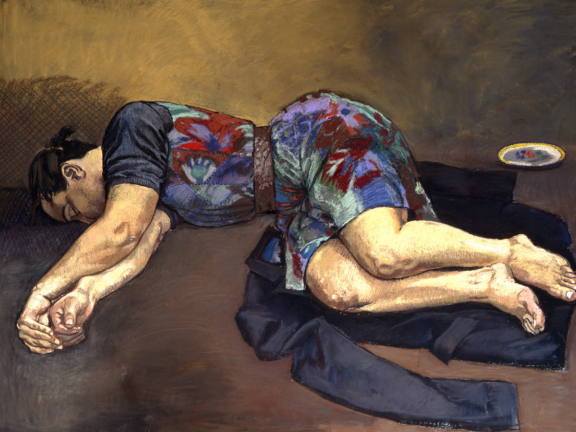
Within this metaphorical possibility of reflection, I notice the ‘man in a checked skirt’ on the wall beside me. Yet I do not see myself in the protagonist of ‘The Crime of Father Amaro’ (1875), by Eça de Queirós, but rather in the young black woman dressed in white – a description that suggests she is a reflection of the power and submission dynamics within the domestic sphere. This is where I find my common ground with Rego’s ‘Mother.’ A young woman with masculine features, who, in another imagined world, might perhaps be transgender, or yet another victim of that morally confused, poor good folk from whose midst she was born, but who can no longer be absolved.
In this way, the painting evokes something that turns us into biographical, empirical, and poetic subjects, in a 1997 canvas that transcends time, intention, and the violence contained within it. It repositions ‘Mother’ within a political category, independent of the patriarchal system, restoring to womanhood a worldview that is not subordinated to the West. Thus, ‘Mother’ is our origin, our god.
For the title, I drew inspiration from bell hooks’ book ‘Ain’t I a Woman?’ (1981), a pioneering and essential work in feminist theory.
Reflections on ’Paula Rego and Adriana Varejão. Between Your Teeth’
Explore the series
No results were found for your criteria.
You may also like
No results were found for your criteria.