
‘The colour of which skin?’ by Gisela Casimiro
During a rehearsal, the stage manager and technician are talking:
– What colour are the microphones?
– Skin coloured.
– The colour of which skin?
– Like that… Golden.
As the saying goes, you could see steam coming out of my ears.
In ‘Sister Outsider’, Audre Lorde meditates on Virginia Woolf’s ‘A Room of One’s Own’: ‘The actual requirements to produce the visual arts also help determine, along class lines, whose art is whose. In this day of inflated prices for material, who are our sculptors, our painters, our photographers?’ The prosthesis available when she had breast cancer wasn’t the right colour, her own colour. For eleven years, the classical ballerina Ingrid Silva used to arrive early for rehearsals so that she could paint her shoes the same shade of brown as her skin.
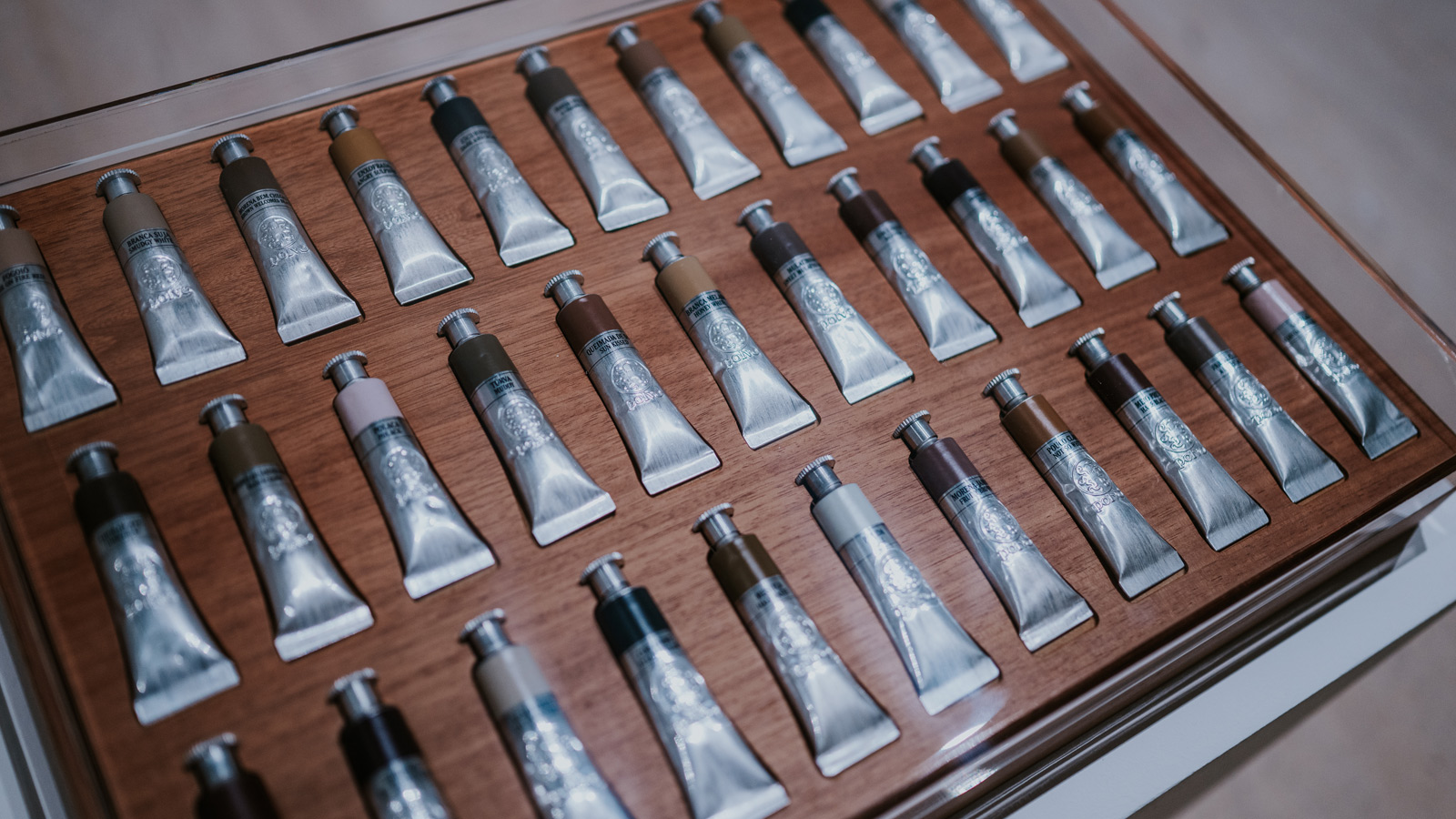
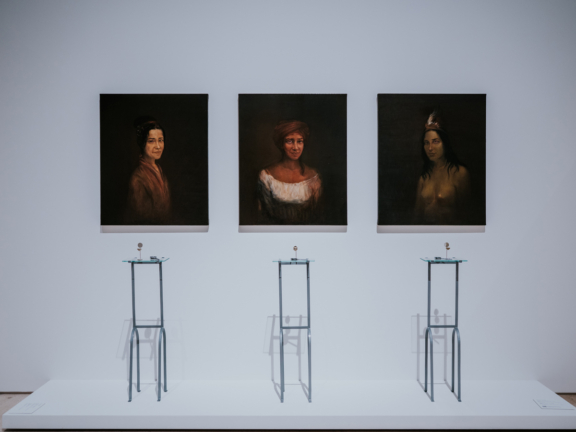
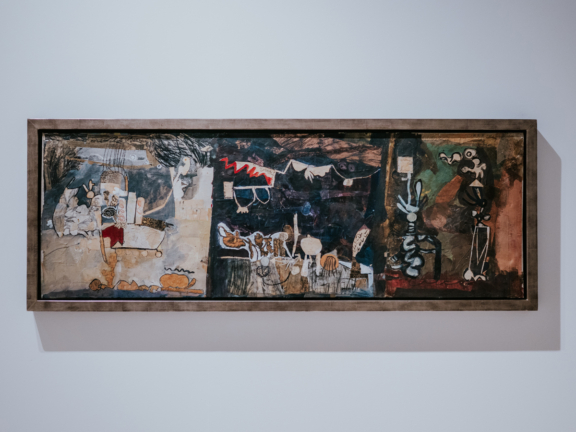
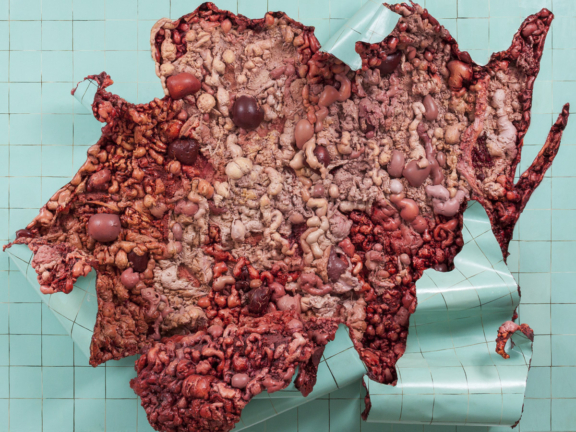
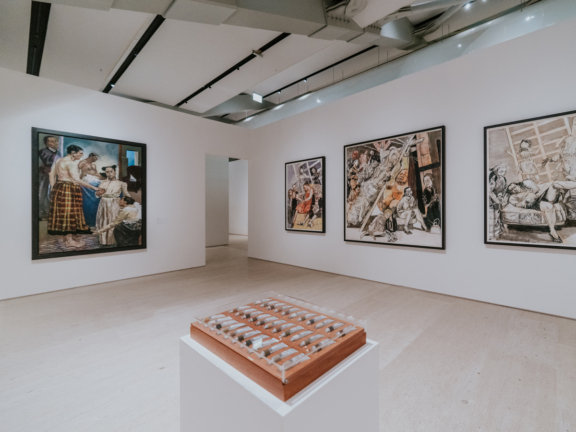
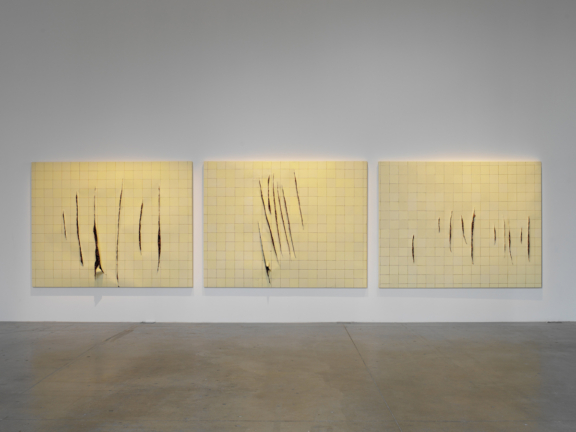
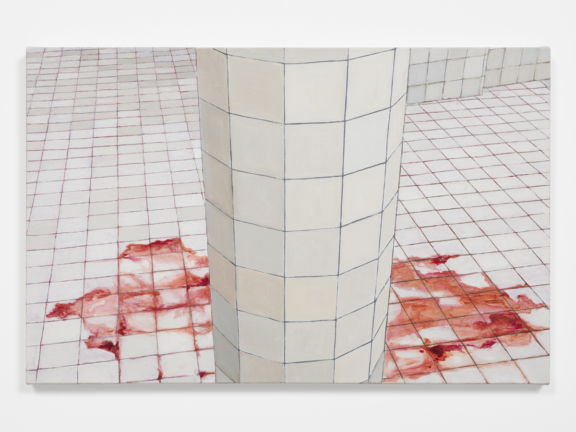
Adriana Varejão created a palette of paints – with the names attributed by Brazilians to their own colour in a racial census. In other words, the names she found most ‘poetic’ or ‘exotic’: Morenão (Tawny), Cor firme (Robust colour), Mestiça (Mestizo), Chocolate, Branca suja (Dirty white), Turva (Muddy), Queimada-de-sol (Sunburnt), Escurinha (Darkish), Mulatinha (Mulatto), Retinta (Deep black), Cabocla (Copper-coloured), Branquinha (Whitish), Azul marinho (Navy blue), Café com leite (Milky coffee) Bugresinha escura (Middle-class Dark). I’ve been called some of these names, and I’ve used one or two to describe myself.
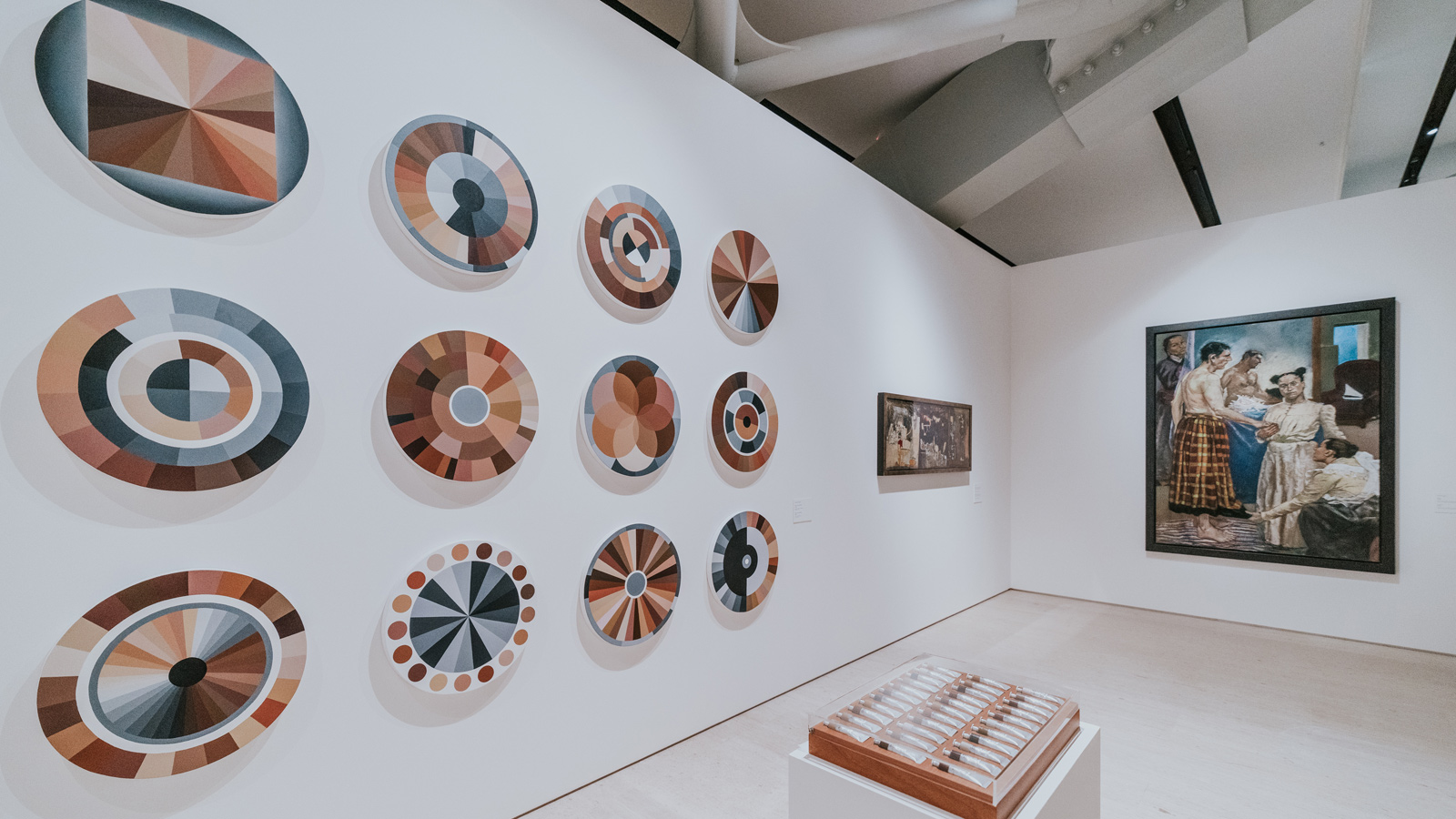
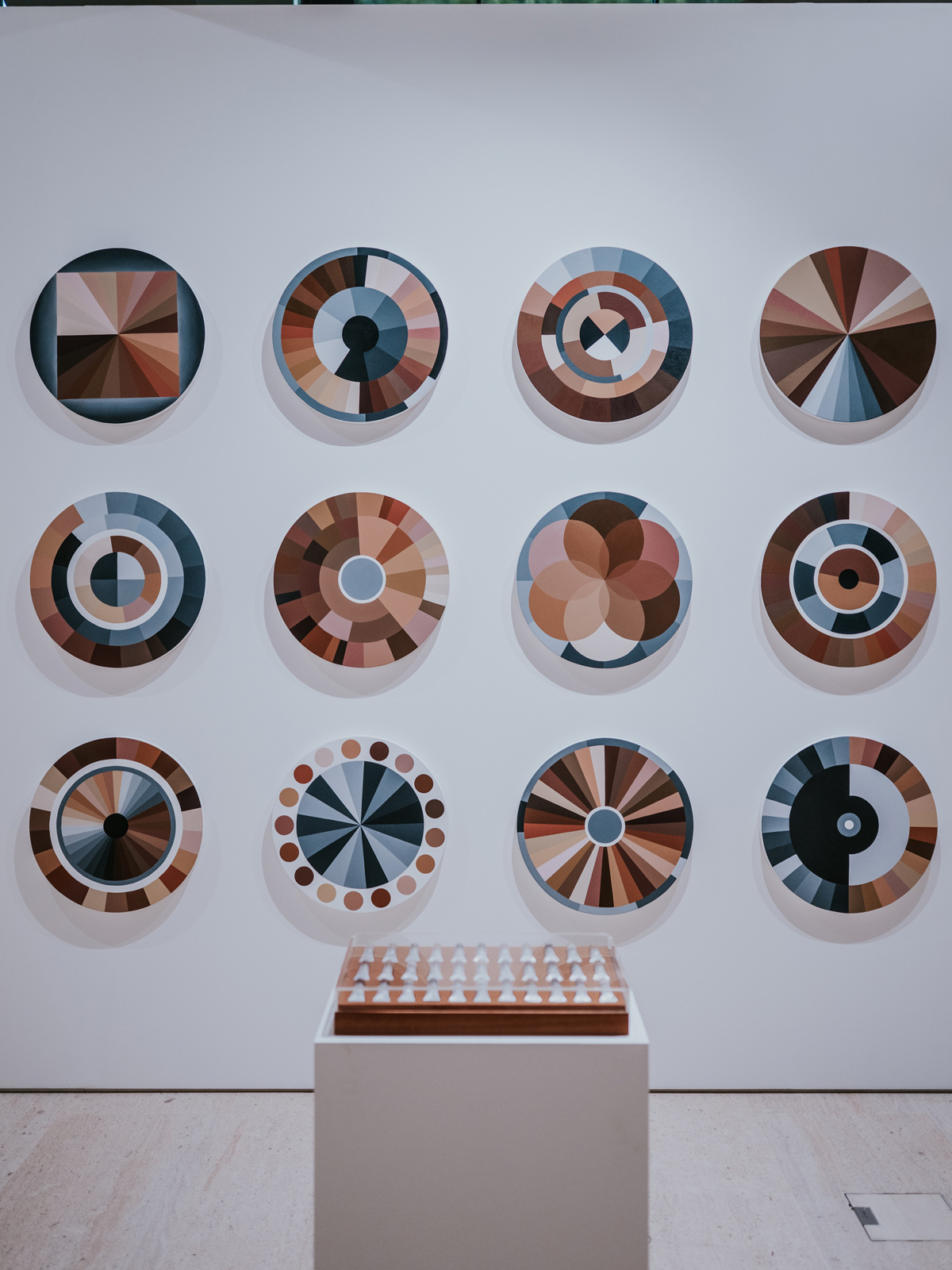
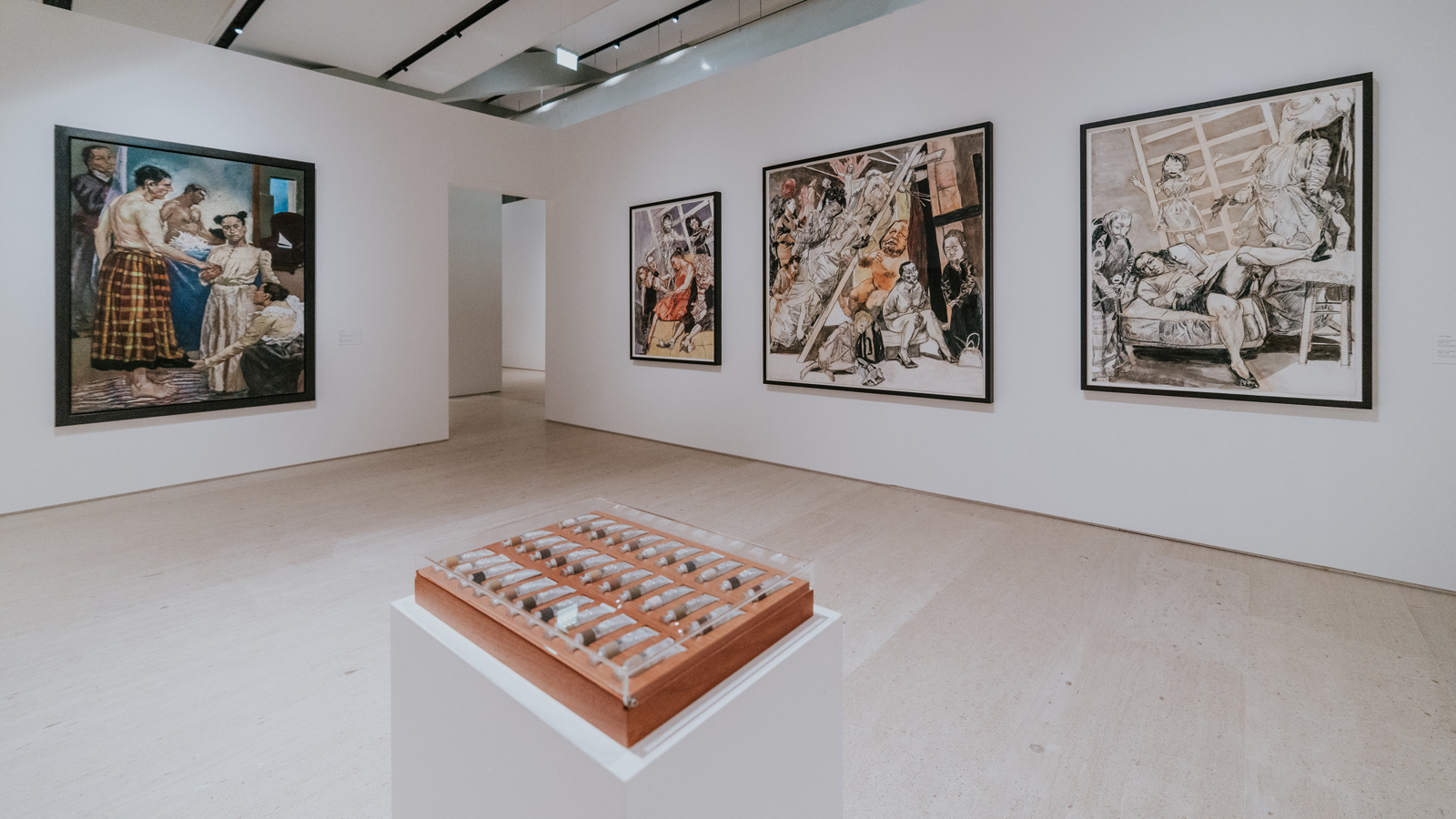
In another piece from the series, various commissioned ‘self-portraits’ show the artist, on universal white canvas, painted in those colours with geometric lines. The colour of the paints came out; the colour of skin does not. The work broke sales records, but the lives of the people who inspired it remain the same, the racialisation of a white person being different to that of a non-white person. To my mind, it resonates with ‘Caixa Brasil’, by Lygia Pape, who presents three locks of hair ordered according to the longevity of populations in the territory: indigenous, white, black. Brazil remains marked by centuries of colonialism, miscegenation, whitening, epistemicide and colourism.
In Portugal, anti-racist activists fight for ethnic and racial data to be included in censuses. We cannot write a body without colour, and those who don’t see colour distort history. Nowadays, my palettes are broad and unlimited, like shades of Fenty foundation, the brand developed by Rihanna that revolutionised make-up and, as such, the lives of many women. The colour of a female journalist or television presenter. The colour of a medal-winning Olympic athlete. The colour of the head mistress of a school, the director of a theatre, television station, museum. The colour of a female minister. The colour of the winner of the Cannes Best Actress Award. The colour of being alive.
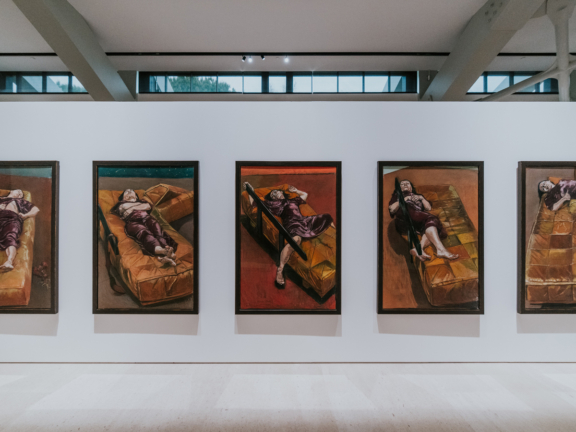
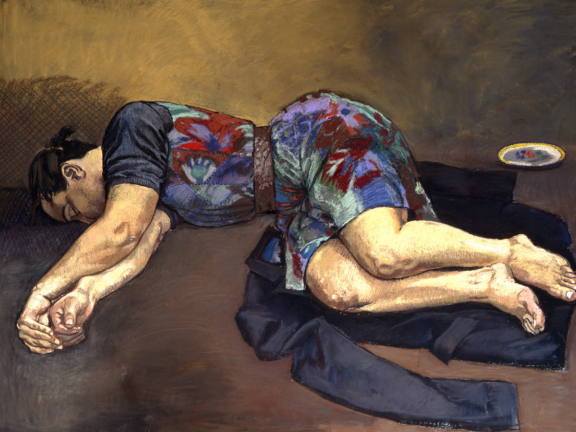
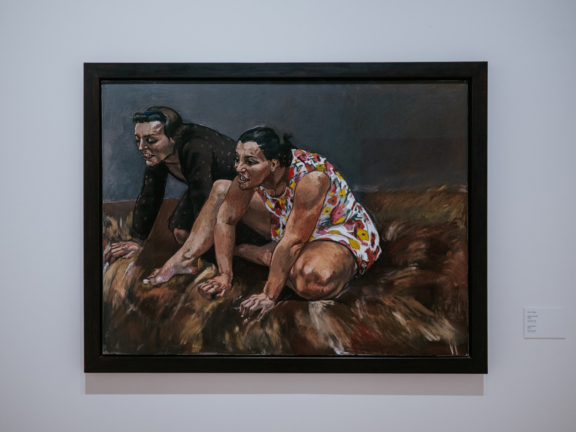
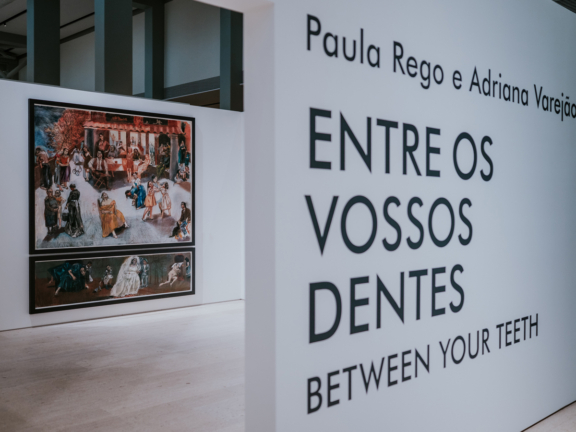
Reflections on ’Paula Rego and Adriana Varejão. Between Your Teeth’
Explore the series
No results were found for your criteria.
You may also like


No results were found for your criteria.