
From the earth to the mouth, from the mouth to the heart
-
CERCIAV © DR
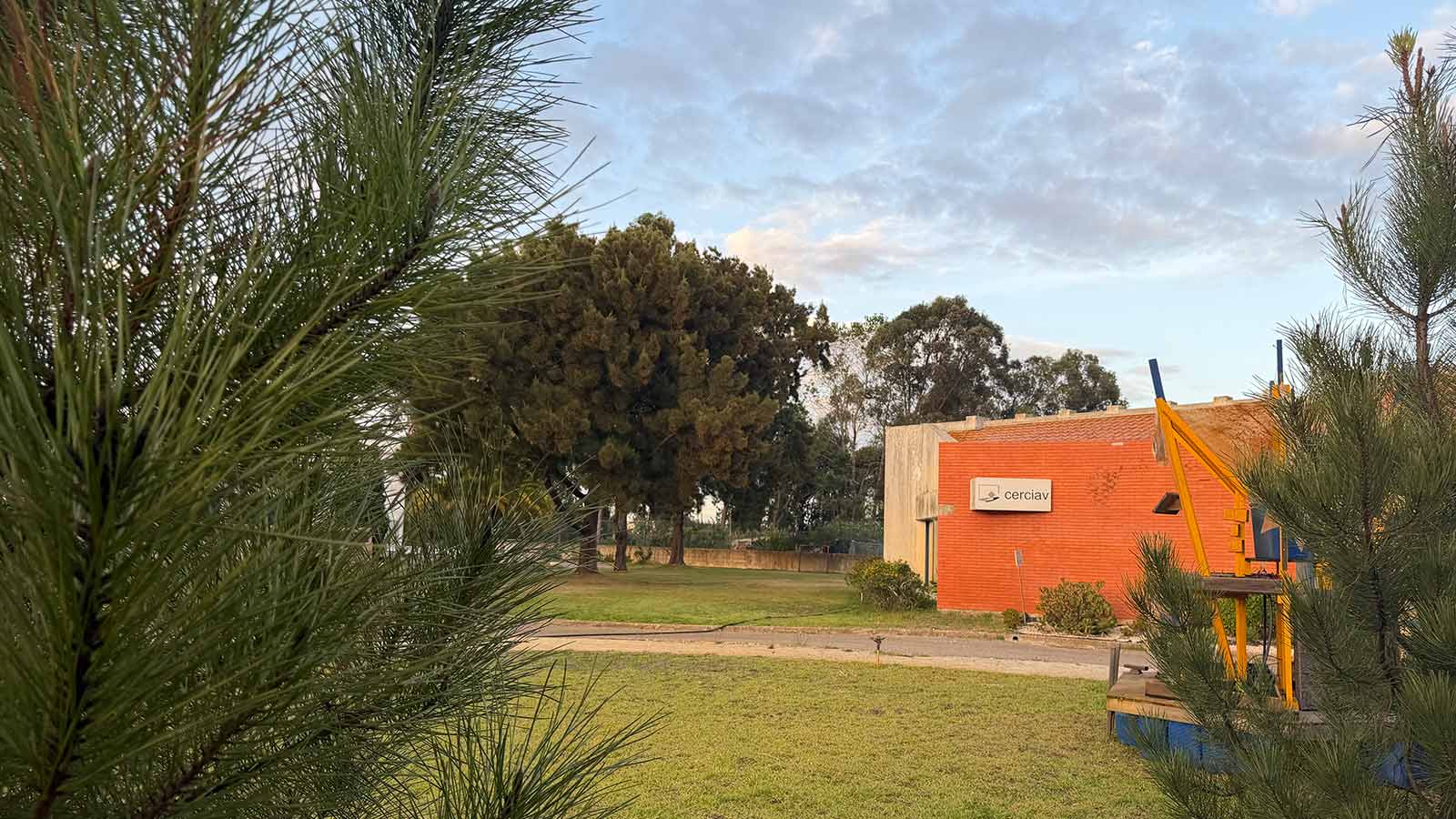
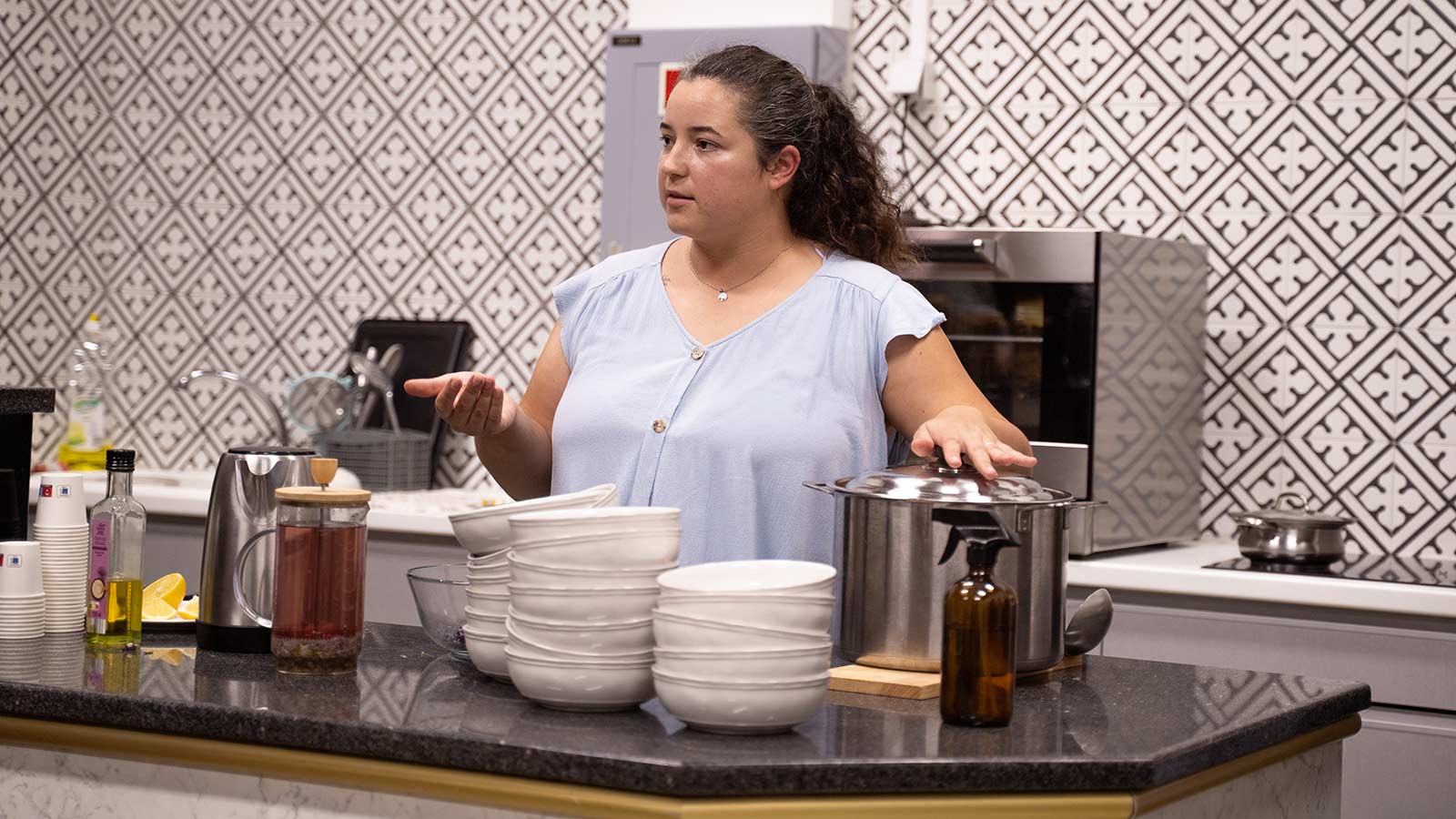
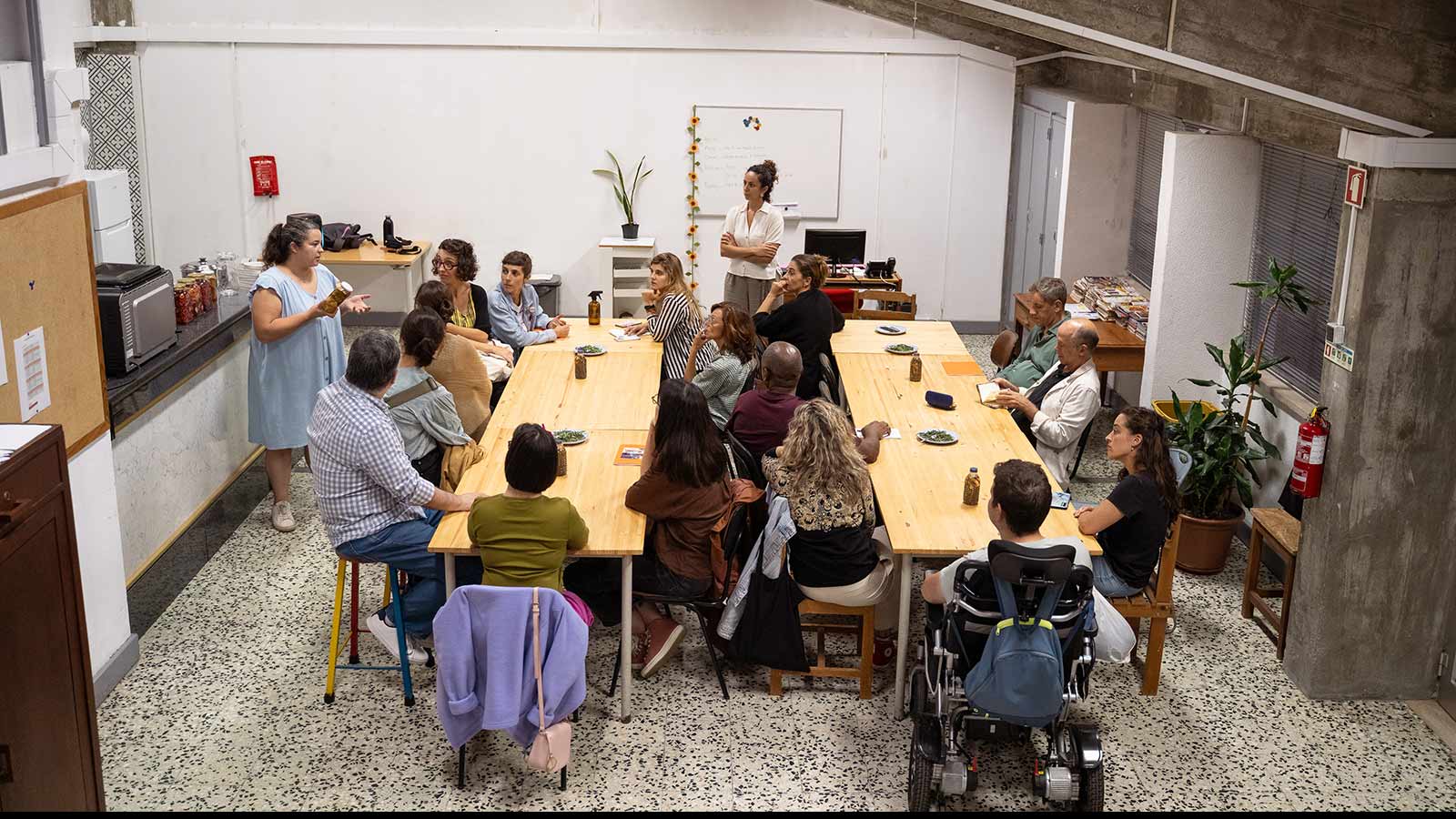
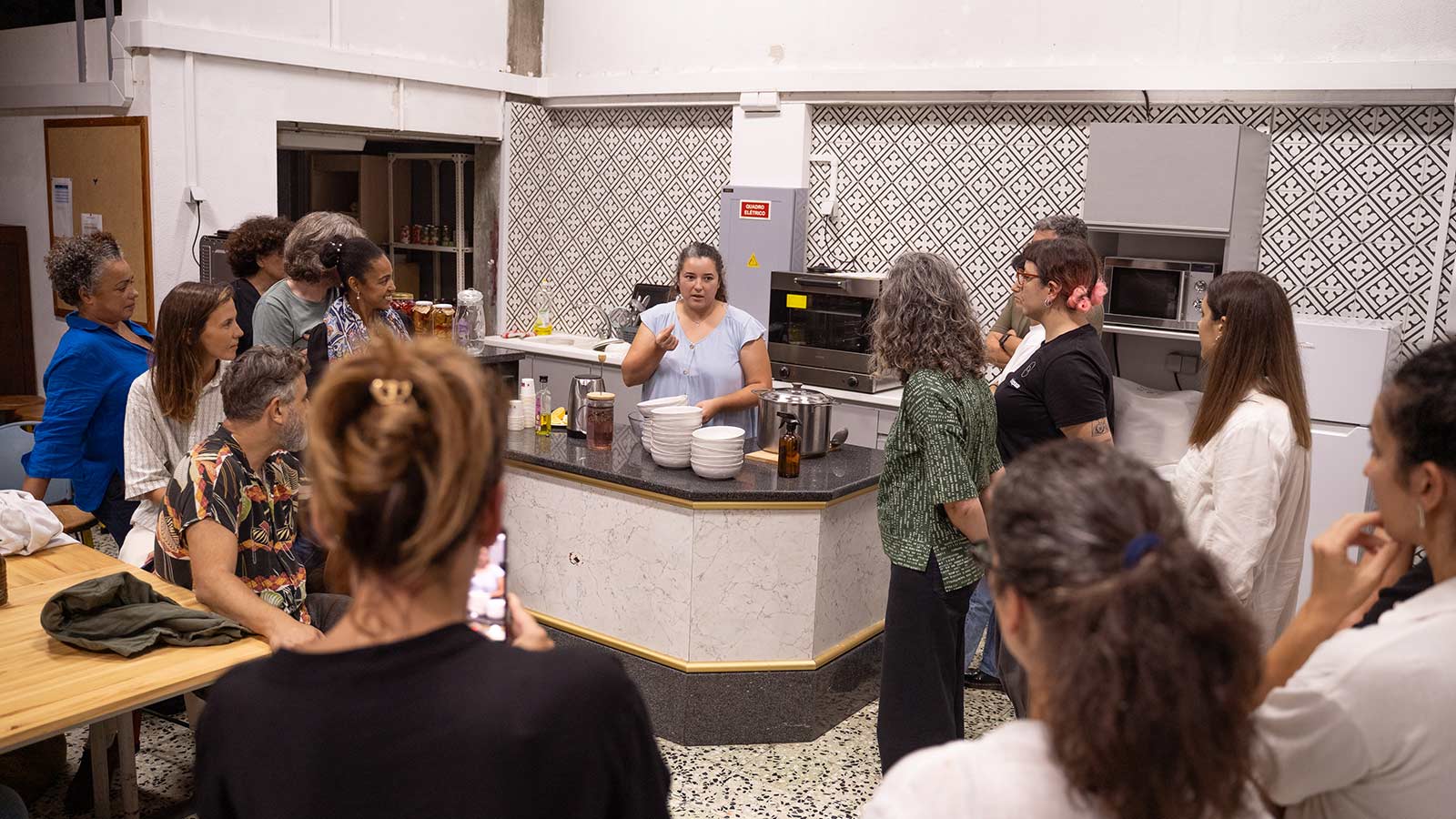
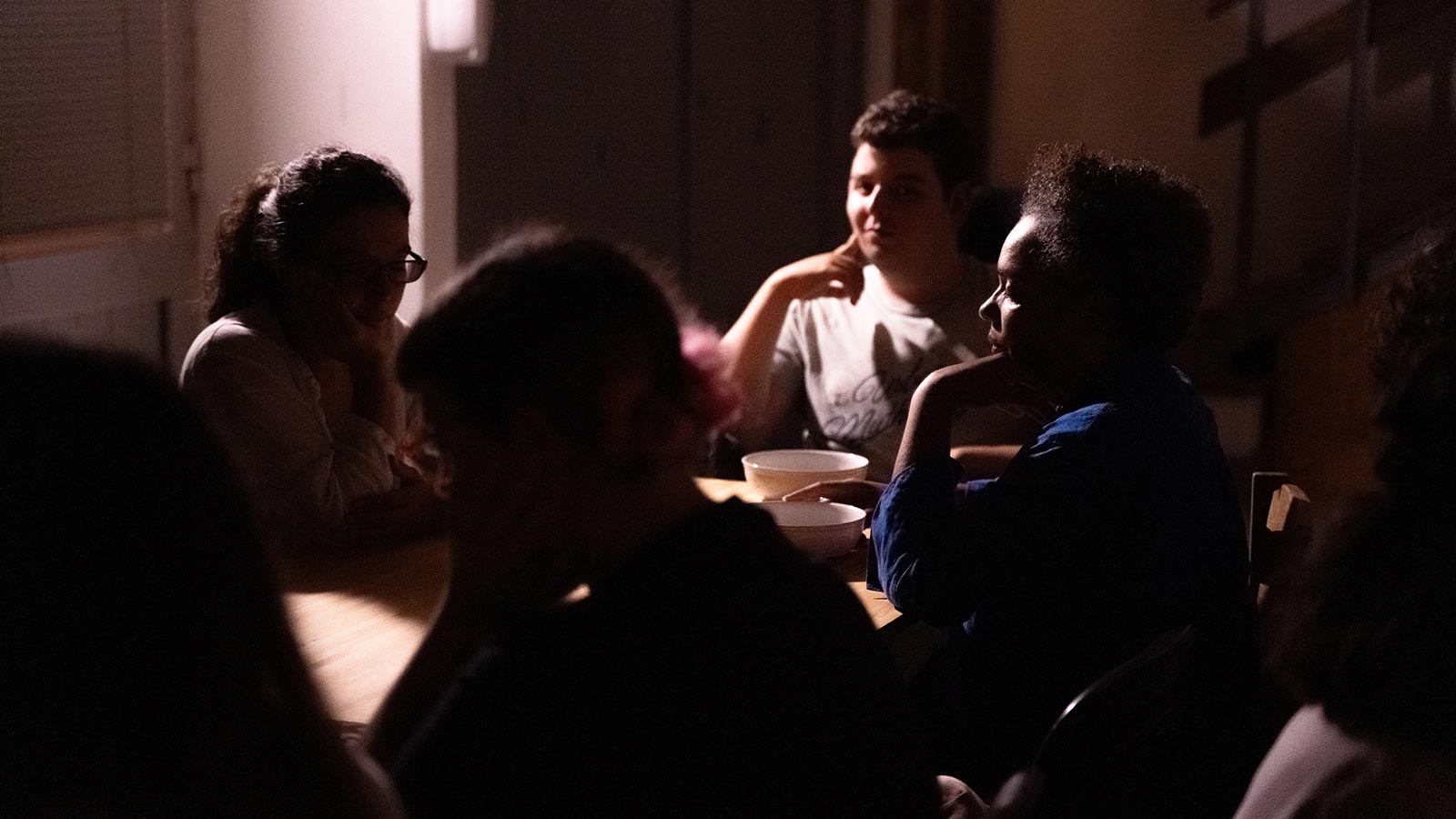
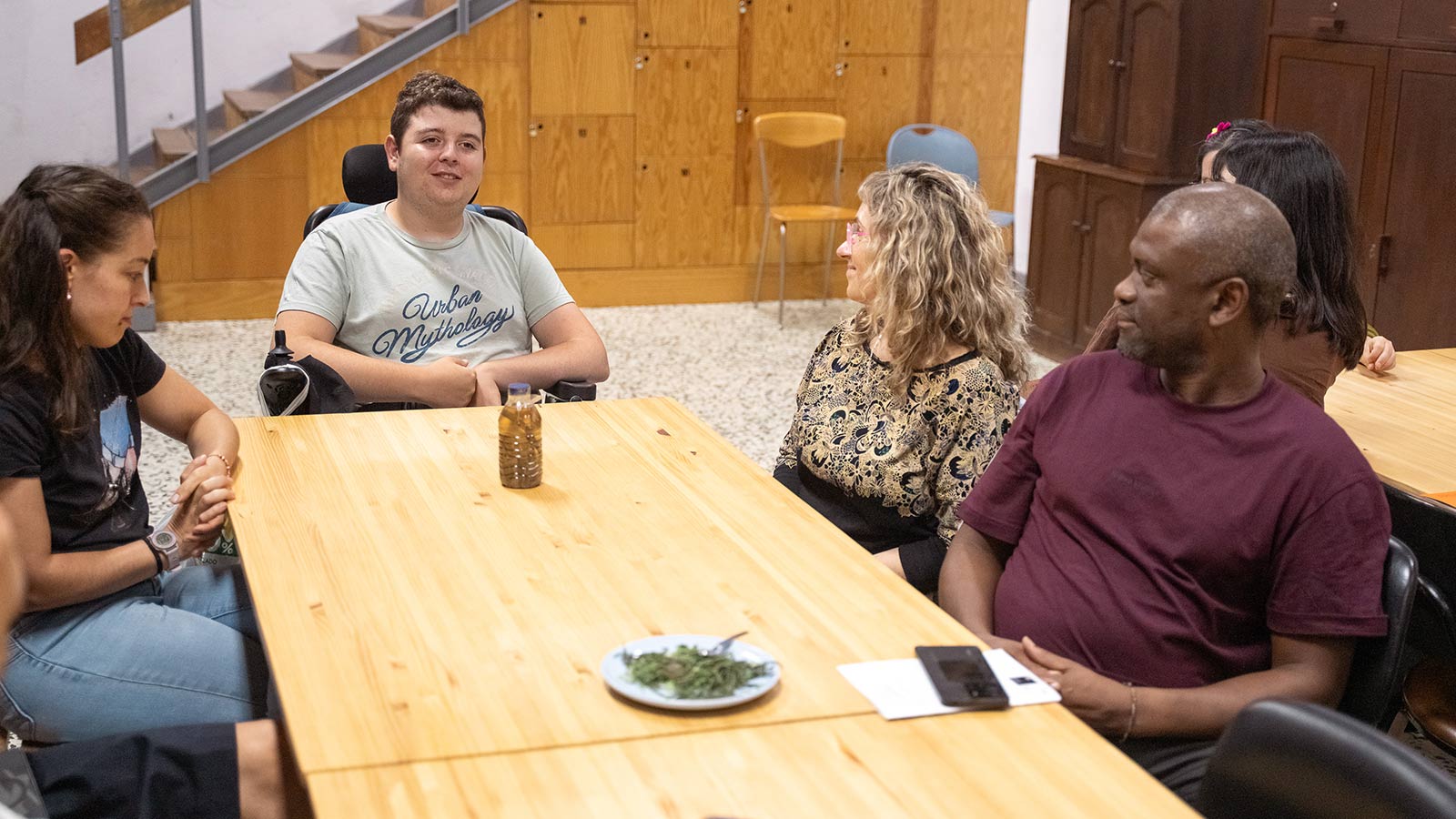
On a visit to CERCIAV in Aveiro, we are invited to start with our mouths and palates. A broth made from kombu seaweed and other vegetables, simmered for six hours, serves as the starting point for a sensory experience that challenges us to focus on the flavours, aromas and origins of the food. This is but one example of the work carried out at the Climate Laboratories for Artistic Creation – Food, led by Mariana Silva Oliveira, as part of the “From the Earth to the Mouth, from the Mouth to the Heart” project.
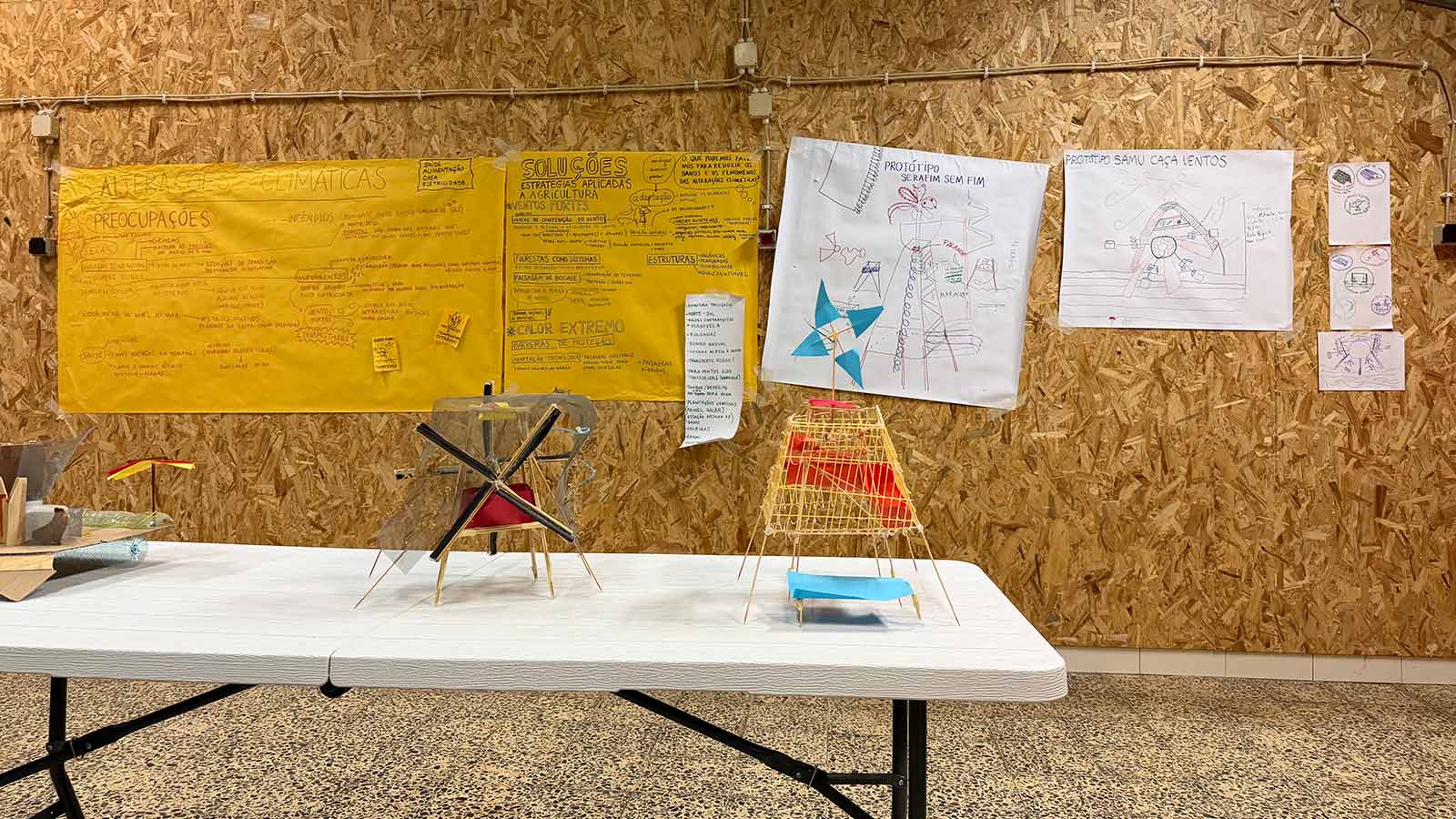
While tasting the broth, we learnt about fermentation, biodiversity and sustainable food. Throughout the afternoon, we saw some manifesto-objects created in architecture and design workshops to explore scenarios of flooding and resource scarcity, and gained insight into the creative process behind a performance that will be developed collectively.
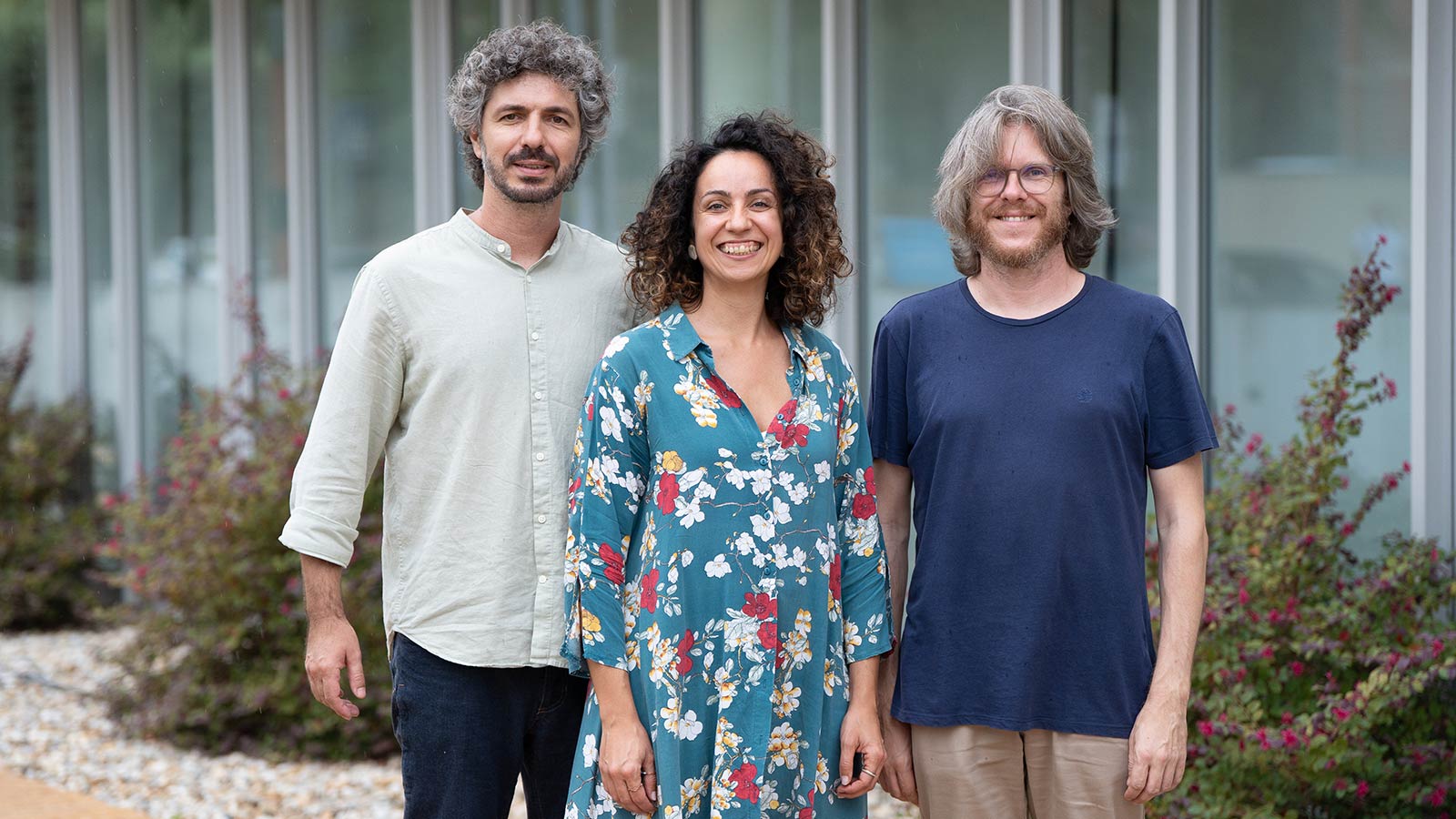
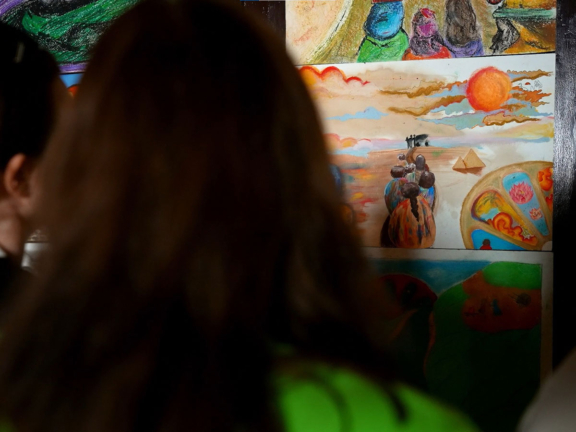
Developed by 4iS Inovação Social, in partnership with CERCIAV and Colectivo Warehouse, the project brings together people with disabilities, artists, technical staff and facilitators in a process of creation and learning that draws on different disciplines of artistic expression to explore concerns about the increasingly visible effects of climate change in the region.
A project that took shape through listening
For several years now, 4iS and CERCIAV have been working together on cultural and artistic participation initiatives, building a close and trusting relationship that has enabled them to gain a better understanding of the participants’ aspirations, concerns and capabilities.
In an area characterised by its proximity to the Ria de Aveiro, the impacts of climate change are part of everyday life for many families. Rising sea levels, flooding, periods of drought and changes to local ecosystems are not merely predictions for the future.
“We realised that there was a range of fears, anxieties and concerns that came up repeatedly in conversations”, explains João Pedro Rosa, co-founder and managing director of 4iS. “But we also realised that these people were rarely invited to take part in discussions about the issue.”
“We began by listening to people,” adds Diana Lima, co-founder of 4iS and head of innovation and development, “and we realised we were paving the way. We started with the land, because that is where everything begins: ecosystems, agriculture, the landscapes we inhabit. Then we moved on to the mouth, associated with food, but also with communication and sharing. And we ended with the heart, which is linked to health, emotions and what drives us to act.”
More than just an artistic project, the initiative seeks to create opportunities for people who are usually excluded from decision-making forums to contribute to crucial discussions about the future. “We didn’t just want to raise awareness; we wanted to create the conditions for these people to see themselves as agents of change, capable of understanding what is happening around them and of playing an active part in shaping solutions.”
Learning through the senses
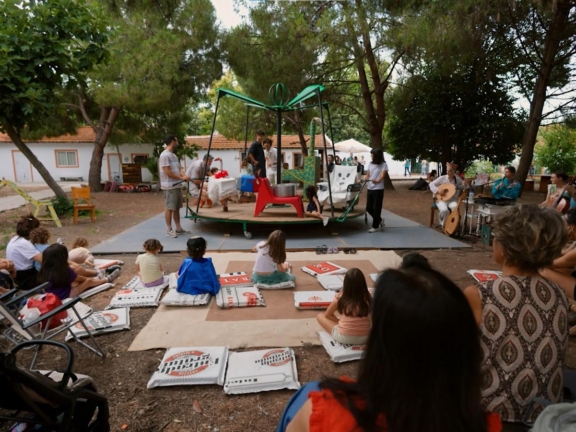
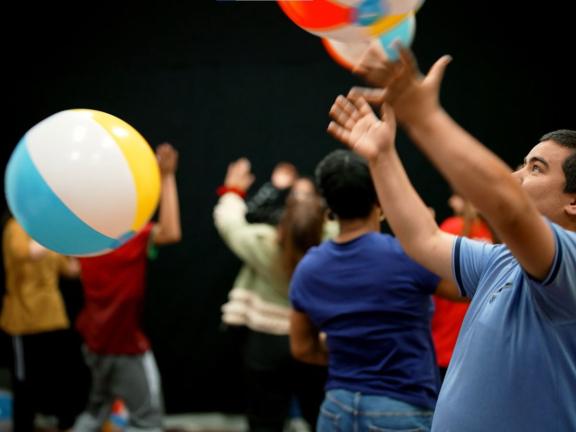
The work at CERCIAV, which has since been extended to other partner organisations in the Aveiro region, including CERCIMIRA (Cooperative for the Education and Rehabilitation of Citizens of Mira), CERCIAG (Cooperative for the Education and Rehabilitation of Citizens with Disabilities in Águeda) and CASCI (Social Action Centre of the Municipality of Ílhavo), takes two forms: creative workshops, which are held weekly, and artist residencies.
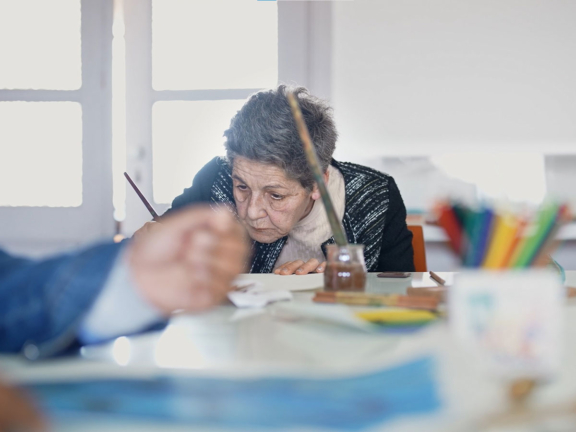
At the Climate Laboratories for Artistic Creation – Food, reflection centres on the body and the senses. Throughout the sessions, participants explore new ways of looking at food, experiment with unfamiliar ingredients, preserve and ferment food, and discuss the relationship between food, health and sustainability. “What we’re aiming for is to develop a more mindful approach to food,” explains the facilitator, Mariana Oliveira. “To pause and observe, to appreciate the textures, the aromas, the origin of the food and the effects it has on our bodies.” The kitchen becomes a space not only for discovery, but also for creation.
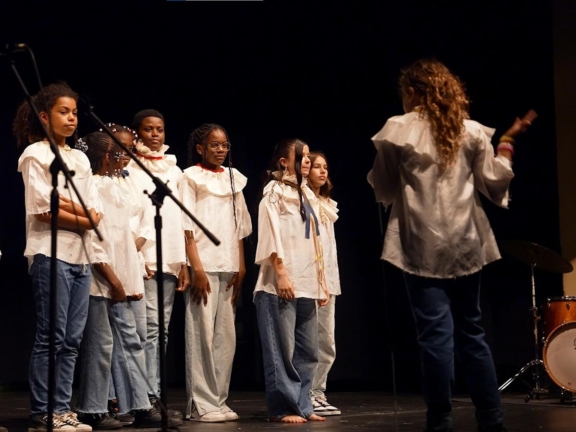
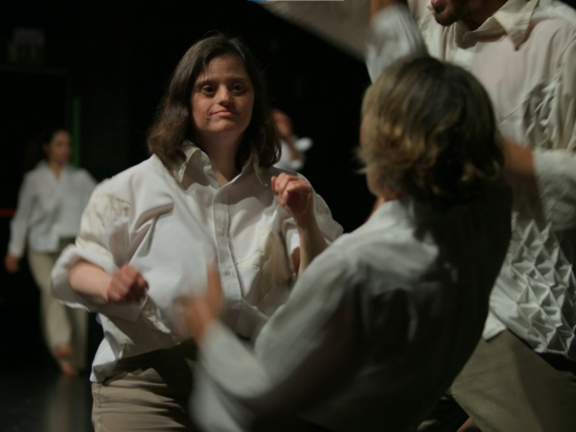
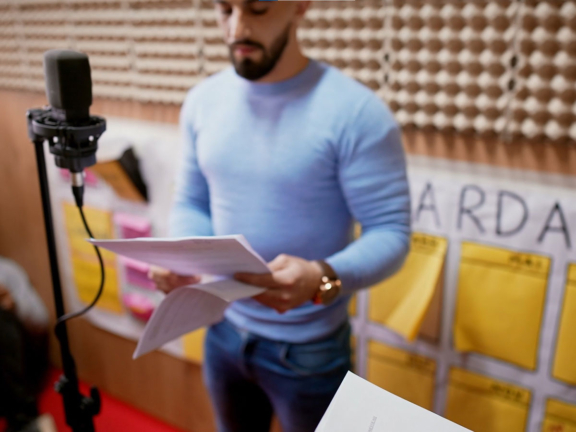
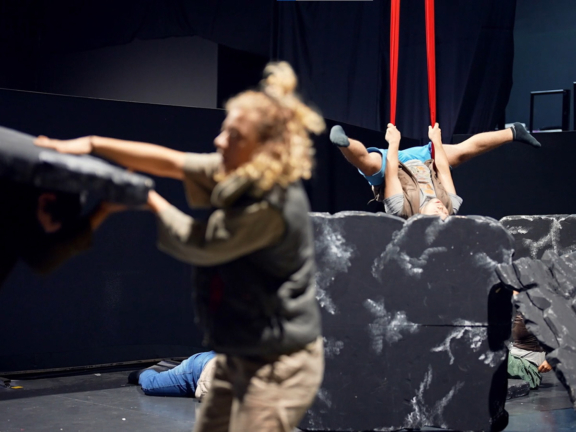
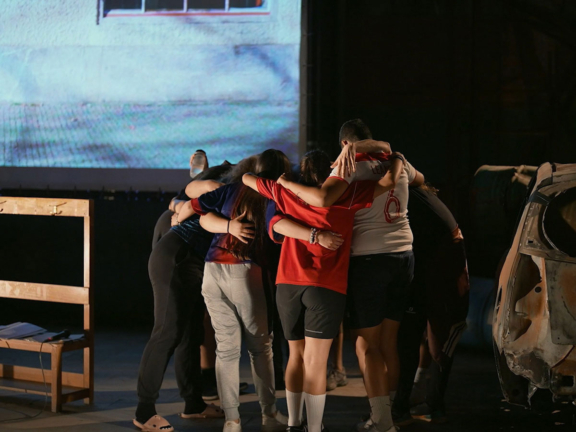
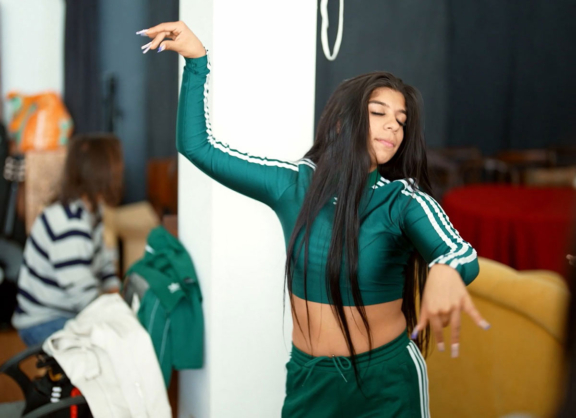
But food is just one aspect of the project. There are also drama workshops and artist residencies, developed by Patrick Murys and Pepa Macua, as part of an initiative that has been gaining momentum since its pilot year in 2025 and now involves a core group of participants.
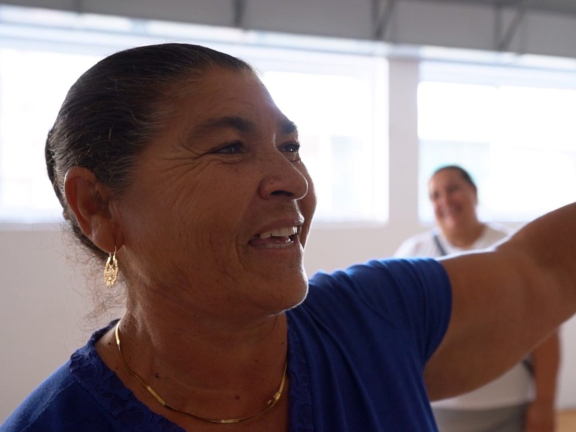
One of them is André, who describes the experience as a process of discovery. “We focused mainly on building trust in ourselves and in others,” he says. “We learnt to communicate, to get a message across, and to be on stage without fear. It really sparked our creativity. It helped us overcome our fears and be ourselves.”
For João Pedro Rosa, the participants’ commitment continues to amaze the team. “The work is undertaken with remarkable dedication. They develop improvisations, comment on their colleagues’ work, take on board criticism and carry on with the process. A genuine ethos of artistic practice has been established.” The continuity of the project, designed as a long-term initiative, has been crucial, fostering deeper relationships, developing skills and consolidating what has been learnt.
Imagining solutions to an uncertain future
Alongside nutrition and creative and dramatic expression, imagination takes on particular importance in the architecture and design workshops run by Colectivo Warehouse, in collaboration with trainees from CERCIAV’s carpentry and agriculture programmes.
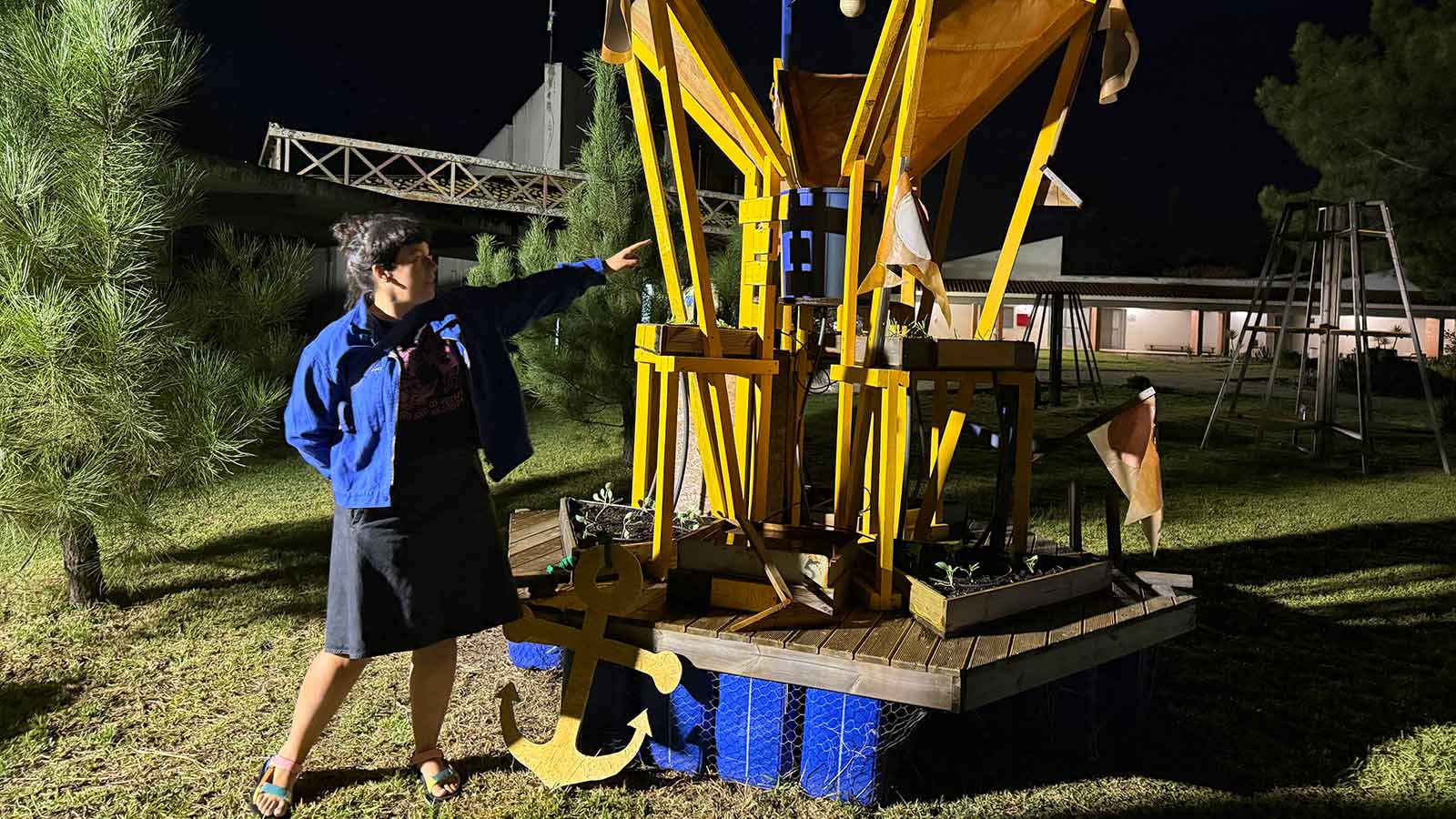
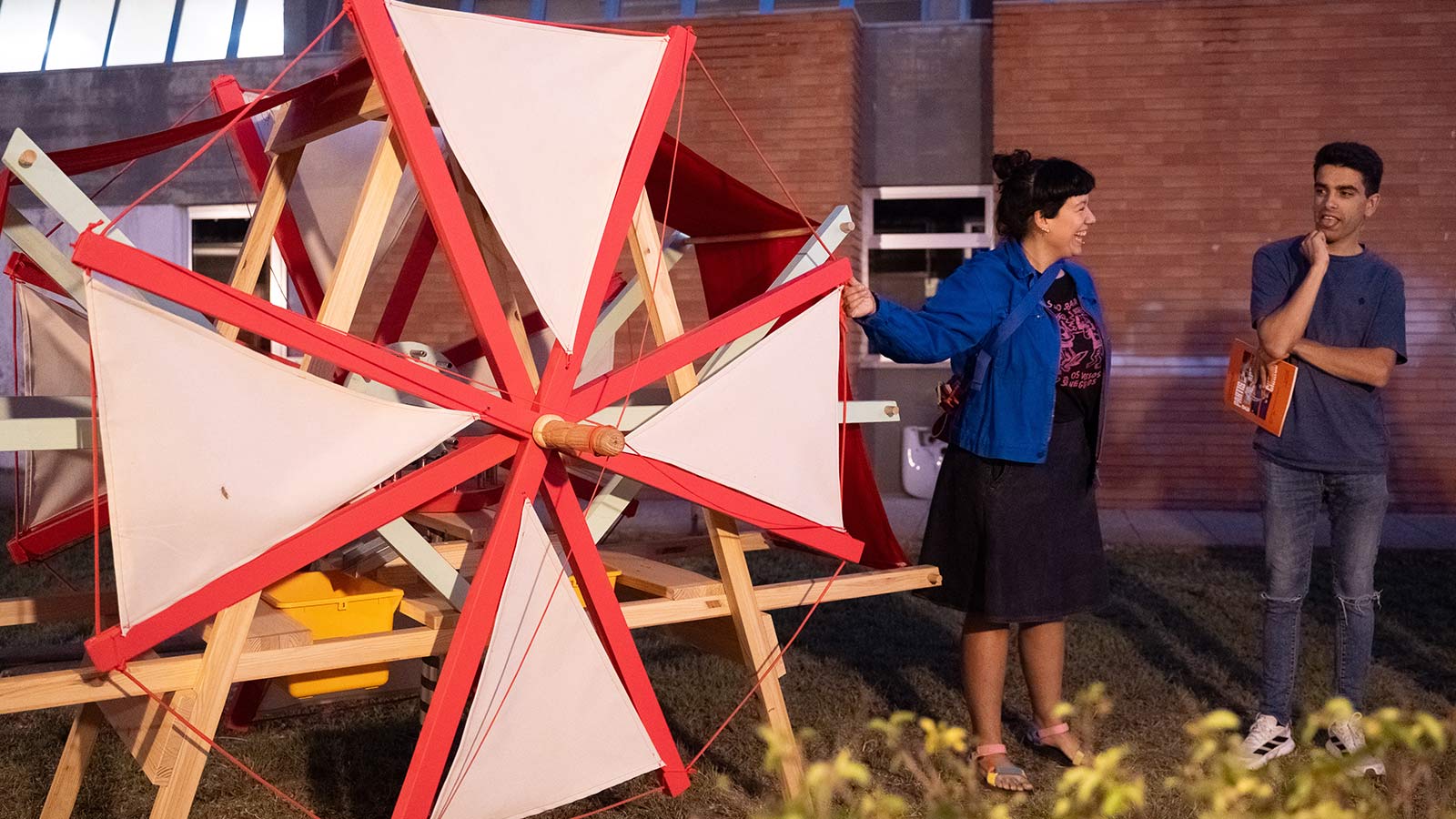
The cooperative’s gardens contain structures built from wood and reused materials. Some resemble agricultural machinery; others look like prototypes straight out of a science fiction scenario. In reality, they are manifesto-objects developed by the participants themselves. “The first step was to identify concerns and challenges,” explains Mari Cara d’Anjo, one of the architects who is part of Colectivo Warehouse. “Then we sought to transform them into objects that would help us imagine possibilities.”
Among the proposals is an ‘Apocalyptic Raft’, designed to cope with flooding scenarios and equipped with small growing areas, rainwater harvesting systems and seed storage facilities. Other structures explore ways of tackling prolonged droughts or protecting crops exposed to extreme weather events.
Rather than simply presenting ready-made technical solutions, the objects give tangible form to the questions, fears and desires expressed by the participants. In the words of João Rosa, “when someone imagines a raft to cope with flooding or a system to protect a vegetable garden from drought, they are doing more than just building an object. They are reflecting on real problems and imagining ways to address them. That is participation.”
A seat at the decision-making table
Throughout the visit, one idea emerged time and again: the importance of creating contexts in which participants can demonstrate abilities that are often overlooked. João Rosa recalls the case of Marco, a deaf participant who took part in the architecture and design workshops. “During a technical drawing exercise, he began to communicate with us through his drawings. We realised he had an extraordinary talent for visual representation.” Today, Marco remains involved with the project and is described by the trainers as an essential presence in the collective creative processes.
Stories like this help us understand why the team places such great emphasis on the active involvement of participants at every stage of the project. It is not simply a matter of involving them in activities. It is about creating the conditions for them to come up with solutions, make decisions and contribute to discussions that usually take place without them.
That was how Diana Lima felt at the end of the first residency in the pilot phase. On that day, the participants had taken the ‘Apocalyptic Raft’ out onto the water to test whether the structure they had imagined could actually float. The exercise marked the culmination of an intense process of collective creation, but the discussions quickly moved beyond the object they had built. “They asked us: ‘And now, how do we get this across to the decision-makers? How do we show that these ideas are important?’” she recalls. “For me, that was a decisive moment. We realised that the project was achieving what we had hoped for: creating the conditions for active participation and genuine citizenship.”
From the earth to the mouth. From the mouth to the heart. A journey that begins with observing the land, involves artistic creation, and leads to a simple idea: everyone should have a place at the table when we imagine more inclusive and sustainable futures.
PARTIS & Art for Change
Explore the series
No results were found for your criteria.
You may also like
No results were found for your criteria.