
A place to think
-
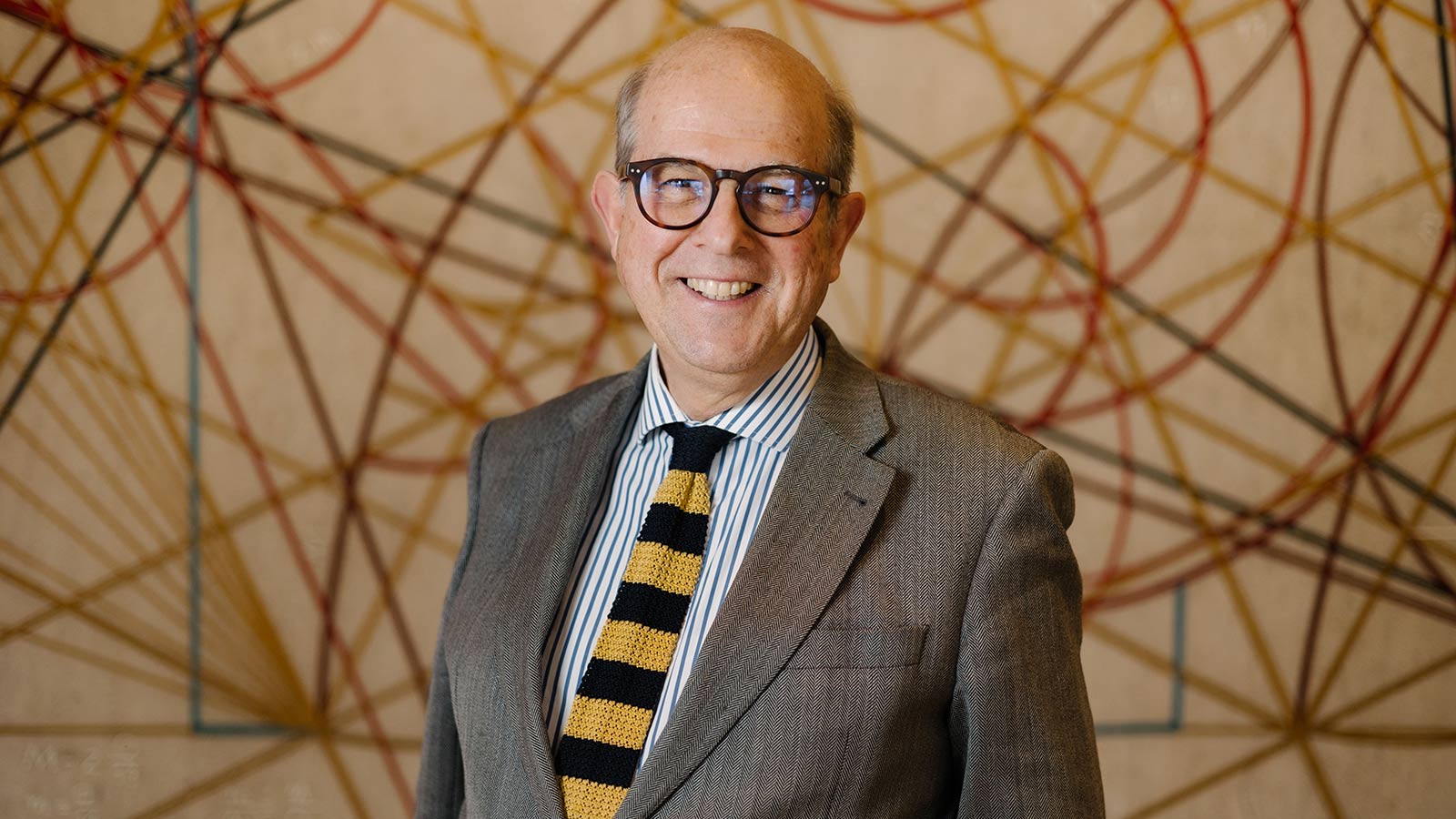
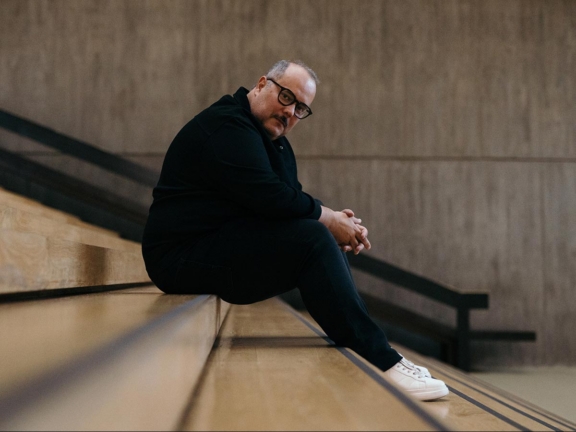
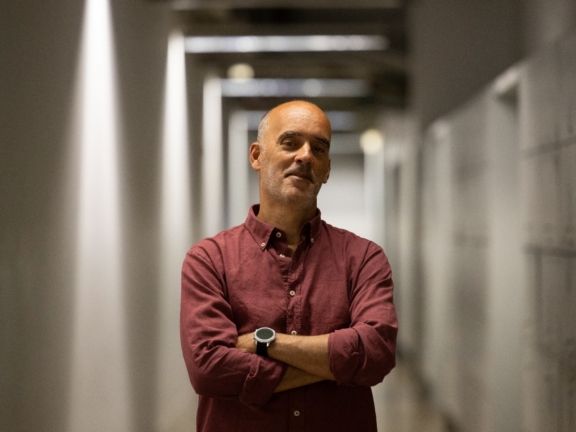
Miguel Tamen, Director of the Gulbenkian Institute for Advanced Study © Diana Tinoco
A graduate of the University of Lisbon’s Faculty of Arts and Humanities, with a PhD from the University of Minnesota, Miguel Tamen is a university professor and, in February 2025, became the first Director of the Gulbenkian Institute for Advanced Study. In this interview, he explains what this new institute is and what is expected of it.
How did the idea of creating an Institute for Advanced Study come about?
The idea of creating the Institute emerged recently, but it had been floating around for a long time. Over the years, several people who had spent time at similar institutes suggested it to the Foundation. One of them was Ambassador José Cutileiro, who had been a fellow at the Institute for Advanced Study in Princeton.
And what happened to actually get it off the ground?
A combination of factors. The Foundation was keen to create an institute of this kind and invited a number of people to help devise a roadmap for a potential institute. I was one of them, and I never imagined that, a few months later, I would be invited to lead it.
Is the Calouste Gulbenkian Foundation the ideal place to establish an institute of this nature?
A foundation —particularly Portugal’s largest foundation— has the standing, independence and experience needed to set up a streamlined structure in a very short space of time. Moreover, it is not susceptible to the pressures that universities face, whether administrative, bureaucratic or of another nature.
In the global context, was there a need for an institute of this kind? Was it a priority?
Yes, precisely because most public debate tends to focus on major global priorities — and those conversations tend primarily to satisfy the people taking part in them. In a world where most people live, and seem to enjoy living, in a permanent state of emergency, the idea of having a place where people can withdraw and think is more important than ever.
How will it work? What will it produce?
Every year, we will welcome 15 new fellows, from a wide range of disciplines, except laboratory-based and applied fields. These 15 people will work alongside one another on very different subjects, but they will also talk to one another. When people from different worlds meet, they find a common language — and that exchange often gives rise to very useful ideas. When a historian and a physicist spend time together, for example, new things can happen. That is what we would like to see happen here.
How will you encourage these encounters?
In three different ways. The first is over coffee. We should never underestimate the conversations that take place around a coffee machine; we have all met people and had interesting conversations while waiting for our coffee. The second is through regular, informal presentations given by the fellows to one another during their time here, followed by discussion. Finally, we hope the fellows will propose initiatives and set up discussion groups, either among themselves or with people from outside the Institute. We are entirely open to ideas.
Were you surprised to receive almost 500 applications from such diverse geographical regions and covering such a wide range of subjects?
As this was our first call, we did not really know what to expect, but nearly 500 applications was beyond anything we had anticipated. We were also taken aback by three other things. the remarkable geographical reach: applications came from 65 countries on every continent. Second, the diversity of the applicants themselves: we attracted younger and older people, some very well known in their fields and others who were not known at all. Third, although most fellows have ties to universities, this did not discourage people without such affiliations from applying.
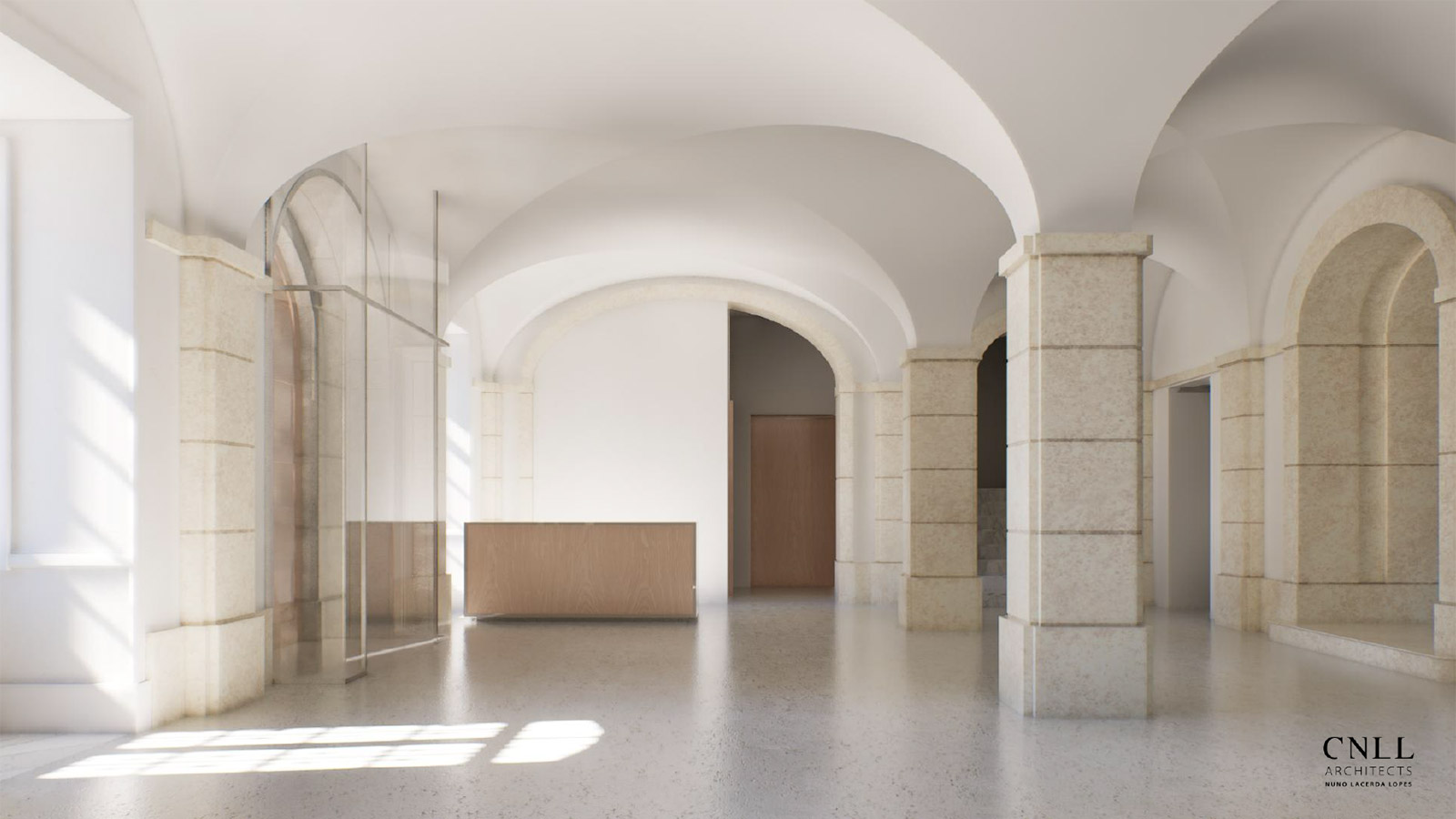
During its first few years, the Institute will be based at the Foundation’s headquarters, before moving to its own premises. What brief were the architects given for creating an ecosystem that encourages thought and conversation?
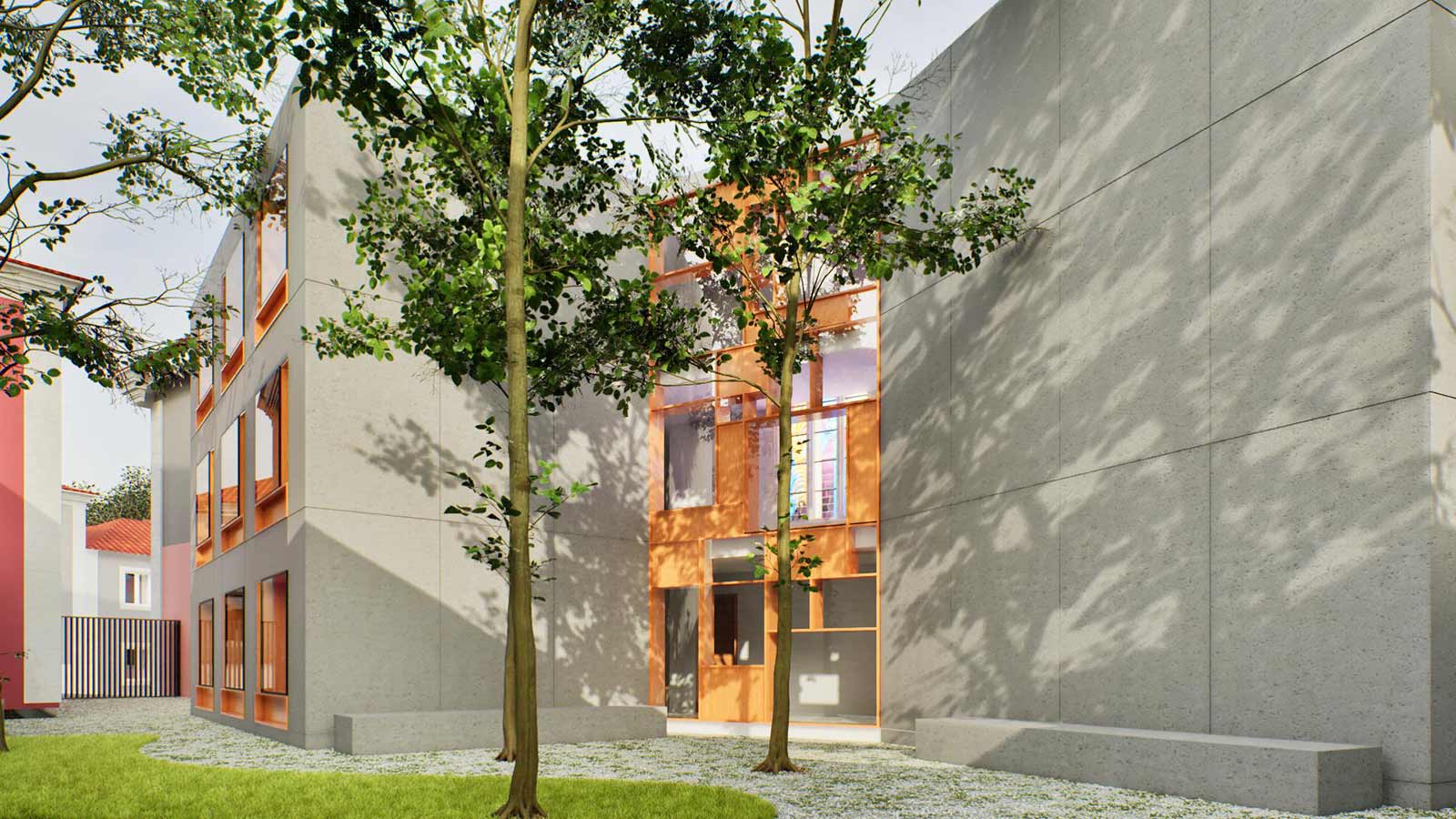
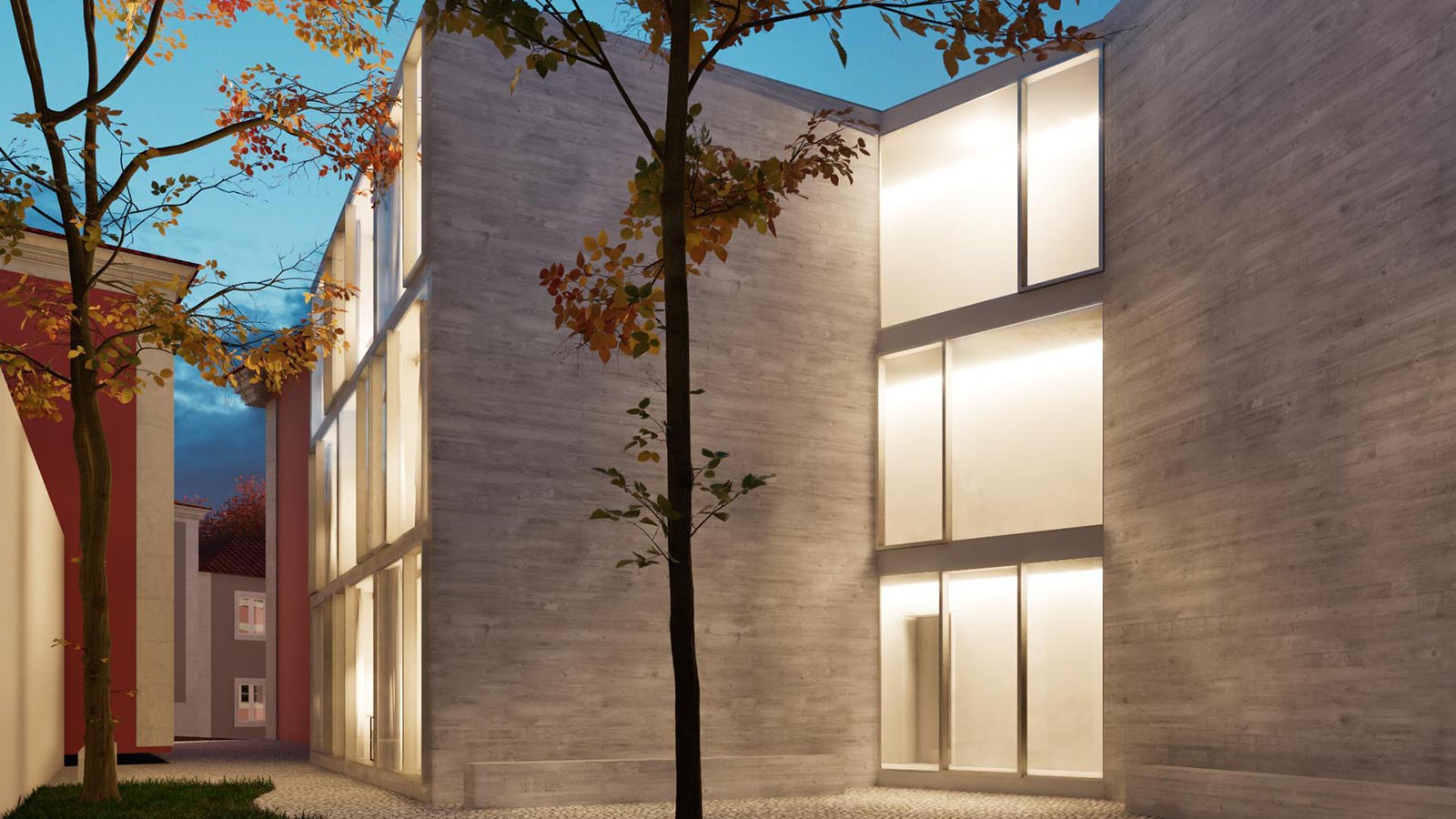
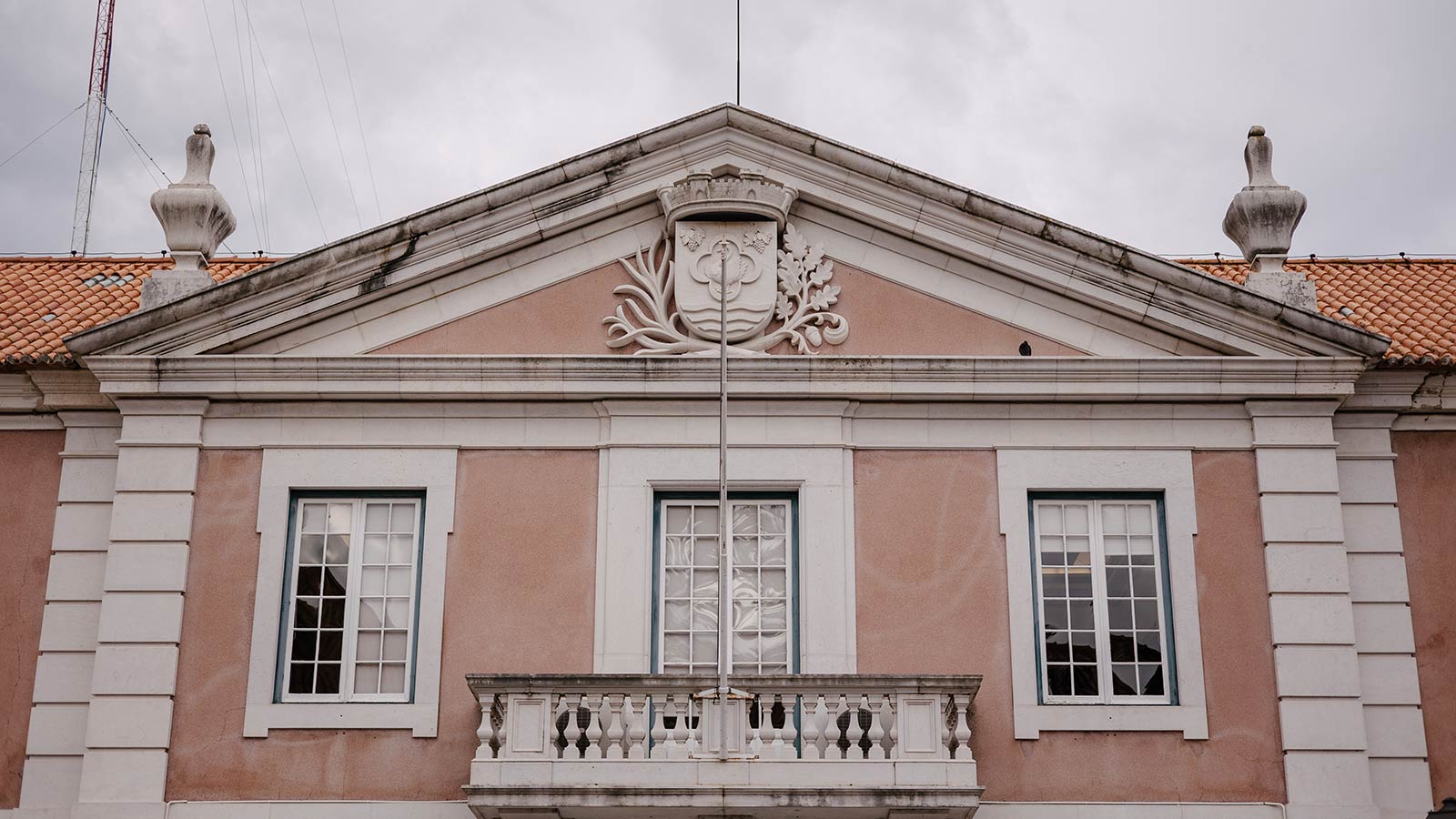
The Institute’s future home will be in a building currently occupied by Oeiras Municipal Council services, which was once an annexe of the Palace of the Marquis of Pombal. There is a wonderful historical symmetry here, because the Foundation itself began life at the Palace of the Marquis of Pombal.
The building will be completely renovated, and we had to explain to the architects what kind of creature an institute like this is, what sort of space we would need and how we expected people moving through it. The analogy that occurred to us was that of a monastery, with both a public area and a completely private one.
What will it be like?
The building has three floors. The ground floor will house the administrative offices, an auditorium and a larger meeting room, all of which will be open to the public. We expect some of the Institute’s initiatives to occasionally have a public dimension. The first and second floors will contain offices for each fellow.
There will also be a common room on the first floor where fellows can meet, two or three smaller discussion rooms and a restaurant, where lunch will be served every day and where lunchtime presentations will sometimes take place.
Has it made a difference to begin life at the Foundation’s headquarters?
The Institute is —and cannot conceive of itself as anything other than— part of the Foundation. This is absolutely essential to us. On the one hand, there is an almost perfect alignment between the Foundation’s statutory purposes and the aims of the Institute. But there is a second reason: the Foundation has a culture of autonomy and independence, as well as practical experience unmatched by any other institution in Portugal, in nurturing new ideas under its umbrella.
Do you expect the Institute’s move to Oeiras to change its dynamics?
There may be some minor changes, but we wanted the Institute to have a firmly established culture before moving there. Naturally, having a little more space may allow us to do more things.
Conversely, might the IGEA’s time at the Foundation’s headquarters have an impact on the Foundation itself?
I would not presume that it will change the culture of a 70-year-old institution. But as those working at the Foundation’s headquarters become more familiar with the Institute, ideas for collaboration and new ways of engaging may emerge between the Institute and other, much more prominent parts of the Foundation.
Can we expect public initiatives from the outset?
Our primary mission is to give a group of people the peace and quiet they need to think together. That said, some of our activities may have a public dimension. We are open to organising small- or medium-scale public events proposed by the fellows.
We will also hold an annual public lecture, given by a prominent figure on a subject relevant to public debate. Our first guest, this November, will be David Nirenberg, Director of the Institute for Advanced Study in Princeton, which is both a model and a founding inspiration for institutes of this kind. Professor Nirenberg will spend two days discussing the relevance of the humanities. With so much concern about the urgency of the contemporary situation, people tend to pay less attention to fields of knowledge that appear to have fewer practical consequences. Yet the so-called technical and political fields often have no practical consequences either.
Does the IGEA have any other distinctive features?
One distinctive feature that sets us apart from most other institutes is that, when fellows leave, they will remain fellows of the Institute. They will remain fellows of the Institute. Our hope is gradually to build a community of people who have spent time here with us and who can continue to contribute and suggest ideas for us to pursue.
Learn moreYou may also like



No results were found for your criteria.