
An “enriching” passing of the baton from one generation of Gulbenkian Talents to the next
-
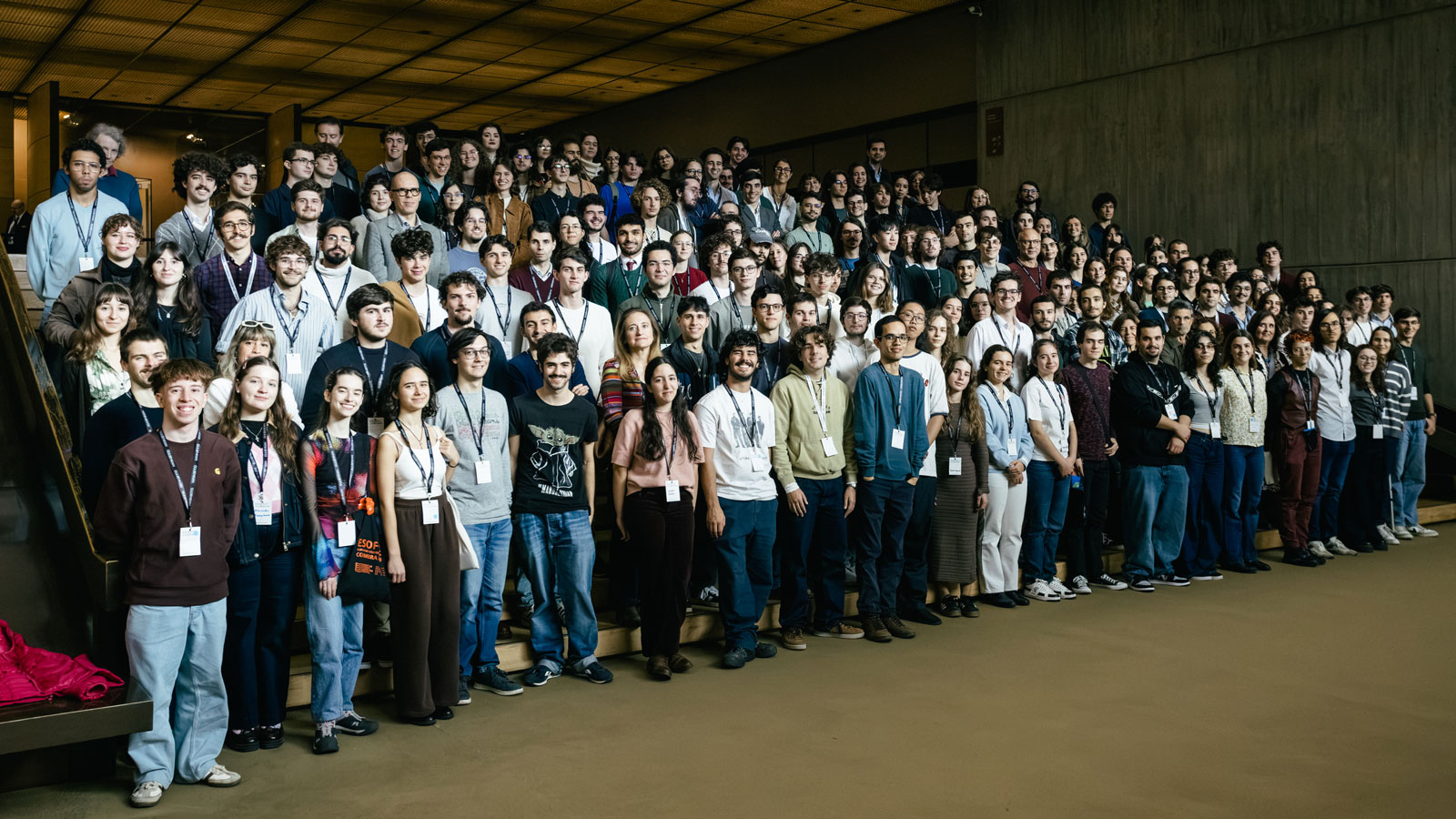
Gulbenkian New Talents gathering
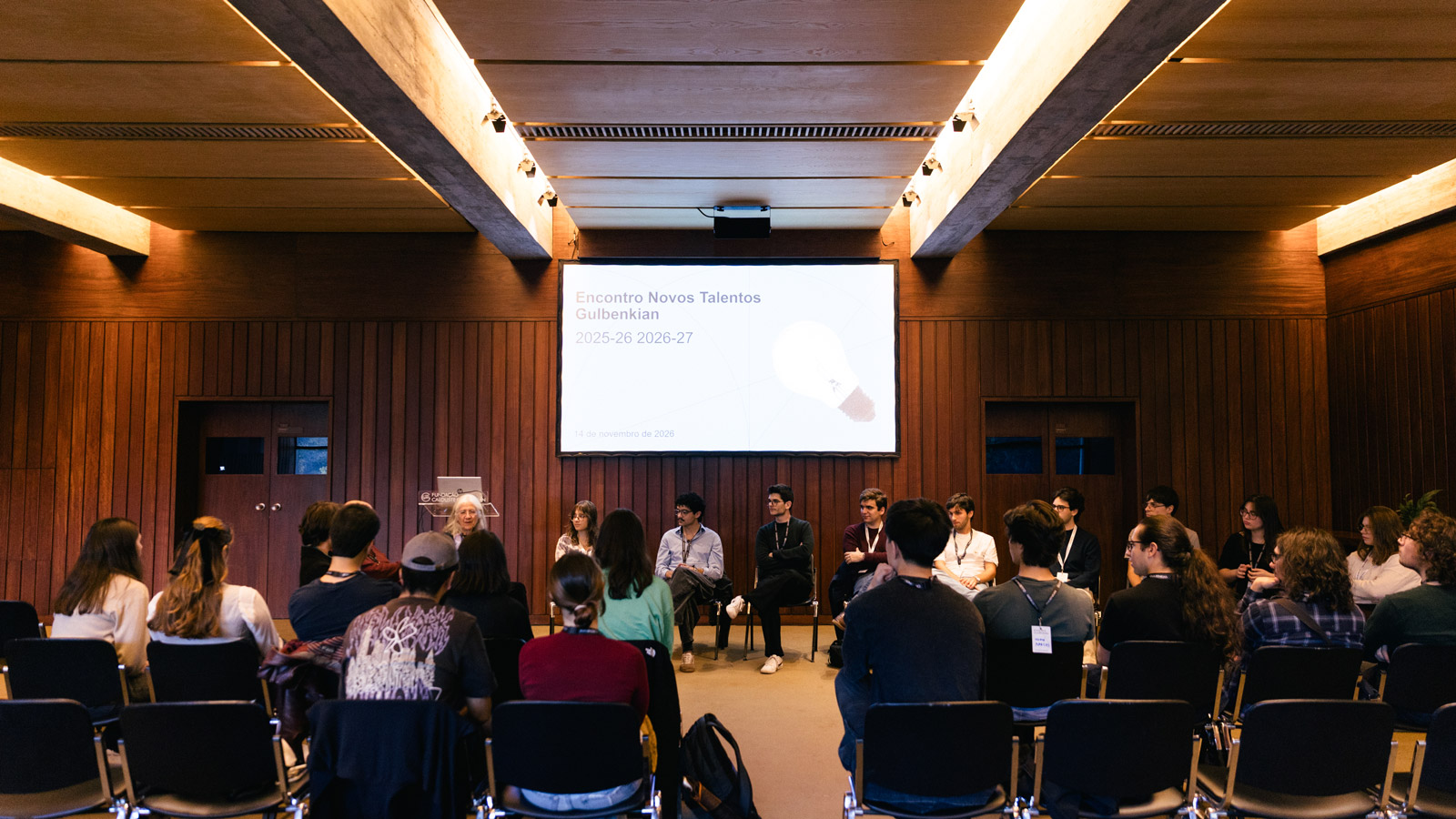
Around 150 young people attended this gathering, held in the year in which the Gulbenkian Foundation celebrates its 70th anniversary. For the first time, those who had completed their research projects had the opportunity to introduce themselves and share their experiences with the newcomers.
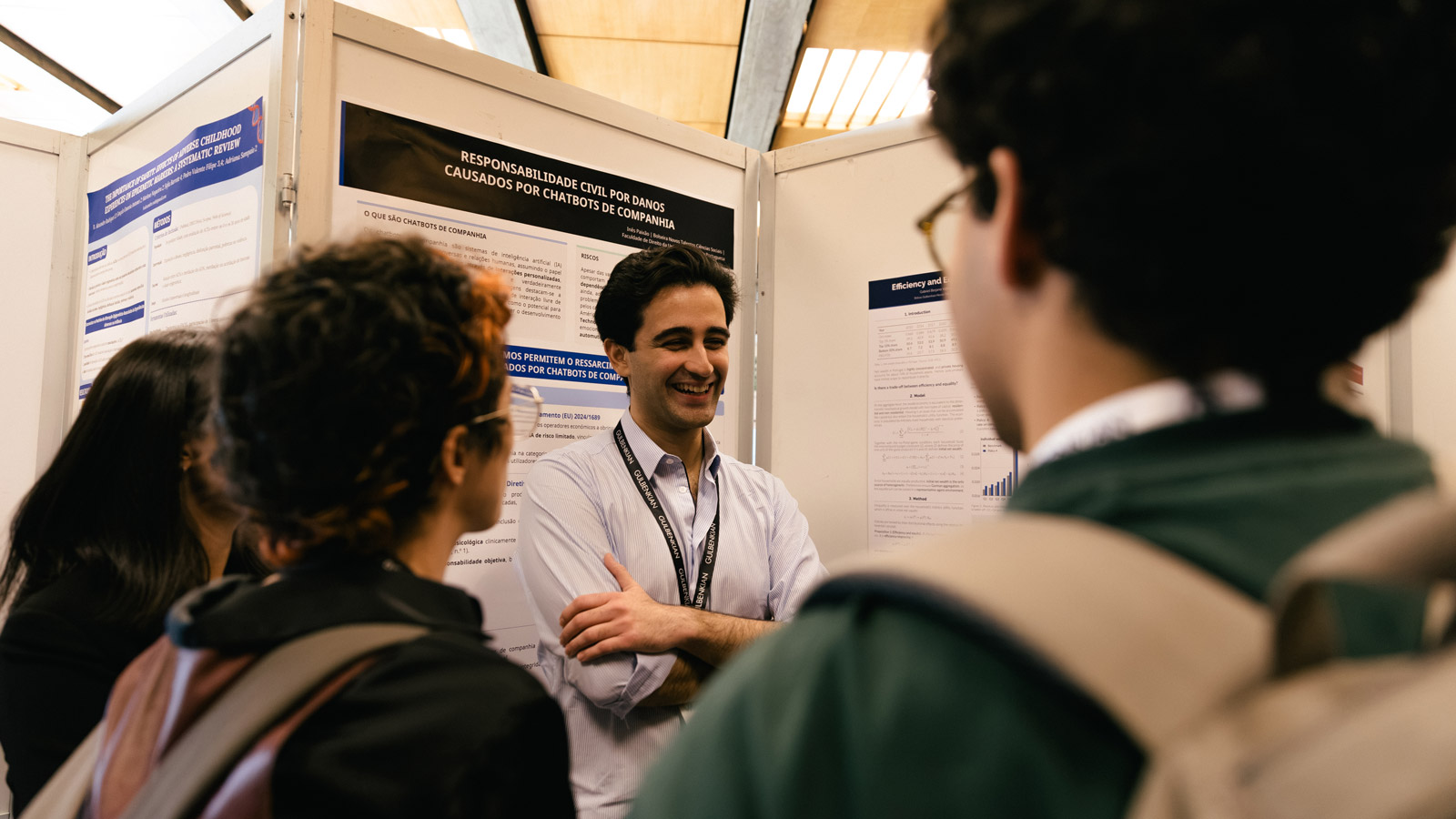
Mathematicians learned a little about Psychology, while chemists and economists explored aspects of History or Architecture. It is precisely these differences that make conversations between exceptional students so enriching. They are eager to seize this opportunity to broaden their horizons, because “research requires specialised knowledge, but also,” as the Secretary of State for Higher Education, Cláudia Sarrico, emphasises, “autonomy, creativity and the ability to work with people who have different perspectives.”
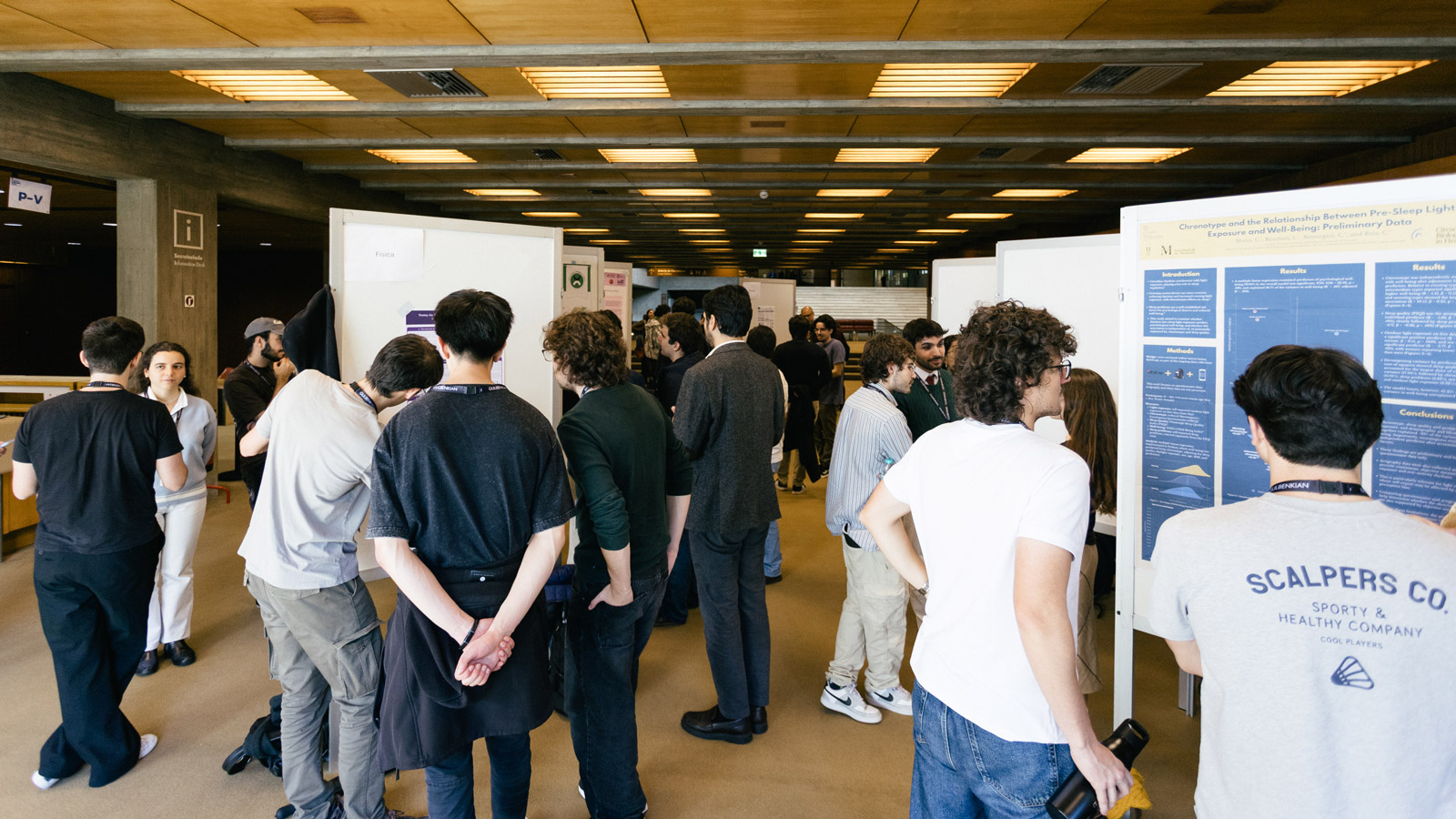
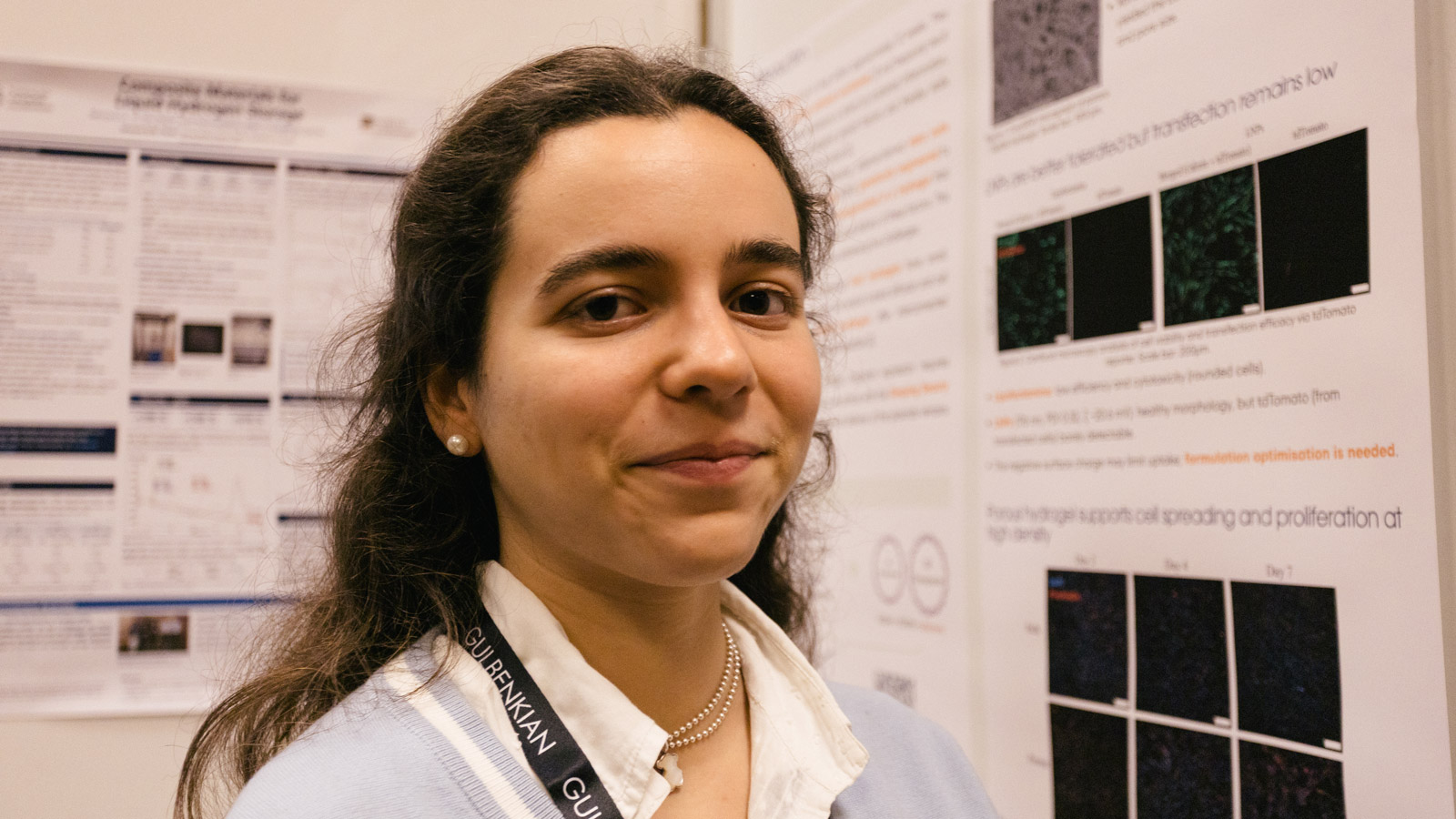
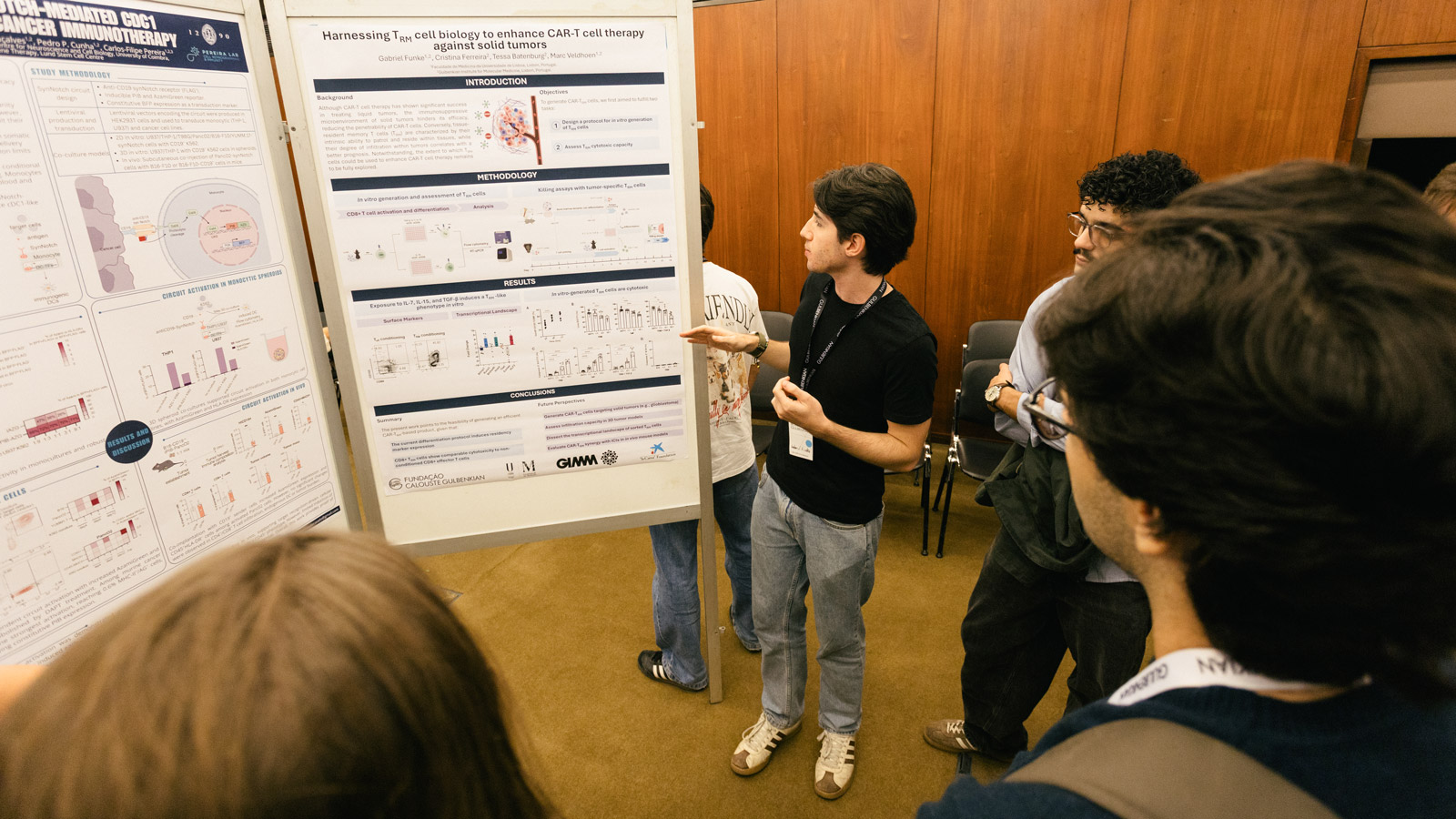
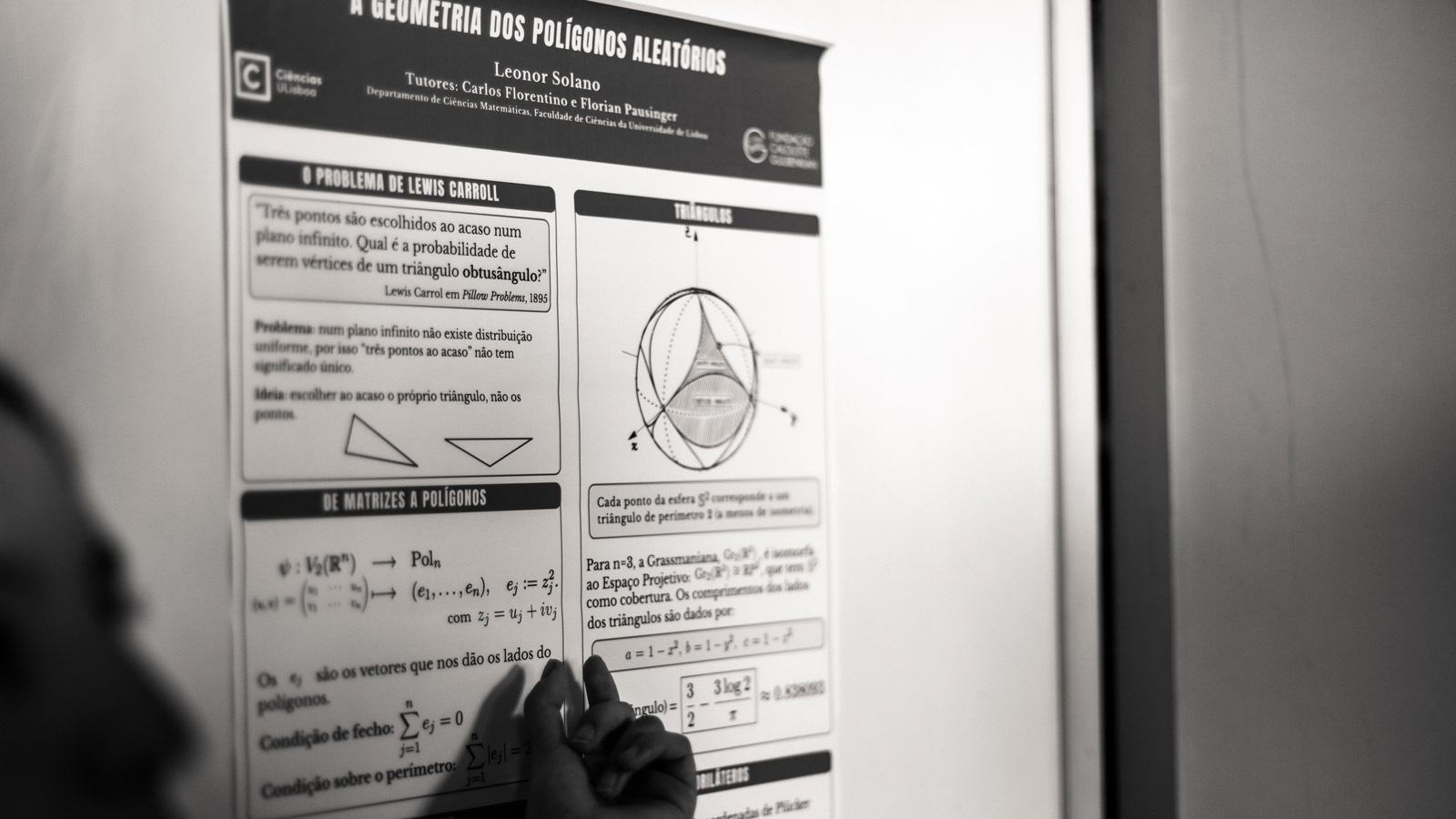
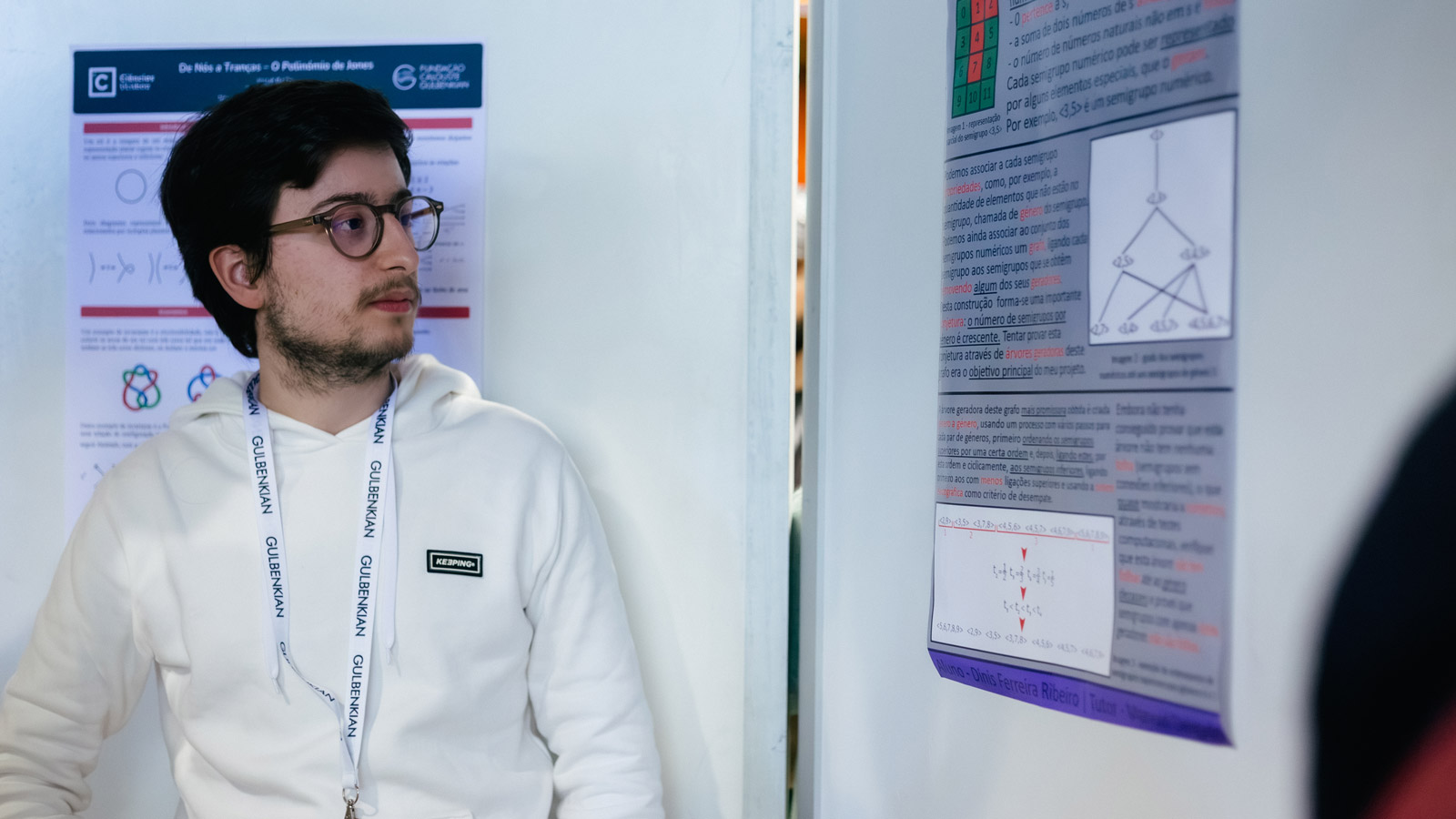
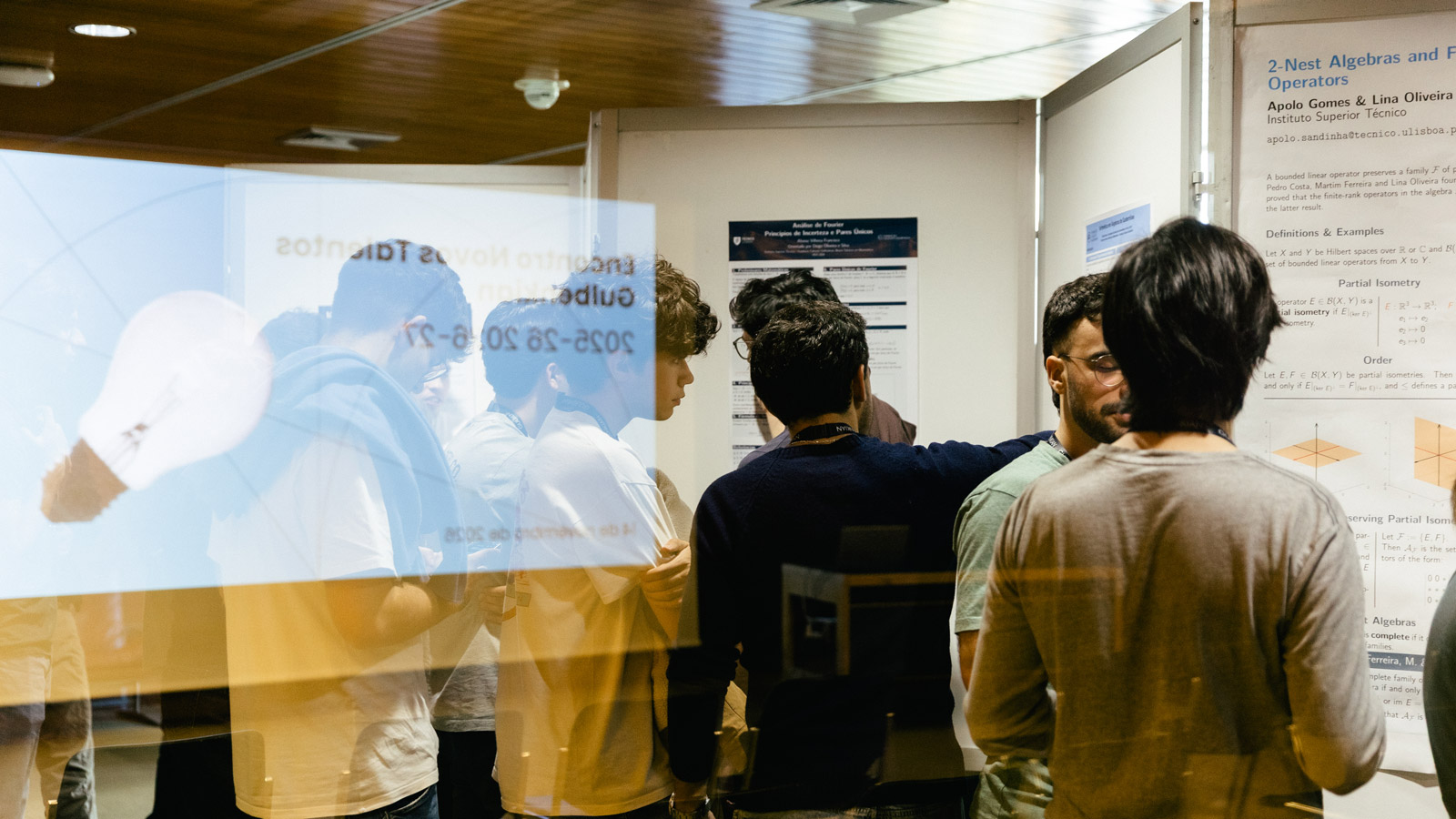
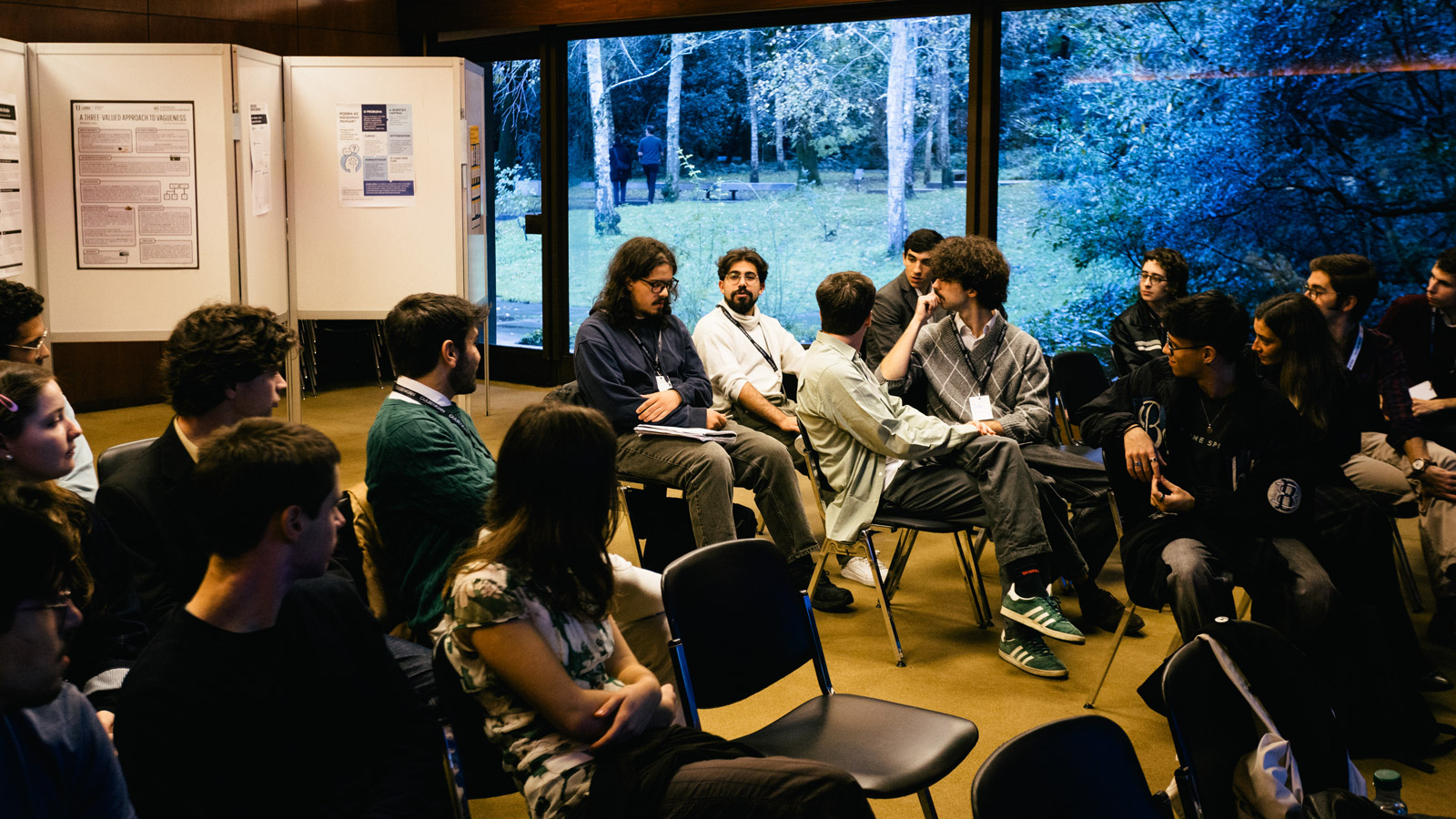
All in their twenties, these young people share an inspiring enthusiasm for their fields of study and for the projects they have just completed, which are presented on posters displayed throughout the Gulbenkian Foundation’s corridors, attracting considerable curiosity. While the former scholars are excited to share their findings, the newcomers are eager to get started.
After posing for the traditional photograph beside their respective posters, former and incoming scholars split into different rooms according to their fields of study. The former are now completing an “enriching” year, not only because of the experiences made possible by the New Talents Scholarship, but also because of what they have achieved through the projects they are presenting. Some hope to continue exploring their research, while others already have new ideas in mind.
“Commitment can be dangerous, and indecision can be beneficial”
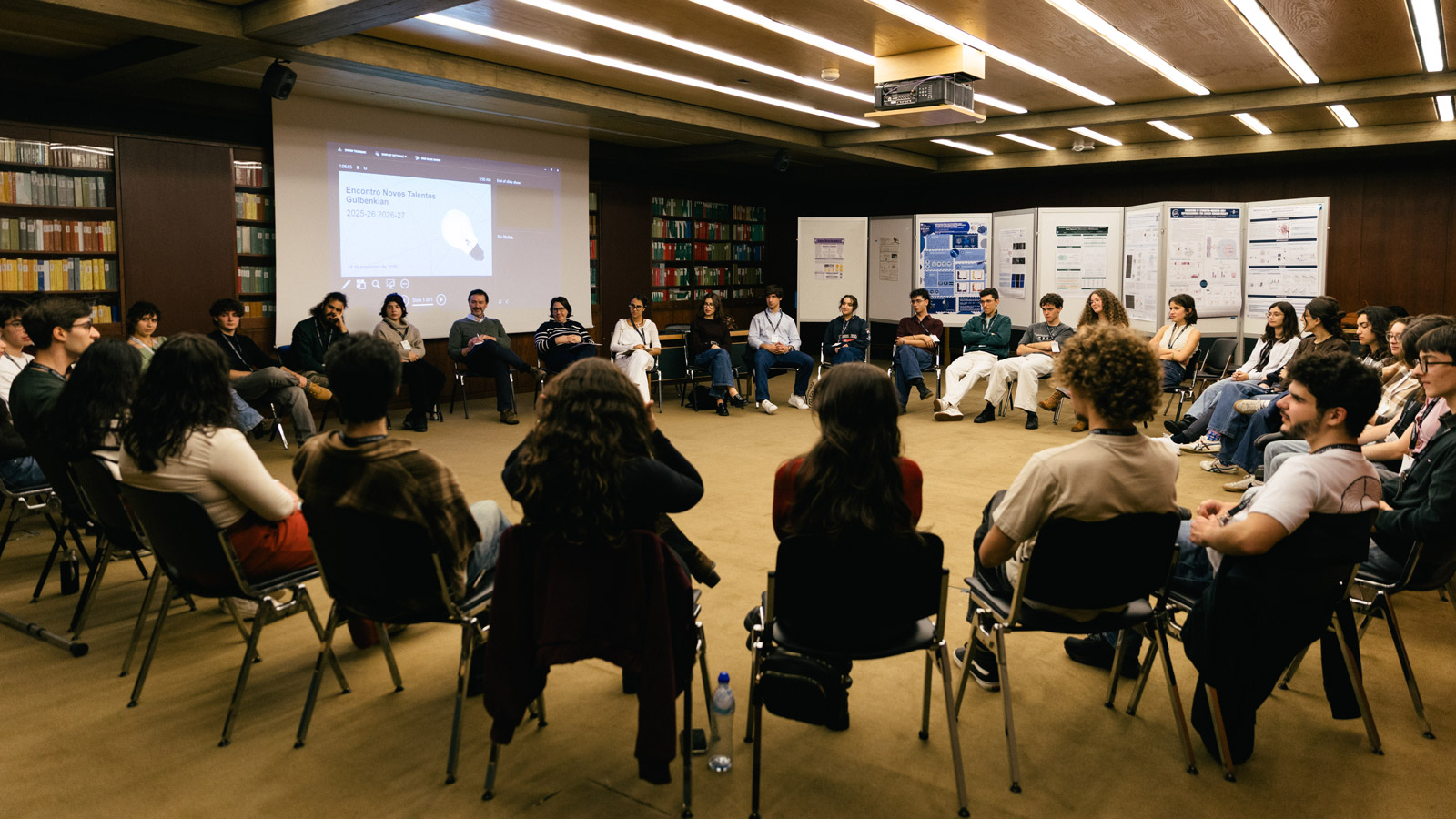
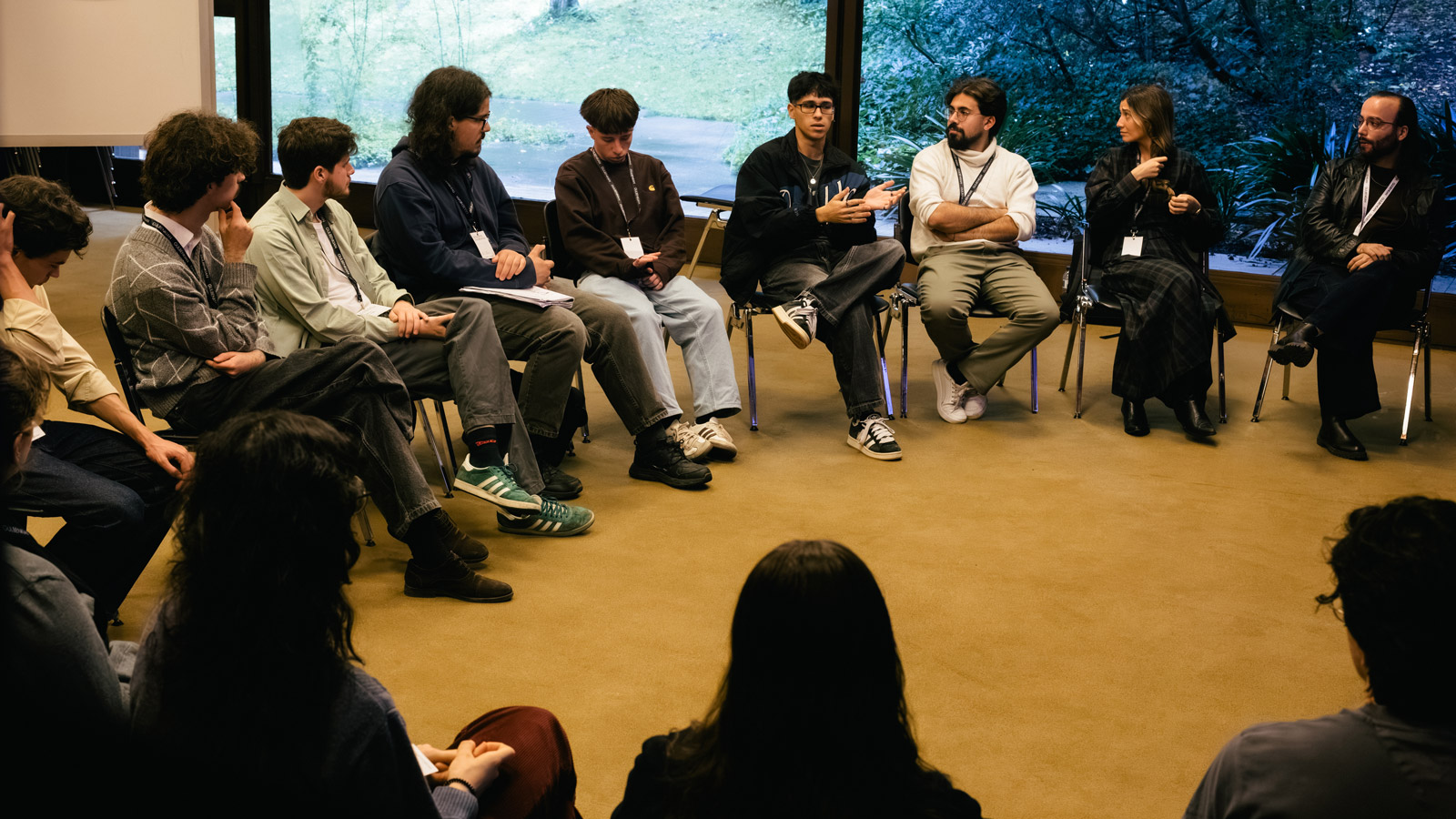
In the Social Sciences room, the incoming scholars take the floor. In Chemistry, the conversation follows no particular order: sometimes former scholars exchange experiences, while at other times newcomers ask questions. In the Humanities and Biology rooms, discussions follow the order in which participants have chosen to sit. In Mathematics, where the room layout does not allow for the same approach, those who wish to speak stand up and share how they came to be there.
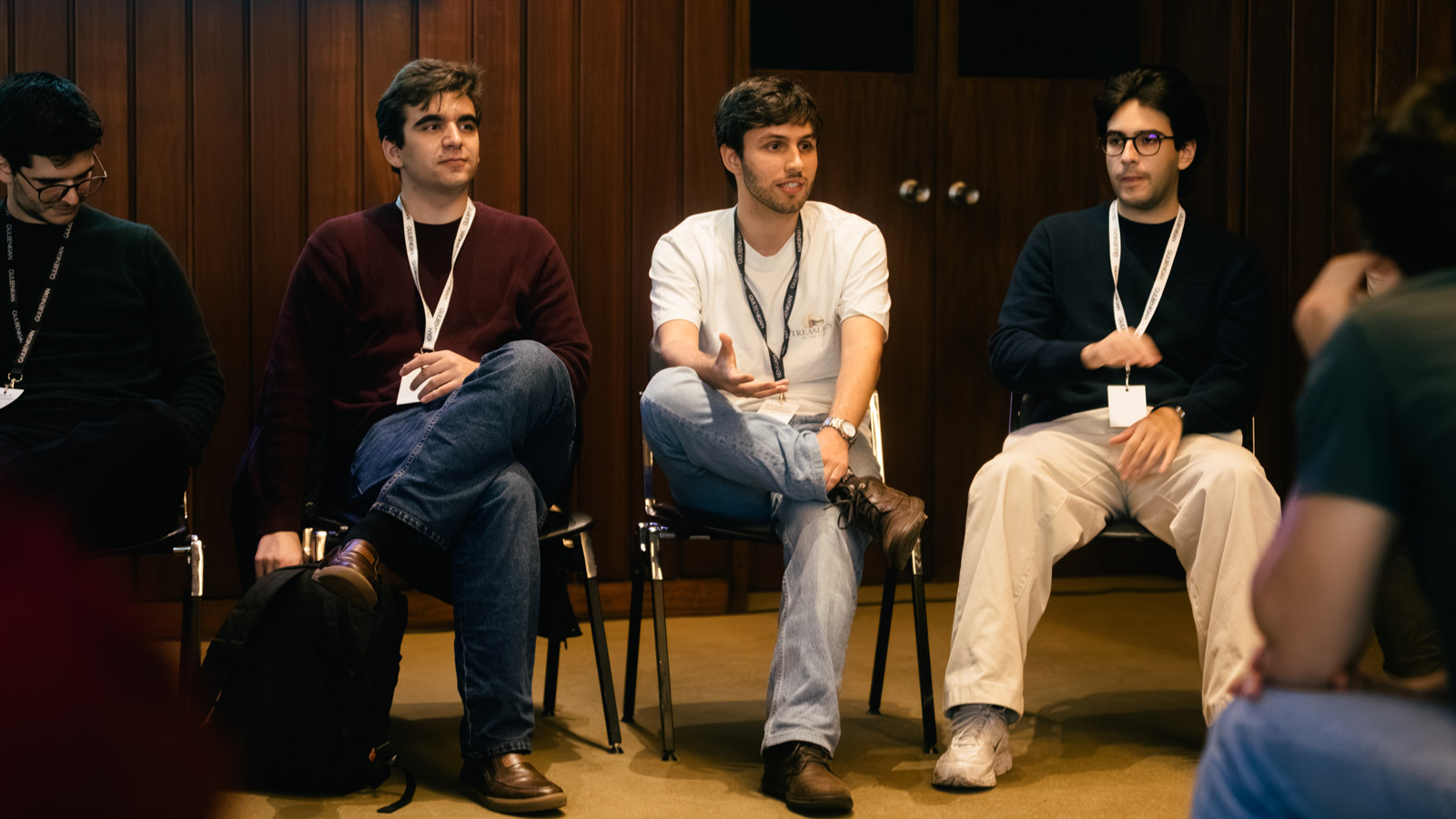
Across the different rooms, advice is exchanged from scholar to scholar: “Talk to scholars from other fields,” “You should attend conferences, but also try to broaden your minds,” “Communication gave me confidence,” “This scholarship helped me develop skills,” and “Making mistakes is part of the process.”
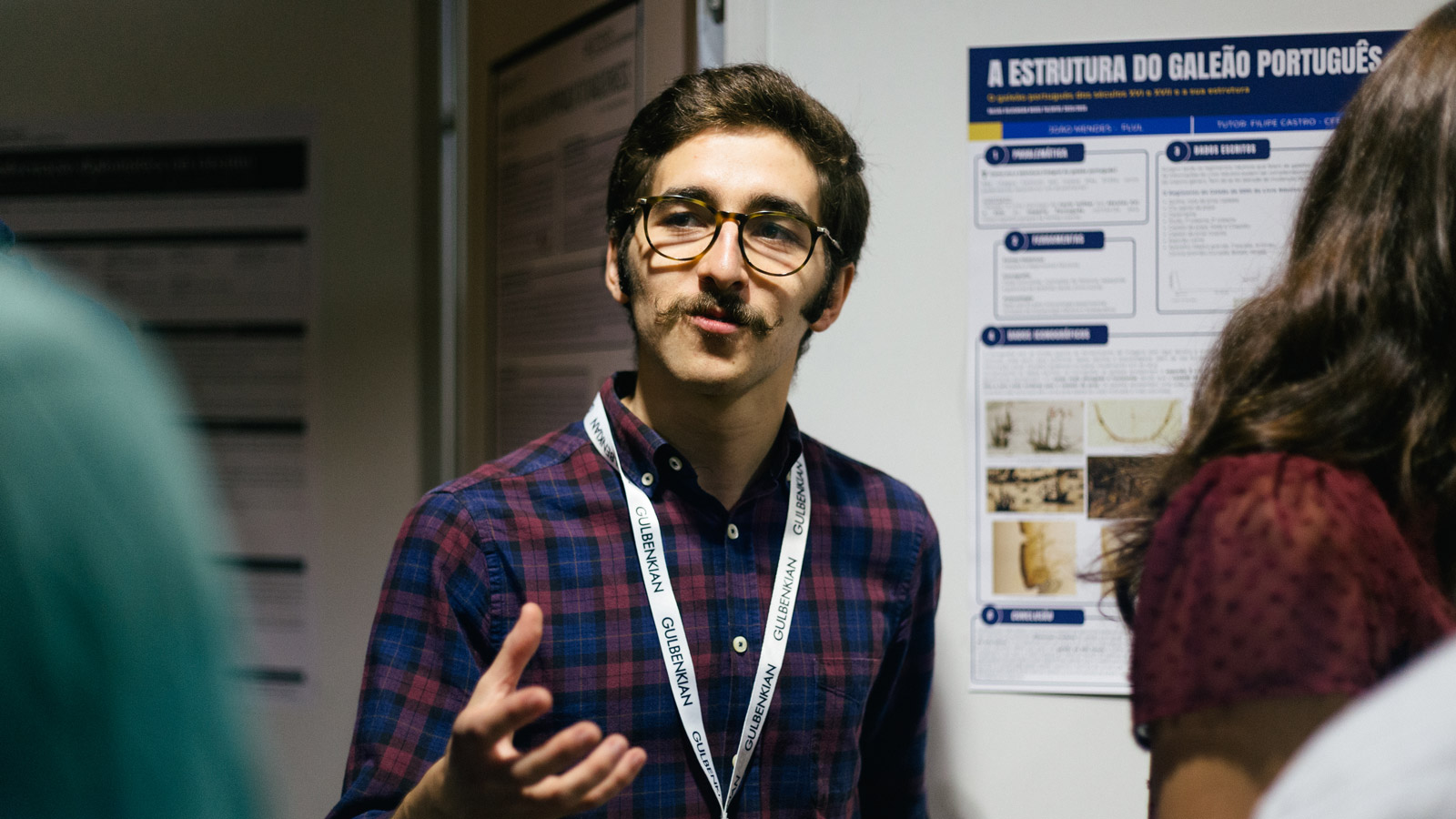
Challenging experiences are also shared—“I took a scuba diving course, something I never imagined doing in Archaeology” (João Mendes)—along with unforgettable trips to Italy, Greece and Belgium (“and there was time for sightseeing too”). One particularly valuable piece of advice is offered to those taking their first steps: “Commitment can be dangerous, and indecision can be beneficial,” but “don’t leave everything until the last minute,” advises scholarship recipient Miguel Furtado Temtem.
Many of these reflections relate to the enrichment activity, an integral part of the New Talents Scholarship, which supports participation in conferences, summer schools, internships and language courses, among other opportunities. All the scholars recommend making the most of it, including Apolo Gomes: “Seize the opportunity and do interesting things, even if they are unrelated to your field (…) It is an excuse to meet people, socialise, absorb knowledge and explore subjects you would hardly ever encounter at university.”
This recommendation is also shared by members of the Scientific Committee and echoes from room to room.
“The stars right now are those who are just starting out”
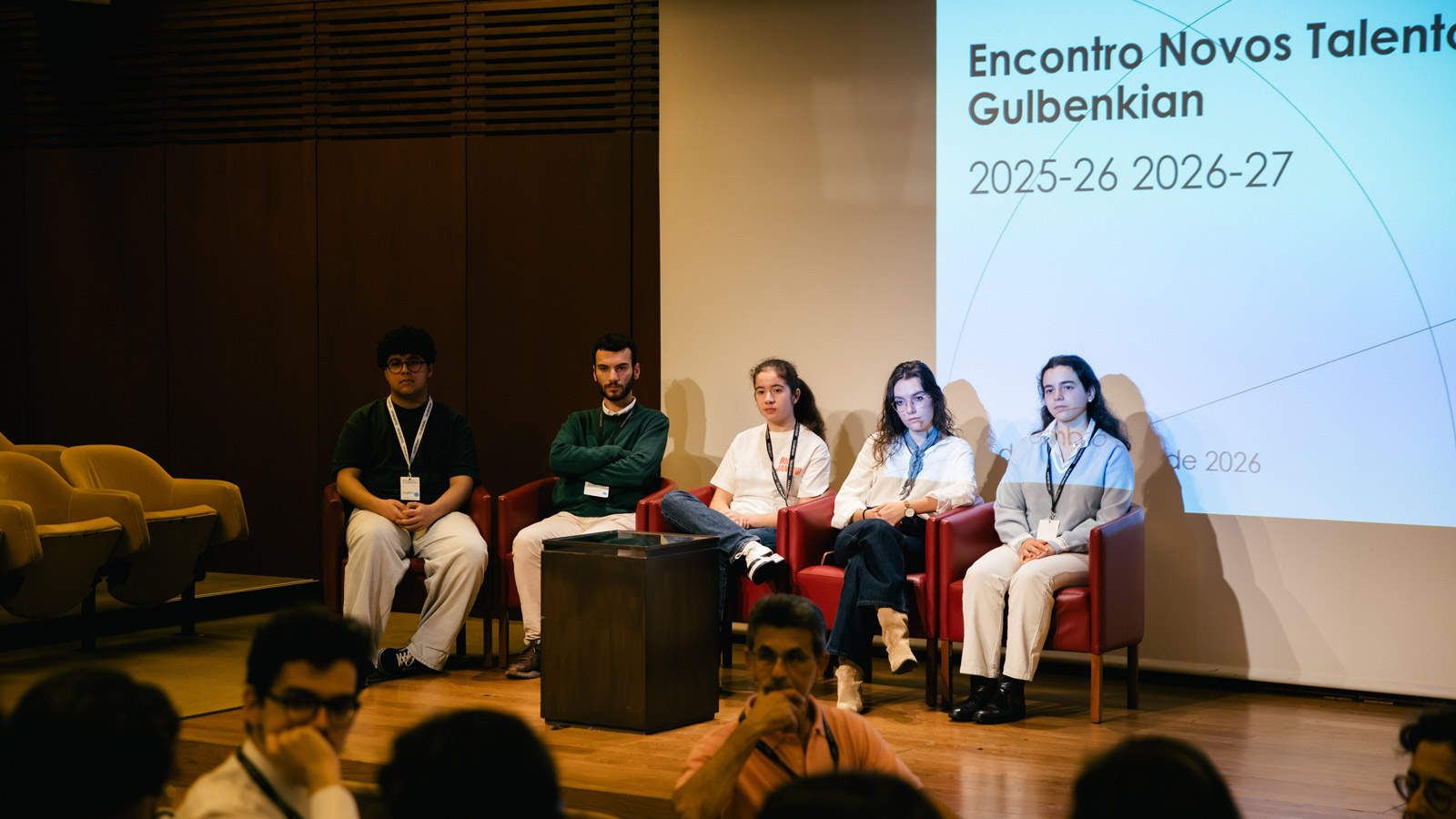
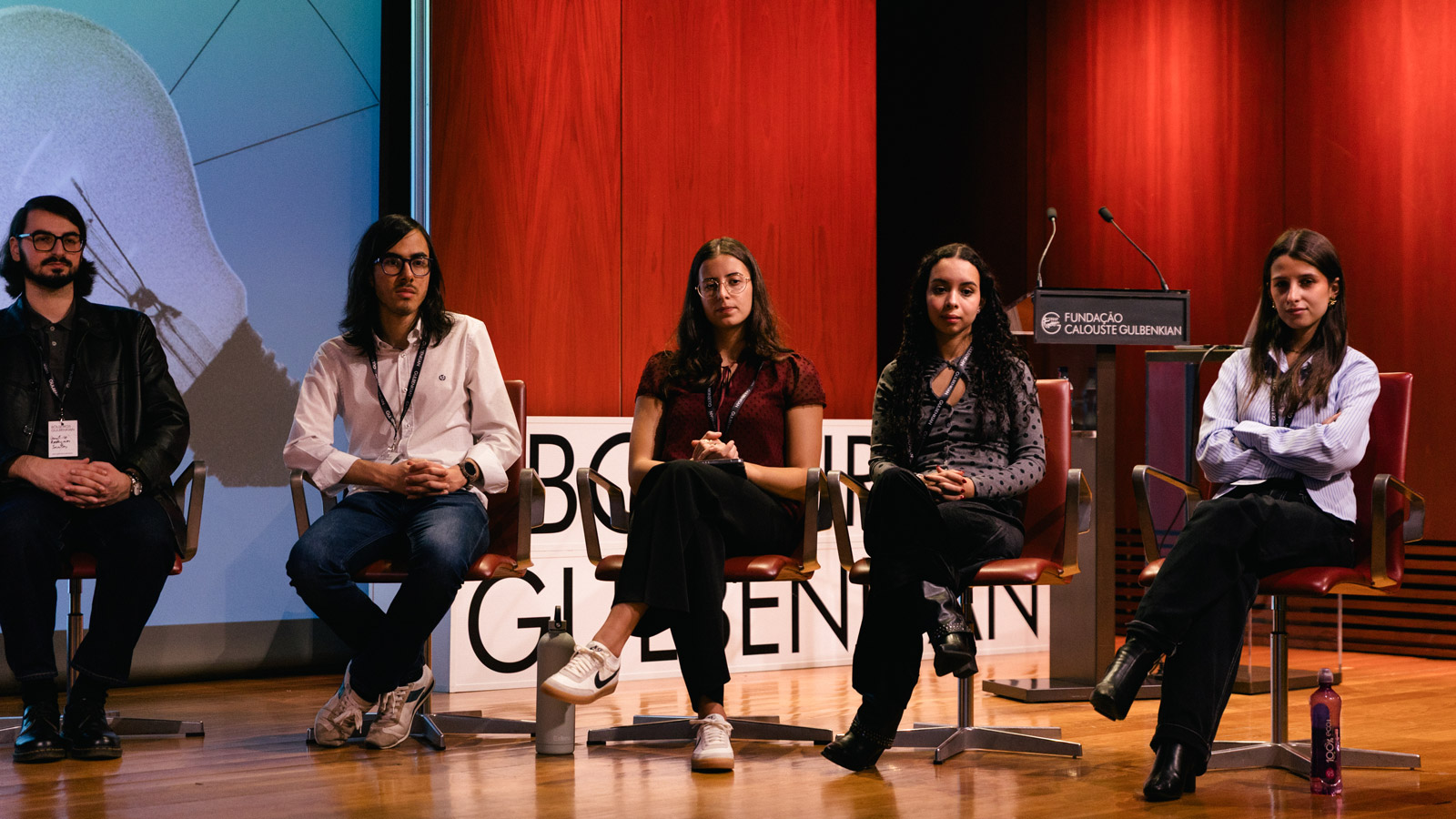
The first step in passing the baton has been taken. Now is the time to seize the opportunity so that, 12 months from now, today’s newcomers will also have their posters displayed in the corridors of the Gulbenkian Foundation, showcasing projects that, for the moment, exist only as ideas.
Because now it is their turn: “The stars right now are those who are just starting out,” points out Sara Bahia, a member of the Scientific Committee.
As the gathering draws to a close, participants are randomly invited to sum up the two-day retreat in just one word. “Enriching” is the word repeated most often.
And what better example than an “unlikely friendship” between a scholar with a background in Law and another in Mathematics? During a “chance encounter”, they discuss their future plans and exchange knowledge, even though they “don’t understand half” of what the other is saying. All the better for the future of research and science.
“AI helps in many ways, but it does not conduct research”
The importance of sharing knowledge and engaging with the unfamiliar was the central message emerging from the opening of this first scientific retreat.
As part of the conference “Science and Artificial Intelligence: The Future of Research”, professors and researchers from fields as diverse as Physics, Mathematics and Philosophy were invited to discuss AI and how this tool could transform the way research is conducted.
They also explored how younger generations should use AI without giving in to the temptation of taking the easy way out and risking the loss of one of science’s greatest pleasures: the “eureka moment”.
Although the answers were far from straightforward, several key ideas emerged: “AI helps in many ways, but it does not conduct research”; “it does not create anything innovative, although it allows us to go further, faster.”
In other words, AI is part of the process, but “it exists within computers and has no way of interacting with the world.” This is why engaging with other fields of knowledge is so important – and will become even more so in the future.
Mário Figueiredo, a professor at Instituto Superior Técnico and one of Portugal’s leading experts in machine learning, shared an example from Harvard, where, at present, “the most sought-after course, with the highest number of applicants (…) is one in which students must read ten literary classics in print over the course of a semester and are not allowed to use mobile phones or computers.”
This example illustrates how the way forward lies in a “more holistic university”, where science students study Philosophy and Humanities students learn Statistics or Biology.
“Since there are so many different ways of using AI to conduct science, we need an education that breaks down silos”, fostering critical thinking and ethical and moral awareness, broadening the scope of knowledge and opening up new horizons – something that, interestingly, AI itself has already shown to be “absolutely essential”.
And it was precisely this exchange of knowledge and perspectives that defined the Gulbenkian New Talents gathering, which came to an end with unlikely friendships, fresh perspectives and new challenges.
You may also like

No results were found for your criteria.