
What happens when five artists simultaneously engage their creative processes?
-
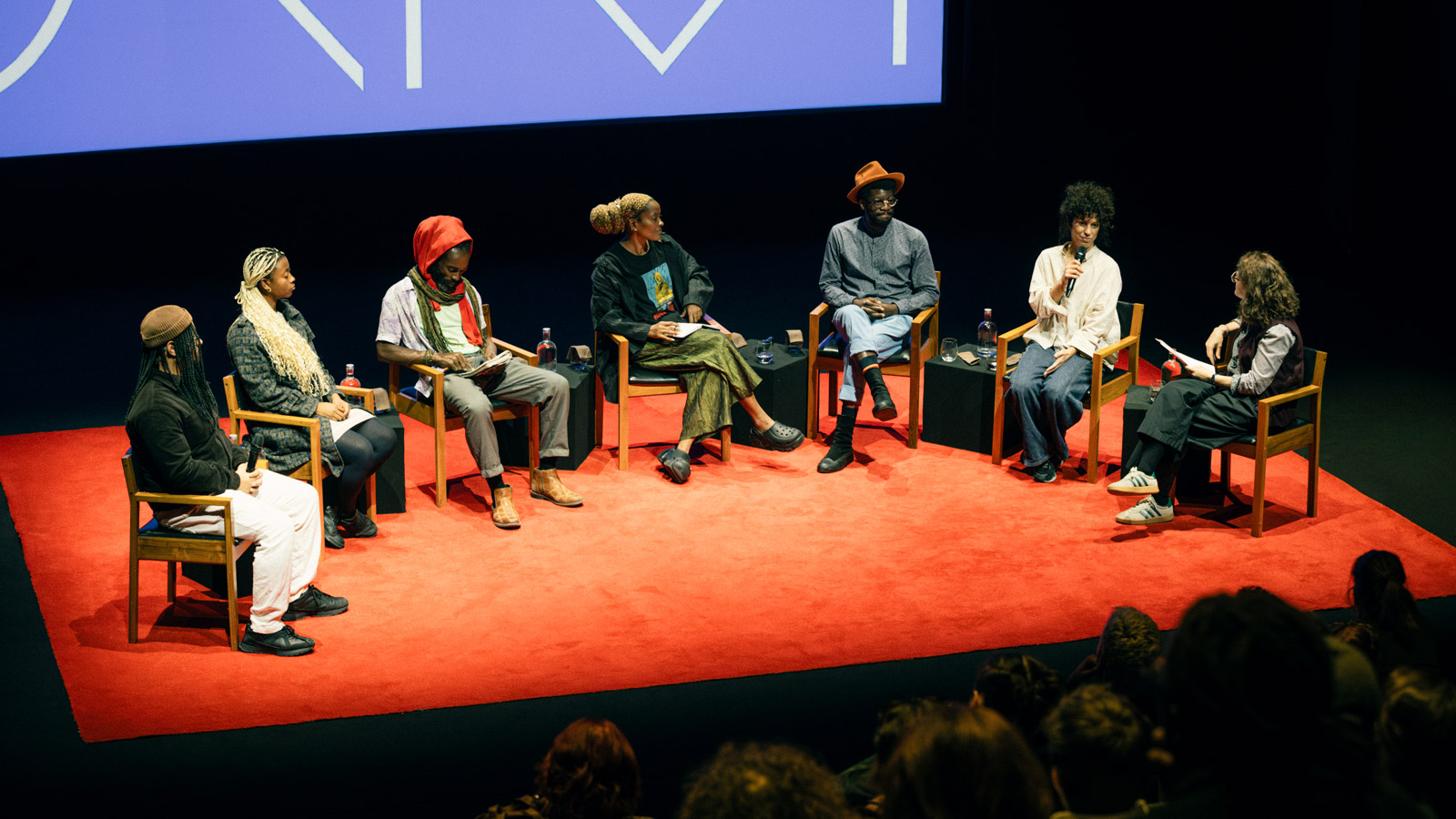
Artists in residence MAR+
What happens to works developed in artistic residencies? They may continue growing, reach new stages in different countries or they may have to await opportunities. For those working in contemporary dance, especially in contexts with only limited production structures and performance venues, such uncertainties accompany the creative process itself.
This question underlay the conversations among Djam Neguin, Nuno Barreto and Rosy Timas, from Cape Verde, and Francisca Mirine and Pak Ndjamena, from Mozambique, throughout the MAR+ Creative Collaborative Residency, set up by the Calouste Gulbenkian Foundation in partnership with Estúdios Vítor Cordon (which has maintained collaboration with the Portuguese-speaking African Countries ever since 2020).
Mar+ represented the reencounter of these five artists who had already participated in other mobility and training initiatives—in 2025, they took part in the third PROCULTURA Exhibition of Resident Artists, at the Calouste Gulbenkian Foundation—enabling them to develop new individual proposals and present themselves to professionals in the cultural sector.
For Marlene Monteiro Freitas, the invitation represented an opportunity to accompany artists whose working conditions are, in part, familiar to her. Born in Cape Verde, where she began her dance career, the choreographer built an international profile, including winning the Silver Lion at the Venice Dance Biennial (2018) and performances at leading European festivals and institutions. Her accumulated experience across different geographies enables her to recognise some of the difficulties persisting in choreographic production in Cape Verde even while highlighting how the context has been transformed since she started creating in São Vicente.
“Each of us suffer the pain of giving birth”
Marlene was already aware of Nuno Barreto and had been impressed by a performance from Rosy Timas at the Gulbenkian. The other artists were all a discovery. When she began working with the group, she grasped how each proposal would require a particular form of accompaniment. The five arrived in Lisbon with projects and languages, and their concerns, in different phases of development and it was based upon these particularities that her supervision took shape.
“There was clear emotion when I was told I would be working with Marlene, whose work I deeply, deeply admire,” recalled Rosy Timas, who began her career in the Cape Verdean company Raiz di Polon in 1999 and has since performed in dozens of countries. In the case of Djam Neguin, a creator who develops proposals spanning dance, theatre, performance and the digital technologies, the choreographer represents an artistic reference. He arrived at the residency with a fairly vague idea and her accompaniment enabled him to discover just what he wanted to develop.
Marlene described the process as an exercise in attention, in which the experience of the supervisor should coexist with the autonomy of those creating. “I know, as a principle, that they are seeing something that I am not yet able to see,” she explained, thereby recognising how each artist held a projection of their work that they are not always able to immediately communicate. Her role is to oversee that discovery even when the results are far from what may come to be performed on a stage. And she explained this through recourse to the image of a midwife: somebody who may accompany the birth of a work, helping to resolve difficulties and relieve anxieties even while leaving the decisions to the person doing the creation. “Each of us suffer the pain of giving birth,” she summarised.
Nuno Barreto recognised how some of his intentions did not always coincide with Marlene’s interpretation. The difference in perspectives led him to question his choices and seek out other alternatives while maintaining that which he was seeking to communicate. According to this artist, her supervision enabled him to confront ideas that, during an individual process, might never have been put to the test. The decisions still remained with him but he came to incorporate other ways of perceiving the same material.
Djam Neguin also understands artistic creativity as a way of sharing experiences and perceptions of the world. “An artistic object is also sometimes what one person gives to others. And, sometimes, these are very personal things. This is also an exercise in generosity,” he considered. The relationship with those accompanying the process and, later, with the public, drives the artist to accept interpretations that may be very different to whatever they had initially imagined.
Throughout his career, Pak, who has already performed his works in various countries and develops corporal training and research projects in Mozambique, became used to inviting more experienced colleagues to attend his rehearsals and comment on his creations. During MAR+, the mentoring enabled him to deepen questions that only occasional conversations would have found difficult to resolve. Each session added new observations, leading him to reconsider the relationship between improvisation, composition and artistic intention.
The residence enabled Francisca Mirine to temporarily flee from the demands that commonly compete with her artistic activities. The dancer and choreographer, who has already participated in international creativity programs, pointed out how being away for three weeks to develop a work implies reorganising the life that remains in the country of origin. “You are an artist and a father or mother, you are a wife or husband or an employee of whatever company. You don’t solely survive from art”. The scope for dedicating a period exclusively to artistic research therefore takes on particular meaning. The time, the stability and the conditions for concentration, she said, directly influence the ways in which an idea matures, enabling experimentation with solutions that would hardly appear in a daily life split between various obligations.
The residency works
The availability may produce very different results.
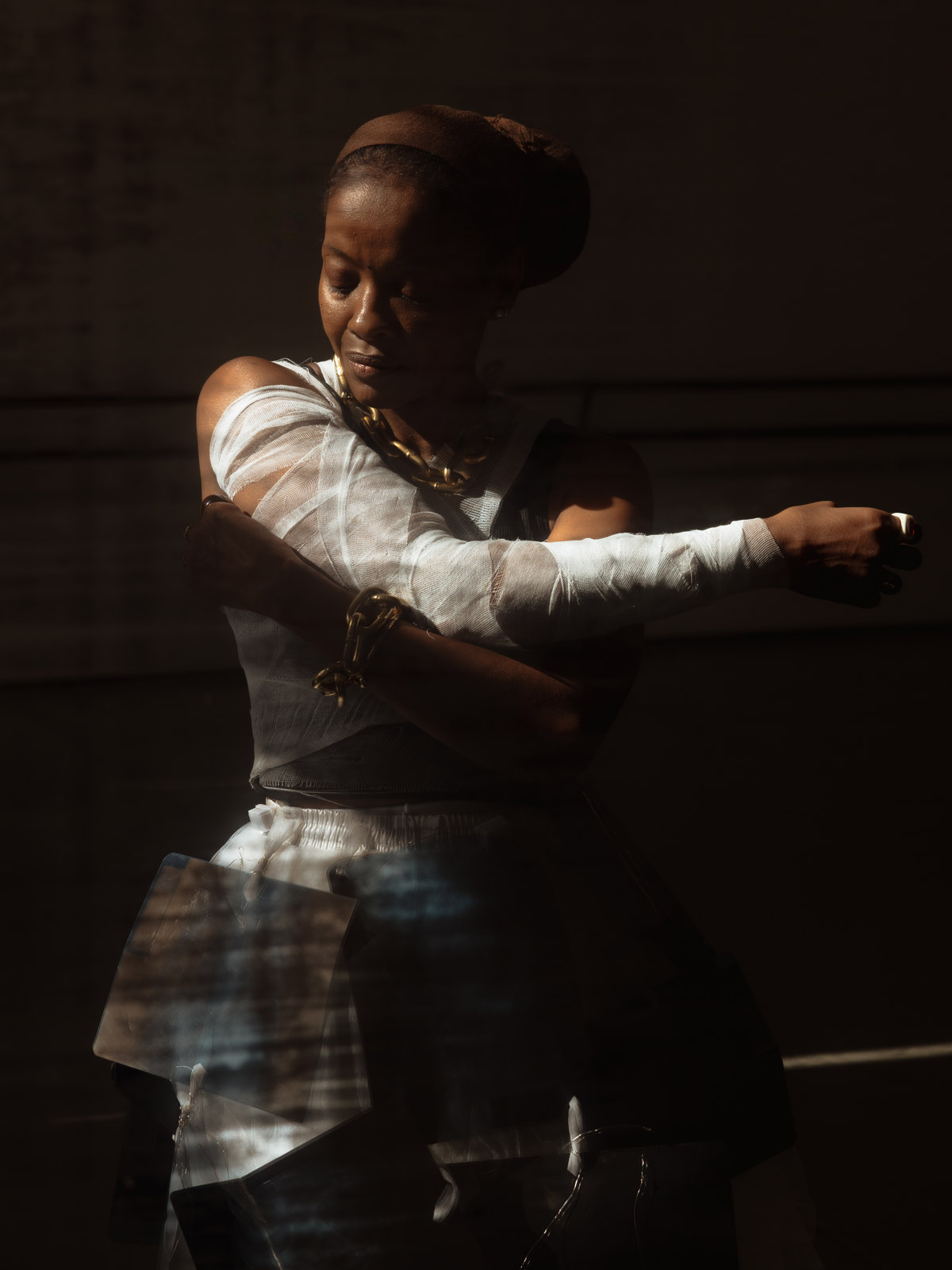
Based upon an inherited family memory, Rosy Timas researched personal and political questions through movement. Recognising how this creation demands a particular form of exhibition, she wishes to present it in other contexts but felt the need to deepen her research irrespective of the future opportunities for circulating the work.
In turn, Francisca Mirine drew on a text by the Mozambican writer Melo Tinga, with whom she has already collaborated, to transform features related with politics, fear, courage, crossings and ambiguity into an autonomous corporal composition and understanding just what happens when these words go through her experiences and encounter a particular language in movement. The mentoring helped her develop this relationship between text, movement and choreographic composition.
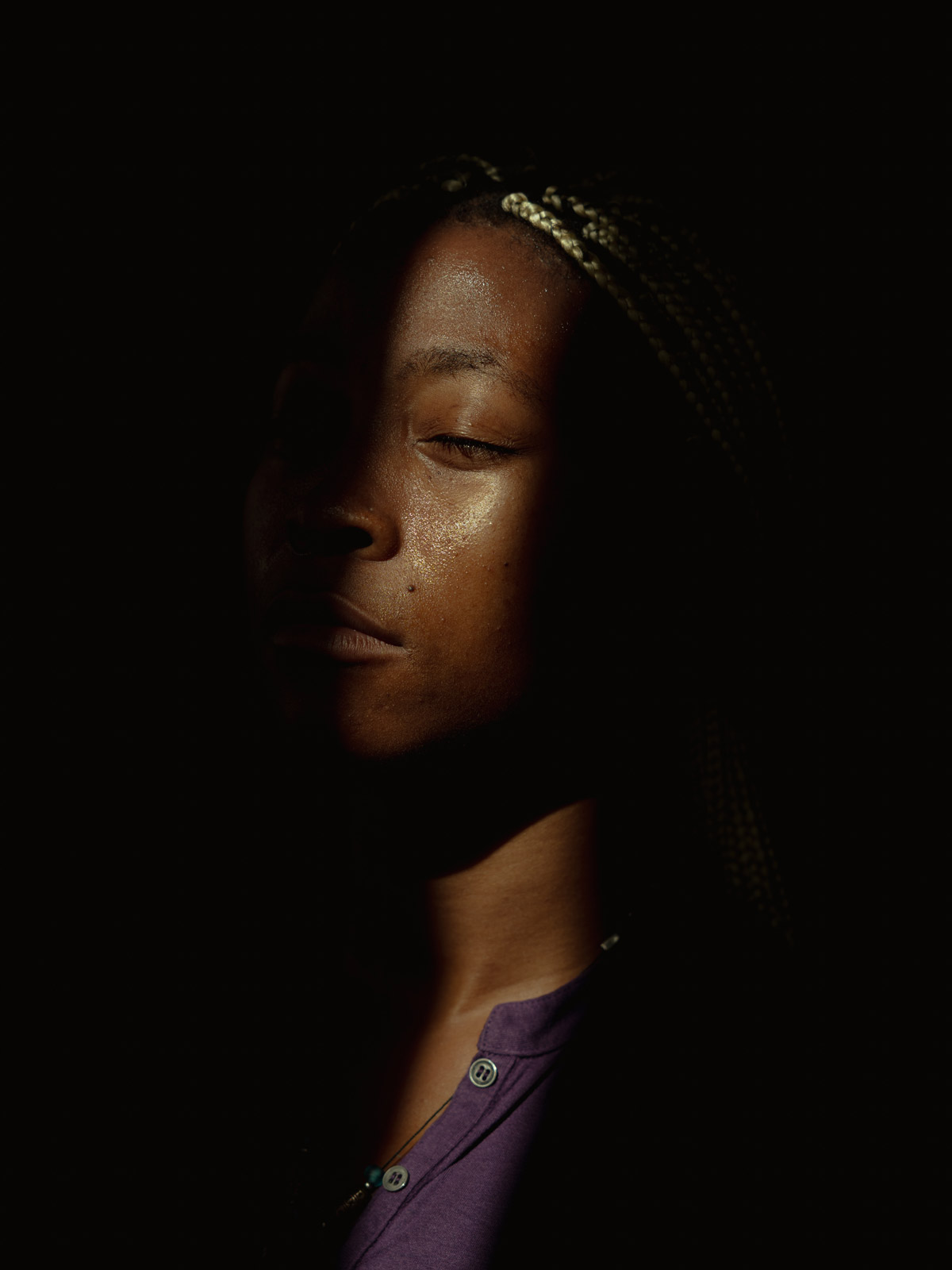
Furthermore, Djam Neguin had to significantly alter his initial plan, a proposal entitled Ovelha Negra (Black Sheep), structured around a sculptured structure made out of hair with its manipulation enabling an exploration of the different versions that a person may build out of their own selves. The technical complexity led him to experiment with other possibilities.
Pak Ndjamena, starting out from the idea that factors inherited from the past continue their transformation through the persons who attribute them meaning in the present, developed Vital Ancestralism. According to this choreographer, a gesture, an object or the relationship between the body and the floor may convey references that reach beyond their immediate function. His work approaches identity, memory, religiousness, symbols and cultural practices through recourse to improvisation.
Finally, Nuno Barreto perceived the residency as an opportunity to leave behind his usual working conditions and experiment with other ways of organising ideas. The scope for sharing the process with artists with their own distinct methods was also a fairly unusual experience for someone otherwise used to working more individually.
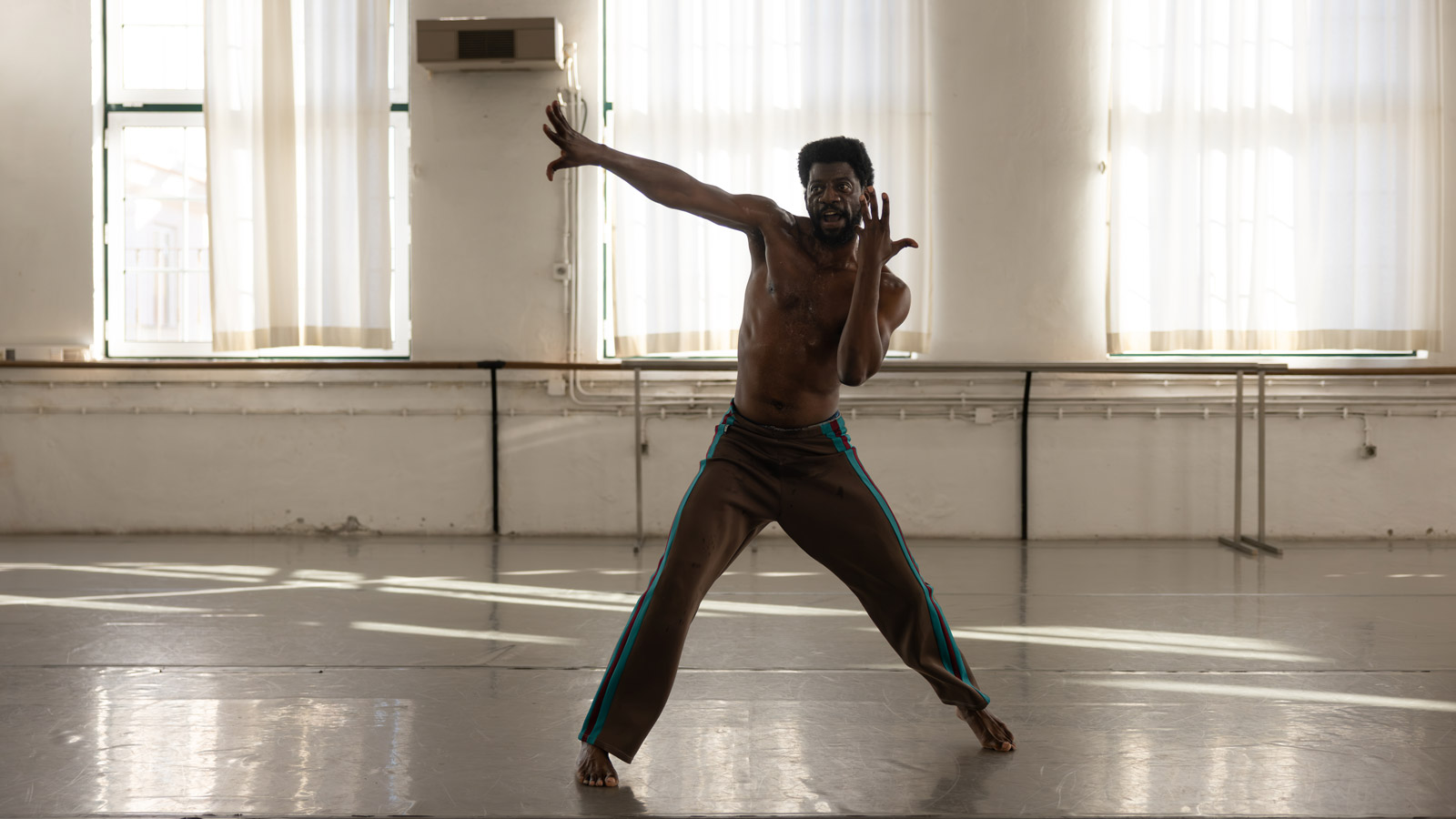
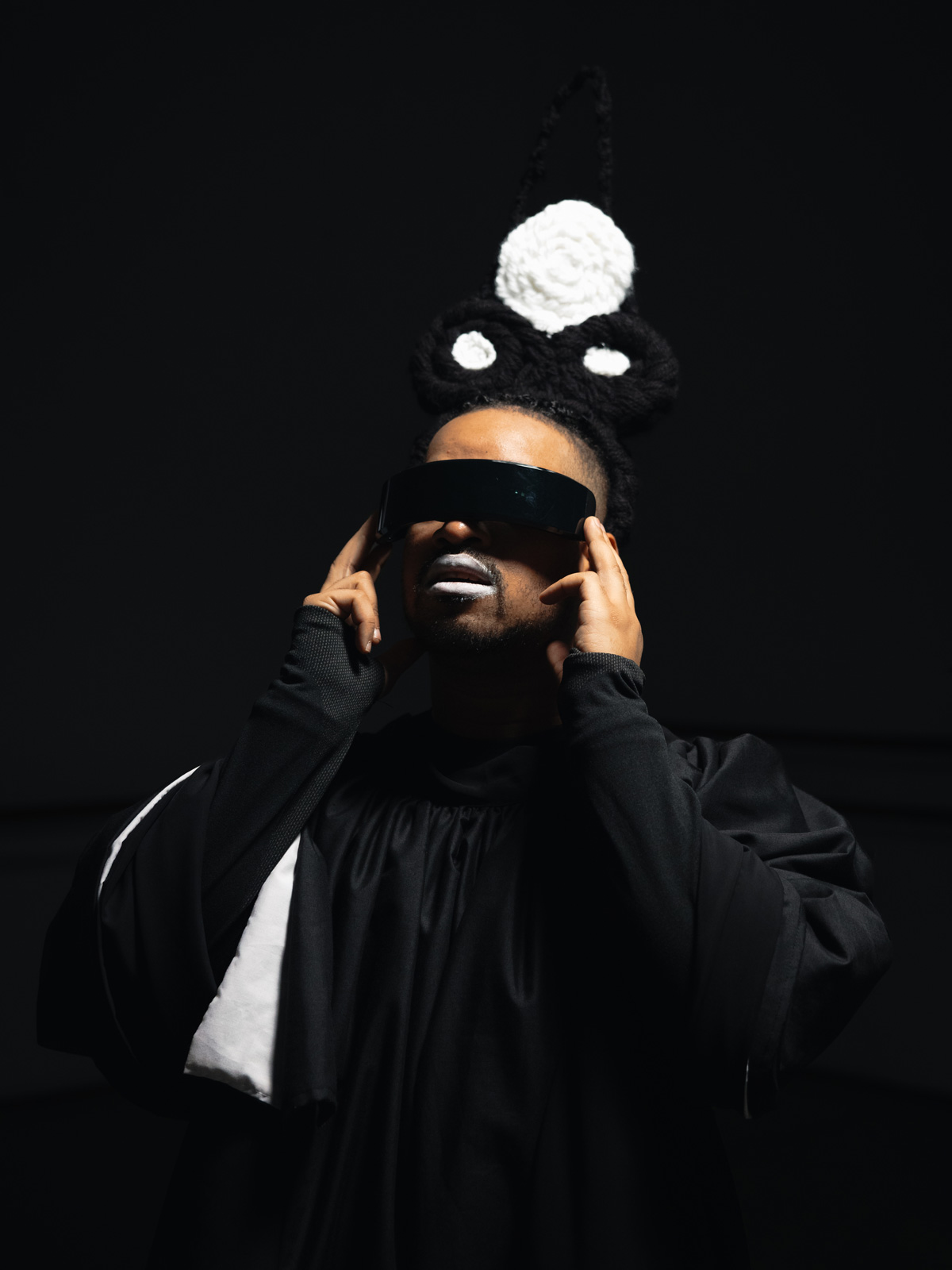
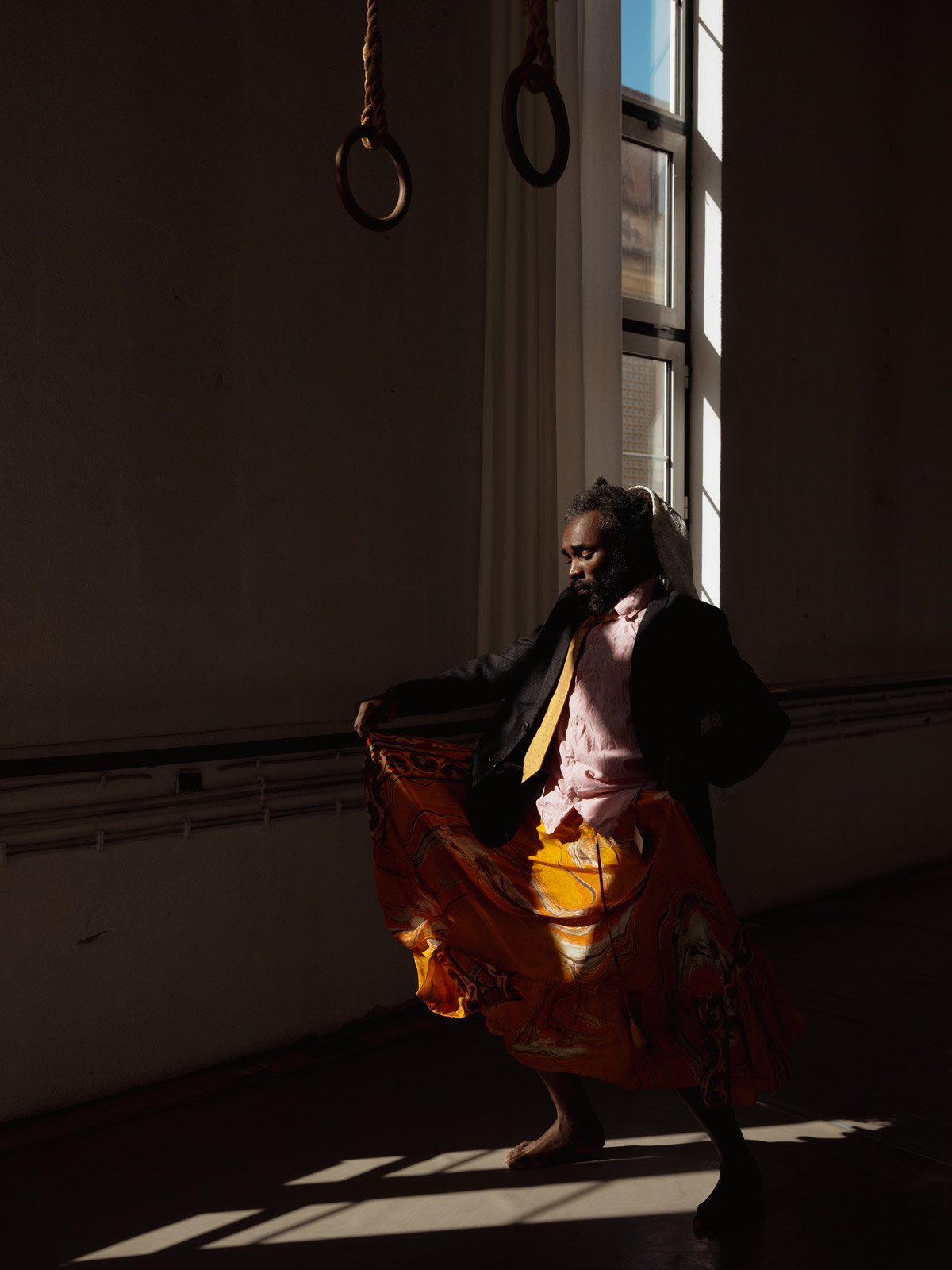
The relationship between the body and politics was a constant. According to Pak, the political dimension to dance may be present in a gesture, in the way a dancer occupies the space or in their form of addressing the audience. “Even my body is already political “, he stated recalling how physical presence transports social and cultural references that participate in the reading of any work. Rosy aligns with this idea. “I make art with politics (…) But in this work, I bring along politics as an archive. I am discovering just how the body transports this,” she explained. In turn, Francisca perceives in art the scope for transforming social behaviours into choreographic material.
However, according to Djam Neguin, the expectation that a creator becomes a spokesperson for whoever accompanies their work may be problematic. This relationship, he believes, should respect individual freedom and the diversity of artistic languages.
Throughout three weeks, these participants shared studios, timetables, attention and resources, building a relationship that Marlene likened to the idea of neighbours. This mutual socialisation became an exercise in negotiation and learning even when there were no obvious points of contact.
Residency, stages and the future
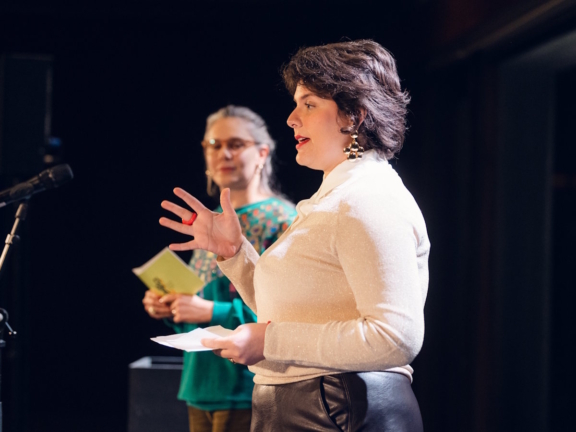
The final MAR+ presentation, on 31 October, at Estúdios Victor Córdon, was the result of these three weeks of research, experimentation, study, reading, writing, conversations and work in the studio and provided contacts between the artists and programmers, producers and other professionals from national and international cultural institutions. This was an opportunity to endow the projects with visibility and establish relationships capable of contributing towards future presentations.
“To survive, we have to circulate. We have to sell our pieces. That’s where our survival is,” explained Pak Ndjamena. Furthermore, as after the research and experimentation, there may emerge particular needs for technical support, production and adaptation to different venues, especially when performing works in contexts with distinct characteristics, Djam Neguin then clarified.
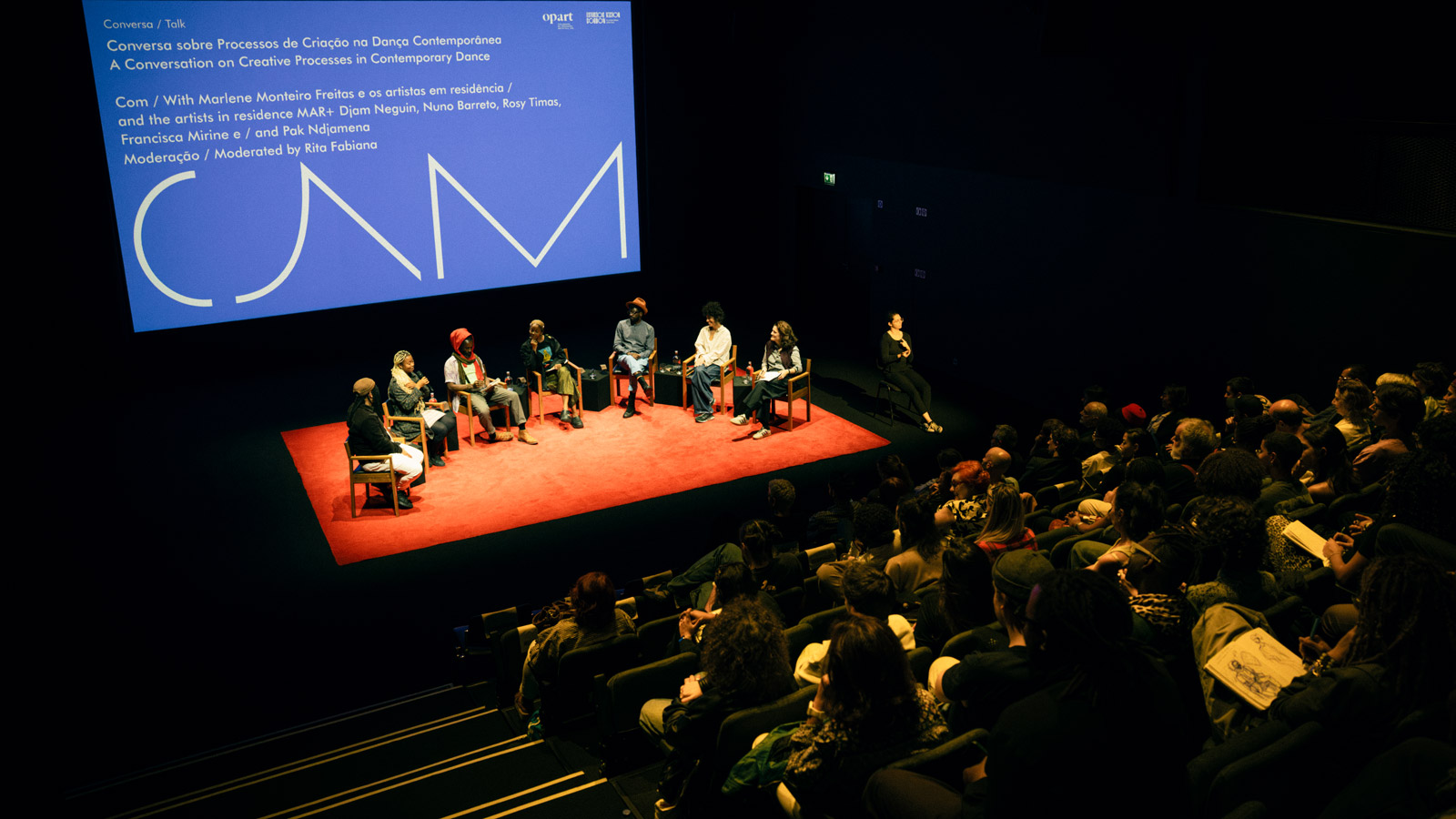
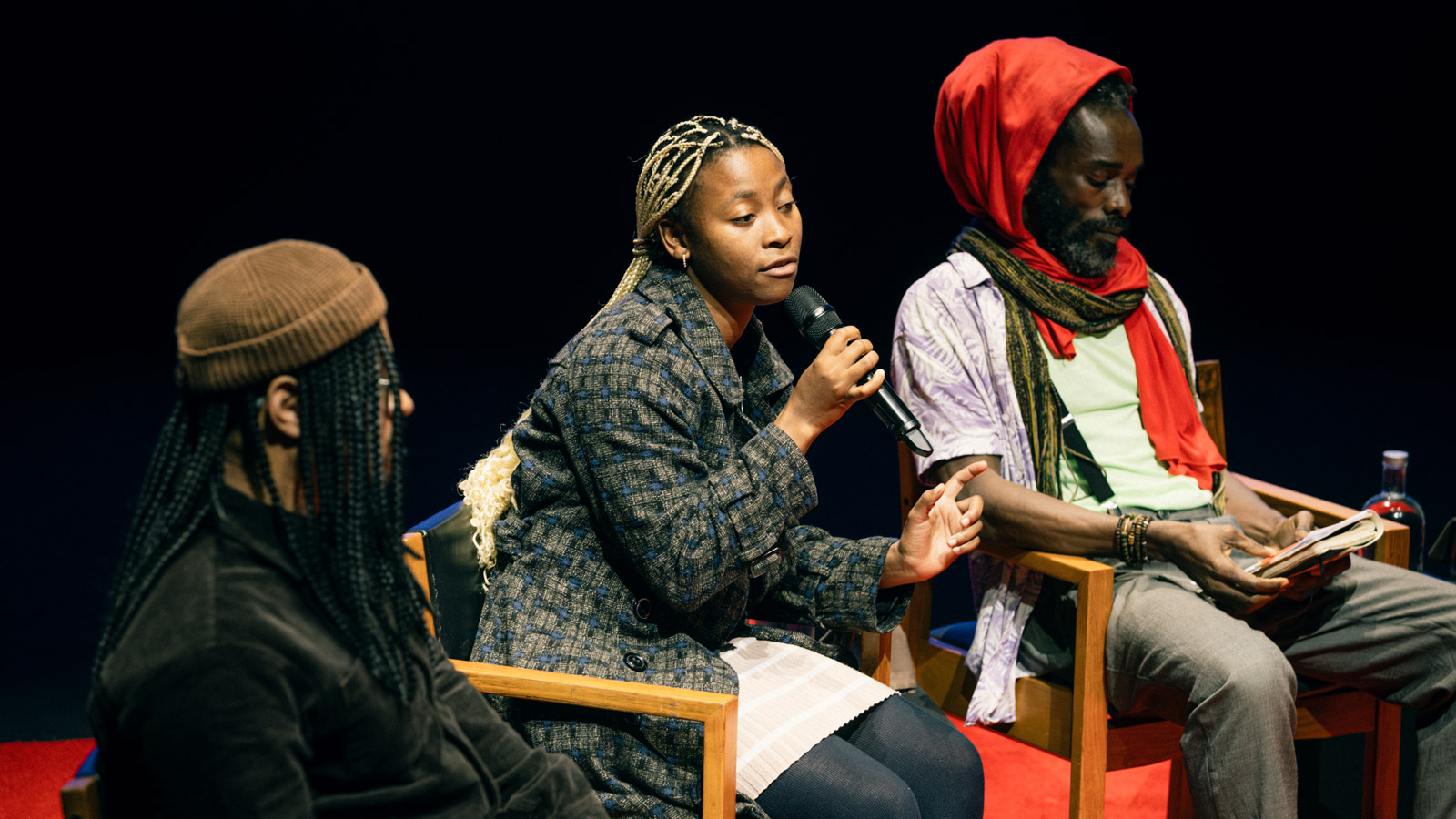
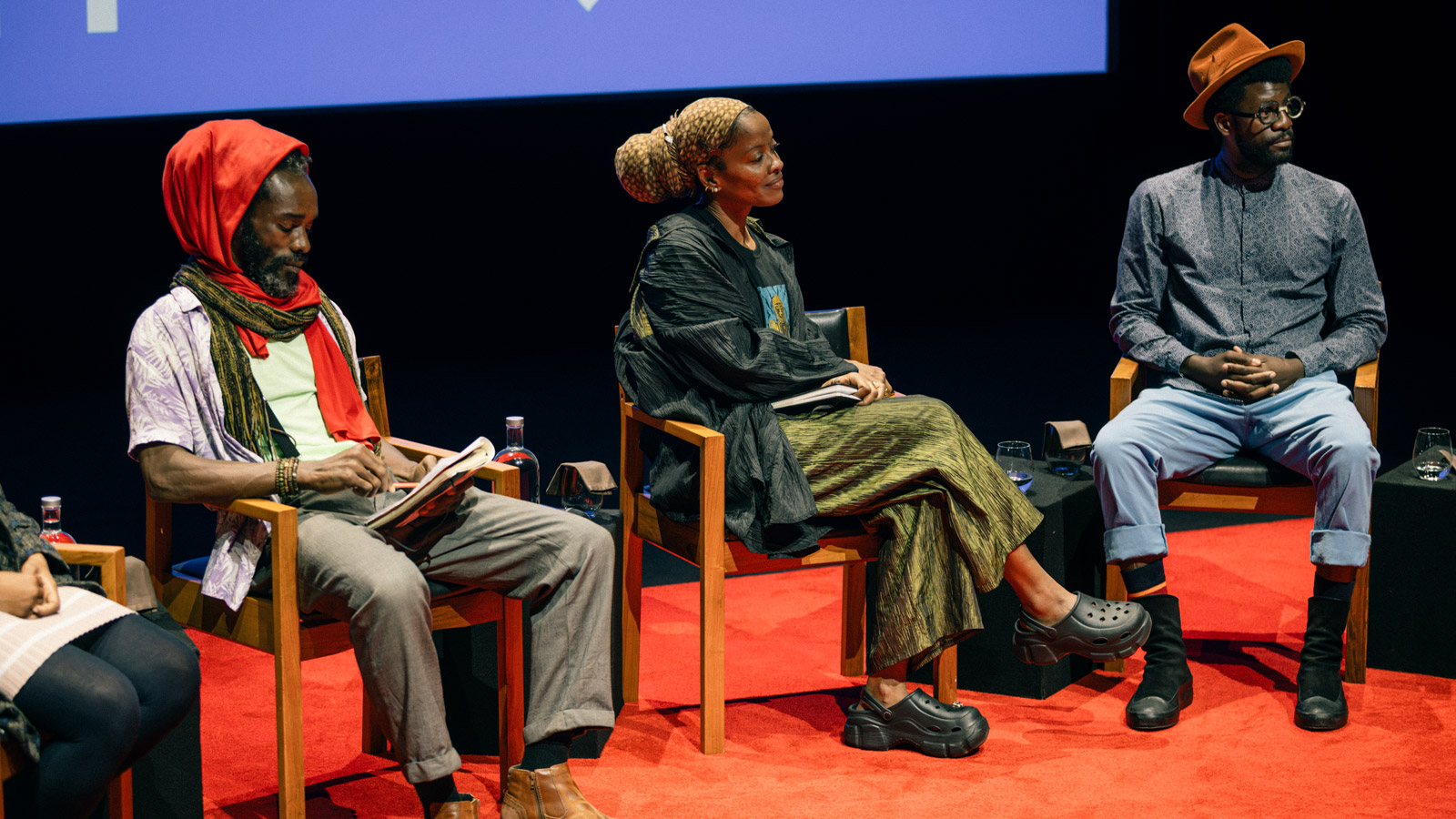
Rosy Timas has been performing internationally for over two decades; Pak Ndjamena developed a career including creativity, interpretation and training; Djam Neguin is multidisciplinary and has staged cultural initiatives in Cape Verde while Francisca Mirine has participated in international choreographic research projects and Nuno Barreto has built up his own language through successive residencies and presentations. Each arrived at MAR+ with distinctive experiences and needs that influenced both the work undertaken in Lisbon and their expectations as regards the future.
In a context where the resources available for contemporary dance in Cape Verde remain limited, Nuno would like to present some of his works on different stages but understands how programming depends on the interests and choices of each institution and correspondingly perceiving his MAR+ experience as a relevant stage in his career. The circulation of their works duly features as a shared aspiration.
According to Marlene Monteiro Freitas, the three weeks of work were about learning the different rhythms of creativity. Some artists rapidly come up with a concrete proposal before encountering difficulties later on while others require various days of conversation and experimentation before discovering just which path they wish to take.
The opportunity to accompany these five processes enabled the participants to learn about different ways of conceiving and constructing a work in a particularly gratifying experience. “Leaving one studio and entering another is being in the universe of each artist,” she summarised, explaining how the exchanges among these languages enabled the chance to approximate imaginaries very different to their own.
At the end, the five artists left Lisbon at different stages in their creative processes: some with proposals almost ready for a full performance; others at the point of departure or with new avenues to explore. The experience became integrated into paths that continue to be built between Cape Verde, Mozambique, Portugal and the other contexts where they develop their work.
BANTUMEN at Gulbenkian
Explore the series
No results were found for your criteria.
You may also like
No results were found for your criteria.