Complexo Brasil
Event Slider
Date
14 Nov 2025 – 17 Feb 2026
- Wed and Thu,
Location
Main Gallery Lower Gallery Calouste Gulbenkian Foundation
The exhibition will be open late from 13 to 17 February, between 18:00 and 21:00.
Pricing
Free – Under 18
25% – Under 30
10% – Over 65
Cartão Gulbenkian:
Free – Under 30, saturdays 18:00 – 21:00
50% – Under 30
20% – Over 65
10% – 30 to 64
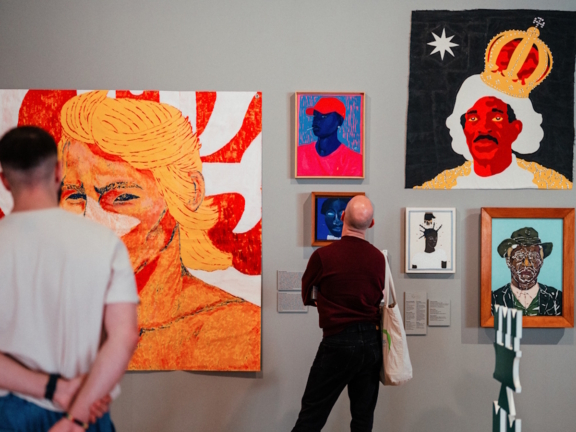
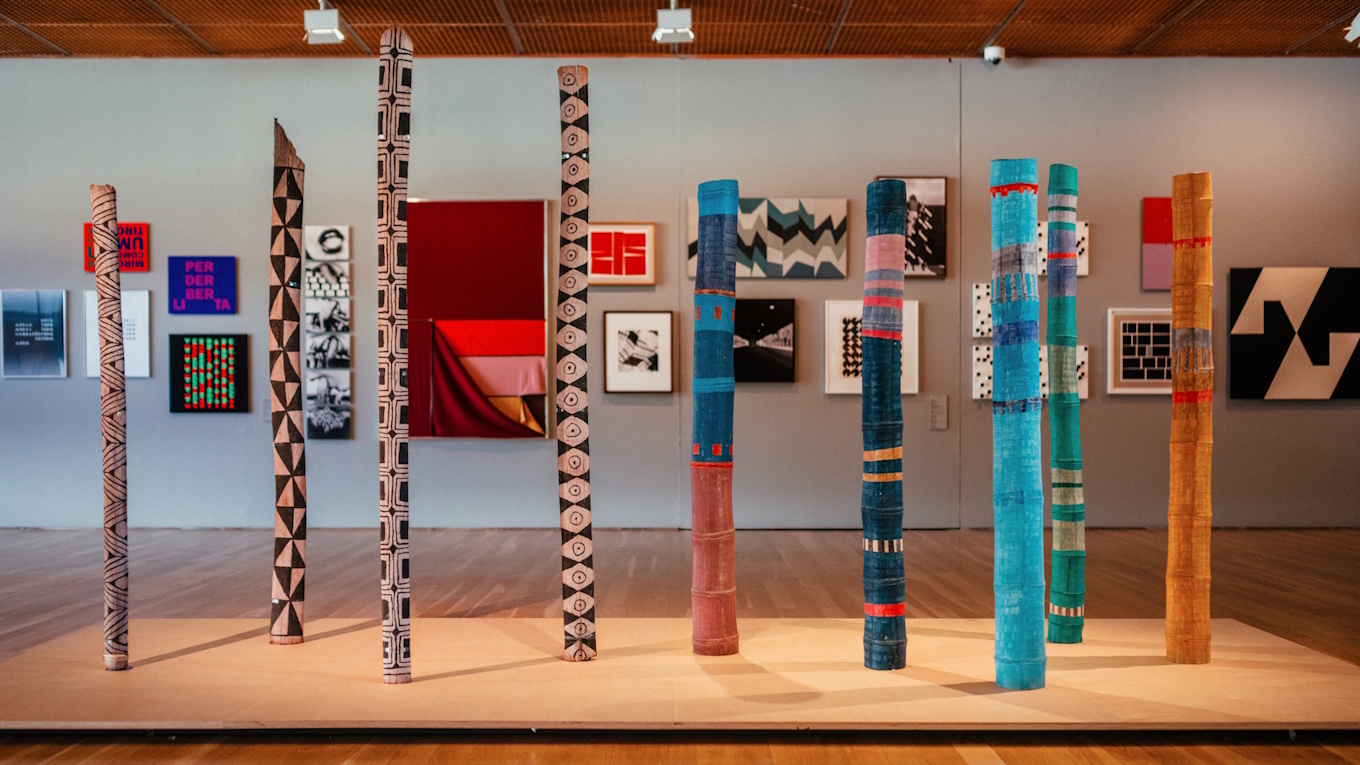
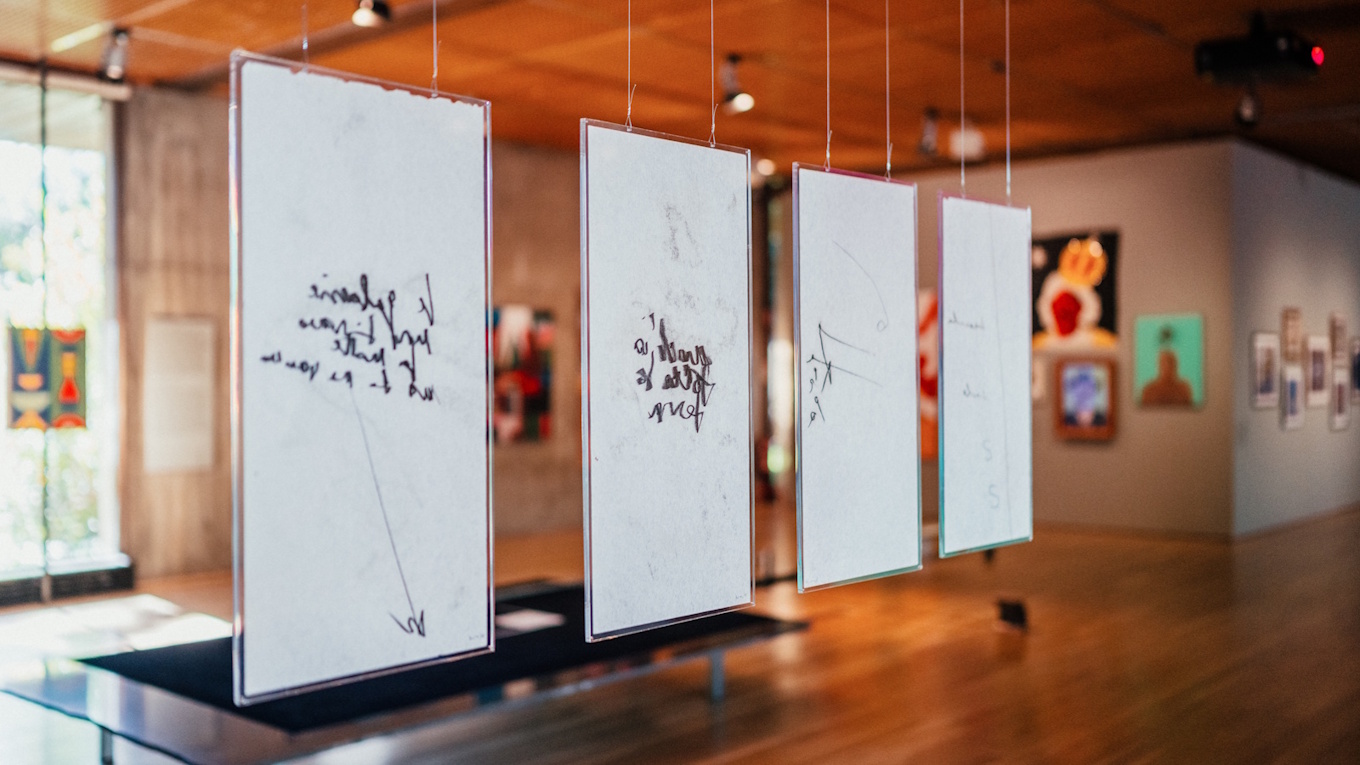
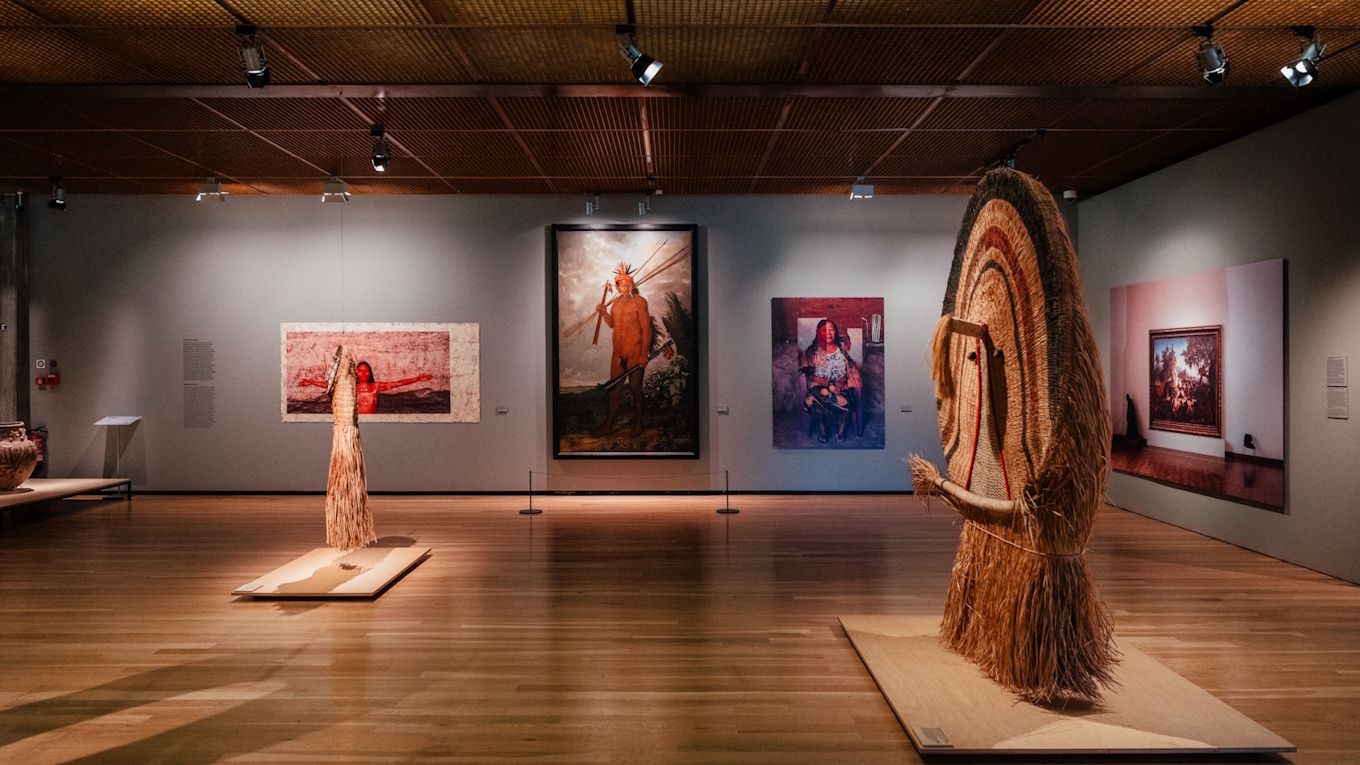
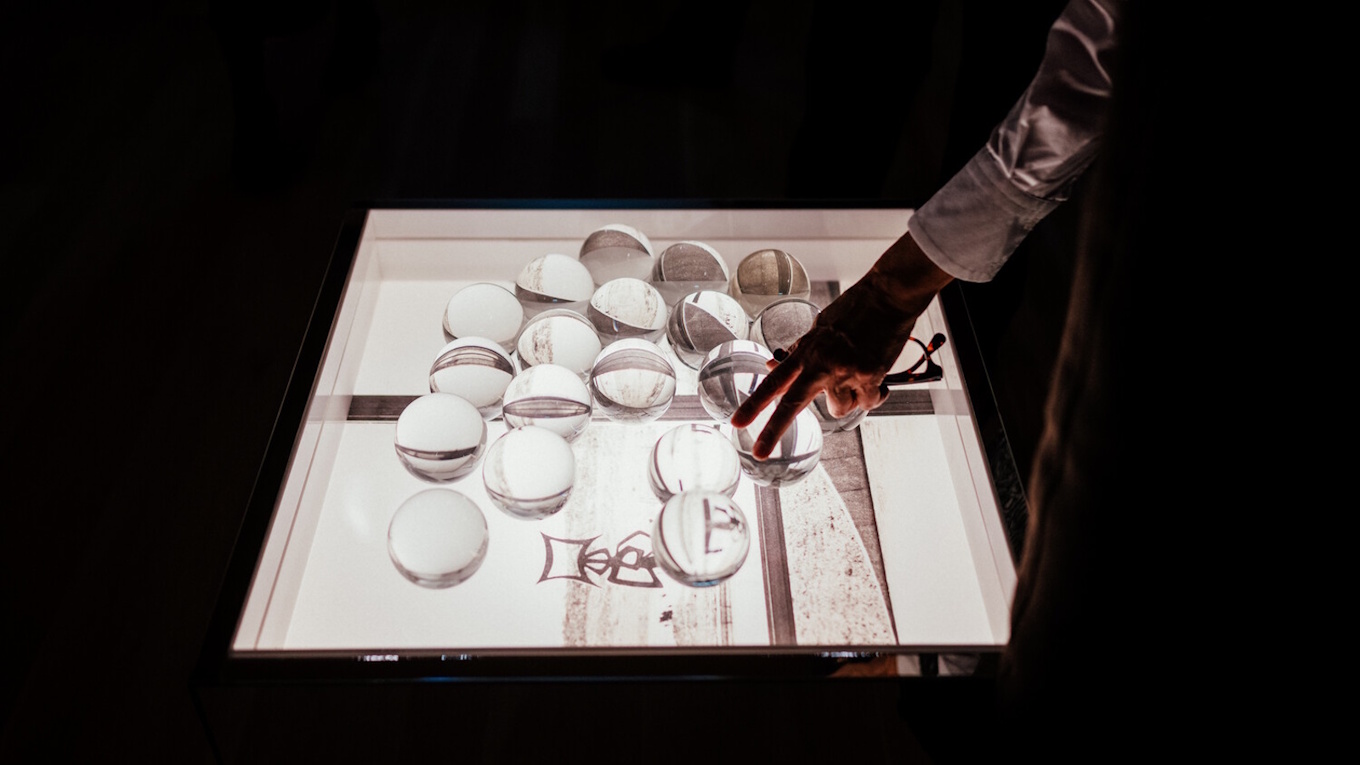
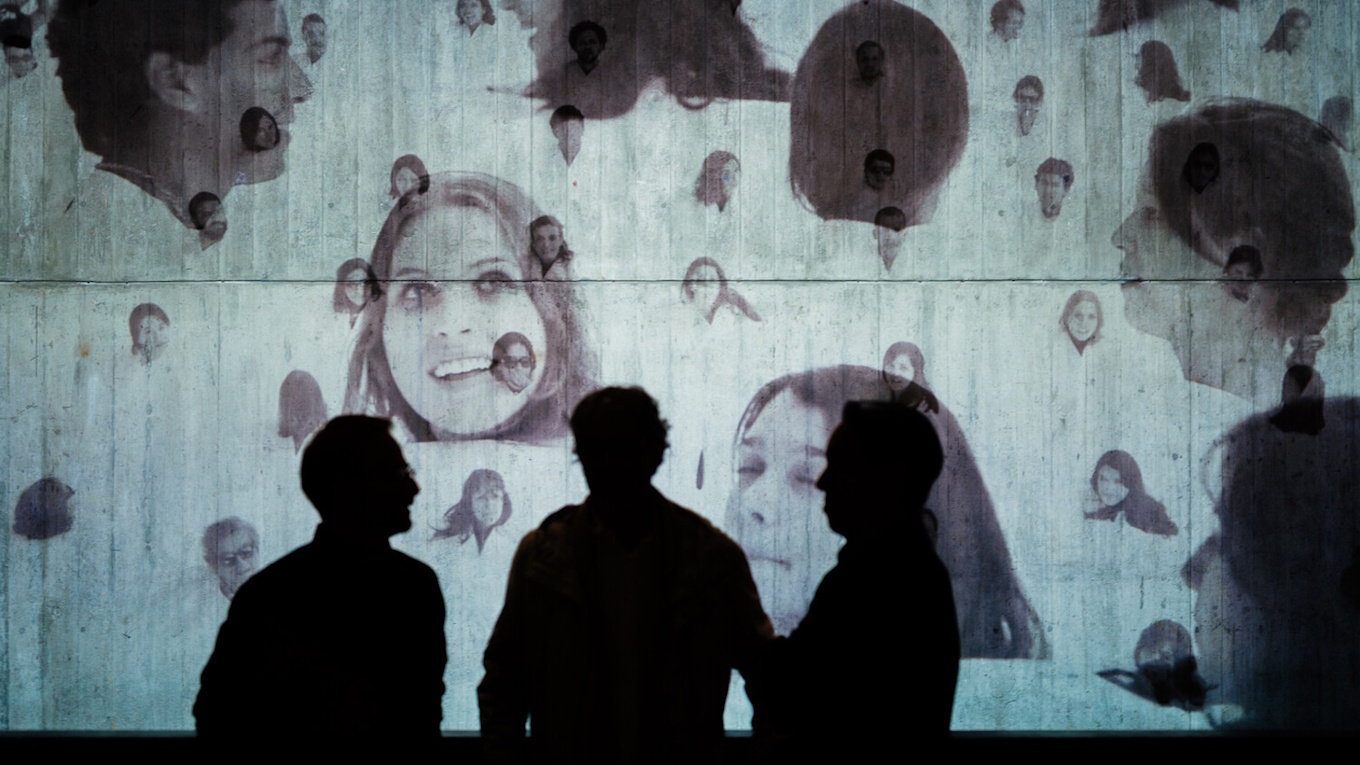
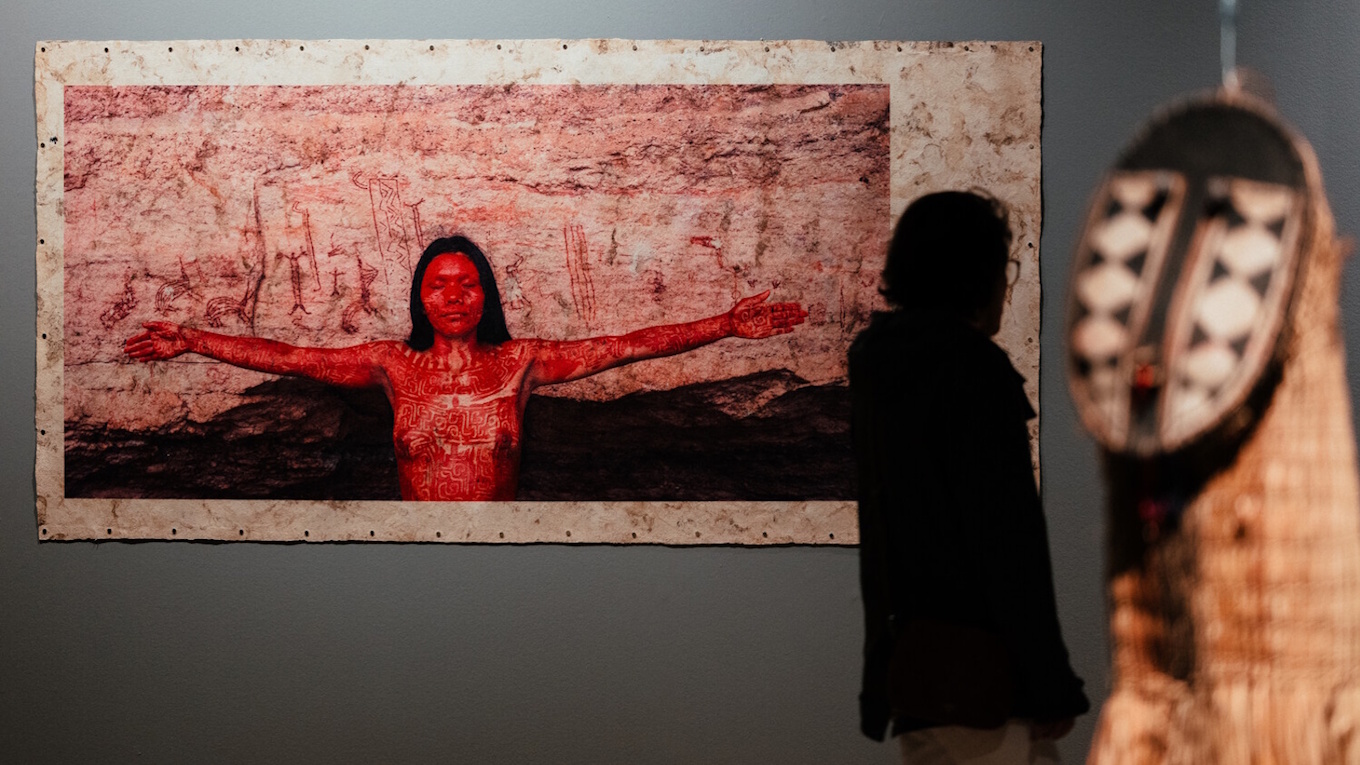
Bringing together works of art, videos, musical pieces and several documents, complexo brasil proposes a journey through the Brazilian culture, while problematising the centuries-old relations between Brazil and Portugal and promoting a dialogue between the two countries.
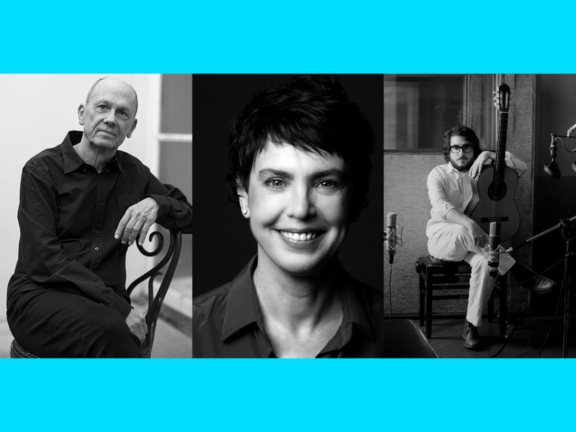
Curated by José Miguel Wisnik, Milena Britto and Guilherme Wisnik, the exhibition is not conceived as a simple display of objects, but as a journey of experiences that intends to dissolve stereotypes and open up new perspectives of understanding.
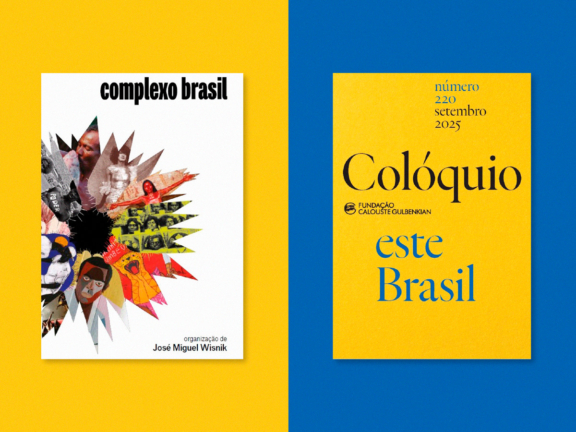
Projected by Daniela Thomas, the exhibition takes over the two galeries in the Calouste Gulbenkian Foundation’s Main Building, and is accompanied by a programme of activities and a publication, which amplifies the investigation led by the curatorial team.
This exhibition contains visual material that some visitors may find disturbing and not suitable for children.
Exhibiting artists
Abdias do Nascimento, Albert Eckout, Alfredo Volpi, Aline Motta, Ana Elisa Egreja, Anita Ekman, Anna Mariani, Arjan Martins, Arnaldo Antunes, Arthur Bispo do Rosário, Augusto de Campos, Bárbara Wagner, Bruno Faria, Bruno Lyfe, Caetano Dias, Caio Aguiar, Cândido Portinari, Carlos Vergara, Cassio Vasconcellos, César Oiticica, Chicico Alkmim, Cildo Meireles, Clarissa Tossin, Claudia Andujar, Cristiano Mascaro, Dalton Paula, Damião Barros, Denilson Baniwa, Desali, Djanira da Motta e Silva, Eduardo Clark, Eleonore Koch, Elian Almeida, Emerson Rocha, Emmanuel Nassar, Fernanda Liberti, Gê Viana, Geraldo de Barros, Giselle Beiguelman &
Lucas Bambozzi, Glicélia Tupinambá, Gustavo Caboco, Hélio Oiticica, Henrique Oliveira, Igi Ayedun, Ione Saldanha, Jaider Esbell, Jean Baptiste Debret, Joaquim Codina e José Freire, Jonathas de Andrade, Julio Bittencourt, Kika Carvalho, Lalo de Almeida, Larissa de Souza, Lenora de Barros, Leonardo Finotti, Lina Bo Bardi, Lucas Almeida, Lucio Costa, Luis Donisete Benzi Grupioni, Luiz Knud Correia de Araújo, Luiz Sacilotto, Luiz Zerbini, Lygia Clark, Lygia Pape, Marcia Xavier, Marepe, Mario Fontenelle, Maureen Bisilliat, Maxwell Alexandre, Mestre Didi, Mira Schendel, Modesto Brocos, Montez Magno, Mulambo, Nelson Kon, Nelson Leirner, Nuno Ramos, Pedro Américo, Priscila Rezende, René Burri, Roberto Burle Marx, Rogerio Reis, Rommulo Vieira Conceição, Rosana Paulino, Rubem Valentim, Sandra Nanayna, Sergio de Souza, Thays Chaves, Theodor de Bry, Thomaz Farkas, Tiago Sant'Ana, Tunga, Uýra Sodoma, Waldemar Cordeiro, Wyllis de Castro
/
Publications
Biographies
-
José Miguel Wisnik
Professor at the University of São Paulo, writer and musician. Author of O som e o sentido – Uma outra história das músicas (1989), Veneno remédio – o futebol e o Brasil (2008) and Maquinação do mundo – Drummond e a mineração (2018). He wrote songs and soundtracks for film, theatre and dance. He was awarded the Jabuti Prize for Literature (1978, 2009), the Kikito Prize at the Gramado Film Festival (1989), the Paulista Association of Art Critics Prize (1991, 1993, 1995), the Order of Cultural Merit (2009) and the National Library Foundation Literary Prize (2019).
-
Guilherme Wisnik
Professor at the Faculty of Architecture and Urbanism of the University of São Paulo (FAU USP). He is the curator of MuBE (Brazilian Museum of Sculpture and Ecology), and the author of books such as Lucio Costa (2001), Estado crítico: à deriva nas cidades (2009), Dentro do nevoeiro: arte, arquitetura e tecnologia contemporâneas (2018) and Lançar mundos no mundo: Caetano Veloso e o Brasil (2022). He received the ‘Destaque 2018’ award from the Brazilian Association of Art Critics (ABCA). He was the general curator of the 10th São Paulo Architecture Biennial (2013).
-
Milena Britto
Professor at the Federal University of Bahia, PhD in Brazilian literature and culture. She was visiting professor at the Universidad Andina Simon Bolívar (Ecuador) and at the University of California Berkeley (USA). She was a consultant for UNESCO/MinC/FUNARTE and literature manager for the Cultural Foundation of the State of Bahia (2011-2015). She was a literature critic and curator of literary events, such as Flip (2022, 2023). She was the editorial coordinator of the Paralelo 13S label. She studied the novel O Mameluco, by Amélia Rodrigues, which was selected by the Rumos Itaú Cultural public notice.
Curators / artists texts
José Miguel Wisnik, Milena Britto and Guilherme Wisnik
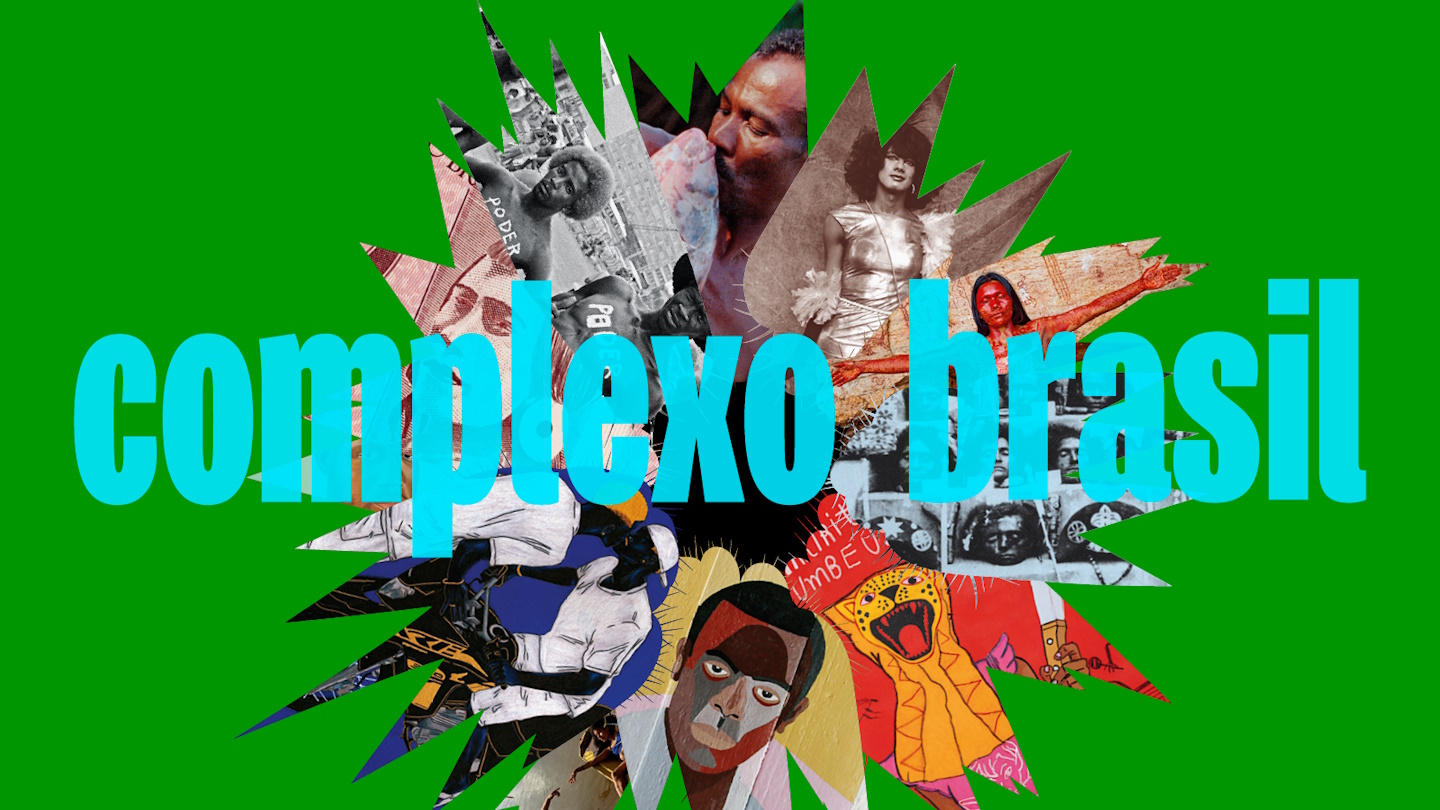
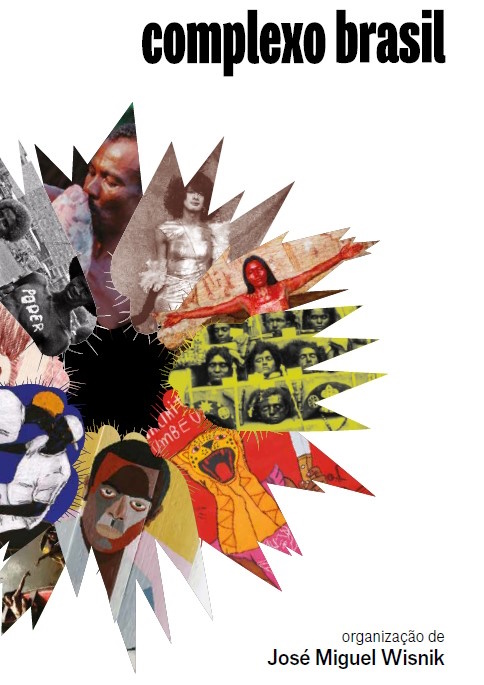
The exhibition complexo brasil [complex Brazil], like its striking symbol, is a seductive and coarse flower that pulls us into its unfathomable depths. It is an invitation to experience intersections, subject to friction and risk, admiration and awe, horror and fascination.
We started from the principle that what is called Brazil (which is made up of many Brazils) is the complex result of colonial actions of great proportions and consequences in which Portugal dragged parts of Africa to America and took this immense indigenous land for itself. What has been termed ‘discovery’ was an act of force that conceals this traumatic origin. The exhibition aims to reveal the concealment of these Brazils and to offer the Portuguese and Brazilians, from a position of shared responsibility, the prospect of a reciprocal revealing. In it the appropriating act of violence and the whirlwind of human experiences are merged in a process of intersection and eruption that impacts us today.
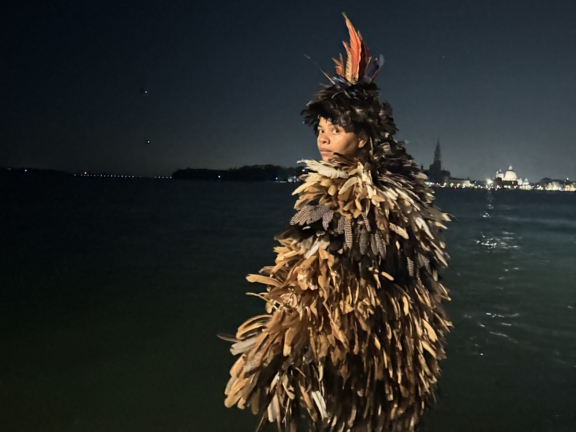
We embrace the country as a powerful racial and cultural mosaic: a complex mix of biomes, ethnicities, cultures, times, logic, languages, religions and economic processes. We affirm one of Brazil’s strengths: the power of inclusion, that is, of a relationship with the world in which nothing is excluded, of which the Manto Tupinambá, Arthur Bispo do Rosário’s Manto da Apresentação and Hélio Oiticica’s Parangolés are examples. These, in some way, contain the story of Brazil. We stress the aesthetic and political revival of indigenous and black creators and thinkers. At the same time, and for this very reason, we bring to light the structural realities that have made the country unequal and violent.
Within the web of the many creative languages involved in Brazilian life, recognised for their capacity to problematise and enchant the world, the exhibition hopes to confront the challenge of complexo brasil – this drug that seems to act enigmatically as a poison while seeming to be a medicine, and as a medicine while seeming to be a poison.
Credits
Curators
José Miguel Wisnik
Milena Britto
Guilherme Wisnik
Scenography
Daniela Thomas
Maristella Pinheiro
Graphic project
José Albergaria
Kiko Farkas
Sponsor

Support

The Calouste Gulbenkian Foundation reserves the right to collect and keep records of images, sounds and voice for the diffusion and preservation of the memory of its cultural and artistic activity. For further information, please contact us through the Information Request form.
Related
No results were found for your criteria.