
Our Complex Democracies
Book launch 'A Palavra e o Poder'
Event Slider
Date
- 18:30 / Cancelled 18:30 / Sold out Wednesday, 18:30
Location
Auditorium 2 Calouste Gulbenkian Foundation
A debate on the challenges facing contemporary democracies, with Rodrigo Tavares, José Miguel Wisnik, Milena Britto and Capicua, moderated by Mafalda Anjos, on the occasion of the launch, for the first time in Portugal, of the book A Palavra e o Poder: Uma Travessia Crítica por 40 Anos de Democracia Brasileira.
What can Brazil teach – and learn – about democracy, forty years after the end of the dictatorship? Brazilian democracy continues to send mixed signals. The country’s institutional framework remains solid, but persistent inequalities limit full citizenship.
In Portugal, Brazil’s journey arouses interest not only because of historical affinities, but also because it raises questions that resonate on this side of the Atlantic: how can trust in institutions be strengthened and democratic participation expanded? And how can culture continue to be the territory where democracy is tested, questioned and reinvented?
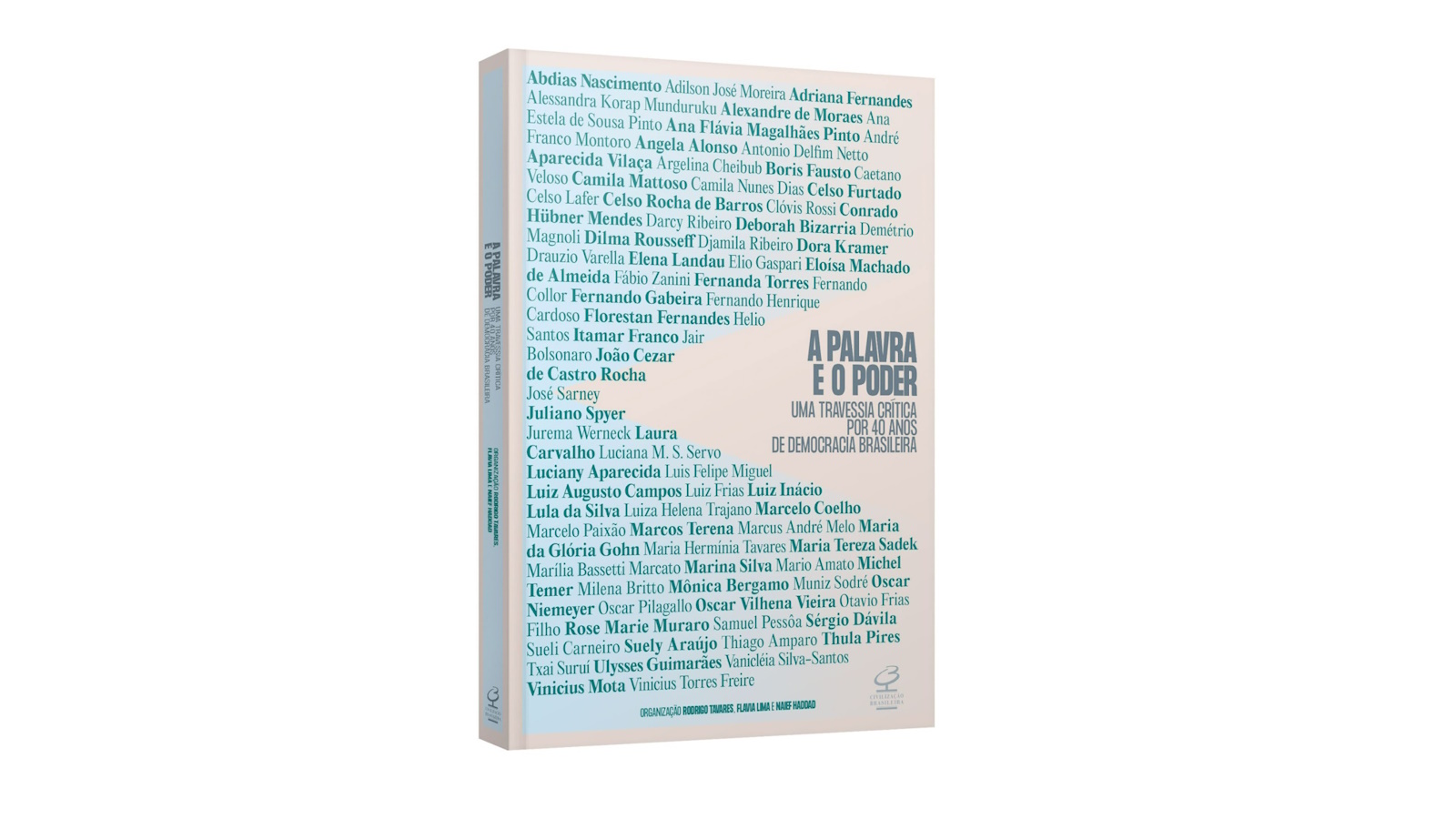
At the heart of this reflection is the book A Palavra e o Poder: Uma Travessia Crítica por 40 Anos de Democracia Brasileira, launched in Brazil in October and now presented for the first time in Portugal.
The project stands out for the plurality and relevance of the voices it brings together, offering a rigorous and intergenerational portrait of the Brazilian democratic experience. The work brings together more than 80 personalities – including former presidents of the Republic, intellectuals, journalists, economists, activists and artists – organised in pairs who dialogue with each other in a rare exercise of confrontation and complementarity of ideas about Brazilian democracy, from the promises of 1985 to contemporary challenges.
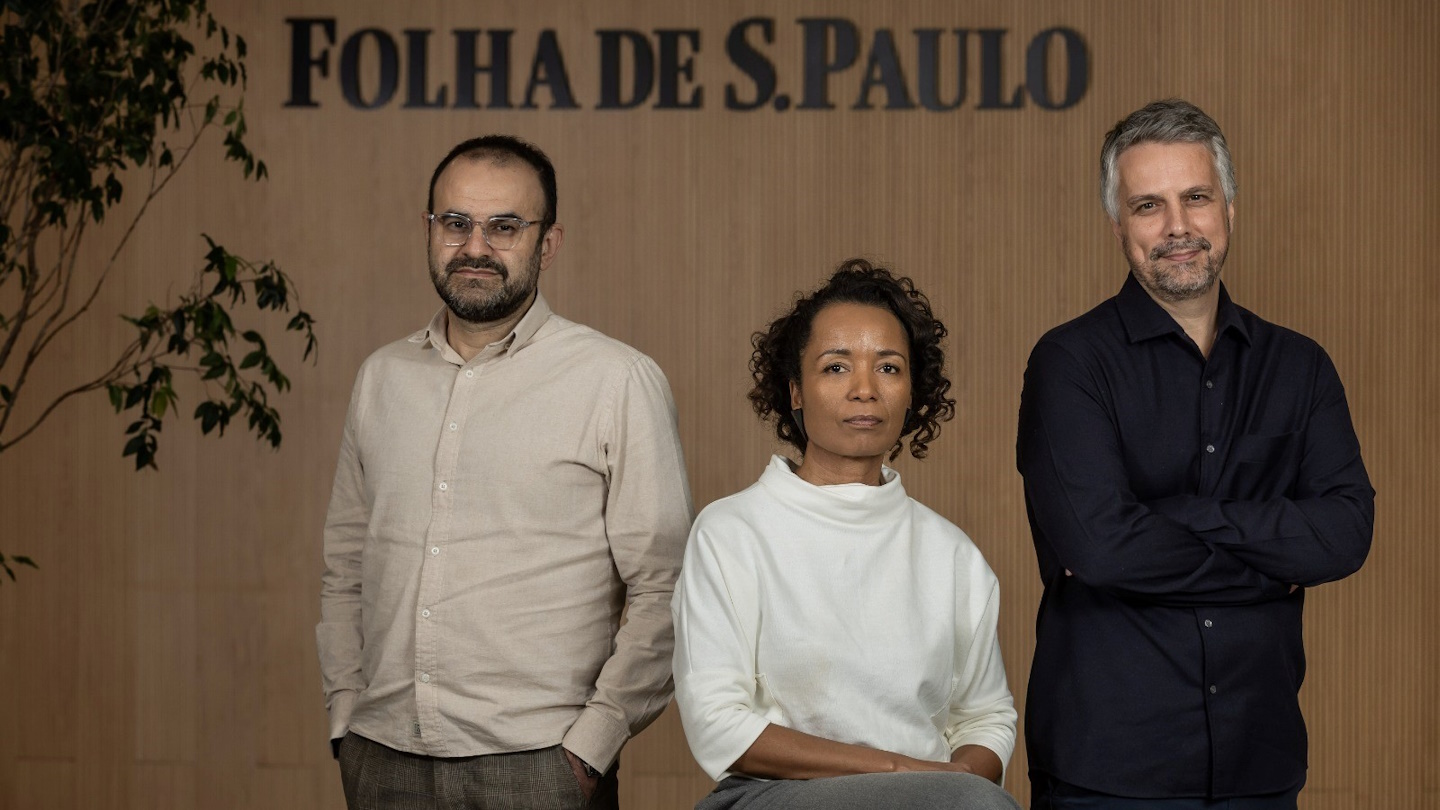
Organised by Rodrigo Tavares, Flavia Lima and Naief Haddad, the book is published by Grupo Editorial Record, in partnership with Folha de S.Paulo.
/
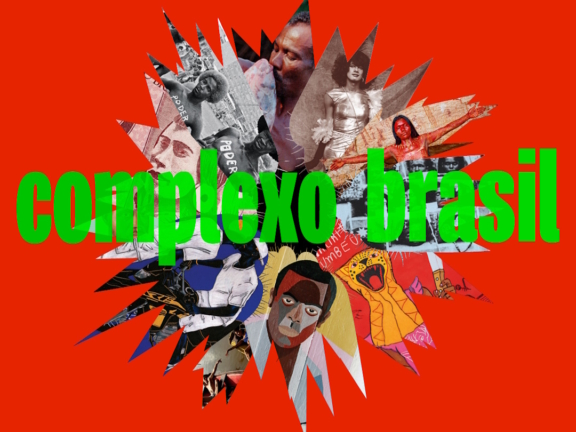
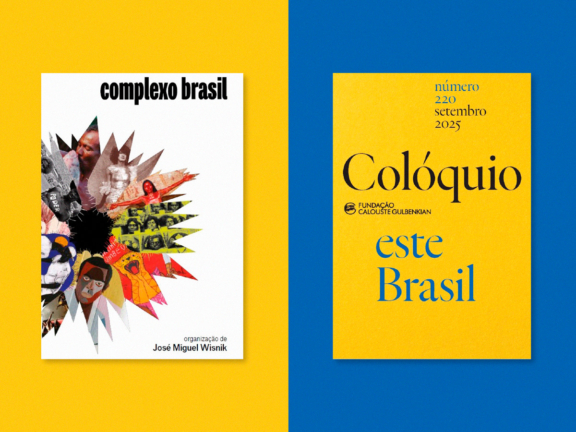
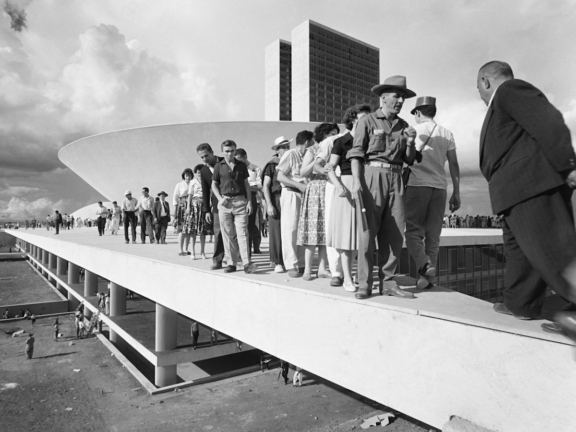
This event is part of the complementary programme for the exhibition complexo brasil, curated by José Miguel Wisnik, Guilherme Wisnik and Milena Britto.
Biographies
-
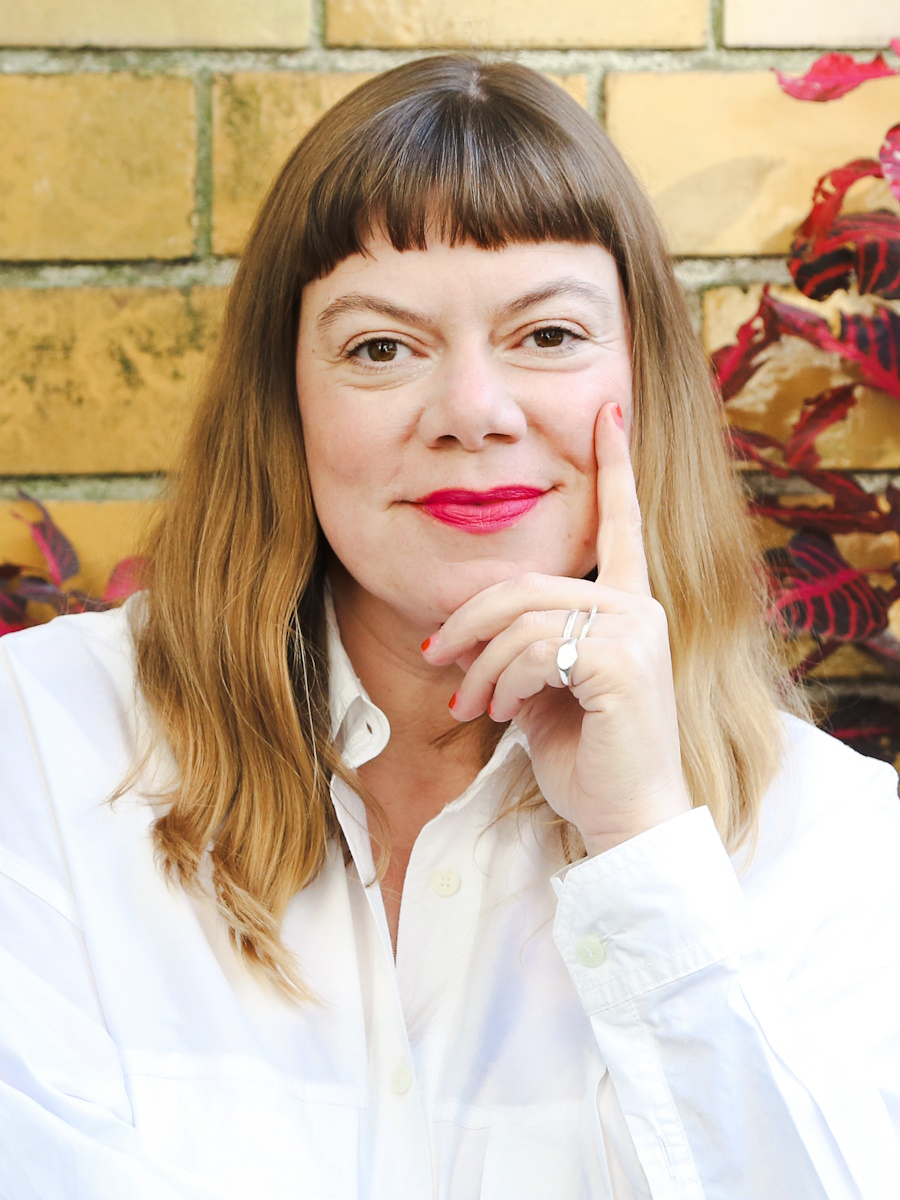
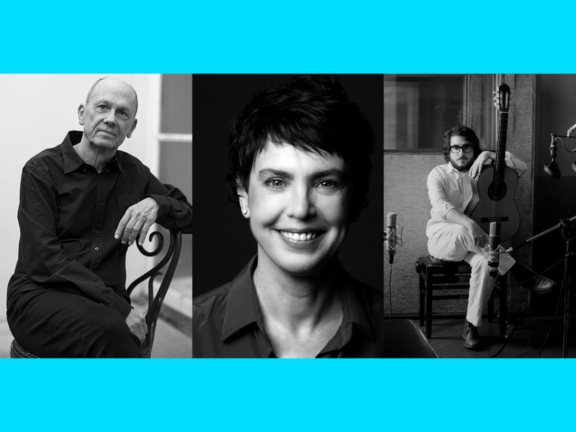
Capicua
Rapper, lyricist and writer, one of the most original voices in contemporary Portuguese music. She graduated in Sociology from ISCTE and obtained a PhD in Human Geography from the University of Barcelona. Since her first album, Capicua (2012), she has stood out for the way she combines rhythm, words and critical thinking. Several others followed, including Madrepérola (2020), which won the José Afonso Award. She is the author of the books Aquário (Companhia das Letras, 2022) and Cor-de-Margarida (Nuvem de Letras, 2023), and a columnist for Jornal de Notícias, where she writes about culture, society and gender equality.
Image © DR
-
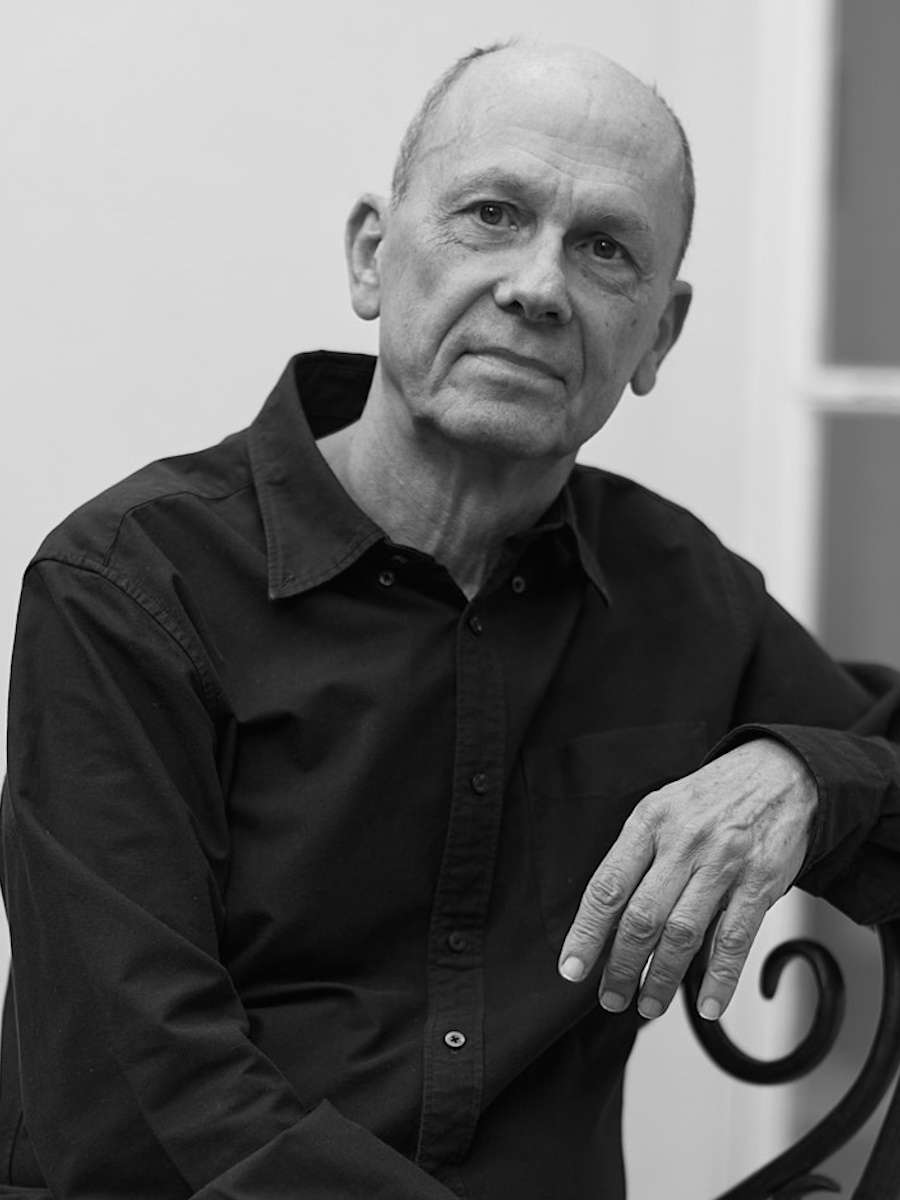
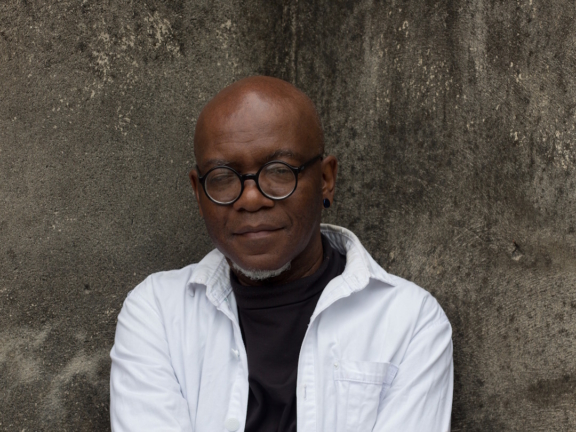
José Miguel Wisnik
Professor at the University of São Paulo (Brazil), essayist and musician. Author of O som e o sentido – Uma outra história das músicas (1989), Veneno remédio – o futebol e o Brasil (2008) and Maquinação do mundo – Drummond e a mineração (2018). He has composed for cinema, theatre and dance. He received the Jabuti Literature Award (1978, 2009), the Kikito Award from the Gramado Film Festival (1989), the São Paulo Association of Art Critics Award (1991, 1993, 1995), the Order of Cultural Merit (2009) and the National Library Foundation Literary Award (2019).
Image © Pablo Saborido
-
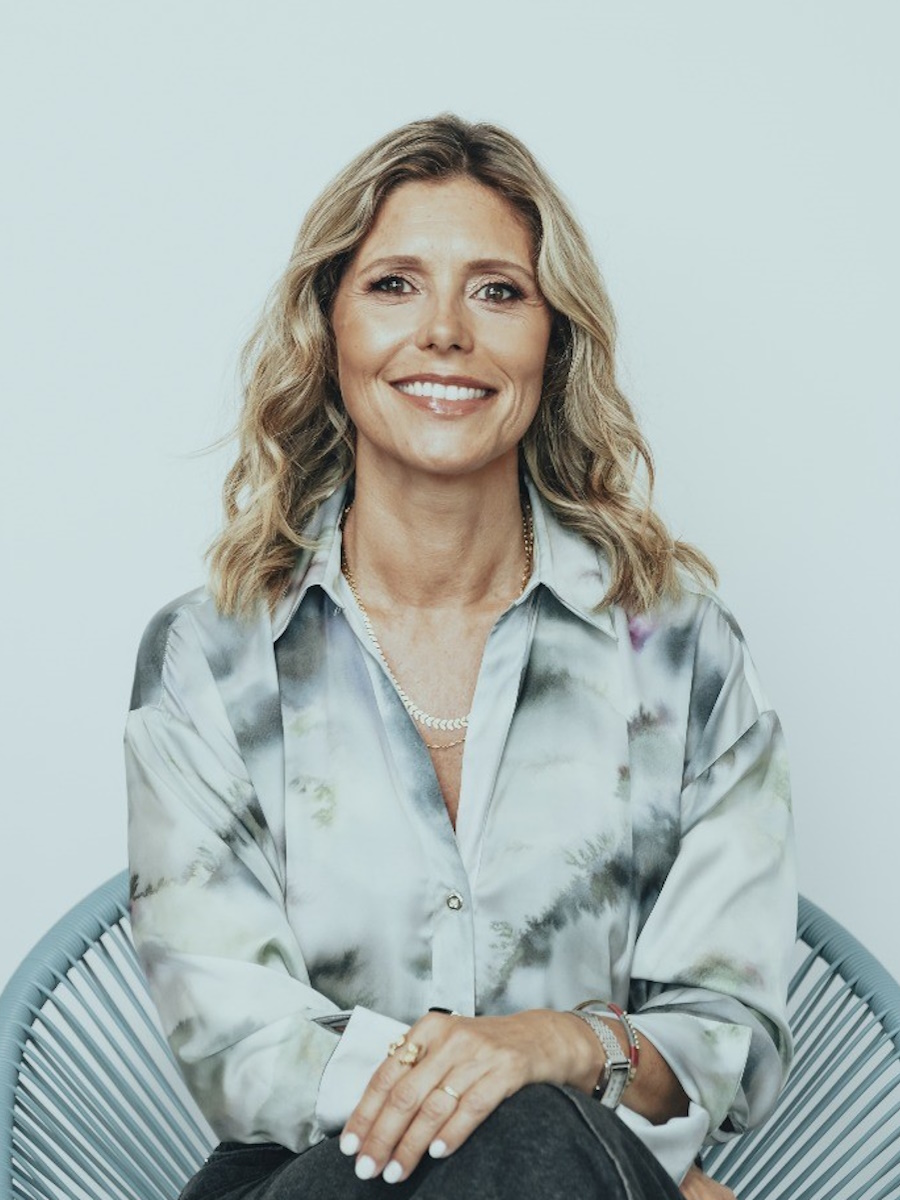
Mafalda Anjos
Journalist and one of the most respected figures in communications in Portugal. With a degree in Law from the University of Lisbon, she began her career at Exame magazine and joined the founding team of the Portuguese magazine Focus. She also worked at Semanário Económico, where she was editor and deputy director, before joining the editorial team at Expresso, where she ran the newspaper’s magazine. She was editor-in-chief of Visão magazine, and she is currently a commentator on CNN Portugal and a radio presenter on Antena 1. In 2024, she published Carta a um Jovem Decente (Contraponto), a book about values and individual responsibility.
Image © DR
-
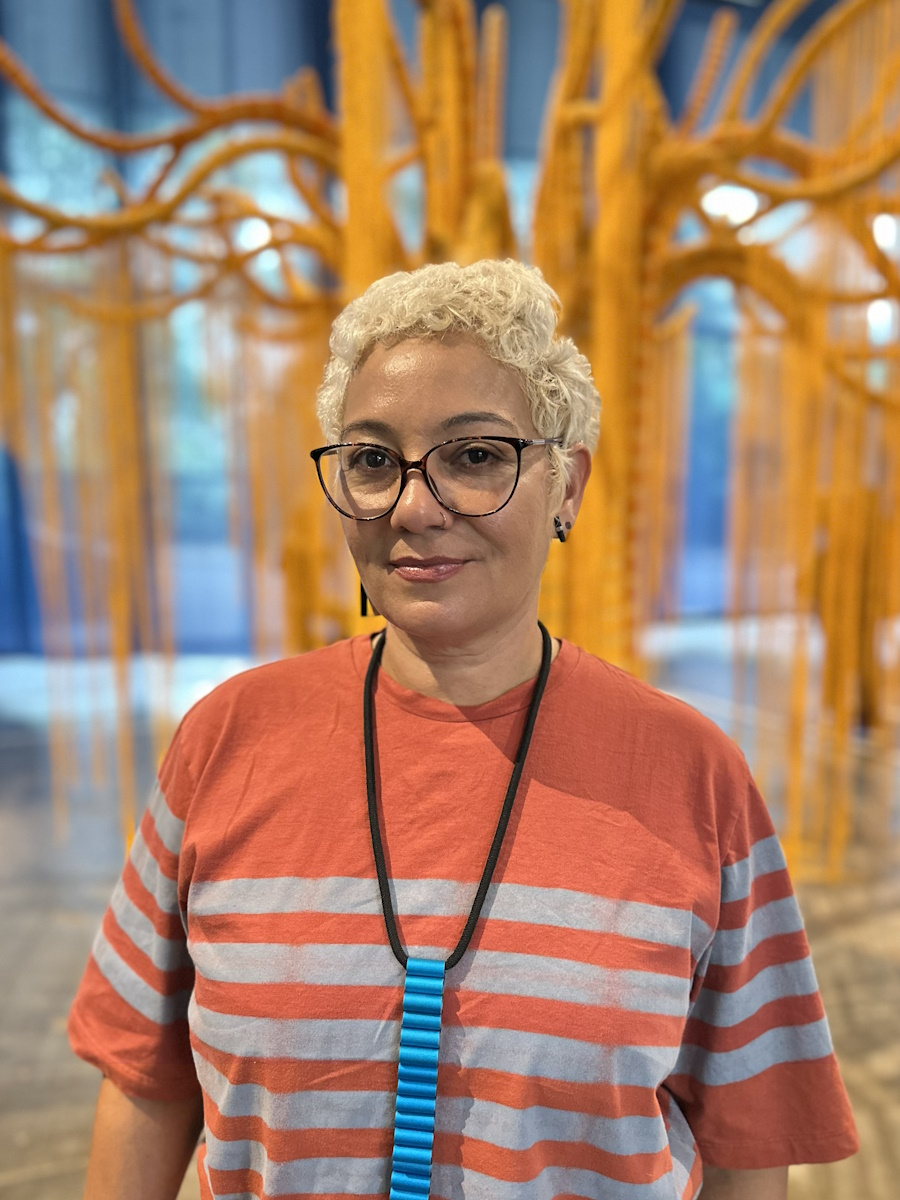
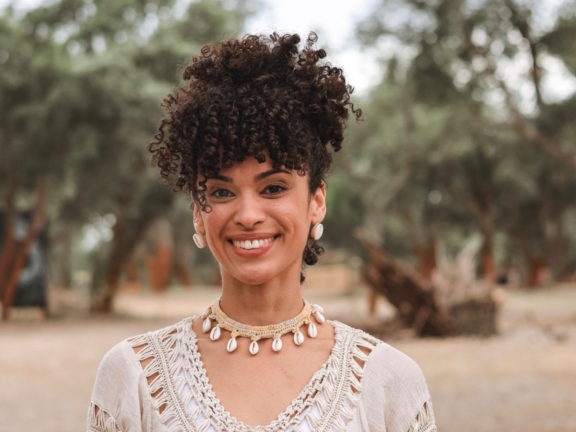
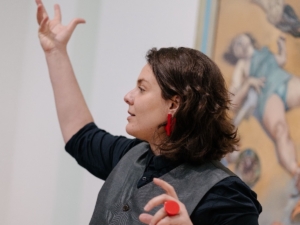
Milena Britto
Professor at the Federal University of Bahia (Brazil), PhD in Brazilian literature and culture. She was a visiting professor at the Andean University Simon Bolívar (Ecuador) and the University of California-Berkeley (USA). She was a consultant for UNESCO/MinC/FUNARTE and literature manager at the Cultural Foundation of the State of Bahia (2011-2015). She was a literary critic and curator of literary events, such as Flip (2022, 2023). She was editorial coordinator of Paralelo 13S. She studied the novel O Mameluco, by Amélia Rodrigues, selected by Rumos Itaú Cultural.
Image © Sarah Mirella
-
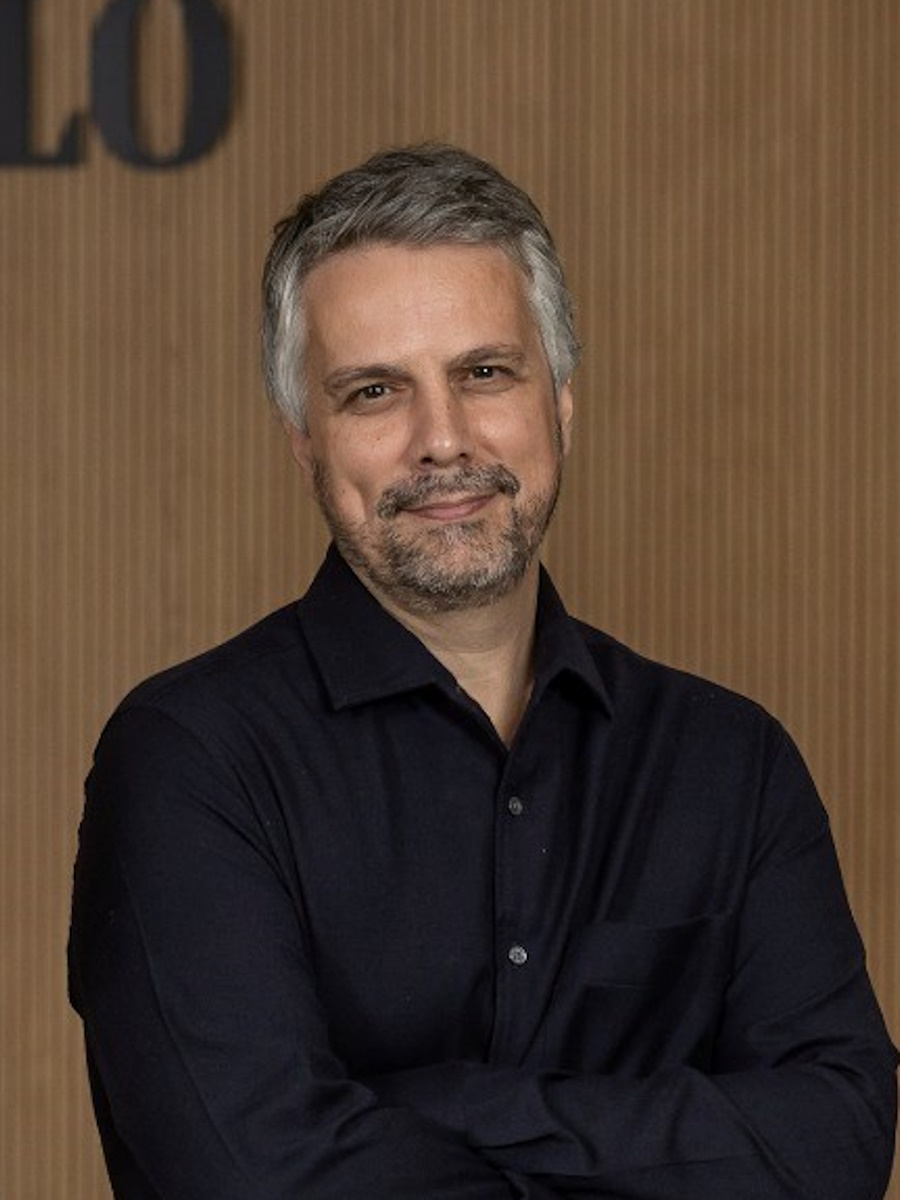
Rodrigo Tavares
Internationally recognised for his work in the areas of sustainability, finance and artificial intelligence. He holds a PhD from the University of Gothenburg (Sweden) and was a research fellow at Columbia University and the University of California, Berkeley (USA) and a senior research fellow at Harvard University (USA). Between 2011 and 2014, he designed and led the international strategy of the São Paulo State Government. He is currently a visiting professor at NOVA School of Business & Economics and founder and CEO of the award-winning Granito Group. He is a columnist for Folha de S.Paulo and Expresso, and has a weekly commentary slot on TSF. He writes regularly on international relations, sustainability, finance and economic development.
Image © DR
Credits
Image
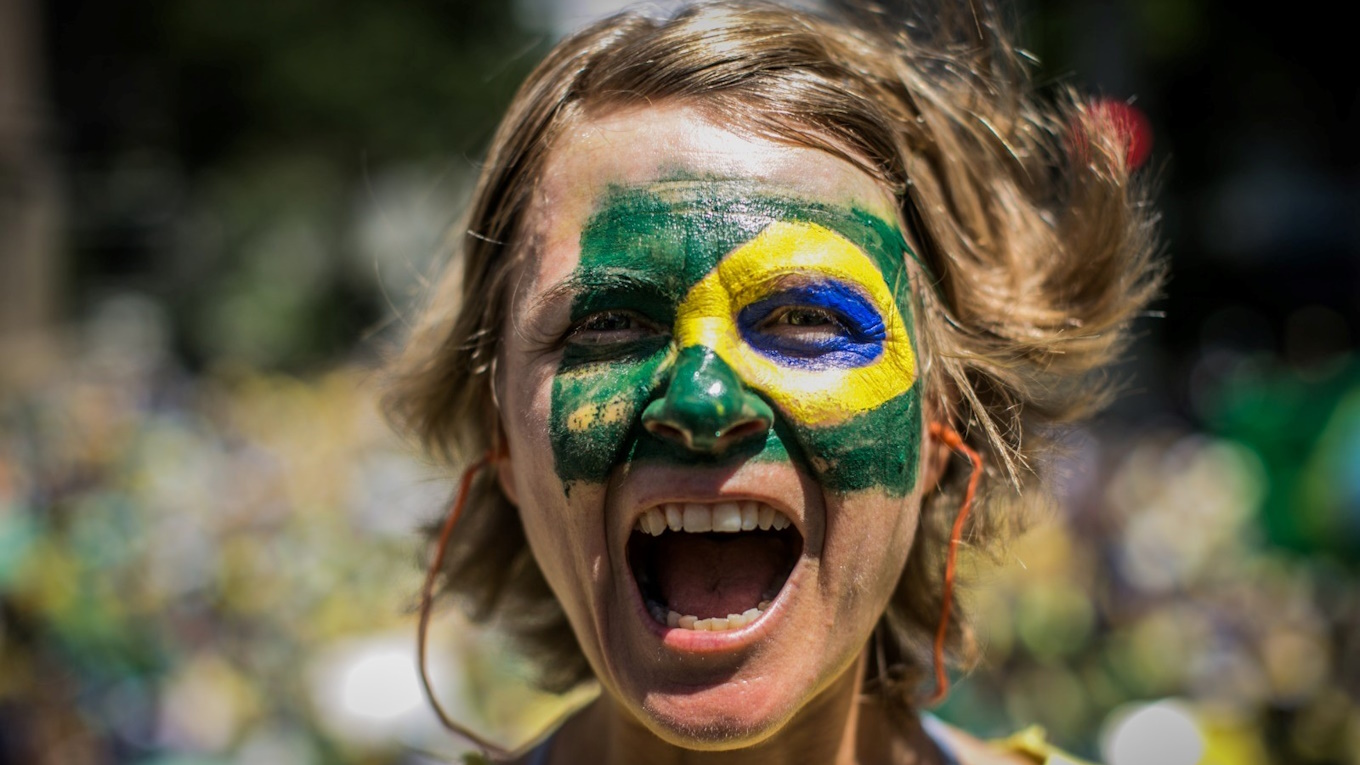
Bruno Santos/Folhapress
The Calouste Gulbenkian Foundation reserves the right to collect and keep records of images, sounds and voice for the diffusion and preservation of the memory of its cultural and artistic activity. For further information, please contact us through the Information Request form.
Related
No results were found for your criteria.