
Portuguese languages
Ynaê Lopes dos Santos and Caetano Galindo
Event Slider
Date
- 18:30 / Cancelled 18:30 / Sold out Wednesday, 18:30
Location
Auditorium 3 Calouste Gulbenkian Foundation
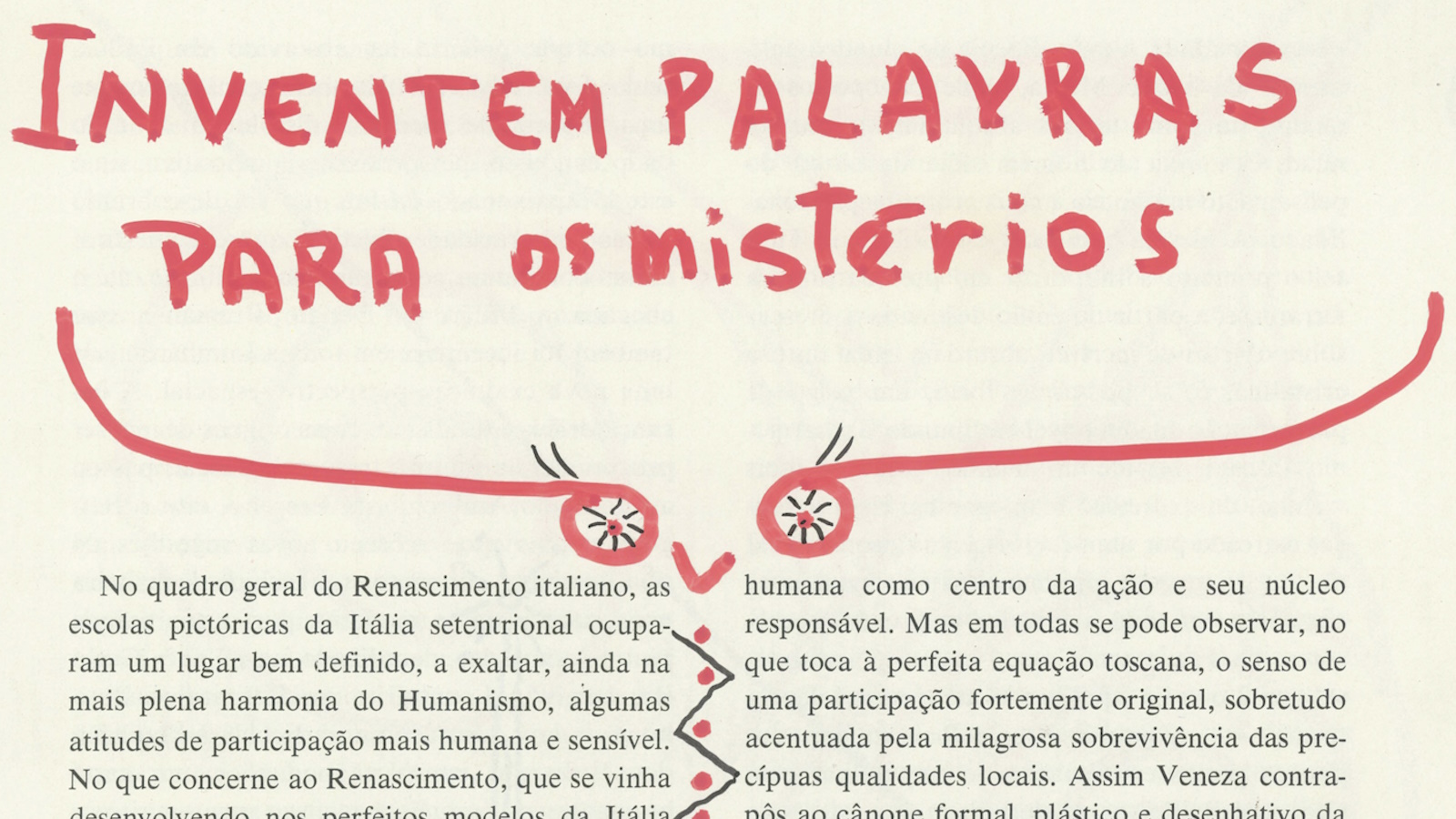
This talk between historian Ynaê Lopes dos Santos and linguist Caetano Galindo aims to reflect on the various languages we call Portuguese.
If Latin underwent transformations driven by historical and political processes, encounters between peoples and diasporic particularities, we can now affirm that there are several Portuguese languages, even though this is a contentious issue, clouded by the mistaken idea of a single, correct and pure Portuguese.
Differences are treasures that the language has produced over the centuries. Nothing is more erroneous than rejecting the cultural contributions that modify the language wherever it is spoken.
The dialogue between Ynaê Lopes dos Santos and Caetano Galindo aims to shed light on the various languages that exist under the name of Portuguese – their peculiarities, transformations, uses, xenophobia, linguistic racism, art, culture, life.
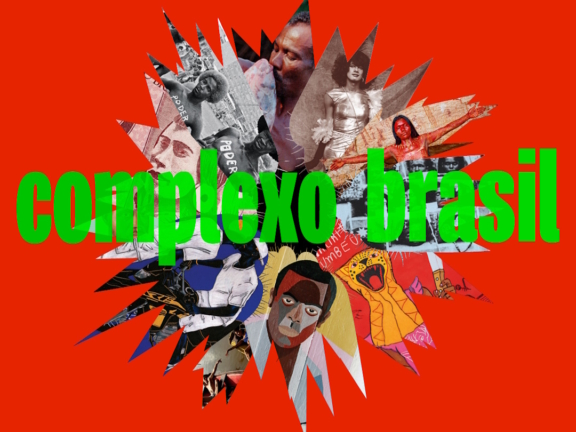
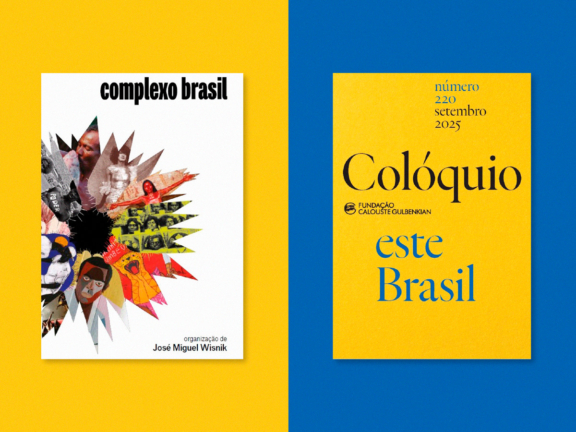
This event is part of the complementary programme for the exhibition complexo brasil, curated by José Miguel Wisnik, Guilherme Wisnik and Milena Britto.
Biographies
-
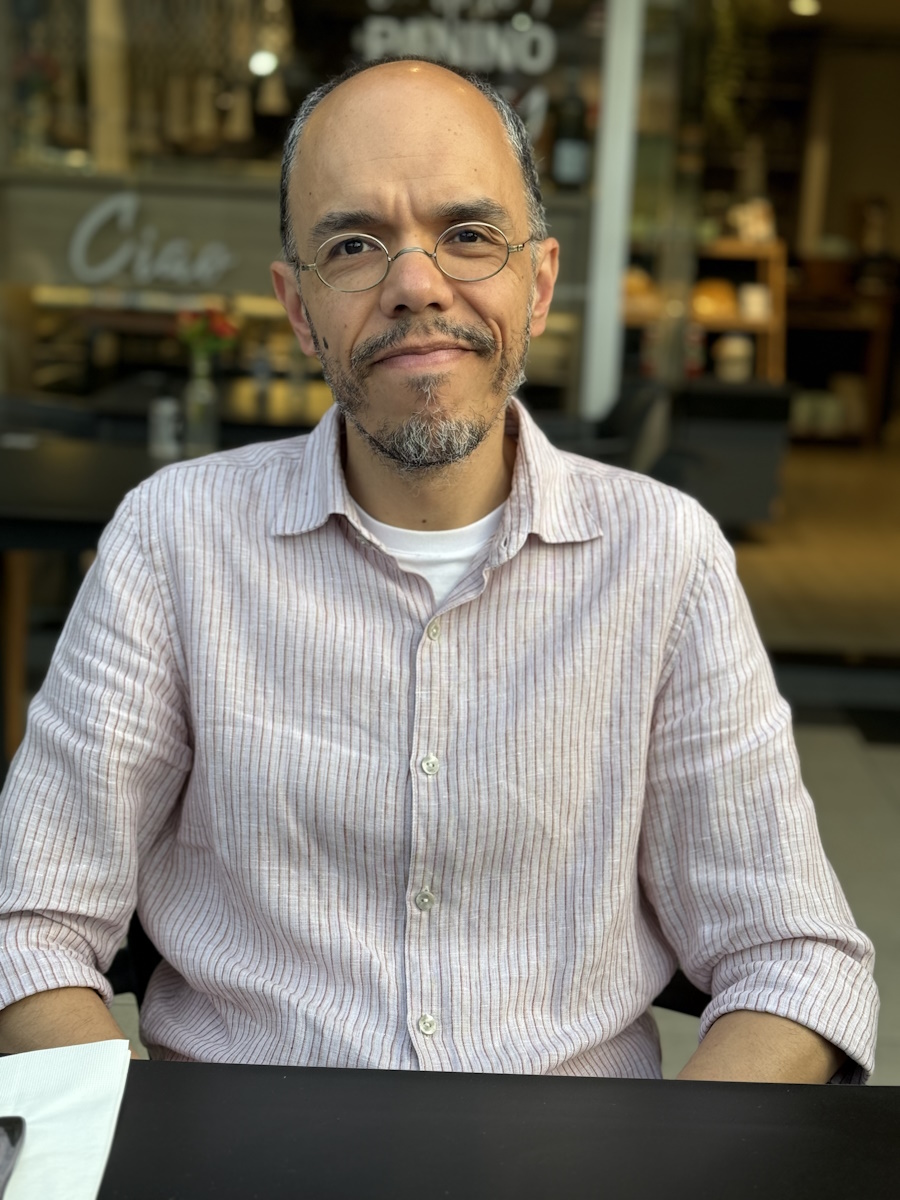
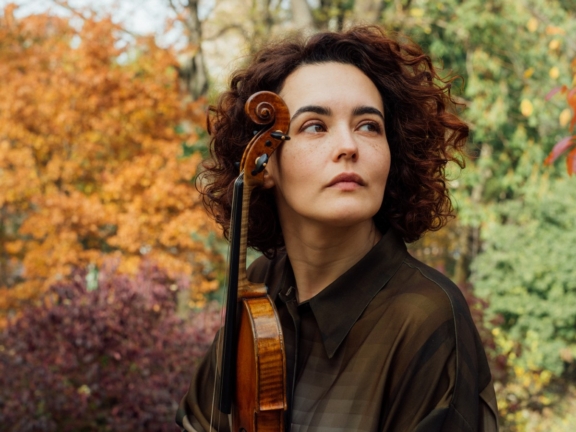
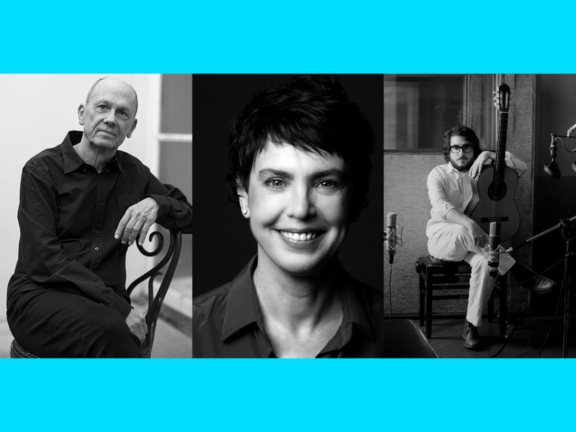
Caetano Galindo
Caetano W. Galindo is a professor at the Federal University of Paraná. He has translated works by James Joyce, T. S. Eliot, J. D. Salinger, Alice Munro, and others. He is the author of Sim, eu digo sim: uma visita guiada ao Ulysses de James Joyce (2016), Latim em pó: um passeio pela formação do nosso português (2023) and On the tip of the tongue: our Portuguese from head to toe (2025), as well as books of short stories, poetry and theatre. In 2025, he curated, with Daniela Thomas, the exhibition Fala, Falar, Falaresat the Museum of the Portuguese Language in São Paulo.
Imagem © DR
-
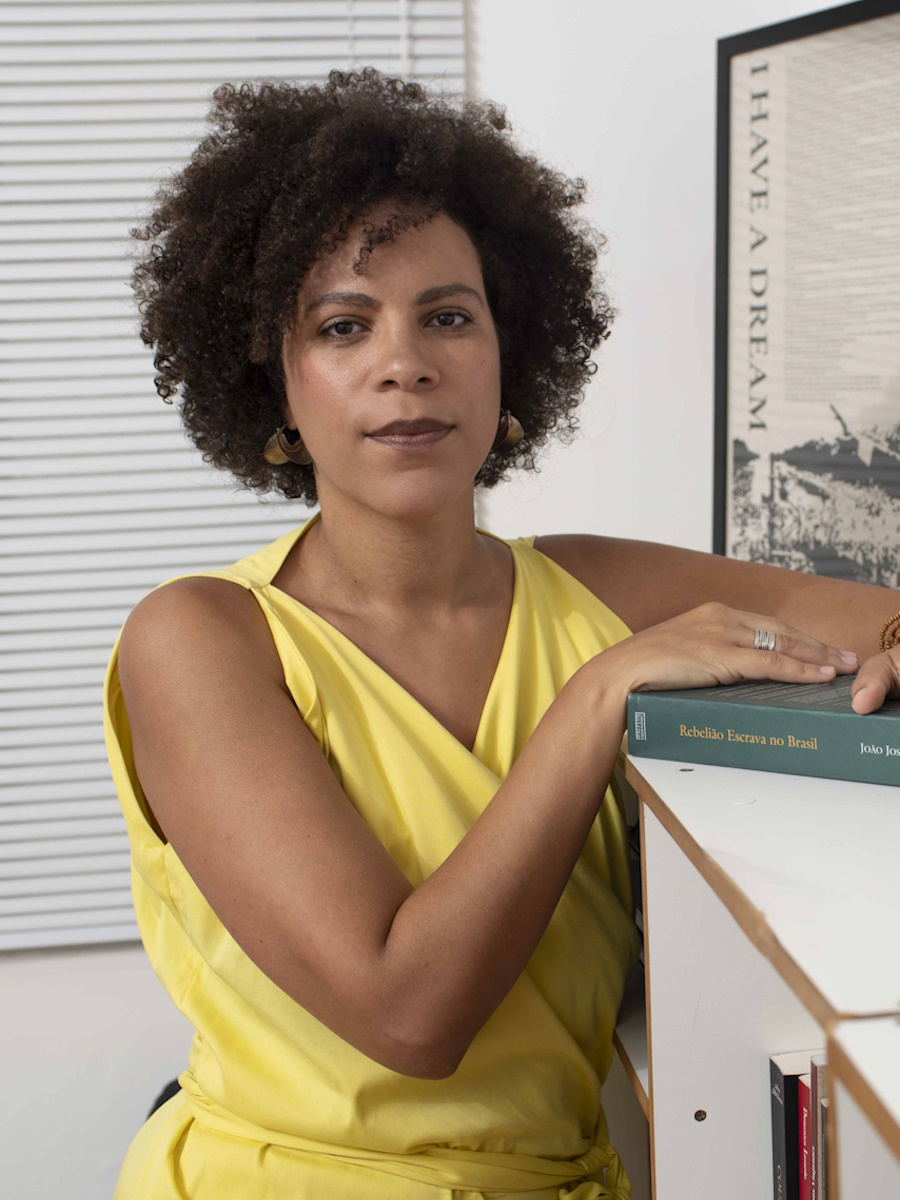
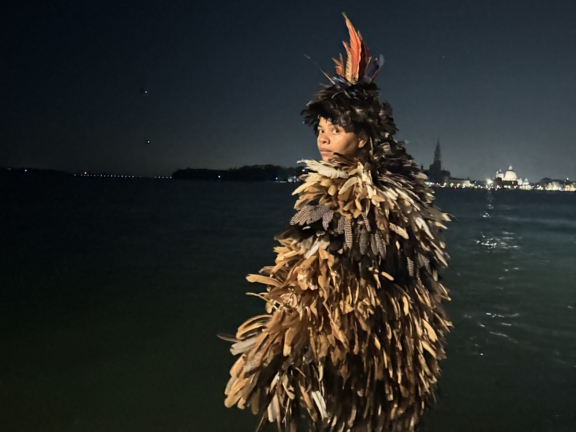
Ynaê Lopes dos Santos
Ynaê Lopes dos Santos is a professor of American History at Fluminense Federal University. She holds a BA, MA and PhD in History from the University of São Paulo. Her areas of research are the history of slavery in the Americas, the study of ethnic-racial relations on the American continent and the teaching of African history and black issues in Brazil, having published several books in these fields. She is a Young Scientist Fellow at Nosso Estado – FAPERJ and a Productivity Fellow at CNPq, as well as coordinator of the Afro-Americas Working Group at ANPUH. She is a columnist for DW Brasil and curator of several exhibitions.
Imagem © DR
Credits
Image
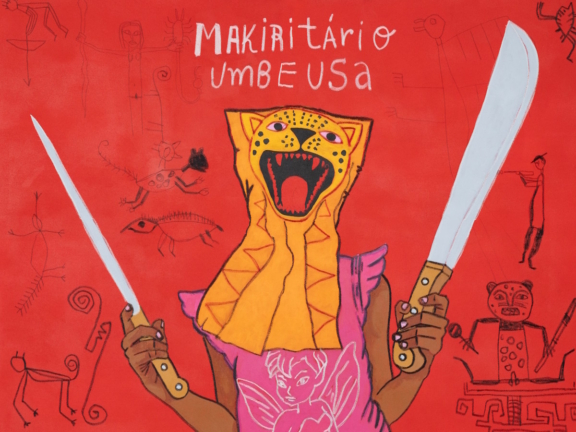
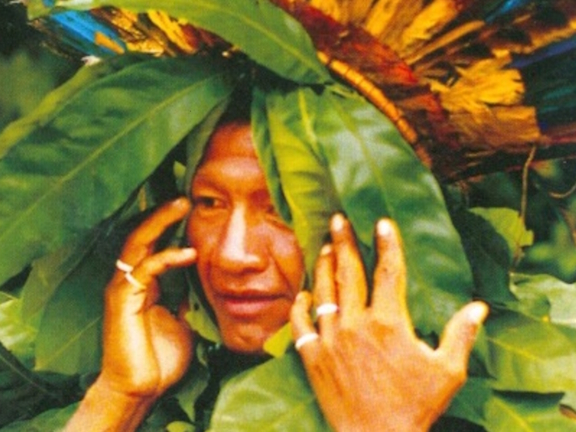
Jaider Esbell, Carta ao Velho Mundo (detail). Galeria Jaider Esbell de Arte Indígena Contemporânea @jaider_esbell
The Calouste Gulbenkian Foundation reserves the right to collect and keep records of images, sounds and voice for the diffusion and preservation of the memory of its cultural and artistic activity. For further information, please contact us through the Information Request form.
Related



No results were found for your criteria.