
“We have to dive into violence”
What motivated you to create the corpoemcadeia project?
I was always a very intense person, with lots of stories intersecting within me. So I guess that’s the question: what do I do with all this intensity inside me? This is a long story, but I went to law school and when I finished my degree I thought, “this isn’t what I want to do, I want to dance”. So I went to dance school.
Dance has always been closely aligned with how I feel. I always had the feeling that when I danced, I was dancing my experience, my relationship with the world. So there was this thing about self-knowledge, about wanting to dive deep inside myself. I feel the tension between movement and idea, between what we call the body and the mind, emotion, and I need to lose alignment to calm my inner voices.
When I started dancing, I began to feel a restlessness that was transforming, but I also wanted to have a repertoire for what was happening to me in terms of movement. This dimension between theory and practice became increasingly clear, and then, as a dancer and teacher, I began researching approaches to movement that had to do with psychology and philosophy, until I came across Gestalt psychotherapy.
Where did psychotherapy take you? And how did you find yourself working in prisons?
Gestalt psychotherapy is an approach that is more philosophical than psychological, based on existentialism, and has a lot to do with body work and asking questions through movement. Existentialism raises a fundamental question for me, which is freedom and responsibility. What does freedom mean? This already connects with prisons.
On the other hand, Gestalt psychotherapy also borrows from phenomenology, which involves working with the phenomenon, not interpreting, describing, being in the “here and now”, understanding the body as something temporal. Existence precedes essence. Basically, it is about tearing down these identity boxes and understanding that life is a flow and that we are in perpetual creative adjustment, which ultimately means dance.
While I was with Olga Roriz, the need arose to do the Gestalt internship. Violence was a subject of particular interest to me, because I hate violence, it tears me apart, and my way of diminishing that force is to work closely with it. So I thought about prisons, which are violent places, where the body does not move, where there is a lot of masculinity, which is also a theme that interests me – the dialogue with feminism, the need to talk about the emancipation of men alongside the emancipation of women; because violence, patriarchy and crime are part of the same cycle. And, of course, dance is provocative in a prison.
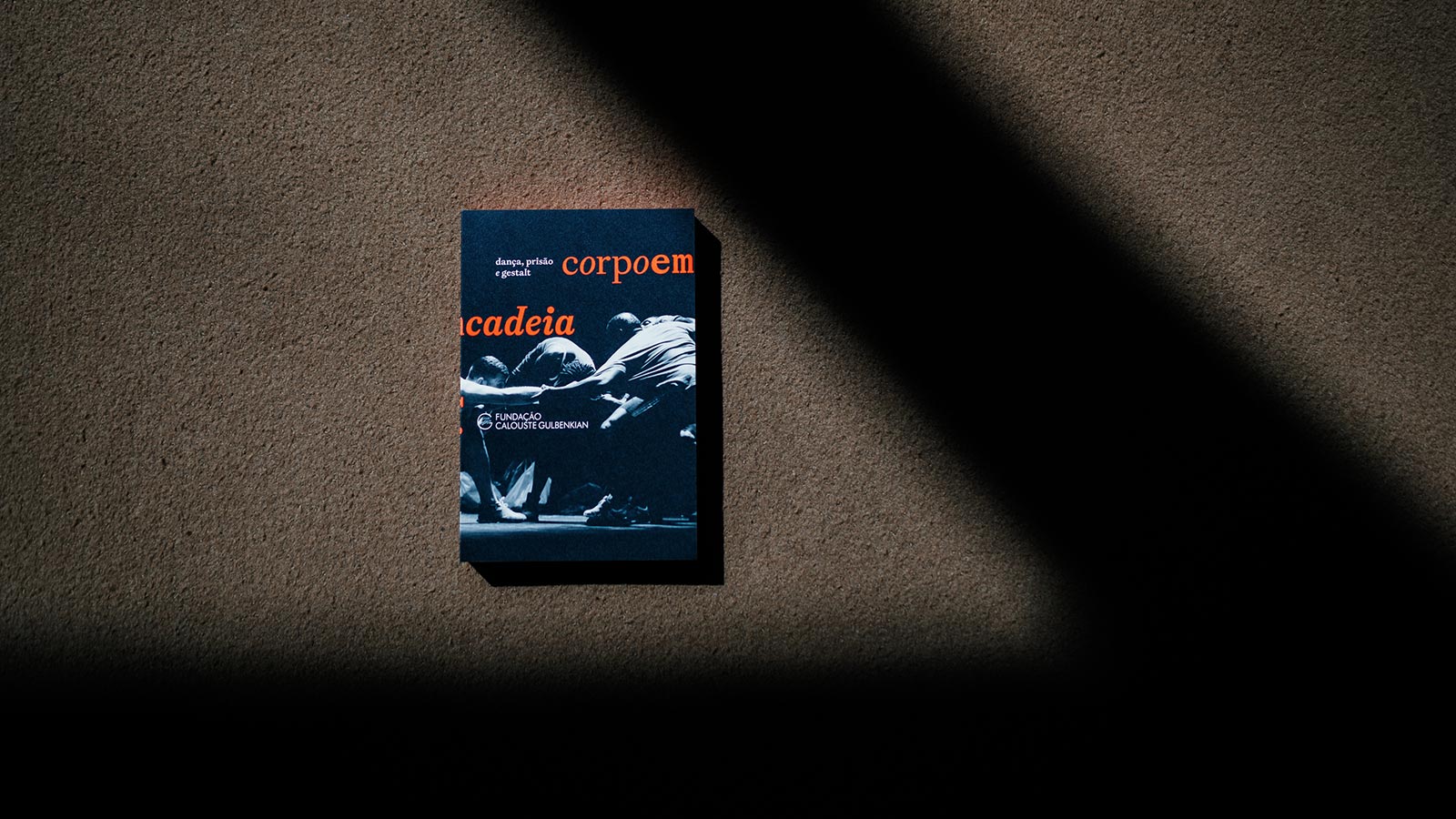
The book was among the end goals of the project, as a manual of best practices, but it ended up becoming a book of over 300 pages. How did that happen?
It came as a result of a limitation I have, which is a significant inability to summarise. There is a phrase that resonates strongly with me, which says that “art is the non-violent synthesis of the dispersed”. It is the possibility of reducing something, but without destroying it. Because art leaves space for the viewer to complete it. But one never does, a work of art is always incomplete.
It is still a closing gesture. Initially, when I thought about it as a result, it was a manual, but then I realised it wouldn’t work because there is so much to talk about here. How can I make a manual of good practices that sticks to a recipe for something as vast as Gestalt, dance, and prisons?
As a result, this book arises precisely from a recognition of the dignity of Gestalt, which could not be conveyed through a presentation of techniques. And, in this process, I kept on expanding and expanding for almost four years. I needed this to remain faithful to Gestalt, to dance, to prisons, and to what the project was.
The book includes photos by seven photographers. How important is the dialogue between the text and the photos?
From the very start of the project, we developed a fantastic partnership, almost self-managed. Everything was connected to us, but organised independently, under the coordination of Susana Paiva, with photographers who shared a common vision, each with their own unique style.
I really liked not knowing what was going to happen, being detached from that process myself. And that, in the book, is reflected as follows: there is no figurative relationship of mimetisation, of explanation, of what the project is through the images. The images have a life of their own, they speak for themselves, they have their own logic. In other words, neither the text instrumentalises the photos, nor do the photos instrumentalise the text. Another thing that happens within the project, according to the logic of Gestalt and dance: there is an agency, a collaboration of forces, but one that cannot be absorbed or instrumentalised.
After so many years of experience, how does working in prison and being exposed to violence impact you?
I’ve become more aware of the complexities of human nature. And I’ve experienced more pain too. When you enter a place like prison, it’s as if you were doing a kind of X-ray of society. When you dive deep into the shadows, something inside you feels flooded with an awareness of the world, of others, which is inseparable from an experience of pain and limitation, but also brings you communion.
You touch other people’s pain, you share pain, you step out of your bubble, off the stage, out of the studio, you dive into human misery, but it’s a shared human misery, experienced with love, with dedication, and then it’s almost as if you were in a post-war scenario and you saw a plant sprouting. I’m not optimistic about what we’re going through, I don’t have much faith in humanity as an abstract and universal concept. But I do have faith in relationships with people: there’s a flame that keeps flickering.
Hence the need to engage with violence in order to deconstruct it.
We have to dive into it. We have to dive into violence. Dive in and get covered in it – not in the sense of replicating it, but of understanding it, of dancing with it. And when I say violence, I mean my own as well. We live in a very violent society. We don’t think so because we’re polite, because we eat with cutlery and sit on chairs, but there’s a degree of violence against bodies. Nowadays, more and more, via television channels and social media, we’re exposed to a terrifying level of violence.
And in doing so, is there any hope to be found?
Yes, it’s wonderful. For example, in the Guard Corps, which I consider to be a very oppressive and violent organisation, we find movements, words and actions that deconstruct violence.
What interests me, when it comes to violence, is what decentralises violence. It’s what agitates whatever has been imposed in a determined way. When I am in a prison and I see these gestures, and I see the laughter, the dancing, the gestures of kindness, it is as if we are subverting violence. A bit like folding clothes inside out. There is an energy, a force. And I think that the artistic experience helps to refine this sort of flow that is urgent and intense.
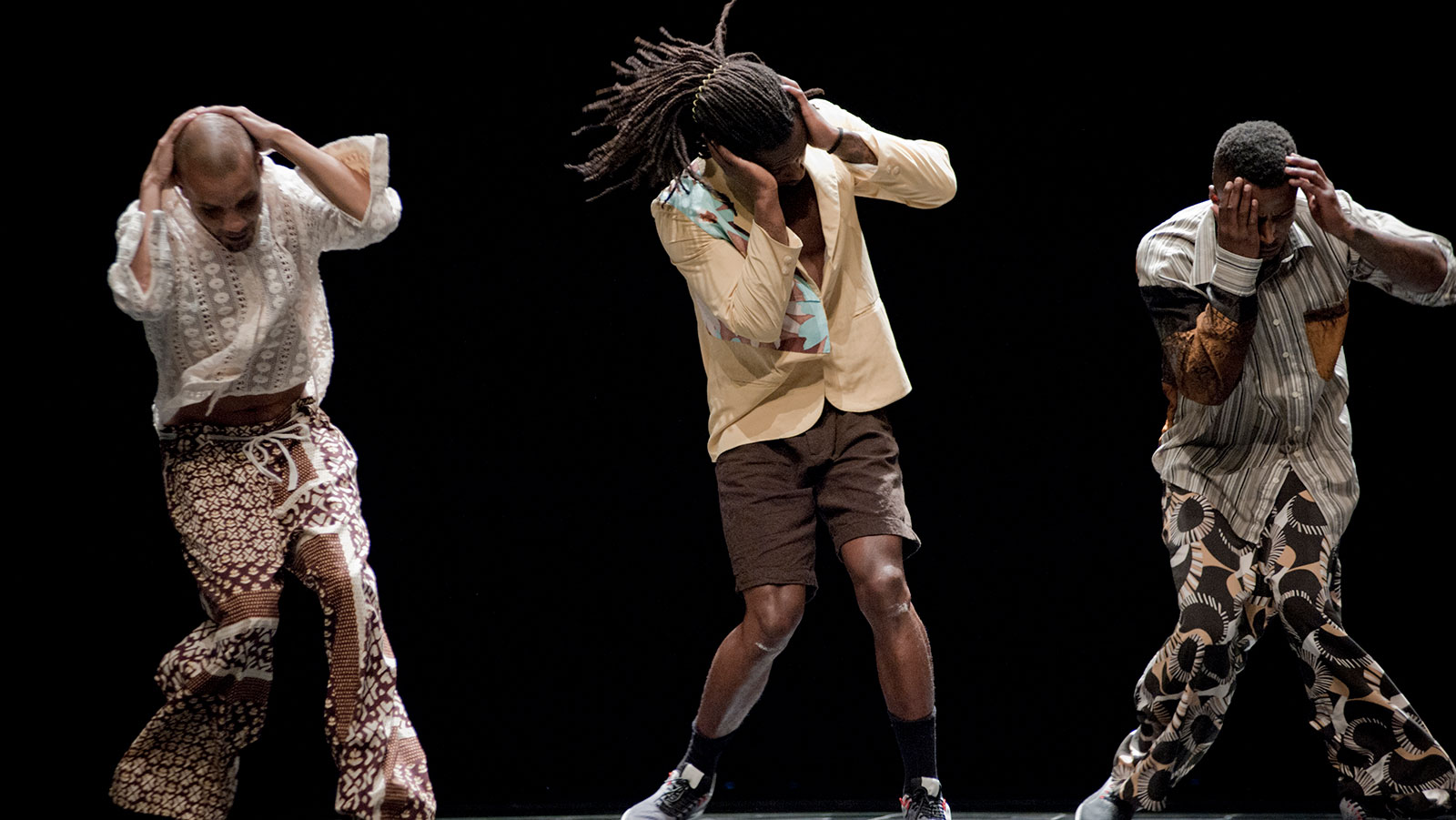
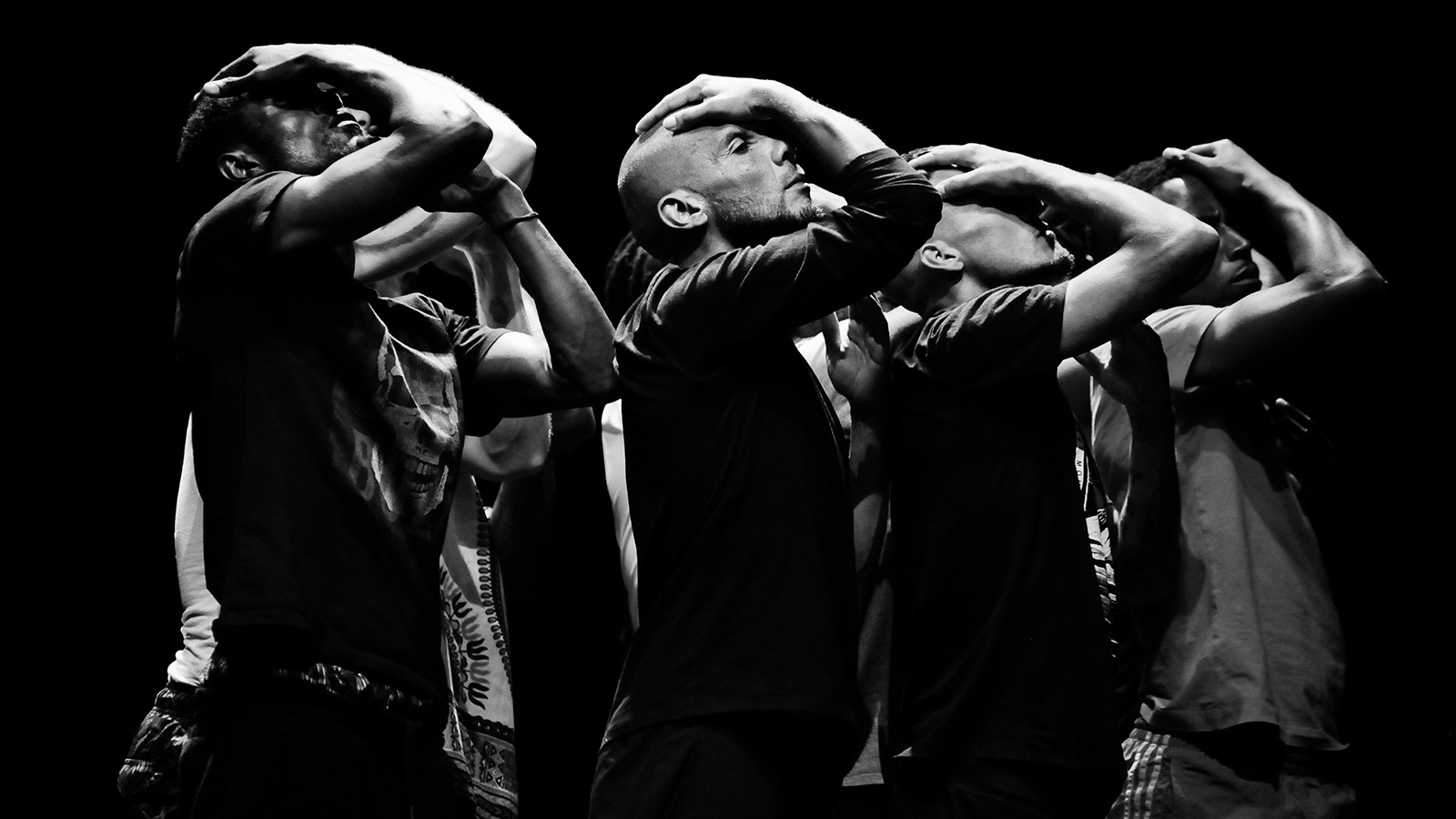
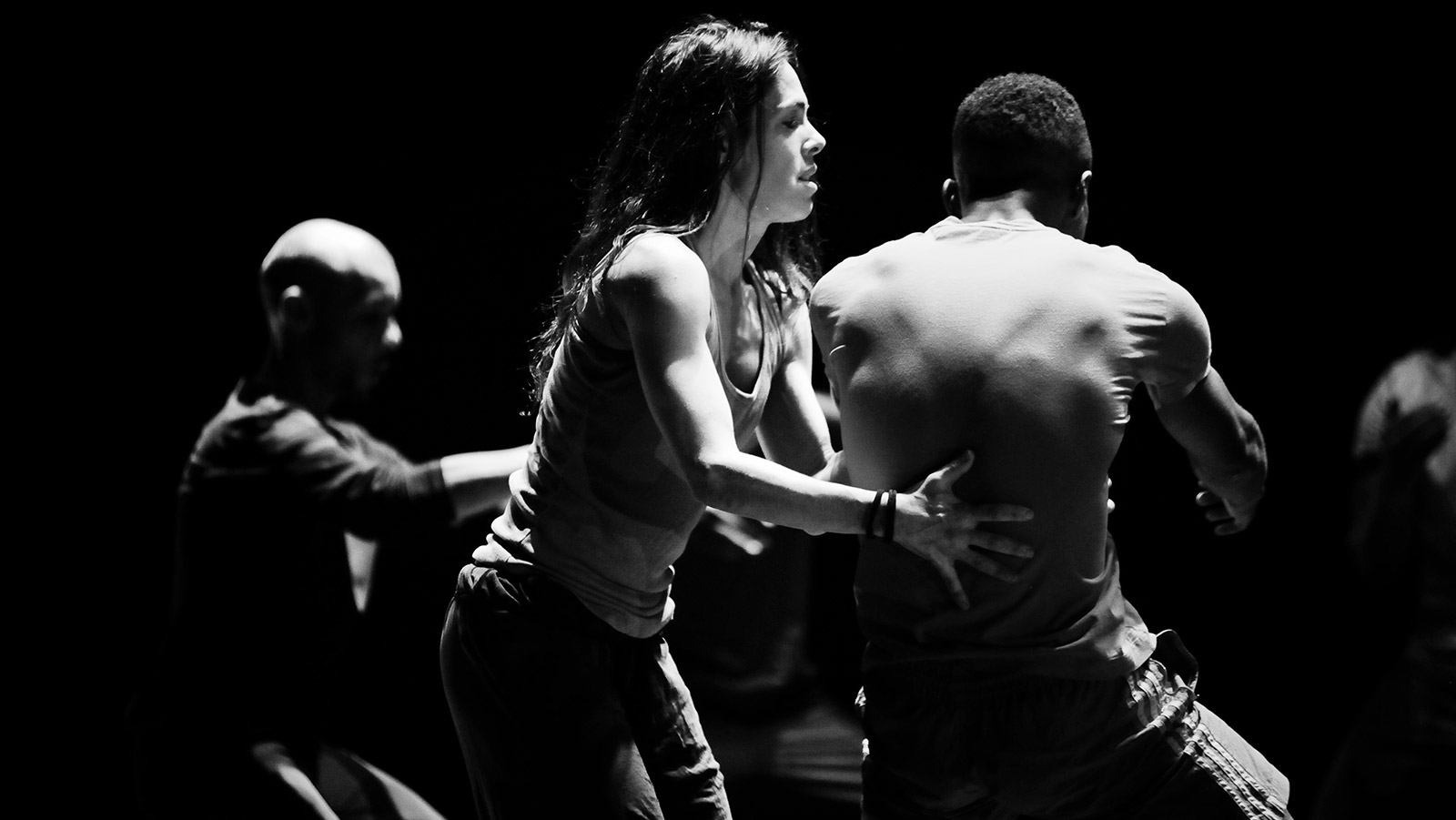
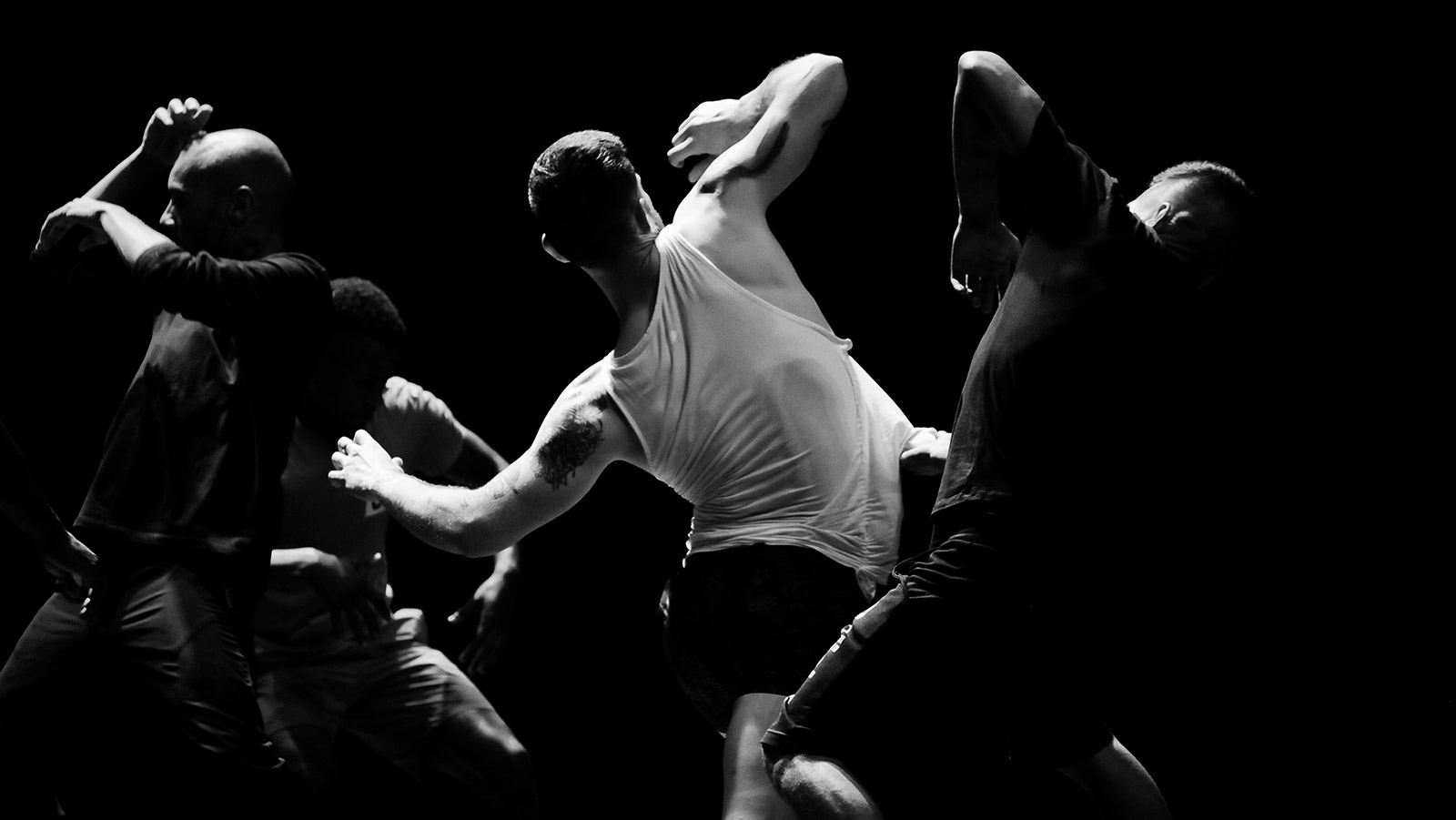
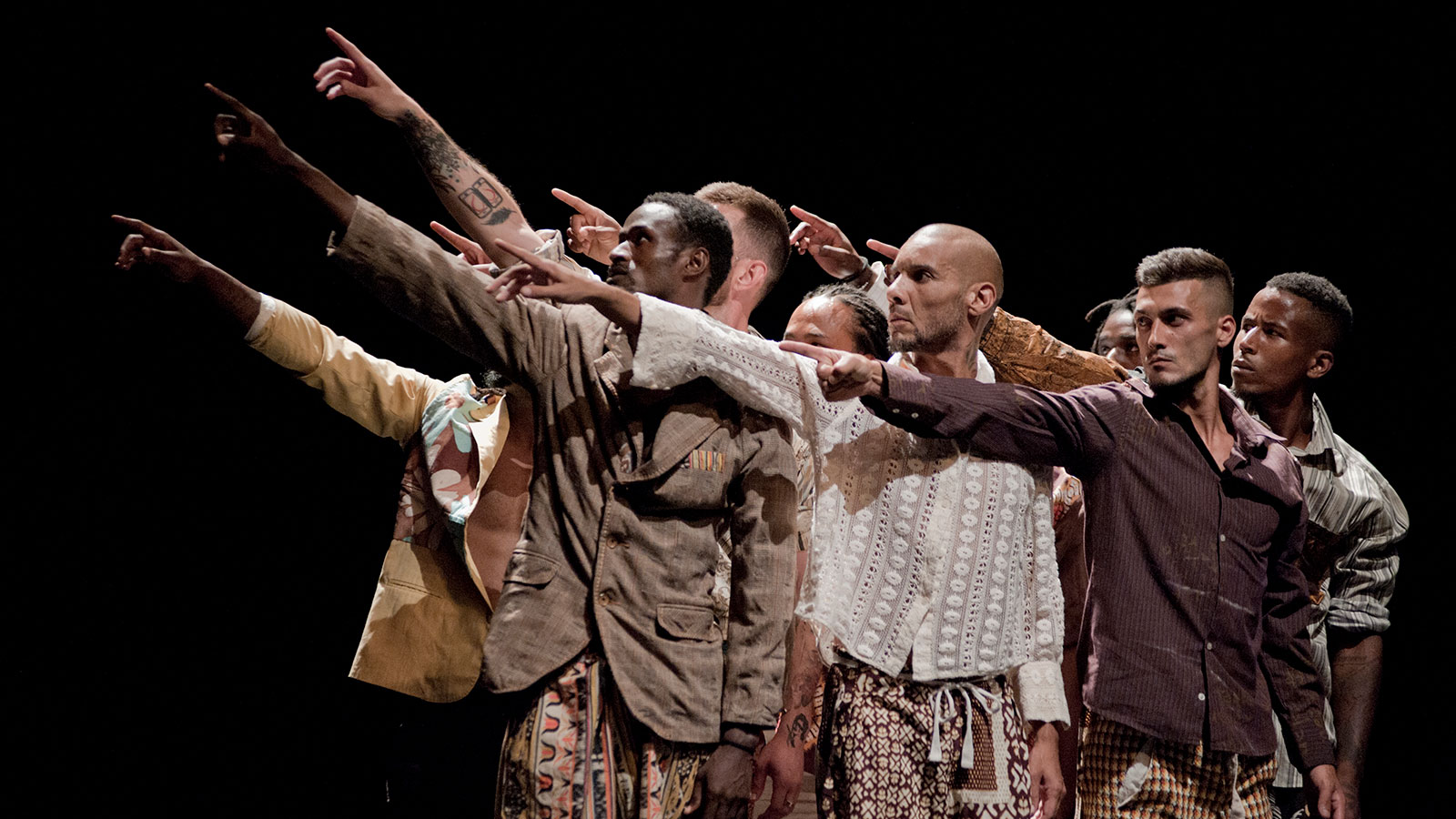
One of the most common statements you’ve heard from participants is, “I’m in prison, but when I dance, I am, in all senses, a free man”. What impact do you think the project has had on participants and the prison community?
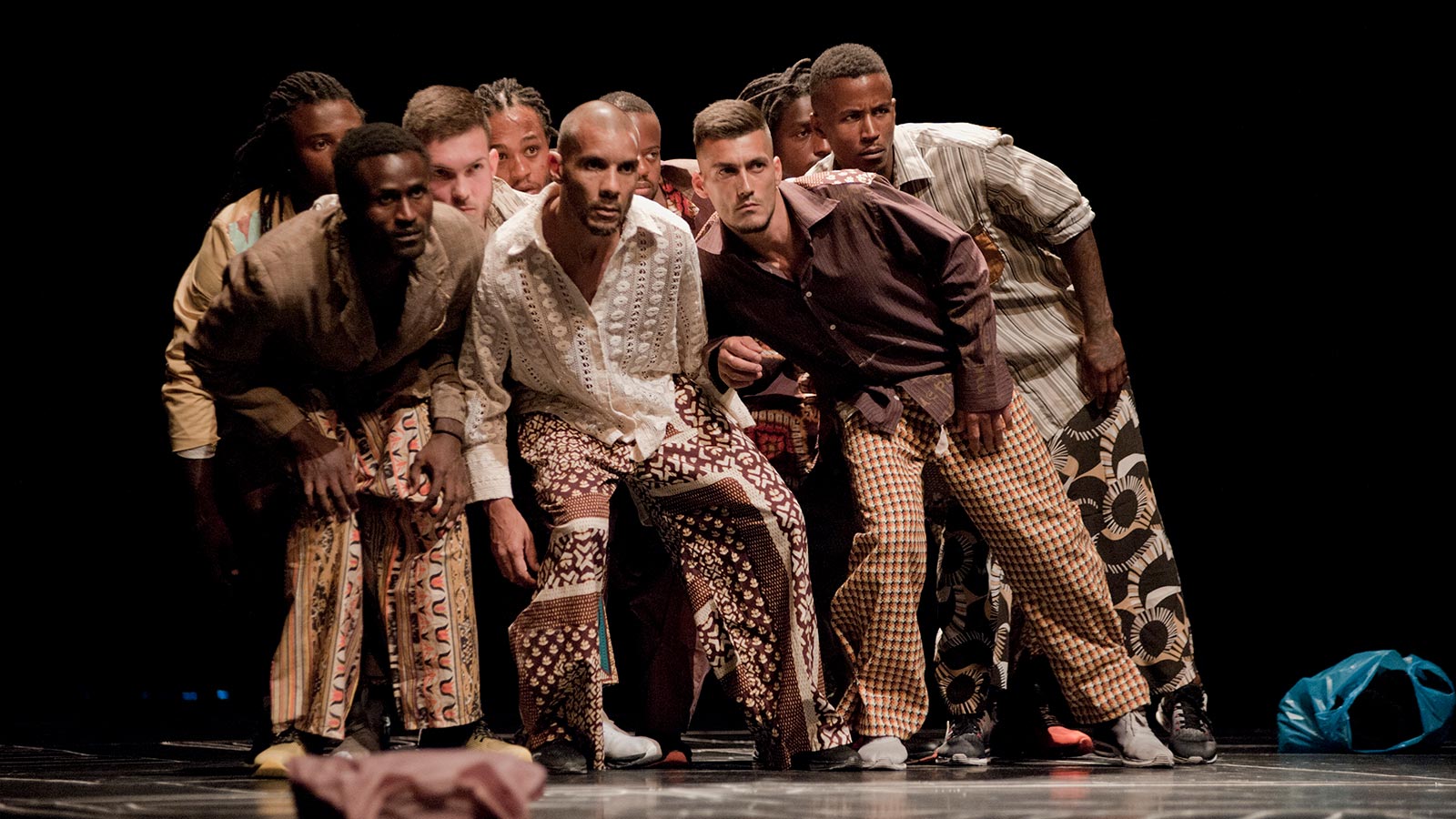
I have no doubt that the experience of dance is liberating – and at the same time, it gives you responsibility. Freedom only exists because there is responsibility, not the other way around. And in dance, especially in the kind we practise at corpoemcadeia, which is a dance of relationships, we find this relational tension with the other, which has to do with possibility and limitation. They feel free, not because they can do everything, but because they can make choices. Choices of weight, choices of movement, choices regarding touch, and you only choose because there is another person. There is otherness. So when they say they feel free, they are saying that they feel responsible for themselves and for others.
This responsibility also makes me think of the idea of empowerment that you mentioned earlier, about the liberation of men.
Absolutely. For me, empowerment means being in your body. To empower is to embody. When they are in that place in their bodies, they dismantle law and authority. Law is neither the penal code, nor the charter of human rights, nor the constitution; these are authoritarian systems that have been internalised, originating in the unconscious. We cannot think about freedom without thinking about the unconscious.
When they dance, they discover themselves in caring relationships, they discover themselves in circular movement, in horizontality, in logic of mutual aid rather than competitiveness. And what the patriarchal legacy dictates is that you have to be strong, you can’t show tenderness, because one thing is better than the other, this is our sense of justice. But I believe that justice is a process, a relational ethic. As a result, the legacy of masculinity collapses.
And why is relational ethics experienced in dance so effective? Because it is discovered, not taught, not explained. When you discover something, that’s it, there’s no going back. Obviously, we also work on these things and talk about them, but it is in this relationship between bodies – and I try to ensure that there aren’t only men in the sessions – that they understand all of this.
Which stories or moments have had the greatest impact on you over the past four years?
I always enjoy those moments when characters are taken apart. I remember that during the pandemic we sent letters to the boys, and those letters were not given to them directly, but the director read them aloud. And they were philosophical, poetic letters. So suddenly you had a prison director with inmates saying, “my dear ones, I open the window, look at the sun and think of freedom”. And these unlikely scenarios happened here and there. I love it because everything is turned upside down.
We also had a young man who joined us recently, from the commandos, who hardly moved. You could see the tension in his body; he wanted to try, but didn’t know how. So I said, “just sit down and watch”. After watching the group, he joined in, and his face began to relax. I really enjoyed witnessing this process, when courage overcomes self-prejudice. And we see this happening all the time: the skin peeling off – and that hurts – and another skin forming.
What role can foundations like Gulbenkian play in the development and continuity of these projects?
Gulbenkian has been the heart and soul of these projects. What I would like to see is more Gulbenkians so that these projects can flourish. But I don’t think of Gulbenkian as an influencer of cultural policy. It doesn’t influence cultural policy, it makes cultural policy, because culture is political.
The Foundation plays a very important role, because it not only provides financial and human resources, but also creates a space for debate, education and growth, and for questioning these artistic practices. This is a remarkable approach, and it also shows confidence in our role as creators of these public policies, which are policies of social justice.
How do you expect this book to contribute to this field? And how can these kinds of practices shape the future of prisons?
I would very much like the book, in the same way that it dialogues with many voices, to capture the attention of many different people who work in prisons. From artistic and social agents, especially people linked to the Department of Reintegration, to social educators. I would like it to have a diverse readership. I would also love it if, by reading the book, people would think about how they can make a difference based on their own authenticity.
I ultimately wanted to bring a more human, more critical approach and, above all, to advocate for something I consider essential, which is the importance of art in shaping the individual. I truly believe that we transcend ourselves in three dimensions: creation, care and education. We are very busy producing, making progress, developing technology, but what I would like is for us to rethink our social paradigm and place participatory artistic production at the heart of our civilisation. I think that when that happens, I will have more faith in humankind.
You may also like
No results were found for your criteria.