
The right to culture
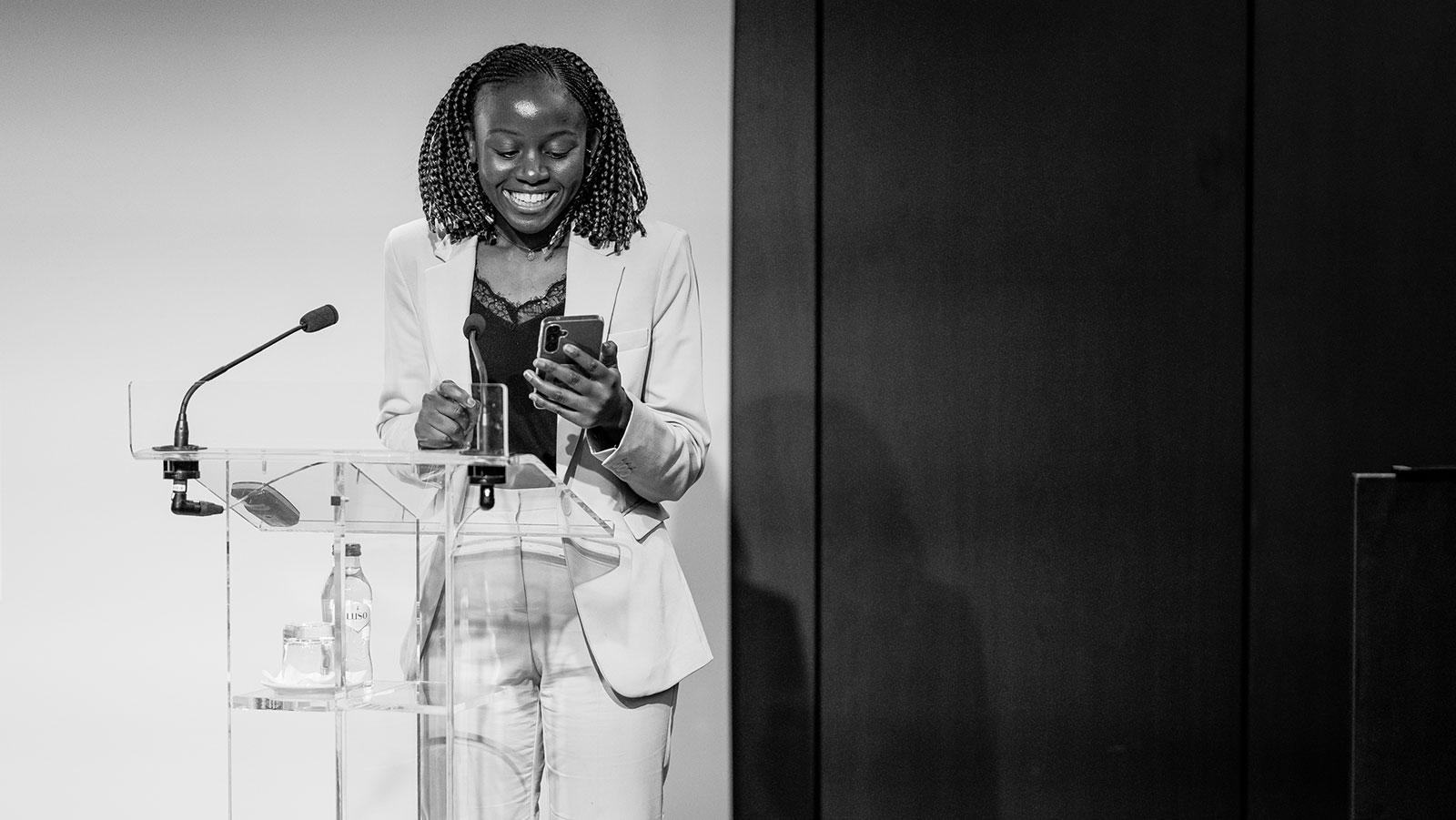
Somewhere in a video on social media, I came across the actress Denise Fraga, who said, paraphrasing: “just as we have the right to health, we must also have the right to art, because art helps us to live”, and adds “those who read Clarice and Pessoa, those who read Dostoevsky, those who read the poets, will at the very least suffer more beautifully”. I do owe Florbela Espanca the beauty and legend of suffering, but I also owe her childhood songs on FM home radios, the first theatre plays I watched, what I ate. Culture is more than just a way of being, it’s something that nourishes us as humans, like the sun and the rain, culture is food and water for feeling, thinking and being.
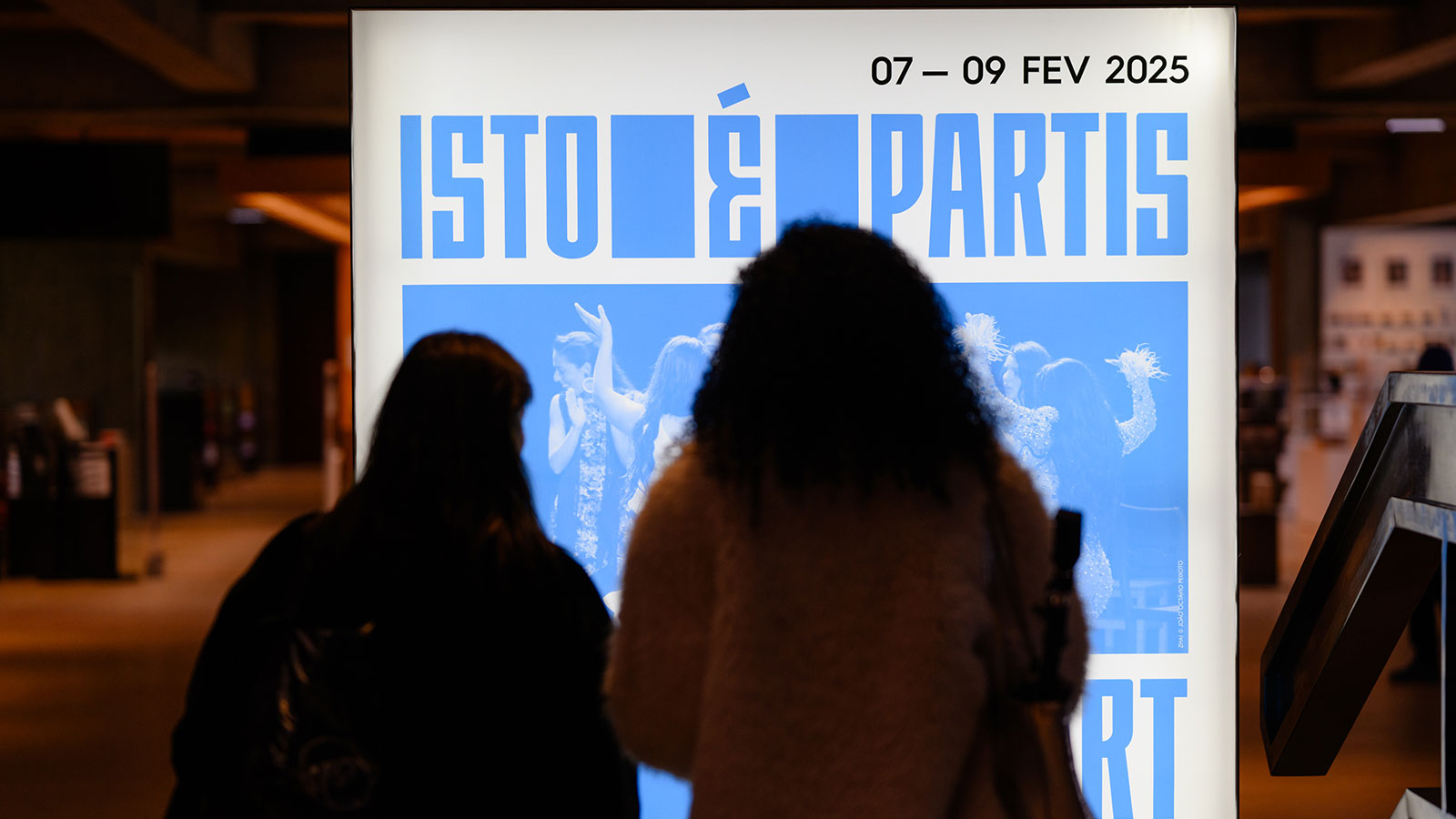
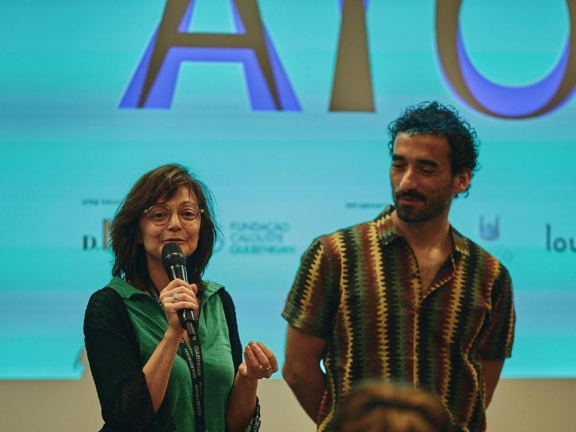
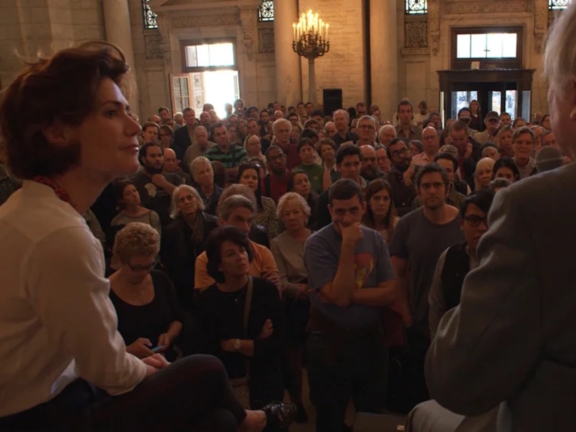
In the opening conference “Isto é PARTIS & Art for Change”, on the theme of “Cultural Rights: How do we put them into practice?”, with the presence of Jazmín Beirak, Director General of Cultural Rights at the Spanish Ministry of Culture, we recalled that in history, cultural rights have emerged alongside human rights, thus constituting an integral and indivisible dimension of the human being.
However, seeing culture as an altar, consumable or as something distant, unattainable and exclusive, can create distance and inhibit effective cultural participation. Having a cultural offer, therefore, may not always be synonymous with participation, making it essential for institutions to become facilitators rather than providers and to find ways of activating cultural objects in local contexts, so that people become protagonists.
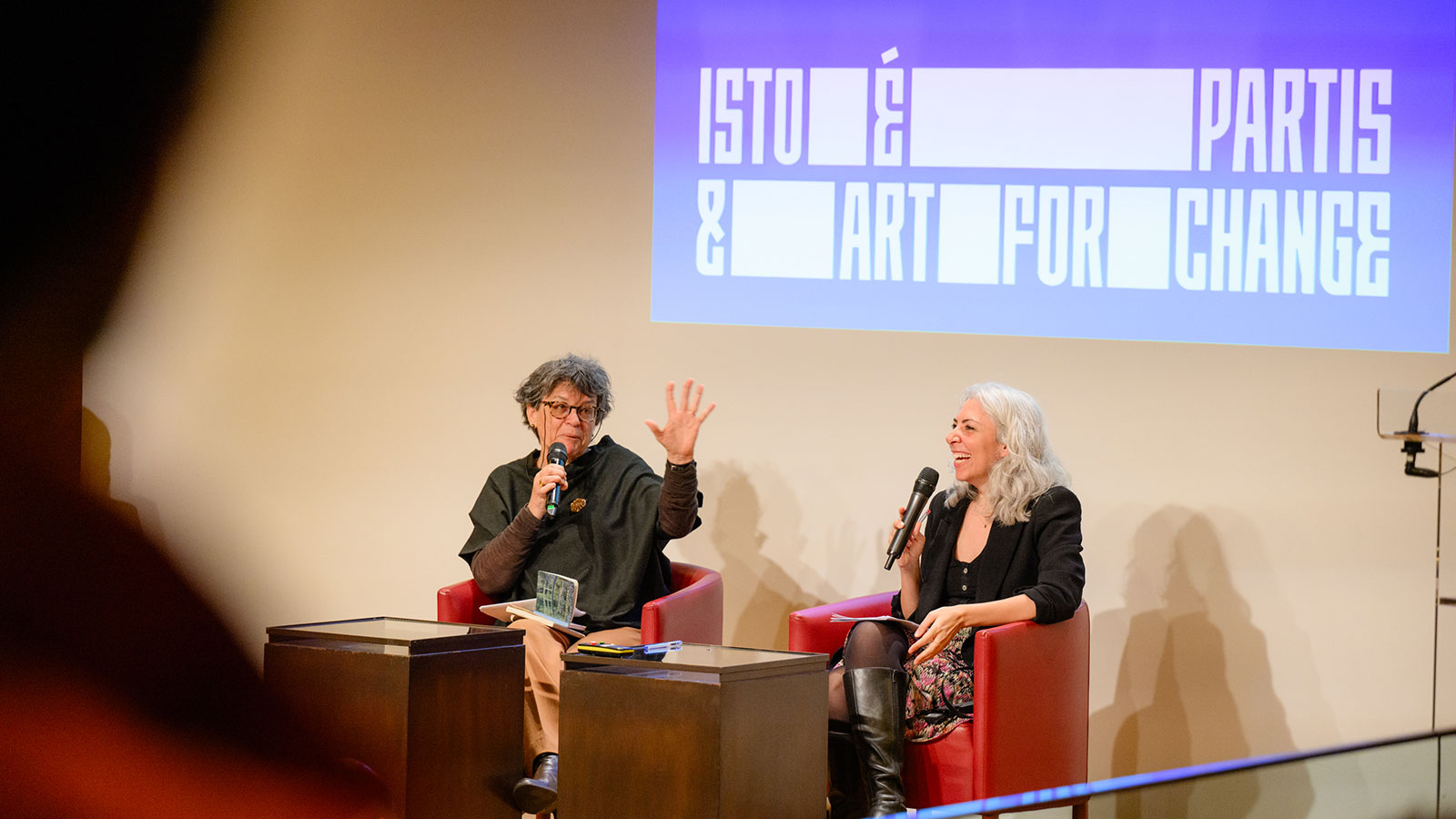
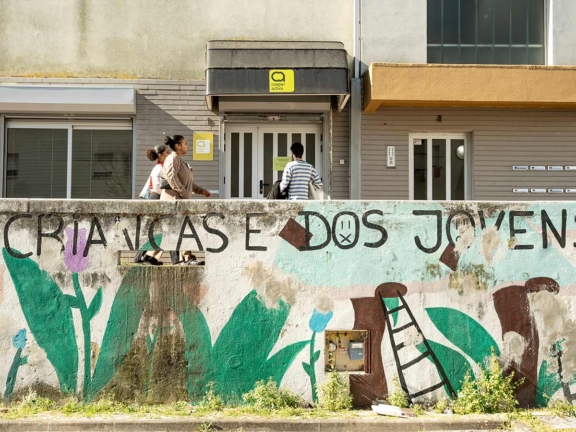
Tristany Mundu, on the subject of space and (non-)place, shows us that culture is also made in the street, away from the centre and the institutions, reminding us in Jazmín’s words that “it’s even more powerful when it escapes them”. This power also comes from projects such as “Orquestra Geração”, whose approach to empowerment through music shows another, less publicised face of places and encourages the growth of new artists, including Edvânia Moreno, who with her violin, exemplifies the role of art in overcoming social expectations. Patricia Carmo, an actress and teacher of Portuguese Sign Language, as a deaf person, has also been conquering space and appears to represent the artistic potential present in the deaf community. These and other names illustrate the need to create paths, opportunities and an attentive eye to the potential of places, but above all of the people who inhabit them.
Throughout the conference and in the projects presented over the three days of the programme, in addition to cultural participation, space and place, cultural identity was addressed. Actress Maria Gil says that “where there is a gypsy person there is always a cultural expression”; but in looking at the gypsy community, how far do our lenses and (un)knowledge go?
The “Lungo Drom Nomad Museum”, in Romani, translated as ‘The Long Journey’, showcased the history and culture of the gypsy community in Alto Alentejo, Portugal, in a travelling museum that reflected on and answered the question “Why are gypsies nomads?”, personified by the snail Serafim, who carries his house on his back. It was also recalled that in the story, “joy in gypsy culture is resistance, but it is also genuine joy”, borrowing the words of Maria Gil and her daughter, Mariana Gil, who emphasised that “we are not just our scars” and that “humour is more than a defence mechanism, it is a living mechanism”. This deconstruction of perceptions also appears in the documentary Empoderío, which focuses on the experience of representing a group of gypsy women from Otxarkoagaque, clarifying that “you don’t see another vision of the gypsy woman, you see the vision of the gypsy woman”, showing the importance of getting closer and thereby shortening the unknown.
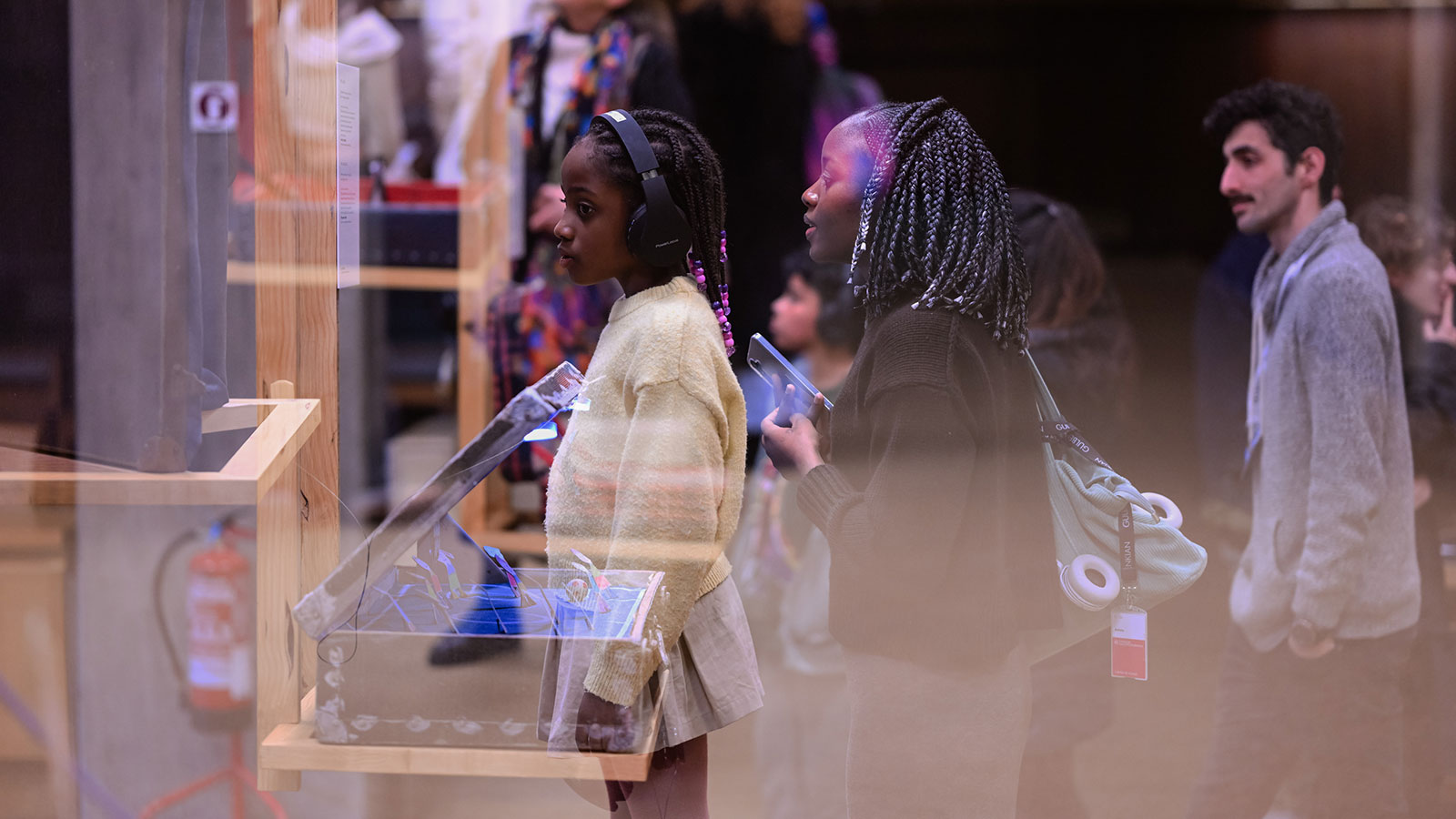
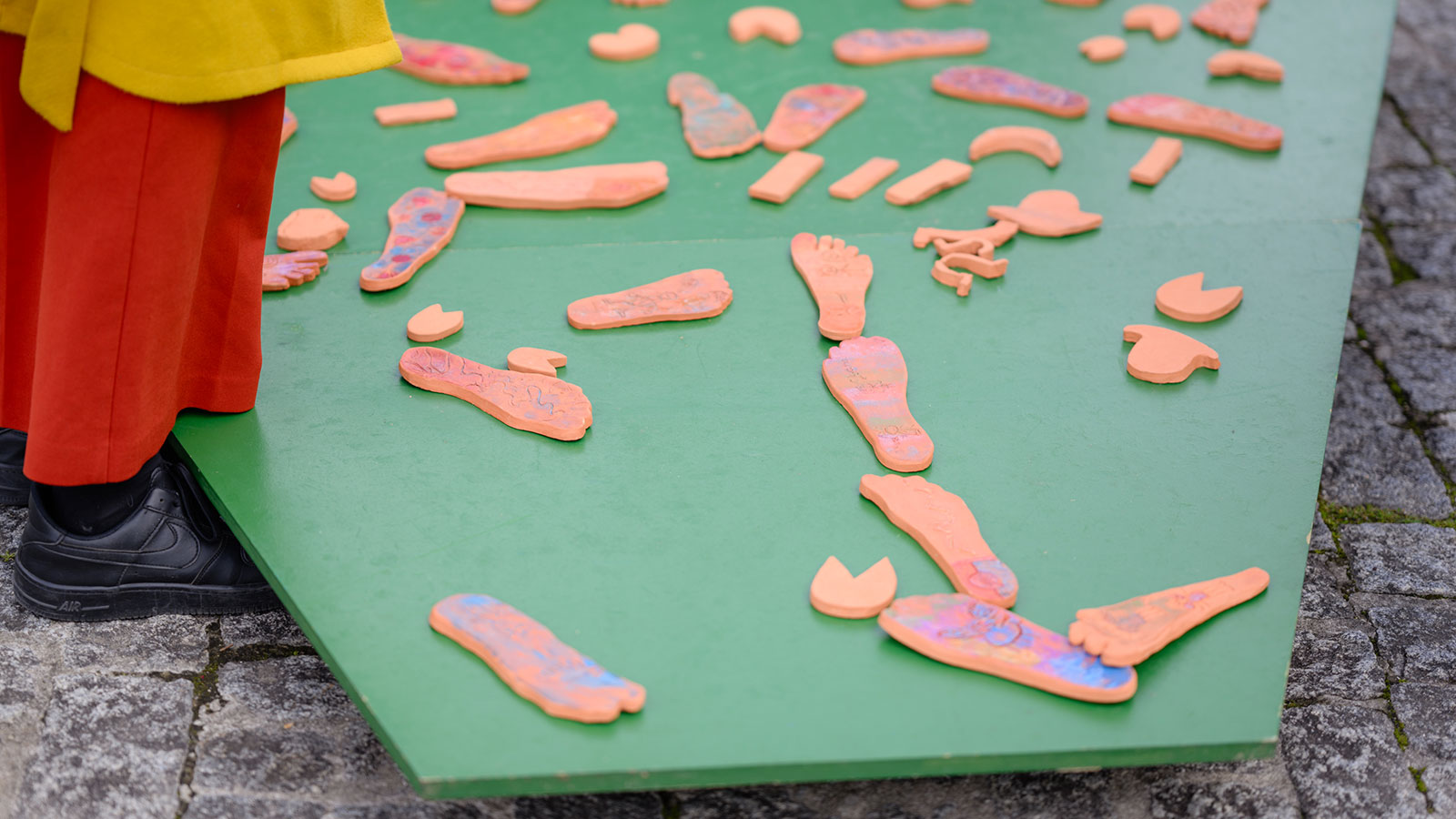
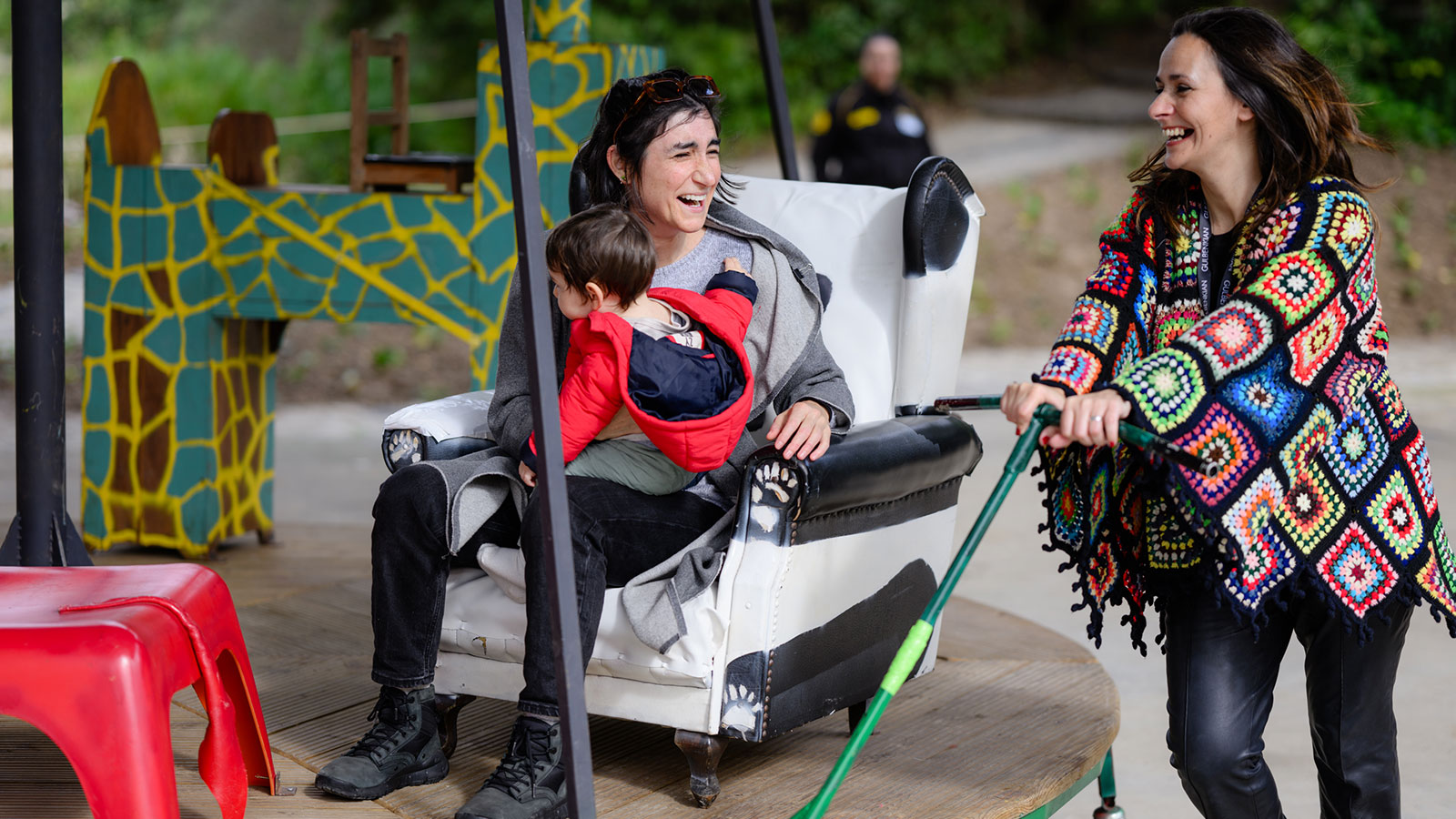
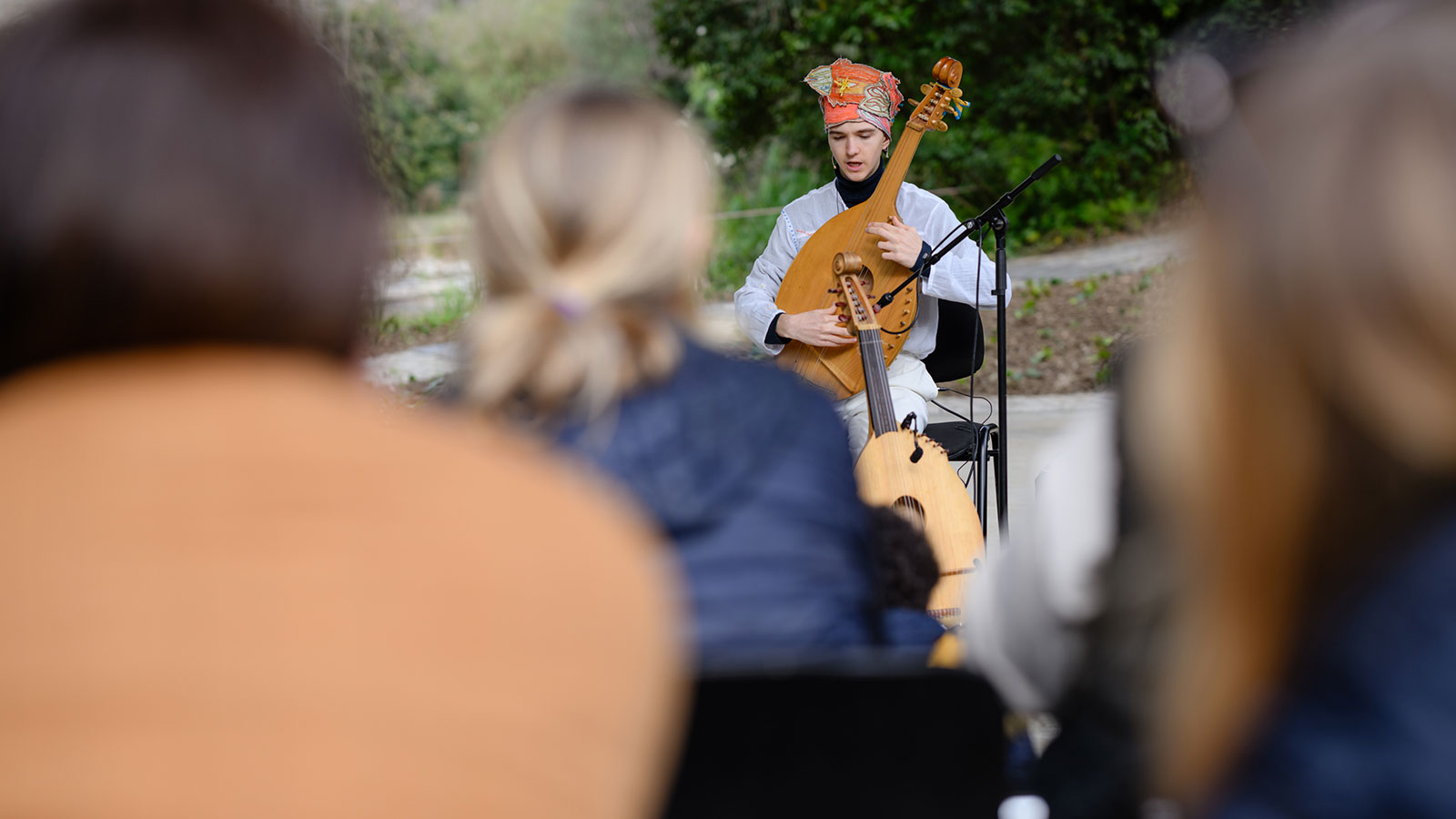
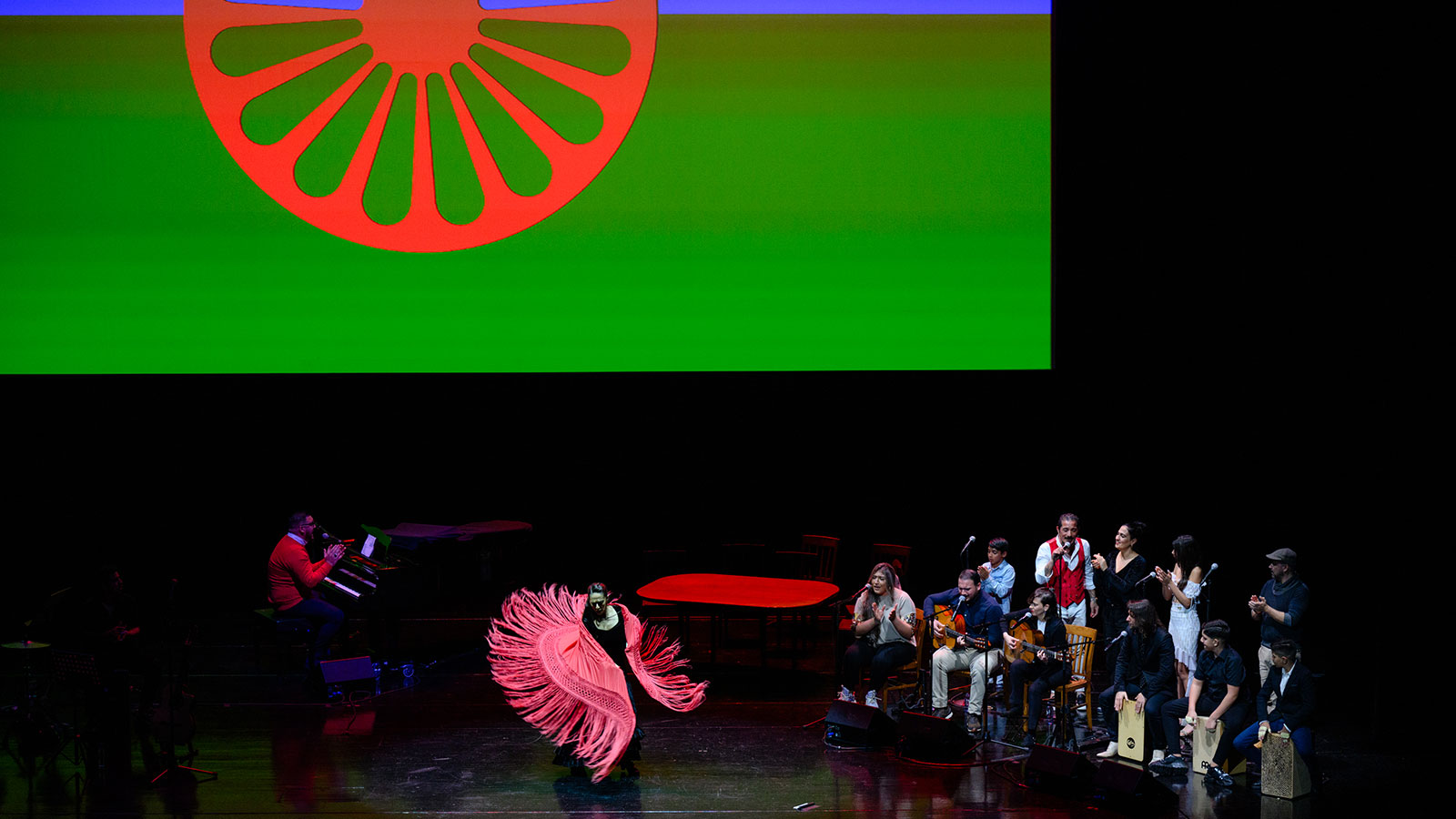
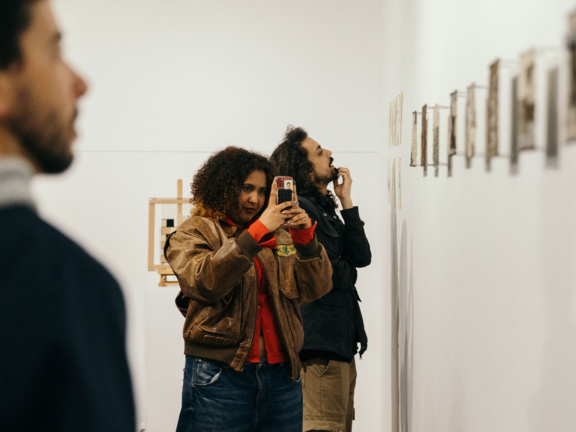
There were several moments in the programme when artists and the public got involved and strengthened the meaning of the word community, from the Grand Auditorium, which rose to its feet with the concert by “La Familia Gitana & ZHA!” in celebration of the gypsy community, to the Open Air Amphitheatre, on a moving carousel, travelling through traditional Ukrainian sounds and fables presented in the show “One more turn… one more journey” in the “Pedestrian Zoo” installation.
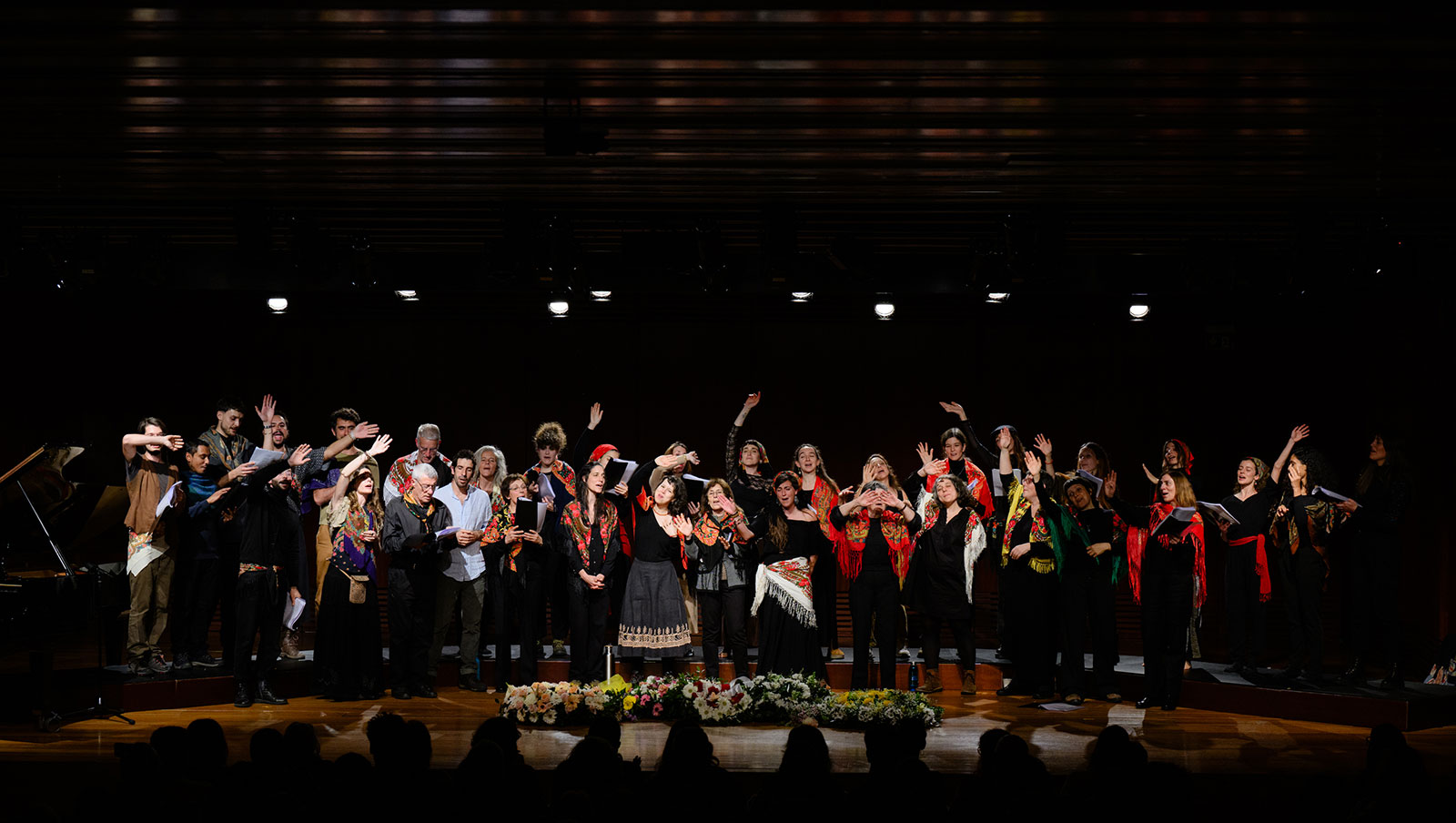
Auditorium 2, too, in a true polyphony of words, generations and feelings, welcomed the voices of the “Cantadeiras de Campo do Gerês” and the “Coro dos Anjos”, in a repertoire faithful to the rescue of heritage and tradition, with room for poetry and beatbox. At the concert, the songs were sung for and with the audience, where the lyrics of the song “Labuta” were easily learnt and sung in chorus with the audience, in firm, lively steps and claps, “that give meaning and love to the struggle”, in a collective sowing of hope and repast of the wastelands, creating the portrait of a full, rhythmic stage, in a free and plural echo.
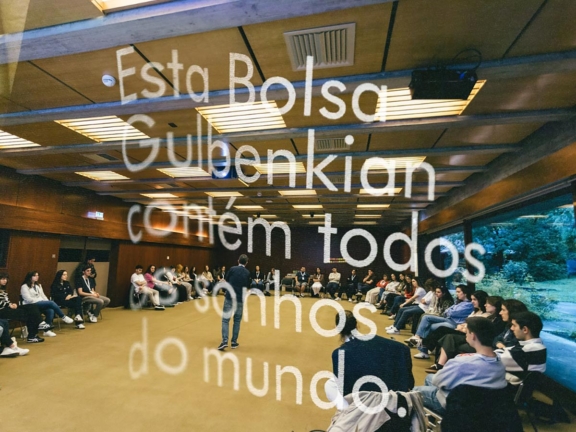
However, as shown in the Q-Circo installation, alongside this plurality there is an individual essence, since “each human being is a world” and each one carries in their luggage their inner landscapes, the place of dreams, of memory, what moves us. Even so, the spirit of unity and co-operation came through in the participants’ testimonies and emerged as a common denominator in the creative processes.
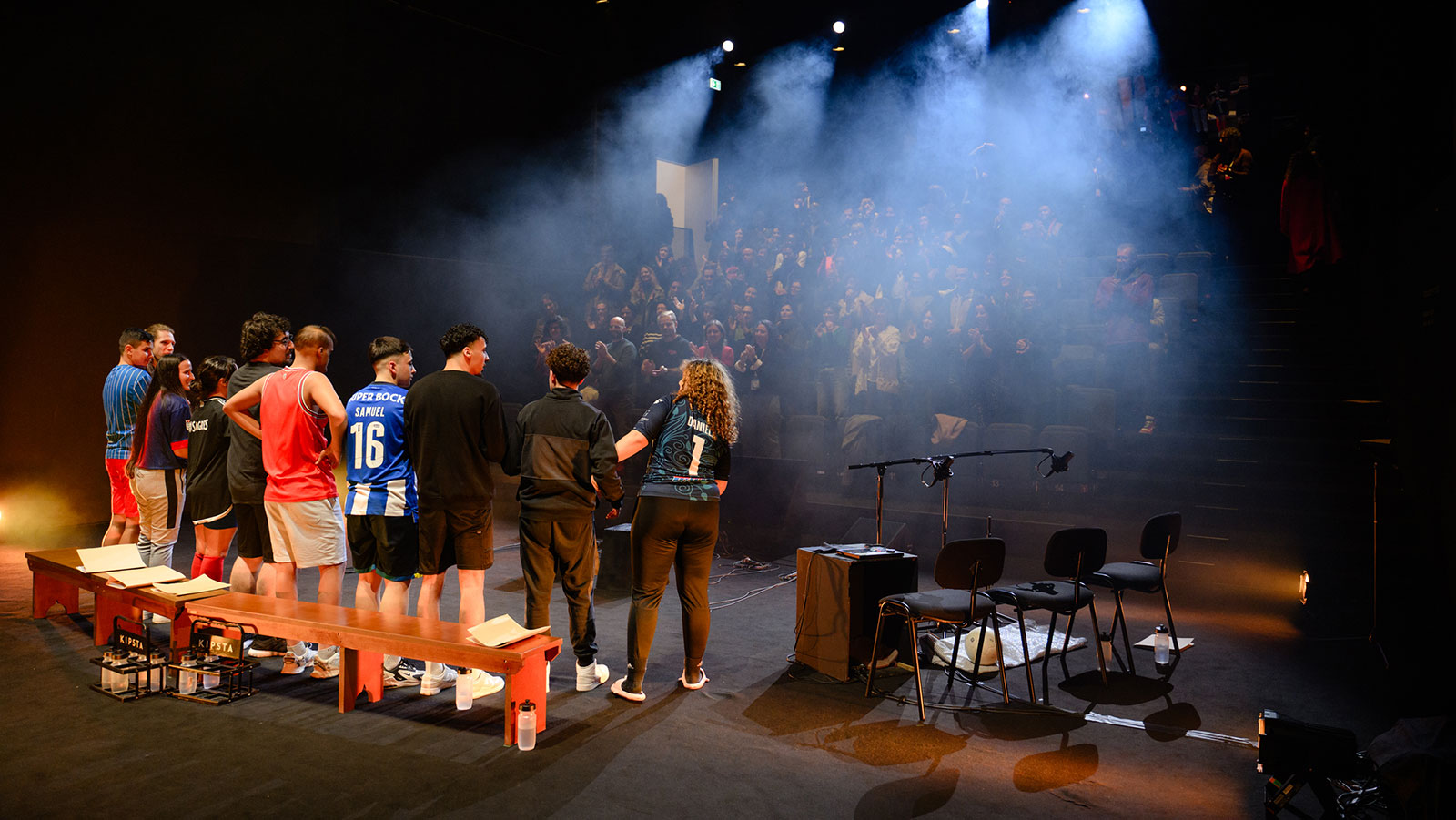
In conversation, after the documentary A Inglaterra chegou a Portugal [England has arrived in Portugal] screened in Auditorium 3, Beatriz Silva and Folly Sallah, young people involved in the production and musical aspects, respectively, discussed the challenges and added value of co-creation and the overcoming and discoveries throughout the experience. Similarly, the performance “Fome de Bola” (Hunger for a Ball), which kicked off in the Engawa space of the Modern Art Centre, with young people from Porto taking part, with fictional scenarios from the series “Oliver and Benji”, related real landscapes and problems, also highlighting team spirit, unity and cooperation, inviting the question: “Is this my place?”.
To truly belong, to be a place, it needs to allow people to “dress it up”, embracing each other’s culture and identity.
To summarise the question from the audience at the conference: “What did you have to leave outside the door to get in here today?”. Are we leaving ourselves outside by opening the handle?
It’s a bit reminiscent of the lift descent in the “Severance” series, where we subdivide ourselves, mask ourselves, to fit into different spaces and dissociate ourselves from the different possibilities of us. So what spaces can we create so that everyone’s culture can be respected and welcomed?
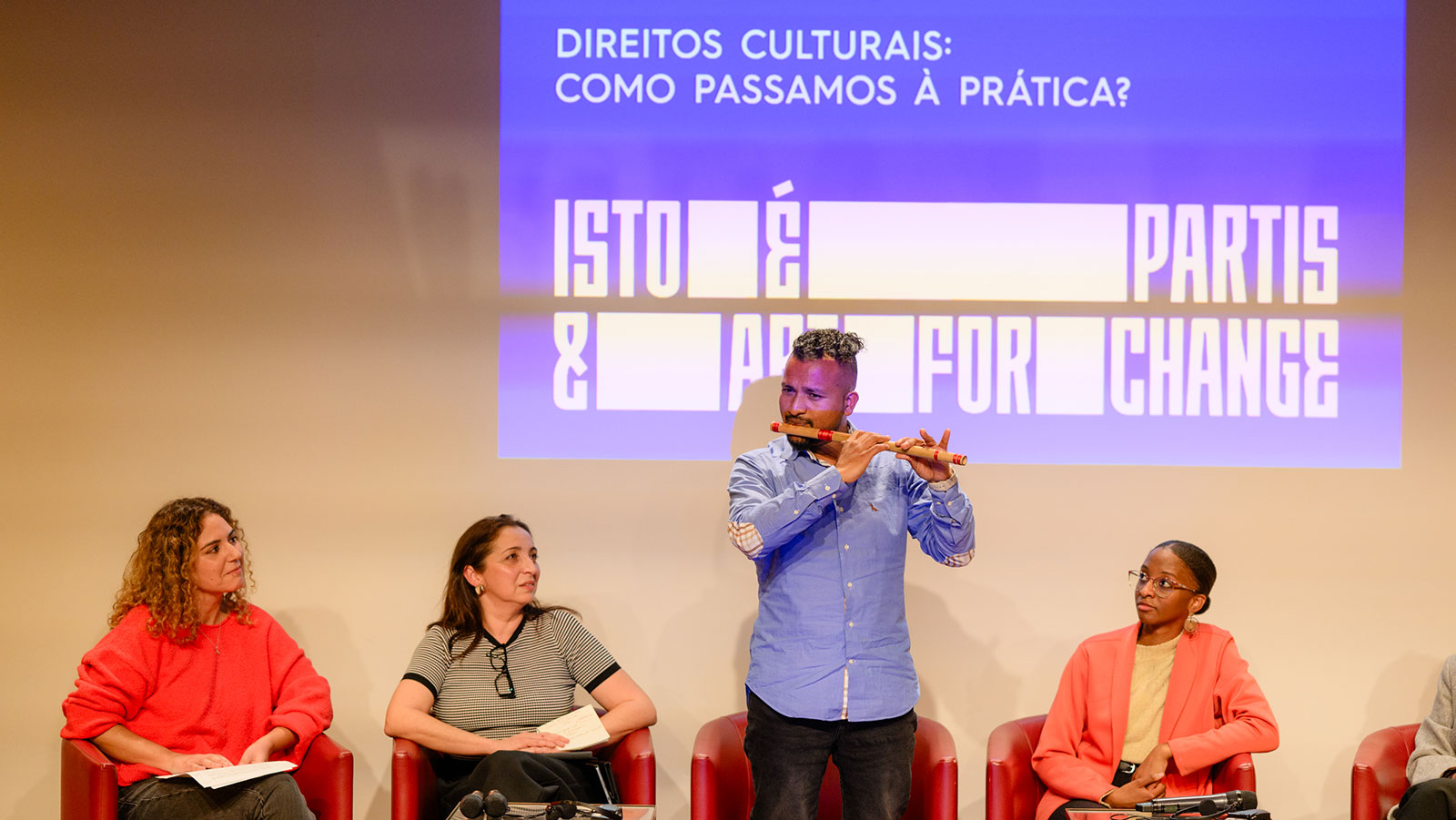
Among the many questions that remain, art and culture undoubtedly emerge in this edition as a union, a refuge, a voice and a light, in the words of Rajendra Shiwakoti: “With art, wherever I go, I can spark”. This sparkle that we saw on and off the stage, in the glances, in the exchanges, in the impact of the projects presented, creates space to think ‘step by step’ and, above all, to put cultural rights into practice.
You may also like
No results were found for your criteria.