
Opera in Prison: learning to sing to “control the impulse”
Inside the Estabelecimento Prisional de Leiria – Jovens (EPL-J), where the keys hang, we can read “Armoury”, “Hall 1”, “Hall 2”, “Detention Hall”… and among them, there’s one that says ‘Opera’. An image that illustrates the impact of more than a decade of the “Opera in Prison” project, in the words of the coordinator and artistic director, David Ramy.
“Mozart On” is the newest chapter in a journey that began in 2014 with the project promoted by SAMP – Sociedade Artística Musical de Pousos at EPL-J. “The important thing here was to create a technical team, with the capacity to self-manage programming, production and the use of spaces and equipment,” explains David. “Once all the projects are completed, the ideal would be for this space to remain autonomous, managed by the inmates and guards themselves.”
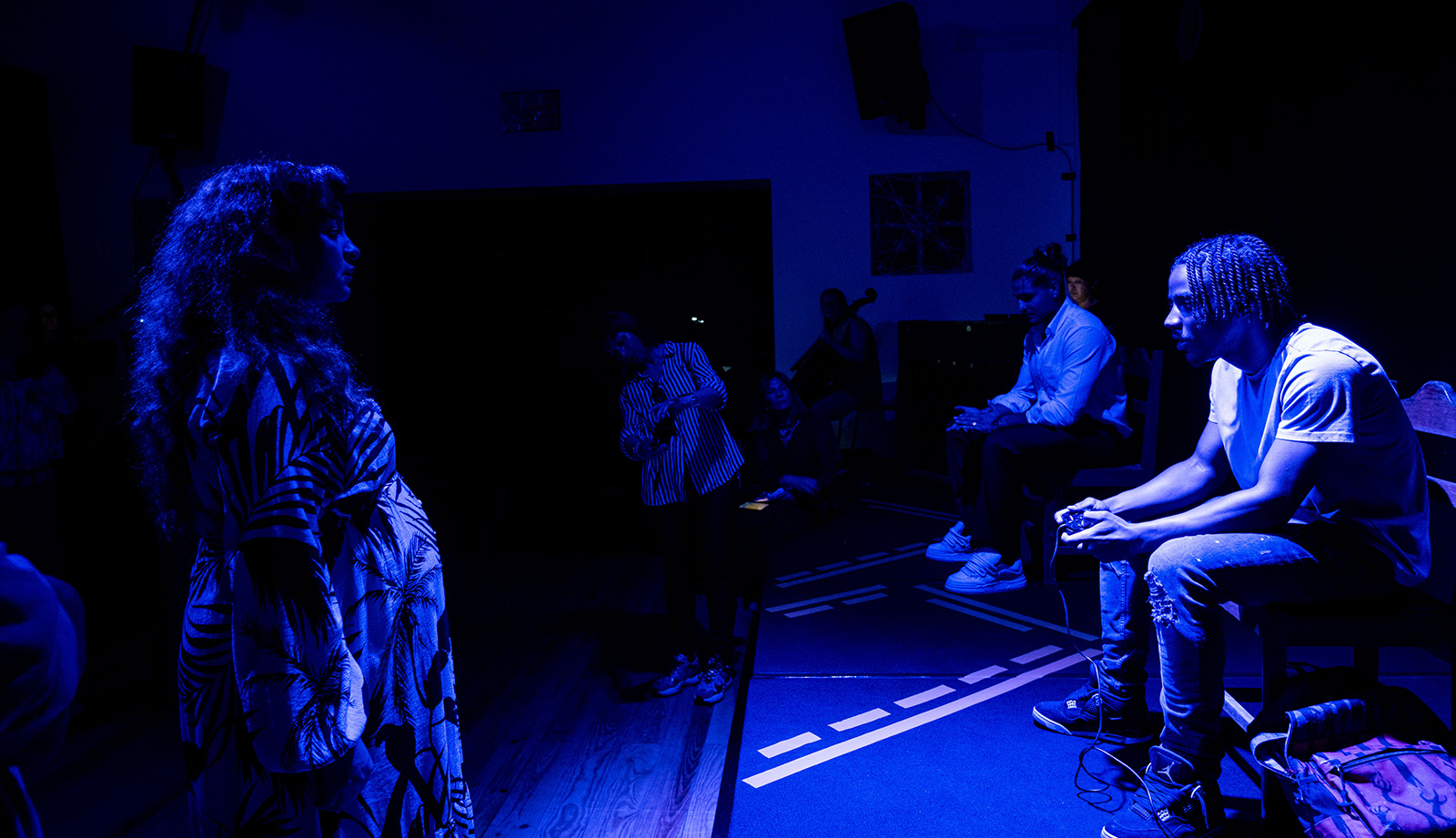
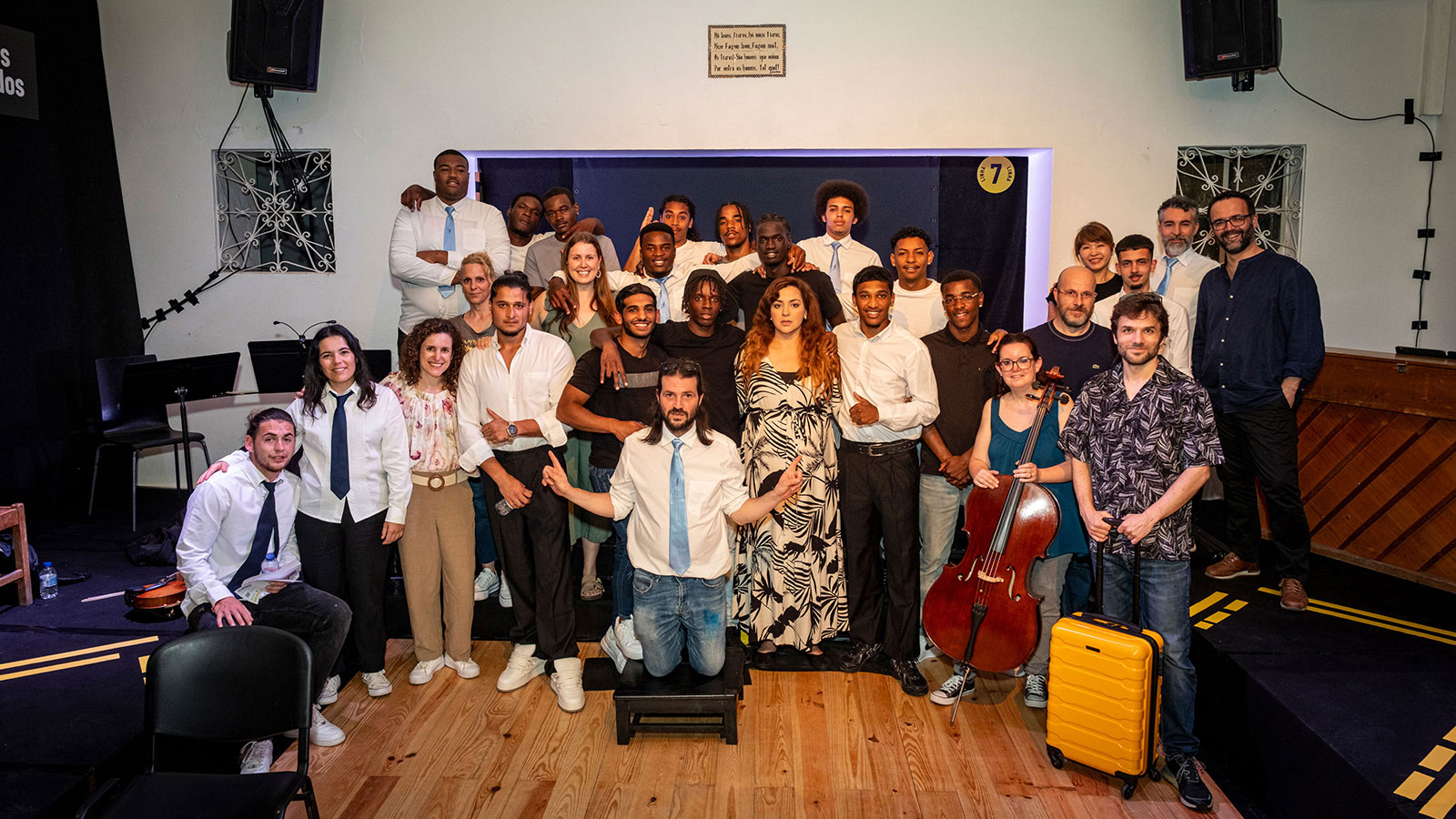
Over the course of three years, a group of 40 inmates aged between 16 and 23 – 21 of whom remain – took part in creative workshops and co-created dance and music shows. The micro-opera “Even Stones Need Roots”, which they performed at the Mozart Pavilion at the end of May, is their third produced in the same year, and features music composed by João Santos, with beat making by his son, Tiago Santos. “It’s a work created by four hands, from two generations and two musical universes,” emphasises David. “Tiago is the same age as these boys, he translates his father’s universe into the electronic universe so that they can realise that much of what is in the beat is in the composition, and vice versa”.
Multidisciplinarity in the production of a show
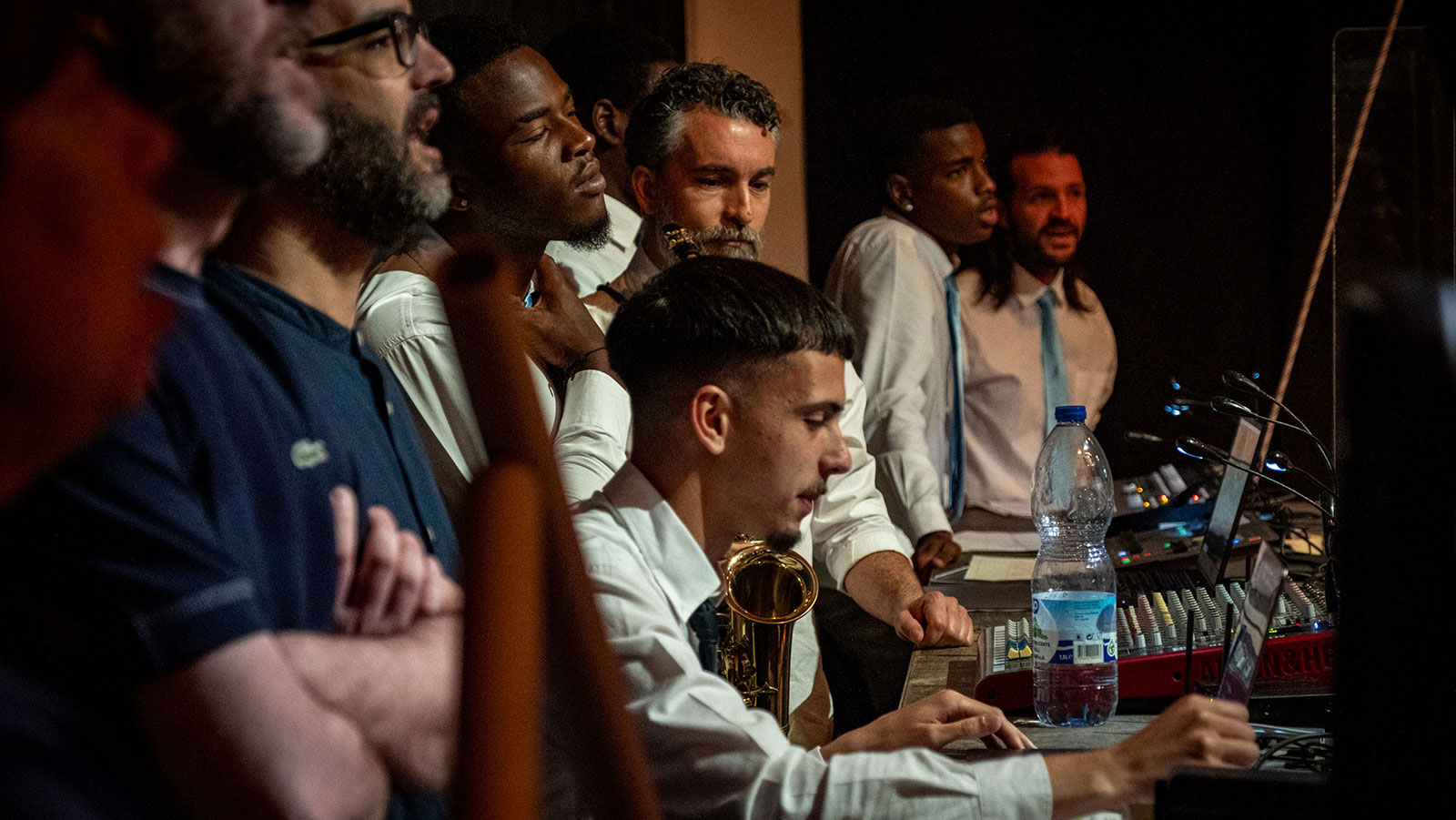
In this micro-opera, which deals with the conflict between leaving and staying, everyone “did their bit”. Those who didn’t want to go on stage took care of the production and the stage crew. This is the case of Guilherme, who has been taking part in the project for a year and a half: “I’d never had any contact with opera or music. I thought I’d have to sing, but then I realised I could work on the technical side, so I stuck with it. Today I know the basics of lighting, and I want to learn how to do it better.”
As for José Fernandes, who has been with the project for three years and is part of the cast, he remembers the nervousness of the first performances. “It’s hard at first, but once you’re past those three seconds when the show starts, we’re already ourselves.” It also becomes easier to perform when the staging includes elements she likes, such as gypsy music or boxing: “Sofia [Neves, director] asked me what my favourite object was, what relationship I had with it – in this case, I chose the boxing gloves, told her how I felt, and then she wrote a more polished text”.
In addition to the production, the moment of presenting the final result is also challenging and the experience is different depending on the audience. For Guilherme, the presentation to families and people outside the prison community is more difficult, because he feels more pressure to “do well, not fail”. For José, this pressure is positive: “When it’s people in the prison, we have more confidence; but if it’s for people on the outside, the pressure helps us to be more focussed on the show”.
Silence, we’re singing opera
“Ten years ago it would have been crazy for them to do opera, it was just a lady shouting and you didn’t understand a thing, or something very boring that was broadcast on RTP2″, explains David Ramy. Today, the scenario is different: “they already know very well that they’re coming to sing something operatic with live instruments, they already know what the world of opera is and sometimes they even come here to talk about operas they’ve heard on RTP2. It’s very funny”.
For João Santos, who describes the songwriting process as “intuitive and collaborative”, these projects also help to “create a certain melomania and an open mind”. And this was especially noticeable during the presentation of the show to the inmates: “those who came to watch were in absolute silence, completely glazed over and surprised not only by everything that was happening, but by the fact that they had the singers next to them.”
This direct contact with the stage and the performance is new for almost everyone. “People who are only used to the vibration of a loudspeaker at midnight, who have never seen a violin two metres away, now feel their bodies vibrate with a voice or a piano”, says Ramy. And this, for the coordinator, is one of the project’s great victories: “we are managing to bring an art that is considered the most complex, expensive and elitist art to a universe that is the exact opposite of elitist, although just as complex”.
The future on the inside – and out
For José and Guilherme, what they take with them from Opera in Prison is companionship, friendship and respect for others: “To empathise with others, to realise that our culture isn’t always the right one, and that there are other cultures that are very different from ours. That’s the most important thing, to always try to improve other people’s lives, as much as we can”.
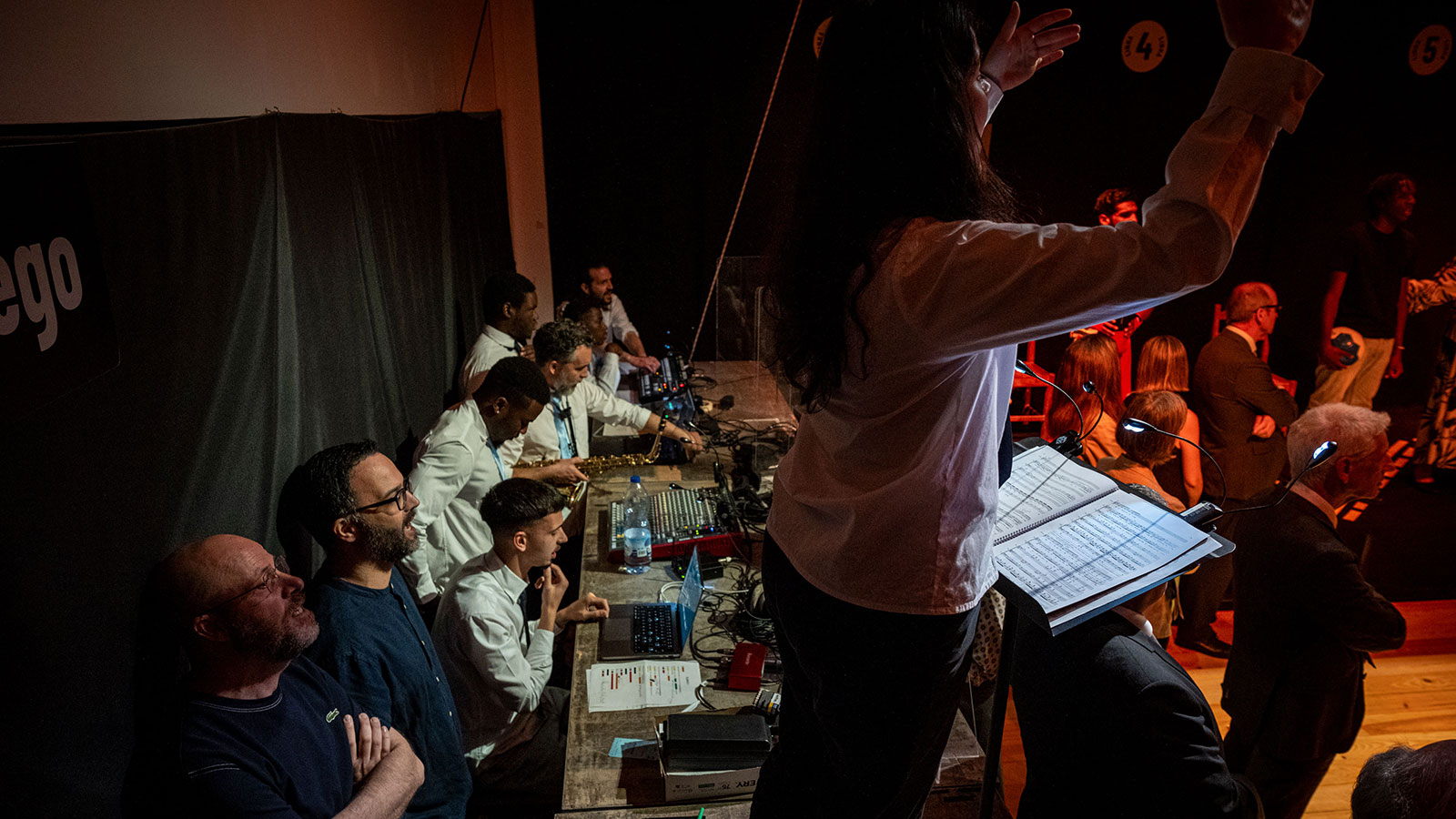
However, according to David, the real pedagogical and educational component is in the hand of the conductor. “They think they’re learning to sing, but they’re actually learning to control their breathing, which means controlling the impulse. I believe, as I’ve seen from the guards, that a person who has really been involved in this process for two years, in the third year, if the guard gives them a reprimand, they breathe before the note. He no longer plays a note that’s out of tune. You breathe, because you’ve learnt. And that’s much better for their reintegration”.
In addition to the three micro-operas presented, there will be a final show at the Leiria Theatre on 19 July and the launch of a book containing photographs and texts about the entire process. The future of the project is still uncertain, but the groundwork is solid: “There’s a team inside ready to continue programming and inviting artists. And they have all the material to produce the show they want, which is what was needed: to have someone who takes care of the space and who knows how to treat it with dignity”, says Ramy.
The “Opera in Prison: Mozart On” project was supported as part of the 2nd edition of the PARTIS & Art for Change initiative, promoted by the Calouste Gulbenkian Foundation and the “la Caixa” Foundation.
You may also like
No results were found for your criteria.