
“We need to be careful and respectful of the community in order to work with it”
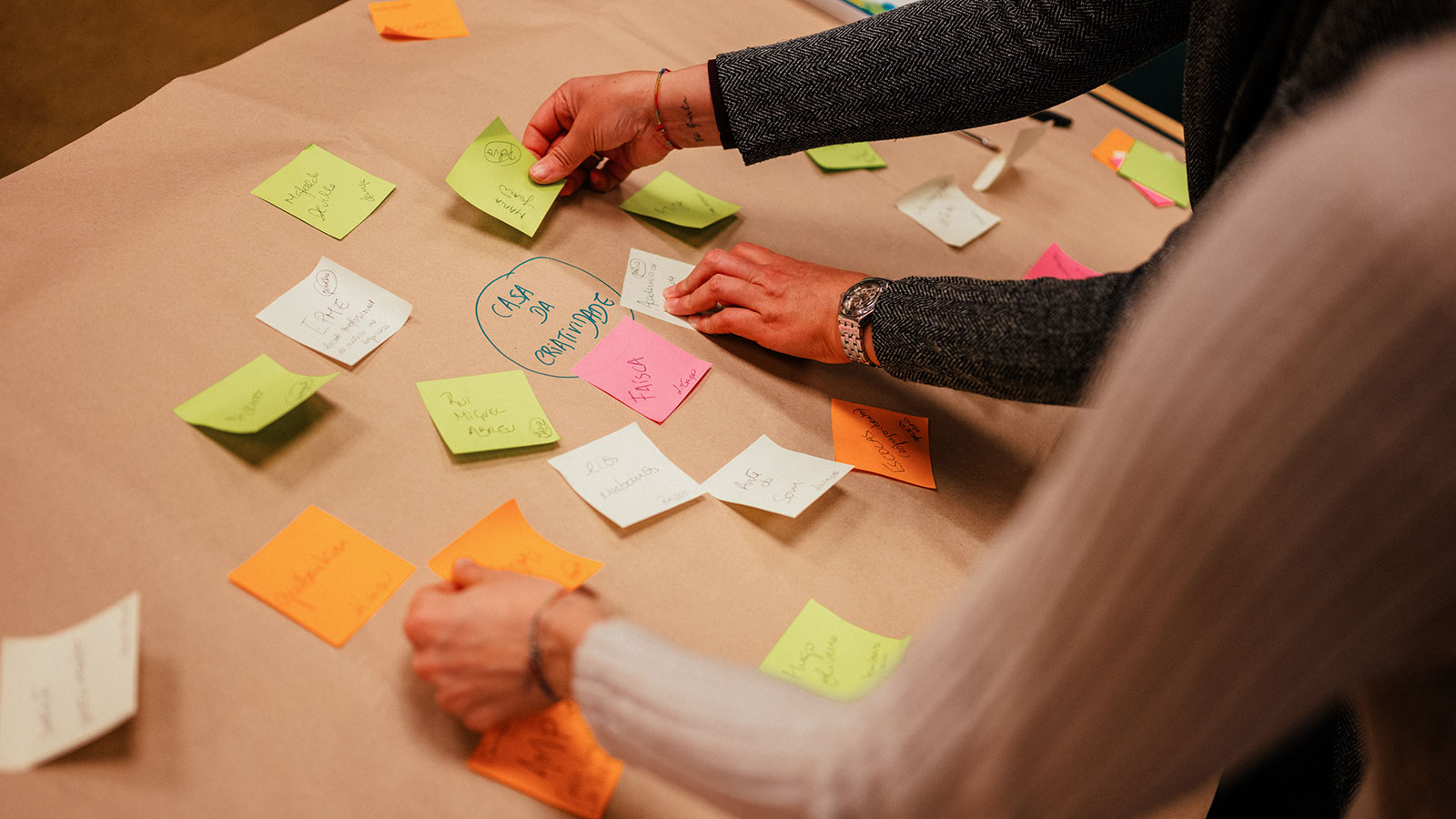
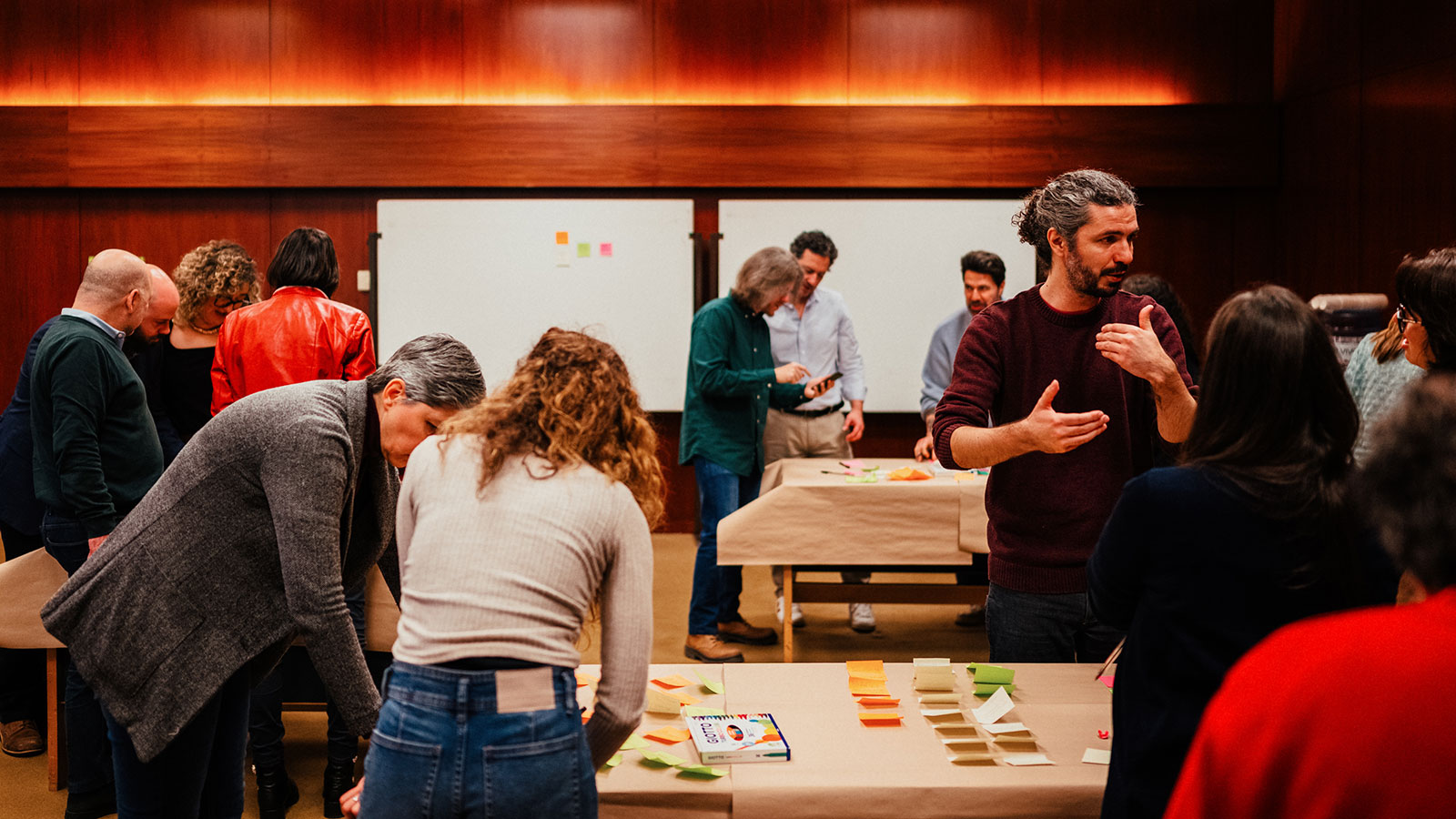
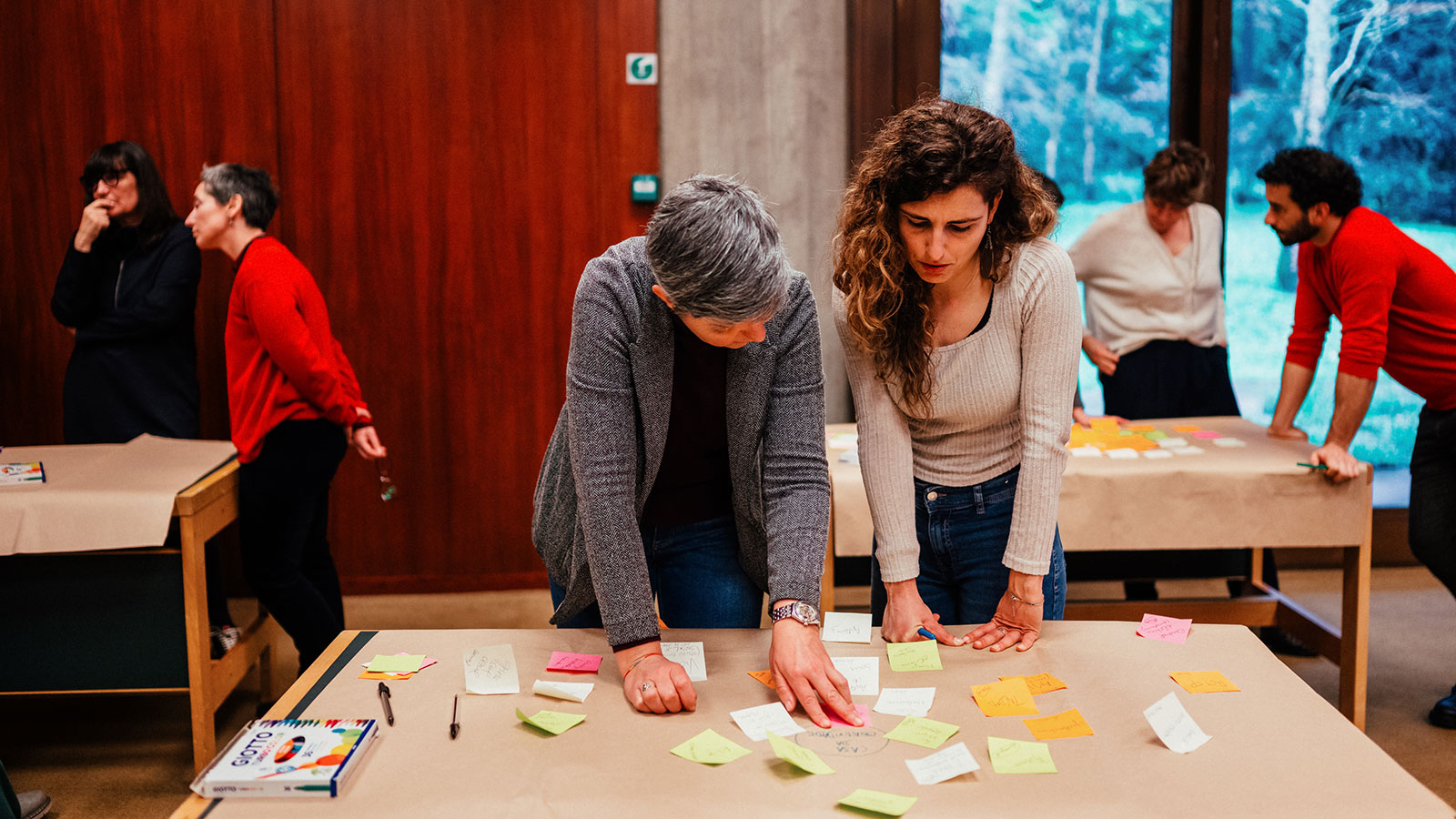
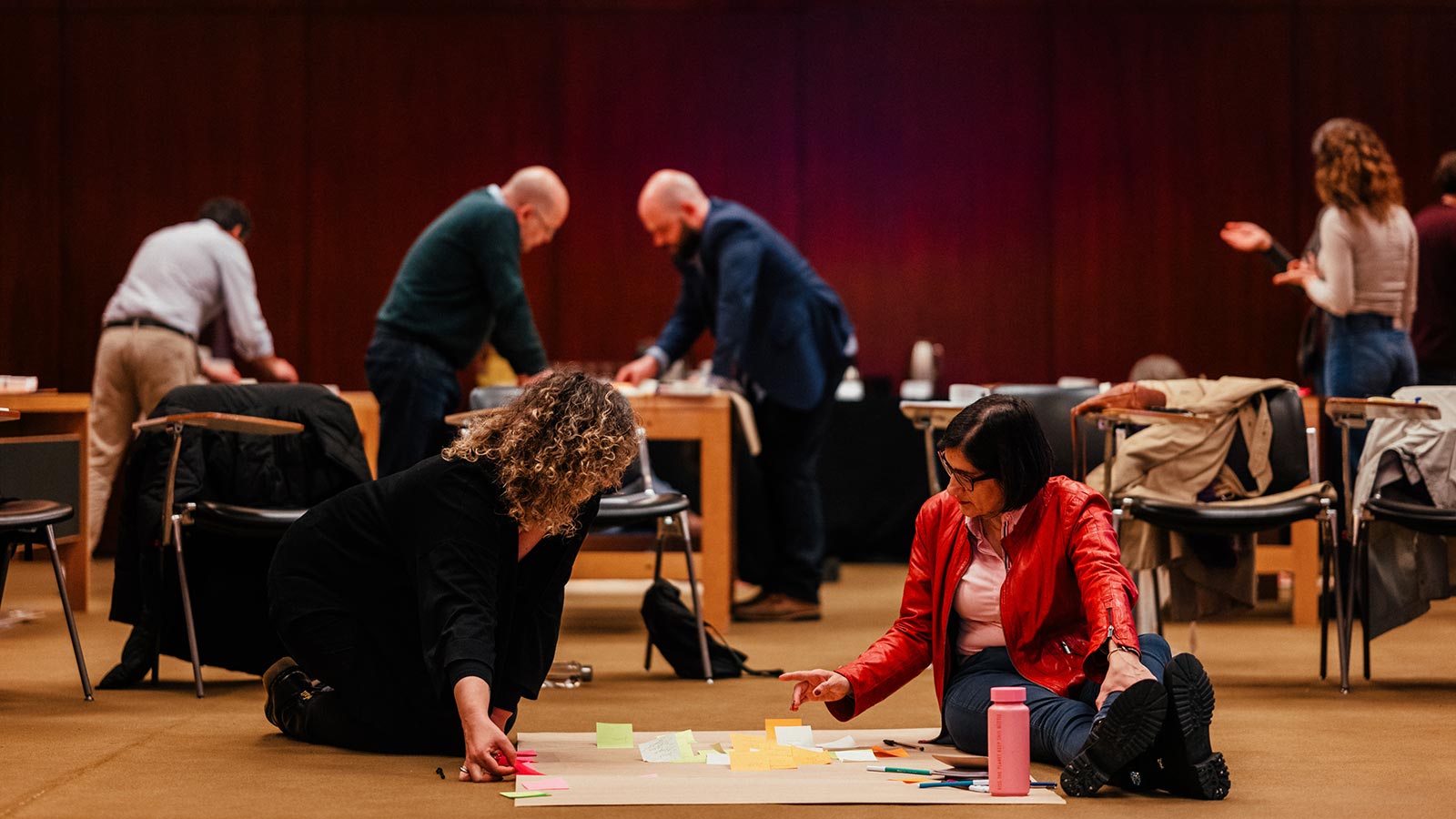
Now entering its third year, ATOS continues to promote participatory art as a tool for civic transformation, fostering a dialogue between artistic structures and six territories – S. João da Madeira, Lamego, Loulé, Évora, Funchal and Ponta Delgada. One of the most important aspects of the project is the close cooperation with the local councils and cultural facilities in these territories, allowing the teams the chance to learn new ways of understanding and engaging with the surrounding communities through artistic projects, training activities and the organisation of forums and conferences.
The implementation of participatory and co-creative processes in the cultural sphere has made it possible to build networks between people, artists and associations, but it also poses some challenges – such as the lack of time and resources, the difficulty of ensuring effective communication, the training of teams and continuous monitoring to achieve a lasting impact. We spoke to the representatives of four municipalities envolved about some of the main lessons that can be learnt from their experience.
Not being afraid of change
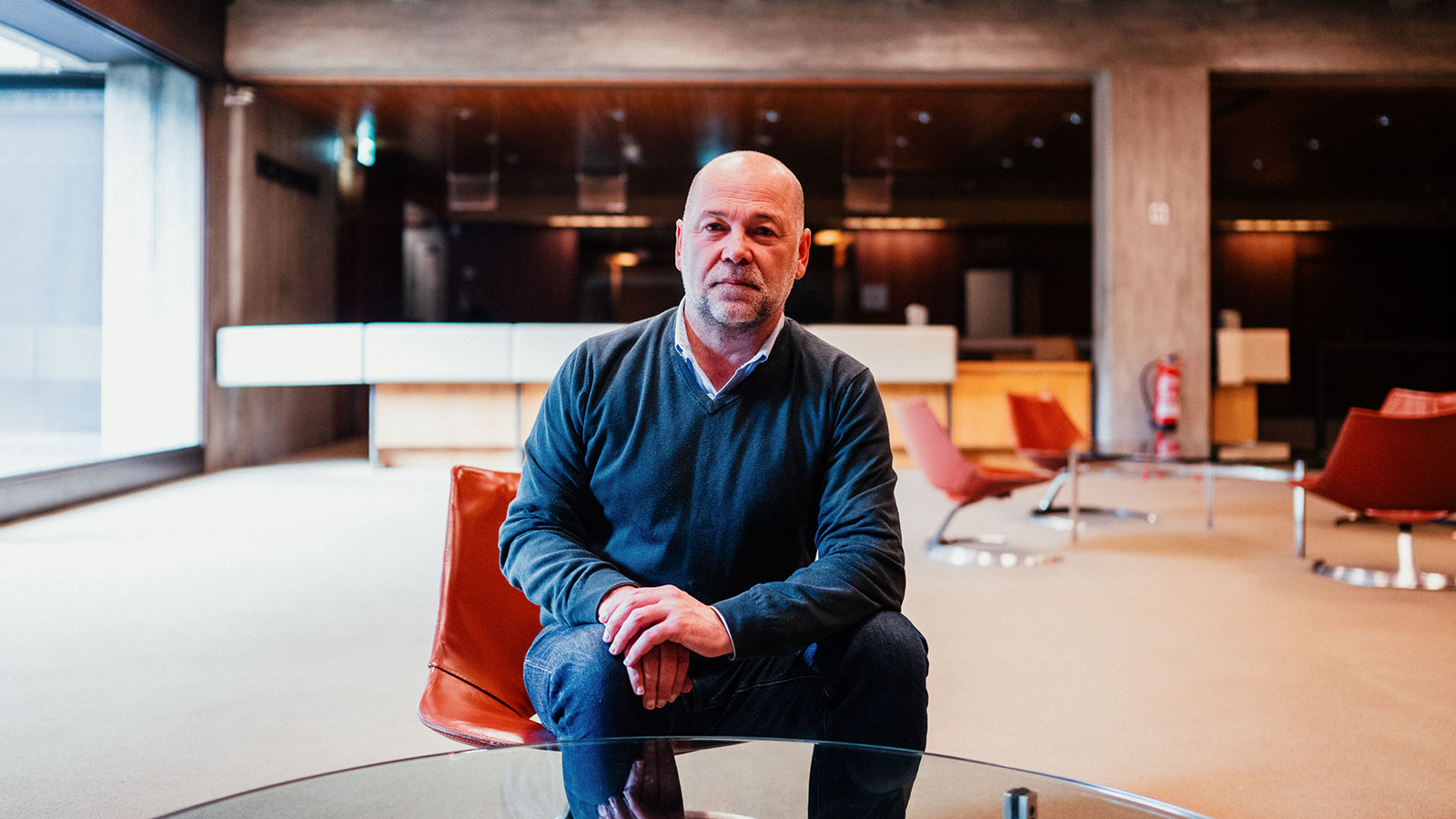
Lamego is a small municipality (it has between 17 and 18 thousand residents) that is slightly scattered across 19 parishes. “It’s a region where religion is always very present, with a strong historical heritage”, and “this shapes mentalities and ways of thinking”, explains Fernando Ribeiro, head of Lamego’s Culture and Heritage division.
The ATOS project has allowed us to “bring more people together, to create synergies between everyone and to tackle the isolation of our institutions”, he says. “It’s not that everyone didn’t get along, but everyone was working on their own thing, in their own world, and not involved in someone else’s world. Now there is a certain degree of alignment and we understand that when we’re all together we have more capabilities, better critical thinking, and this is why better projects emerge”.
The key, for Fernando, is to try to guarantee the continuity of the path, so that the project becomes “well established”: and for that, it takes time. “We usually need a lot of time to change our way of thinking, to overcome resistance. We shouldn’t be afraid of change, of what’s new, and we should consider it a good thing, because of the experience and the process”.
Unlearning in order to learn again
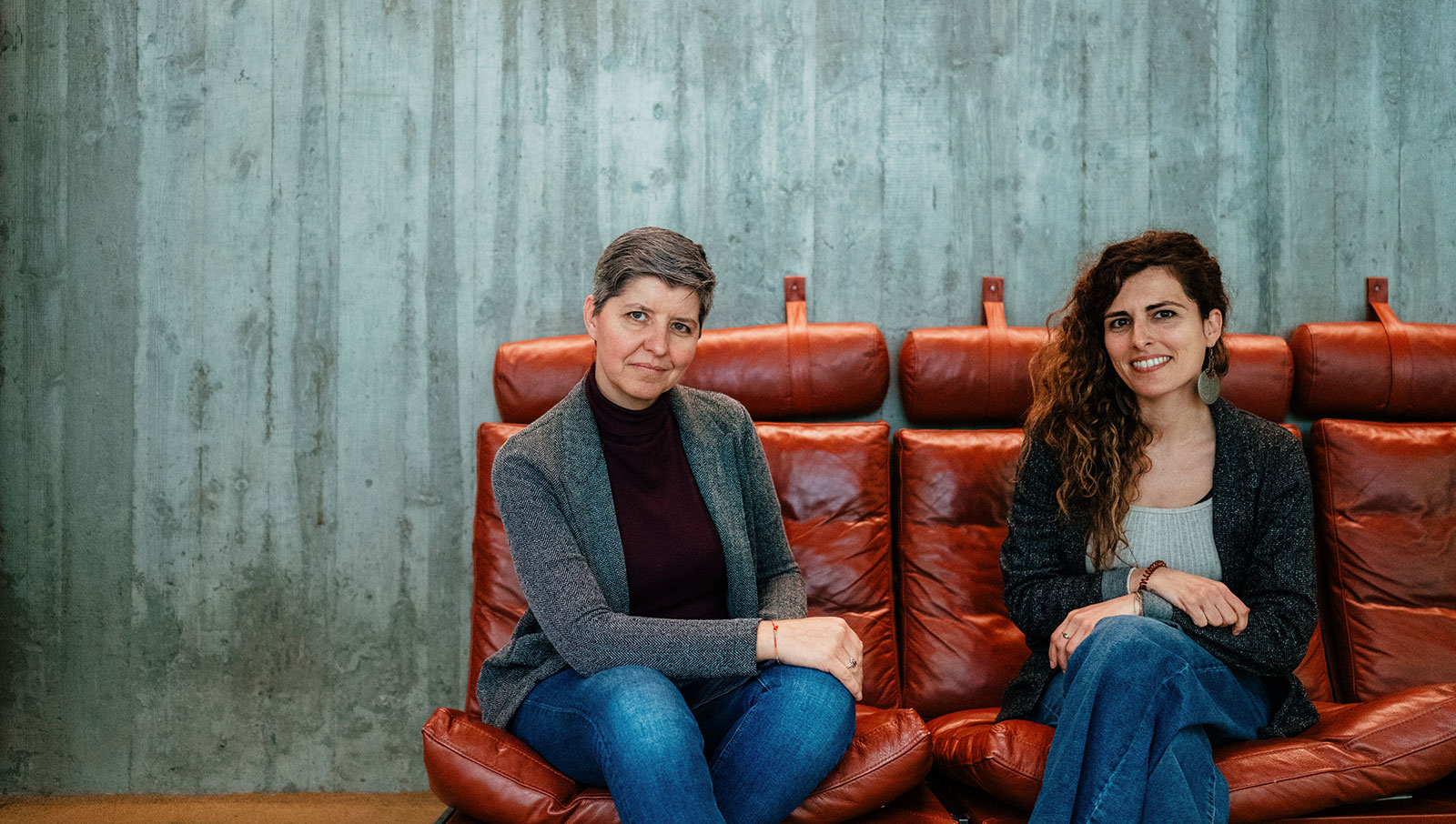
After a “short and intense” first year, in the words of Joana Galhano and Gisela Borges, responsible for the administration and programming of the House of Creativity, in 2024 ATOS allowed them to “look at the artistic network of the territory and strengthen the connections with these agents, empowering their skills”.
The municipality of São João da Madeira is relatively small – it has around 25,000 inhabitants – but every day this number increases to 50,000 with people arriving from outside the municipality to study and work. It also has a large number of associations that work with culture, but are “more focussed on their own interests”. “This project was extremely important for us to get them talking and to understand how they could improve their work”, explains Gisela Borges.
The capacity-building and training activities that have been offered were very popular and this, in Gisela’s view, reflects “the growing awareness that it is sensitive to work with the community”. “It’s important to distinguish between co-creation with the community, community participation in an artistic project, listening to the community for a spontaneous project…We are more aware that we need to be careful and respectful of the community in order to work with it.”
On the other hand, they both say that one of the advantages of a project like ATOS is that it “de-institutionalises the community”. The mediation of external agents, such as the D. Maria II National Theatre or the Girassol Azul association, made it possible to “bring everyone together and communicate in a different way, more horizontally. Unlearning in order to learn again: in certain moments, like the forums, we’re just Joana and Gisela, trying to break away a from the institutional role in order to listen and be with the community”.
Turning training into action
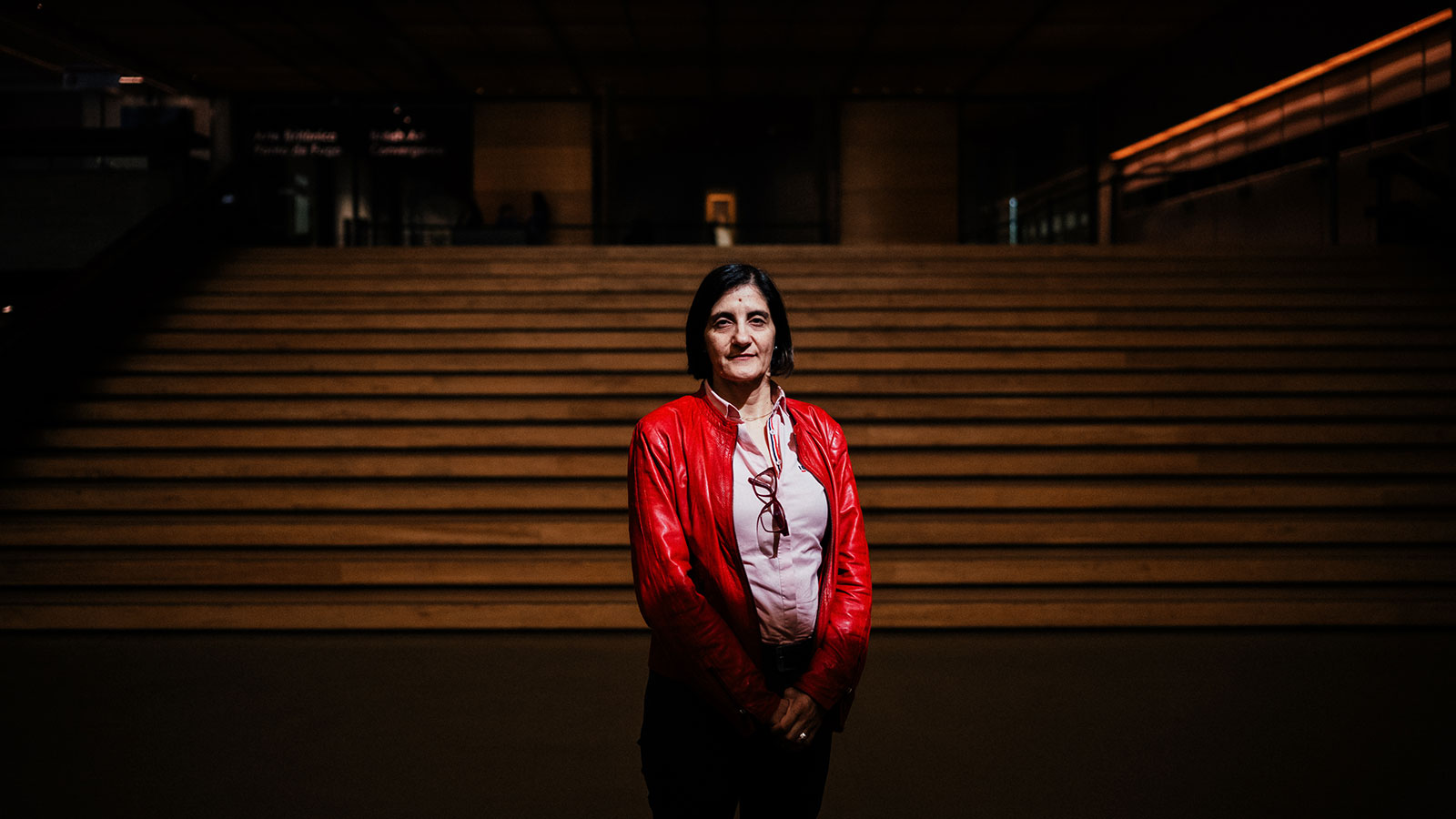
ATOS only arrived in Loulé in 2024. Dália Paulo, head of Loulé’s Culture division, knew exactly what she wanted to work on: “the people’s ownership of their civic capacity to make decisions and to be involved in the cultural life of the municipality”. She describes the experience as “a year of challenges”, but also “refreshing”.
“Most people think there’s nothing going on in the Algarve, but the truth is that there is. There’s a lot of culture going on outside of the summer months”, says Dália. The main difficulties are the lack of collaboration between the 16 municipalities and also what she refers to as “a lack of critical thinking”. “It is a utopia to imagine that participatory processes are born within the community without that community having been trained beforehand. This only happens with education, and the National Arts Plan is working towards this across the whole territory, to create this love, this restlessness and this need for culture”.
For her, “working on culture is working on dignity and social justice”, and projects like the ones ATOS brings contribute to a more harmonious and plural society, making “people look at the communities that are growing in the Algarve, like the Nepalese, and no longer see them as others, they want to understand who they are, what their culture is”.
Blurring the lines between artist and spectator
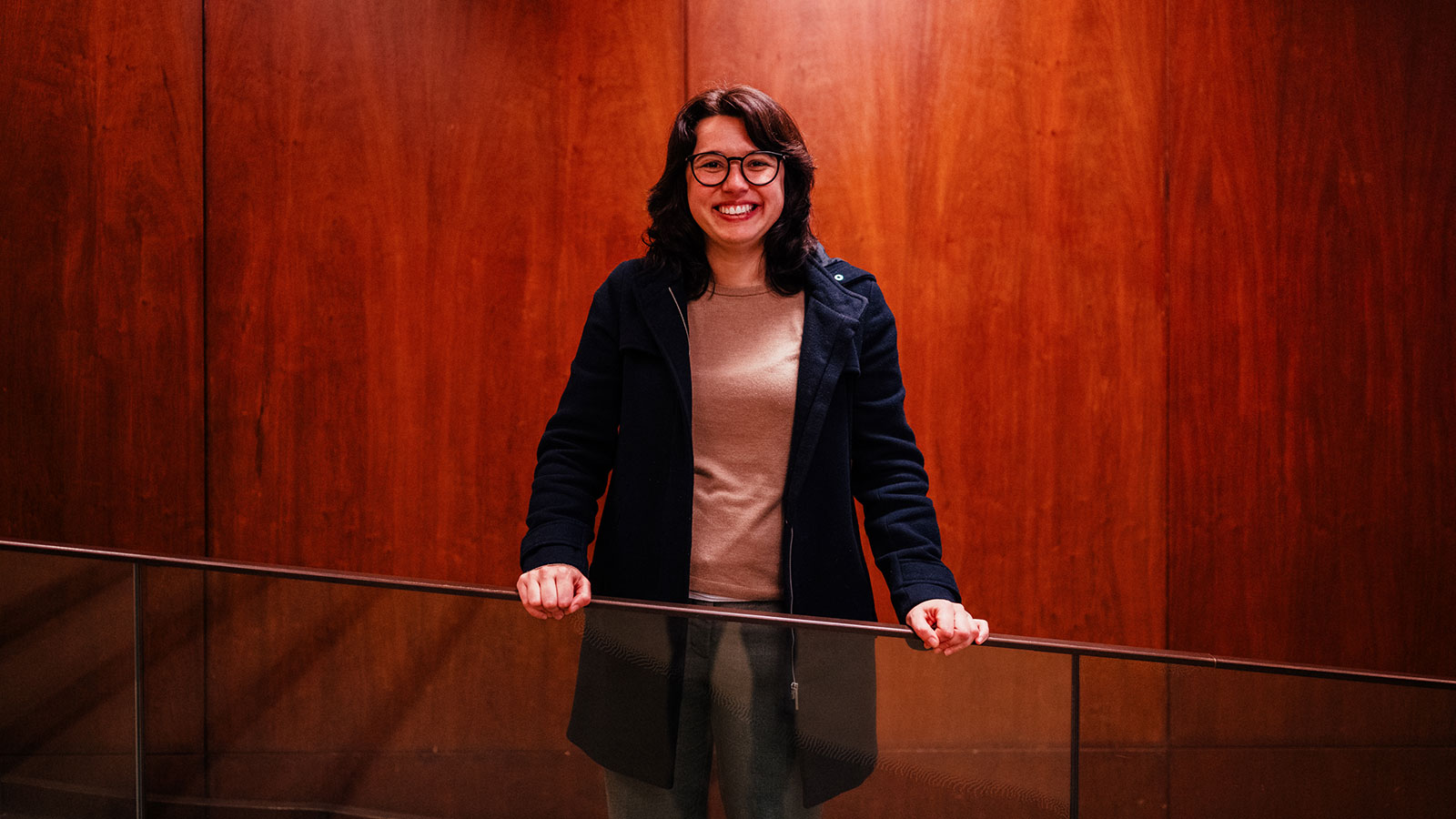
In her assessment of the second year of ATOS, Catarina Faria, the programmer of the Baltazar Dias Theatre in Funchal (Madeira), acknowledges that “the National Theatre and the Calouste Gulbenkian Foundation adapted the proposal to the needs we had locally in Funchal”. Through artistic residency projects in social neighbourhoods, “the artists had the chance to test ideas on site, listen to challenges, discuss them and, from there, come up with other solutions”. It also gave local artists access to training programmes in participatory projects, for which “they would have had to travel to Lisbon, Porto or another city in the mainland”.
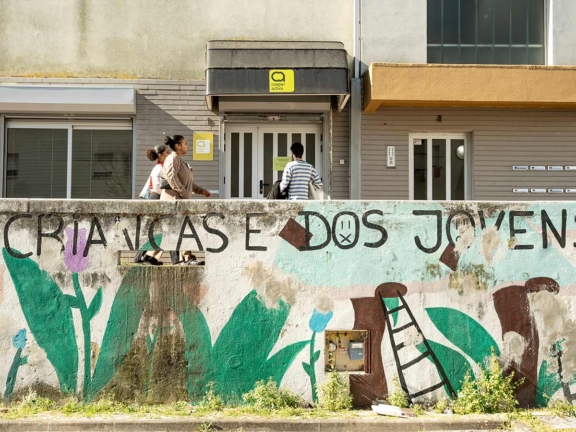
In addition to this, the dialogue that has been created goes beyond cultural aspects: “at the coordination meetings with Sociohabitafunchal (responsible for managing the neighbourhoods), the artists bring the neighbourhood’s problems after the process of listening to the people so that everything can be put on the table and we can find joint solutions”. For example, “In the last project, we raised the issue of there being no space in the neighbourhood to sit down and talk. Each block of residents looks after their own garden and there was an extra one that nobody tended to. So they used this extra plot to build a communal space, with benches, a mural… People felt heard, they played their part, they gave ideas, they planted all around. It ended up being a very collaborative and horizontal process”.
In the future, as well as wanting to get the communities in the upper areas of Funchal more involved, Catarina believes that “that place of the spectator as a recipient of information, who just sits and watches the show, will tend to disappear, and this line between professional and non-professional artists, or non-artists, will become increasingly blurred”. Because, she adds, “when people feel involved, or, for example, take part as actors in a play, the relationship they create with theatre is much deeper than when they’re simply part of an audience. In fact, culture belongs to everyone, and everyone deserves to be represented”.
First launched in 2023 as part of the National Odyssey initiative, the ATOS programme is an initiative of the D. Maria II National Theatre and the Calouste Gulbenkian Foundation. In 2025, it maintains its partnerships with the Municipalities of Lamego, Loulé, Funchal and São João da Madeira, to carry on the work of establishing participatory processes in the cultural tissue of the territories and strengthening cultural democracy.
You may also like
No results were found for your criteria.