
Katharina Lackner: art as a space where playing is still allowed
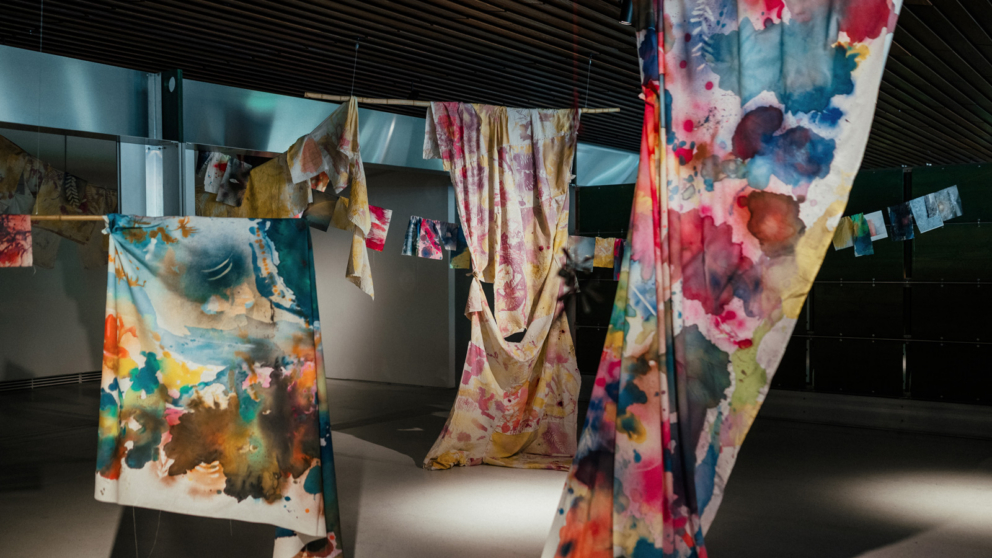
The Engawa Space receives Austrian artist Katharina Lackner (Linz, 1981) for a residency that results in the installation Dreamscape – Ephemeral (Un)conscious Acts of Creation. The project is part of the programme Institution(ing)s and follows other occupations, over the first half of 2026, of the Engawa Space, by artists such as Gustavo Ciríaco, Lidija Kolovrat and Maria Paz Aires. As in these interventions, Lackner’s piece is constructed together with the public visiting the CAM, and not before it.
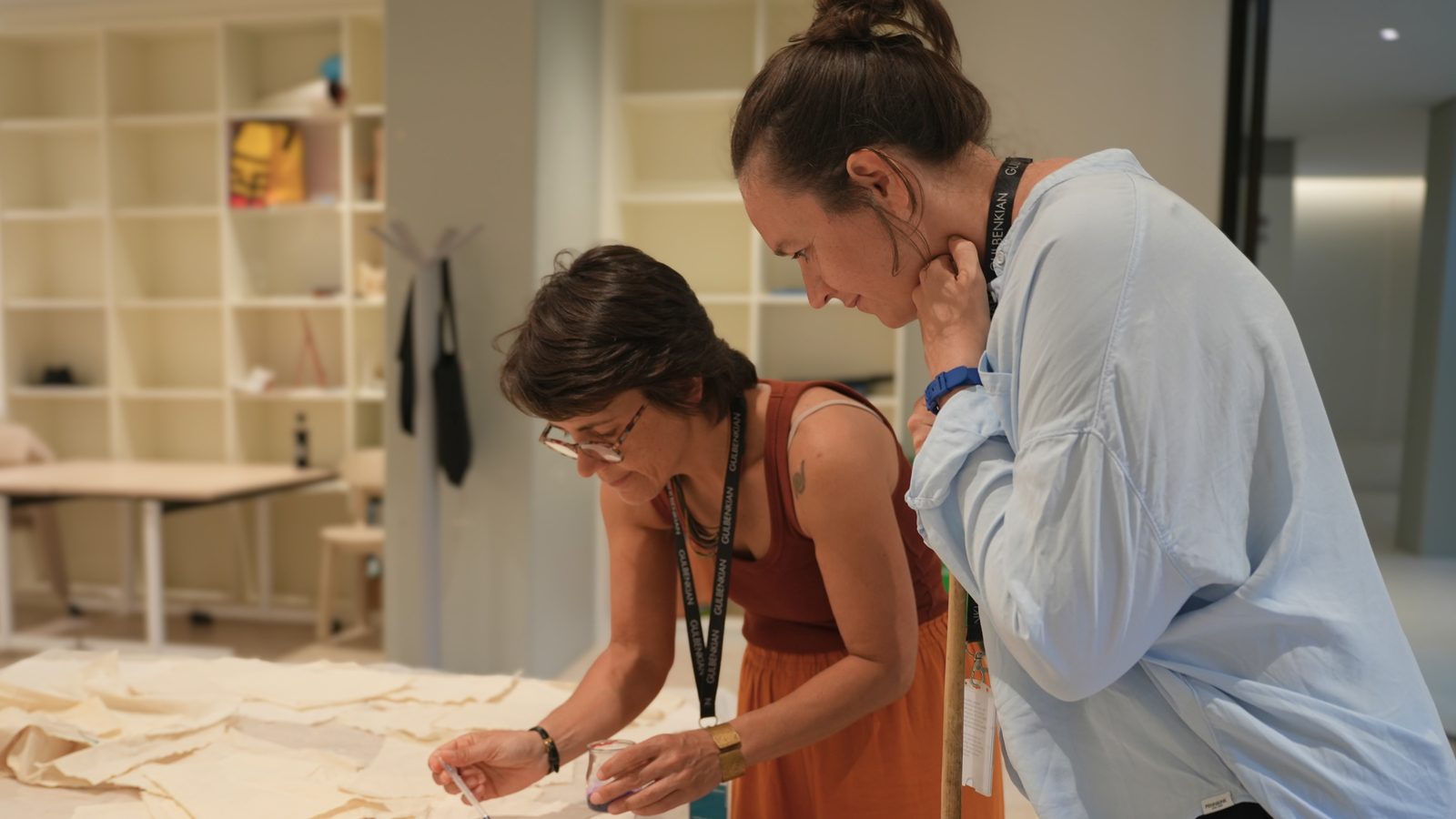
A graduate in sculpture from the University of Arts Linz, Katharina Lackner defines herself as a visual artist, curator and specialist in play, and grounds this triple identity in a distinction that she makes from the beginning of the interview: the difference between games and play.
Games have a beginning, fixed rules and a defined end, with a right and wrong way of playing, established by someone outside the game itself and maintained throughout the process so that it makes sense. Play needs no objectives: it allows rules that change in the course of the action itself, it does not recognise a universally right way of taking place, and enables a person—just as artistic creation does for Lackner—to enter a flow state.
It is in this second category that the artist situates the foundation of her practice: ‘I feel more at ease when I enter a space where there isn’t an external authority determining what’s right or wrong, only my own process and intuition, only my own right or wrong.’ With regard to curating, on the other hand, she points to the term’s etymological root: ‘the word comes from care’, and caring for someone or something implies establishing a relationship with a person, an object or a space, which Lackner believes is the basis of any meaningful creation.
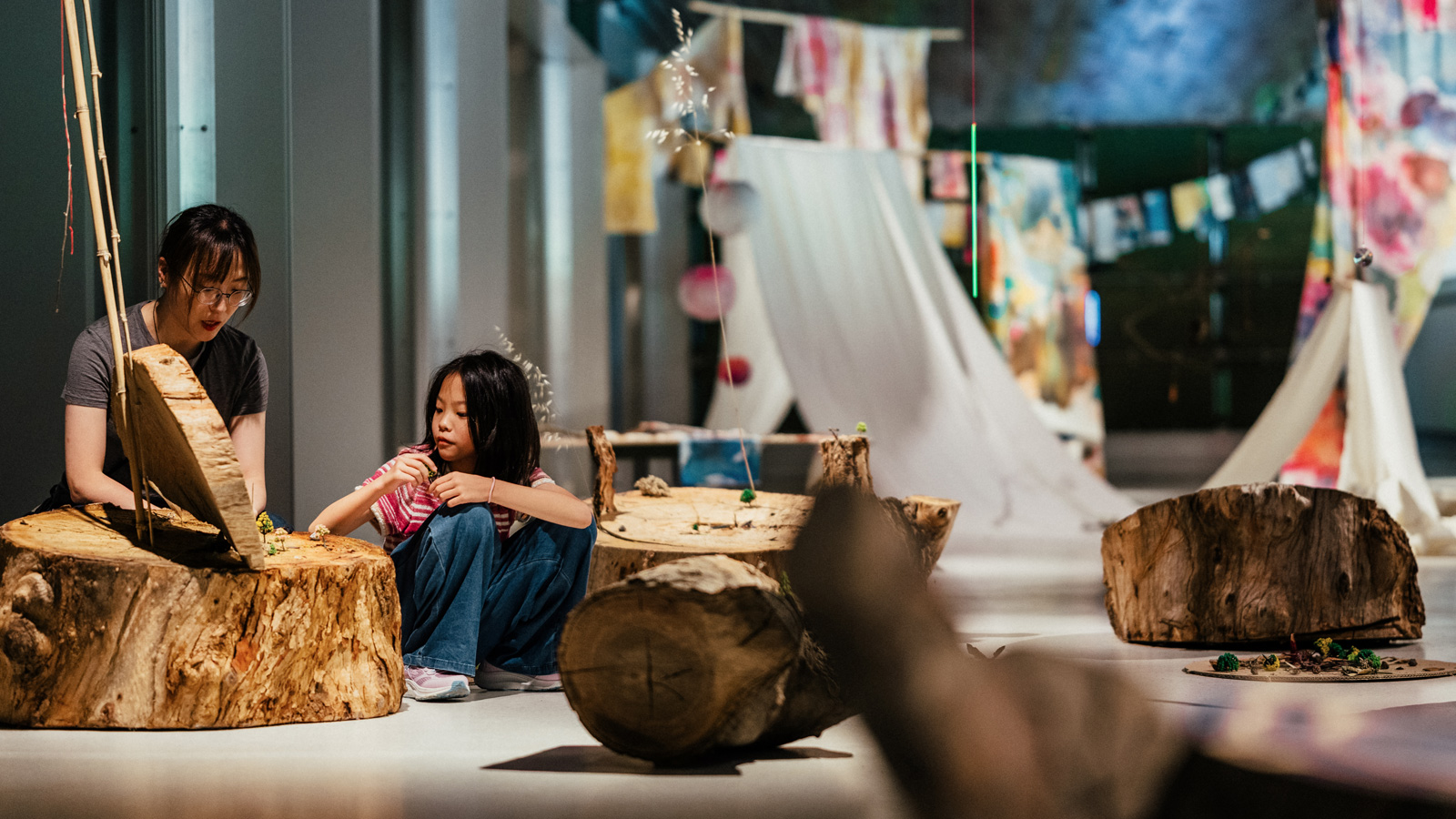
Asked about the reception of her work in cities like Berlin, London, Lisbon and Warsaw, Lackner notes less difference than one would expect, and isolates only London as a partial exception: a public already familiarised with artistic and social projects of a participatory nature, to the extent that, in her words, ‘some seem even to be a bit tired of being invited to participate’. In the other places, the resistance she finds has a different origin, not excessive exposure to the format, but the belief, internalised by many adults, that they are not creative and that, because of this, they do not have the capacity to create.
Children of pre-school age, she says, ‘usually don’t carry this belief yet’. She mentions, in this regard, a study attributed to researchers George Land and Beth Jarman, carried out in 1968 and commissioned by NASA to identify patterns of creative thought: the results, as Lackner tells us, showed that 98% of children aged four to five scored at the level of ‘creative genius’, a proportion that fell to 2% in the adult population.
‘We are all born creative’, she says. The study is a recurrent reference in educational and creative contexts, and serves, in Lackner’s discourse, as the symbolic justification for the question that permeates the whole installation—what is lost, between childhood and adulthood, in the capacity to create without a defined purpose.
Lackner refuses, however, to reduce this loss to a question of talent. She insists that creative processes depend, in equal measure, on practice and persistence, on a willingness to experience moments of uncertainty and frustration without giving up on the work. ‘No one said it was easy’, she affirms, ‘but this struggle is a very important part of the process.’ Believing in oneself, she adds, is what makes these processes rewarding; what many people seem to have lost is not the capacity to generate ideas, but to stay with the difficulty when things do not immediately work out.
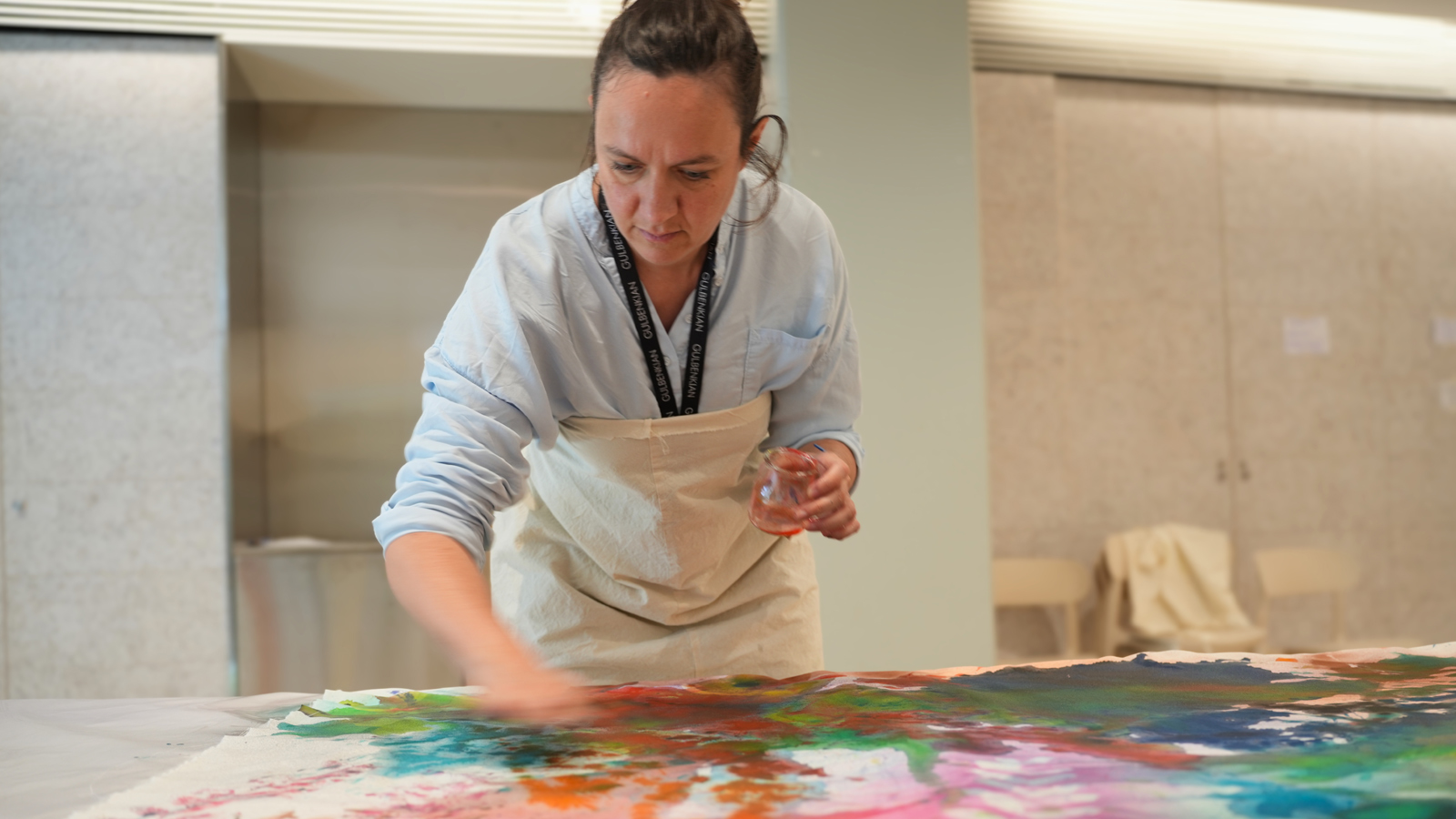
Trust also shapes the way she deals with the format of the artistic residency, which she does not experience as a constraint despite the timeframe and result that are generally associated with it. The tension between process and product, inherent in any residency, dissolves when the latter is understood as a space of exploration and experimentation, an environment in which the artist says she feels completely at ease.
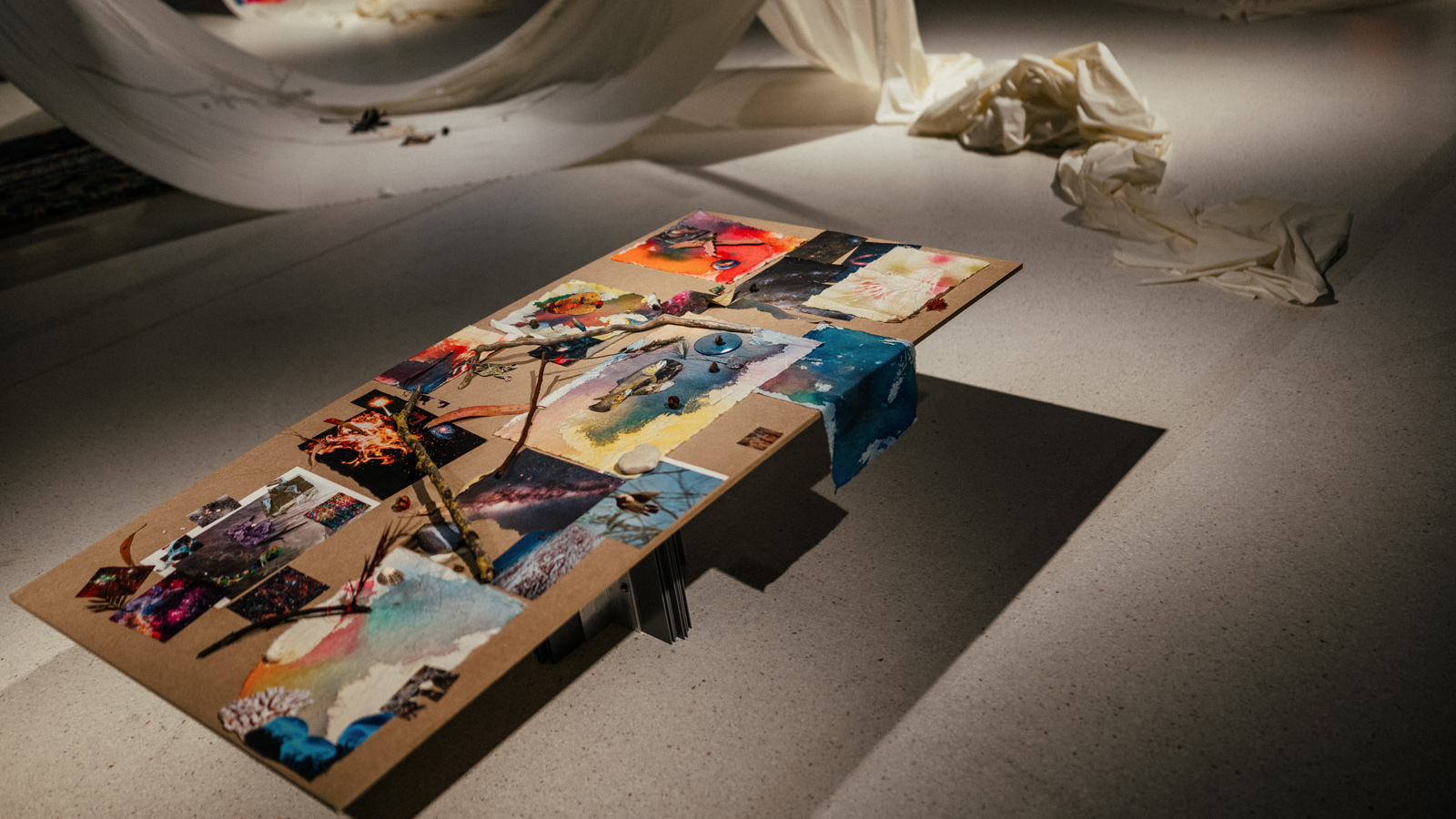
After years of practice, she says she trusts that things will work out, ‘perhaps not exactly how I imagined them’, but in a way that she always finds something meaningful, ‘something magical’, in each space. And she explains that this trust has two aspects to it: faith in herself and faith in the people she finds along the way. In practice, this way of working does not stem from her having a fixed plan before she arrives at each place, but from a gesture of gathering and reorganisation: ‘I visit places, gather, assemble and reassemble. I create new meanings by reorganising existing elements.’
Repeatedly, the artist says, she discovers objects or situations that, only because of the attention she gives them, become temporary sculptures or collages and which, in the next space, will necessarily be something else, because each place imposes its own conditions.
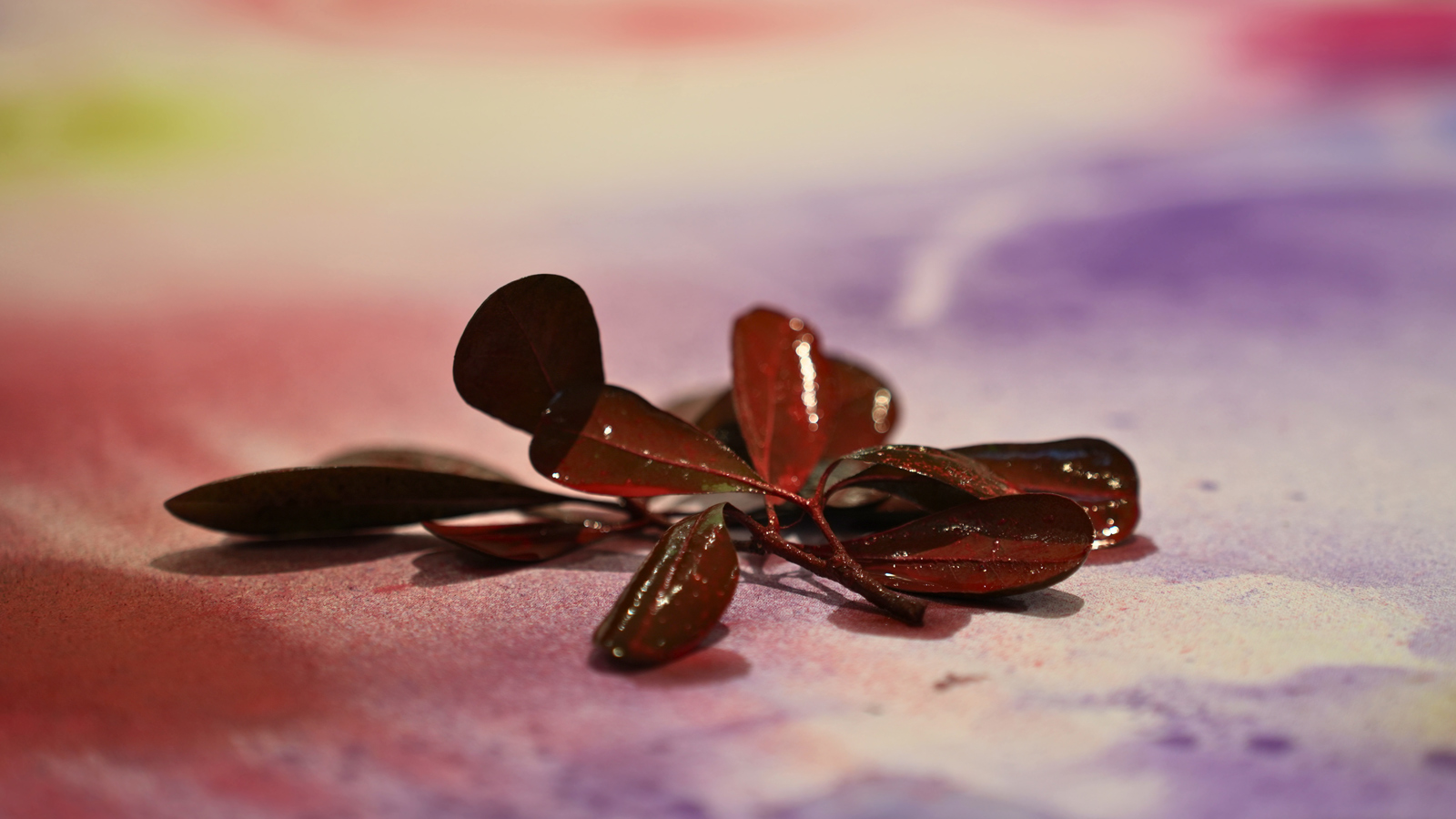
At Engawa, this logic of repurposing produced one of the moments that the artist identifies as central to the whole process: the air conditioning under the windows moved the fabrics hanging in the room, and all she had to do was direct a spotlight onto them to turn this unintentional movement into a sculpture. ‘For me, this is magic’, says Lackner.
We were all taught, with good reason, to behave in a certain way in certain spaces. Suddenly telling someone that they are allowed to touch, interact and even play there, and expecting them to immediately accept the invitation, is asking a lot, she says with regard to the moment in which the public comes into contact with the installation. Some people go in and immediately start to interact with it; others remain hesitant, and the artist herself admits that she would hesitate in a similar situation. She associates this hesitation with a condition that she considers essential to the act of playing: the absence of observation.
The best playing, she says, happens when no one is watching, which makes the invitation to participate an exercise that is both delicate and contradictory, as it asks for openness in a space that is, by definition, public and observed. The doubt that precedes participation, for Lackner, comes down to two specific questions: ‘Can I really touch this? Am I actually allowed to interact with this without being corrected or reprimanded?’ Only once these are resolved do visitors begin, very often, to explore in a surprisingly open and creative way.
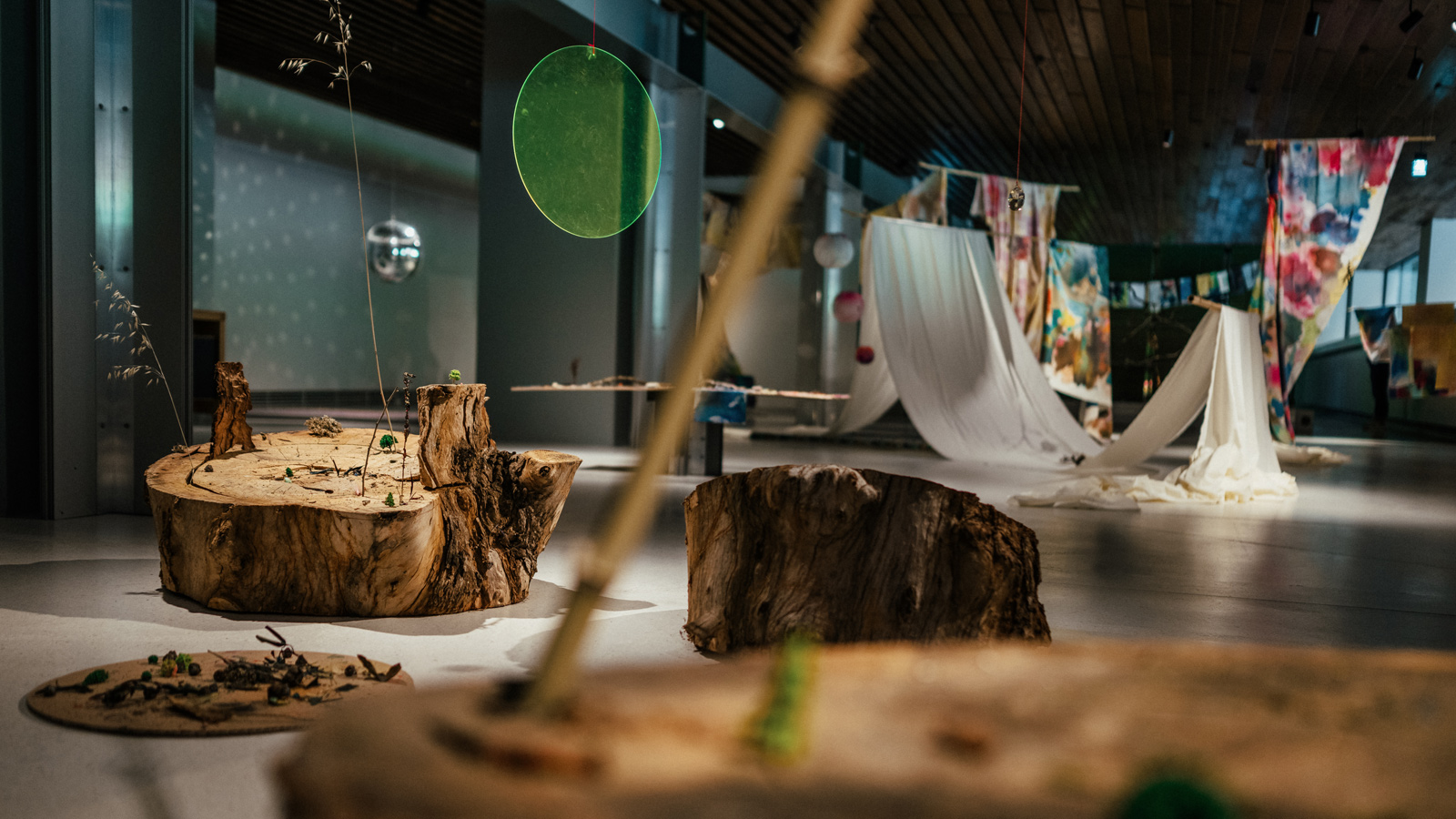
Certain objects reappear, in the same physical form, in different projects—the artist mentions, for example, three identical books she uses frequently, including in this project in Lisbon. Beyond these recurrent elements, what survives of an installation designed to disappear is an approach: ‘the specific way each installation arises from a particular situation, in a particular space, at a particular moment. It can only exist there, and afterwards disappears again.’
This is also the reason she prefers working with light and shadow to buying or transporting materials: ‘almost all places already contain light, and the light itself can create extraordinary spaces and atmospheres. It’s present, it’s temporary and it’s constantly changing.’
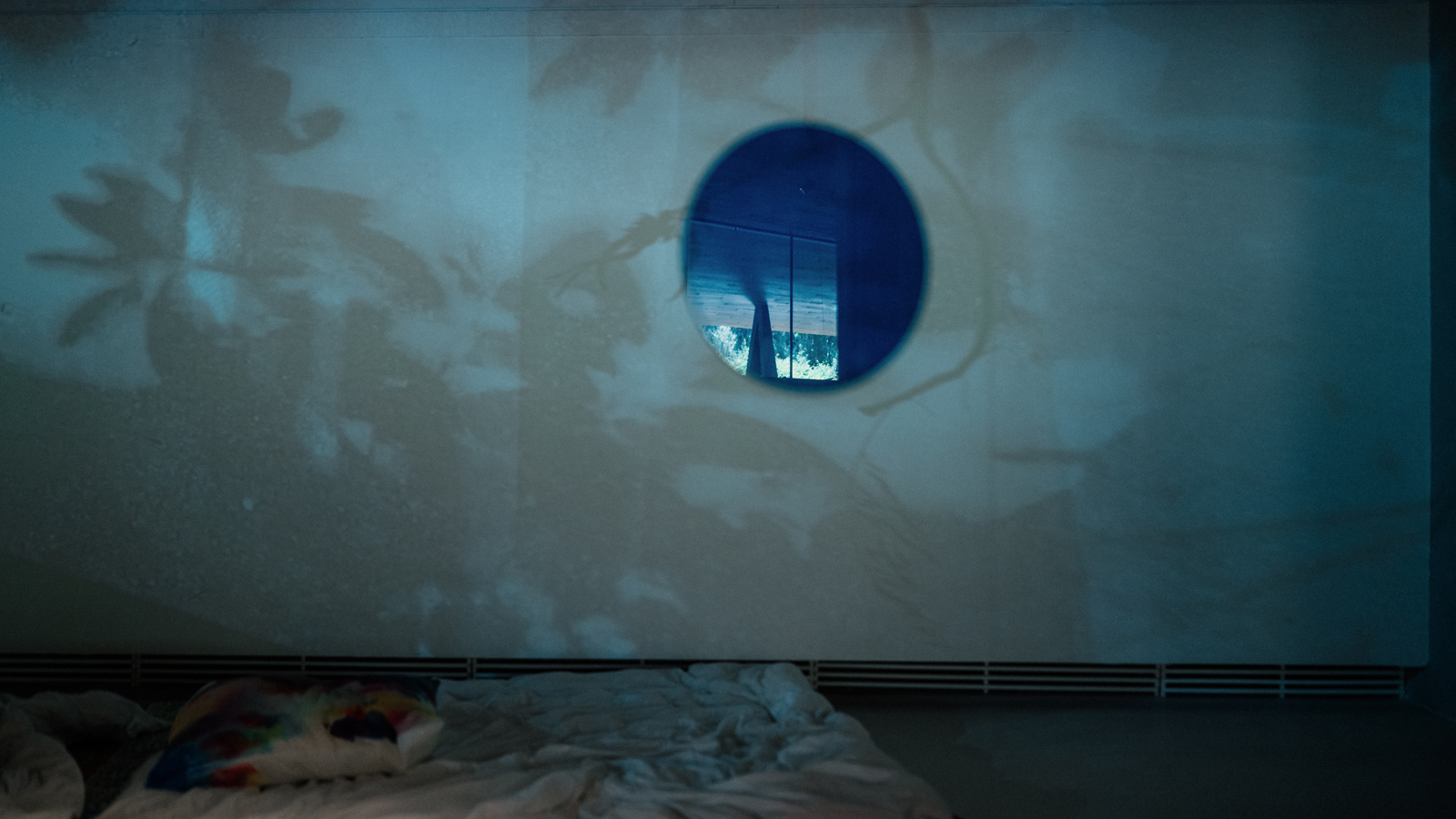
An empty, open space, entirely hers, where she can lie down in the middle of the room and see the place from a different perspective than usual: this is the image, more like a recurrent vision than a dream in the strict sense, which Lackner says she has revisited over several years, and which gave the project its name.
The artist admits she is unsure if the image was originally related to art in any way, but clearly distinguishes two positions within it—that of the person who receives that generous space and is invited to imagine something in it, and that of the people who enter this same vision afterwards. She recognises the former as ‘a privilege’ of her work. ‘For me, creating is always a balance between chance and control’, she says, and it is this search for balance that leads her to invite others to participate: ‘I receive from the visitors everything they are willing to give, and I can never know in advance what this will be, or how much of themselves they are going to offer.’
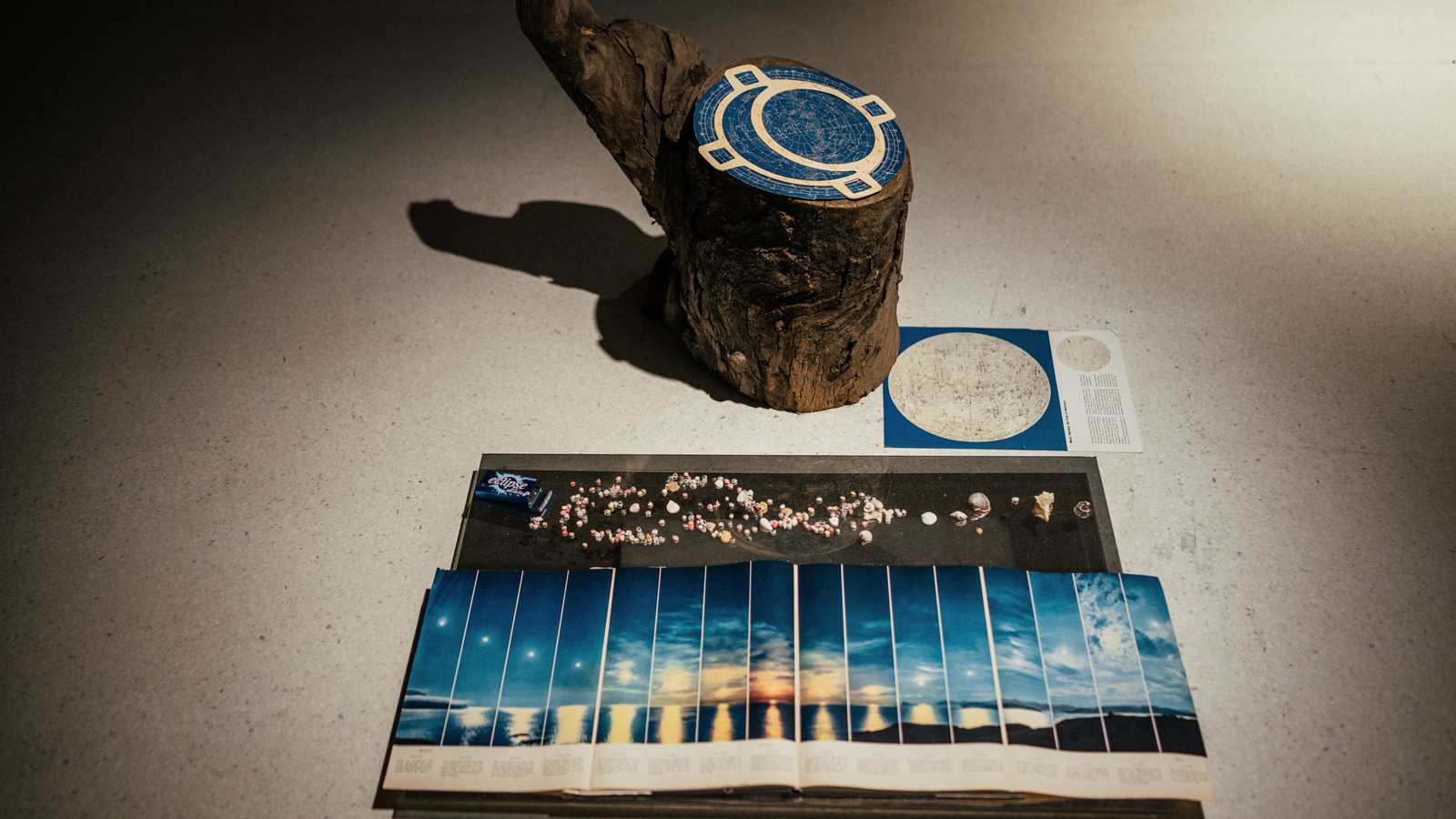
With time, she says she has learnt that this openness is also a question of limits—‘to what point am I willing to let the visitors alter my vision.’ Increasingly, she understands that she does not want all parts of an installation to be physically interactive: she offers some elements to change and transformation; others she prefers to simply affirm, letting them exist as they are.
It is the same question, formulated for a wider public, that sustains the residency in the Engawa Space—and which the artist herself summarises, referring to the installation, as an invitation to create without a predefined purpose, for the simple pleasure of doing it together.
BANTUMEN at Gulbenkian
Explore the series




No results were found for your criteria.
You may also like





No results were found for your criteria.