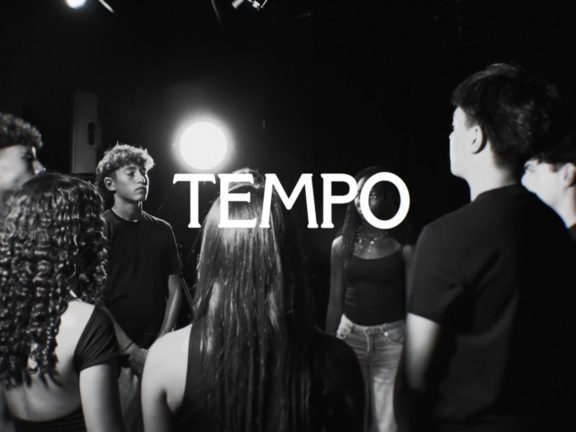
(A)LINHA com a Adolescência: Who Are We Willing to Hear?
In this video, the young curators of the exhibition ‘(A)LINHA com a Adolescência’ offer their own view of adolescence and invite us to hear what they have to say.

In this video, the young curators of the exhibition ‘(A)LINHA com a Adolescência’ offer their own view of adolescence and invite us to hear what they have to say.
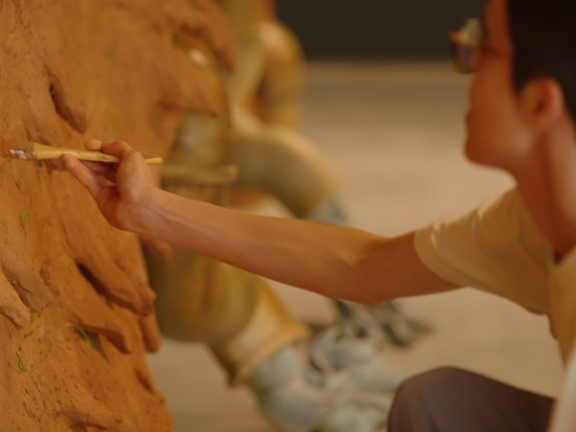
In this film, artist Inês Zenha and curators João Mourão and Luísa Silva introduce the exhibition ‘Murky Waters’, reflecting on how artistic creation connects to identity and transformation.
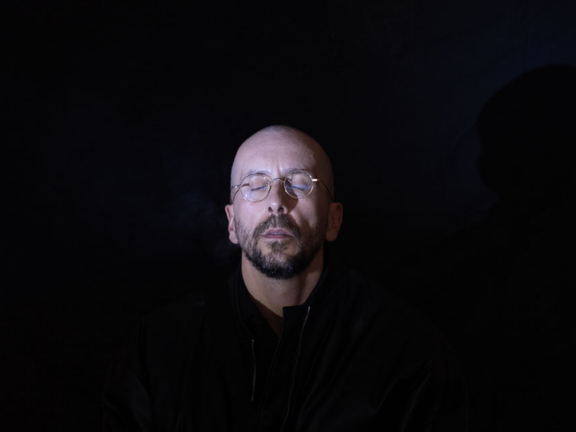
Following its premiere in April at the ‘Festival Dias da Dança’ in Porto, Jonathan Uliel Saldanha’s ‘AXIOM CASINO’ comes to CAM. In an interview with BANTUMEN, the composer, visual artist and director explains how he took gambling as the staring point to explore the rules that organise life in society, and what continues to elude control within a machine.
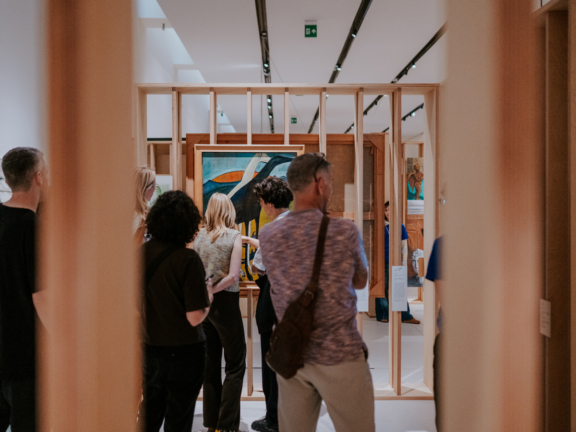
In this interview by Marisa Mendes Rodrigues, the creators of the mobile game 'The Scheherazade’s Labyrinth' explain how they developed this project, which turns a CAM visit into an interactive experience.
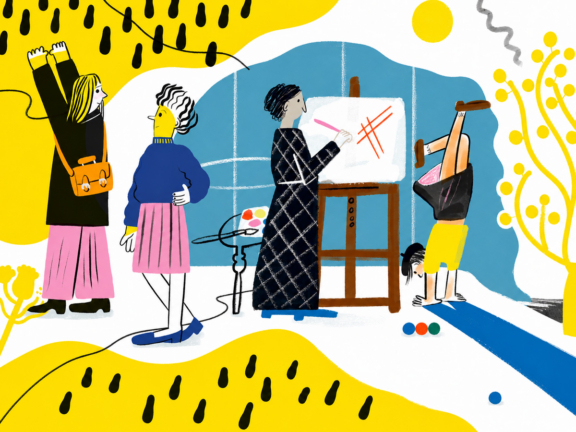
Curator Jule Kurbjeweit spoke with author and illustrator Catarina Sobral about 'Heroínas das Artes’ [Heroines of the Arts], a children’s book collection featuring Madalena Perdigão, Ana Hatherly, Paula Rego and Helena Vieira da Silva, and what turns a biography into a story.
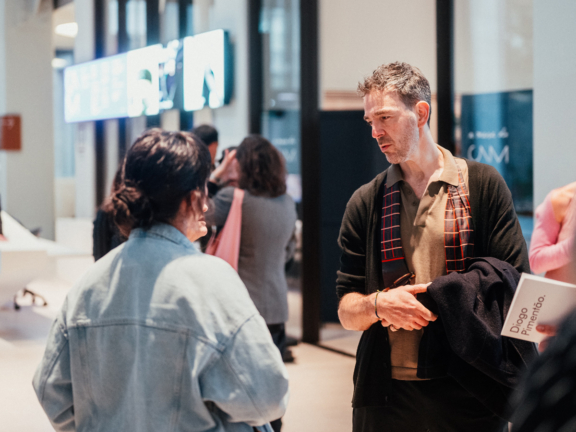
In his solo exhibition, Diogo Pimentão expands the medium of drawing into space. In this article, curator Francisca Portugal reflects on the materials, gestures, and metamorphoses that run through the exhibition.
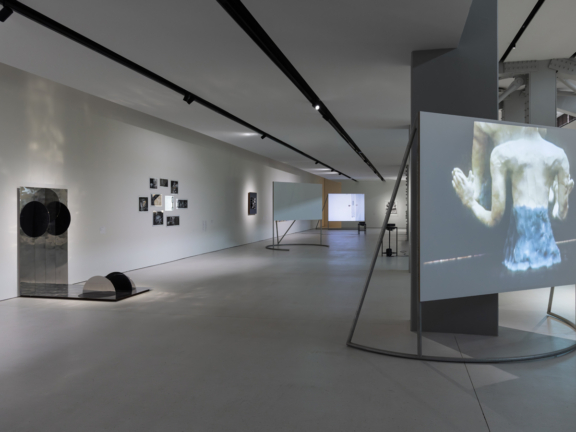
Some exhibitions bring artworks together. Others build connections. At the Mezzanine, Rosa Barba seems primarily interested in the latter.
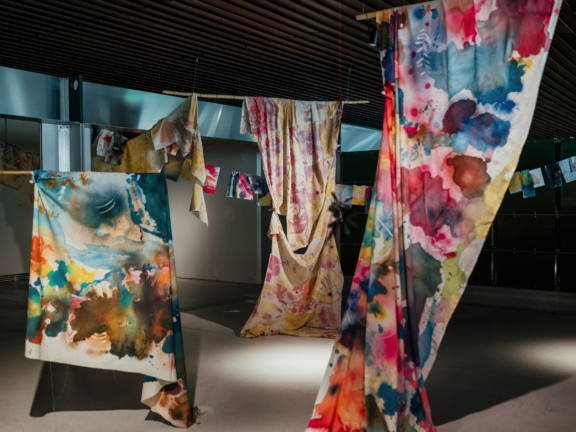
The Engawa Space receives Katharina Lackner for a residency that culminates in the participatory installation ‘Dreamscape’. Bantumen spoke with the Austrian artist who seeks to reveal the difference between games and the idea of purposeless play, challenging visitors to become actively involved in creating the installation.
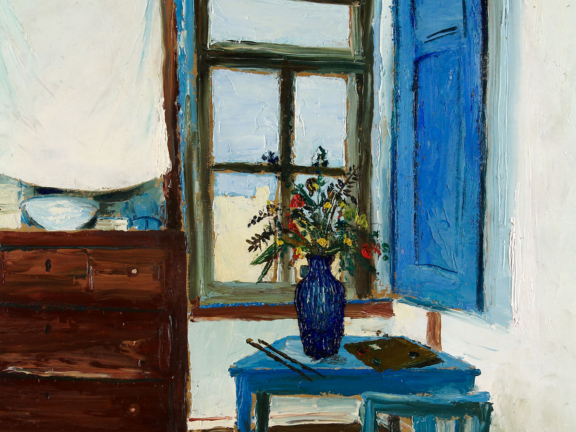
Carlos Botelho’s ‘Interior’ invites introspection, bringing together harmony and tranquillity come together in an intimate setting.
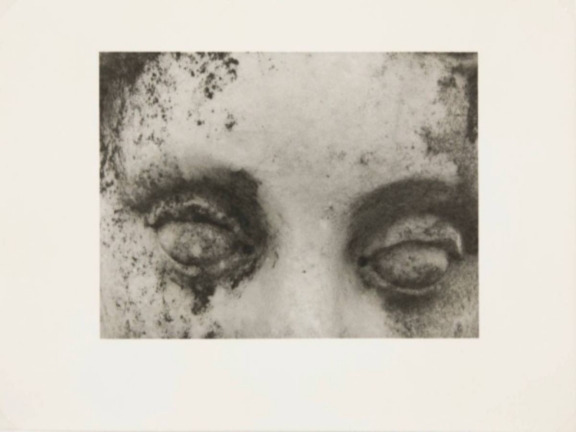
Curator Jamil Parasol Osmar takes us on a journey through this essay, selecting works from the CAM Collection to tell a story. He doesn’t offer easy answers, but he does make us think about how fragile hope can be and how we can find new ways to renew it.
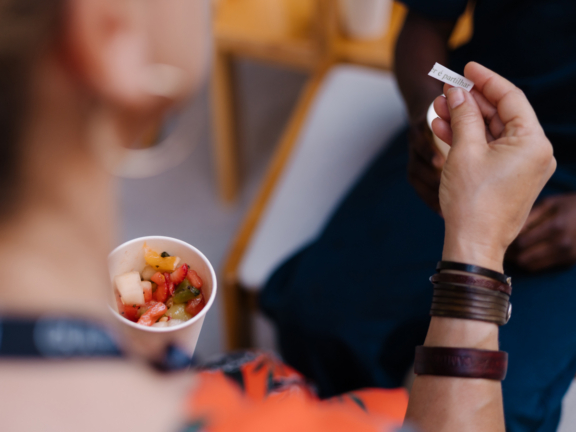
In this interview, curator Jule Kurbjeweit speaks with the artists and mediation team behind ‘Lugar à Mesa’ [A Place at the Table], CAM’s pedagogical programme that connects art, food and citizenship, transforming everyone involved.
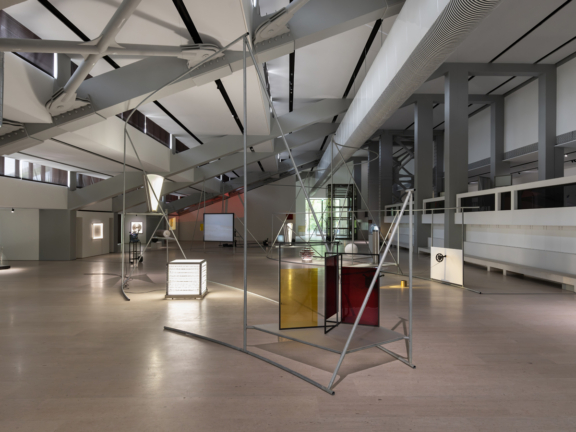
Rosa Barba in conversation with Orsola Vannocci Bonsi, on the occasion of her exhibition at CAM, reflects on the exhibition as a living architectural system in which space, sound, and works interact to produce shifting narratives.
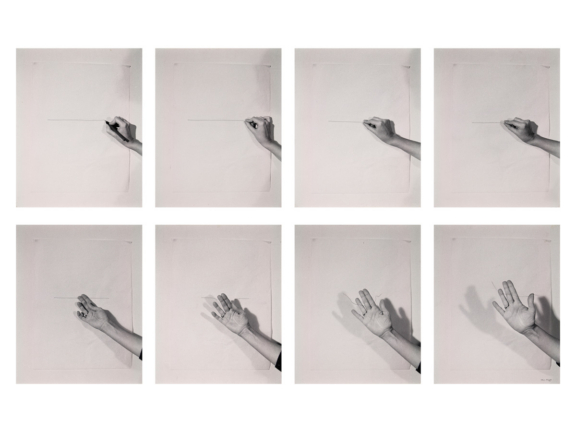
'Desenho Habitado' [Inhabited Drawing], by Helena Almeida, comes at a time when the artist is beginning to assert the body as a workplace. Rosa Barba selected this work from the CAM Collection to be included in her exhibition 'Drawing Vocabularies'.

The project 'The World is Our House' grew out of the exhibition 'Carlos Bunga. Inhabit the Contradiction' and involved young people aged 11 to 20 from the Zambujal neighborhood in Amadora.
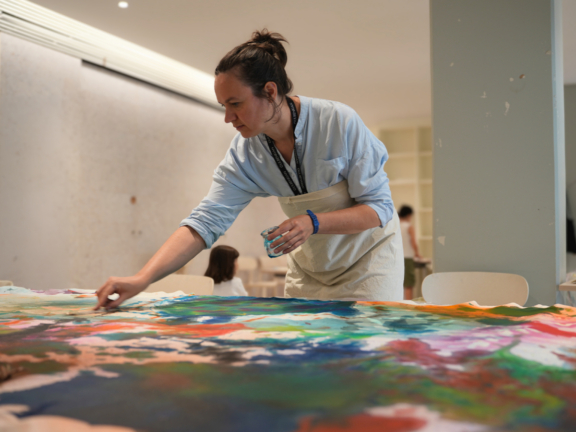
A workshop led by Katharina Lackner encouraged children and adults to explore creativity through free experimentation. In this article, BANTUMEN contributor Edson Vidal reflects on the value of the creative process that marks the start of this residency.
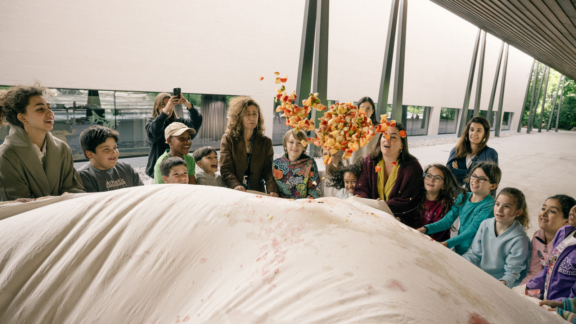
In this article, curator Jule Kurbjeweit presents the pedagogical programme 'Lugar à Mesa' [A Place at the Table] and reflects on how food and the table are used as both material and metaphor to explore memory, ecology, interdependence and sharing.
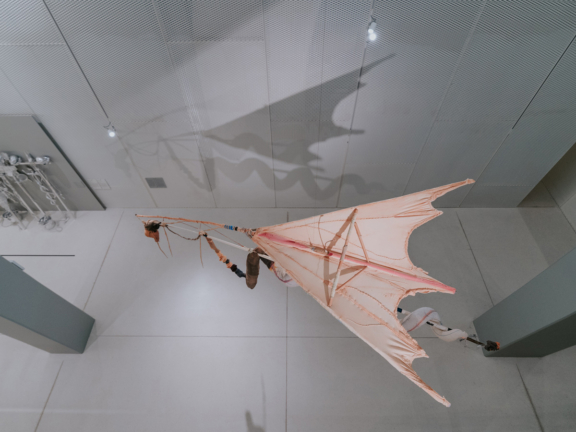
In this interview, conducted by curator Francisca Portugal, artist Sara Bichão explains the process behind her work ‘Longínquo (dur)’, commissioned by CAM, included in the exhibition ‘Scheherazade: the Never-ending Collection of CAM’, and now part of the CAM Collection.
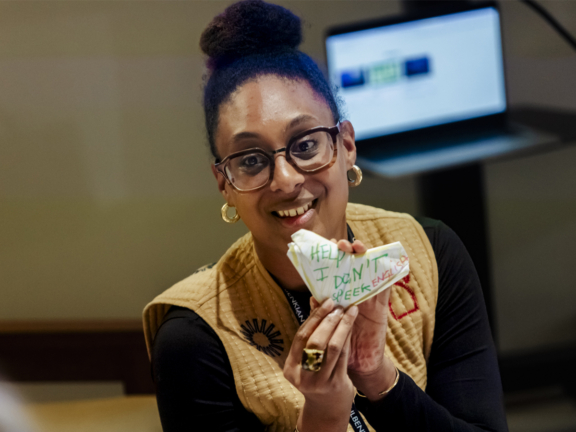
Presented at CAM, the European project ‘Institution(ing)s’ questions the supposed neutrality of institutional language and proposes a collaboratively constructed glossary.

In this video, Bruno Zhu invites us to take a look around his home, the exhibition 'Belas Artes', while answering 46 intriguing questions.
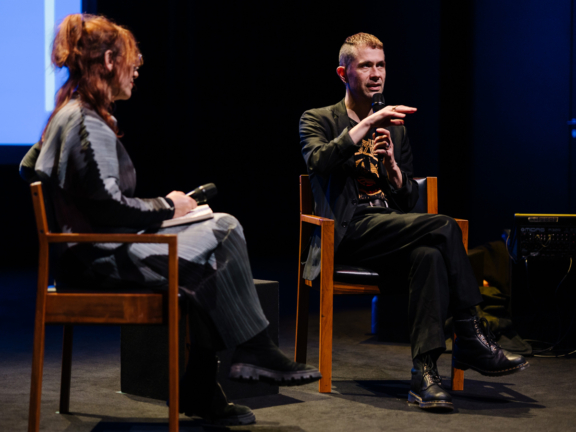
Curator Raquel Castro presents the work of Jacob Kirkegaard. Both discuss listening as a way of making sense of the world, the sound of each place, and the potential of artistic practice to create spaces for attention, reflection, and transformation.
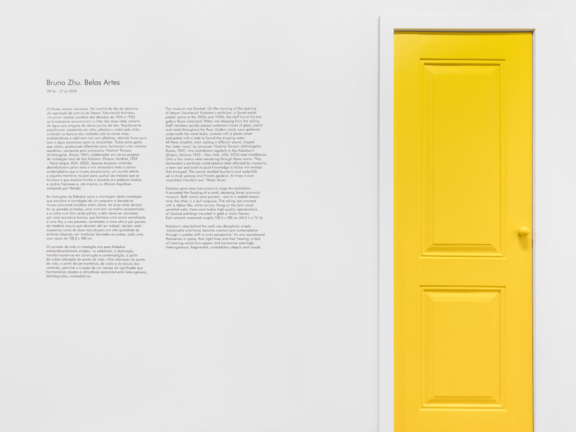
In this opinion piece, Carolina Sebastião, from BANTUMEN, takes us on a tour of ‘Bruno Zhu. Belas Artes’ , revealing, room by room, the concerns that inhabit each space.
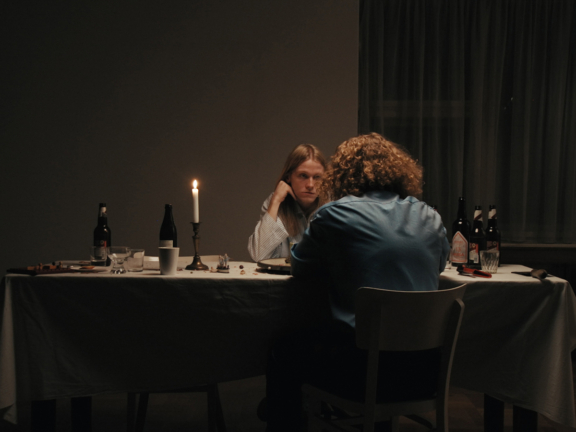
Unfolding over a single disorienting night, ‘Salt Bath’ drifts between dream and simulation, where reality fractures. In this conversation with curator Jule Kurbjeweit, K. Desbouis reflects on artistic collaboration, liminal states of becoming, and the tension between purification and contamination.
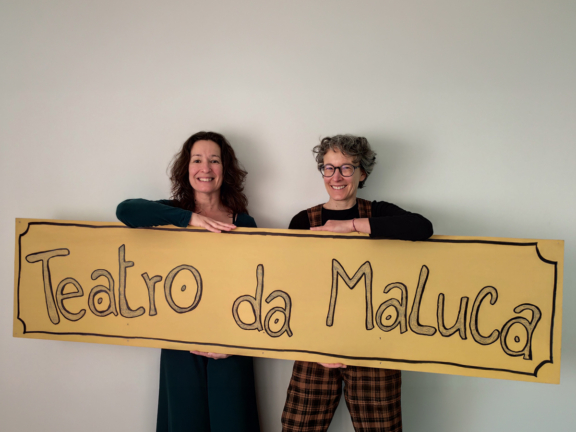
Covering topics ranging from how the project emerged to its collaboration with CAM through the ZAF – Family Arts Zone, curator Marta Espiridião chatted with the creators of Teatro da Maluca, exploring the intersection between theatre and contemporary art.
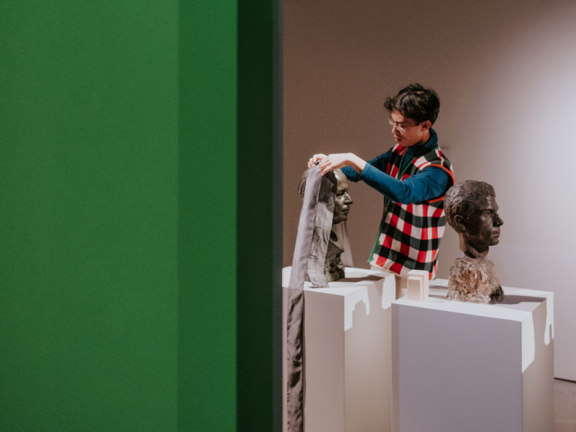
Bruno Zhu spoke with Marisa Mendes Rodrigues from Bantumen about his artistic practice, which spans Portugal, London and the Netherlands. ‘Belas Artes’ [Fine Arts] has now arrived at CAM and stems from a very specific institutional frustration, raising questions that go far beyond the museum’s walls.