
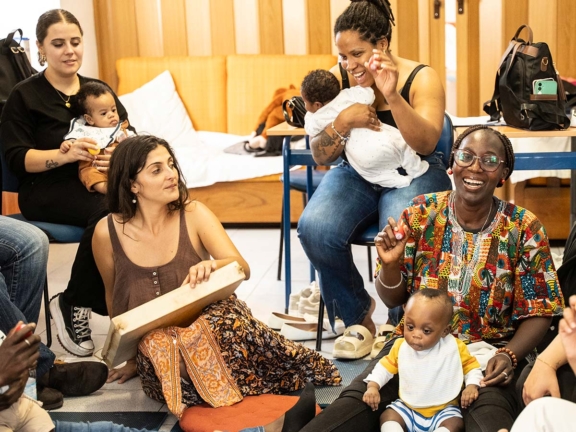
“When we sing, we forget about the bad things in our lives”
The Music&Motherhood project, supported by the Calouste Gulbenkian Foundation, focuses on preventing postnatal depression and the promotion of well-being. The results have been impressive.
The Music&Motherhood project, supported by the Calouste Gulbenkian Foundation, focuses on preventing postnatal depression and the promotion of well-being. The results have been impressive.
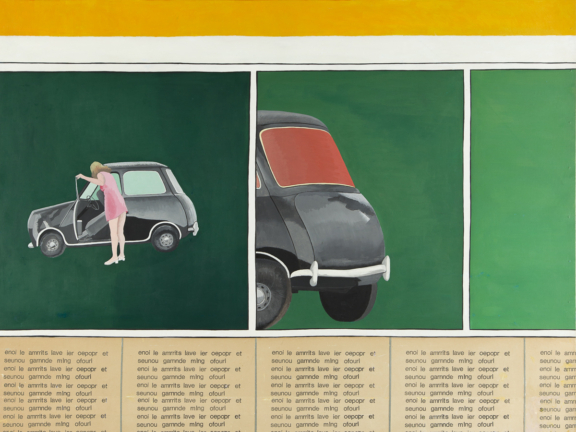
Curator Mattia Tosti reflects on the work ‘Untitled’ (1970–2012), by Teresa Magalhães, present at the exhibition 'Scheherazade, the Never-ending Collection of CAM'. Starting from an almost immersive approach to this work, Mattia explores the potential influence of the artist’s time at Lisbon's School of Fine Arts, during the dictatorship, on her creations.
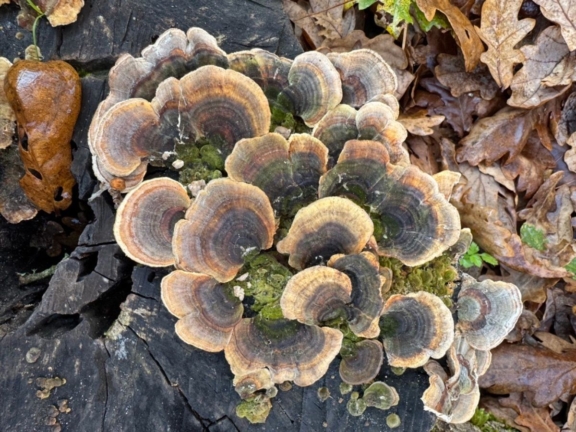
Dead wood is essential for maintaining and restoring local biodiversity, argues biologist Ana Maria Pereira
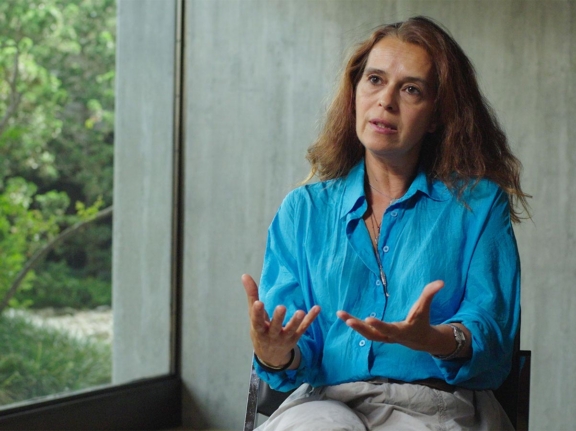
Filipa Dias, researcher at Ipsos Apeme and author of the study “Clima de Mudança”, provides an in-depth analysis of the community in this interview and suggests some ways to achieve a more sustainable life for everyone.
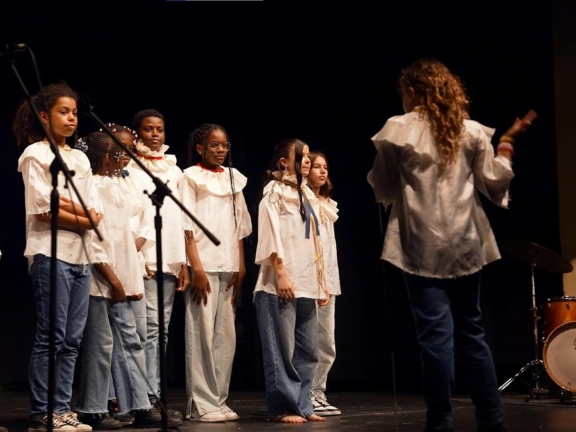
What if "Romeo and Juliet" were set in Almada? In the Bairro Branco neighbourhood, a group of young people have reinterpreted Shakespeare’s classic in their own way, with the support of the PARTIS & Art for Change initiative.
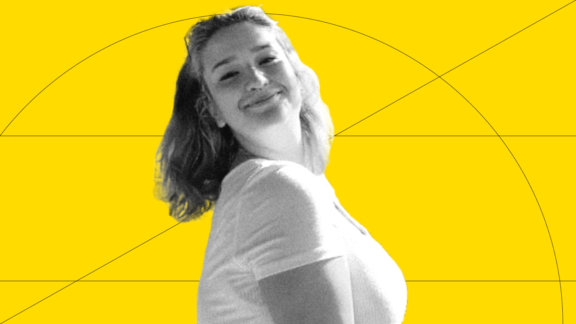
The Gulbenkian Scholar presents the Já t’Explico Association in Porto, where she volunteers to support children from disadvantaged backgrounds with their studies.
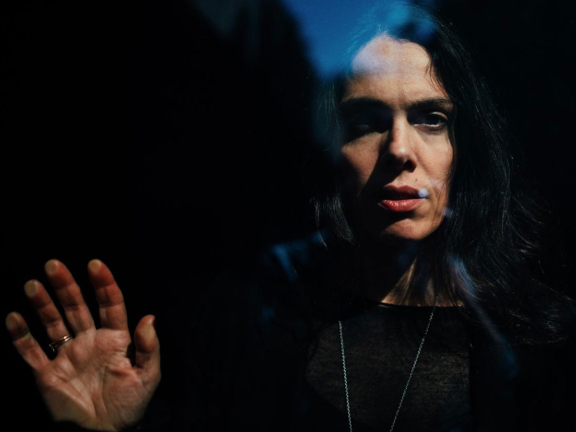
Catarina Câmara combines dance and Gestalt psychotherapy to reflect on freedom from the perspective of imprisonment. Her book corpoemcadeia, now published by the Gulbenkian Foundation, explores art, violence and humanity in movement.
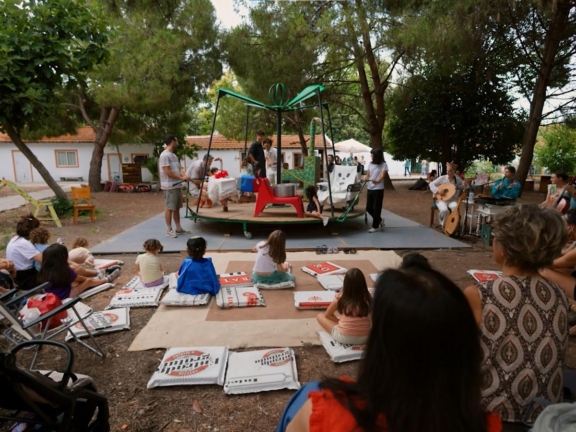
At Largo Residências, in Lisbon, art is also a place to live. It is home, refuge and meeting point between people and cultures, where artists and migrants share the same space and build connections and projects, with the support of PARTIS & Art for Change.
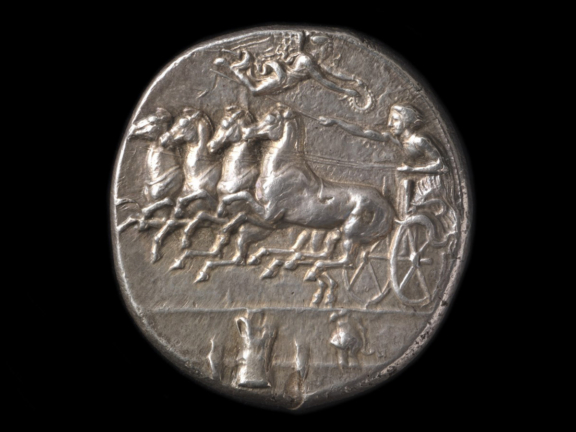
Inspired by a Greek coin from Calouste Gulbenkian’s collection, the Foundation’s seal features the quadriga as a symbol of its four statutory purposes: Art, Charity, Science and Education.
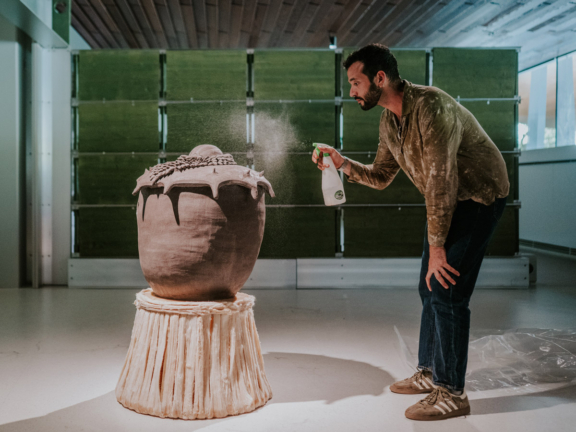
Francisco Trêpa explores the concepts behind his exhibition ‘Francisco Trêpa. Gall Ball’ – from parasitism and 'baroque sci-fi' to the transformation of the exhibition space itself – in an interview conducted by Mattia Tosti.
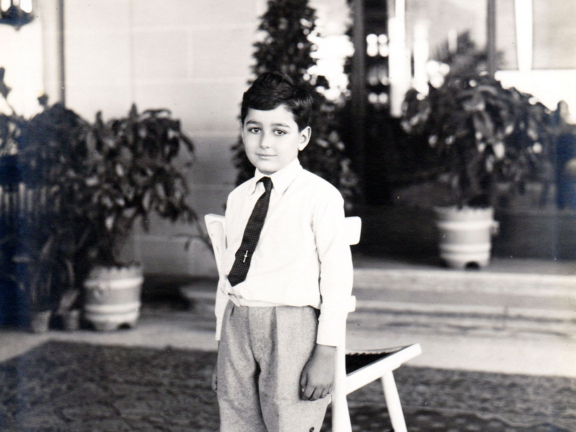
The family correspondence held in the Gulbenkian Archives reveals the context of Mikaël’s childhood and the upheavals that led his grandfather, Calouste, to take control of the boy’s education.
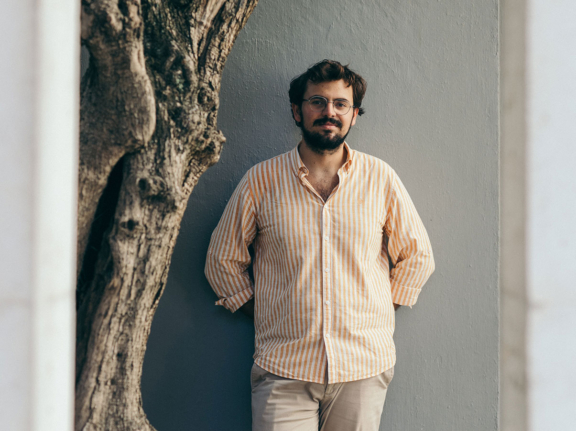
In between medical practice and political decision-making, Manuel Leite – a Gulbenkian New Talents scholar – advocates for a more integrated approach to healthcare, bringing together science, public policy, and the community to address social challenges. Learn more about his journey and the ideas that drive him.
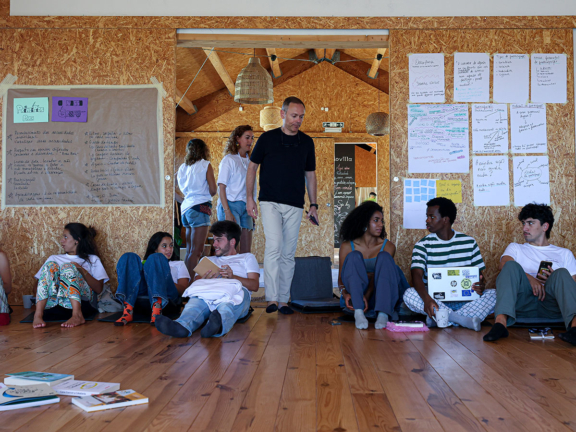
Fifteen young people, aged between 19 and 25, from various parts of the country, took part in the Citizenship with a Future Summer School, organised by the Gulbenkian Foundation. We spent a day with them.
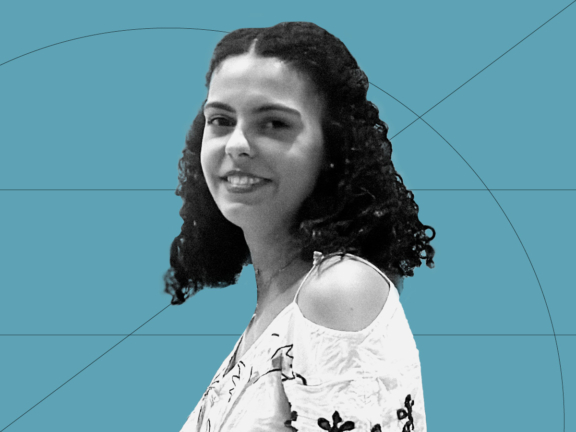
Sara Magno, a Gulbenkian New Talents scholar in the field of Social Sciences, explains the research she carried out on the use of virtual reality to create altered states of consciousness similar to psychedelic experiences.
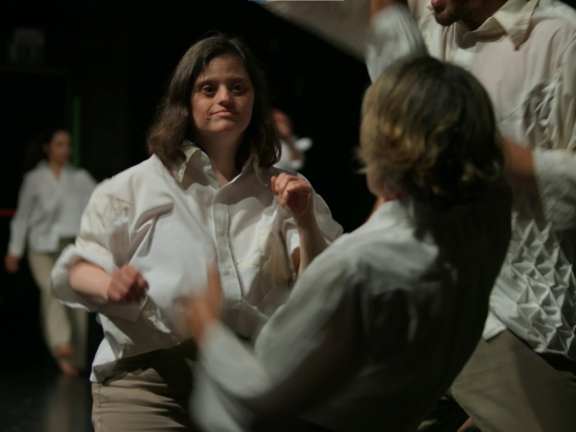
They arrived “with blindfolded eyes and tight hearts,” but session after session, Gatilho transforms participants’ blocks and insecurities into joy and freedom. In Lagos, this PARTIS & Art for Change project aims to provide visibility and training for people with disabilities.
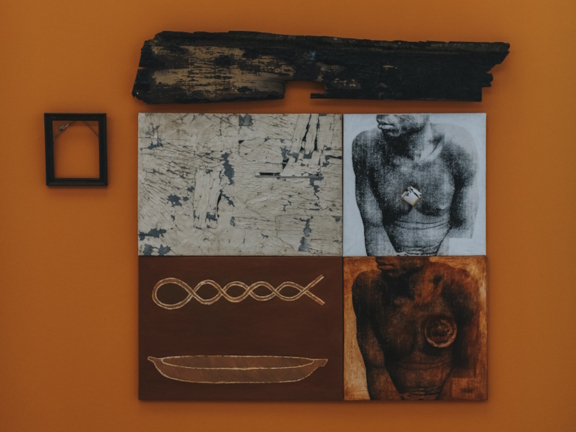
In her latest article for BANTUMEN, journalist Flávia Brito revisits the main topics discussed at the conference ‘Racism as the legacy of slavery’, organised by the Calouste Gulbenkian Foundation in partnership with the Slave Wrecks Project.
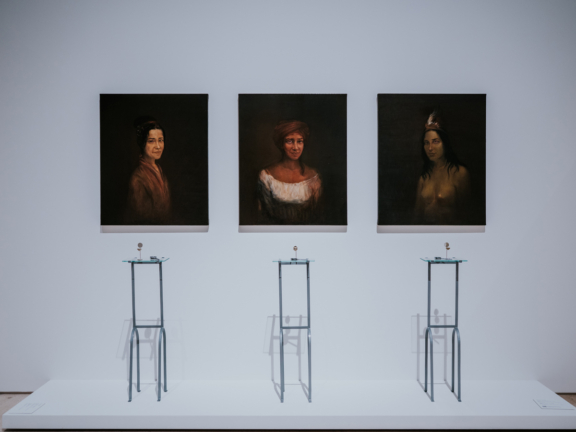
Based on Adriana Varejão's work Eyewitnesses X, Y and Z (Testemunhas Oculares X, Y e Z) shown at the exhibition ‘Paula Rego and Adriana Varejão. Between your teeth,’ curator Jamil Parasol Osmar reflects on colonial trauma. Seeing the work as a forensic archive, he fictionally reconstructs the crime scenes of these subjects.
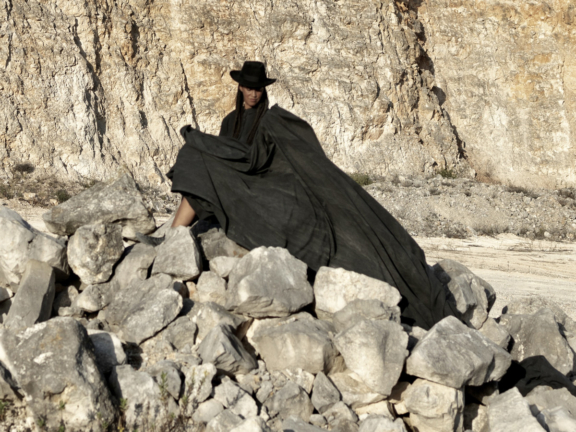
BANTUMEN spoke to the artist Grada Kilomba about her artistic practice, creative freedom, the right to be complex and the need to understand her work as a universal gesture.
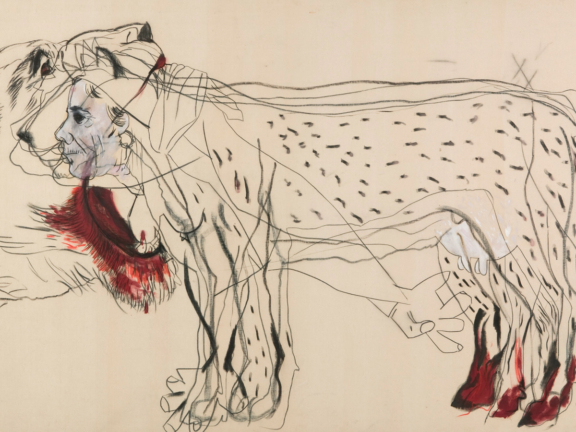
CAM has acquired two new works by the painter Graça Morais for its collection. In a reflection on ‘Maria’ and ‘Delmina,’ researcher Laurinda Branquinho examines the central role of women in the artist’s work, exploring its connection to issues of gender, territory, and memory.
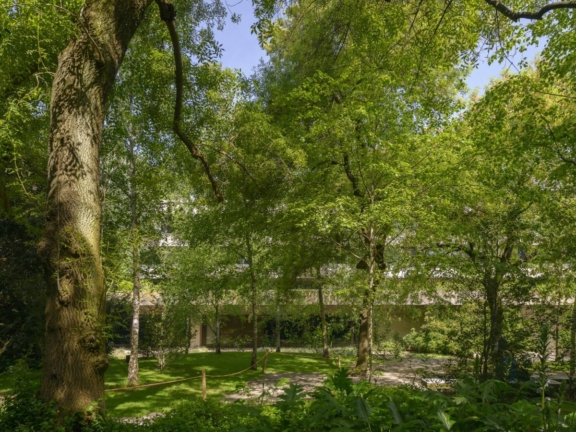
With the arrival of summer, the main concern of the master gardener and his team is to ensure that water reaches all the plants that need it.
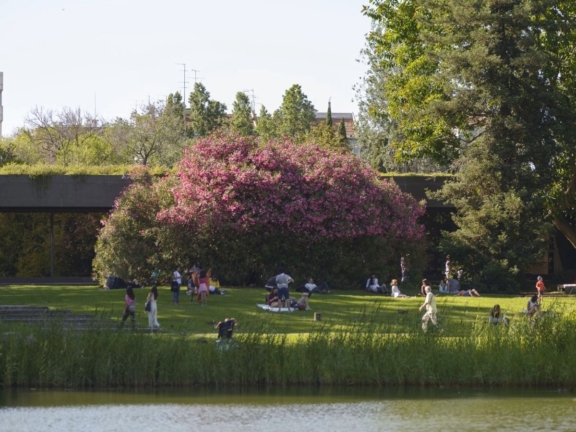
Spring is a time of splendour in any garden. Plants are growing quickly, the flowers attract birds and insects and the whole garden seems to pulse with life and joy!
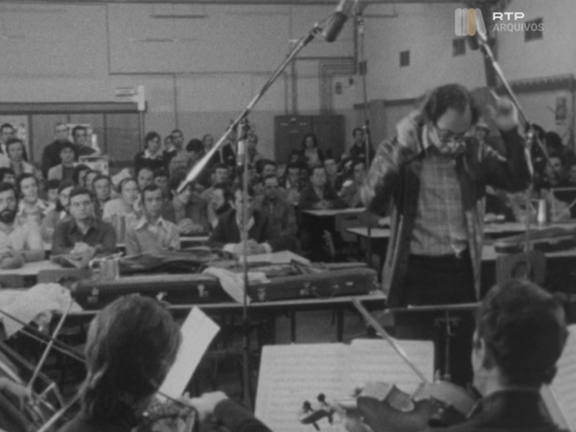
The Revolution of 25 April 1974 marked a historic change in Portugal, initiating a process of political, social and cultural democratization. The idea was to build a fairer, more participatory society, with culture as one of its fundamental instruments.
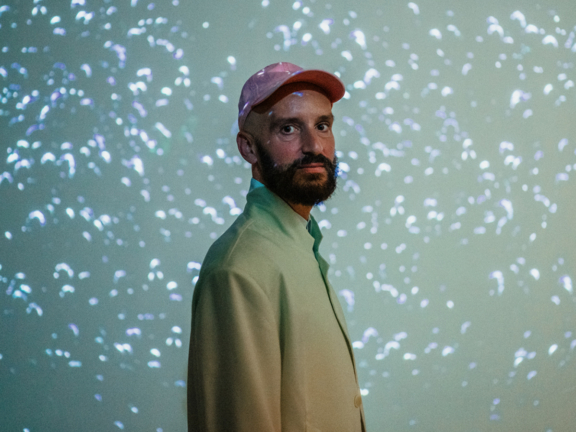
Curator Francisca Portugal interviews the artist Mikhail Karikis about the audio visual installation at CAM’s ‘We Are Together Because…’
This article explores the seven key insights from the study Climate of Change: Perceptions of Environmental Challenges in Portugal, commissioned by the Calouste Gulbenkian Foundation and conducted by Ipsos APEME.