
The seal of the Calouste Gulbenkian Foundation
The initiative to propose the creation of an insignia or emblem for the Foundation is believed to have originated with Kevork Loris Essayan (1897-1981), son-in-law of Calouste Gulbenkian and an administrator of the Foundation.
The minutes of the meeting of the Delegated Committee of the Board of Trustees, held on April 29, 1959, state: “At the proposal of Mr. K. L. Essayan, it was decided to commission a white seal that would also serve as the emblem of the Foundation, based on a medal from the Foundation’s numismatic collection, which, on one of its faces, depicts a quadriga. The design of this seal would be entrusted to the artist José Luís Brandão de Carvalho (…) and to a foreign artist, with whom Mr. K. L. Essayan was tasked with establishing contact.”
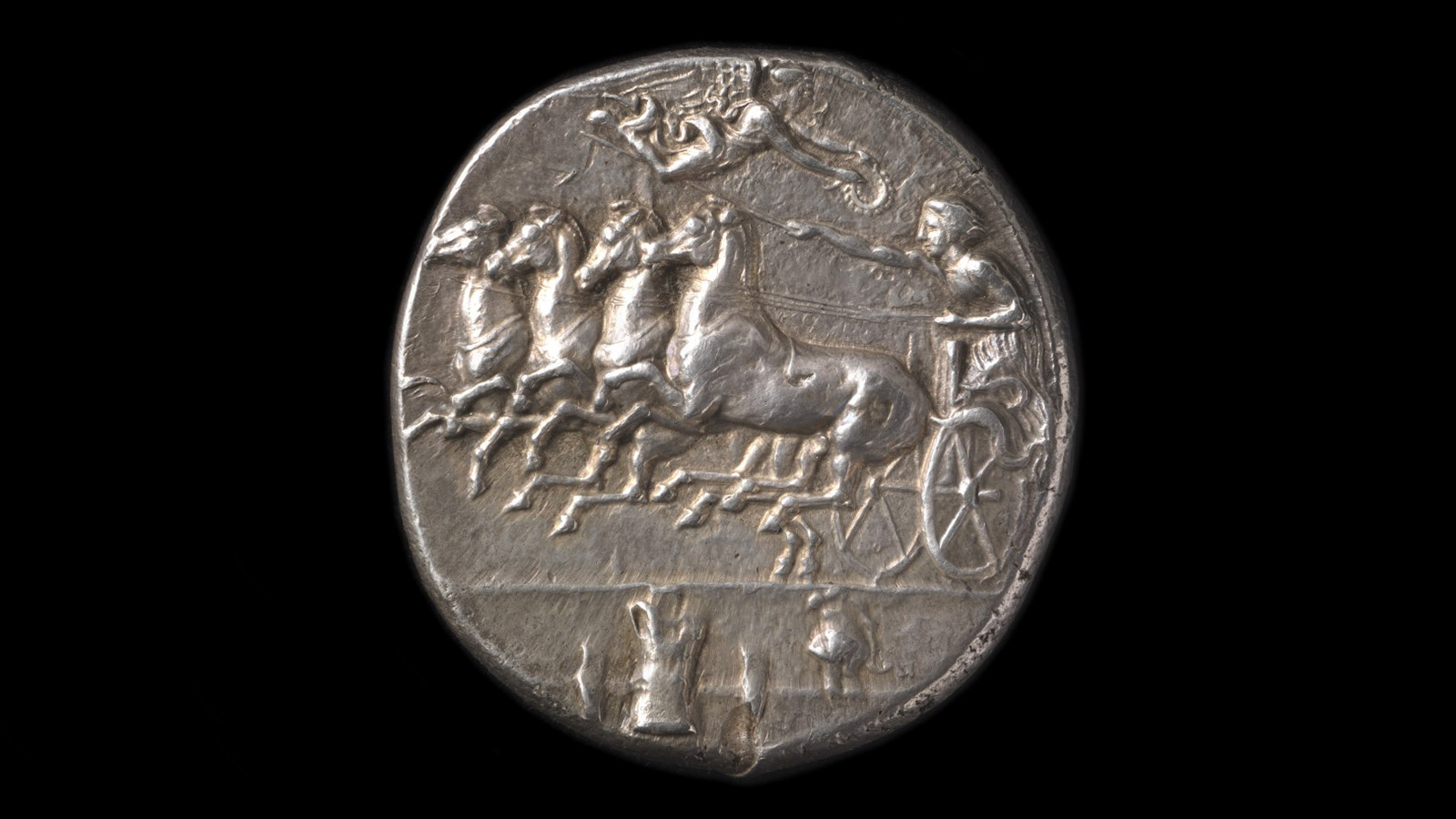
The coin in question is a two-sided decadrachm originating from Syracuse, catalogued in the Calouste Gulbenkian Museum under inventory number N317, featuring a quadriga on its reverse.
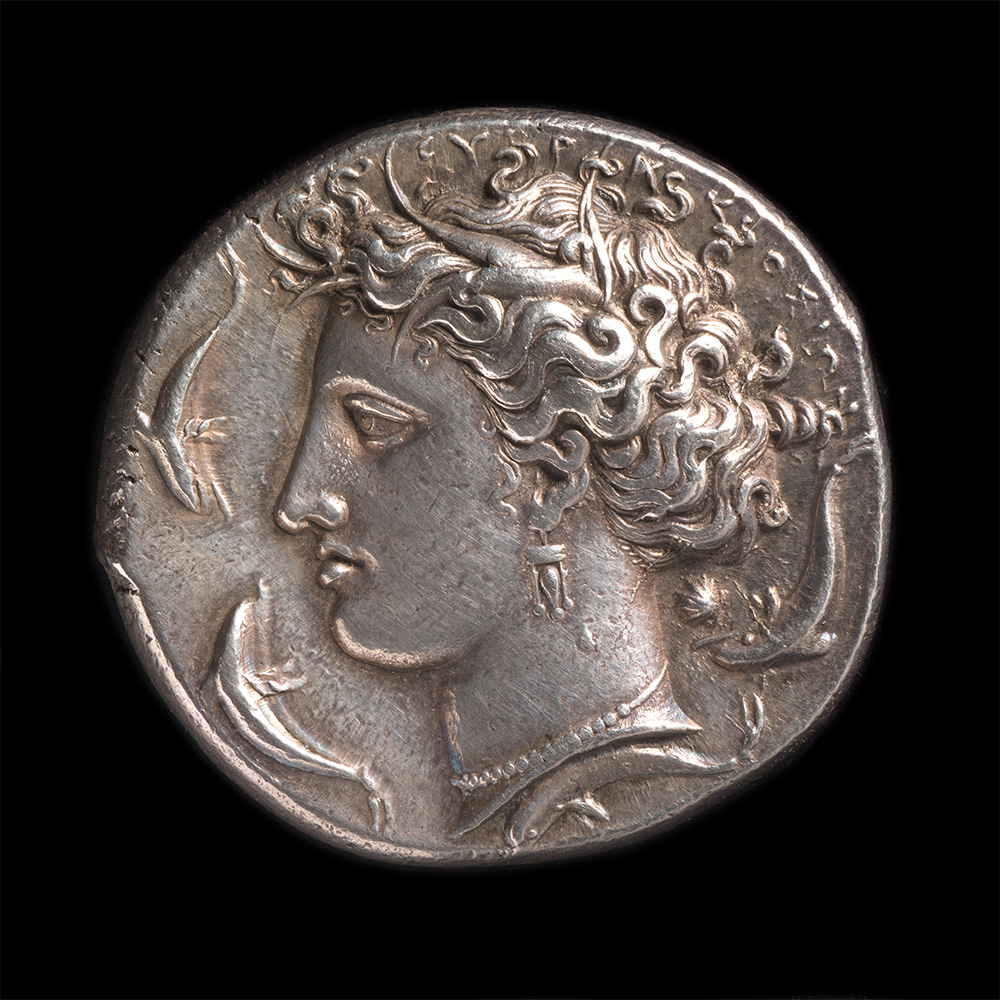
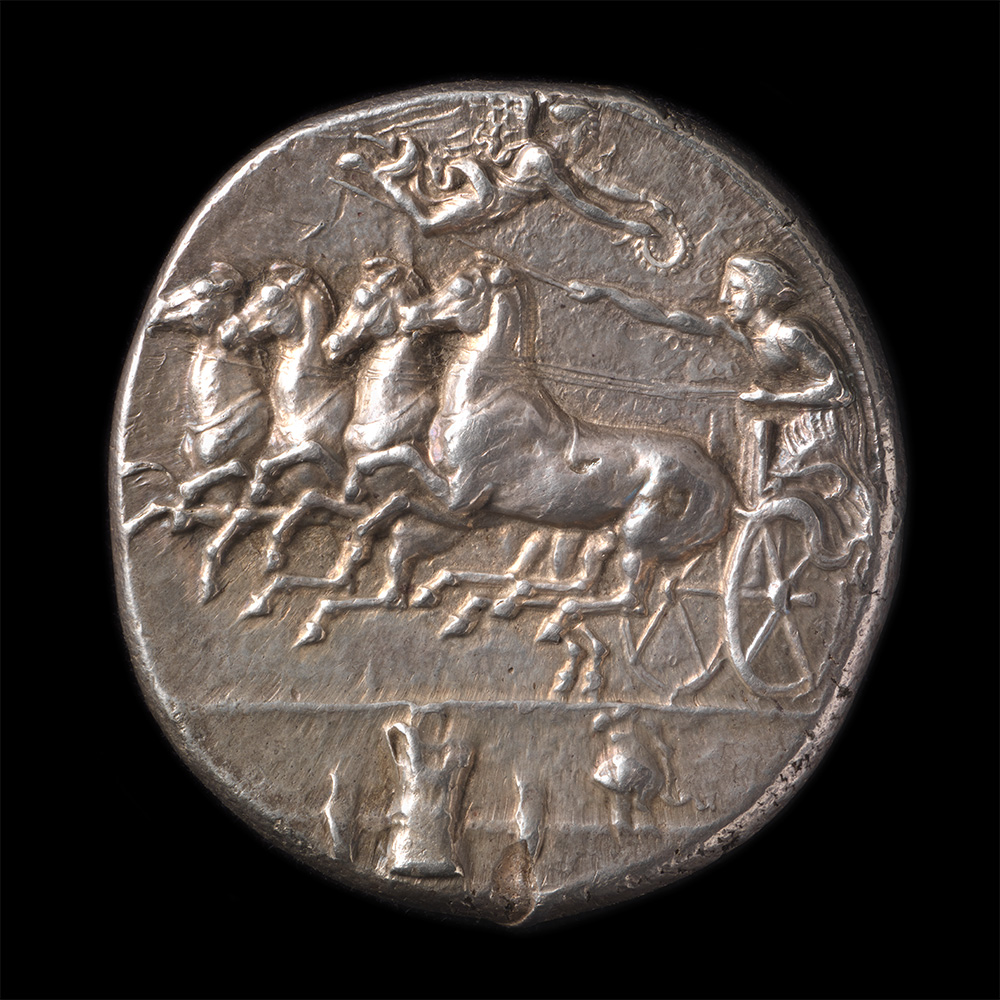
The choice of this particular coin was based on the idea, recorded in the minutes of the Board of Trustees meeting held on October 14, 1959, that the four horses symbolized the Foundation’s four statutory purposes: Art, Charity, Science, and Education.
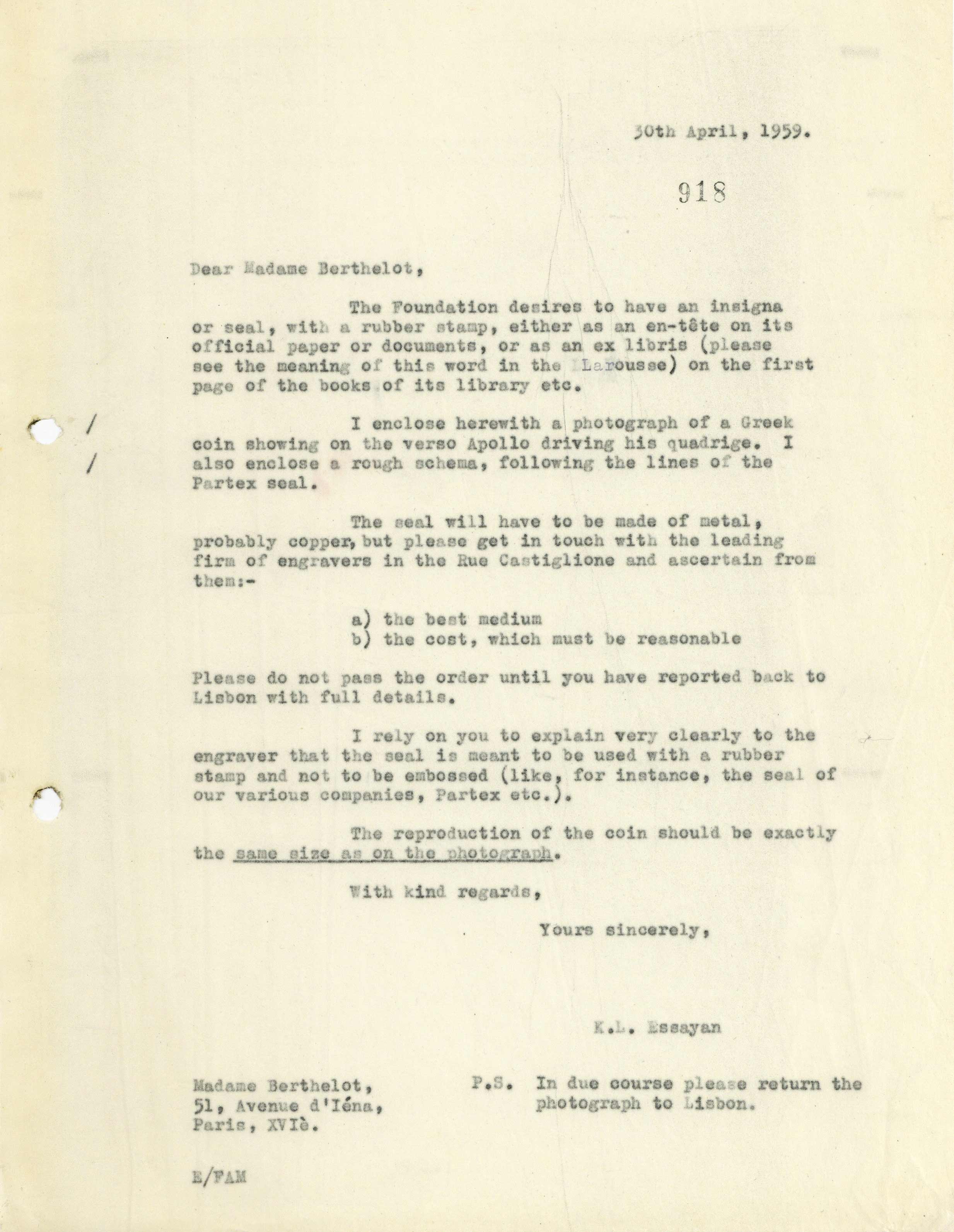
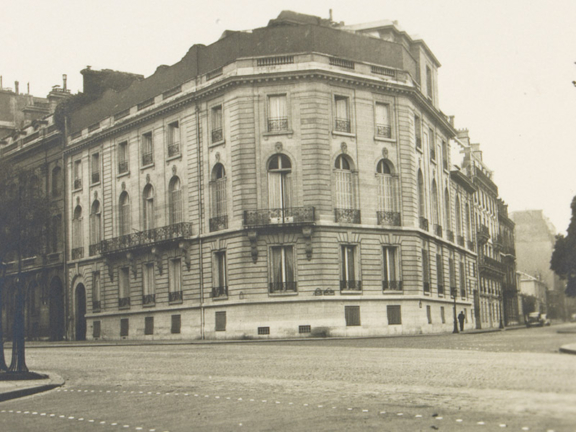
A day after the April 1959 meeting, Essayan writes to Madame Berthelot (?-1976), Calouste Gulbenkian’s former secretary and, at the time, head of the Foundation secretariat at the Calouste Gulbenkian’s home on Avenue d’Iéna in Paris. He explained that the Foundation wished to have an “insignia” or “seal” that could be used as an en-tête for official documents and also serve as an ex-libris. He enclosed a photograph of the coin intended to be reproduced for this purpose, describing it as: “a Greek coin showing on the verso Apollo driving his quadriga.”
He entrusted Madame Berthelot with the task of obtaining a price quote from the engravers on Rue Castiglione for the production of a stamp bearing the image of the coin. The commission was awarded to an engraver who quoted a price of 22,000 francs for its execution in copper. Madame Berthelot informed Kevork Essayan, in a letter dated 1 July that the stamp had been sent to Lisbon via Robert Gulbenkian (1923-2009), Calouste Gulbenkian’s nephew and a collaborator of the Foundation.
To date, the Gulbenkian Archives have found no evidence of the use of this French stamp.
An allusion made by Kevork Essayan in his correspondence to Madame Berthelot, identifying the charioteer as Apollo, appears to have been a misattribution, as there are no iconographic elements on the coin that allow for a direct association with any deity. In fact, records from the Foundation’s numismatic collection dating back to Calouste Gulbenkian’s time refer to the figure simply as a charioteer or coachman, without divine attribution.
Meanwhile, the Porto artist José Luís Brandão de Carvalho (1900-1962), had begun submitting preliminary sketches for the emblem. The Delegated Committee of the Board of Trustees, in its meetings of 21 July and 8 September 1959, requested revisions to the proposals.
The Gulbenkian’s Archives currently hold ten of these design studies, all dated 1959.
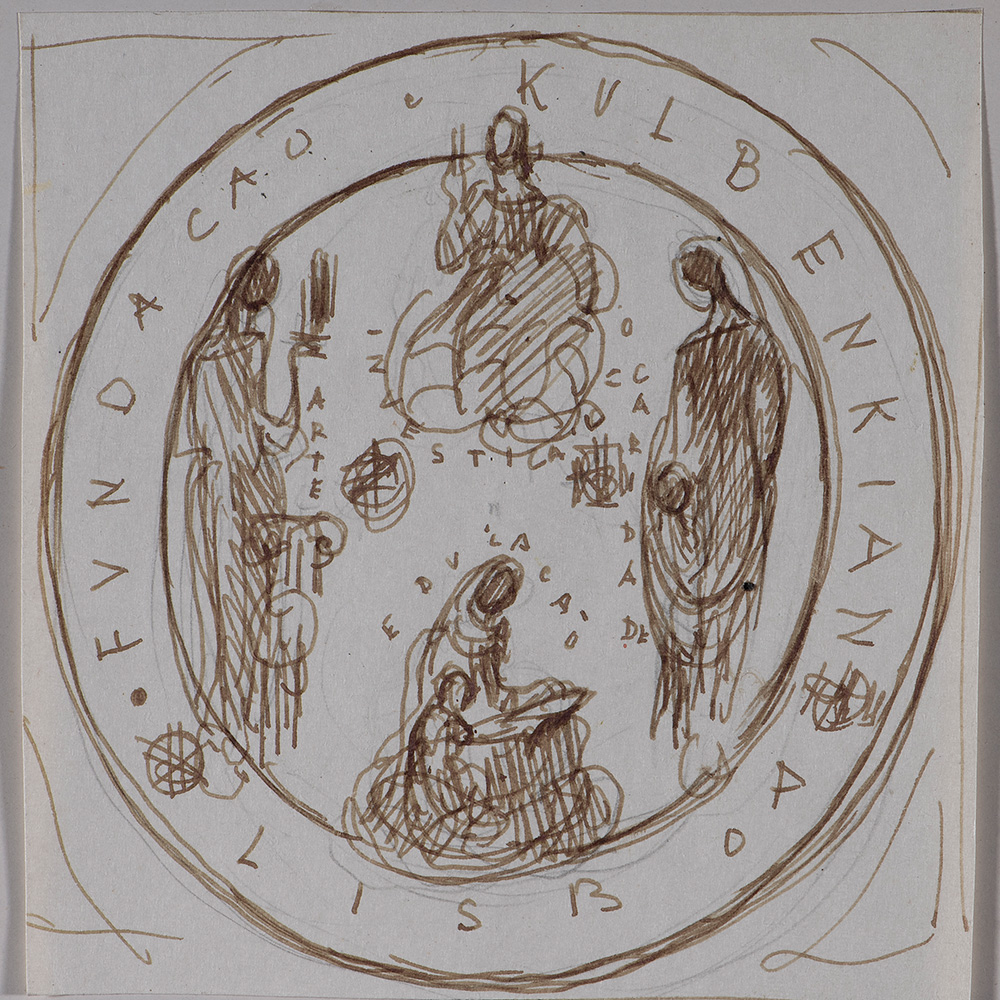
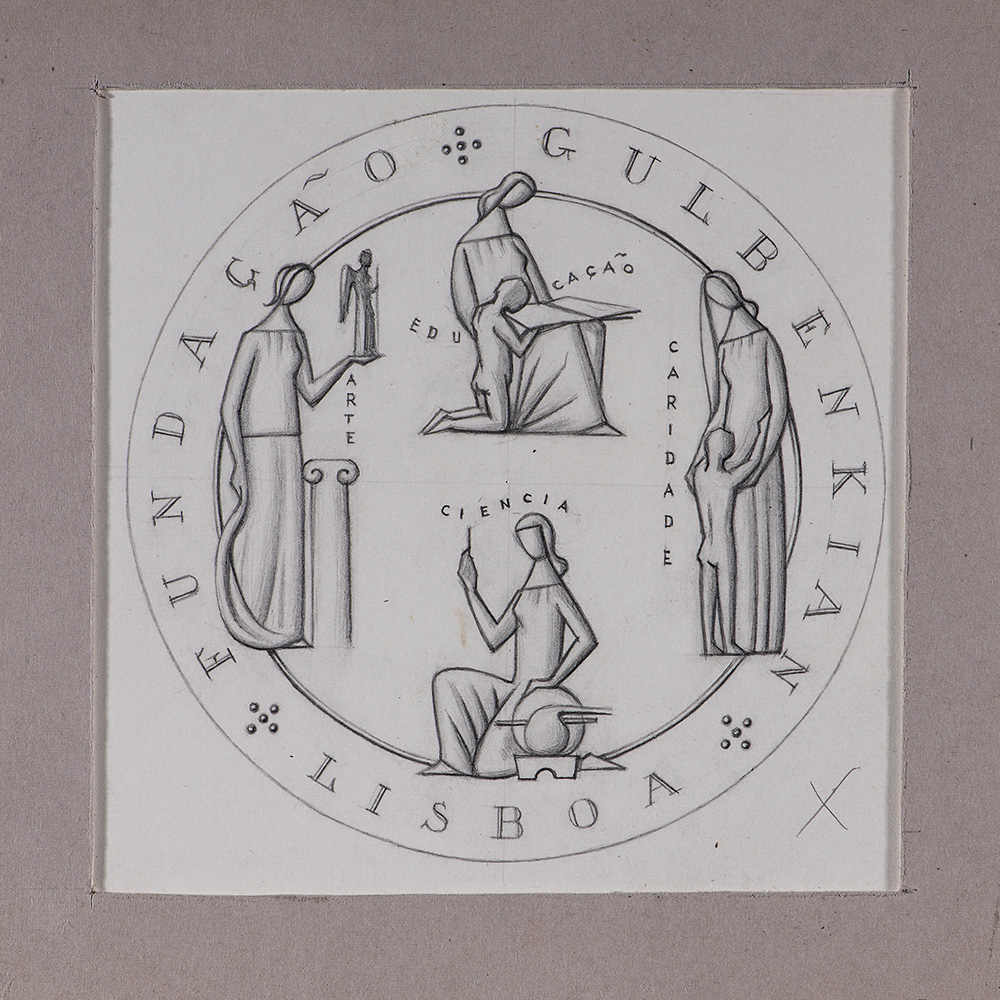
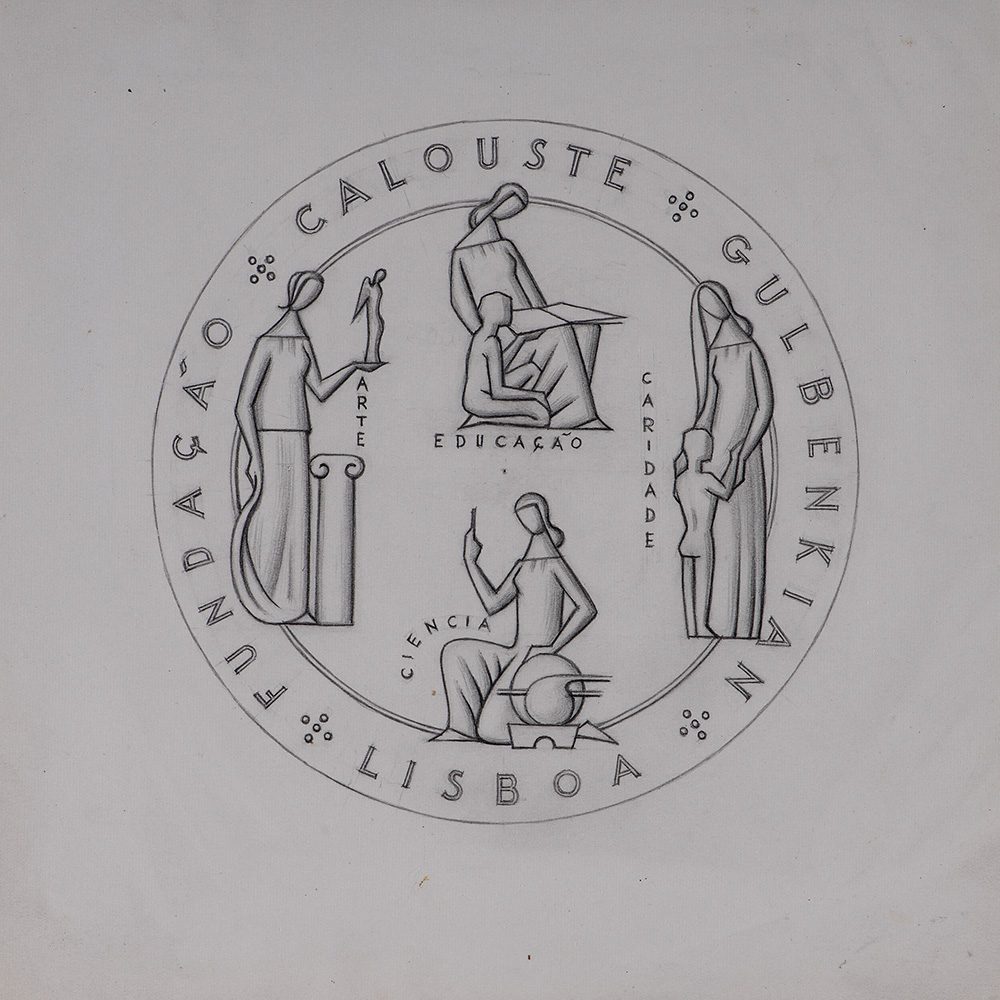
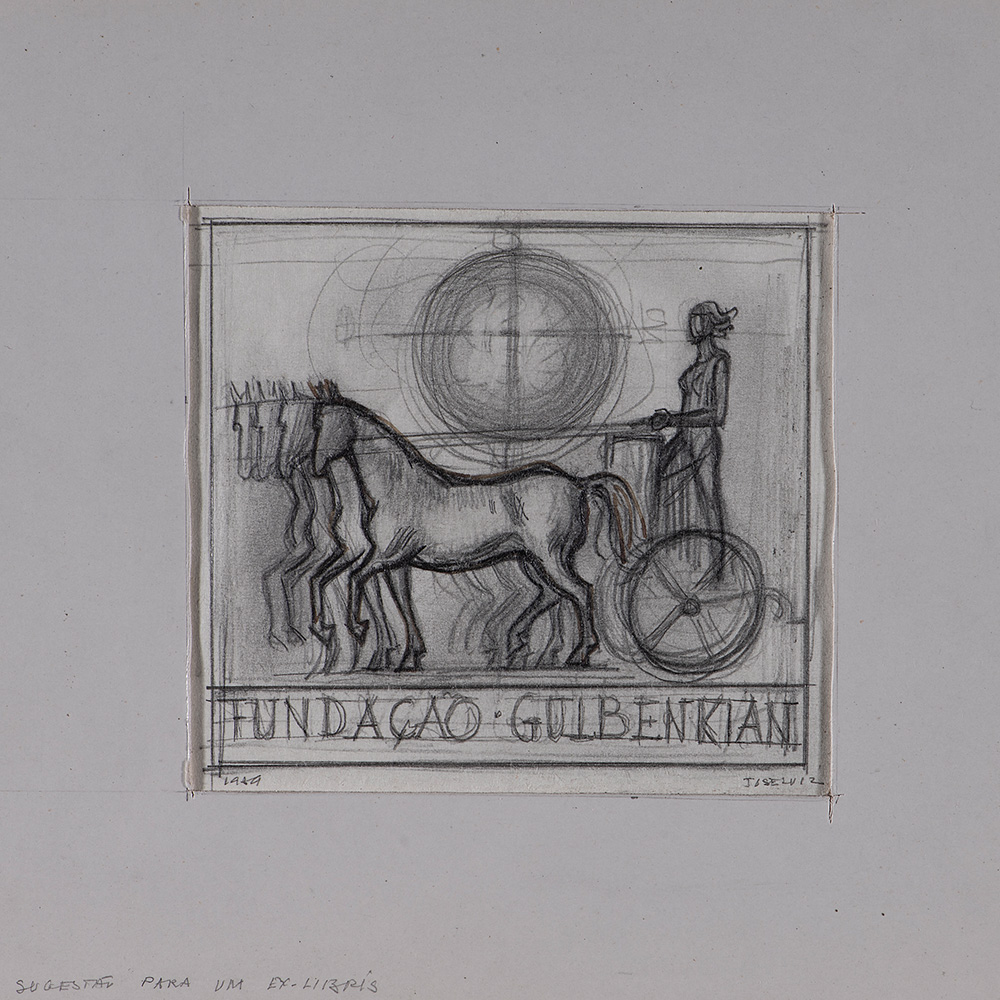
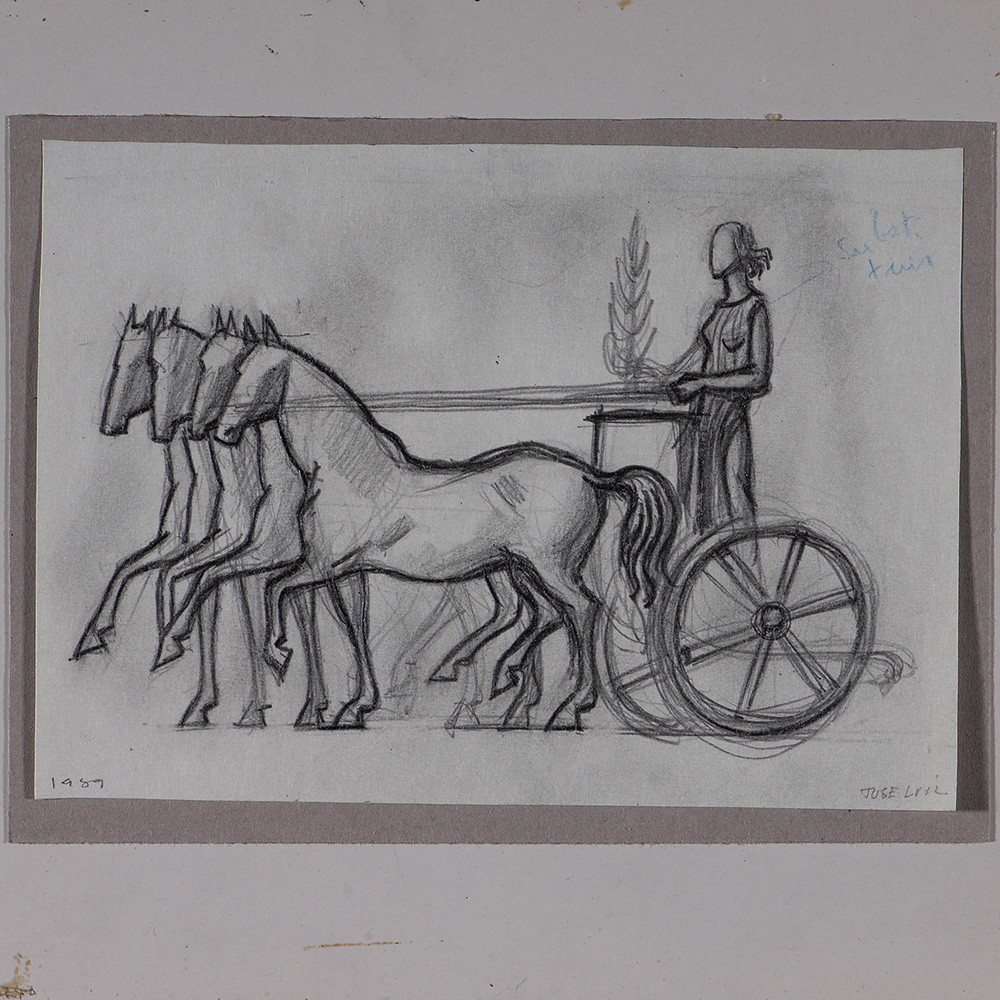
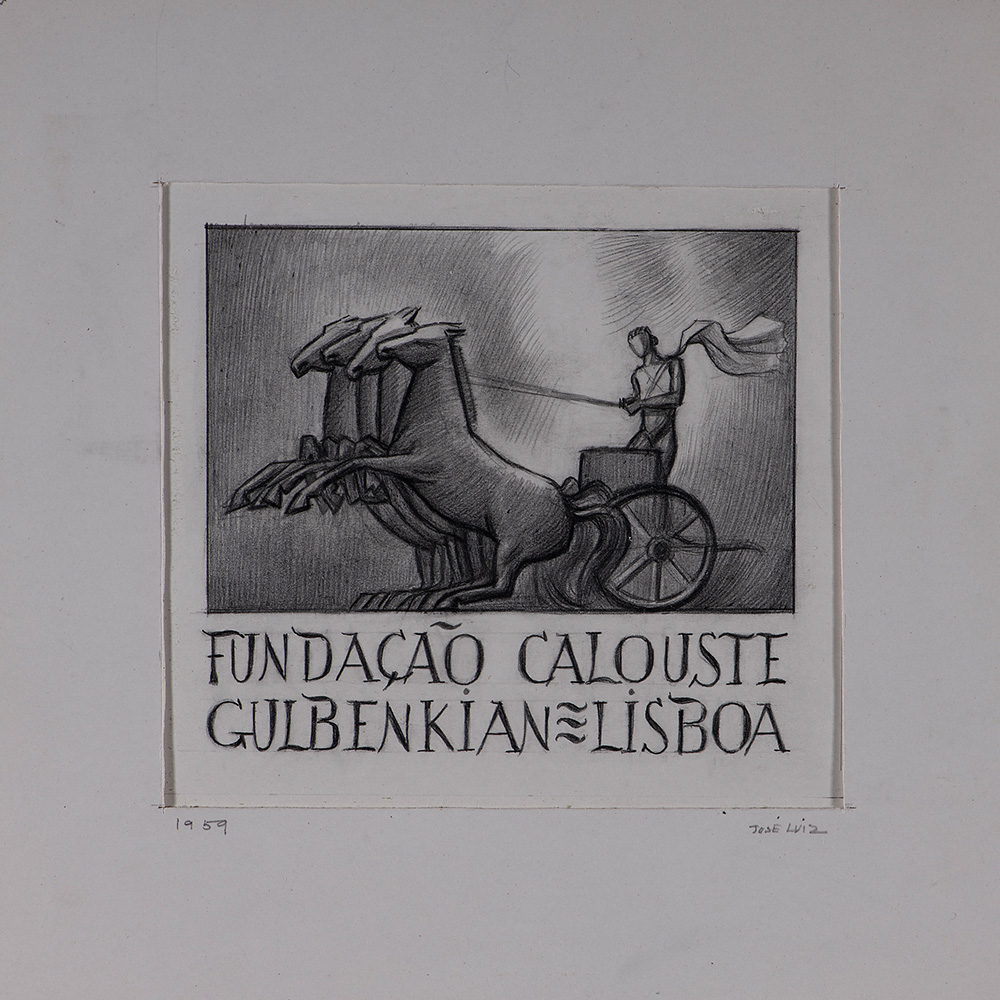
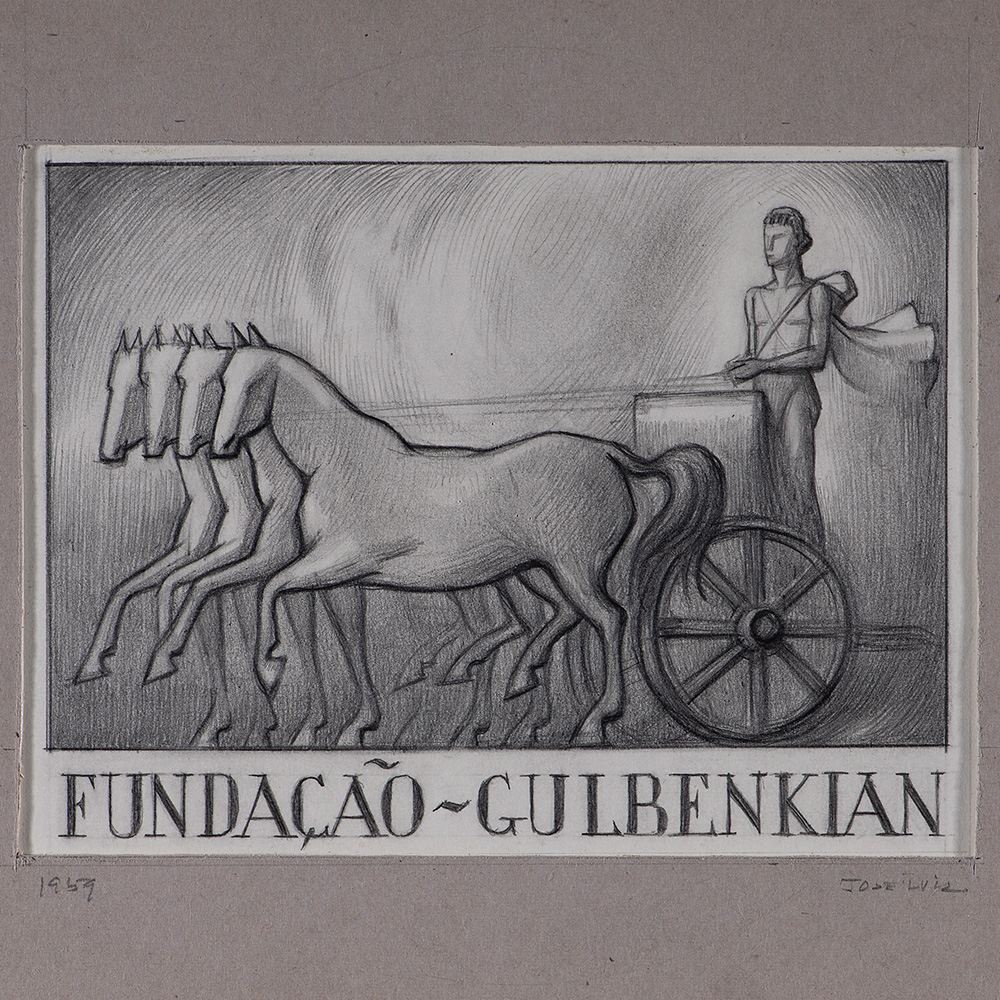
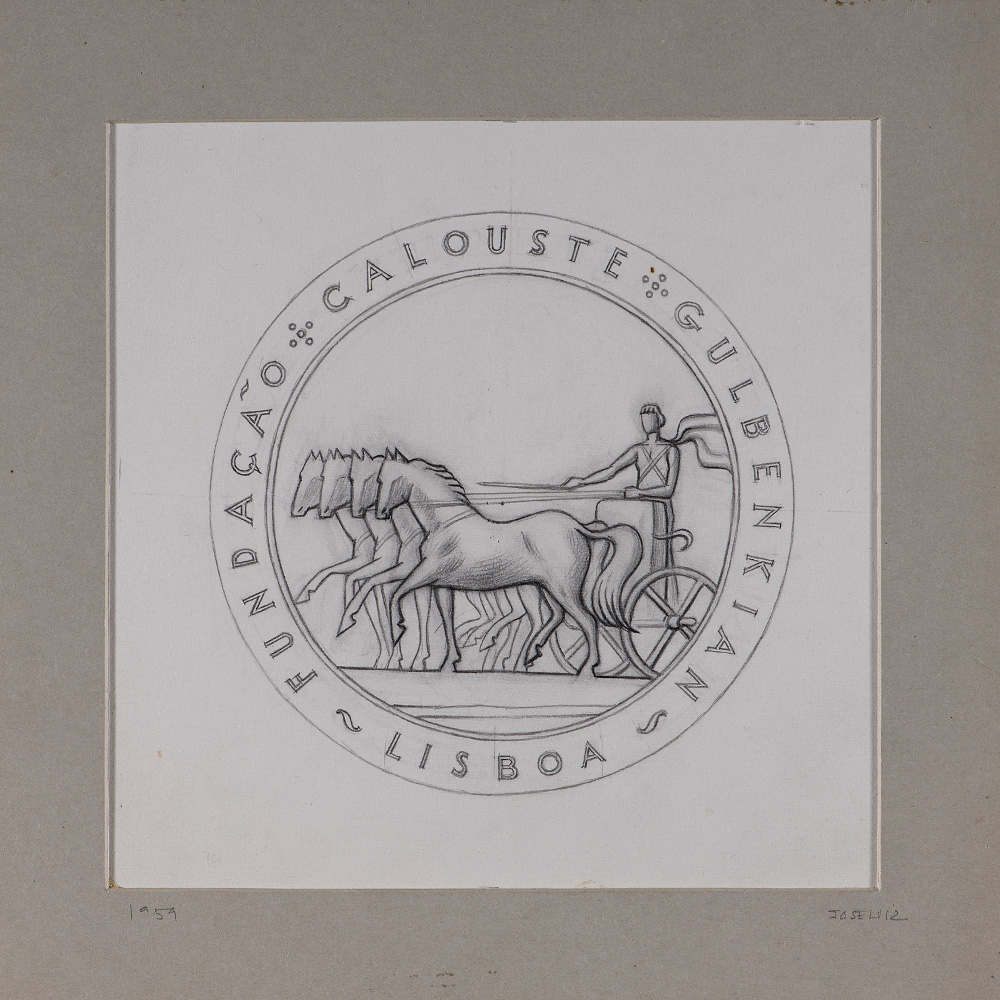
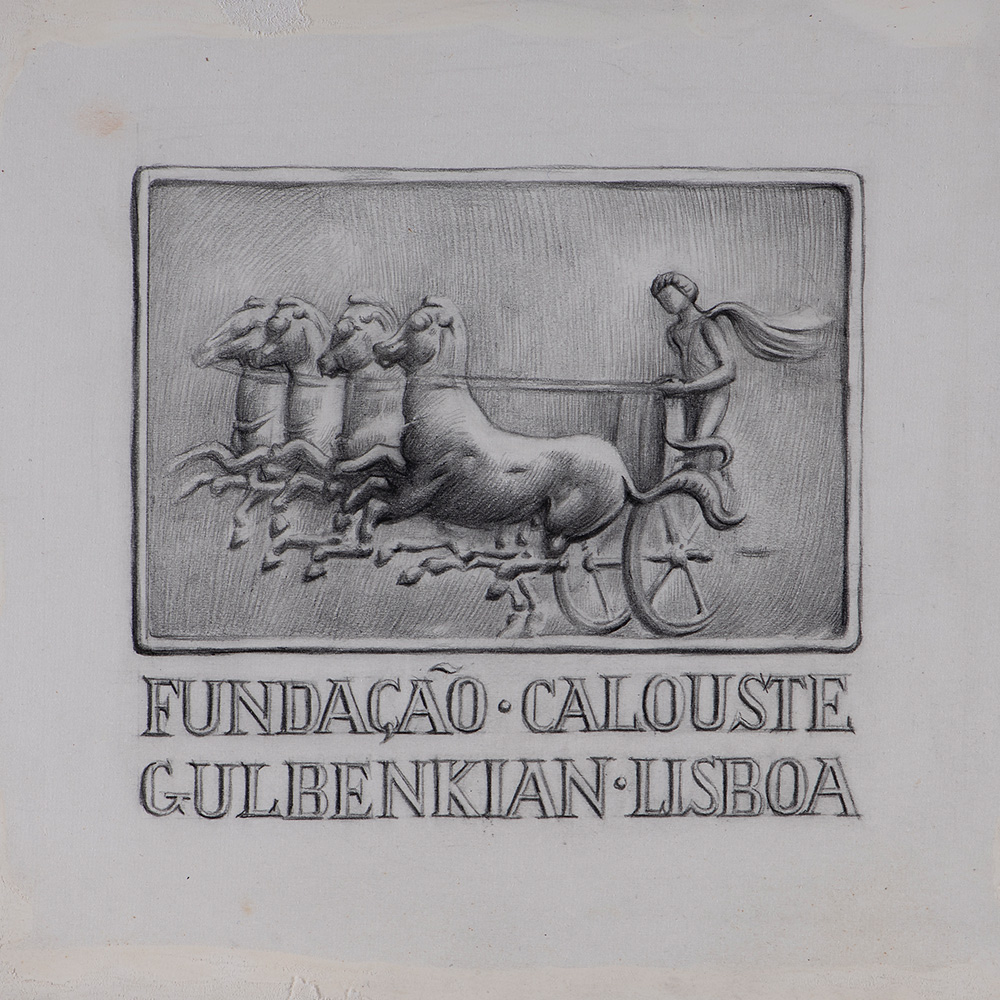
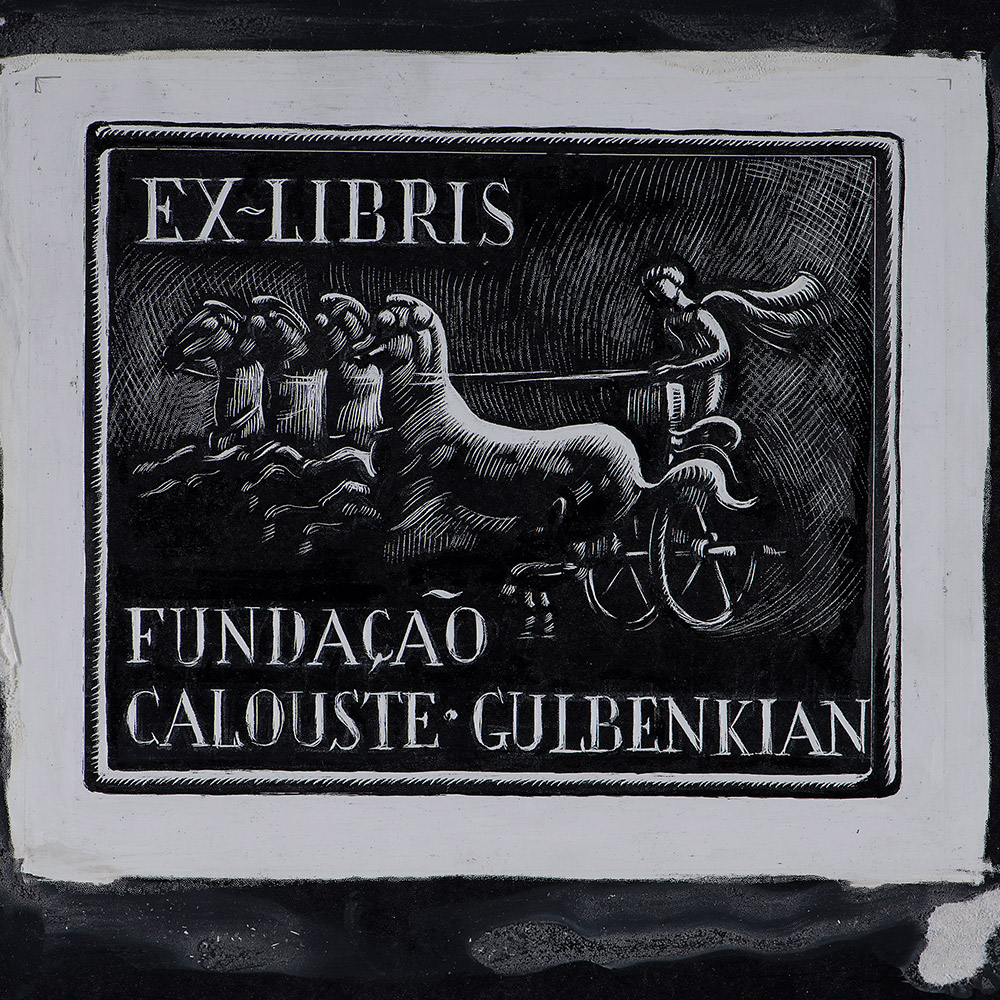
The final version of the seal, whose original design has not been located, ultimately consisted of an exact reproduction of the coin’s image, with the addition of the inscription “Fundação Calouste Gulbenkian Lisboa”. By decision of the Board of Trustees, the white seal of the Foundation, along with the corresponding ex-libris, was produced by the Imprensa Nacional.
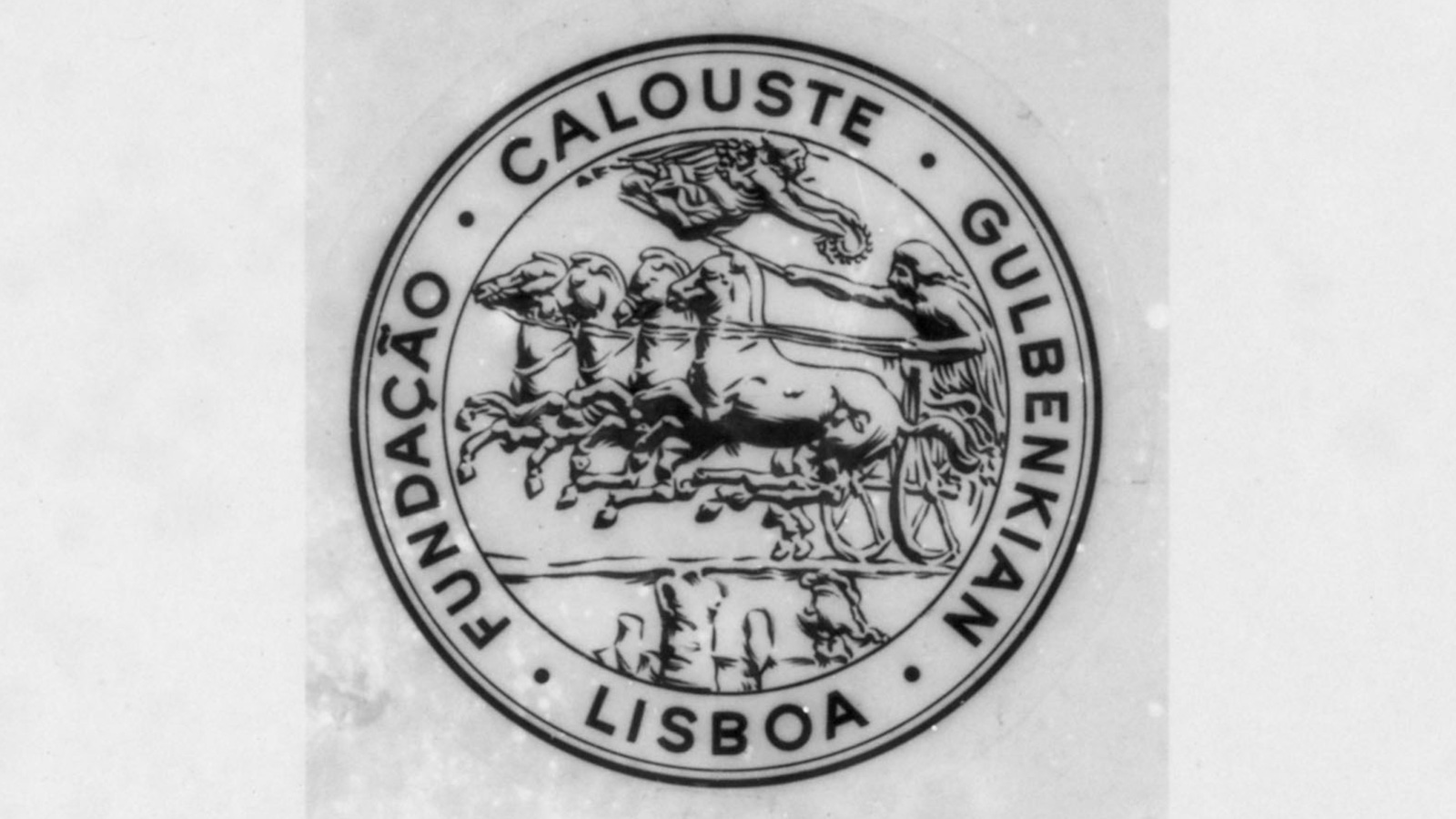
The quadriga, as an identifying symbol of the Calouste Gulbenkian Foundation, has endured as a constant presence to this day.
From the Archives
Explore the series
No results were found for your criteria.
You may also like
No results were found for your criteria.