
The importance of dead wood in a garden
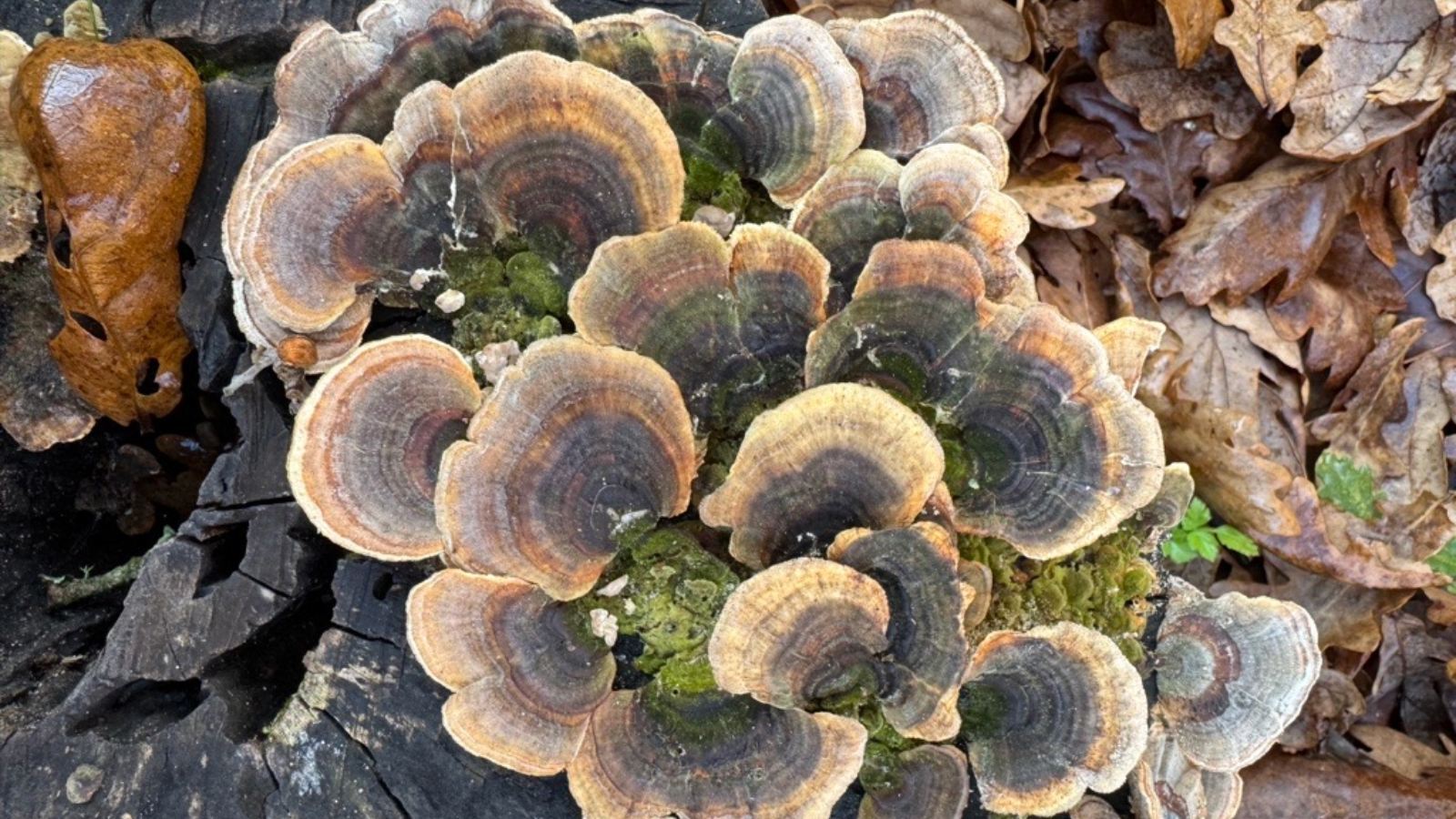
The environmental education and forest management technician at Mata de Vilar, in the municipality of Lousada, points out several reasons for maintaining dead wood in our gardens and forests.
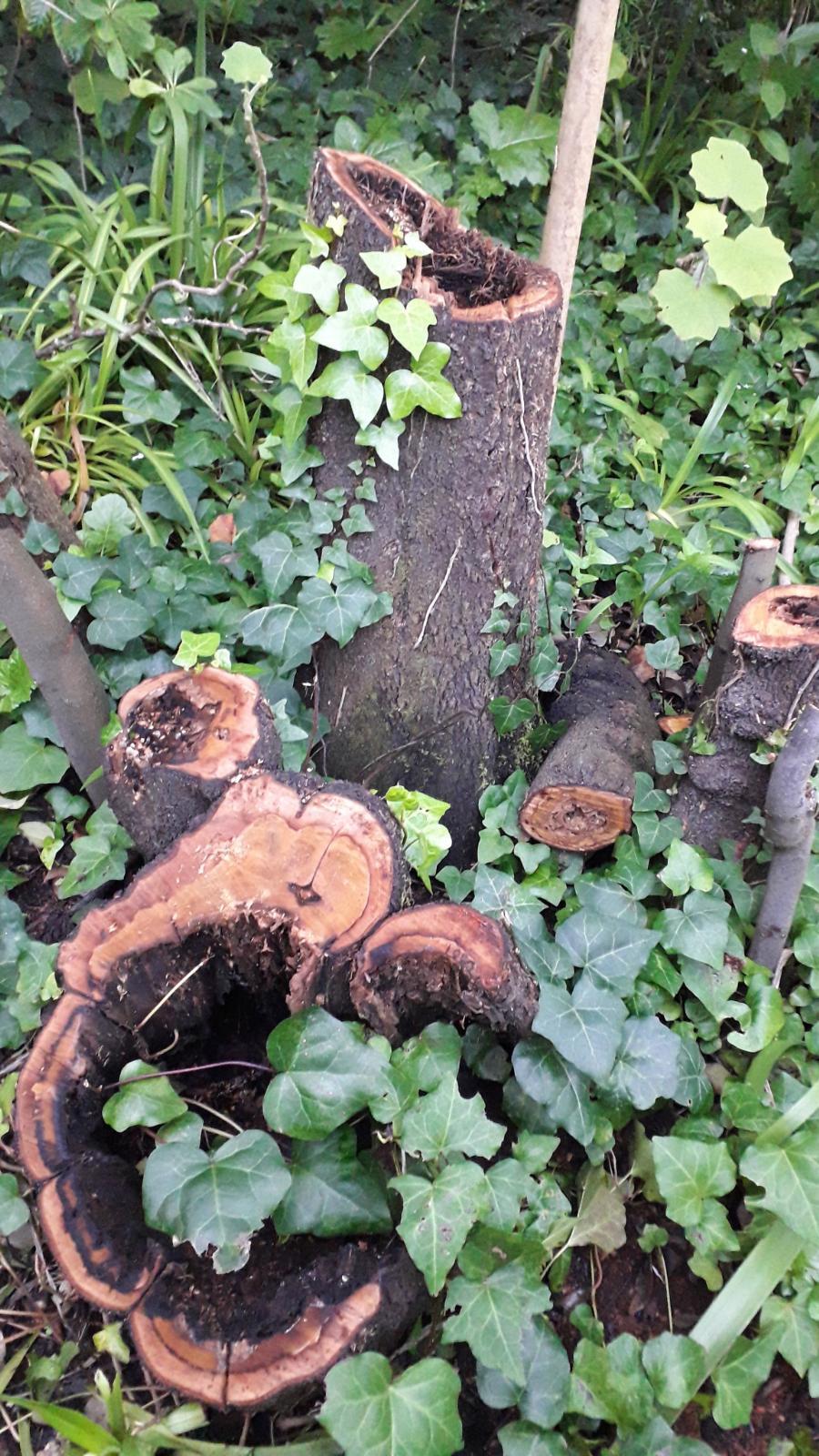
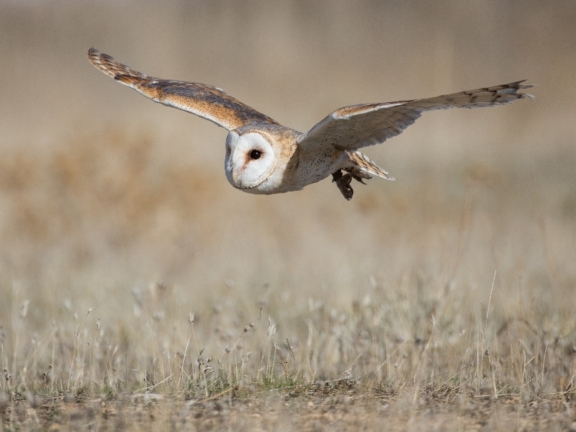
Let’s imagine, for a moment, that we are in our garden or on our land, next to a fallen tree or the remains of pruning. When thinking about what to do with it, the temptation may be to look for a quick and easy way to remove it, since it has lost its usefulness. But is this really the best option? In nature, every element has its function, including dead wood, which retains moisture and forest carbon, and is an essential tool in restoring nature. Salamanders, bats, spiders, slugs, woodlice, toads, owls, woodpeckers, beetles and fungi all depend on it.
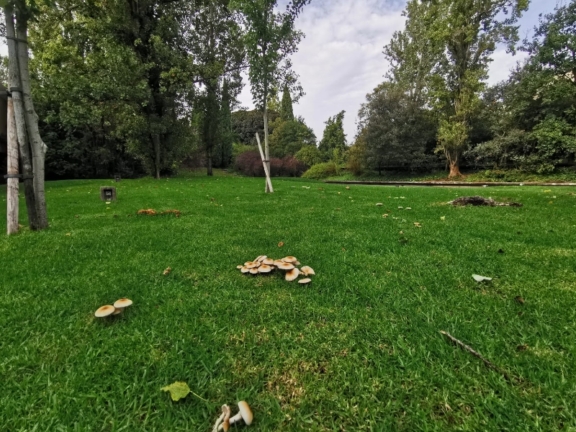
Ana Maria Pereira explains that dead wood is a crucial ally in maintaining and restoring local biodiversity. ‘Dead wood or dead trees that remain on the ground are a habitat for species of fungi that have developed, even during the summer, which shows that the moisture levels retained in this woody material allow biodiversity to persist throughout the year, even with less rainfall.’ She adds that, ‘historically and culturally, dead wood has been removed from our forests, yet the presence of these structures in forests is essential to their health and balance.’
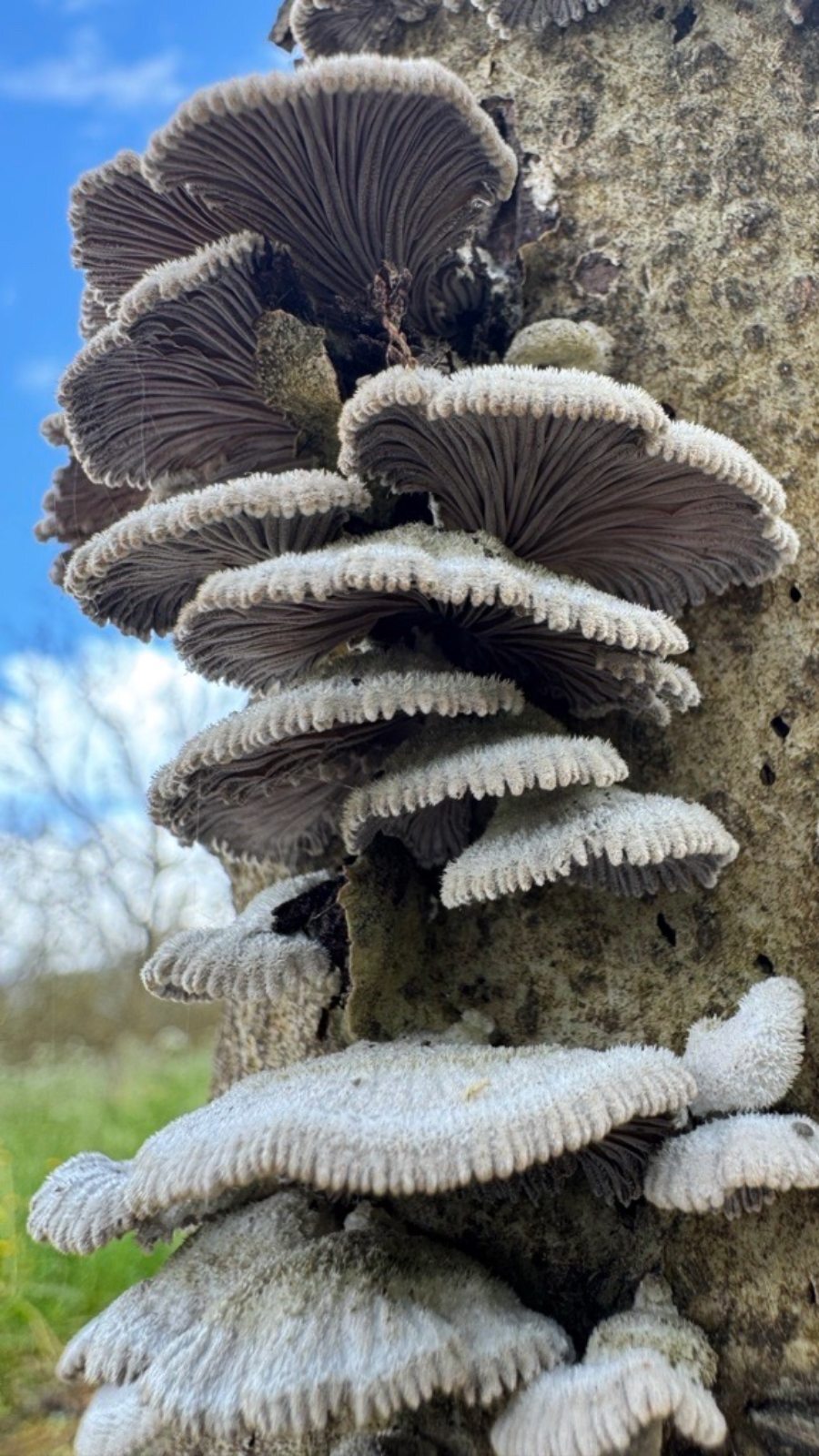
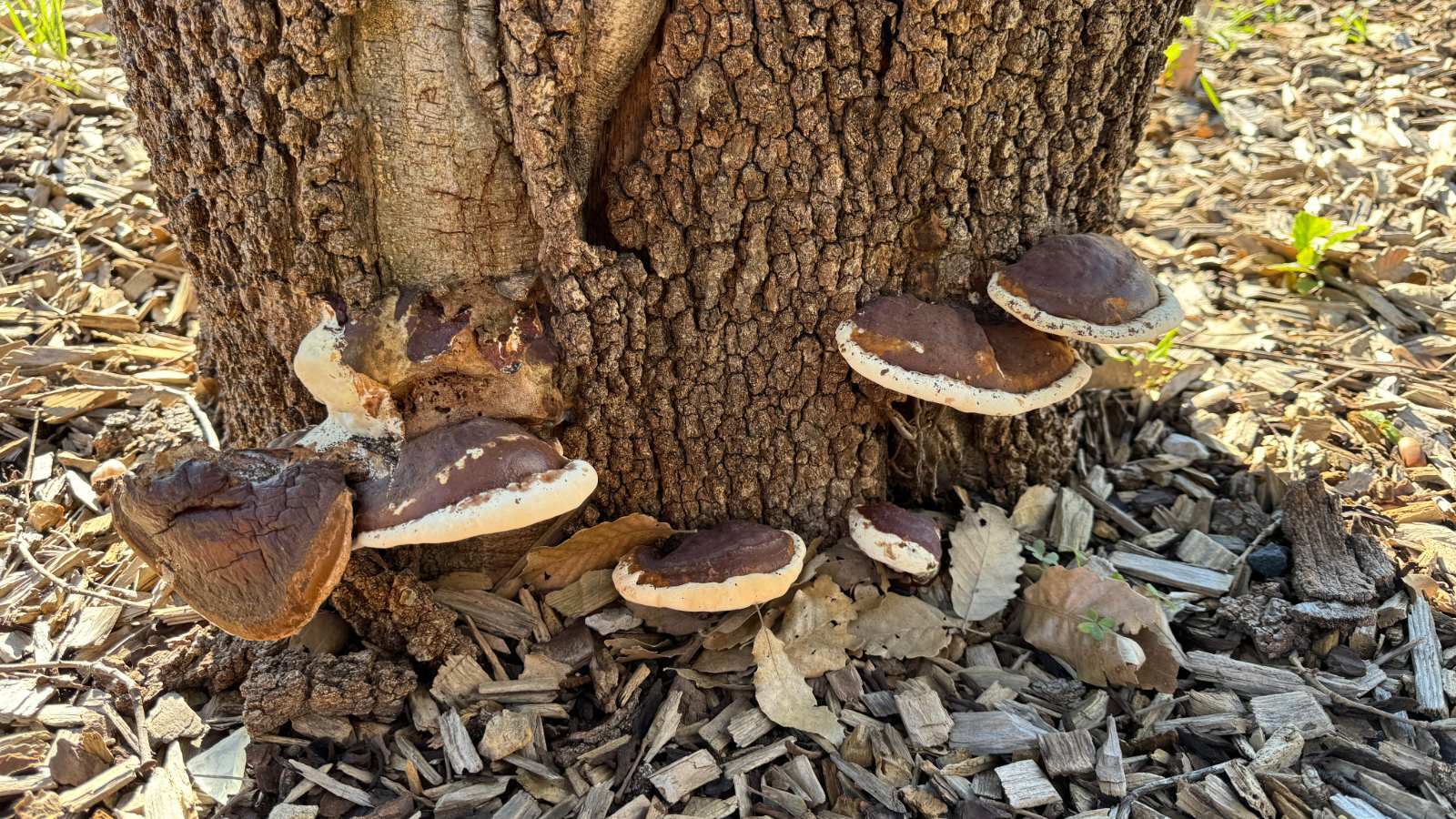
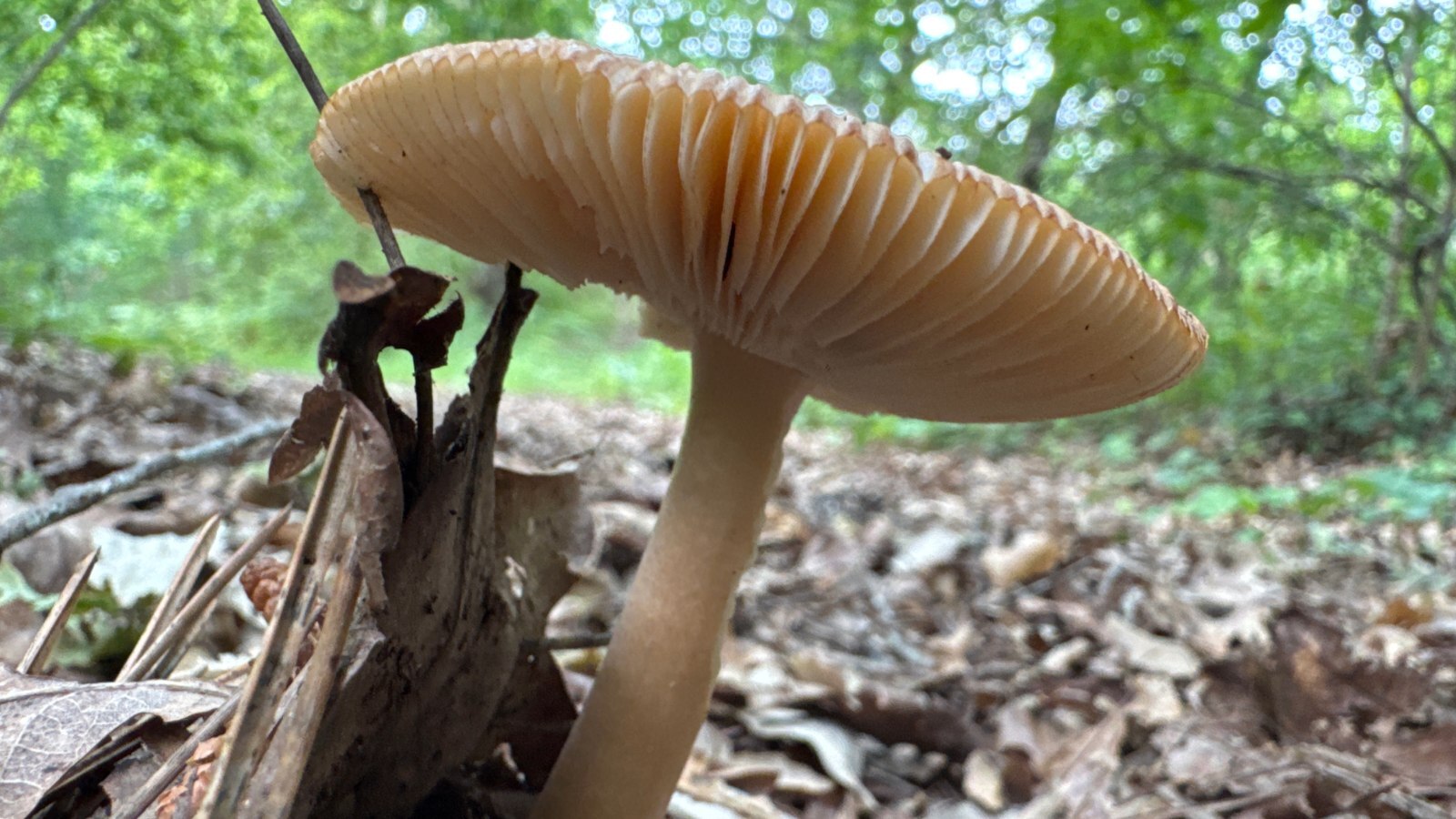
Between 25 and 30% of species living in forests worldwide need dead wood at some point in their lives, using it, for example, to feed, hibernate or nest. These organisms are described as saproxylic.
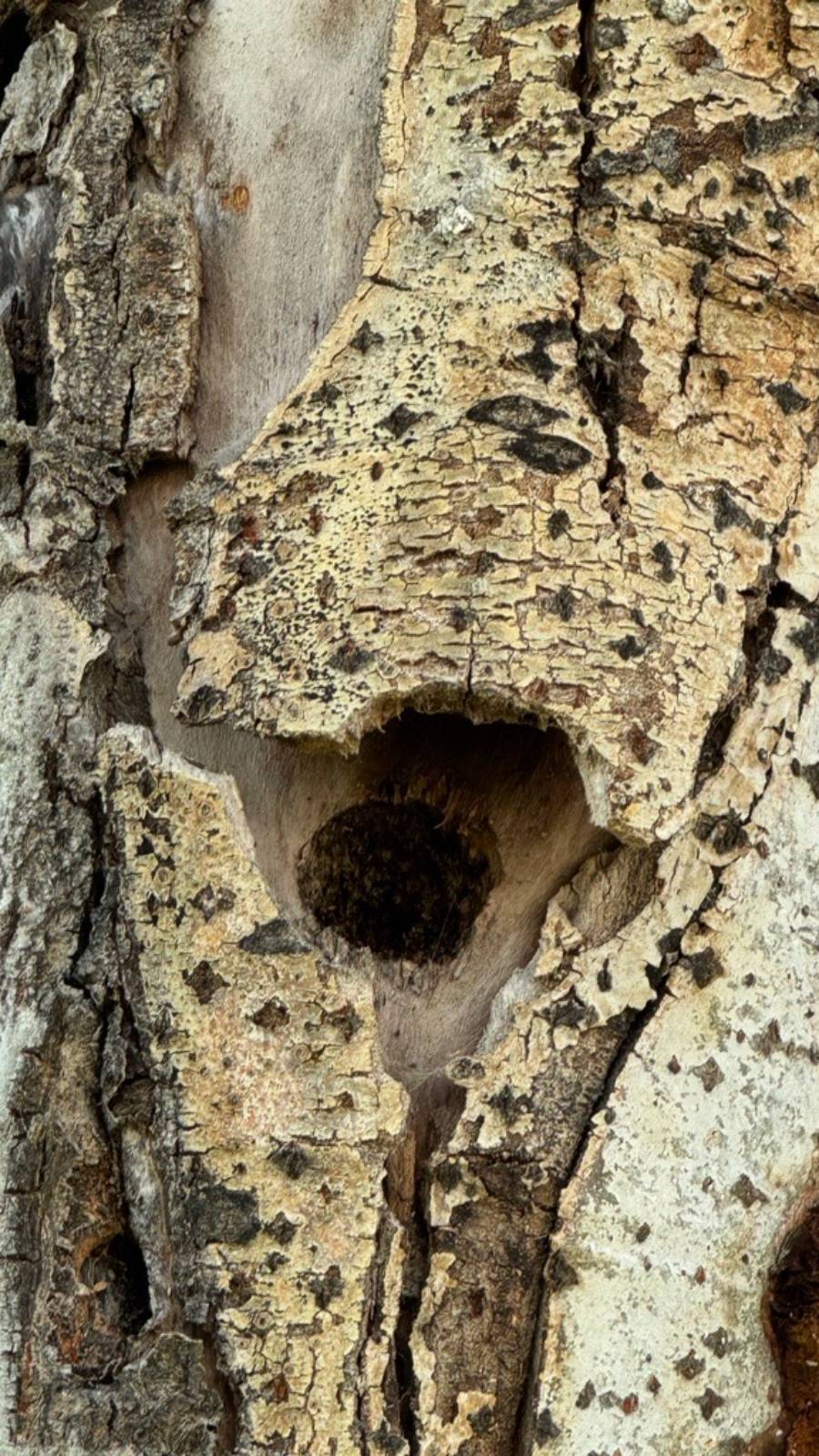
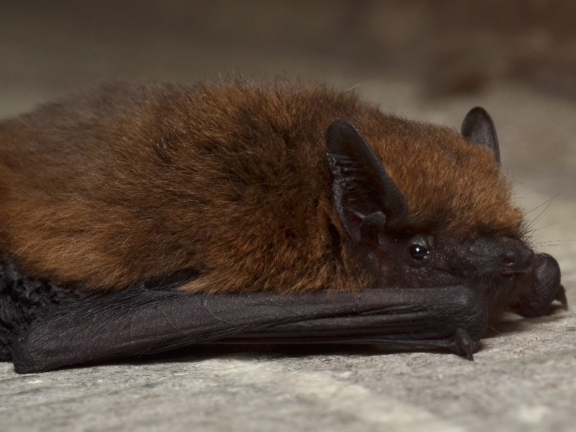
In Portugal, there are many species that depend on dead wood. For example, the stag beetle (Lucanus cervus), the largest beetle in Europe, feeds on dead roots of the English oak (Quercus robur); woodpeckers feed on invertebrates that develop in dead wood; the common pipistrelle microbat (Pipistrellus pipistrellus) uses dead trees as shelter; and the fire salamander (Salamandra salamandra) shelters under fallen logs during the warmer months. Dead wood also serves as a support for mosses and lichens.
Dead wood also brings many benefits to the health of forests and gardens. ‘Tree trunks, branches and roots accumulate nutrients as they grow. When parts of the tree die and fall, this pool of nutrients slowly returns to the soil, contributing to the overall availability of these elements essential for the growth of other species,’ explains the biologist. ‘Similarly, when rain falls on a forest, it is intercepted by the tree canopy. When it falls on dead trunks and branches on the ground, it allows for slower infiltration into the soil, as it initially accumulates inside the fallen branches and trunks.’
This material can also be an important source of nutrients for decades. ‘Tree wood is composed of about 50% carbon in many forms – from cellulose to hemicellulose to lignin, among others – which means that even when a tree dies, a significant portion of all that carbon remains trapped in the wood which degrades at different rates.’
But is all of it important?
Dead wood is part of the dynamics of a forest, so ideally it should be left in place and natural flows should be allowed. However, Ana Maria Pereira argues that there are factors to consider. ‘The type of species influences the decision. For example, dead wood from exotic and/or invasive species may not be particularly useful, as our macrofauna and the microorganisms that live in our soils are unable to degrade this wood, which may remain intact for many years, contributing to the accumulation of fuel,’ she explains. Another factor to consider is contact with the ground, which ‘is essential because woody material that is directly on the ground will reduce the rate of water loss and allow water from the soil to enter the dead wood.’
‘The size of the branches or trunks will influence the rate of water loss/accumulation,’ since ‘dead wood with a diameter greater than 10 centimetres will serve as a greater reservoir of moisture than small twigs that dry out quickly.’
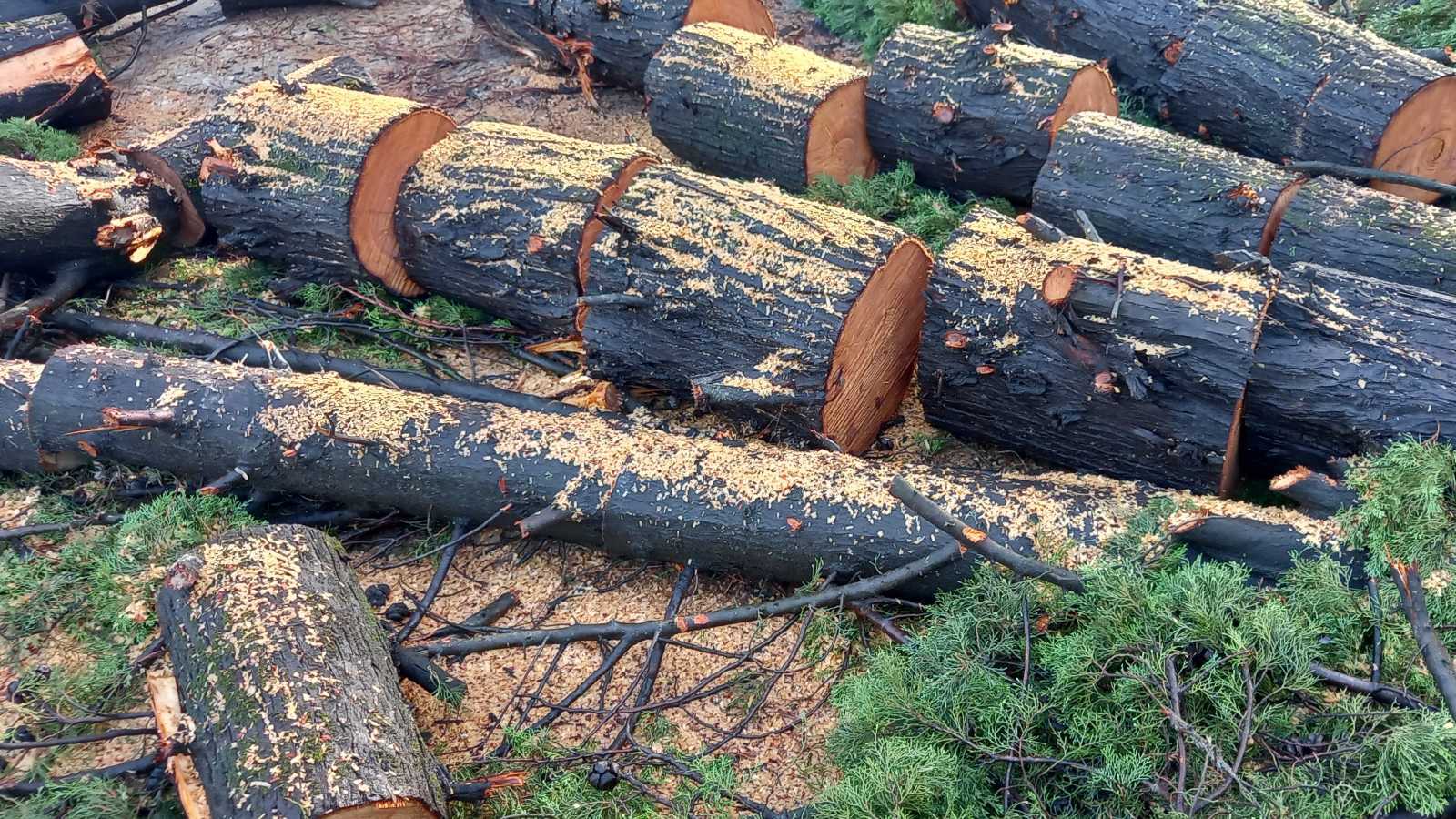
One way to avoid the random deposition of small twigs and pruning debris is to build fences or hedges out of dead wood. ‘While fulfilling more mechanical functions, the wood in these structures is simultaneously being degraded by microorganisms, allowing new nutrients to be incorporated into the soil and enriching poor, degraded or weakened soils.’
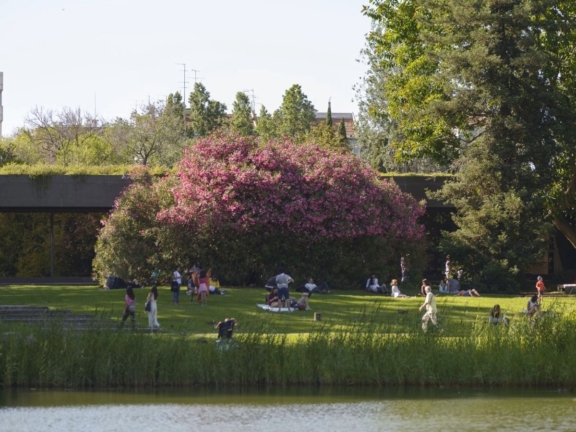
At the Gulbenkian Garden, care is taken to preserve branches that are colonised by birds or other animals, provided they do not pose a risk to users. It is also very common to see tree stumps quickly colonised by fungi and insects, such as some solitary bees.
In urban gardens, such as the Gulbenkian Garden, there is also the issue of lack of space. In this case, it is important to find a balance, and there are little tricks that can be used. In addition to building structures with dead wood, such as fences, benches, flower beds, etc., we can bury this wood in the ground, accumulating moisture and promoting biodiversity and soil aeration, contributing to the biological intensification of these small ecosystems that are so important for the ecological balance of cities.
Science in the Garden
Explore the series
No results were found for your criteria.
You may also like
No results were found for your criteria.