
Maintaining the Gulbenkian Garden in Spring
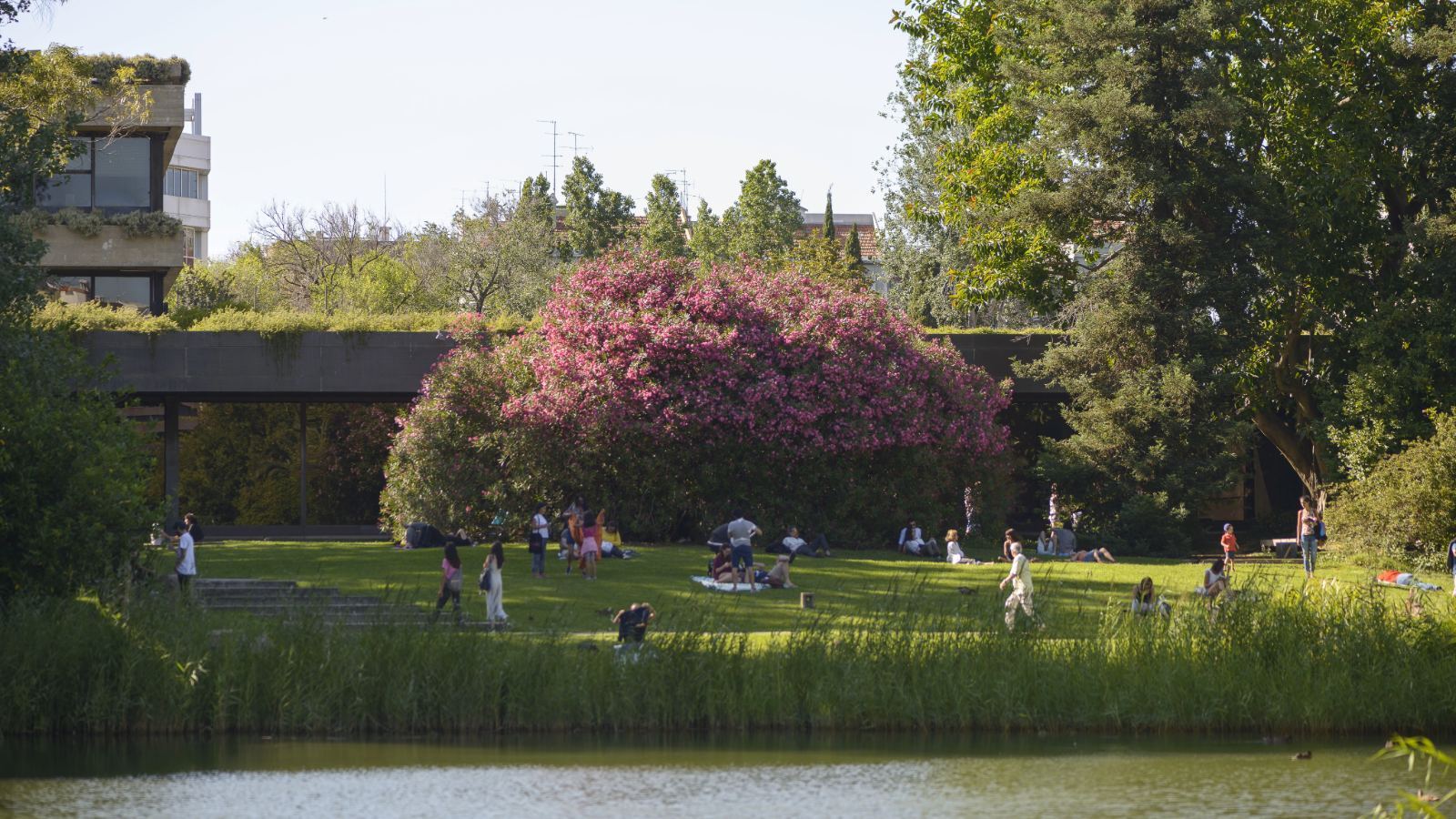
It is during this season that plants start their growth cycle, both those that have been deliberately planted in the Garden and the weeds and species brought here by the wind. ‘As you’d expect, it’s a very busy time of year,’ says head gardener António Graça. ‘We never have a dead period, but this season forces us to prioritise, because we have planted areas, like the herbaceous borders, where some plants aren’t well-established or strong enough to compete with those that appear at random.’
Hoeing and weeding
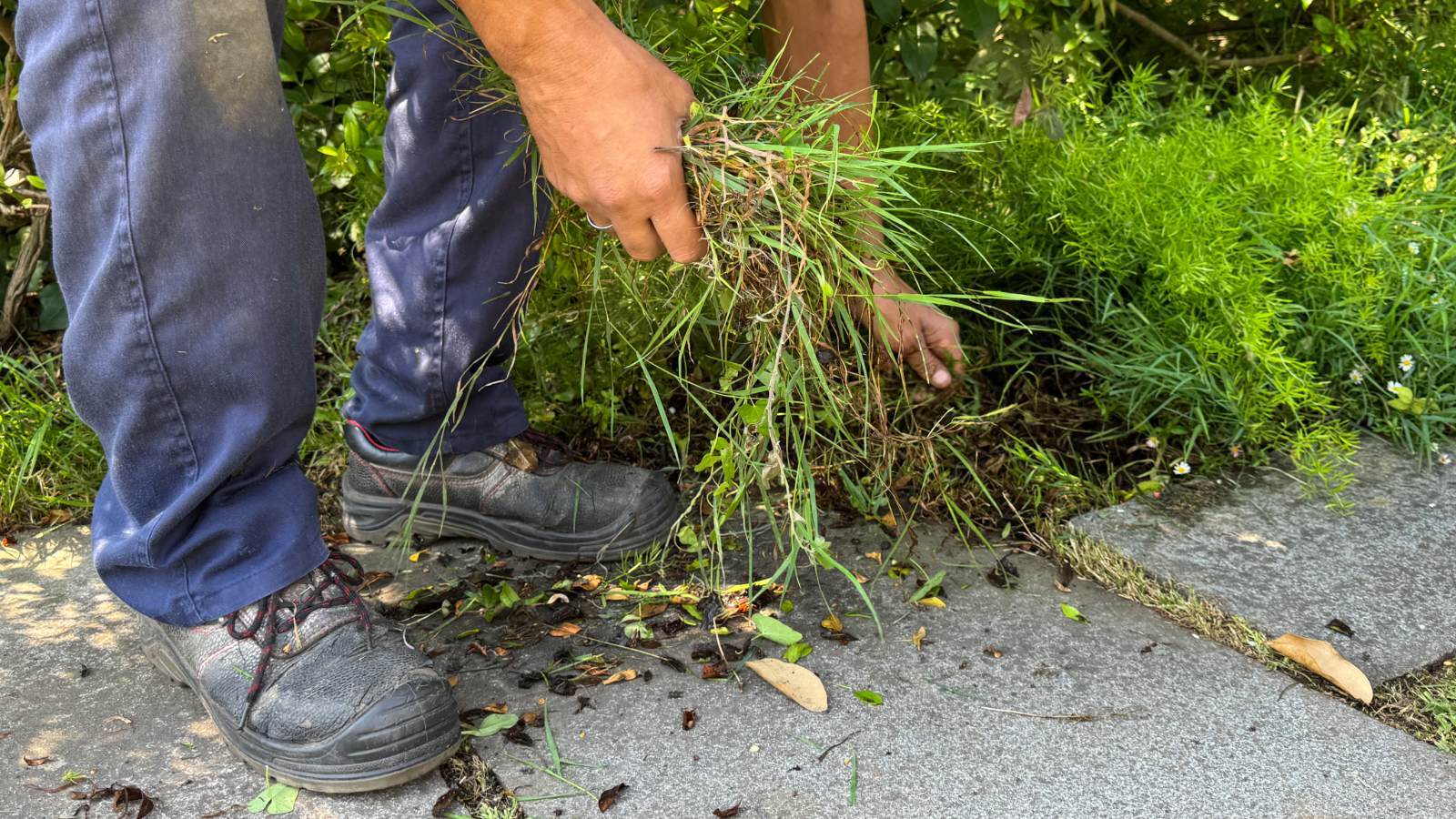
At this time of year when plants are showing a lot of growth, the gardening team focuses on tasks like hoeing and weeding the ground. Both techniques are used to eliminate weeds and get rid of superfluous plants, to clear and prepare the ground for cultivation, and to improve the development of the vegetation. ‘But not everything is weeded out,’ António Graça reveals. ‘We keep some of the self-seeded plants that are of value to us!’
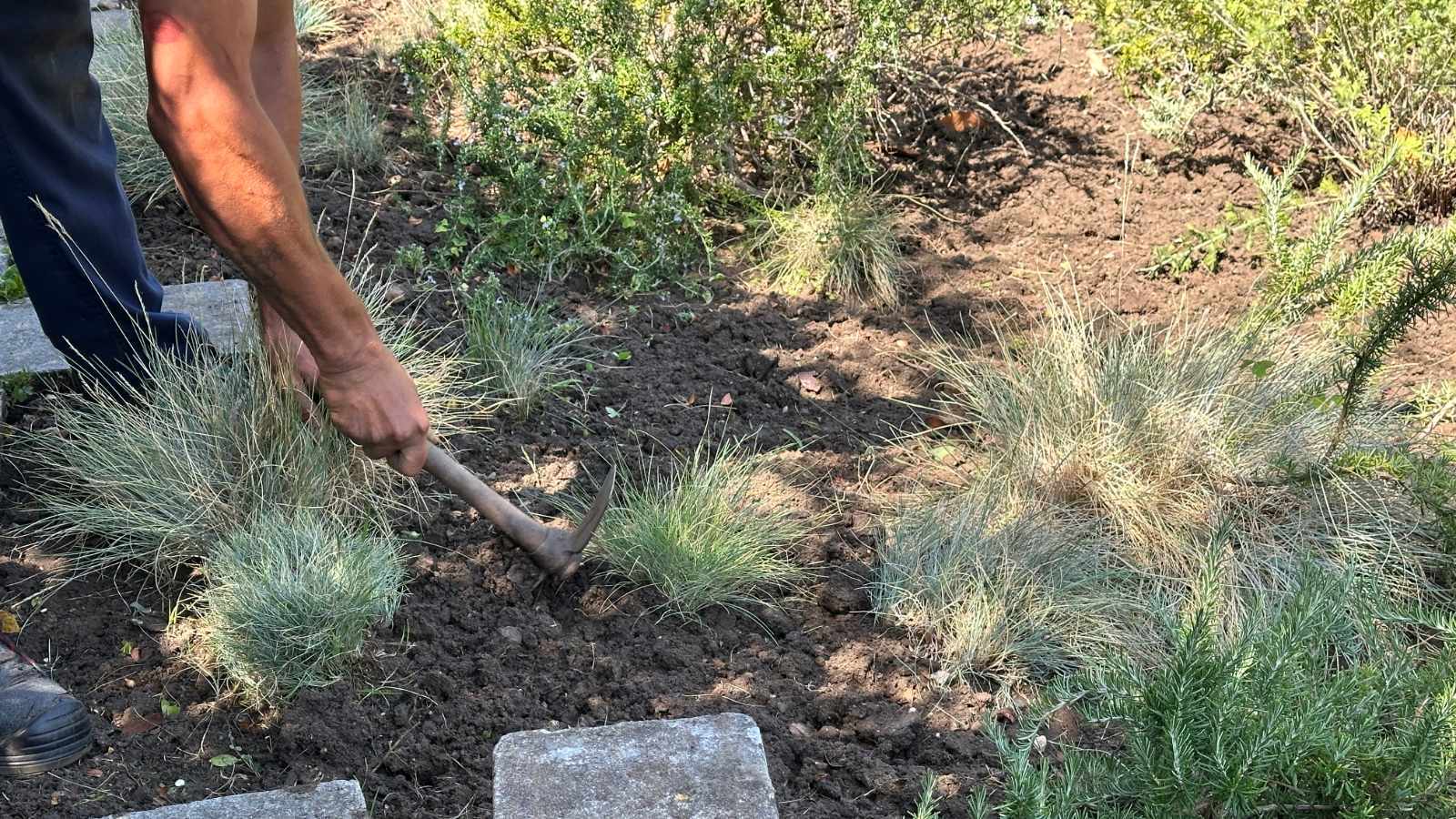
All the surface soil that, over the preceding months, has become compacted must be hoed. This job is very important to allow the water to penetrate the soil during watering. ‘Over the course of this winter, we had a lot of heavy rain and the soil compacted,’ he tells us, ‘and now the sloping areas need to be hoed.’ This can be seen in the new area of the garden, to the south of the Centro de Arte Moderna, most of which will require hoeing. It is not just the sloping areas that need to be hoed, however, but also sections with clay soils. Clay tends to shrink, with cracks opening up, and, as a result, the water in the soil evaporates.
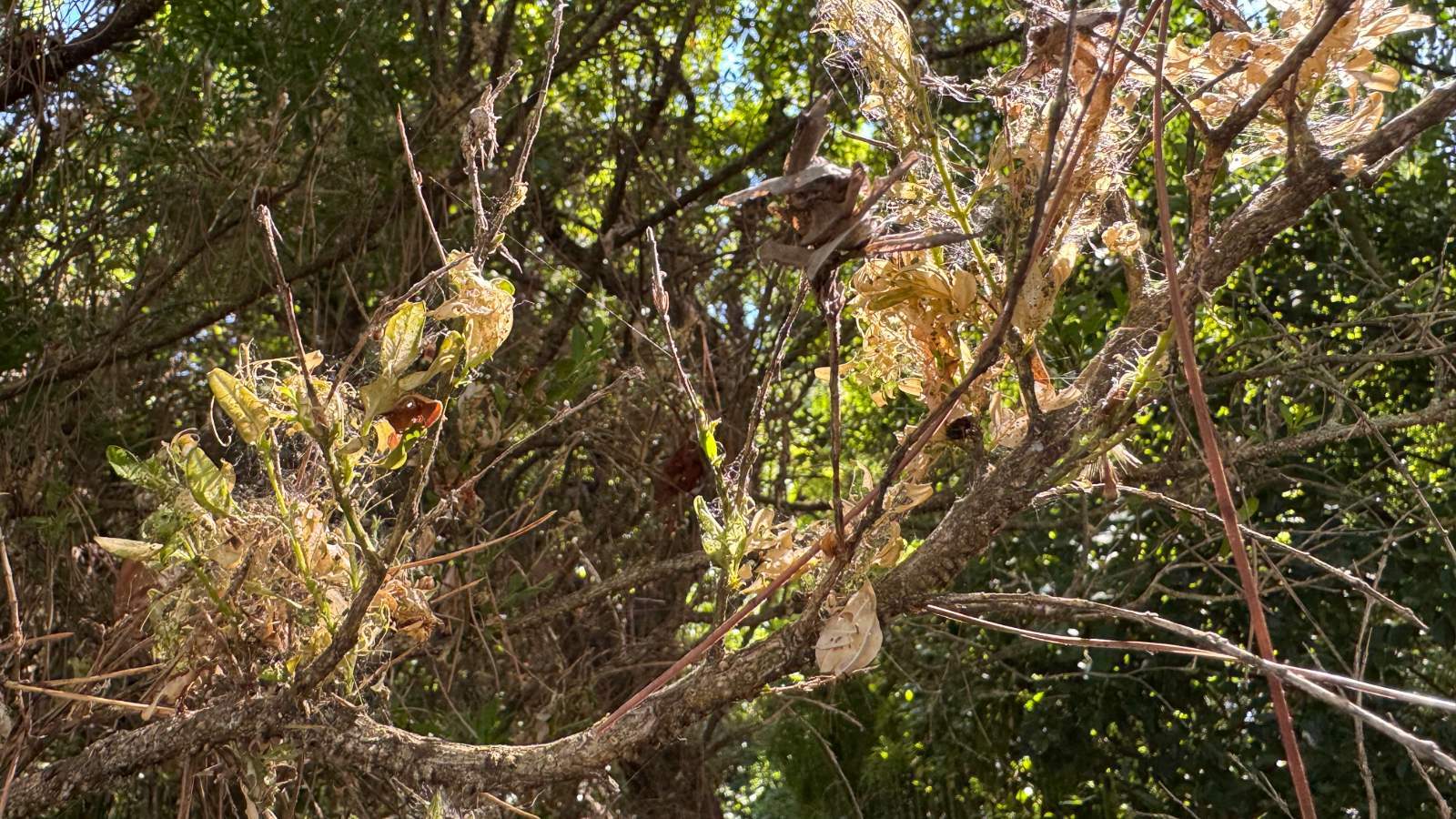
In addition to these maintenance jobs, there is another task to add to the list: controlling caterpillars in the boxwood. ‘They appeared in 2024 and as soon as we detected them, we treated the site where they were found, which seemed to work. But, after a while, we had another violent attack that was decimating all the boxwood here in the Garden!’ António Graça explains. Currently, it appears to be under control. The caterpillars appear in early spring, in mid-April, remaining until the end of September. When they are young, the butterflies deposit their eggs in trees and shrubs close to the boxwood and when the caterpillars are big enough they make a beeline for the shrubs, stripping them of their leaves in less than 3 days.
Lawns and grasses
In the spring, the gardening team resumes its regular cutting of the grasses and lawns. The lawns need regular trimming to encourage healthy growth, while the other grasses must not be cut by more than 1/3 of their height otherwise the plants will shrink and stop growing.

The team also takes advantage of the increase in temperature and sunlight to reseed the lawns and to revive those that have been badly trampled. Some varieties of lawn do better in the shade and others thrive in the sun. It is usually the varieties with fine leaves that can best tolerate the shade, but these are also the least able to withstand being trampled by the public. Football pitches, for example, tend to be sown with grass with broader leaves.
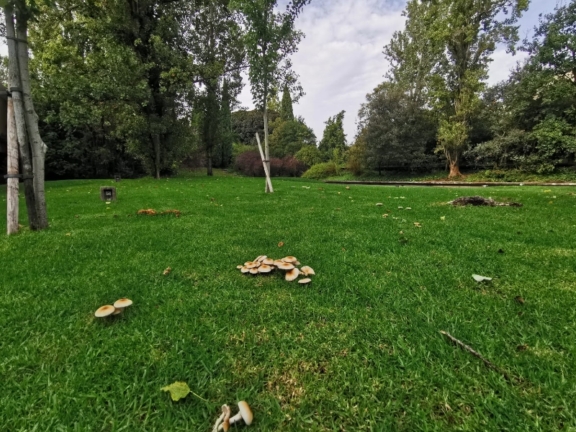
In the first months after being sown, the lawn is quarantined. Grass seed is monocotyledonous and grows with a single leaf, meaning that it is necessary to propagate the young grass plants (tillering) by running a roller over the area, to encourage denser growth. In spring, however, the temperatures start to rise and the new lawns can develop fungi and this can quickly destroy them. For that reason, we need to sow before the heatwaves. We place a white cover over the seeds – it is called a thermal blanket and it warms the lawns to 3ºC above the soil temperature. In this situation, however, the blanket is also particularly useful for preventing pigeons from eating the seeds! ‘We lay out the blanket until germination occurs and then give it an extra week. We use the blanket to protect ourselves,’ explains António Graça. Although the blanket is permeable and doesn’t cut out the sunlight, ‘we have to pay close attention, because as soon as germination occurs, we need to uncover the lawn straight away so that the fungus doesn’t appear.’
Spring flowers
Although winter is a favourable time for planting, spring is as well. In fact, planting can be done throughout the year, but the plants won’t react in the same way: if you plant in the spring, it will have its entire growth cycle until summer, but if it is planted in midsummer it will shrink with the heat and will only start to grow again in the autumn. For that reason, gardeners make the most of the spring to complete all their planting and to progressively expand their nurseries.
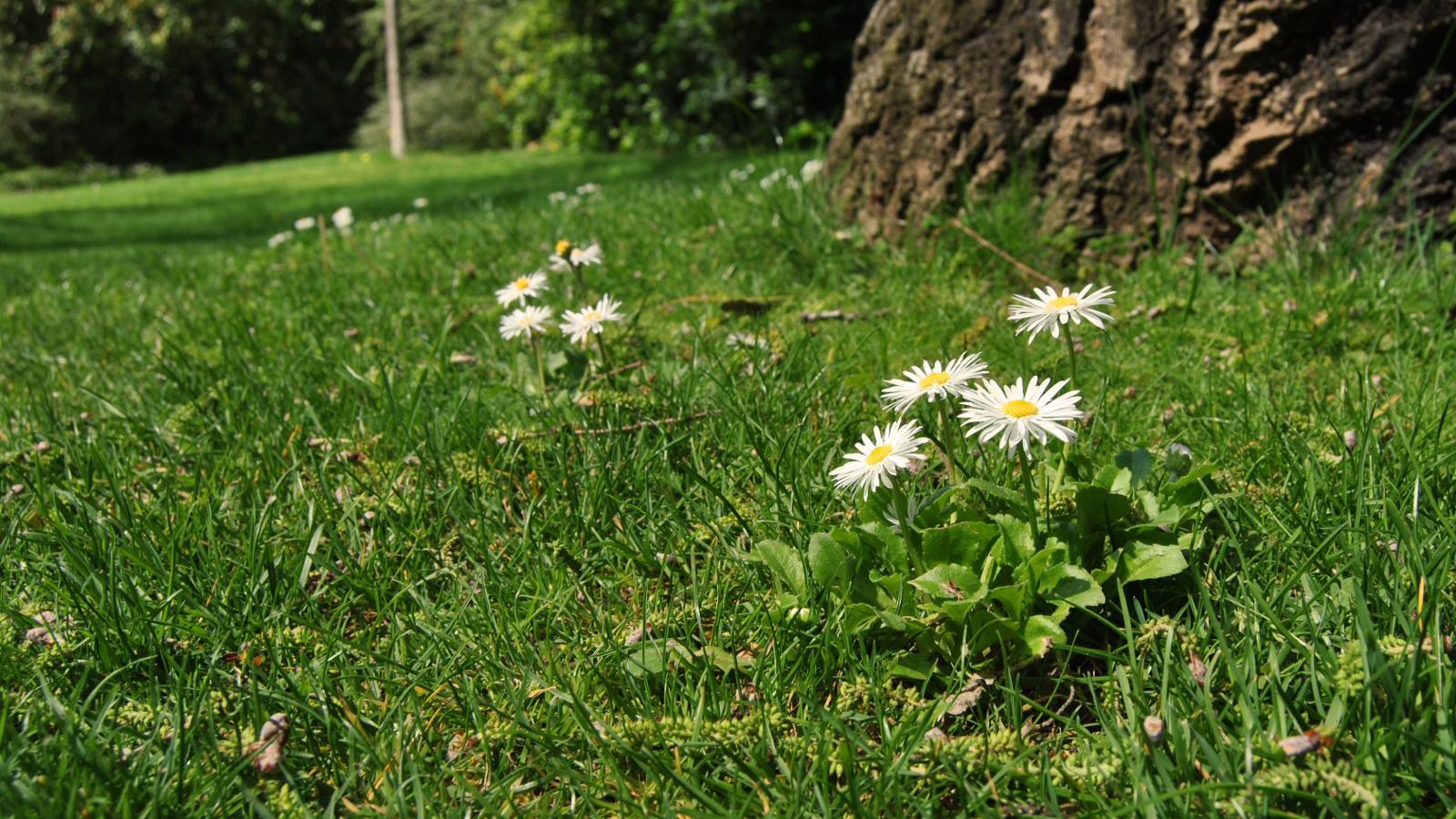
At this time of year, the flowers that grow in the meadow are starting to become visible. We can see common daisies (bellis perennis), deliberately introduced, and the annual and self-seeded southern daisies (bellis sylvestris), as well as mint, dandelions and wild strawberries. Flowering acanthus also start to appear. Most are self-seeded and easily propagate because they produce many seeds and like shade, as is the case with the periwinkles.
Unfortunately, some flowering plants do not last for very long, either because they are picked by visitors or trampled. Gardeners always have the huge job of raising public awareness to encourage respect for the Garden. Everyone would much rather see the flowers where they grow, and the butterflies and bees are grateful too!
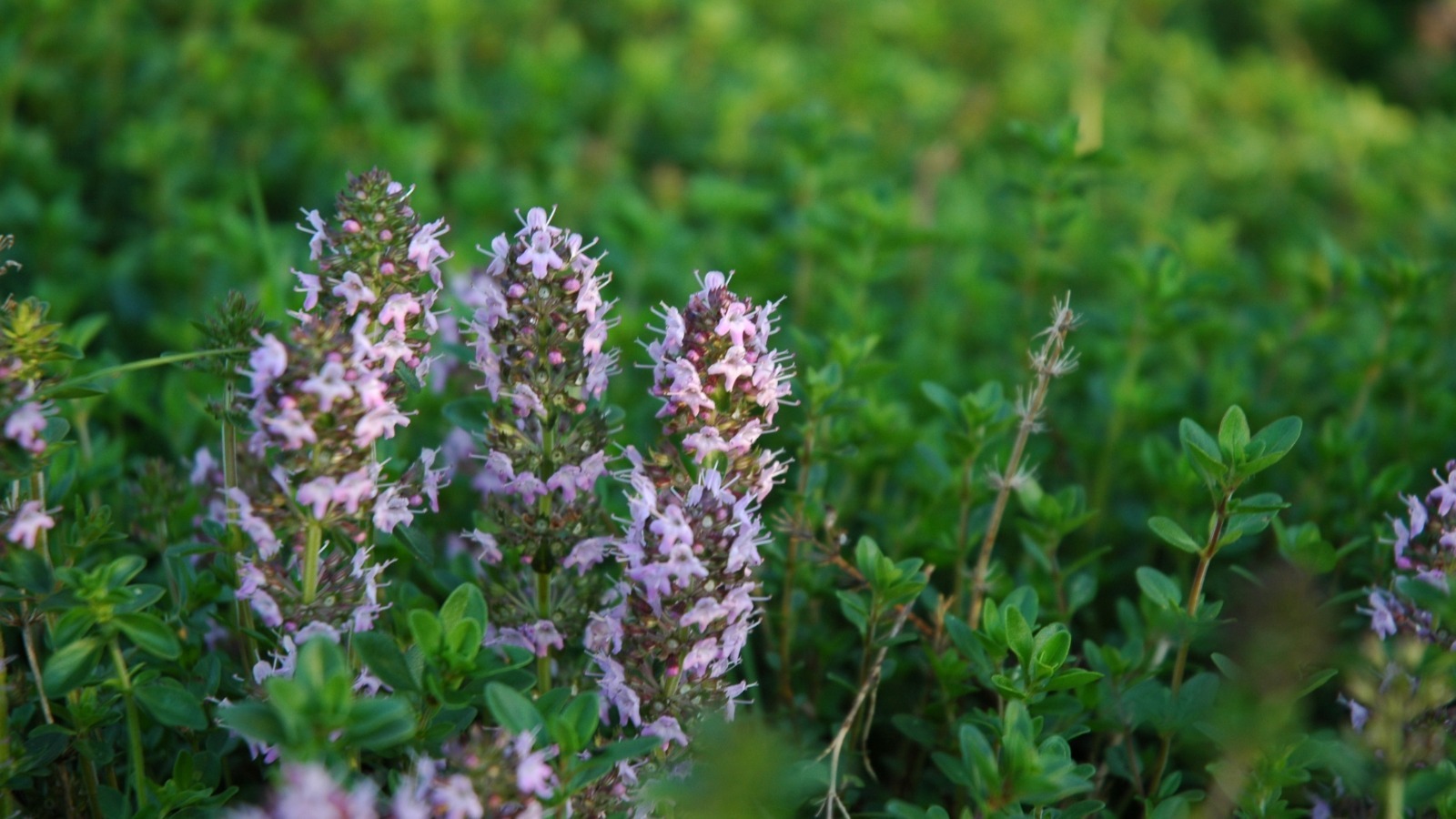
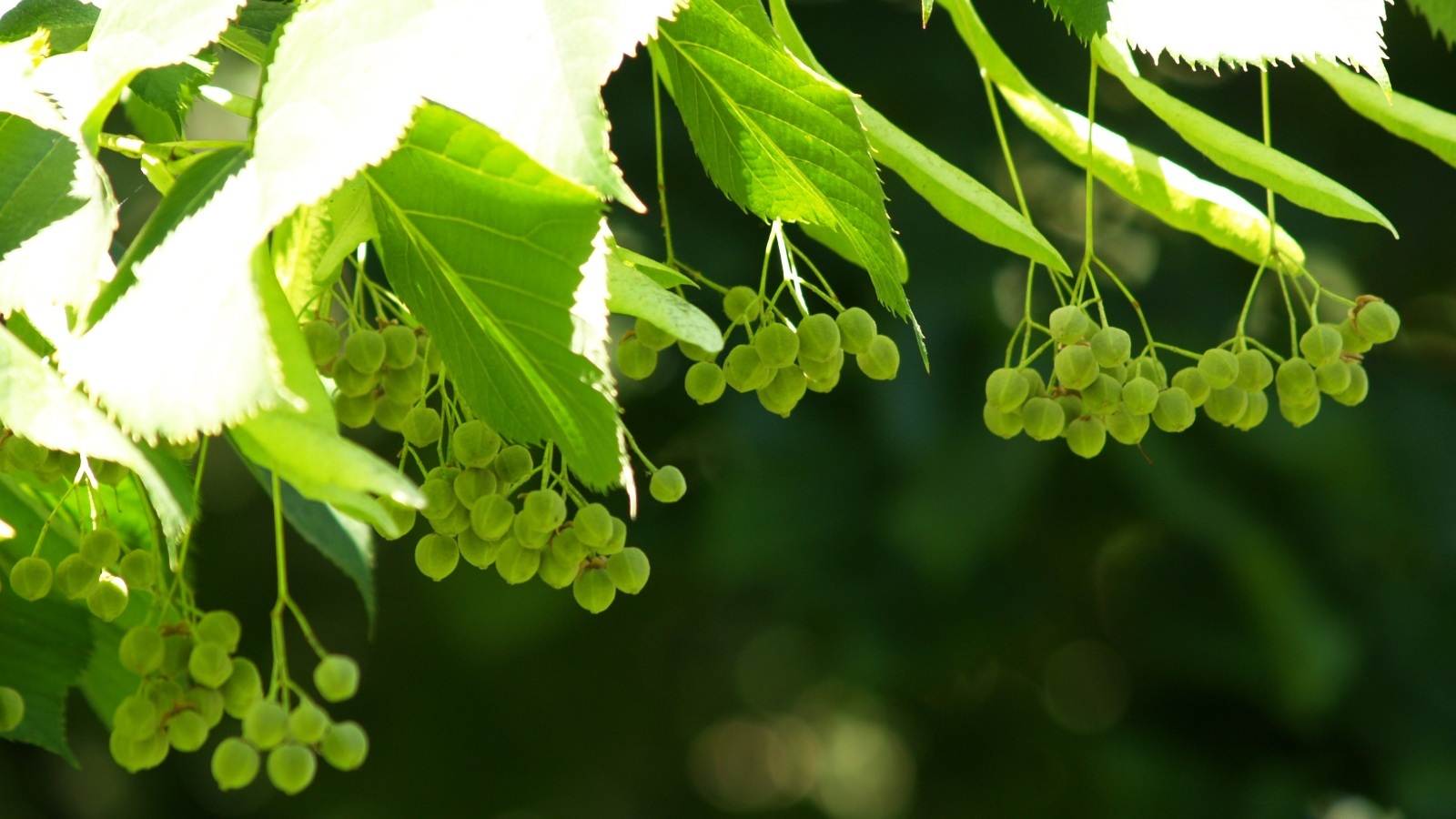
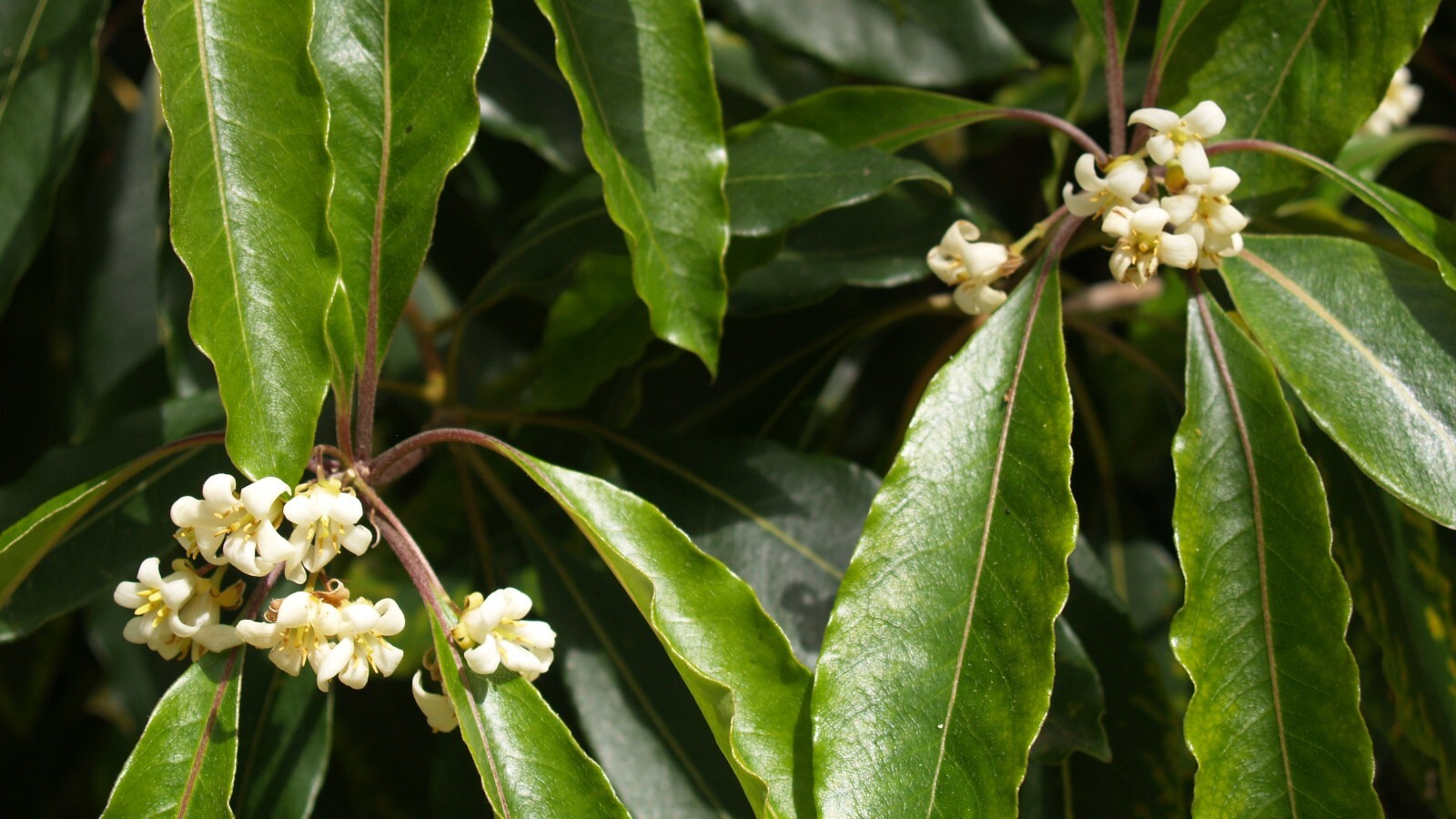
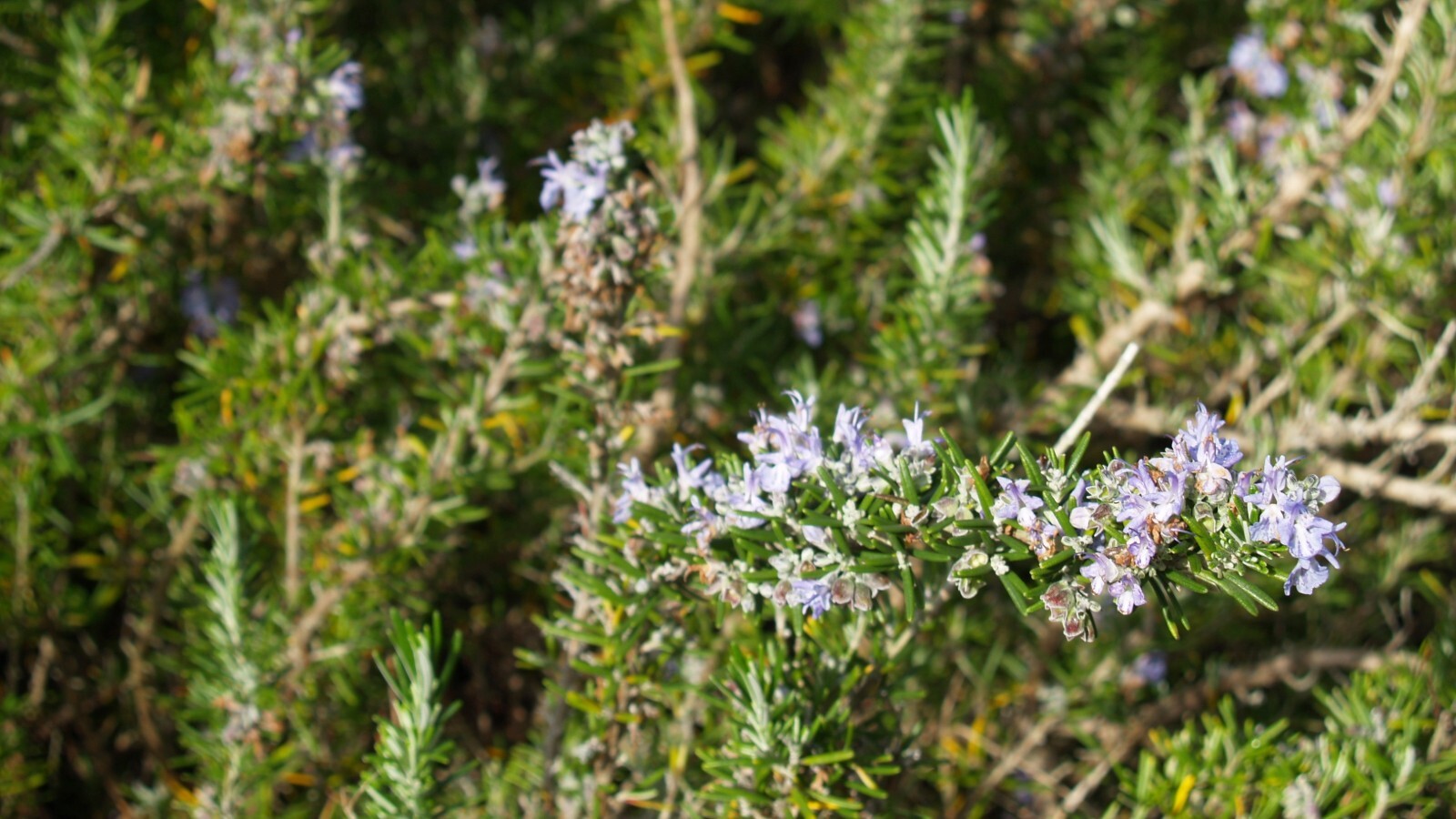
Throughout the Garden, and particularly in the new area, where many aromatic species have been planted, we can smell many of the flowers. One of these is the lime tree, whose flowers have a sweet, gentle fragrance, and the mock orange, with a more intense sweetness. We can also see and smell various thymes, pennyroyal, lavenders, rosemary and cotton lavender.
The Maintenance of Gulbenkian Garden
Explore the series

No results were found for your criteria.
You may also like

No results were found for your criteria.