
Maintaining the Gulbenkian Garden in Winter
-
© Pedro Pina
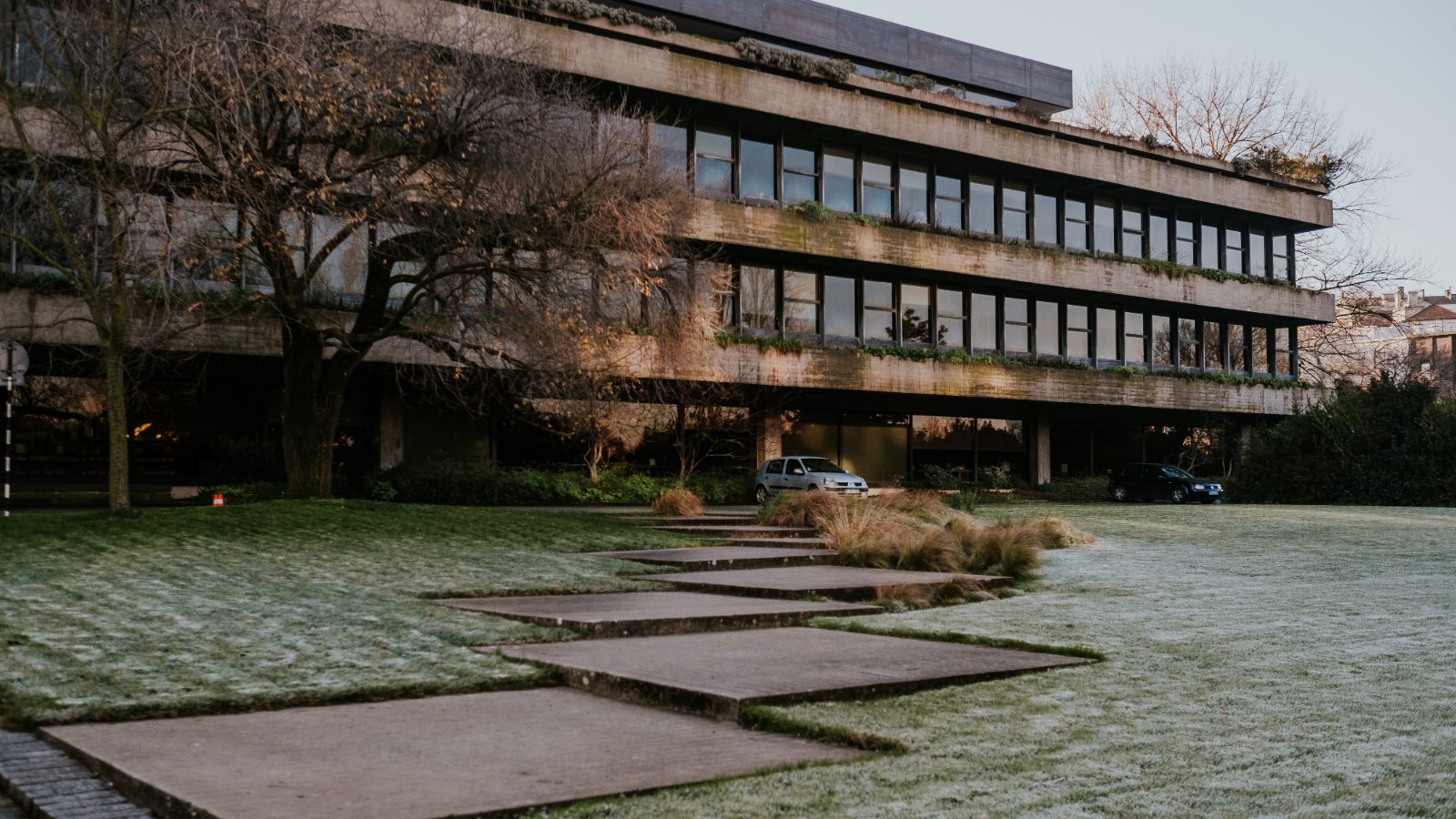
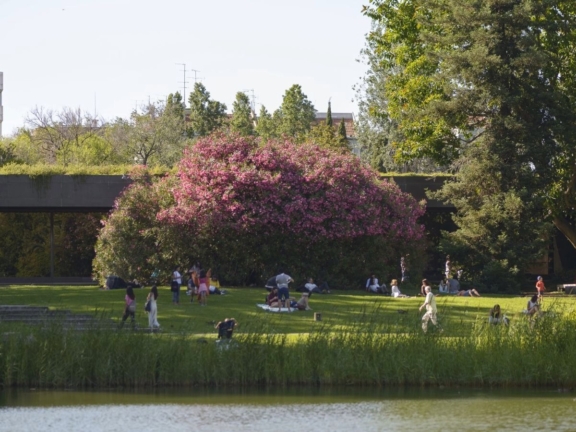
Most plants stop growing in winter. And since fewer plants are growing, there are fewer weeds growing too. However, the meadow in front of the Main Building keeps growing… a lot! The grass there needs to be cut every two weeks at the very least.
The plants might be growing less at this time of year, but work in the garden never stops. It’s a dynamic job in which there is never a routine: there are always urgent situations that must be resolved immediately.
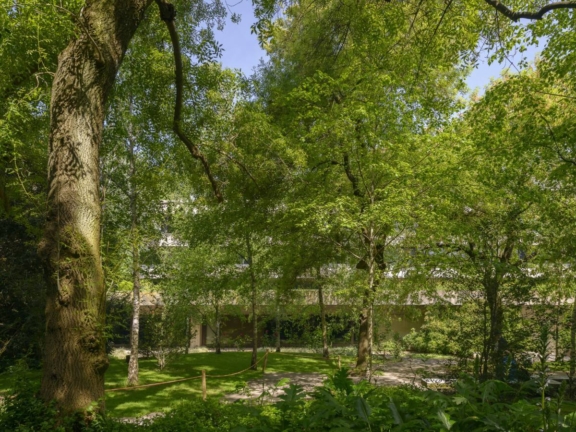
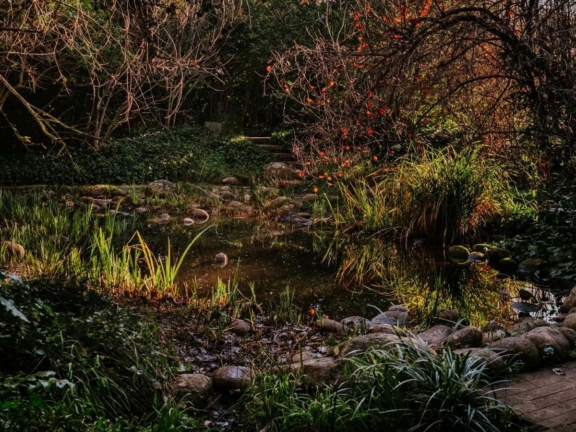
And during the winter, we also prepare for the rest of the year. We use this time to prune any dead shrubs and clean the banks of the lakes, where there may be old plants to remove. At this time, we also carry out planting to make the most of the natural cycle of plants, Graça explains, for example: ‘we make the most of plants that have self-seeded thanks to the birds and which are in an area of the garden where they do not cause any harm. So we wait 2 or 3 years for them to develop and then we move them. And we move them during these lower temperatures, to allow them to better resist the stress of being uprooted. We can do this at other times of year, as long as they are potted, but this is the most beneficial time to do it.’ This can be seen in the new area of the garden, to the south of the Centro de Arte Moderna, where most of the planting was carried out during the summer.
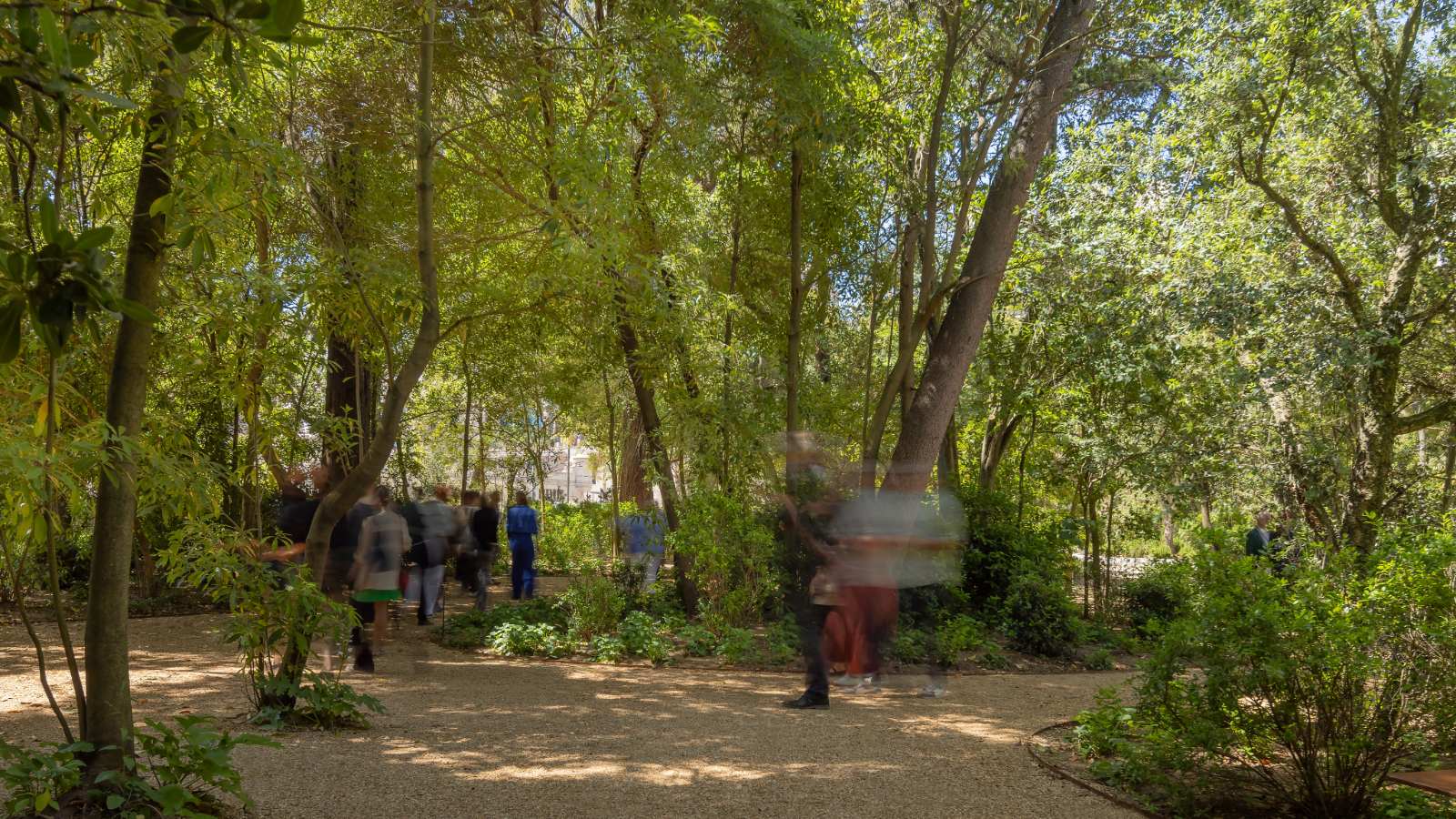
But if we plant a tree during the winter, we have nature on our side because in the spring it will start to grow, the roots will deepen and the tree will need less watering when summer comes. That will make it more autonomous during the hottest months.
It can’t be denied that, for a gardener, winter is harder because of the rain and cold. ‘But we don’t get such harsh winters as we used to; there wasn’t even a frost this year.’ It can rain a lot, though, and recently-positioned plants can end up dying through root asphyxia. How does this happen? ‘When we dig a hole for a tree or shrub, if it isn’t in a well drained location, the hole will act as a recipient and accumulate water,’ Graça explains, adding: ‘for that reason, if we know that a lot of rain is forecast, we won’t plant trees or shrubs, but we will work in covered or sheltered areas, such as the planters.’
The garden also has an irrigation system, but during the winter it is barely used. ‘Today, for example, with the rain, we are only watering the parts the rain didn’t reach – on the terraces, areas below the sunshades, etc. This year, the new area of the garden will need a little more watering, but as the root system of the new plants develops, that won’t be quite so necessary. During the first year, they always need more water.’
Pruning and fertilisation during the winter
On very rainy days, the evergreen trees retain more water and their branches can give way under the weight, requiring the gardening team to intervene with a bit of light pruning, mainly at the edges, if it affects people’s movement around the garden. Thus, the gardeners only prune for corrective purposes, if there is excessive growth, growth too close to the buildings, or competition between various plants. ‘We have a naturalist garden here, and we like to preserve free growth form, keeping plants as natural as possible. We do prune, but much less and not with any aesthetic consideration,’ adds Graça.
Another question is the use of fertiliser. In the Gulbenkian Garden, which has trees, herbaceous plants and shrubs, it is very difficult to fertilise regularly. Nitrogen, a constituent part of fertilisers, can cause abnormal growth in trees and make them more vulnerable to disease. ‘We only apply fertiliser when absolutely necessary. For example, our lawns are non-linear, they aren’t like football pitches where fertilisers are used. Here we can’t do that because it will come into contact with the edges where there are shrubs and trees and we can’t be creating abnormal growth in other plants for the benefit of the lawn. We always have to manage that balance,’ explains the head gardener.
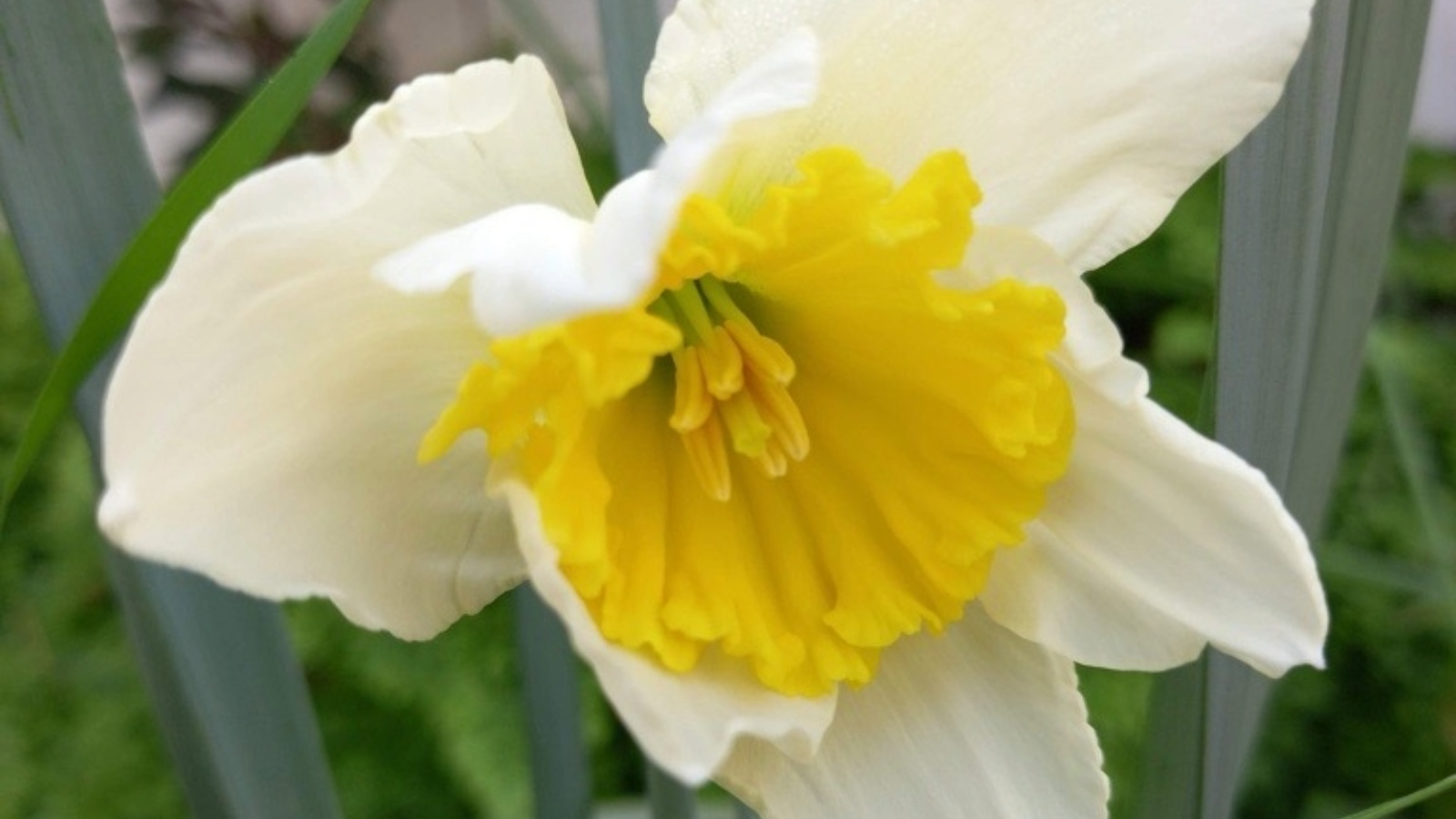
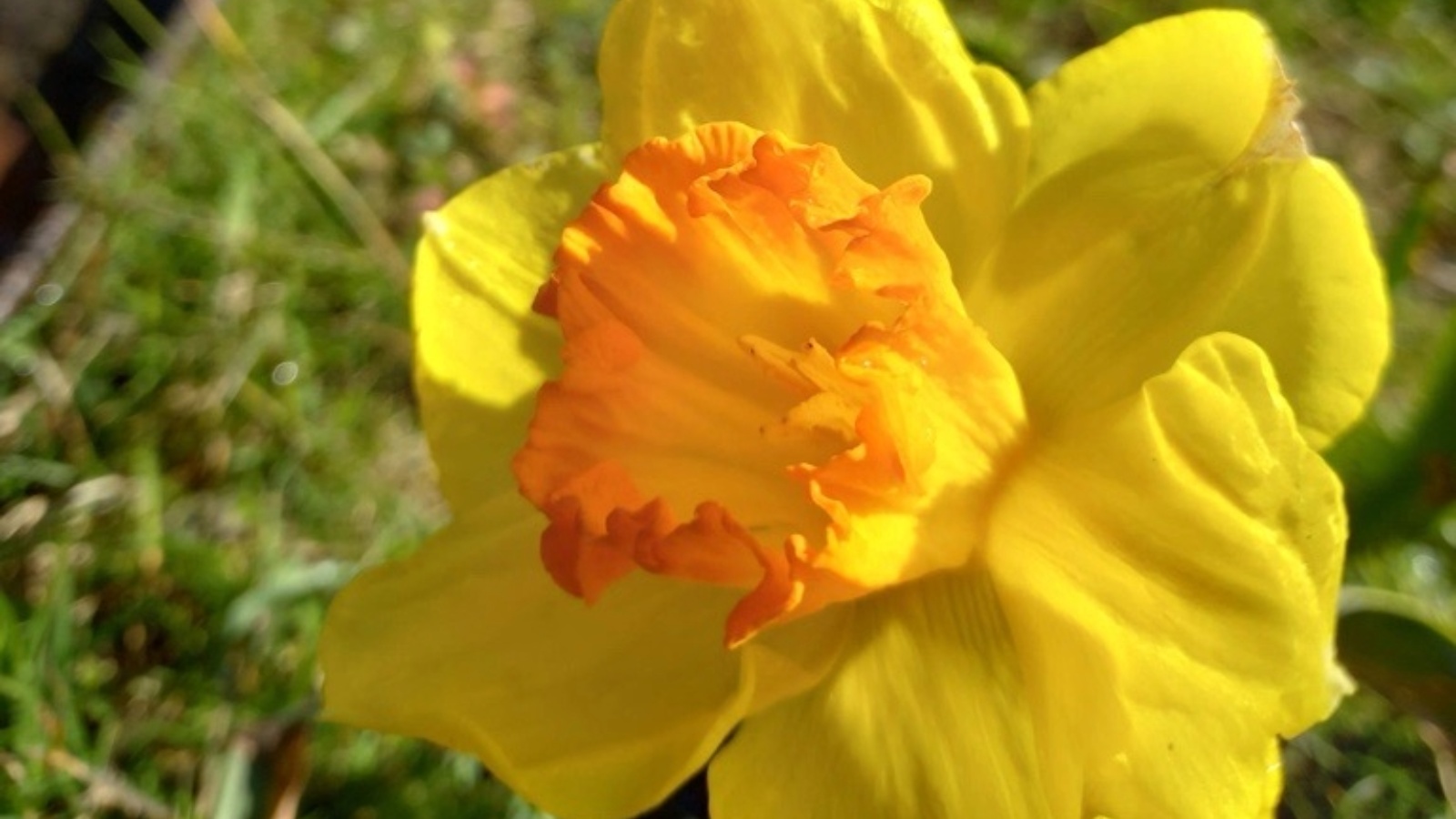
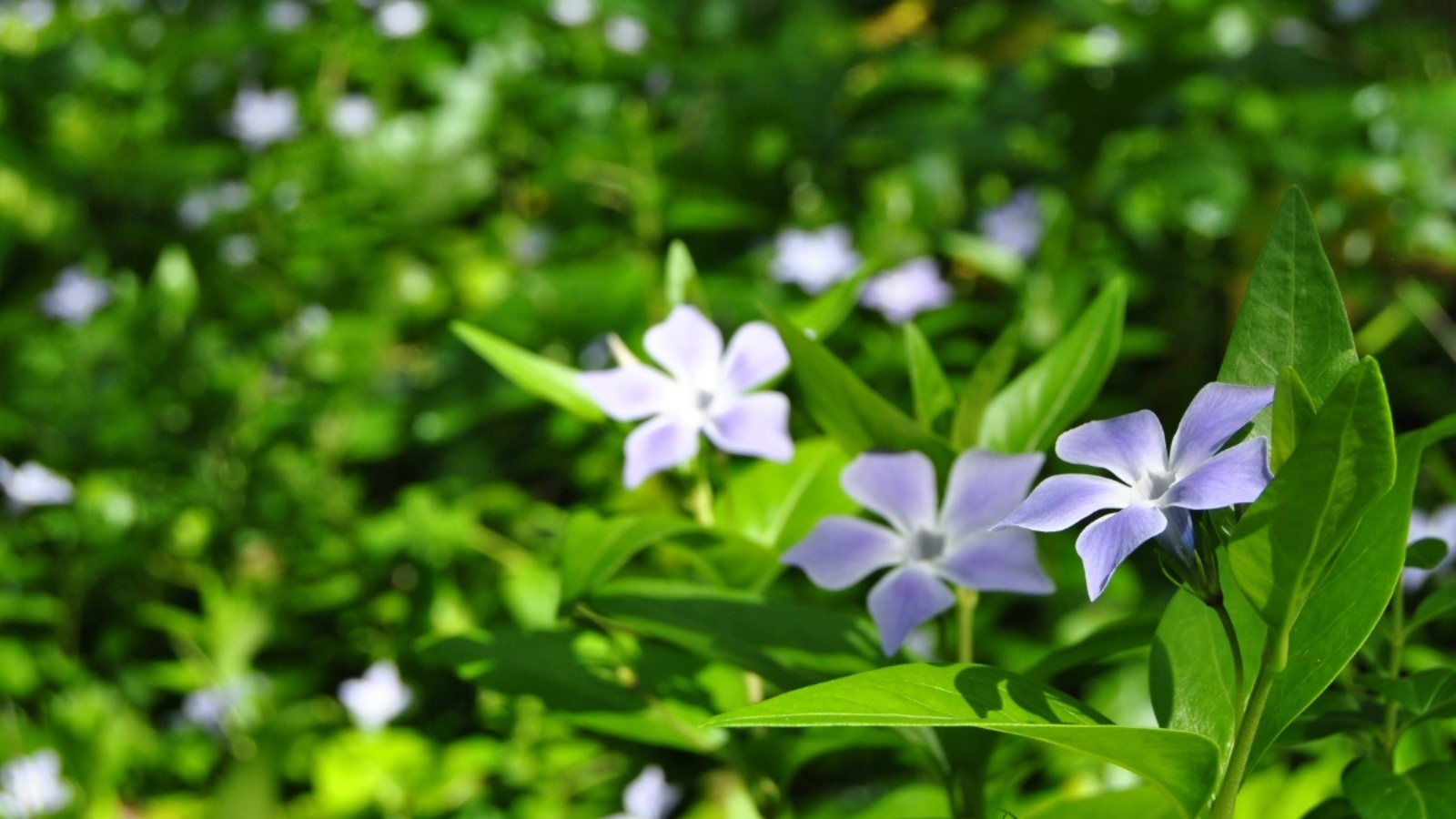
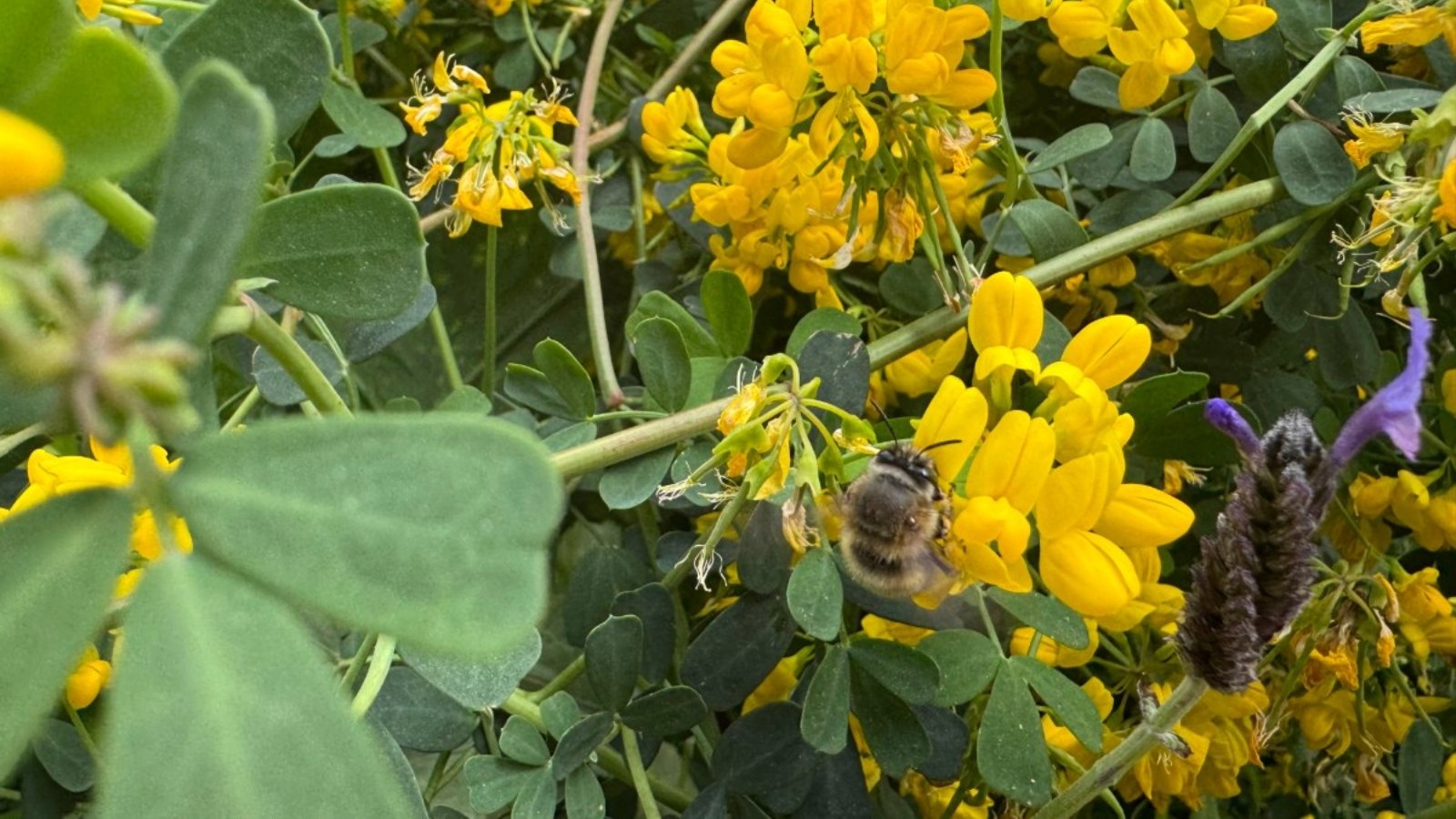
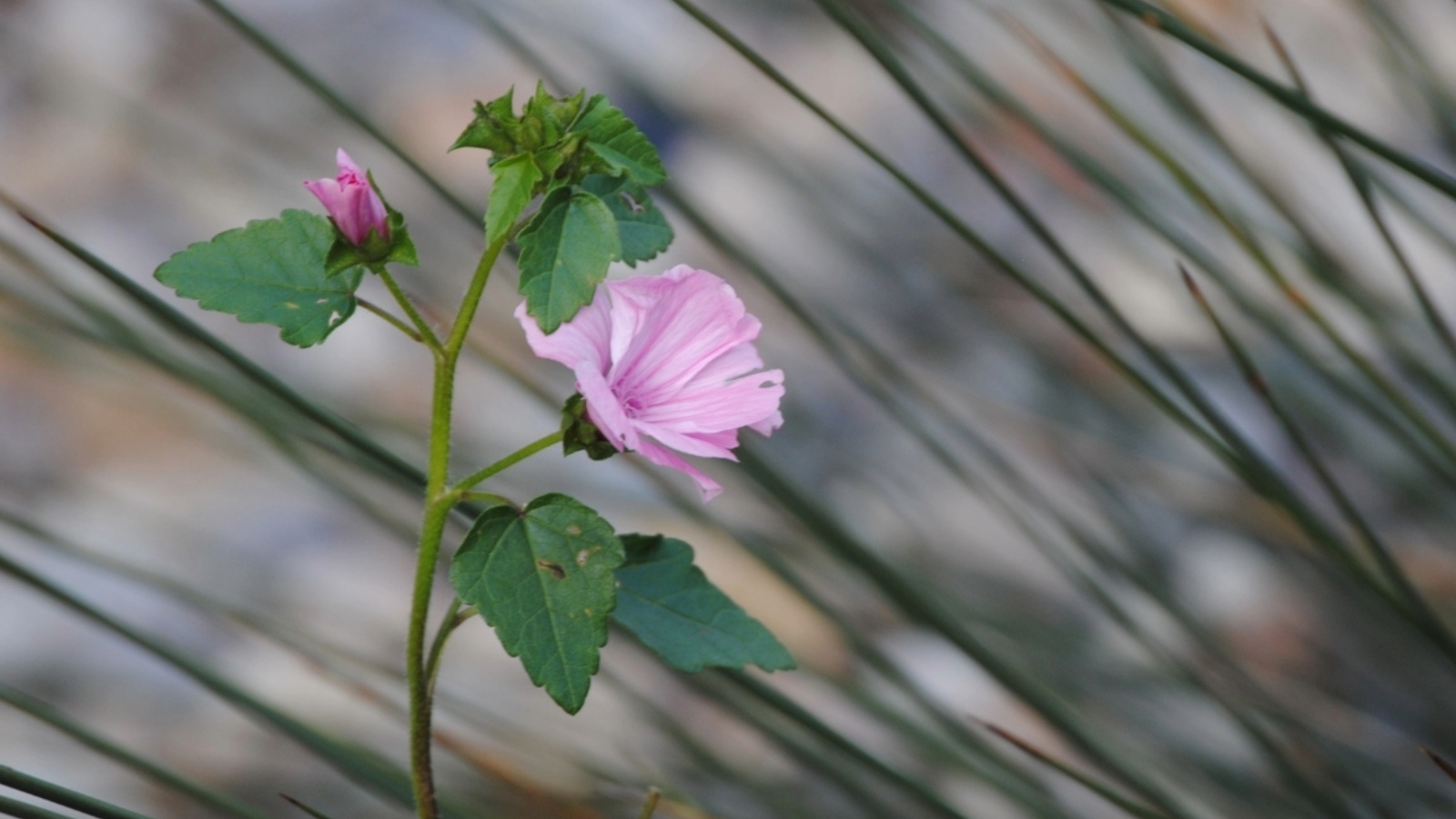
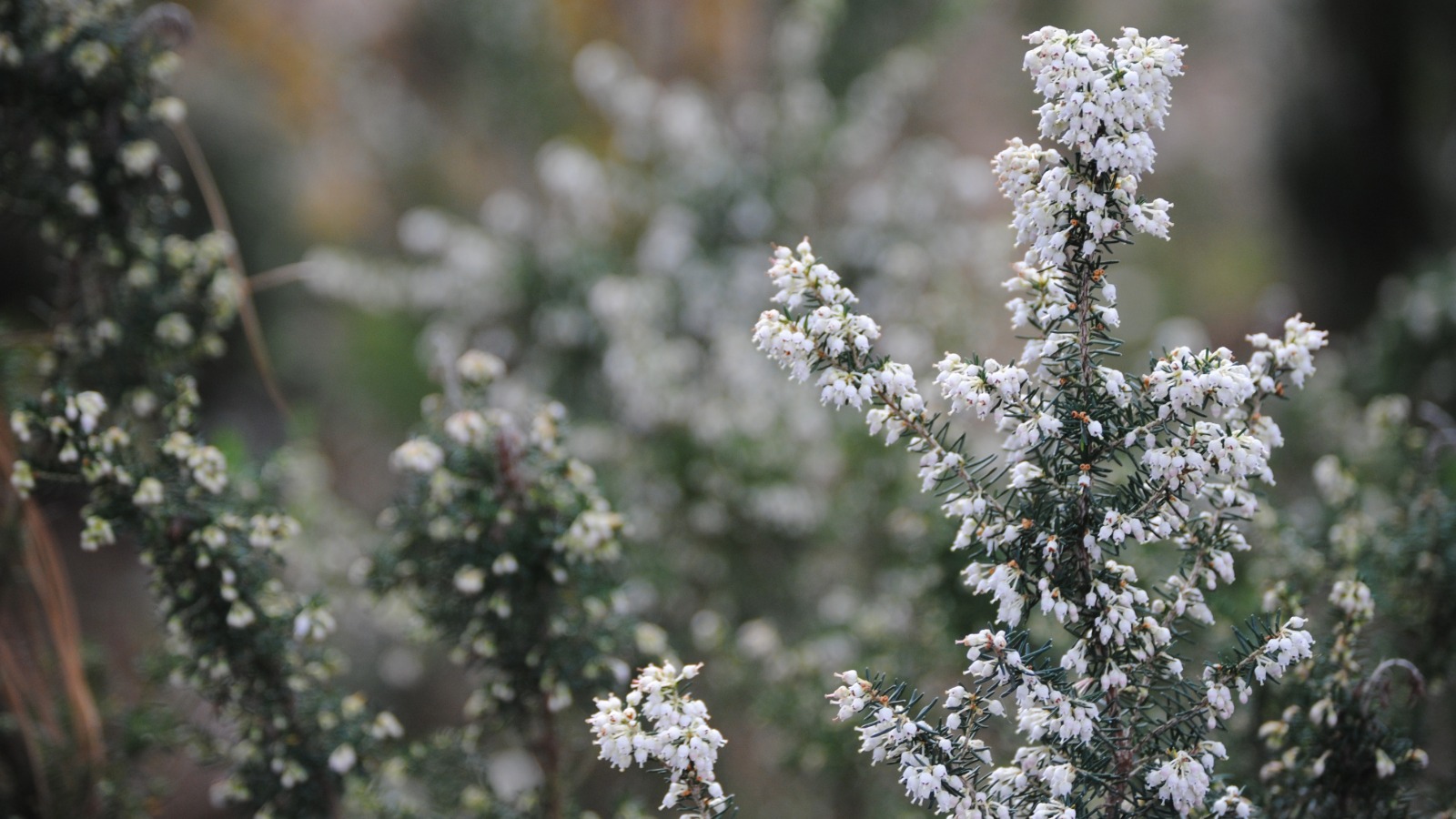
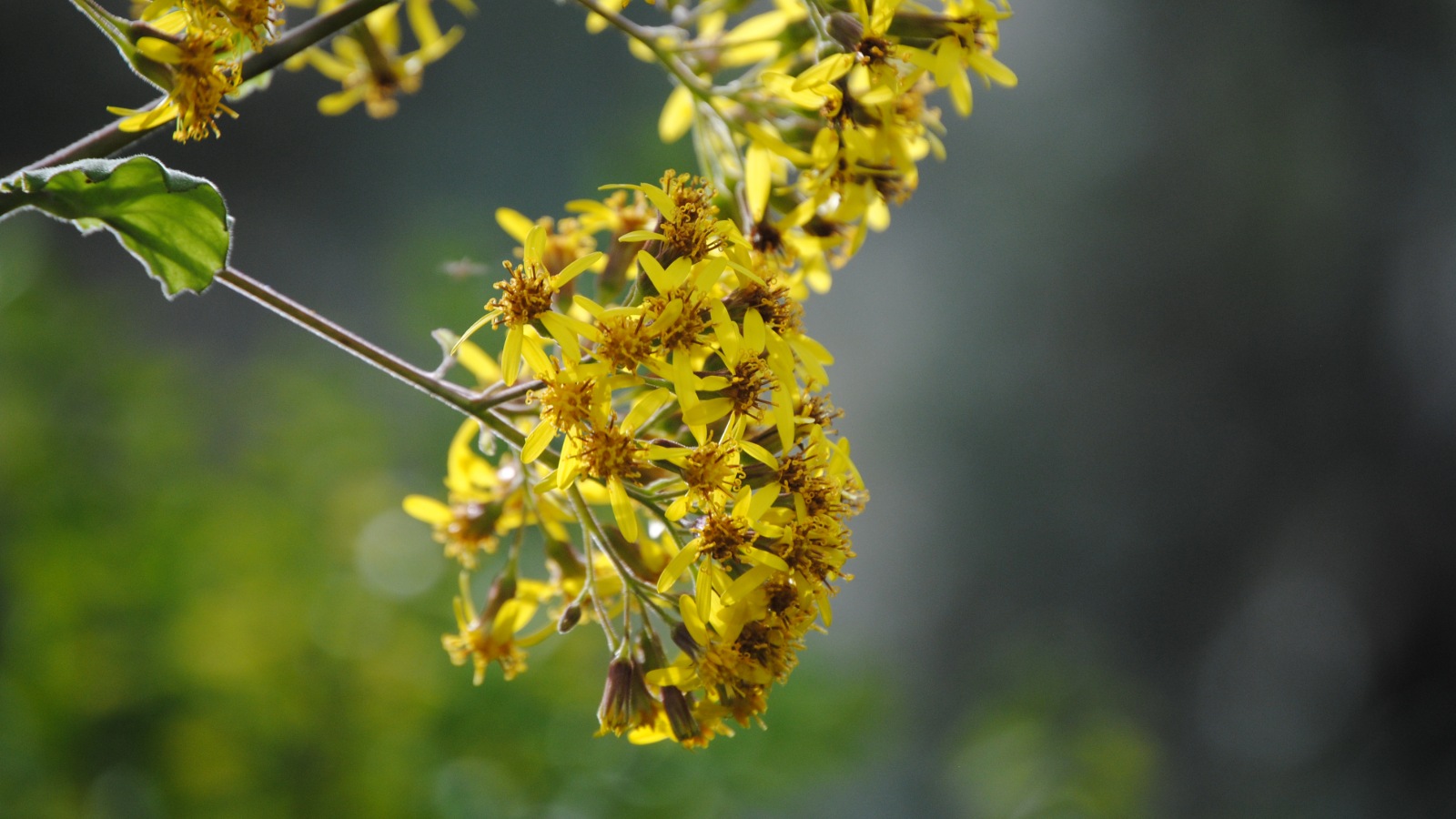
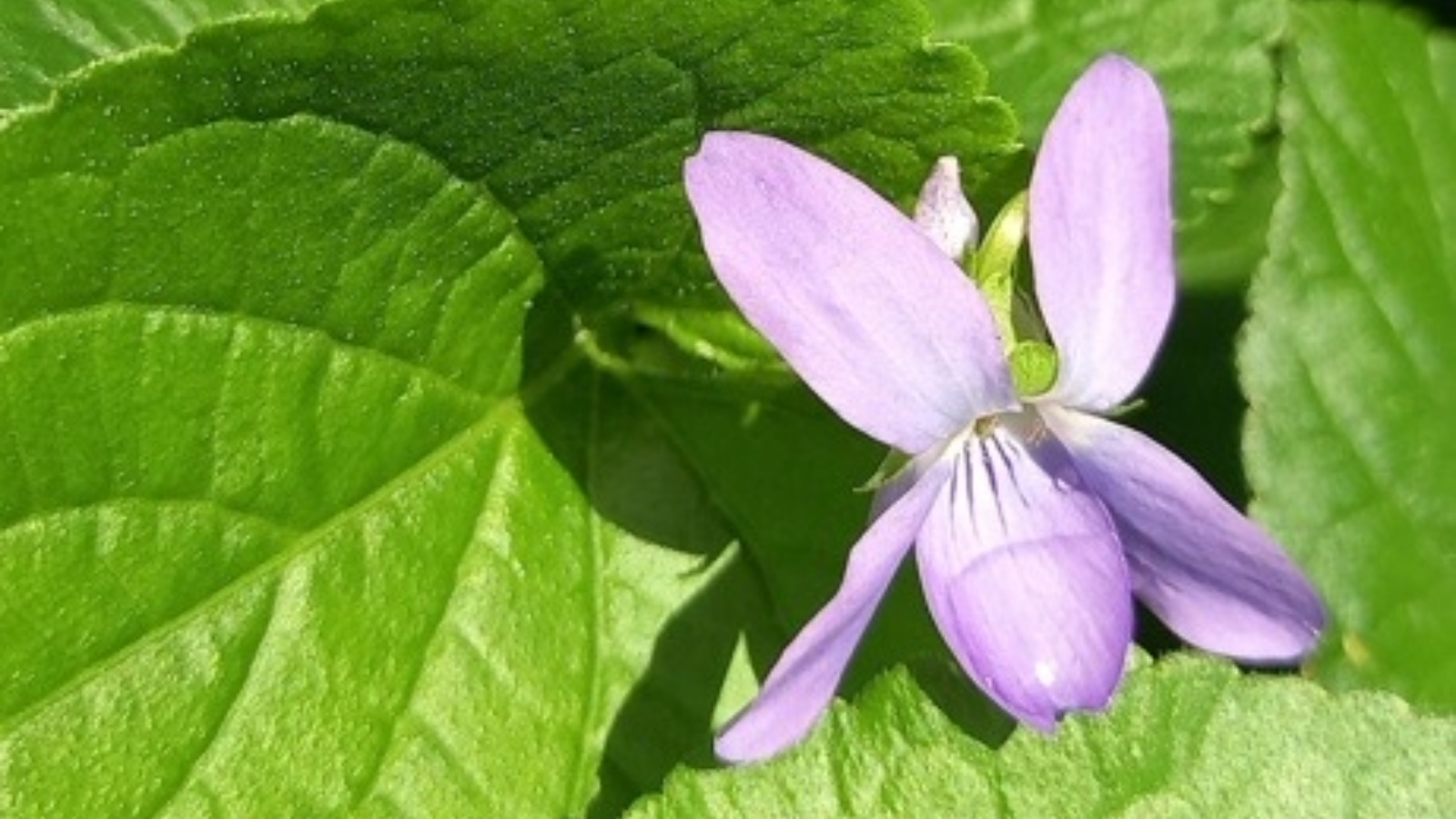
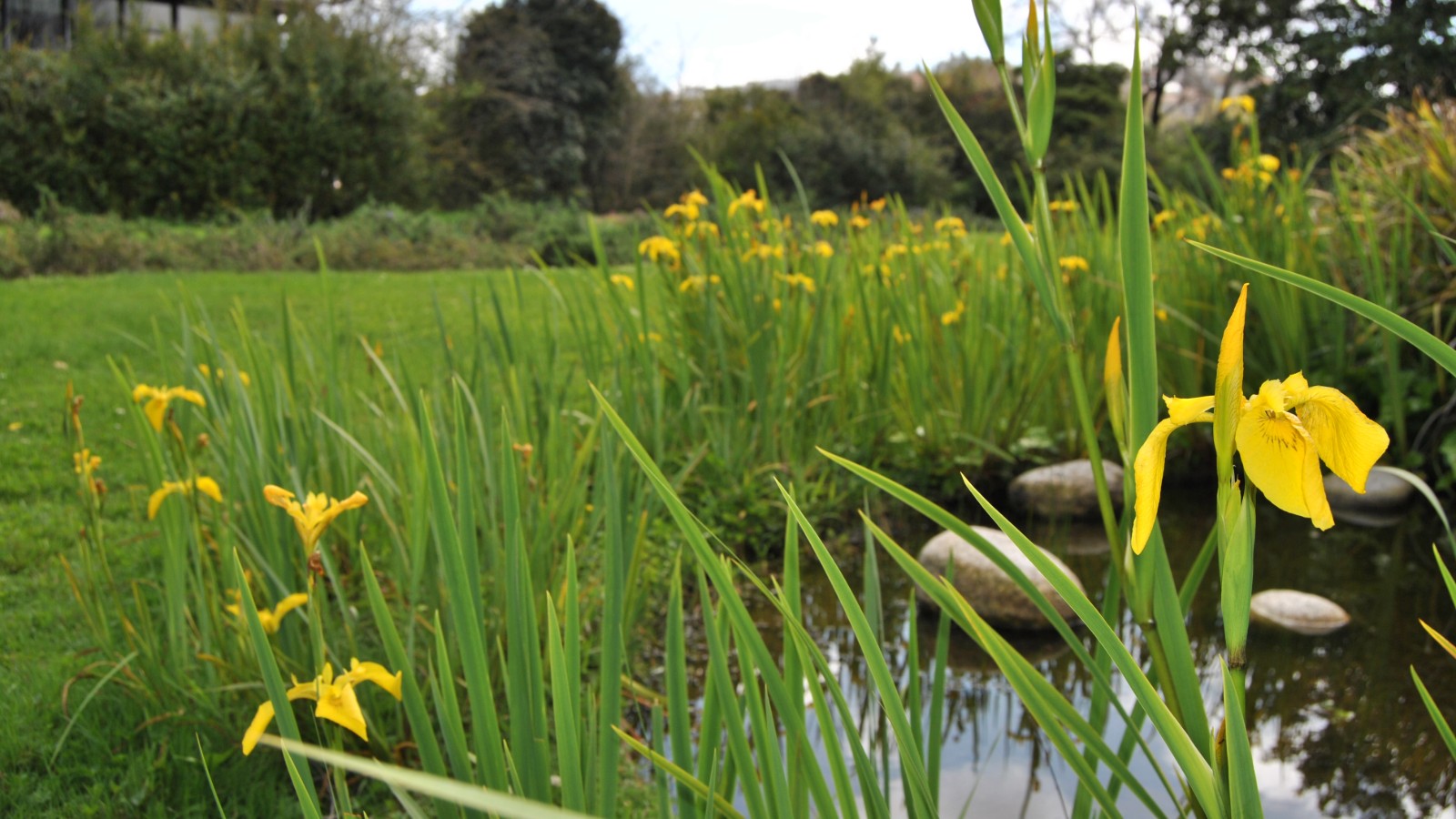
In the new area of the garden, to the south of CAM, the planting criteria was slightly different, with only native species being introduced. However, many of these are flowering plants: ‘we have lavender, violets, lilies, periwinkles, scorpion vetch, narcissus… Even though it’s winter, we already have a lot of blooms!’
The Maintenance of Gulbenkian Garden
Explore the series
No results were found for your criteria.
You may also like

No results were found for your criteria.