
Maintaining the Gulbenkian Garden in Autumn
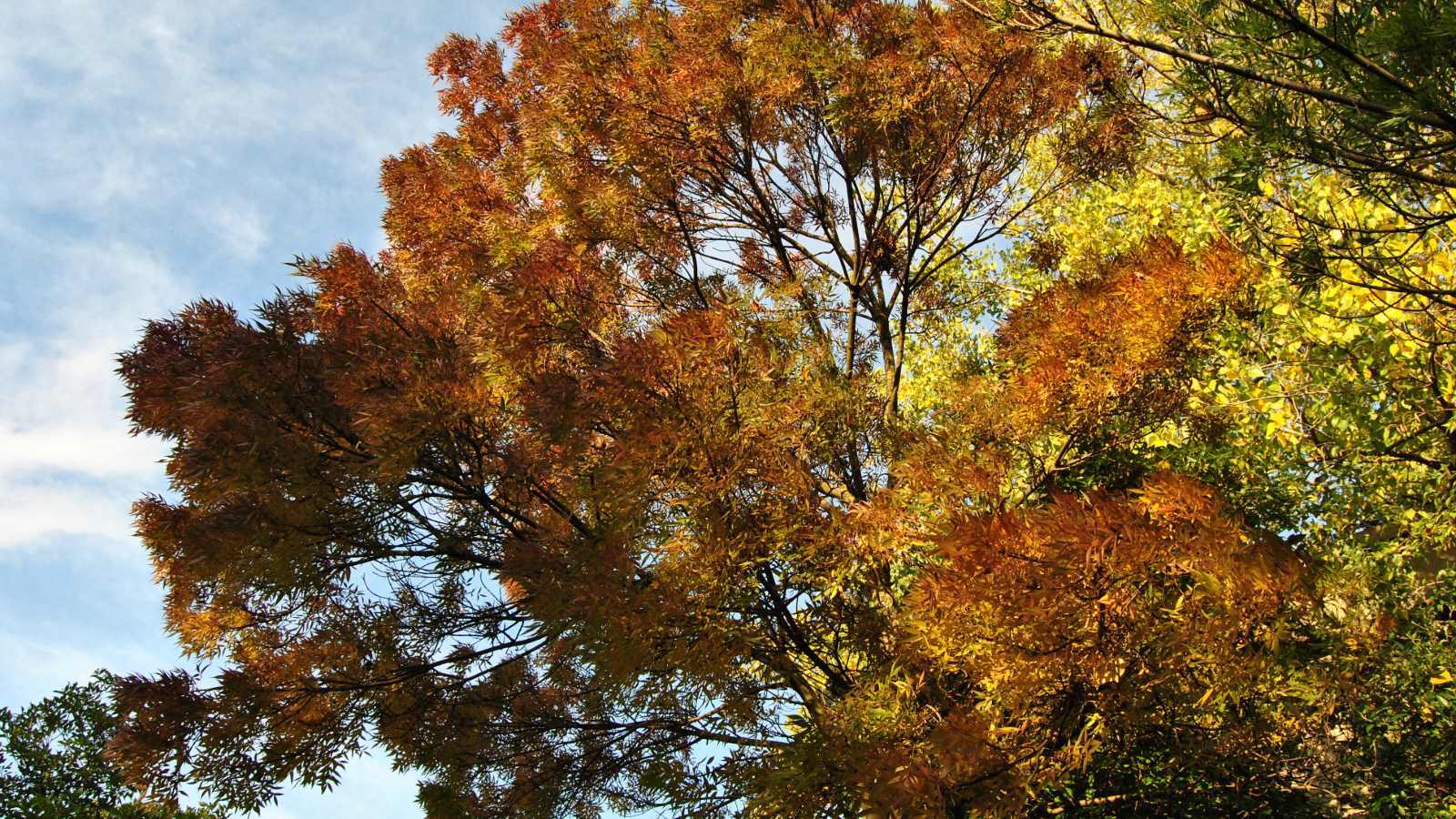
As in spring and summer, the gardening team continues to carry out the regular mowing of the grasses and lawns. This work continues until late autumn or early winter, when falling temperatures cause many plants to enter vegetative dormancy.
Watering, in turn, becomes less frequent due to lower temperatures and increased rainfall. Weeding also becomes less frequent, as invasive plants slow their growth. As a result, this is a time of year when maintenance work proceeds at a more leisurely pace compared with the other seasons.
Preparing the Garden for the next seasons
Autumn is a particularly favorable time for grass seeding and the overseeding of certain grasses. Although these tasks can also be carried out in spring, higher temperatures favor fungal growth. According to head gardener António Graça, the risk increases when temperatures approach 30°C, which is why the team prefers to take advantage of the milder autumn conditions.
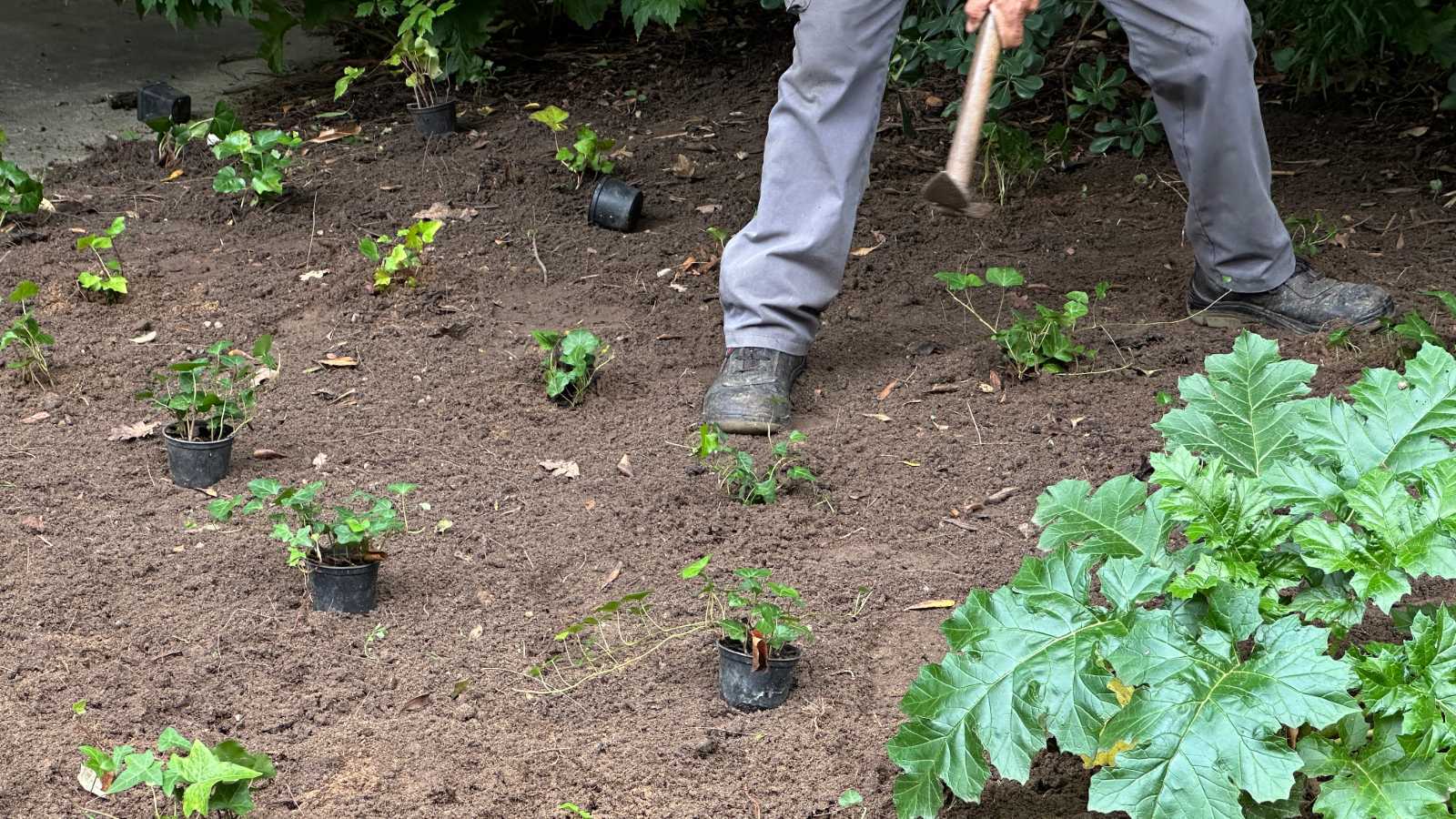
At this time of year, some species continue to grow, allowing new planting to take place. The exception is deciduous trees and shrubs, which are already at the end of their growing cycle. Even so, António Graça stresses that plant behavior depends above all on weather conditions: “We do not have an exact calendar because temperature is what dictates the timing. We have had years when temperatures remained mild until December.”
Despite the seasonal slowdown, growth does not stop completely. “We can still see the little green tips, which are the autumn growth,” he explains. When favorable conditions return, some plants resume their development and may even encroach on the walking paths, making it necessary to control the growth of the borders.
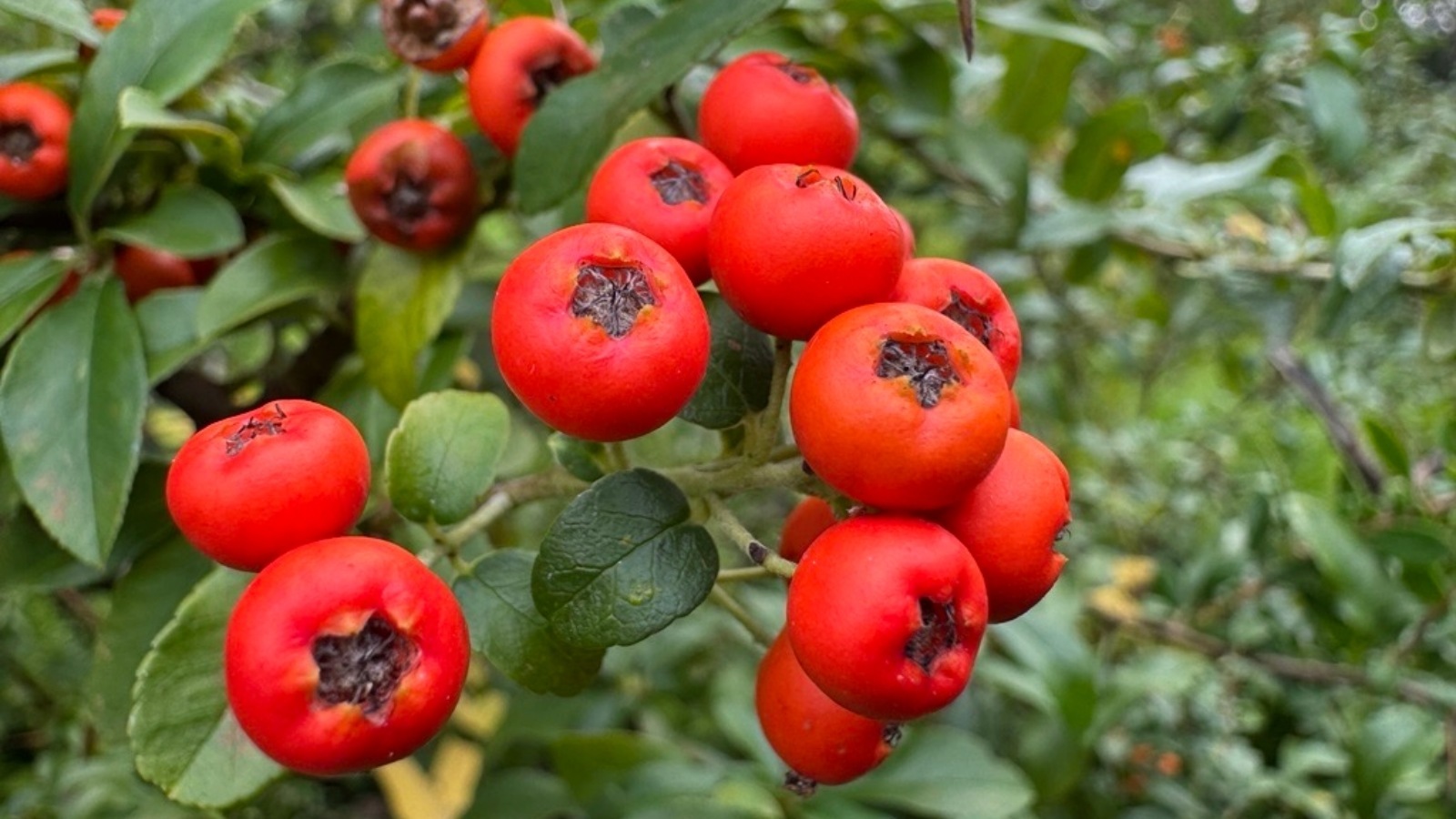
Autumn is also a time for collecting seeds. This is the case with Nepalese Firethorn (Pyracantha crenulata) which at this time of year is covered in colorful berries. Its seeds are collected, subjected to a period of cold stratification, and subsequently sown in late winter or early spring.
Autumn leaves
Few images capture the essence of autumn as vividly as carpets of golden, yellow and reddish leaves spread across gardens and paths. It is also at this time of year that composting activities begin. However, not all leaves are collected. As António Graça explains: “We only collect the leaves that fall on paved surfaces and herbaceous plants. The rest remain around the trees and shrubs, where they play an important role in maintaining soil microorganisms and help retain moisture.”
On colder, drier days, species such as hackberries and lime trees develop particularly striking yellow hues. When the leaves fall, gardeners often choose to leave them on the ground, creating a natural golden carpet effect. They are only removed when the ground is damp and slippery, for safety reasons.
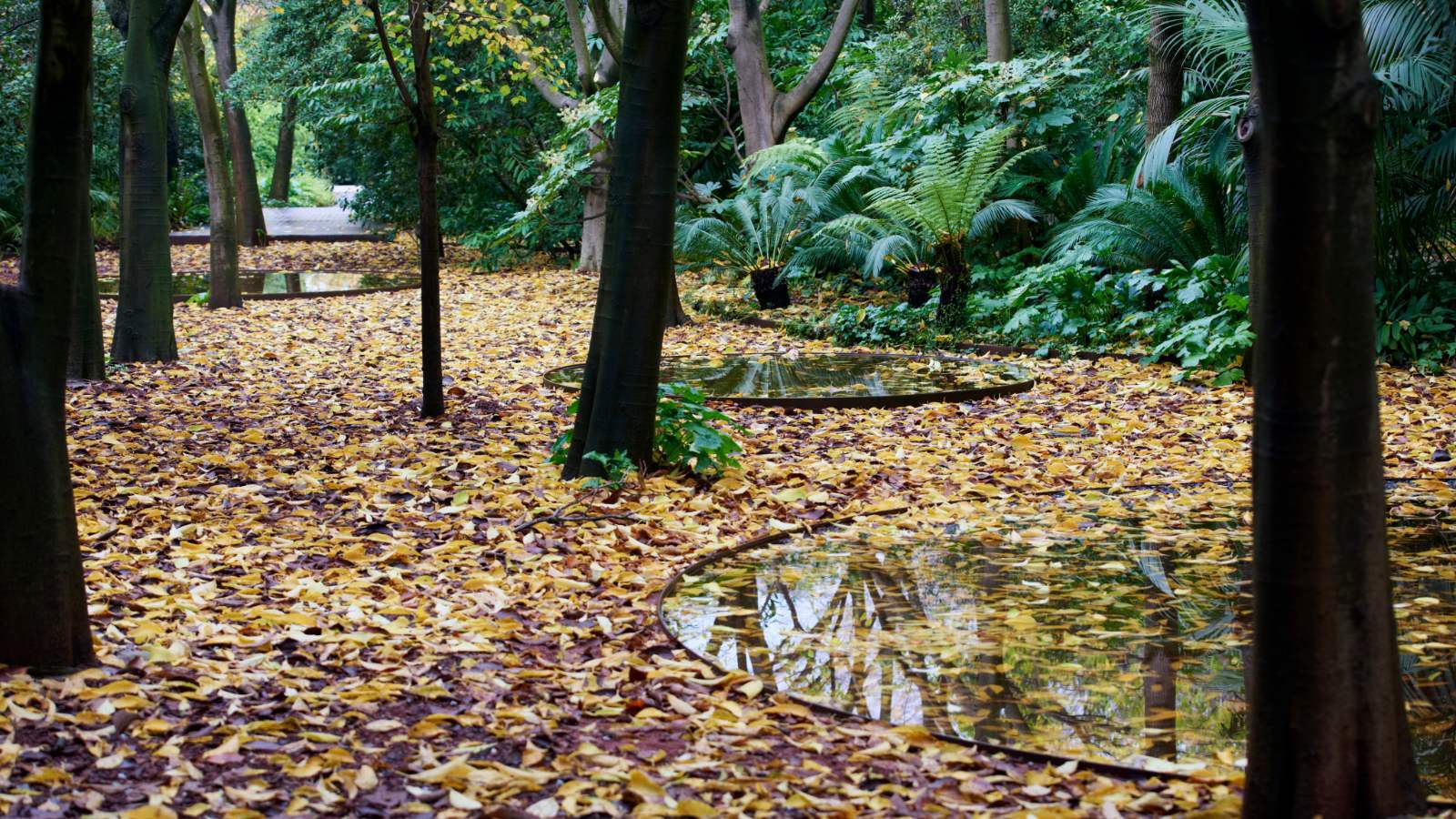
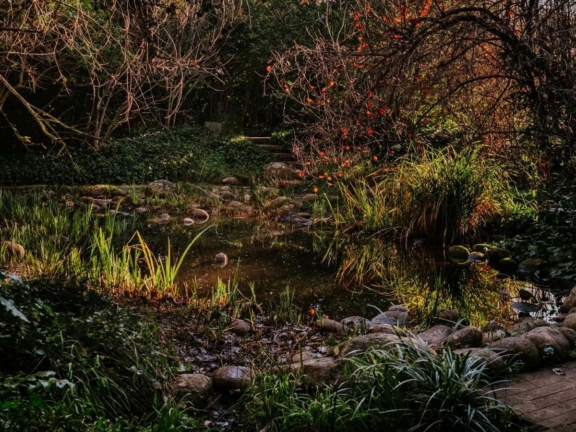
One of the areas where this scene can be observed is next to the water features, whose surfaces are covered with Azorean volcanic gravel. Spontaneous shrubs, such as bay laurel and laurustinus, frequently appear in this area and are transplanted to the nurseries at this time of year. Many of these specimens are the result of birds’ activity. As they feed on the fruits, they disperse the seeds, which are already prepared to germinate after passing through the digestive system. These are known as hard-coated seeds, as they require this natural process — or human intervention — to facilitate germination.
Cleaning and maintenance
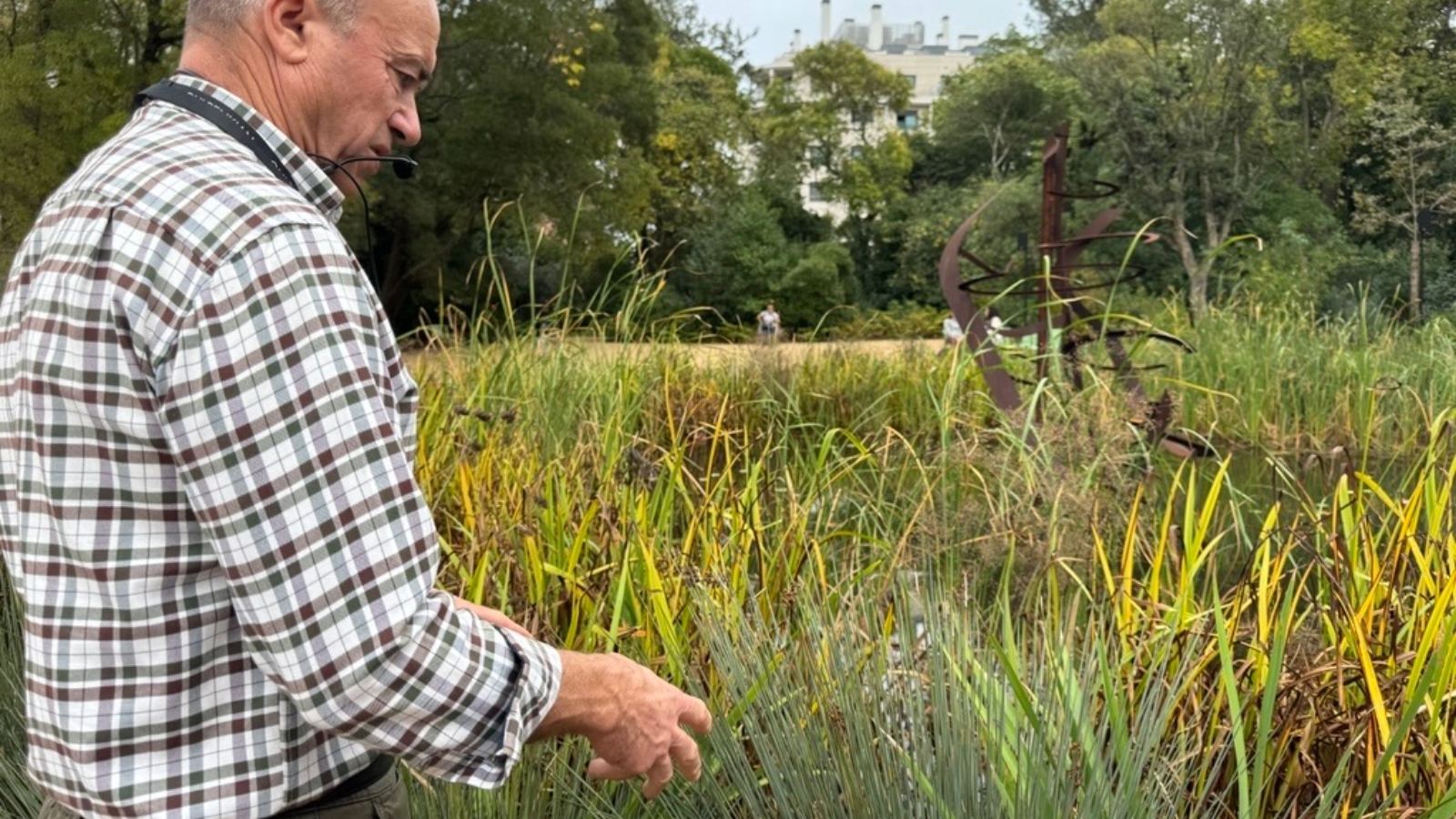
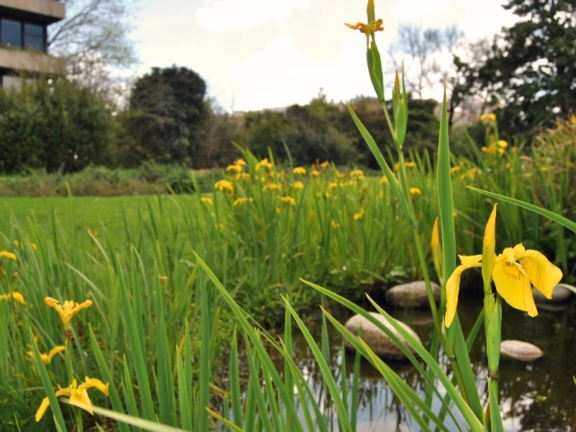
During autumn, the gardening team also focuses on cleaning the edges of ponds, lakes and streams, removing dried-out vegetation that has turned brown. According to António Graça, some species are left in place: “The little that remains are Yellow Flag (Iris pseudacorus) and Algerian Iris (Iris unguicularis), Spiny Rush (Juncus acutus) and European Meadow Rush (Juncus inflexus), some Eulalia (Miscanthus sinensis), Papyrus (Cyperus papyrus) and Common Reed (Phragmites australis). Everything else must go.”
This work is carried out manually and selectively, ensuring that the banks are not left devoid of vegetation. This is also an important preparation for the periodic washing and maintenance of the large lake, carried out every two years during the winter.
At the lake in the Garden’s new area, south of the Centro de Arte Moderna, the approach is slightly different. The team waits for a greater proportion of the vegetation to complete its cycle before beginning the cleaning process. “We wait for the brown plants to fall a little further. If we intervene too early, we may damage species that are still green as we walk towards those that have already dried out”, explains the head gardener.
While Spiny Rush (Juncus acutus) and European Meadow Rush (Juncus inflexus) are particularly resilient and flexible, the leaves of Yellow Flag (Iris pseudacorus), Algerian Iris (Iris unguicularis), Lesser Bulrush (Typha angustifolia) and Common Bulrush (Typha latifolia) break easily. António Graça also recalls that some plants growing along the banks, such as Pennyroyal (Mentha pulegium), are not dead: they are simply in a natural phase of their cycle, preparing for renewed growth when favorable growing conditions return.
The Maintenance of Gulbenkian Garden
Explore the series
No results were found for your criteria.
You may also like

No results were found for your criteria.