
How do ecosystems regulate themselves?
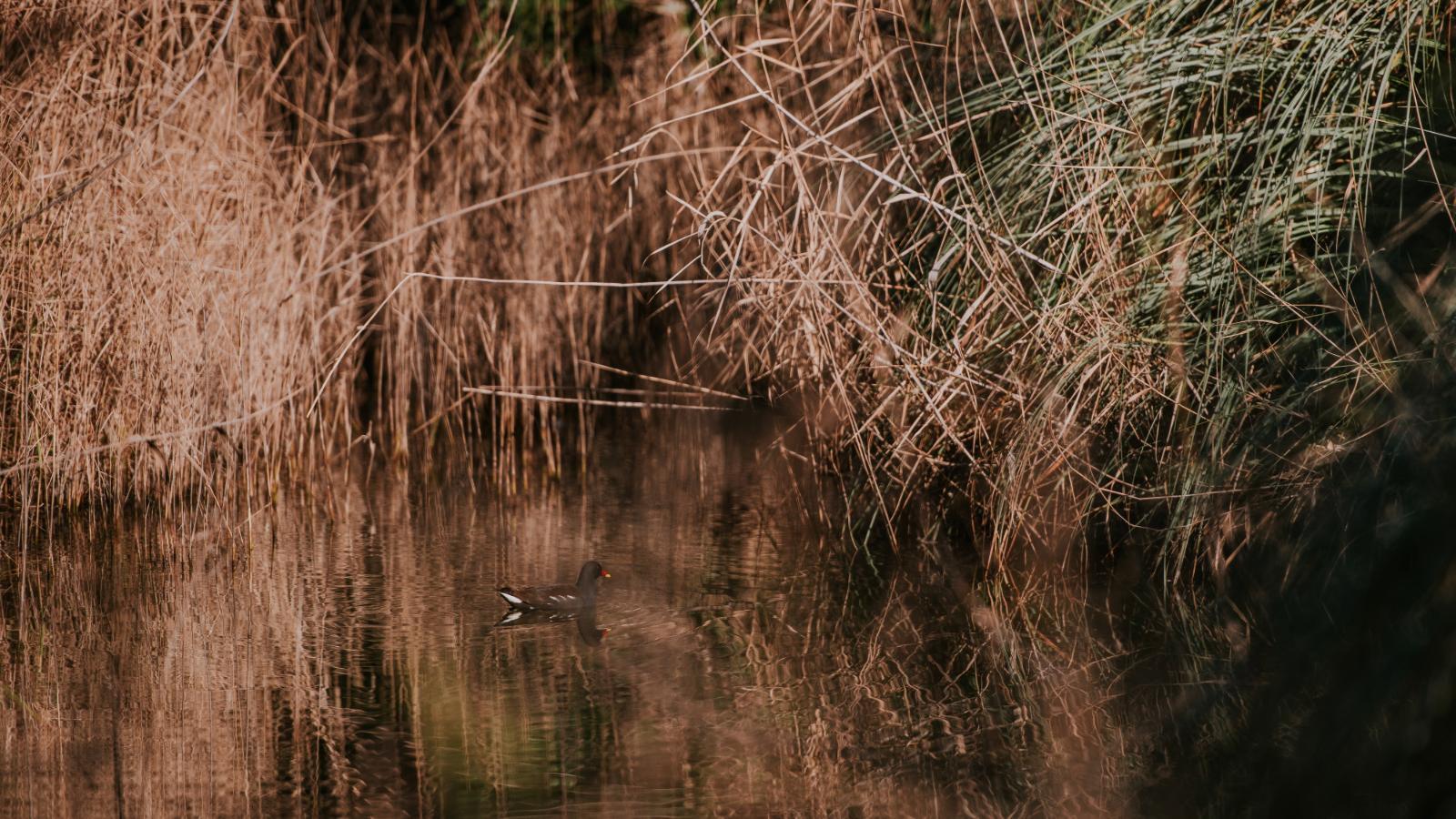
“We can think of an ecosystem as a ‘home’”, explains Maria Amélia Martins-Loução. “Just as in a household, where the way resources are used influences the well-being of its inhabitants, in natural ecosystems balance also depends on how energy and matter are managed.”
But how does this happen? The professor at the Faculty of Sciences of the University of Lisbon explains that the circulation of energy and matter depends on the interactions among the different components of an ecosystem: both its biotic components (living organisms such as plants, animals, and fungi) and its abiotic components (non-living elements such as water, soil, and light).
When everything is functioning properly, energy and matter continuously cycle through the system, supporting its stability and ensuring its proper functioning.
Living, dynamic, and interconnected systems
Just like an occupied home, where no two days are exactly the same, an ecosystem is not a static structure but rather an open system that continuously adapts to changing environmental conditions. “Ecosystems are open systems with varying degrees of organization and self-regulation. They depend both on the abiotic environment and on living organisms, while at the same time influencing the wider environment around them,” emphasises the President of SPECO.
“The importance of ecosystems lies in the fact that they are complex systems, capable of adapting and adjusting to changing environmental conditions. They also exhibit self-organisation and self-regulation, emerging from the characteristics and interactions of the species that compose them rather than from any direct form of selection,” explains Martins-Loução.
The continuous interactions among plants, animals, and other living organisms generate flows of energy and matter into and out of the system, creating cycles that tend toward equilibrium, provided that the system’s limits are not exceeded. “Just like in our homes, management and functioning depend on the number of people living there and on how they acquire, use, and waste the resources available to them. If they spend more than they earn, the family’s balance becomes fragile, leading to financial dependence or even health-related problems”, she notes.
When this happens, an ecosystem becomes more vulnerable, much like a household that consumes resources faster than it can replenish them. And as in any home, maintaining a healthy balance between generations is important for ensuring continuity. The ongoing renewal of its inhabitants helps guarantee that the system is continuously maintained, conserved, and cared for over time.
What happens in urban gardens
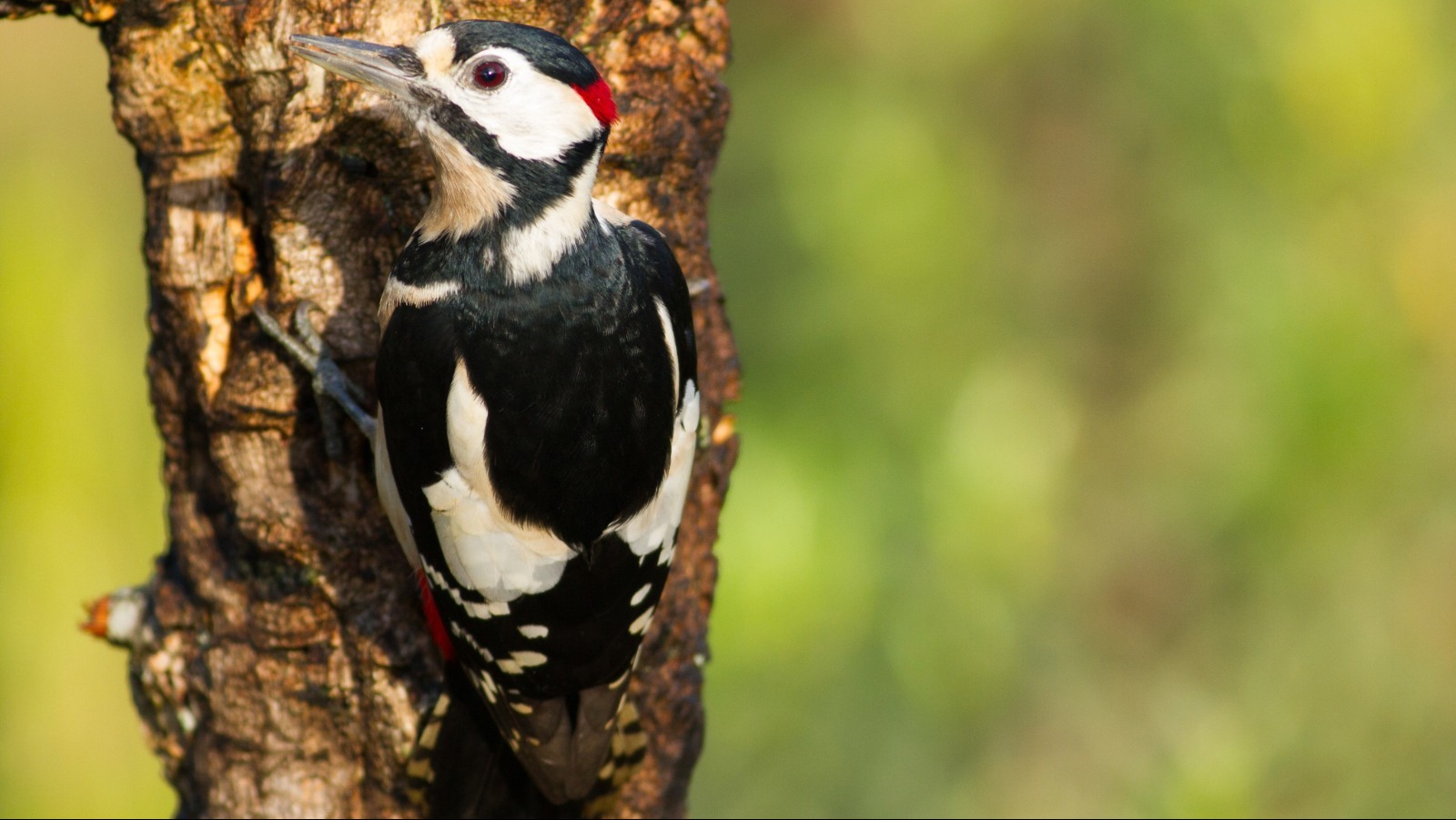
Cities contain many different types of urban gardens, but in general these are planned green spaces designed to provide recreation, well-being, opportunities to connect with nature, and environmental benefits. However, they differ from natural ecosystems because they are strongly shaped by human intervention.
“An urban garden differs from a natural ecosystem because its living organisms are selected by the landscape architect who designs it and are managed by the gardener who maintains and shapes it,” says Maria Amélia Martins-Loução. The plants chosen according to the garden’s design play a central role, as they influence the entire community of organisms that develops around them.
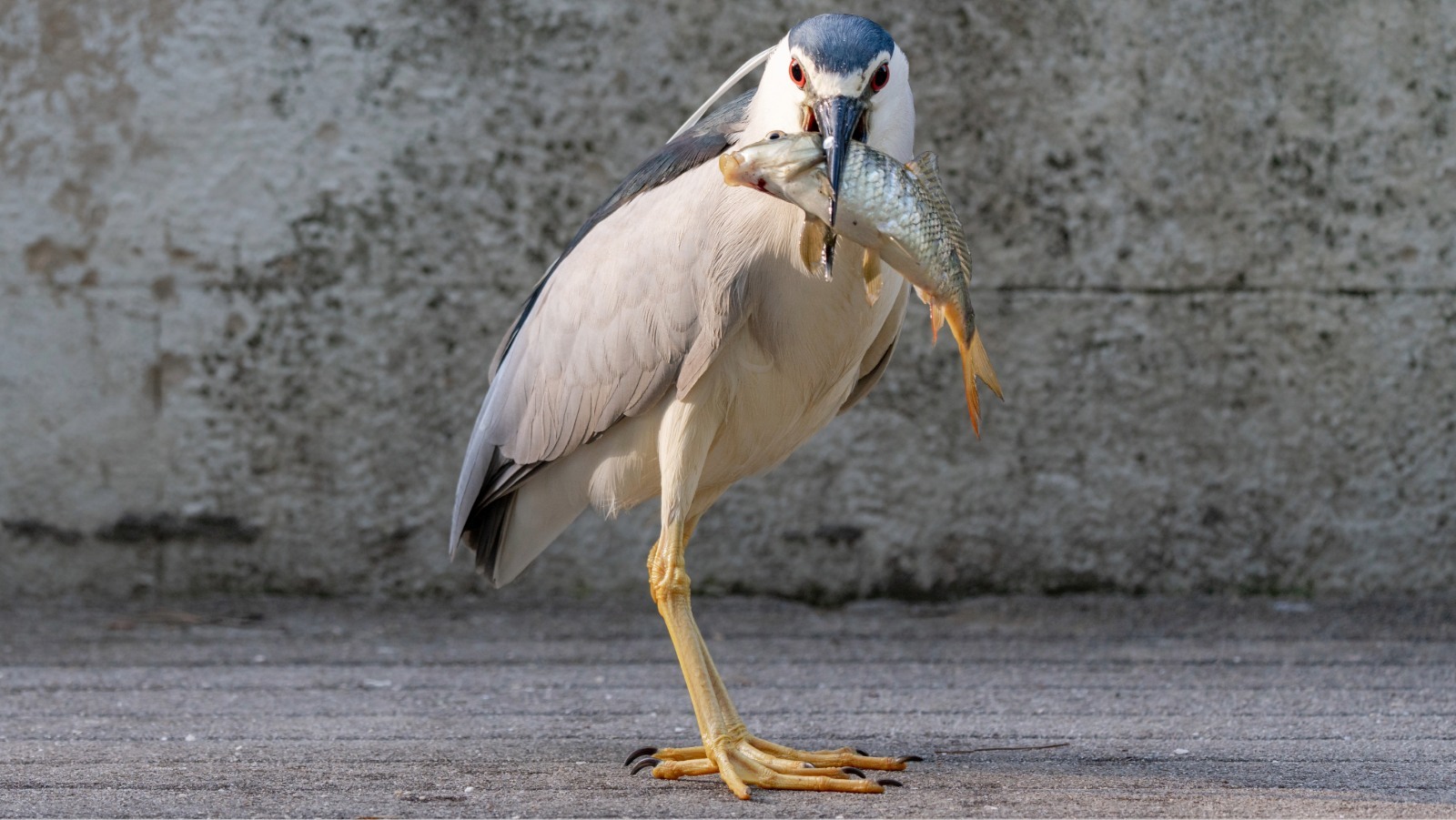
The greater the diversity of trees, shrubs, and herbaceous plants, the greater the variety of insects, birds, small mammals, and microorganisms that the garden can support. Together, these organisms establish food webs and ecological processes, such as biomass production, decomposition, and nutrient cycling, which give the garden a certain capacity for organization and self-regulation.
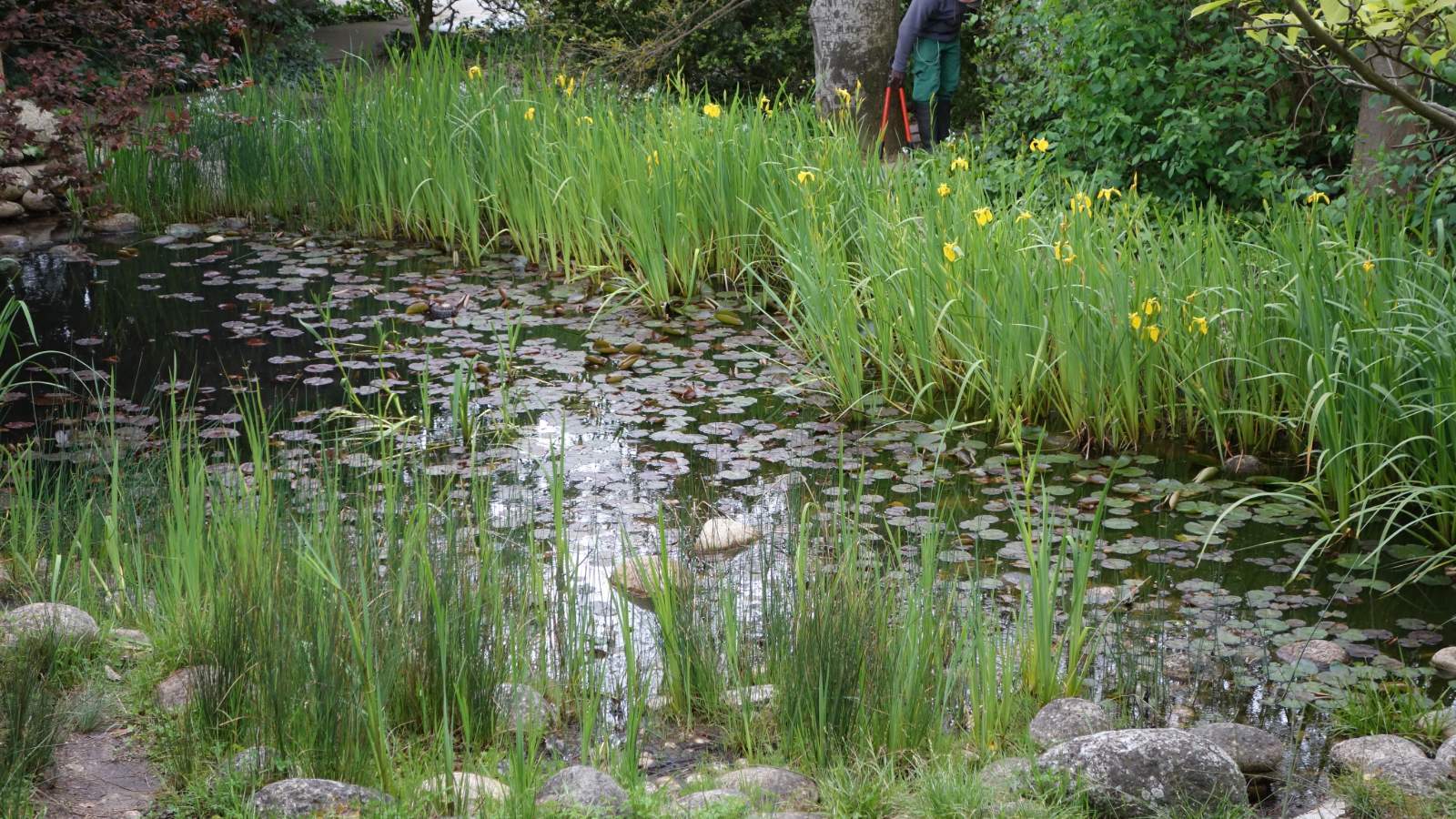
Even so, it is important to remember that “urban gardens are always human-modified systems, whether more or less naturalised.” Their functioning depends on factors such as the types of plants selected, the amount of irrigation they receive, pruning practices, and regular maintenance, unlike natural ecosystems, which operate largely without direct human management.
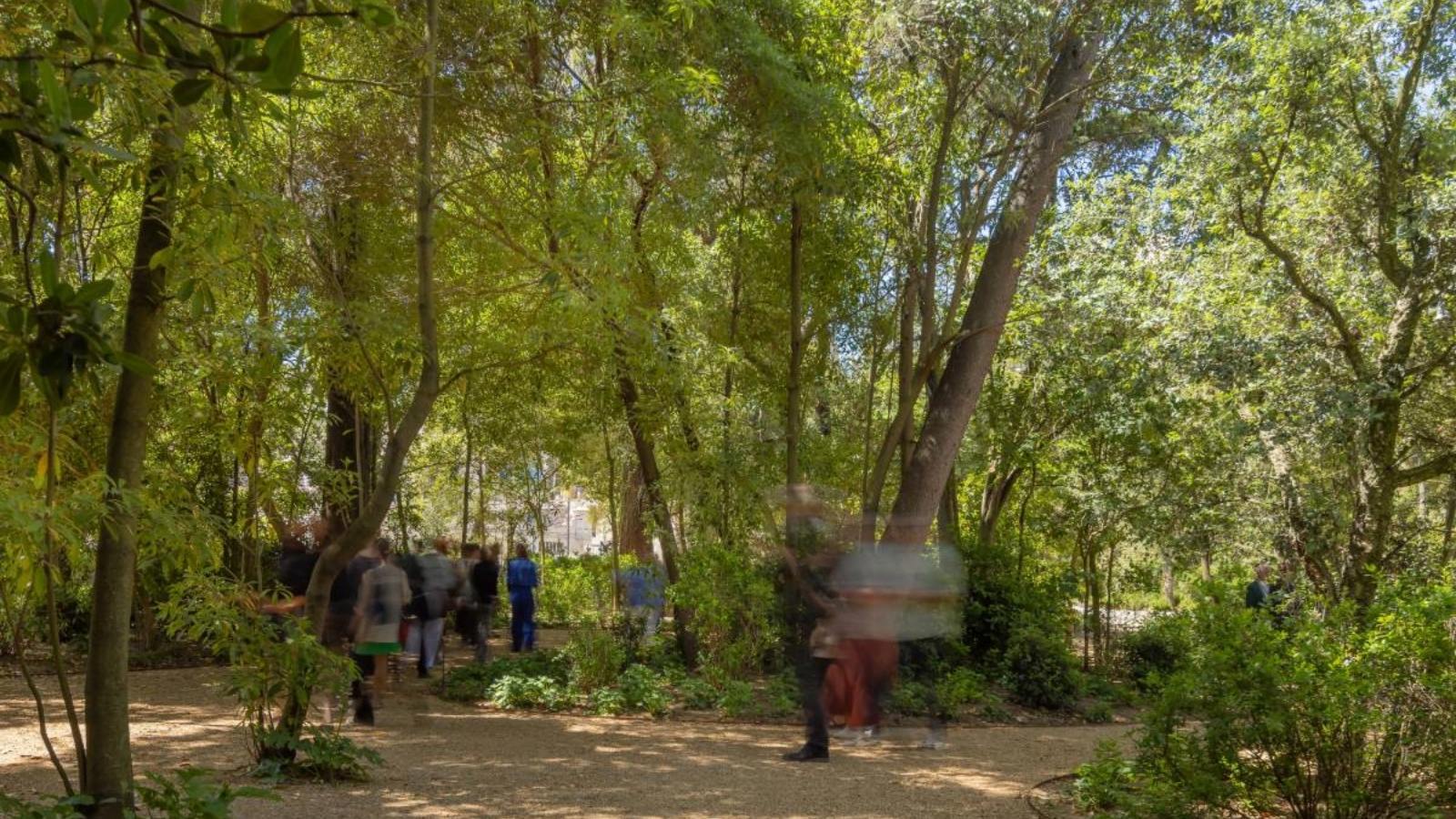
“When urban gardens are designed using native plant species arranged in diverse mosaics, such as humid or dry Mediterranean vegetation, and require irrigation only during establishment and periods of severe summer drought, their capacity for self-regulation is greater. This allows them to adapt more effectively to adverse environmental conditions that may arise.” explains Martins-Loução.
What is ecological self-regulation?
A self-regulating ecosystem can adjust itself internally to keep its functioning within certain limits. “An ecosystem is considered self-regulating when it has the capacity to adjust the flows of energy and matter, as well as the size of its populations, in order to keep the system functioning within certain boundaries,” explains the professor. “Using the same household analogy, when we face financial or health problems, we need to adjust our resources and the way we use them, often adopting a more minimalist lifestyle.”
A simple example, she adds, is an excessive increase in herbivore populations caused by the absence of predators. As herbivores consume more plants, food resources gradually become scarce. This shortage of food then leads to a decline in the herbivore population, bringing the system back towards a state of equilibrium.
“The greater the diversity of species within an ecosystem, the greater its capacity for regulation and resilience. However, self-regulation has its limits when ecosystems are subjected to intense or prolonged disturbances such as deforestation, fire, pollution, and other pressures,” she notes. Even when recovery is possible, “the ecosystem may return in a highly fragile state, making it more vulnerable and less resilient to future disturbances.”
“The same happens when we are ill or have weakened defenses: even a minor infection or social problem can further compromise our health, meaning that recovery takes longer.”
Examples in the heart of the city
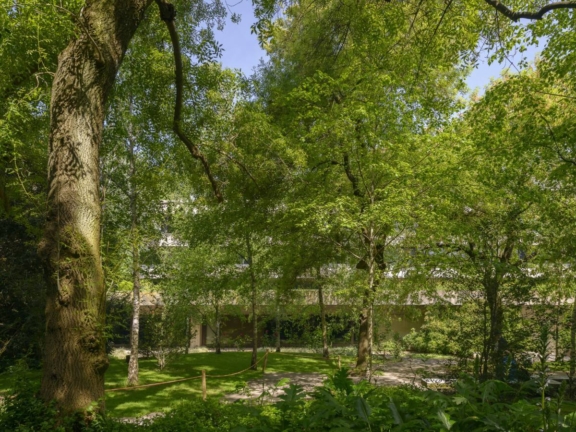
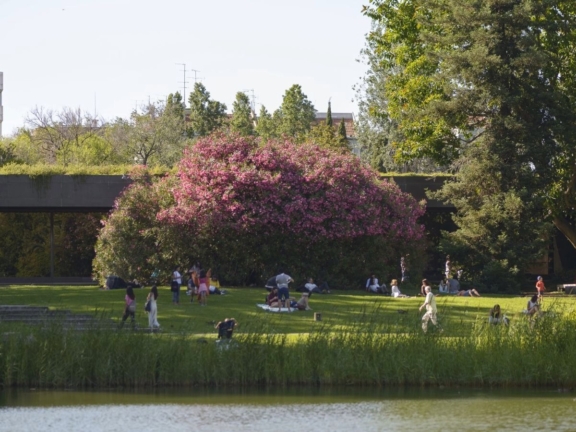
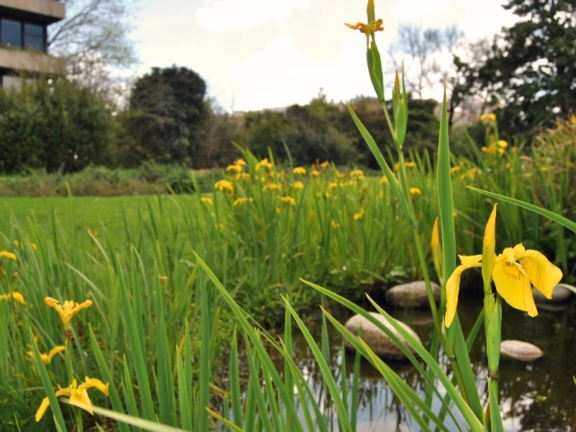
Even in urban environments, ecological regulation mechanisms can be observed in action. At the Gulbenkian Garden, for example, the garden’s design plays a key role, as this green space was conceived to incorporate “wetland areas, shrub patches, and tree-covered zones, arranged in a harmonious layout that encourages walking and relaxation.”
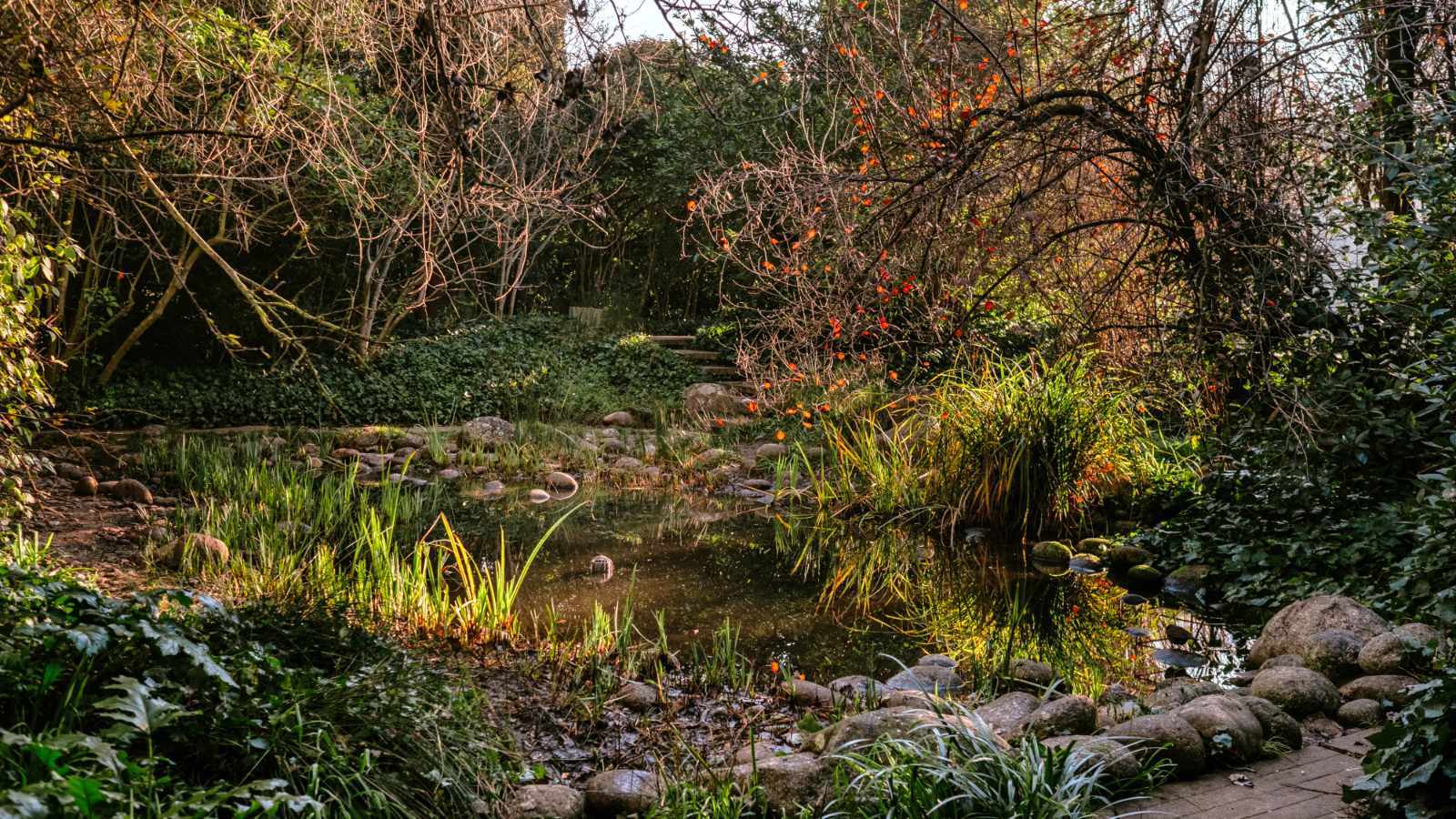
Inspired by patterns found in the Portuguese landscape, the project designed by Gonçalo Ribeiro Telles and António Viana Barreto “recreates woodlands, dry and wet clearings, and hedgerows,” creating an environment that is “both urban and familiar to the region’s wildlife,” explains Maria Amélia Martins-Loução. “This is what gives the space its sense of natural well-being in the heart of Lisbon,” she adds, emphasising that the diversity of habitats contributes to environmental comfort and supports the continuous presence of birds and other organisms. “Depending on the habitat, different bird songs can be heard, creating the feeling of being removed from the surrounding noise of air traffic and city streets.”
Another example is the Lisbon Botanical Garden, particularly its arboretum, which has been “allowed over the years to develop according to the characteristics of its species, without irrigation or intensive maintenance.” This approach has enabled the development of unique ecological conditions within a highly urbanised setting.
There, she explains, the dense tree canopy acts as a natural “protective umbrella” against pollution and heat, creating temperature differences of up to five or six degrees Celsius compared with the adjacent Rua da Escola Politécnica during the summer. These conditions have also favored the presence of bryophytes and lichens, organisms typically associated with natural, unpolluted environments.
Although it is not possible to fully replicate the self-regulating processes of natural ecosystems, landscape design can move closer to that ideal. “When native species adapted to urban conditions are used, and maintenance requirements are minimised, the resulting system is better able to regulate its own ecological processes,” says the President of SPECO.
The key, she argues, is to create gardens that combine intensively used areas with more naturalised zones requiring minimal intervention, thereby “allowing for a more natural form of regulation.” In this way, urban green spaces can become more sustainable, resilient, and valuable for the people who live and work in cities.New area of the Gulbenkian Garden, located south of Centro de Arte Moderna, where native plant species and Mediterranean vegetation predominate.
Science in the Garden
Explore the series

No results were found for your criteria.
You may also like

No results were found for your criteria.