
Why do we notice a distinctive earthy smell when rain falls on dry soil?
-

© Pedro Pina
When it rains, we notice an unmistakeable scent hovering in the air, but what actually causes the smell and why are we able to identify it so quickly? António Gomes da Costa, a specialist in science communication linked to Gulbenkian Cultura, points out that the quest to explain this enigma started in the distant past. Pliny the Elder, an Ancient Roman naturalist born around 2000 years ago, described the aroma of wet ground as the result of the ‘breathing of the Sun and the Earth.’
Despite the interest this aroused, it was only in 1964 that the mystery was finally solved thanks to the work of two Australian scientists, Isabel Joy Bear and Richard G. Thomas, who set out to discover the origin of this phenomenon. The pair ‘showed that it is caused by compounds released by the rocks and soil when wetted by rain water. They gave it the name petrichor, from the Greek ‘petri’ (meaning rock) plus ‘ichor,’ the name given in Greek mythology to the eternal blood of the gods,’ explains Gomes da Costa.
The two scientists demonstrated that this smell is ‘clearly biological’ in origin: it is caused by an organic compound named geosmin, produced in large part by micro-organisms of the Streptomyces genus (or streptomycetes). This geosmin, which accumulates in the soil during dry periods and is then liberated when rain falls, is not the only cause, however. Streptomycetes also produce other substances identified by Isabel Bear and Richard Thomas – isopropyl methoxypyrazine and methyl-isoborneol – which contribute to the odour.
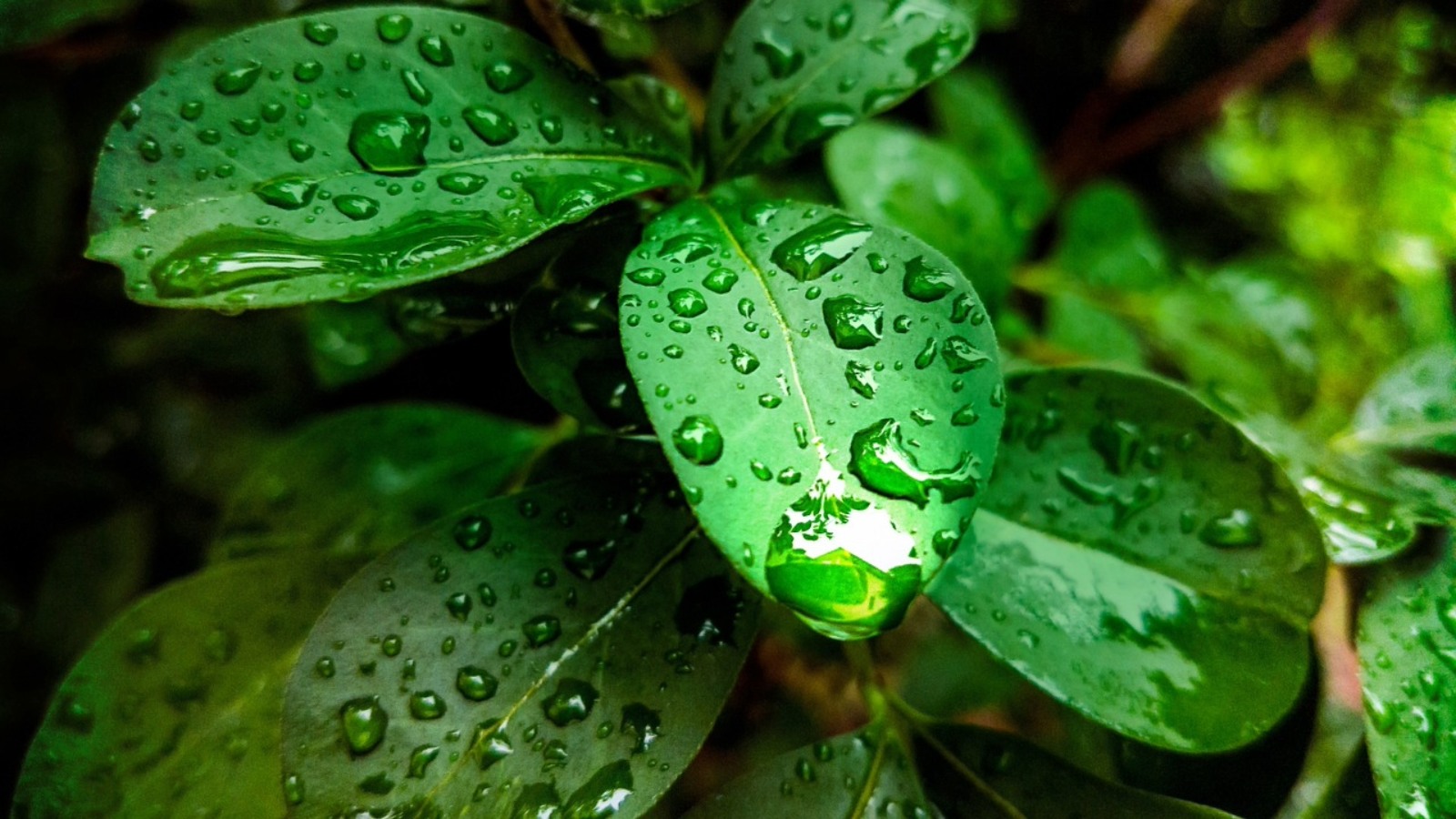
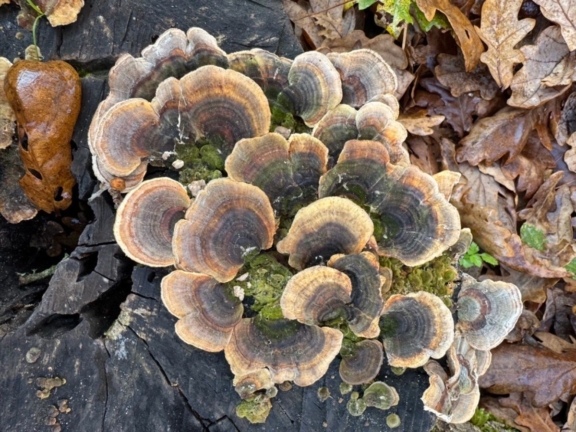
Geosmin, in turn, is not produced only by streptomycetes. That role, the biochemist adds, is also carried out by ‘cyanobacteria, some algae and mosses, beetroot, some fungi and millipedes.’ Potatoes and peas also produce pyrazine. ‘It is no surprise that we often describe the aroma of peas and potatoes as an “earthy smell.” And even more so when we’re talking about beetroot!’
There are other interesting facts relating to petrichor. Although the odour is recognisable anywhere in the world, as the chemical compounds are the same, we don’t always smell it in exactly the same way. ‘Like any “perfume,” what our noses detect is the combination of volatile compounds given off by the wet ground, which includes vegetable oils released by leaves and other compounds produced by living beings, like fungi, which differ between countries and geographic areas.’
By way of example, António Gomes da Costa compares these variations to an aroma as unmistakeable as chocolate. We always know what it is, but the aroma can be very different, depending on what is blended with the cacao: vanilla, hazelnuts, or other ingredients.
The unique result of thunderstorms
Thunderstorms can also have a (sometimes significant) influence on the smell we notice after a rain shower. Ozone, sometimes produced by the electric discharges of lightning, has its own aroma that creates a ‘unique’ result when combined with the odour of geosmin, the biochemist explains before going on to list further characteristics of thunderstorms that cause a distinctive smell of wet earth.
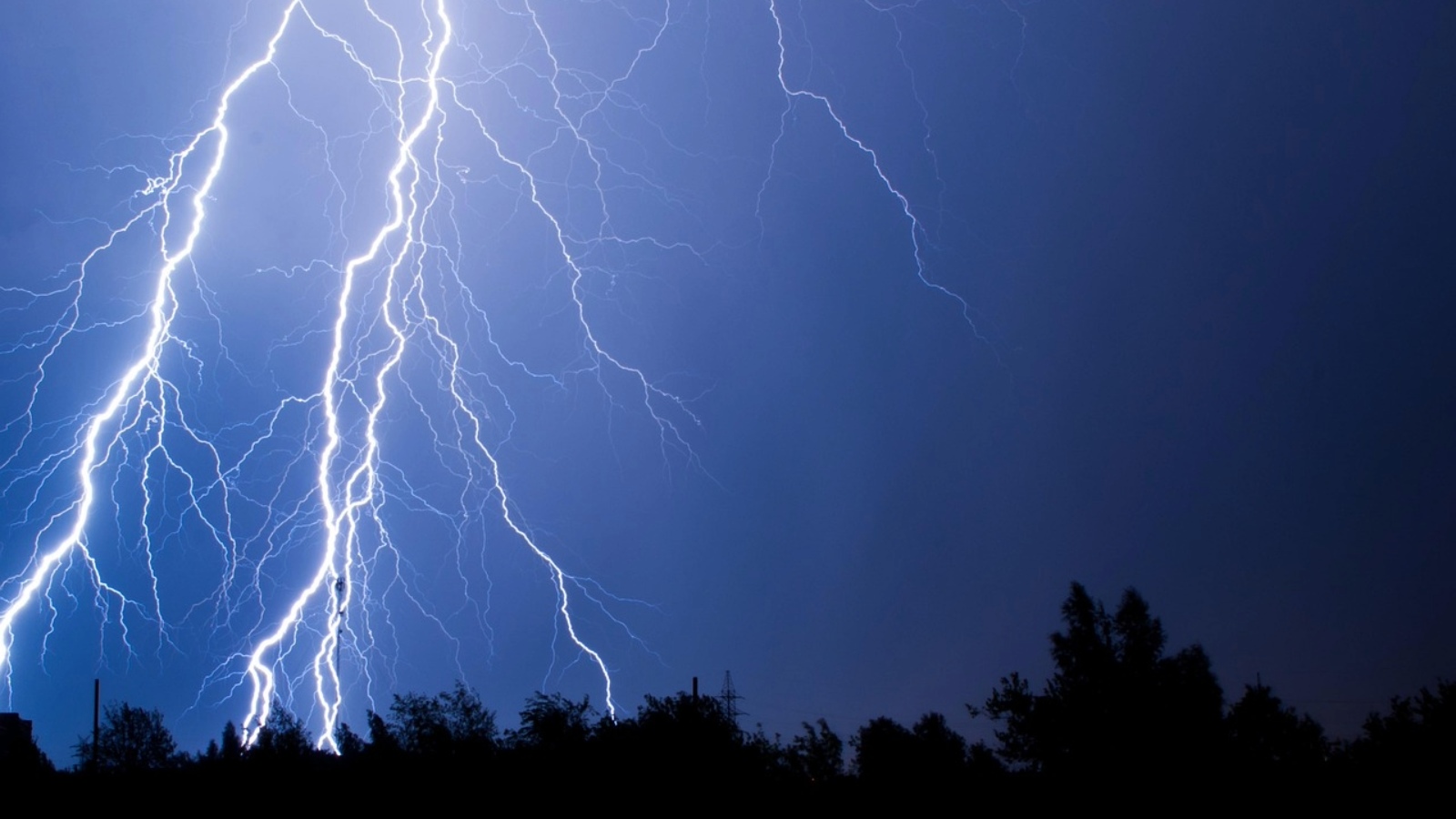
Firstly, these storms often happen during periods of hot weather and after dry spells, when a significant amount of geosmin has accumulated in the soil, and thus a large number of these aromatic compounds are released when the rain falls. These electric discharges are also often accompanied by short, heavy showers, which produce large water droplets. ‘This is ideal for the rain to penetrate the soil and free the aromatic compounds, and the intensity and size of the raindrops will disturb the surface of the soil and cause aerosols laden with aromatic compounds; finally, the short duration means that those aerosols can spread out and remain for longer in the air.’
We are geosmin super-detectors
Gomes da Costa also notes that humans are ‘particularly sensitive’ to the aroma of geosmin and that we are able to ‘detect its presence in extremely small quantities, five parts in a trillion.’ Scientists are not yet sure of the reason for our heightened sensitivity, but they suspect that it is related to safety. ‘Geosmin can appear in foods where micro-organisms are developing in high quantities and which could therefore be unfit for consumption.’
On the other hand, he reminds us, ‘there is undoubtedly a great sensitivity to the more pleasant aspect of this substance, the smell of wet earth, which could be due to a culturally-developed relationship that allows us to identify “healthy” land, or the presence of water after dry periods.’
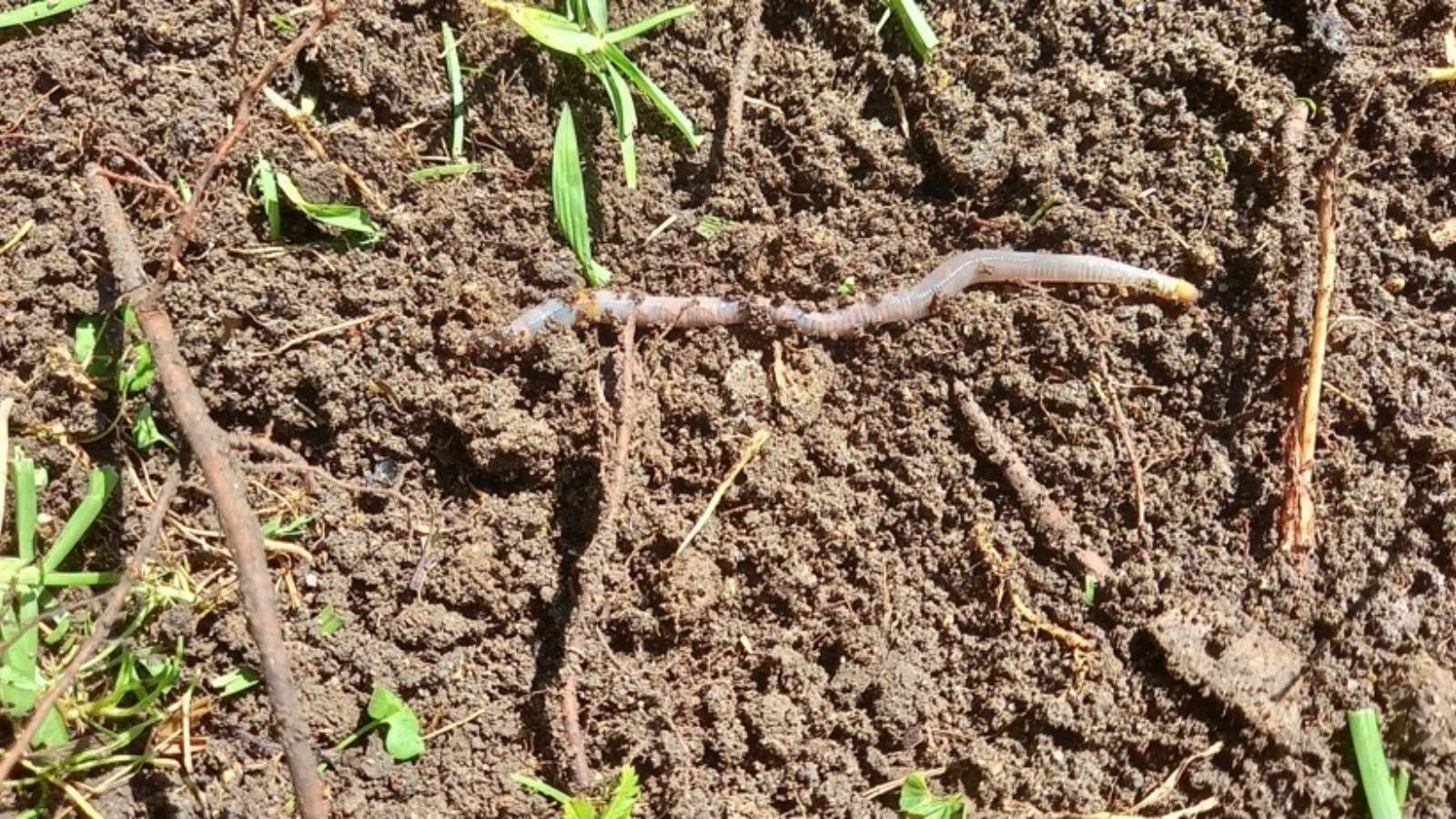
Even so, we are not the only beings sensitive to the smell of geosmin, which scientists have now established can be detected by some insects. The smell repels some species, such as bees, ‘possibly because this compound signals potentially dangerous micro-organisms;’ some mosquitoes seem to be attracted, however, possibly because it indicates the presence of water.
The next time you are caught in an unexpected shower and smell that unforgettable aroma of wet earth, remember that this phenomenon, so apparently simple and springlike, reflects a unique microscopic world that is complex and fascinating, and which for science has been a source of new questions and knowledge.
Science in the Garden
Explore the series

No results were found for your criteria.
You may also like











No results were found for your criteria.