
Maintaining the Gulbenkian Garden in Summer
-
© Ricardo Oliveira Alves
The irrigation system
Watering is slowly introduced again in spring to prepare for the arrival of higher temperatures. The automatic system is not infallible, and the oversight of the gardener is always necessary. In some places the winds are stronger and the water might be diverted, while in others the plants grow and cover the diffusers. Watering outlets are sometimes vandalised. ‘All of this makes homogeneous watering impossible,’ explains master gardener António Graça, ‘so you always need supplementary watering, not generalised, but as needed.’
As a rule, mature plants don’t need much water and are self-sufficient on their own. But in the case of the Gulbenkian Garden, which has ground cover, the plants in the understory often have weaker root systems.
What is the best time of day to water? ‘Most of the plants – trees, herbaceous plants and shrubs – should be watered at night because the absence of sunlight for a prolonged period helps save water,’ he adds. However, in the case of lawns, it is preferable to water at dawn because the less the grass remains wet the less chance fungi have to proliferate. This way, the sun rises and the water evaporates.
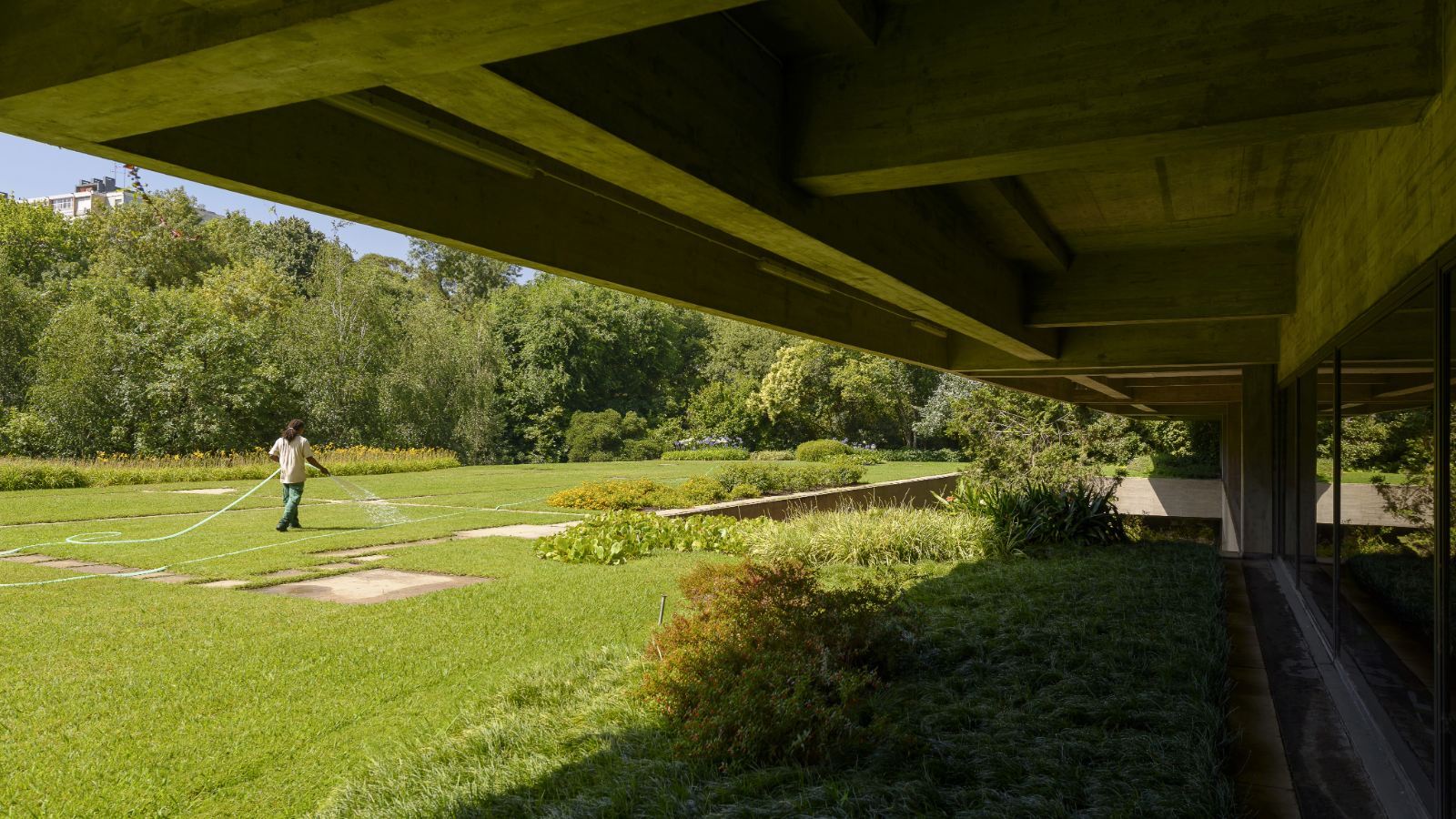
There are other exceptions. Sometimes the team has to water at the hottest time of the day in specific areas, such as the Foundation’s terraces, which are covered with around 12 cm of soil. ‘On these terraces, when the temperature reaches almost 40ºC, we have to lower the soil temperature so that we don’t lose the plants.’ says the master gardener.
Of course, if a plant looks thirsty during the day, gardeners don’t wait for nightfall and act immediately. ‘In fact, on the hottest days I go around the whole Garden to see where water is needed,’ says António Graça, ‘in the morning, with the humidity at night and the temperature down, the plants all seem to be fine. After a few hours, it’s evident which ones are thirsty.’
How to spot a thirsty plant? ‘You can tell if they’re wilted. The grass tends to curl up and turn grey. When you walk on a lawn that’s thirsty, you’ll see the imprint of your foot when you step on it.’ The master gardener emphasises that even greater vigilance is needed during the summer because a plant’s stress from lack of water causes disease. A wilted plant is usually vulnerable to pests and diseases.
Summer care
While starting in spring, weeding (removing unwanted plants) also takes place throughout the summer as the plants continue to grow. And what do you do with the plants you remove? ‘Those that don’t produce seeds, we use for compost. Those that have seeds and reproduce more easily, we throw away – we don’t want to propagate them any further.’
Pruning is another activity that takes place this season, and indeed throughout the year, always following the concept of a naturalistic garden without severe pruning. At this time of year the shrub borders are controlled, both inside the Garden and outside the Foundation. Deciduous plants are usually pruned during their vegetative rest in winter. But they can also be pruned during their spring growth, as they have a better ability to regenerate. Despite this, pruning should be done during the dormant period when there is no sap flow, i.e. at the end of winter and with the arrival of spring.
How should the plant be pruned so that it looks natural? ‘As a rule, we prune a branch next to its intersections with another branch to maintain the natural look. We should prune like this so the sap can continue to pass through and there’s no epicormic sprouting.’ António Graça explains: ‘In other words, if we don’t prune close to a branch (it will draw sap) and we’ll be left with a stump or stalk that will then give off several shoots. But it always depends on the plant in question.’
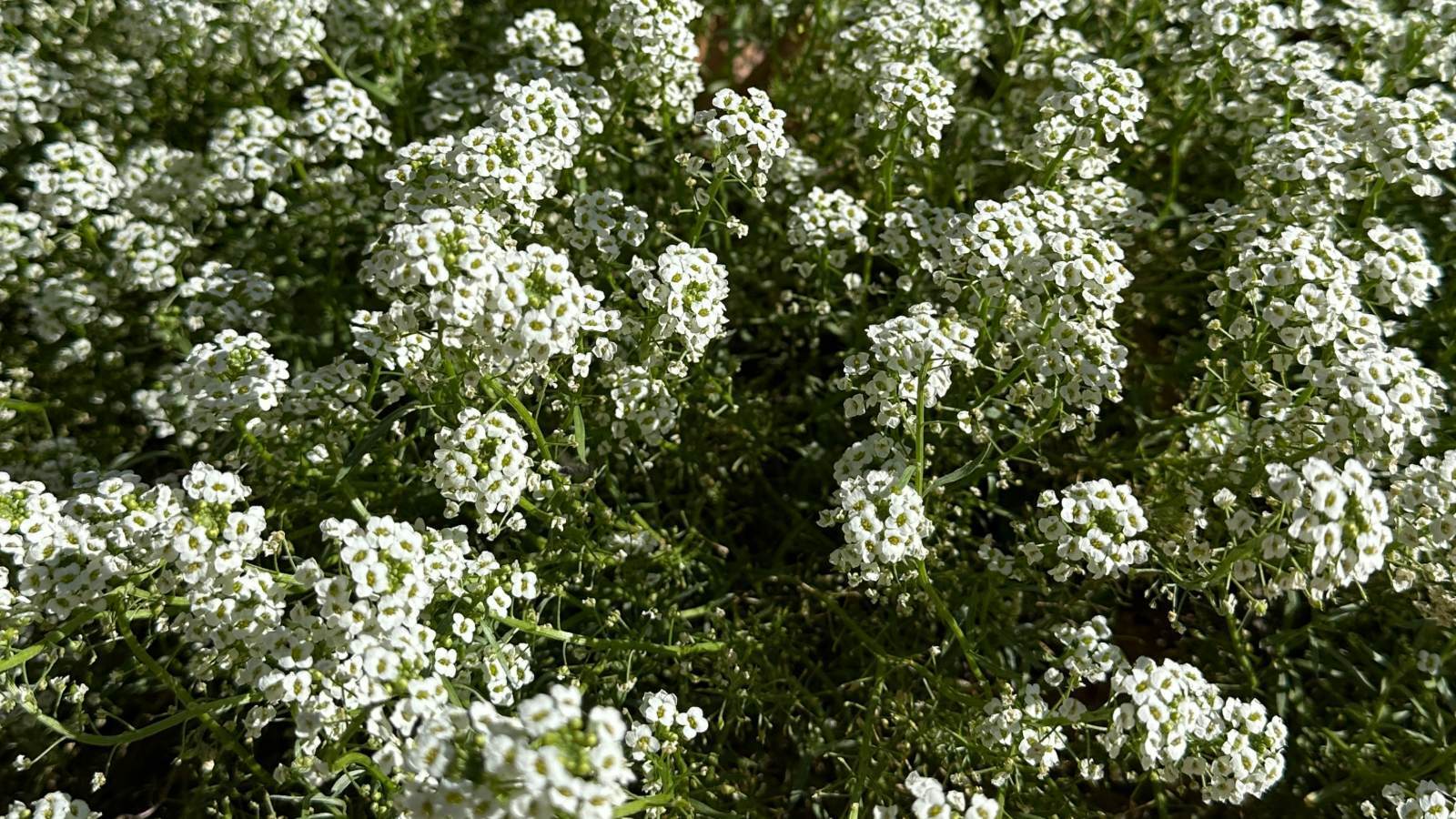
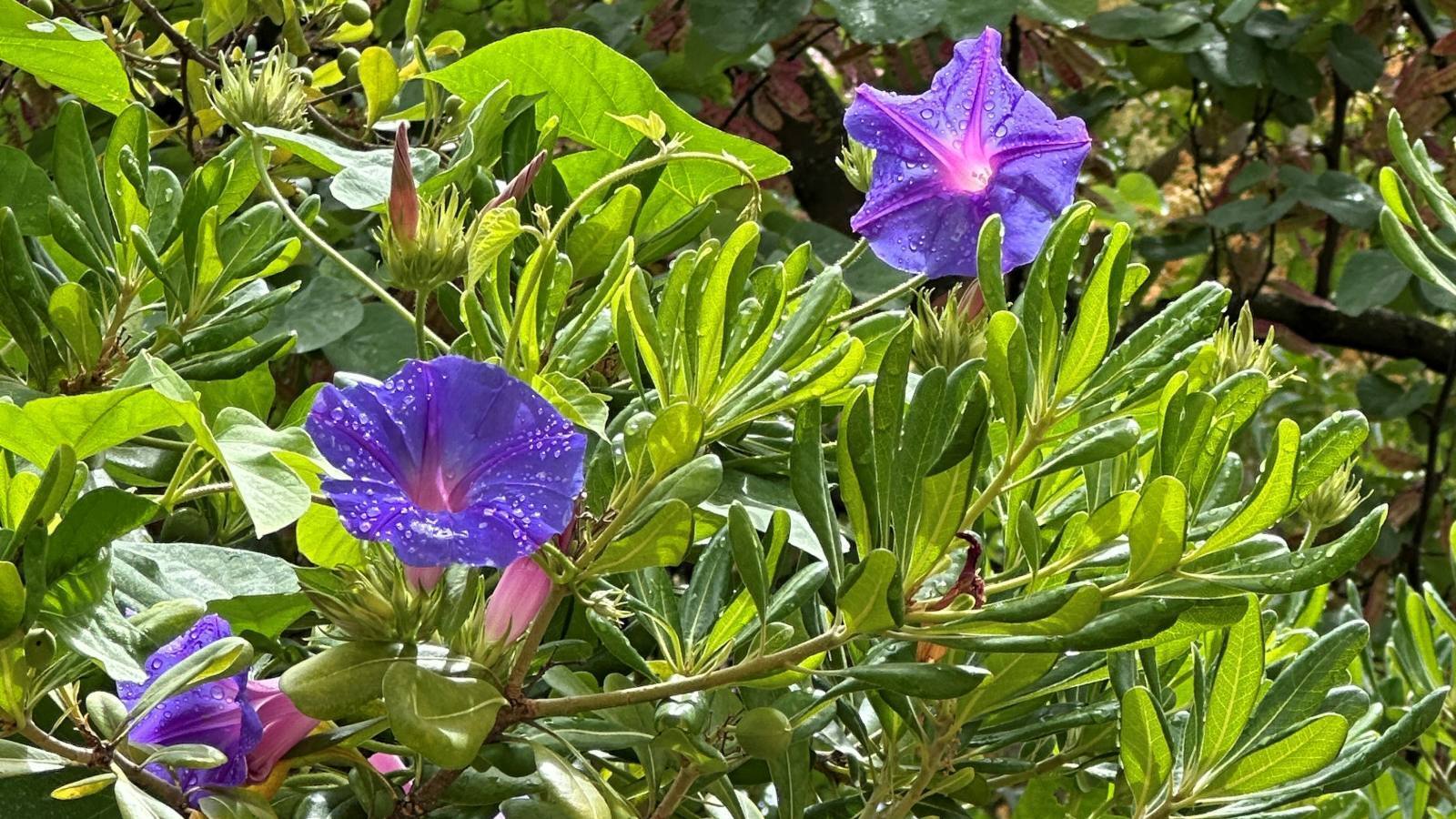
The new area of the Garden, to the south of the Modern Art Centre, has less growth control because it is still in its infancy. However, gardeners weed and turn the ground and while the plants placed there don’t grow, there is room for the spontaneous ones to integrate. An example of this is Sweet alyssum (Lobularia maritima): ‘It appeared here spontaneously. We’ve already propagated it, but we’re still looking at where to put it. You see it a lot on the cliffs by the sea, it has a long flowering period and isn’t very demanding of water. Ipomoea, another spontaneous plant, won’t be able to stay here because it’s very vigorous and grows, slowly, to almost 20 metres tall!’
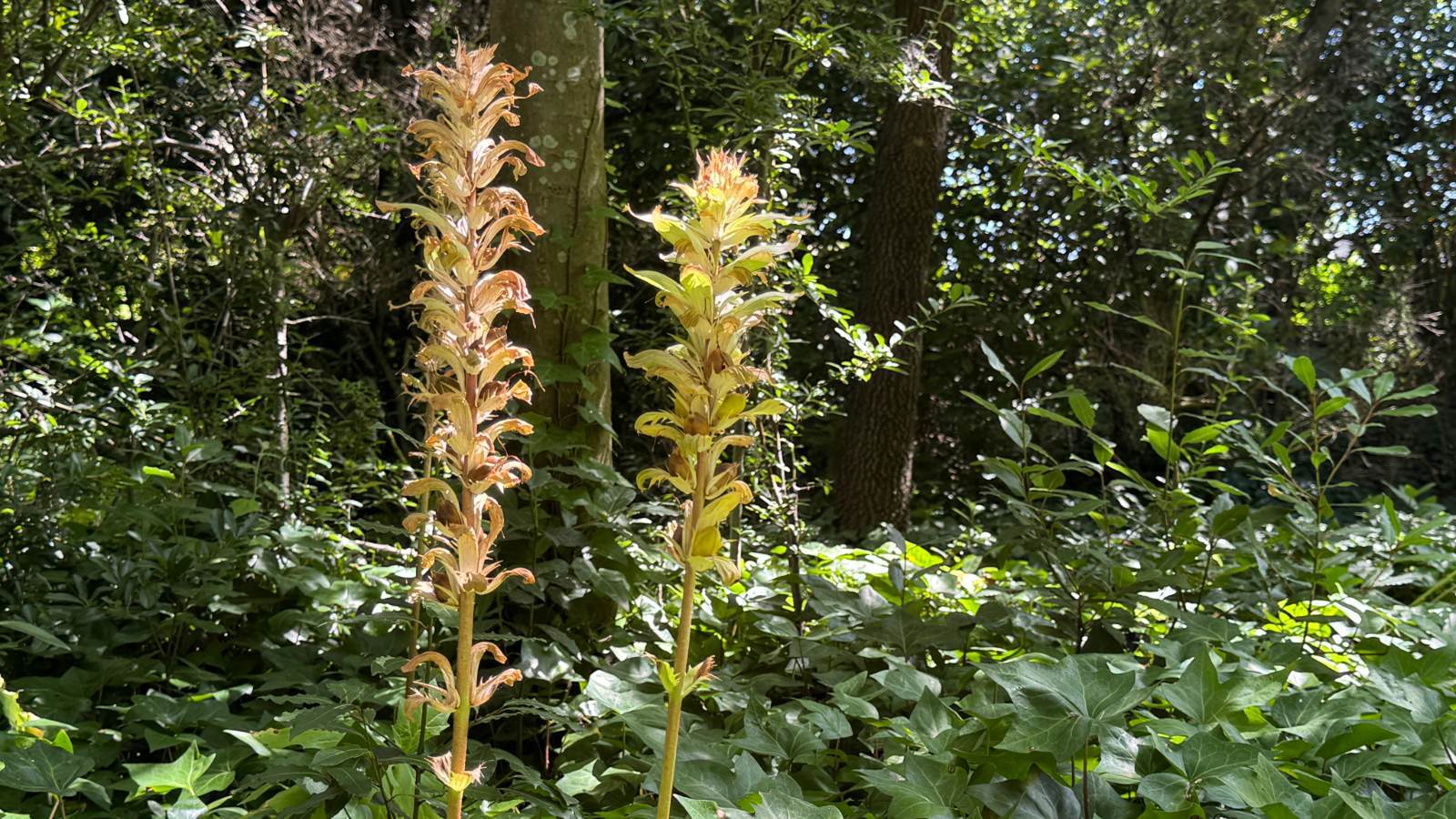
One plant that always reminds us what time of year it is is the acanthus. This plant produces a lot of seeds and therefore propagates easily in shady areas and under cover. In the summer they start to turn brown and their flower scapes and leaves have to be removed. This is another typical job during this season.
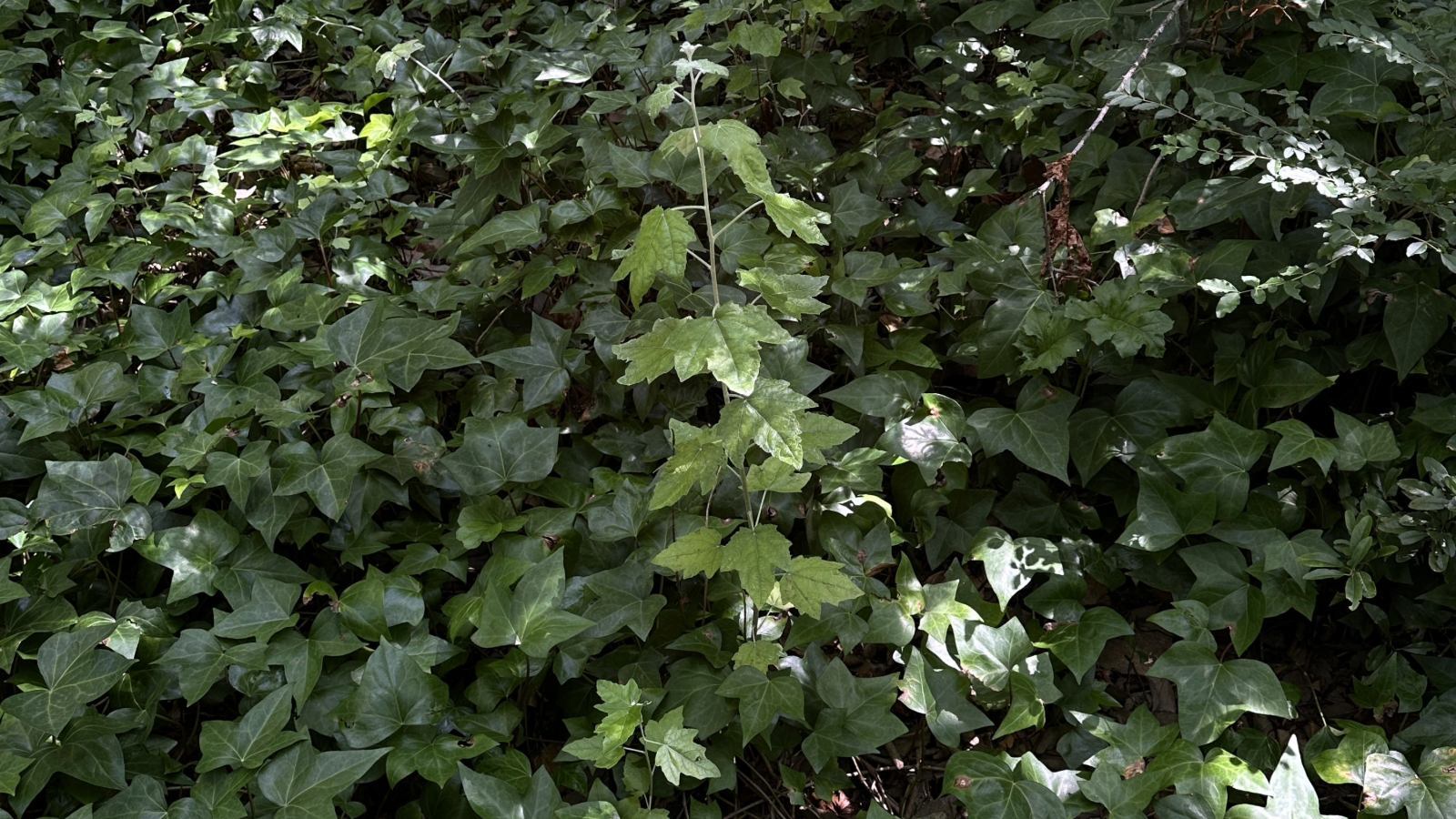
In addition to the acanthus, the gardeners also take care of removing poplar root shoots to limit their proliferation. ‘For example, we have areas with ivy planted where these shoots sometimes appear. But we’re not interested in a poplar growing here.’ However, the team selects the well-formed poplars and in winter (to avoid the stress of removing them in summer) they are transplanted elsewhere to become trees.
The Maintenance of Gulbenkian Garden
Explore the series

No results were found for your criteria.
You may also like



No results were found for your criteria.