
Songs, images, dances and sounds: acts of liberation
-
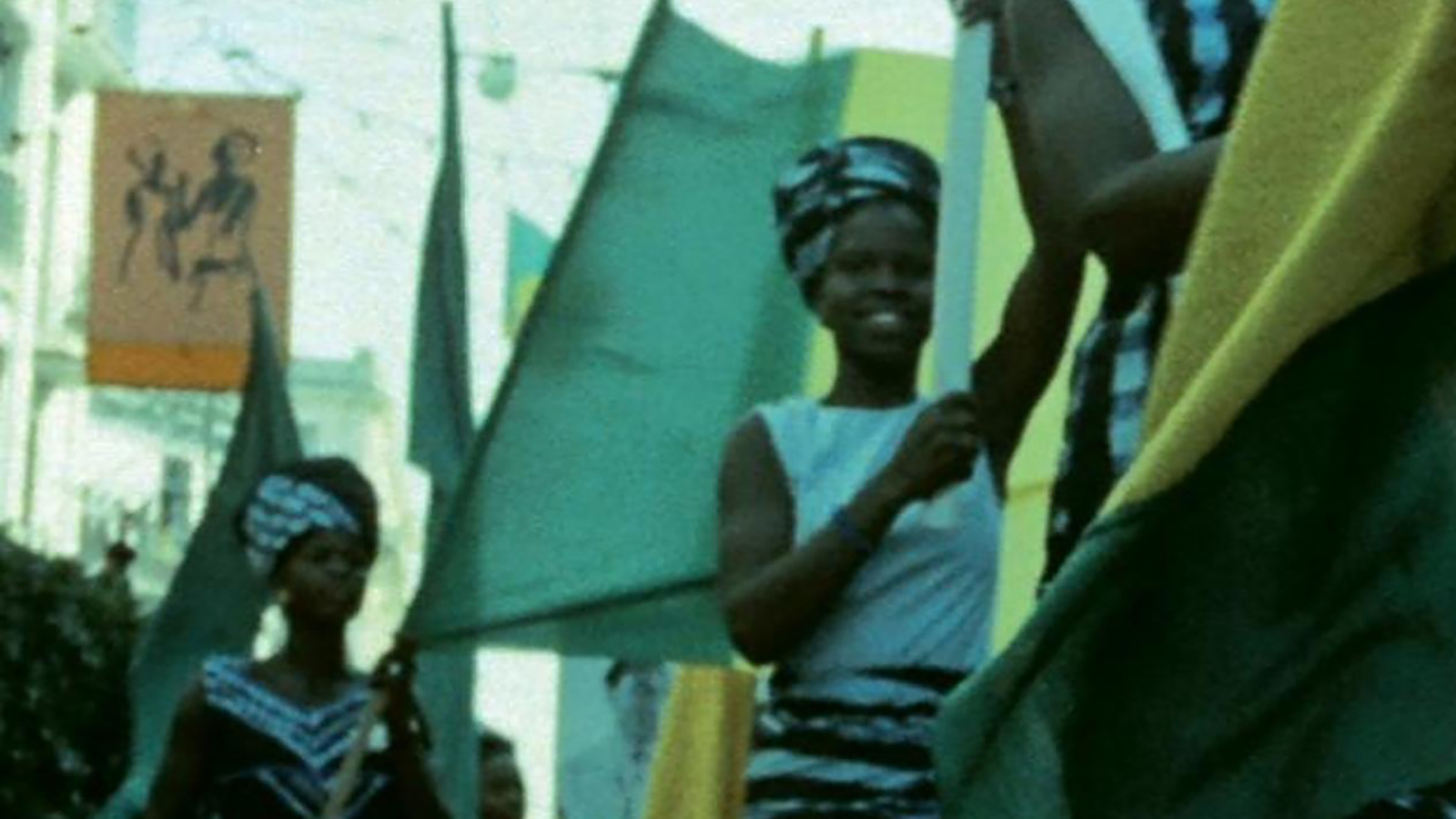
Still from 'The Pan-African Festival of Algiers’ (1969), by William Klein
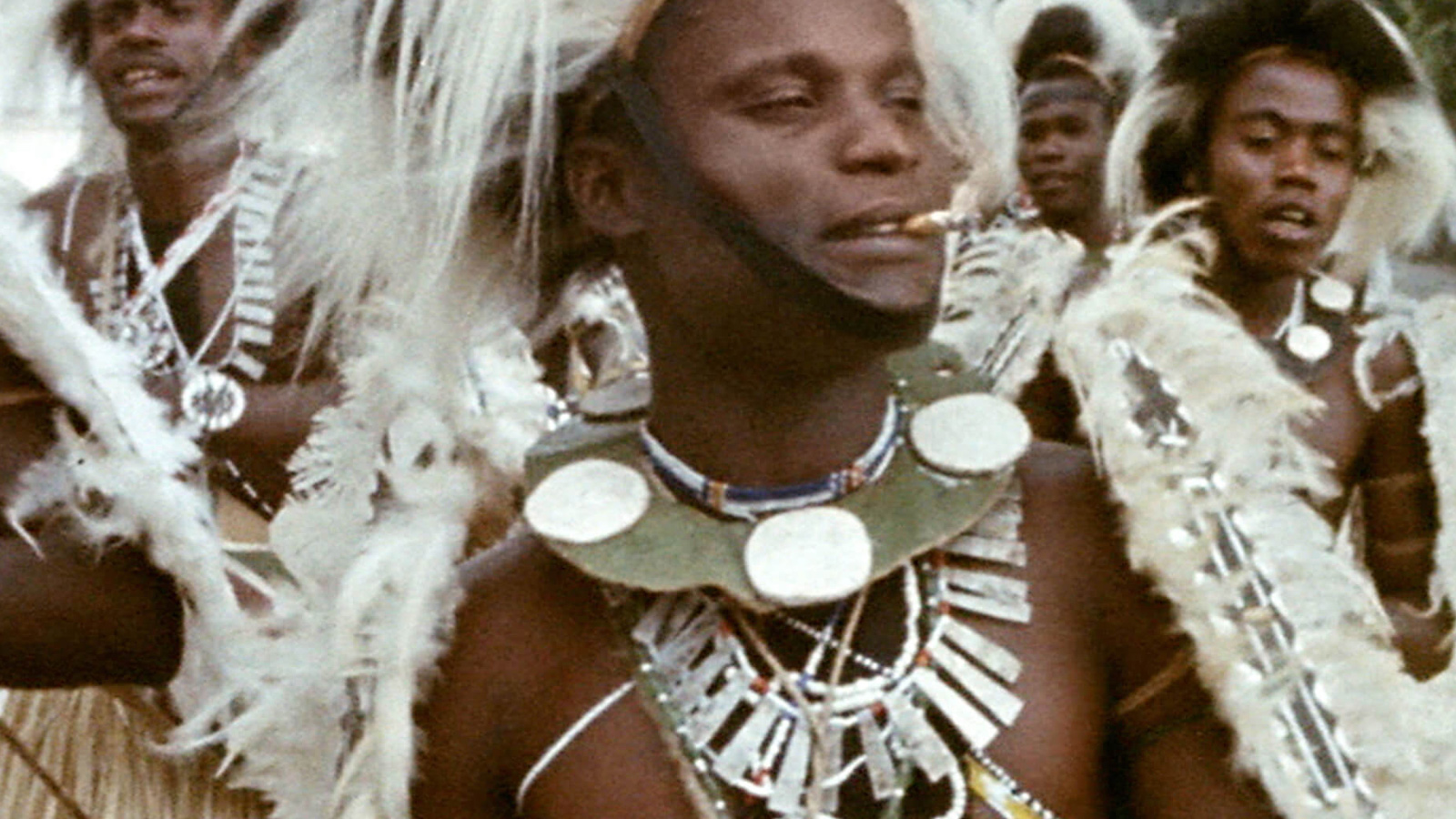
In July 1969, the first Pan-African Cultural Festival was held in the Algerian capital, welcoming leaders and activists from liberation movements in Asia and Africa (from the MPLA to the PAIGC and the SWAPO), Black Panthers (Eldridge and Kathleen Cleaver, among others), and exiles from Brazil and Portugal such as Miguel Arraes, Manuel Alegre and Apolônio de Carvalho.
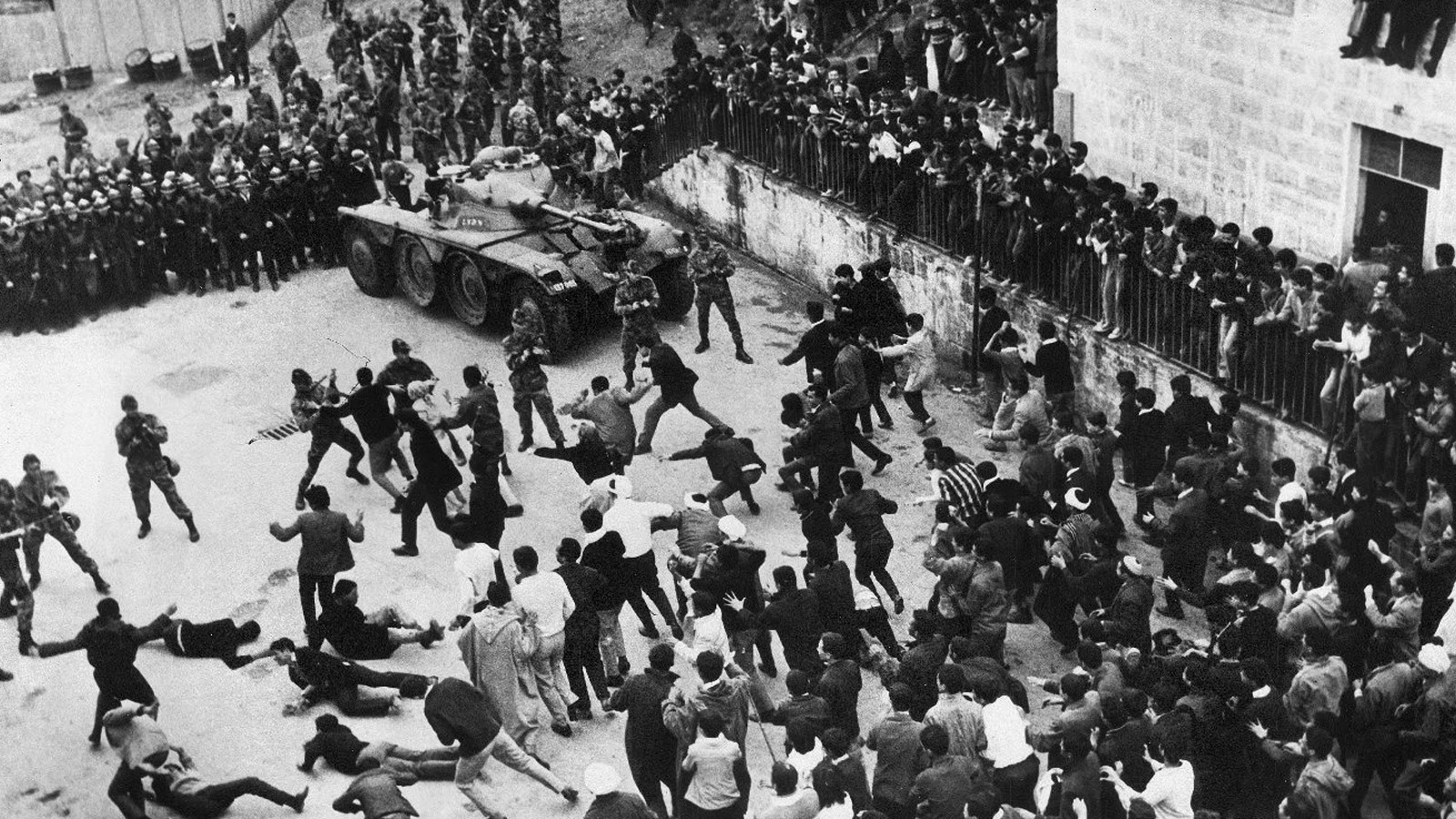
The festival was immortalised by filmmaker and photographer William Klein, assisted by several Franco-Algerian teams, and has been rediscovered over the last fifteen years. ‘Festival Panafricain d’Alger’(1969) is now regarded as a precious document recording this event, which spanned several days and gave concrete expression to the ideas of Frantz Fanon, Amílcar Cabral and Mário Pinto de Andrade on the role of culture in liberation struggles. It will be shown as the opening film in the series I have conceived, designed to echo and dialogue with the exhibition ‘Zineb Sedira. Standing Here Wondering Which Way to Go’ at CAM. As an open proposal, this programme brings together a constellation of anti-colonial and anti-racist films which give pride of place to cultural and political resistance, and to the inventiveness of the liberation struggles and the films that accompanied them.
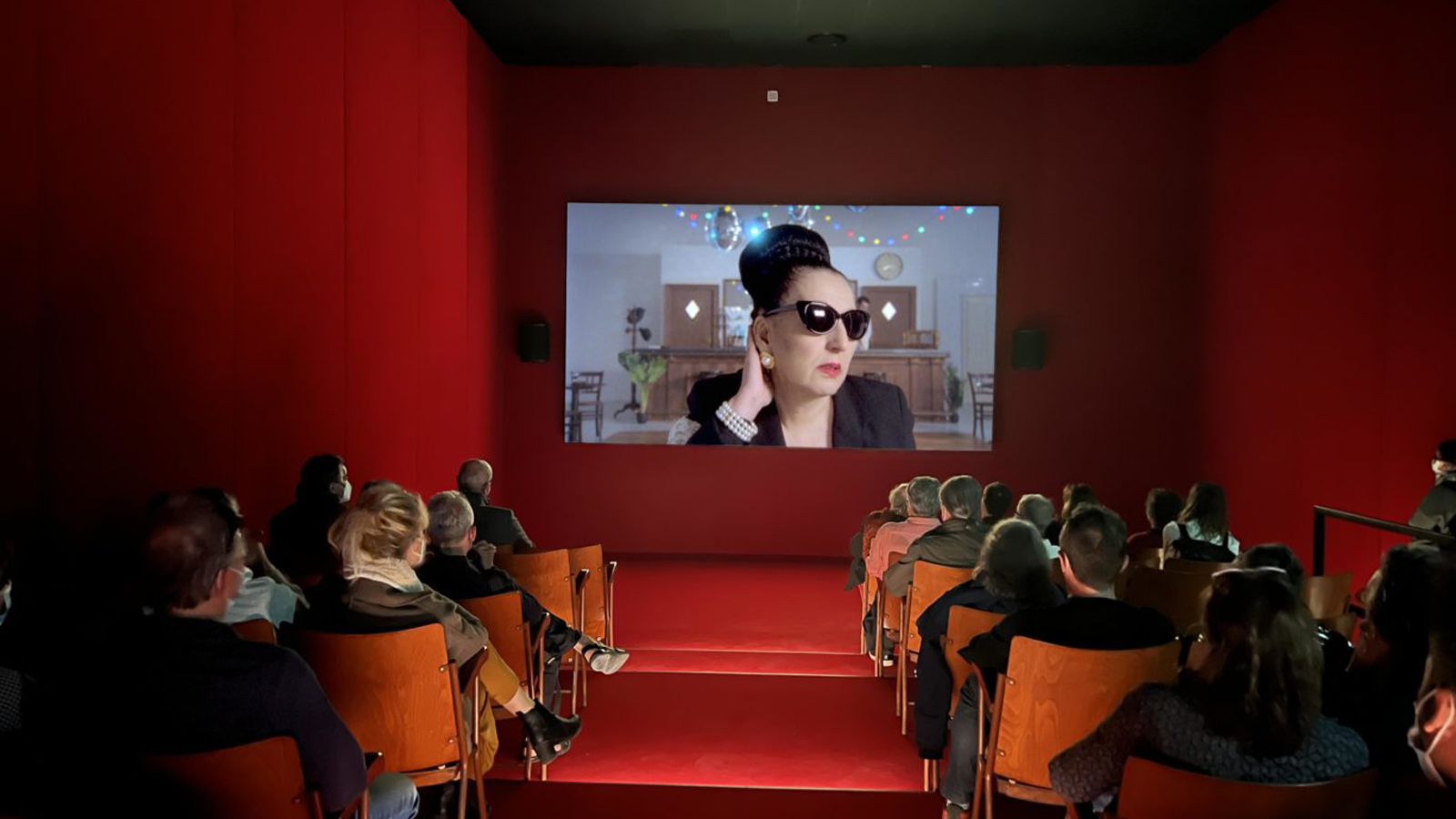
In ‘Dreams Have No Titles’ (2022), decades after the 1969 PANAF’ festival, French-English-Algerian artist Zineb Sedira re-enacts and revisits cult sequences from films co-produced by Algeria and other countries of the Mediterranean. She revives the fervour surrounding the seventh art and the festive character of the 1960s and 70s (the music, the bodies dancing in motion), rediscovering the lyrical and syncopated vitality of those decades that saw countries reborn to enter the dance of nations, and establishing new planetary relationships where the sounds of electric guitars could intersect with Latin and African rhythms.
Traditional dances, poetry, stories and songs were invaluable tools for resisting colonial domination, while keeping African cultures and identities alive. Their often oral nature enabled them to escape censorship, despite the efforts of those seeking to assimilate and erase local languages in favour of the dominant language of the colonial power, while keeping alive the flame of a cultural past and heritage that could serve as a bulwark against domination and acculturation. These dances and songs have accompanied wars and struggles for independence, marches and cultural and political demands in many countries.
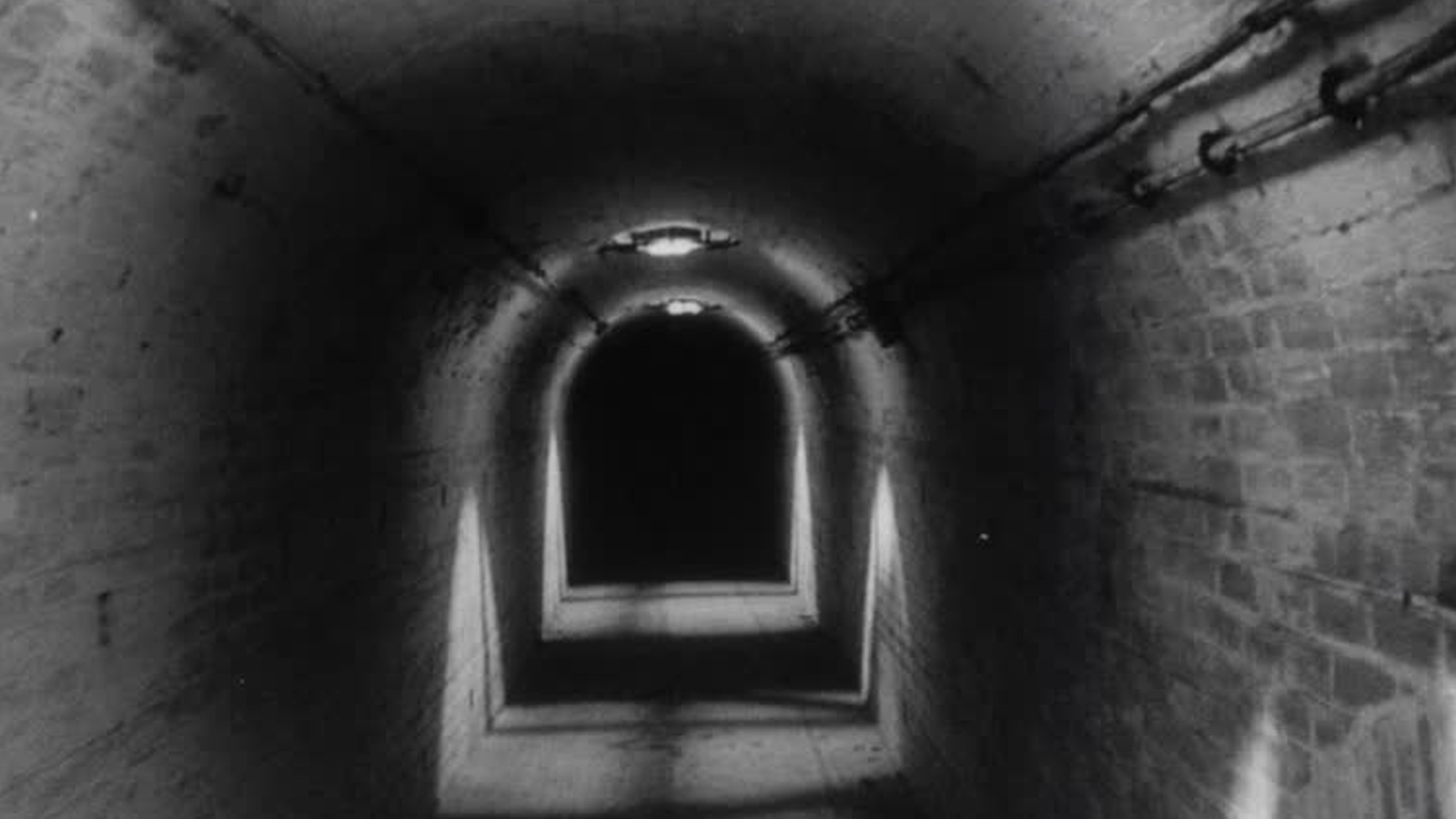
This constellation of anti-colonial and anti-racist films, open to the plural memory and diverse cultural expressions of these struggles, has not finished surprising us. It continues to inspire new generations of artists, activists and viewers, inviting us to join in the fiery dance of sounds and images, dreams and imaginations, to the rhythm of the profound desire for global change of those years, to better question our present and our future.
You may also like



No results were found for your criteria.