
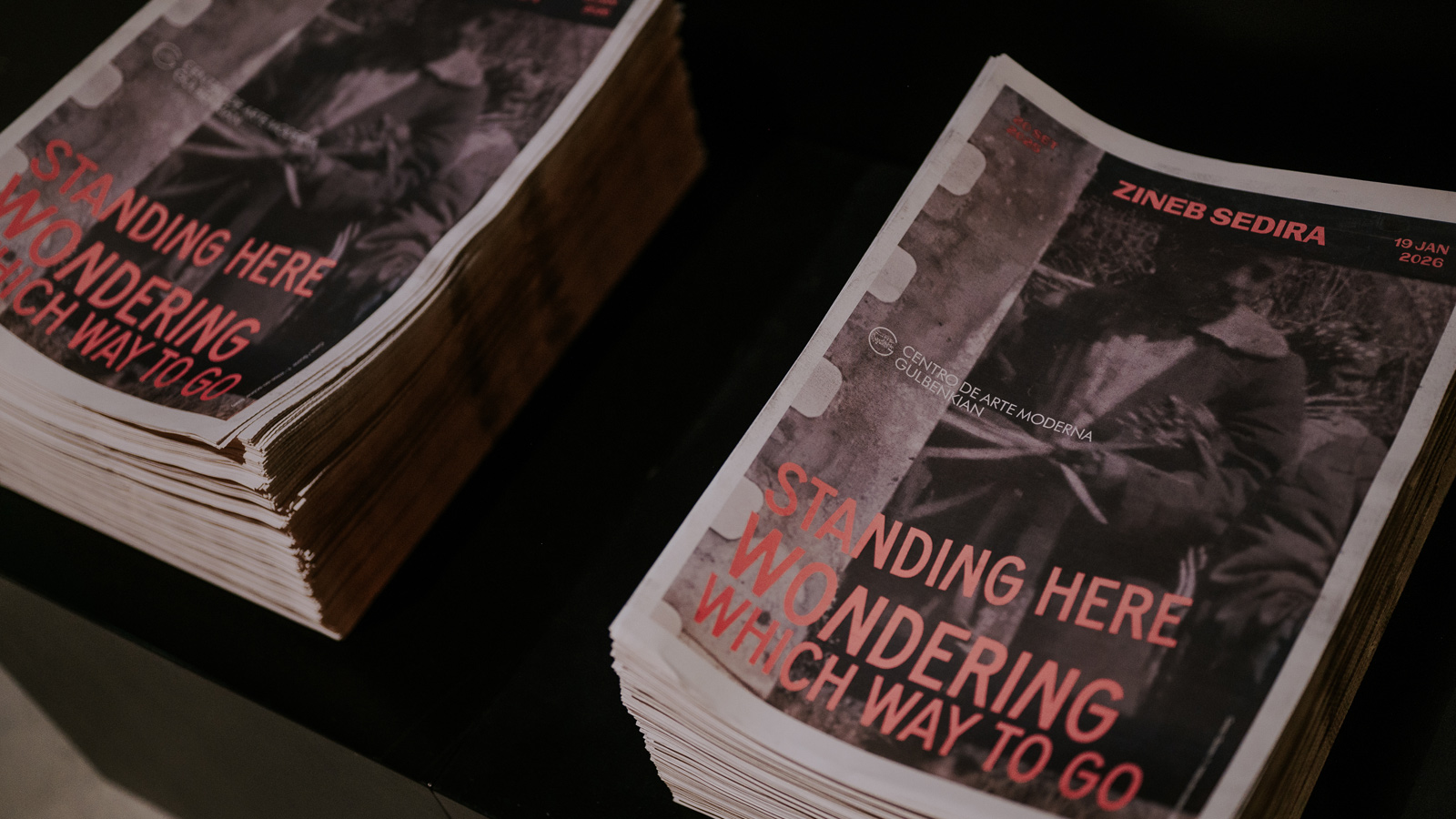
Zineb Sedira. Standing Here Wondering Which Way to Go
Event Slider
Date
20 Sep 2025 – 19 Jan 2026
- Sat,
- Closed on Tuesday
Location
Project Space Centro de Arte Moderna Gulbenkian
This solo exhibition by French-Algerian artist Zineb Sedira is based on a reflection on the utopias of the 1960s, placing culture and resistance side by side.
The Franco-Algerian artist Zineb Sedira (Paris, 1963) has been adressing in her work themes around migration, memory and transmission, combining collective and personal narratives, at times autobiographical, questioning the bias of official histories.
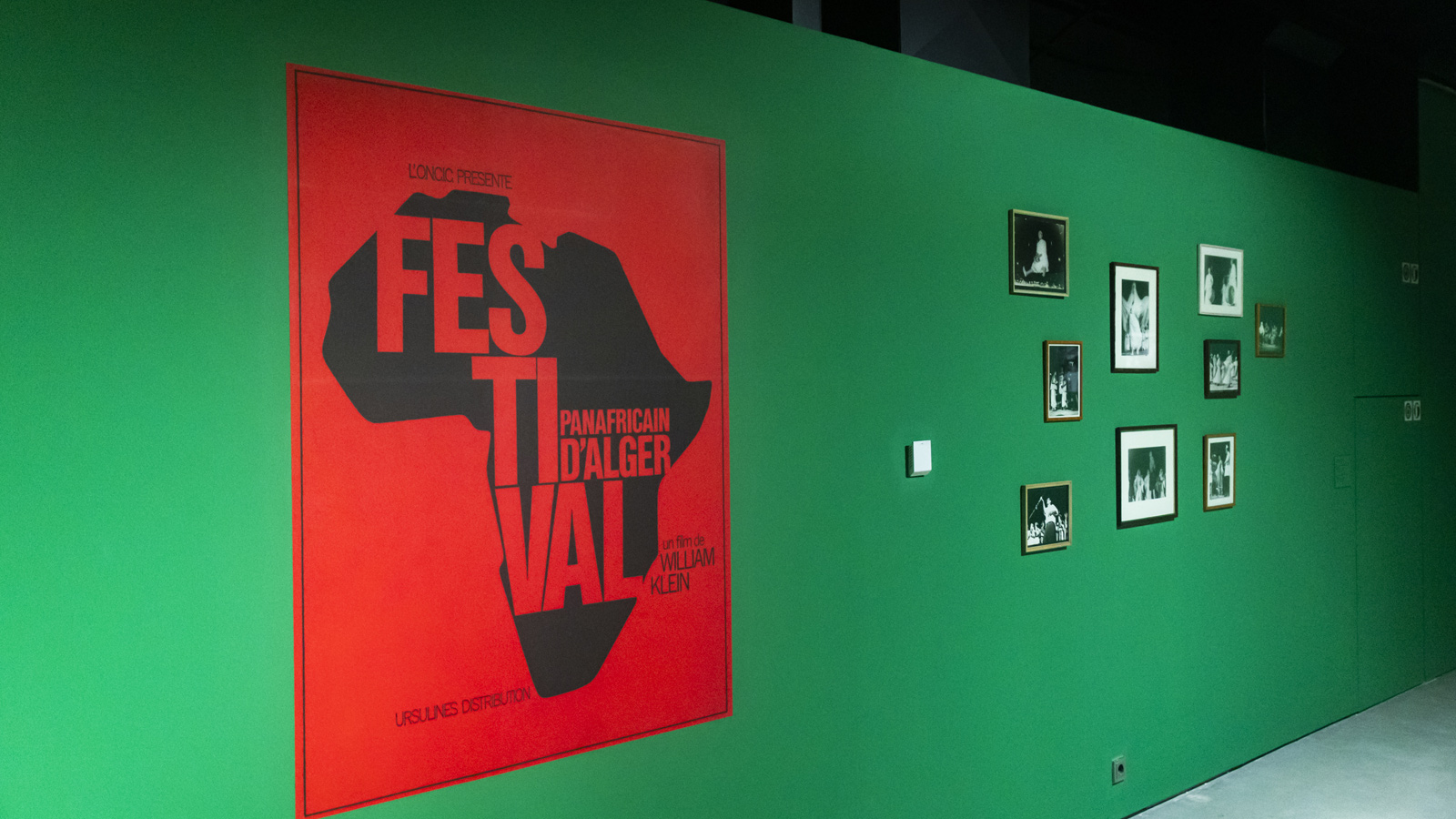
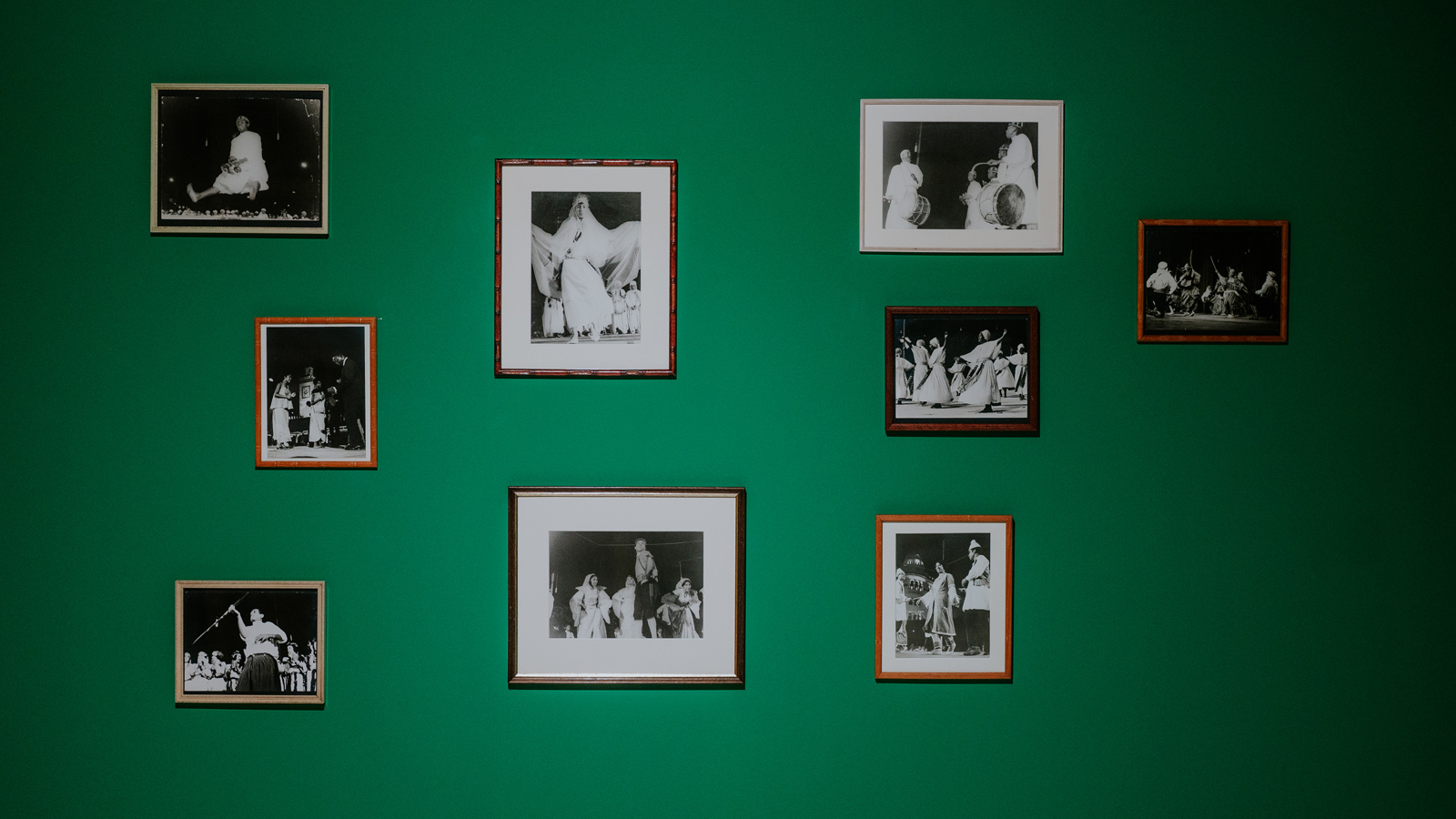
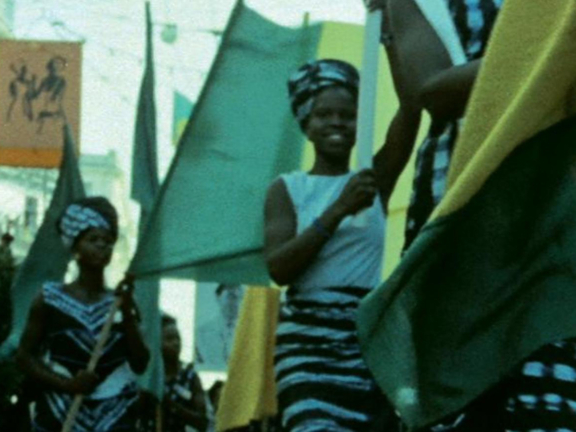
In her first solo exhibition in Portugal, Sedira returns to the themes of art and resistance (and revolution), starting from an investigation into the Pan-African Festival of Algiers (PANAF) in 1969, organised by the new Algerian state, independent since 1962. Its capital, Algiers, was emerging as a place of ‘revolutionary’ encounters for many of the global liberation movements and the militancies and utopias of the 1960s and 70s. The first Cinématheque on the African continent was created in Algiers in 1965, hand in hand with the emergence of militant cinema, with international co-productions. Produced by the Algerian state, the William Klein’s film ‘The Pan-African Festival of Algiers’ (1969) is one of the key presences and evocations in the installation.
The title of the exhibition, Standing Here Wondering Which Way to Go, is borrowed from a song performed by the African-American gospel singer Marion Williams at the PANAF, an extensive cultural and political event, celebrating African unity, affirming culture as a revolutionary weapon of resistance to domination, and a powerful
expression of hope for change in the world.
/
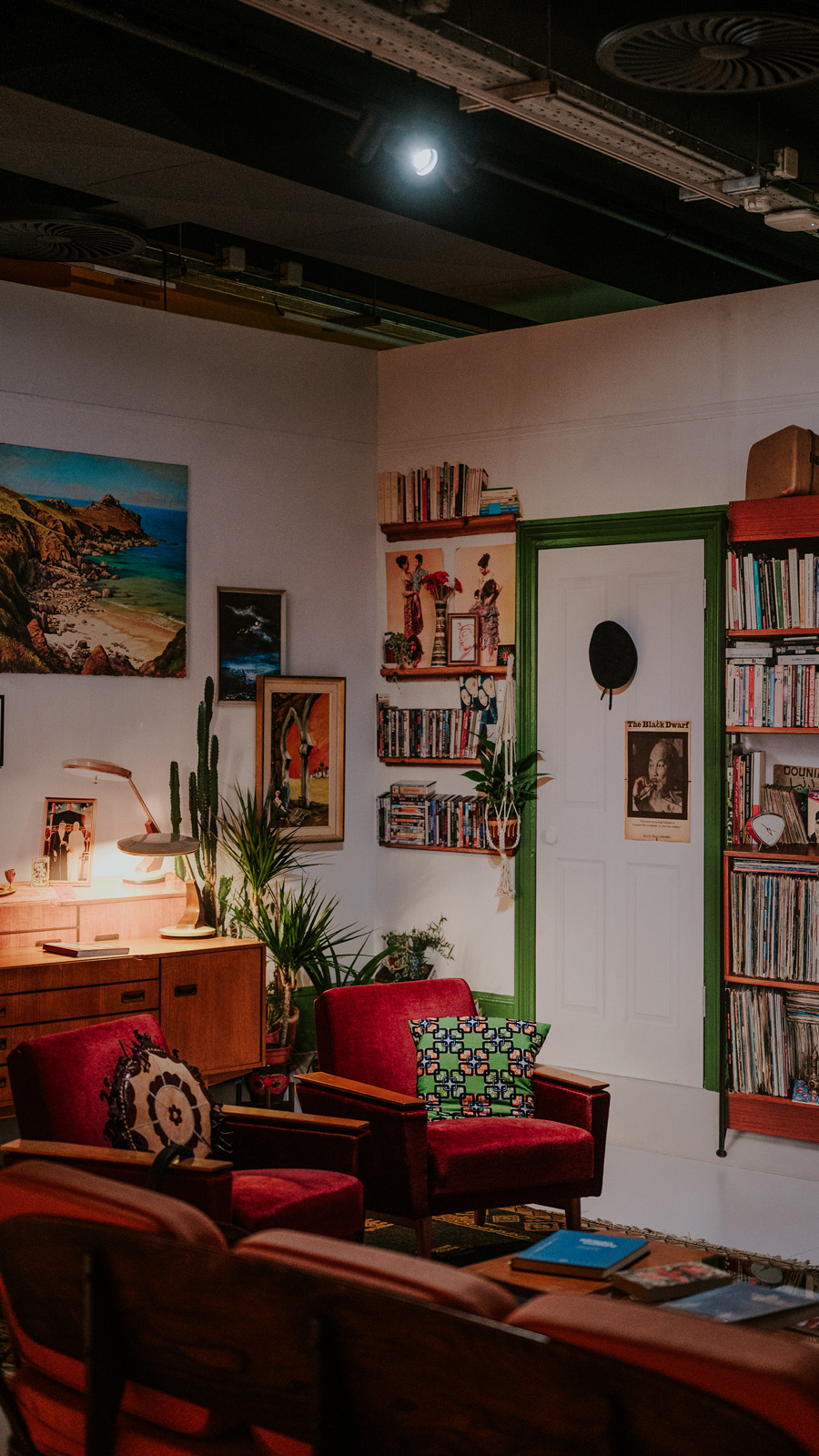
The installation is structured in 4 ‘Scenes’: the ‘mise-en-scène’ video, made with found negatives from militant films; the series of photomontages and objects entitled ‘For a Brief Moment the World Was on Fire…’; the diorama ‘Way of Life’, which re-stages Sedira’s sixties style living room in London, in real size; and her collection of vinyl records of militant songs ‘We Have Come Back’. It also brings together a group of ‘creative presences’, as William Klein, Jason Oddy, Nabil Djedouani and unknown Algerian photographers; and a selection of photographs by Boubaker Adjali, taken in Angola and Mozambique in 1970, as well as a set of Portuguese editions and other documents on struggle and protest that dialogues with the Portuguese historical background.
‘Standing Here Wondering Which Way to Go‘ is a project commissioned by CAM, together with the Jeu de Paume, Paris, France; the IVAM, Valencia, Spain; and the Bildmuseet, Umeå, Sweeden. The exhibition is co-produced with Tabakalera Centro Internacional de Cultura Contemporánea, San Sebastián, Spain.
Topics
'Scene 2: For a Brief Moment the World Was on Fire…'
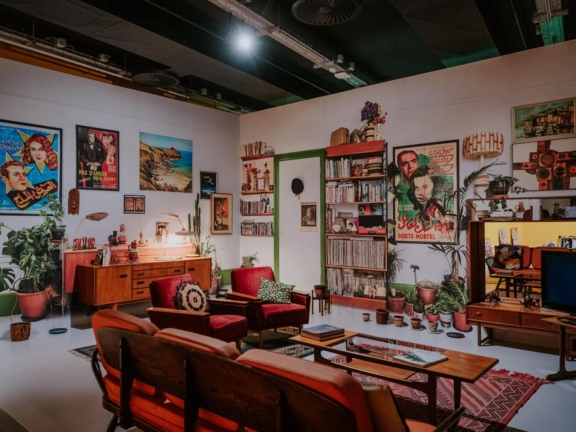
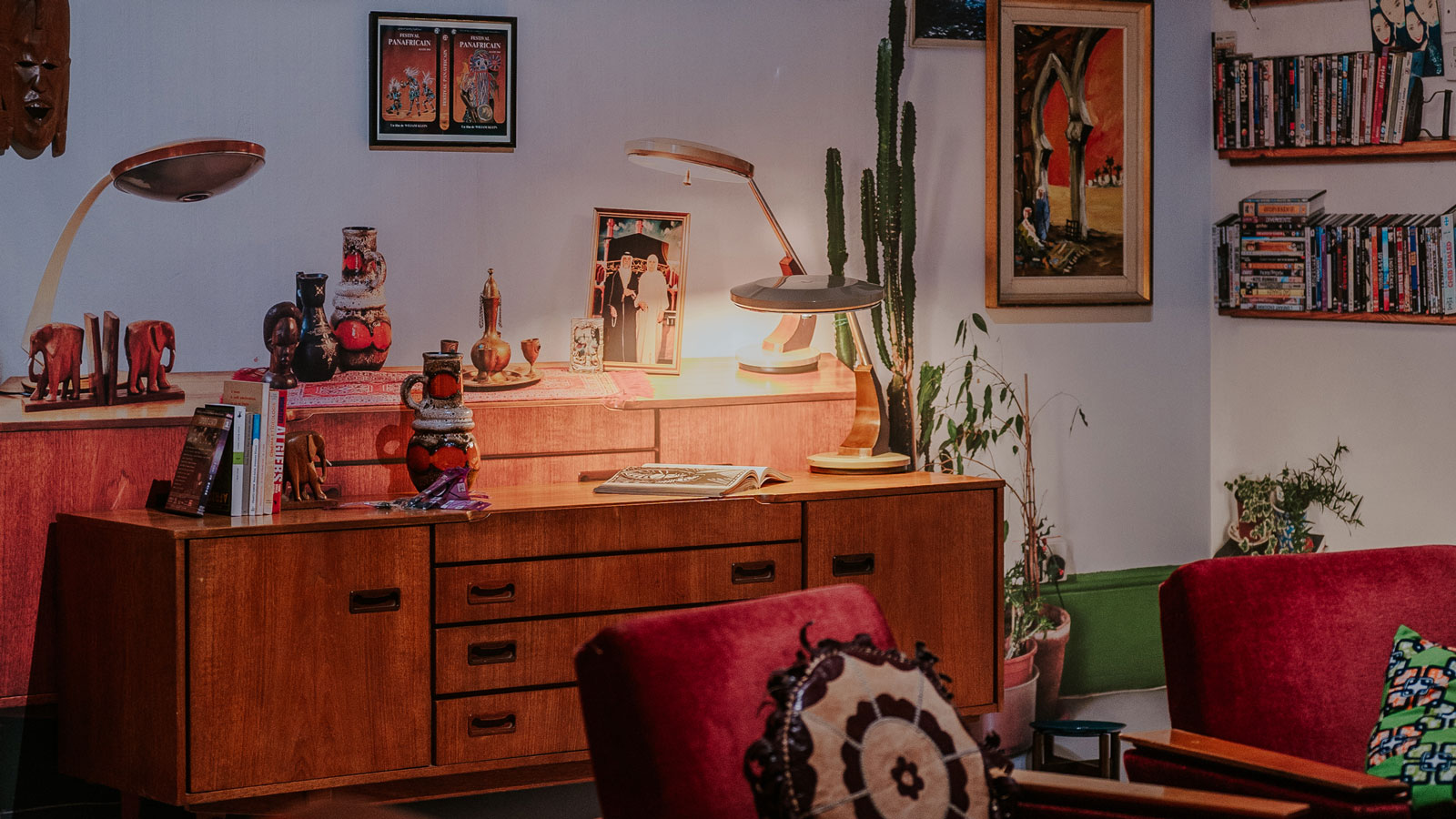
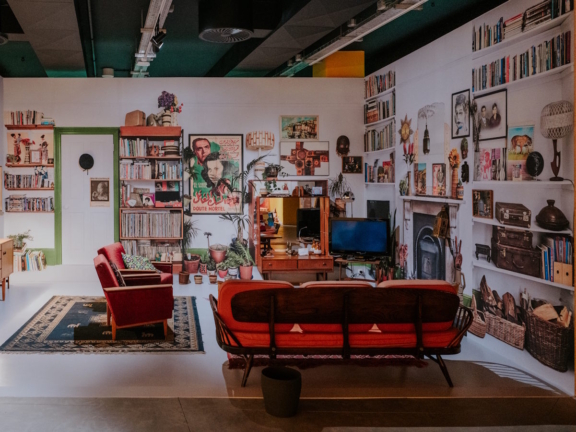
'Scene 3: Way of Life'
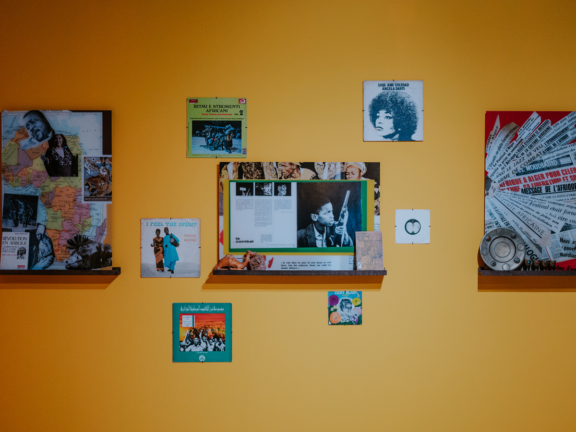
'Scene 4: We Have Come Back'
-
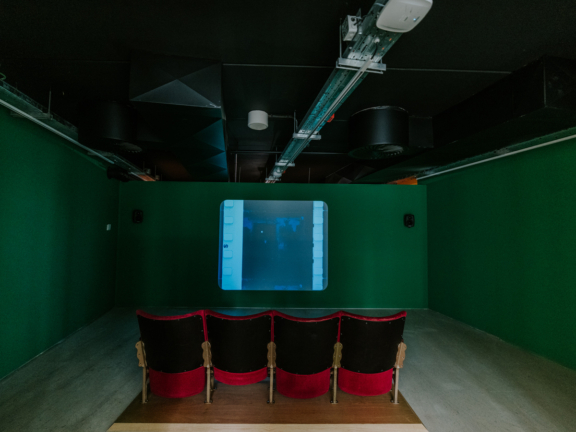
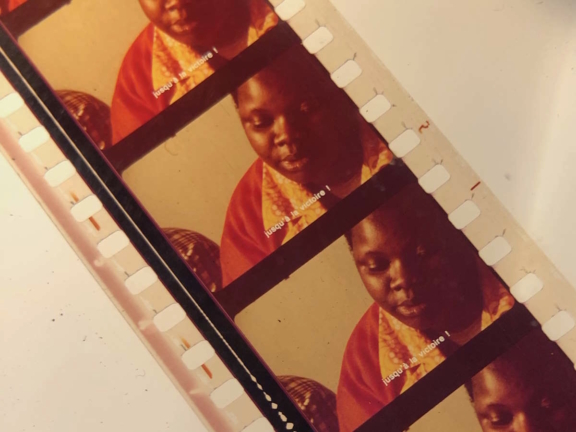
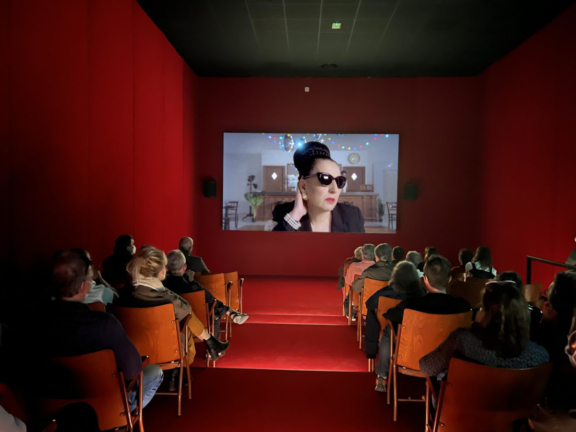
‘Scene 1: mise-en-scène’
Video composed of found footages from various militant films made in Algeria, from the 1960s on, projected at the Cinematheque of Algiers, which was the first on the African continent and created at the height of the post-independence period. Some of these sequences show the wear and tear of time – scratched, faded or erased – bringing back partial images of the life of the Algerian people and their anti-colonial political fight, while others appear merely as ‘abstract’ images. In this work, the artist evokes the fragility and discontinuity of memory and its supports, and the vulnerability of archives, particularly Algerian film archives.
Photo: View of the installation at CAM – Centro de Arte Moderna Gulbenkian, Lisbon © Pedro Pina
-
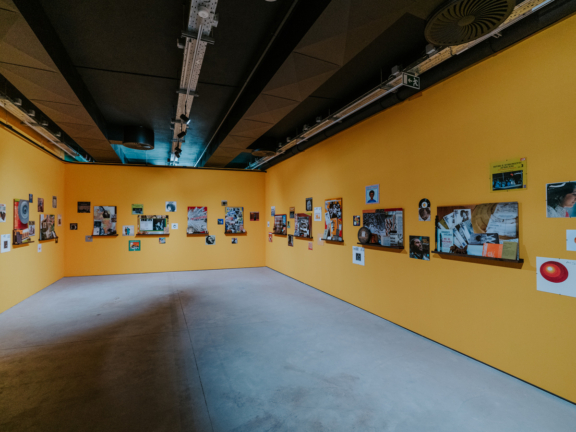
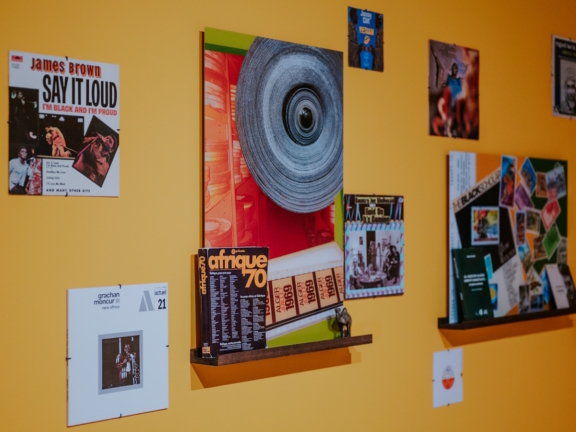
‘Scene 2: For a Brief Moment the World Was on Fire…’
Series of photomontages composed of magazines, newspaper cuttings, vinyl sleeves, photographs, political statements from the 1960s and 1970s and
objects collected by the artist over the years or found in different Algerian and French archives. This work, which places personal and collective memories side by side, revives the enthusiasm and creative energy of the Algerian nation in the post-independence period. Algiers, capital of the new state, emerged as ‘revolutionary’ meeting place for many of the global anti-colonial, anti-imperialist and African independence movements.Photo: View of the exhibition at CAM – Centro de Arte Moderna Gulbenkian, Lisbon © Pedro Pina
-
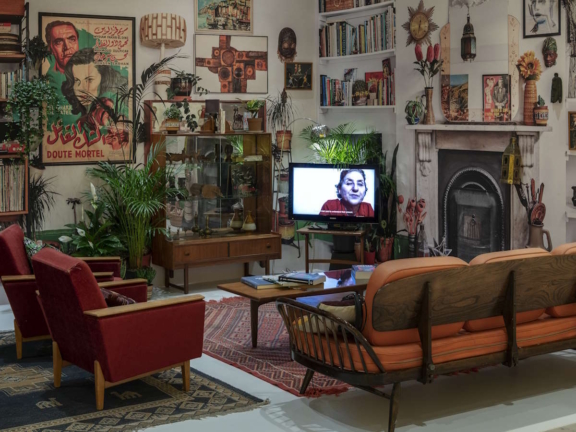
‘Scene 3: Way of Life’
Life-size recreation of Zineb Sedira’s living room in London, a living space and a personal archive that stages her relationship with African cultural heritage and with the cultural and political imagery of the 1960s. With furniture and objects from that decade, books on Algeria and resistance movements collected by the artist, the work invites us to share a space that is simultaneously intimate and one of intensive conviviality with family and friends, which echoes the spirit of hospitality and celebration of the Pan-African Festival of Algiers in 1969.
Playlist We Have Come Back, by Nabil Djedouani, 30’
We Have Come Back Part 1 (1969)
Archie SheppPanafricain Festival (1970)
Bob DestinyRevolution (1969)
Nina SimoneAir Algiers (1971)
Country Joe Mac DonaldsBlack Panther (1969)
Sir Collins and The Black DiamondDag Dagui (1970)
Mohamed MazouniEl Manifiesto (1974)
Victor JaraChe Guevara (1969)
Mohamed LamariAfrica (1989)
Miryam MakebaPhoto: View of the installation at CAM – Centro de Arte Moderna Gulbenkian, Lisbon © Pedro Pina
-
‘Scene 4: We Have Come Back’
The title of this installation evokes the musical performance by the saxophonist and jazz musician Archie Shepp, alongside Ted Joans, at the Pan-African
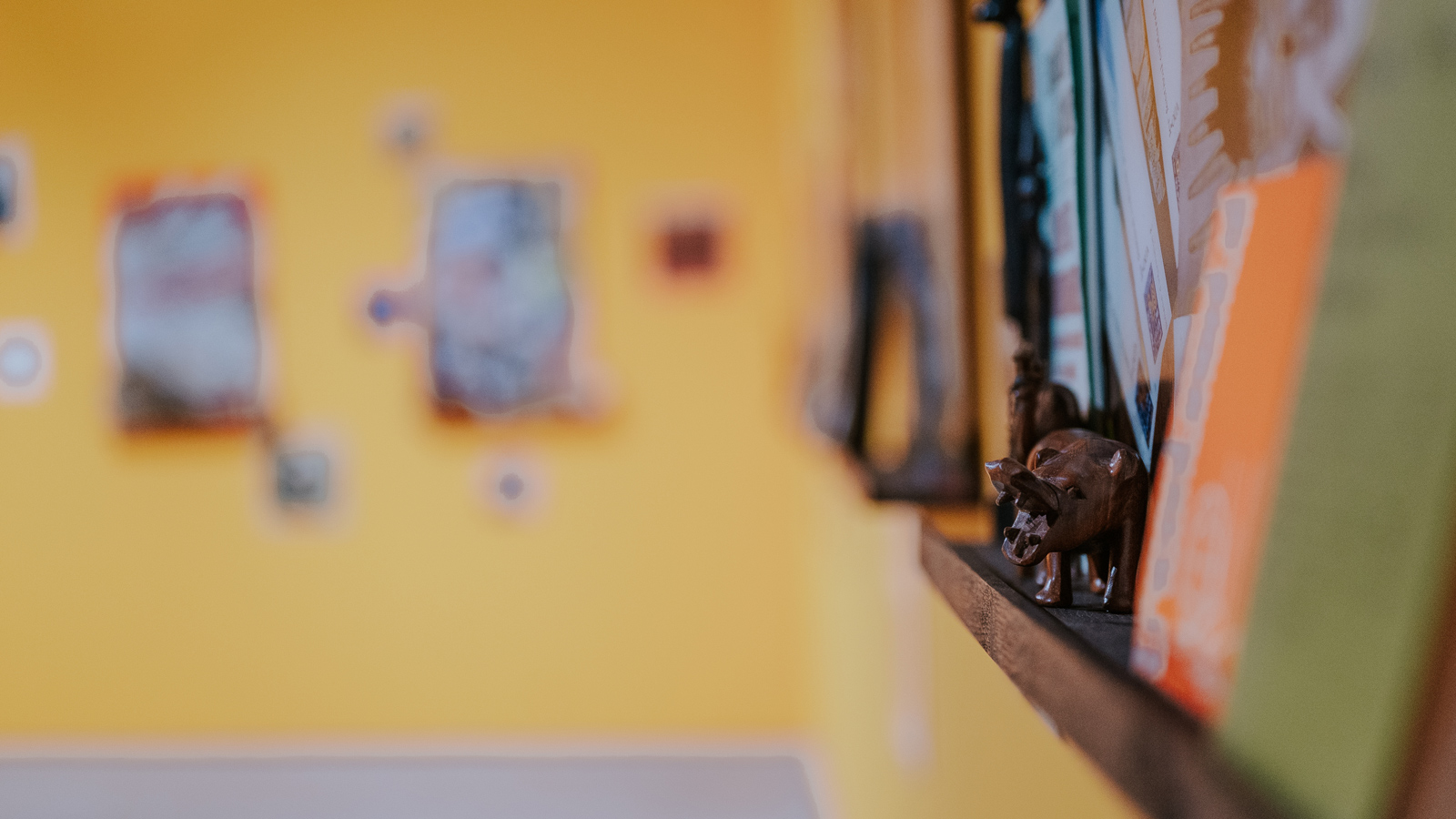
Festival in Algiers in 1969. The installation presents vinyl records from the artist’s collection, combining African music and protest songs from the 1960s, by artists who sing songs about liberation, civil rights and freedom from colonial oppression, including Archie Shepp, Miriam Makeba, Marion Williams, Nina Simone, Mohamed Lamari and Victor Jara, many of whom were present at the festival.Photo: View of the exhibition at CAM – Centro de Arte Moderna Gulbenkian, Lisbon © Pedro Pina
Biographies
-
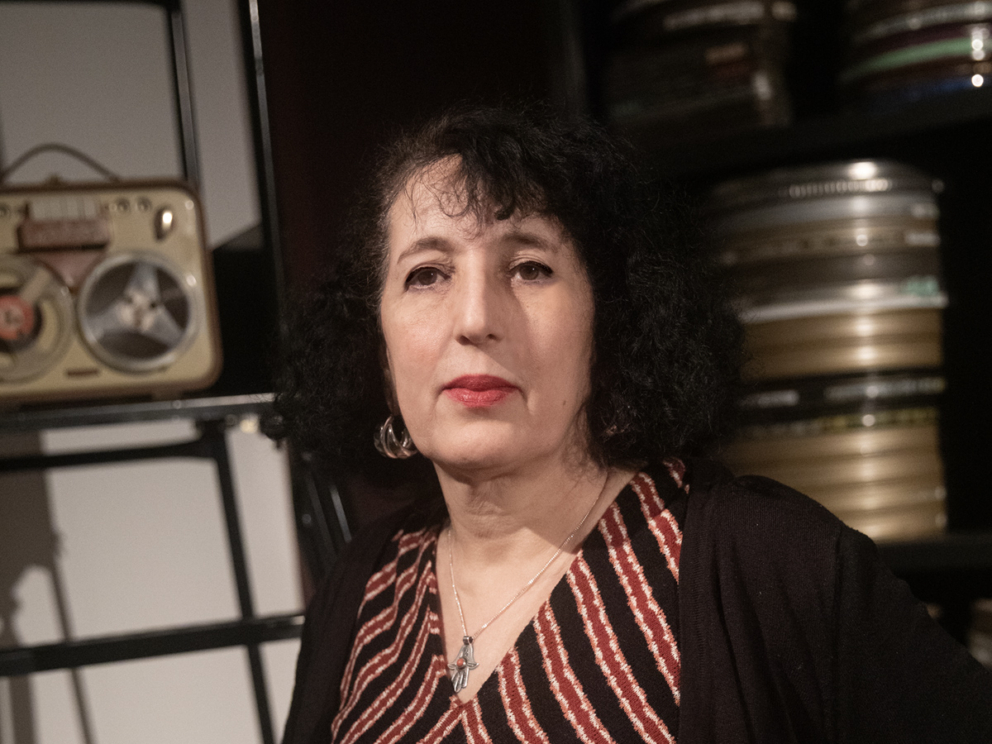
Zineb Sedira
Zineb Sedira (Paris, 1963) studied at Central Saint Martins, the Slade School of Fine Art and the Royal College of Art, London. She currently lives between London, Paris and Algiers. Her practice spans photography, film, and installation, with a particular focus on archives, especially film archives, through which she interrogates the historical narratives they contain. The stories and memories of her own family have also been central to many of her works. Since 2002, the artist has exhibited regularly in both solo and group exhibitions and has participated in several biennials, including the Venice Biennale and the Sharjah Biennial.
Credits
Curatorship
Rita Fabiana
Main image
View of the installation at the exhibition 'Way of Life', at CAM © Pedro Pina
Coproduction

Support
The Calouste Gulbenkian Foundation reserves the right to collect and keep records of images, sounds and voice for the diffusion and preservation of the memory of its cultural and artistic activity. For further information, please contact us through the Information Request form.
Related
No results were found for your criteria.
Read, Watch, Listen

No results were found for your criteria.