
Yasmine Ostendorf-Rodríguez: ‘Sometimes things also need to collapse for reimagination’
How did your fascination with the world of fungi in general come about, and how did this passion transform into a methodology applied to artistic practice and collaboration?
I would love to be able to say that I grew up with mushrooms, but that would be a lie.
I was born in a city. I always lived in cities. But I think I actually had a craving for this other way of relating to nature, where it’s not just a place that you go to, but a place that is part of you. I am from a country and a culture, the Netherlands, where these things are very separated. Also, the Netherlands is quite a mycophobic country; mushrooms were not a big part of my childhood.
But my interest was always in alliances and bringing people together, and what I learned at a younger age is that I do have some kind of capacity to bring people together – or at least that’s something I enjoy. This idea of building alliances and understanding what we have in common, and how we can help each other. I think that was the flame of my interest.
When I read Anna Tsing’s ‘The Mushroom at the End of the World: on the possibility of life in capitalist ruins’, it all started to make sense. I used the word ‘alliance’, but I was not familiar with what mycelium is, or with these terms from the world of mycology. So, in the beginning, it was very theoretical. That book was very important…but then I also realized I didn’t want my approach to be only theoretical. I was lacking this idea of getting my hands dirty, you know? Of really embodying this knowledge.
I realized I had to change something quite radically about my life. And that’s when I moved to the farm (a shiitake farm) and started cultivating and spending a lot of time around mushrooms. That’s when I fell into the rabbit hole, and it became my obsession.
Then it became my whole life. But I also noticed that things were changing a lot for me as I spent so much time thinking about and being with fungi that I needed a way to make sense of it all. For me, writing is a process of understanding.
All these twelve teachings that are in the book are things that you can implement in your life: in the way you make decisions, in the way you collaborate, in the way you relate to people, to death or transformation, to time. This, of course, can apply in a macro kind of way – decisions like how and where you live – or in very micro-ones, on a daily level.
What title do you attribute to yourself professionally?
I consider myself a bridge builder. I used to call myself a curator, and I really like the association with the word curator and the Latin ‘curare’, also meaning to heal, to take care, to nurture. But I feel the word curator is now more associated with just making exhibitions, and I’m not really doing exhibitions anymore.
I love the research part, but the problem I have with exhibition-making is building up a whole environment: walls, shipping things from all over the world, logistics, having it there for three months, and then breaking everything down. There is something in that temporality that doesn’t really work for me. But the part that’s about research and relationships with artists – bringing topics together or contextualizing things – still feels very aligned and exciting to me.
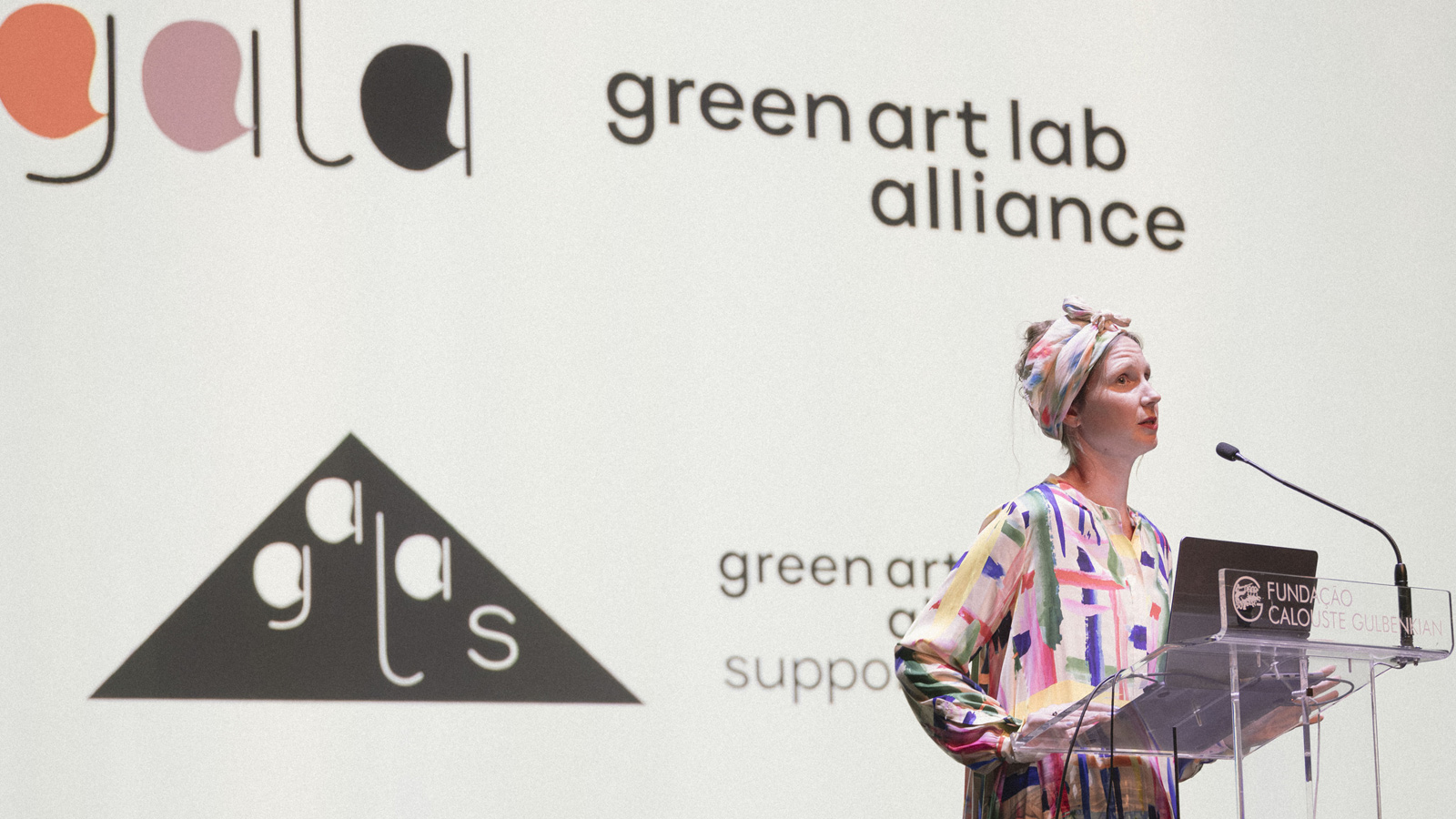
How do you feel that your projects, such as the Green Art Lab Alliance, are interconnected with the ‘Institution(ing)s’ residency project, and what are the biggest challenges and lessons learned when working with such diverse and geographically distant communities?
I think what is a very clear parallel is the questioning or reflecting on practices within the institution, particularly in relation to social and environmental issues. I think it’s very important that we keep doing that, because traditionally institutions are places that are extremely important for the care of the community – they are central places for resources.
But they are also the buildings that are the slowest to change. You can’t compare them with collectives. For instance, a collective can make very quick decisions and change direction, whereas within an institution there are a lot of hoops to jump through in order to make any change. As we evolve – and I would even say move into a different paradigm, where we are rethinking these institutions – there are changes we must make. And those changes will be slower in institutions. This is why I think the ‘Institution(ing)s’ project is exciting: you need rebels within those institutions to point out what’s not working.
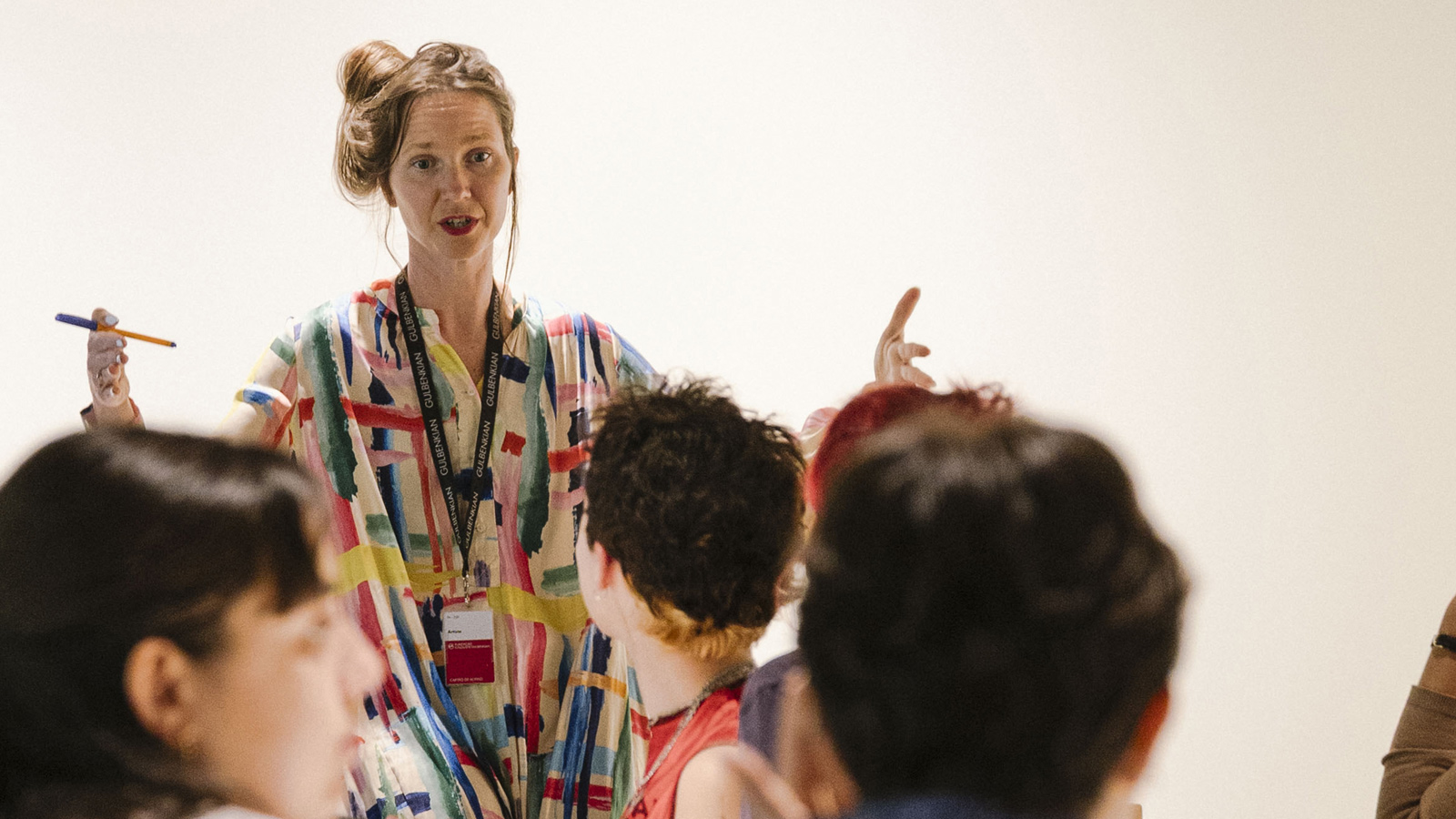
In the context of your workshop ‘Becoming Fungal’, berased on your book ‘Let’s Become Fungal! – Mycelium Teachings and the Arts’, how can we apply mycorrhizal networks as community methodologies in the arts, sciences, and society? And how do you apply them in your daily institutional and artistic life?
There’s the environmental dimension that we spoke about – the ecosystemic function of mycorrhizal mycelium. That’s already a whole list: it’s the biggest carbon sink on land, it protects against erosion, it redistributes resources for other plants to grow. Then there’s the social dimension, which again relates to building community, collaborations, and symbiosis, so that there is a mutually beneficial exchange.
And then, the other day, I was talking to someone about the spiritual dimension. For me, it goes as far as feeling that I didn’t really write the book. For me, this knowledge came from fungi. I kind of channeled it. I know it sounds strange, but I feel they pick people to be ambassadors.
Suddenly, it became this huge topic in my life. And I feel that for many people I’ve spoken with for the book, or who participate in the workshops, they have a very similar experience. Whether through research, cultivation, or theory, there is a knowledge there that connects with something different.
It’s also a symbiotic relationship, once again, because it has served me well. We are allies.
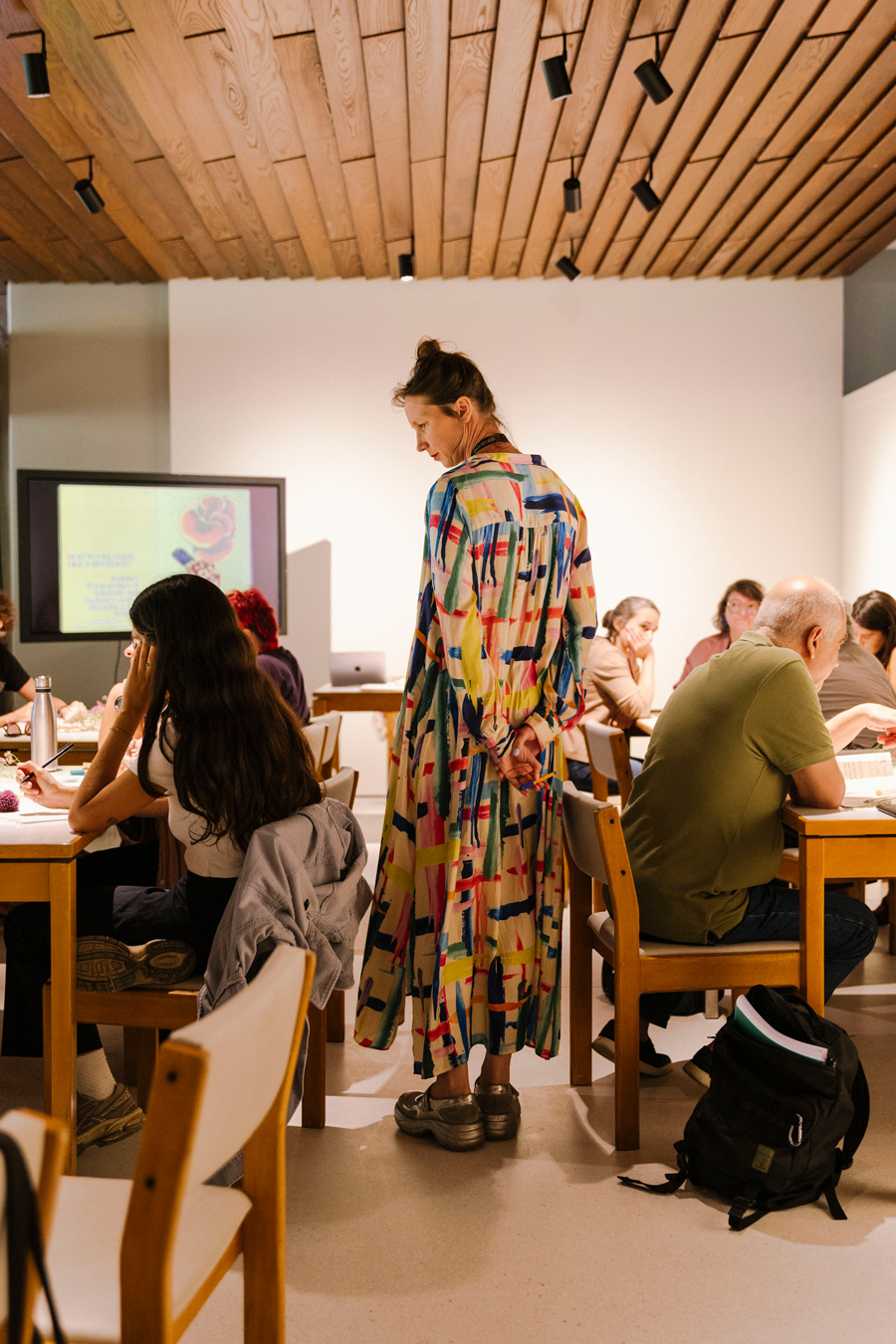
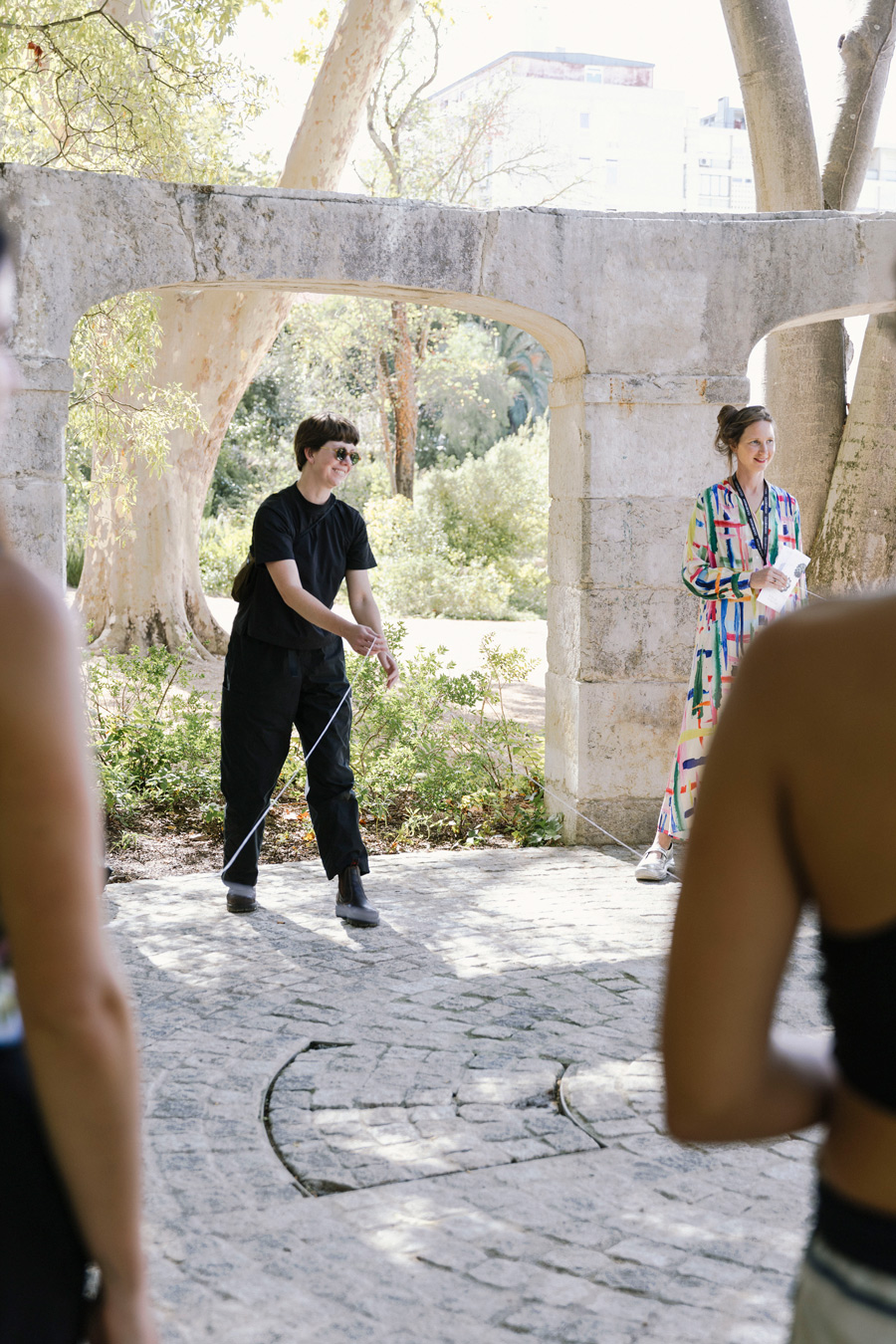
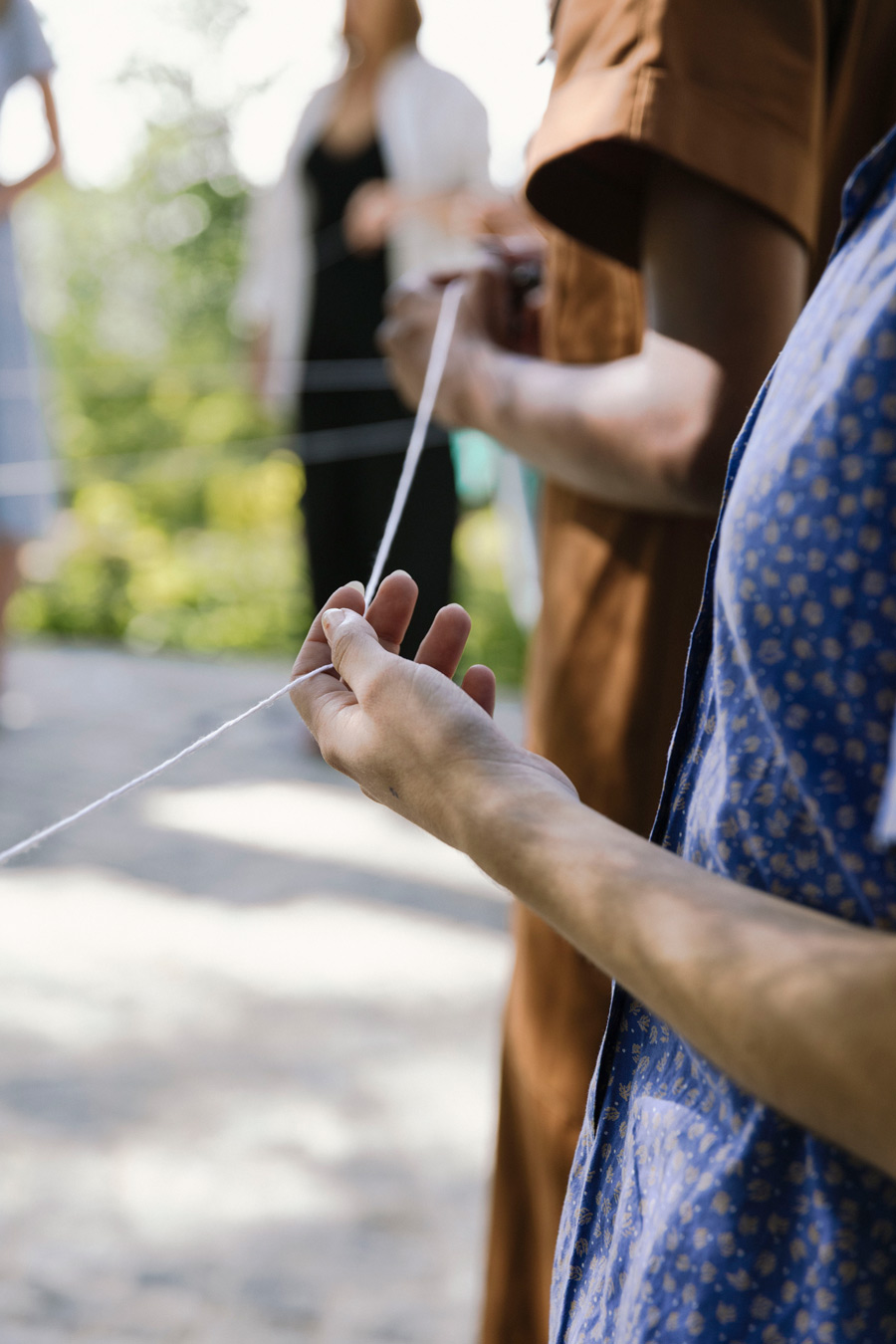
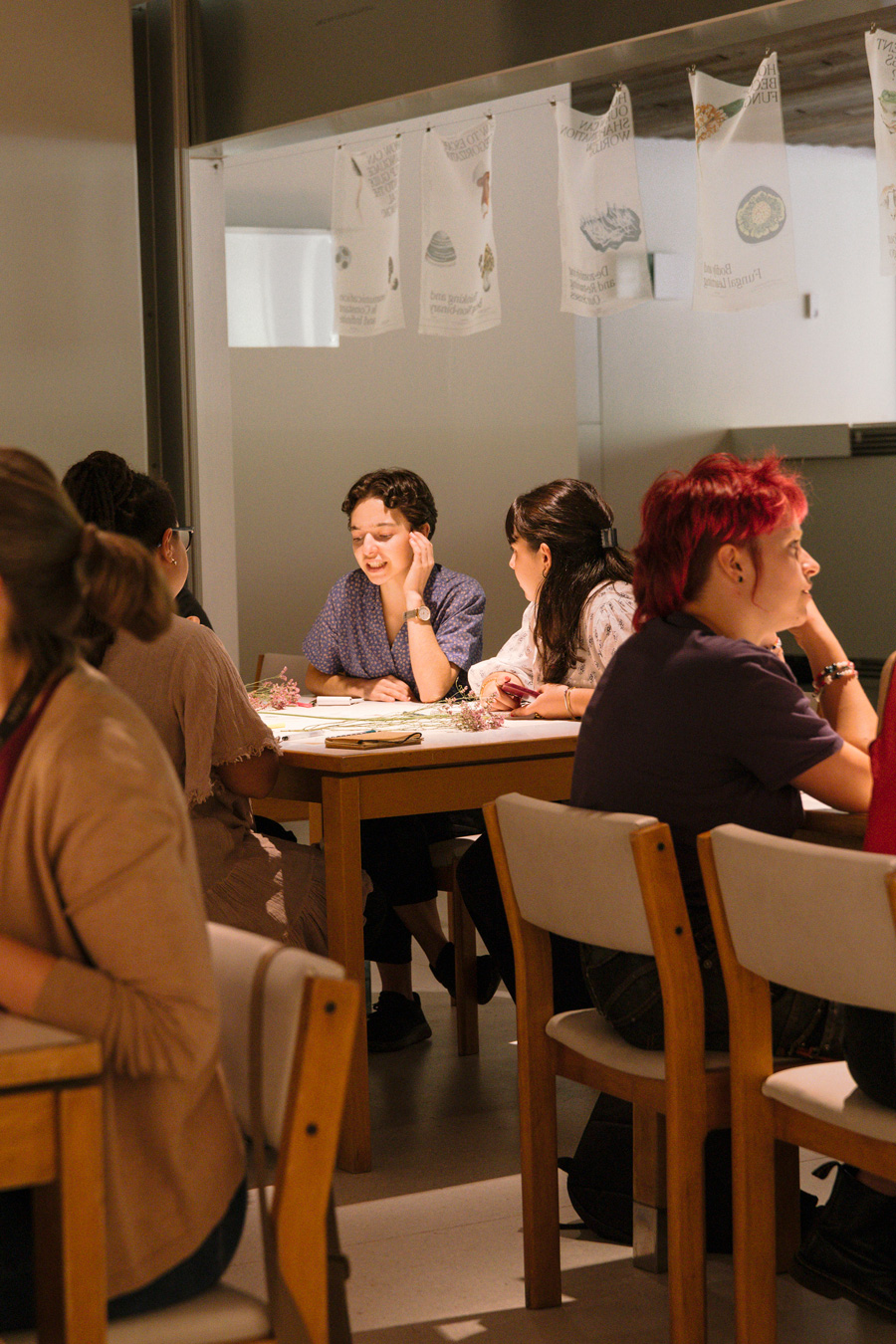
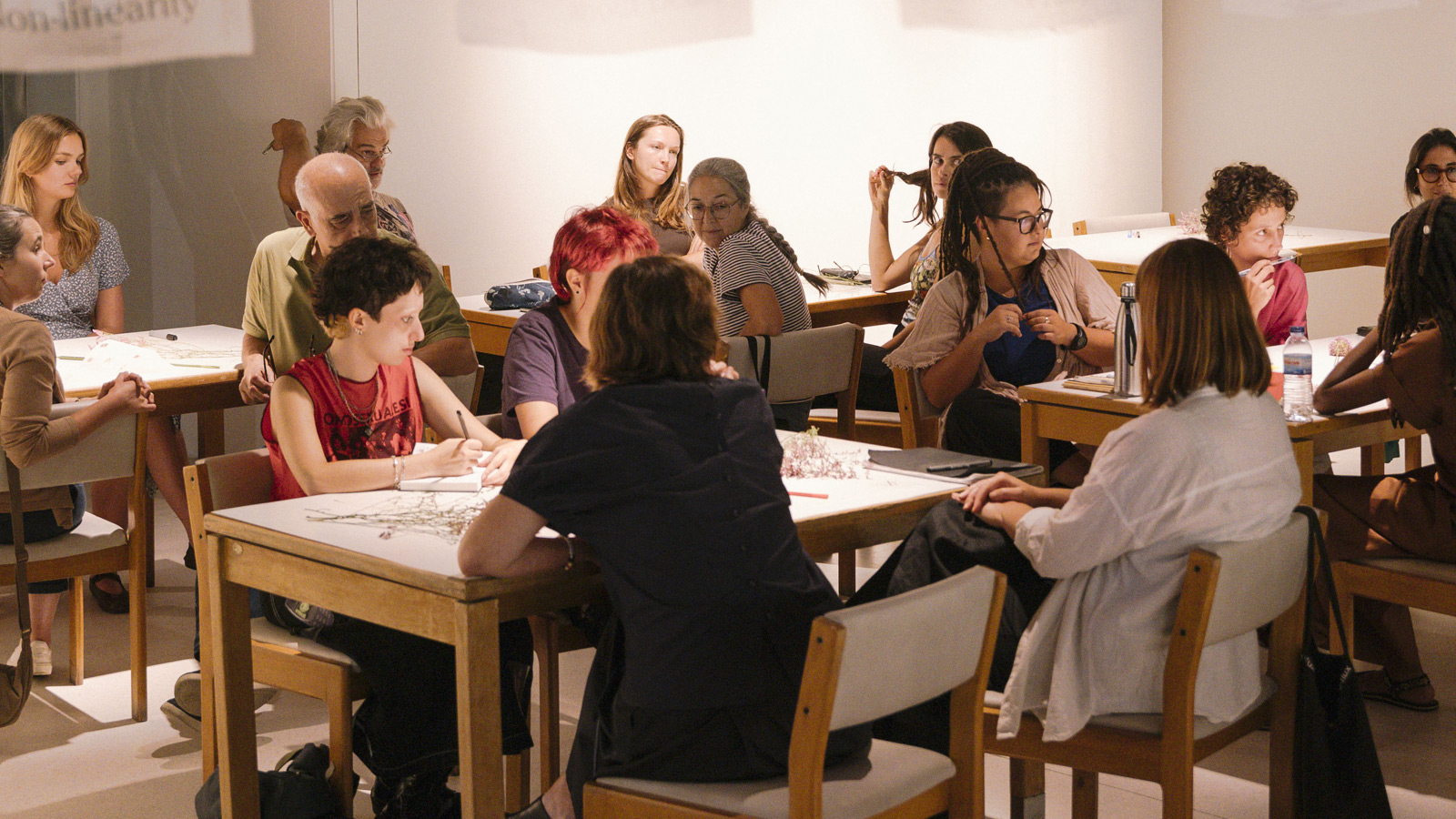
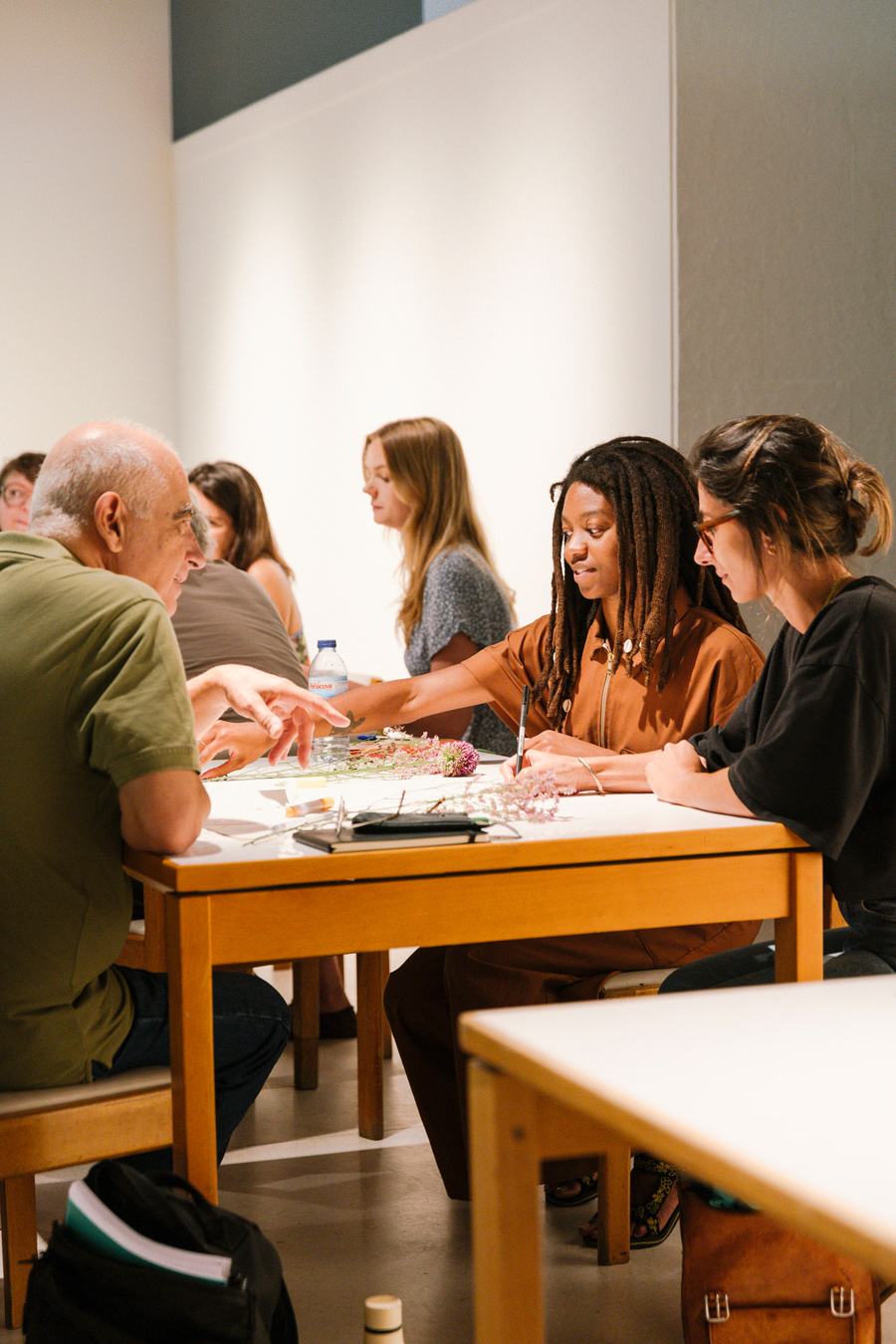
How do you see the future of artistic institutions in relation to sustainability and interspecies collaboration? And what lessons can we learn from the vast universe of fungi that we can apply to building a culturally prosperous and diverse future?
It’s a very tough question. The reality is that sometimes things need to collapse before we can radically reimagine them. I think we are so limited in our imagination – thinking about what’s possible based only on what we’ve seen and known –it’s difficult to break out of that.
I read an interview with a very interesting zoo director the other day, and he said we need to completely let go of the idea of zoos if we are to truly reimagine our relationship with animals. Because we can only think within this captured system, where we just try to make it look better. The people who come to the zoo think, ‘Oh, they have a nice life.’ It looks good; it’s theatre, essentially. And we love theatre when it’s consensual, of course.
I feel like we’re doing a lot of tweaking in institutions like, ‘No, but we’re going to make the wall out of mycelium, and it will look really good,’ and then it’s like, ‘Oh, it’s an interspecies museum.’ We give it a nice name, and then that’s it.
But if we were really going to change something – which we must, because otherwise it’s just waiting until collapse comes, through earthquakes, flooding, or other crises – we need to be more radical. You might have your beautiful mycelium wall, but still have a very hierarchical, patriarchal system of power within the institution. That only stretches its lifespan before extinction.
Sometimes things also need to collapse for reimagination. I’m not saying we need to break down everything, but to be ahead of real environmental collapse, we need to be much more radical in how we imagine what these institutions can be.
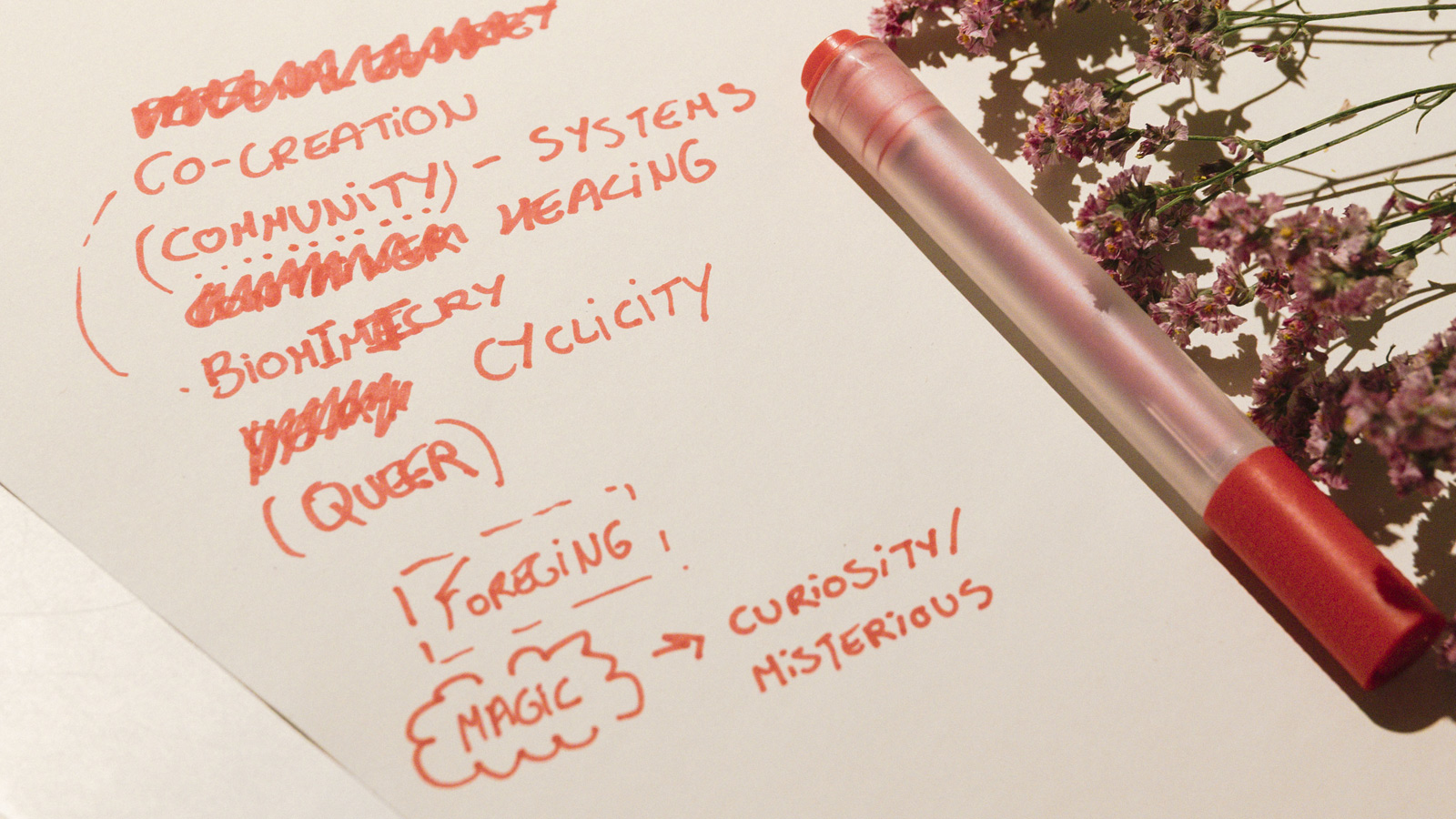
What is your favourite word, your favourite food, and your favourite colour?
I have a new favourite word. I did a workshop the other day in Ciudad de México with a group of women, and they came up with a few amazing new words. One really stuck with me: a combination of ‘lichen’, a symbiotic association between fungi, algae, and cyanobacteria in a mutualistic relationship and ‘identity’. Their word was ‘Lichentidad’. I love it because it also means that your identity can be in symbiosis with different species, with cyanobacteria, with different entities, and they all live within you.
As for colour, I like this kind of Yves Klein blue. I love that colour, and it’s nice because in Mexico many buildings are this blue, so, it brings a touch of home.
About food, I really love eating mushrooms. I love eating things that I don’t know yet. I think I mentioned in the workshop that we’ve identified less than 5% of all fungi out there – less than 5%! That’s nothing. There are still so many we don’t know about, and I don’t think I’m only interested in the element of eating, because we are very used to thinking, ‘Oh, but can I eat it?’ I like to go beyond that assumption and ask instead, ‘What can it teach me?’.
But if I had to pick a favourite food, I would say an edible mushroom that has not yet been identified.
You may also like
No results were found for your criteria.