
CAM as an ‘Infinite Place’ of art, education and transformation
-
© Aline Belford
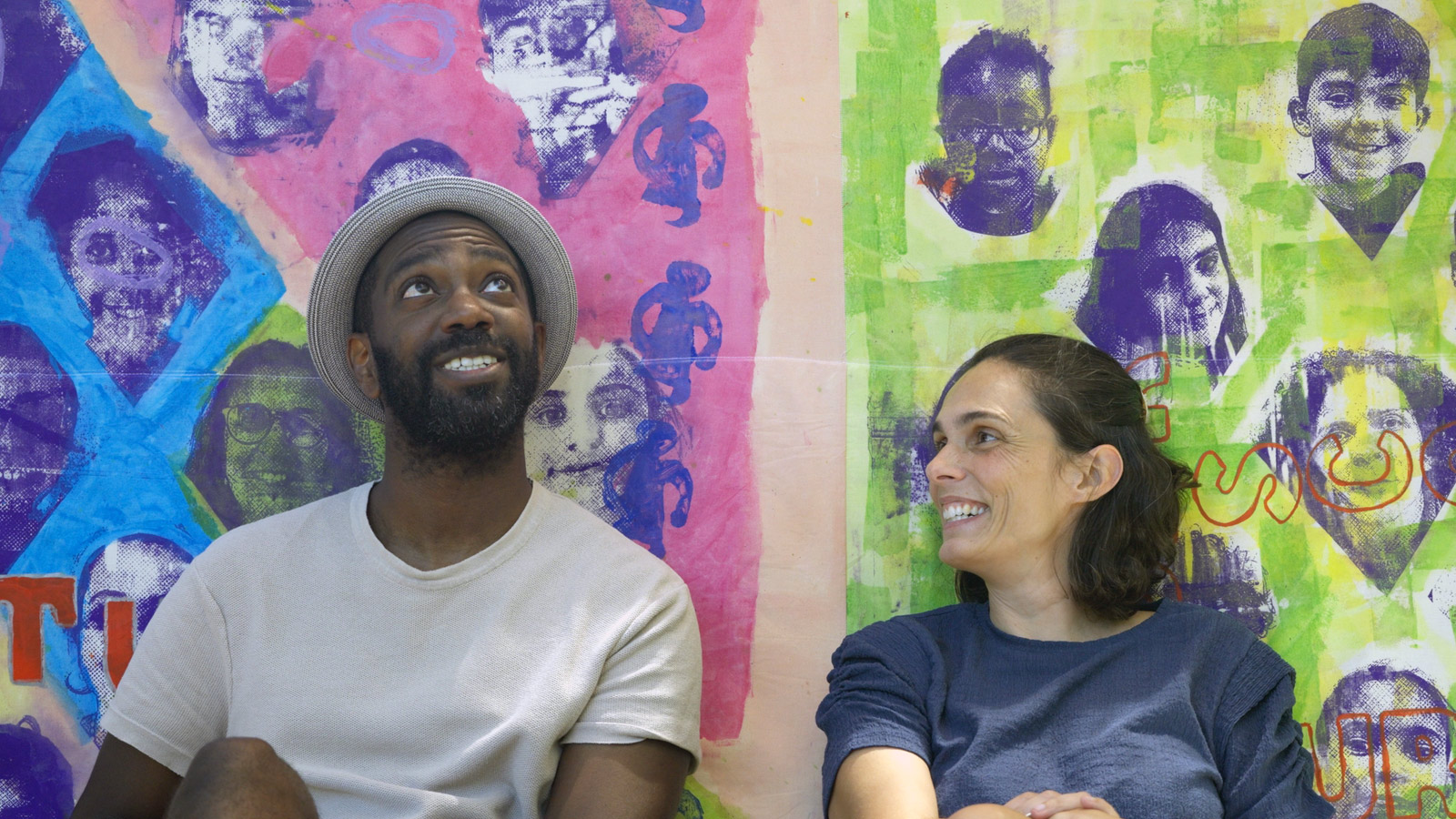
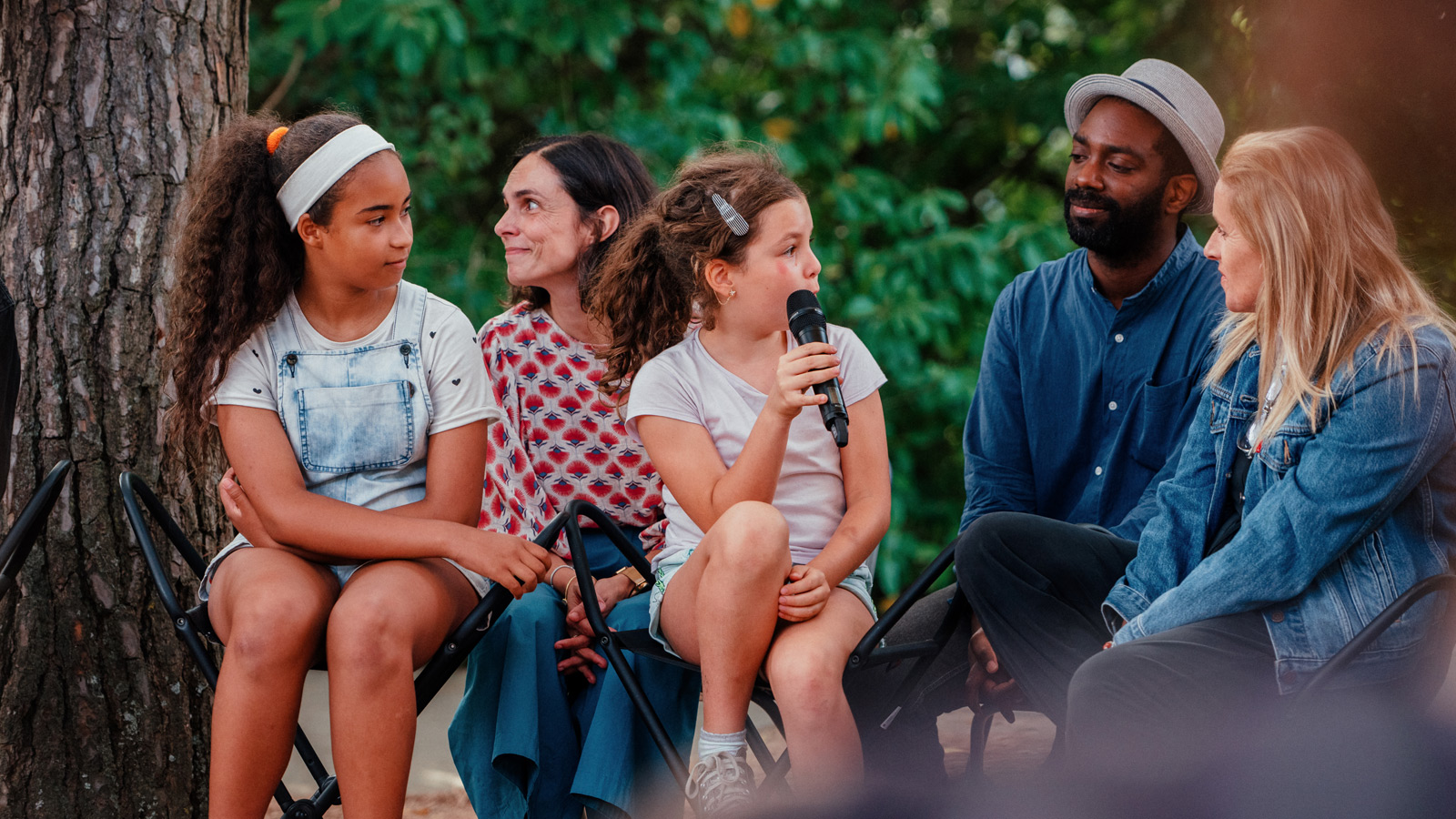
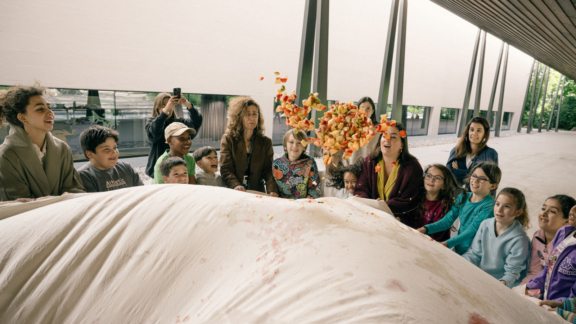
During the 2023/24 academic year, the artist Fidel Évora, in collaboration with the mediation team and teachers and pupils from the Marquesa de Alorna School Cluster, in Lisbon, developed a creative process that culminated in a collective, site-specific work. ‘Lugar Infinito’ [Infinite Place] was the high point of a journey that promoted critical thought and creativity, from the transformational perspective of artistic education.
Involving participants of 37 nationalities from six primary classes, this encounter proposed to create an inclusive and safe environment in which to explore relationships, identities and experiences. Described as a ‘place of belonging’, or a ‘creative laboratory,’ the programme adopted ‘poetic methodologies’ to build a bridge between artistic thought and questions of citizenship and social challenges.
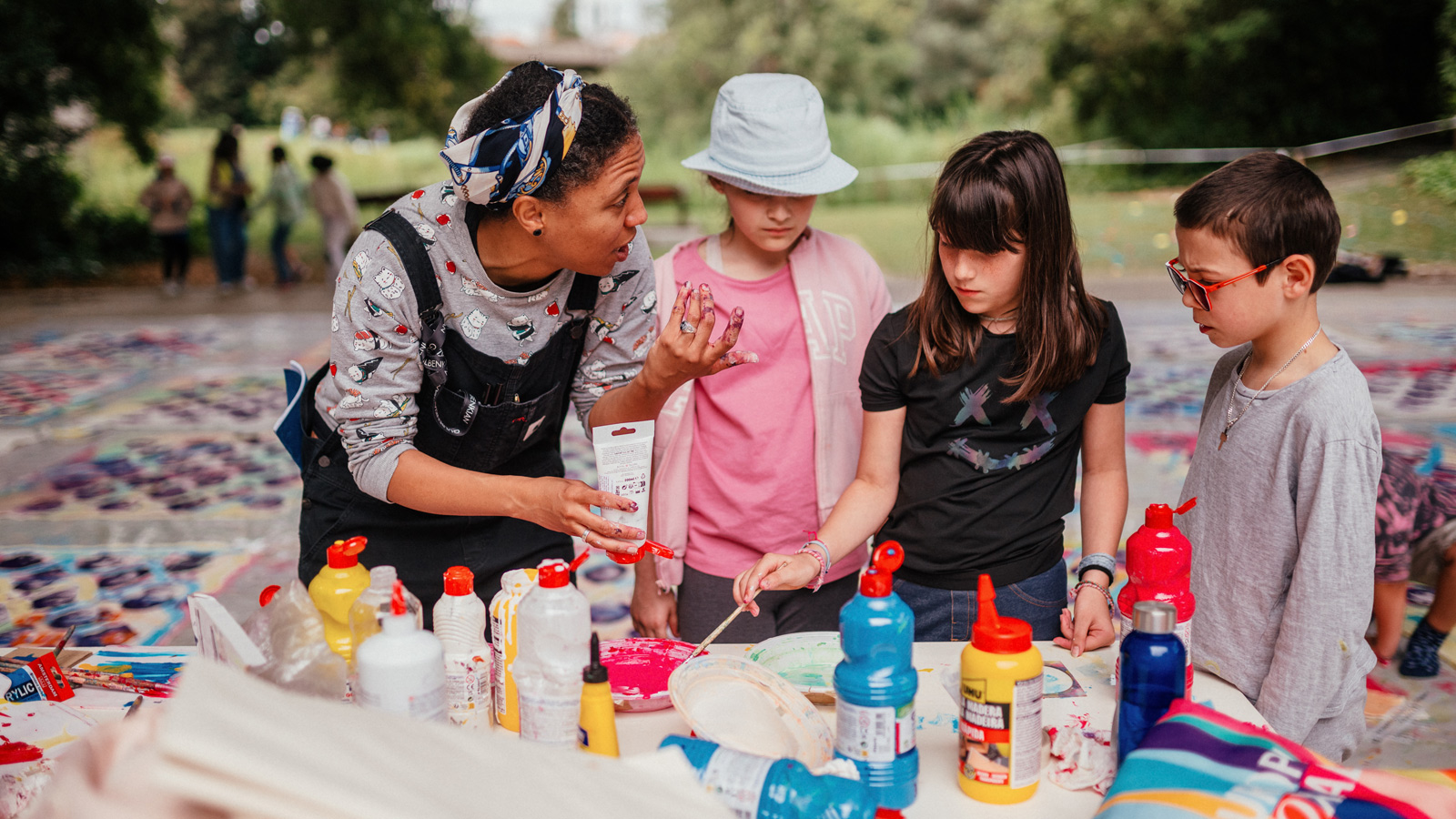
With an approach that progressed from individual to collective expression, Lugar Infinito forged paths towards new forms of participation and social transformation, demonstrating the power of art in reinventing realities.
Andreia Dias presents ‘Lugar’ as a space of belonging and inclusive creation, where children are not just heard, but also challenged to reflect critically on subjects such as citizenship, human rights and empathy. ‘For me, ‘Lugar’ is a test laboratory, where we can explore methodologies, where there is a vast creative freedom, where we shape education, artistic creation and, above all, artistic thought linked to everyday issues, in response to society and citizenship,’ she explains, summarising the essence of the project.
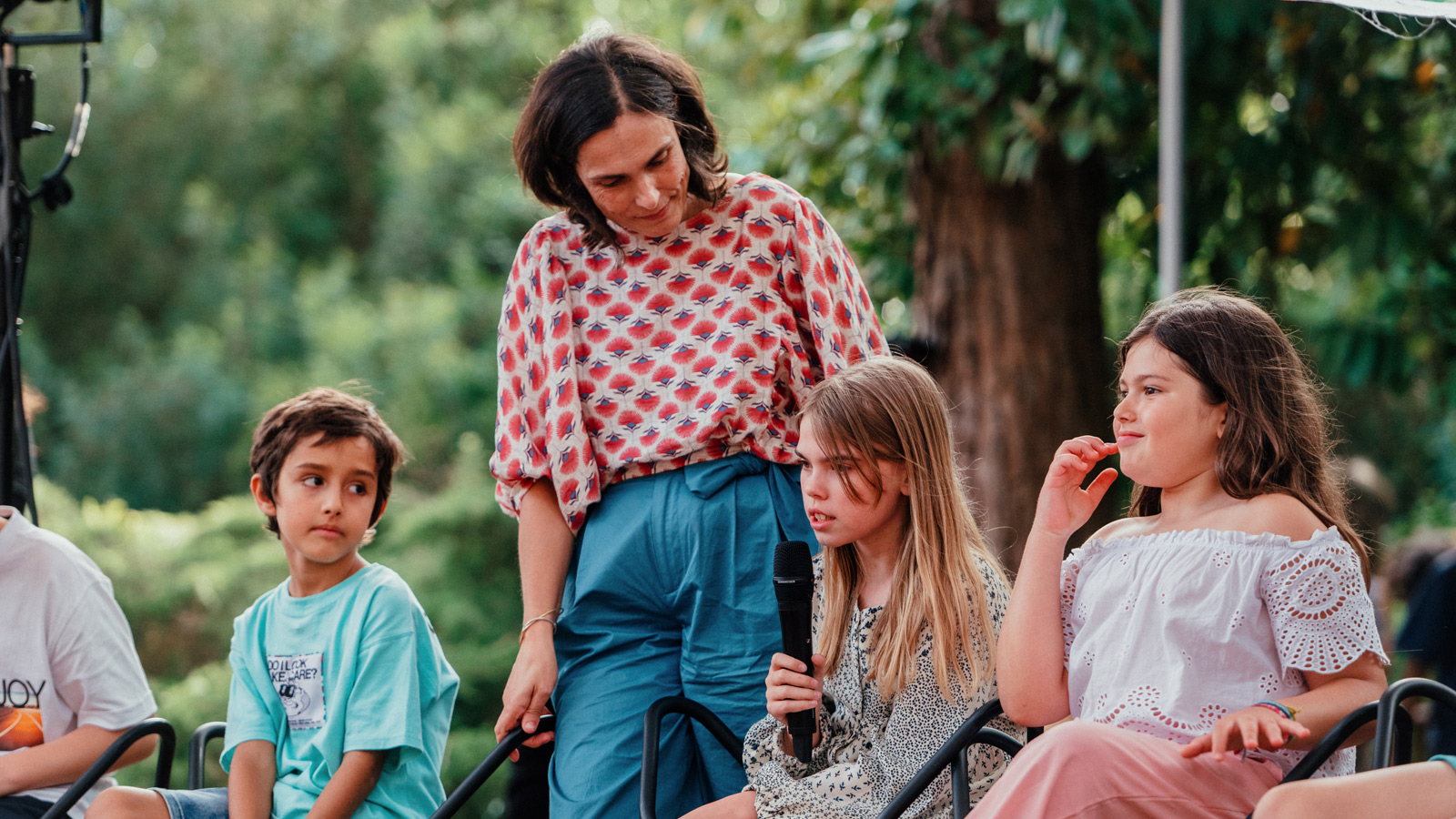
Questioned about the thematic choice for this edition, the coordinator describes how, although the project retains a core of continual construction, ‘each ‘Lugar’ is unique and individual in terms of the thought it will generate.’ This year’s approach, focused on biographical, cultural and social identities, reflected the influence of Fidel Évora’s work and the celebration of the 50th anniversary of the 25 April Revolution, combining the idea of collective memory with a transformational view of the future. ‘How do we get from Fidel’s work to infinity with these ideas? What revolutions do we still need?’
Complementing the idea of infinitude within this theme, Fidel Évora emphasises the transcendental potential of the project, which extends in space and time through listening and the active sharing of biographies, starting with an understanding of ‘I’ in relation to ‘us.’
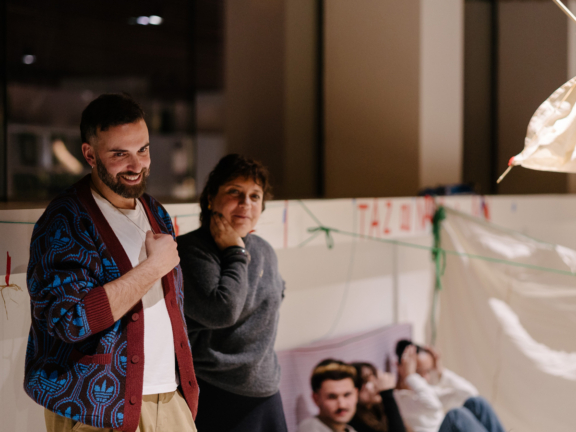
One of the most powerful moments of the project used metaphors and performative practices to promote tools for dialogue and reflection, particularly an exercise that used soap bubbles to symbolise the impact of positive and negative words in interpersonal relationships. ‘Activities like these help the pupils work with concepts such as empathy and critical thought, at the same time examining in greater depth questions related to micro-aggressions and symbolic and social boundaries,’ explains mediator Mariana Faria.
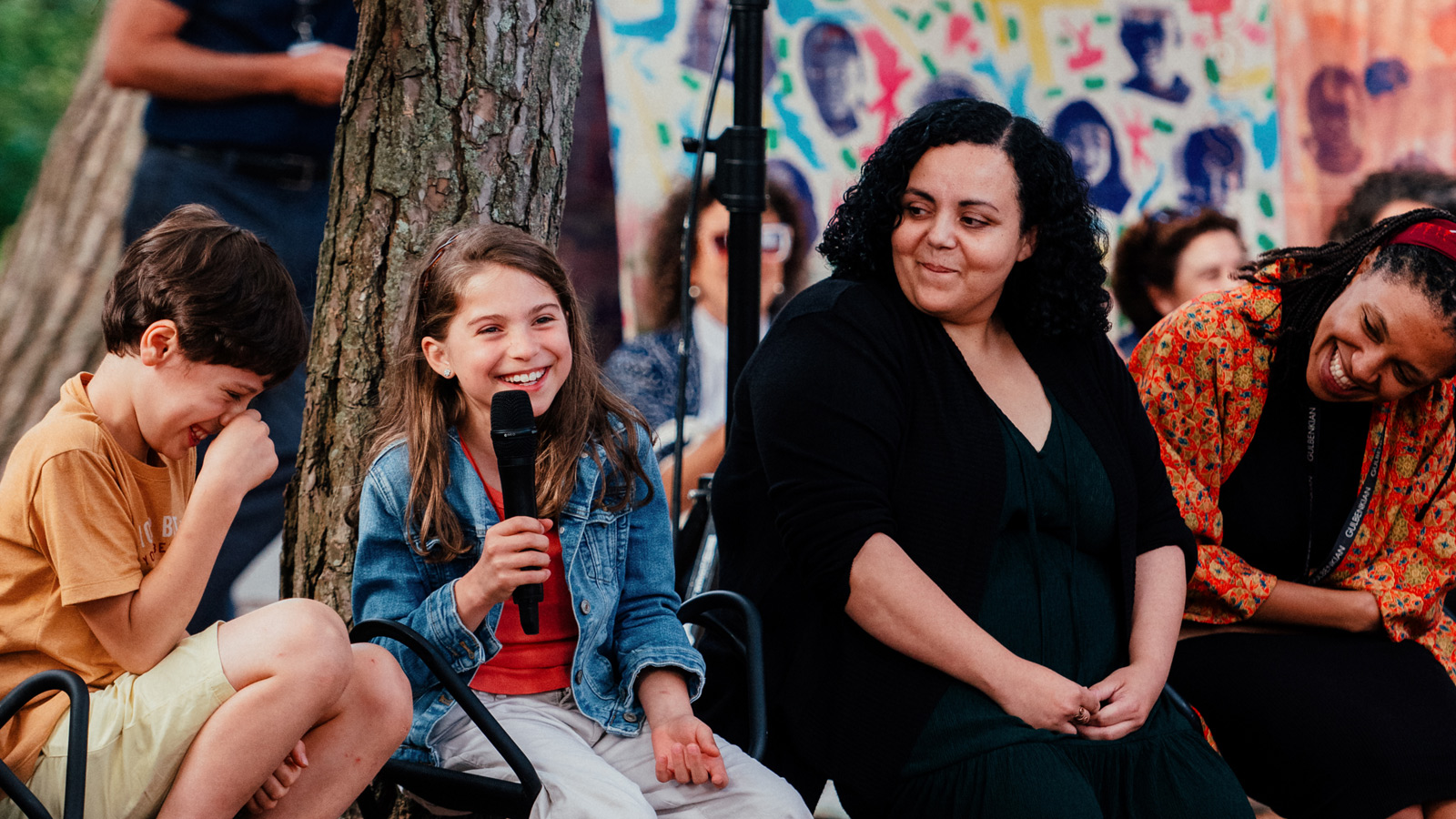
Acknowledging the inspiration of the work of Fidel Évora, whose process ‘helped stitch the sessions together,’ the mediator emphasises the rewarding ambivalence of the project, marked by the ‘possibility of enjoying art and the possibility of thinking critically about certain issues – issues that involve citizenship and human rights, as well as dreaming of worlds.’ In Mariana Faria’s view, the transformational potential of the project lies in the ‘real empowerment of thought, self-confidence and courage.’
Fidel Évora, whose approach focused on biographical and cultural identity and boundaries, based on themes related to his own artistic process, played a central role in the construction of the collective narrative. ‘’Lugar’ is an idea that starts with a cocoon and then spreads out into society,’ the artist explains. Through activities such as gathering personal objects, self-representation and exercises exploring the relationship between identity and space, the pupils actively participated in the development and sharing of emotional, transpersonal tools.
The use of other references from the CAM Collection, such as the works of Rui Leitão and Ana Hatherly, also enriched the creative process throughout, providing a dialogue between different artistic expressions.
The final installation, composed of screen prints, texts and other elements created by the pupils, materialised in the definition of a work of art, revealing the power of collaboration and collective creativity. Presented in the Gulbenkian Garden, the work did not merely frame the contemplation of the themes explored during the project, but also provided an interactive experience for the public.
Near the end of the interview, the social role of the museum was also highlighted, particularly the way it can contribute to materialising experiences and the expression of thoughts through artistic practice, providing a safe environment of sharing. Mediator Andreia Coutinho underlines the importance of the concept of familiarity in the experience: ‘Sometimes it’s something like a feeling of familiarity – linguistic, background – of not being a lone island. The school experience is aggregative, but it can be isolating for many young people, for example, refugee children.’
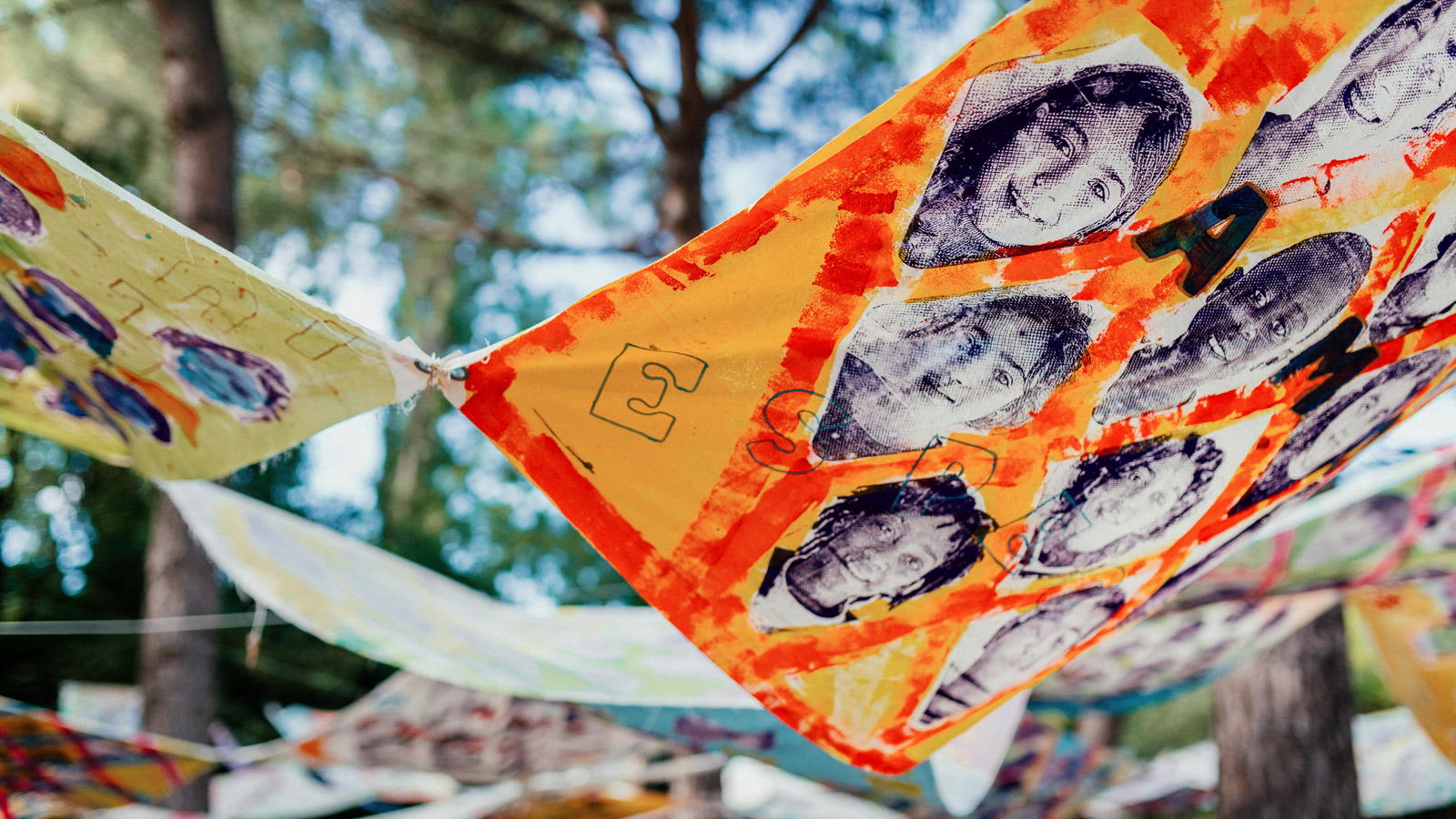
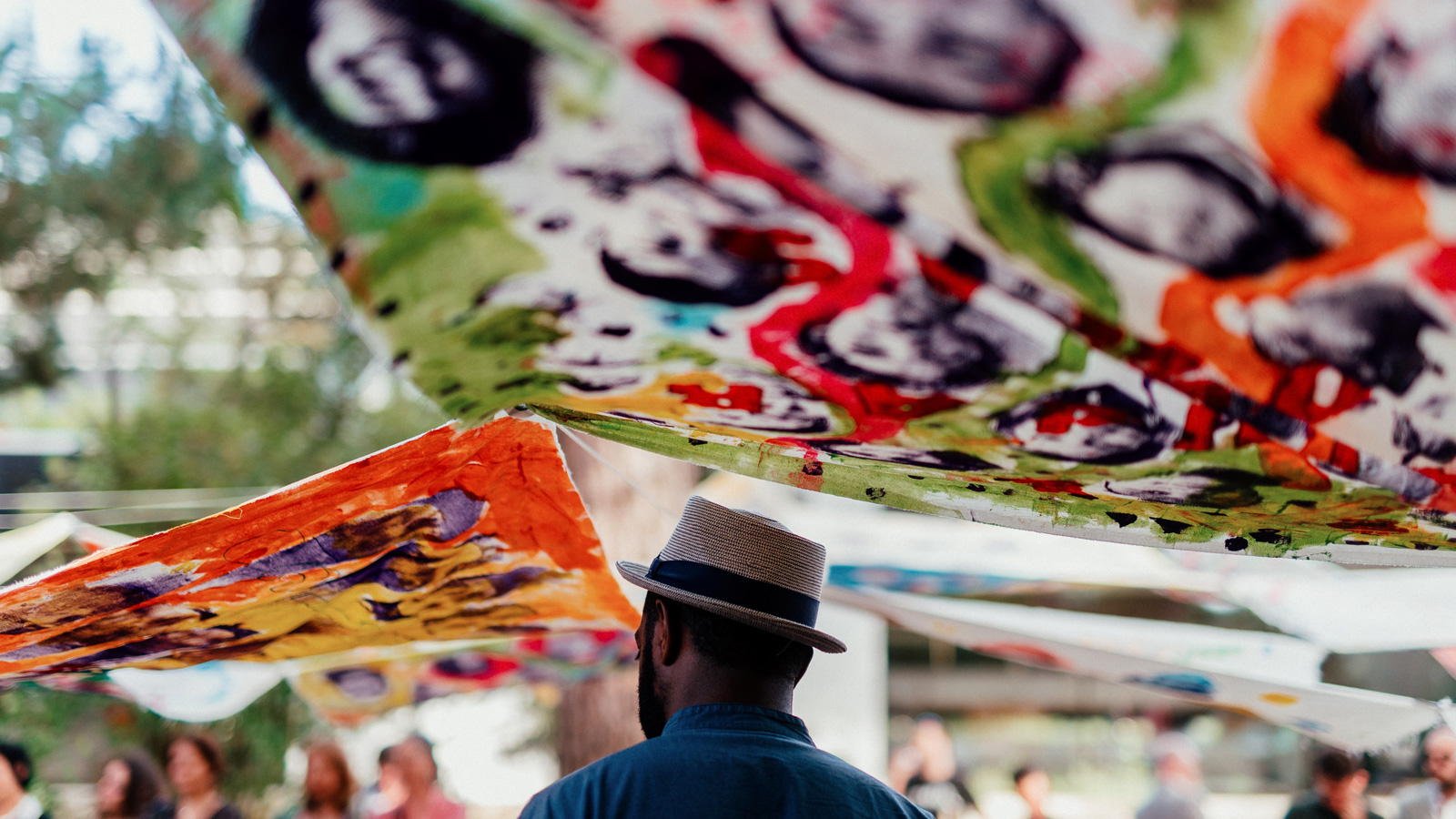
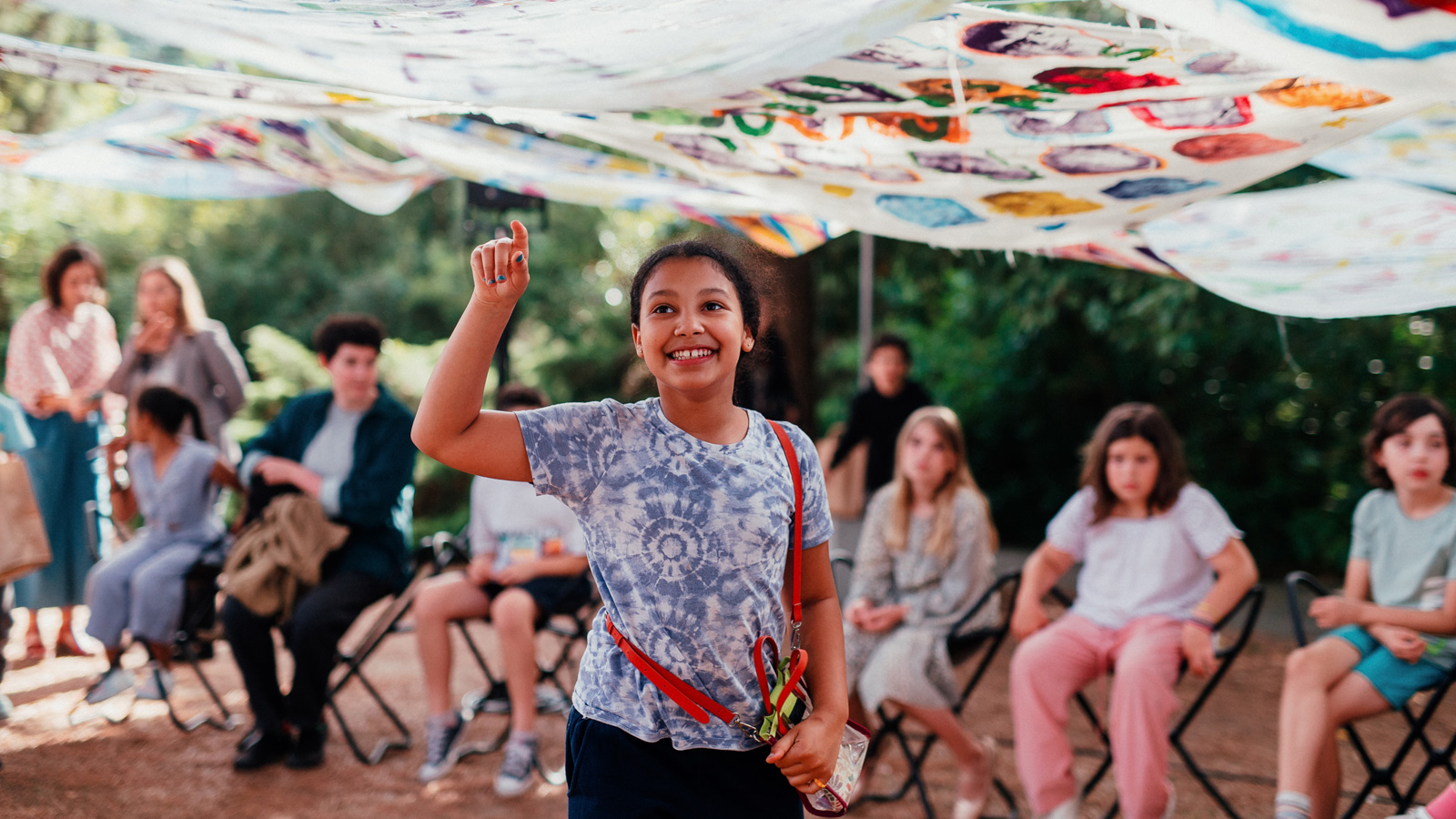
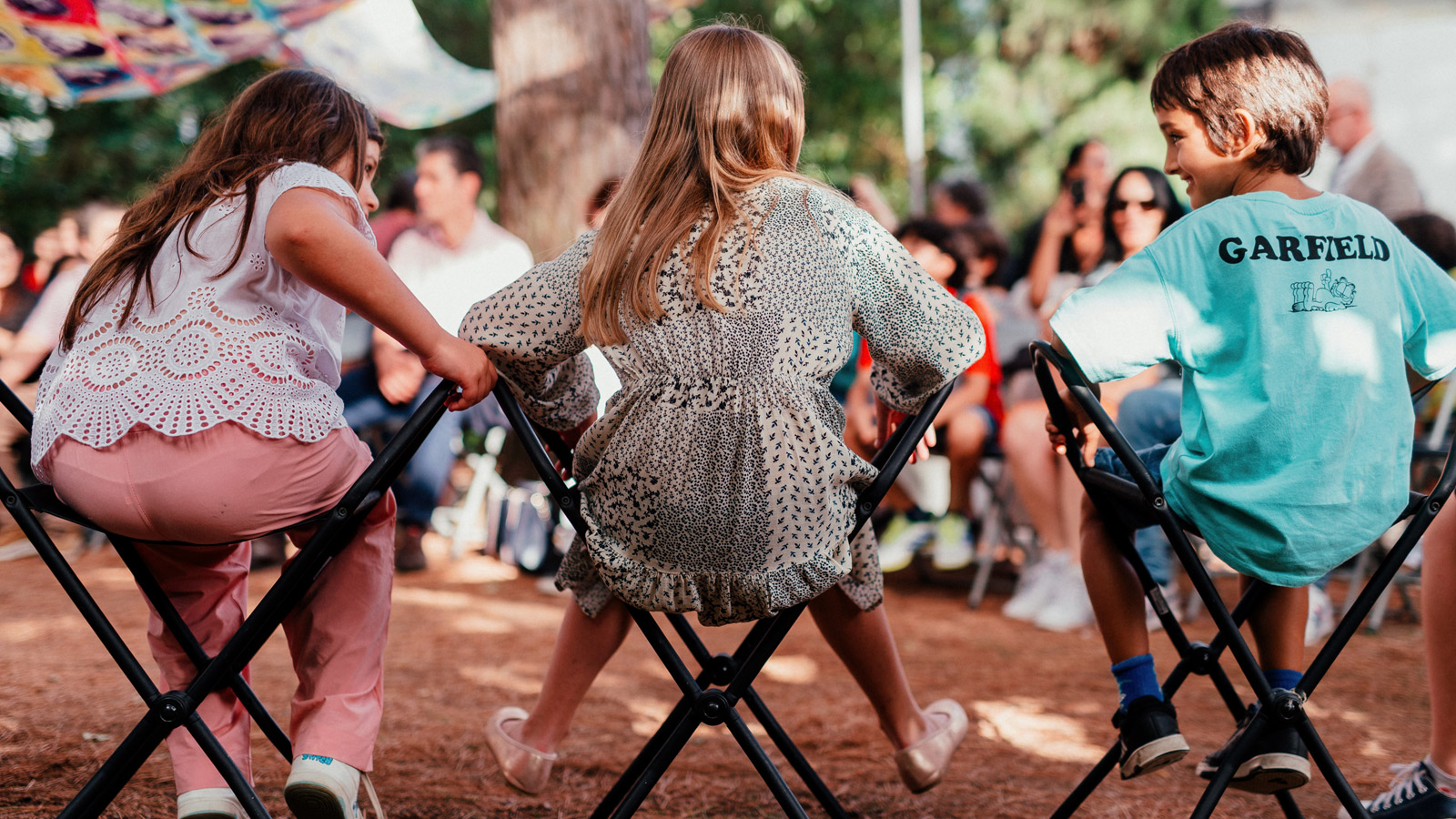
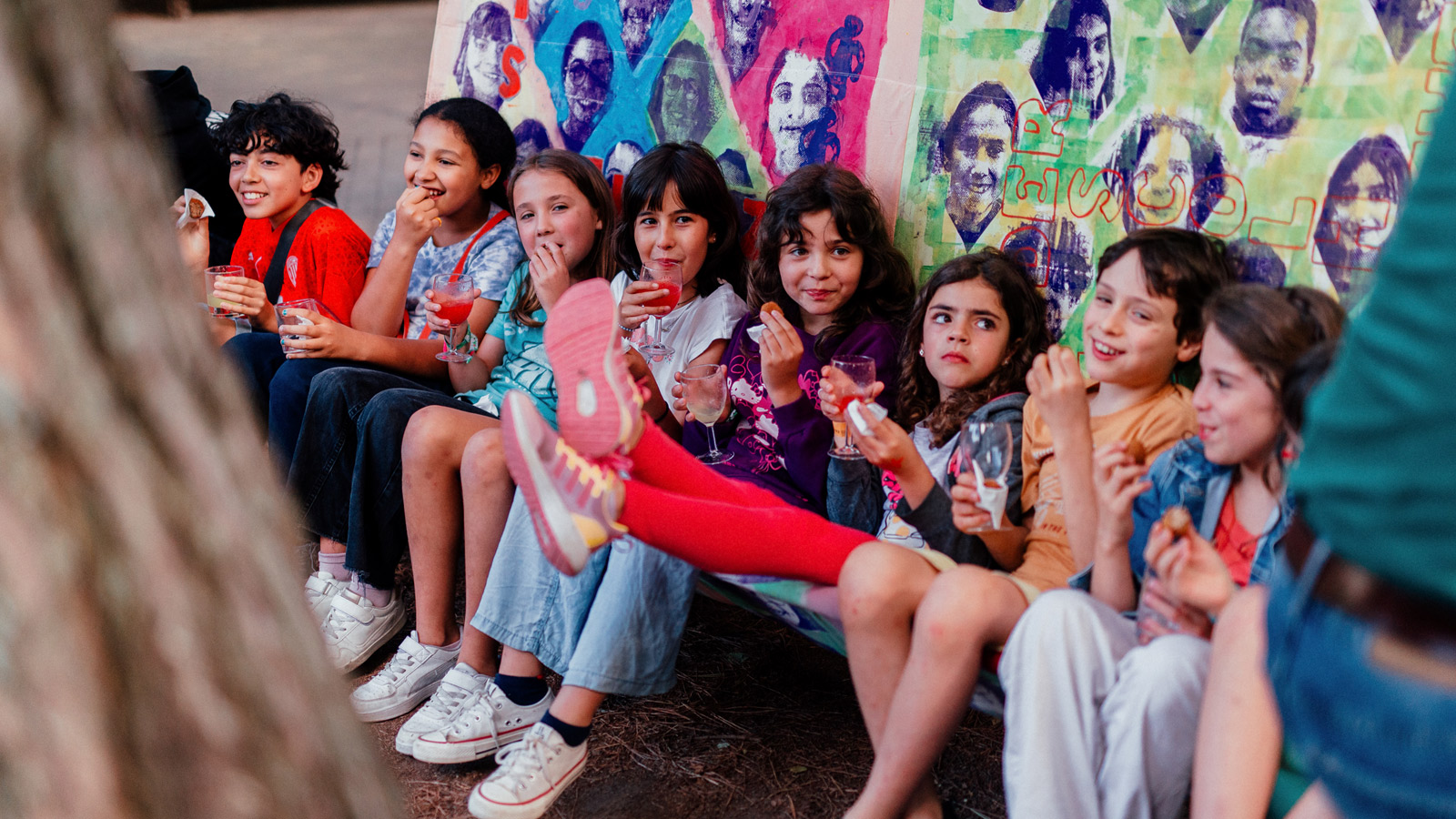
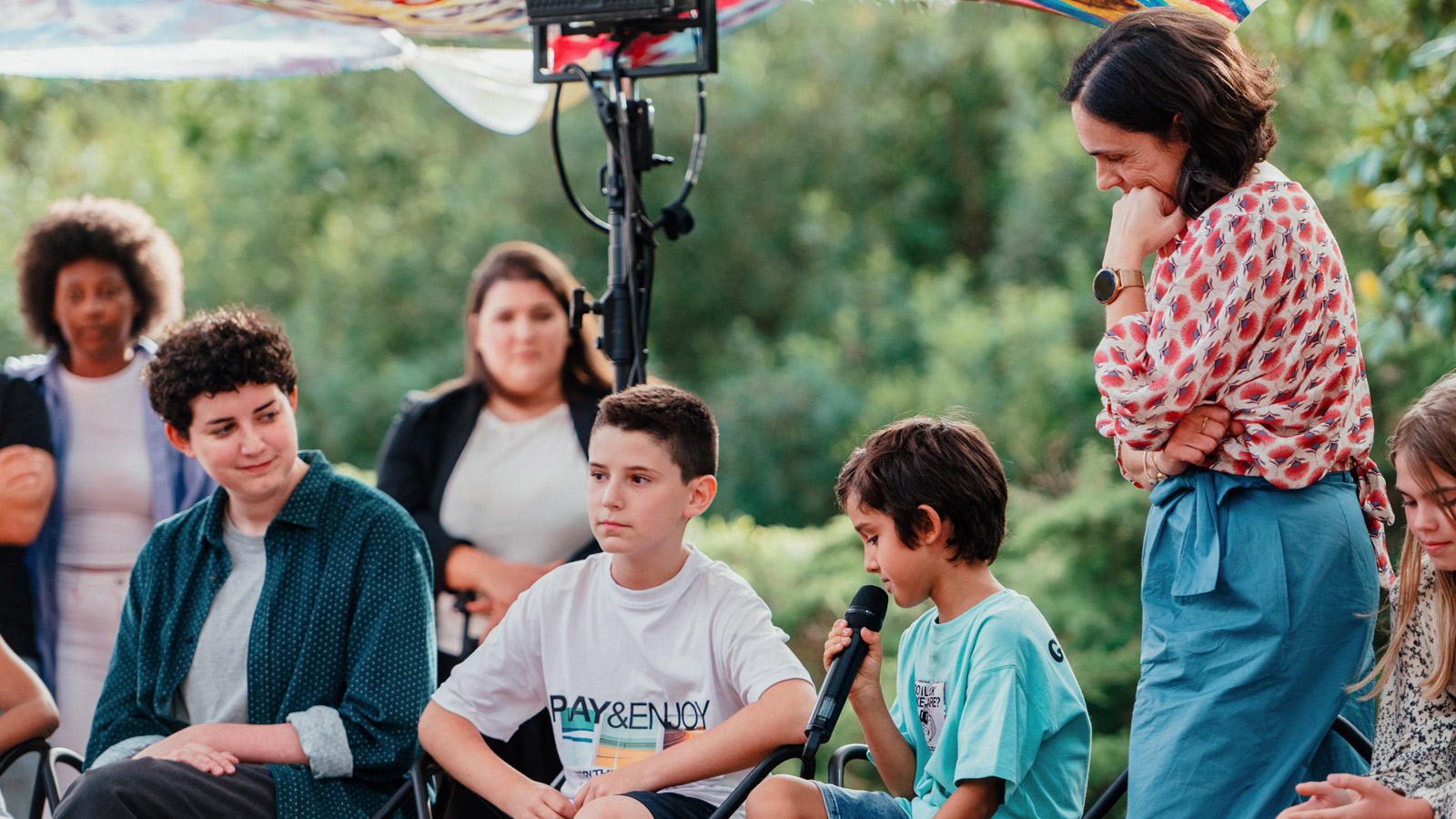
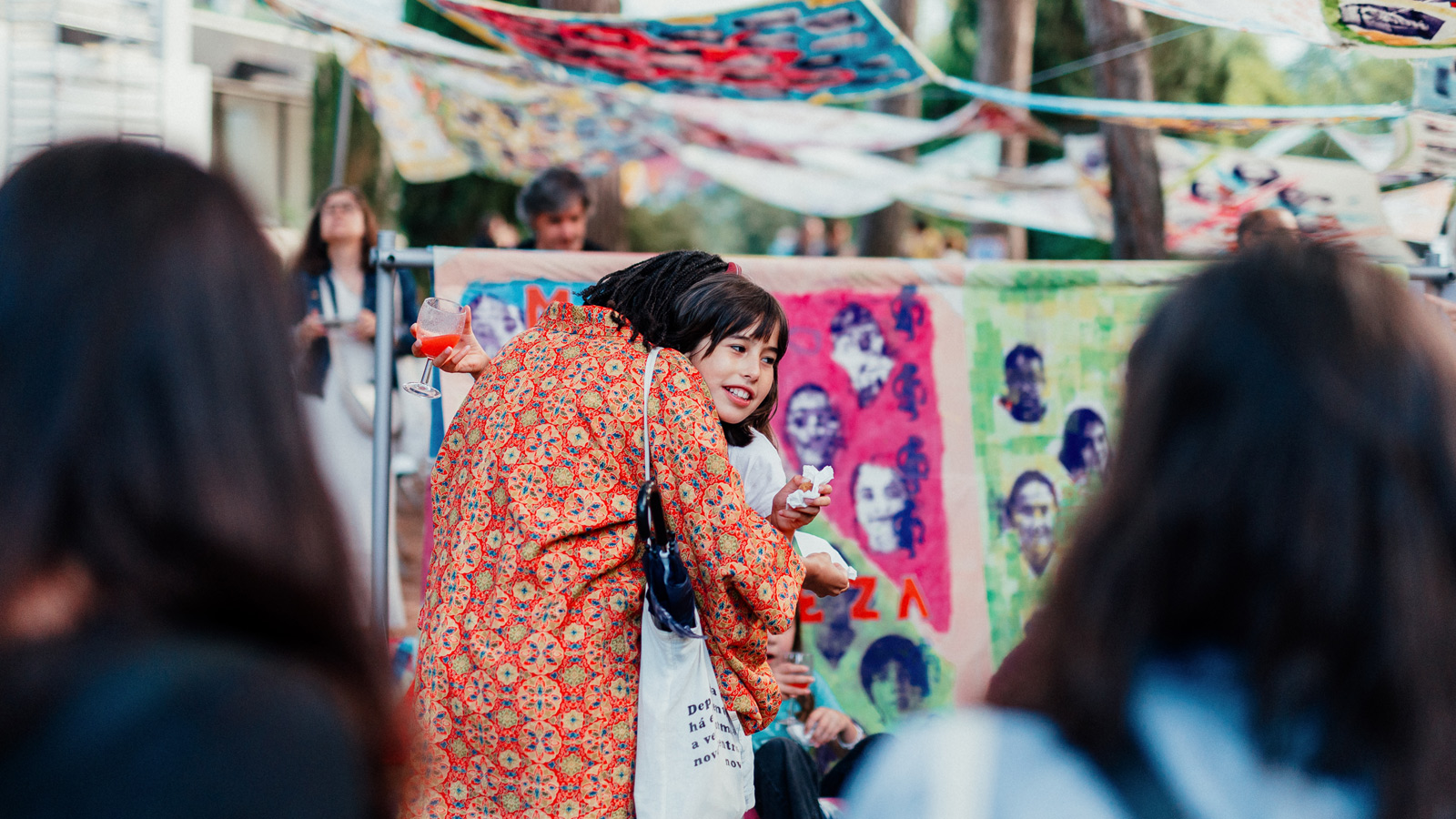
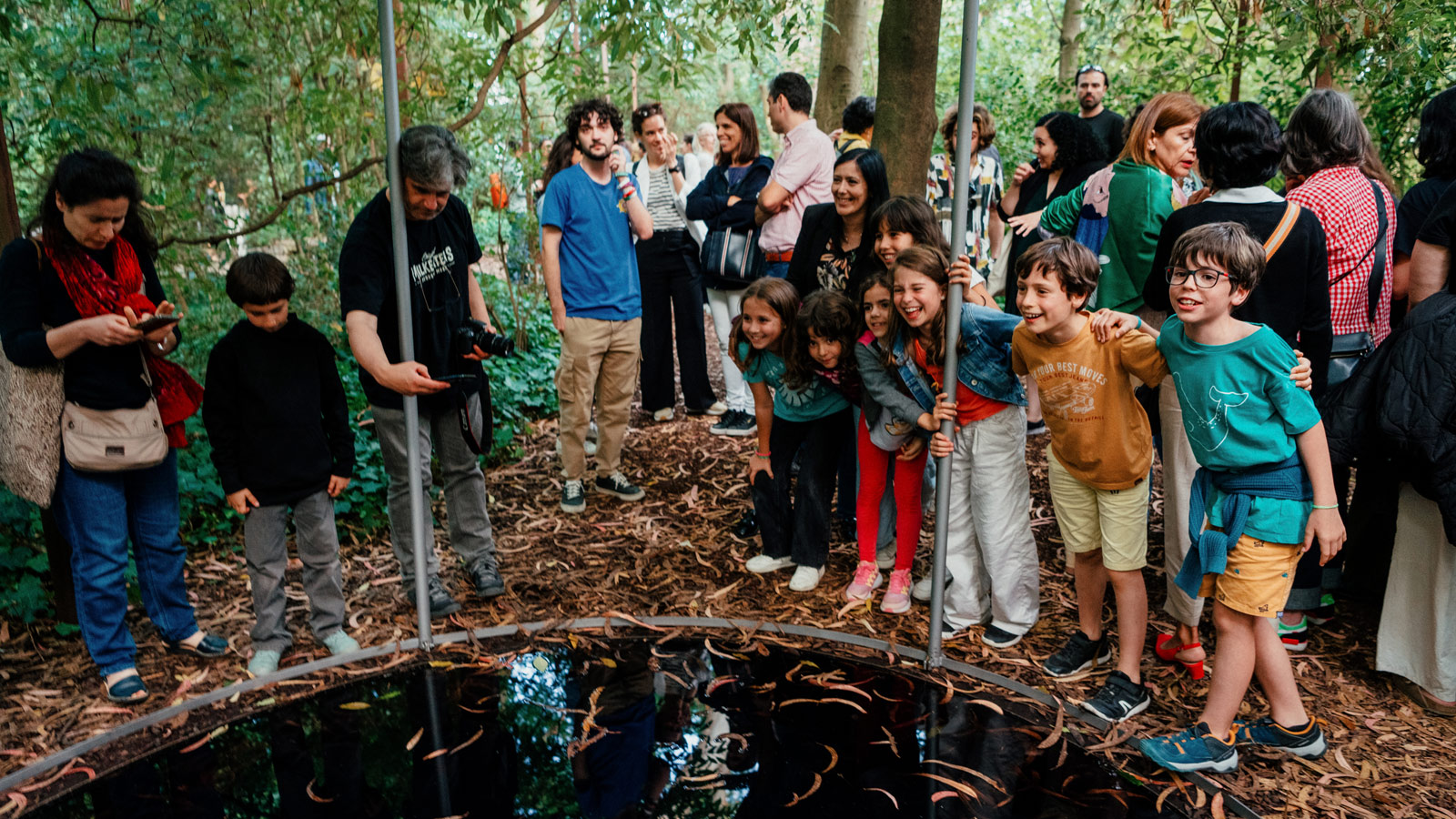
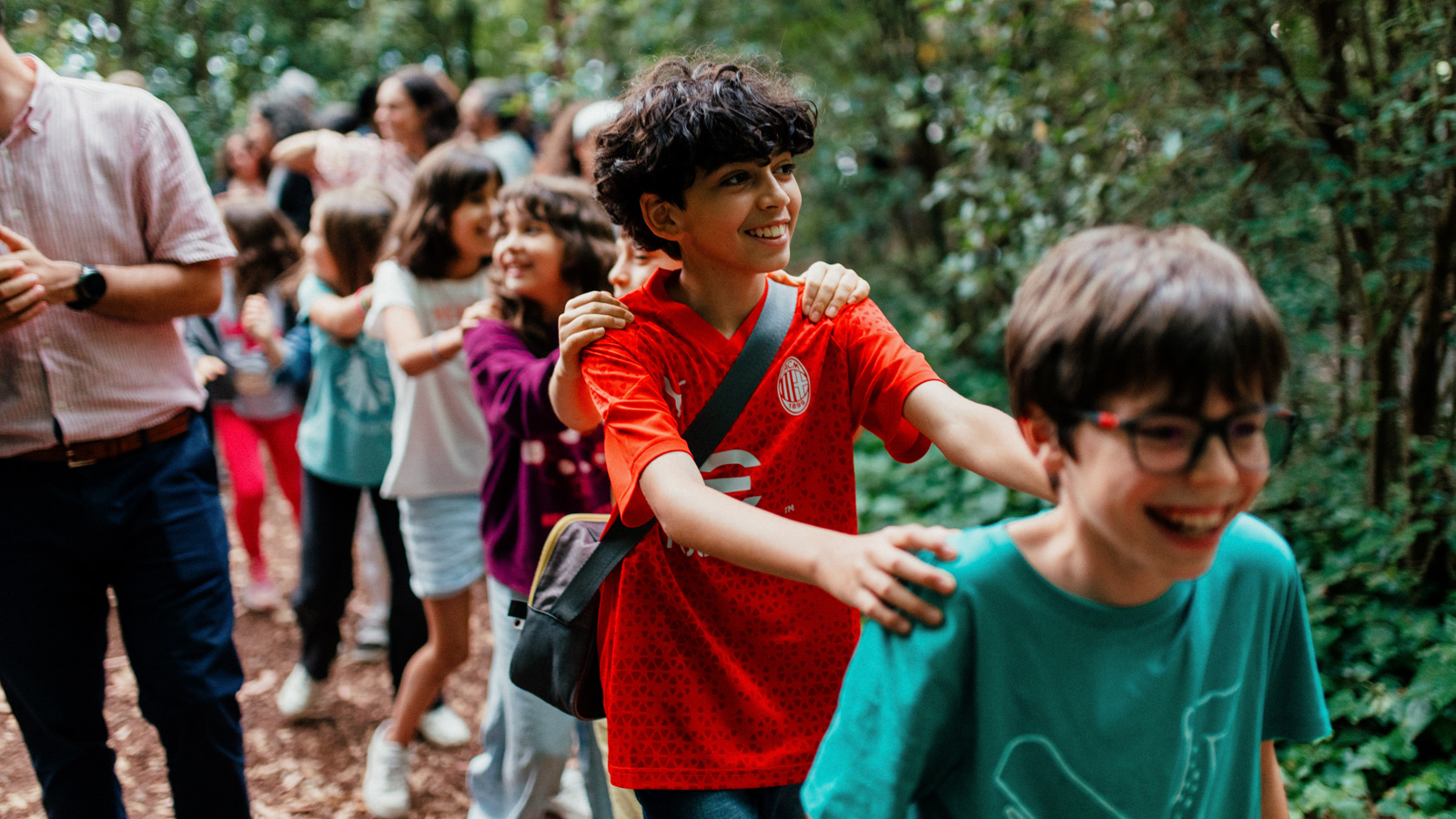
The team agrees that the impact of the project will extend far beyond the visible. By collaborating with an artist, young people don’t just discover new forms of reflection and expression but are able to imagine a future in which art plays a central role. Although linked to the school year, the legacy of ‘Lugar Infinito’ will last beyond that period, remaining in the participants’ memories for a long time. The intention is to inspire future generations to become community leaders and agents of change.
‘Lugar Infinito’ offered new tools for reflection through artistic education, transforming CAM into a dynamic and inclusive environment, where themes such as relationships, empathy, the commonplace, and critical thinking interweave to inspire future generations. The final work, integrated into the garden, became the focal point for an ongoing dialogue about experiences, attachments and infinite places that emerge when art, education and collaboration meet.
You may also like
No results were found for your criteria.