
The Collector’s Souvenirs: the Rothschild Medal Cabinets
Calouste Gulbenkian’s immersion in Vienna’s art collections during his study trip to the Austrian capital in 1933 sparked in the collector a desire to make new acquisitions for his collection. By this time an experienced collector, his already lofty standards had risen further, leading him to make fewer acquisitions. For this reason, the interest he showed in this case was of great significance. Essentially, the Collector’s exceptional purchases from the Hermitage Museum had made him reluctant to make acquisitions that did not add significant value to his collection. As such, at that time, he was focused only on objects of ‘transcendental’ quality.
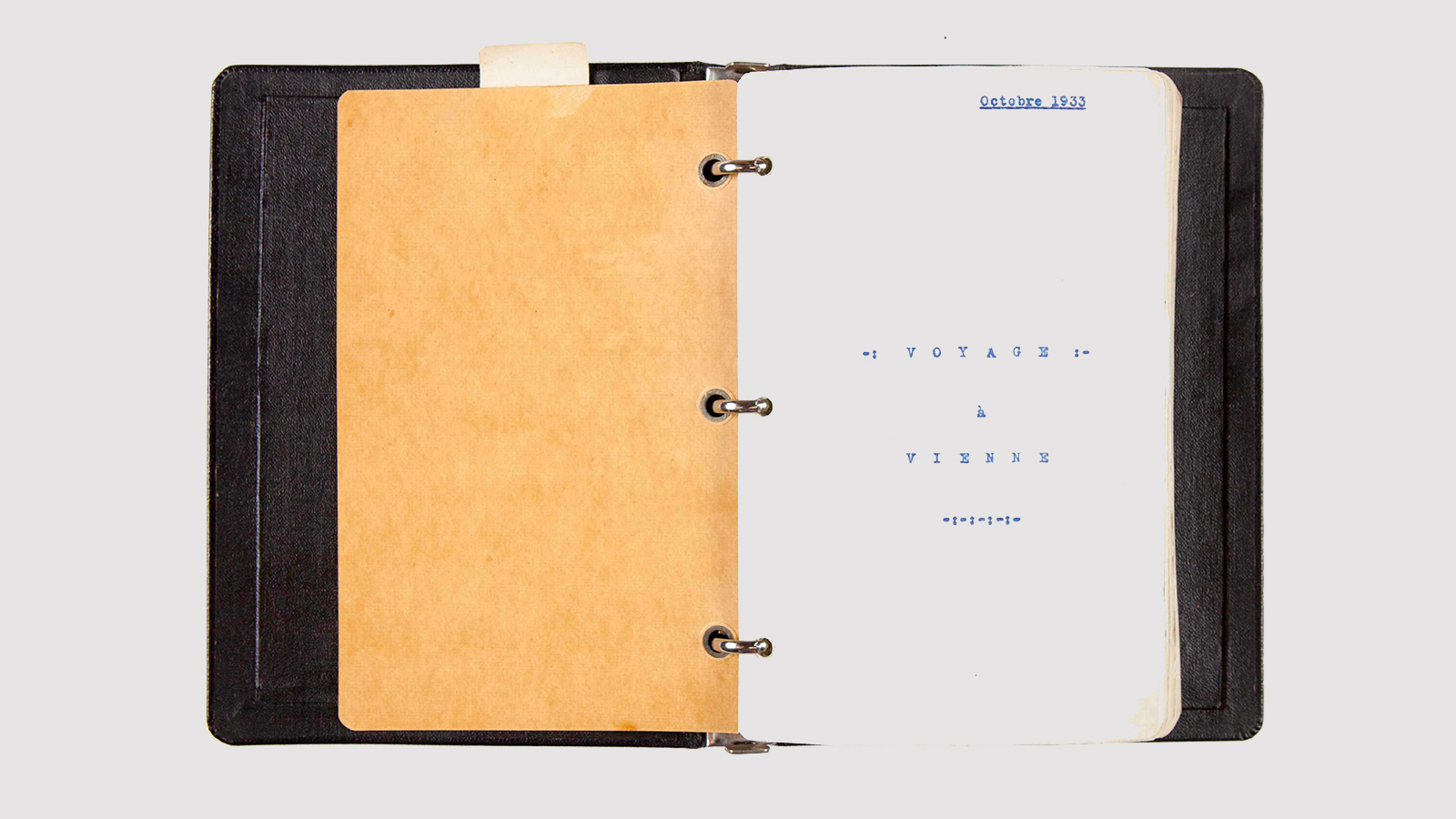
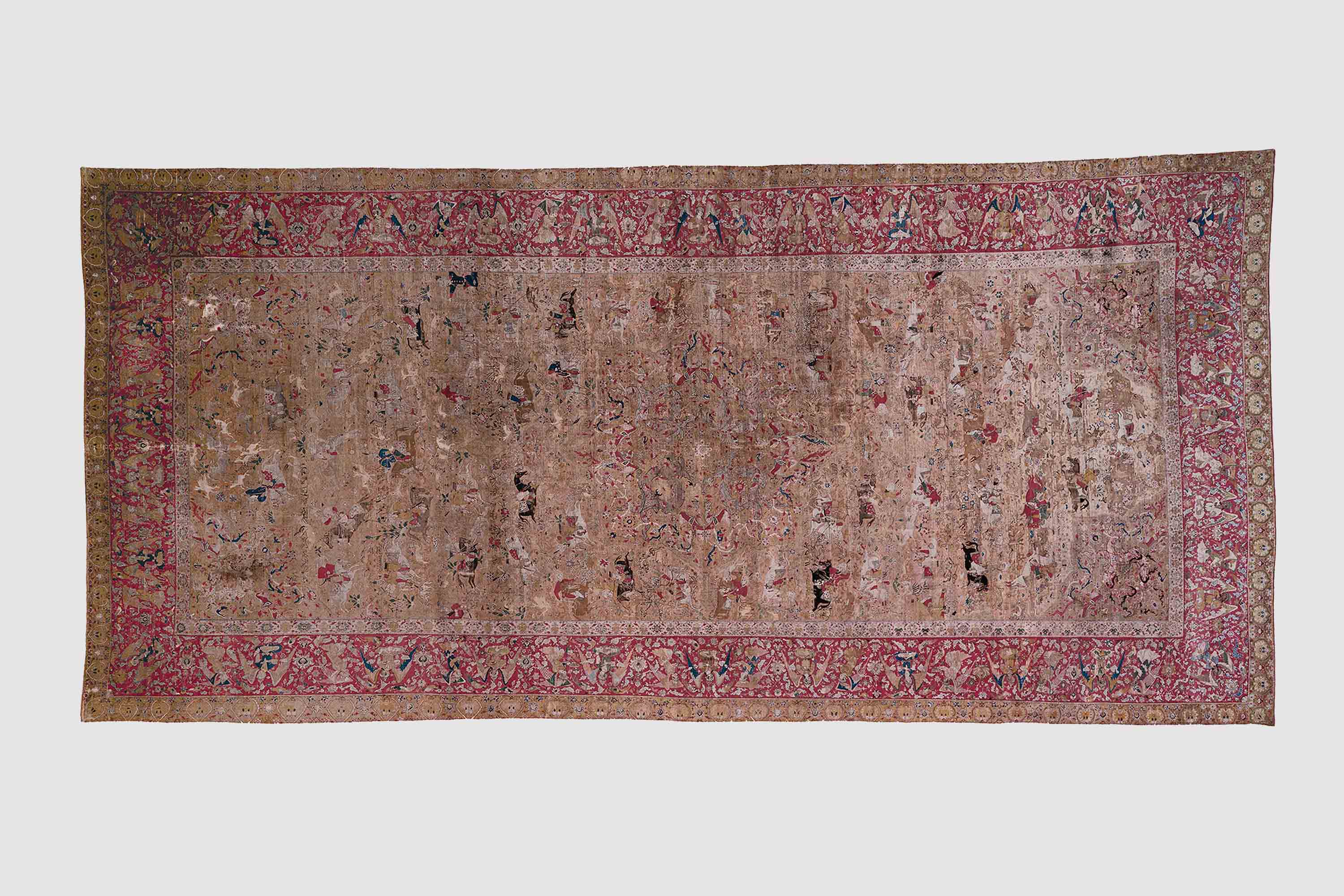
At the Museum für Kunst und Industrie, where he spent several hours on different days, Gulbenkian amused himself by pondering how many carpets from the exceptional collection he would take home with him if given the chance. After careful observation, he eventually decided that ‘There are 16 carpets that would delight the most demanding of collectors.’ Among them would certainly be one specimen that he described at the time as the most beautiful piece of Persian textile art in the world, a Safavid silk carpet depicting hunting scenes, which is still one of the foremost works in what today is known as the MAK – Museum für angewandte Kunst.
Thanks to his contacts in the city, namely the A. S. Drey and Pollak & Winternitz art galleries, as well as the art historian Leo Planiscig, Gulbenkian was also able to visit some of Vienna’s leading private collections during his trip, in particular the Rothschild, Liechtenstein, Clam-Gallas, Harrach, Czernin, Figdor and Benda collections. However, with a few exceptions, he felt these collections to be somewhat overrated. Nevertheless, during his visit to the Liechtenstein Palace, he came across a ‘Polonaise’ carpet in the imposing entrance hall that truly captivated him, not only for the beautiful design and rich colours, but also for its excellent condition. A great admirer and collector of these types of Persian carpets, he considered the piece an ‘excellent acquisition, if feasible.’
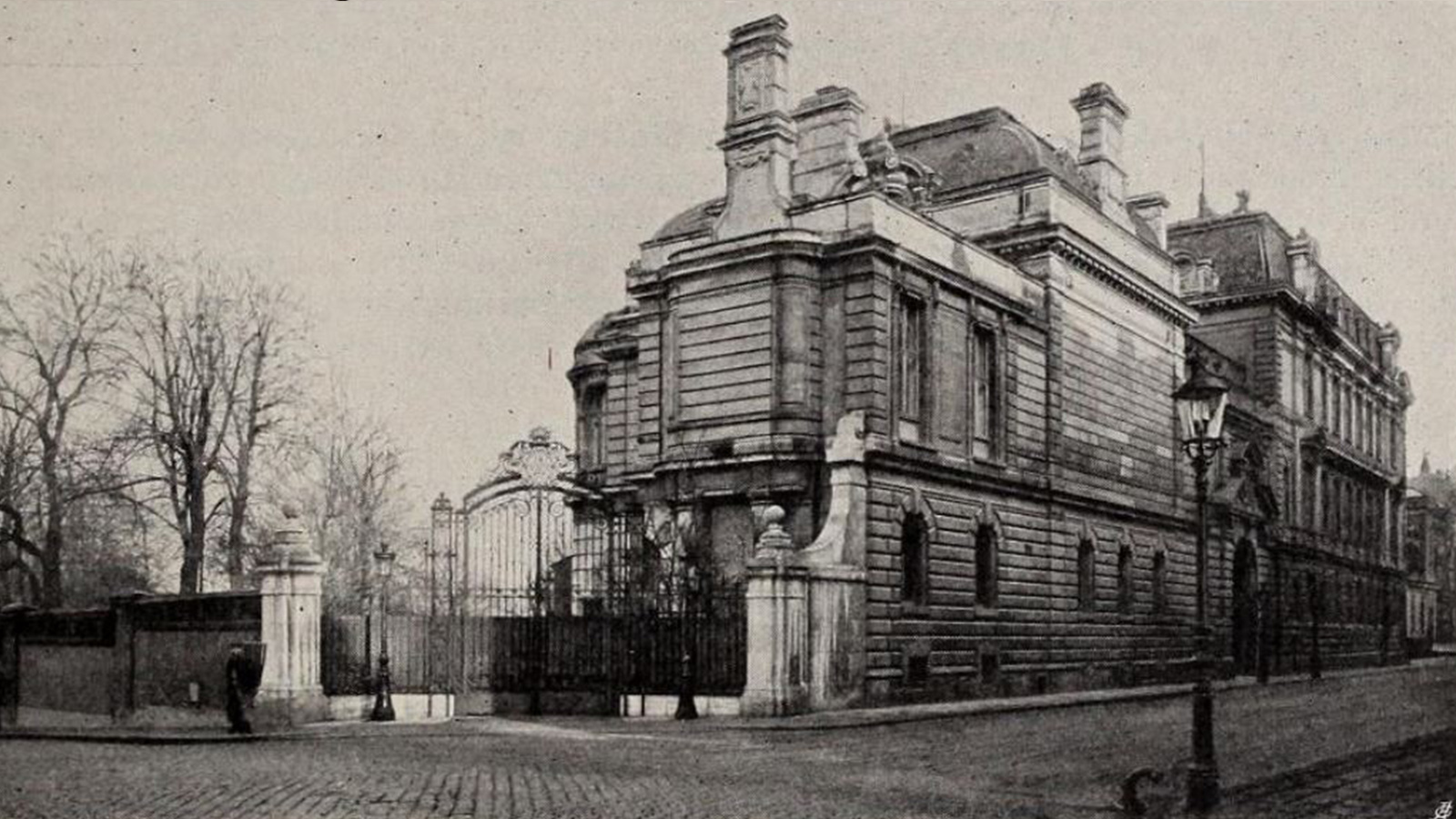
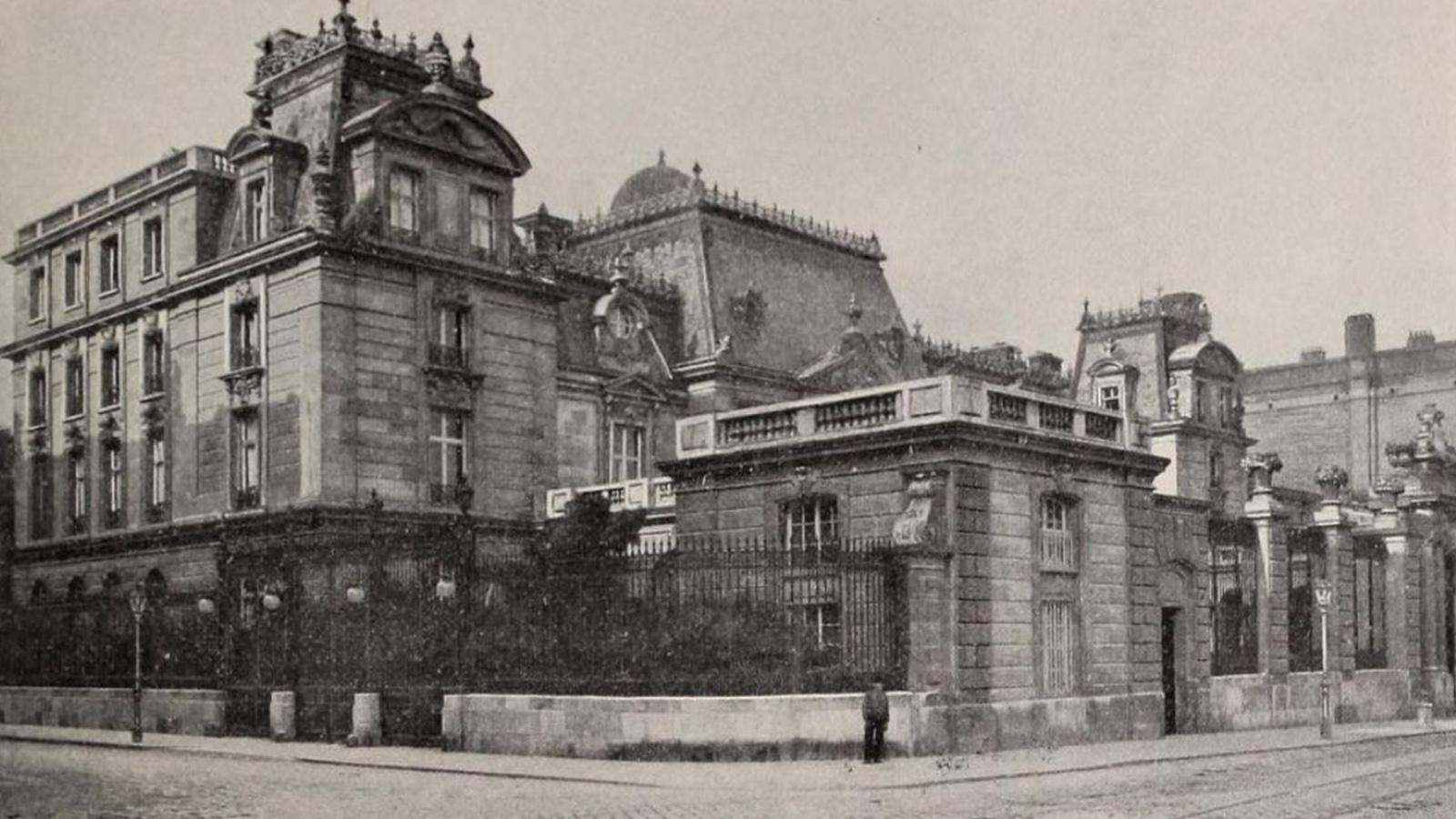
At Theresianumgasse 16-18, the Collector visited one of the city’s five Rothschild palaces. Originally built by Nathaniel von Rothschild, the Neo-Baroque building and its magnificent art collections were inherited by his nephew, Alphonse Mayer von Rothschild, also a collector. Despite the remarkable international reputation of the collections amassed there, Gulbenkian was underwhelmed by the ensemble: ‘With the exception of six or seven pieces, I was disappointed.’
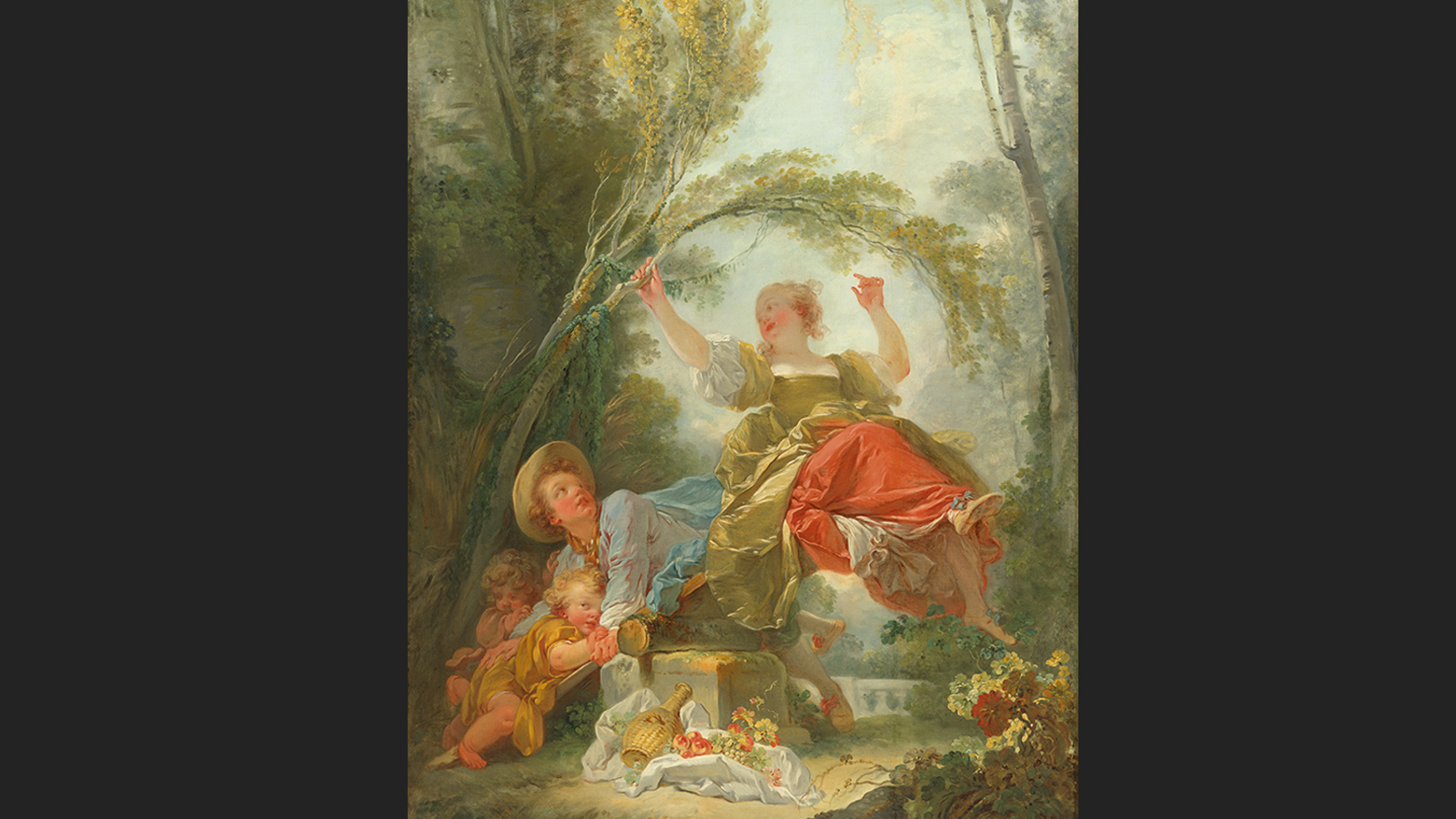
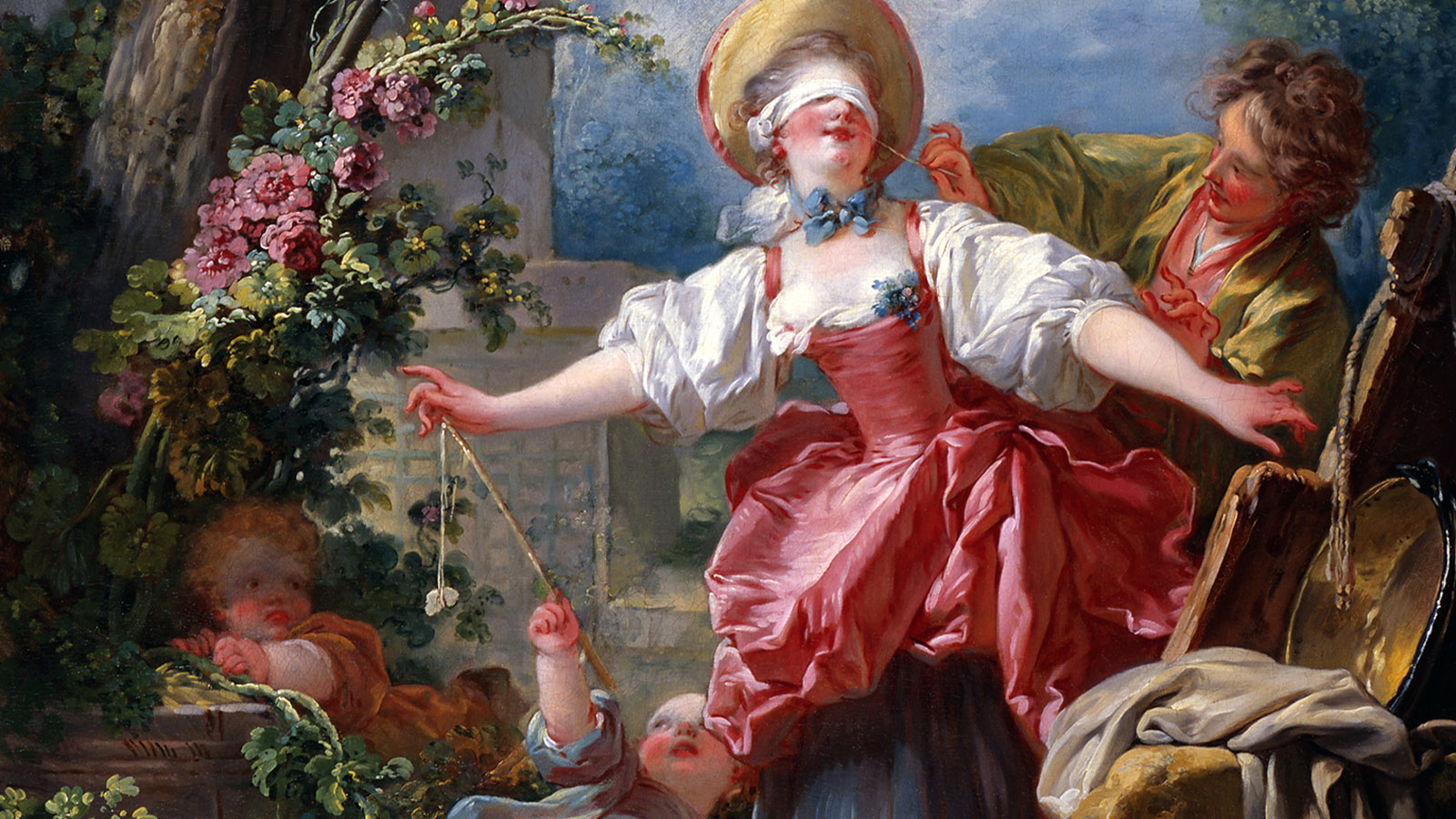
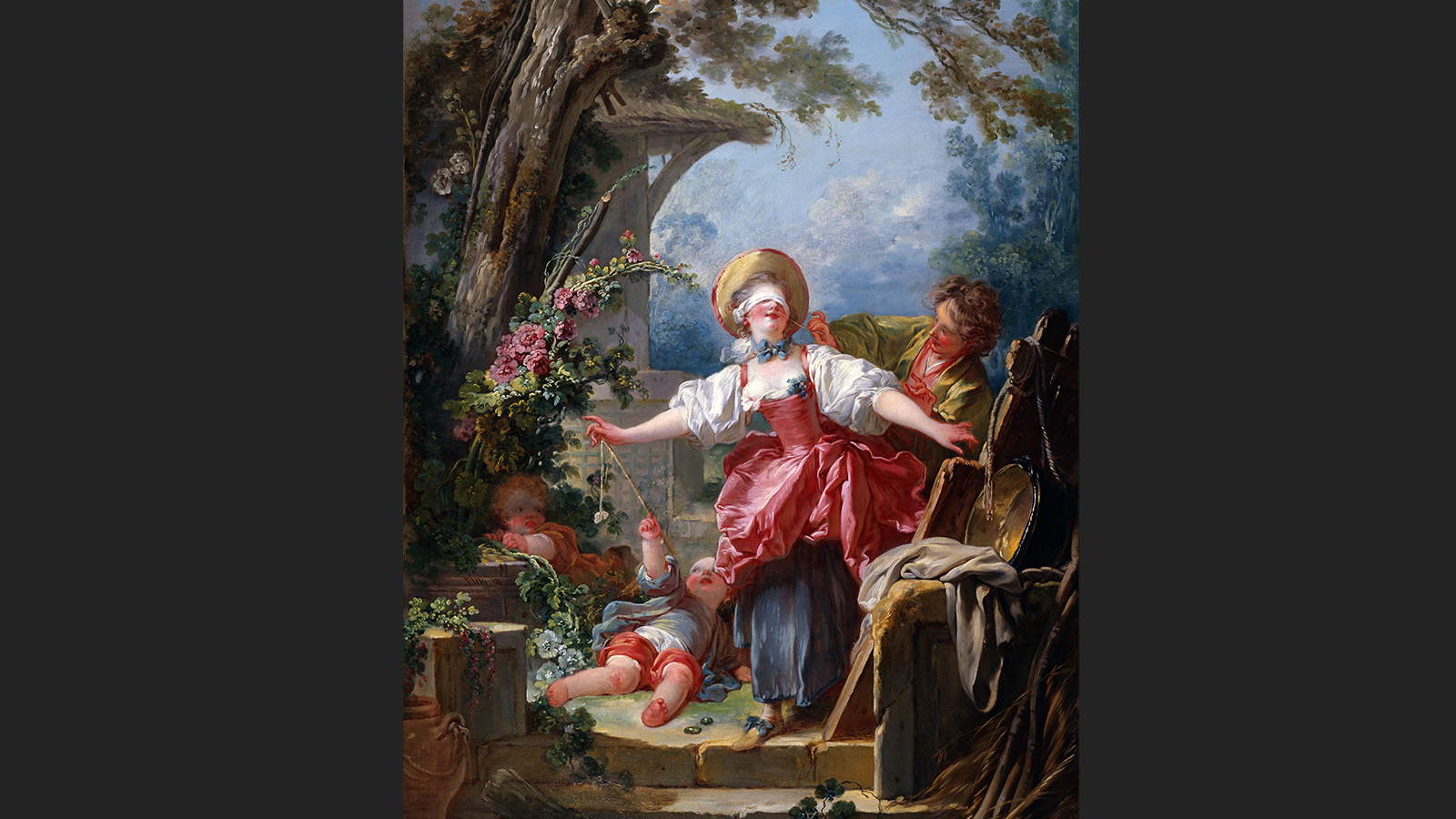
Sharing the Rothschild barons’ predilection for eighteenth-century French art, it is unsurprising that the Collector highlighted pieces of furniture from the reigns of Louis XV and Louis XVI in particular. Also in keeping with his penchant for painting, he remarked on the presence of a Guardi fire scene – a theme absent from his collection of works by the Venetian artist – and a pair of paintings by Fragonard depicting scenes of young love: The Swing and Blind Man’s Bluff, which he did not find to be particularly extraordinary. Of the works he considered most interesting, two impressive Regency-style medal cabinets, described as being of ‘very good quality,’ were the only firm additions to his list of desirable acquisitions.
After returning to Paris, Gulbenkian maintained regular contact with Siegfried Drey, the art dealer who had accompanied him on his visit to the Rothschild palace and who was charged with negotiating a possible sale of the furniture and other objects. However, after months of negotiations, in January 1934, Drey finally concluded that Alphonse von Rothschild was unwilling to sell any works from his collection for the time being. The said collection would subsequently be confiscated by the Gestapo in March 1938, following the annexation of Austria by Germany and the implementation of the Nuremberg Laws. The palace suffered a similar fate, being heavily damaged by air raids during the war and subsequently demolished.
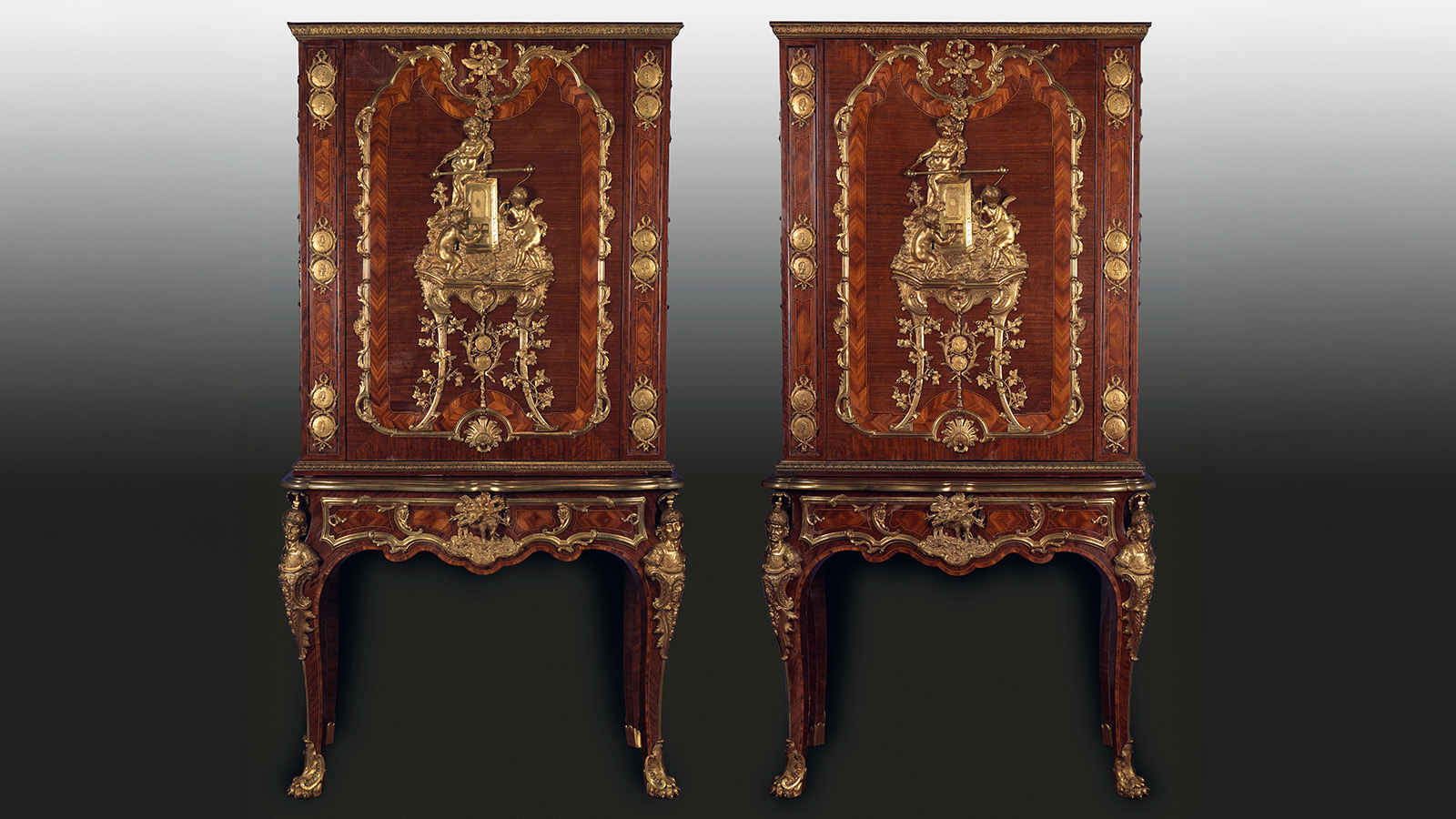
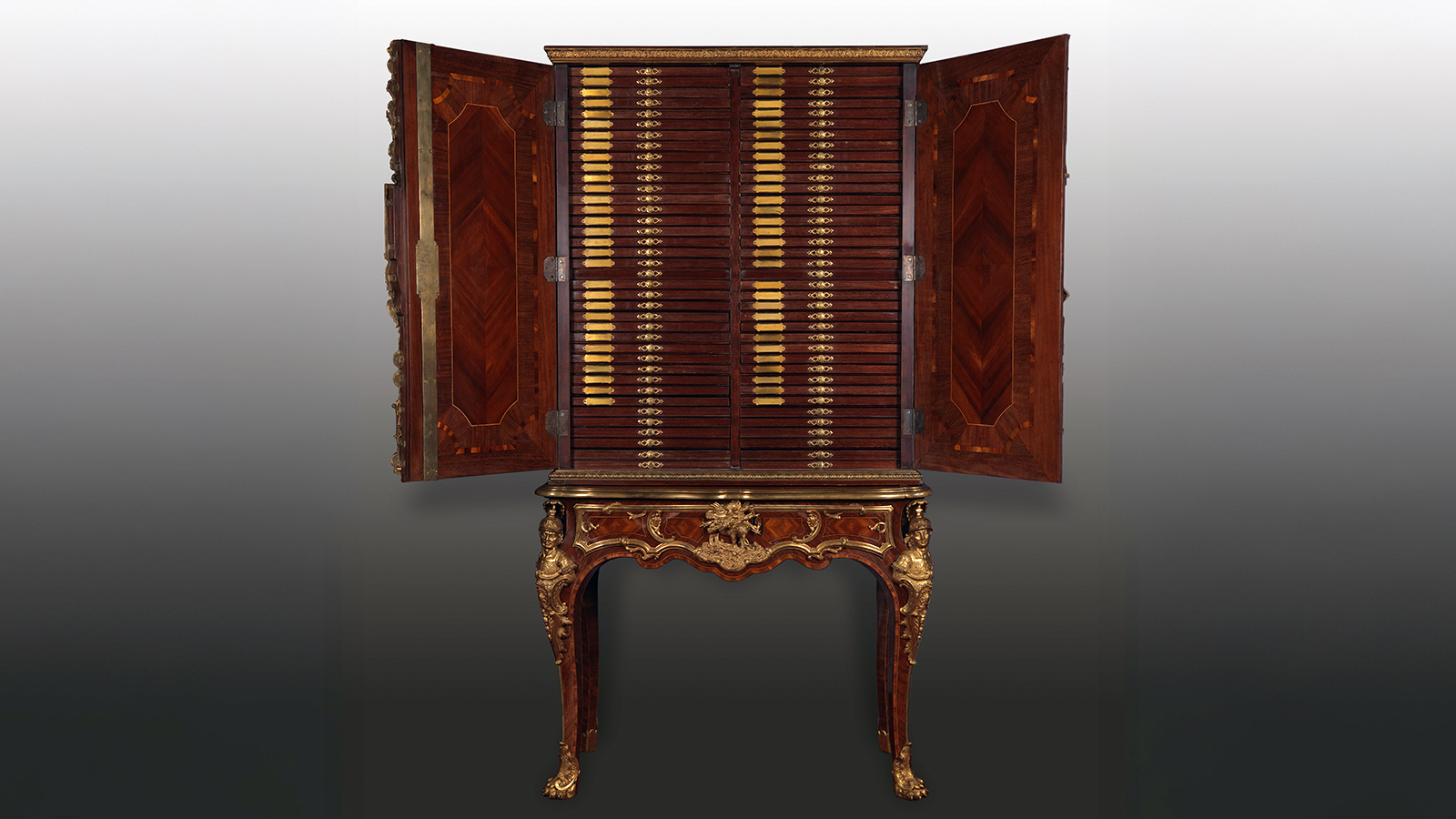
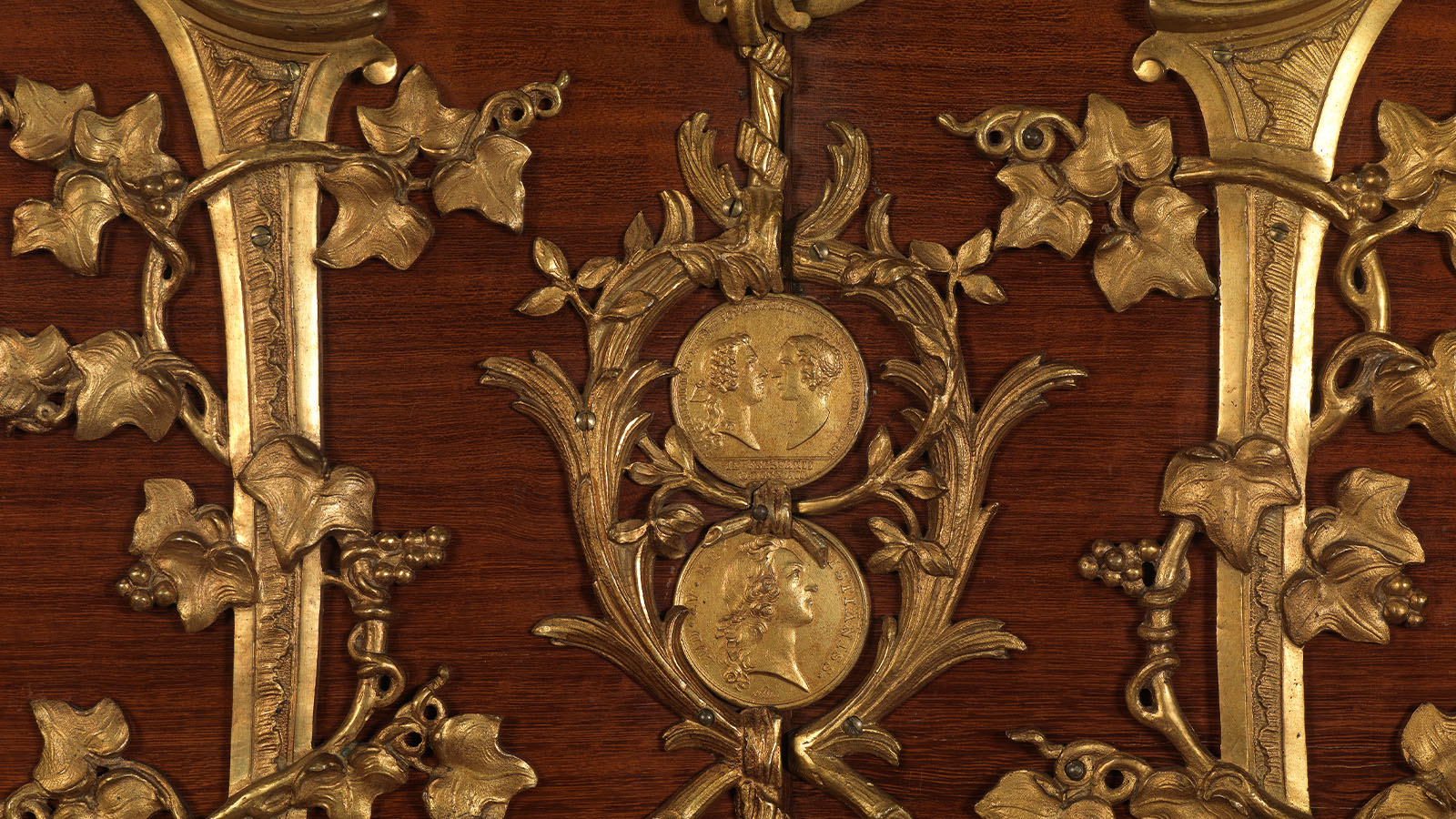
The Collector made another offer in February 1948, via Hans Stiebel, to whom he had recently reiterated his interest in works of ‘transcendental, outstanding quality.’ This was undoubtedly the case with the medal cabinets by Charles Cressent, the most famous of the Regency-style cabinet-makers. After negotiating the initial price and confirming that there were no restorations, that the bronze was originally gilded and that the two pieces of furniture were in perfect condition, the transaction was finalised in under two months.
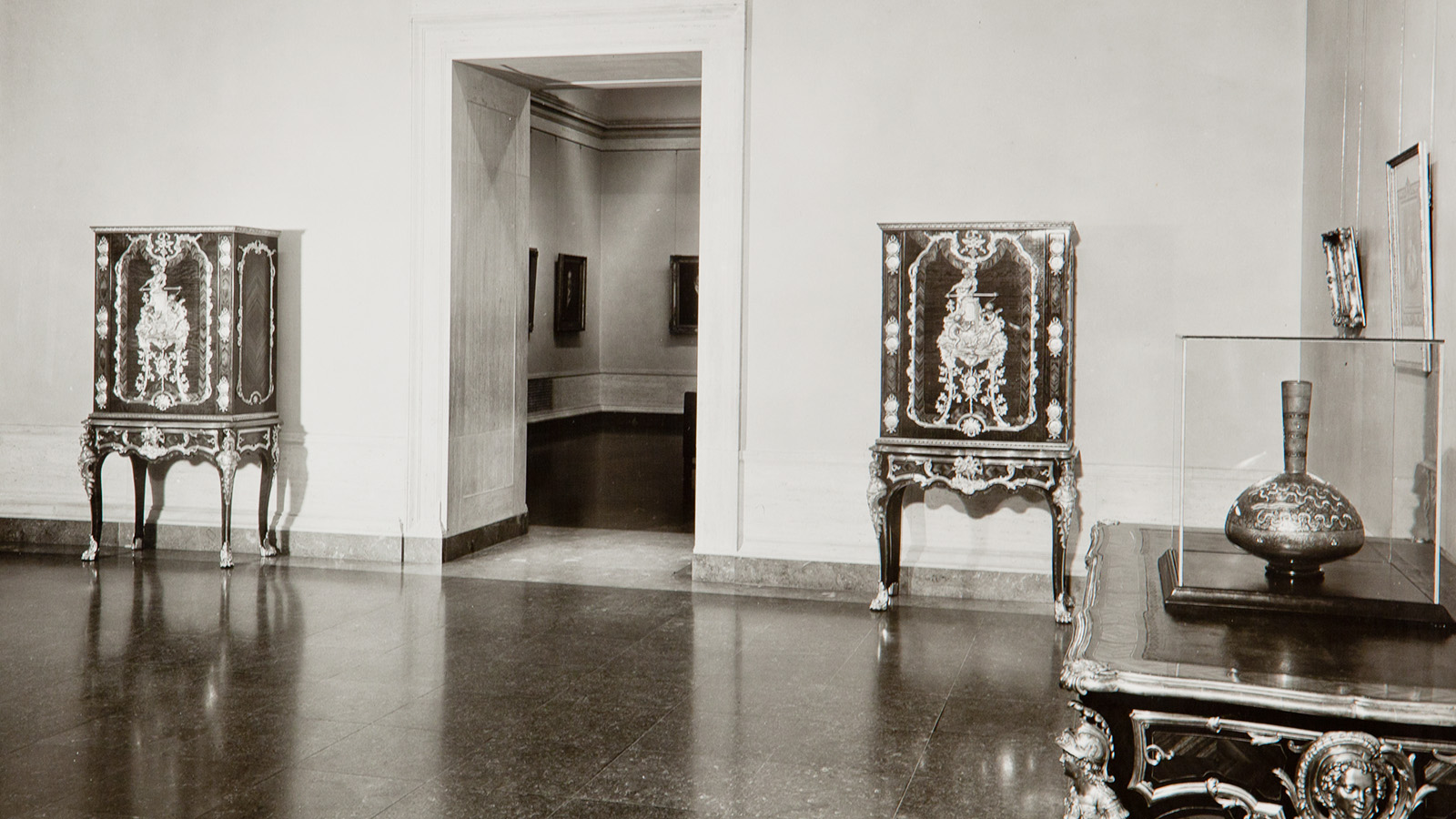
Calouste Gulbenkian would never again personally see the medal cabinets he had so admired on his trip to Vienna. Having lived in Lisbon since 1942, he arranged with John Walker, chief curator at the National Gallery of Art, for the two pieces to be sent immediately to Washington D.C., where part of his collection was already on loan. The exceptional pair of medal cabinets was not transferred to Lisbon until 1960, along with the other future Calouste Gulbenkian Museum works, where it remains to this day as one of the most eloquent testimonies to the Collector’s persistence.
The Travels of Calouste Gulbenkian
Explore the series
No results were found for your criteria.
You may also like


No results were found for your criteria.