
The Collector in Vienna: A Study Trip
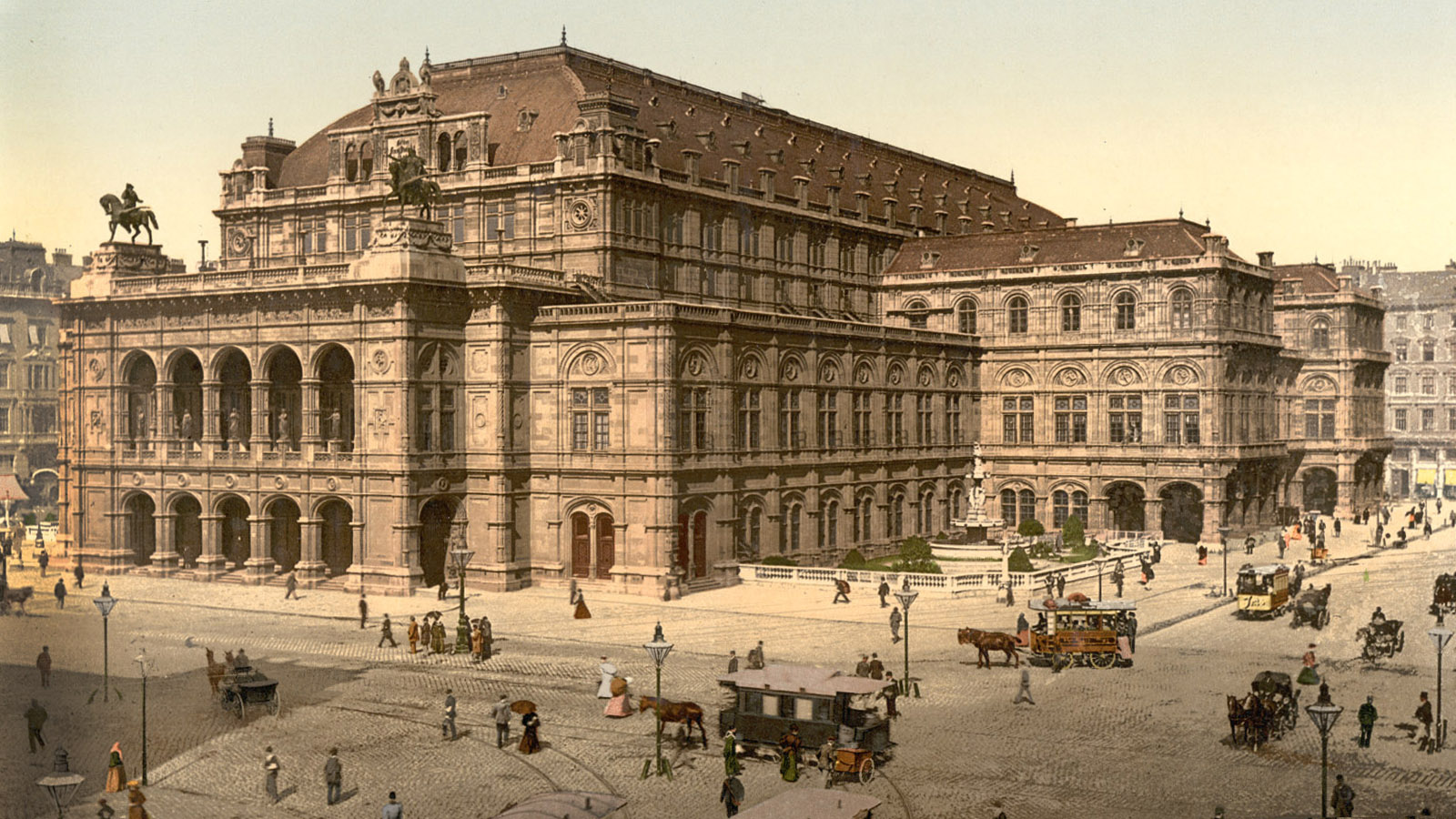
A regular visitor to the museums of London and Paris, the cities where he lived for most of his life, in 1933 Calouste Gulbenkian decided that, in the interests of further consolidating his artistic knowledge, he should return to the art galleries of a European capital well known for its cultural heritage: Vienna.
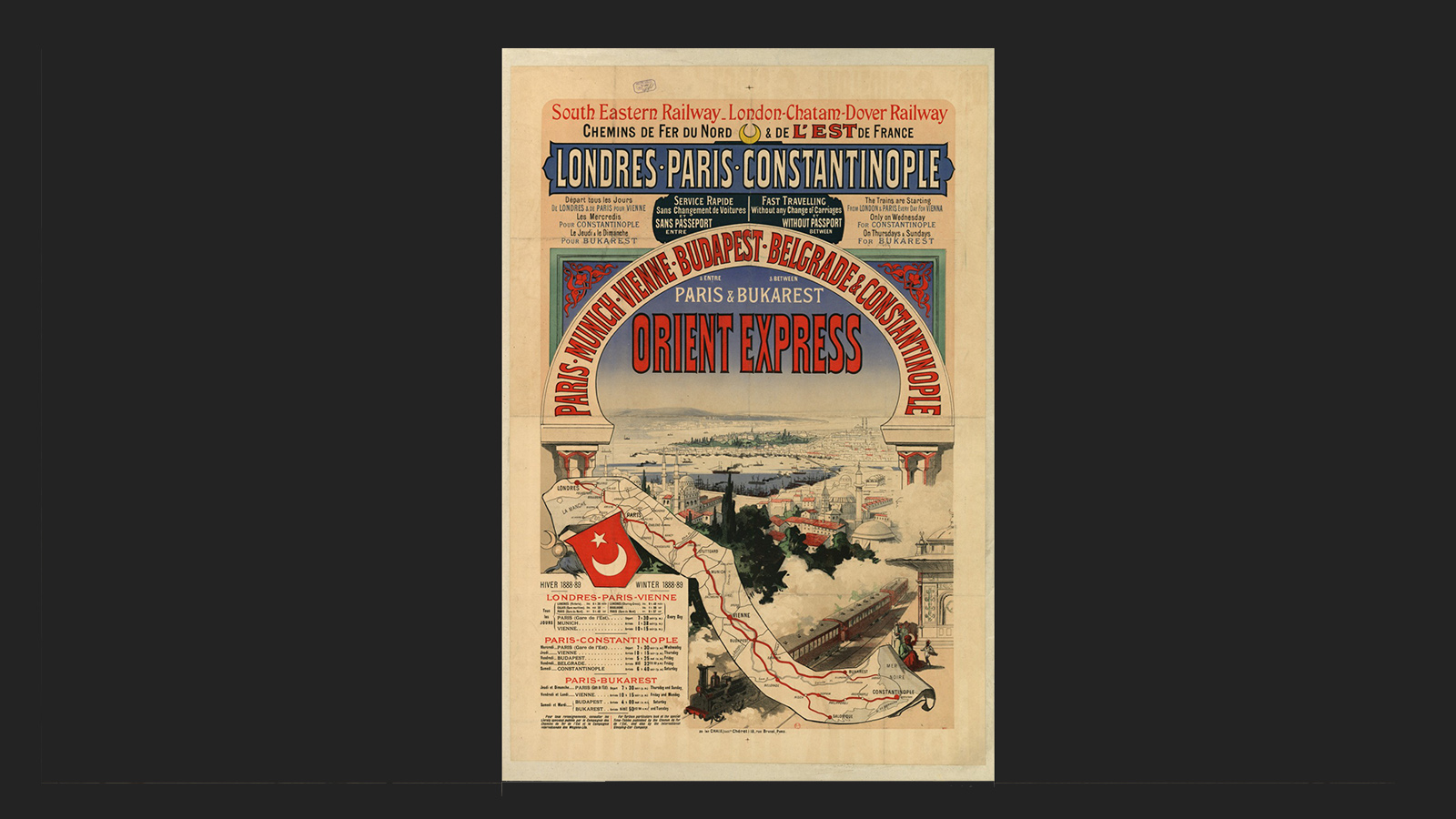
He made his way to the Austrian capital in October 1933 aboard the Orient Express, the iconic long-distance train service that had opened some 50 years earlier. The journey began in Paris and Gulbenkian recalled the section between Munich and Salzburg with particular fondness, remarking on the unique natural beauty of the Arlberg region. His deep admiration for landscapes explains why he also expressed his desire to travel the route again in the future, by car, departing from Zurich.
Upon arrival in Vienna, the Collector installed himself at the Hotel Bristol, ideally situated at the junction of Ringstraße and Kärtner Straße, in the heart of the city, taking a particularly bright room overlooking the Opera House. Despite the hustle and bustle typical of a central location, the historic luxury hotel offered all the amenities of a modern establishment, perfectly catering to the illustrious guest’s exacting standards. The same could not be said of the popular Schöner restaurant, where Gulbenkian dined before attending a show at the Cabaret Femina. As a discerning gourmet, he felt at pains to point out that the best meals were served by typically Viennese, bourgeois eateries.
During his five-day stay, Gulbenkian visited the city’s main museums and monuments, something he always regarded as an essential form of education, along with amassing a magnificent library and engaging in lessons and discussions with experts. On this occasion, the Collector was accompanied by art historian Leo Planiscig, a specialist in the Italian Renaissance, with whom he visited the Museum für Kunst und Industrie and the Kunsthistorisches Museum.
![‘English Guide to the Prince Liechtenstein’s Gallery Vienna’. Vienna, [192-]. Gulbenkian Art Library.](https://gulbenkian.pt/museu/wp-content/uploads/sites/5/2025/05/03_csg-viagem-viena-2-2.jpg)
On this trip, Gulbenkian had the opportunity to directly observe works of art that he only knew from publications and photographs. The observations recorded in his travel diary, as well as in the annotated catalogues, reveal a refined and independent critical eye, shaped by his personal taste and remarkable ability to identify the intrinsic quality of pieces, regardless of dominant artistic trends or conventions.
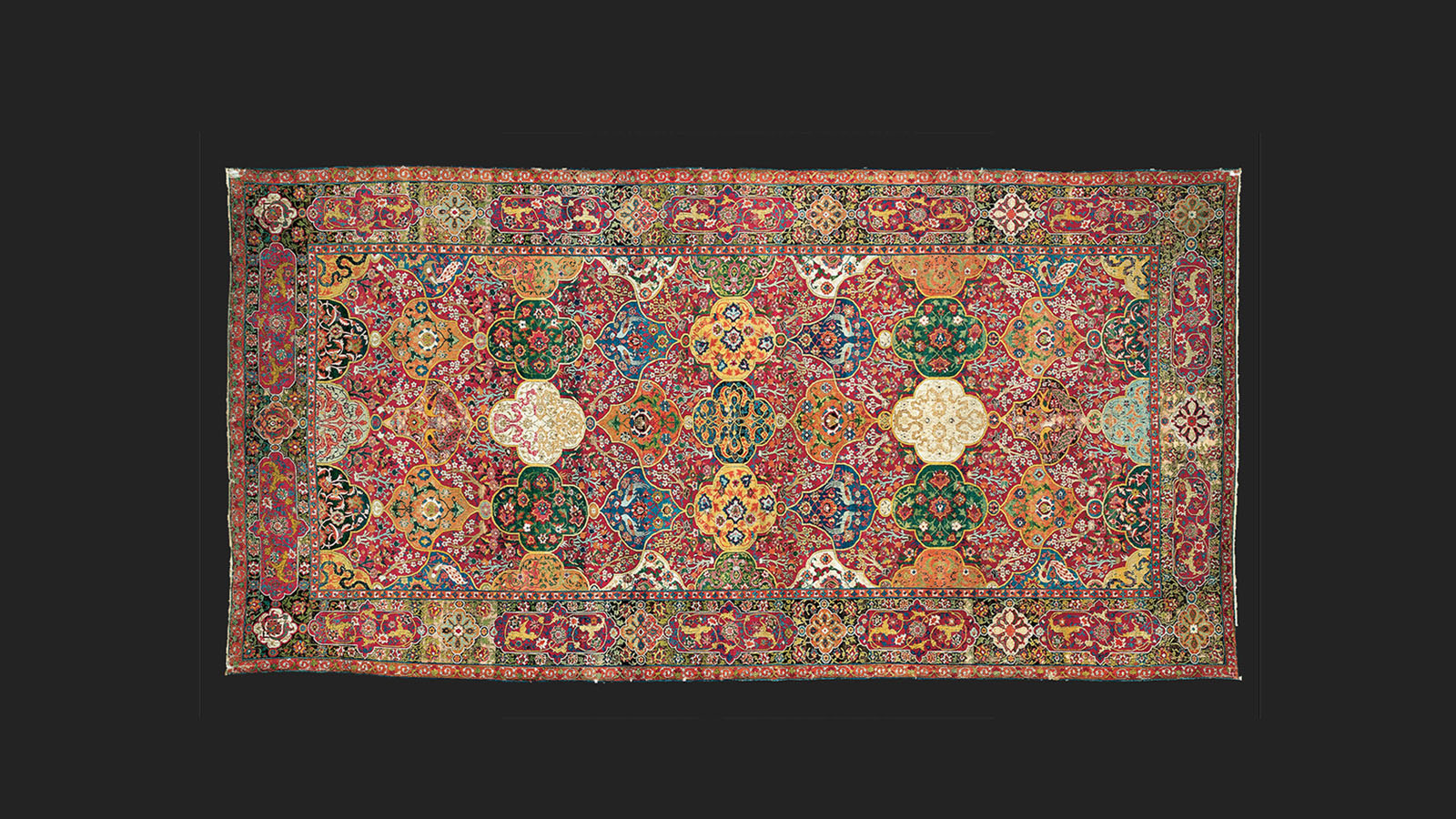
This was the case with a famous Safavid carpet from the Clam-Gallas family collection, mentioned in various authoritative publications found in his library, such as Vorderasiatische Knüpfteppiche aus älterer Zeit, a study of Oriental knotted carpets by Wilhelm von Bode and Ernst Kühnel. Although he considered it to be a magnificent work, the Collector felt the repetition of the decorative elements to be overly monotonous, although this particular feature is in fact what makes the carpet unique, the central field being decorated with stylised shields and quatrefoils. His conclusion was that ‘The carpet is remarkable, but not to my current taste, and I would show no interest in acquiring it.’
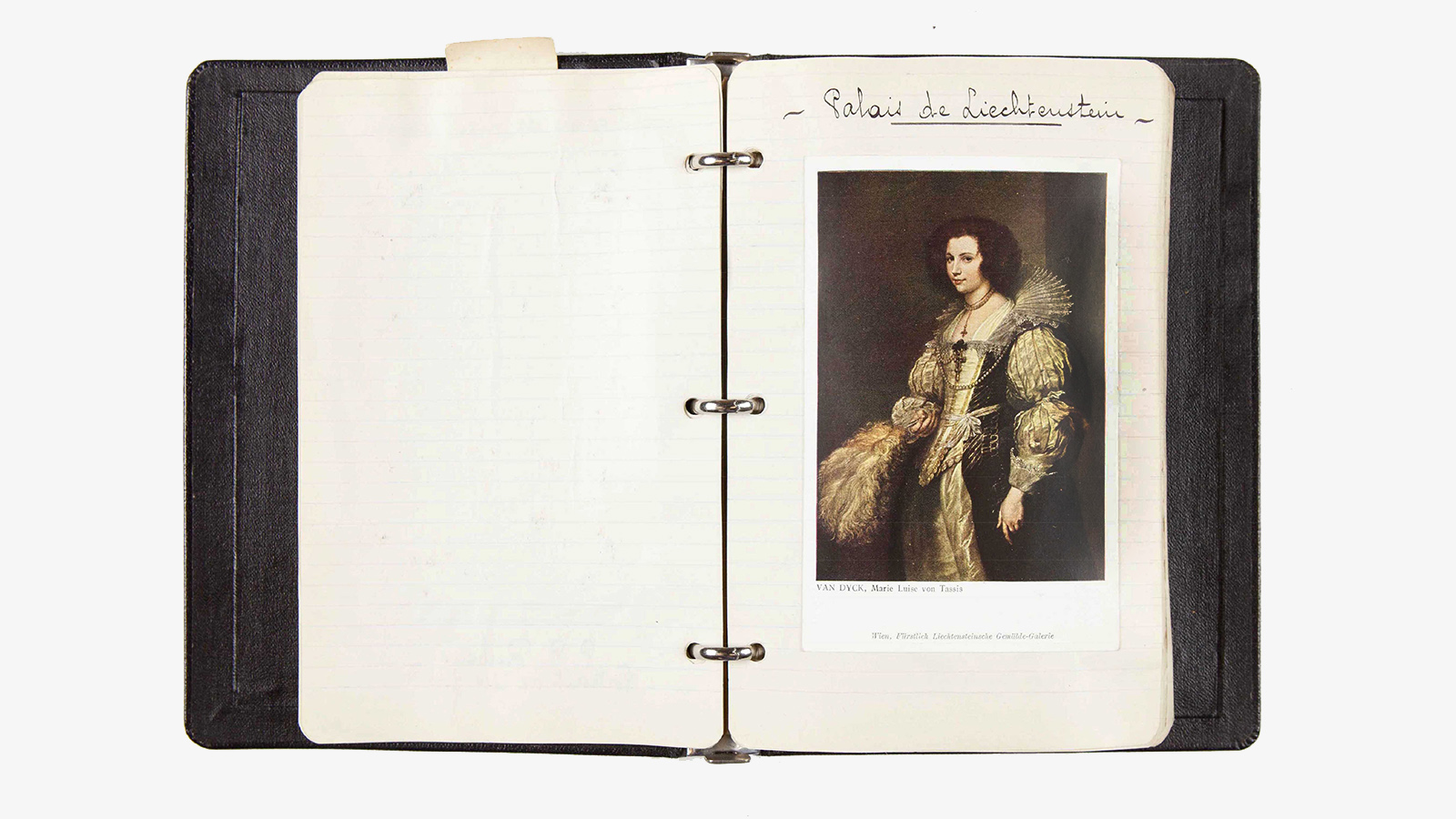
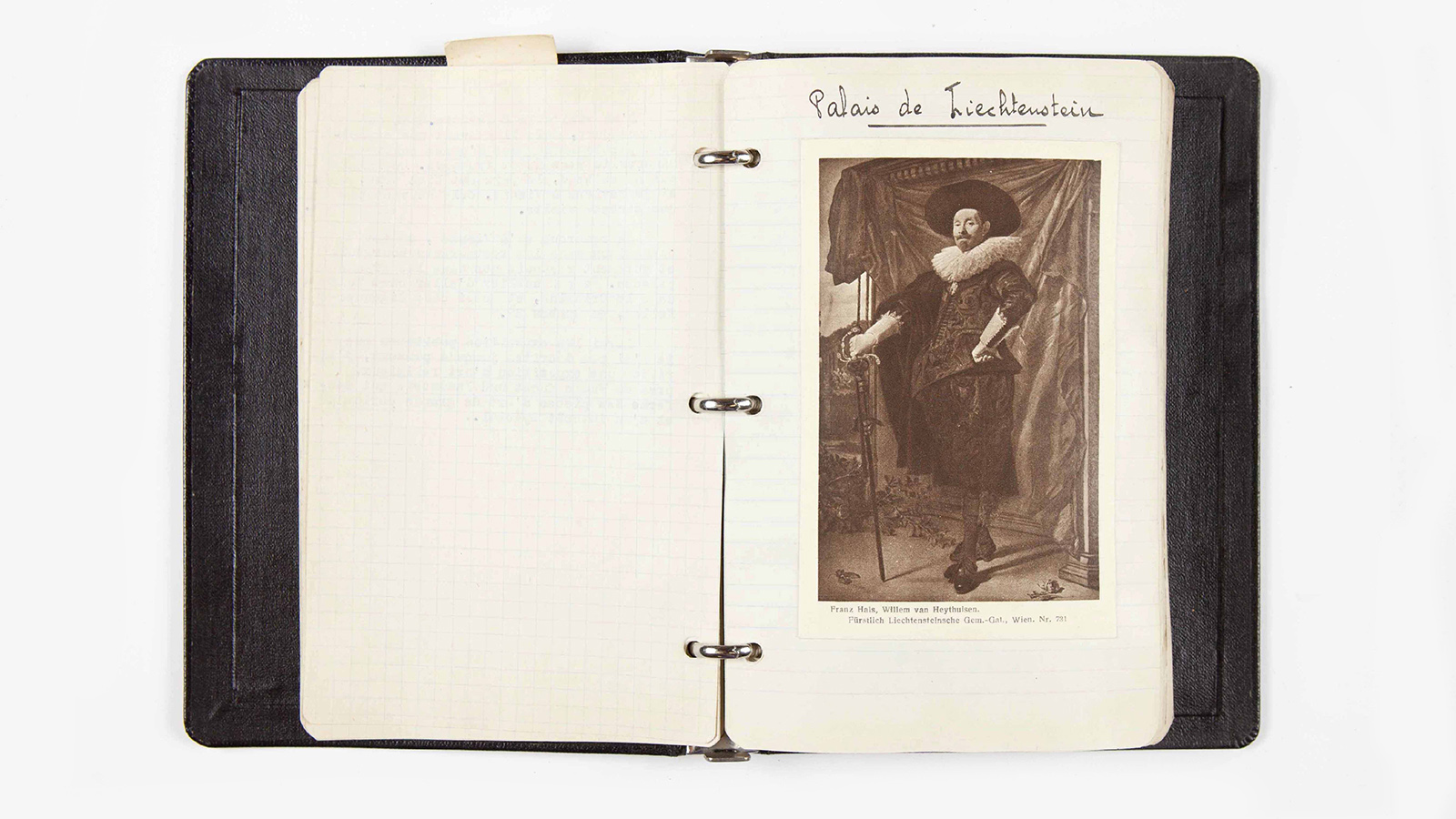
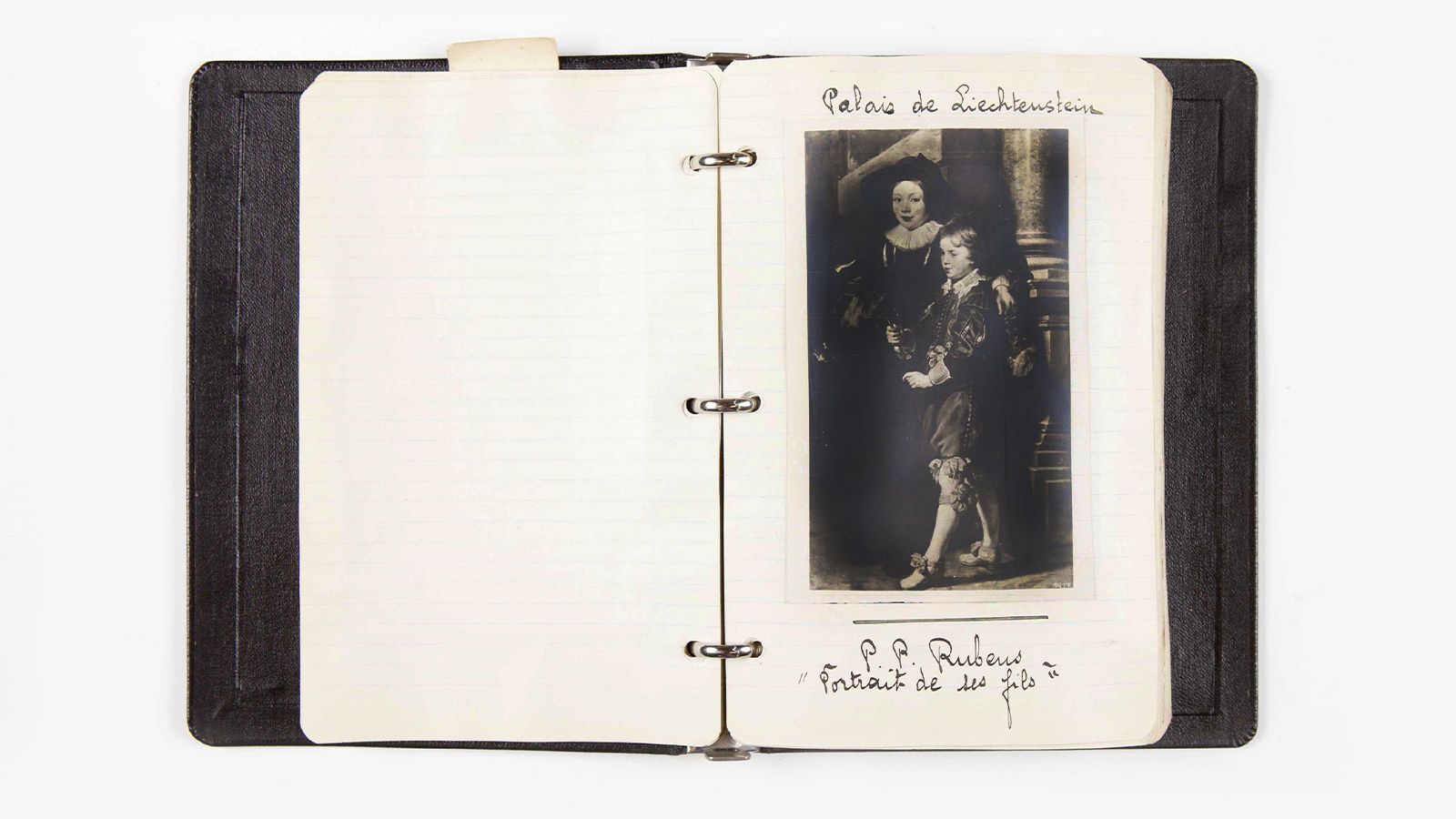
The biggest disappointment, however, came when he visited the Liechtenstein Palace and saw two paintings that he had longed to observe first hand: the Portrait of Willem van Heythuysen by Frans Hals, which he described as ‘a little sad,’ and the Portrait of Albert and Nicholas Rubens by Peter Paul Rubens. The latter, a portrait of the Flemish master’s sons, led Gulbenkian to reflect on his own collection, as was his wont, affirming that he would not choose it over his Rubens, namely the Portrait of Helena Fourment, one of his finest acquisitions. Similarly, he showed interest in a copy of another work from his collection: Rembrandt’s Old Man with a Stick, reproduced by Salomon Koninck, who did likewise with other works by the master.
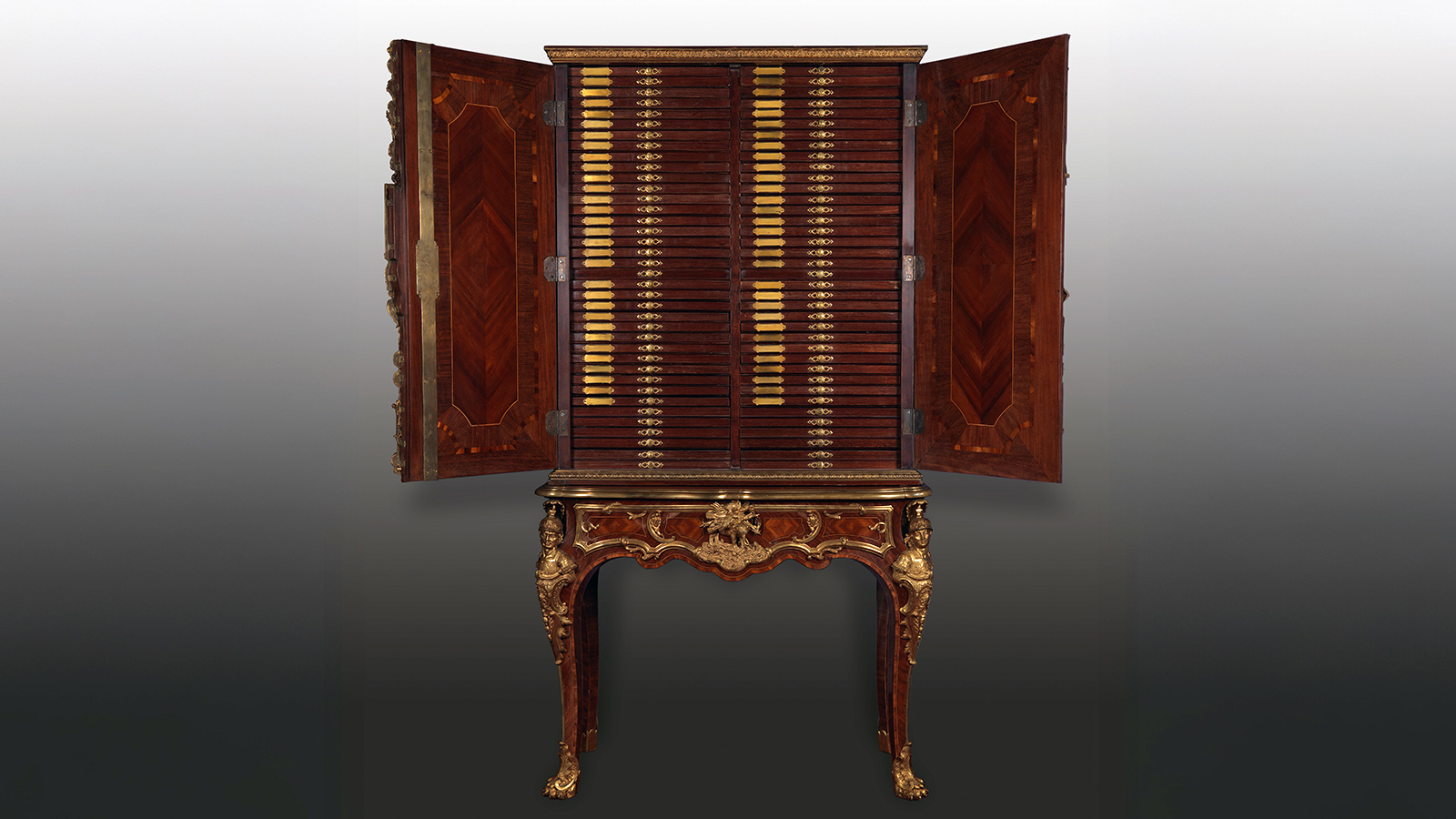
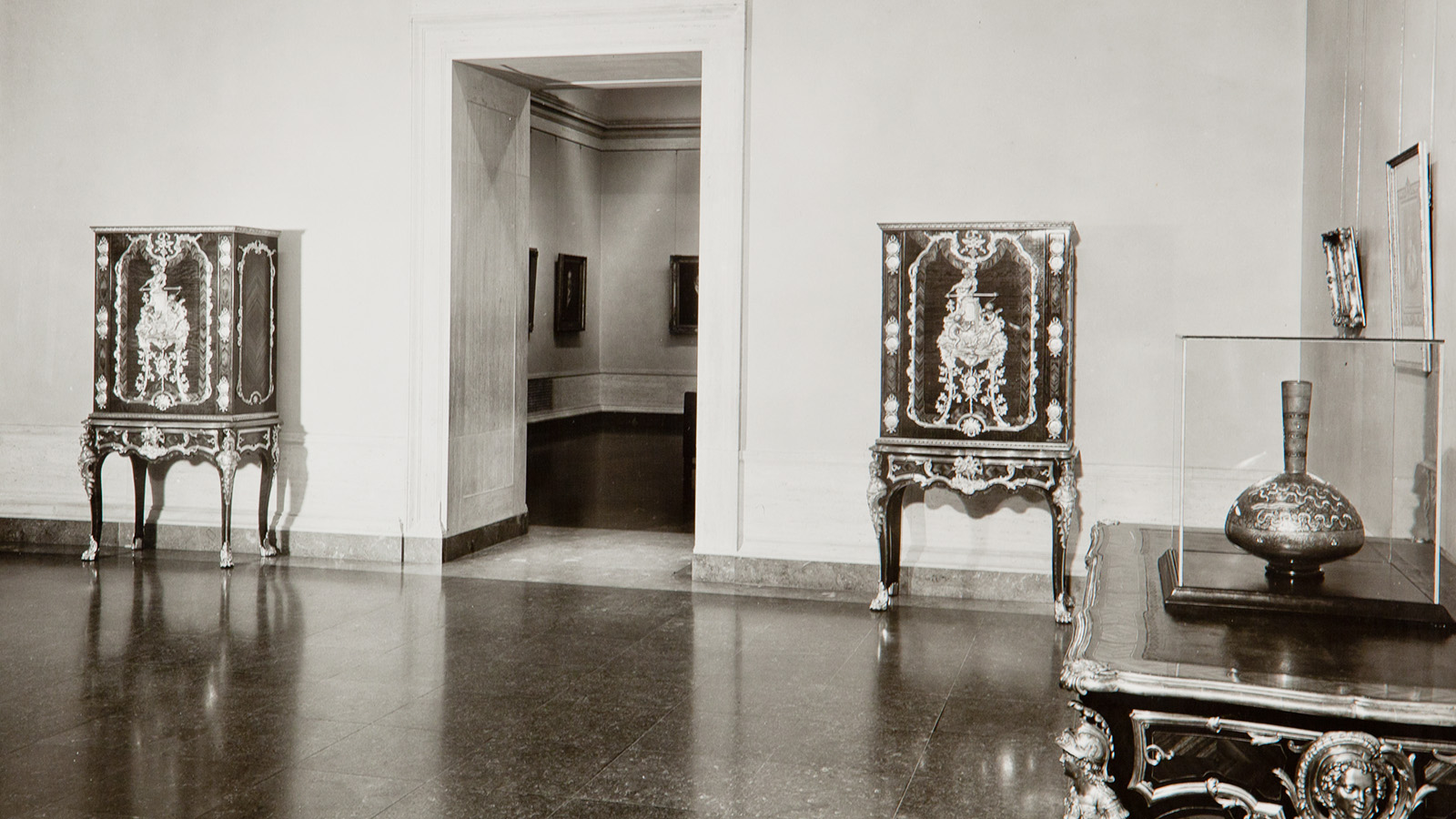
In the Kaiserliche Schatzkammer, he came across what he thought was the original of a guéridon from his collection. This three-legged table, with a basin-shaped top supported by winged sphinxes, would have been used as the baptismal font of the King of Rome, Napoleon II. This discovery was particularly surprising, since he was completely unaware what he actually owned was a mere copy of inferior quality. As such, on his return to Paris, he immediately contacted Sir Robert Abdy, who had sold him the gilt bronze and lapis lazuli table in 1929 as a work by Bernard Molitor, rather than a modern copy. Outraged, and unaware that the table in the Imperial Treasury Vienna was also a copy, he even negotiated its return, before ultimately deciding to retain it.
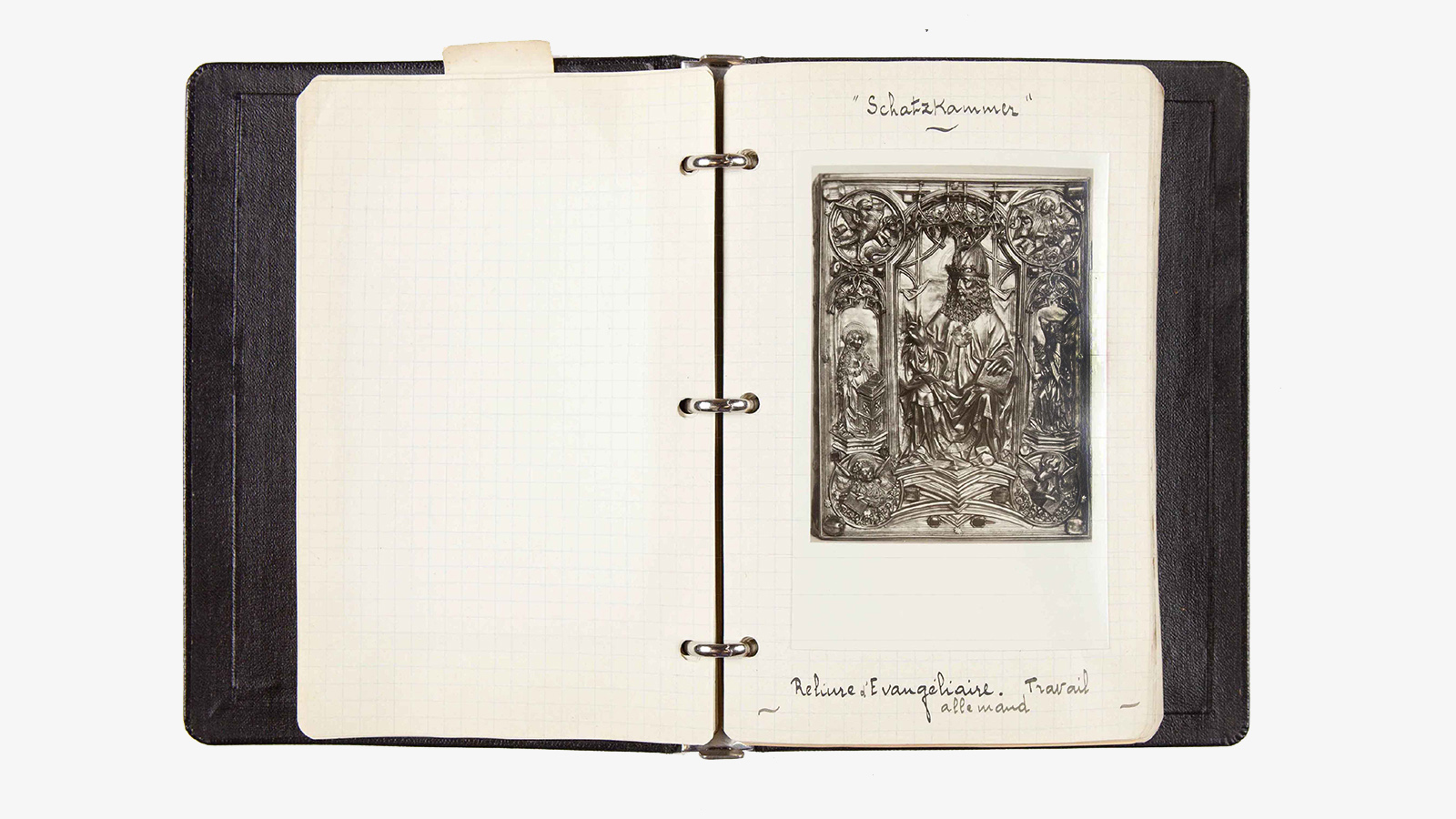
Throughout his visits, the Collector displayed varying degrees of knowledge and conviction when it came to making assessments and judgements. As with painting, he appeared particularly confident in evaluating Islamic objets d’art, especially, though not exclusively, carpets. This confidence also manifested itself in his observation of Persian and Arabic manuscripts from the Österreichischen Nationalbibliothek, in particular an album (Muraqqa) intended for an Ottoman sultan and an Arabic manuscript in which he identified a Chinese influence. On the other hand, while examining religious jewellery in the Kaiserliche Schatzkammer, he openly admitted his lack of expertise on the subject, concluding that ‘I’m not a good enough judge to express an opinion.’
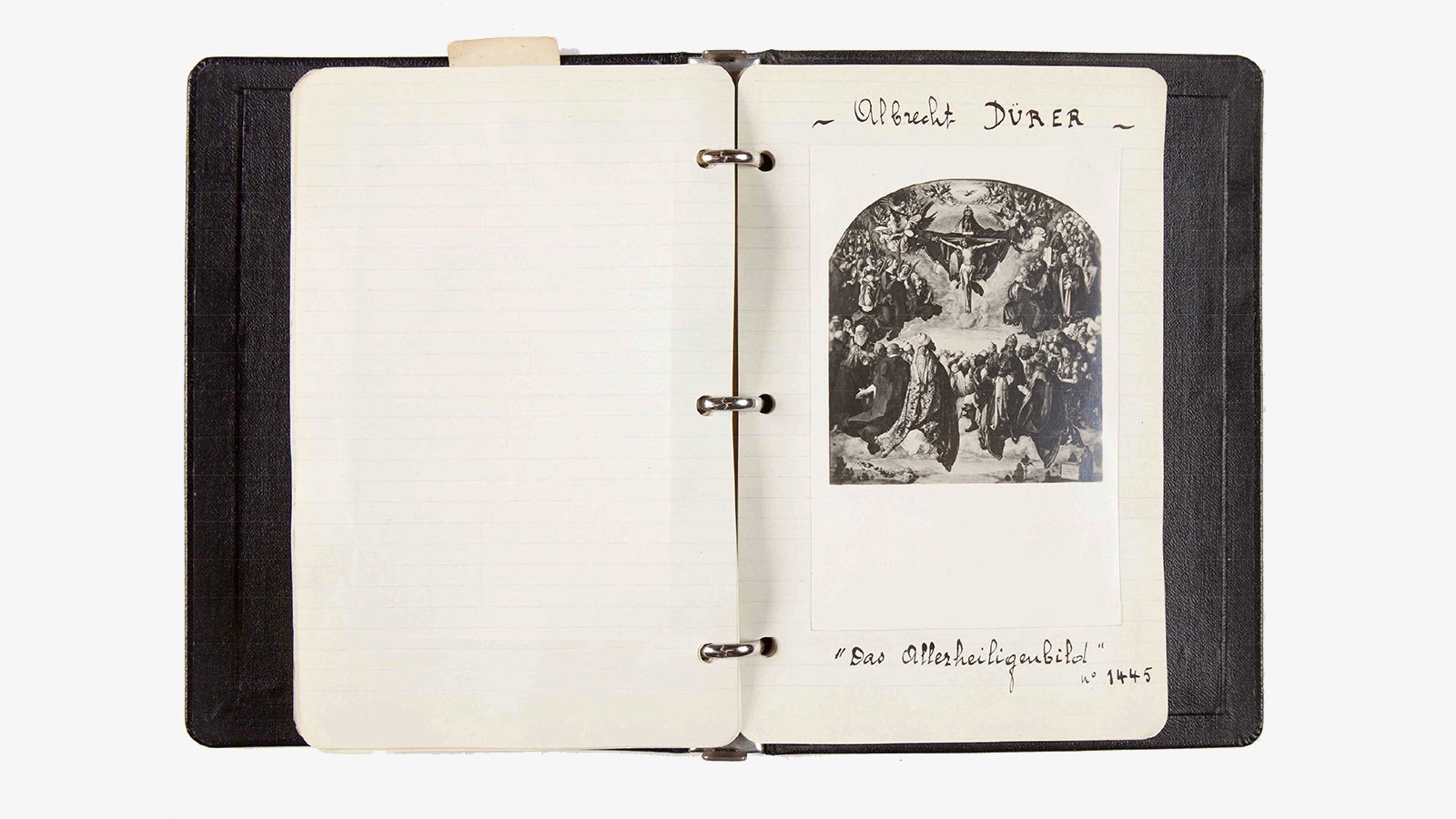
Committed to continuing his studies and reflections upon his return, the Collector acquired a series of postcards and photographs of the works that had most captivated him, and also endeavoured to obtain facsimiles of the Albertina Museum’s extraordinary collection of drawings. Ultimately, the ‘two incredibly interesting hours’ he managed to spend there would prove insufficient given his fascination with the works of Boucher, Fragonard, Raphael and, above all, Albrecht Dürer.
Although certain collections, both public and private, failed to impress the exacting collector, as was the case with the Belvedere Museum, which he deemed ‘nothing extraordinary,’ Gulbenkian also used the trip to identify potential new acquisitions for his collection, the subject of the next article on this memorable trip to Vienna.
Image at the top: The Vienna Opera on Ringstraße between 1890 and 1900. Library of Congress Prints and Photographs Division, LC-DIG-ppmsc-09236.
The Travels of Calouste Gulbenkian
Explore the series
No results were found for your criteria.
You may also like

No results were found for your criteria.