

Behind the scenes of the Gulbenkian Museum renovation
Follow the work that is shaping the Museum for the future
The Calouste Gulbenkian Museum reopens on 18 July after being closed for a year and a half due to renovation works. This project aims to provide the best possible conditions to preserve and present the extraordinary Calouste Gulbenkian Collection for generations to come.
We are upgrading the climate control, lighting, and security systems, improving the visitor experience, and harmonising the architectural space, always respecting the Museum’s original vision.
On this page, you can follow the transformation as it unfolds: behind-the-scenes images, conservation and restoration work, insights from the teams involved, artworks on loan to exhibitions in Portugal and abroad, and stories about the Collection and its Collector.
A Story Yet to Be Told
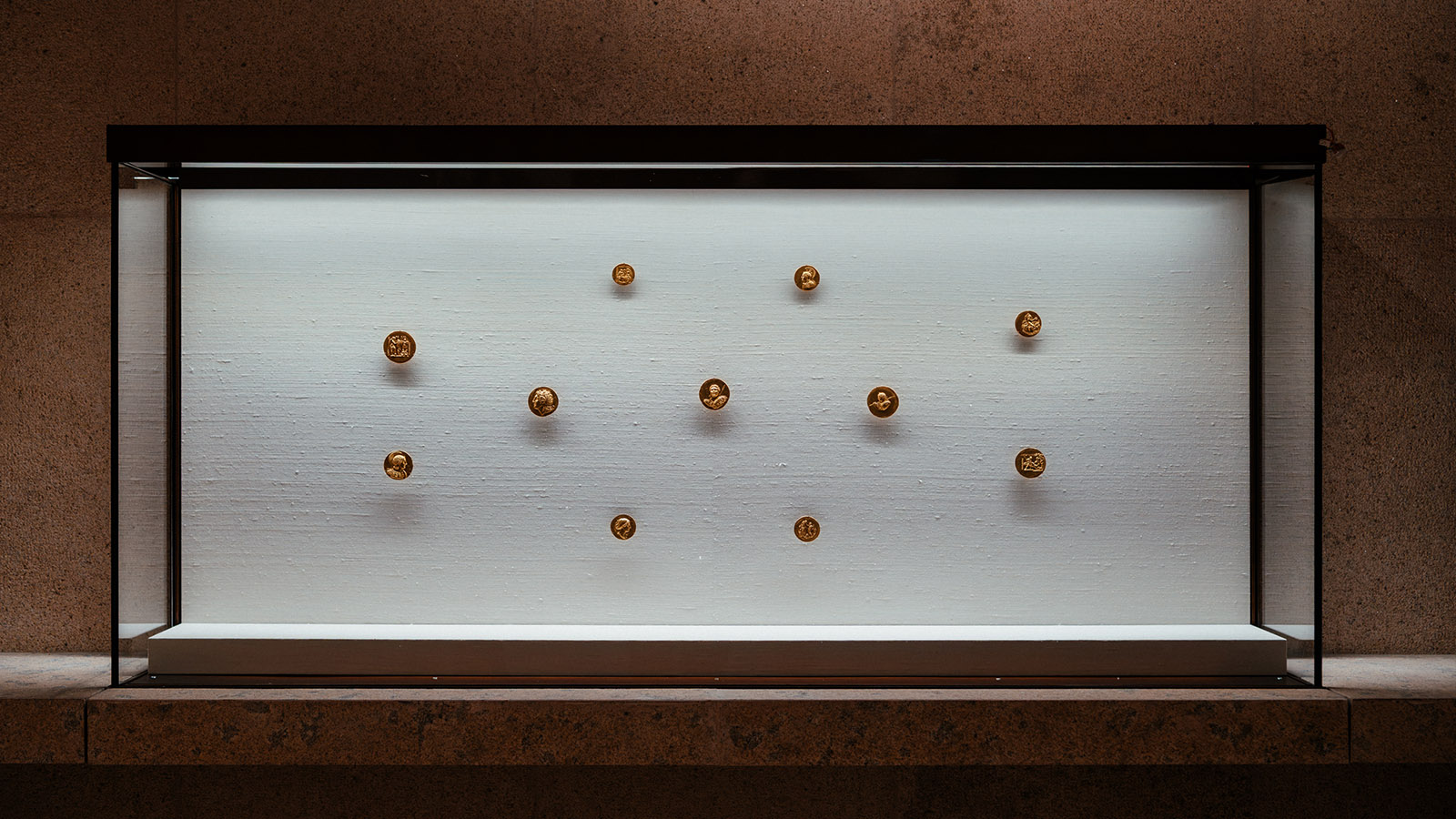
Behind the scenes of the renovation, the Numismatics Cabinet has been created – one of the new features the Museum will present to its visitors upon reopening. We reveal how, behind this space, there are stories yet to be told connected to the Collection and the Founder.
The Project
The spirit of the Gulbenkian Museum’s original design, dating from 1969, served as the central reference for the Collection’s new layout. Nevertheless, the permanent exhibition itinerary will feature some new elements.
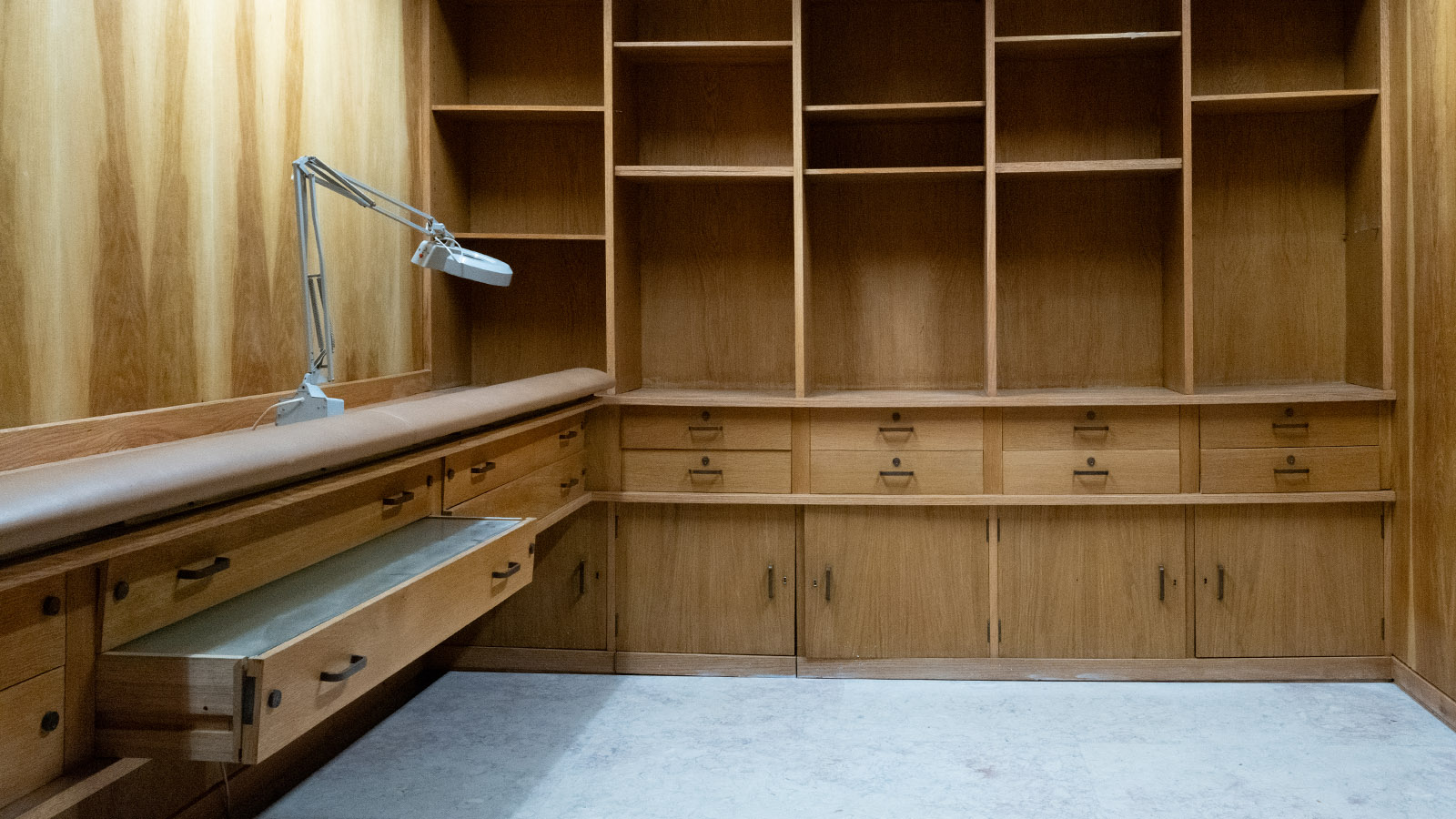
Starting July 18, visitors will be able to explore a space that has until now been inaccessible to the public. Adjacent to the Greece, Rome, and Mesopotamia gallery, the numismatics cabinet – which for many years served as the base for research on the coin collection – will now be open to visitors.
A Passion
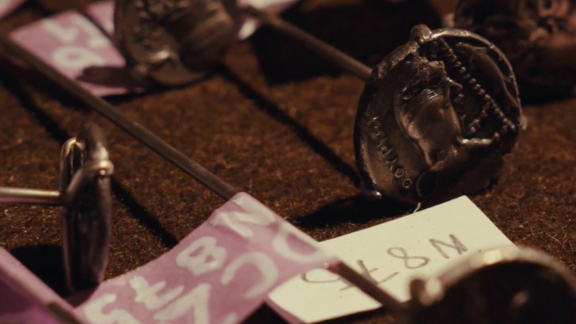
Although Gulbenkian can be considered an enthusiastic collector of Greek coins, he began his numismatic collection cautiously.
In correspondence with his advisor, Dr. E. S. G. Robinson, curator of the Department of Numismatics at the British Museum, he wrote:
“When I started my collection, my aim was to limit myself to Ionian coins, but gradually I got involved.”
Surrounding himself with the finest experts and dealers in the field, he used the rare beauty and perfect state of preservation of the objects as criteria for his very particular and demanding taste.
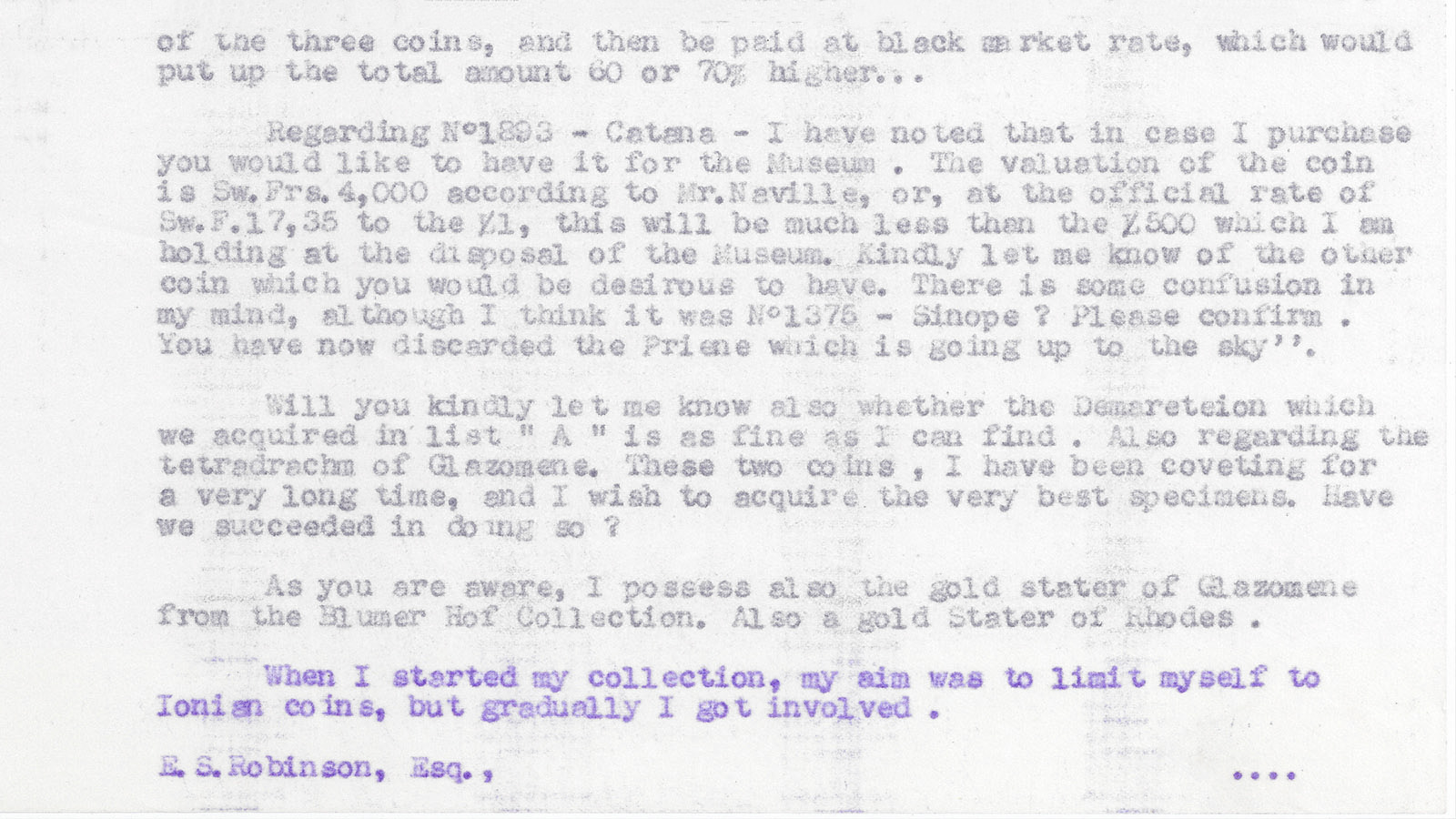
In this close relationship, the Collector entrusted Dr. Robinson with some of his most important transactions. Among them was the purchase of the bulk of the Jameson Collection, which belonged to the French banker who, in the 1930s, assembled one of the world’s finest collections of Ancient Greek coins.
A “tip top” Catalog
Gulbenkian set out to publish a catalog dedicated to this part of his collection.
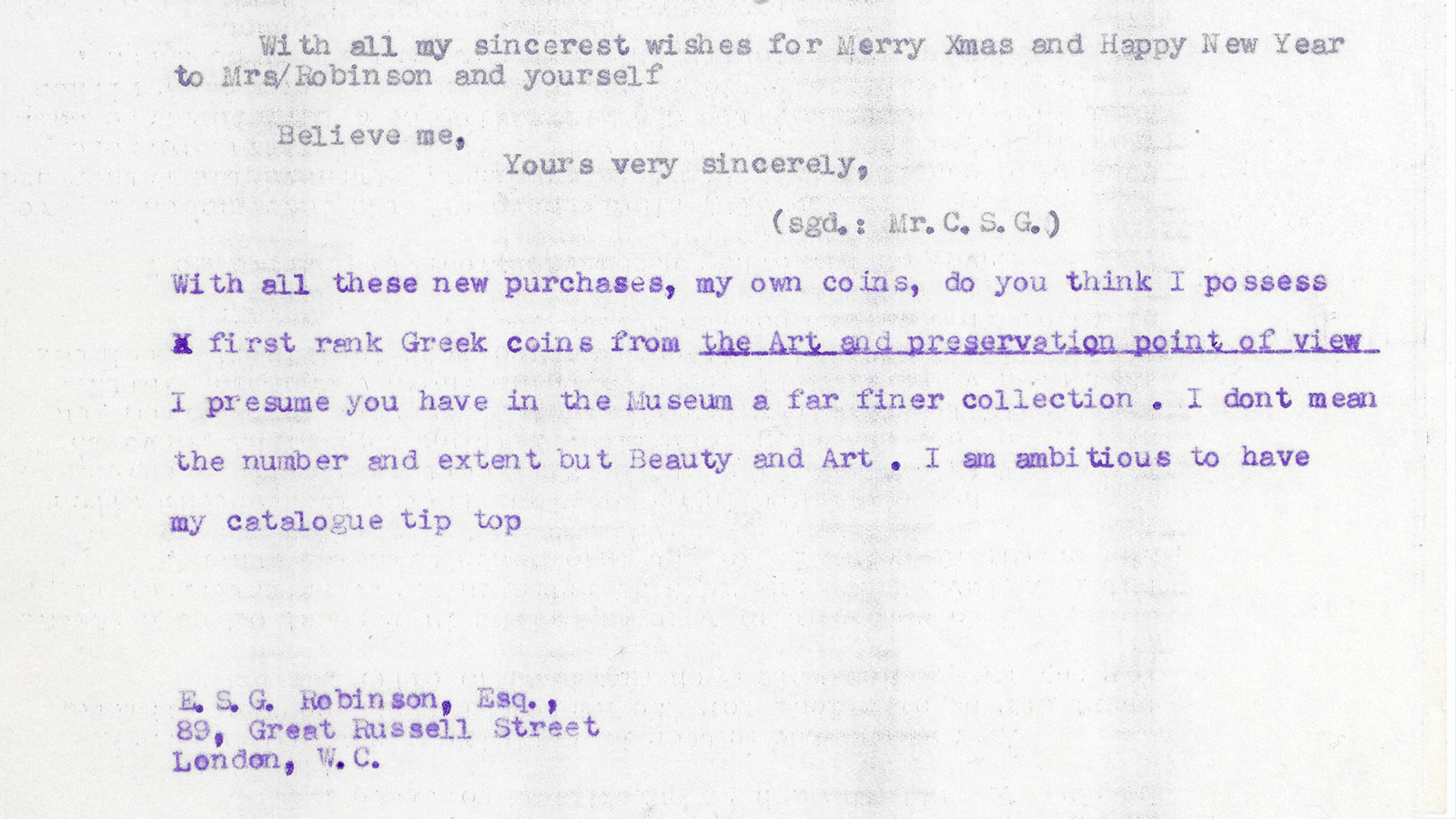
In a postscript in a letter dated December 20, 1946, addressed to Dr. Robinson regarding his collection of Greek coins and the production of the catalog, he wrote:
“With all these new purchases, my own coins, do you think I possess first rank greek coins from the Art and preservation point of view I presume you have in the Museum a far finer collection. I don’t mean the number and extent but Beauty and Art. I am ambitious to have my catalog tip top.”
It is not known exactly when the idea of producing the catalog first arose, but it became – especially after the acquisition of the Jameson collection in 1947 – one of Gulbenkian’s primary goals. On February 2 of that same year, he stated:
“I wish to have a truly monumental catalog, not the usual dry descriptive book. […] I am, of course, counting on your distinguished collaboration for the chapter on Greek numismatic art. For the remaining studies, I will have to find the best and most qualified experts.”
The desire to publish a catalog was only realized after his death, with the project being taken on by the administrators of the Gulbenkian Foundation. In the book ‘Calouste Gulbenkian: Collector’, José de Azeredo Perdigão recounts that the Foundation followed the guidelines established by the Collector, with Dr. Robinson taking charge of the publication.
The Research
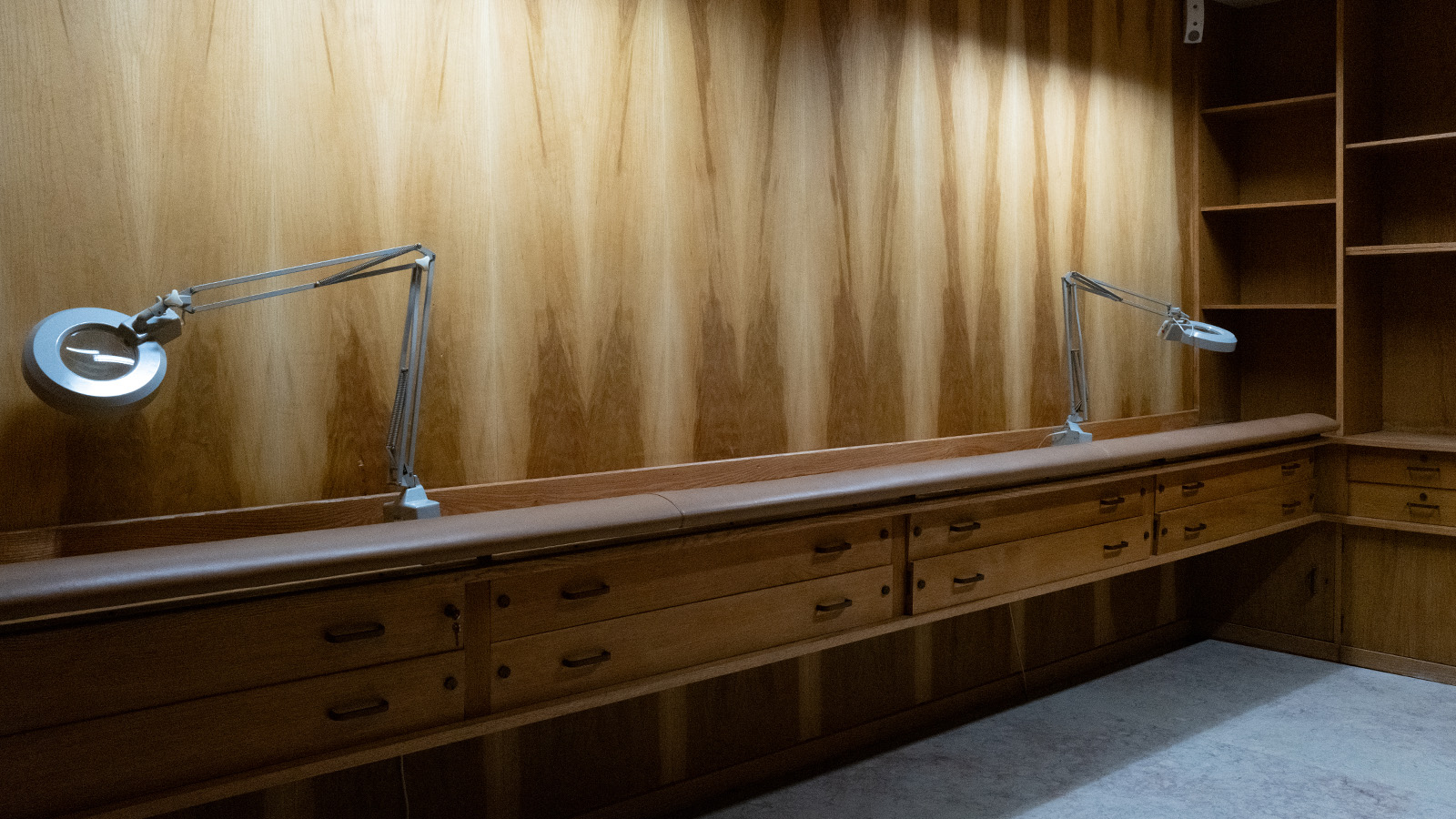
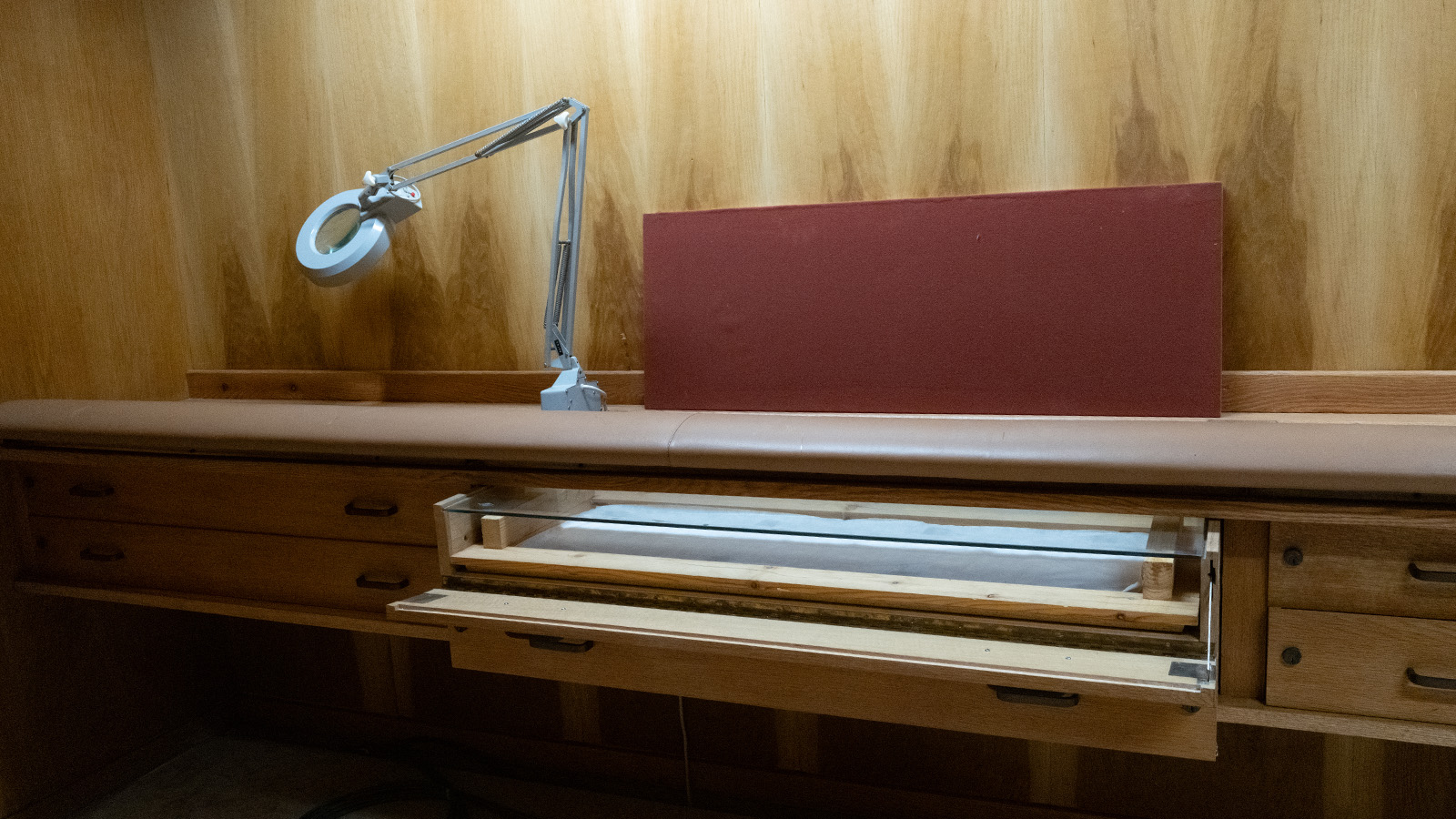
The project to publish the catalog created the need for a space dedicated to the study of this collection within the Museum’s facilities. Dr. Robinson collaborated with the researcher and numismatist Mário de Castro Hipólito, who worked in the cabinet from the 1970s through the early 2000s.
/
In accordance with Calouste Gulbenkian’s wishes, the first volume of the ‘Catalogue of the Calouste Gulbenkian Collection of Greek Coins’, published in 1971, sought to serve – in the words of Mário de Castro Hipólito – all numismatists, researchers, and other scholars interested in the Collection.
This first part of the publication was dedicated to Southern Italy, Sicily, and Carthage, with the aim of making accessible all documentation relating to the Greek coins in the Collection, which until then had been either unpublished or scattered.
The second volume, ‘Catalogue of the Calouste Gulbenkian Collection of Greek Coins. Greece to the East’, published in 1989, completed the previous work, providing, across the two volumes, a comprehensive overview of the collection.
The New Cabinet
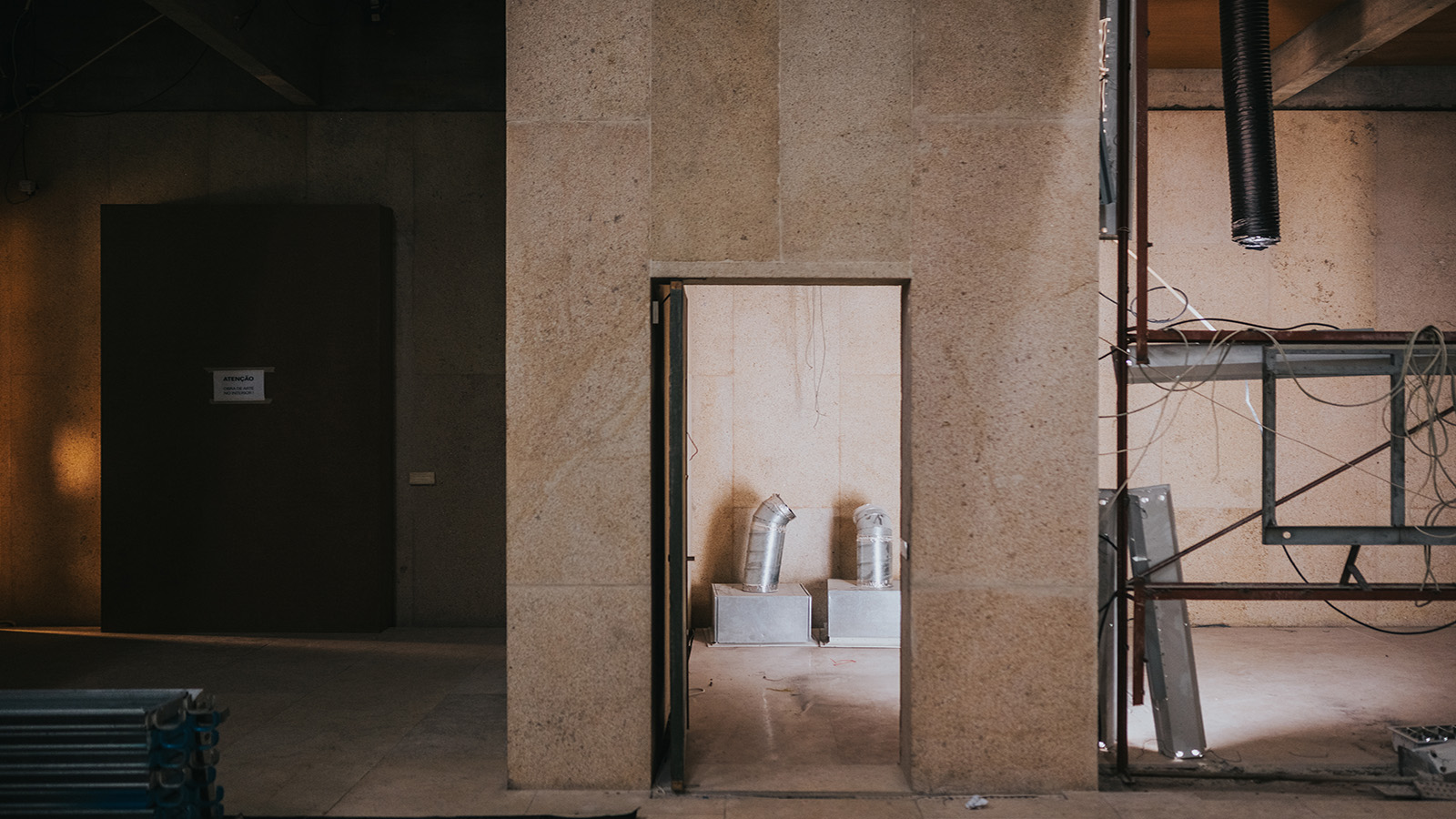
With the museum’s reopening, a new chapter begins in the history of this space, which is now open to visitors. The public will thus be able to visit a room that once served as a research place for one of the world’s most important private numismatic collections.
No results were found for your criteria.
A Rare Exception
Inside the display cases, the selection of each object, its support and arrangement tells a story.
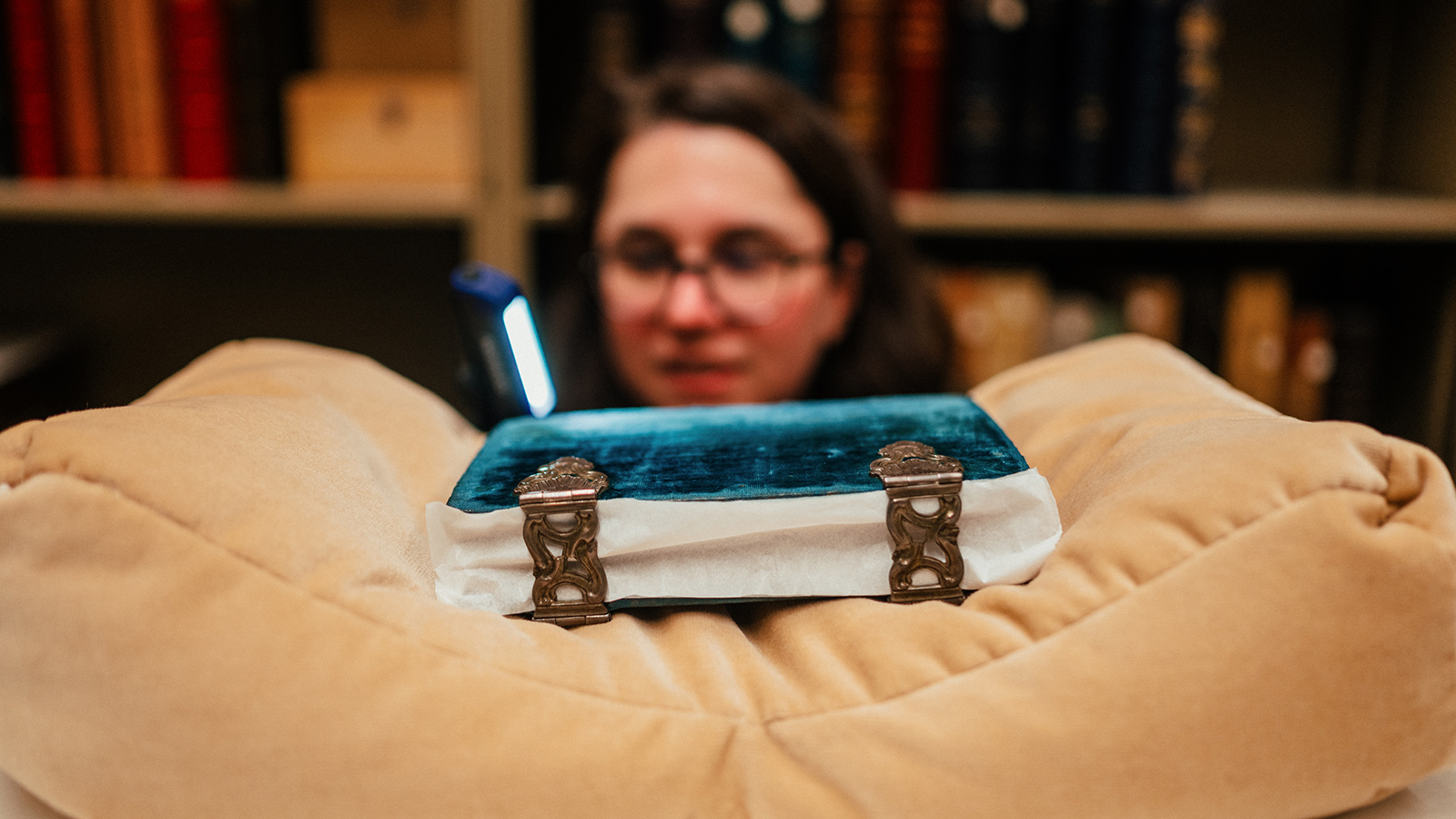
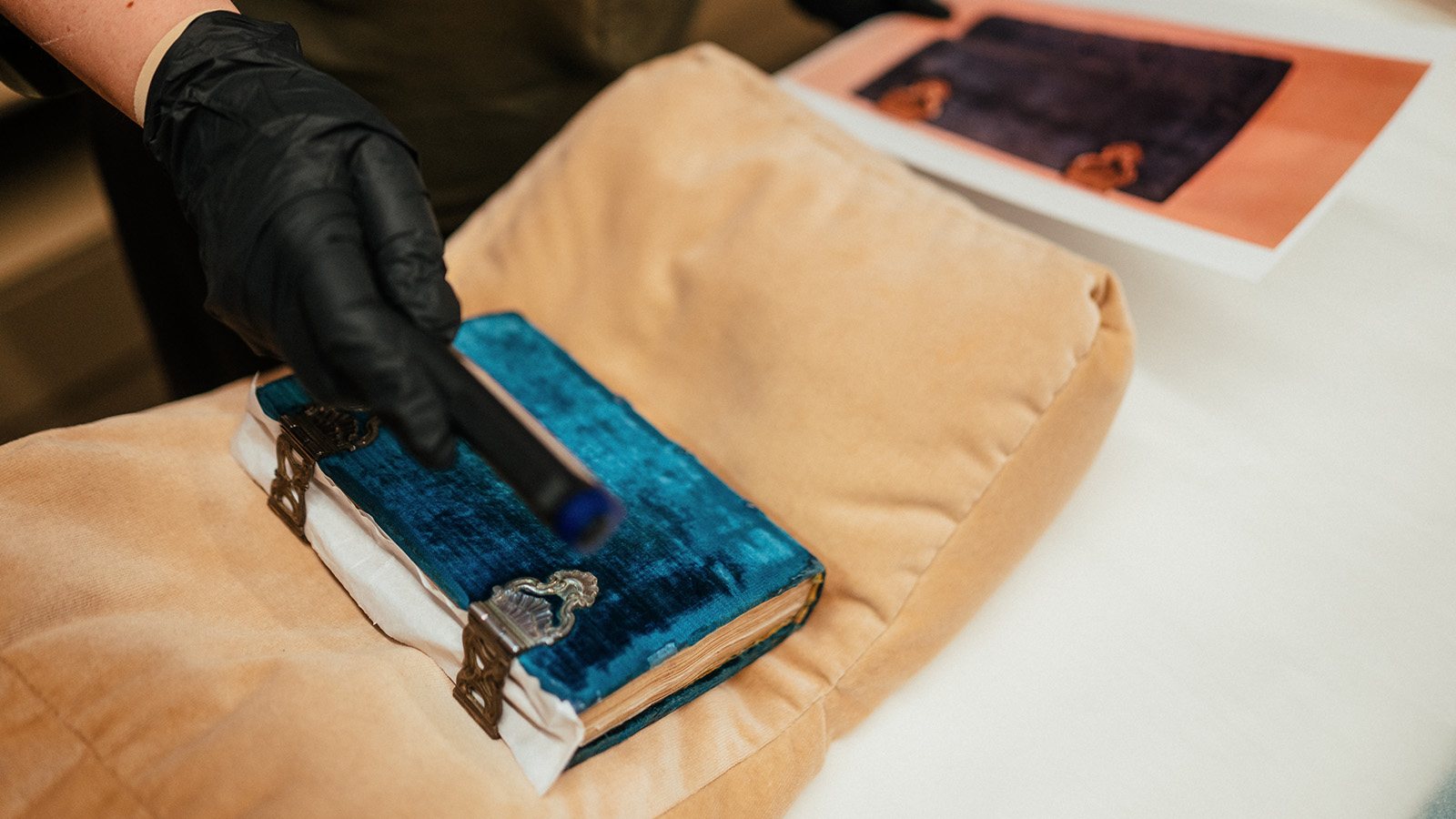
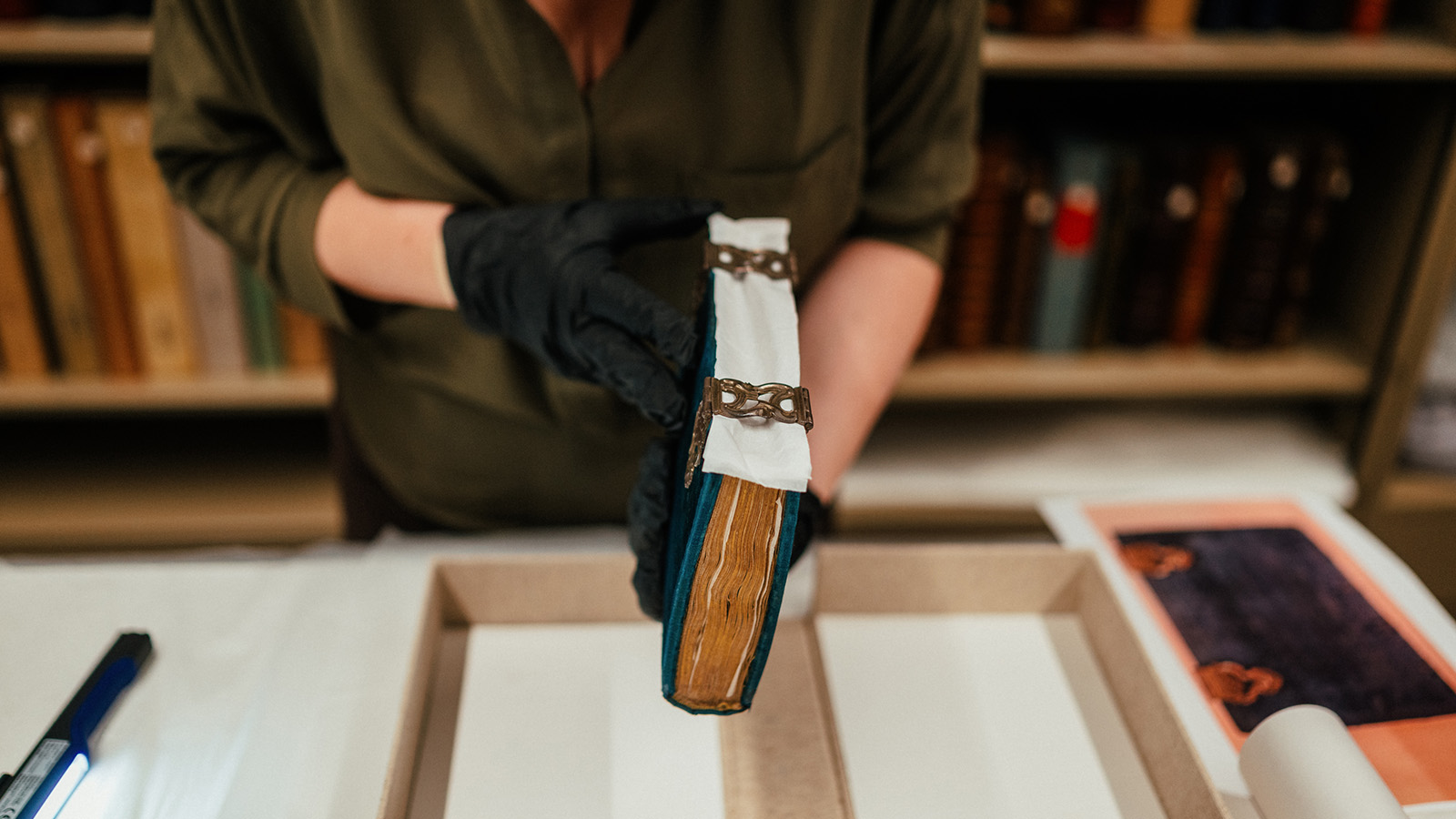
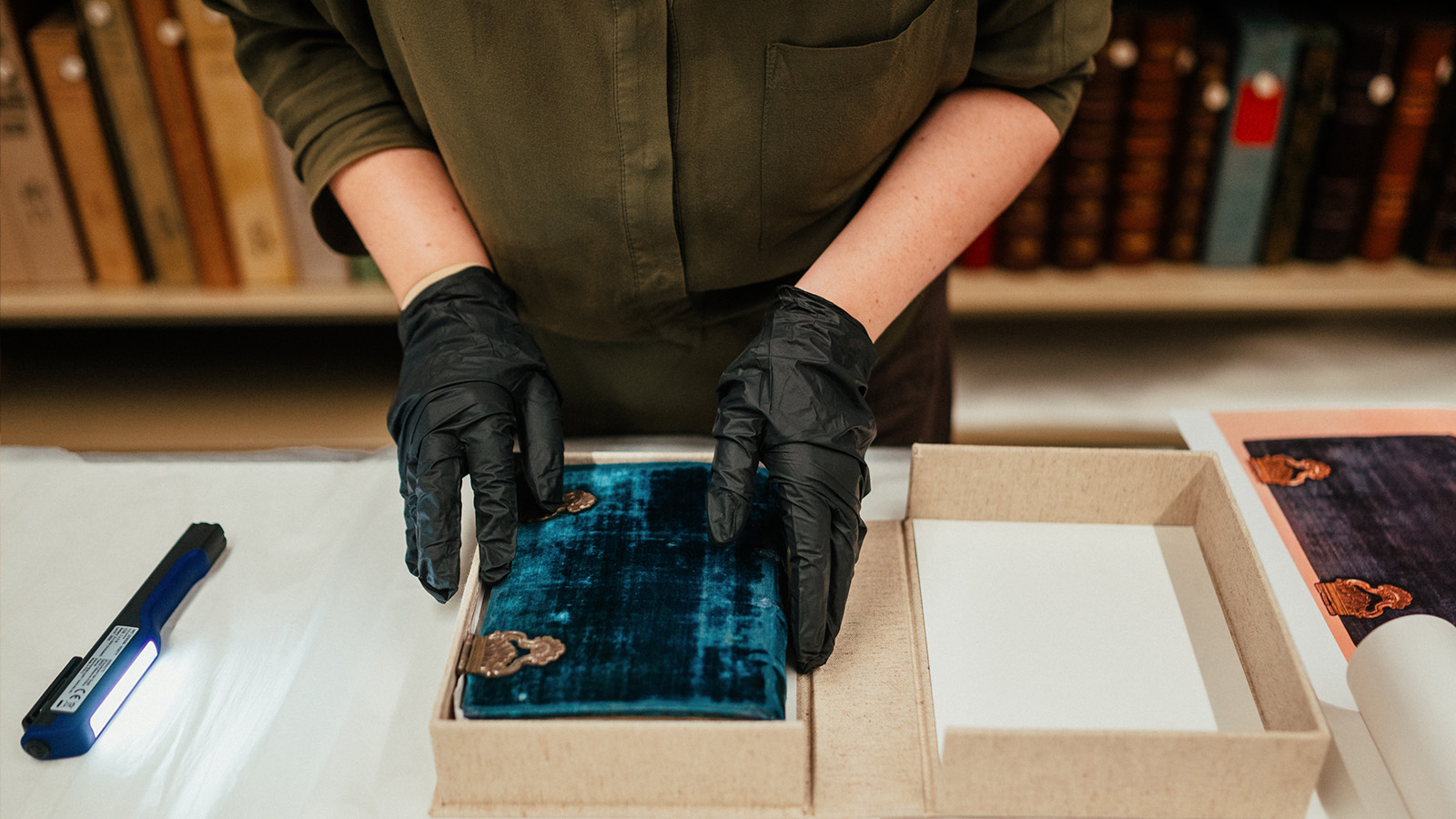
As we accompanied Ana Maria Campino during the reception of the books and miniatures that were part of the exhibition Dialogues. The Calouste Gulbenkian Collection at the Machado de Castro National Museum, we learned how some of these works will be incorporated into the new permanent exhibition, and what that entails.
/
Whenever works from the Collection travel off-site, a condition report is prepared, accompanying them at every stage of the journey: leaving the Museum, arriving at the venue, the exhibition itself, deinstallation, and the return. A meticulous protocol that leaves nothing to chance.
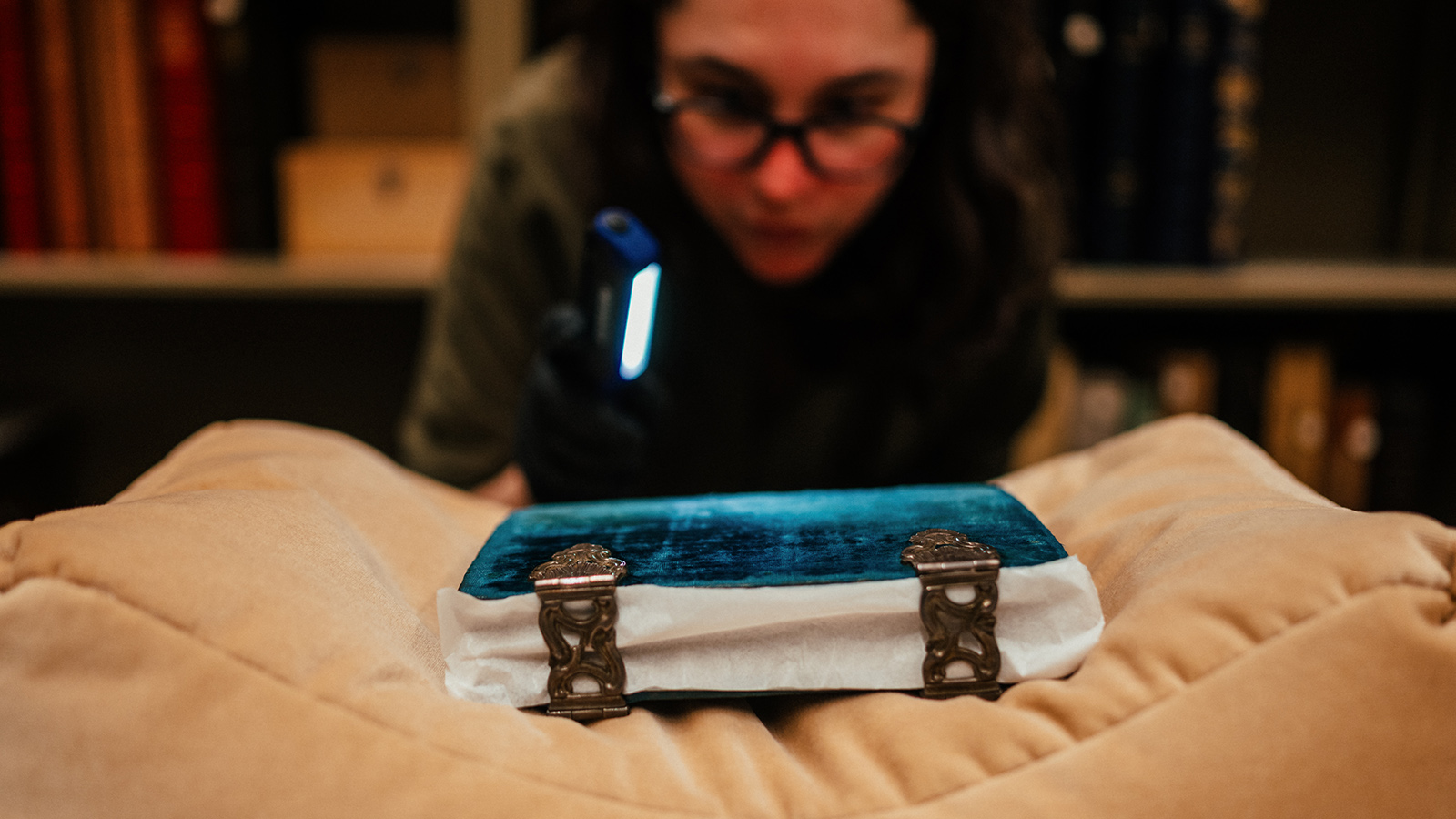
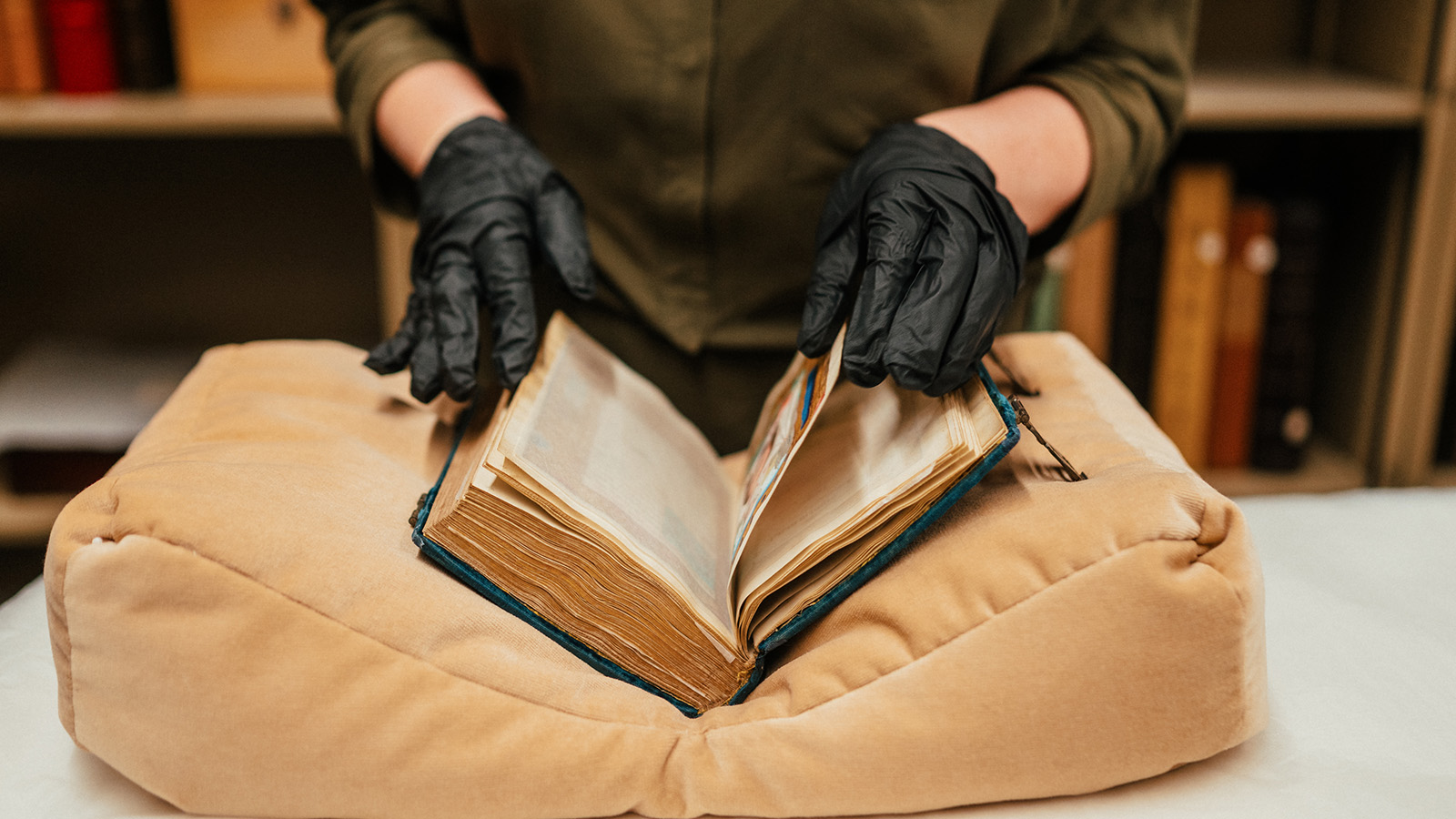
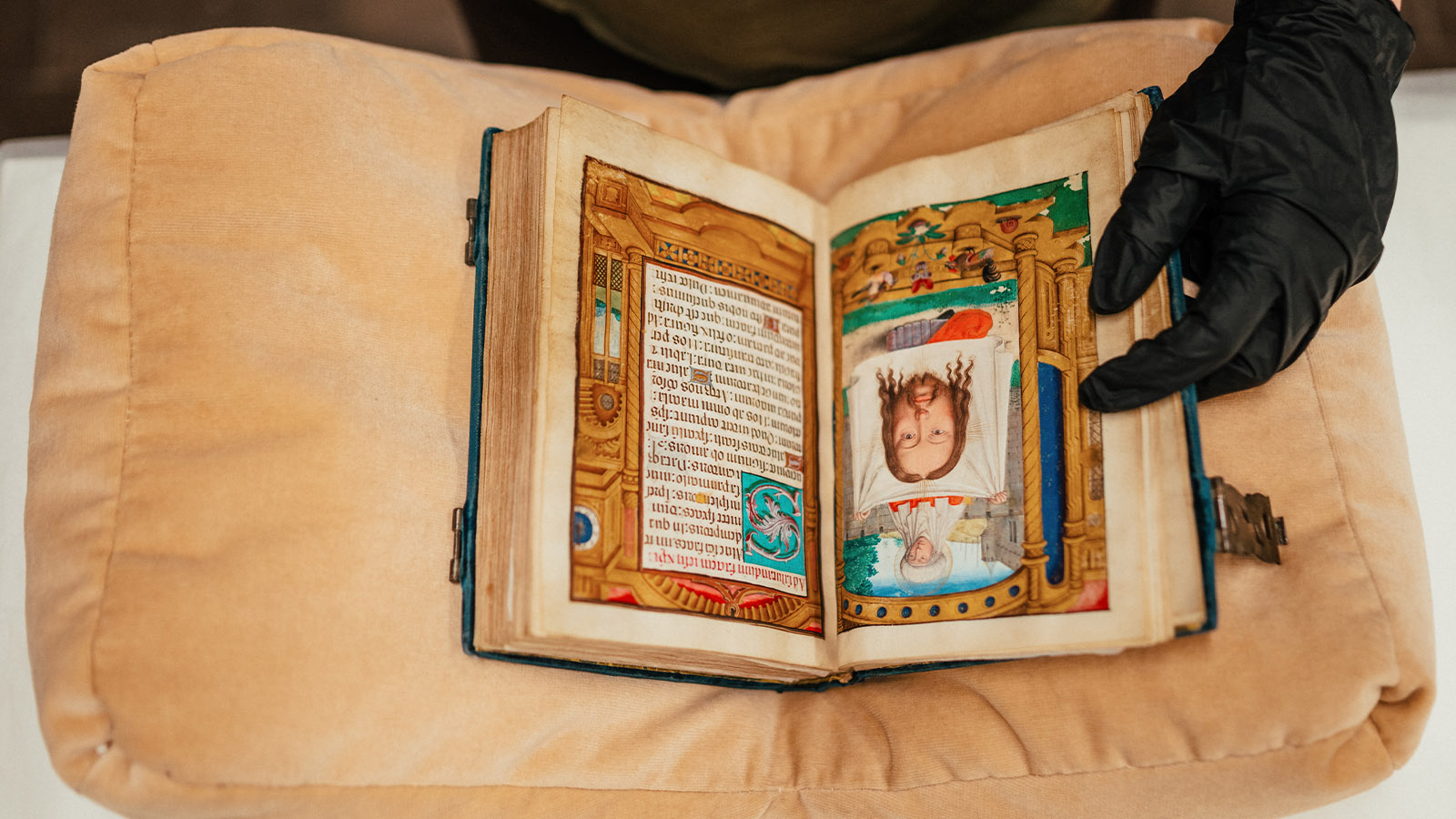
Once the report is completed, the pieces are measured for the production of cradles — the supports that hold the books on display. Making a cradle adapted to a particular book is more complex than it appears: it requires studying its openings, anticipating the deformations the object has accumulated over time, and finding the balance between what one wishes to show and what the book can withstand.
This balance between visibility and preservation is central to how the Museum exhibits illuminated manuscripts, Japanese prints, drawings, watercolors, and engravings. Works on parchment or paper bring together materials of very diverse nature—support, pigments, binding—each with its own vulnerabilities to light and humidity. Therefore, they are exhibited on a rotating basis, for short periods of time, to preserve their state of conservation.
/
A Particular Taste
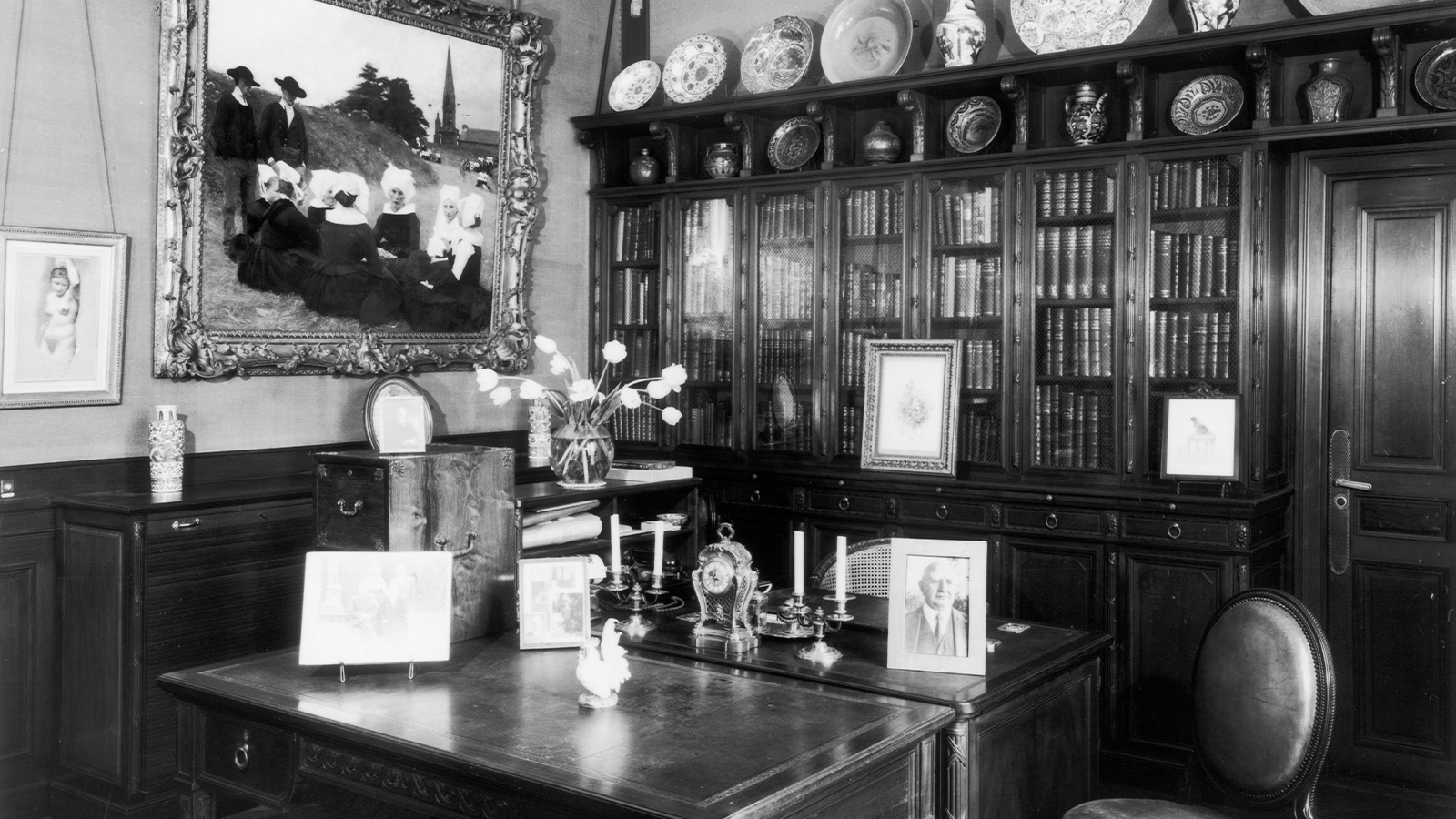
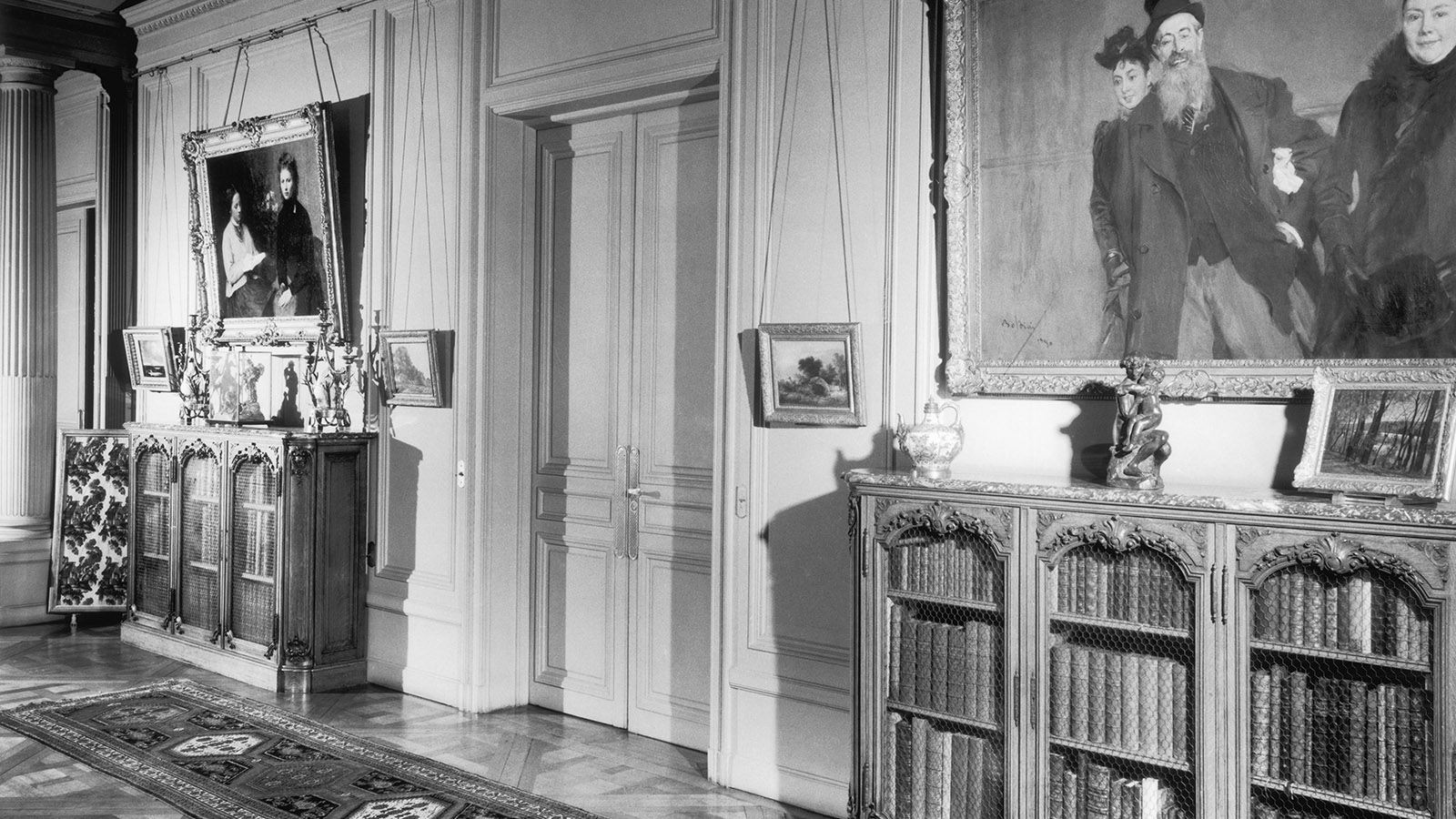
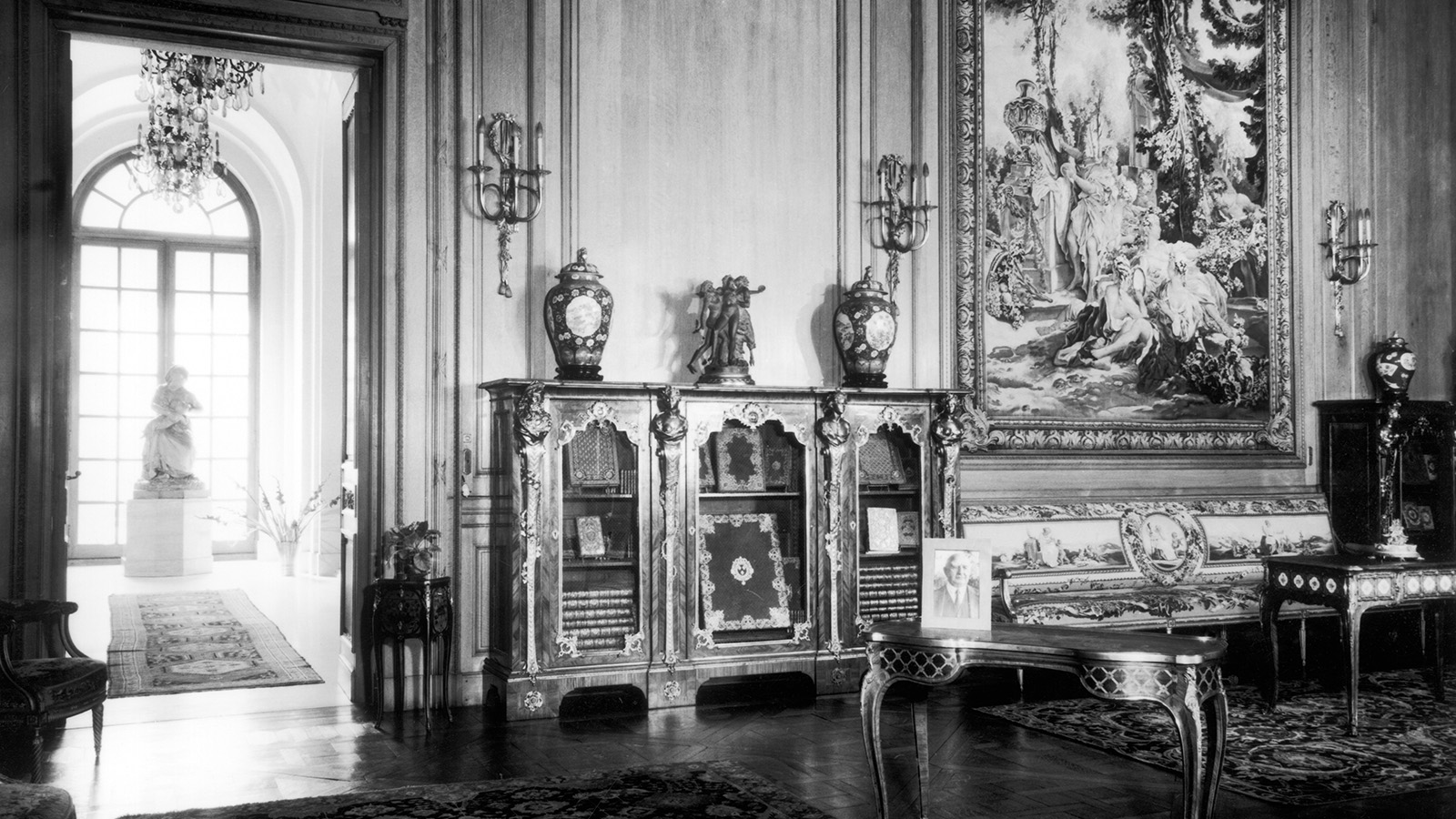
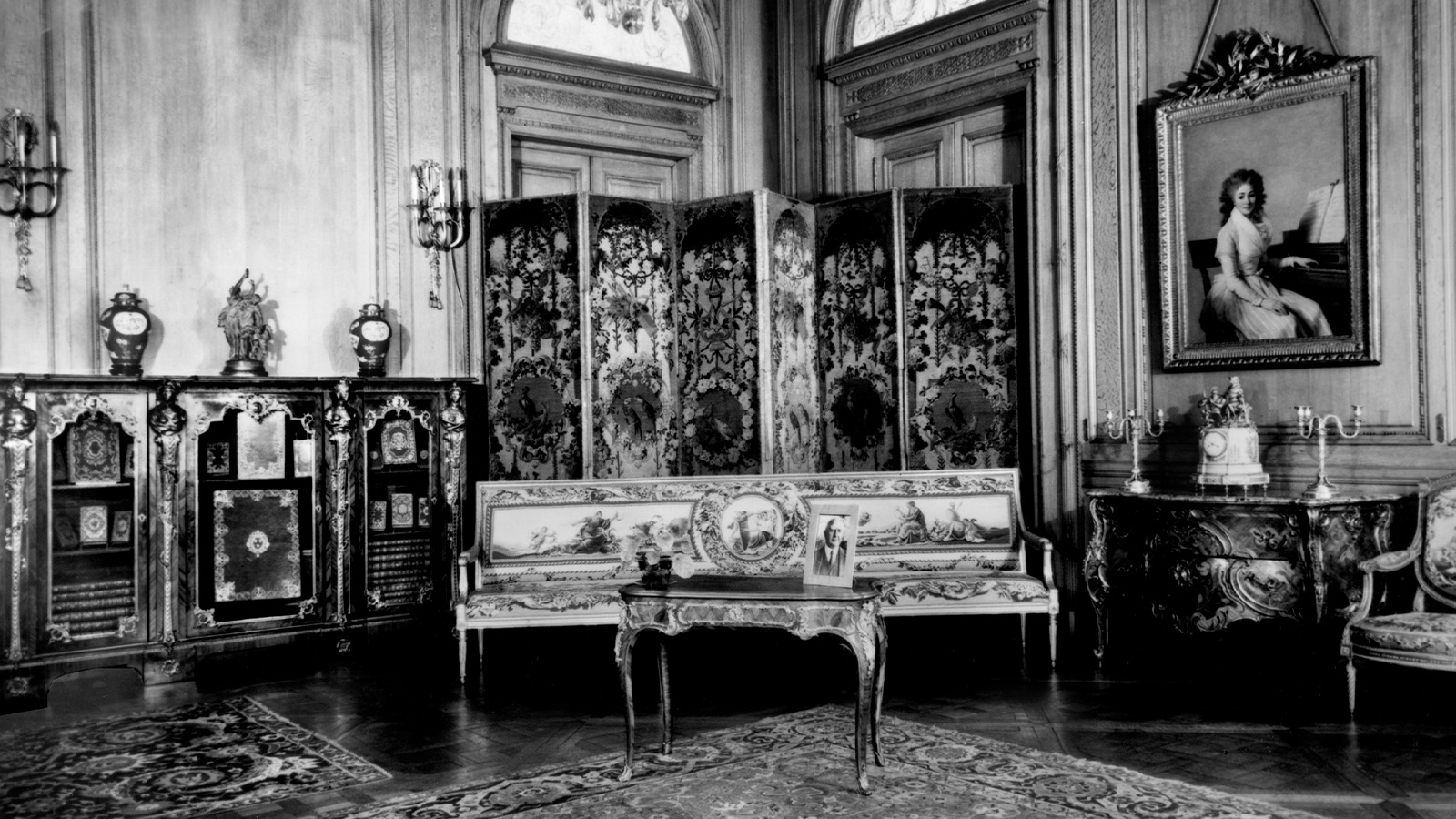
At his residence in Paris, Calouste Gulbenkian surrounded himself with books — objects he considered, more than occasionally, true works of art. François Avril, former curator of the Manuscripts Department at the Bibliothèque Nationale de France, described him as a “great lover of books.”
/
From his first acquisitions in 1899, bibliophilia accompanied Calouste Gulbenkian throughout his life. The items he assembled reaffirmed the eclectic character of the collection and his particular taste for this type of work, as documented in the catalogue European Illuminated Manuscripts in the Gulbenkian Collection.
From July, with the reopening of the Museum, part of this nucleus will once again be on display. An opportunity to see up close what Gulbenkian chose to keep.
Gulbenkian Gold Boxes
A collection of small gold objects is set to be reintroduced into the permanent exhibition at the Calouste Gulbenkian Museum.
We reveal how a major research project sheds new light on these pieces, particularly offering insights into their history, function, and chronology.
The Project
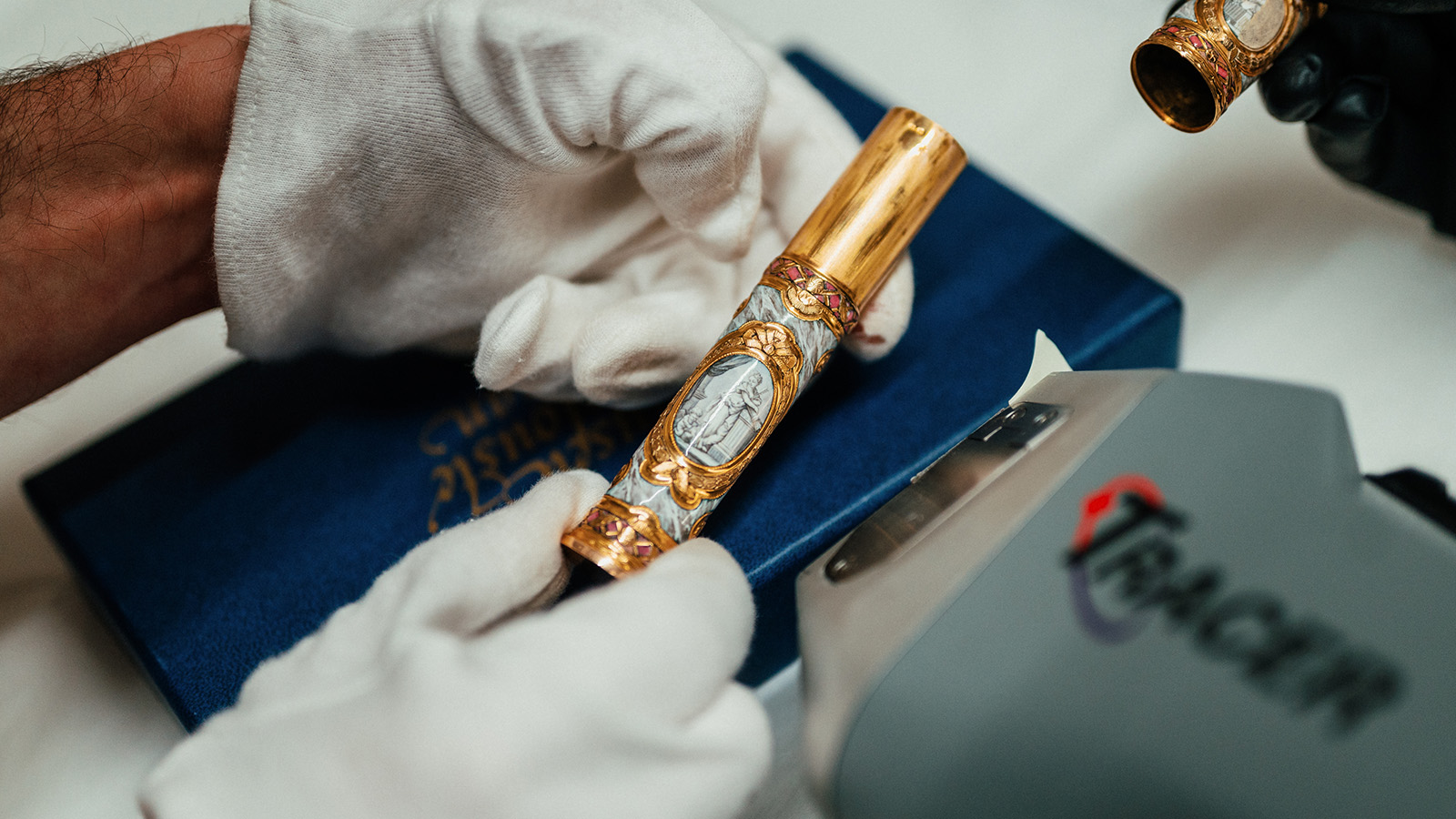
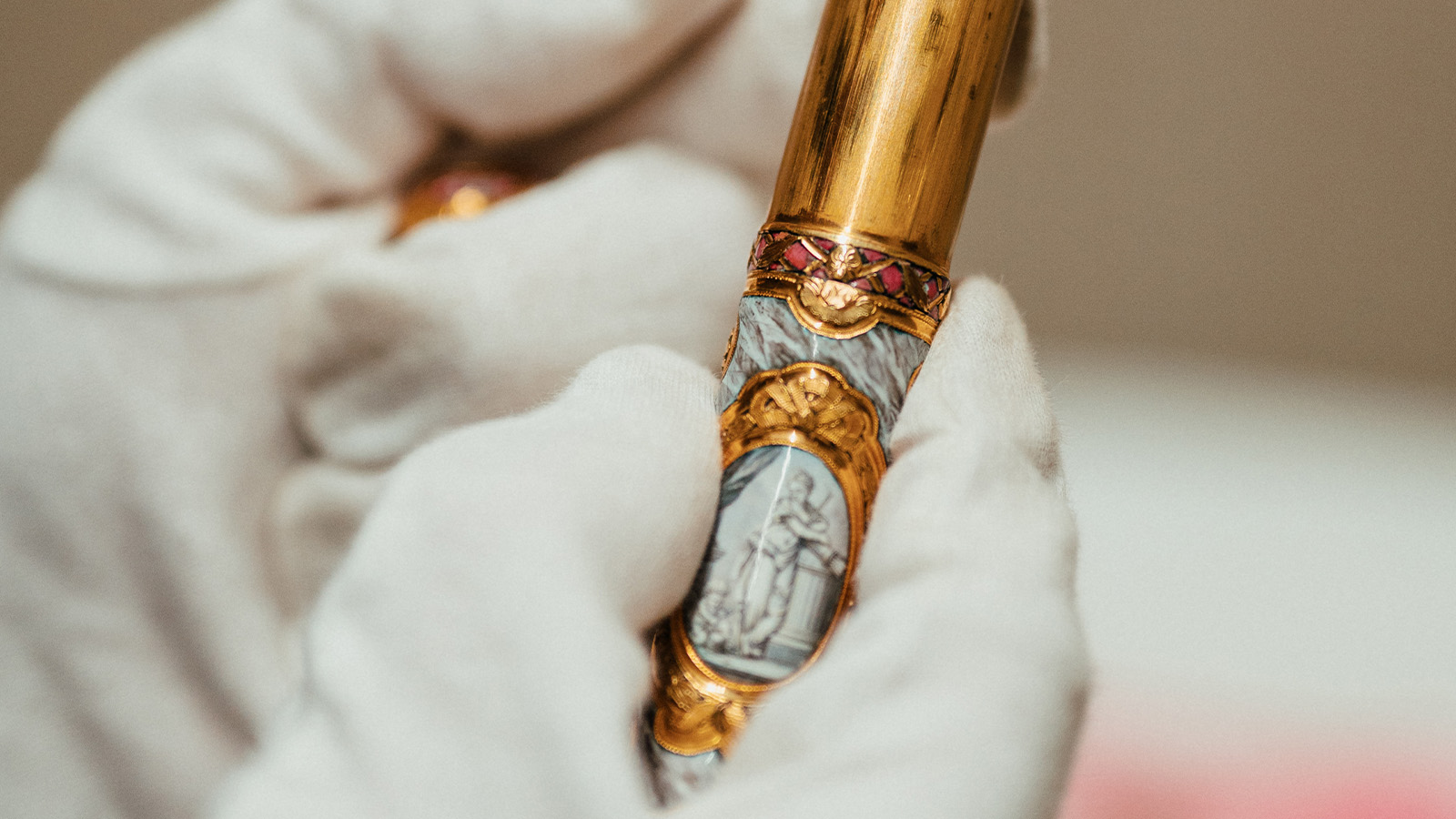
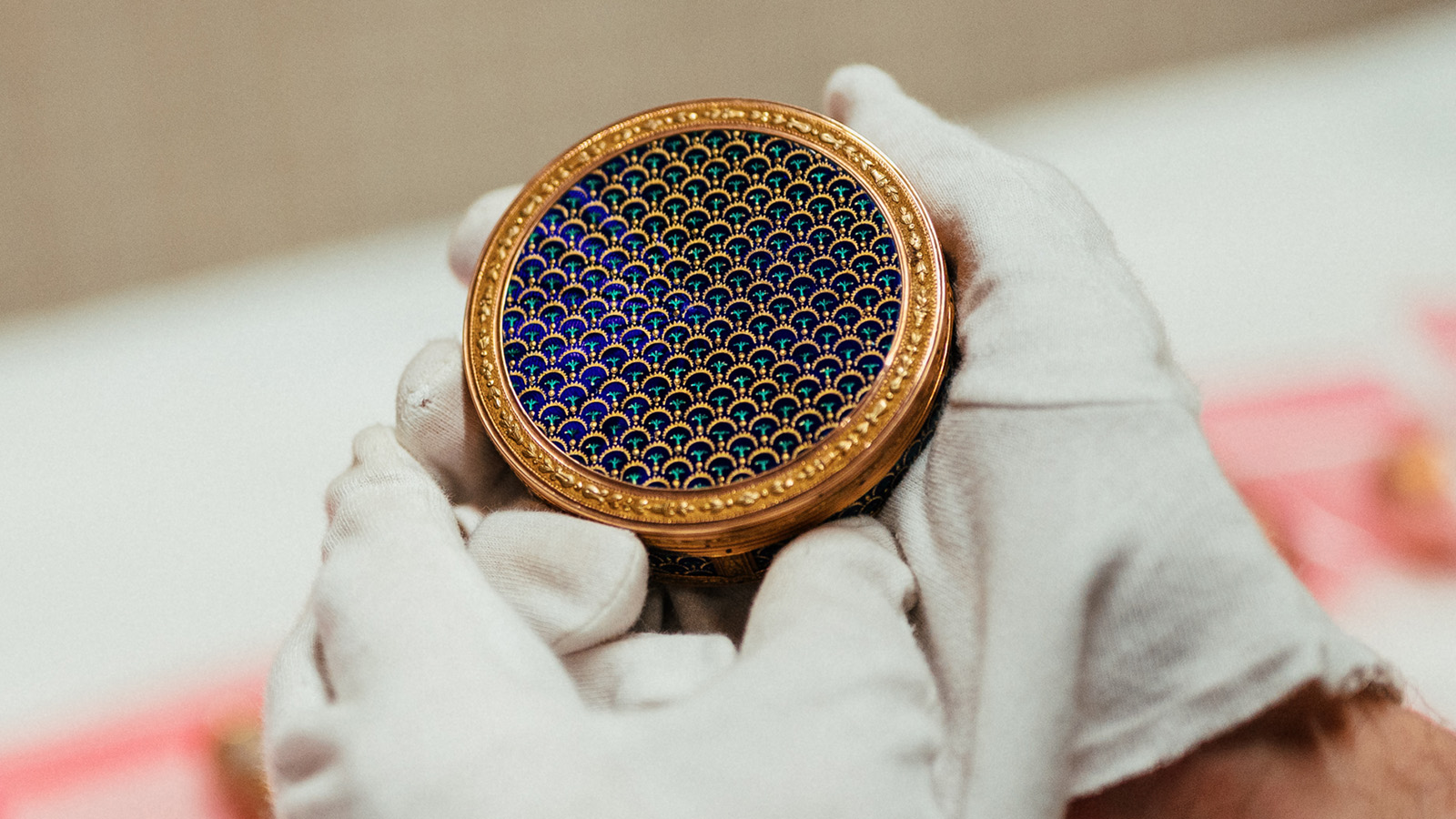
One of the main research initiatives led by our team during the museum’s renovation period focuses on the phased study of a collection comprising approximately 50 objects that could be classified under what art history generally refers to as ‘gold boxes’.
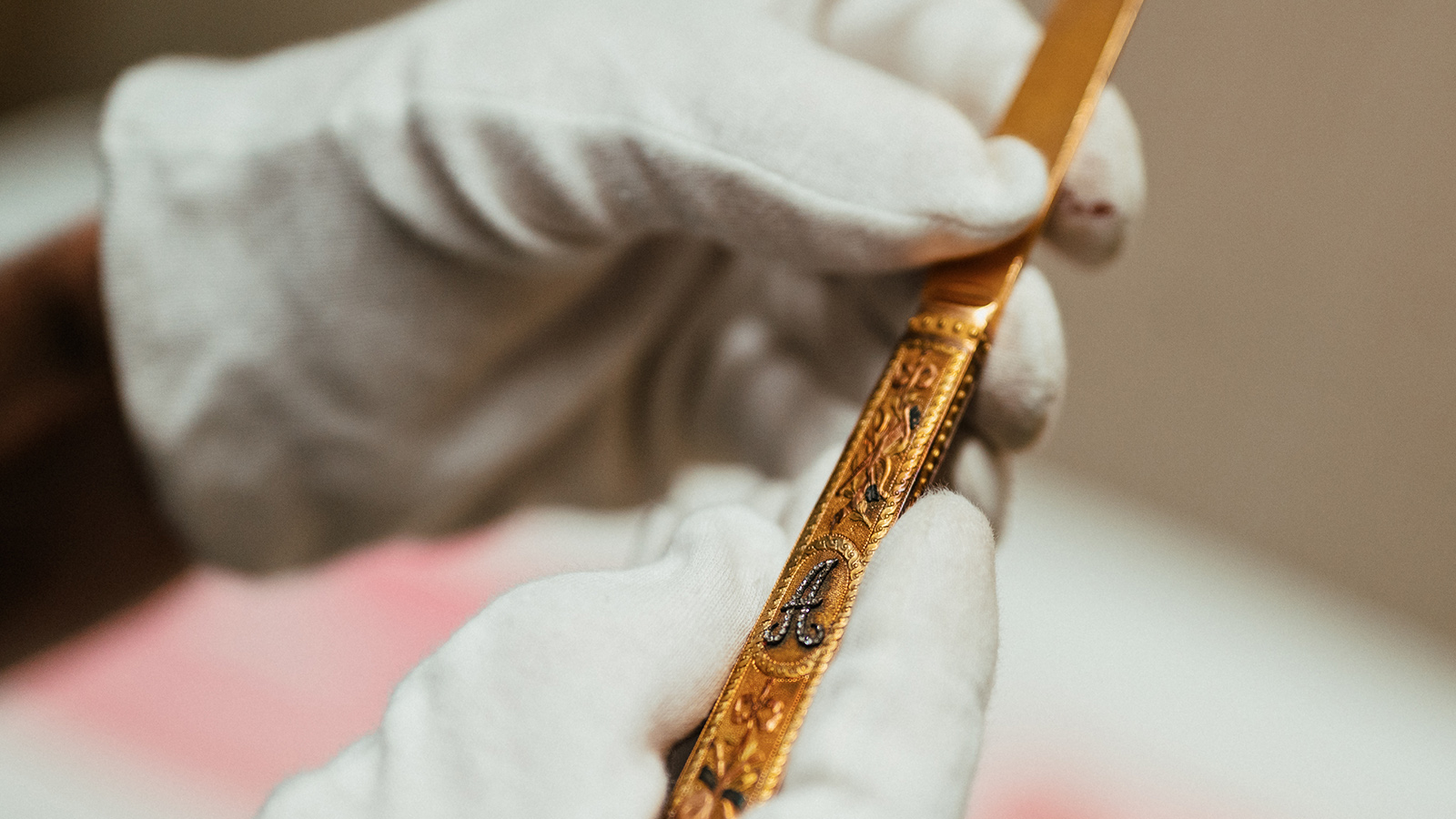
Led by the curator André Afonso, this project seeks to analyze issues related to the identification of production centers, goldsmiths, and other artists involved in the creation of these objects, their dating and constituent materials, production and decoration techniques, iconography, among many other aspects.
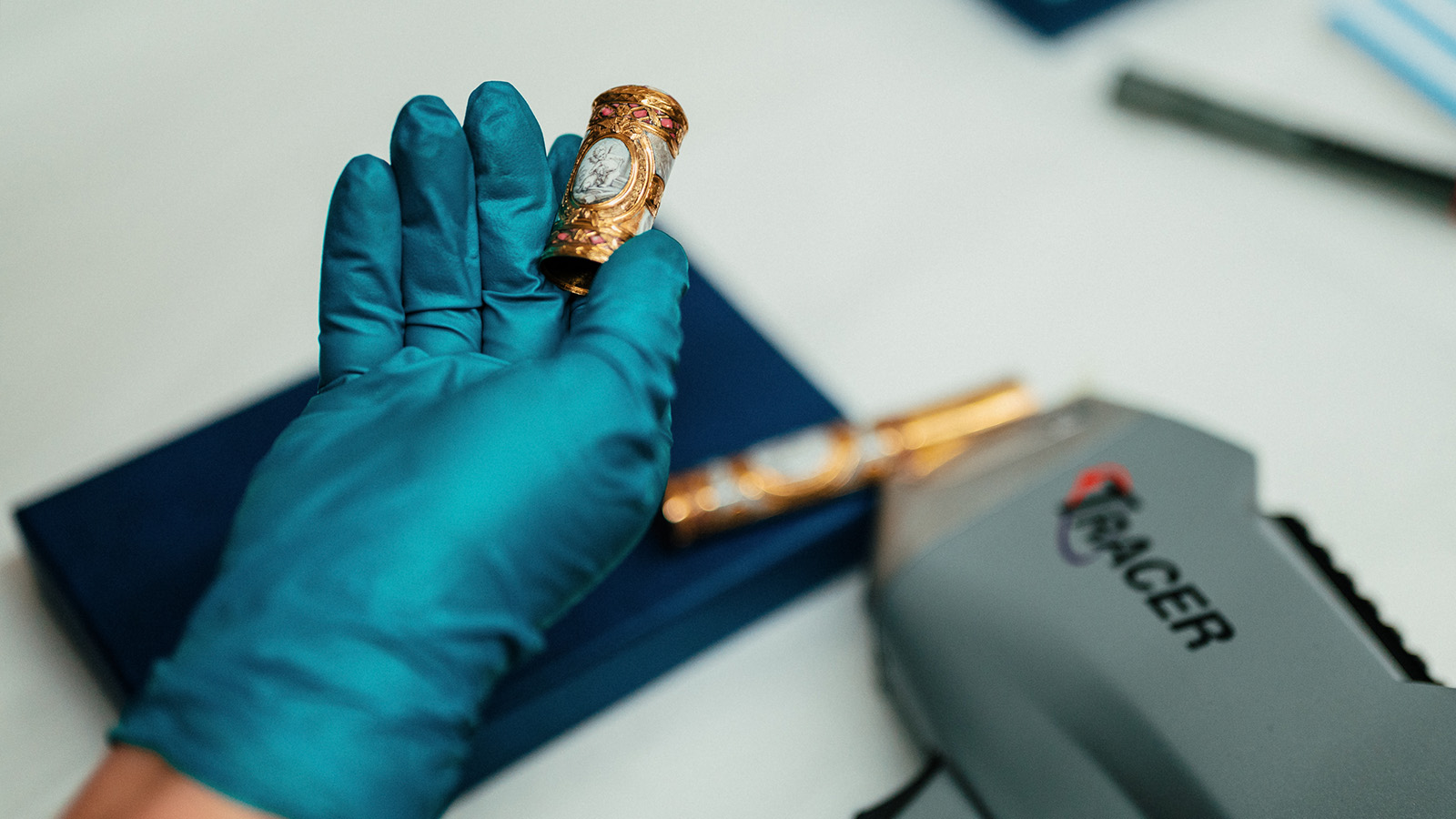
These pieces belong to a category of small luxury pieces crafted from precious materials that defined the tastes of the European elite in the 18th century. Beyond their functional purpose, these objects reflected the taste and status of their owners, serving as important fashion accessories and popular choices for diplomatic and sentimental gifts.
/
Among other areas, this project has led to individual and institutional collaborations that are essential for building new knowledge about this collection. Behind the scenes of the renovation, we are following the analytical study of these pieces, for which we hosted a research team from the HERCULES Laboratory (University of Évora) to guide an examination of the objects’ material composition.
The analytical study
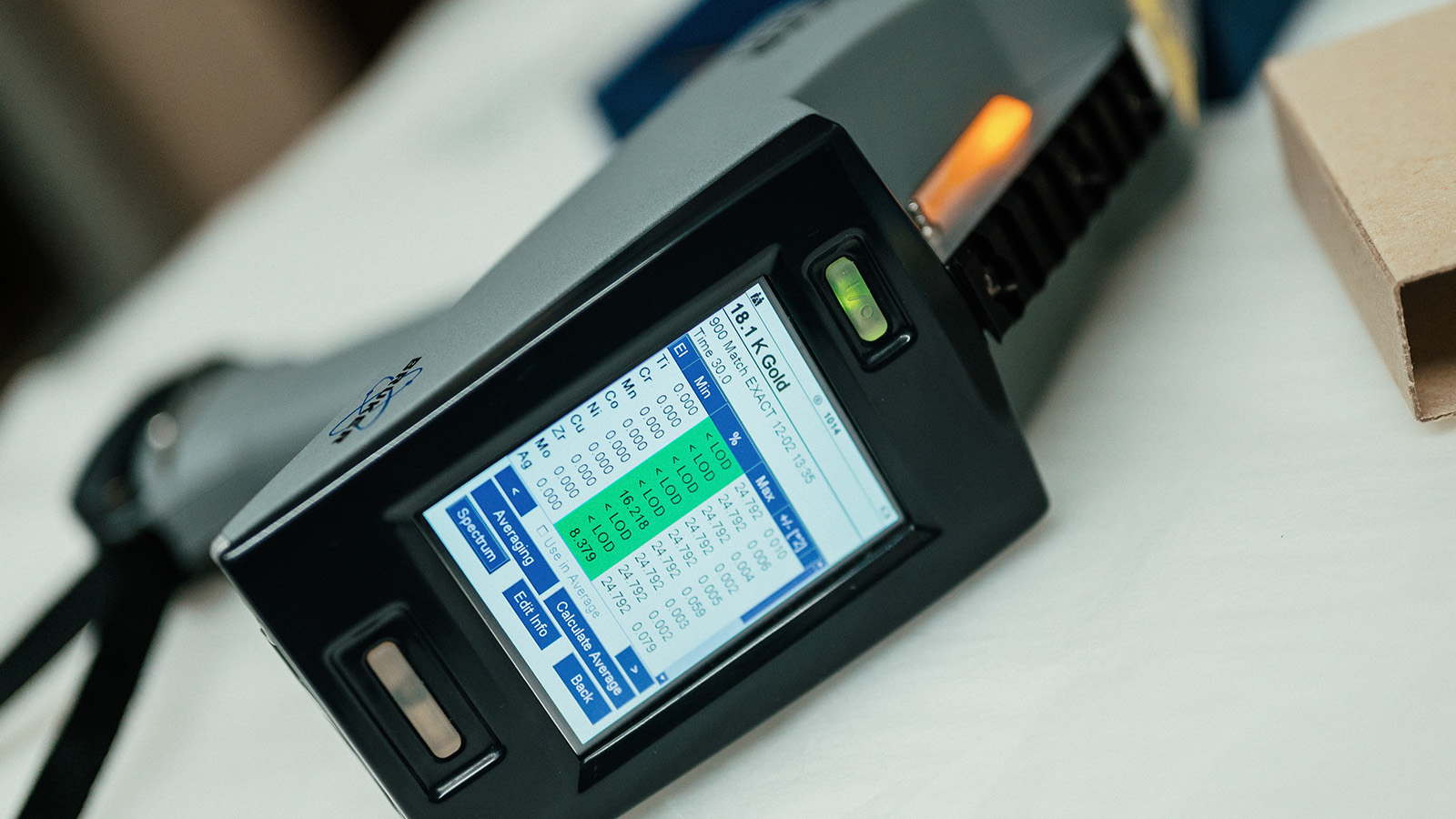
An analysis of the material composition of gold boxes is essential for studying and gaining a better understanding of these pieces. This is because, in the 18th century, these objects were characterized by their extreme complexity in terms of production. Not only were they crafted by different artists, but we also know that their manufacture adhered to a series of codes that varied according to geography and the different production centers.
Among the production standards were laws regarding the percentage of gold that had to be present in metal alloys, as well as the definition of various tiny hallmarks corresponding to goldsmiths’ marks, guild marks, city marks, fiscal marks, and export or import marks.
/
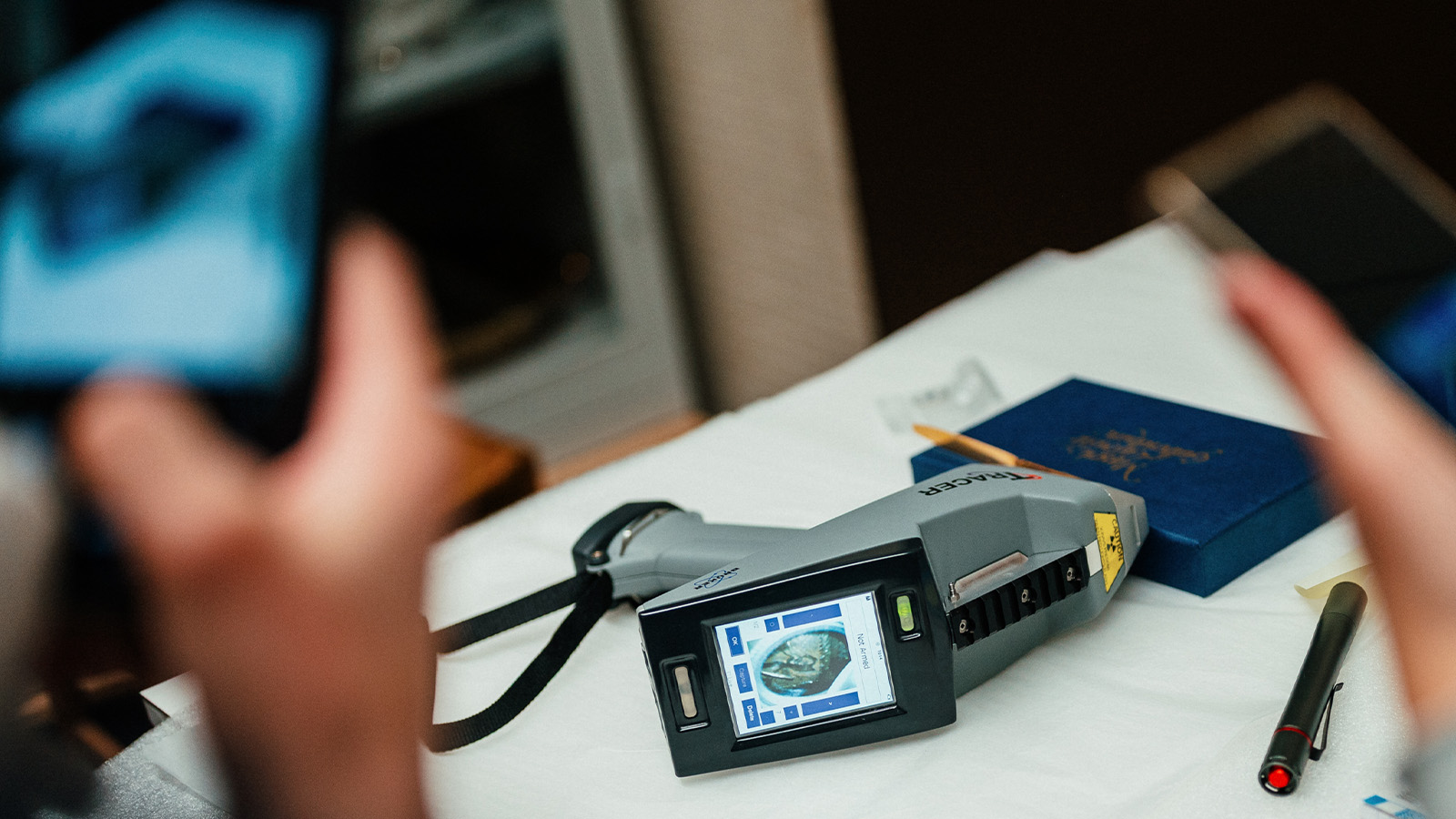
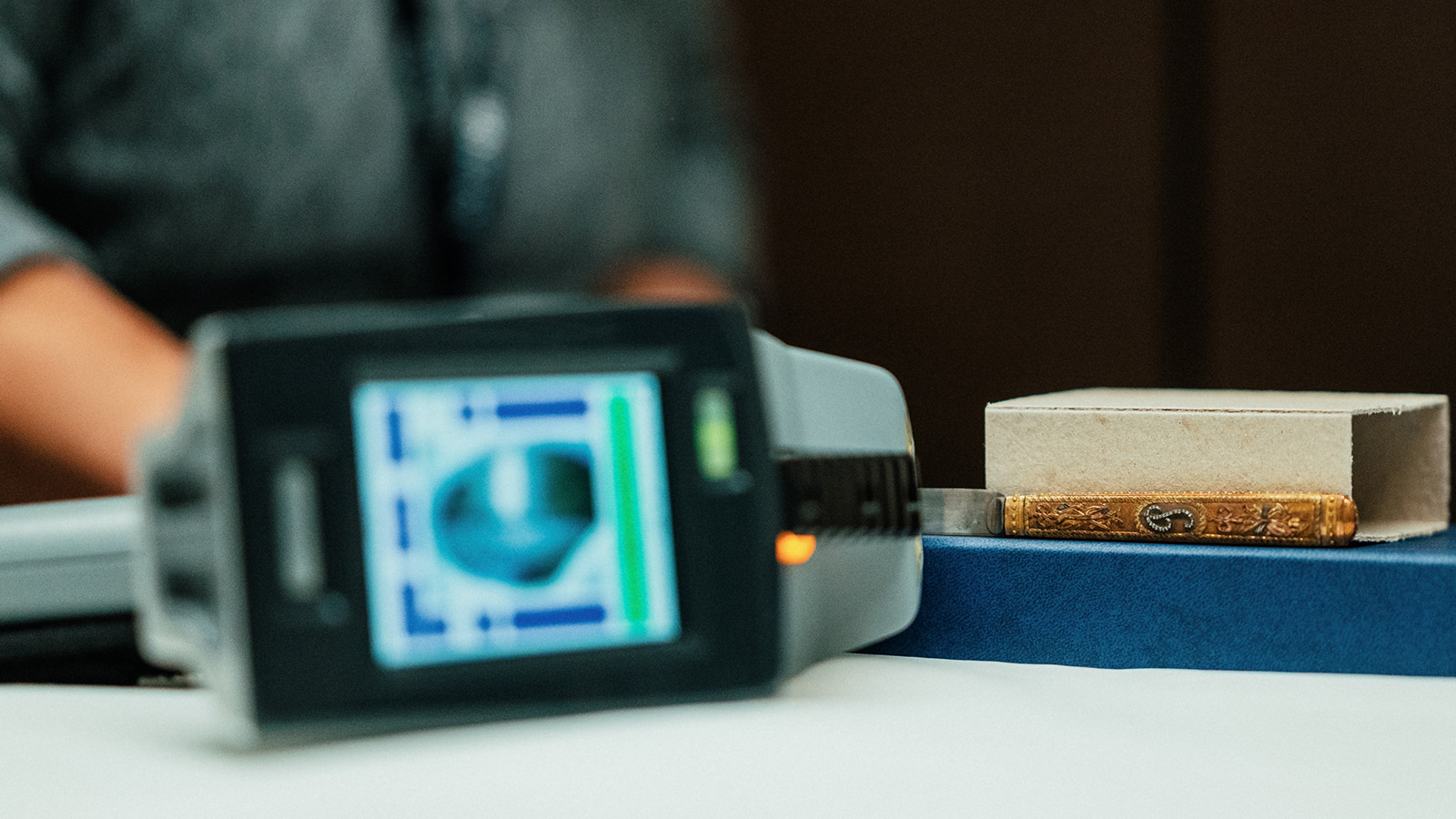
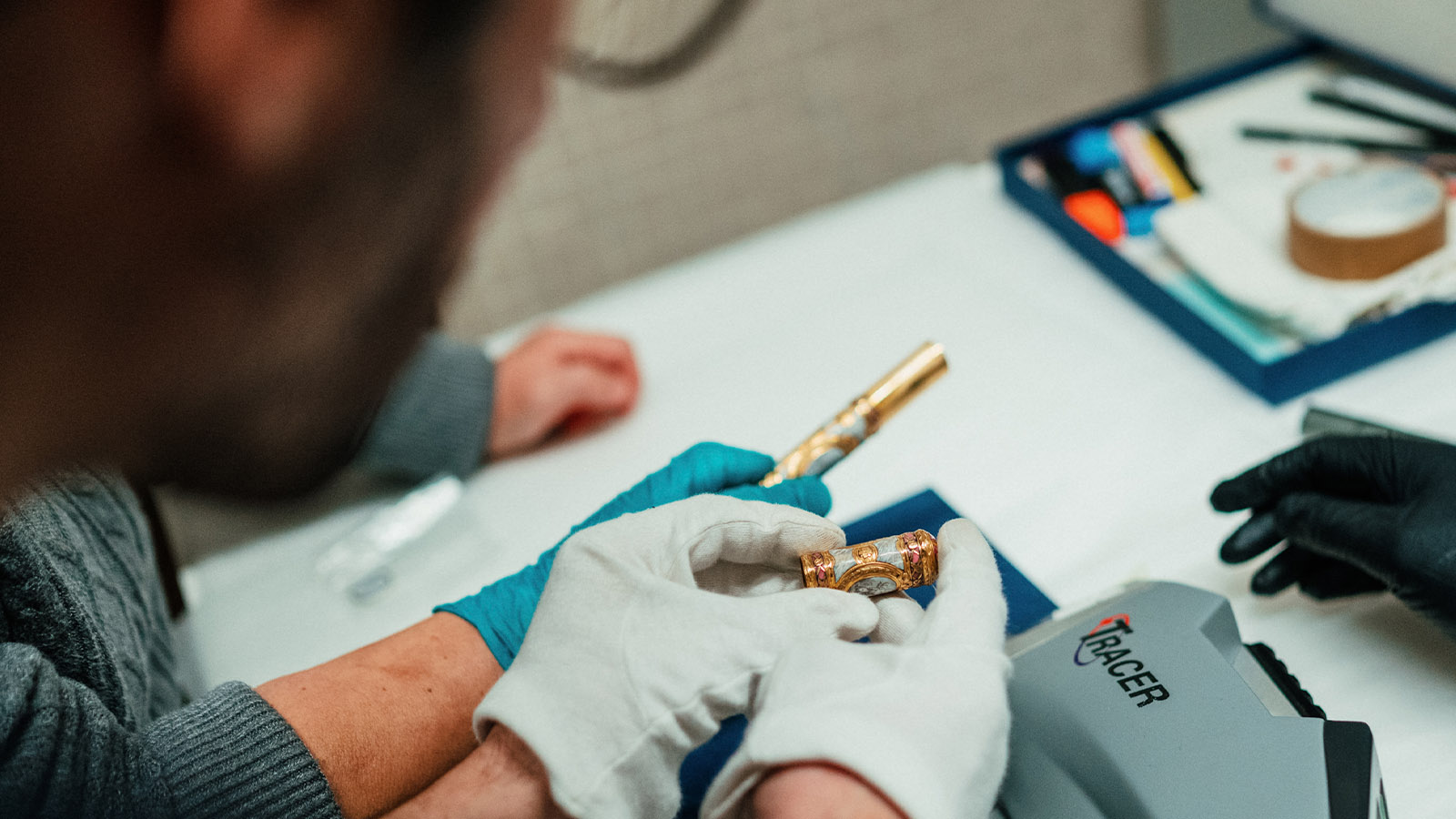
All of these factors led our team to devote the utmost care and attention to detail. For a thorough examination, we therefore employed non-invasive and non-destructive energy-dispersive X-ray fluorescence spectrometry techniques.
/
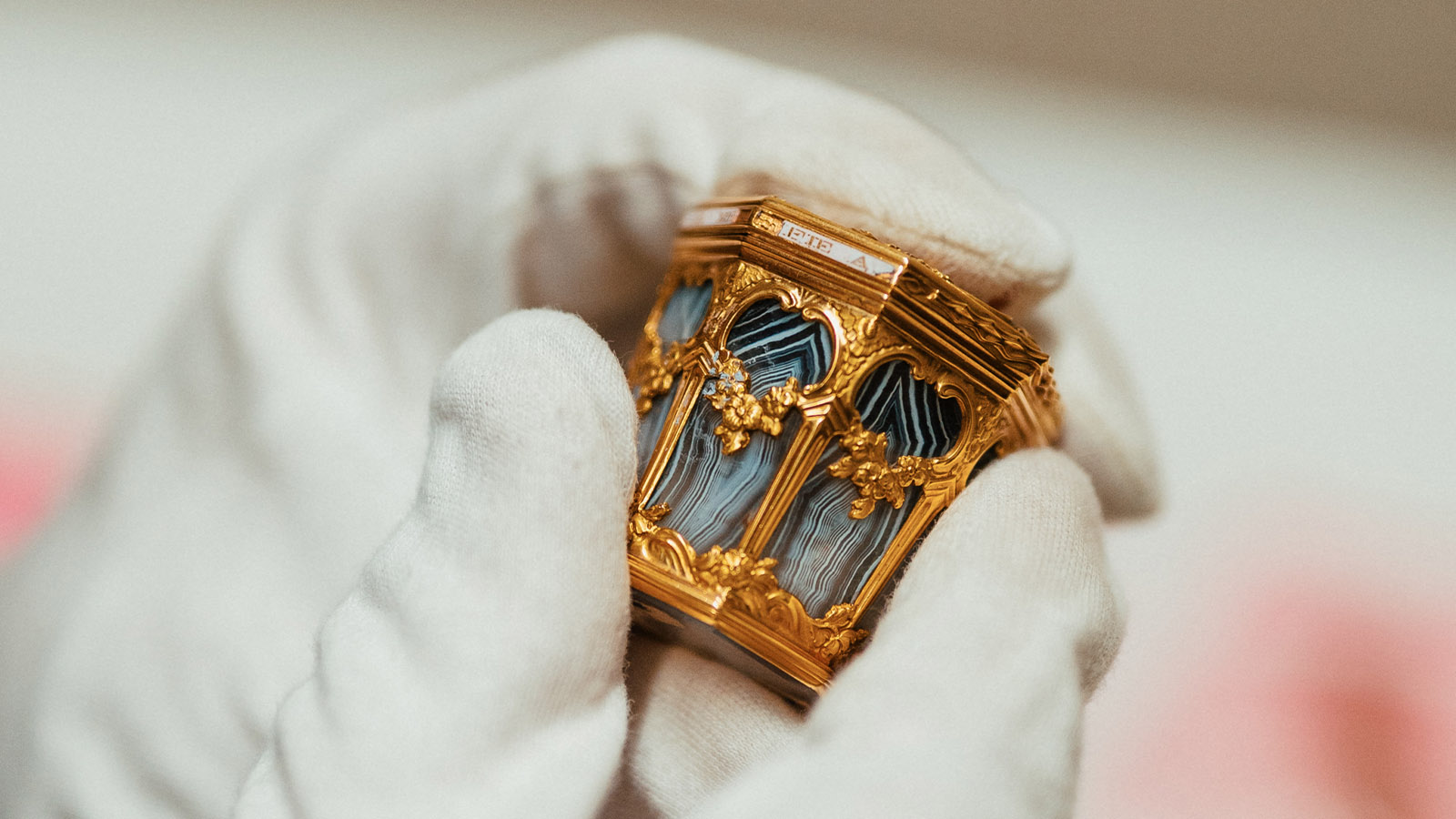
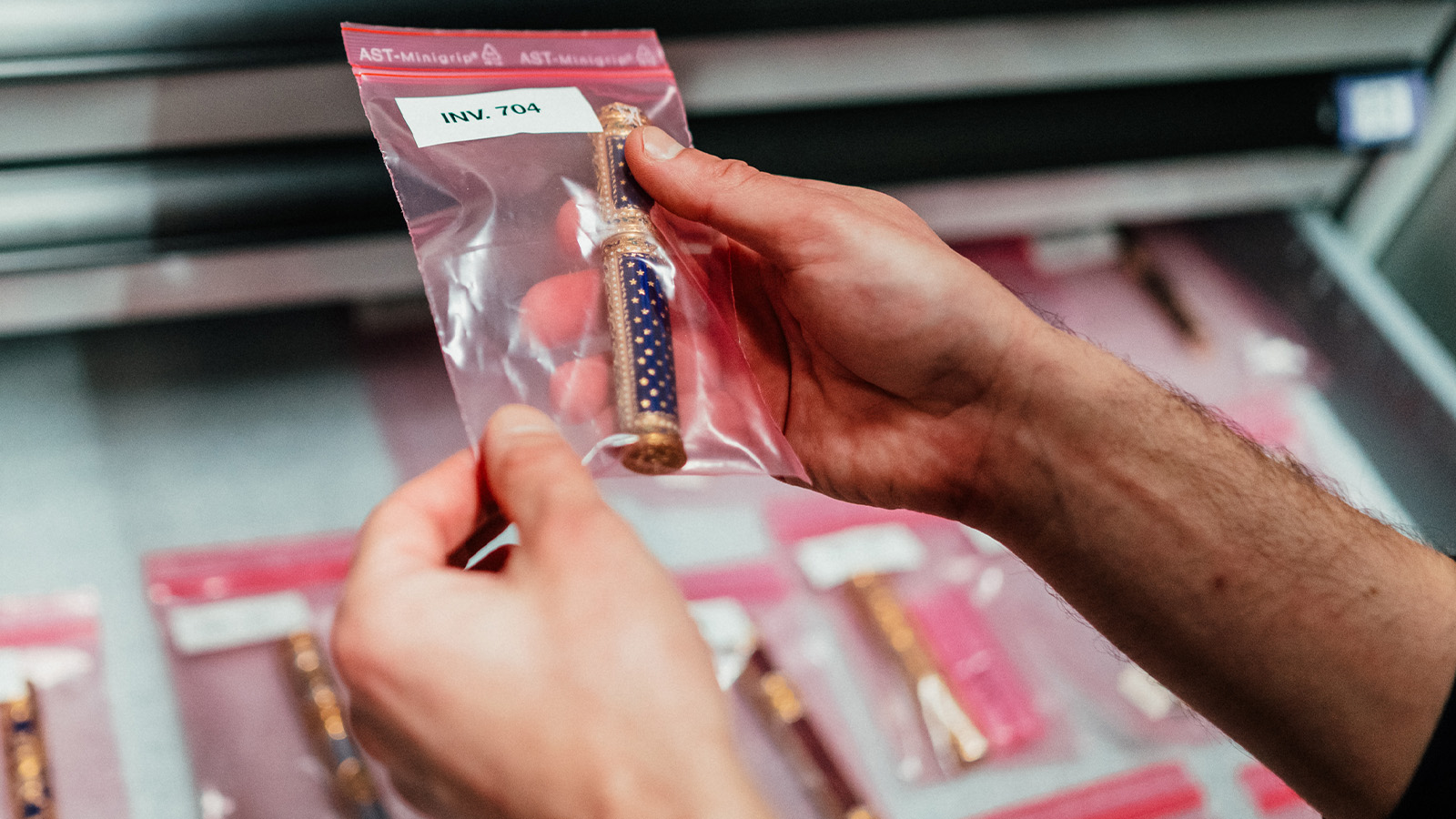
In the images, we can see the team of researchers from the HERCULES Laboratory using the Tracer 5g (EDXRF technique) and ELIO (MA-XRF technique) instruments, which enable them to perform elemental chemical analysis and, consequently, identify the composition of the various metal alloys present in the objects under study, specifically the percentage of gold, silver, and copper. This information will make it possible to identify the origin and date of these pieces more accurately.
Return to the Permanent Exhibition
In storage since 2022, this section of our Collection reflects Gulbenkian’s careful and selective interest in the luxury of the 18th-century elite, a focus that is also reflected in the examples of French furniture, textiles, silver, and bronzes from the Age of Enlightenment that captivated our Collector.
From snuff boxes, designed to preserve ground tobacco for inhalation, to bonbonnières, used to store small sweets or candies, and cases for sealing wax and needles, this collection of gold boxes proves to be quite entertaining and diverse.
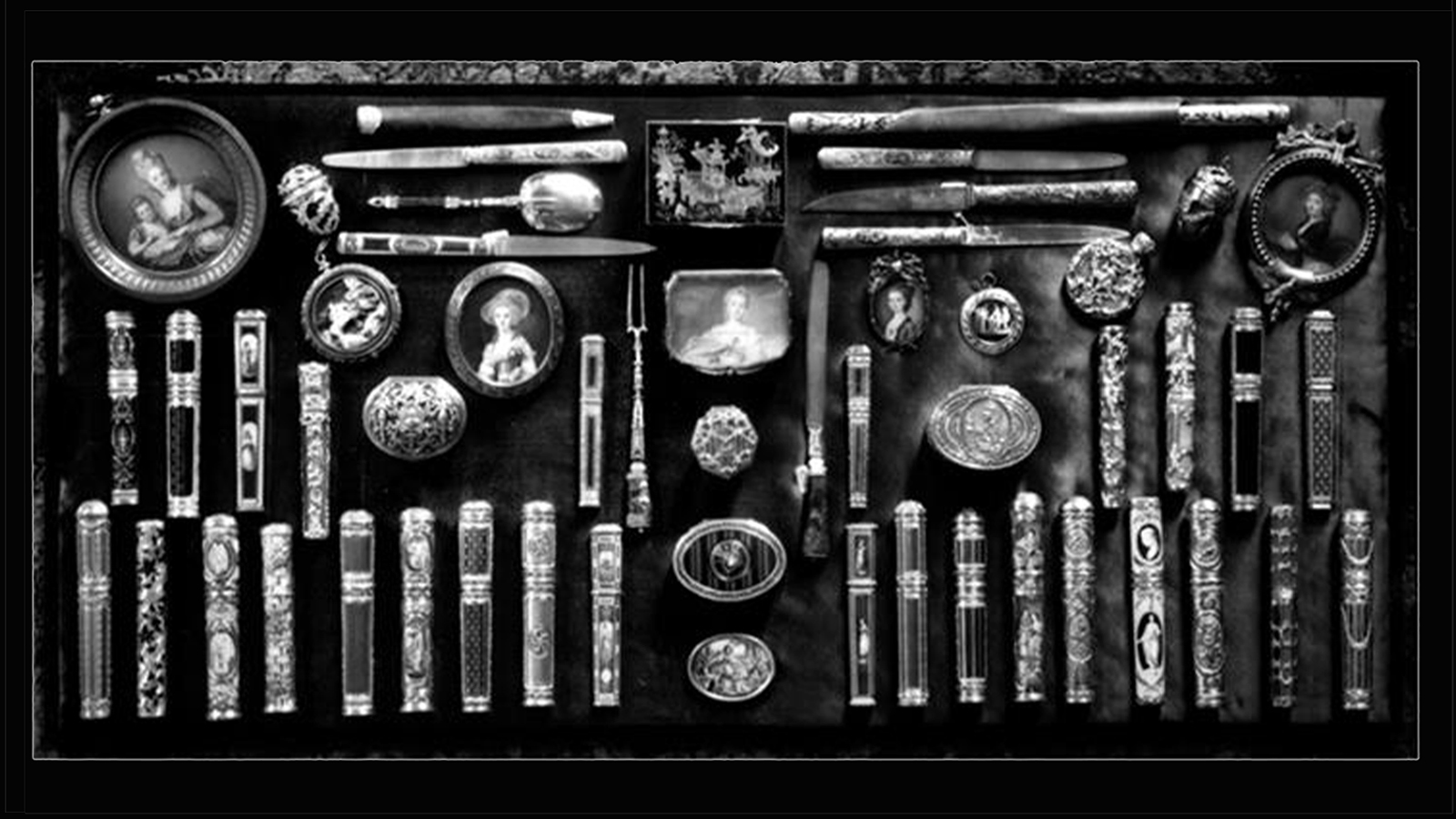
Originally displayed primarily in a display case at Calouste Gulbenkian’s home on Avenue d’Iéna in Paris, this collection will be on view as part of the permanent exhibition at the Gulbenkian Museum.
A Venetian parasol: a unique piece
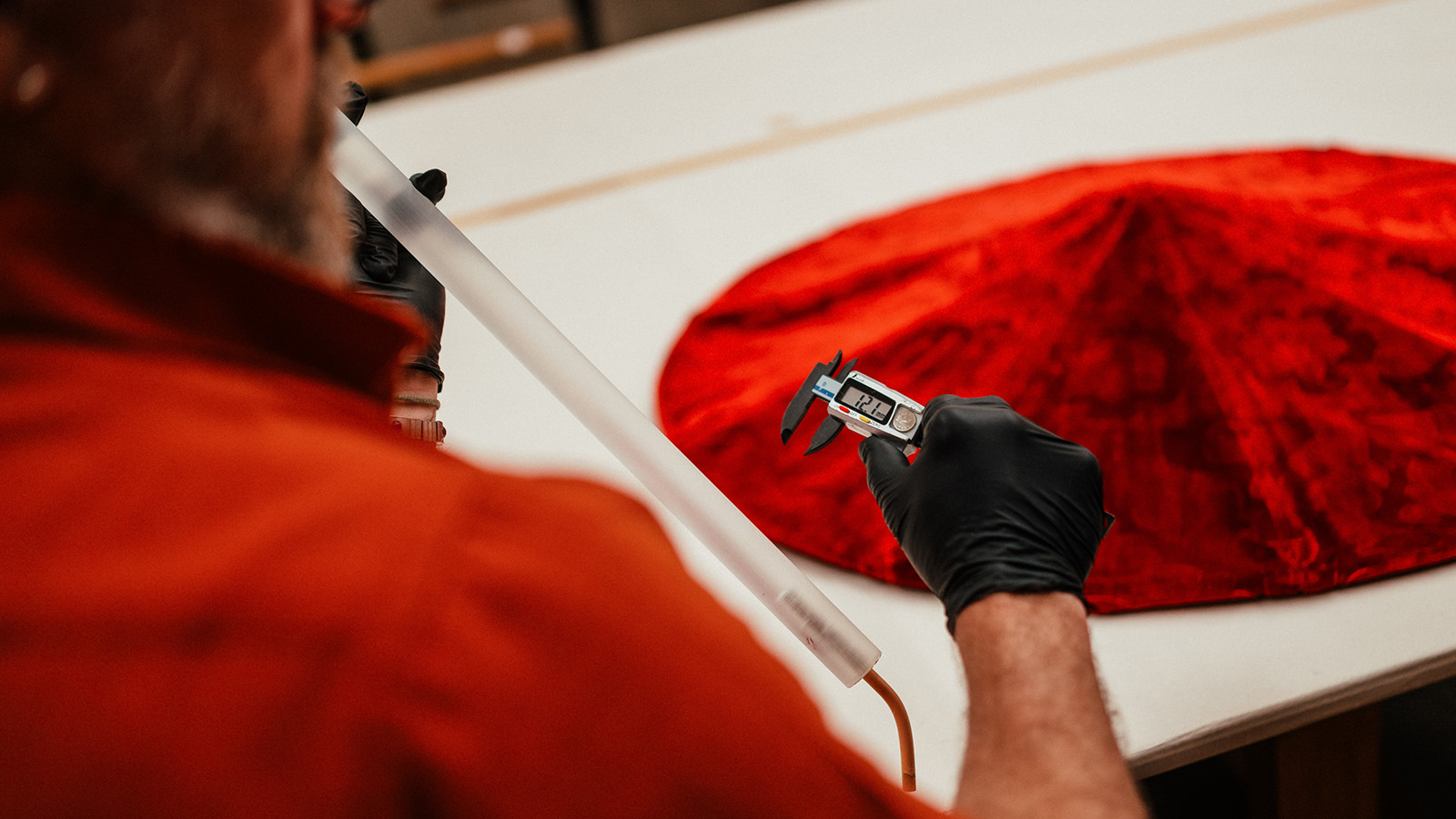
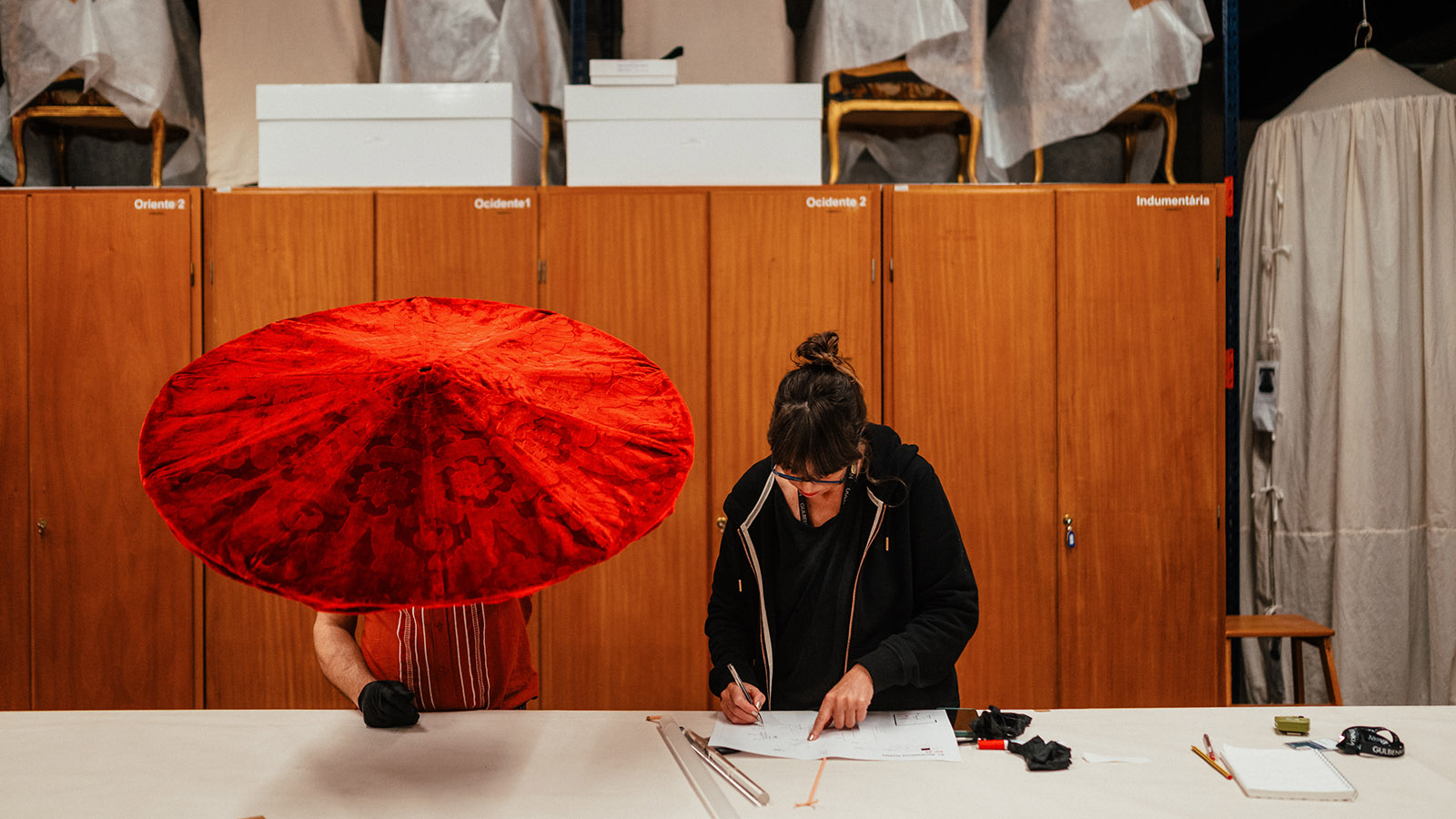
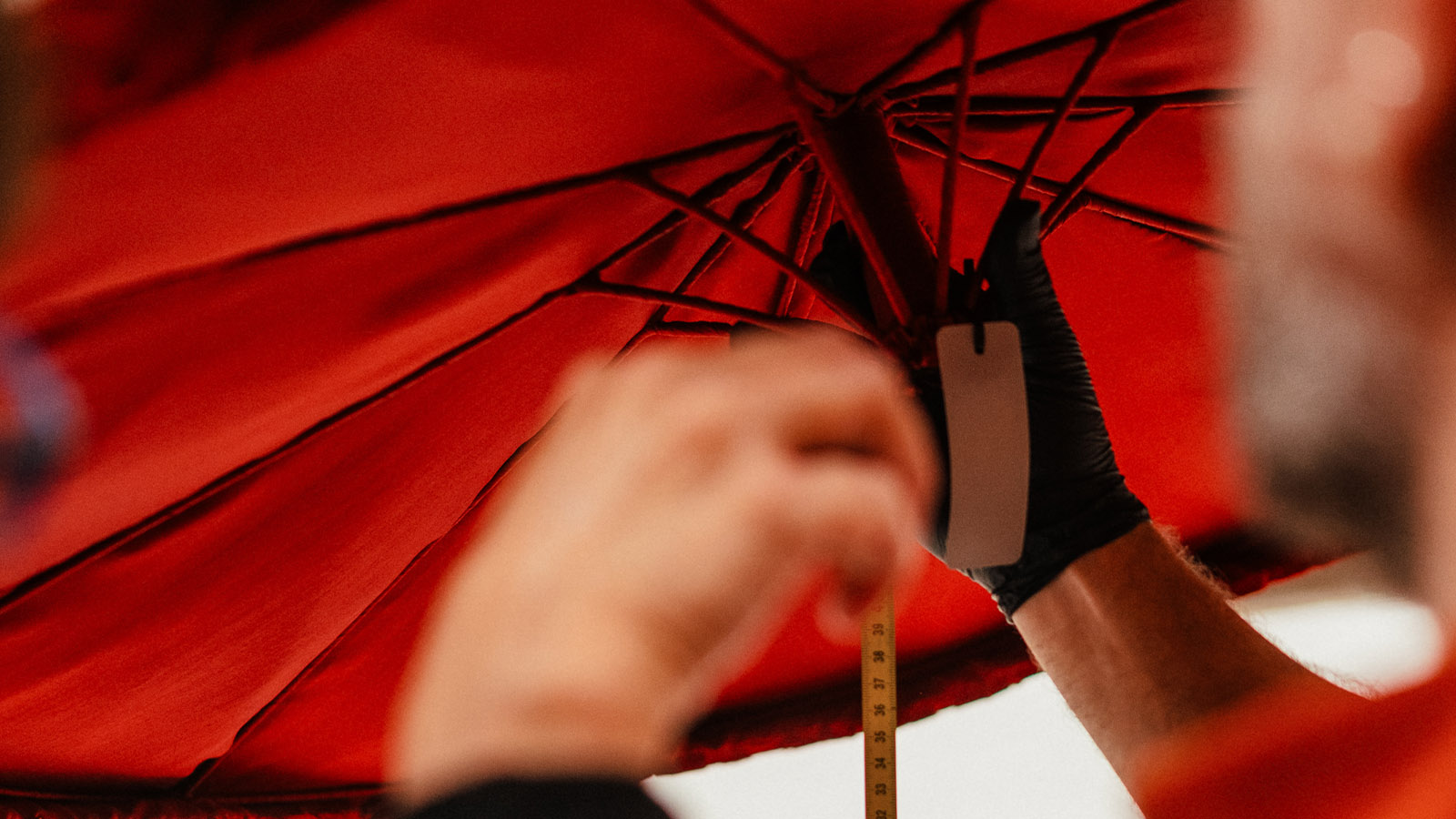
We continue to work on designing new display stands for various objects in the Collection. Among them is the Venetian parasol, one of the pieces that will be given a new holder.
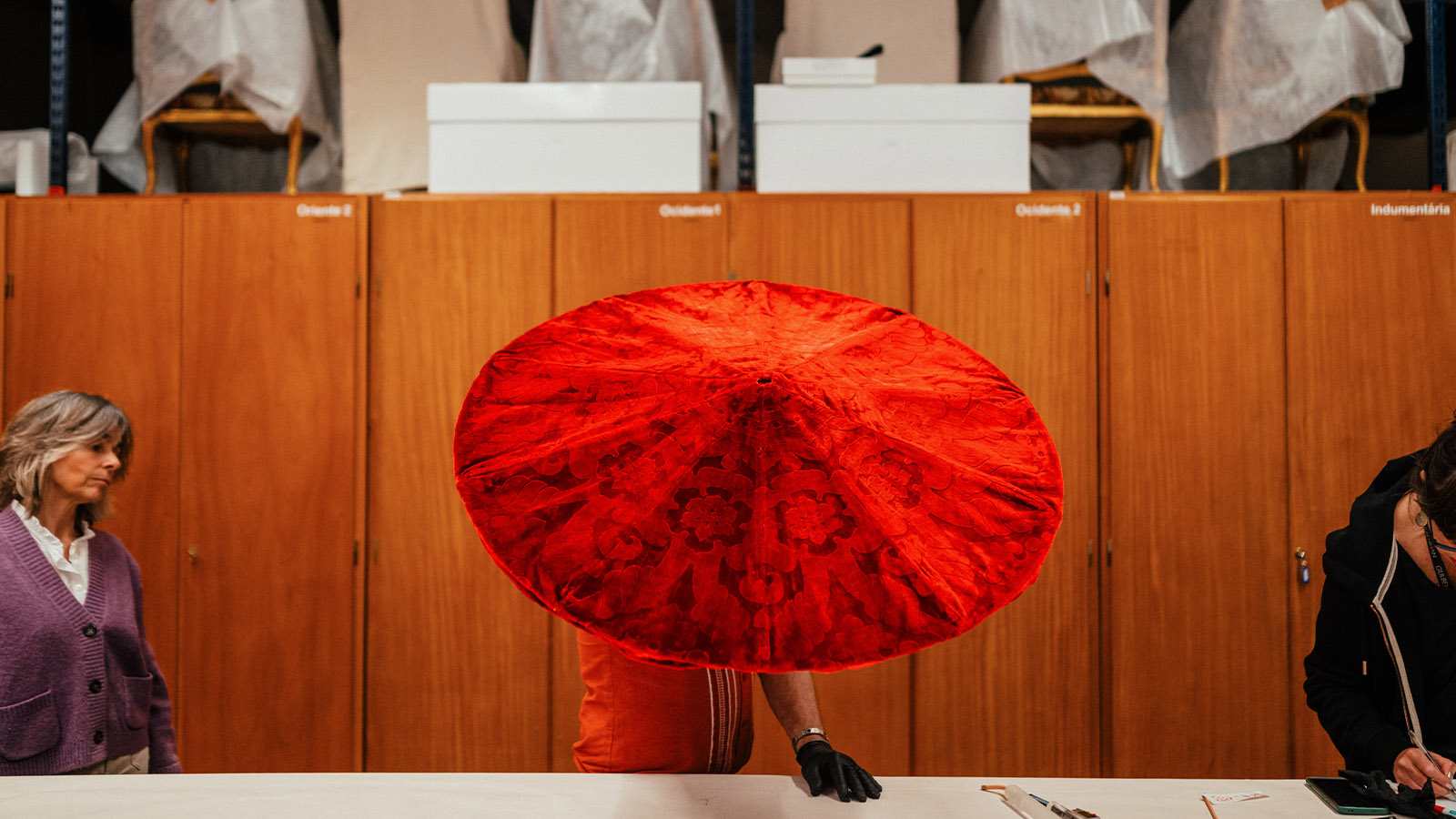
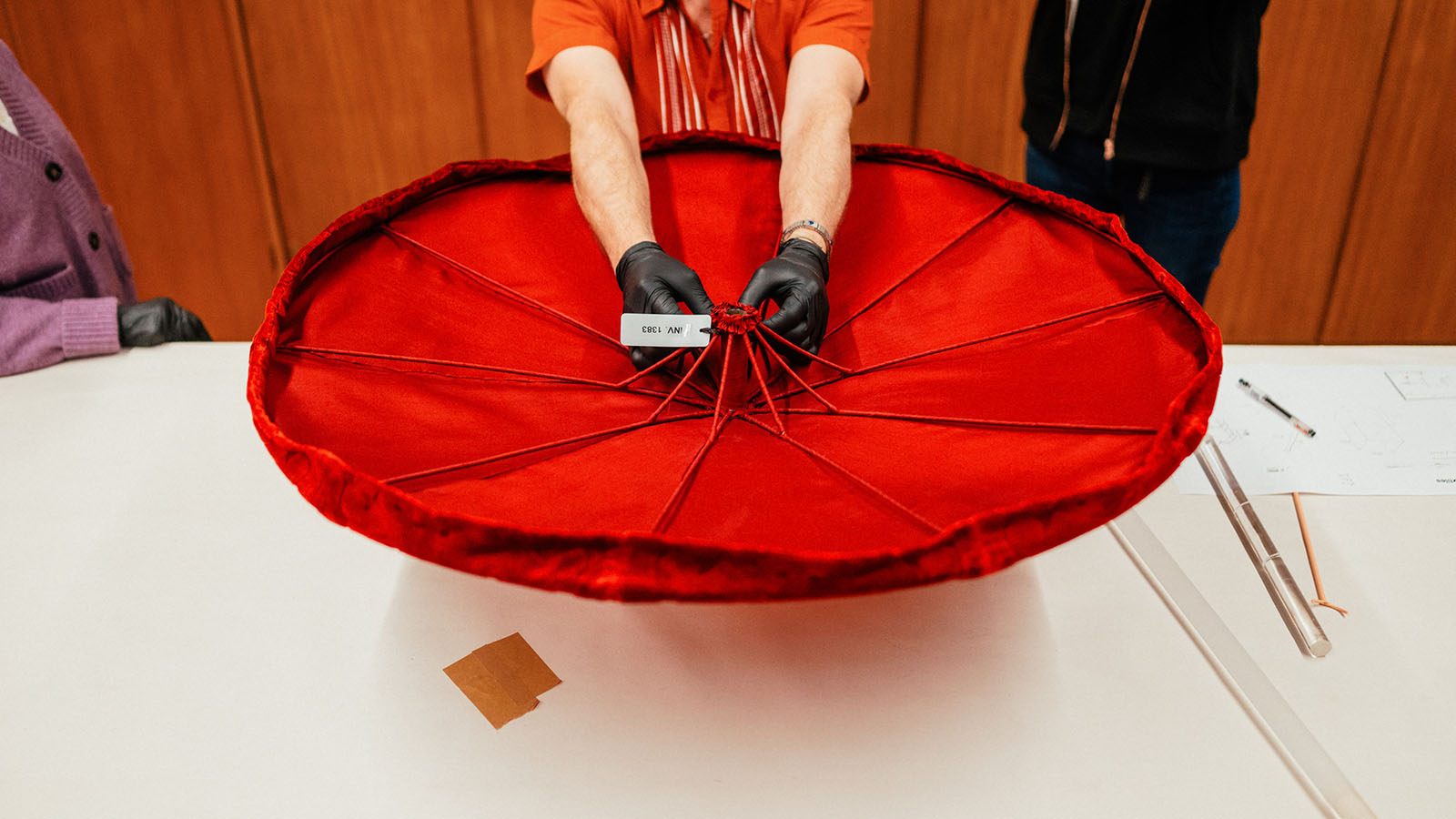
This work has involved a detailed study of the objects – their origin, function, history, dimensions, and state of preservation – as well as their setting – type of vitrine, lighting, relationship to the room’s layout, supports, and many other aspects.
/
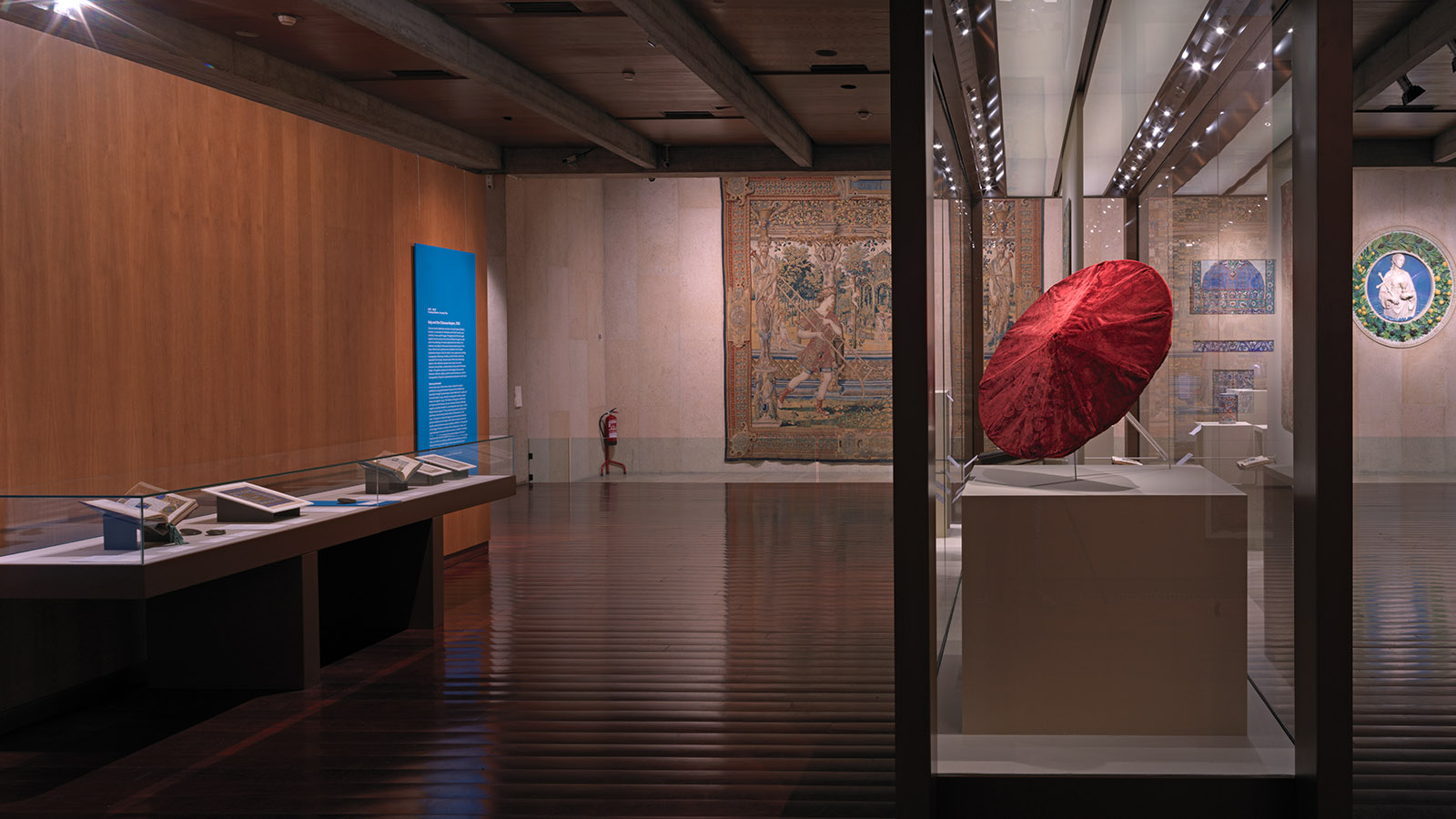
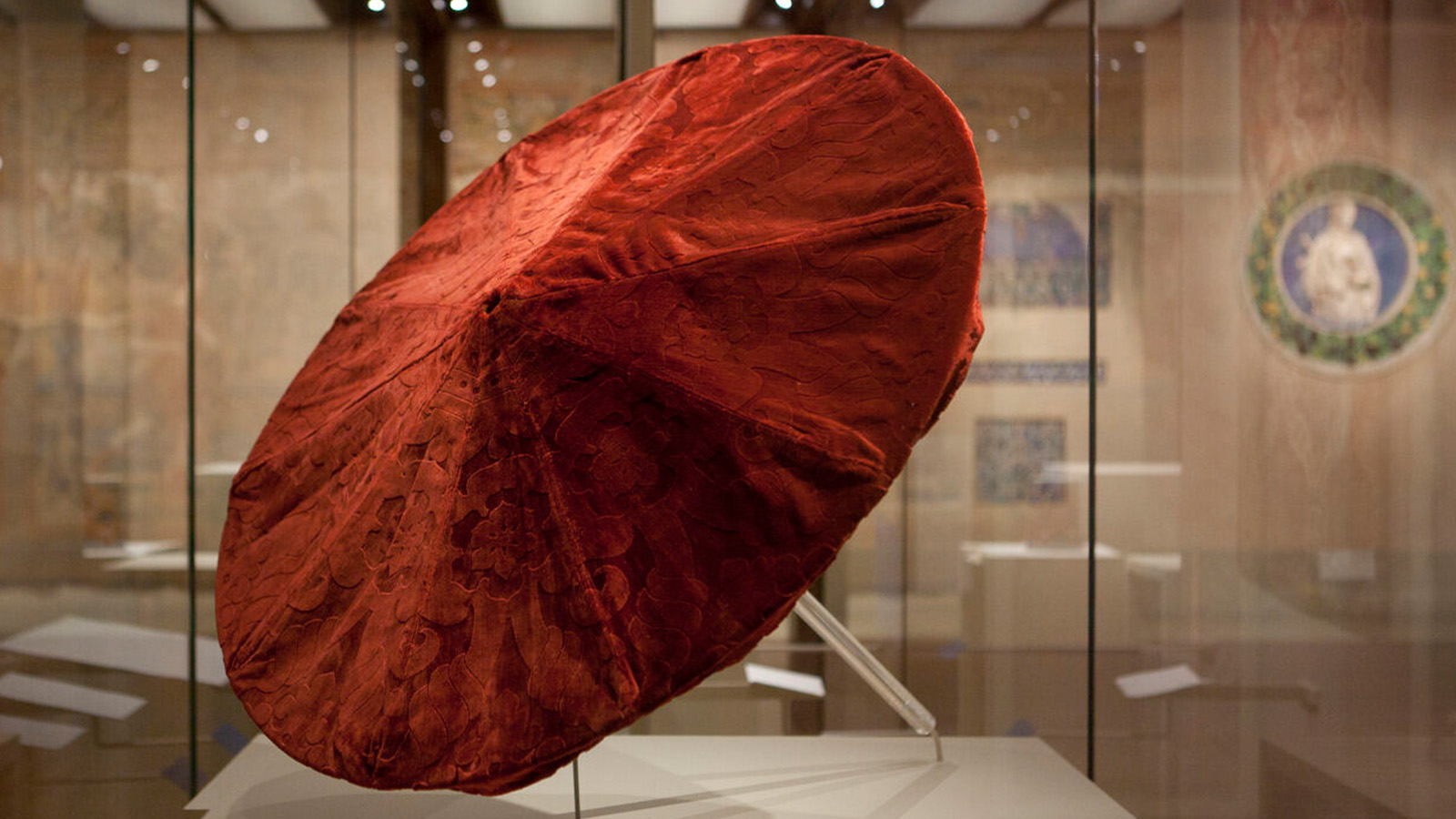
First presented to the public at the Museum’s opening in 1969, this object, which was on display in the Renaissance gallery, is a unique piece in the Collection.
/
More recently, the parasol was included in the exhibition The Splendour of Venice, dedicated to Venetian vedute, featuring works by artists such as Canaletto and Guardi. Since then, it has been held in the museum’s storage.
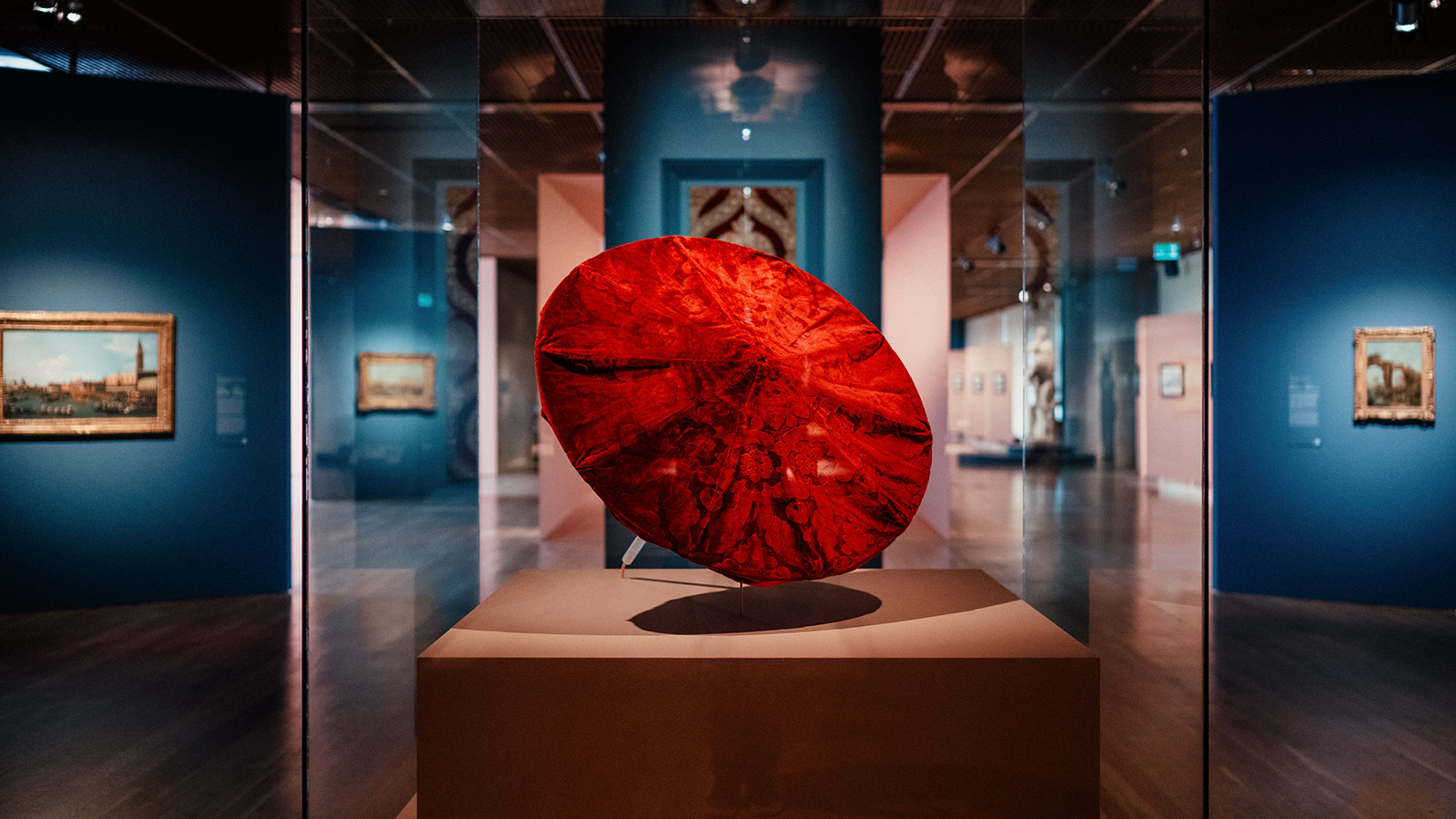
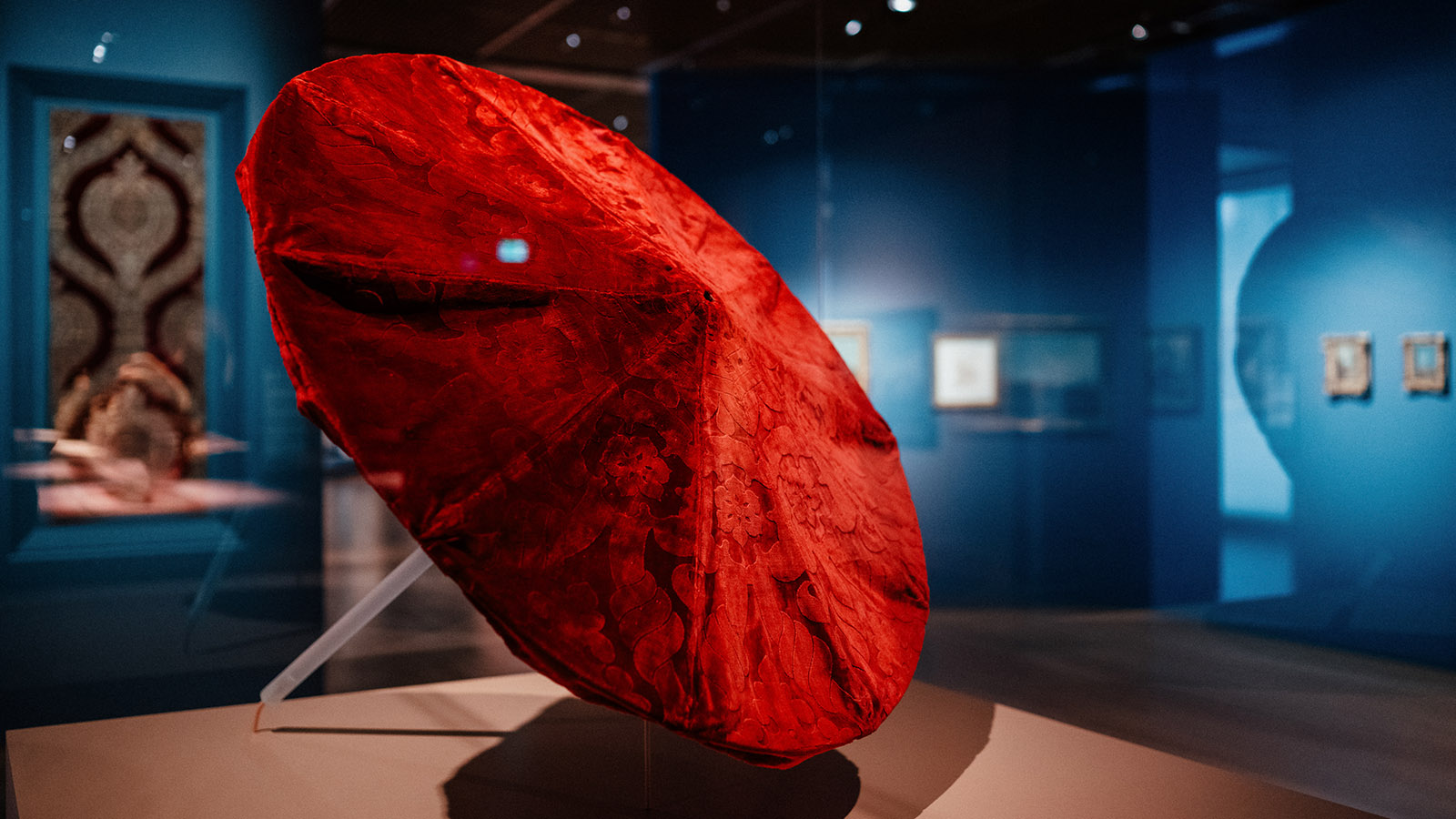
/
Currently supported by an acrylic frame and no longer featuring its original handle, the parasol’s support structure is being redesigned by the team of conservators and designers.
Venetian Sophistication
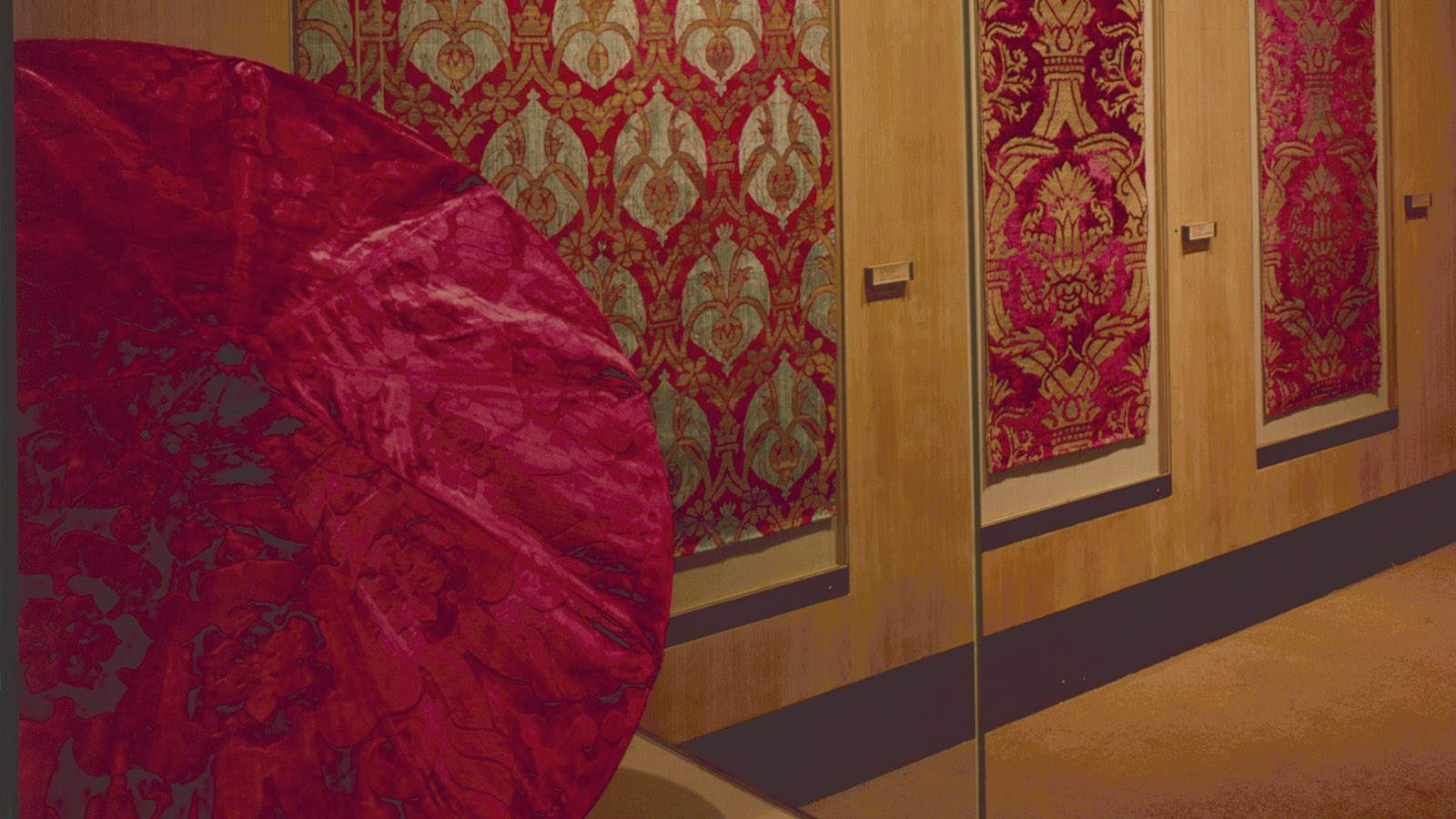
During the Renaissance, Venice was one of the major centers of textile production. According to conservator Clara Serra, the region’s craftsmanship was the most sophisticated, even rivaling Ottoman production.
This parasol is an example of that mastery: made of silk velvet, it features the double-weave technique characteristic of fabrics used by the elite.
A labor-intensive piece, this luxurious item will once again be on display to the public with the museum’s reopening.
With the Italian Renaissance in Hand
This week, we’re following the team of conservators as they prepare a new display case for the Museum’s galleries.
What goes into a vitrine?
Renovating the Museum means rethinking how the public will experience the Collection. Many of the decisions that shape this experience are not visible, but result from rigorous work.
Which works to display? How to organize them? What narrative to construct? What display materials to use? How to handle the lighting? Are the conditions for conservation guaranteed? And how to make the information accessible to our visitors?
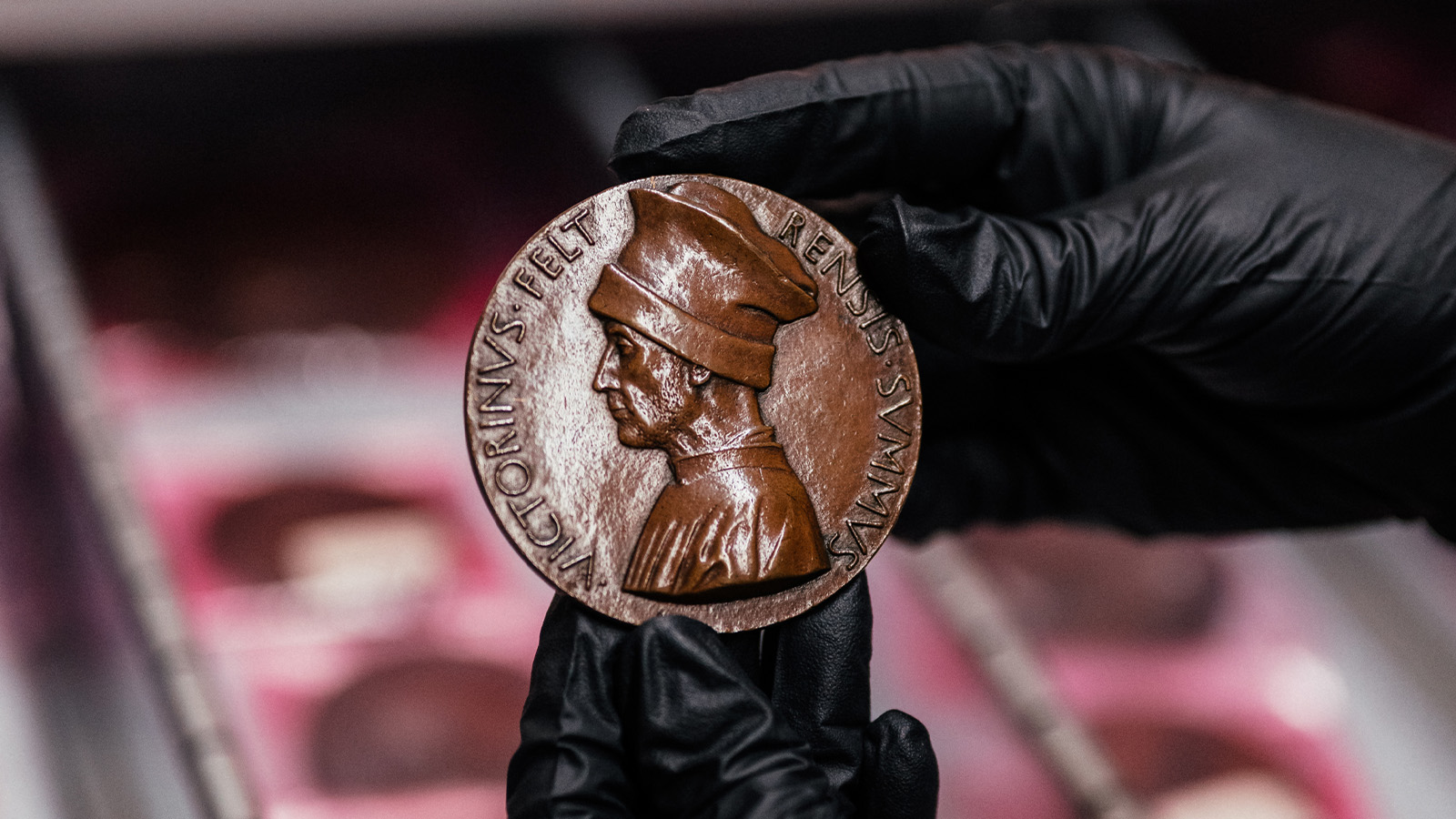
These are some of the questions that guide our work. In this context, we present the process behind a new exhibition solution for the Renaissance medals collected by Calouste Gulbenkian.
Medals of the Italian Renaissance
In the collective imagination, this period of European art history is often associated with painting and sculpture. However, as curator Vera Mariz points out, “the medal is one of the great artistic inventions of the Italian Renaissance.”
At a time when humanists sought to perpetuate their memory and assert their own fame, the medal emerged as an effective means of communication. Unlike the painted portrait, which had limited circulation, it allowed the image of the person portrayed to be reproduced and disseminated to a wider audience
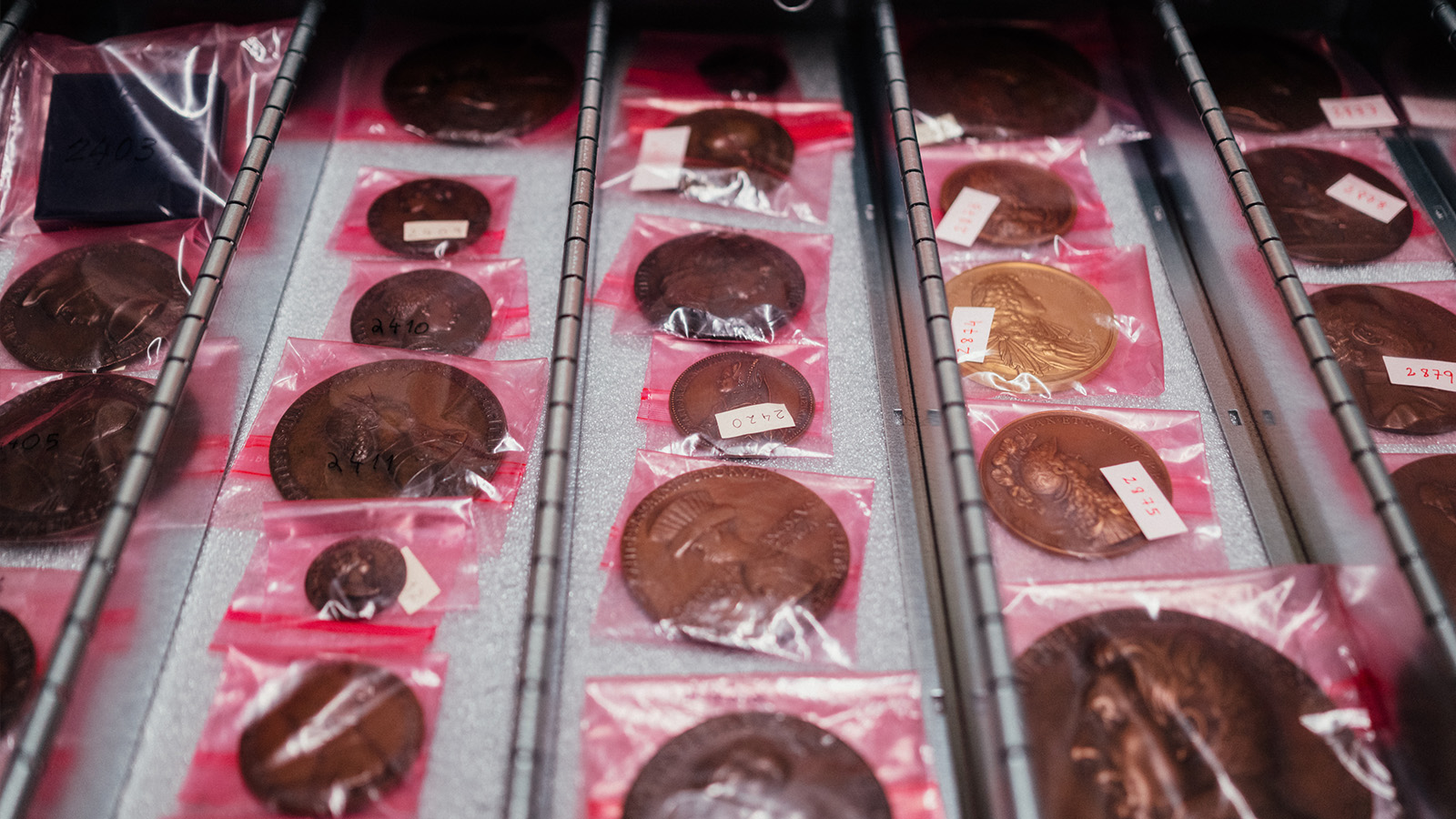
Antonio di Puccio Pisano, known as Pisanello, was one of the main driving forces behind this practice. In the book Medals and Plaques. The Calouste Gulbenkian Collection, the museum’s former curator, Maria Rosa Figueiredo, writes that Pisanello drew inspiration from ancient coins—which he collected—to create these medals.
The obverse normally features a bust in profile that seeks to faithfully capture the subject, usually identified by an inscription. On the reverse, we often observe a motif associated with the figure that is being portraited.
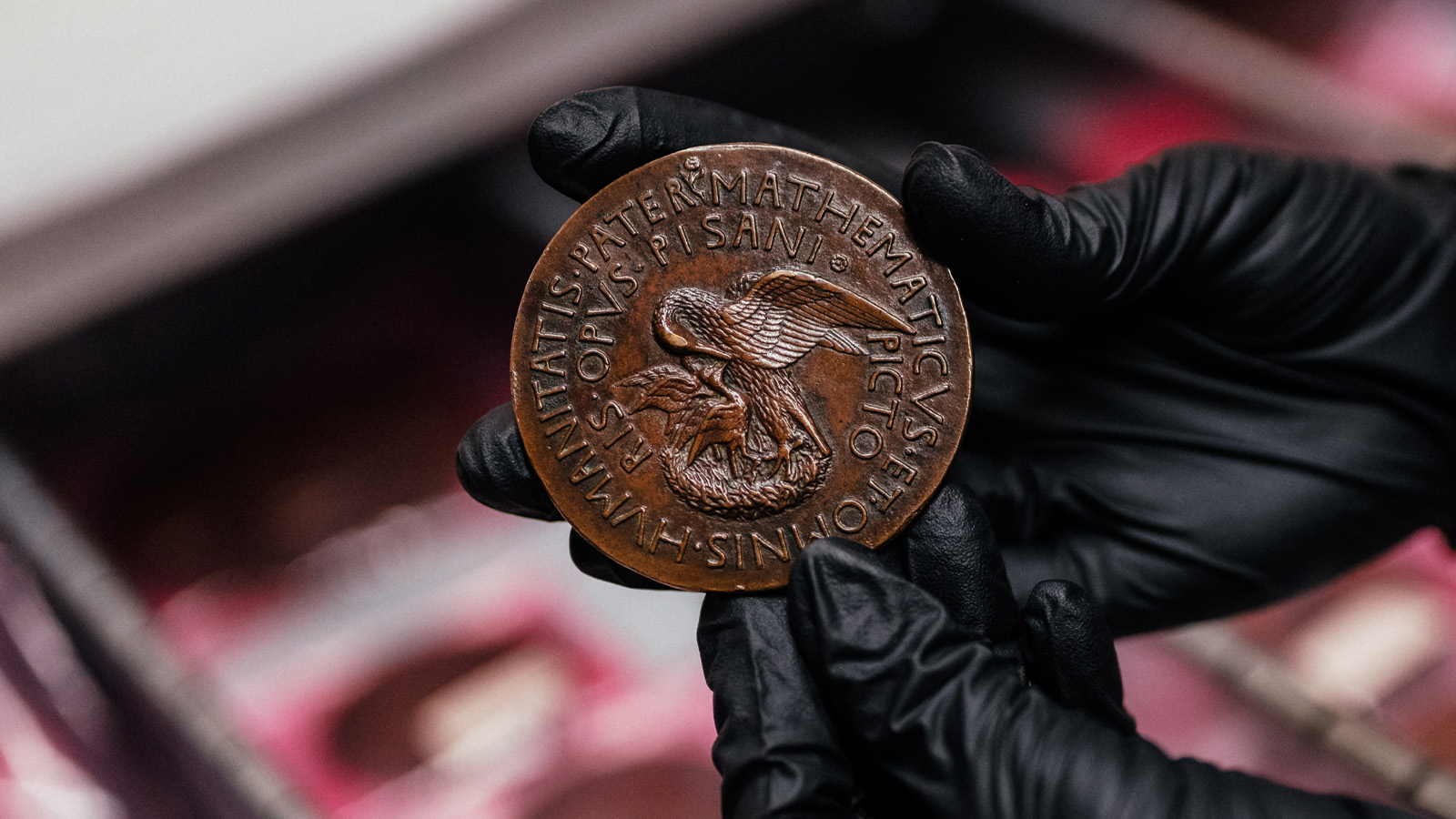
/
Calouste Gulbenkian acquired several pieces by Pisanello, as well as by Mateo de’Pasti, Sperandio, and Melioli, among others, assembling a remarkable collection of Italian medals that now takes center stage at the Museum.
In the spirit of renovation
The work carried out was not limited to the study of the artifacts, but also extended to an analysis of how this collection has been displayed since the Museum’s opening in 1969.
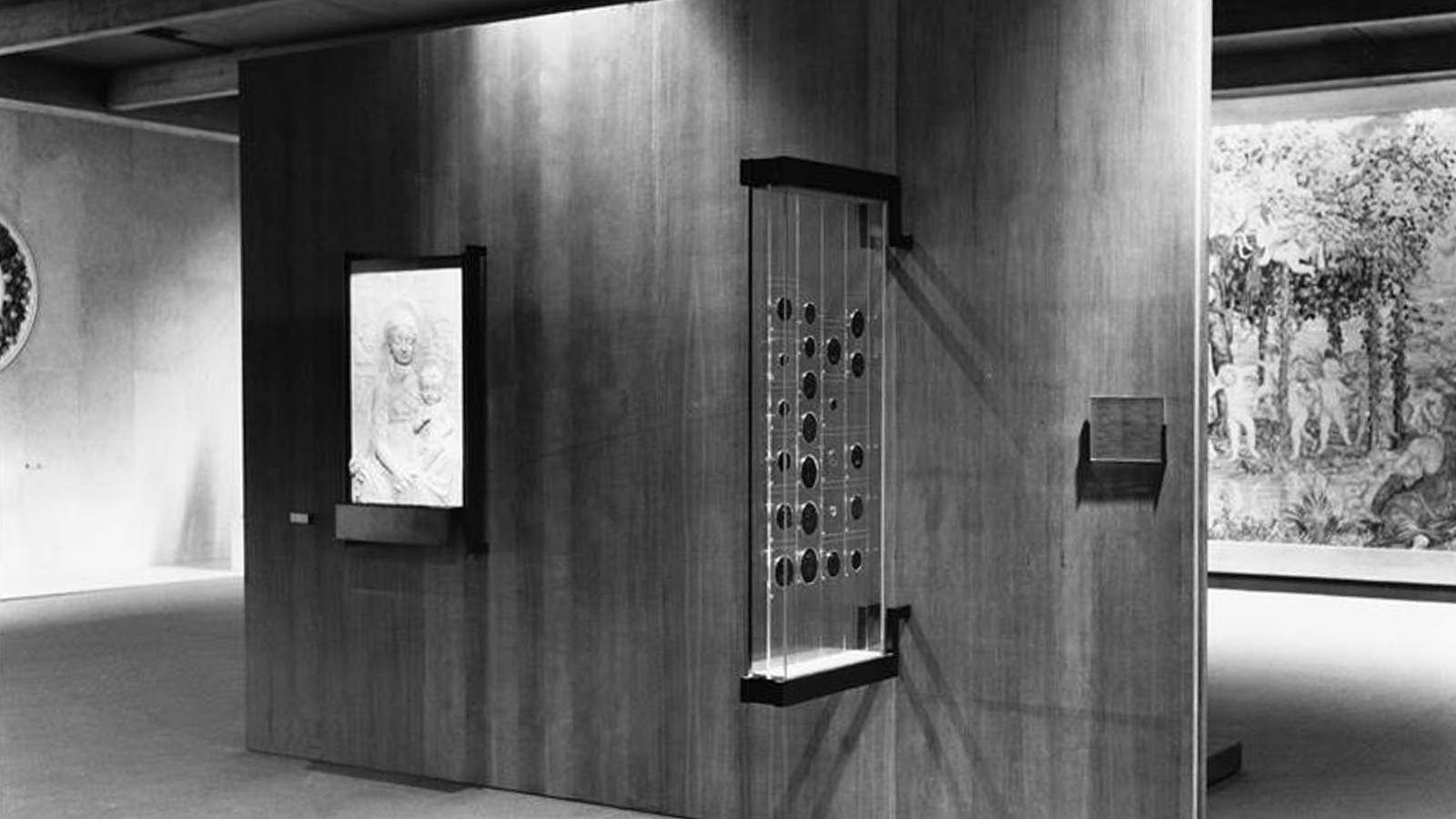
As this museum stands out for being a rare example of a space designed from the ground up to house a collection, the renovation process drew inspiration from the museological principles of the original design.
In the case of the medals, which had long been hidden from public view, this new presentation also marks their return, preserving the spirit of the Museum.
Precision work
The design of this display case seeks to meet several objectives, including allowing visitors to view both the obverse and reverse of these medals and preventing shadows from compromising the visibility of the pieces.
To this end, precise measurements were taken of each medal, noting their irregularities. Based on these measurements, cardboard templates were created and filed down until they accurately reproduced the outline of each object.
These models will serve as the basis for the production of the mounts for the 19 medals that you will soon be able to see in the Renaissance Gallery.
Monumental Barque
Set against a bucolic landscape, a richly decorated vessel is steered by a female figure – Venus. This is the scene depicted in one of the monumental tapestries in the Museum’s Renaissance Gallery: The Barque of Venus.
Taking it down
Originally from the Cahen d’Anvers collection, The Barque of Venus was acquired by Calouste Gulbenkian in 1920 at the Galerie Georges Petit in Paris. It is thought to have belonged to the collections of Charles Ephrussi and Baron Worms, forming part of a set of tapestries entitled Children’s Game.
The Gulbenkian Collection holds four large tapestries and two fragments from this set, produced in 16th-century Italy.
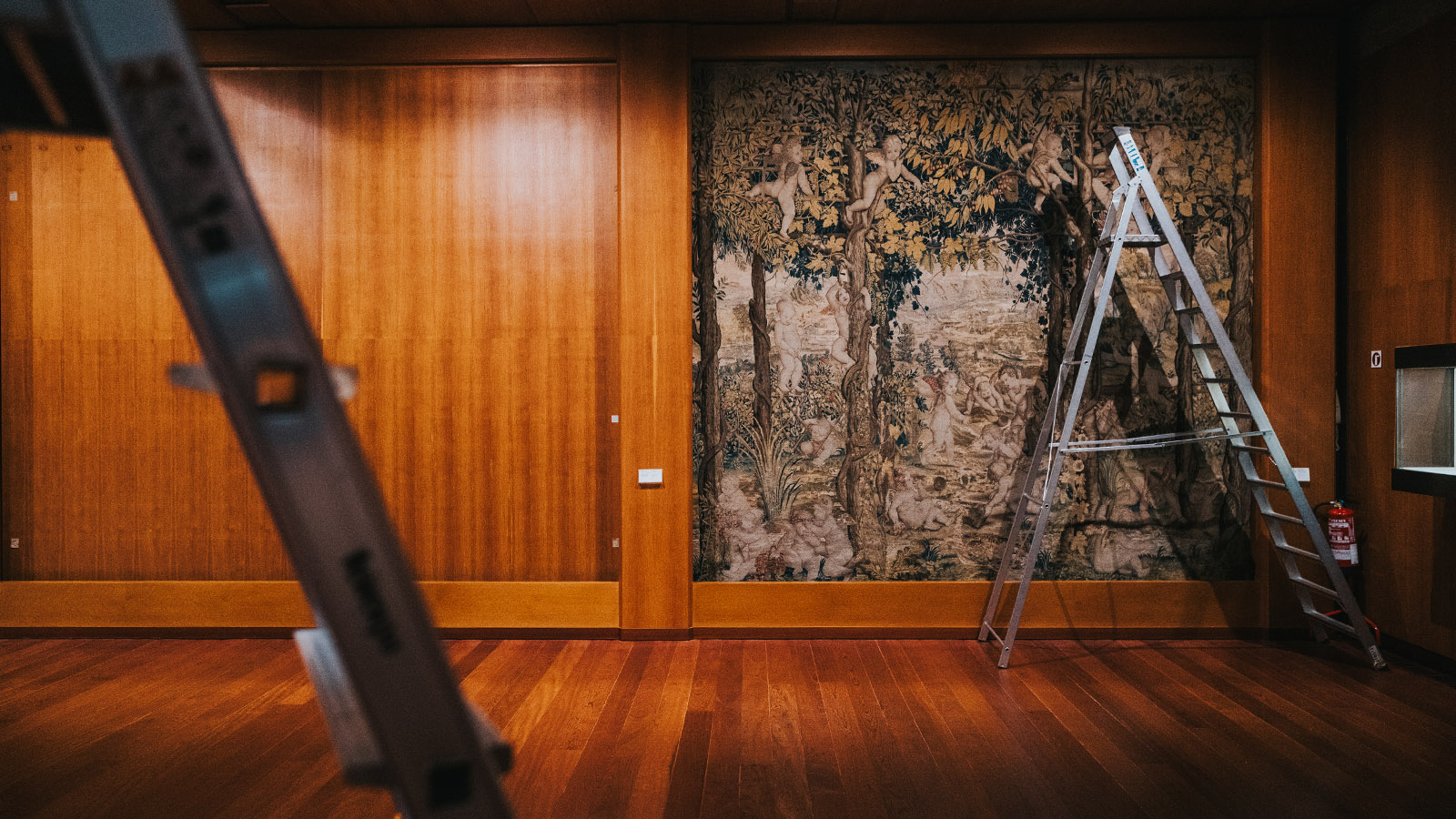
Like the other works in this room, The Barque of Venus stands out for its scale. Measuring approximately 3.6 metres in height and 4.2 metres in width, it remains one of the largest pieces in the Museum.
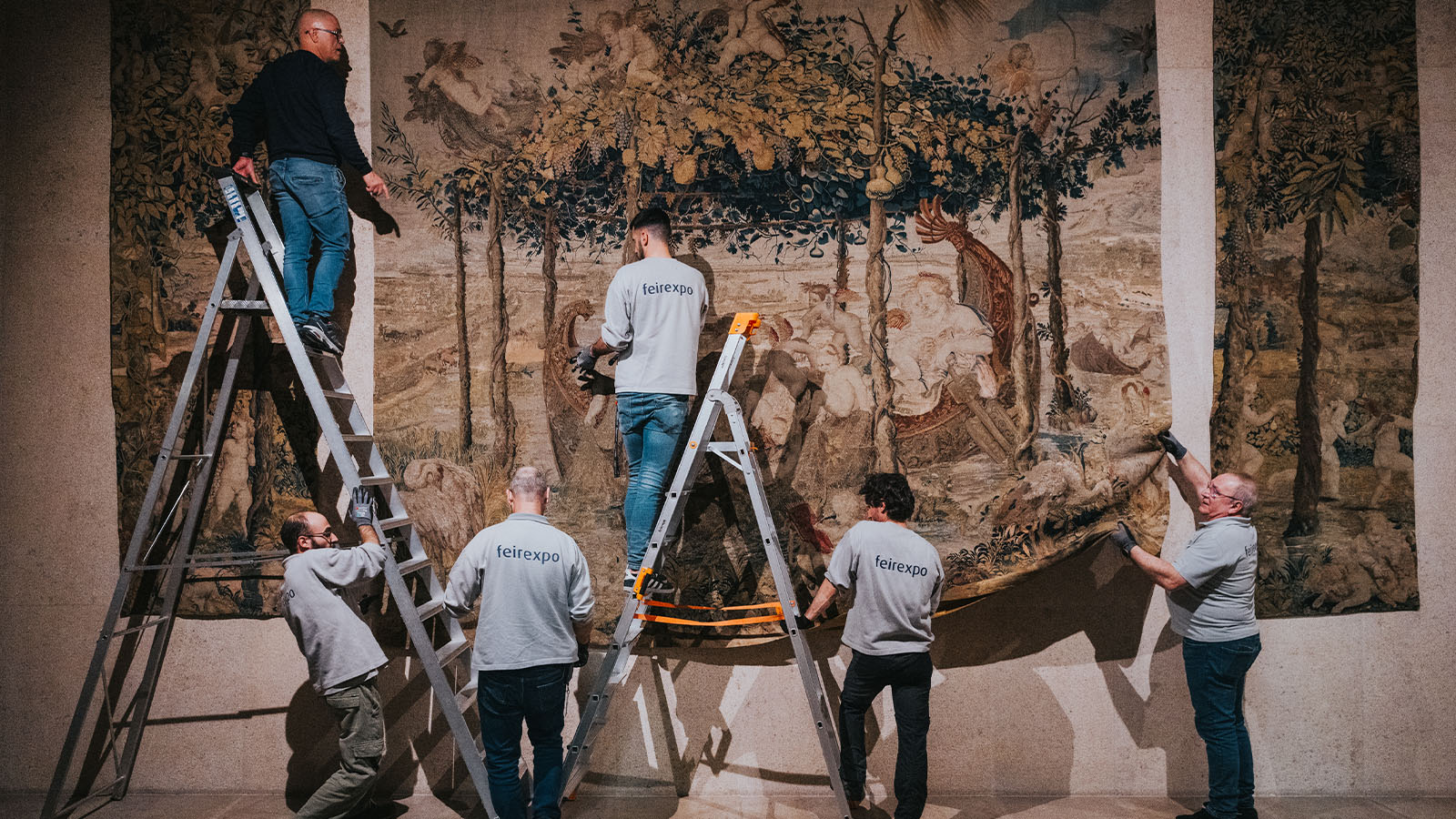
This monumental size has implications for its conservation. According to conservator Clara Serra, removing the tapestries from the Museum’s walls required the coordinated efforts of six people. The combination of materials – which includes not only wool and silk, but also gold and silver – makes this object particularly heavy.
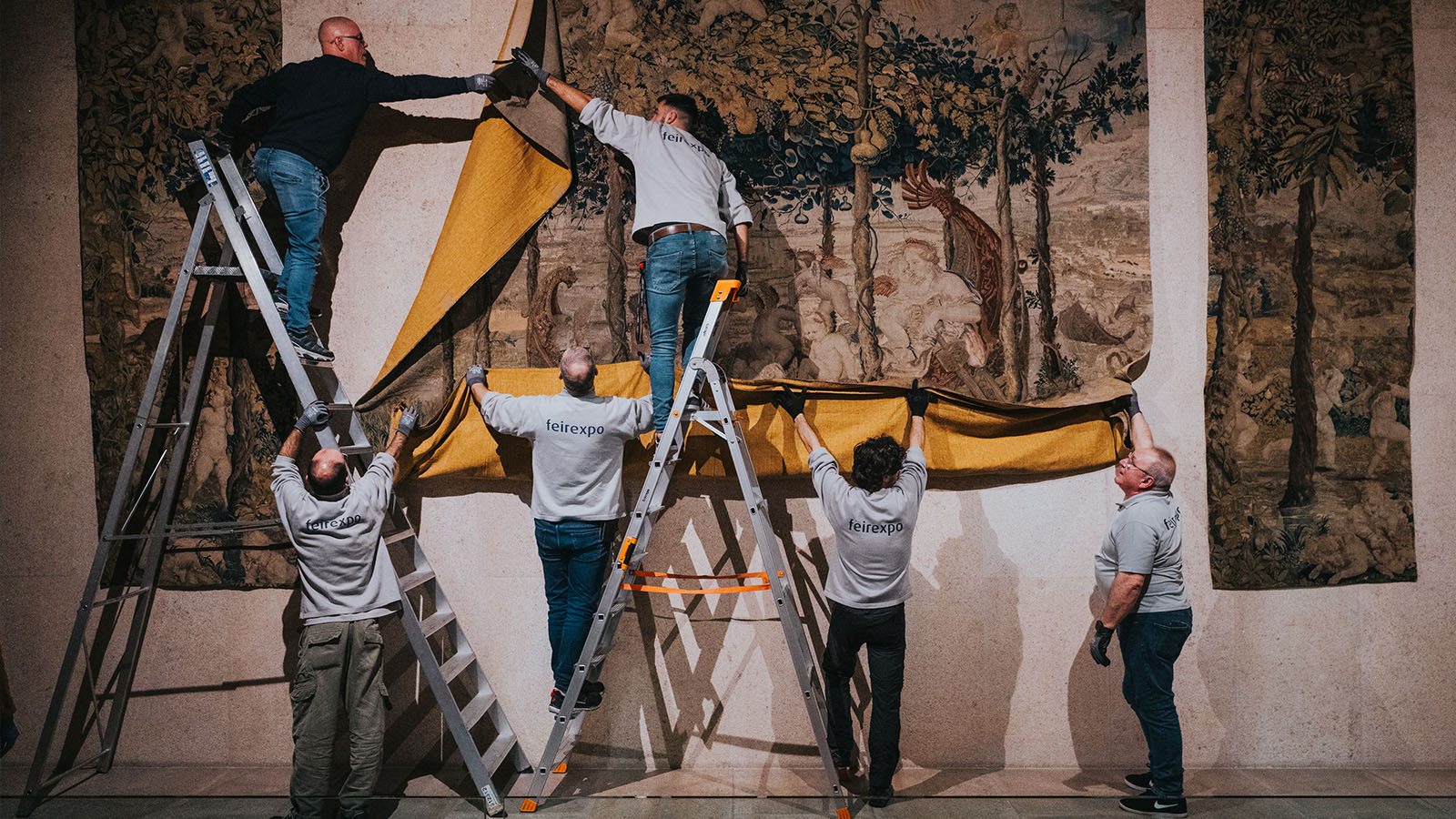
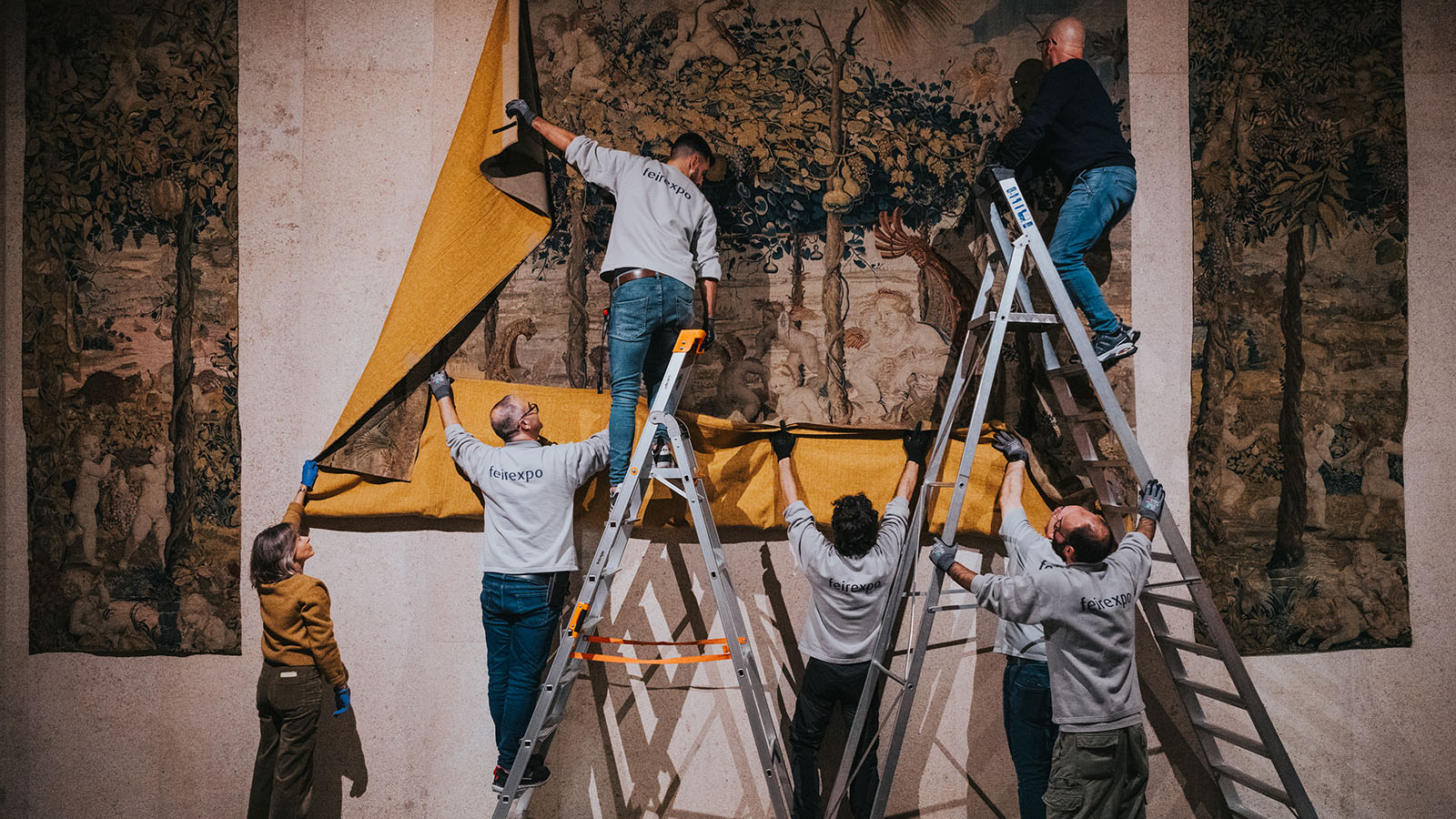
/
After being taken down, the tapestries were laid out on protected surfaces and rolled onto metal supports made to measure. This process ensures their protection and preservation during the renovation period.
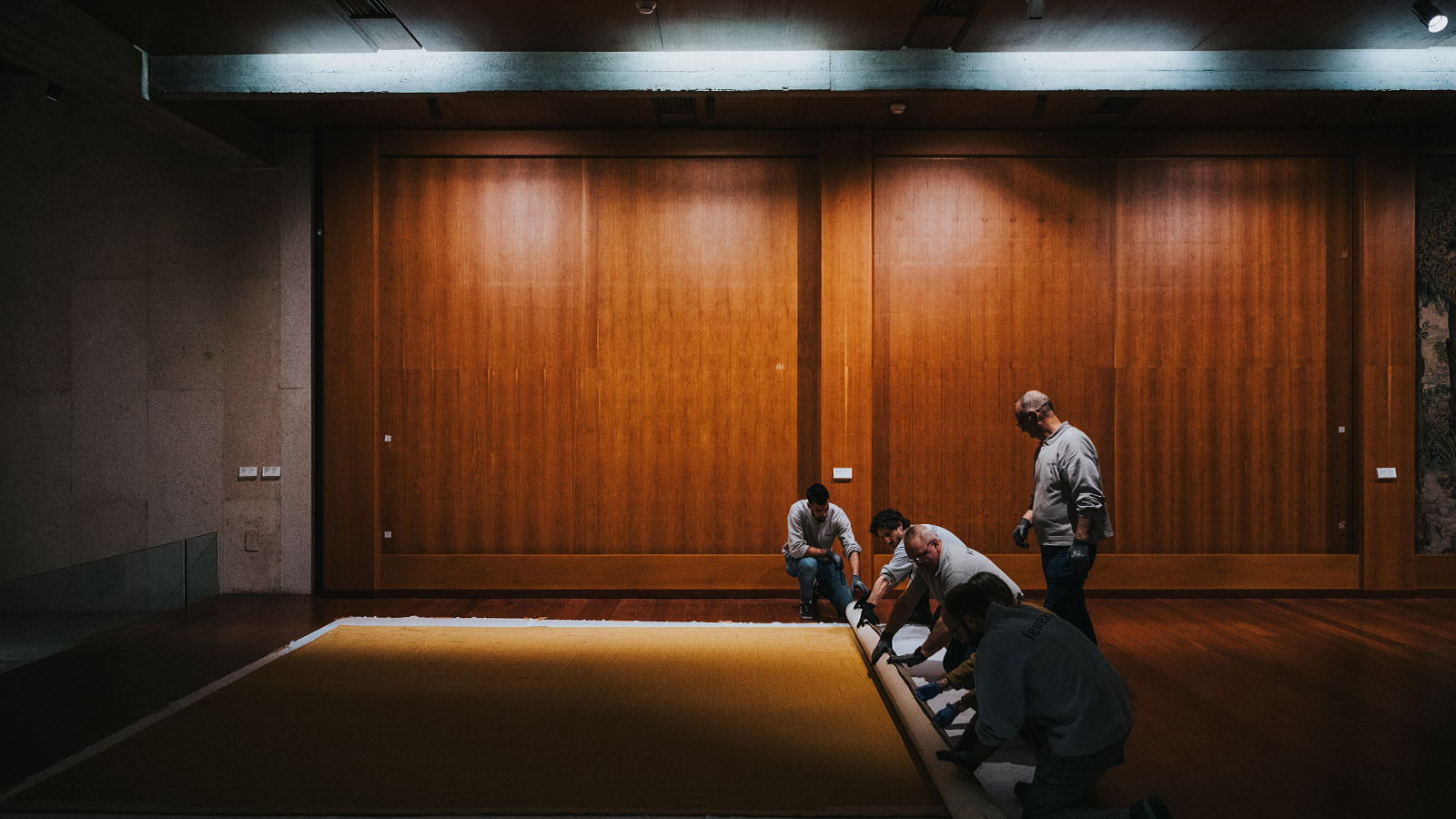
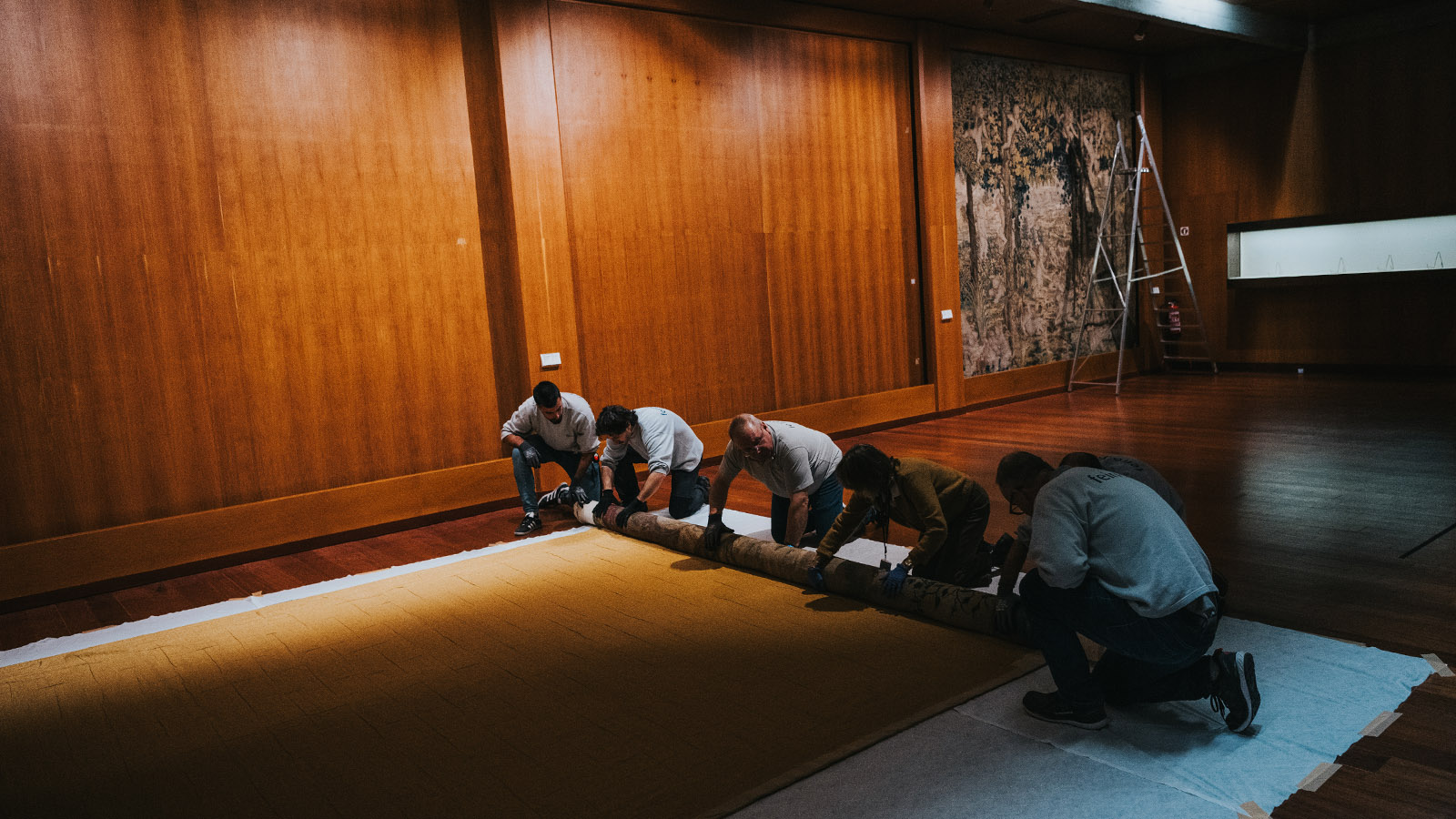
/
This process also gave us a glimpse of a rarely seen part of these works – their reverse side.
In the residence
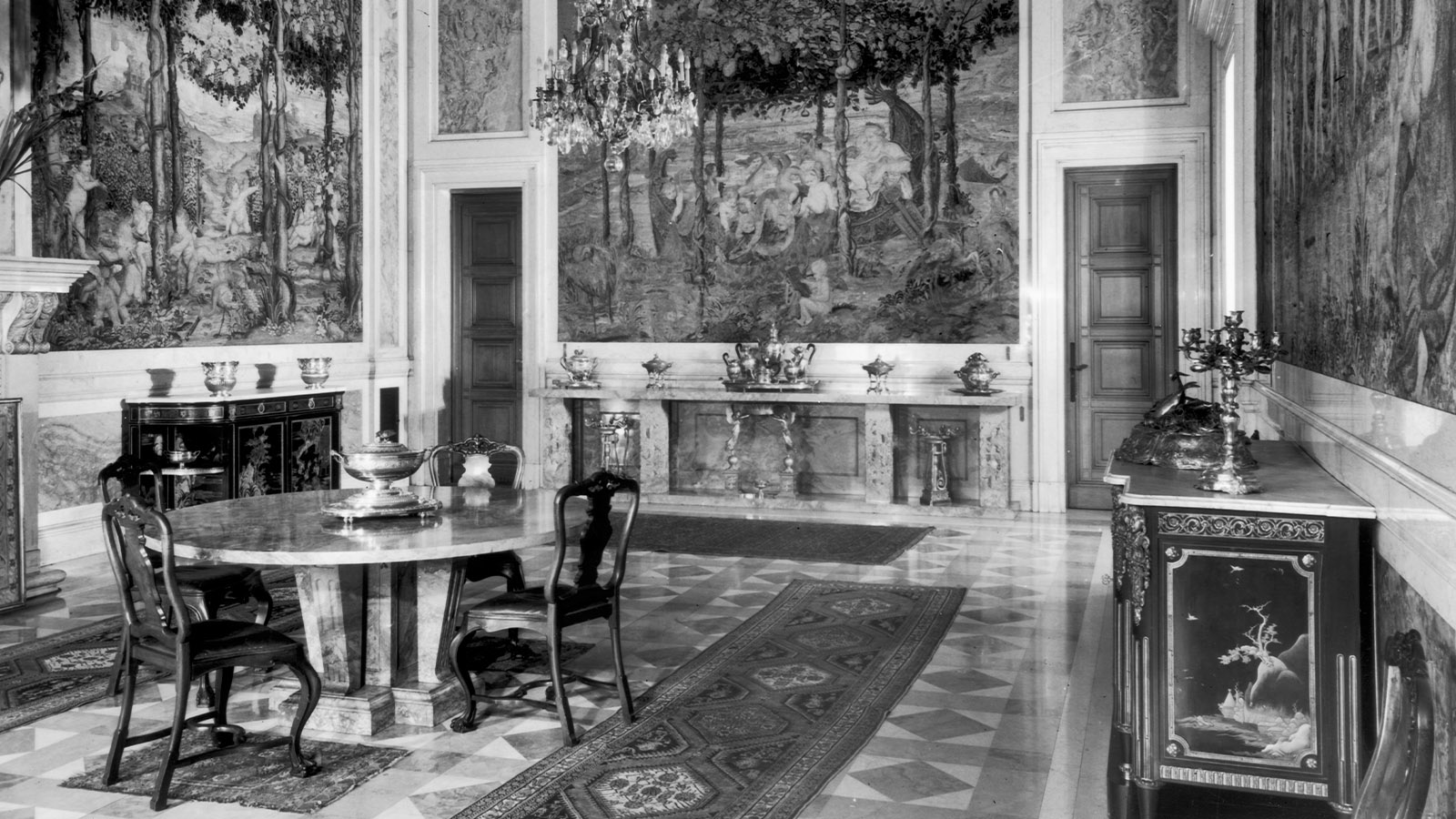
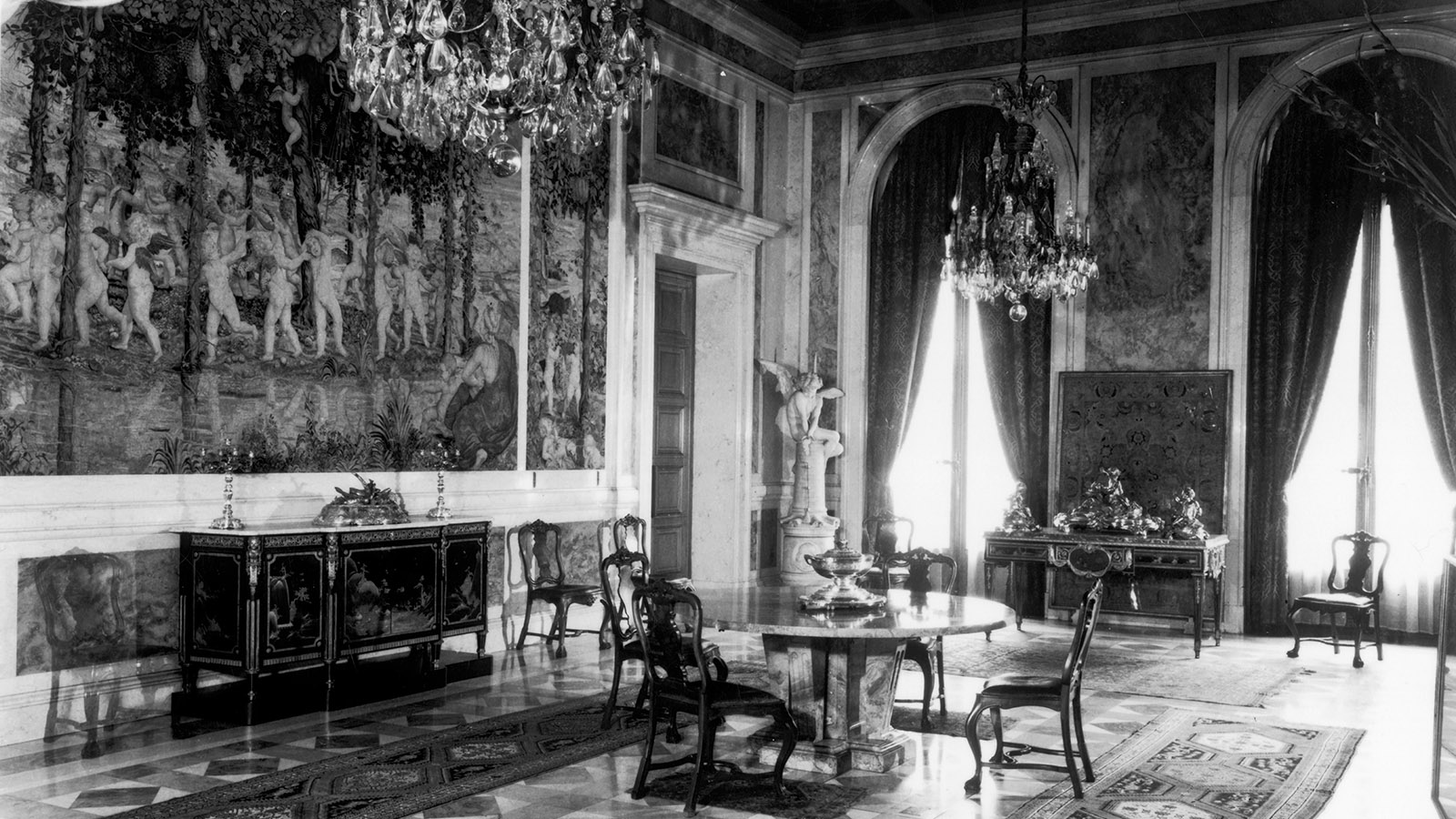
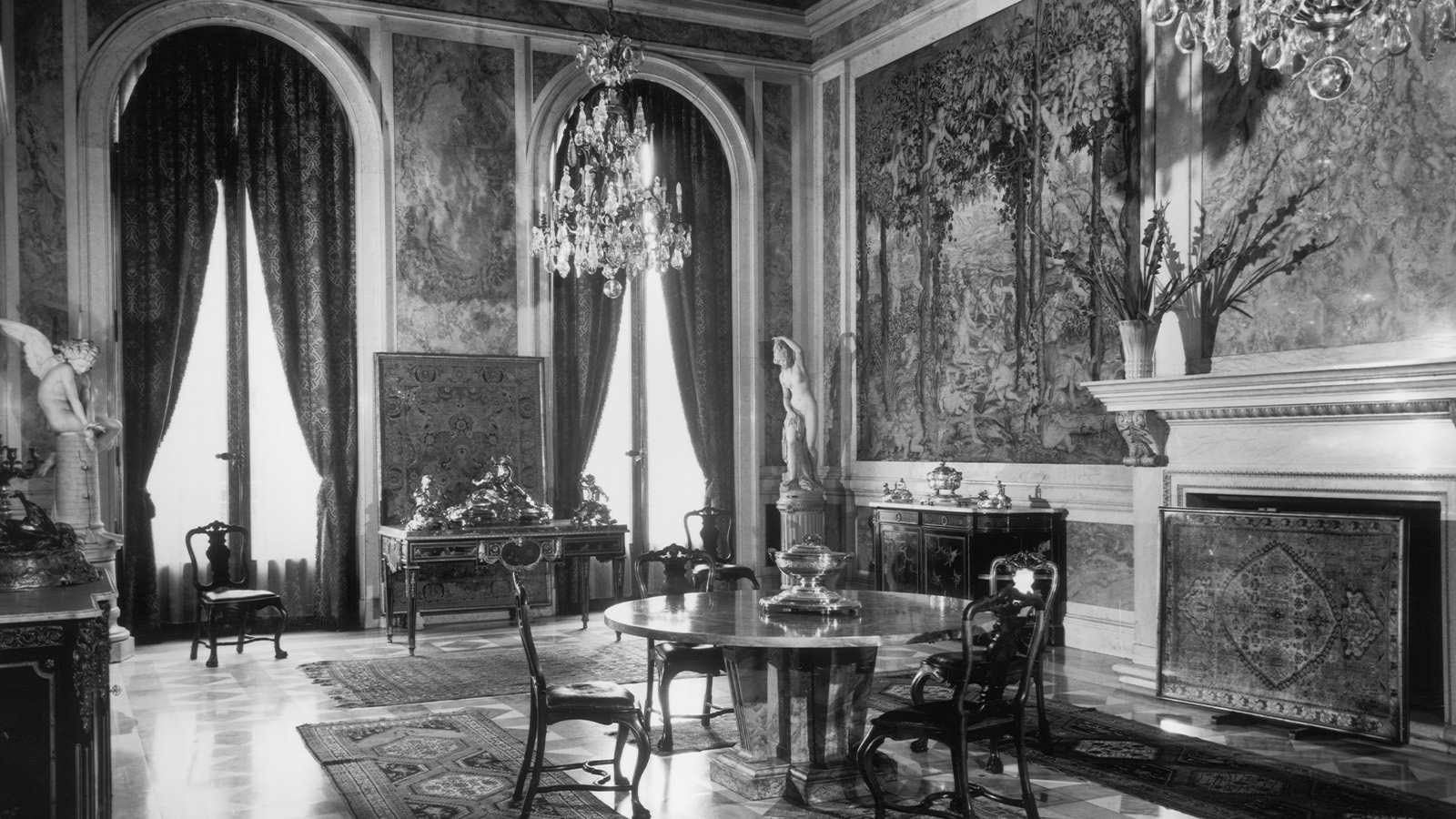
Today, it may seem hard to imagine these monumental tapestries in a domestic setting. However, Gulbenkian incorporated them into his home on Avenue d’Iéna in Paris.
/
Just as would later be the case with the Museum, his home, completed in 1927, was also designed to house these tapestries. Some records from the period allow us to see how The Barque of Venus, together with the other tapestries of the Collection, were originally displayed at Gulbenkian’s residence.
A Return to Ancient Egypt
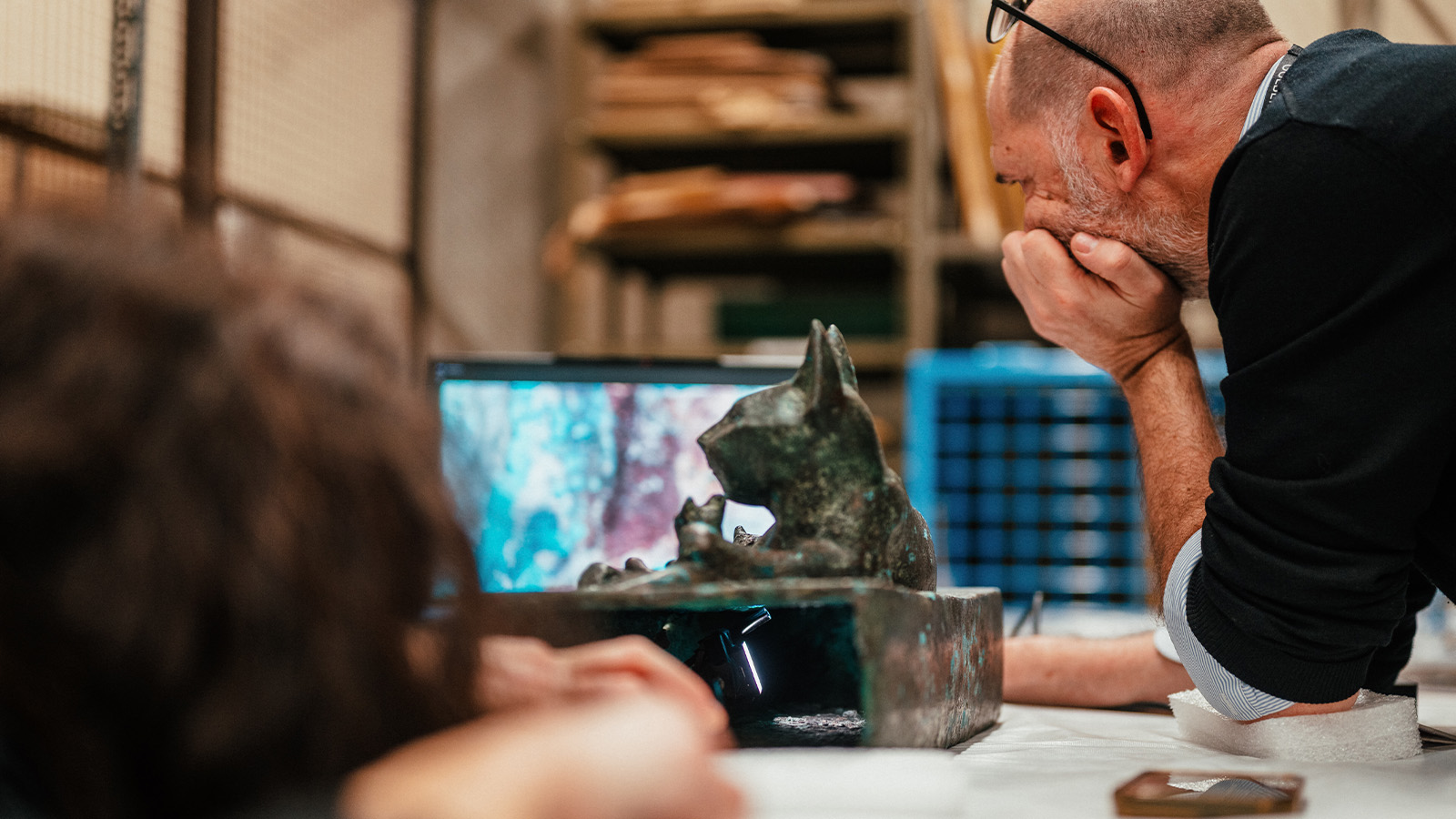
Behind the scenes of the renovation, the work of our conservators is intensifying. As extensive condition monitoring and digitisation activities unfold across the Collection, attention has turned to one of the Gulbenkian Museum’s most emblematic artefacts: the Sarcophagus.
The piece has recently been examined by a multidisciplinary team responsible for the digitisation of several works from the Collection. The team has been exploring the possibilities offered by advanced imaging technologies and three-dimensional scanning in order to deepen our existing knowledge of these works.
With this project we aim to expand our material and historical understanding of the works and also create digital reproductions that will broaden access to these objects and support their study and disseminationonline. By sharing this process, we reveal an essential part of the behind-the-scenes work that is preparing the museum’s reopening.
Preparation
Each work in the Collection is unique and requires specific care. Before digitisation begins, the team studies the nature, typology and physical characteristics of the object, adapting the techniques used to each individual case.
For the Sarcophagus, factors such as the material, its state of conservation, as well as its form and dimensions were key in determining the appropriate method.
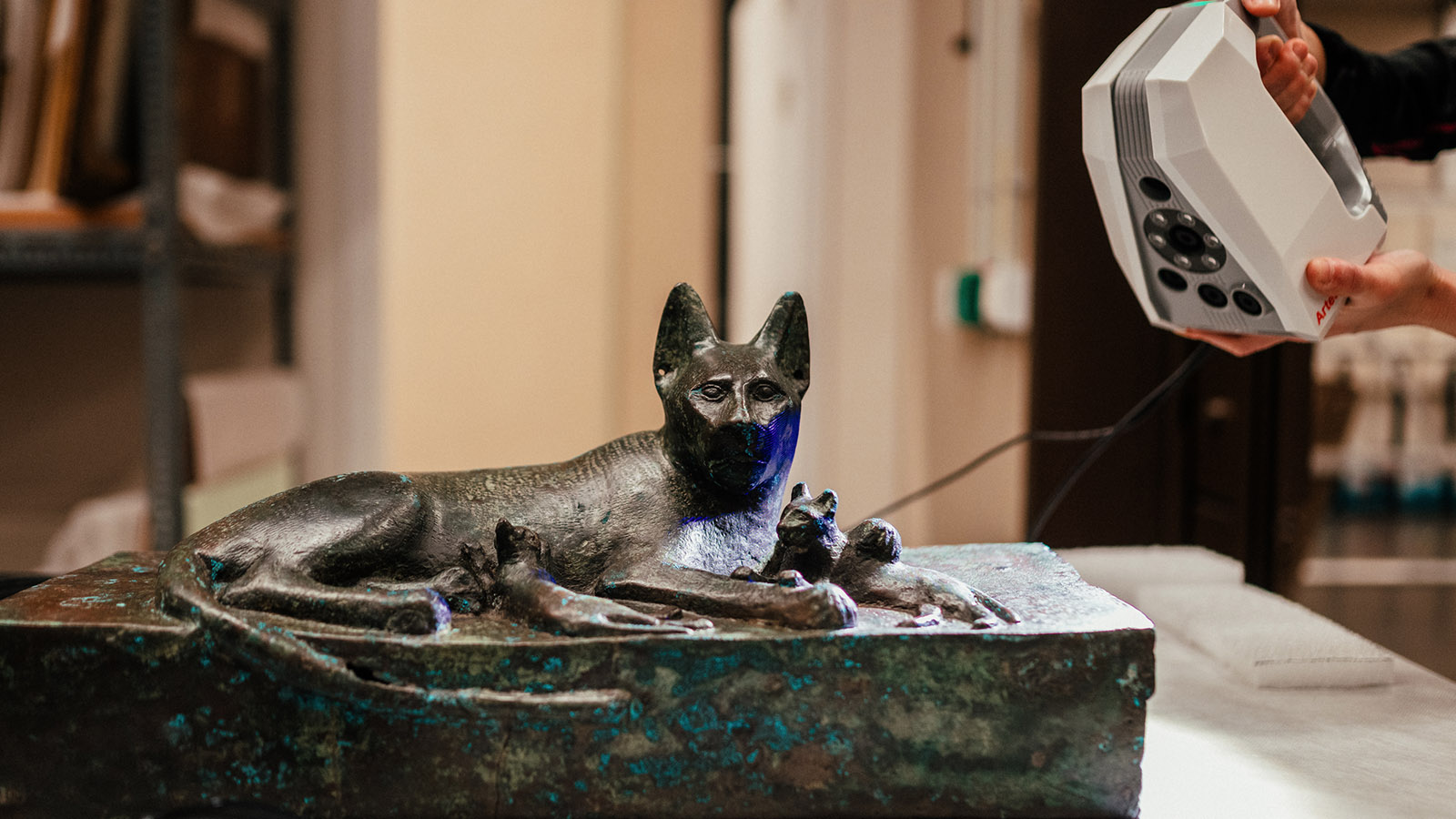
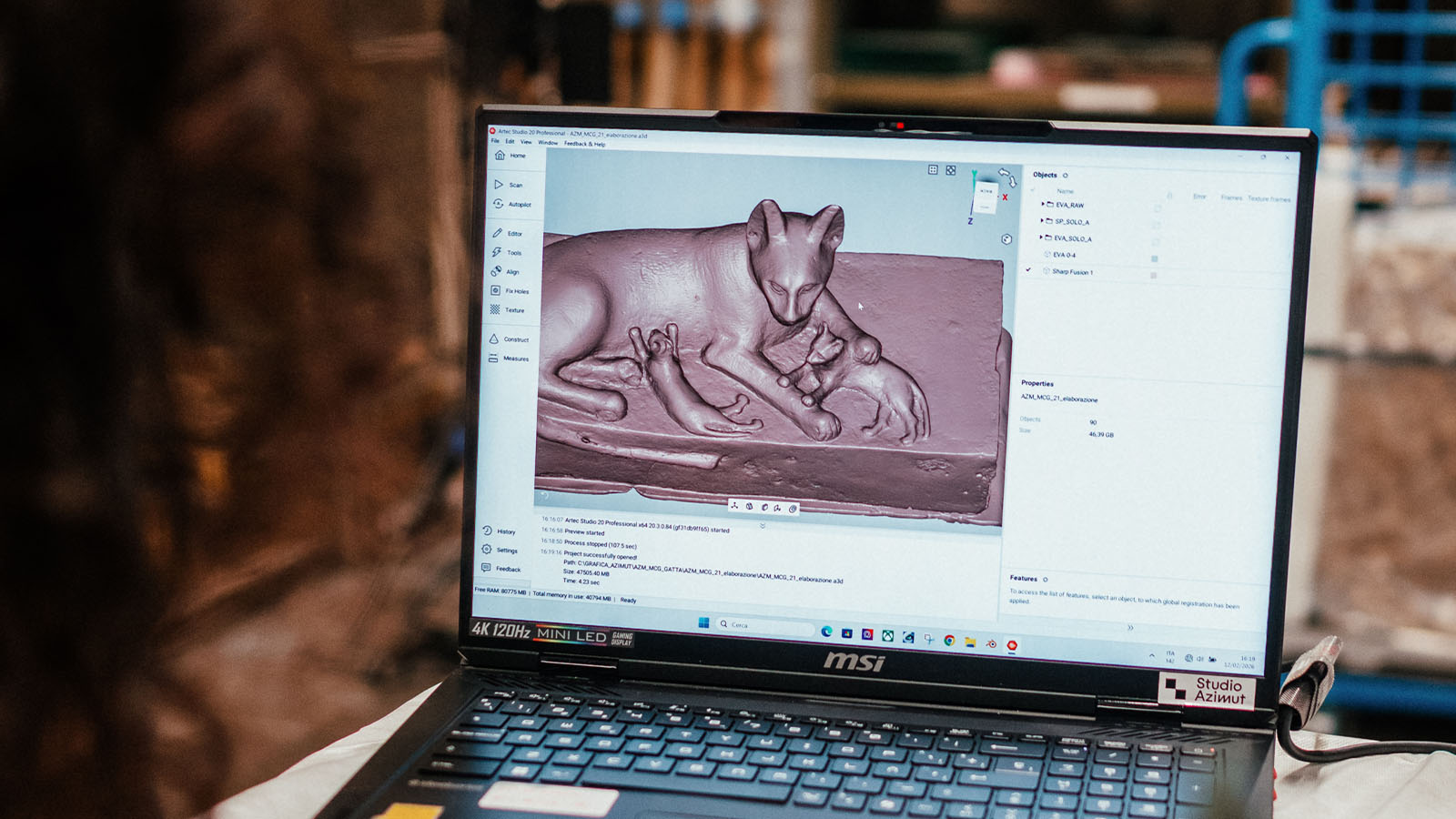
A portable 3D scanner using blue-light technology was chosen, combining high-resolution imaging with precise colour capture. The result is a three-dimensional model that faithfully reproduces the original object.
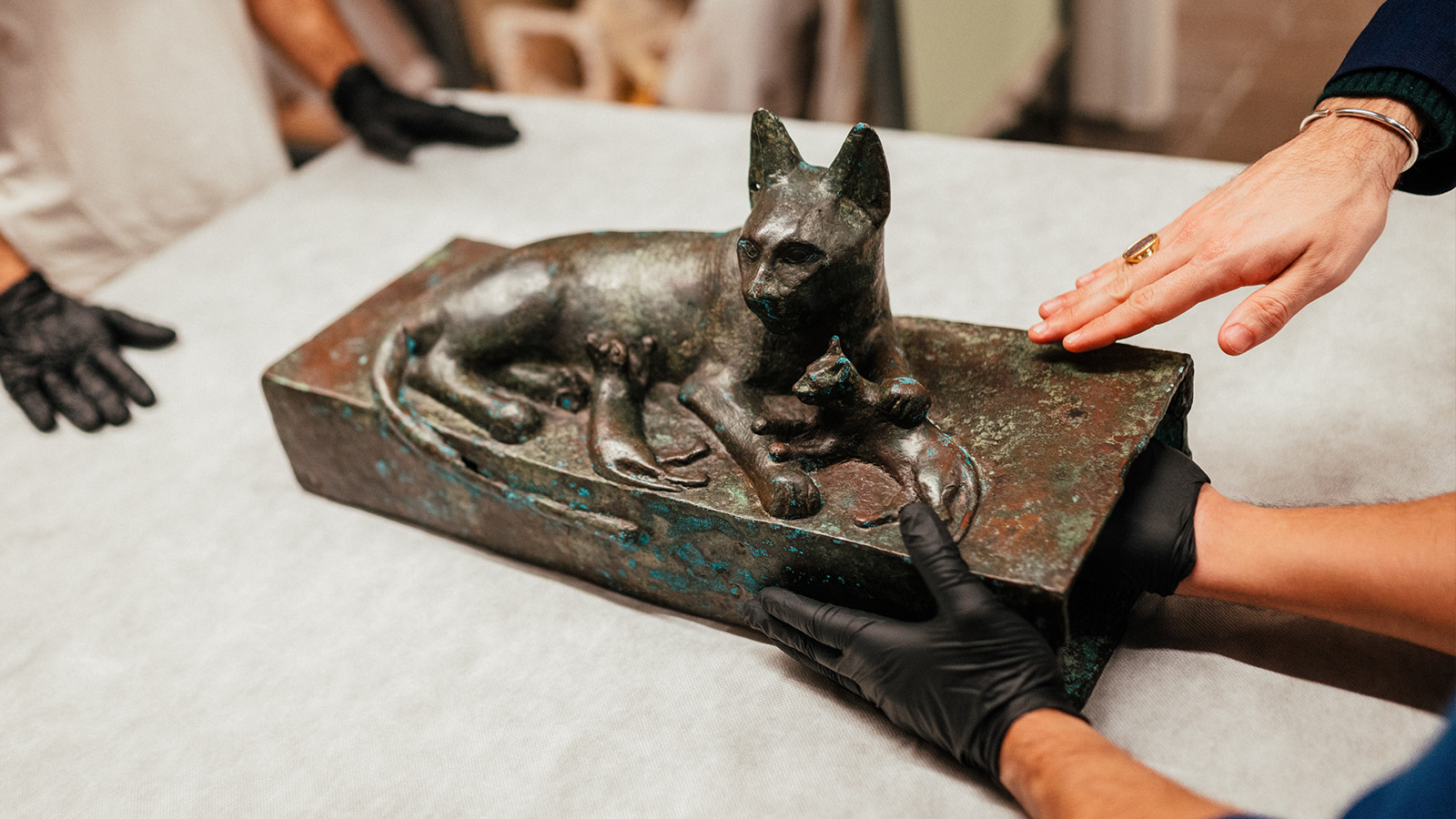
Despite technological advances, this remains a process that requires careful handling and close supervision to ensure the preservation of the work.
Over two and a half thousand years of history
More than two and a half thousand years separate the creation of the Sarcophagus from its digitalisation. Dating from the Saite Period (XXVI Dynasty of Ancient Egypt), the piece is a remarkable example of the symbolic dimension associated with this type of artefact.
Although described as a “sarcophagus”, many bronzes of this type were not used as burial containers, but rather as votive objects dedicated in temples. Cast in bronze using the lost-wax technique, the piece features at its centre a sculptural group suggesting a maternal scene: a cat accompanied by her kittens. Over time, the work has also been identified in the museum’s records as “Cats” or “Cat with kittens”.
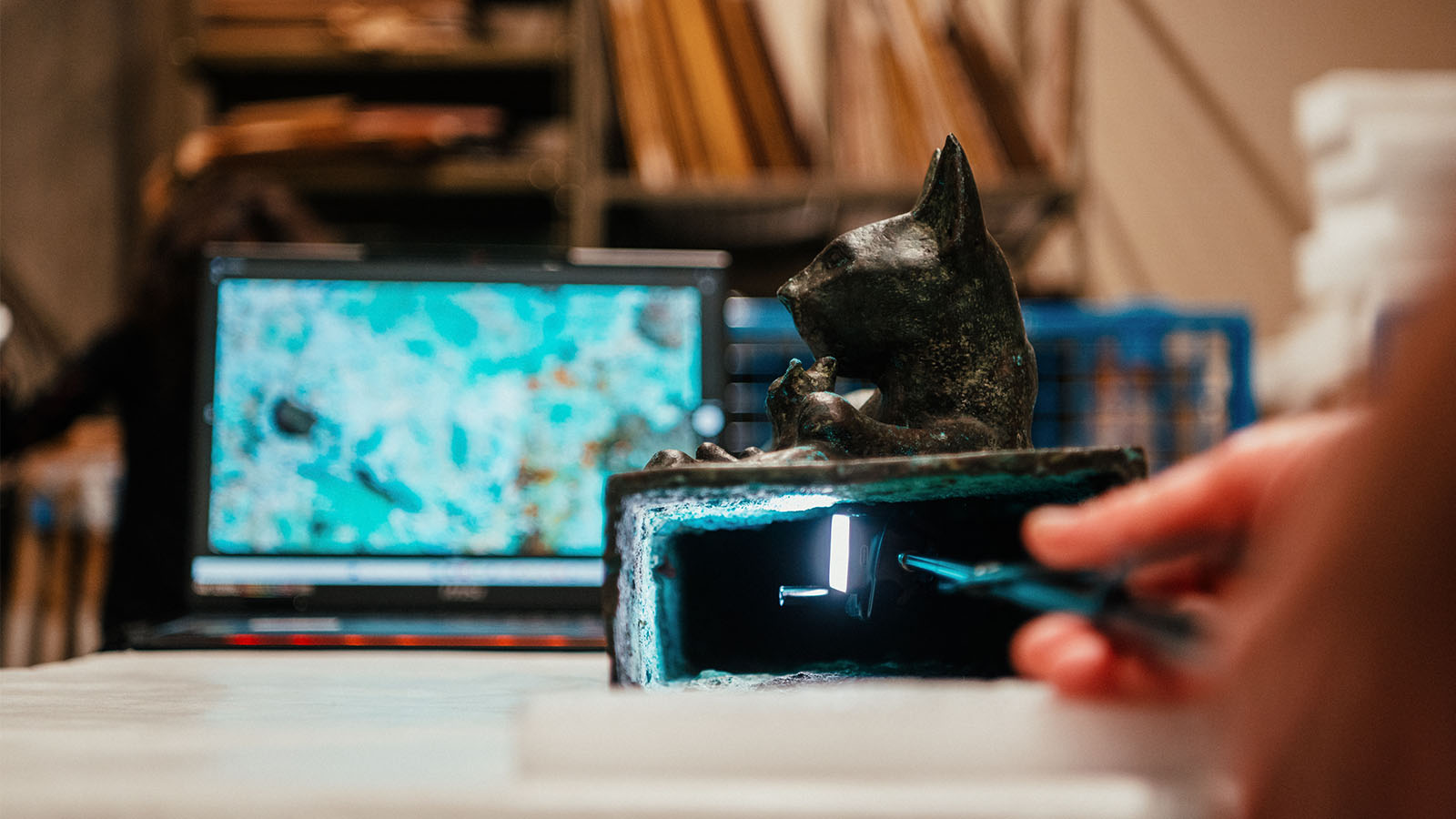
Digitisation now opens new possibilities for study, allowing a deeper understanding of the object’s function. Through techniques such as 3D Material Capture (“Matcap”) rendering, conservators can examine the bronze surface in greater detail.
/
This makes it possible to search for traces of the casting process, possible remains of the animal once contained inside, or other details hidden beneath the patina – the greenish layer that forms on bronze surfaces when exposed to air over time.
According to conservator Maxence Garde, given the characteristics observed, “it is very likely that this Sarcophagus was a temple offering dedicated to the goddess Bastet”.
Paris, 1924
The Sarcophagus was acquired by Calouste Gulbenkian in 1924 through the firm Graat et Madoulé, at a sale held at the Galerie Georges Petit. It had previously belonged to the collection of Joseph and Xaverine Durighello, a family of antiquarians and art dealers who were highly active in the nineteenth century.
Gulbenkian kept the piece in his residence on Avenue d’Iéna until at least 1936. That year it travelled to London to be included in an exhibition at the British Museum and was later also presented in Washington at the National Gallery of Art.
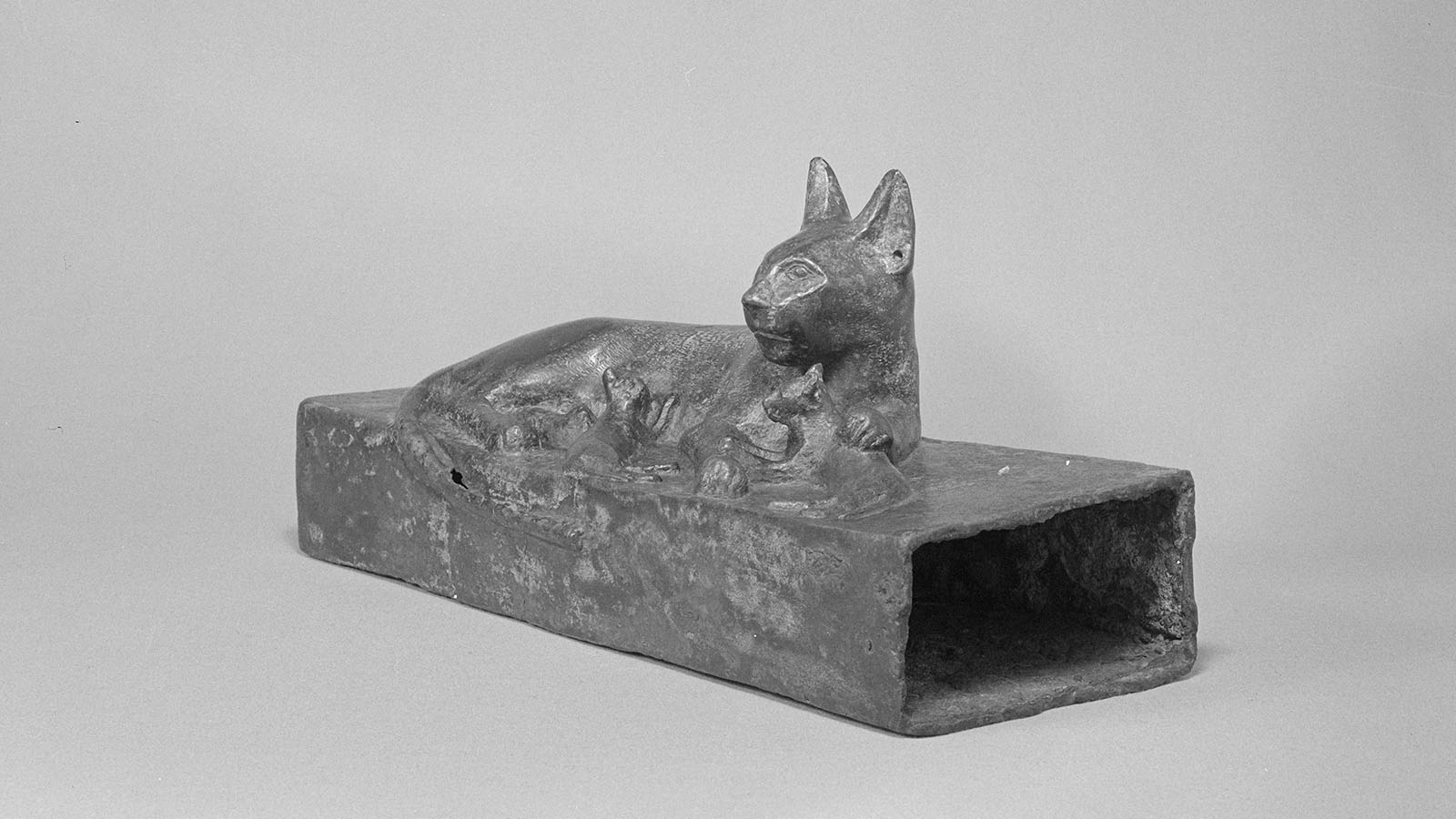
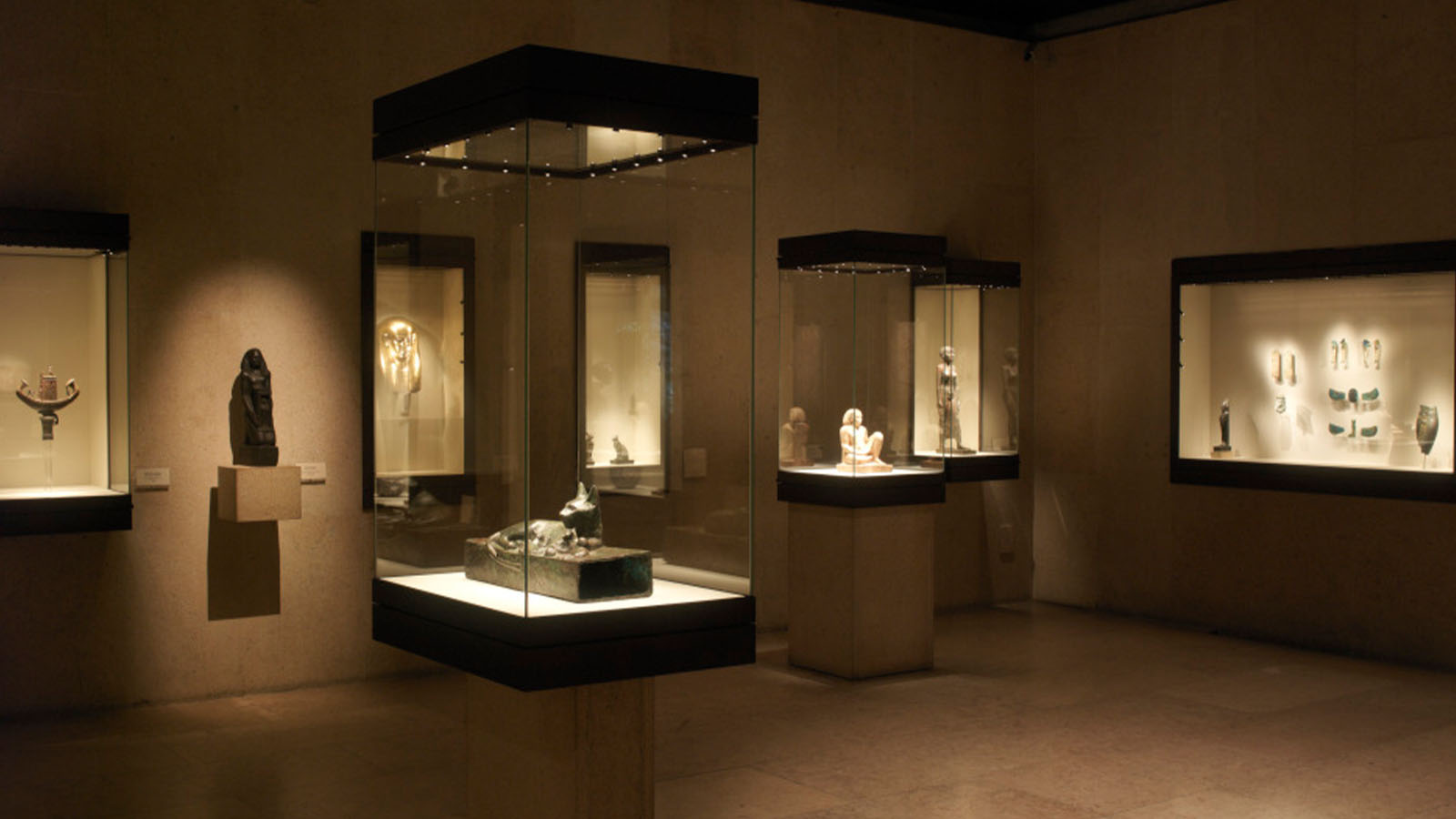
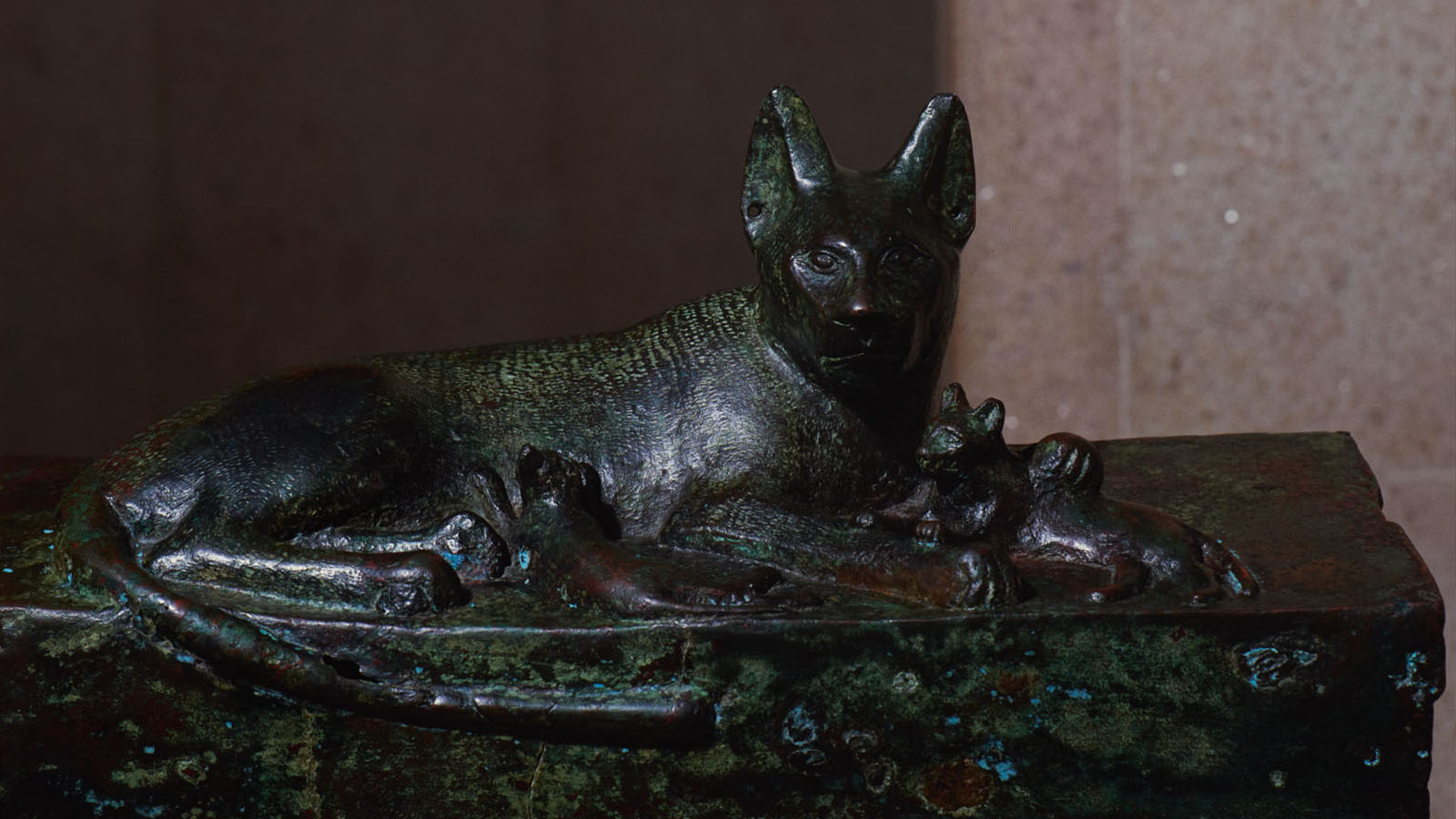
/
Soon, this remarkable work will return to the renewed Ancient Egypt gallery, where it can once again be seen, now enriched by the new insights developed over the past months.
From storage, bound for Porto
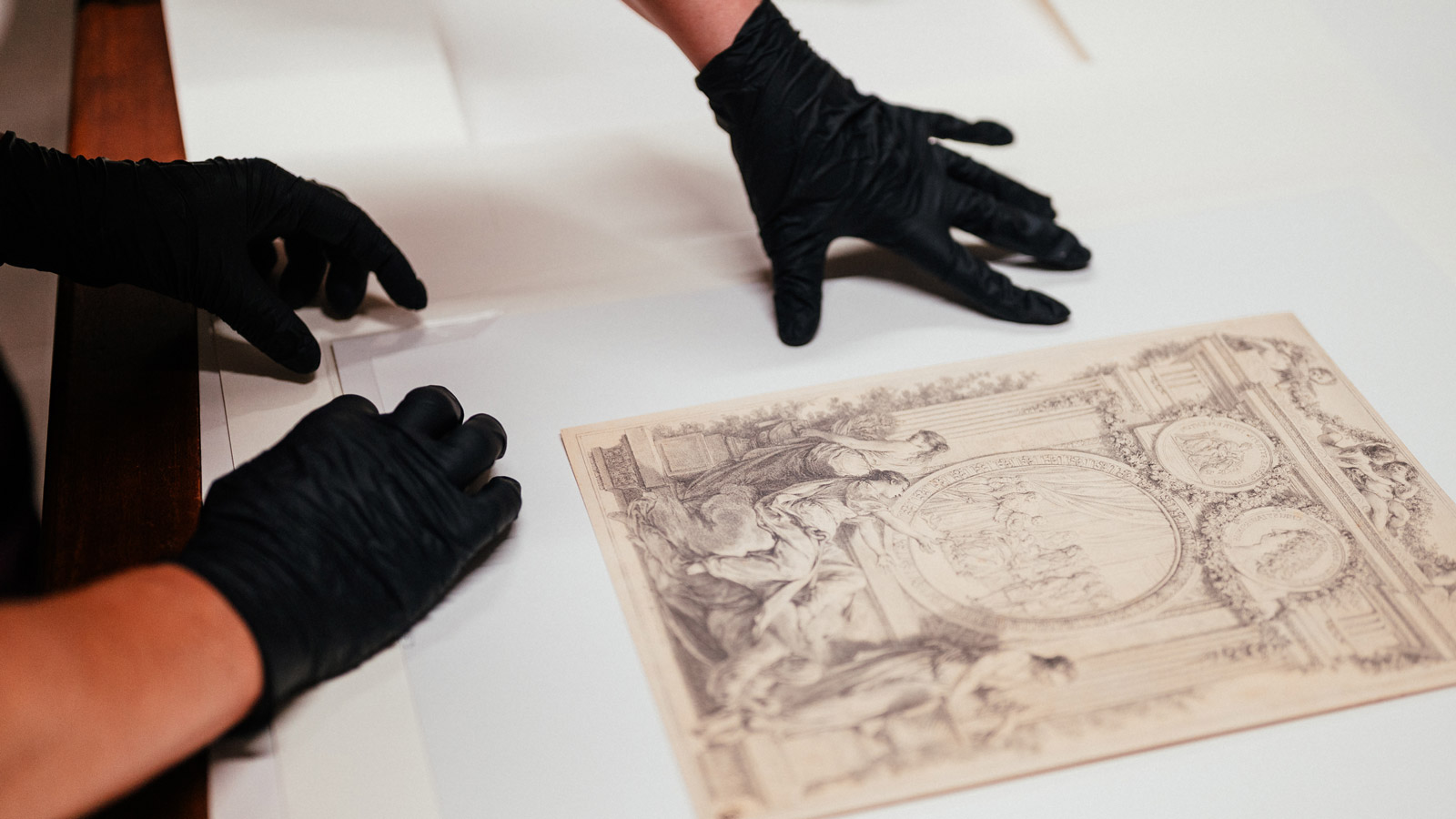
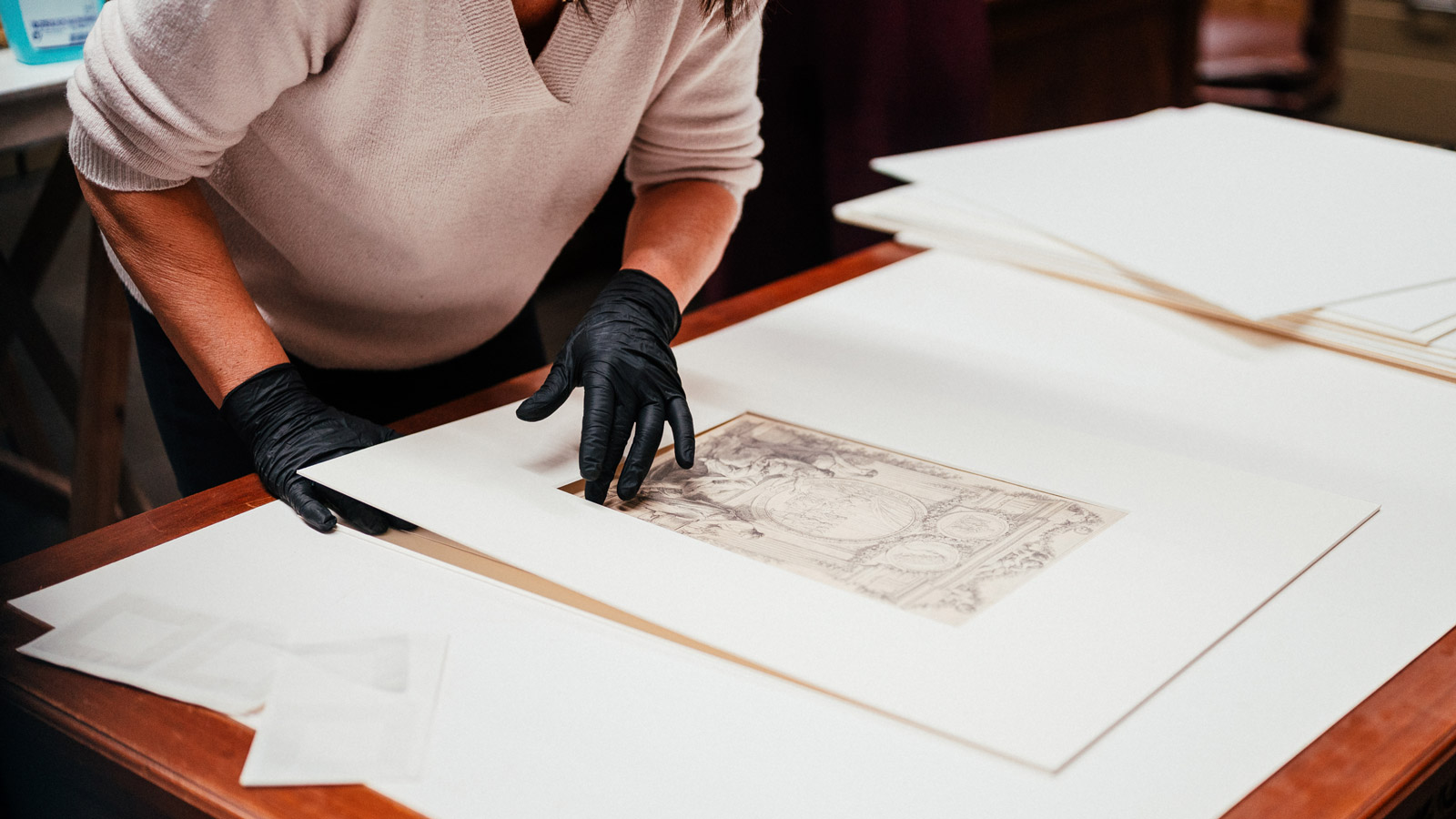
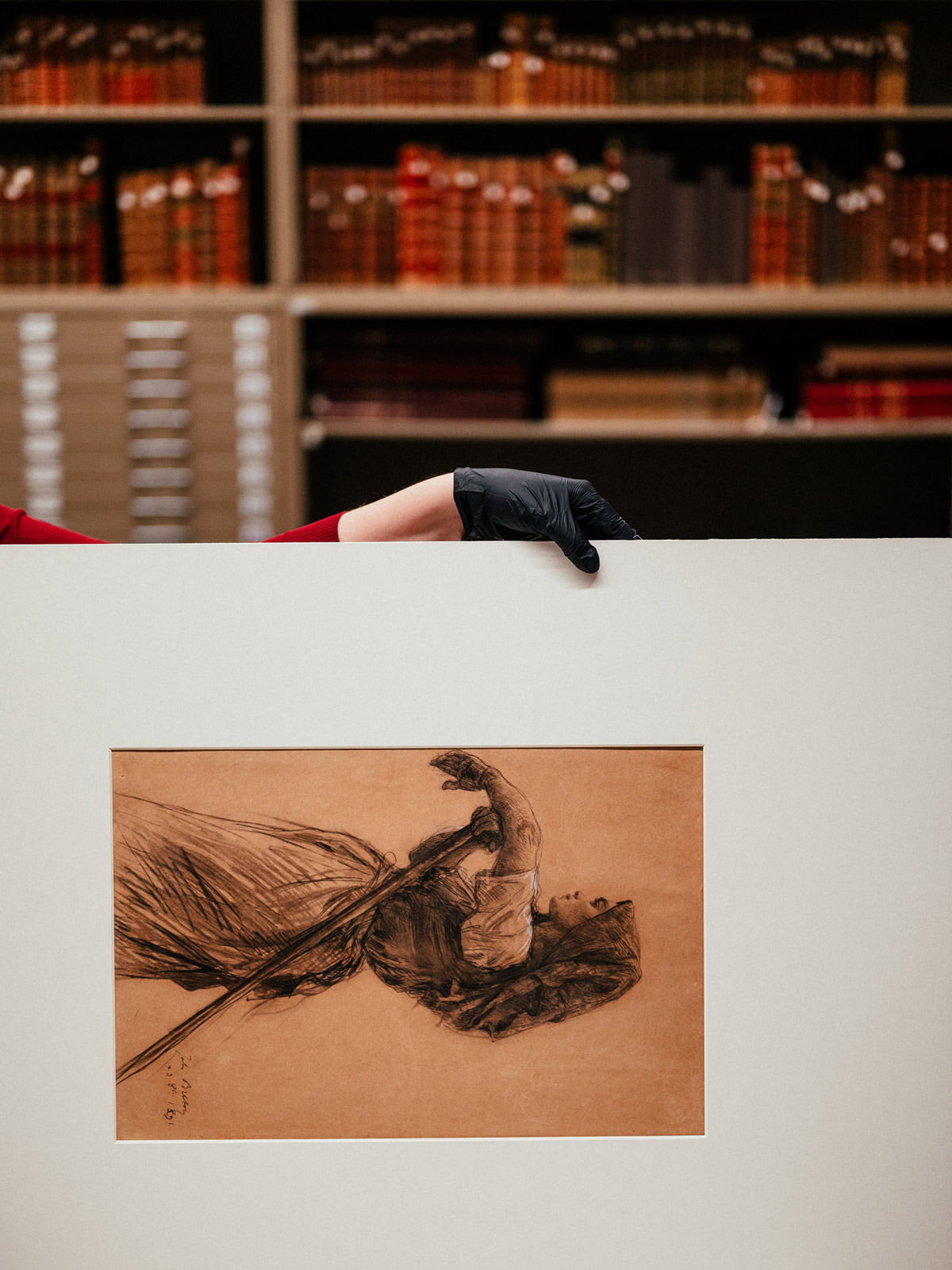
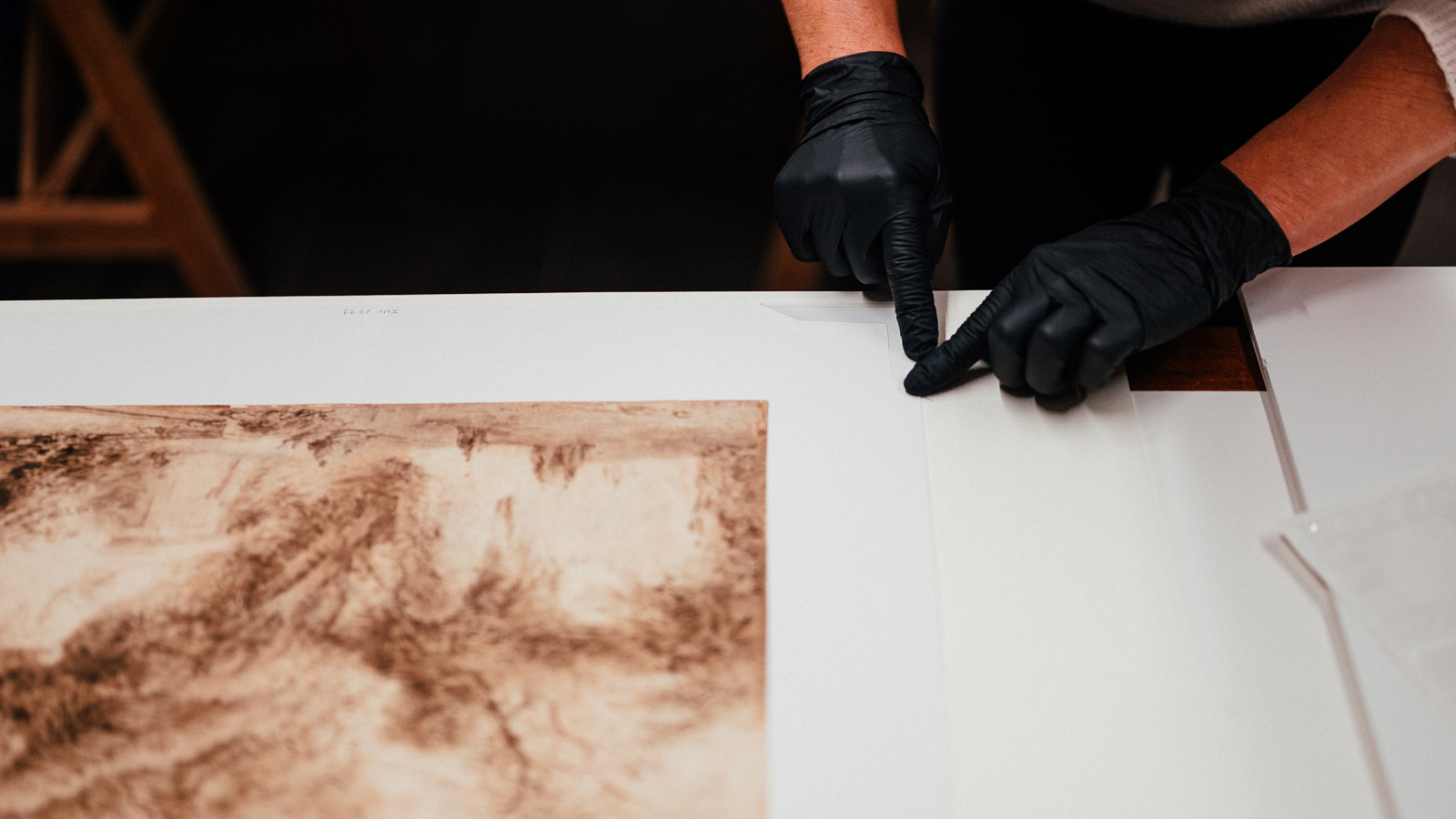
/
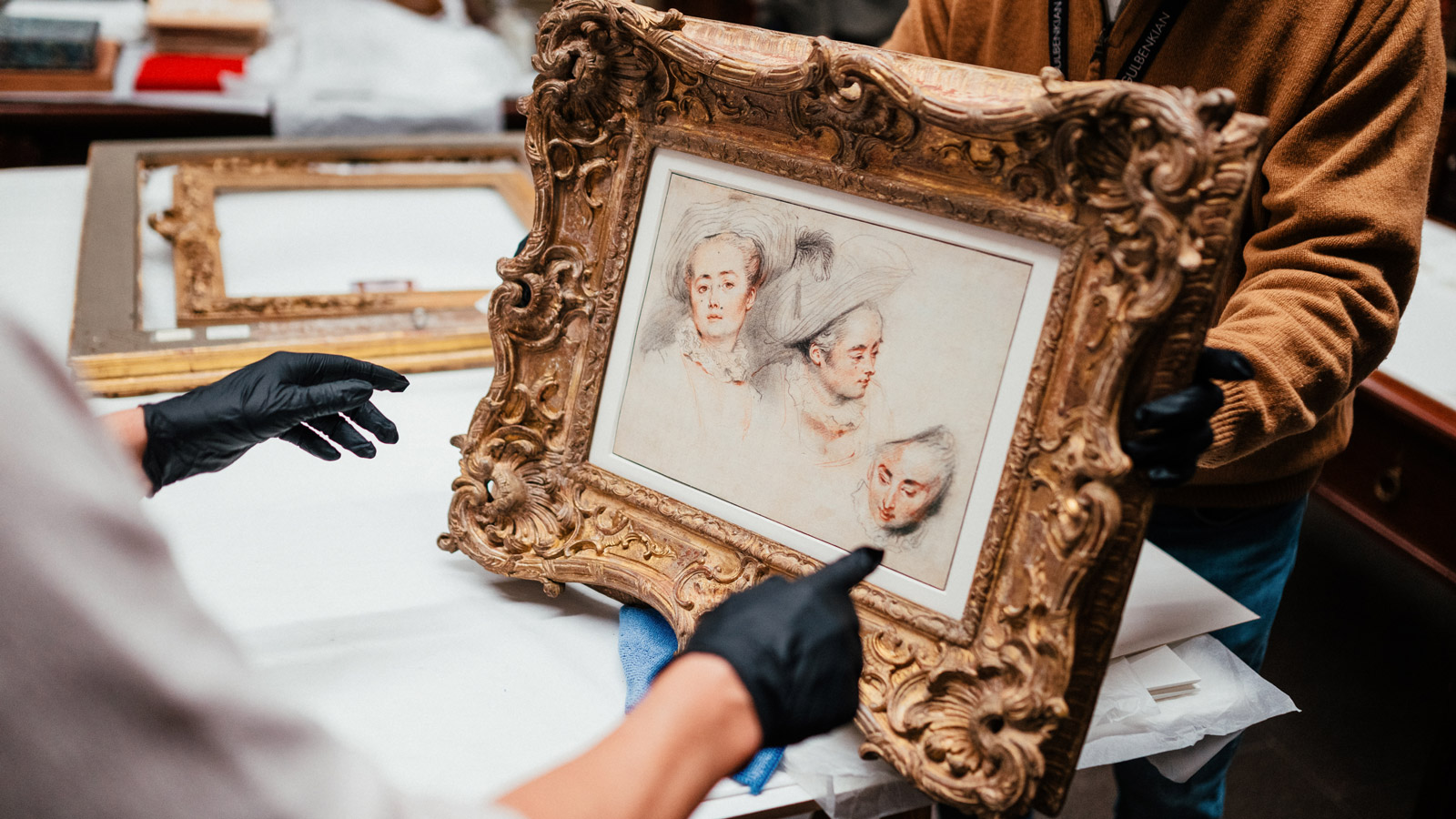
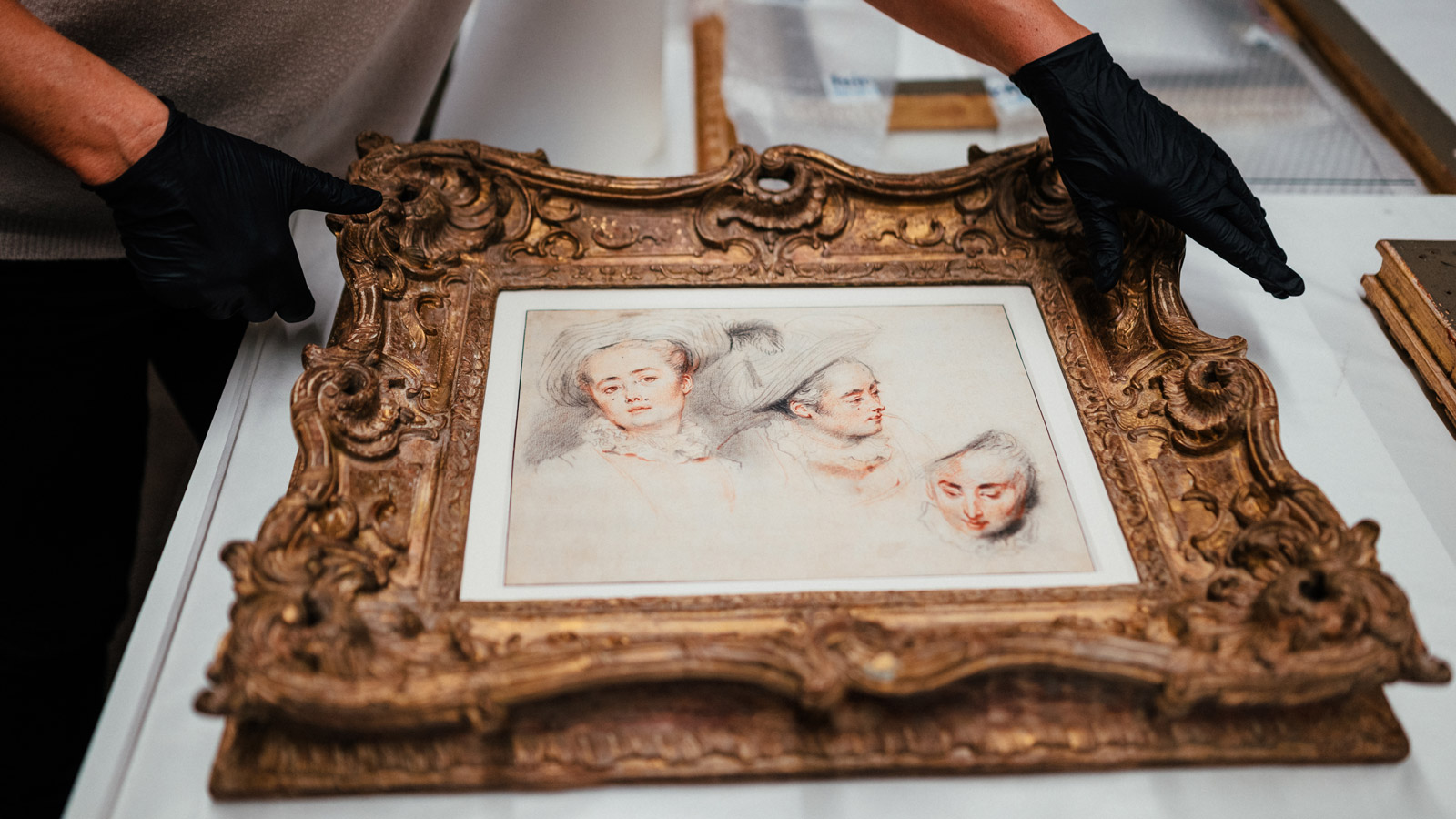
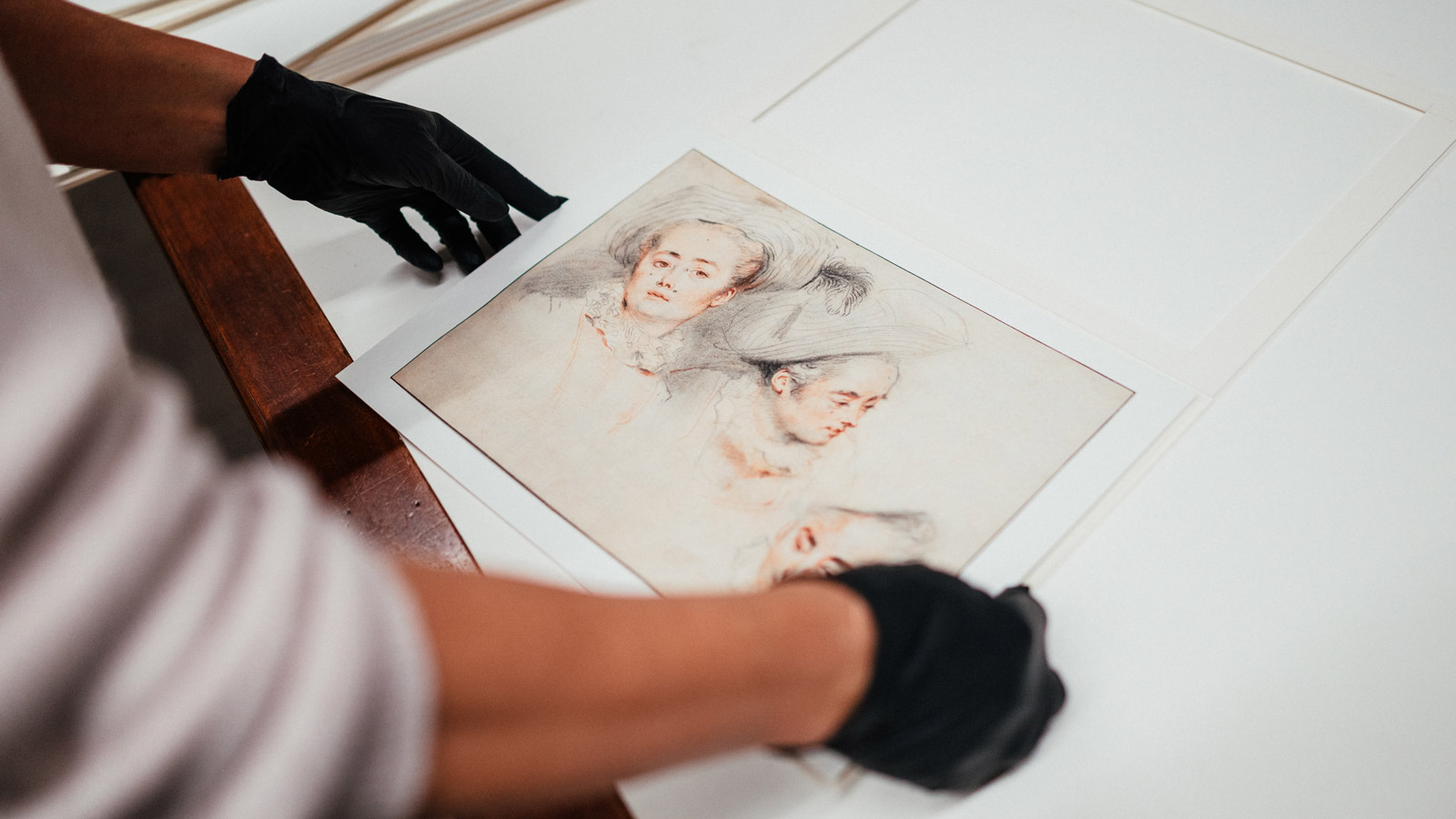
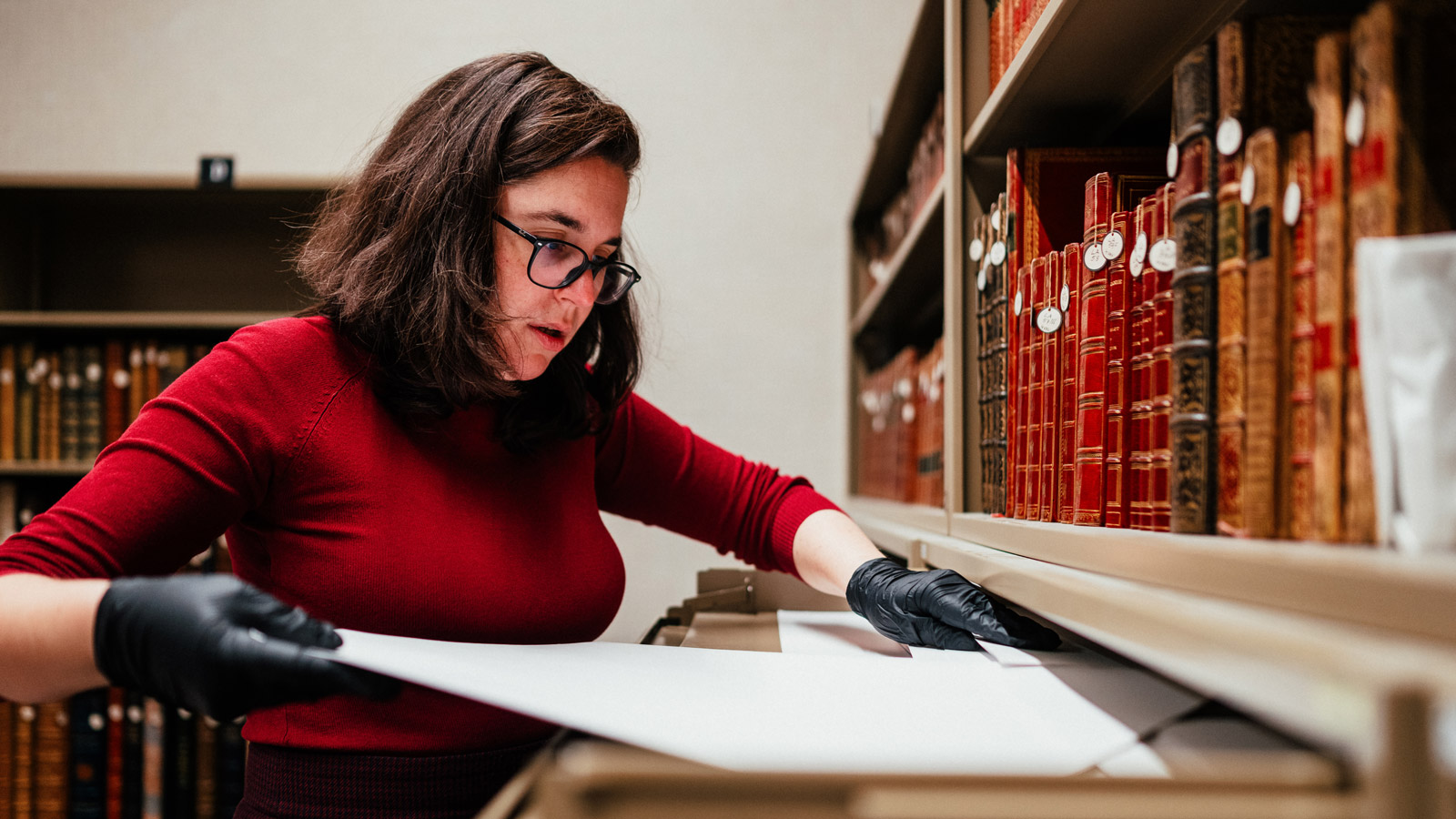
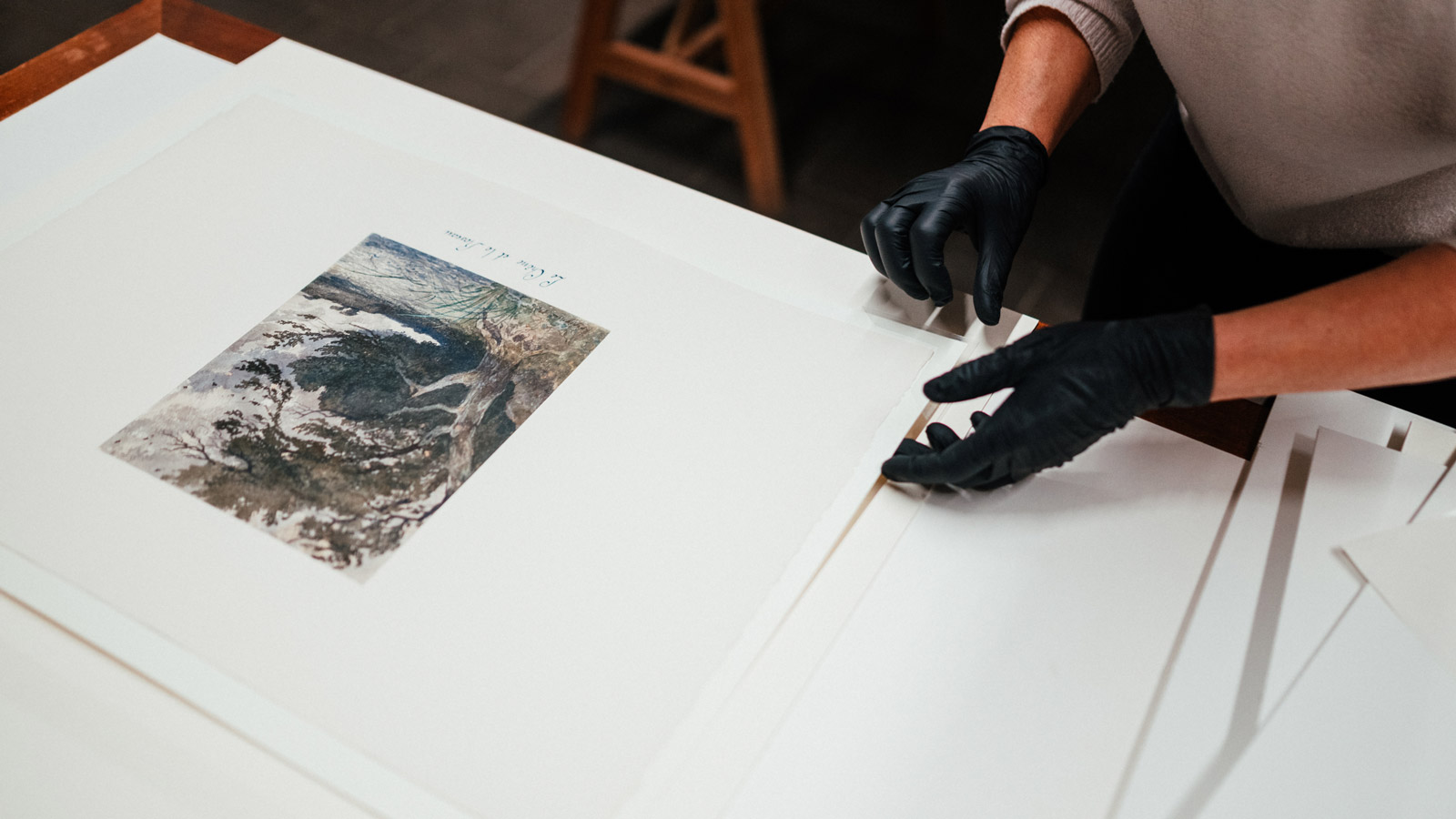
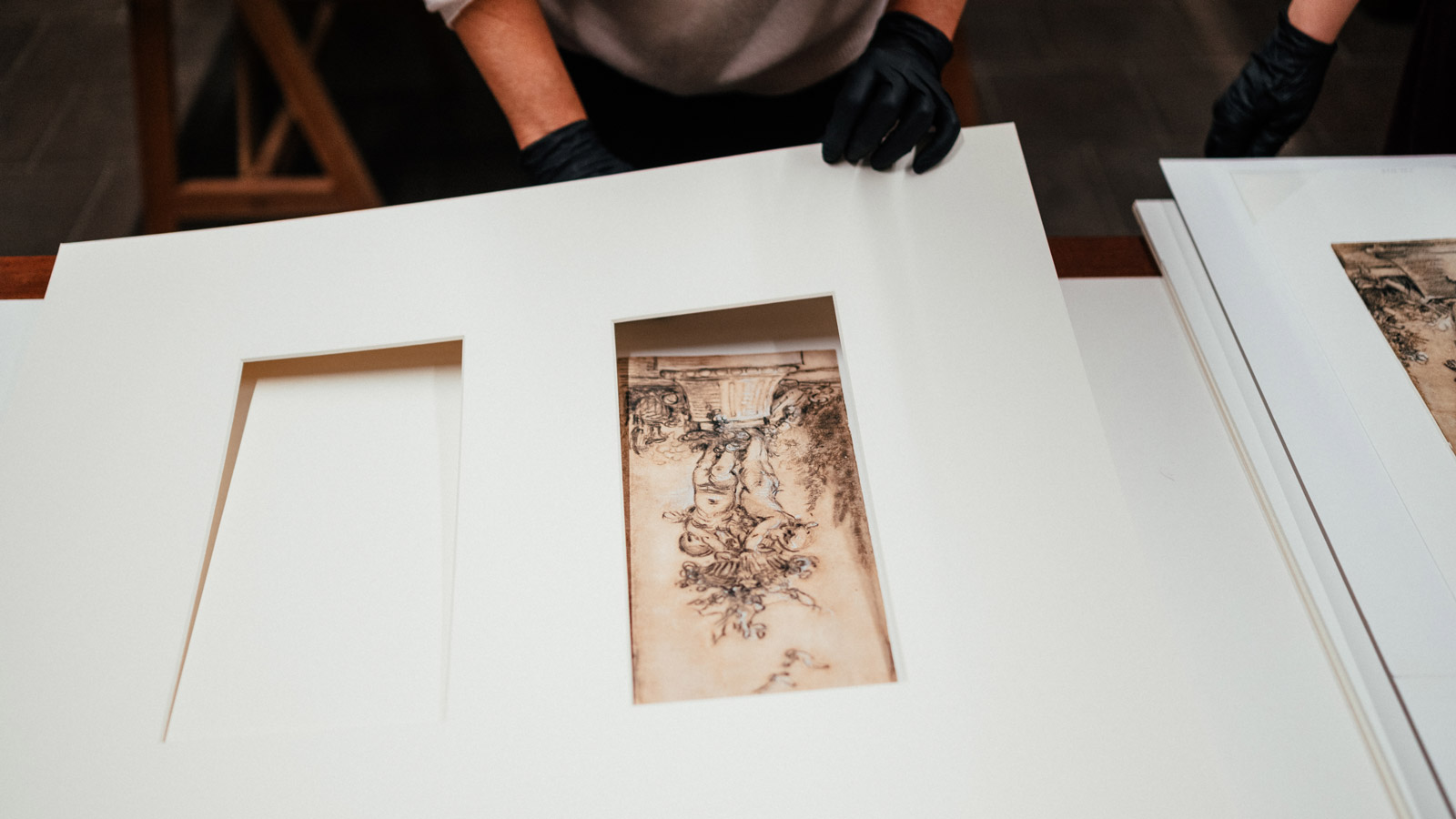
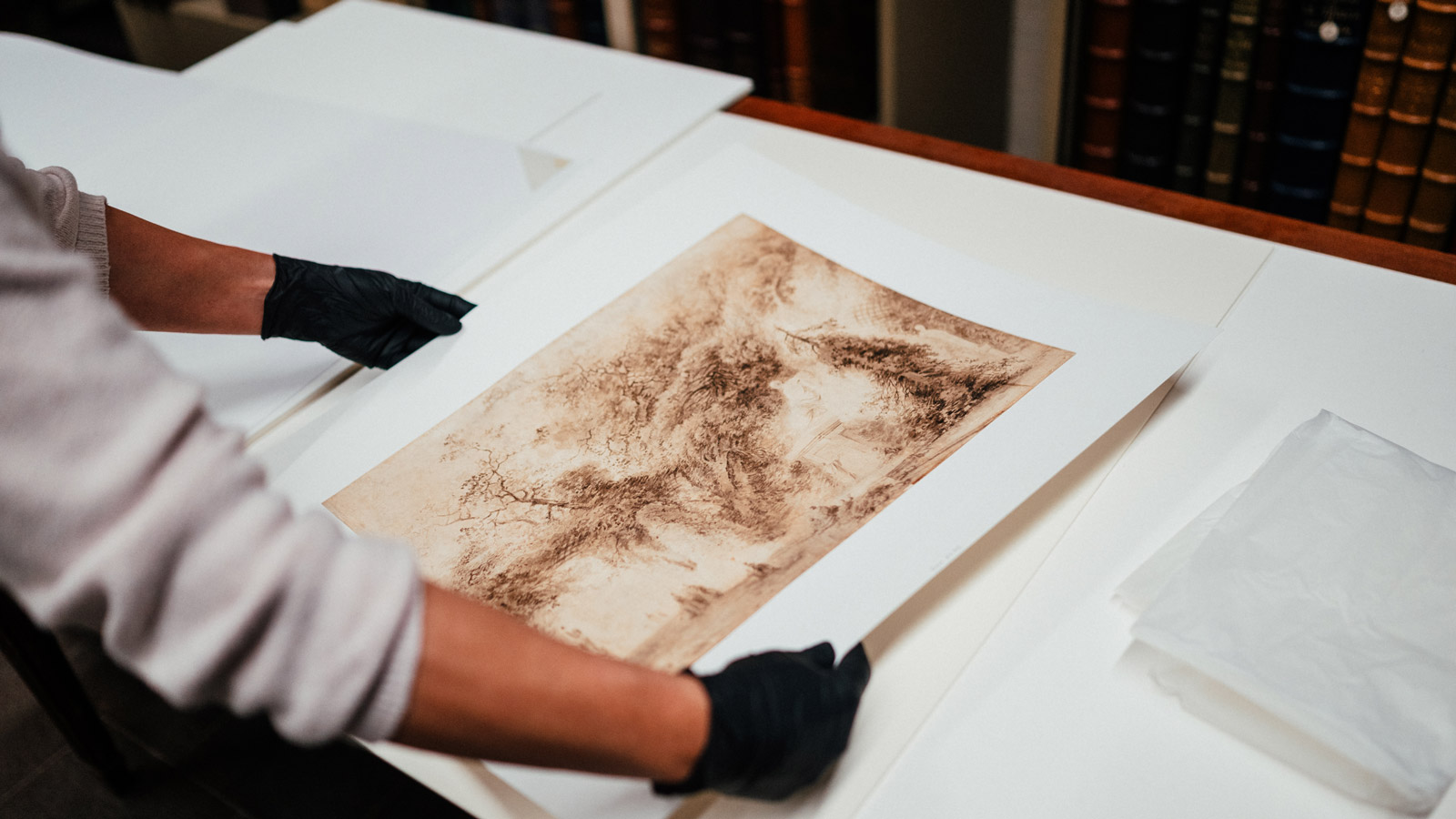
Several drawings from the Gulbenkian Museum Collection have recently travelled to Porto to be shown in the exhibition European Master Drawings in Portuguese Collections III – France, which opened this weekend at the Museu Nacional Soares dos Reis.
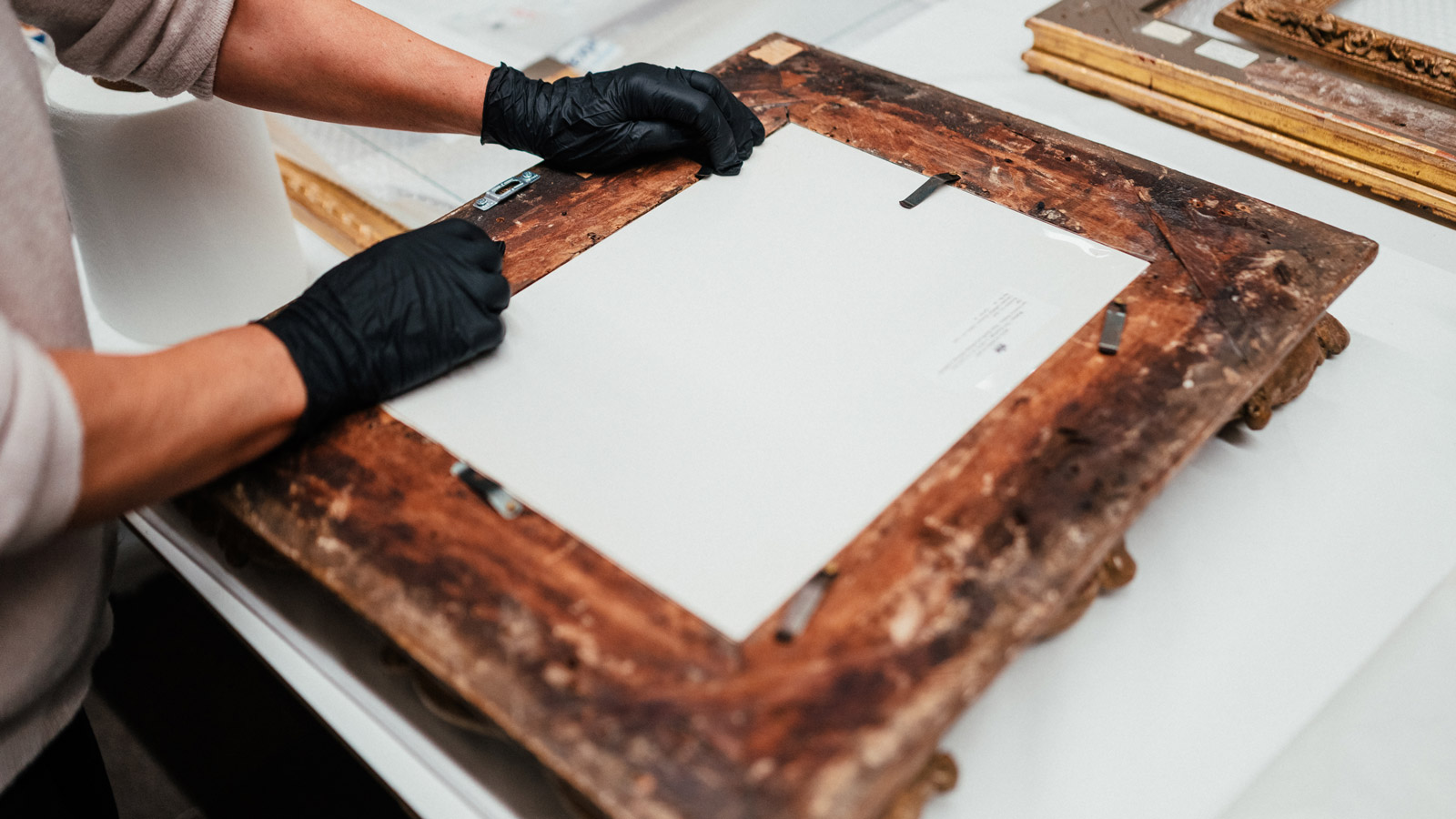
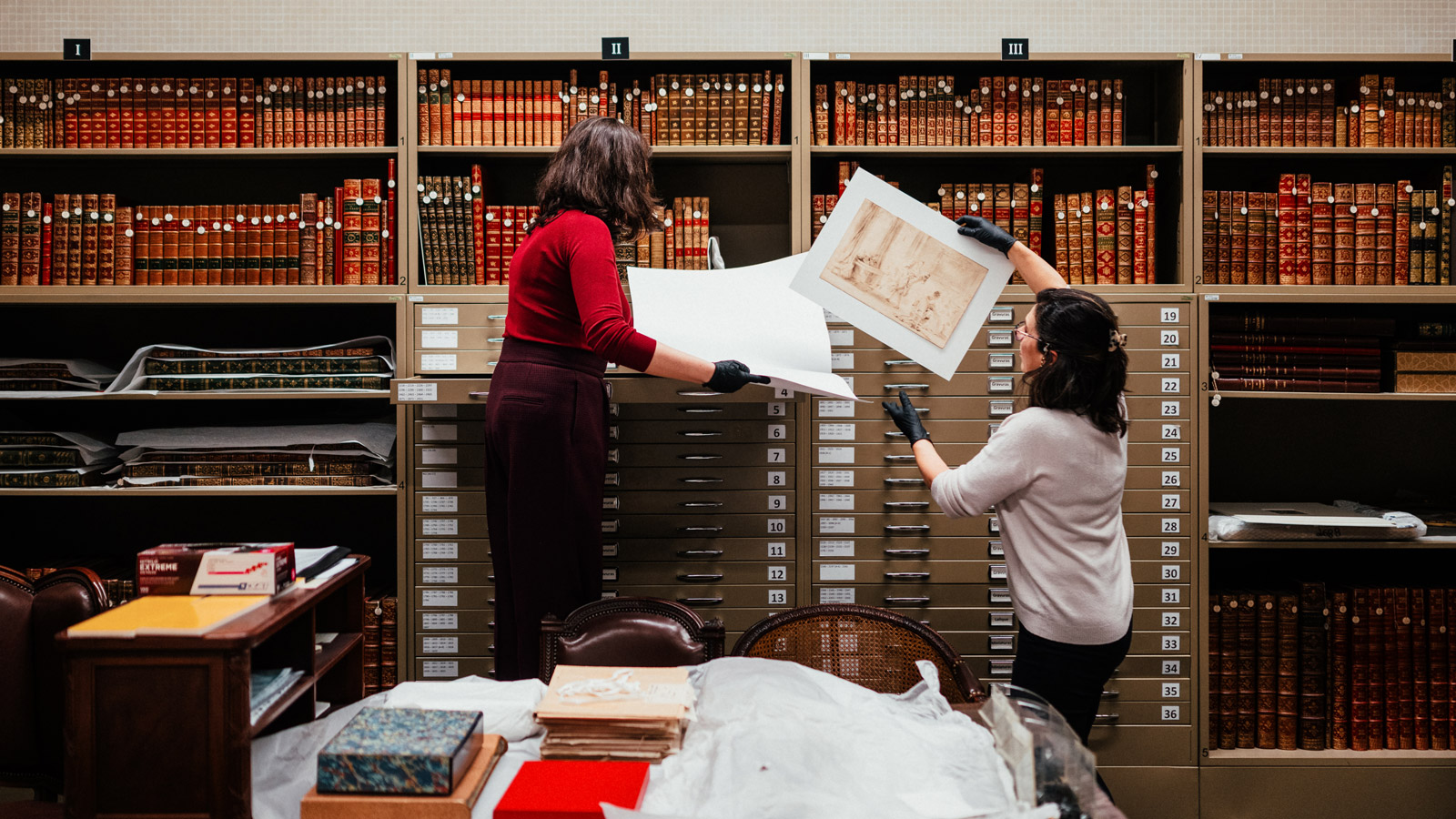
Before meeting the public, the works were prepared by the team, accompanied by curator Ana Campino, in the Collection’s storage dedicated to books and drawings. Across worktables, mounts and frames, each drawing was carefully examined and readied for transport.
The selected works form part of the first exhibition devoted exclusively to French drawings from Portuguese public and private collections, bringing wider attention to a little-known body of works. On display are Three Studies of the Head of a Young Woman (c. 1716–1717) by Antoine Watteau, alongside works by François Boucher and Jean-Honoré Fragonard. From the 19th century, the exhibition presents four drawings and three watercolours by artists such as Jean-François Millet, with his enigmatic Landscape at Dusk (c. 1851–1852), Gustave Moreau and Pierre-Auguste Renoir.
A tight-squeeze operation
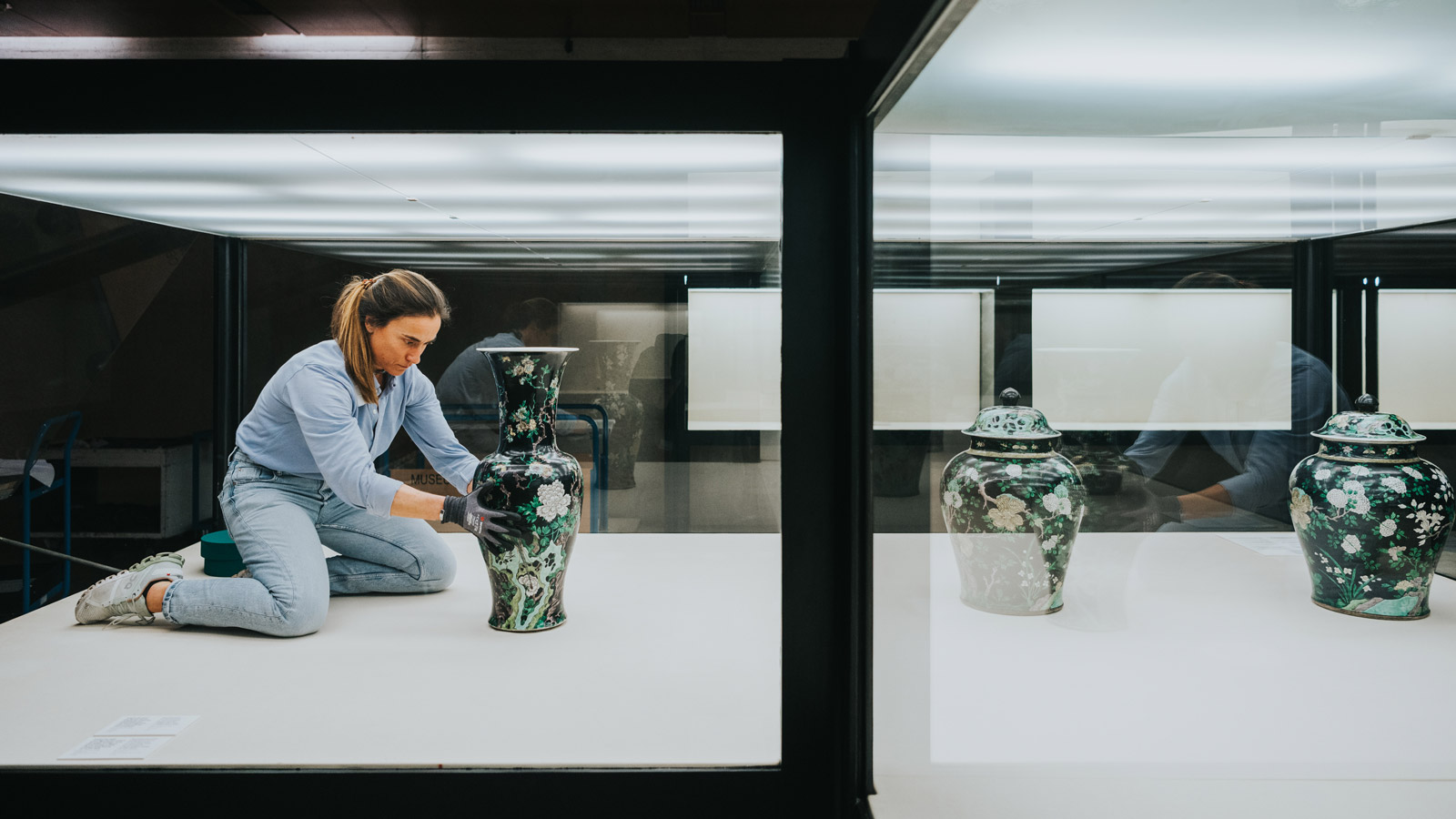
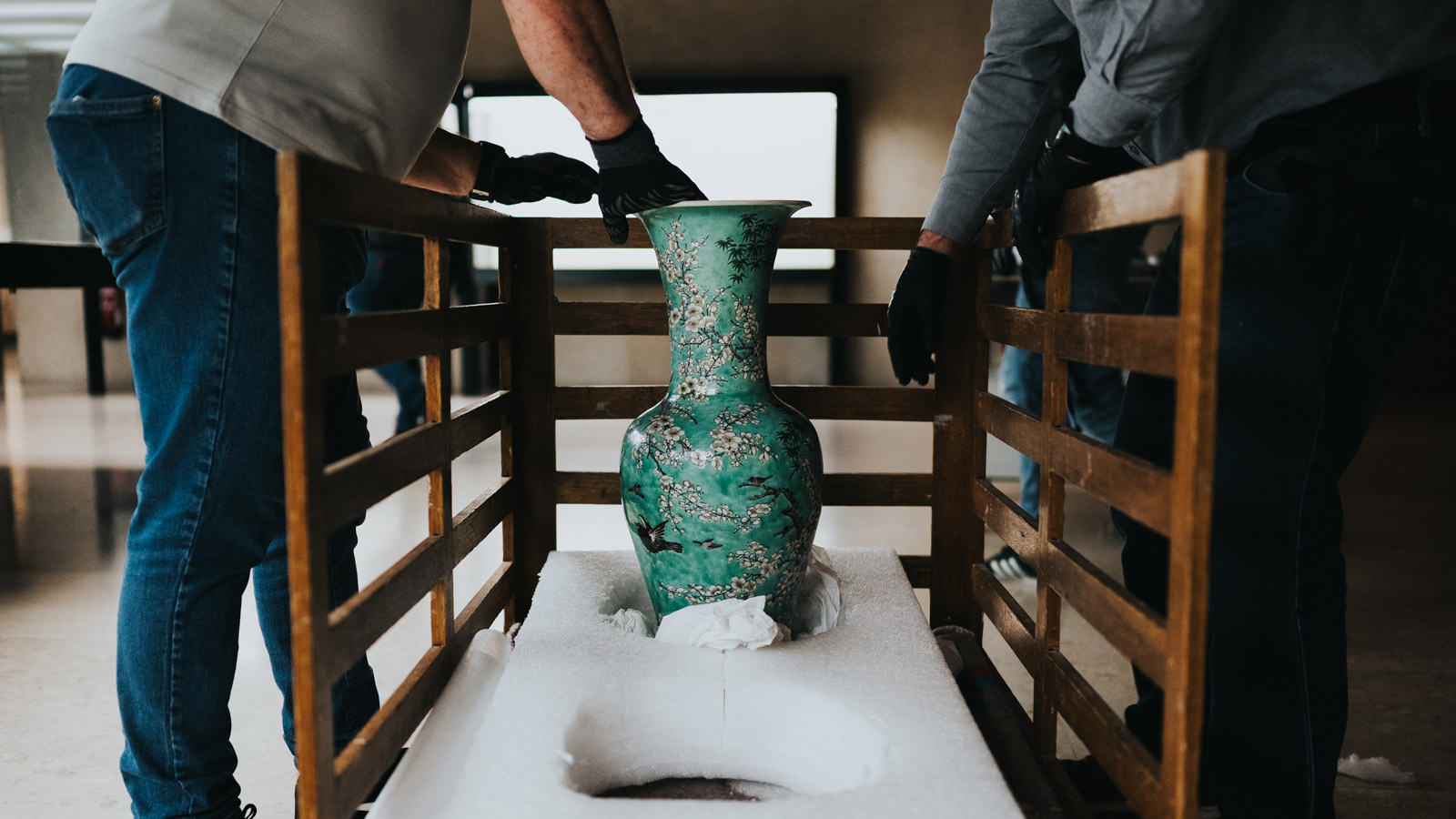
/
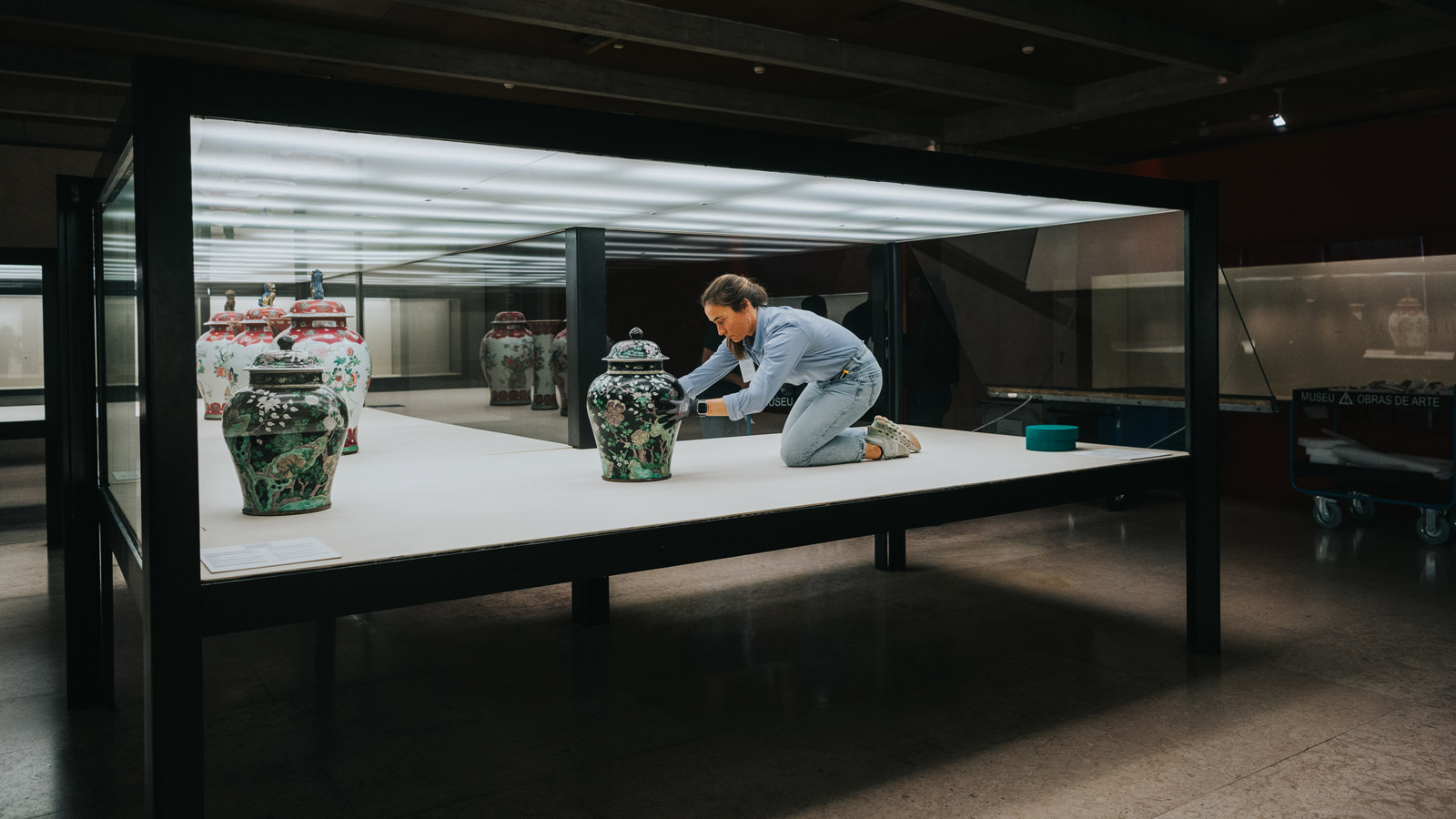
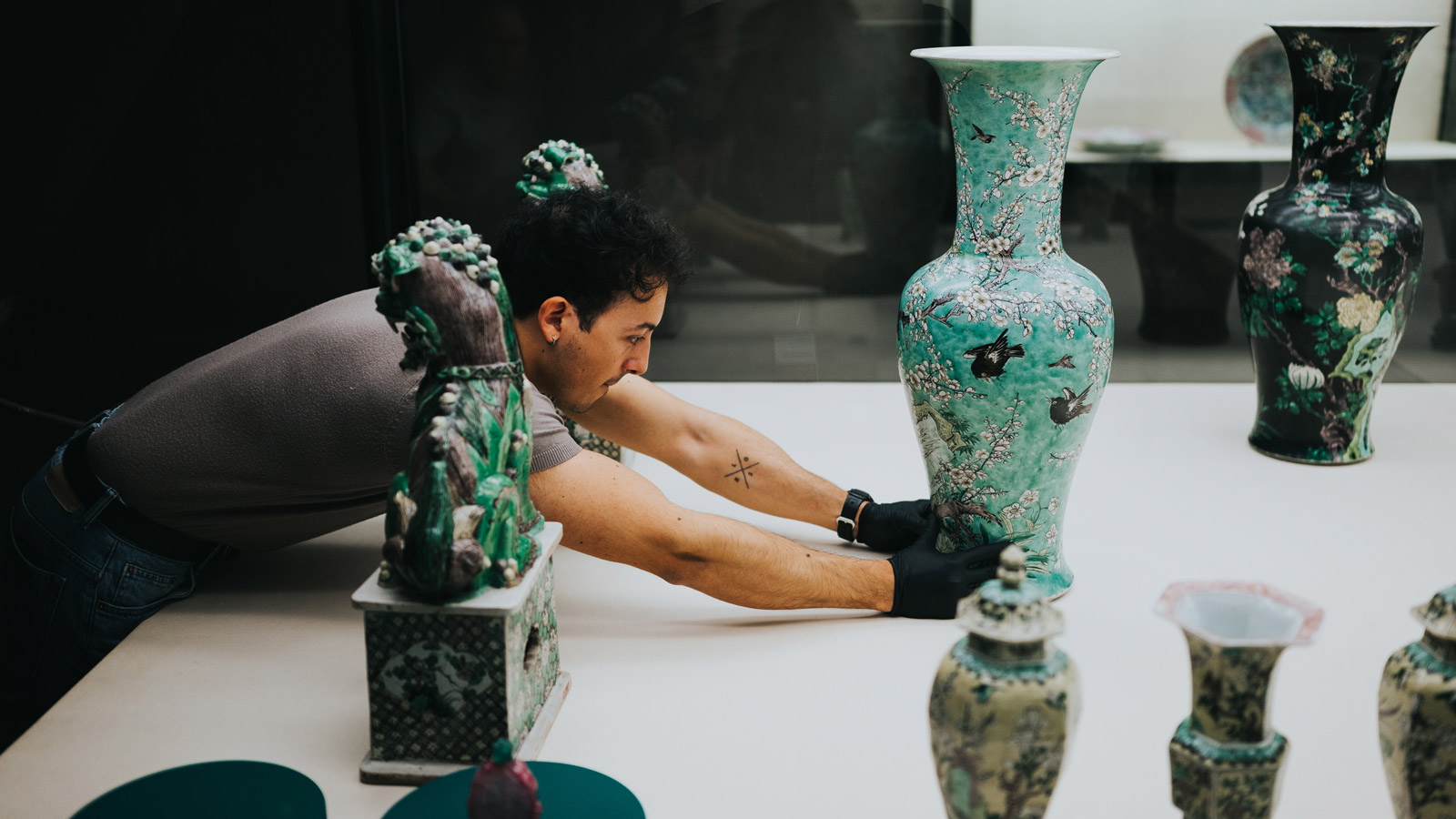
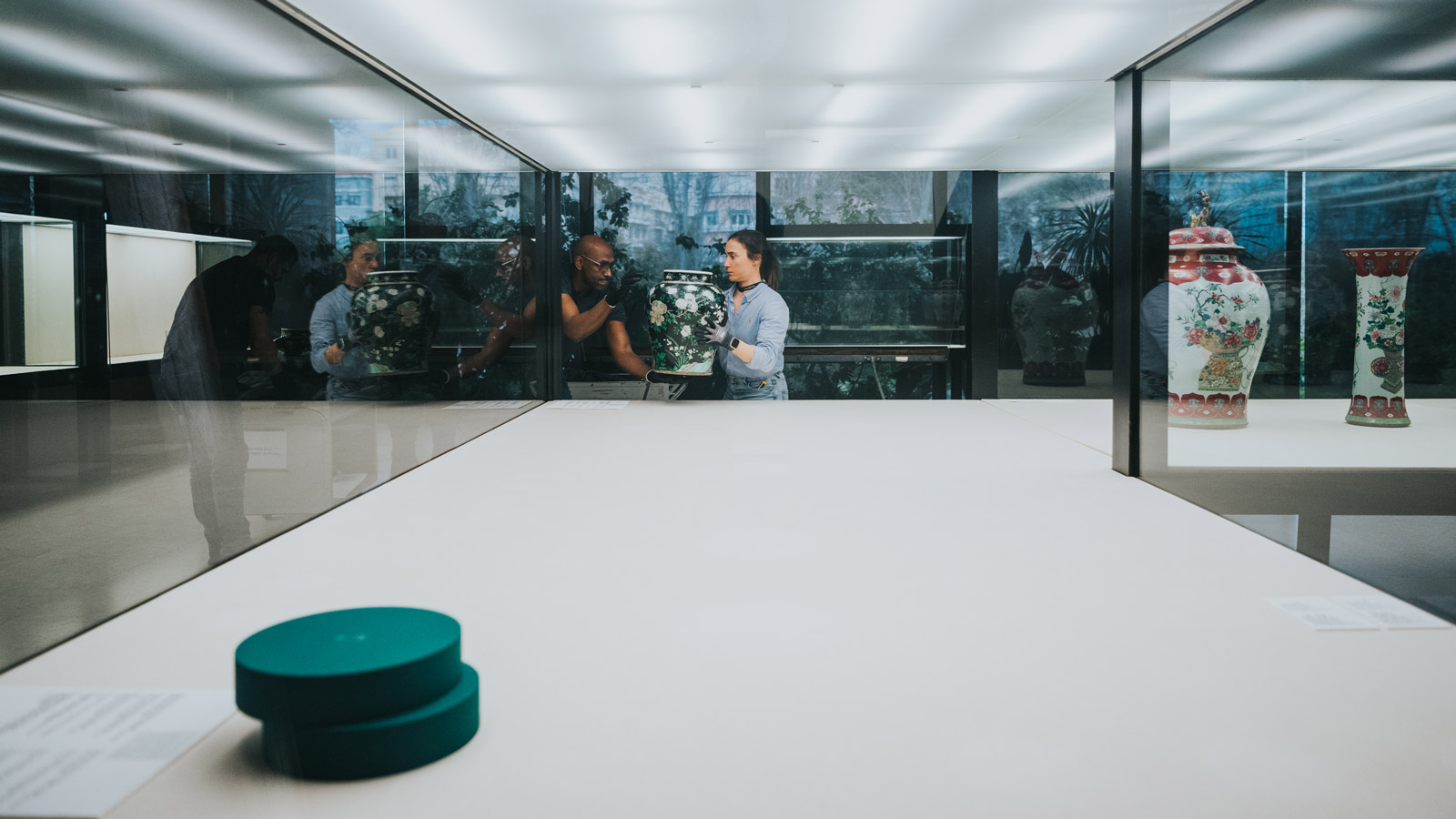
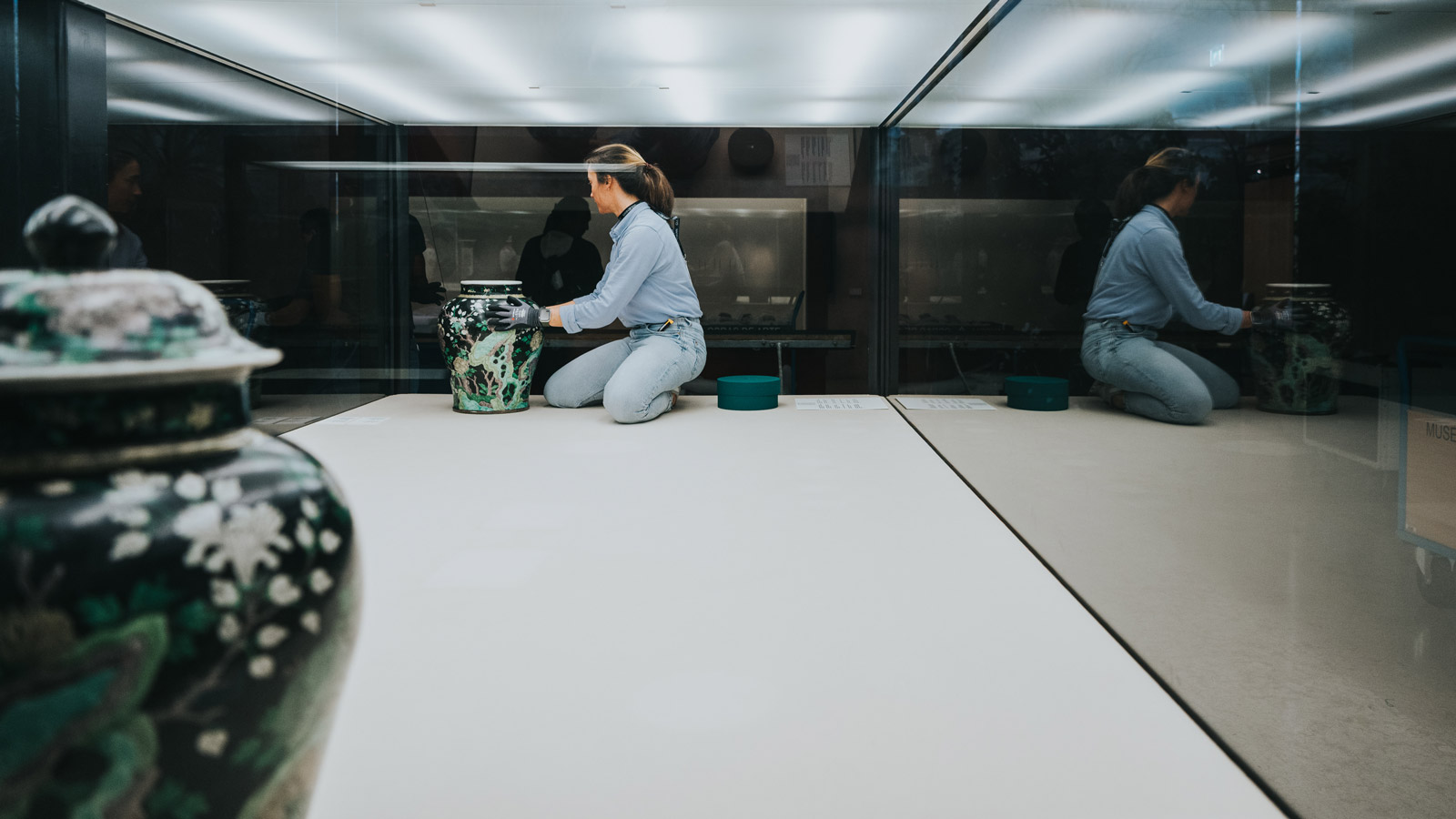
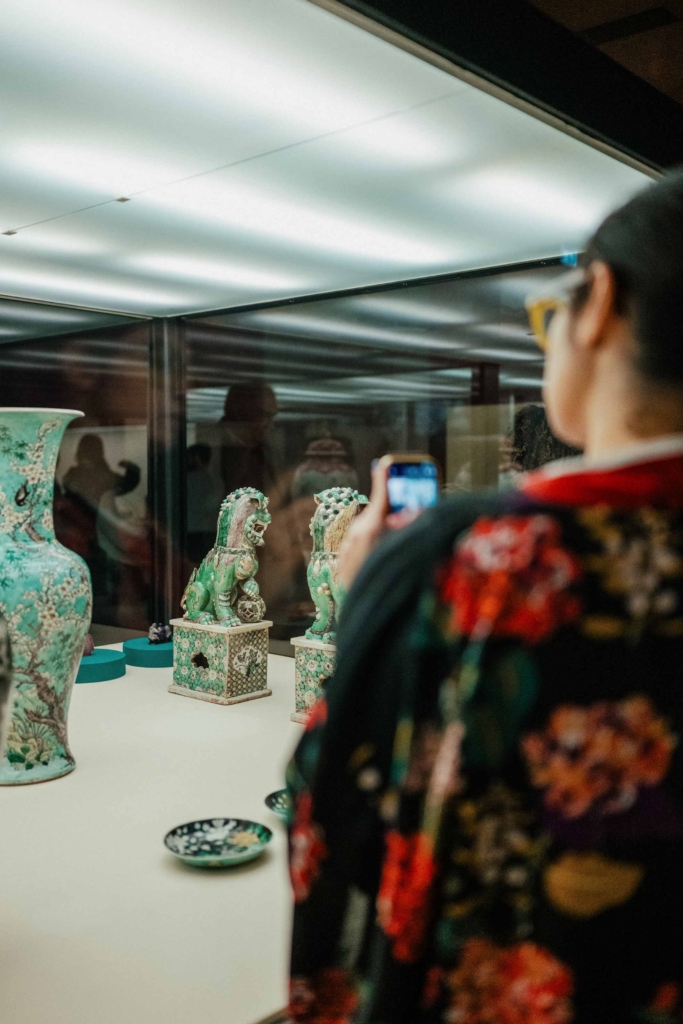
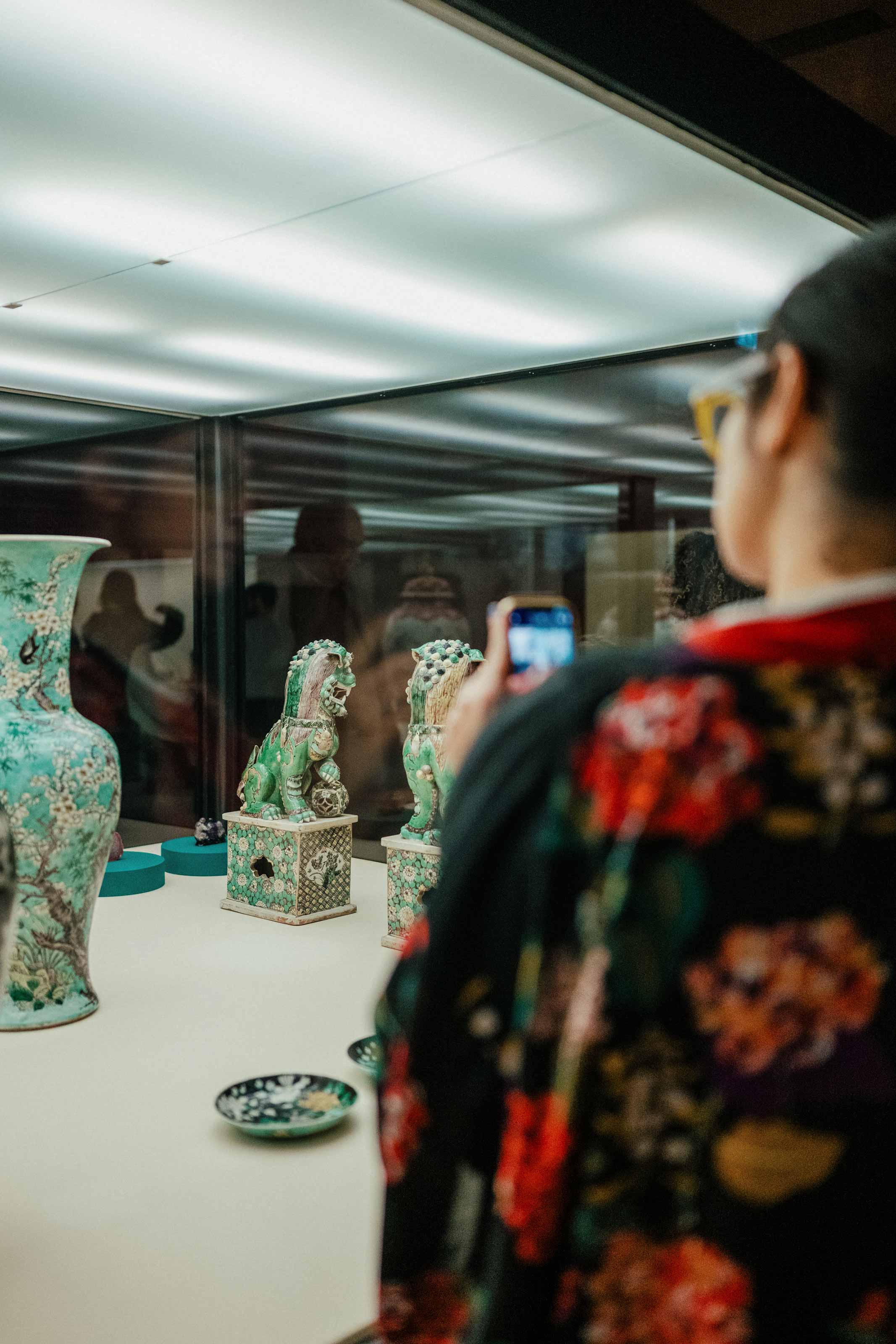
The impressive display cases in the China and Japan gallery – which house, among other objects, the large Chinese vases from the Gulbenkian Museum Collection – are not easy to access. As they cannot be dismantled, the only way to reach their most recessed areas is to squeeze in… head to toe!
A one-person operation to begin the process of returning these pieces to our storage reserves.
The Iznik Collection
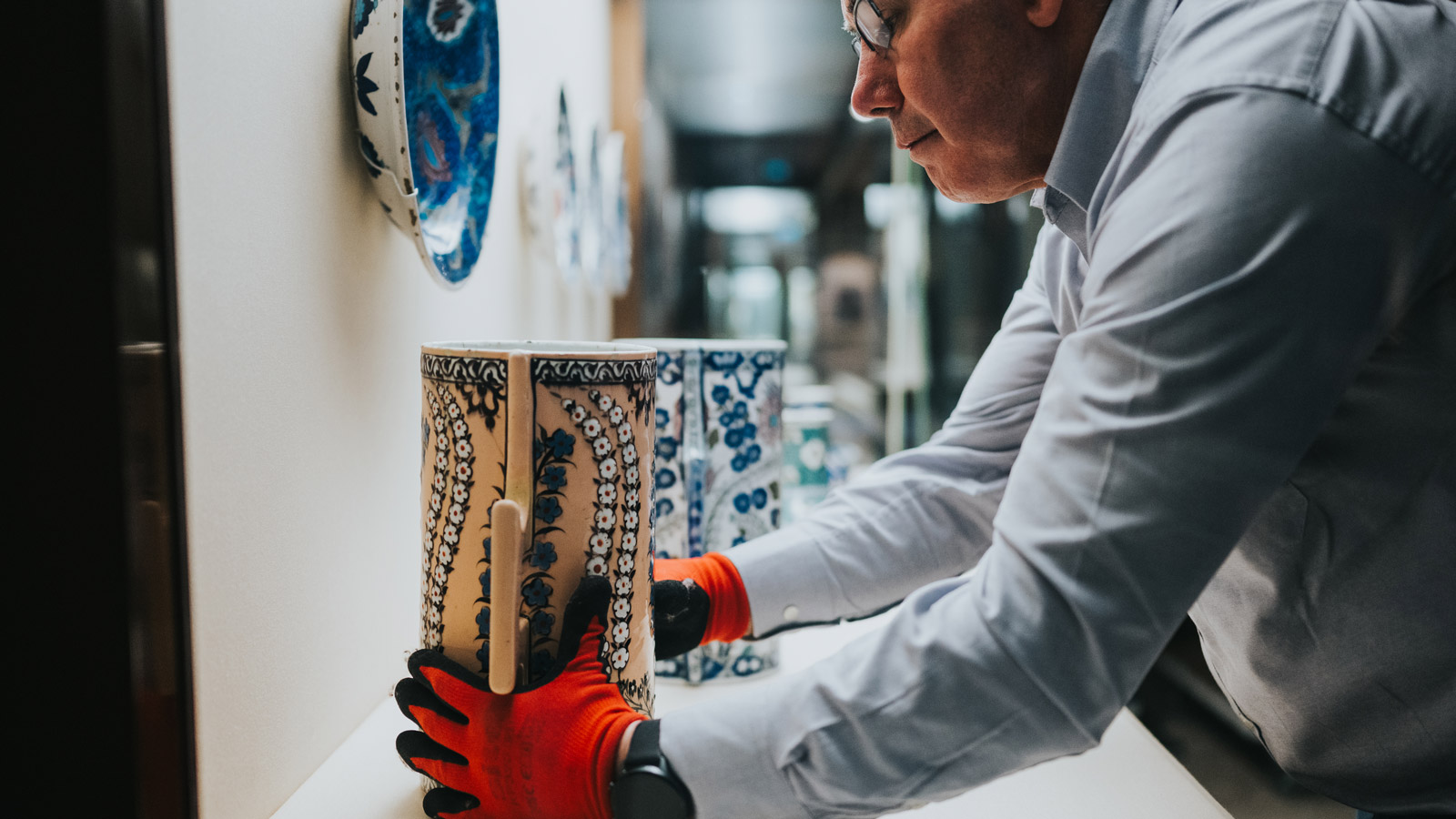
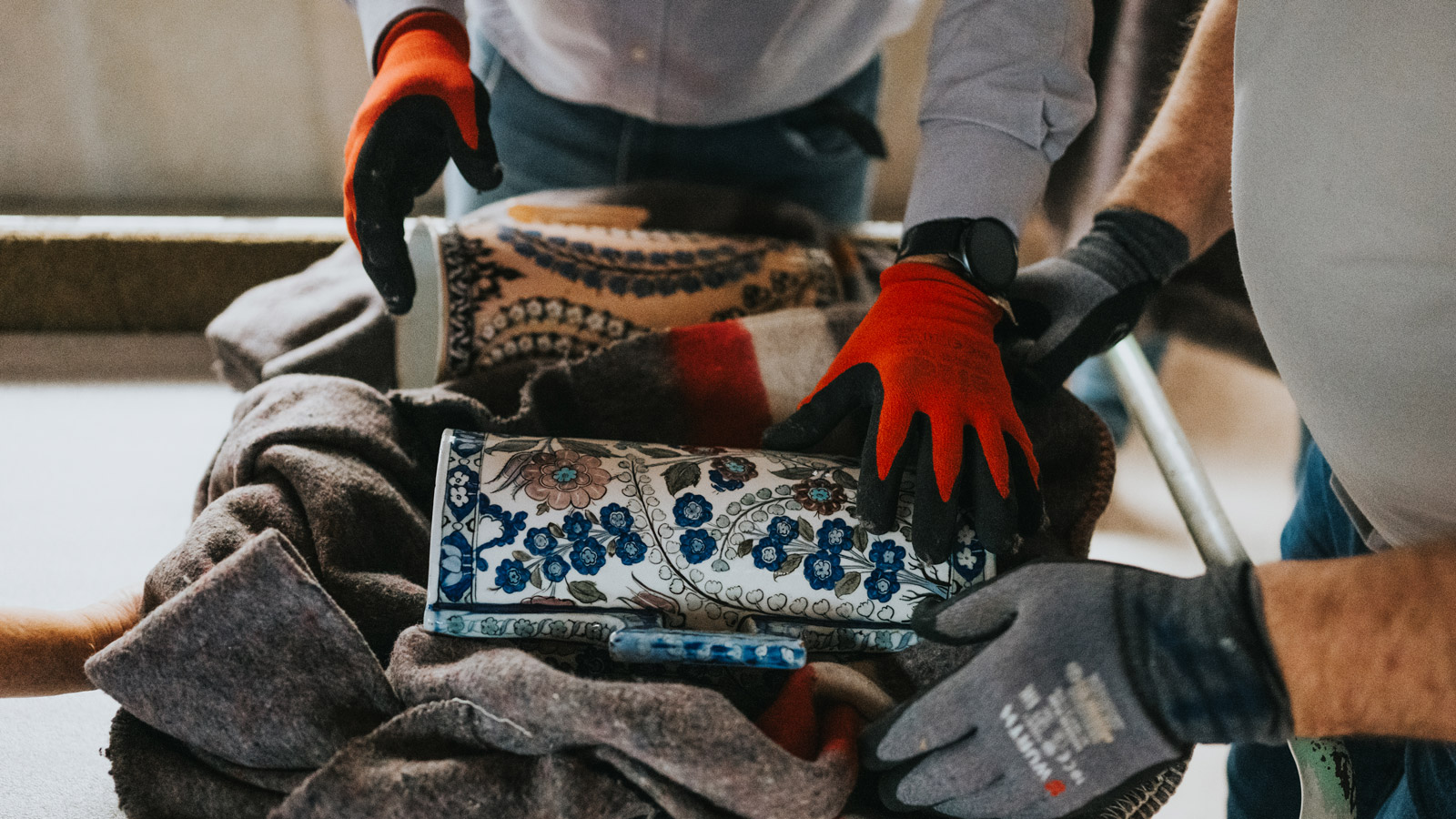

/
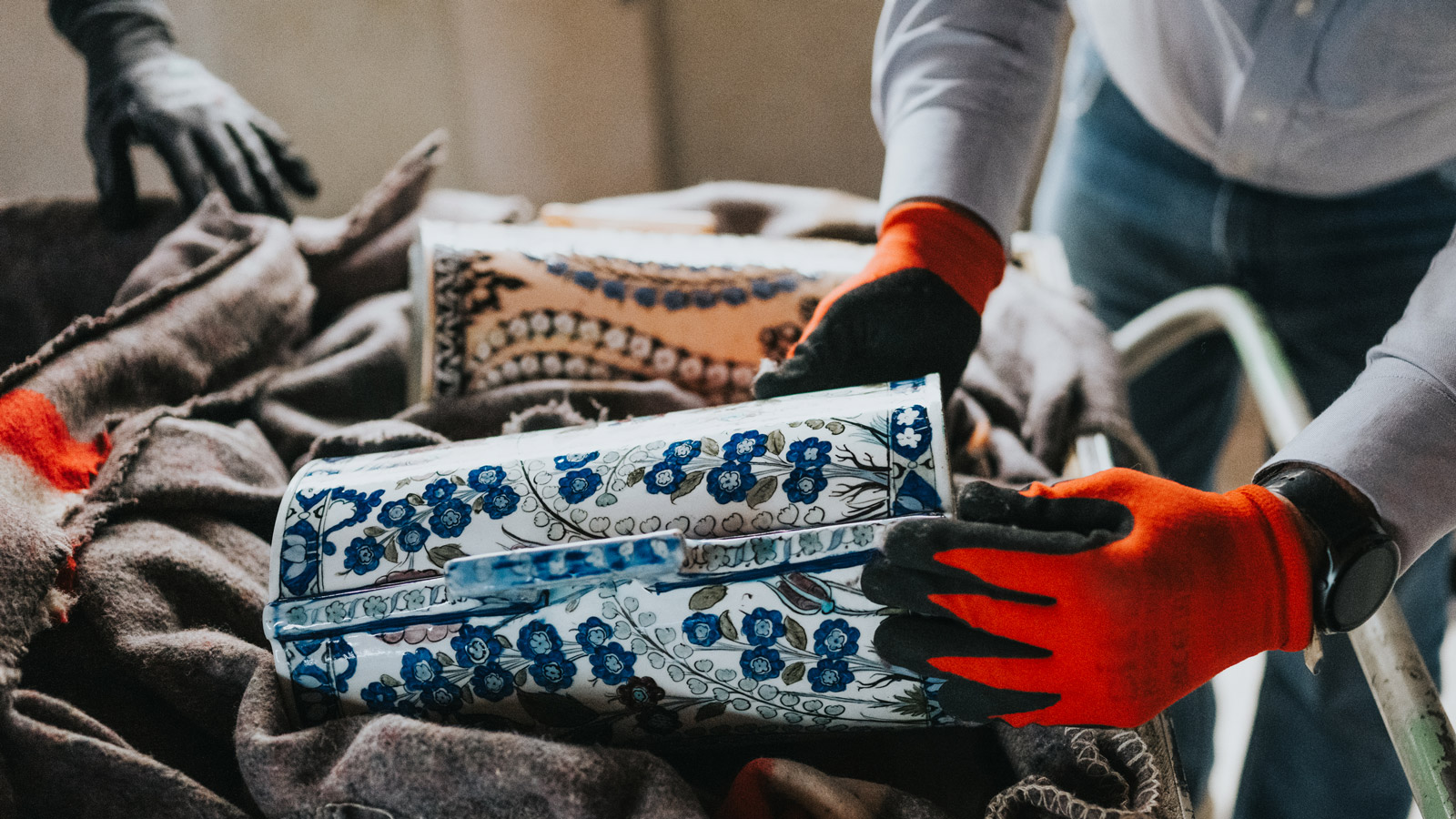
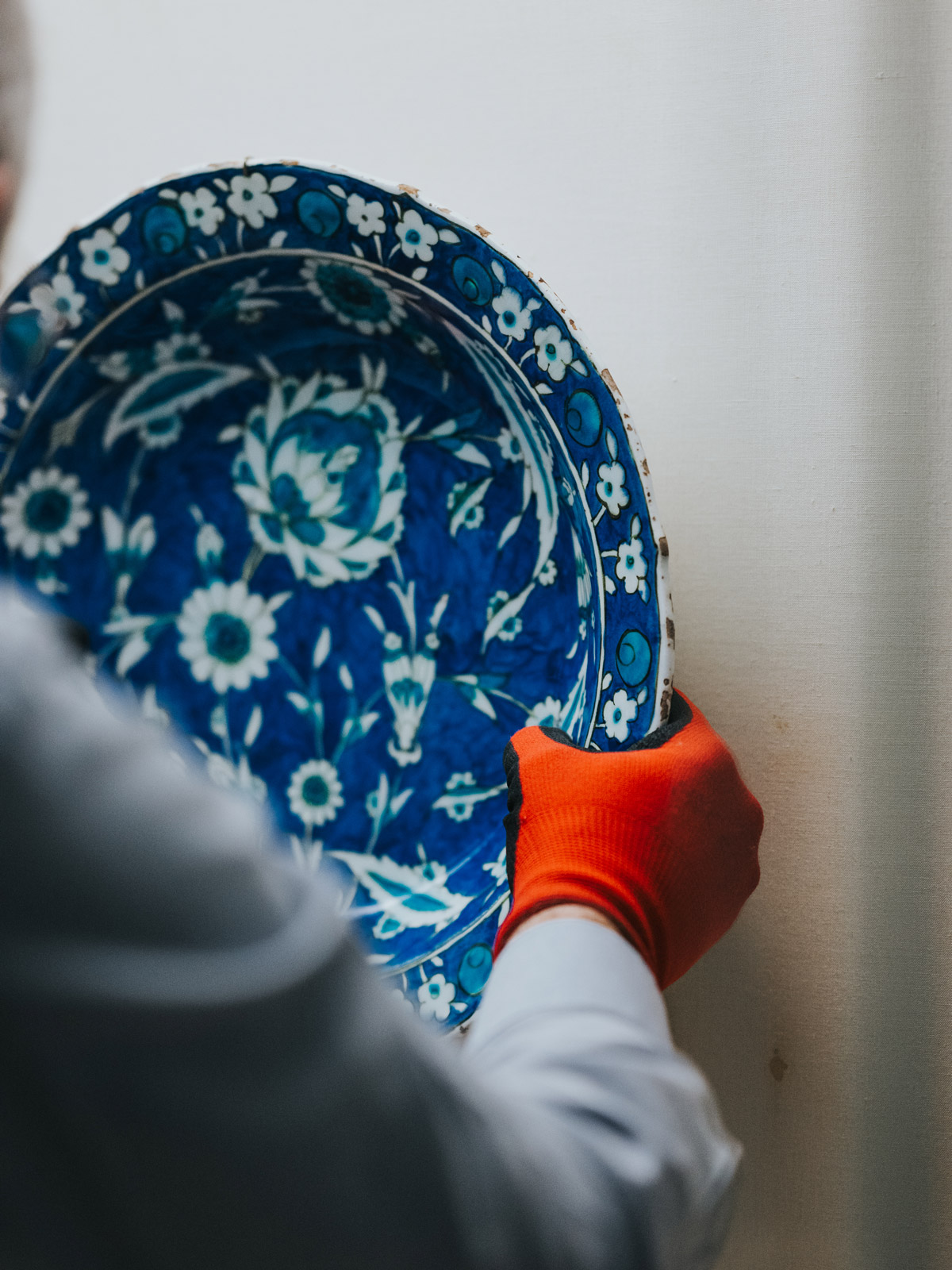
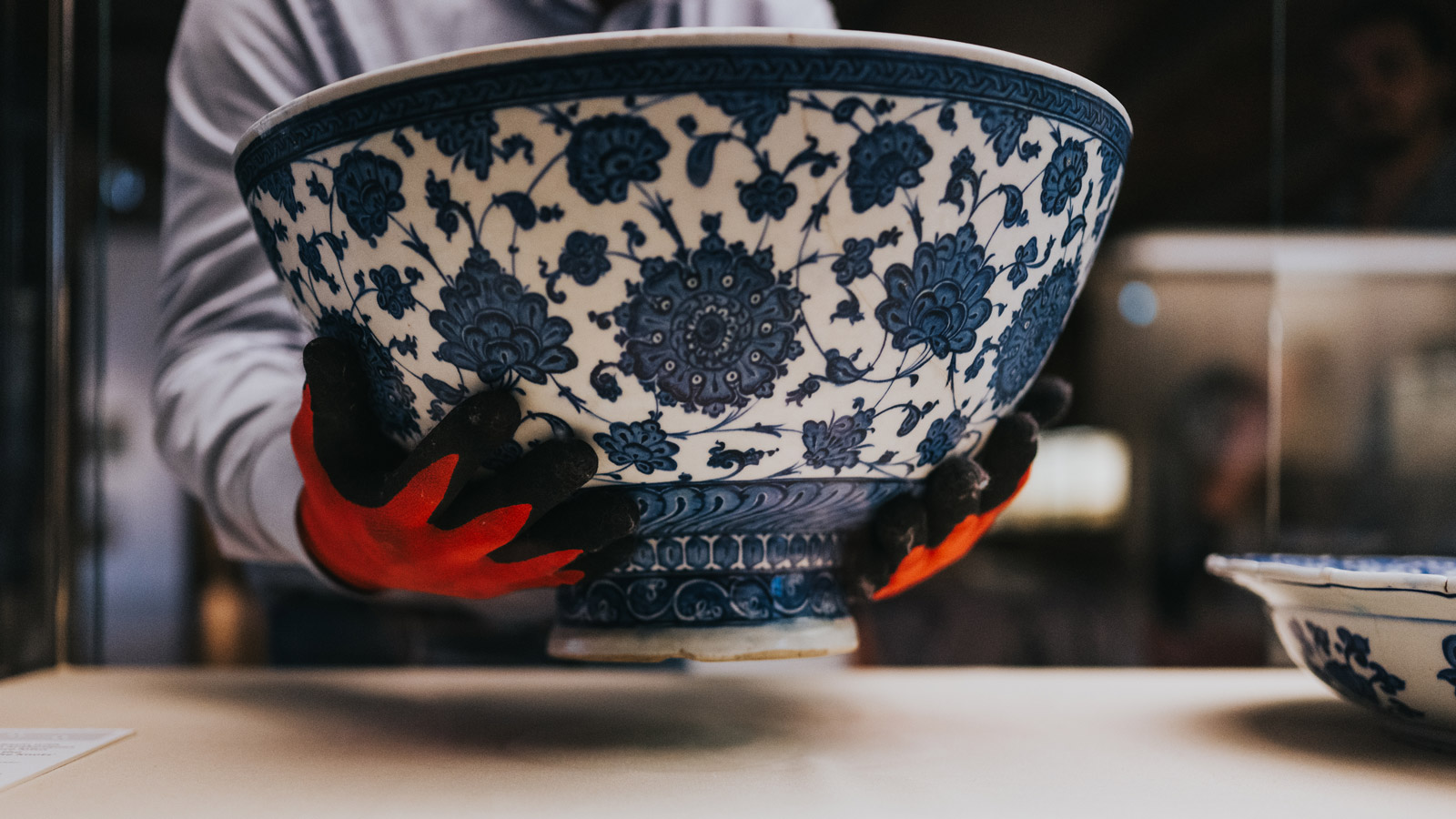
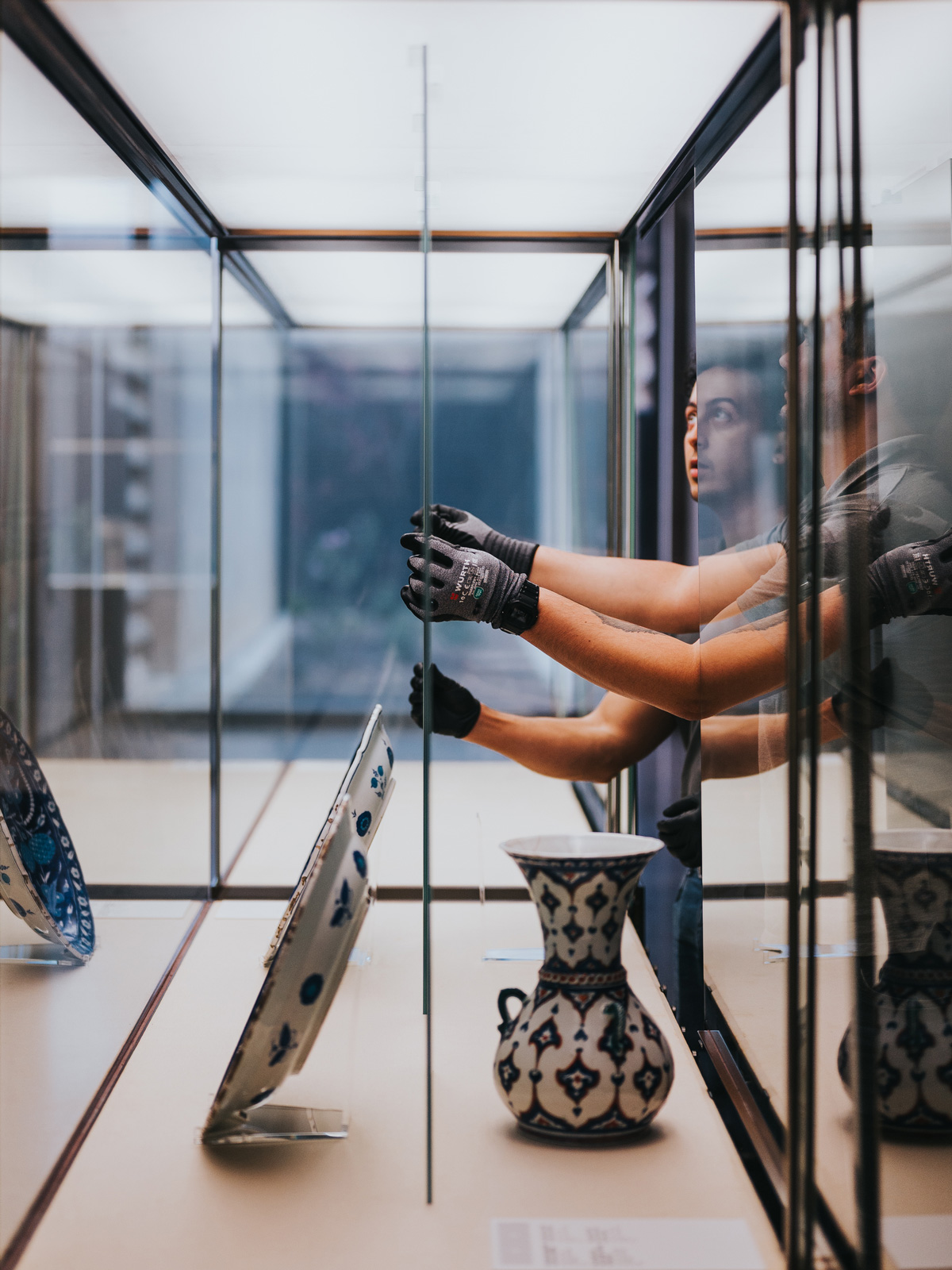
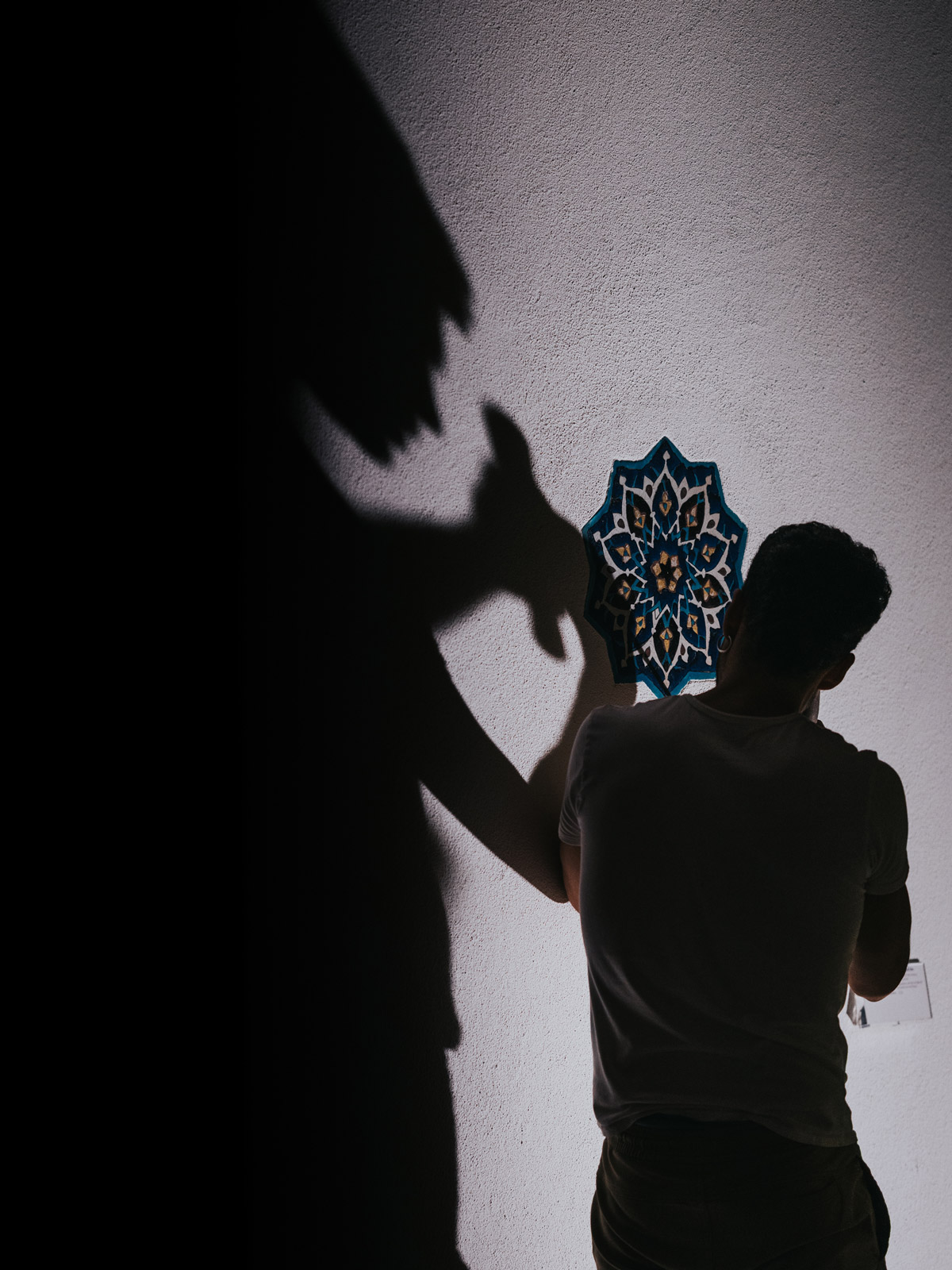
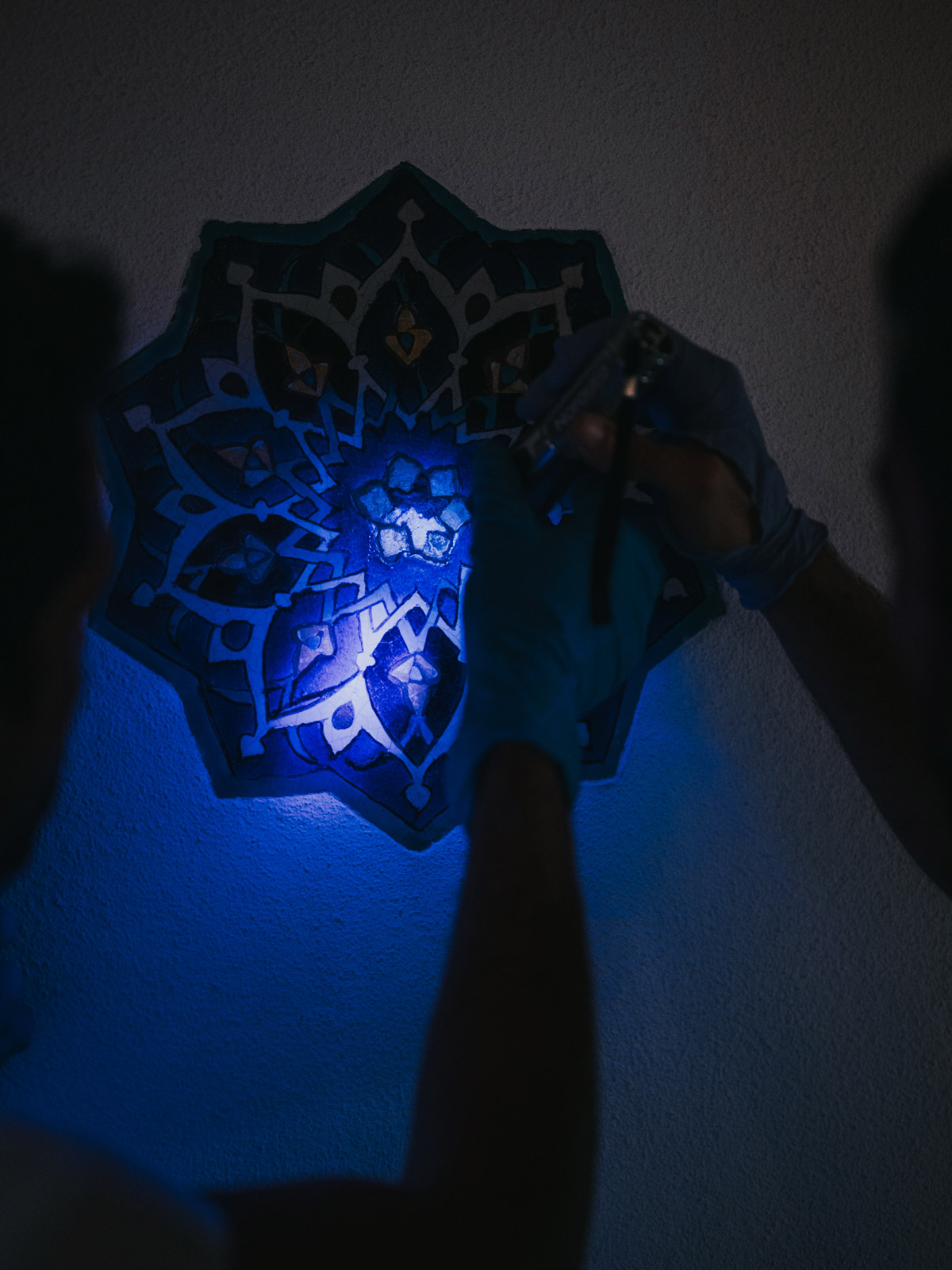
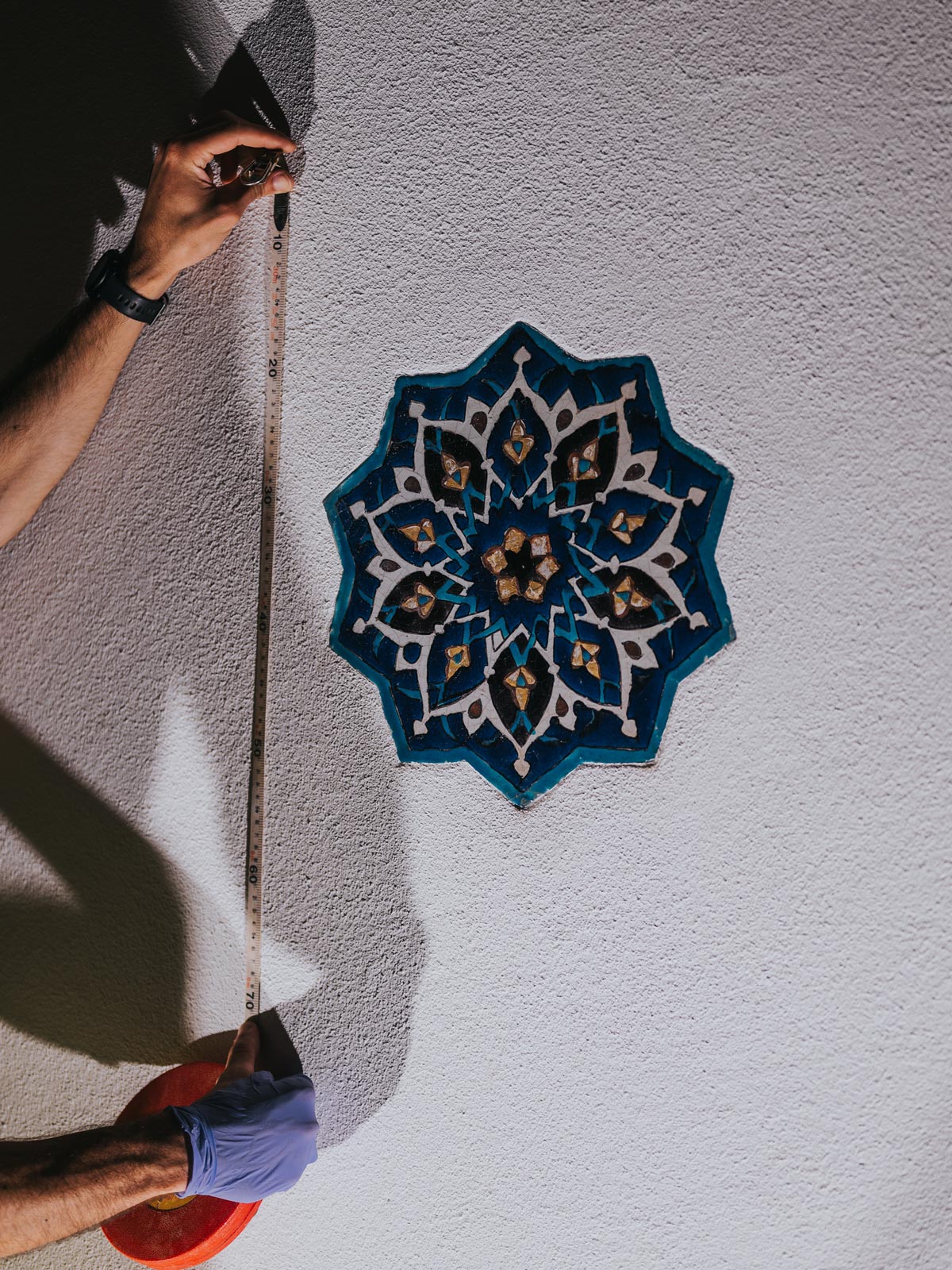
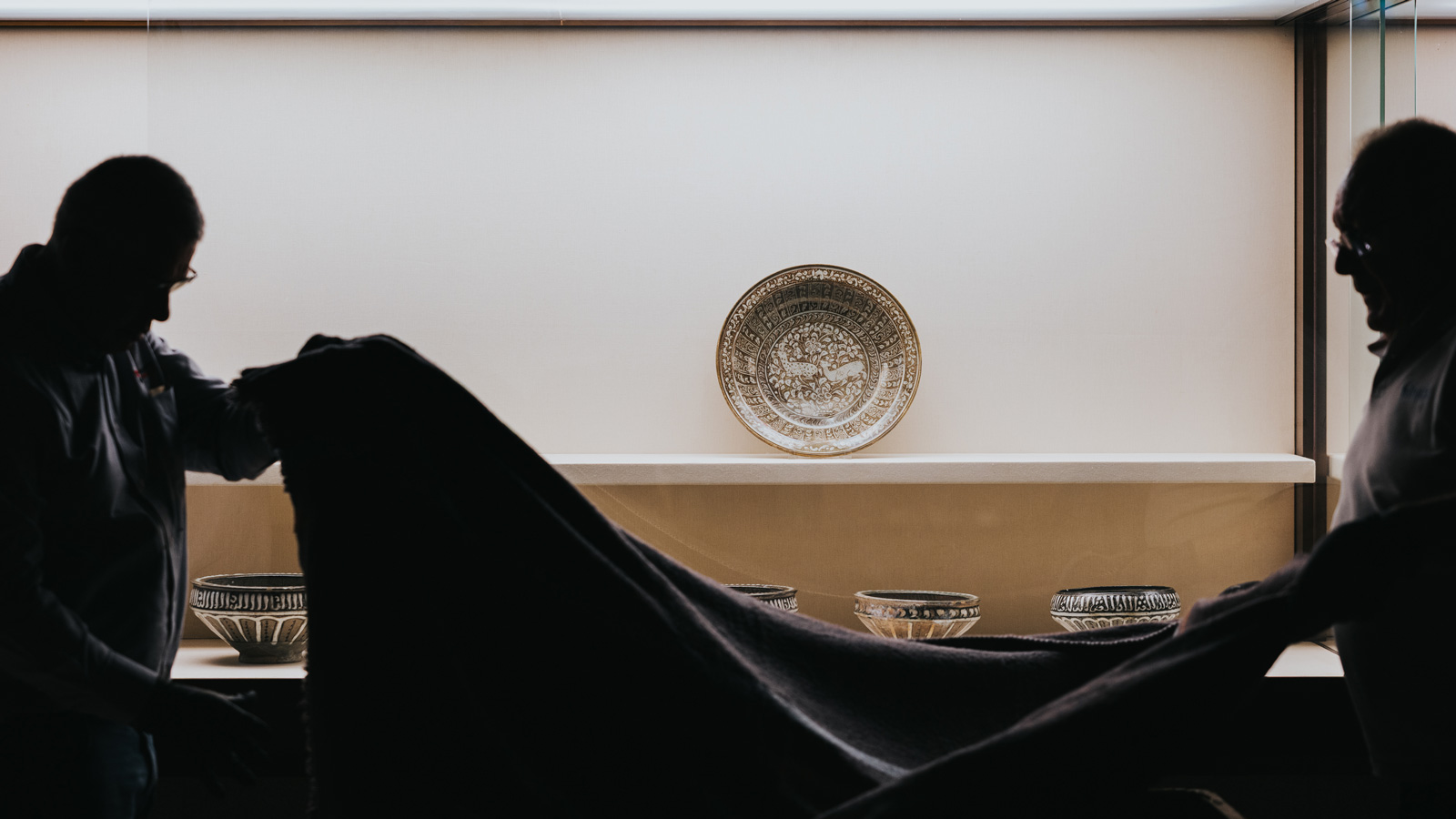
The collection of Iznik ceramics – produced between the 15th and 17th centuries in the Ottoman town of Iznik, in Anatolia, and known for their characteristic palette of blues, greens and reds – includes dozens of works, from tableware to large decorative panels.
During the renovation period, several of these pieces will undergo conservation, including the monumental panels that have remained on the Museum’s walls for decades. A specialised team has already examined the collection, preparing the works for the next stages of cleaning and conservation.
Collection Heavyweights
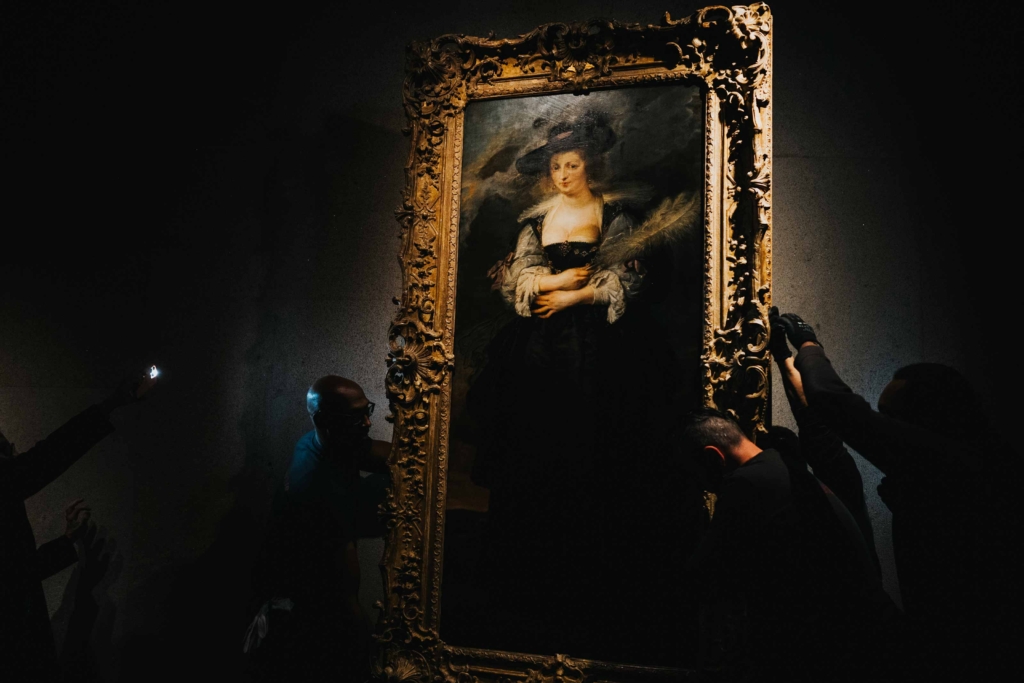
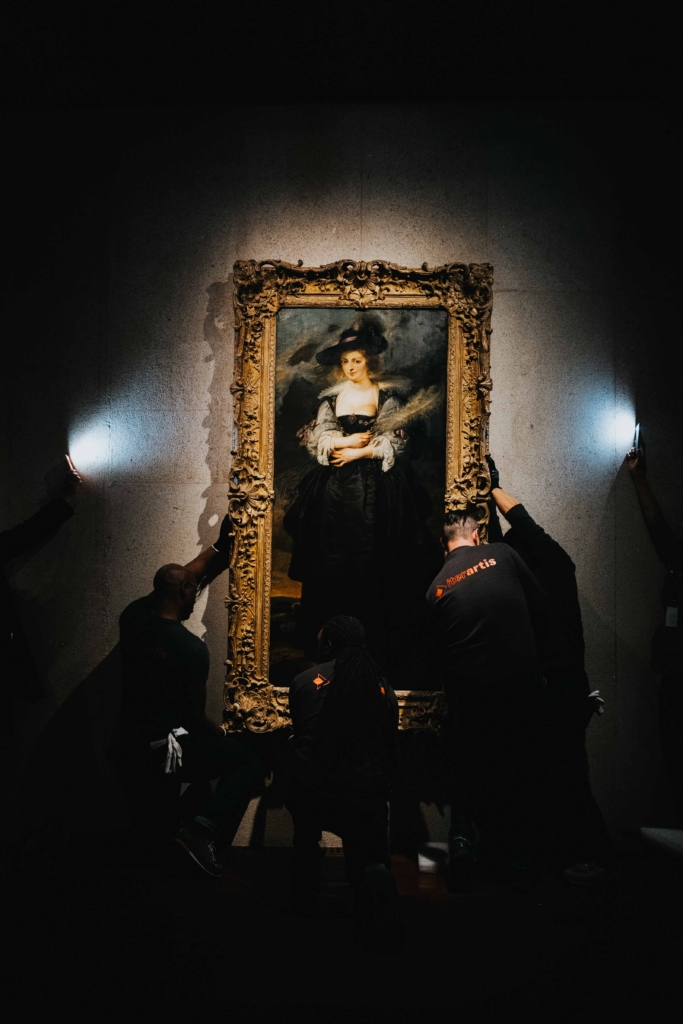
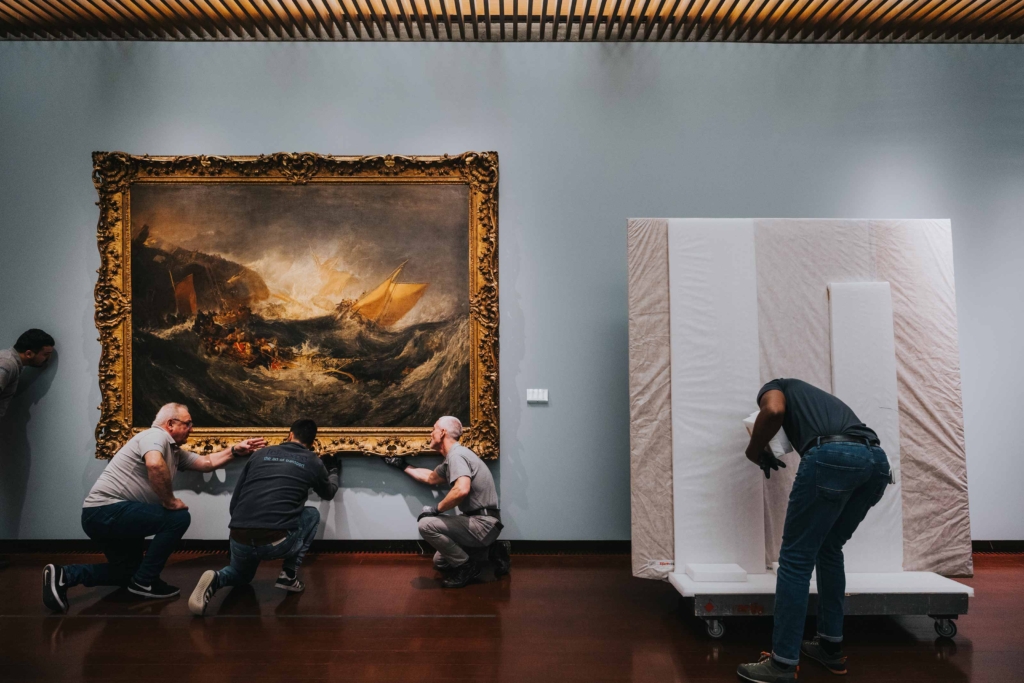
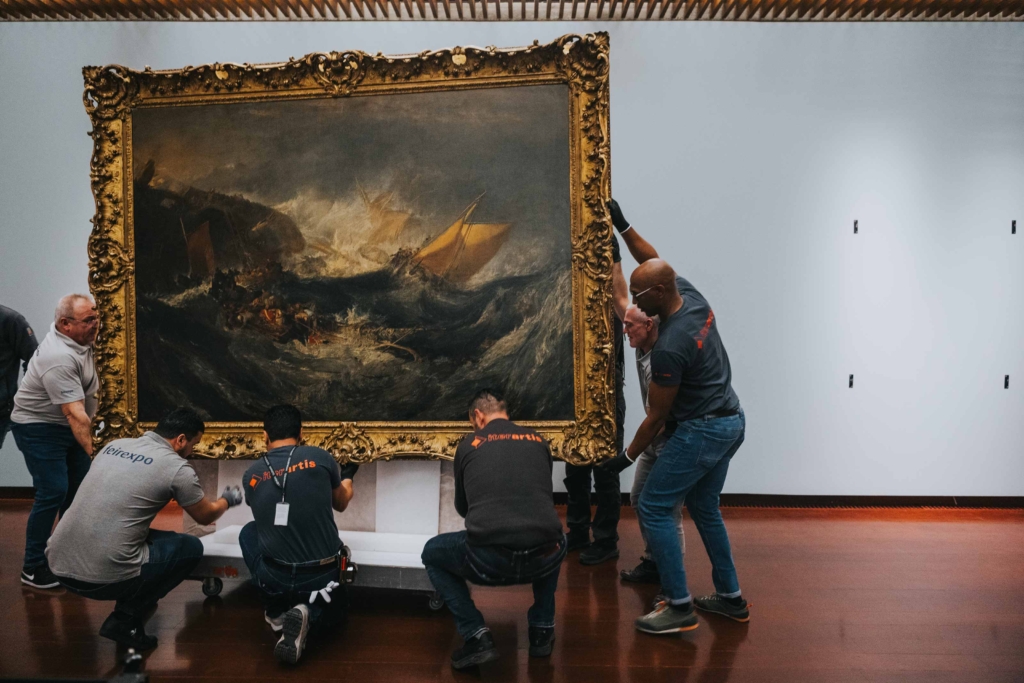
/
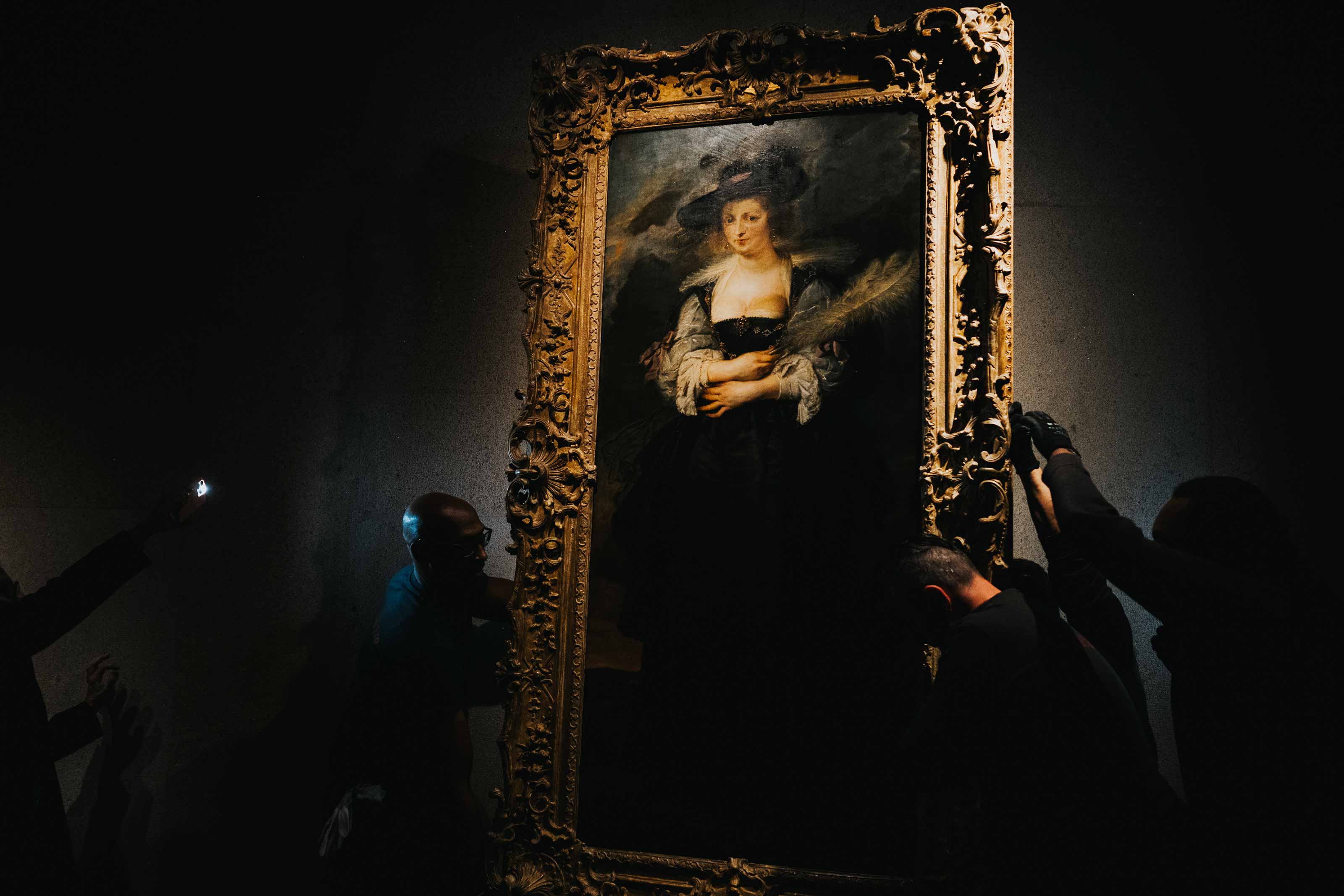
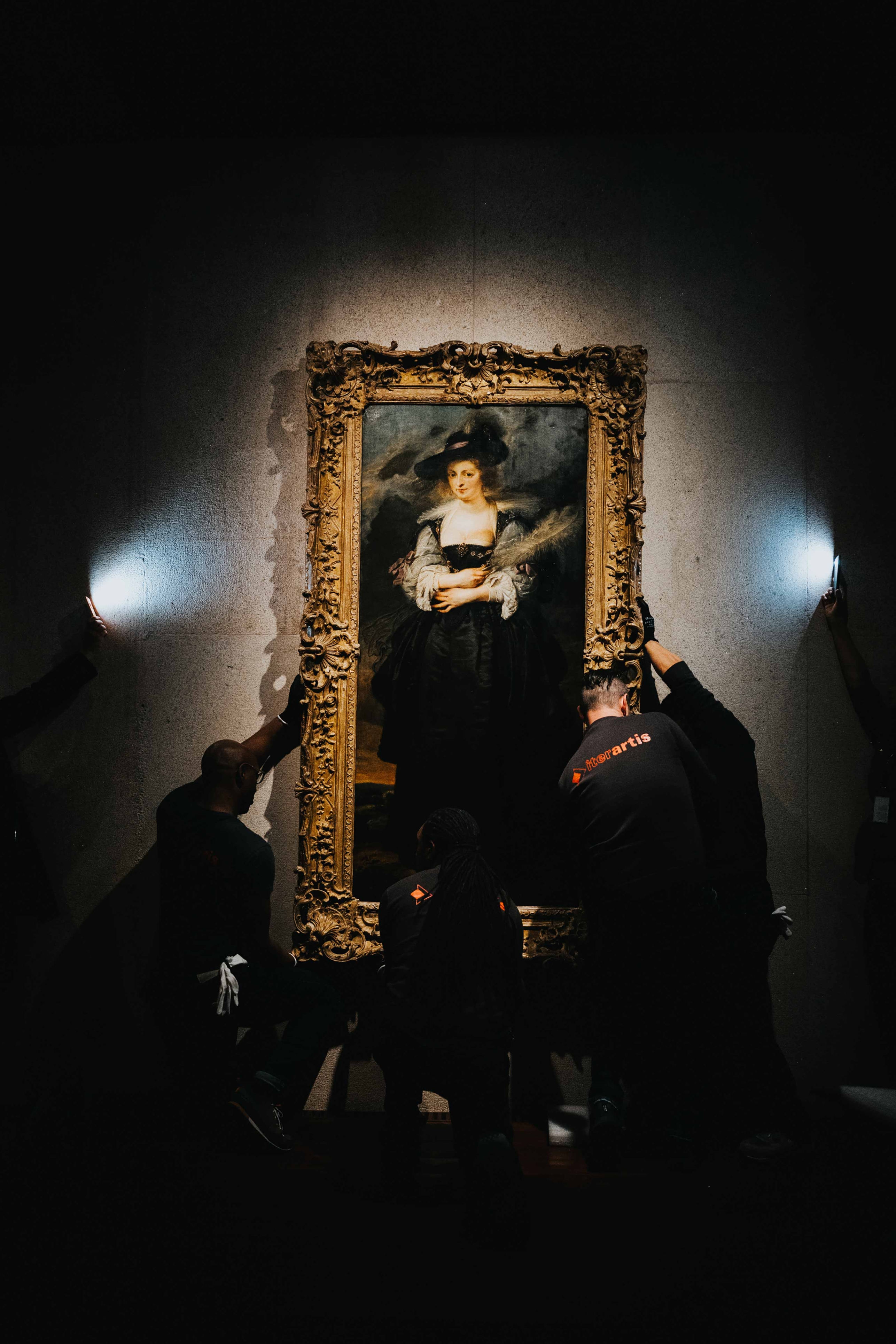
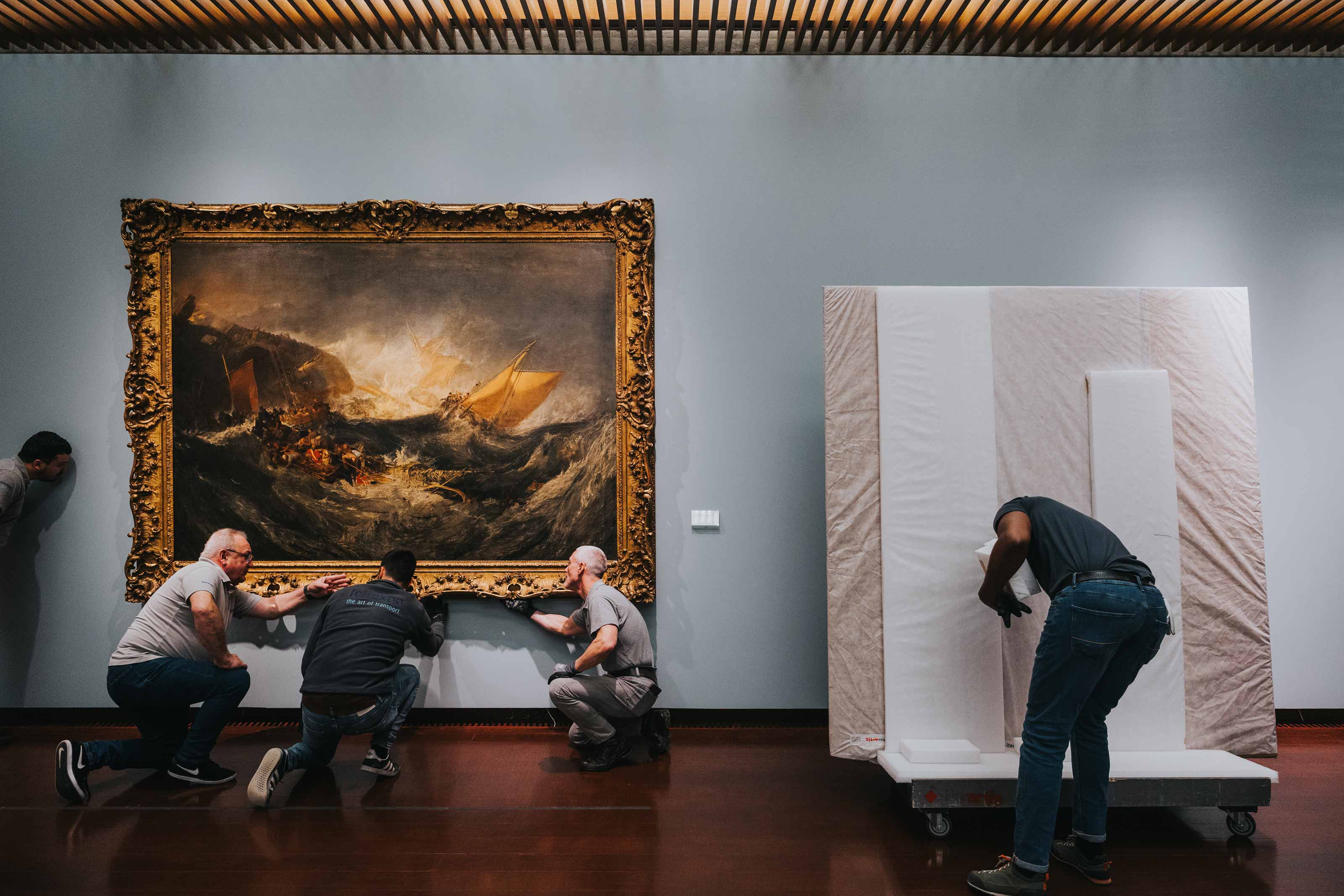
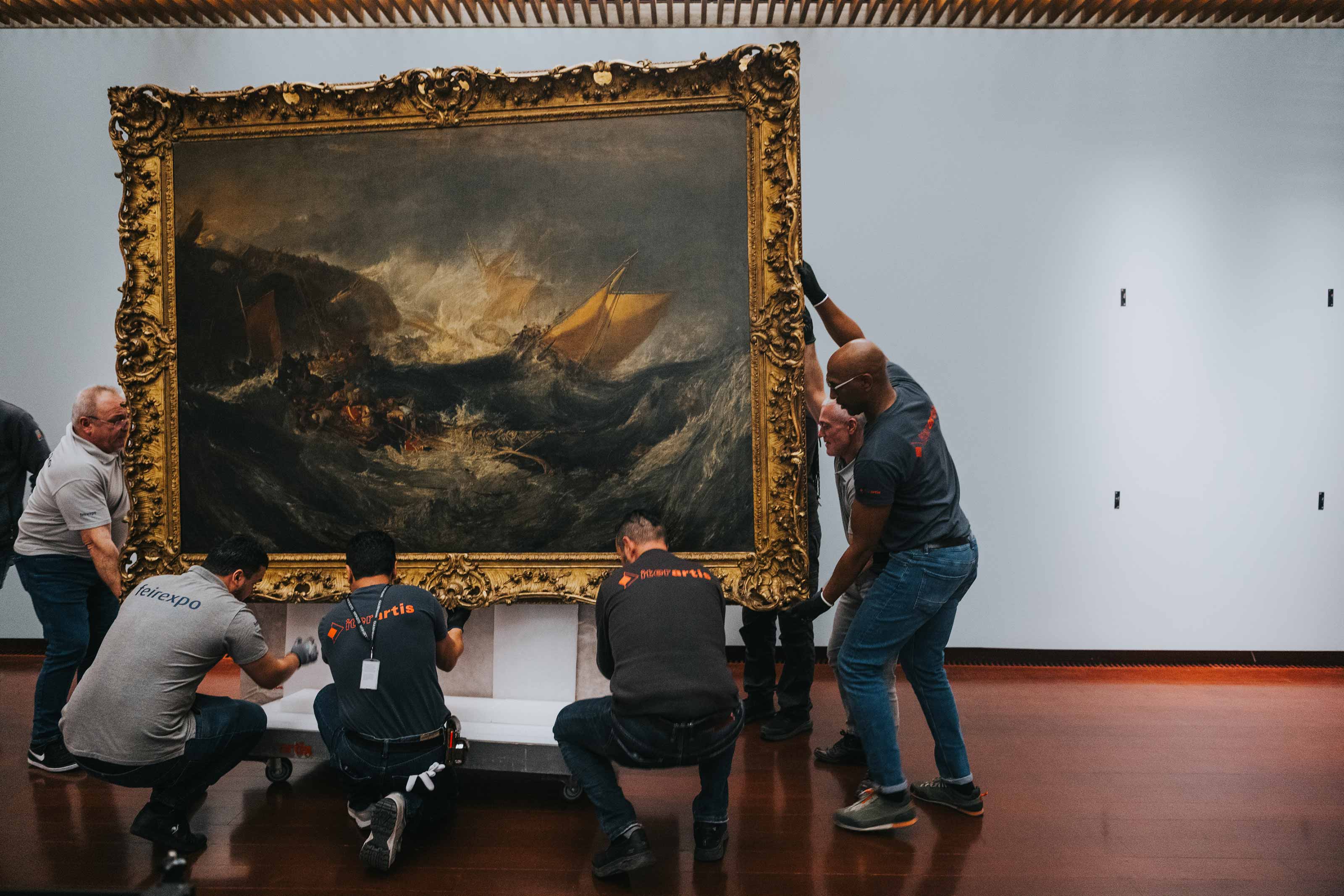
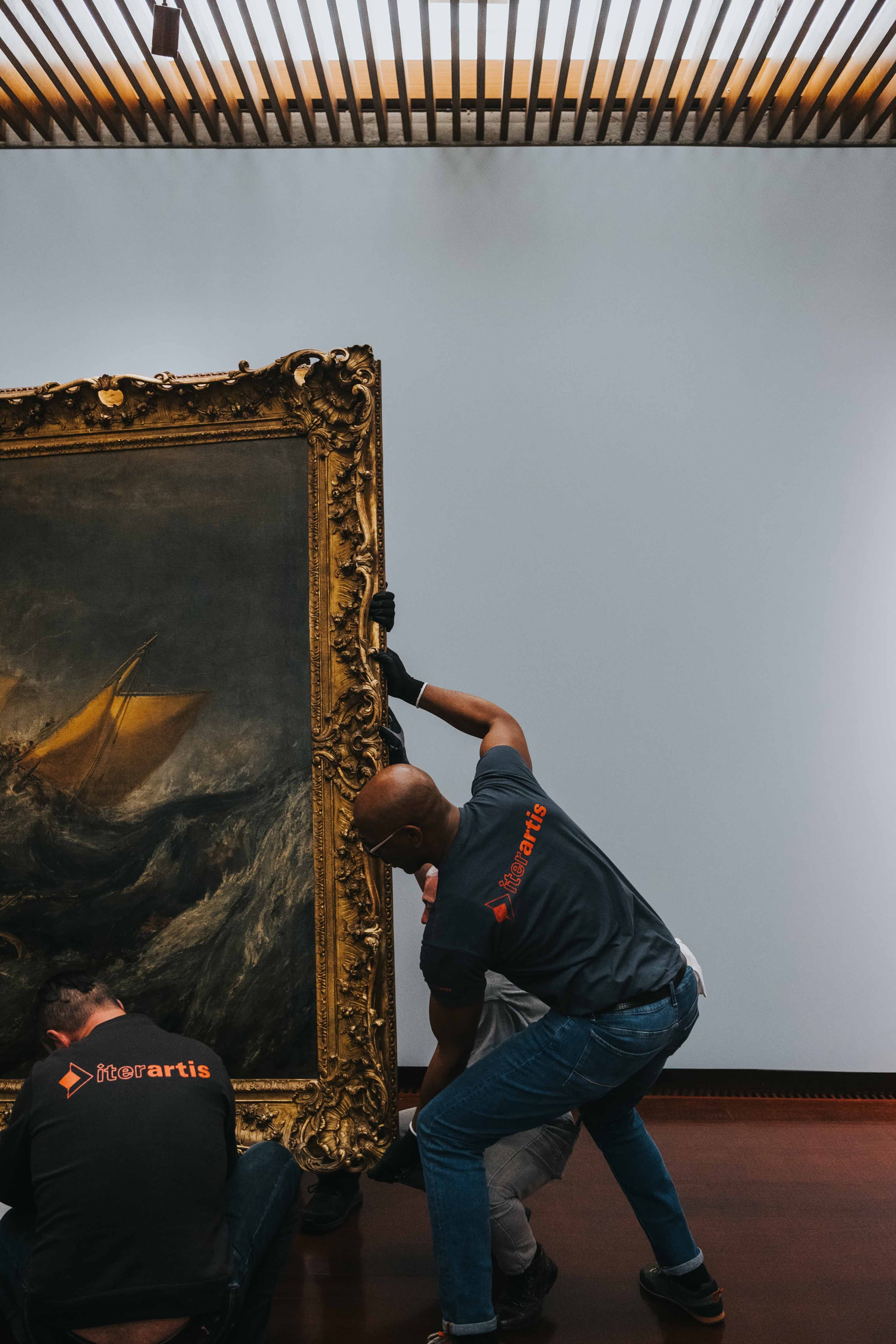
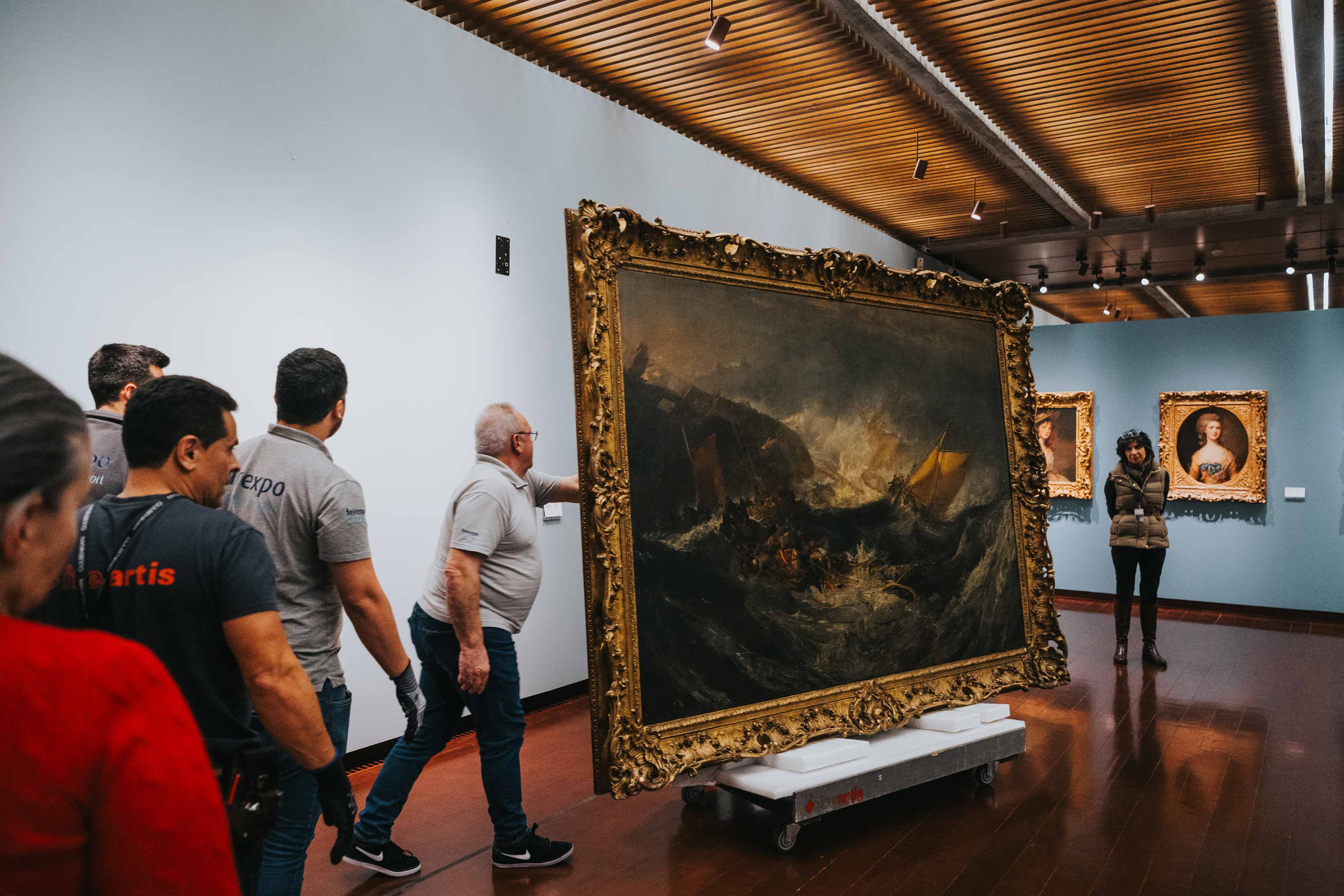
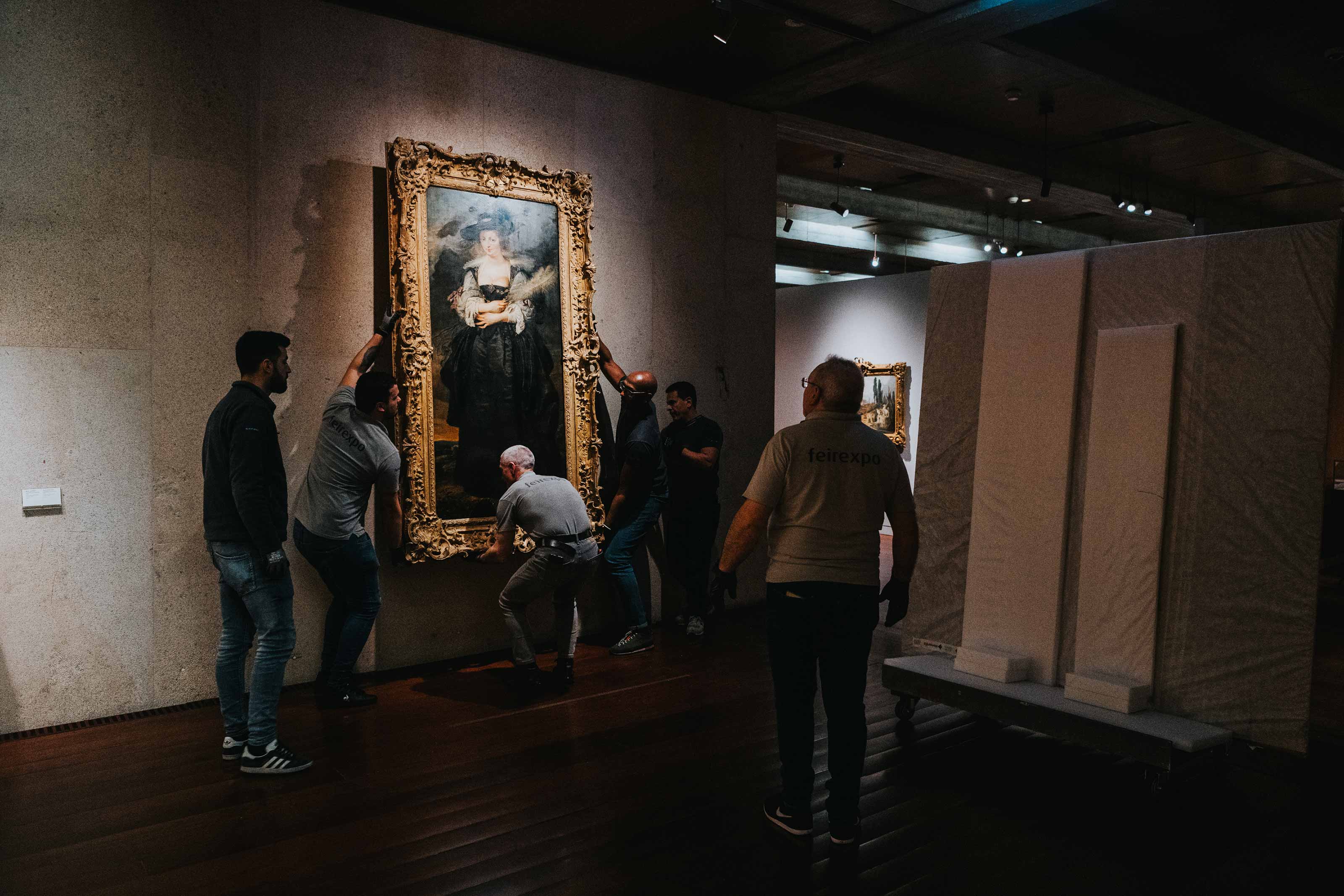
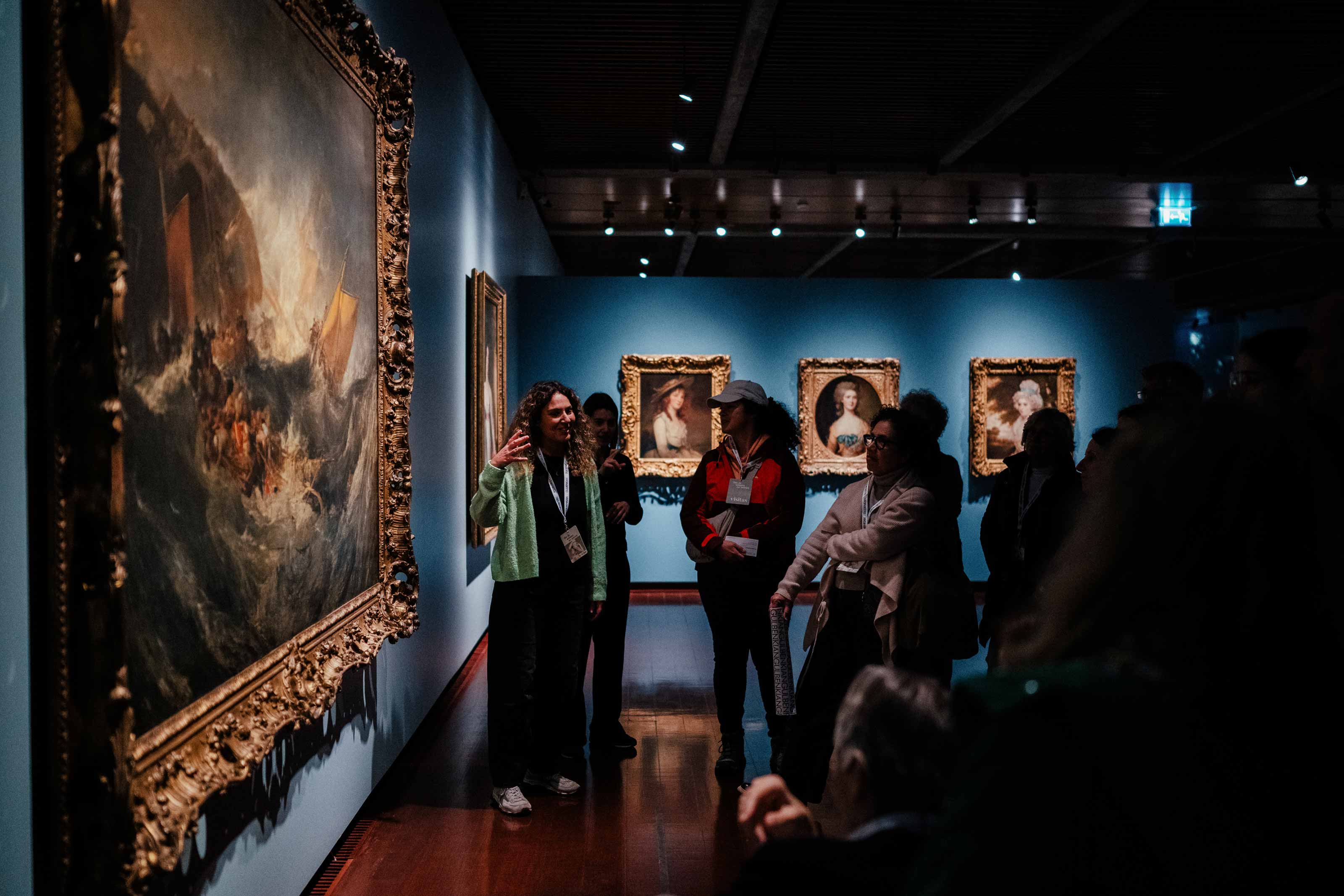
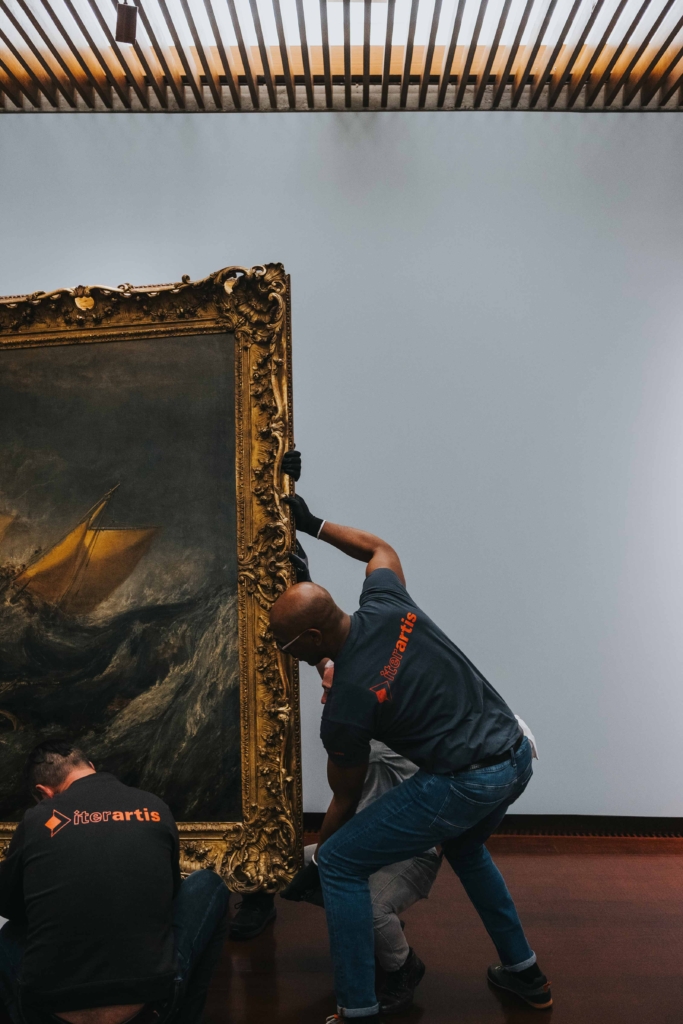
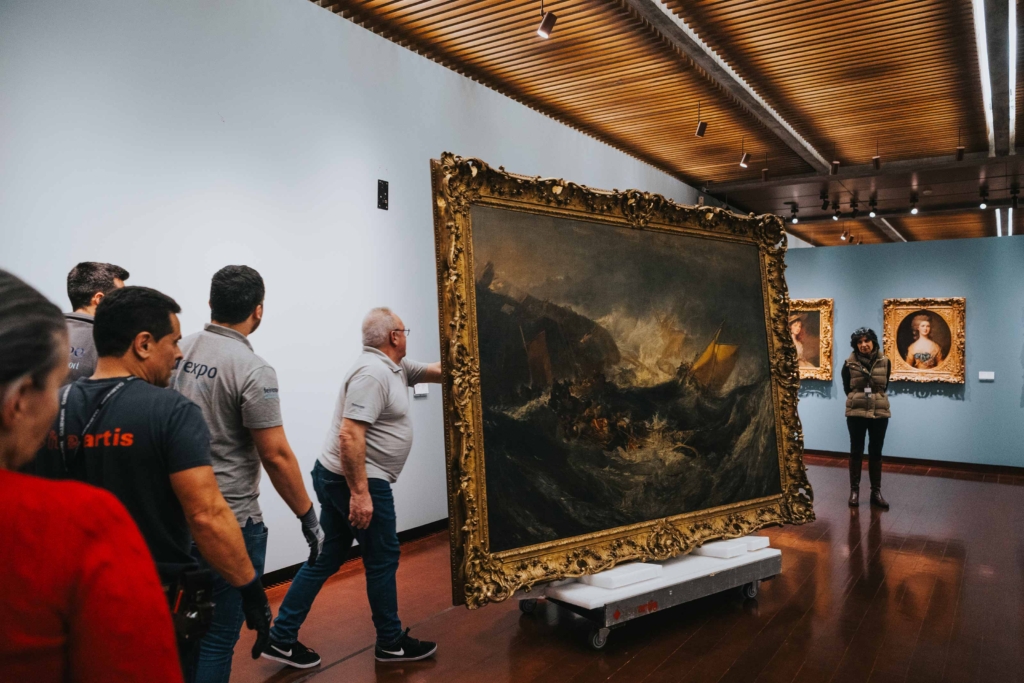
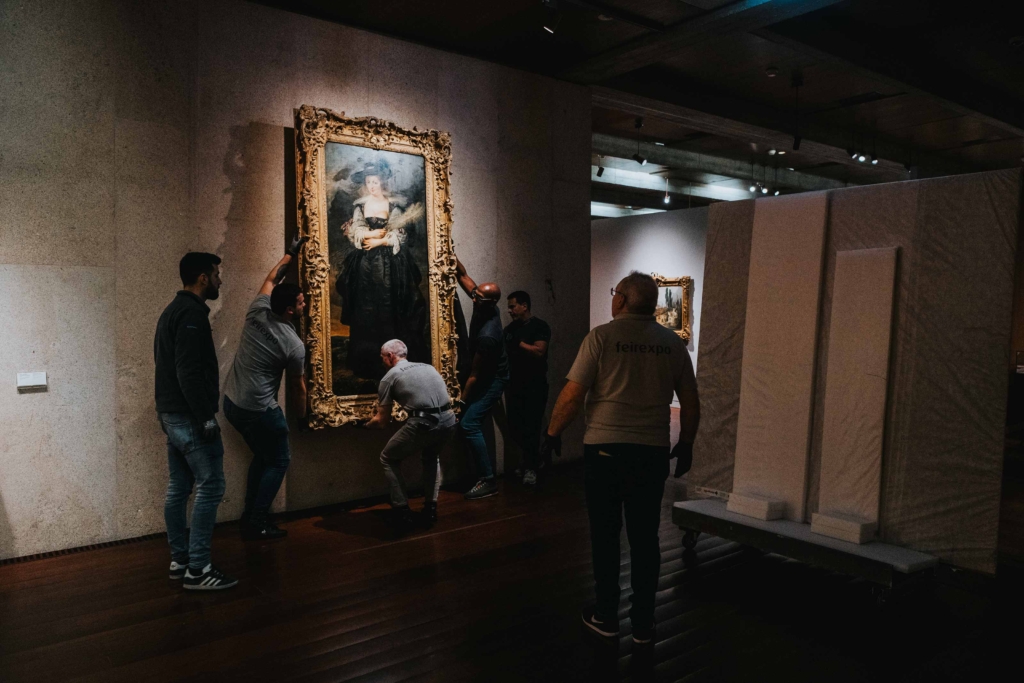
The Wreck of a Transport Ship by Joseph William Turner and Portrait of Helena Fourment by Peter Paul Rubens are not only two of the most celebrated paintings in the Calouste Gulbenkian Collection, but also among the heaviest.
Taking them down is a careful, collective effort. Under the watchful eye of curator Luísa Sampaio, and with the help of specially adapted supports, the paintings are gently lifted from the wall and prepared for their journey to the storage area, where they will rest safely until the next exhibition.
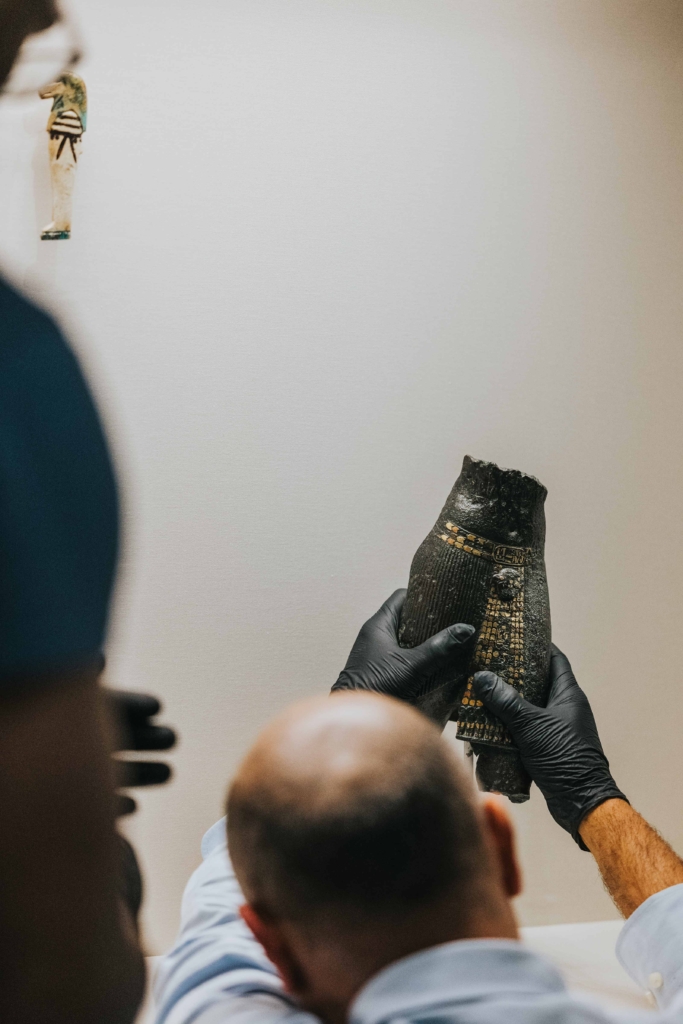
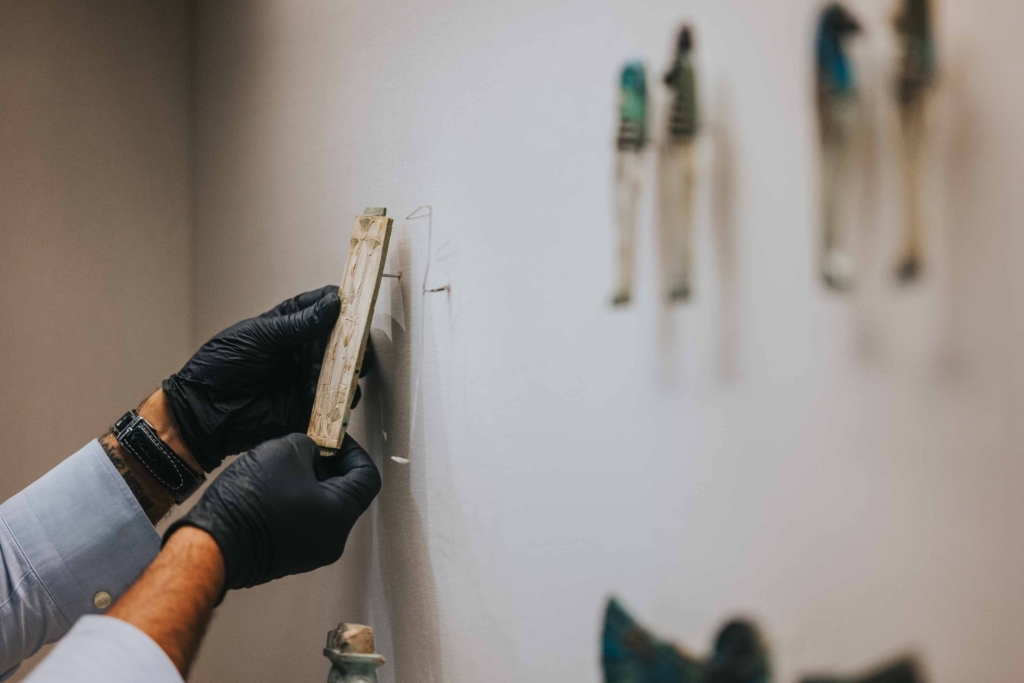
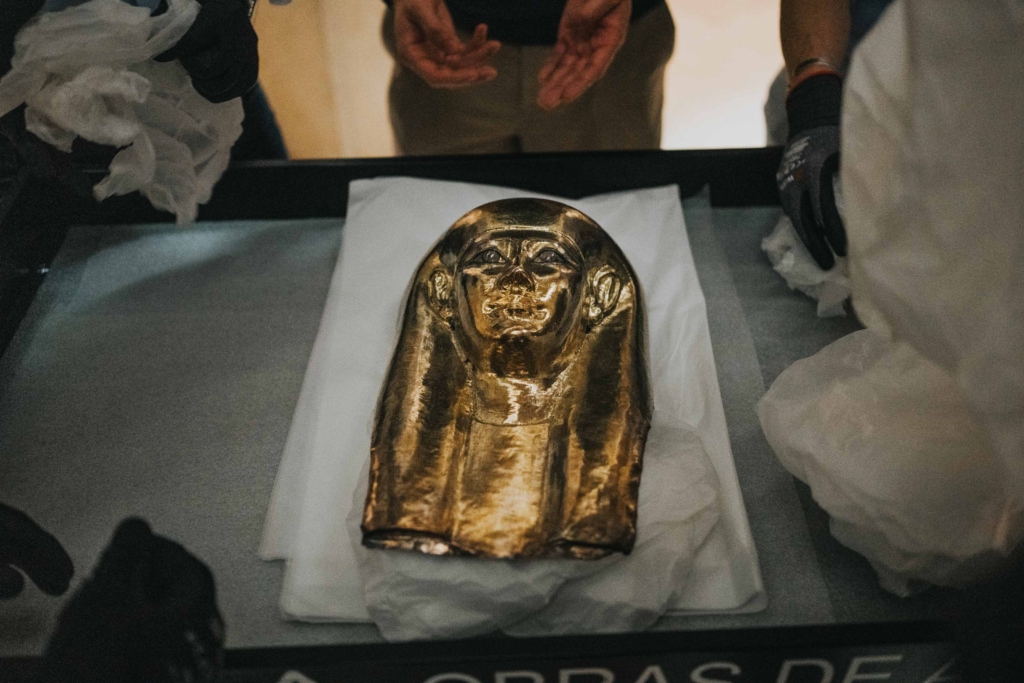
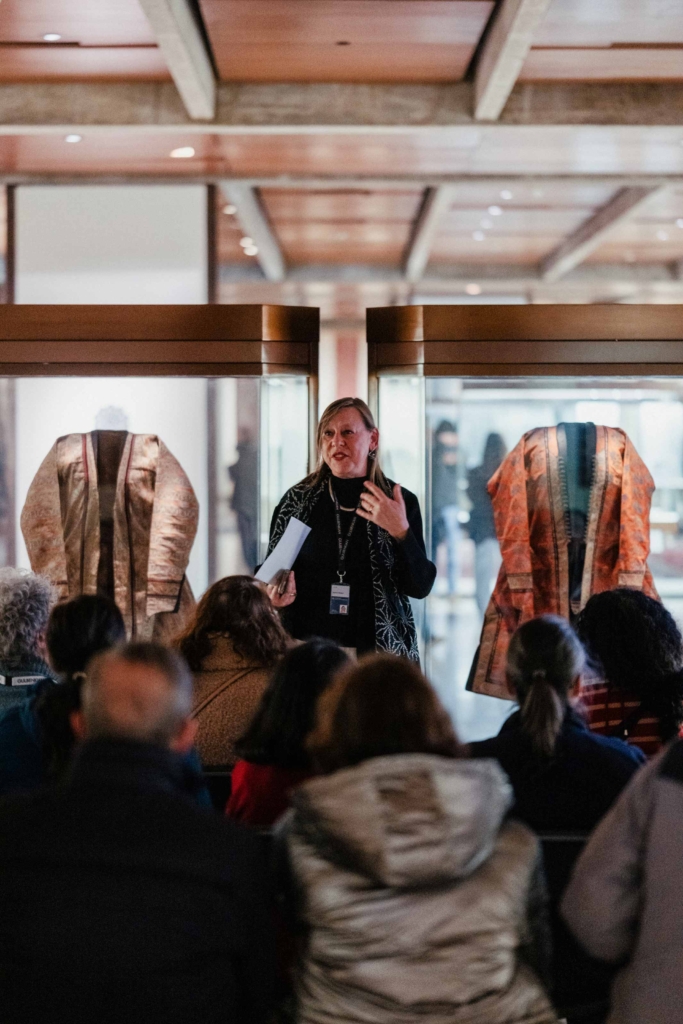
Preparing the Ancient Egypt gallery for renovation
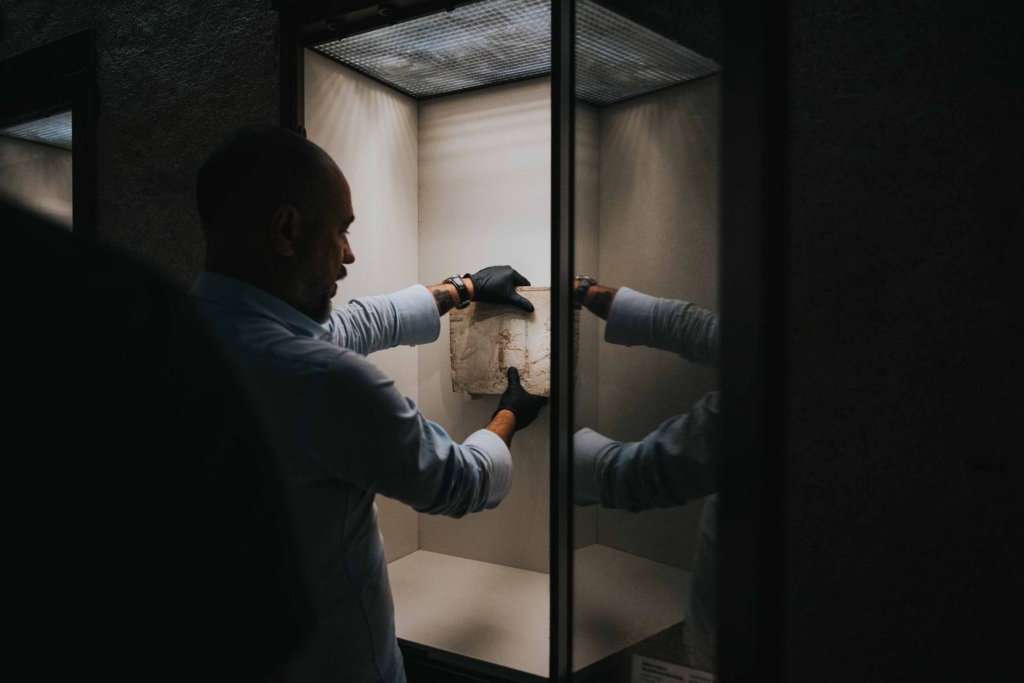
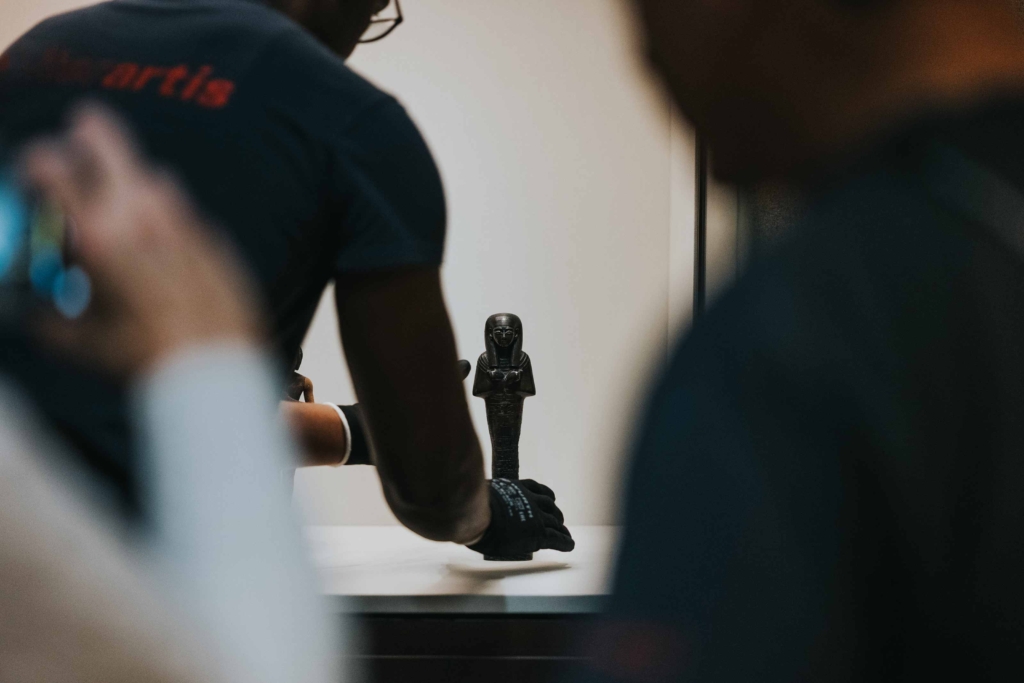
/
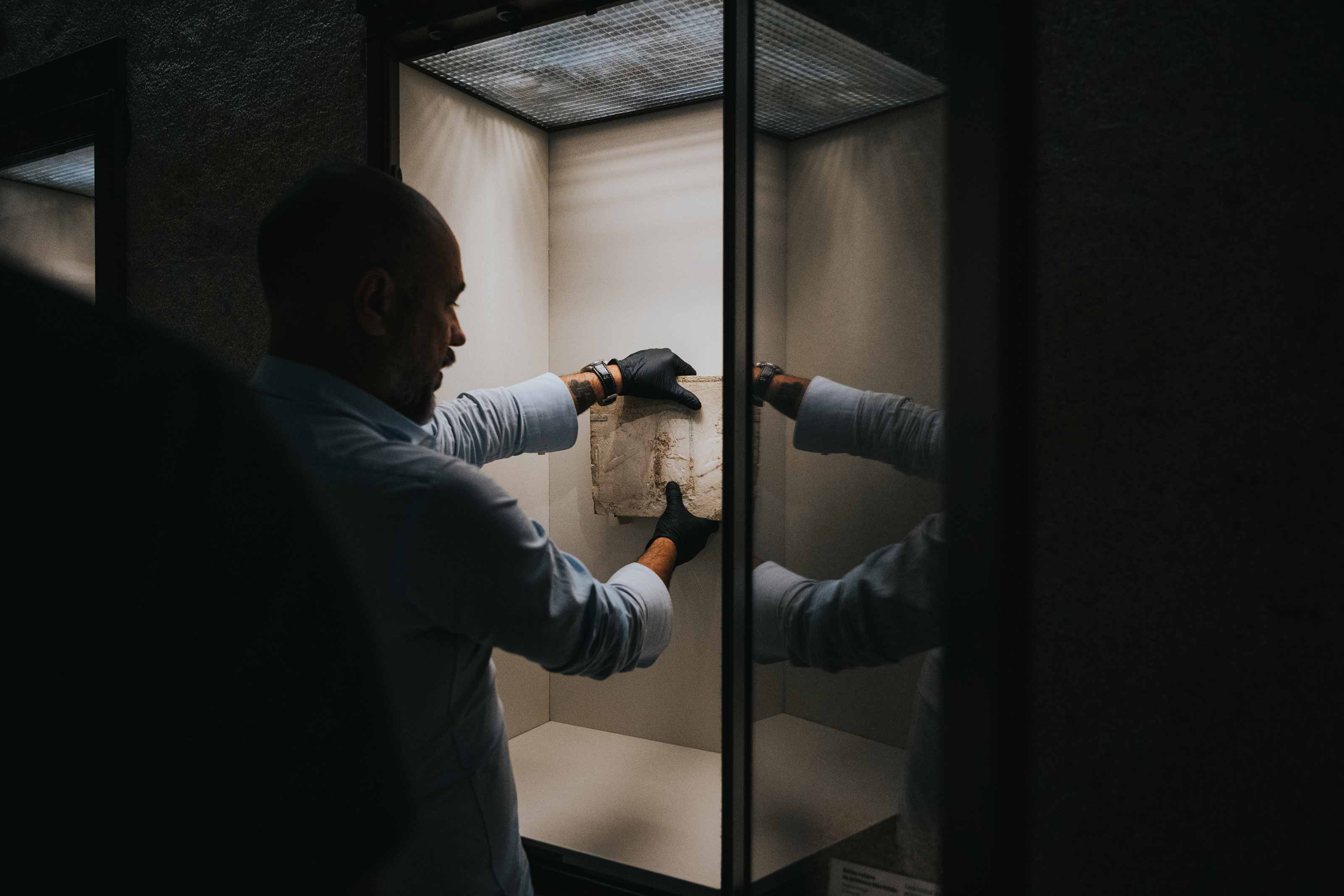
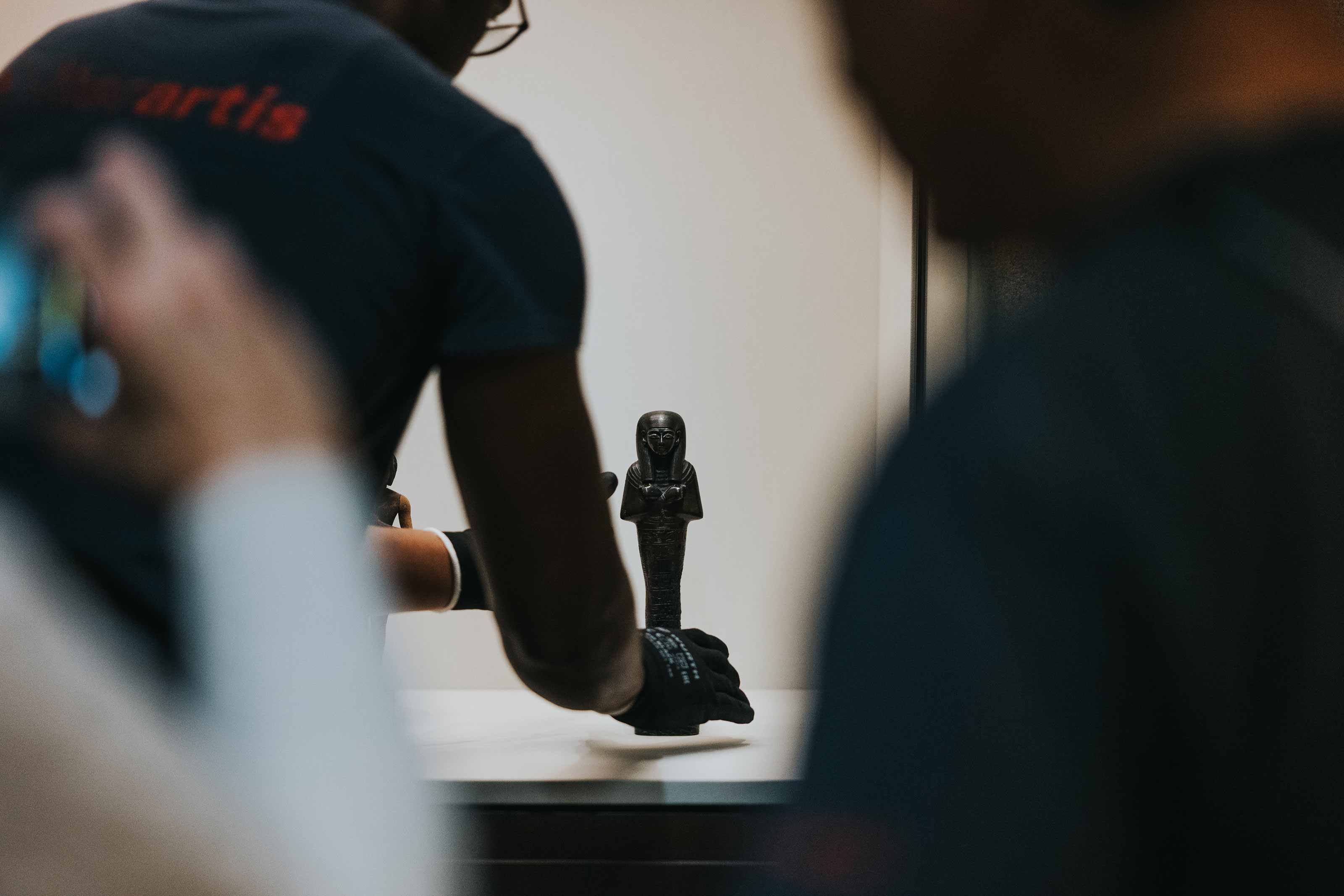
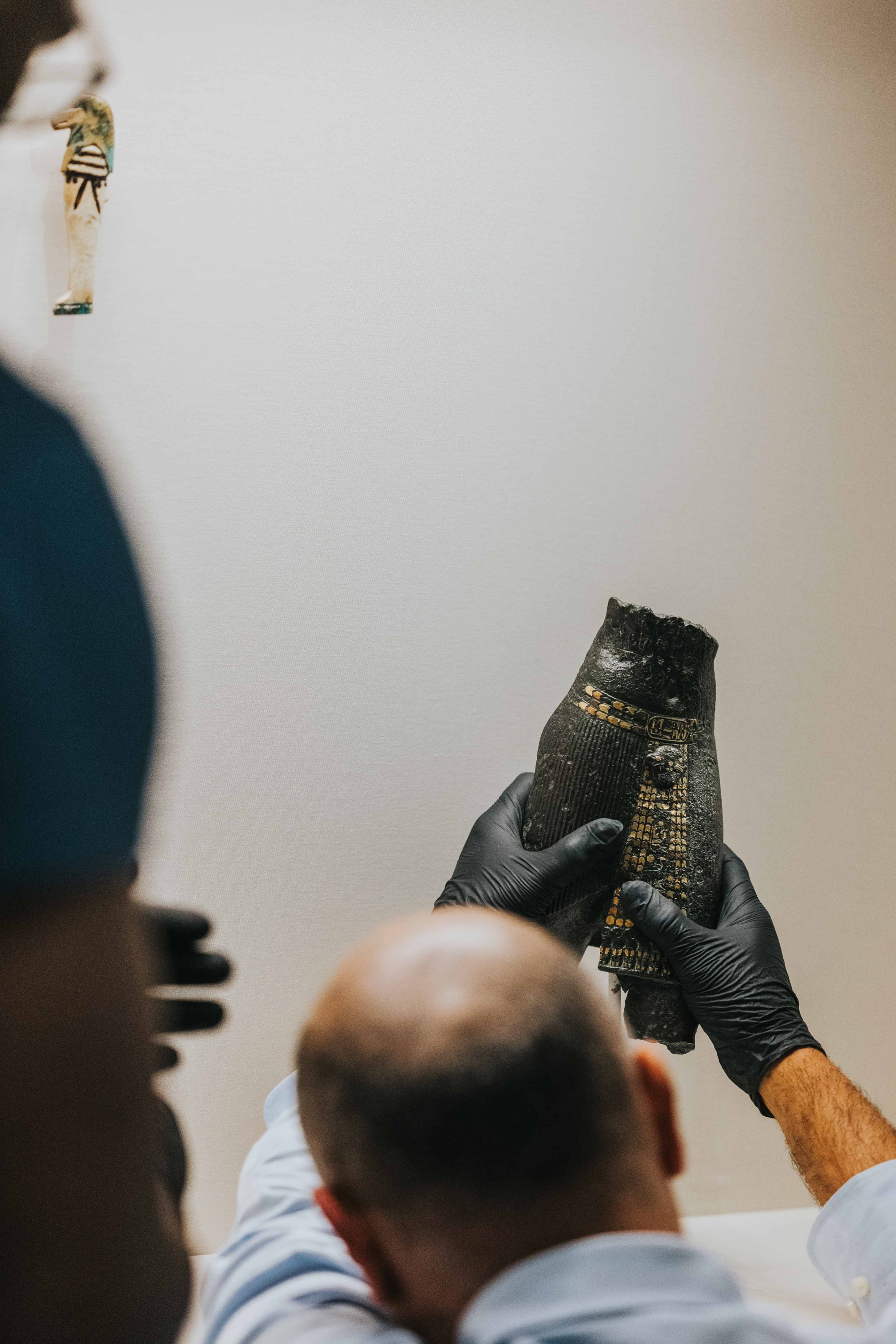
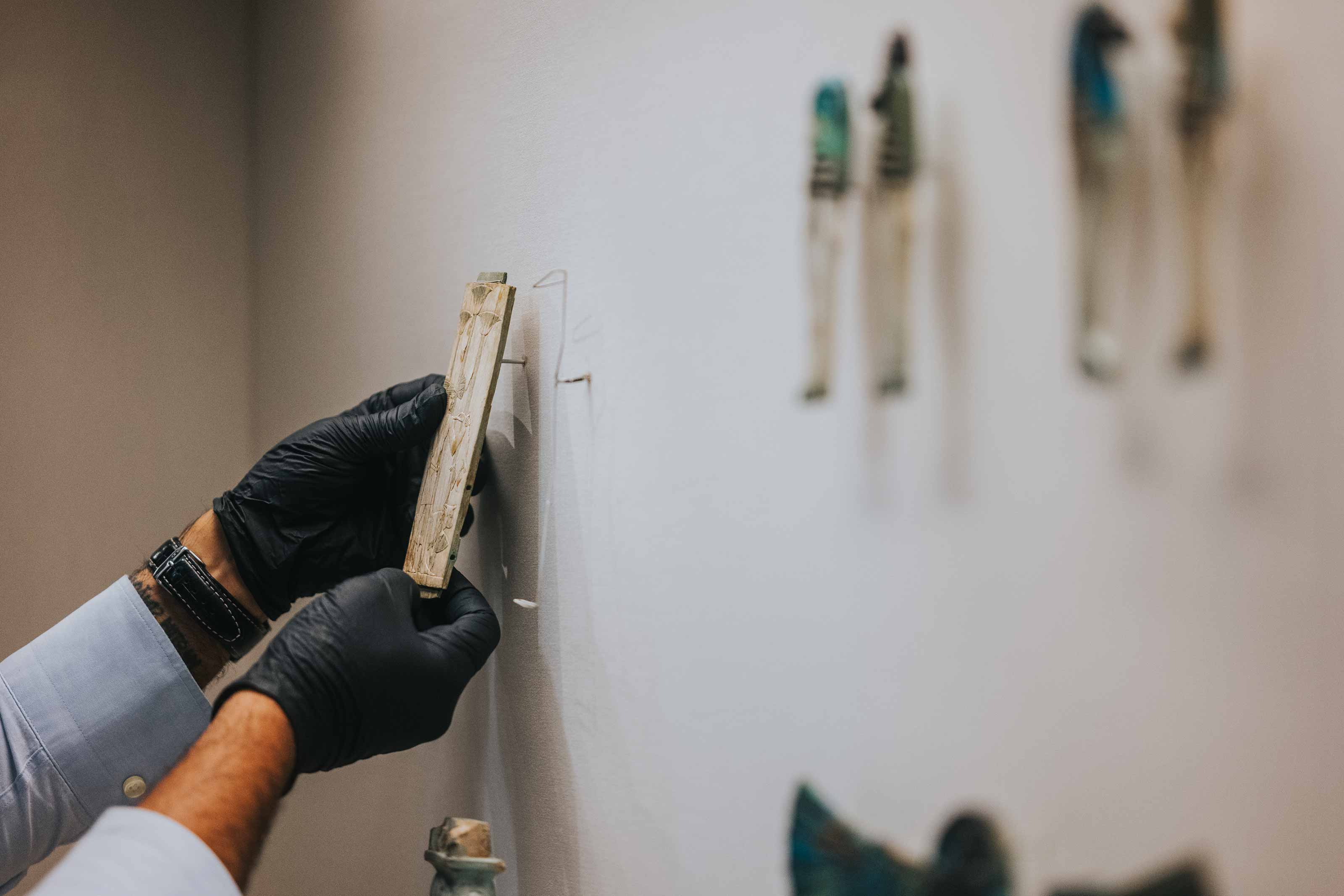
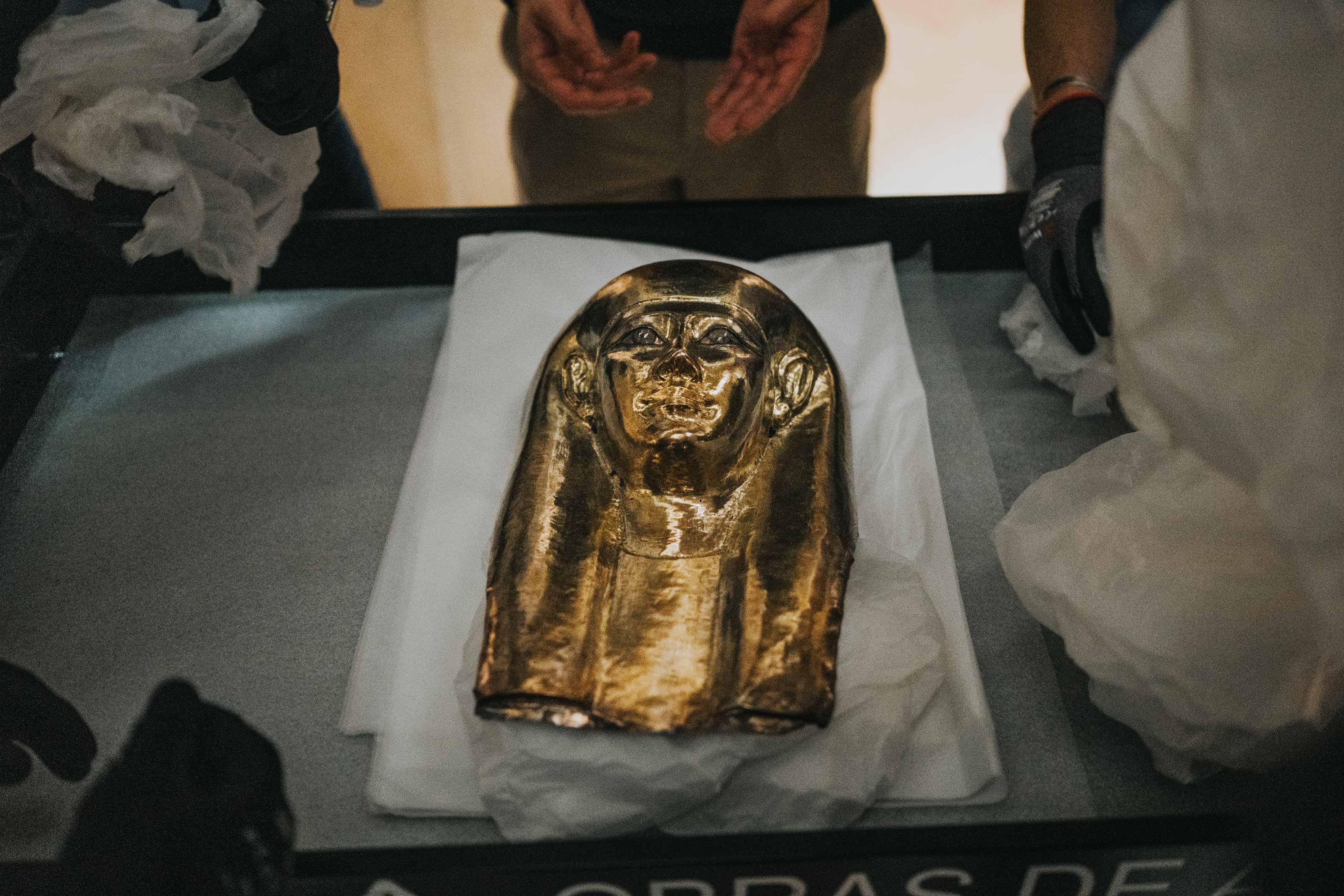
A look inside the Museum’s first gallery, dedicated to the Ancient Egyptian Art, as these precious works are carefully taken out for our reserves.
Calouste Gulbenkian acquired many of these pieces with the guidance of British Egyptologist Howard Carter, best known for discovering the tomb of Tutankhamun.
During the renovation, we’ll be closely following the research, conservation and restoration of some of these works.
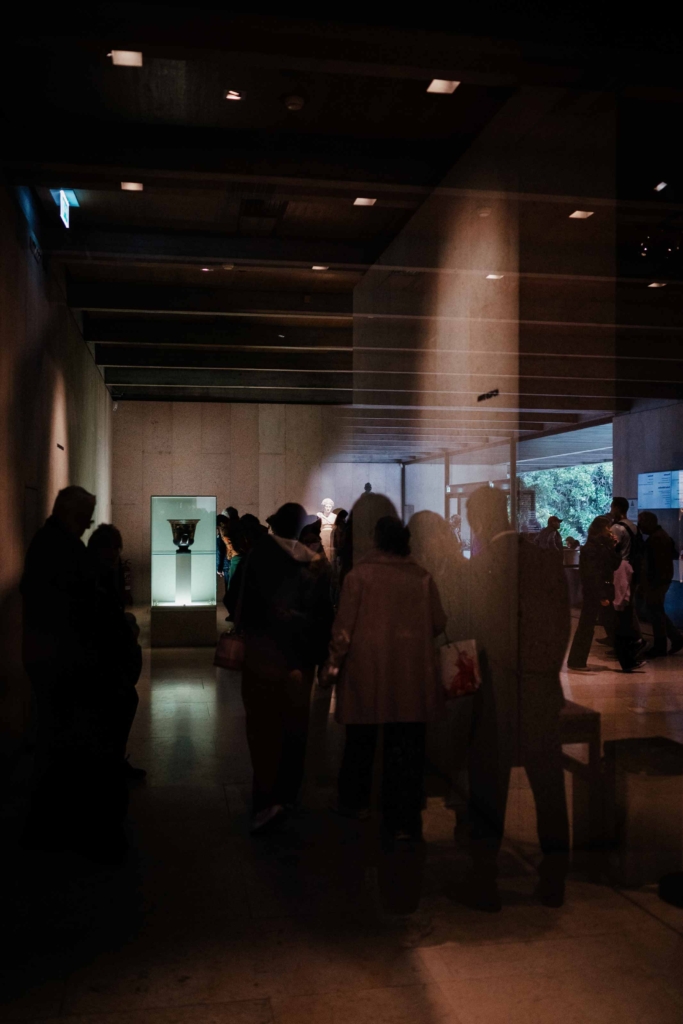
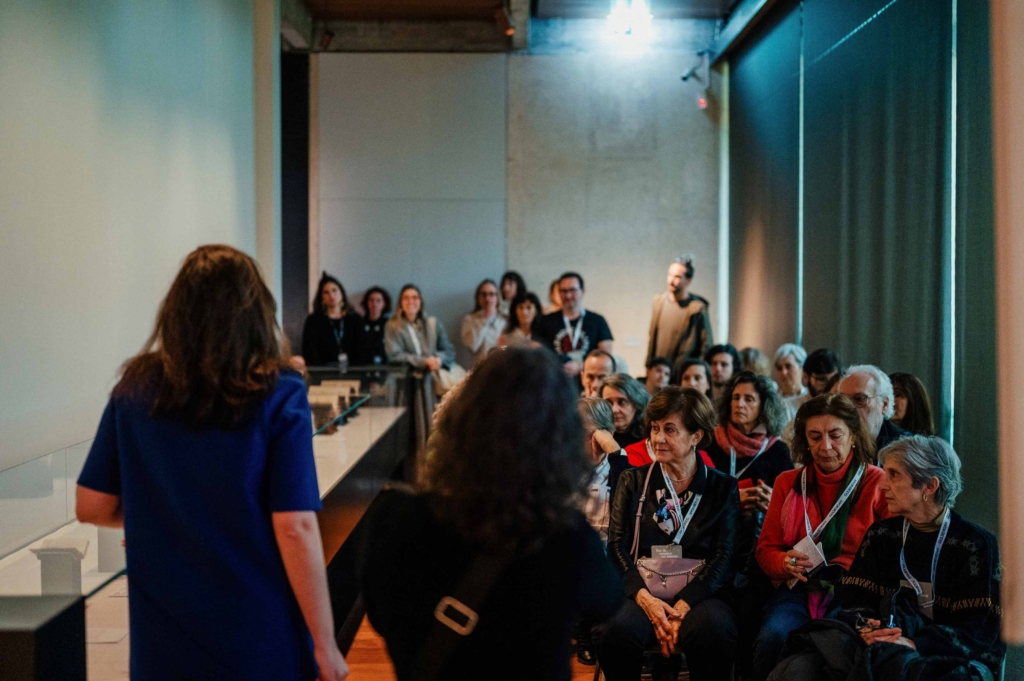
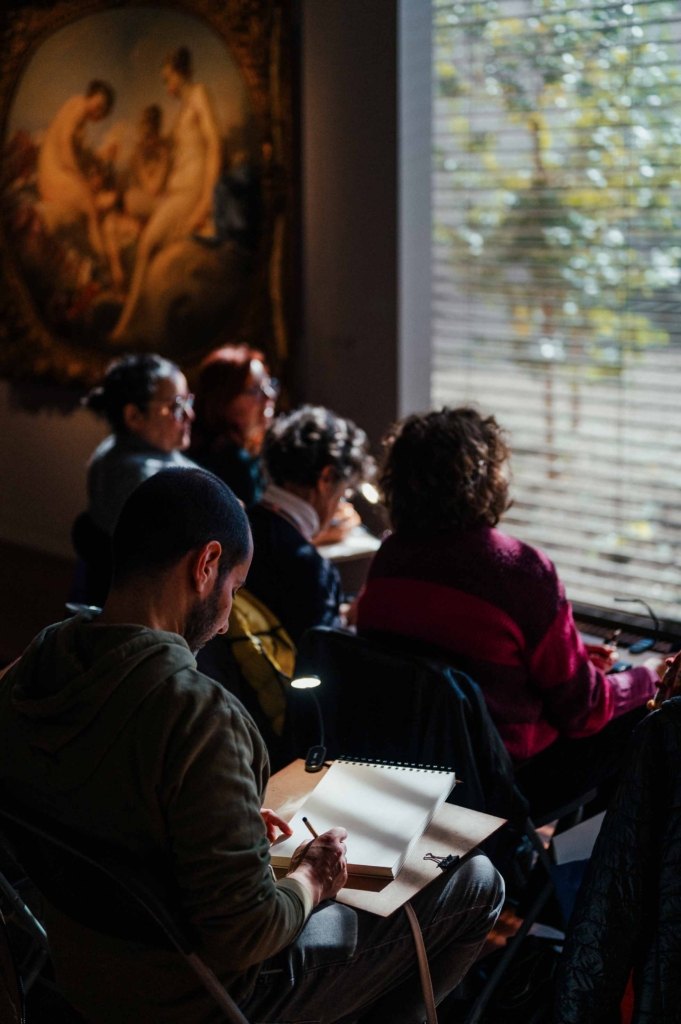
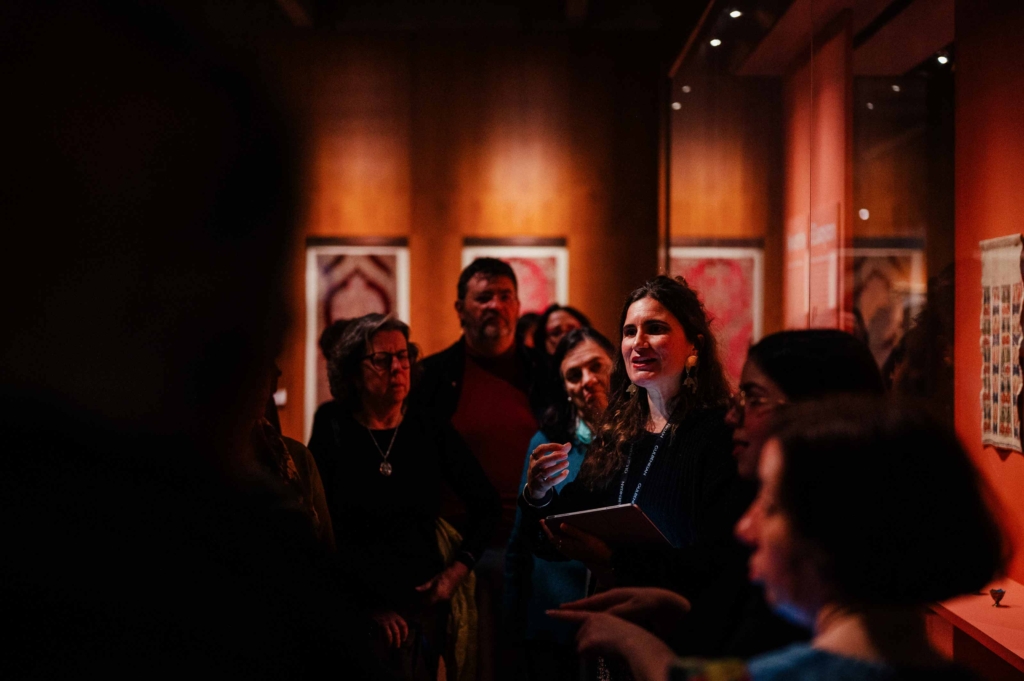
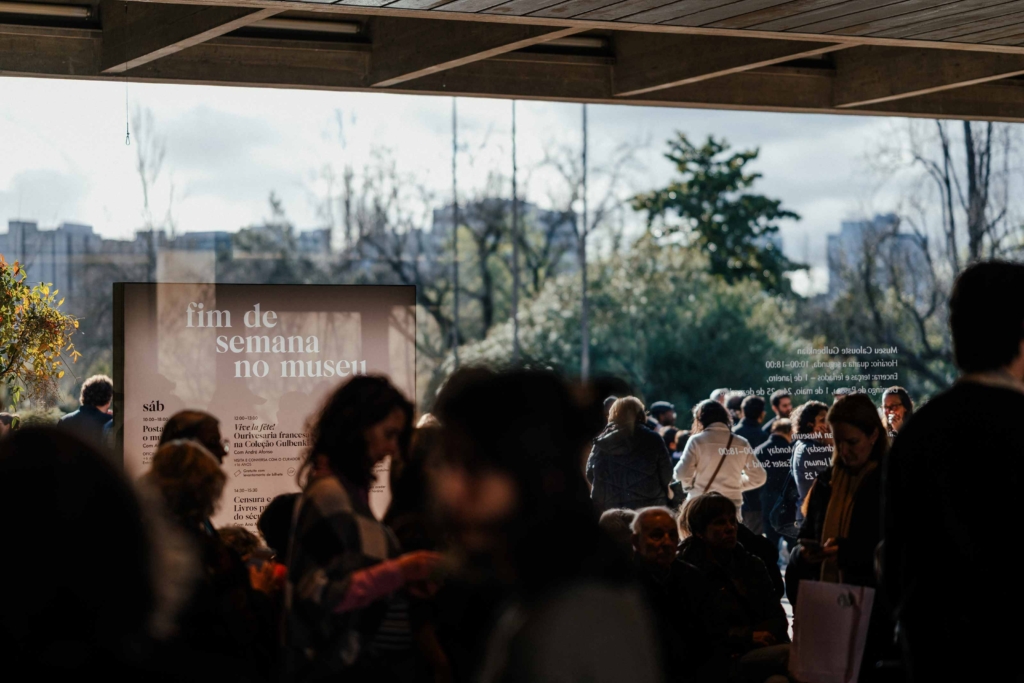
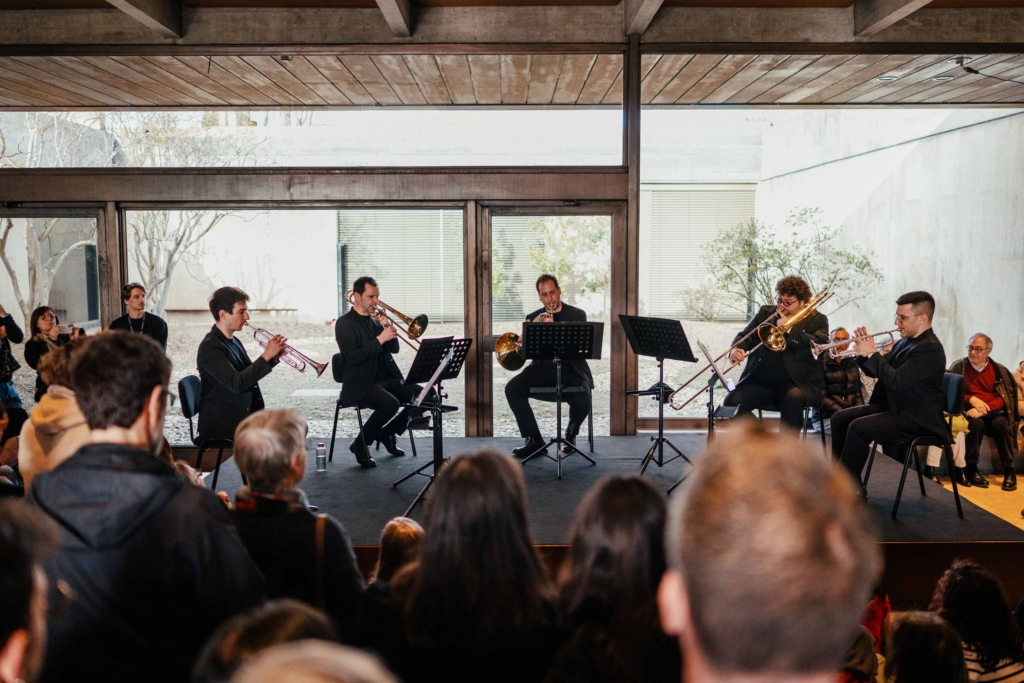
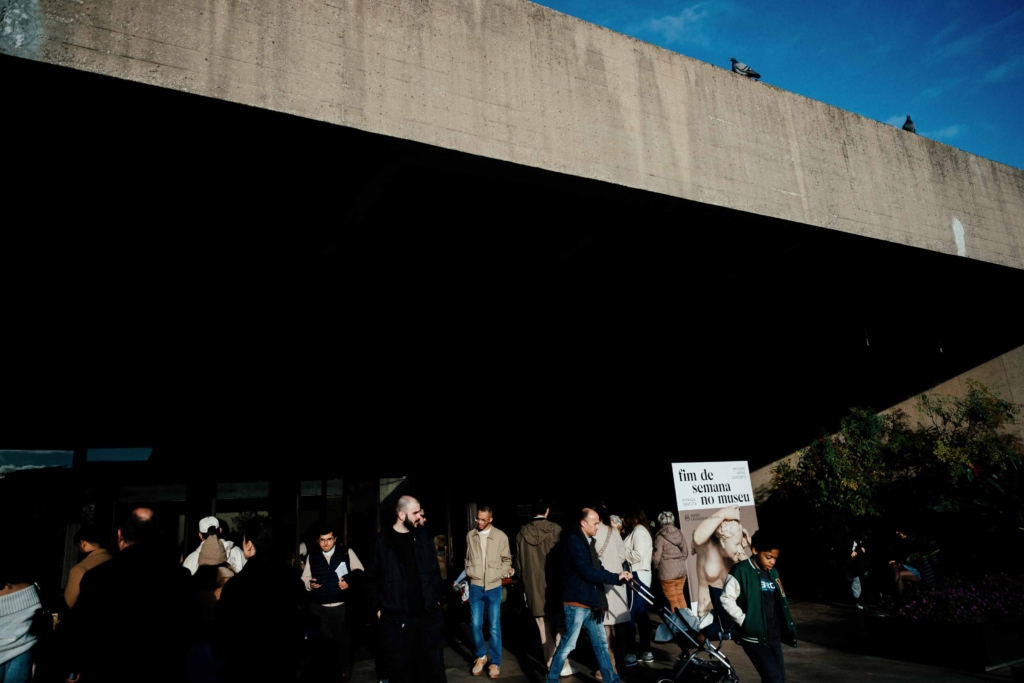
A weekend to remember
/
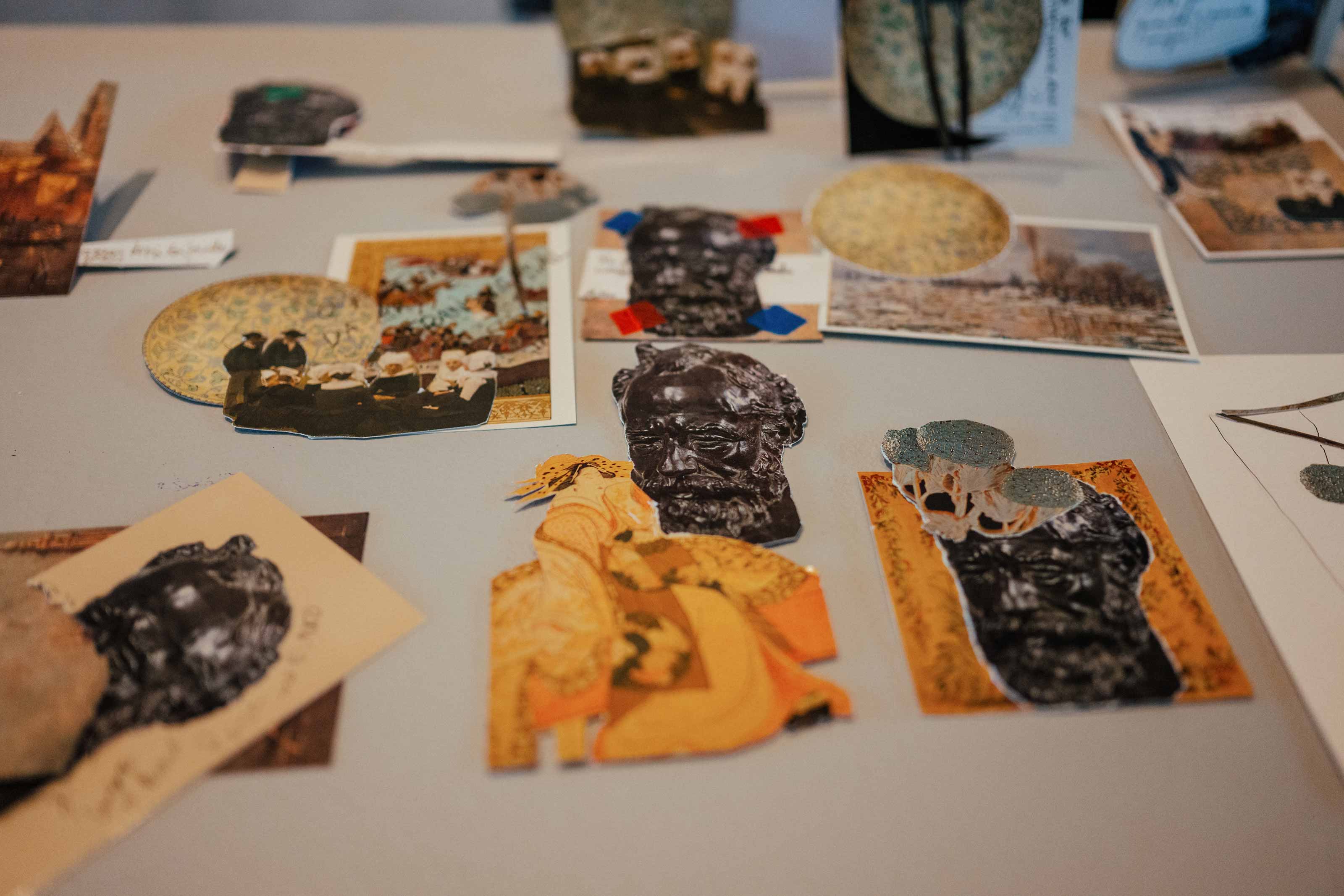
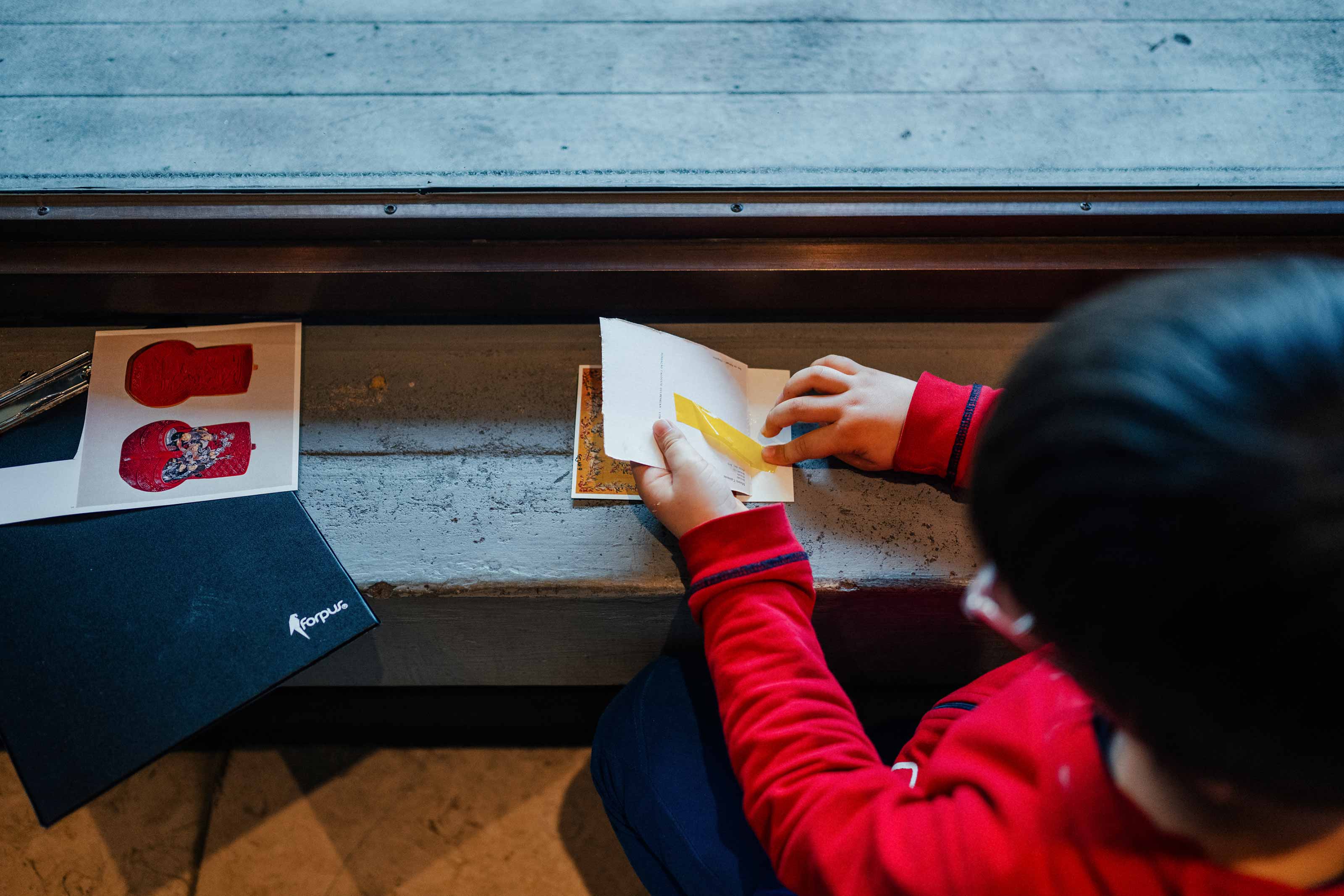
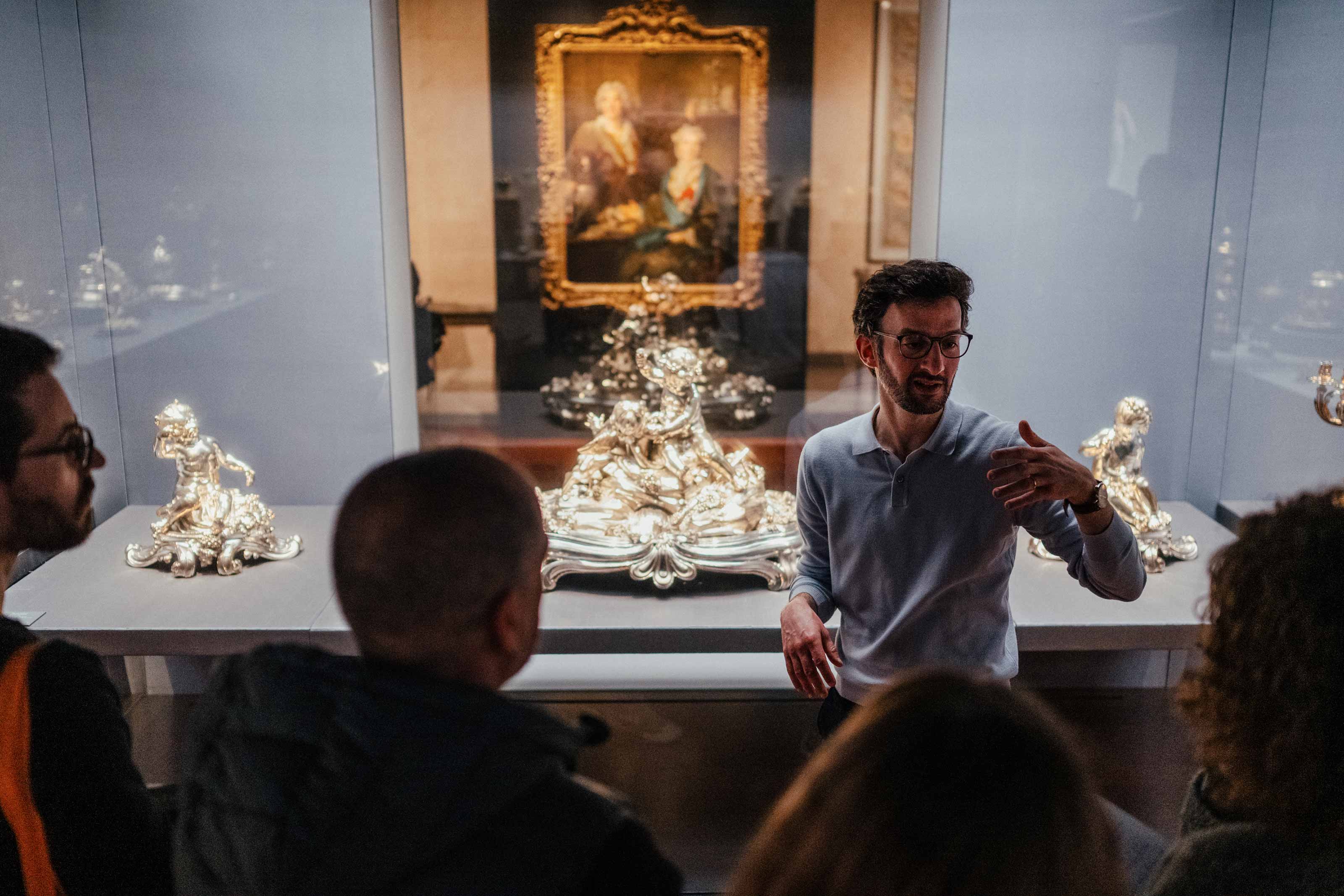
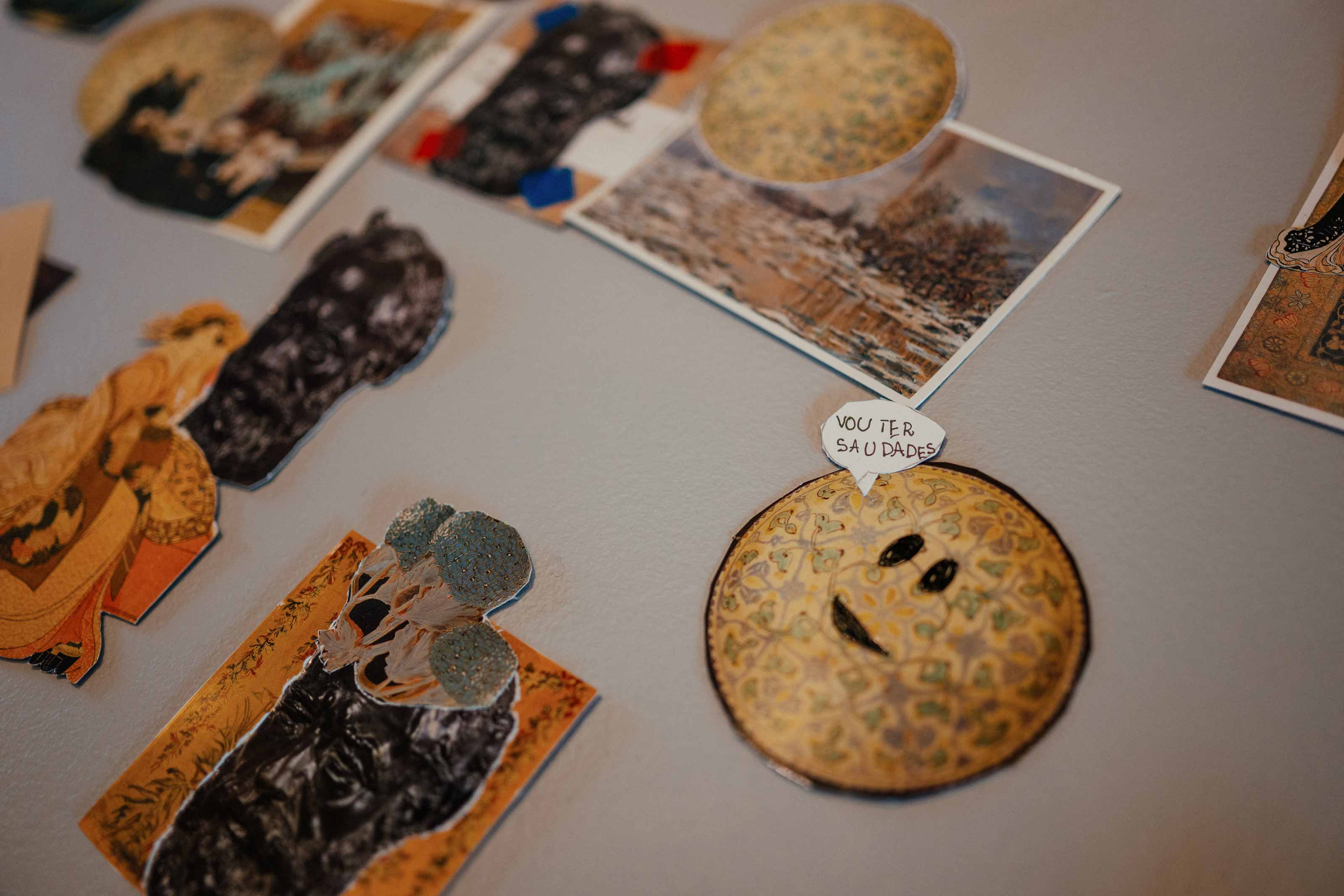
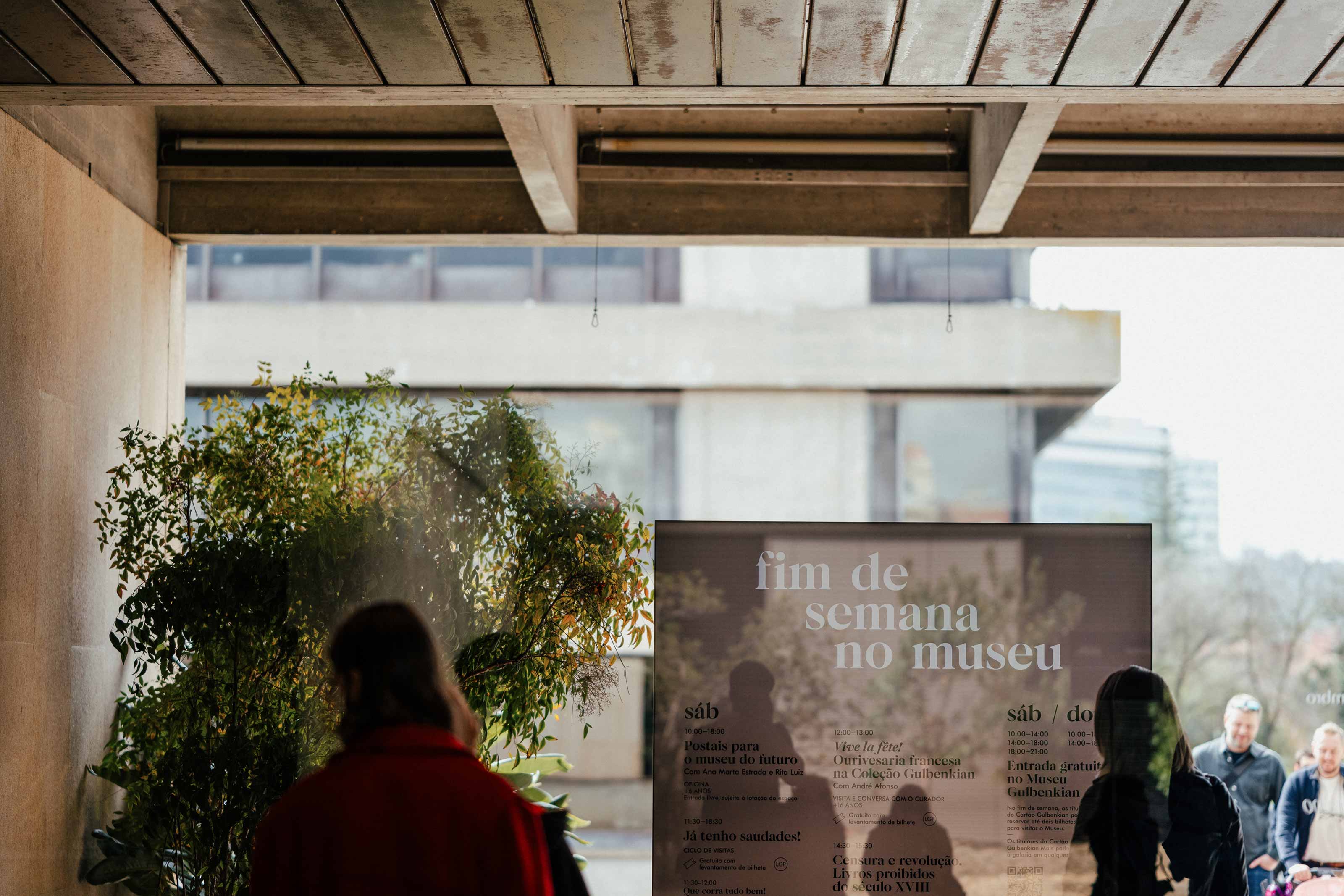
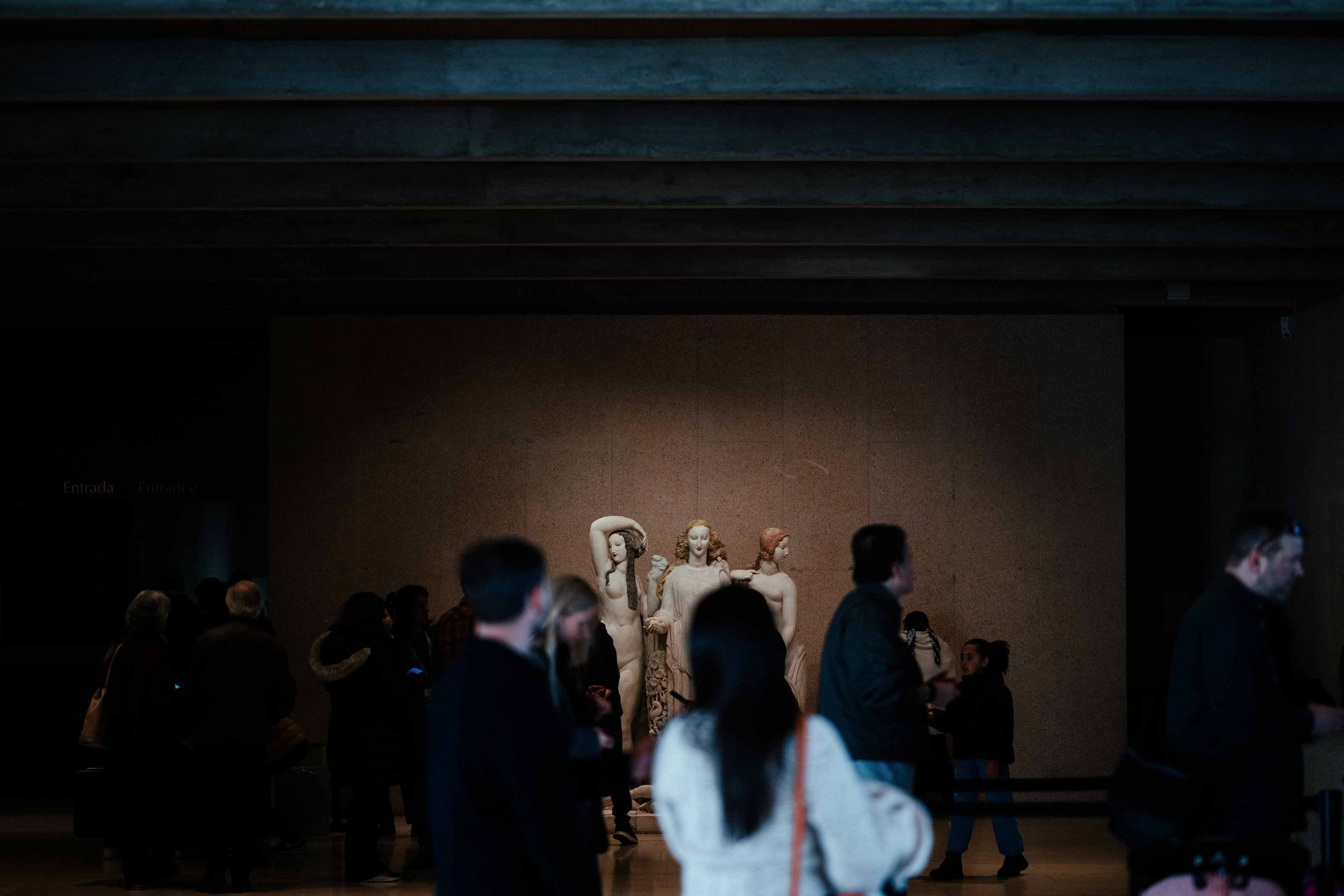
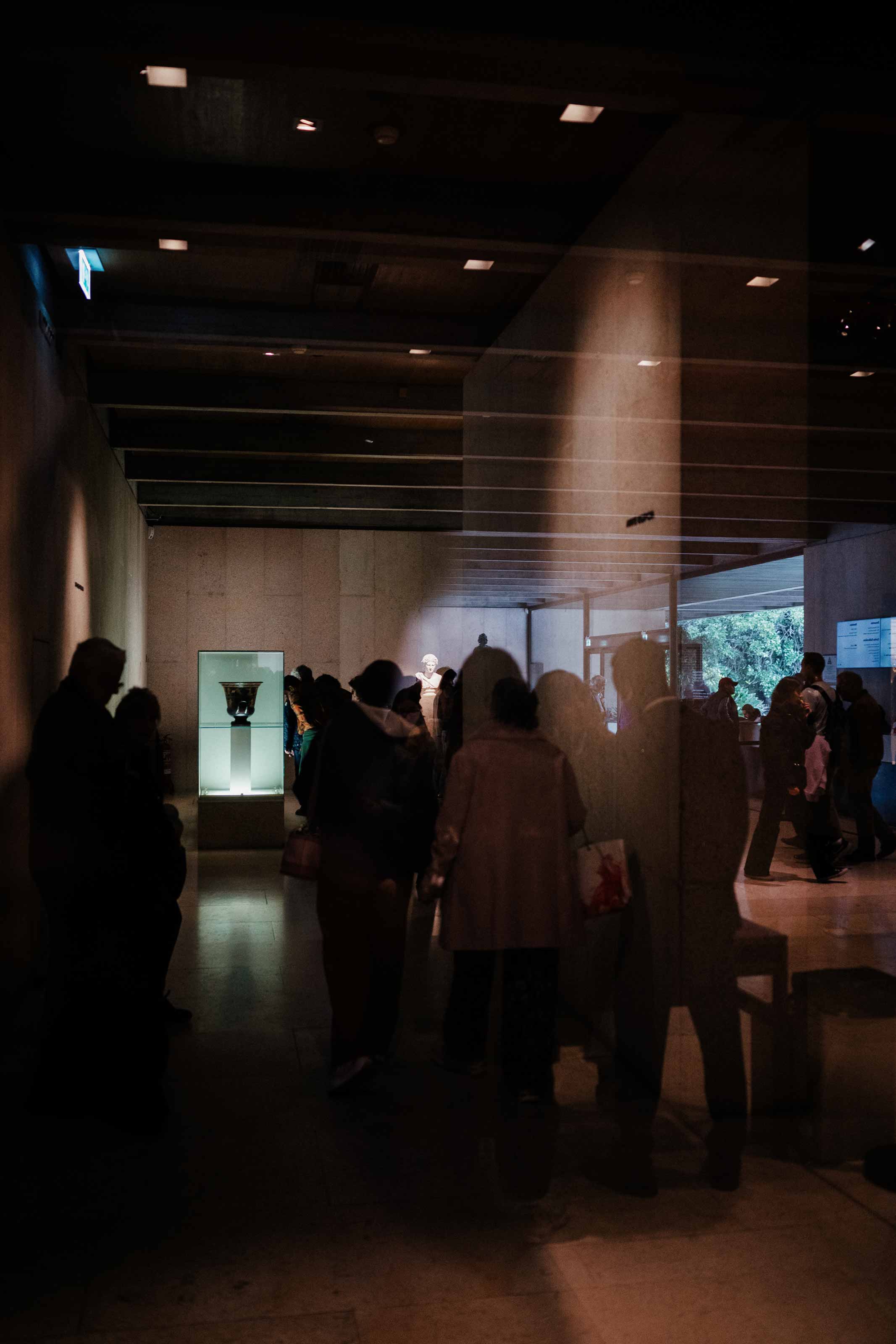
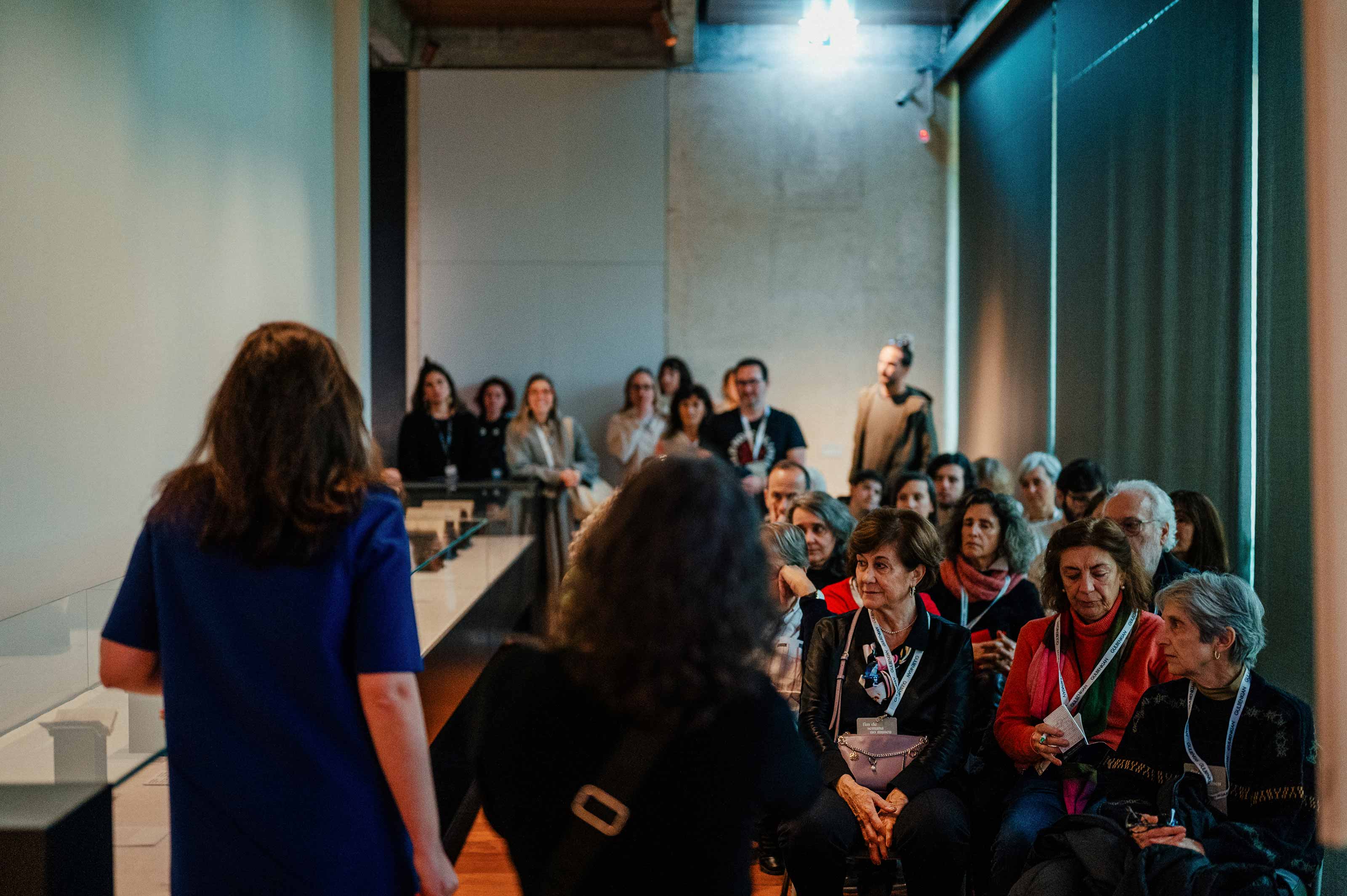
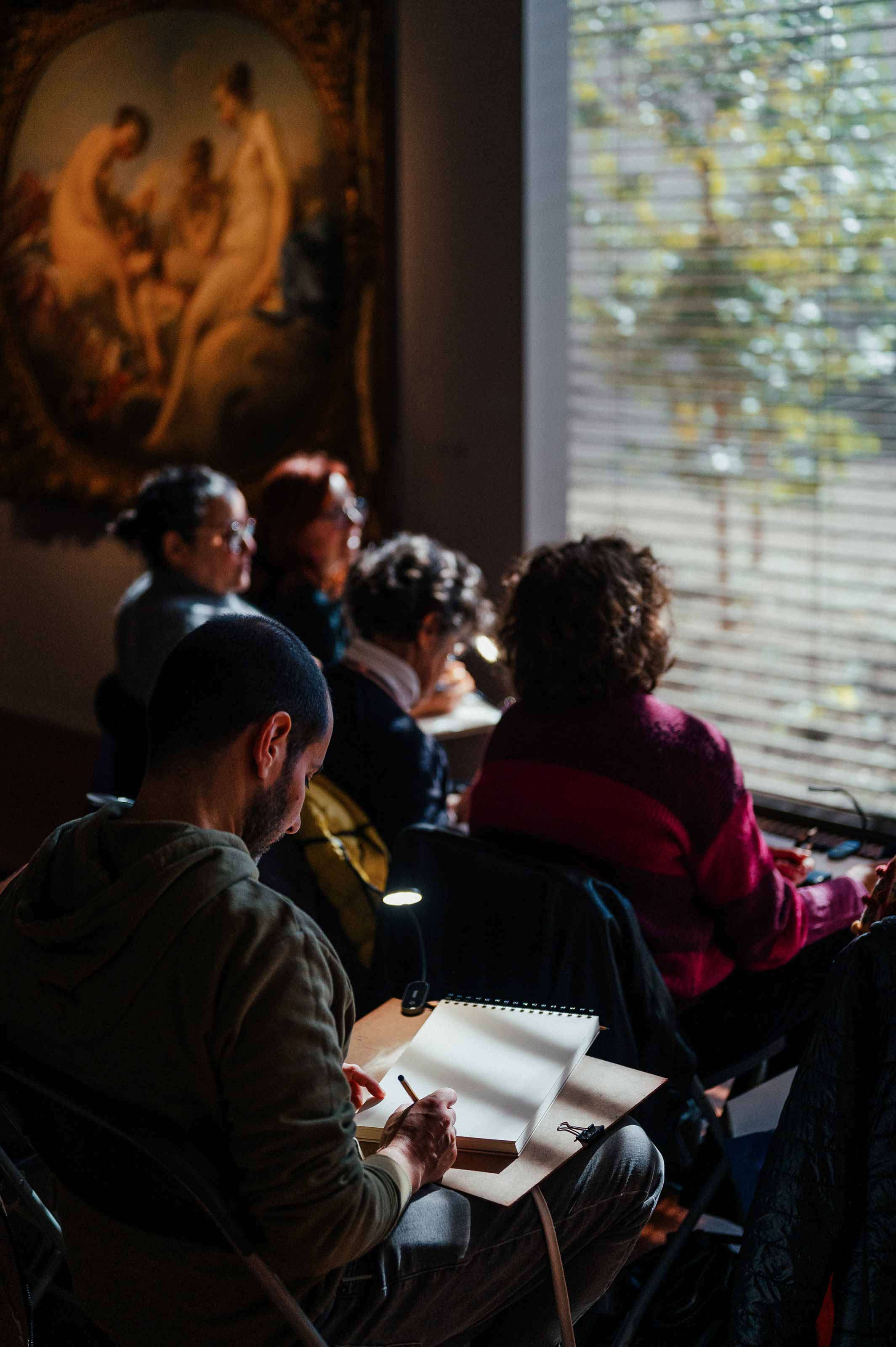
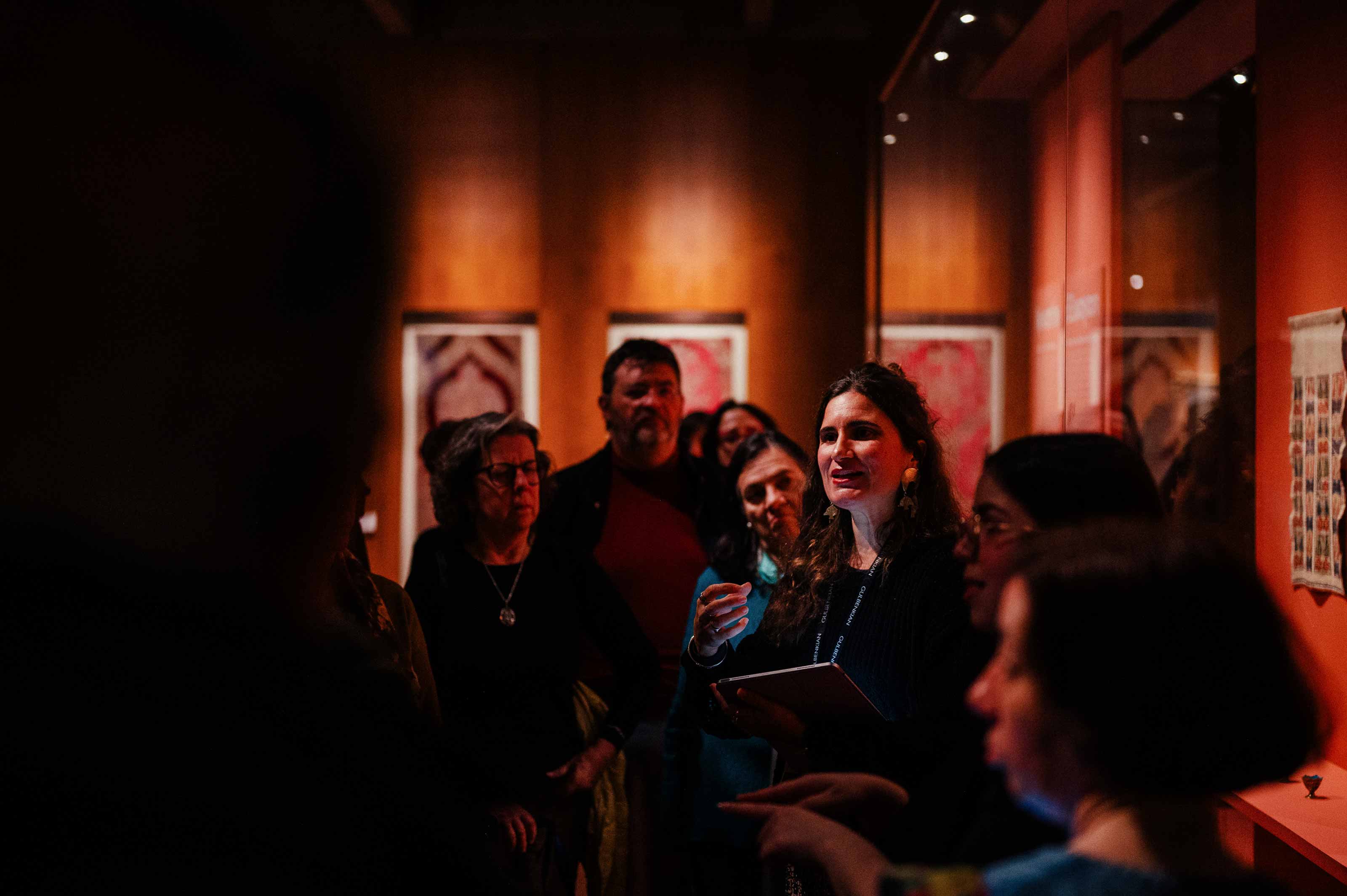
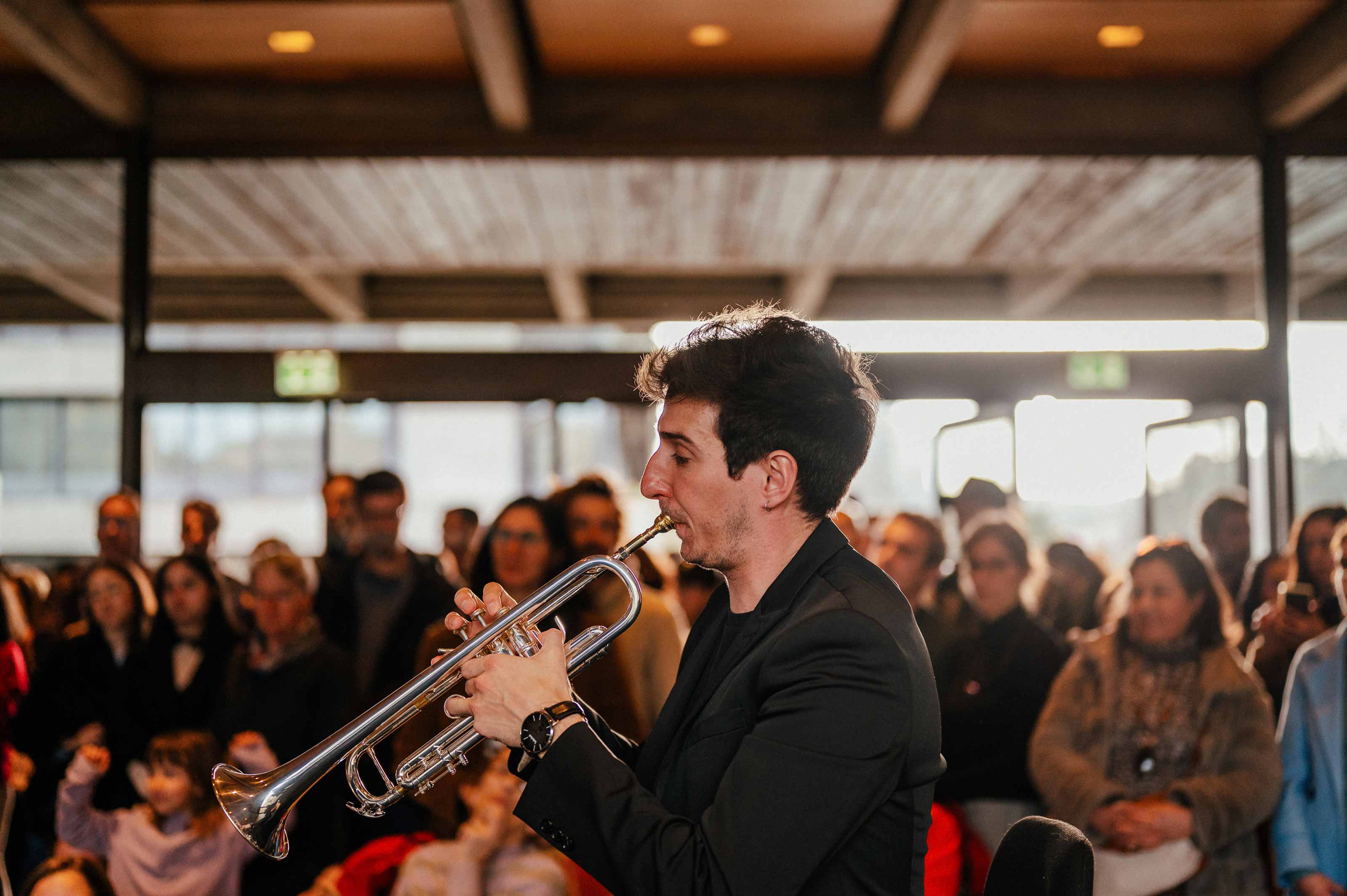
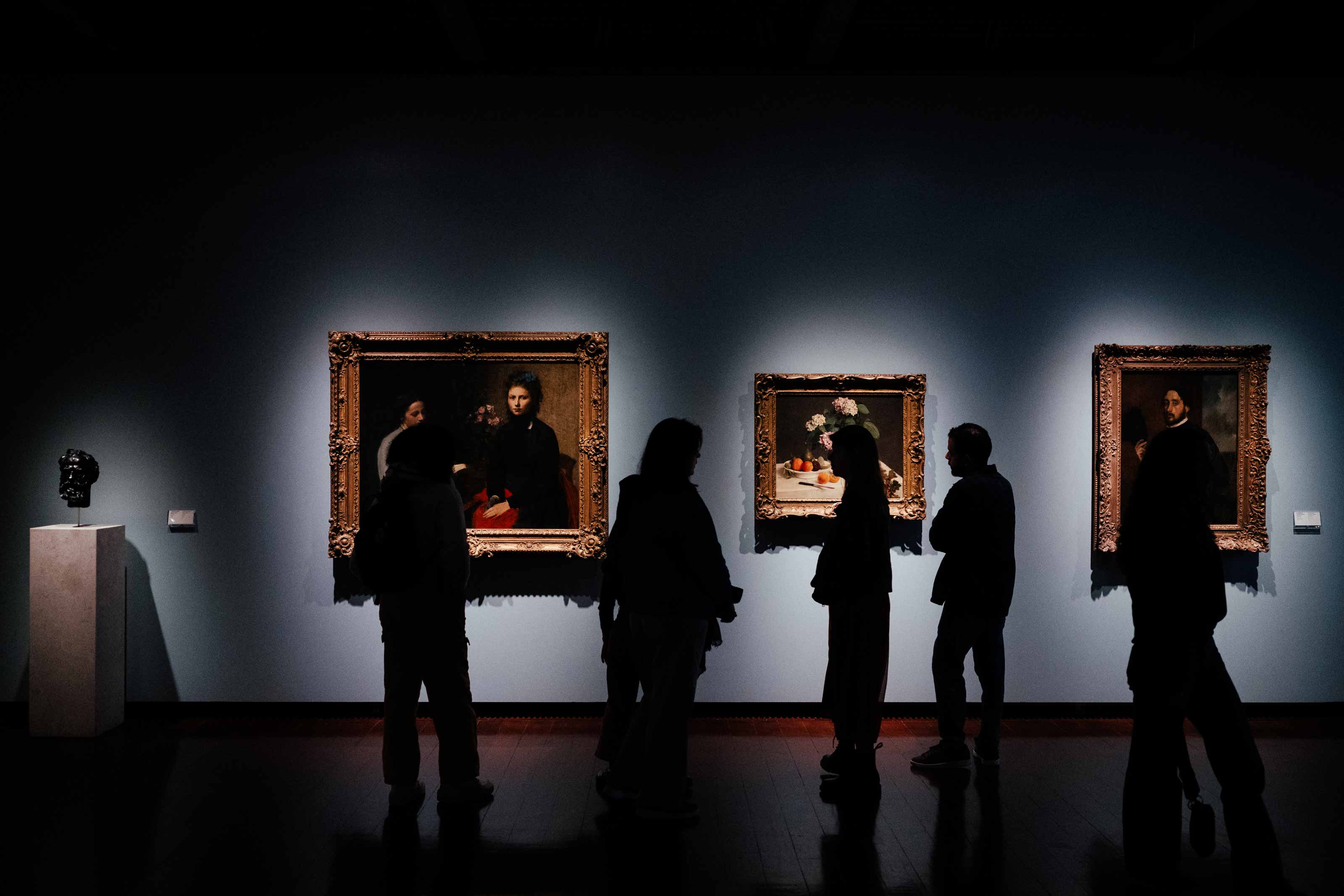
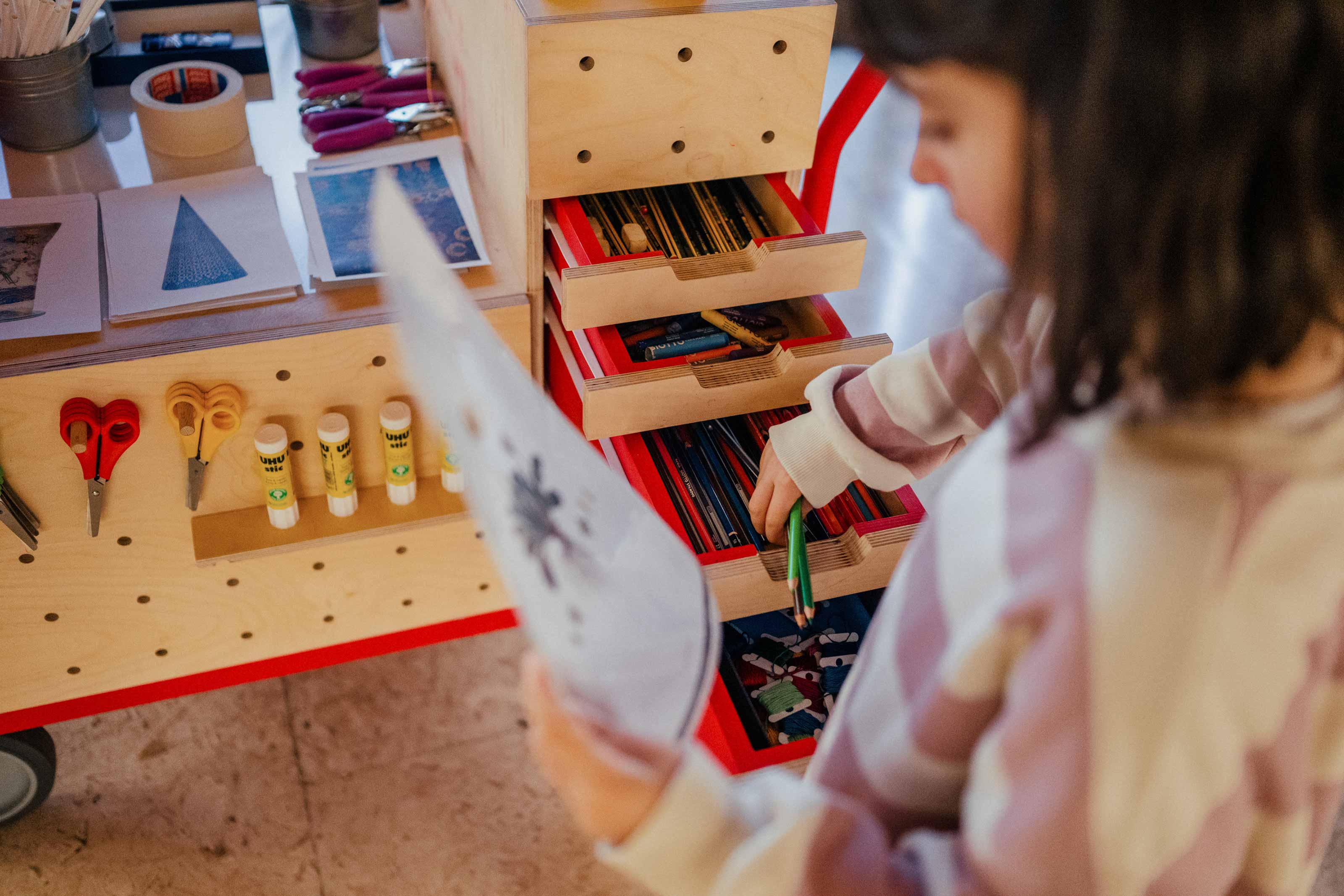
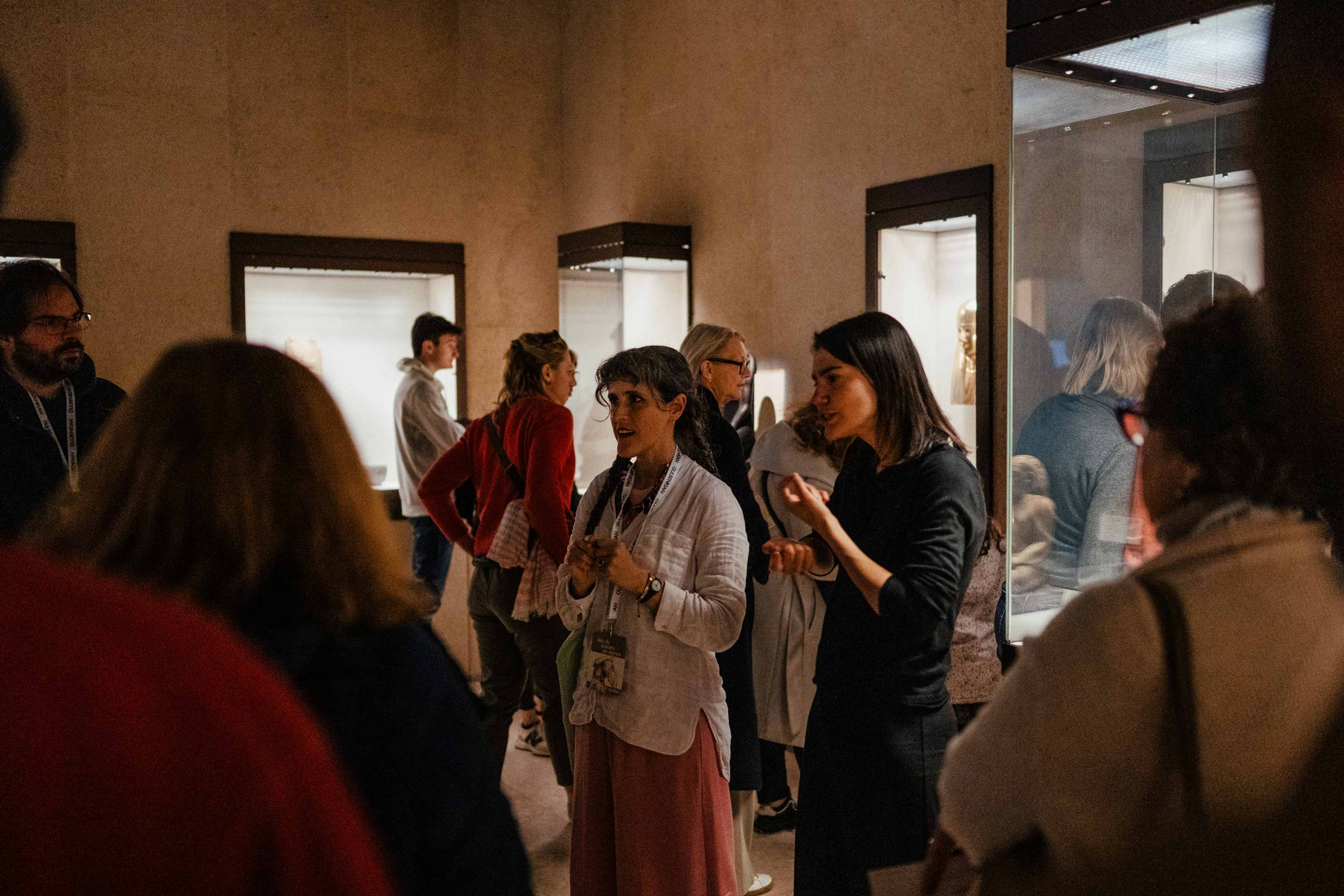
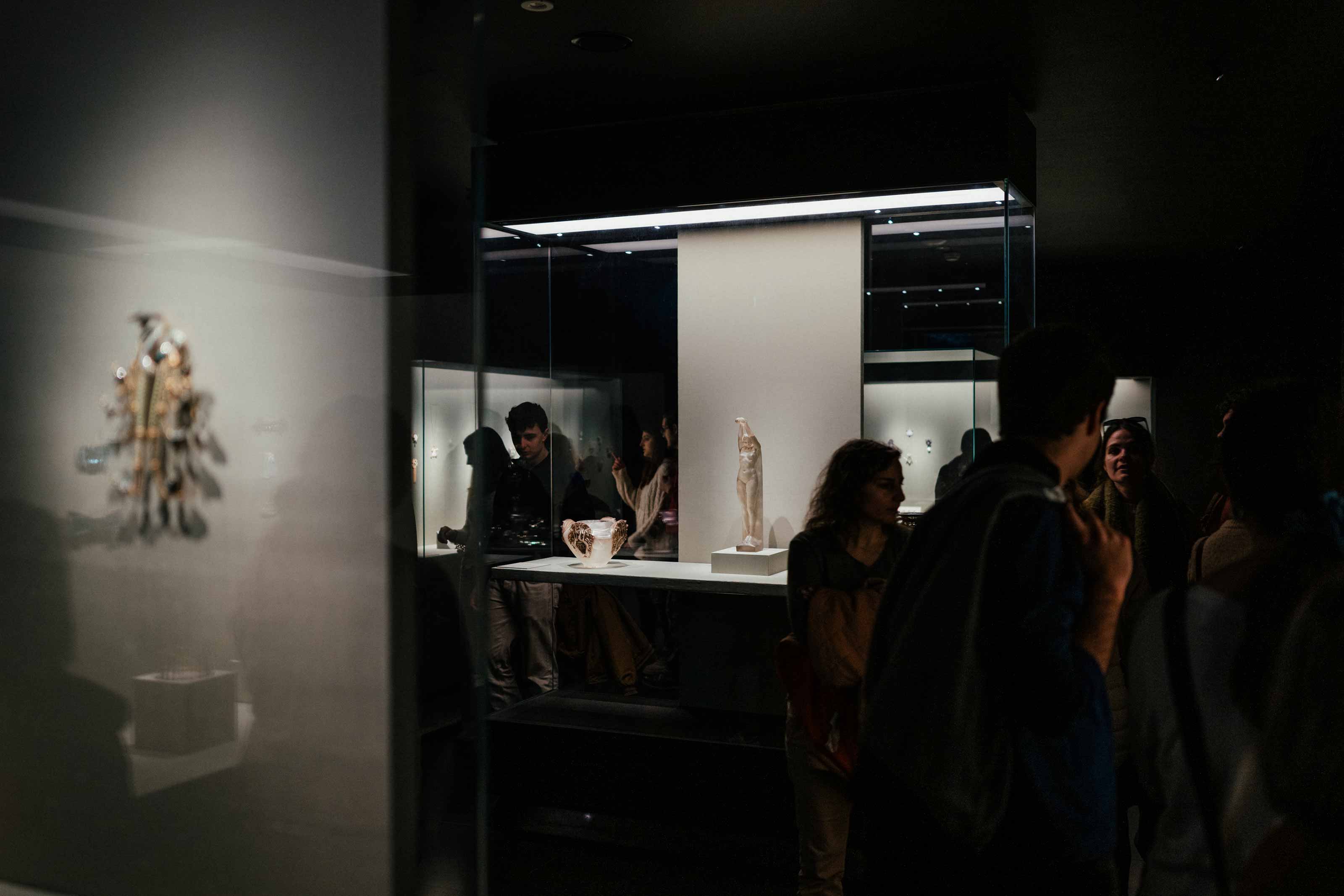
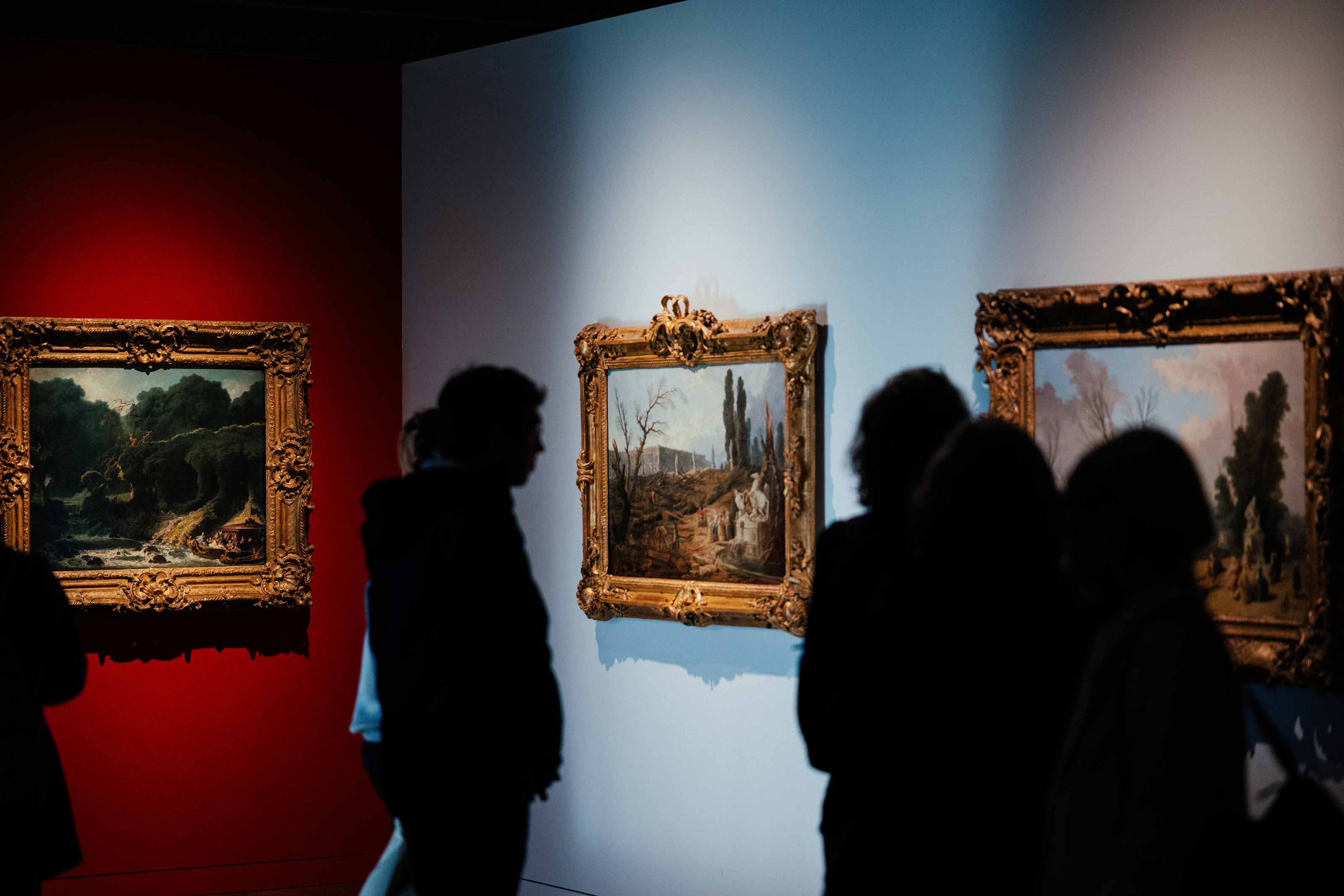
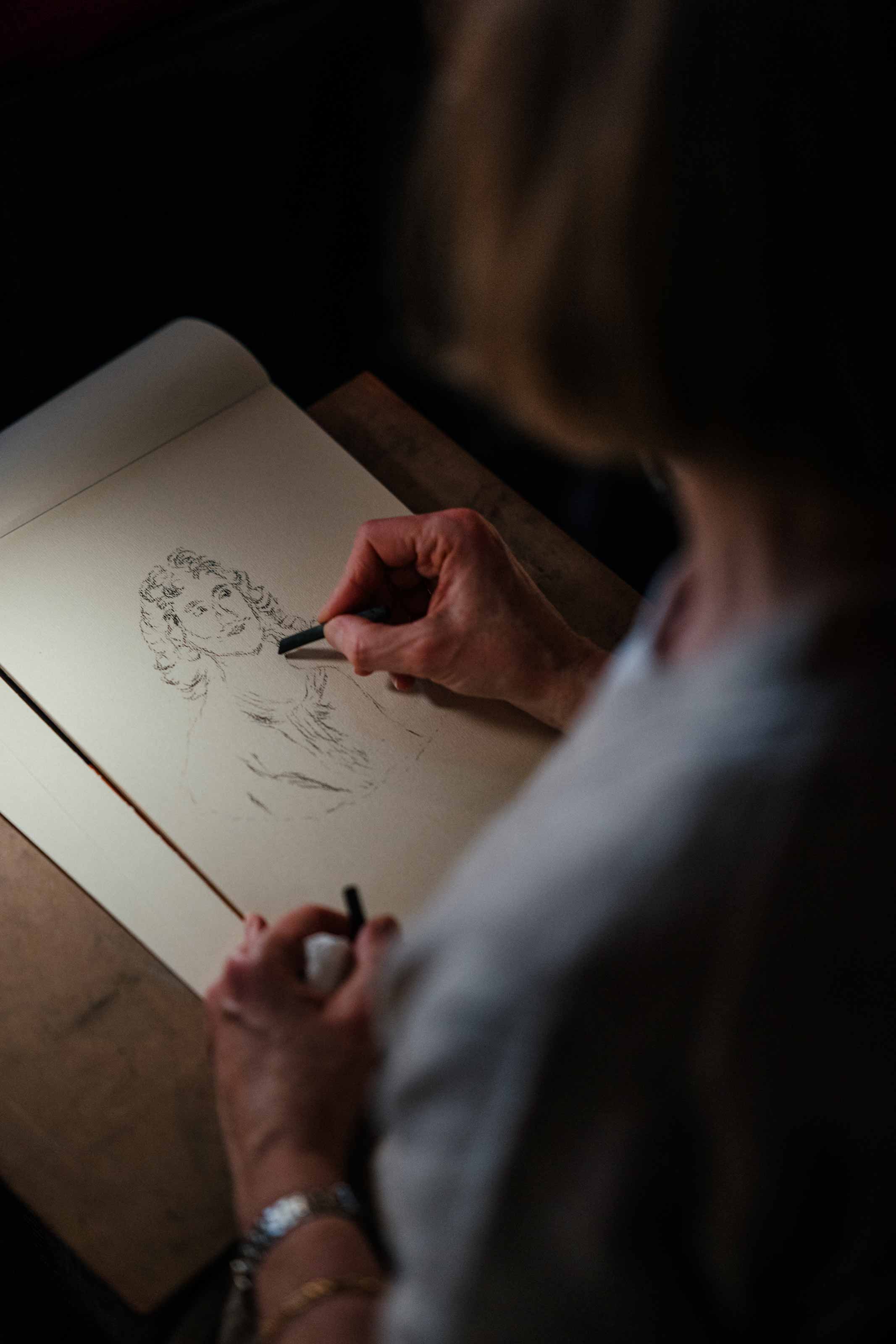
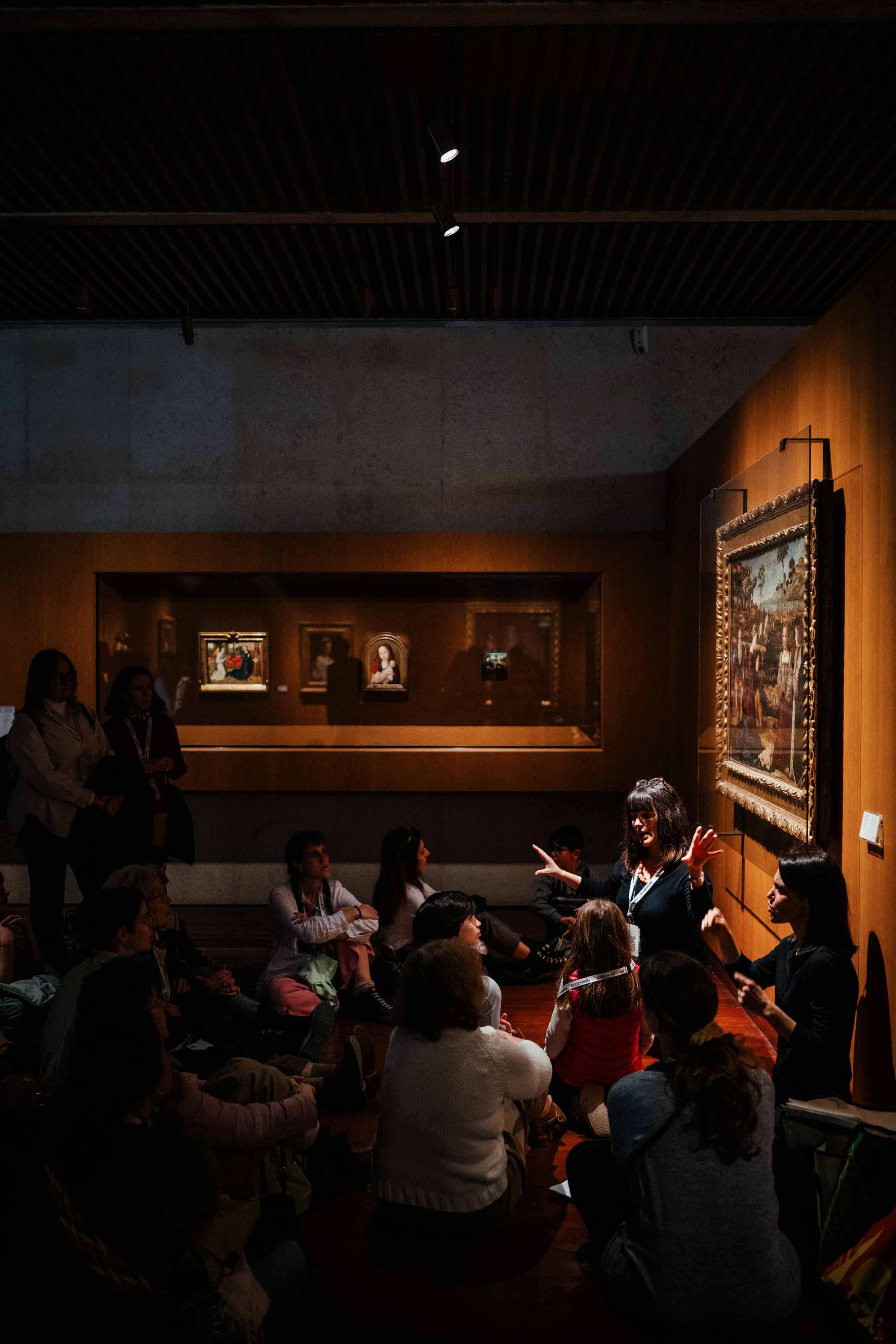
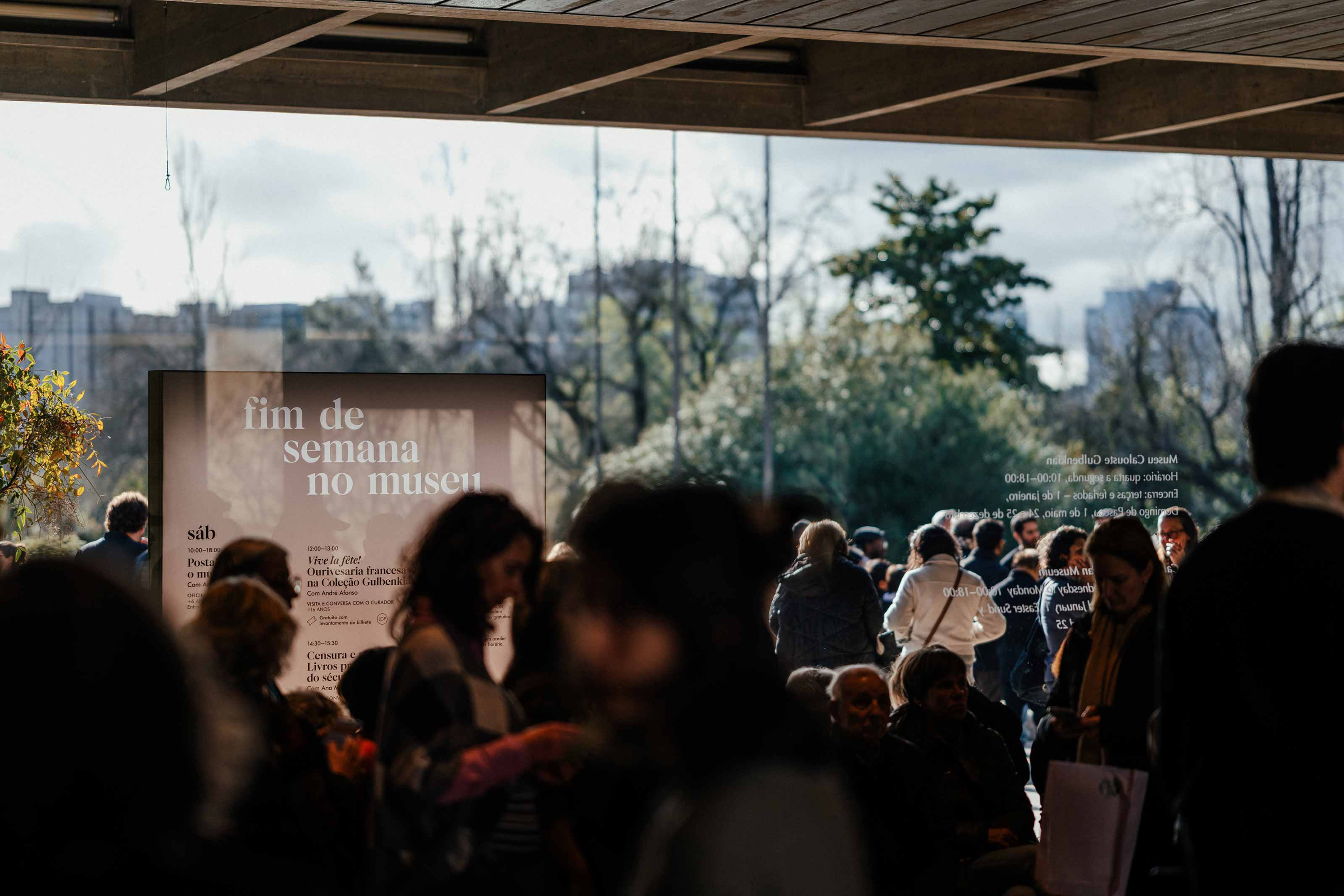
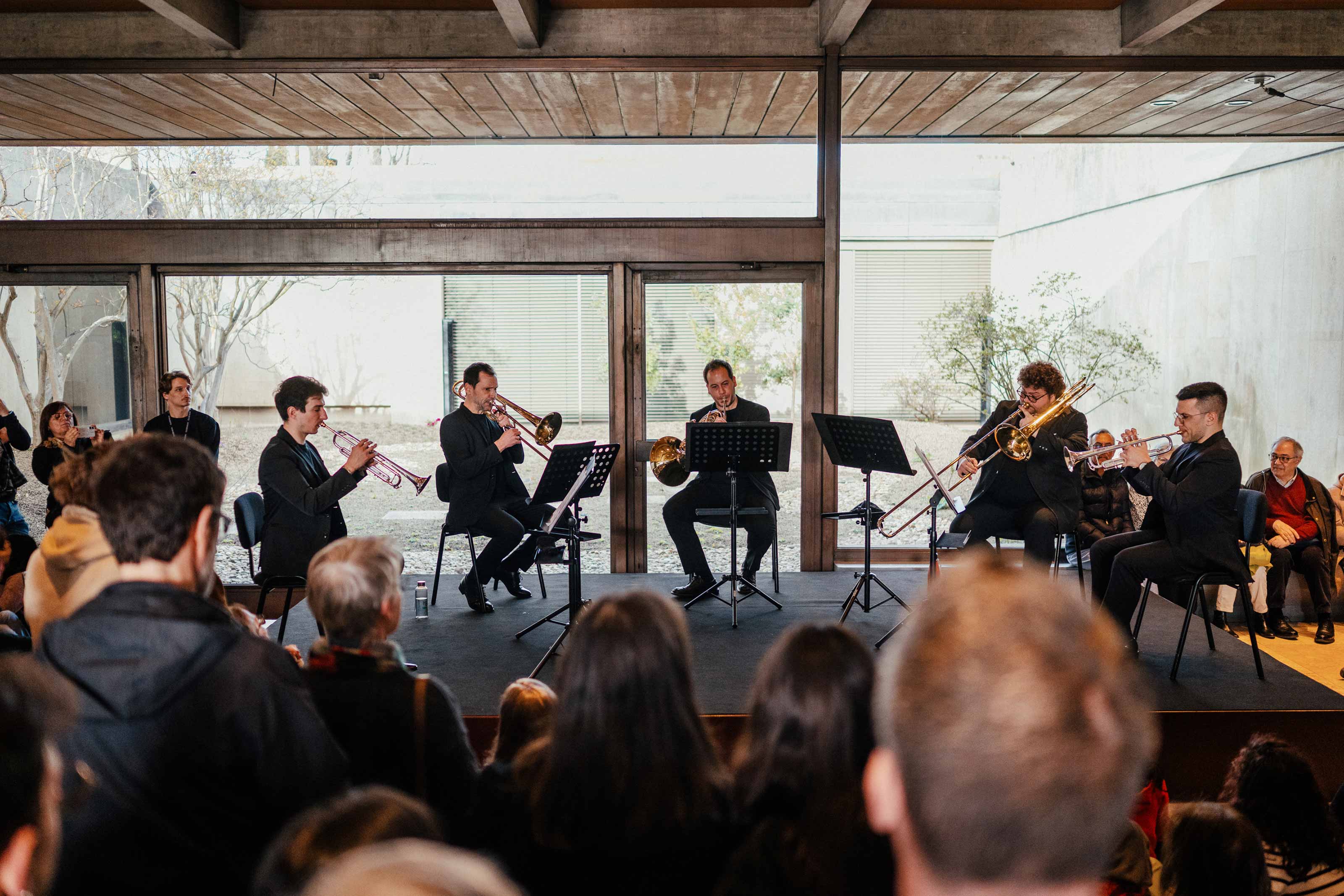
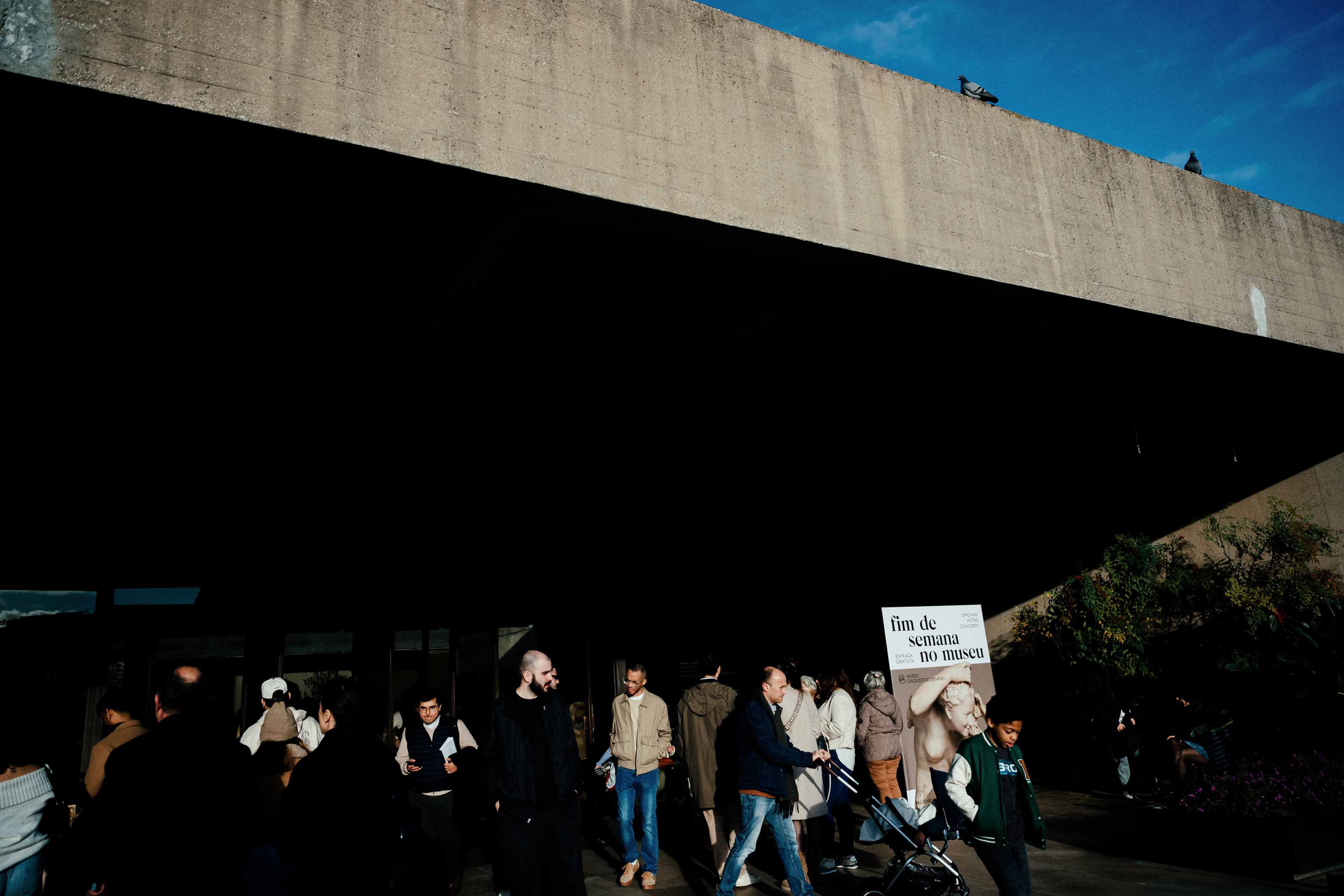
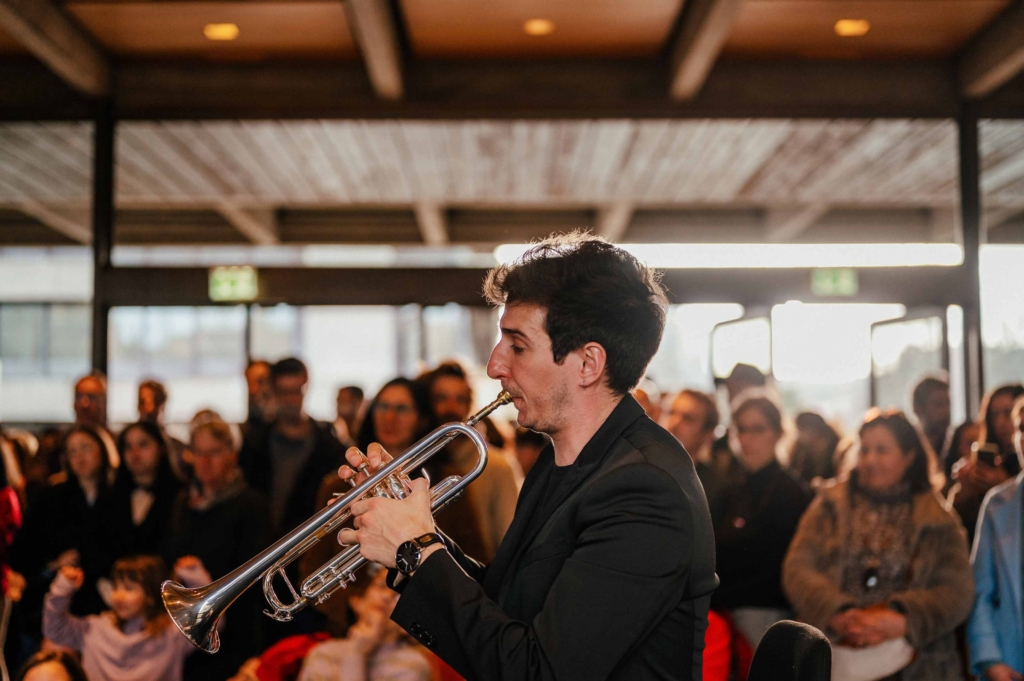
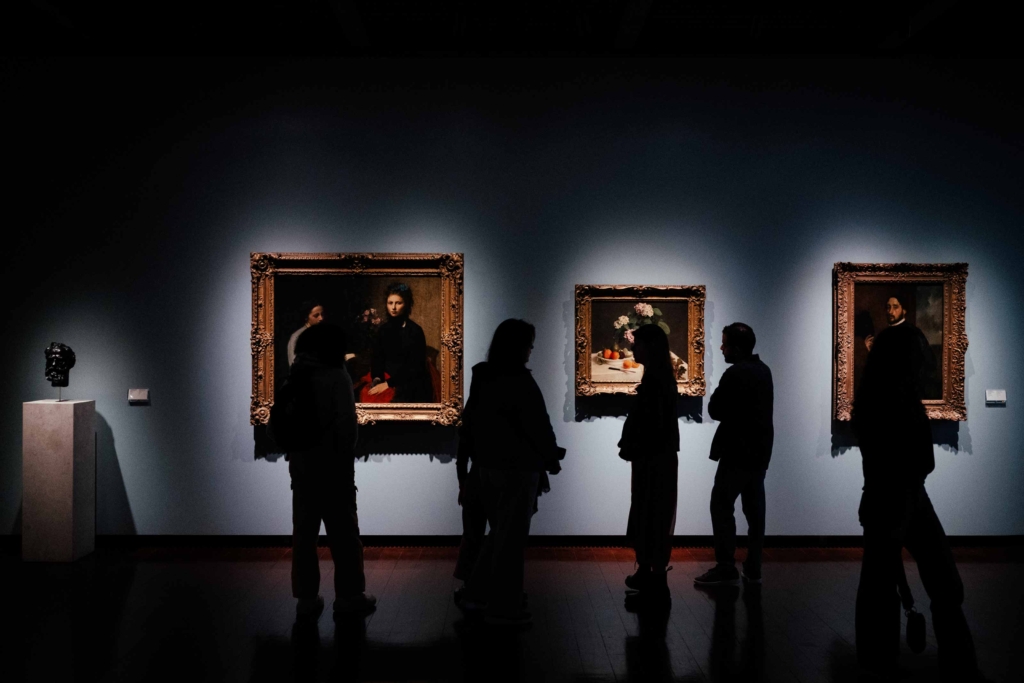
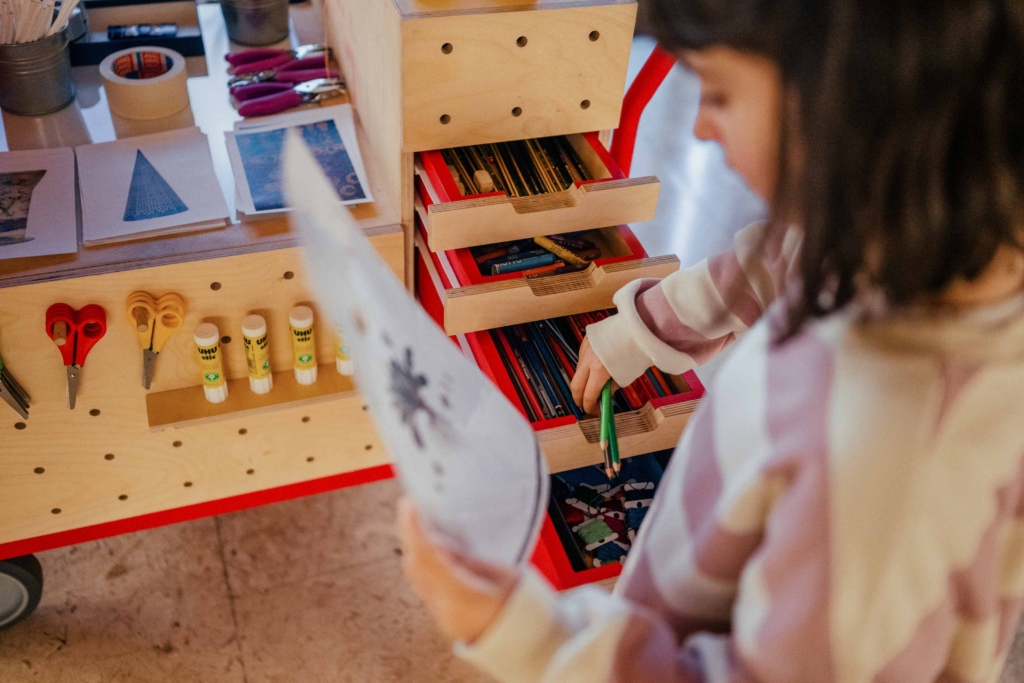
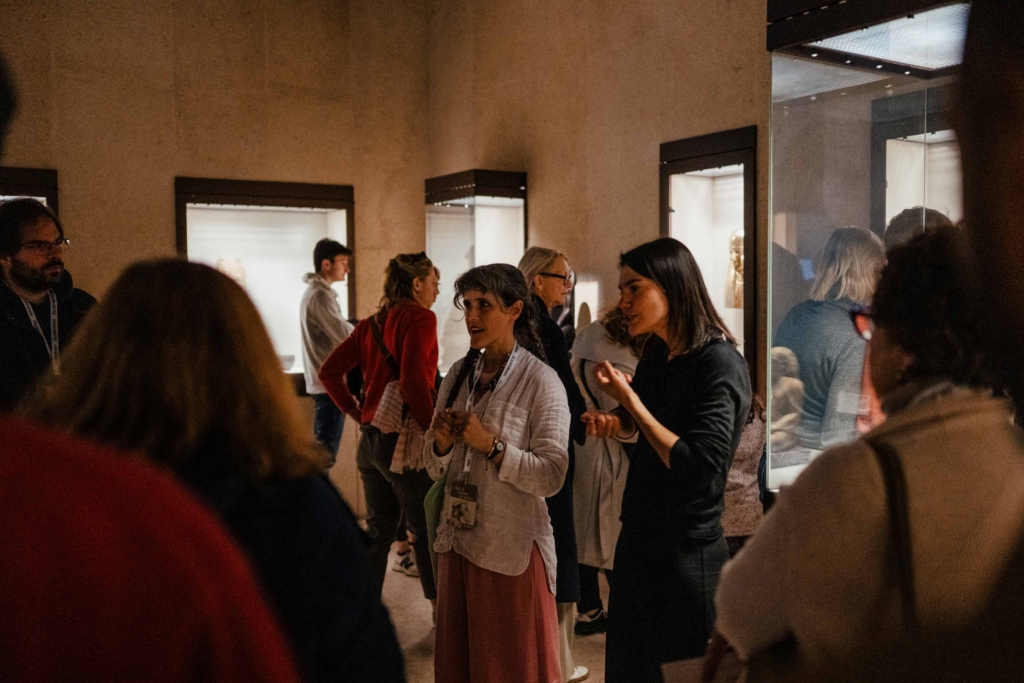
Two days filled with memories and shared moments.
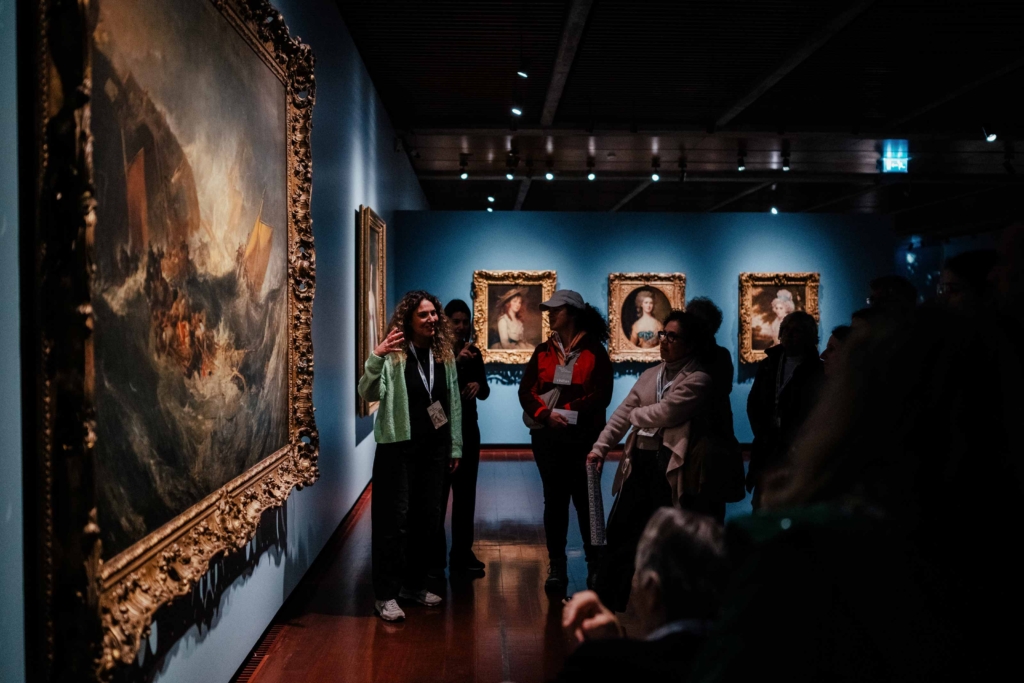
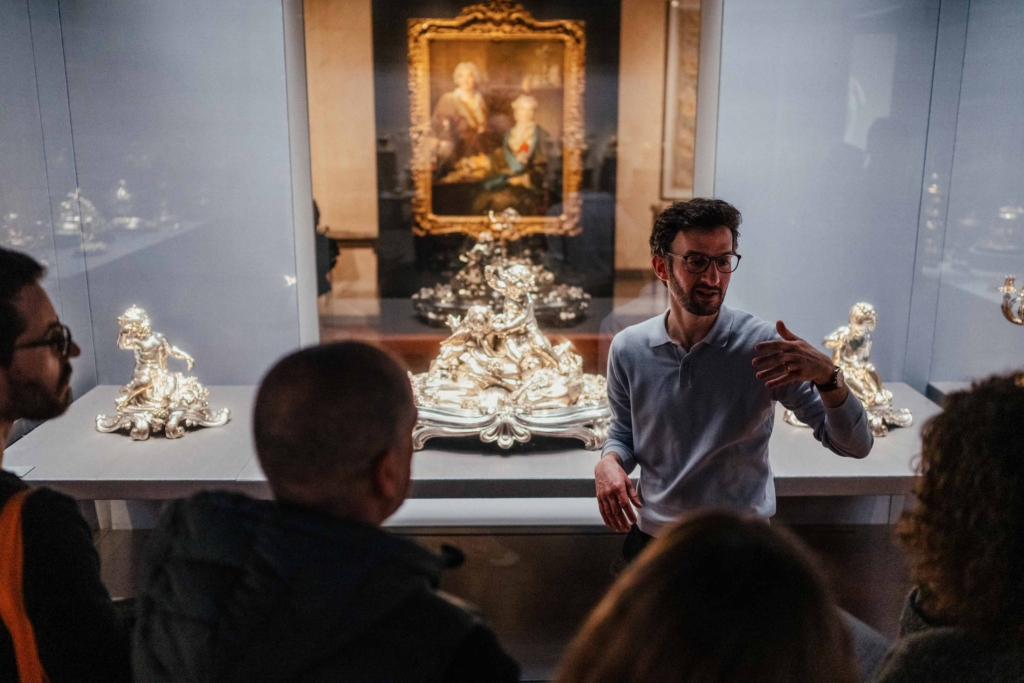
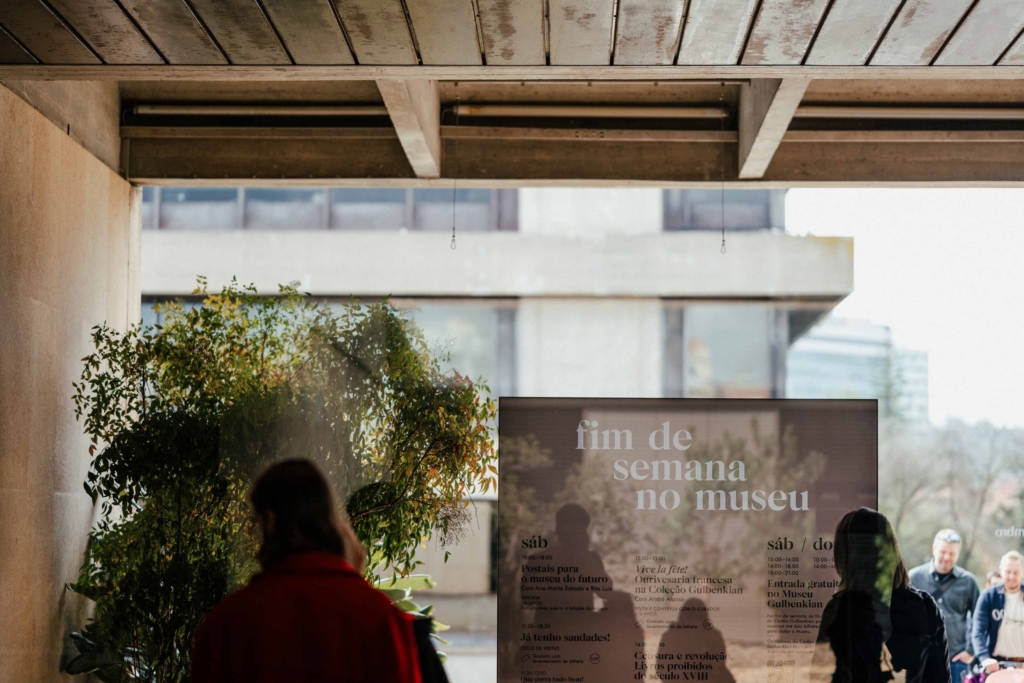
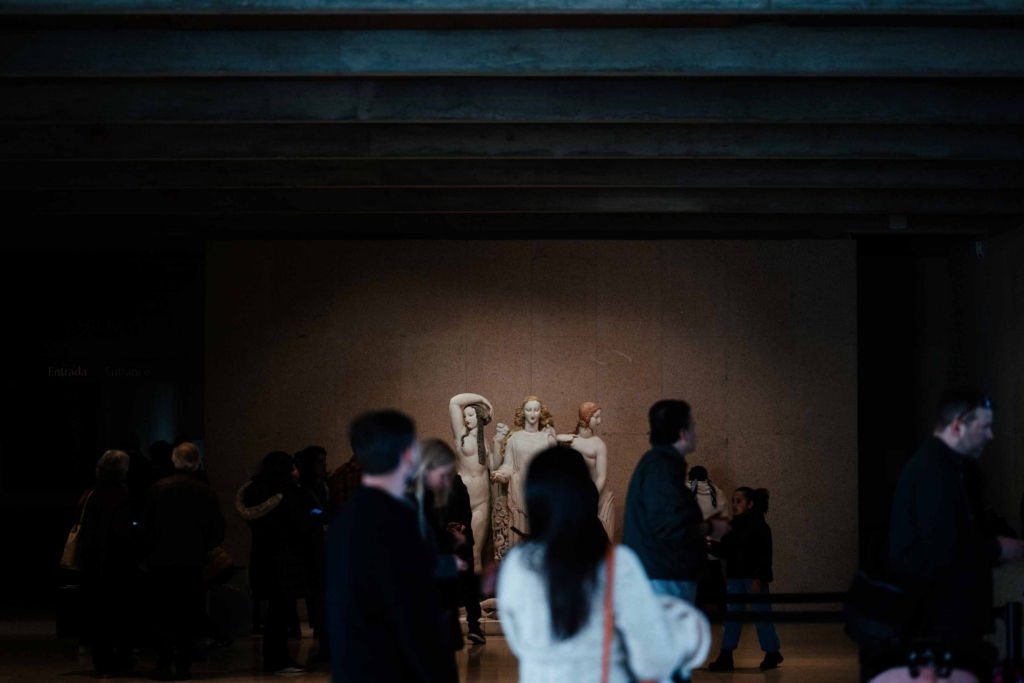
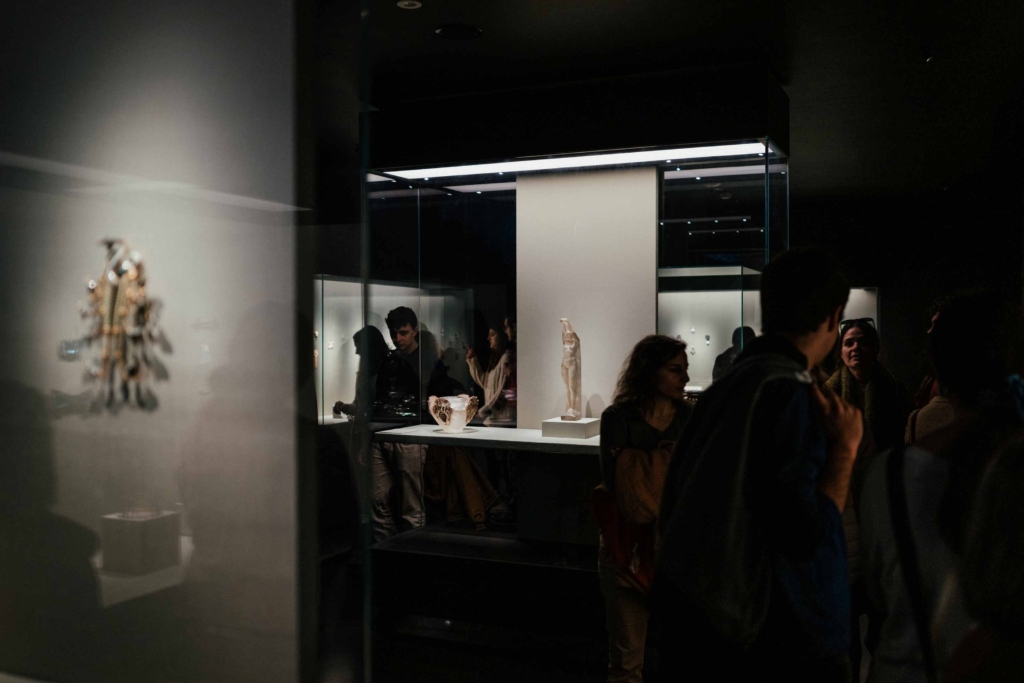
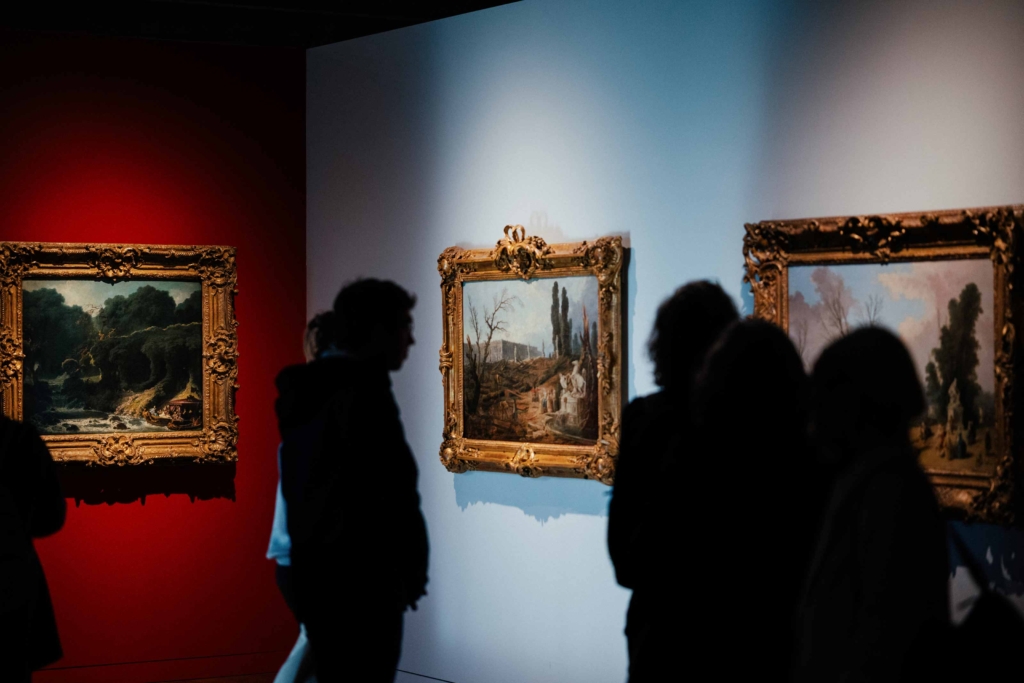
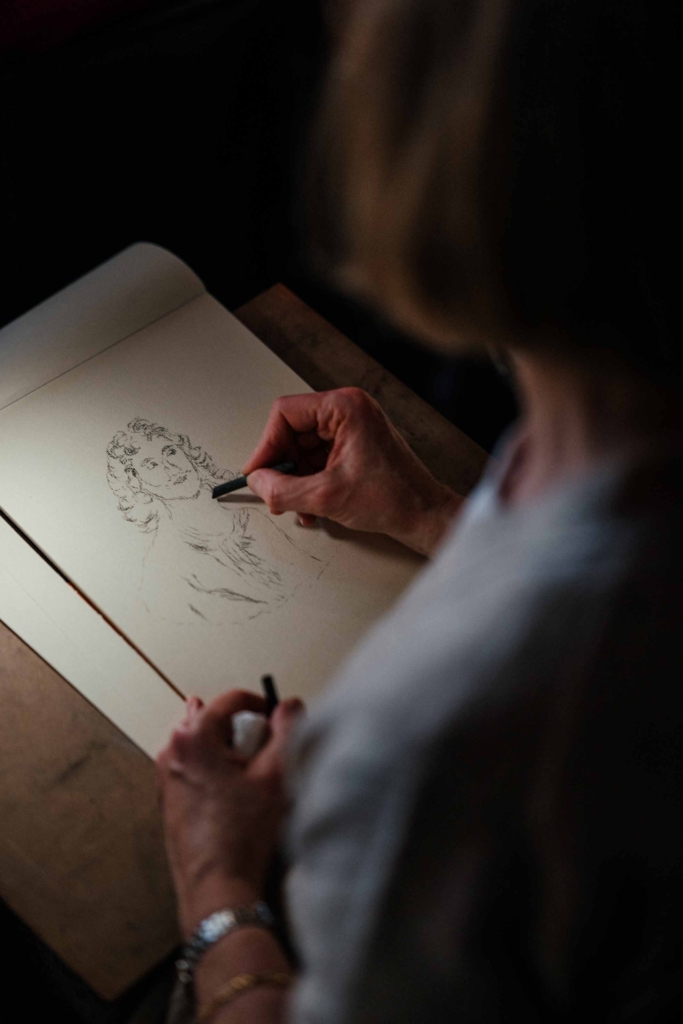
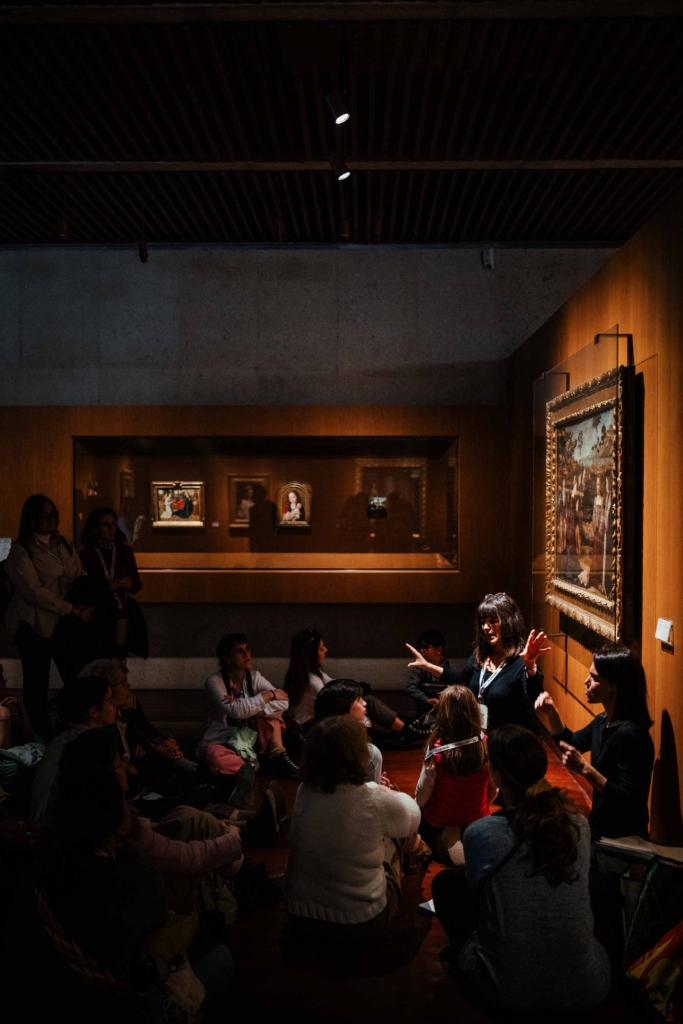
On 16 and 17 March, the Gulbenkian Museum welcomed thousands of visitors who came to see their favourite works one more time before the renovation.
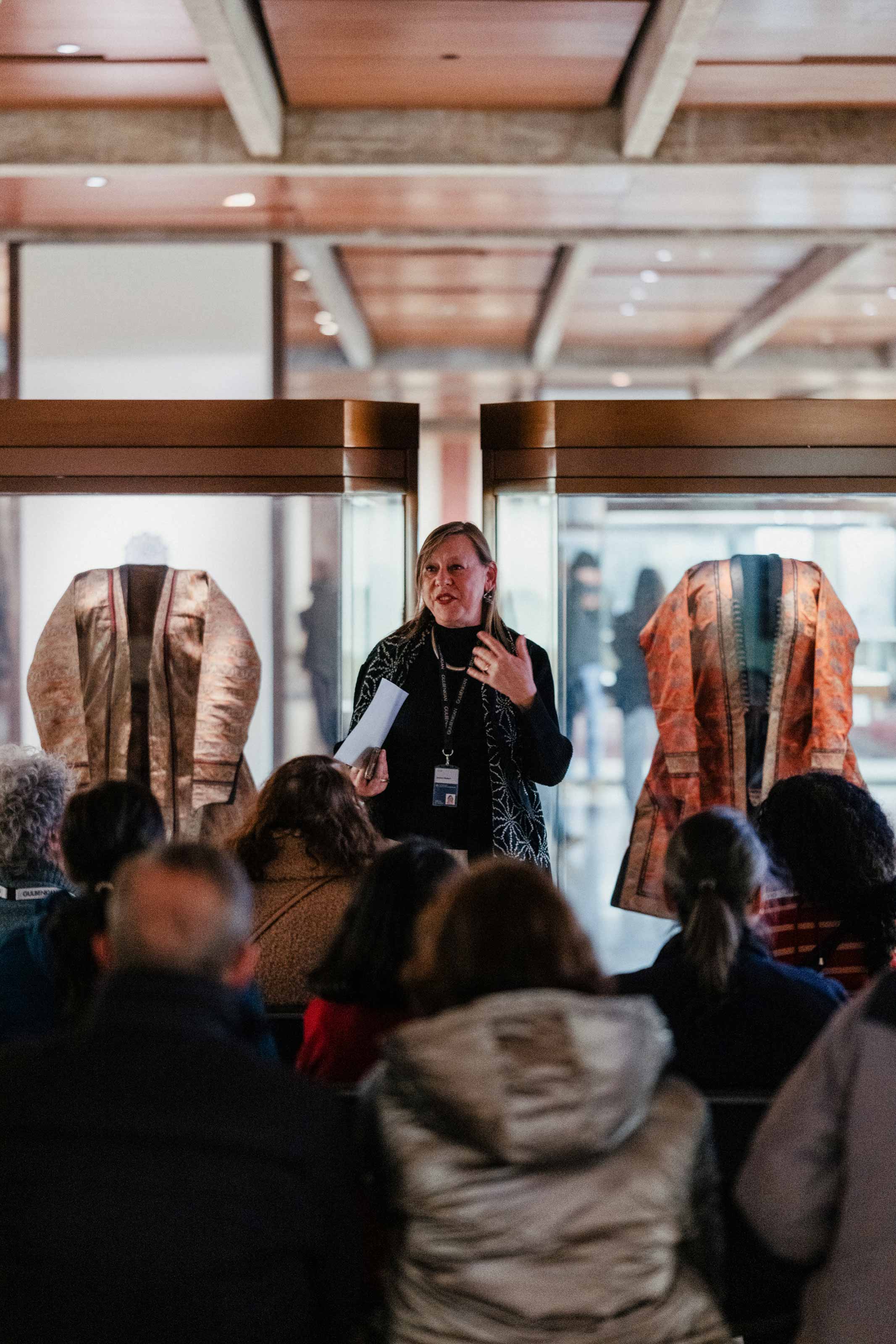
Guided tours, family activities and music brought the building to life and drew in curious visitors.
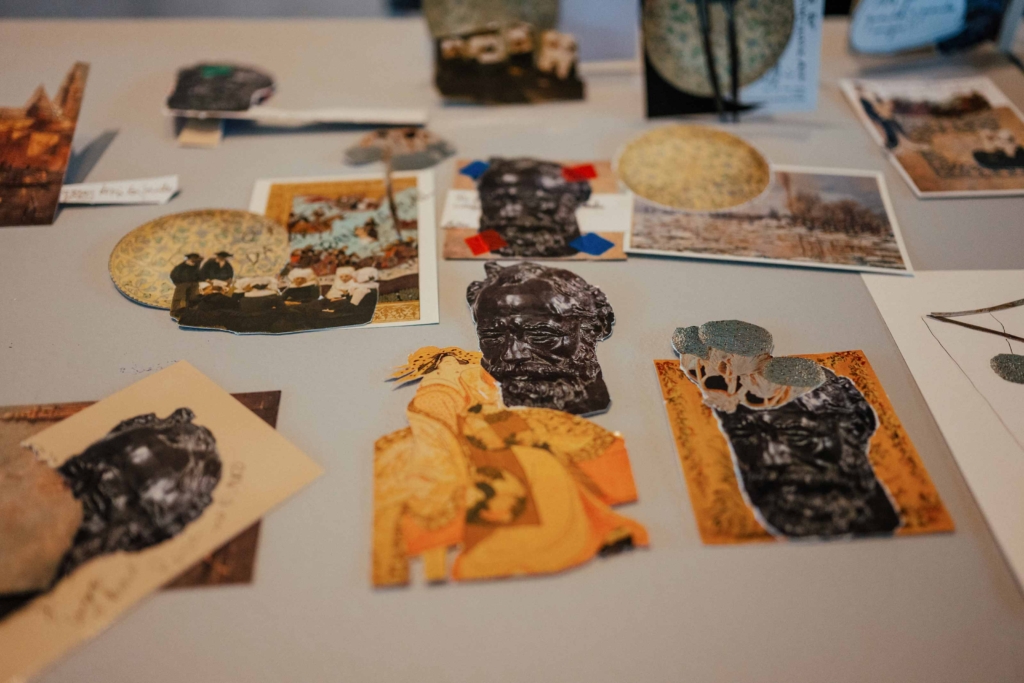
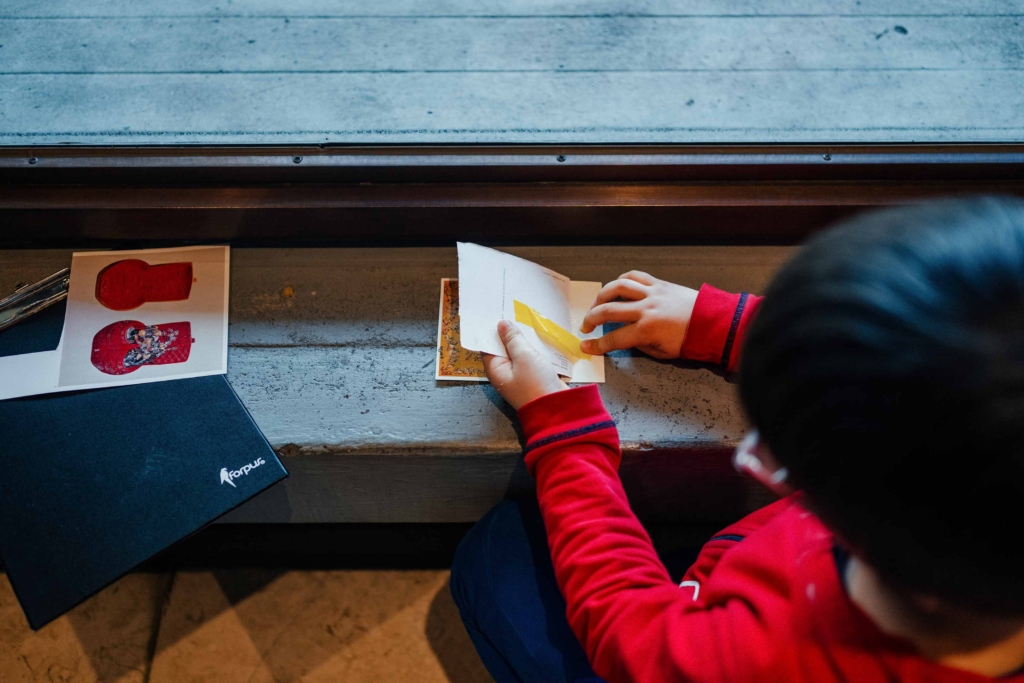
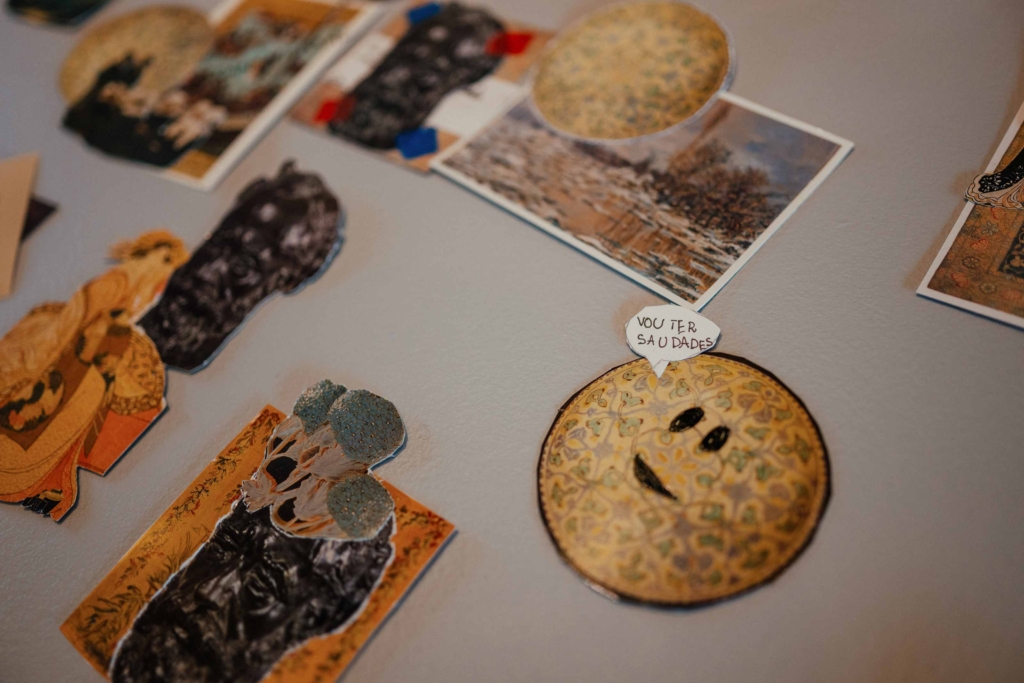
Visitors also wrote postcards for the Museum of the future, messages we’ll read again as the reopening draws near.