Timeline
The life of Calouste Gulbenkian, from 1869 to 1955

The Collector
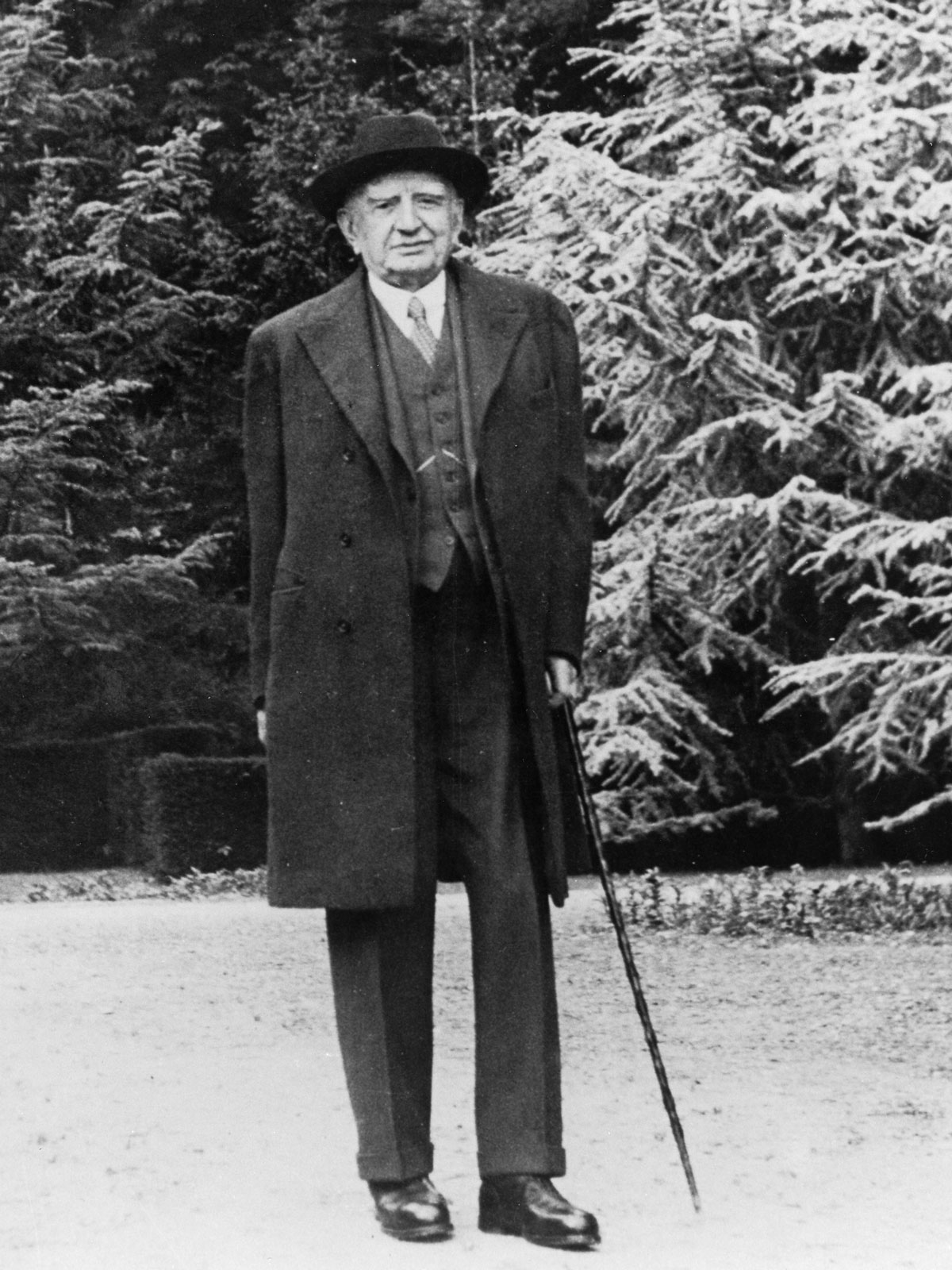
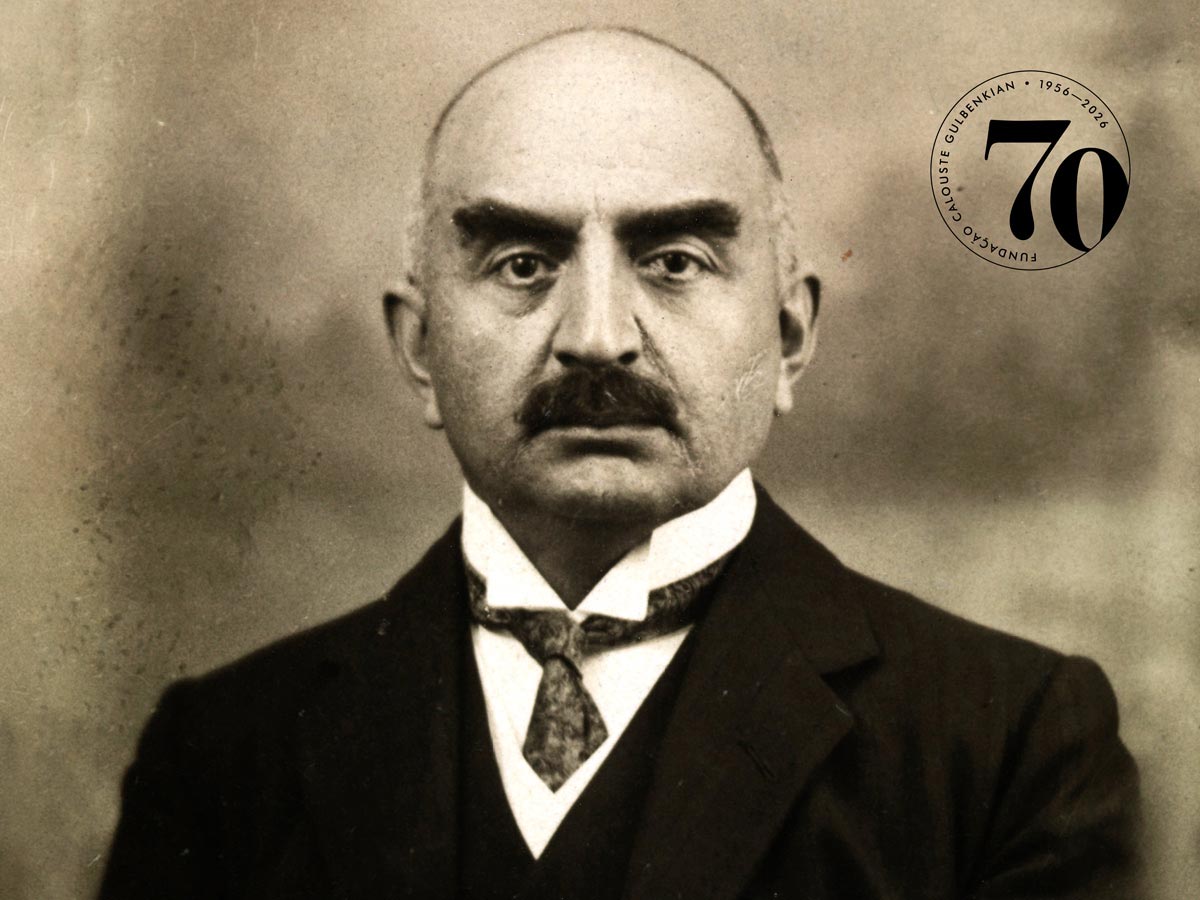
Born in the heart of the Ottoman Empire, Calouste Sarkis Gulbenkian spent his life assembling one of the most eclectic art collections in the world – more than 6,000 works spanning Antiquity to the early 20th century – guided always by his love for the beauty of the pieces he collected, which he considered his “daughters”.
The life of Calouste Gulbenkian, from 1869 to 1955
Explore the catalogue of Gulbenkian’s collection
No results were found for your criteria.
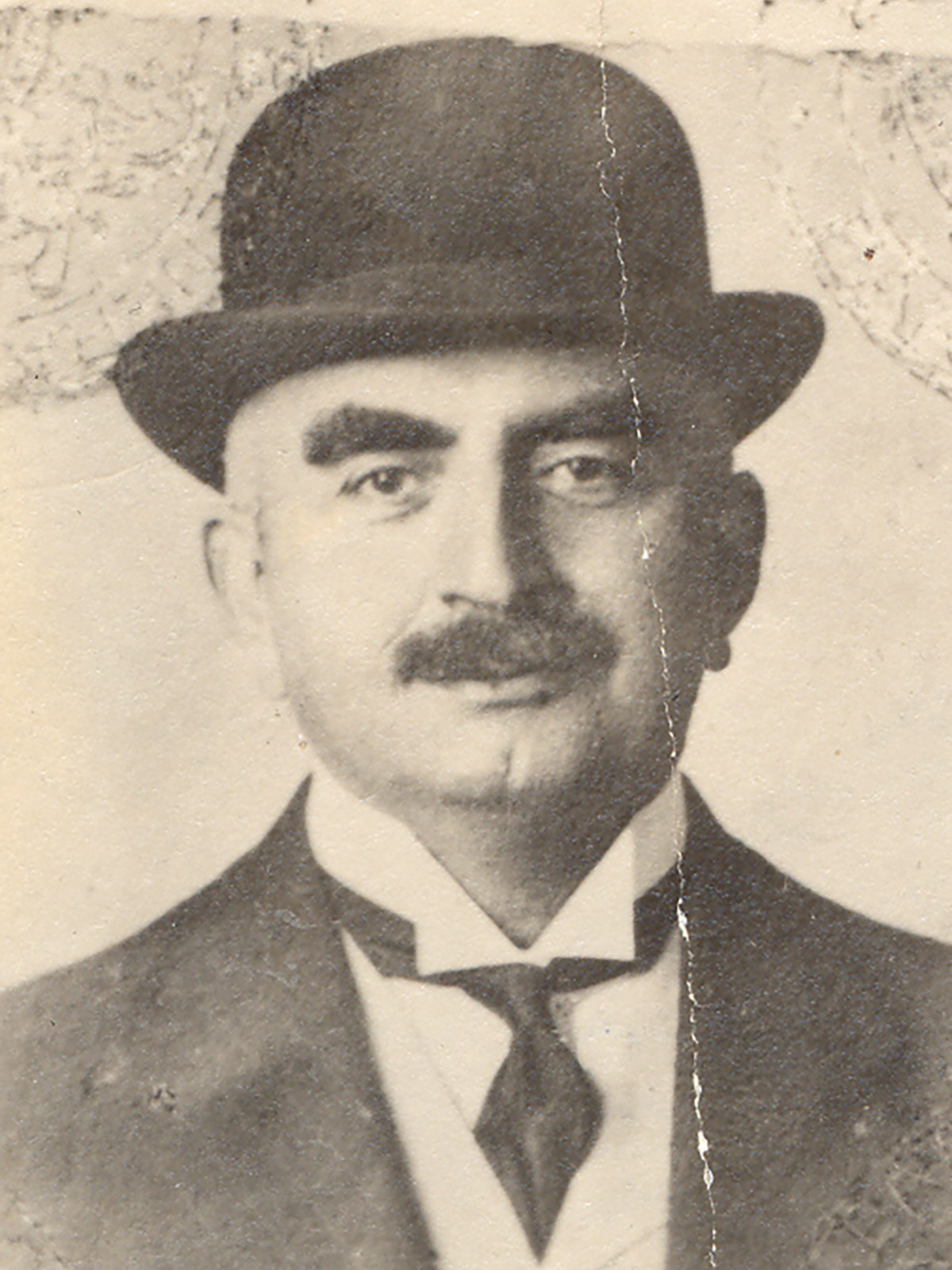
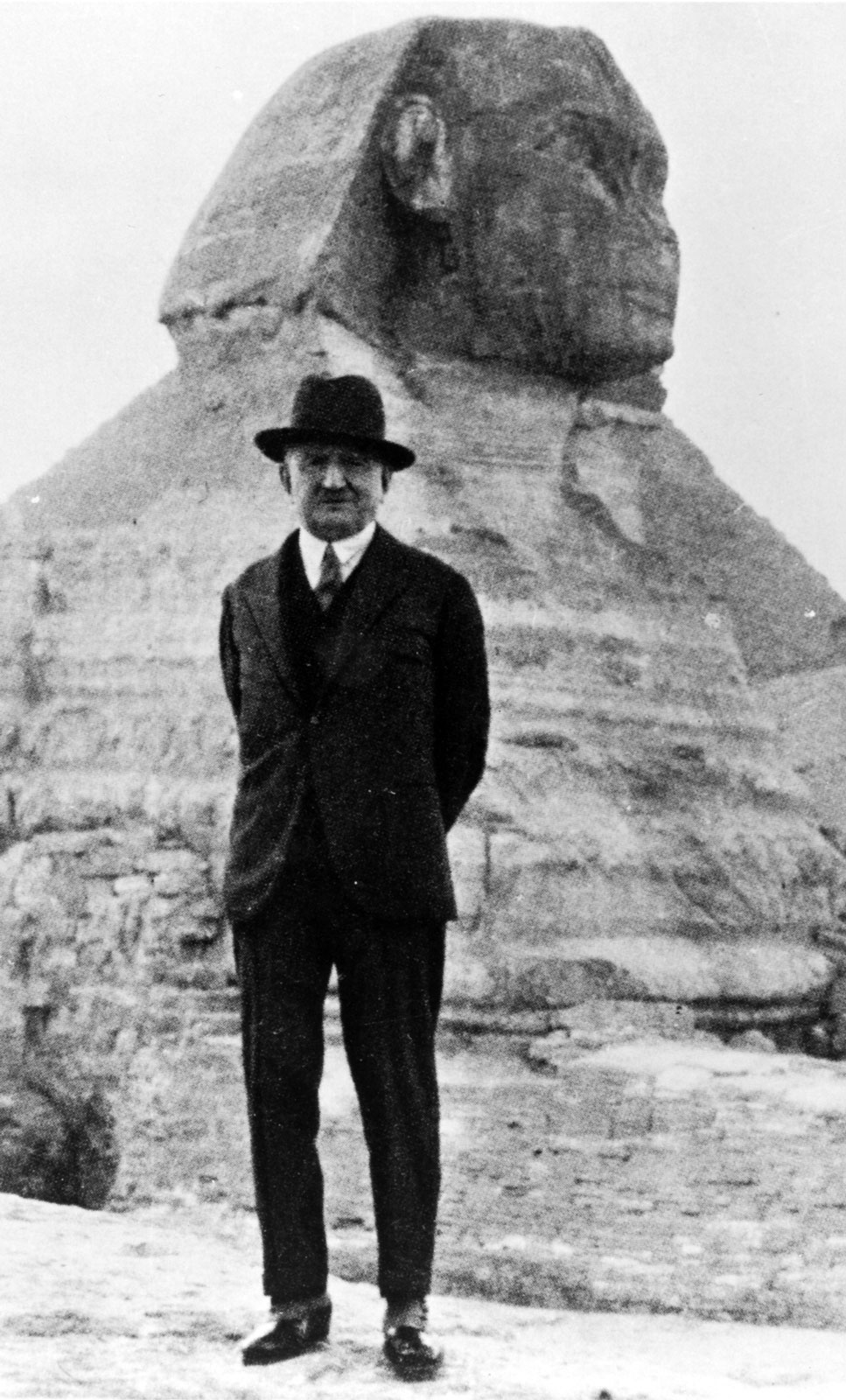
Calouste Sarkis Gulbenkian, of Armenian descent, was born in Üsküdar, in the Ottoman Empire. In 1896, the persecution of the Armenian community forced him to leave the country with his family.
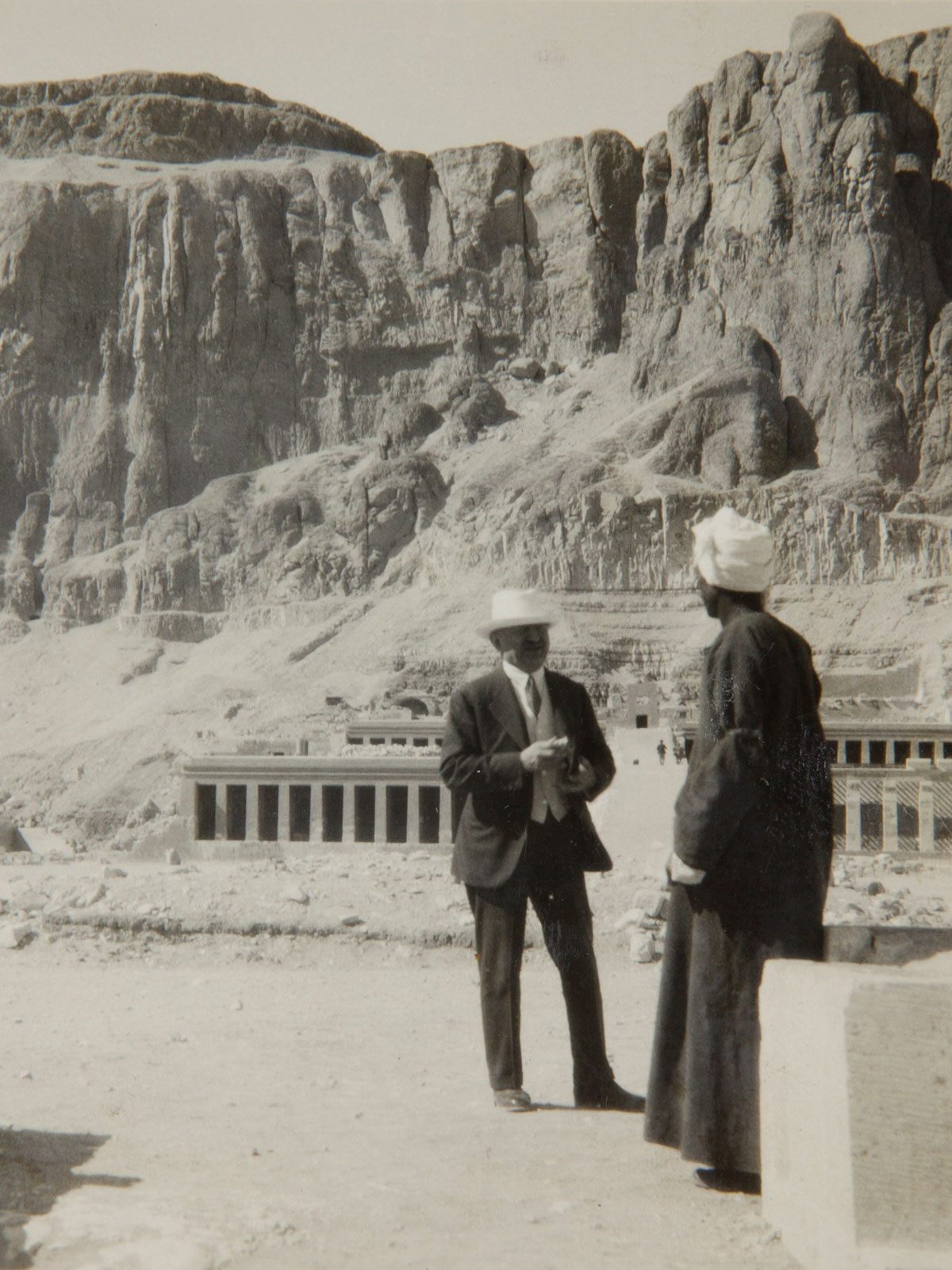
He passed through Cairo before settling in London, where he took British nationality, and later bought a mansion in Paris on the Avenue d’Iéna. When the Second World War broke out, he moved to Lisbon, where he lived until his death in 1955.
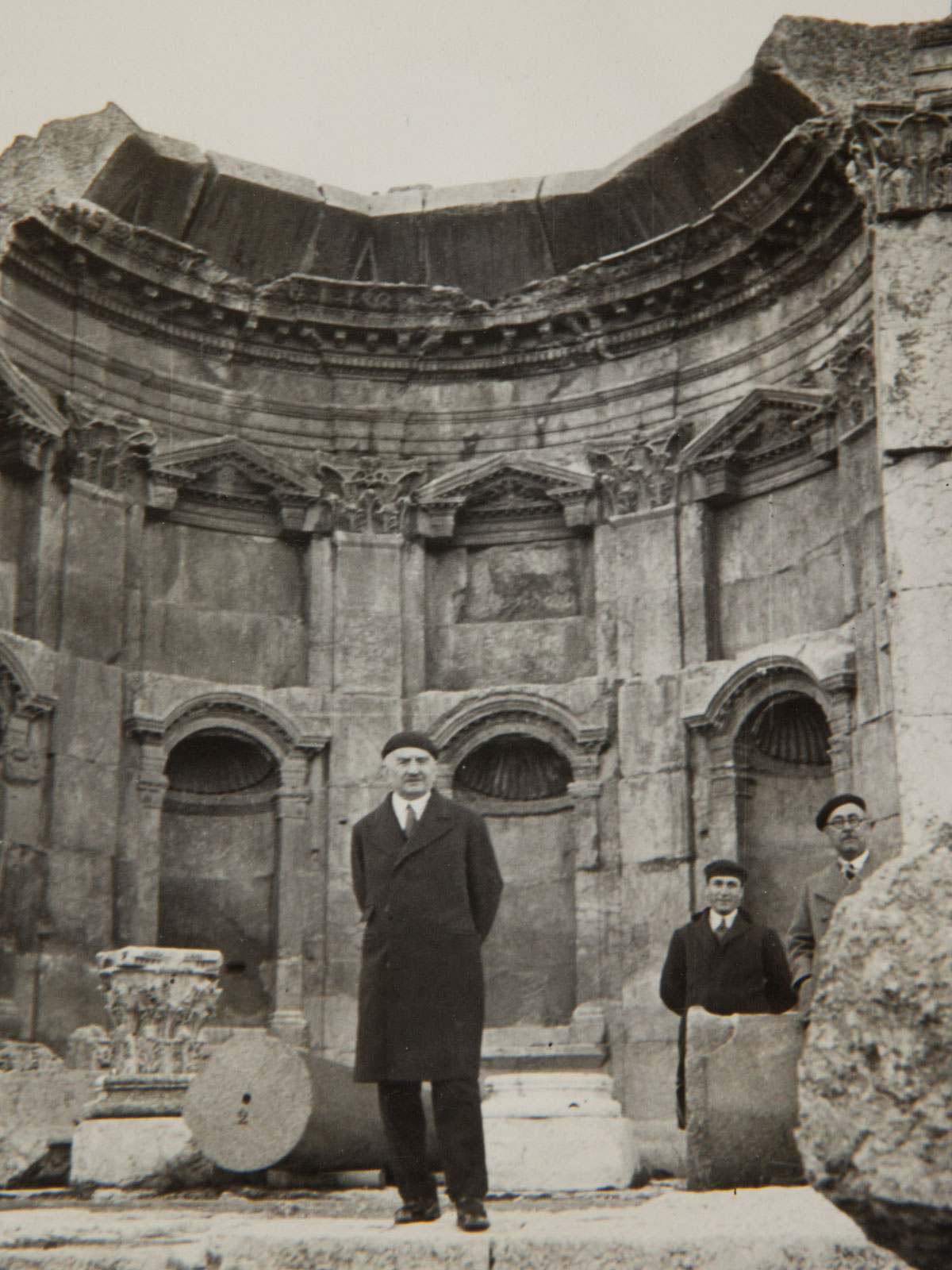
His passion for art took hold early in life. His family came from Cappadocia, a region whose principal city, Caesarea, is closely tied to the birth of the world’s great religions – and, with them, to the flourishing of the arts.
Constantinople left a similar mark on his upbringing: a city that stood, above all, as a crossroads of civilisations, having served in turn as the capital of the Romans, the Greeks and the Ottoman Turks.
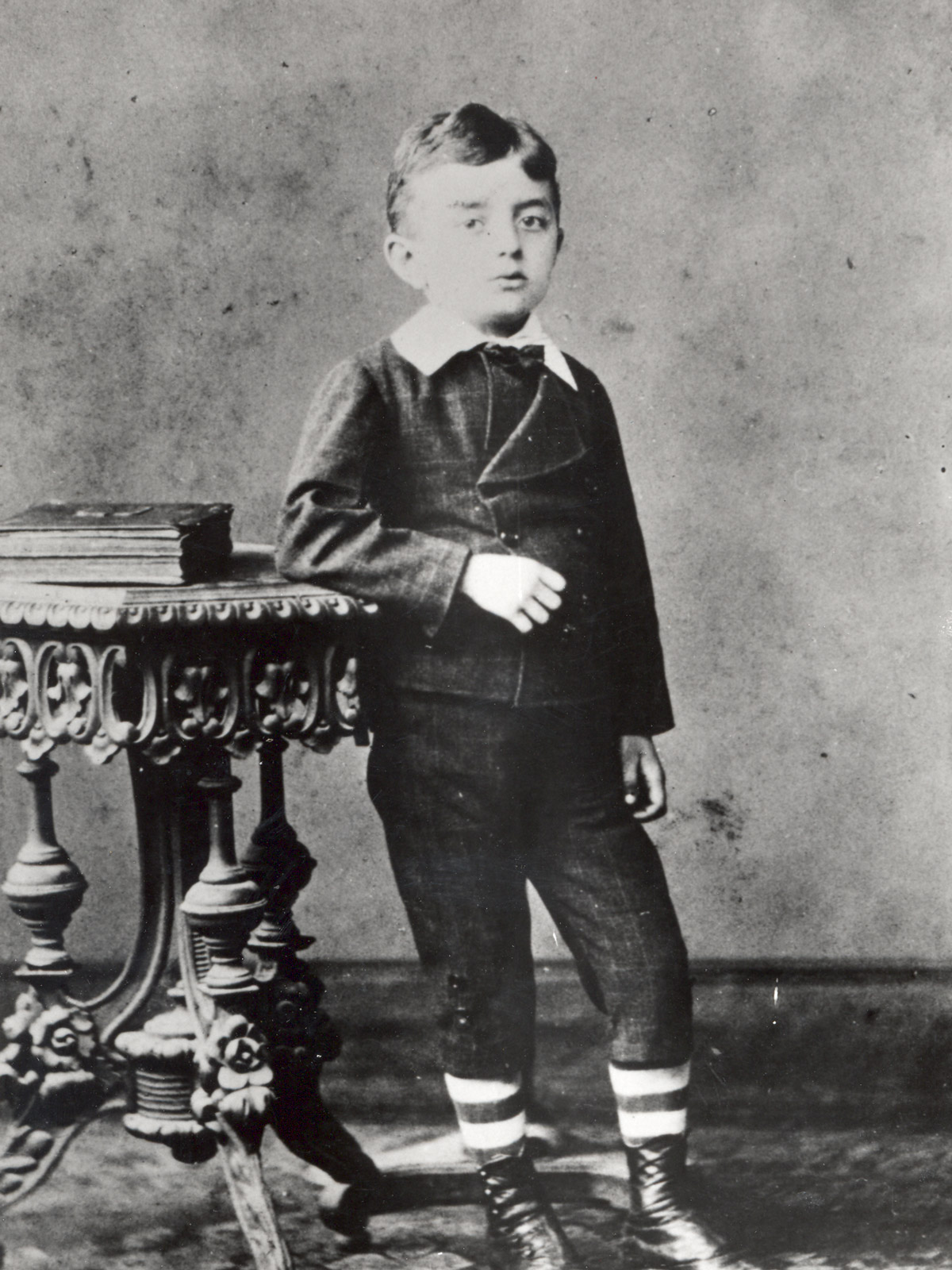
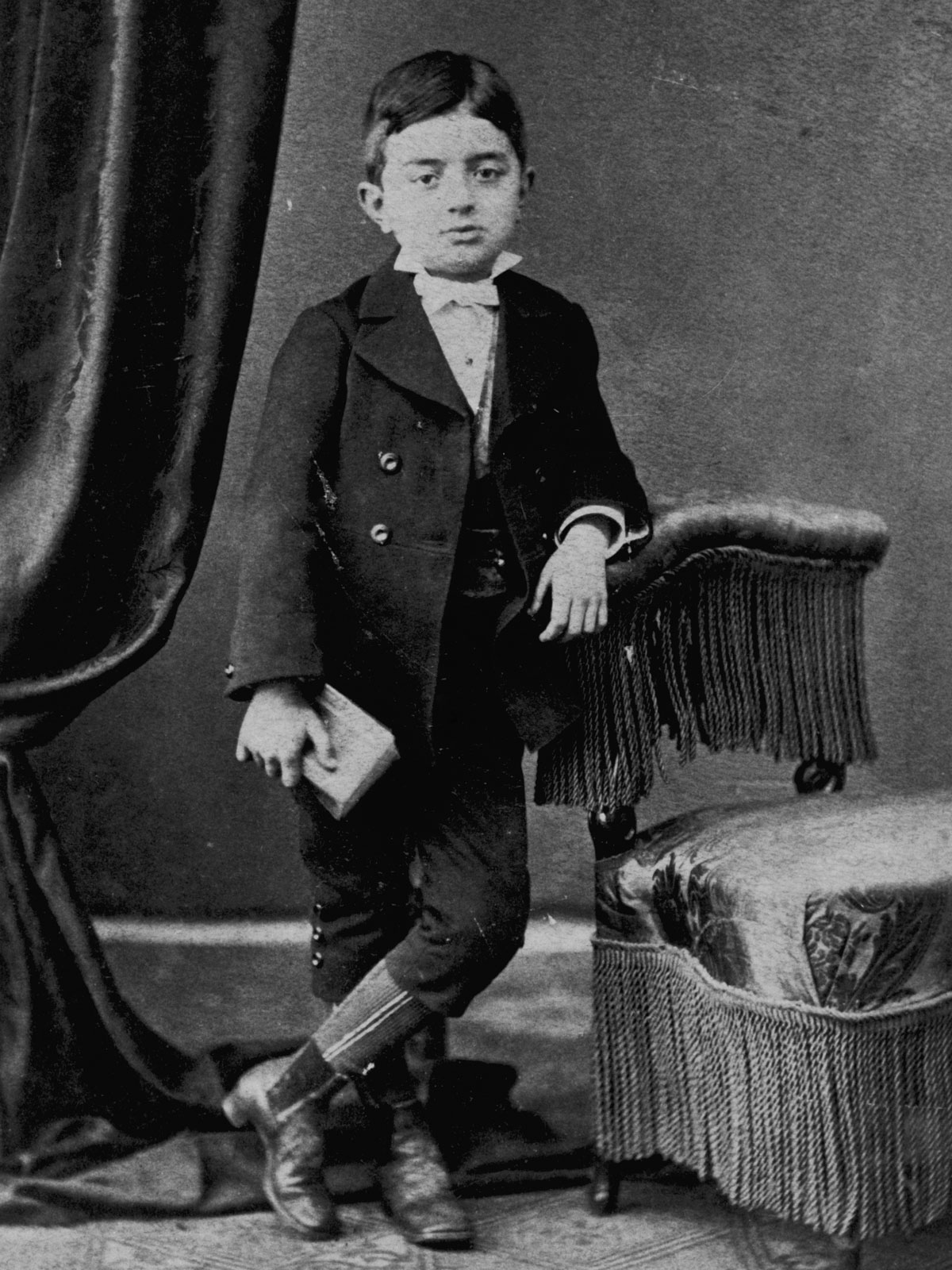
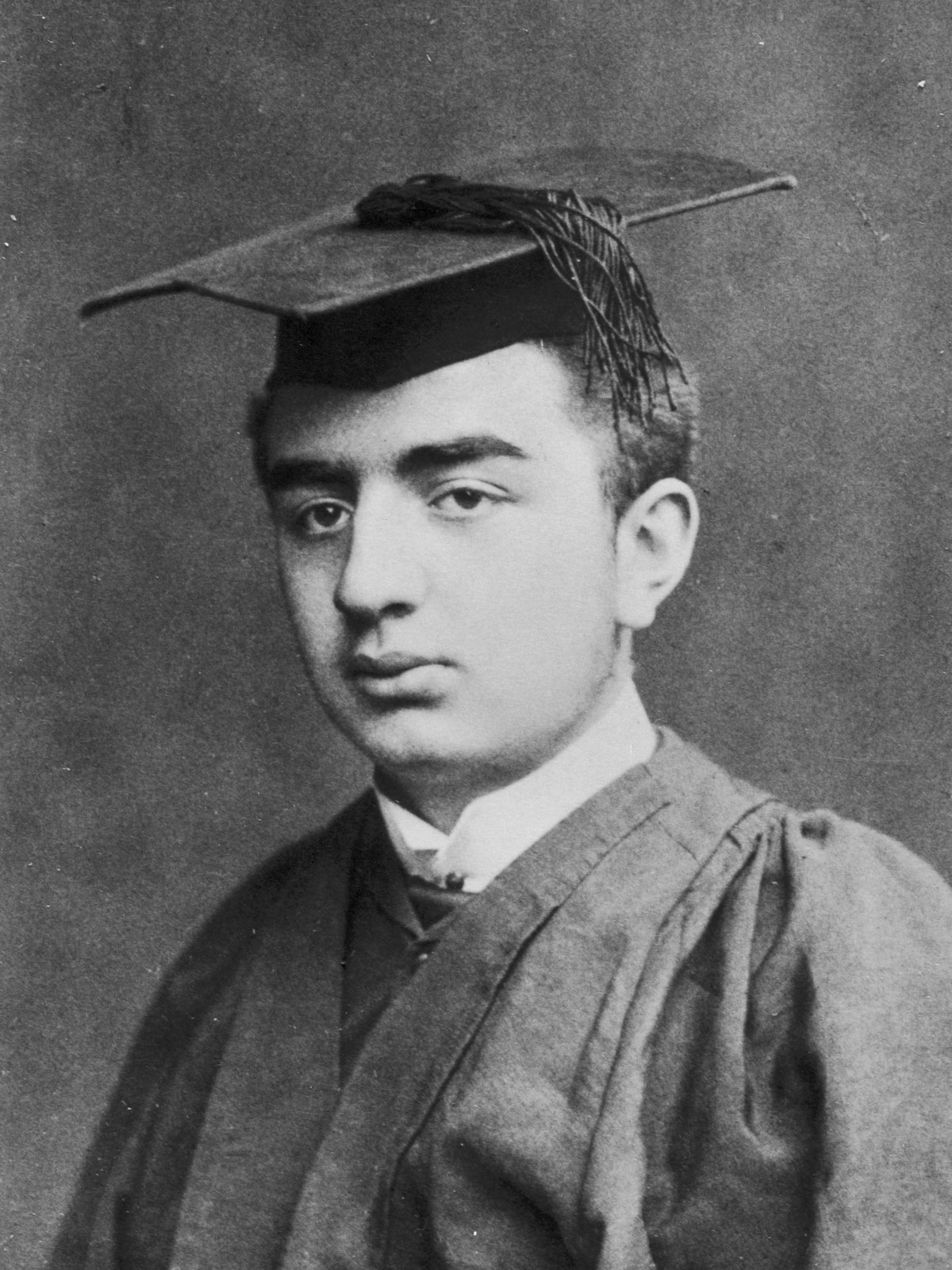
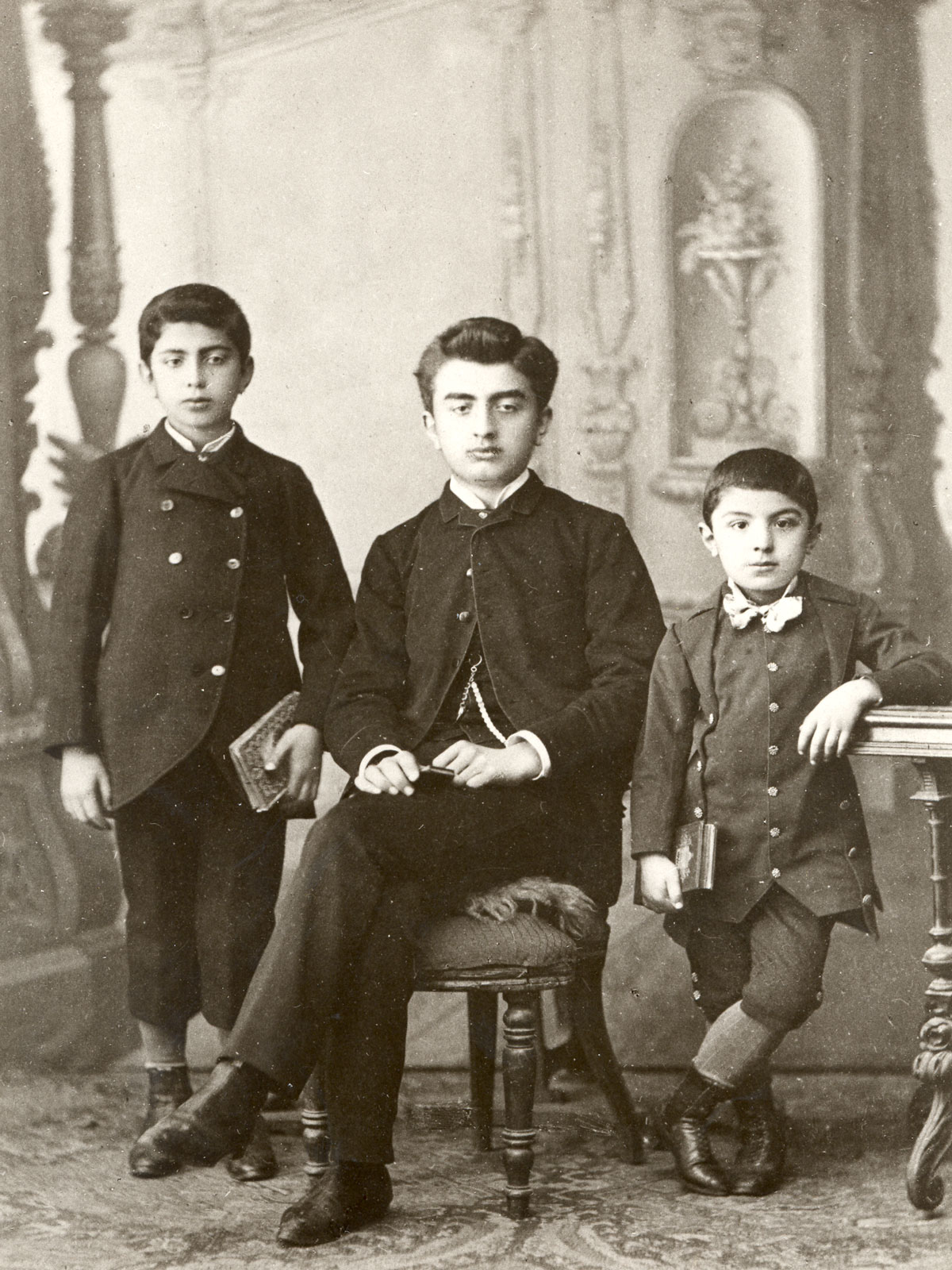
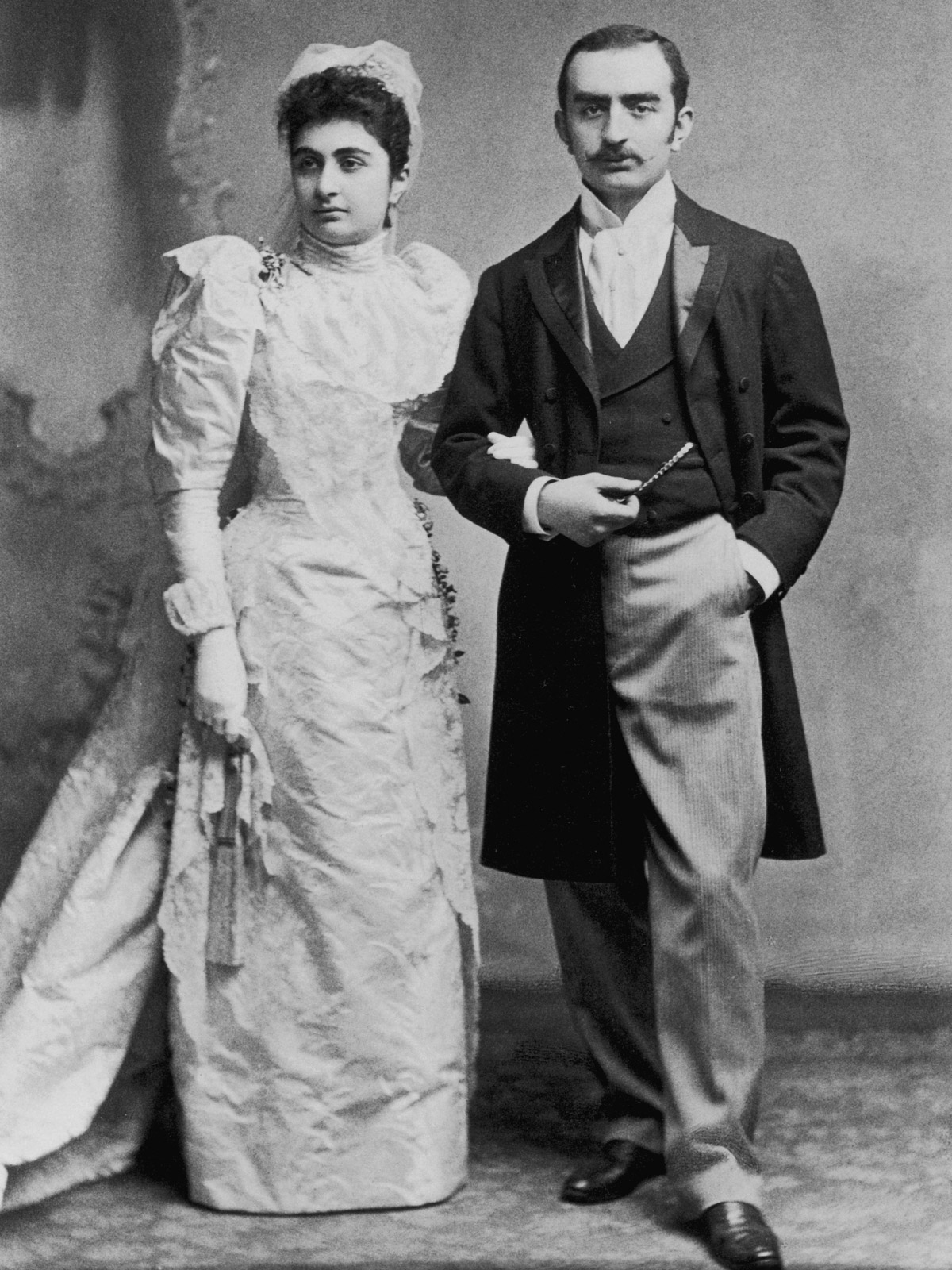
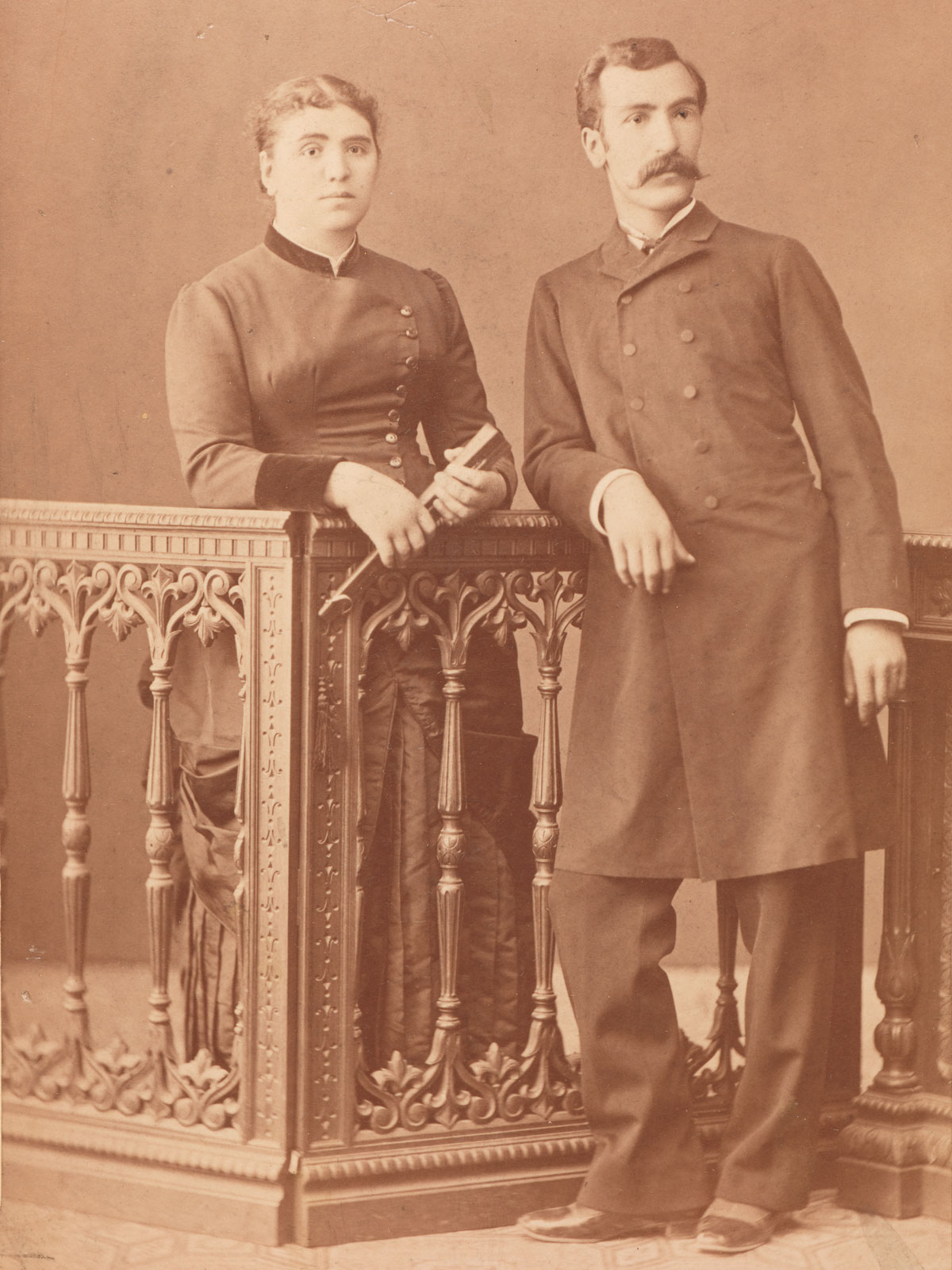
What drew Gulbenkian to an object, above all, was its beauty. Through years of travel and long negotiations with leading experts and dealers, and led always by his own personal taste, he built up a collection that remains unique in the world for its diversity. Today it holds more than 6,000 pieces, ranging from Antiquity to the early 20th century.
“Only the best is good enough for me” – the phrase attributed to Gulbenkian captures perfectly the exacting standard he set himself.
Pieces came to him through intermediaries, directly from their owners, or at auction, but the final decision was always his, taken with the guidance of a small circle of trusted advisers.
It was Kenneth Clark, director of the National Gallery, who recommended his 1943 purchase of Manet’s Boy Blowing Bubbles. During negotiations with the Soviet Union for pieces from the Hermitage, between 1928 and 1930, he relied on the discretion of the Parisian jeweller André Aucoc.
He drove a careful bargain, paying a fair price but rarely more.
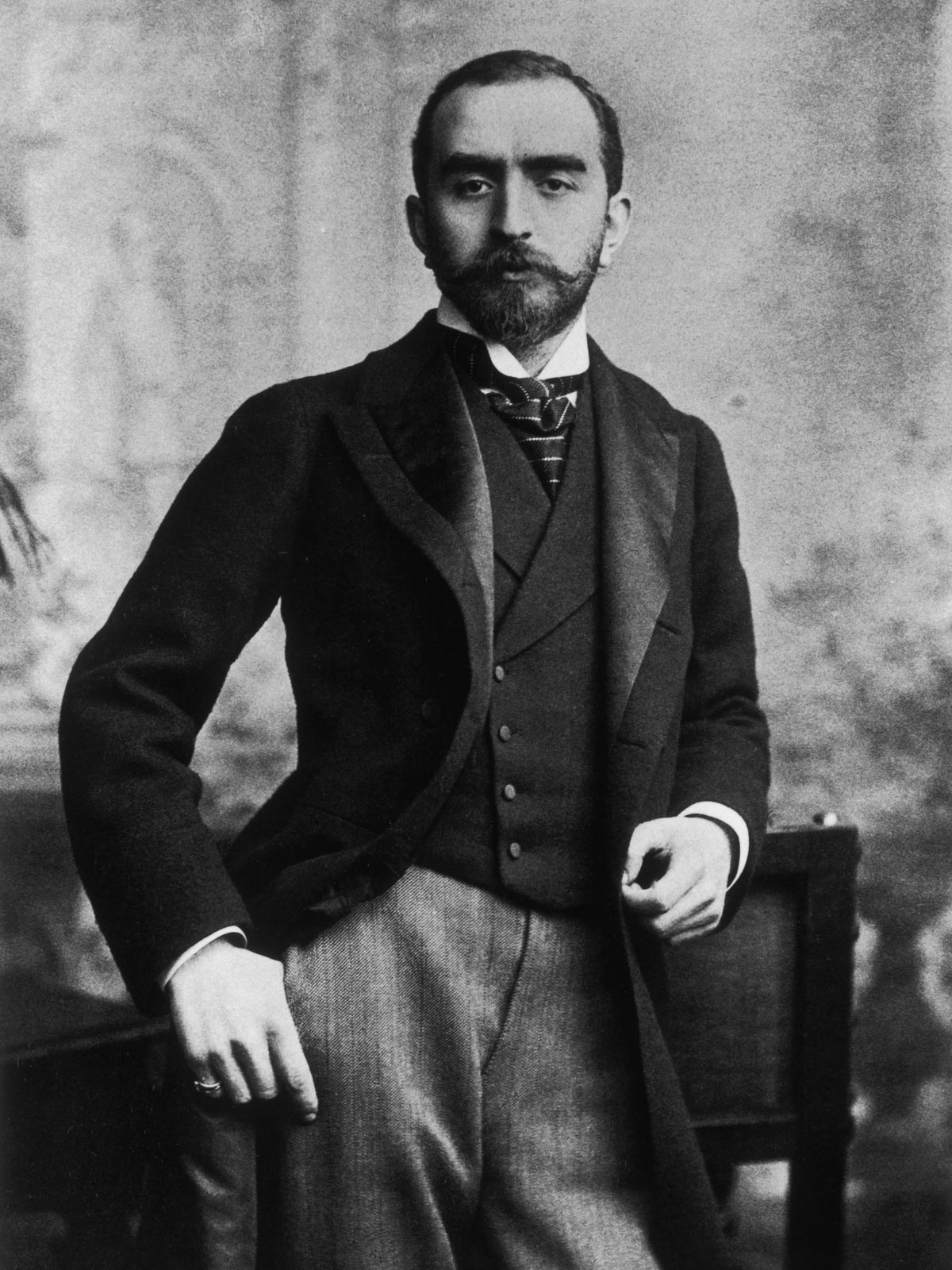
As the collection continued to grow, Gulbenkian took steps to protect it: the works held at his Paris residence were divided, with part of the collection sent on to London.
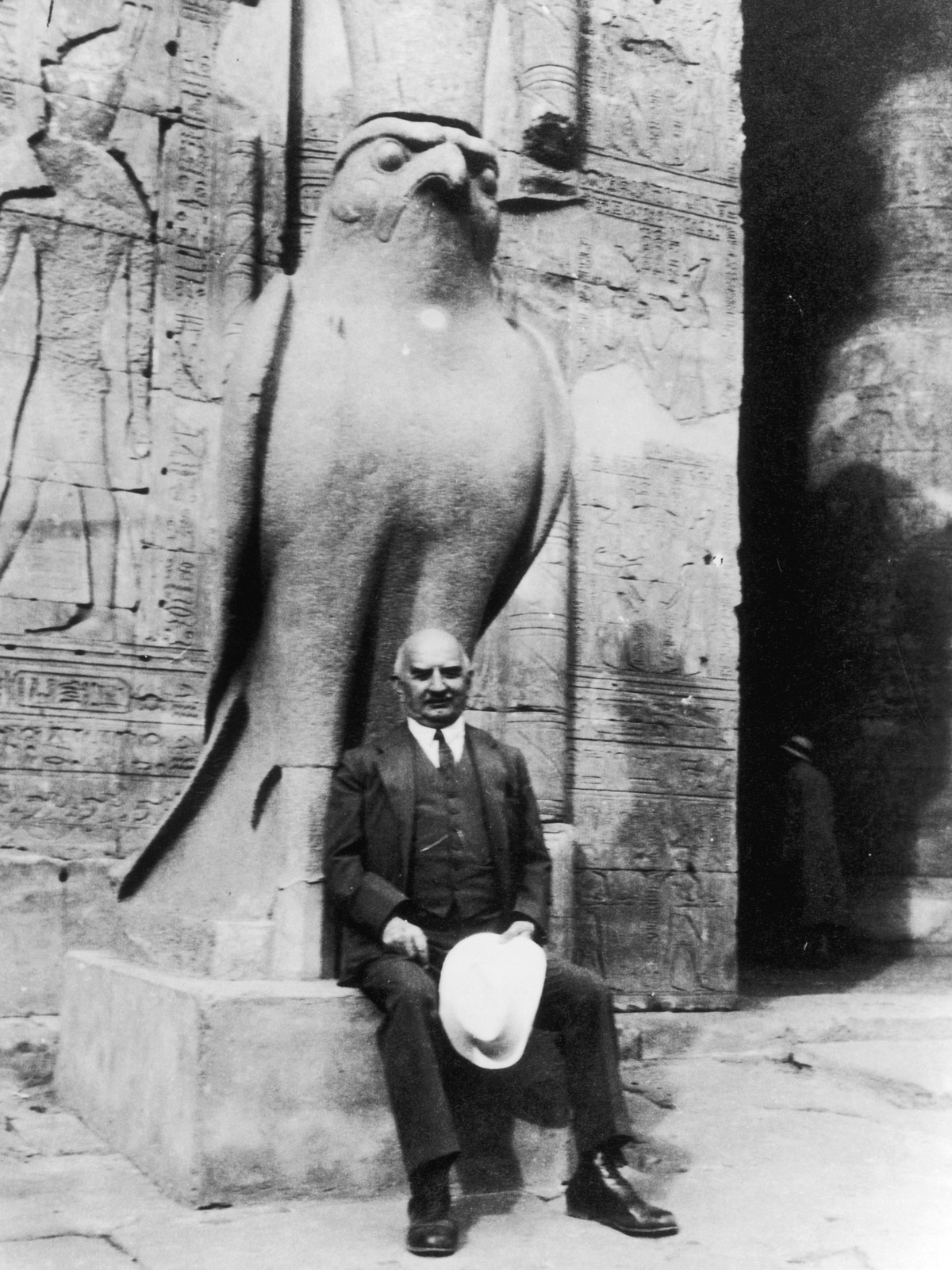
In 1936, the Ancient Egyptian holdings were entrusted to the British Museum and the finest paintings to the National Gallery. When the threat of bombing arrived in 1939, the paintings were evacuated to Wales – first to a number of sites near Bangor, then to a disused slate mine at Manod that had been adapted to keep them safe. They did not return to London until 1945, after the war had ended.
Later, in 1948 and 1950, these same works were transferred on to the National Gallery of Art in Washington.
Each move was complex and fraught with risk. Above all, Gulbenkian was concerned with safeguarding his estate and managing the tax implications of his legacy.
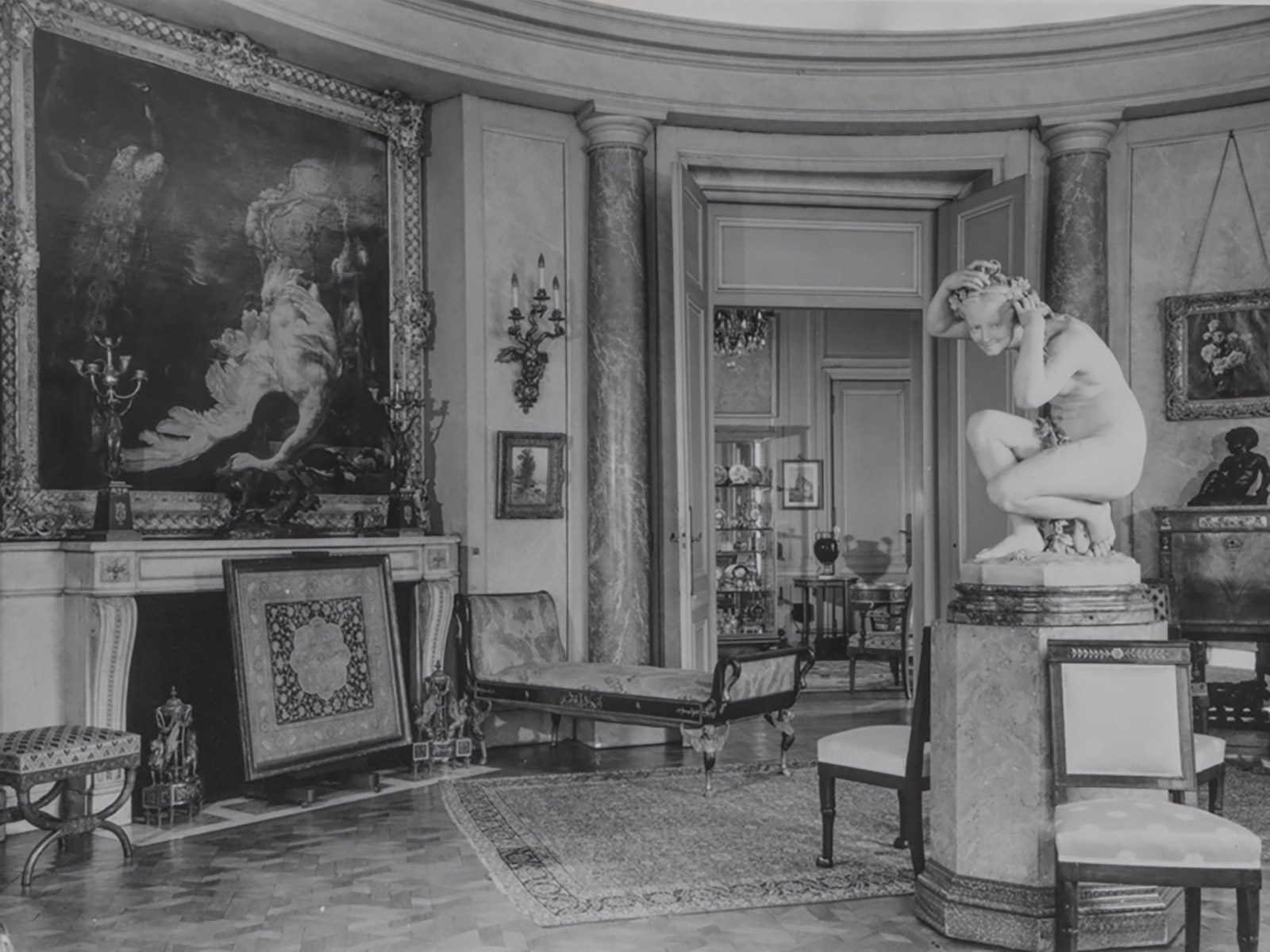
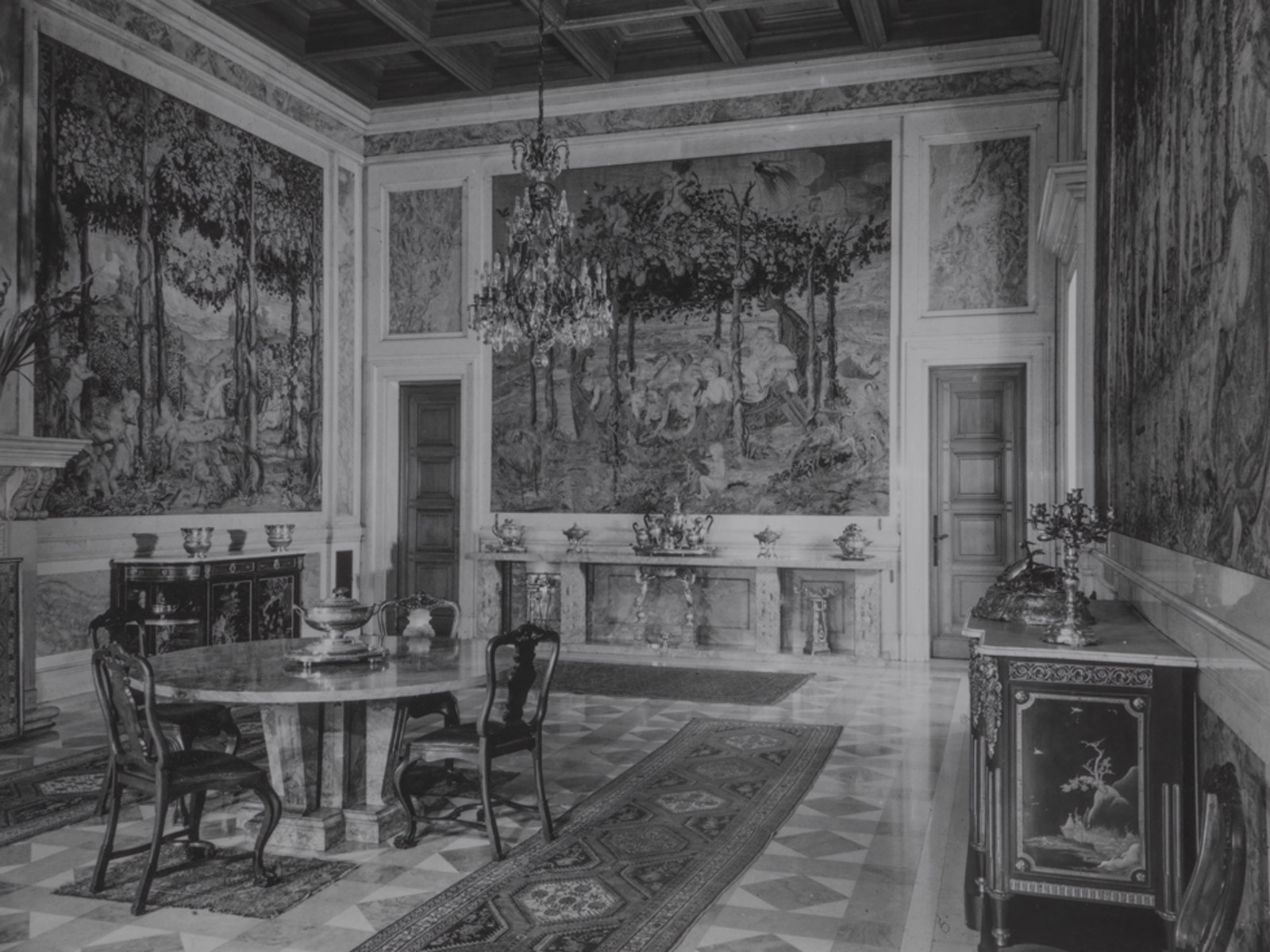
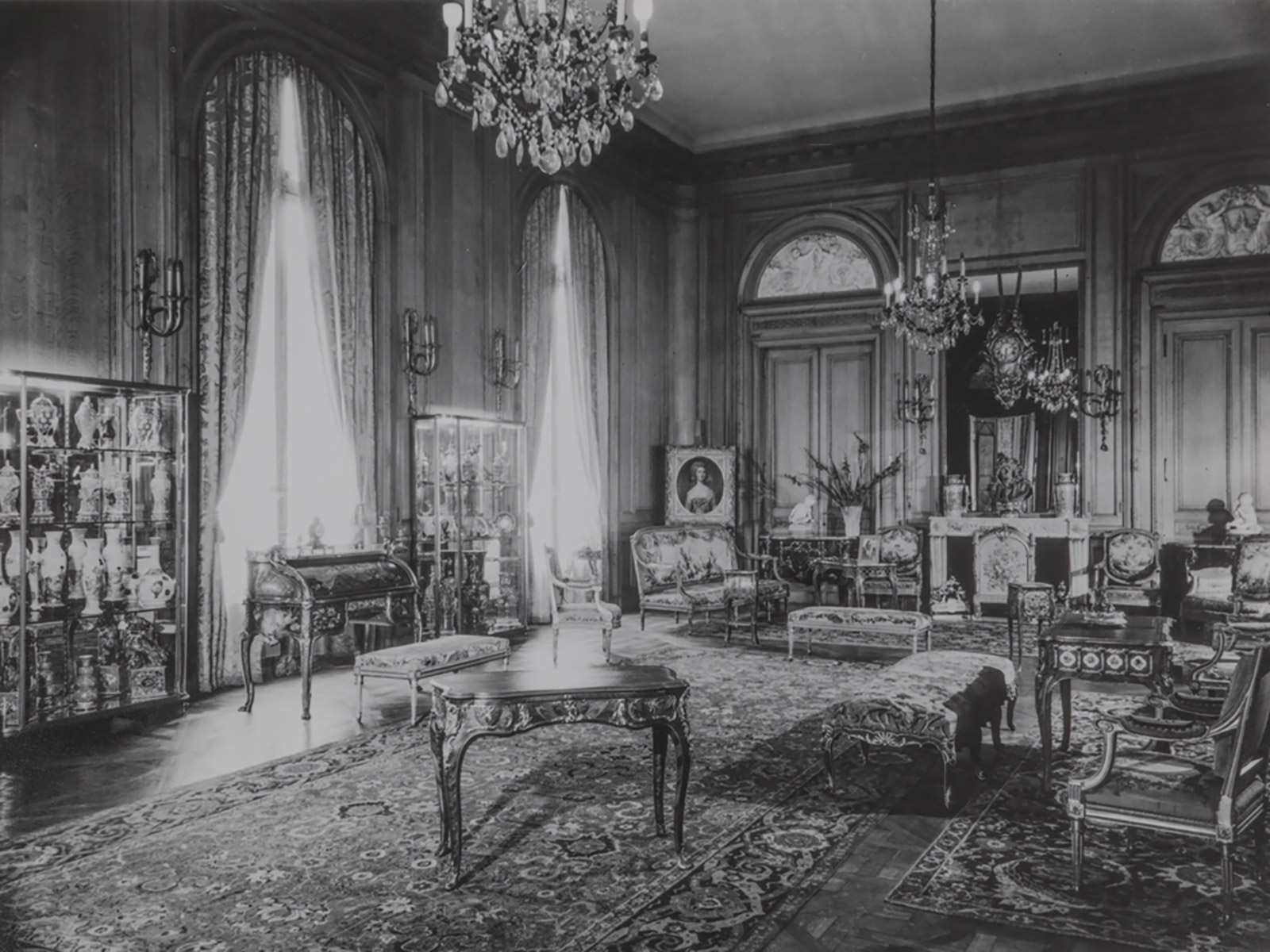
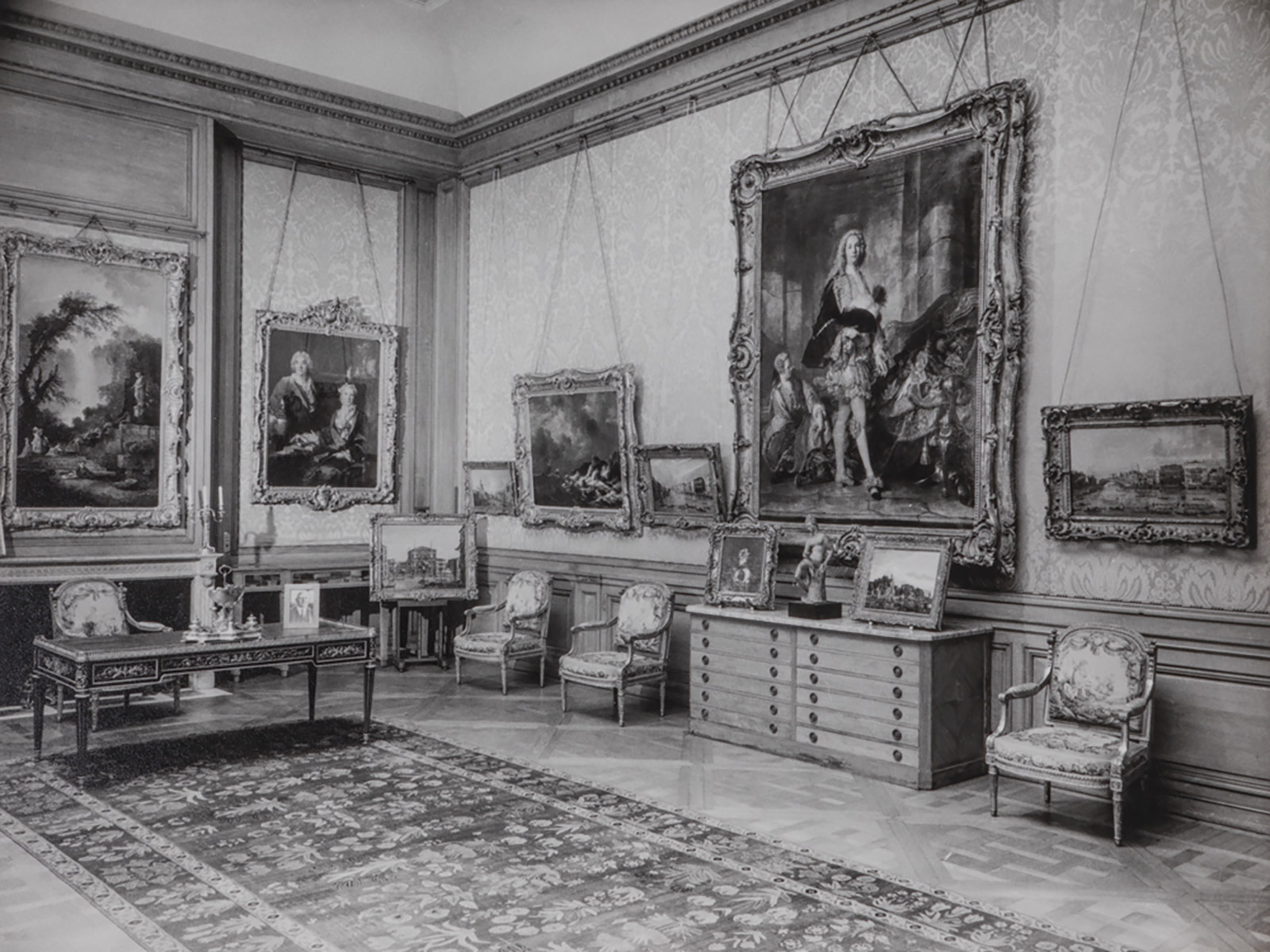
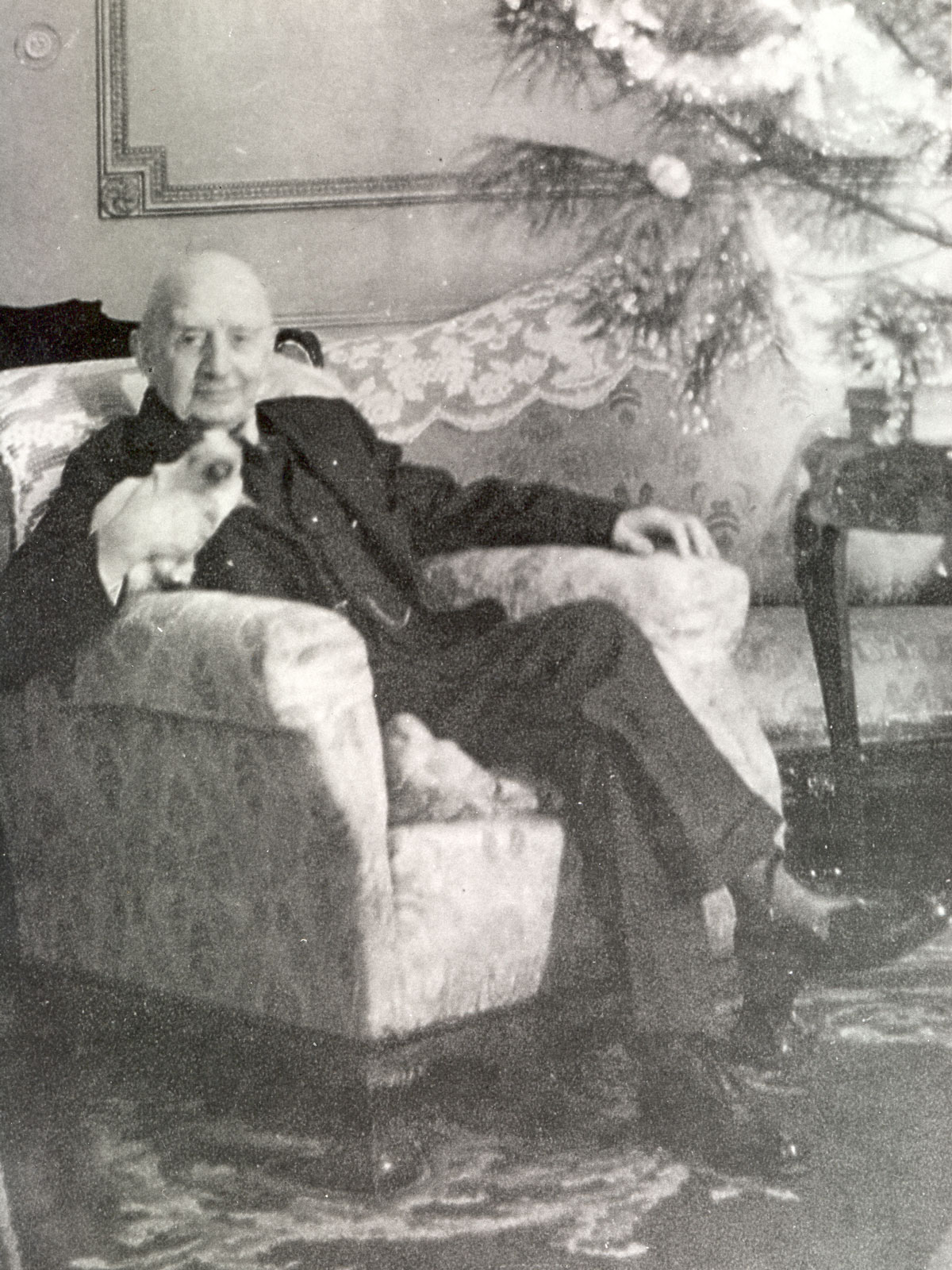
In 1937, he put to Kenneth Clark, director of the National Gallery, the idea of a “Gulbenkian Institute” housed within his gallery in London. The plan never materialised, and in 1942 a diplomatic incident pushed the idea further out of reach: the British government classified him a “technical enemy” – a designation lifted the following year, but one Gulbenkian never forgot.
After the war, further proposals followed, from the Victoria & Albert Museum in London and the National Gallery of Art in Washington, where part of the collection was already held. None of them came to anything.
From 1943 onwards, his British lawyer, Lord Radcliffe, became his chief adviser on matters concerning his estate.
Gulbenkian was known to feel strongly that the collection should remain under a single roof, so that it could stand as a testament to what one man had achieved in a lifetime.
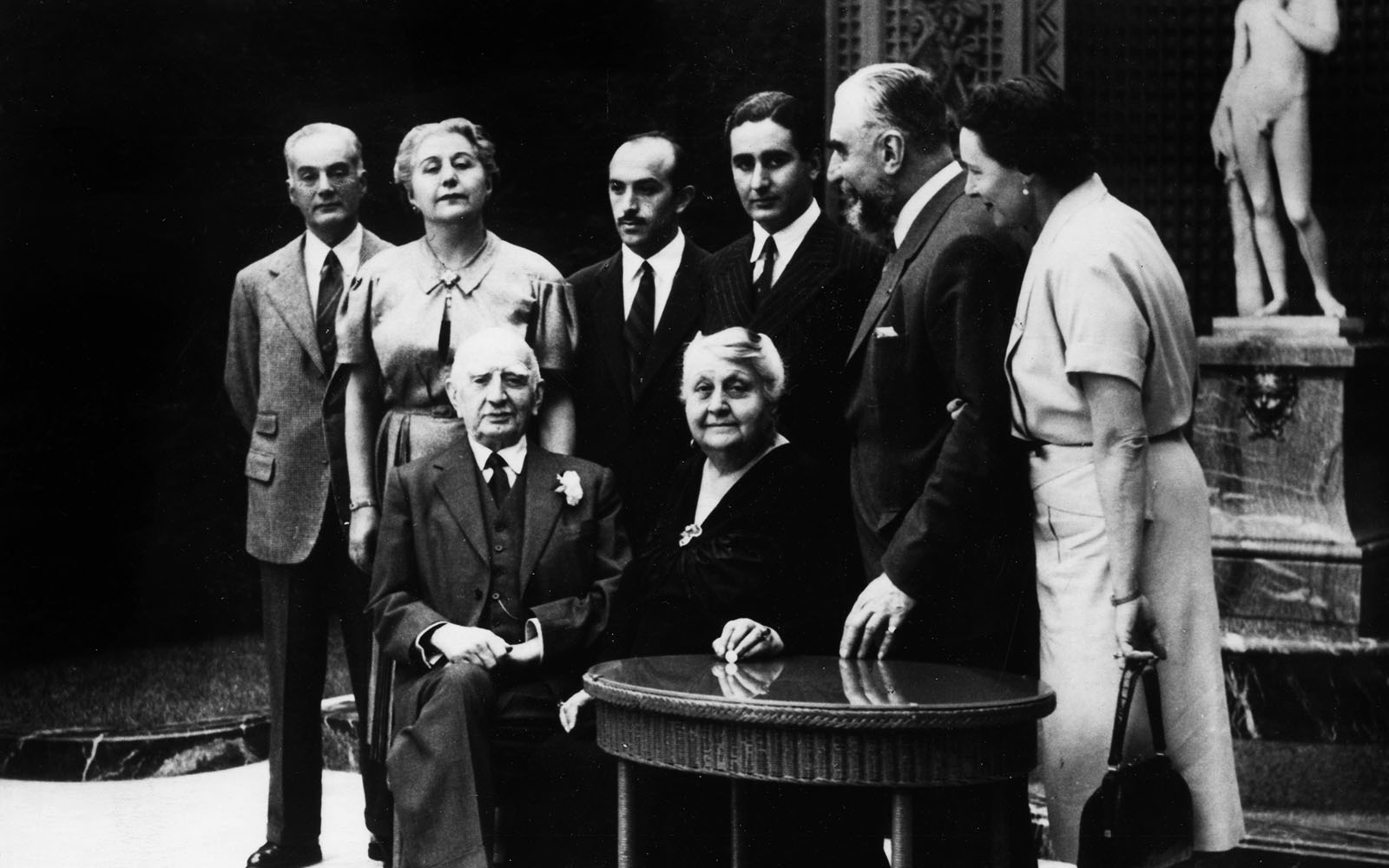
In his final will, drawn up in 1953, Gulbenkian settled the matter: all his works were to go to Lisbon, where a newly created foundation would build a museum to house and protect them.
The most difficult negotiations were with the French government, which was reluctant to let go of pieces that had come from the Palaces of Versailles and Fontainebleau.
The impasse was eventually resolved through joint diplomatic effort, bringing together Gulbenkian’s Board of Trustees – then chaired by José de Azeredo Perdigão – the Portuguese Ministry of Foreign Affairs, and France’s Minister of Culture, André Malraux, clearing the way for the collection to enter Portugal without restriction.
On 26 June 1960, some 6,440 works arrived in Portugal, brought together at last under a single roof, just as Gulbenkian had always wished. Before finding a permanent home, they were displayed at the Palácio dos Marqueses de Pombal in Oeiras, between 1965 and 1969.
It was not until 14 years after the Collector’s death that his final wish was fulfilled, with the opening of the Calouste Gulbenkian Museum in Lisbon.