

Gulbenkian Museum Collection
The collection comprises around six thousand works acquired by Calouste Sarkis Gulbenkian, spanning from Ancient Egypt to the 20th century.
Over more than fifty years, guided always by his personal taste, Gulbenkian built an eclectic collection with advice from the leading specialists of his day. The result is one of the most important private art collections in the world.
The Museum’s galleries display around a thousand pieces along a route that begins in Ancient Egypt, moves through the Islamic World, China and Japan, and ends in Europe.
EXPLORE THE COLLECTION
Ancient Egypt
These works document the most significant artistic periods in Egypt, from the Ancient Empire to the Roman Era, as well as the collector’s interest in this civilisation.

Mesopotamia, Greece and Rome
This selection highlights are the extraordinary collection of Greek coins, one of the most significant ever brought together by an individual, and the Assyrian low-relief from Ashurnasirpal’s palace.

Islamic World
These pieces, acquired by Calouste Gulbenkian between 1898 and 1938, clearly demonstrate his interest in the art produced in Iran, Türkiye, Syria, the Caucasus and India, from the 12th to the 18th century.

Armenia(n)
This group is largely composed of illuminated parchments from the 16th and 17th centuries, a clear indication of the collector’s interest in his Armenian origins.

China and Japan
A significant group of artworks from East Asia, with porcelains and hardstones from China and lacquers from Japan, reveal Calouste Gulbenkian’s taste for different cultures.

Europe, 12th–17th centuries
A major collection of ivories, medieval illuminated manuscripts and paintings by great masters such as Rubens and Rembrandt compose this section of the Gulbenkian collection.
Europe, 15th–17th centuries
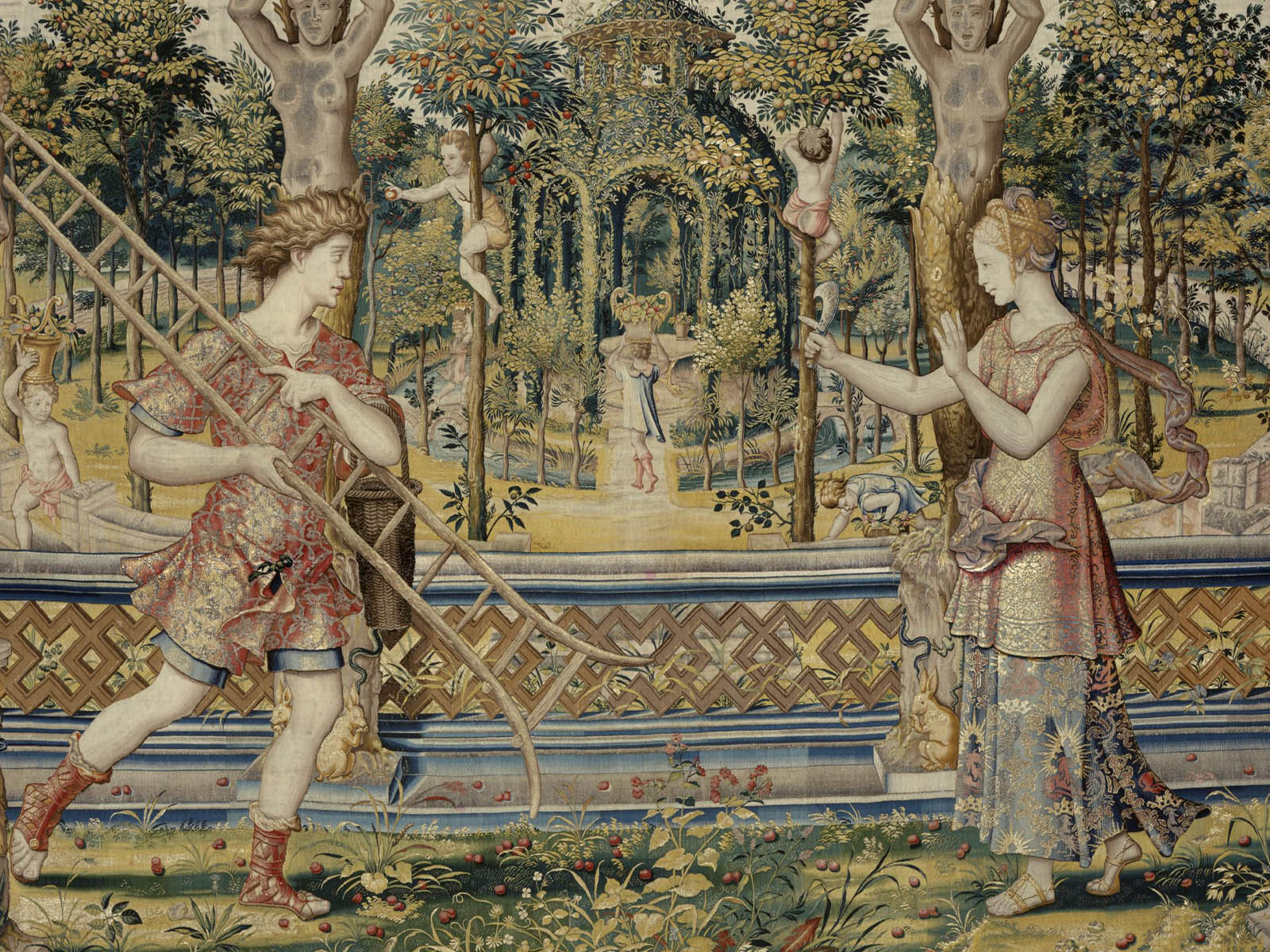
Tapestries, Italian velvets, printed books and a sculpture by Andrea della Robbia illustrate the art of the Renaissance in the Gulbenkian Museum, which also includes a remarkable collection of medals.

Europe, 18th century
Paintings and sculptures from the 18th century, a considerable group of furniture and rare pieces of silverwork, bear witness to the collector’s interest in French artworks and those of royal provenance.

Europe, 19th–20th centuries
This section gathers 19th-century painting by the greatest English portraitists, as well as pieces by Turner, Manet, Degas, Renoir and Monet and sculptures by Carpeaux, Barye and Rodin.

René Lalique
Selection devoted to the jewellery and glass works of René Lalique, Calouste Gulbenkian’s friend whom he admired unconditionally.