The reopening of the Calouste Gulbenkian Museum

Renovated and modernised, the Museum regains its original harmony and strengthens the relationship between art, architecture and nature.

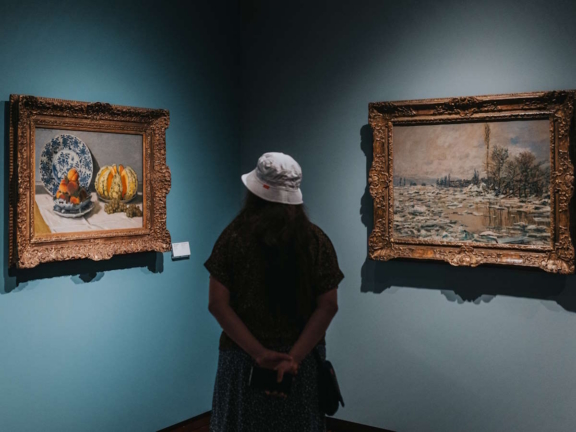
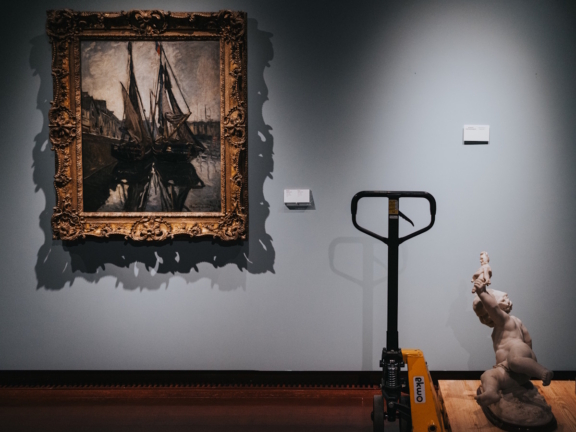
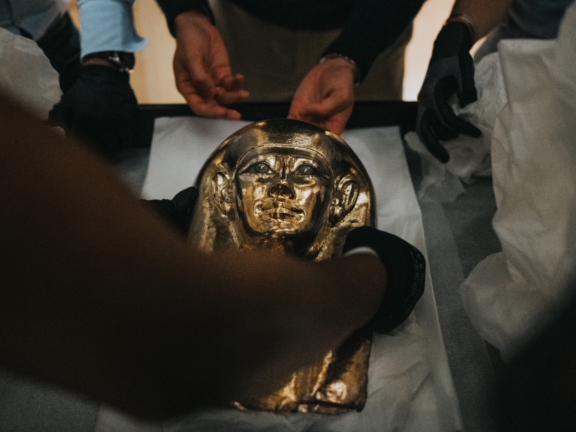
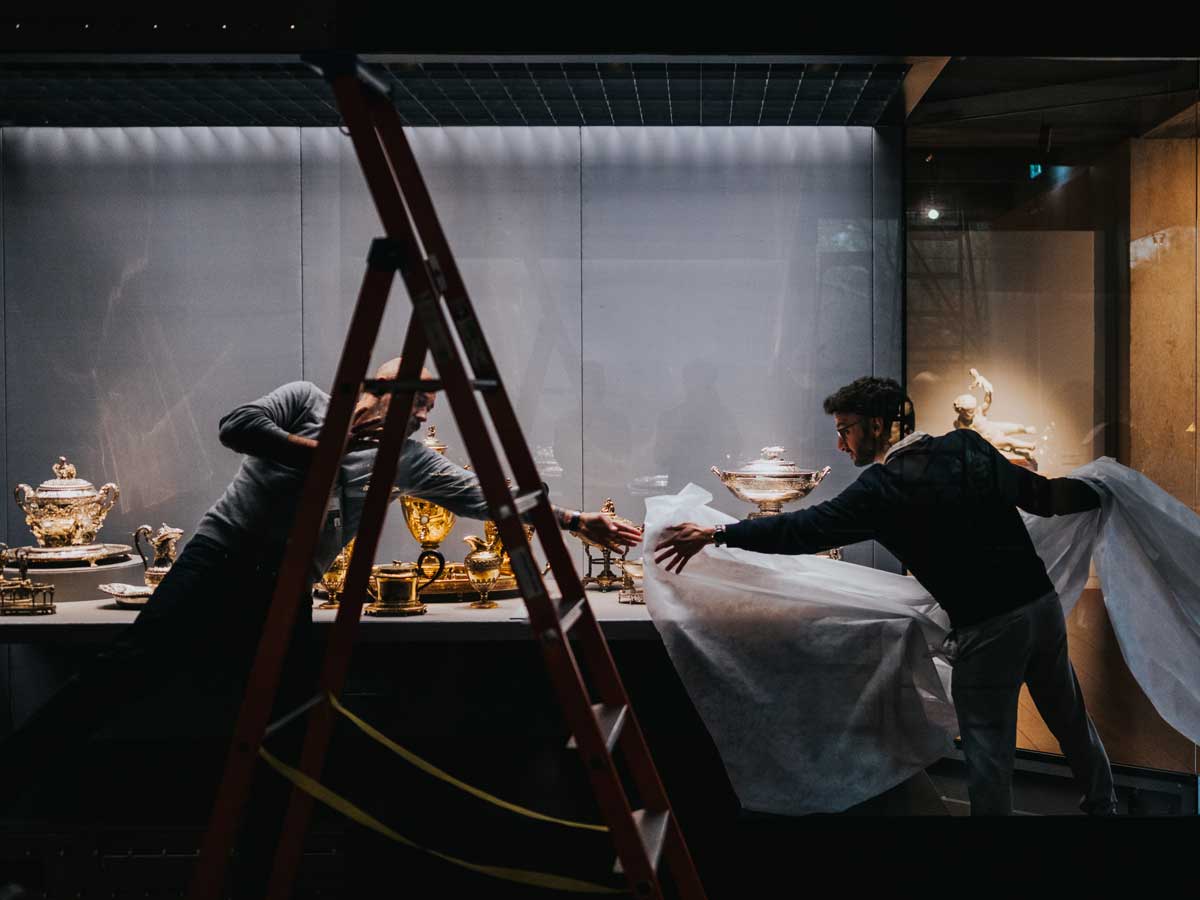
The Calouste Gulbenkian Museum reopens its doors on 18 July, a year and a half after closing for renovation and refurbishment works. Visitors will find more information about the collection and renovated exhibition areas, with new display cases, improved lighting, ventilation and security.

This renovation comes at a time when the Gulbenkian Foundation  is celebrating 70 years of existence and aims to evoke the spirit and coherence of the original museum project, re-establishing the relationship between architecture, art and nature that, in the 1960s, made it stand out as a unique building in the global context.

The original project was conceived by a renowned trio of architects, Ruy Jervis d’Athouguia, Alberto Pessoa and Pedro Cid, and a team of national and international experts and consultants, including the French museologist Georges-Henri Rivière and the Italian architect Franco Albini.

Inspired by the original exhibition concept and architectural vocabulary, and using the same materials – silk, fitted carpet, wood, bronze, glass and concrete – the renovation restores to the Museum’s spaces the atmosphere that characterised it when it first opened. The museography was revisited by means of a meticulous study of archive plans and photographs from the period.

Dialogue with nature

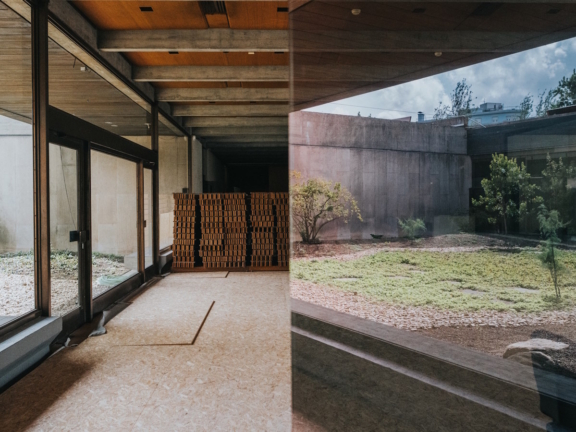
One of the greatest ambitions of this renovation project was to restore the dialogue between the galleries and the gardens. In collaboration with landscape architects, the way the galleries open onto interior courtyards and the surrounding vegetation was re-established, which was decisive for controlling the natural light and shading the exhibition spaces. The team carefully studied the planting of trees and their behaviour at different times of the year, in order to ensure a subtle filtering of sunlight and bring back the delicate balance between architecture and landscape.

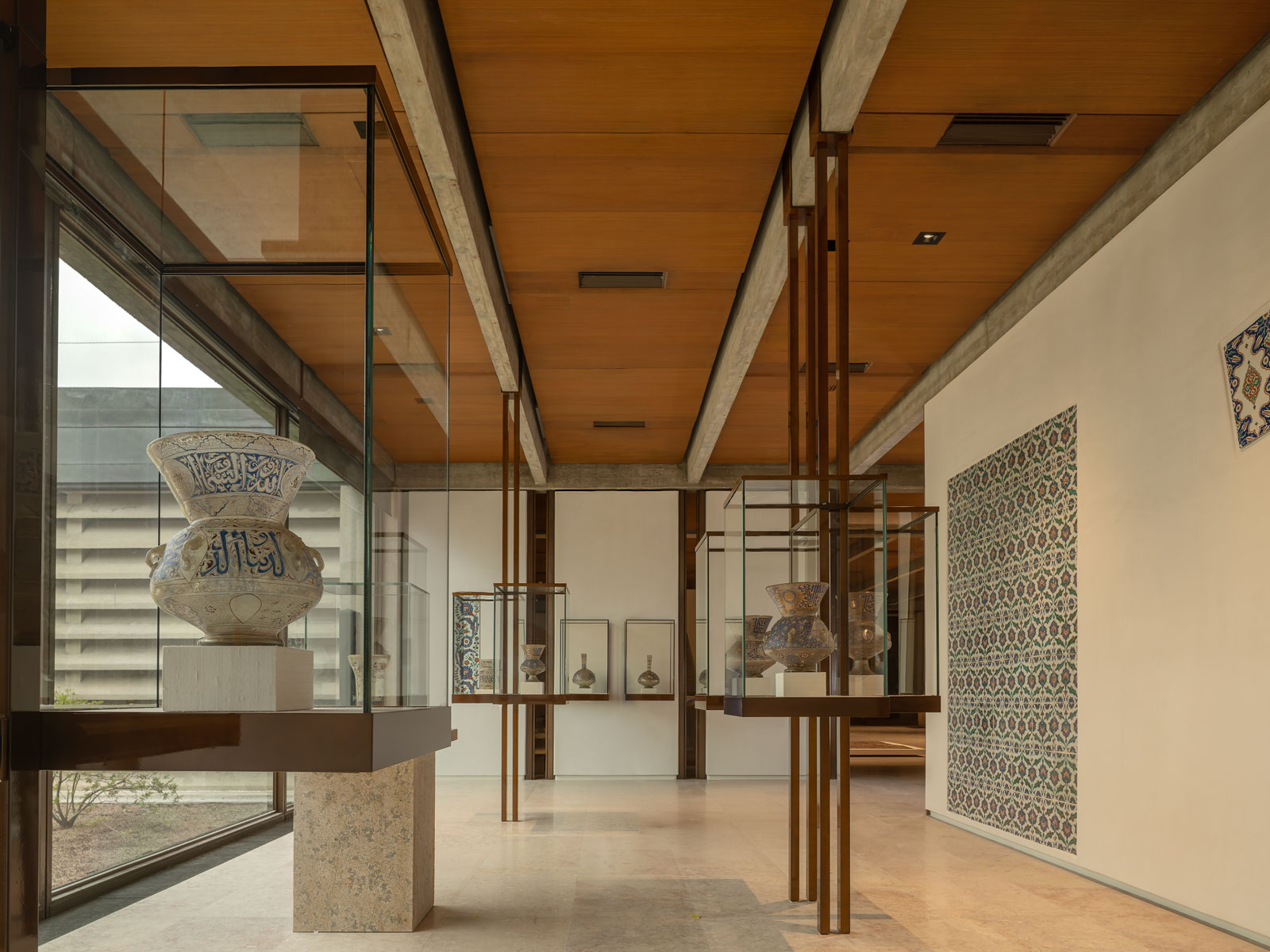
In the Armenia and Islamic World Gallery, there is a greater openness between the windows and the outside, reinforcing the link between the floral and plant motifs on the tiles and carpets and the surrounding flora.

In the mosque lamps section, the blinds that previously partially blocked the view to the courtyard were removed. As a replacement, a protective filter film was applied to the windows, re-establishing the visual link to the interior garden and simultaneously ensuring adherence to the conservation requirements of the works exhibited.

Another significant intervention took place in the transition space between the China and Japan Gallery and the European Galleries: the reintroduction of the slatted wood panels that offered partial glimpses of paintings on display in the adjacent space before being replaced by an opaque wall. The current screen of metal and wood restores a sense of levity to the atmosphere and reactivates the interplay of visual perceptions, allowing visitors to glance some of the most important works in the collection, notably the two paintings by Rembrandt – Portrait of an Old Man and Pallas Athena – and Portrait of Helena Fourment, by Rubens.

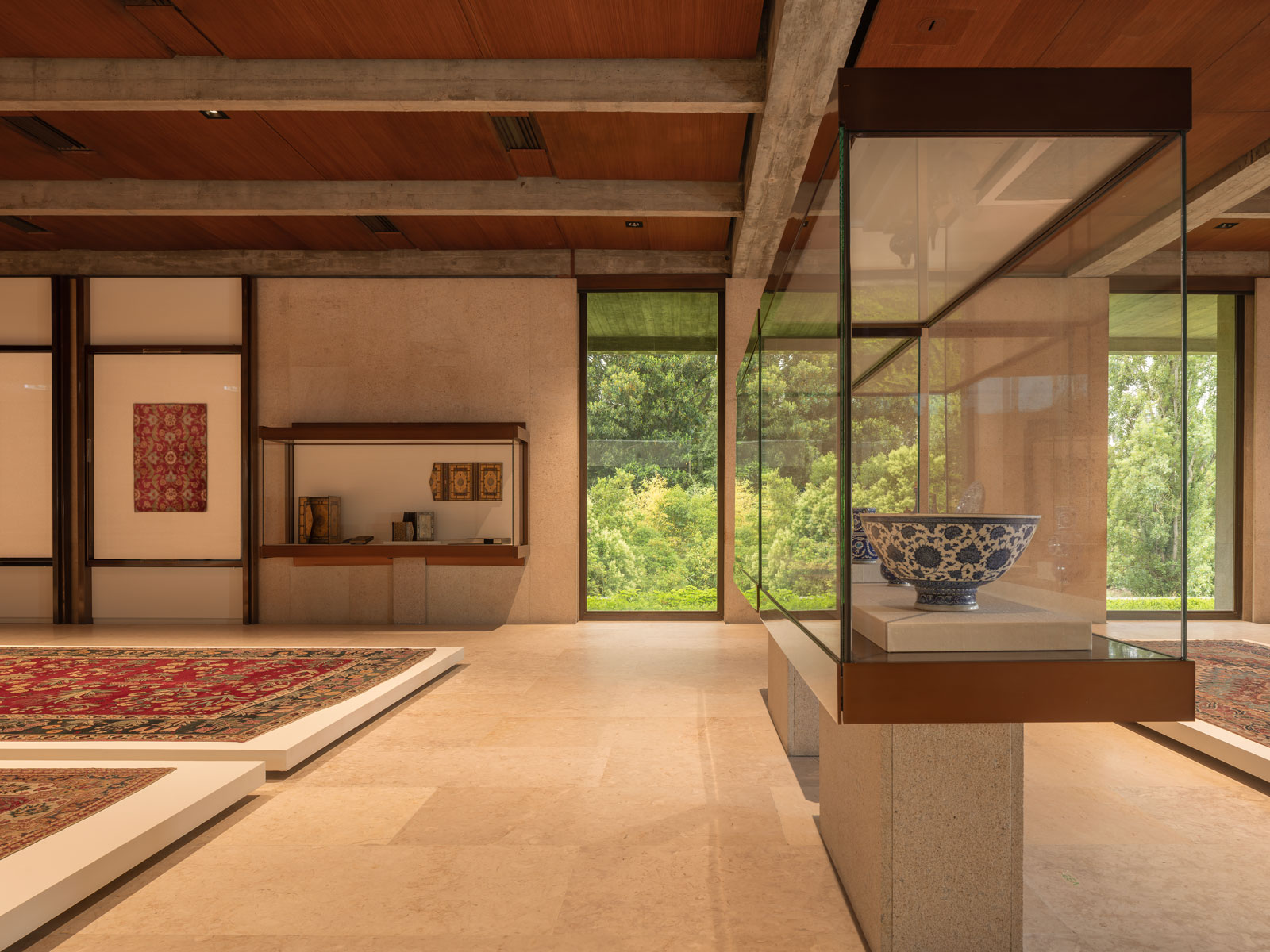
The renovation also involved the re-installation of the green fitted carpet in the Europe Galleries, with the aim of establishing visual continuity between the internal spaces and the vegetation, and highlighting the unity and spatial harmony of the Museum. In this section, silk was once again used to cover the walls, reinstating the elegance and original spirit of the spaces.

Anew. As new.

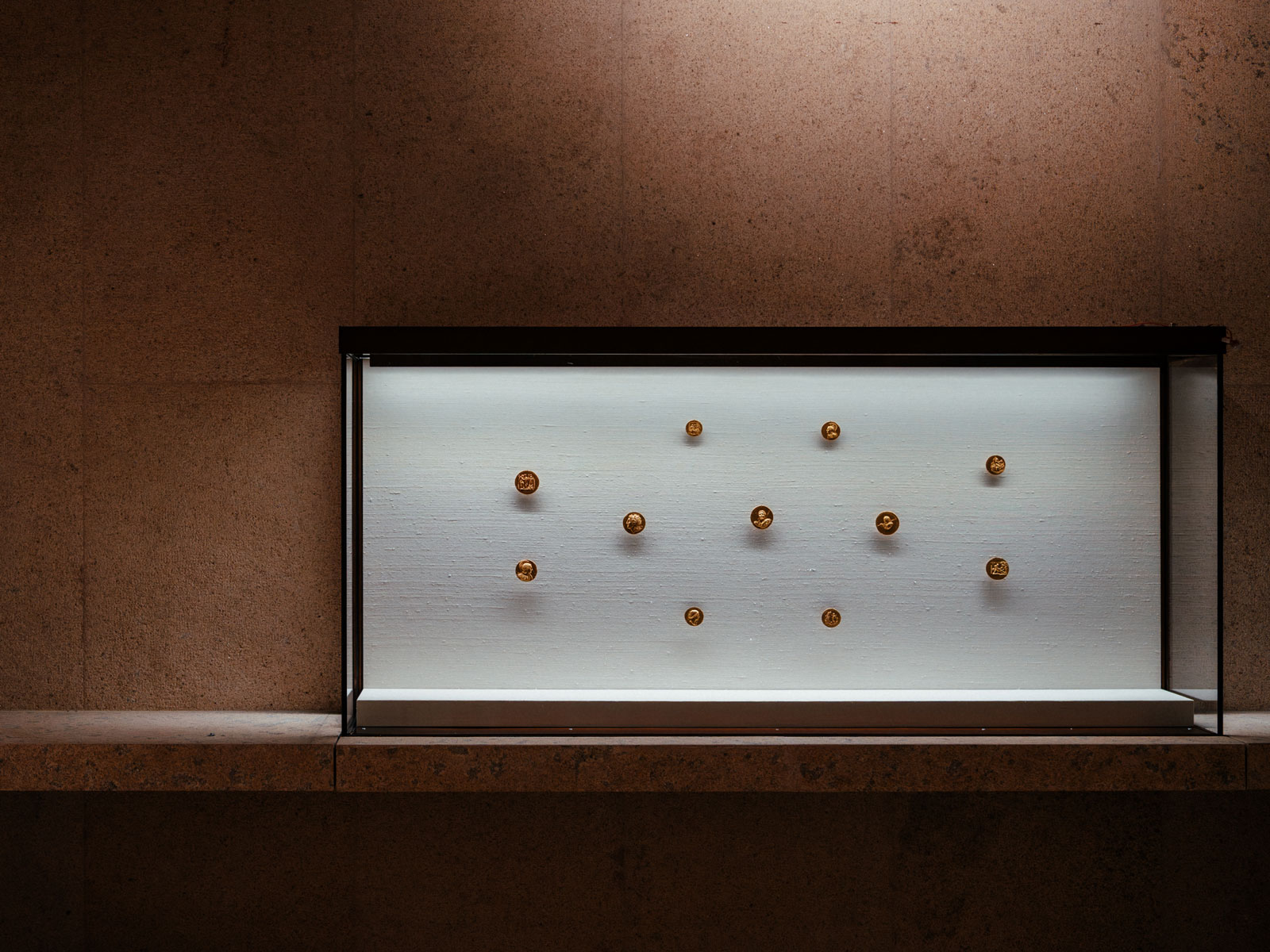
Visitors will find various novelties when visiting the Museum. One of these is the new numismatics room, created from a small cabinet that was previously hidden, now recovered and adapted accordingly. The scale of this room allows for a more intimate experience when exploring these objects, which are presented in greater number and organised thematically. A highlight among the pieces is the coin that inspired the Calouste Gulbenkian Foundation logo – the quadrigatus – presented in an individual display case.

Another change relates to the location of the Assyrian low-relief, previously situated between the Antiquities Galleries and the Islamic World Gallery. This work now occupies a more central position in the section dedicated to Mesopotamia, having undergone a series of conservation interventions to restore the reading of the original alabaster surface.

One of the changes that might go unnoticed by the general public is the iconic ‘Z’-shaped display case that houses the Chinese porcelain. It is a strictly faithful replica of the original design, but incorporating technical and functional improvements, particularly the use of non-reflective glass.

Having been grouped in one large showcase for more than two decades, the mosque lamps have also returned to individual cases, restored and fitted with non-reflective glass.  This reconfiguration allows each piece to be admired independently, providing a more intimate and detailed reading of the whole.

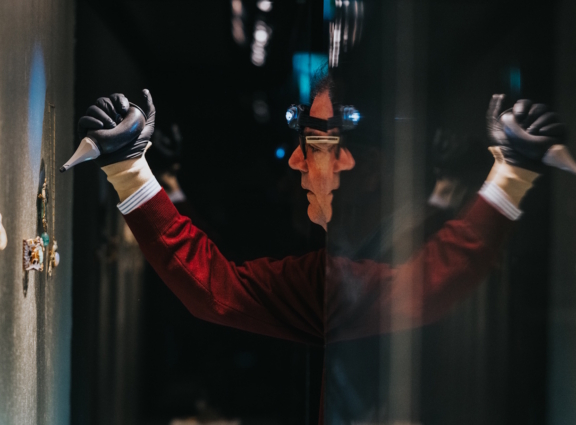
The René Lalique Room, which displays the largest collection of jewellery and objects by the famous jeweller and glass-maker outside of France, is the main exception to the general remodelling strategy.

A contemporary reading has been given to the space, integrating paintings by Edward Burne-Jones and John Singer Sargent, in order to establish a dialogue between the pieces by René Lalique and the broader artistic context of the period. The sensuality and curvilinear vocabulary historically associated with this room were preserved through the redesign of the display cases with curved glass and gentle shapes, inspired by the original exhibition solutions. The walls of the room have been repainted in green tones, in keeping with its original configuration. Each display case has a theme relating to Lalique’s favourite materials: horn, glass, enamel and ivory, and in each it is possible to see creations by the French artist in which one of these materials is prominent.

From the storage to the galleries

It is also worth noting the selection of works returning from the storage to the Museum galleries, after several years away from public view.

The Japanese prints, one of the most impressive groups of works on paper in the Collection, will have a prominent place in the China and Japan Gallery; the gold boxes will be exhibited in a specially-designed display case; the Renaissance medals, in turn, will be shown in a display case that makes reference to the original project by Franco Albini, created at the time of the Museum’s opening in 1969. A selection of bronze sculptures will also return to the Nineteenth Century Gallery, as well as the celebrated Venetian parasol that is once again presented in its own case in the Renaissance Gallery.

Cookies settings

Cookies Selection

This website uses cookies to improve your browsing experience, security, and its website performance. We may also use cookies to share information on social media and to display messages and advertisements personalised to your interests, both on our website and in others.