
The museum out of the closet: other possible facets to the Collection
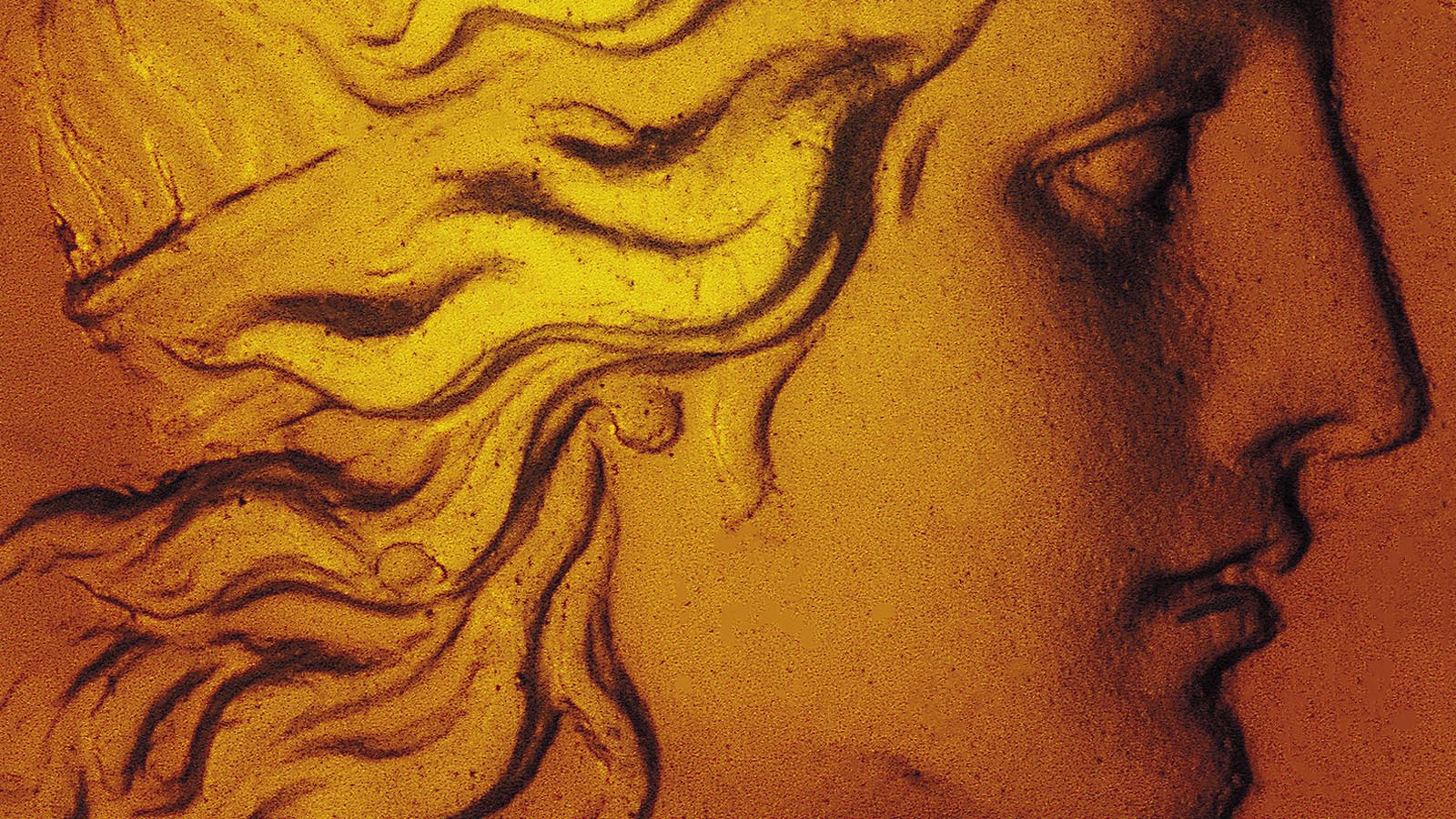
In order to understand how we can examine the works in the Gulbenkian Collection from the perspective of queer theory, we will apply it from two different perspectives. Firstly, in this text, we will select works that represent people with queer identities (i.e. outside heteronormativity). Secondly, we will look at works that were not intentionally created with this concept in mind, but which can now be read in the light of such a theory.
In the exhibition To be seen. Queer lives 1900-1950, at the NS-Dokumentationszentrum in Munich, an extensive archive of photographs and documents revealed the lives of countless German citizens who were unable to fully express their identities, these being greatly impacted by the wars of the last century and indeed condemned in the face of political and religious extremism. Who were these people, who simply wanted to be seen as no different from anyone else? If art reveals the diversity of human nature, can we also find representations of queer people such as these in a museum? And are they present in the Calouste Gulbenkian Museum?
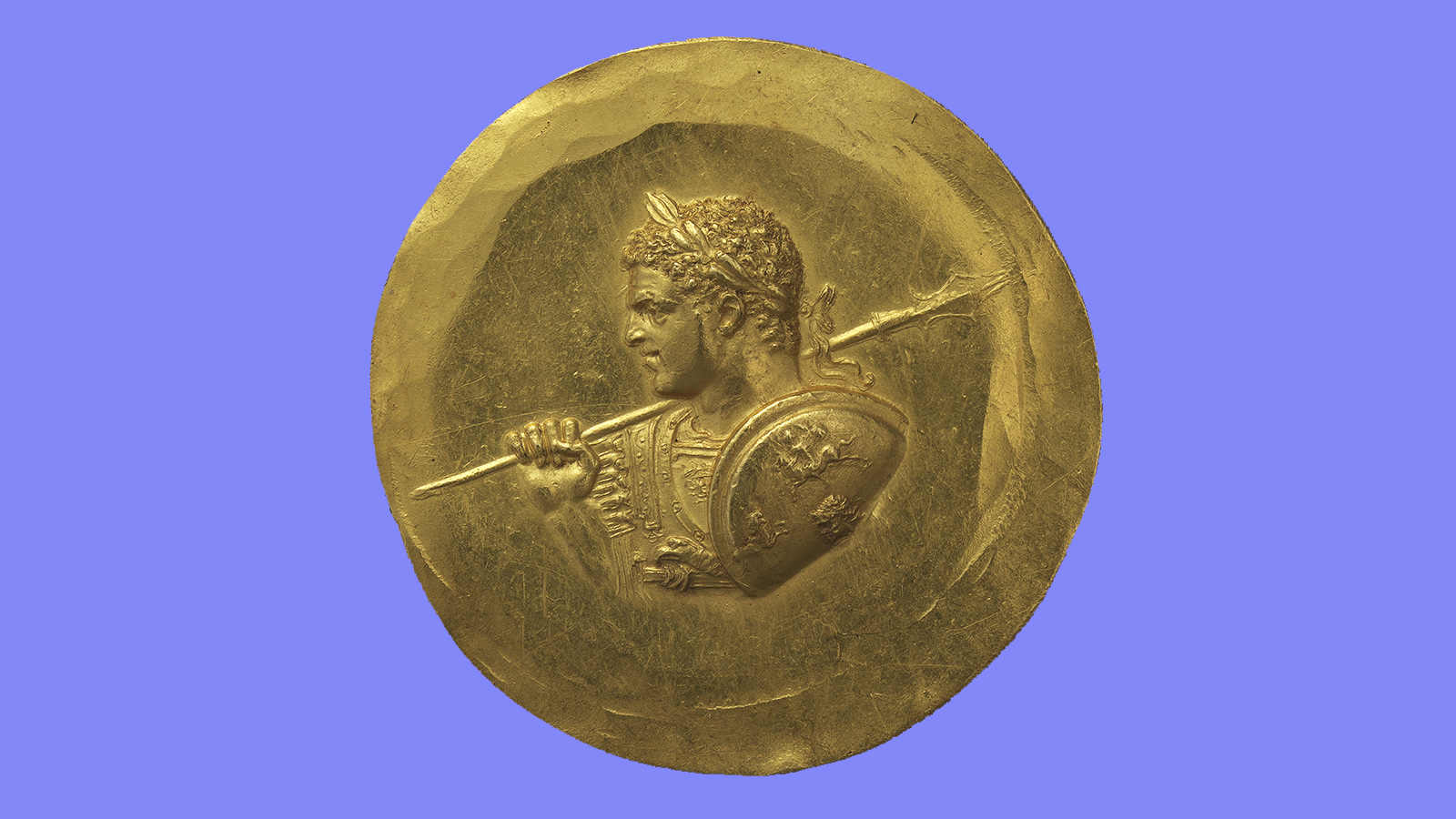
Let us begin in Antiquity. In this set of medallions acquired by Calouste Gulbenkian, Alexander the Great (188-217) and Emperor Caracalla (356-323 BCE) are depicted, both prime examples of how the terminology we use today regarding sexual identities simply did not exist at that time.
Robin Lane Fox, one of Alexander the Great’s biographers, tells of the Macedonian hero’s long relationship with an aristocrat by the name of Hephaestion. In one medallion, we see a helmet decorated with the image of Ganymede, described by Homer as ‘the most beautiful of all mortals,’ who was kidnapped by Zeus in order to become his servant/companion. This parallel may not have been random, with such mythological imagery possibly being employed to reveal something more private about Alexander himself.
On the other hand, the Roman emperor Caracalla, who had well-documented relationships with other men, appears with a spear over his shoulder and a shield. Why is the portrayal of these figures significant? Precisely because we do not tend to see queer people in such socially and historically prominent positions. There is a certain validation that we can observe by looking back in time.
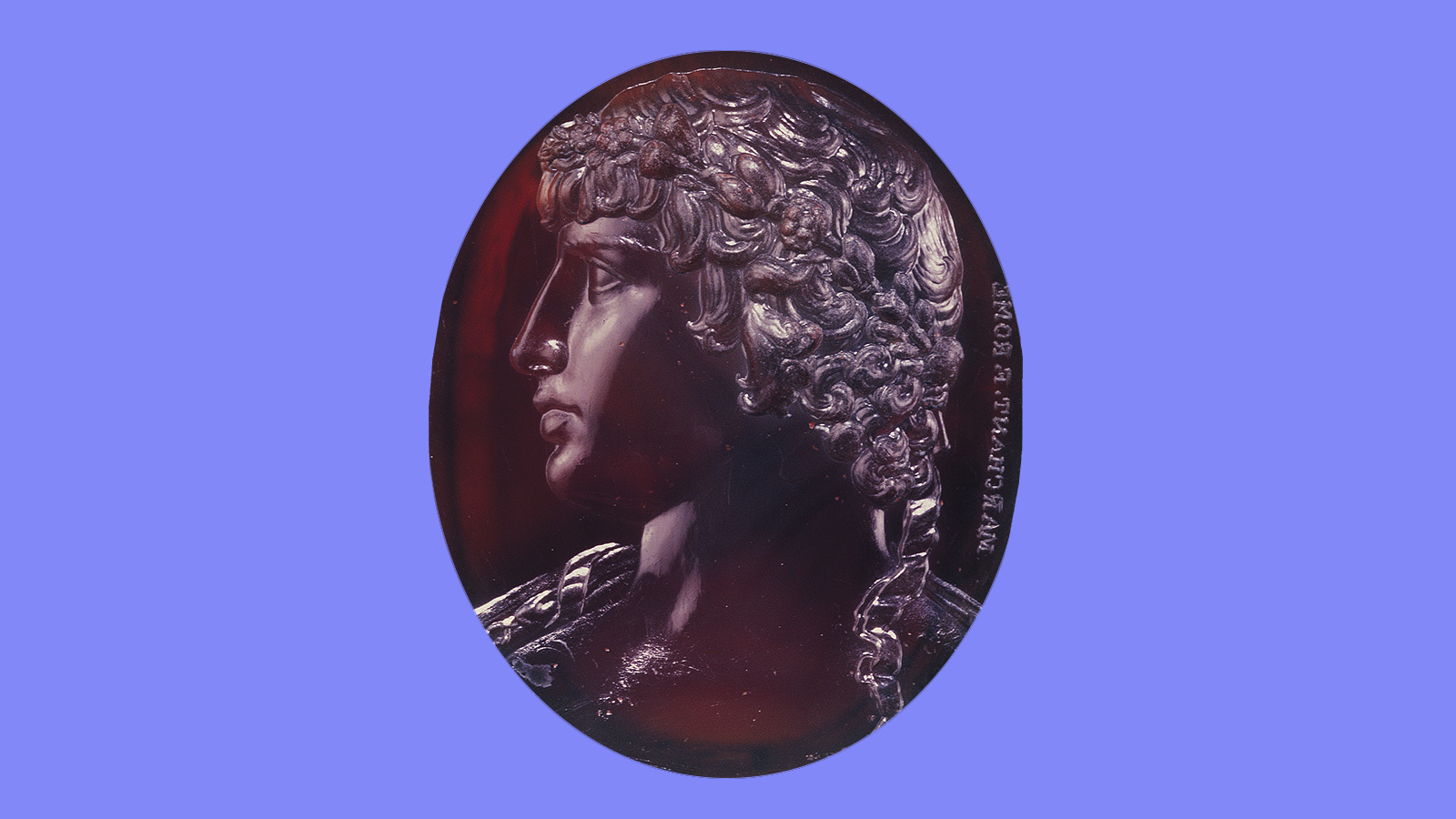
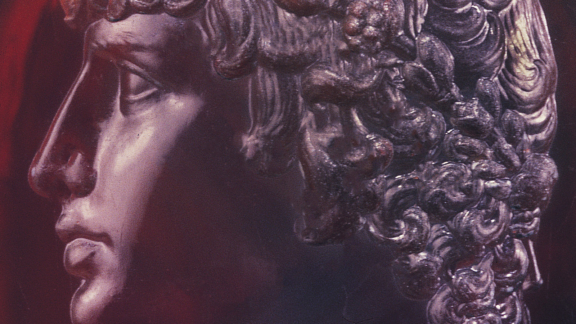
The Gulbenkian Collection includes a vast array of gems. One of them is a bust of Antinous (111-130), who had a love affair with the emperor Hadrian (76-138). While much is known about Hadrian, the opposite is true of Antinous, other than the fact that the ruler kept him as his companion during his travels and conquests. Antinous drowned in the River Nile under strange circumstances, with one speculation being that he was sacrificed in honour of the emperor. Depictions of the youth in gems, medals and sculptures convey an image of unrivalled perfection. Such is the case with a gem from the Gulbenkian Collection, with a profile that reveals a perfect nose, plump lips, full curls and an imposing gaze. His appearance astounded artists such as Fernando Pessoa, who paid him homage in a poem:
Some will say all our love was but our crimes;
Others against our names the knives will whet
Of their glad hate of beauty’s beauty, and make
Our names a base of heap whereon to rake
The names of all our brothers with quick scorn.
Similarly, Marguerite Yourcenar wrote Memoirs of Hadrian, inspired by the life of the pair, while Oscar Wilde invoked Antinous in The Picture of Dorian Gray: ‘What the invention of oil-painting was to the Venetians, the face of Antinous was to late Greek sculpture, and the face of Dorian Gray will someday be to me.’
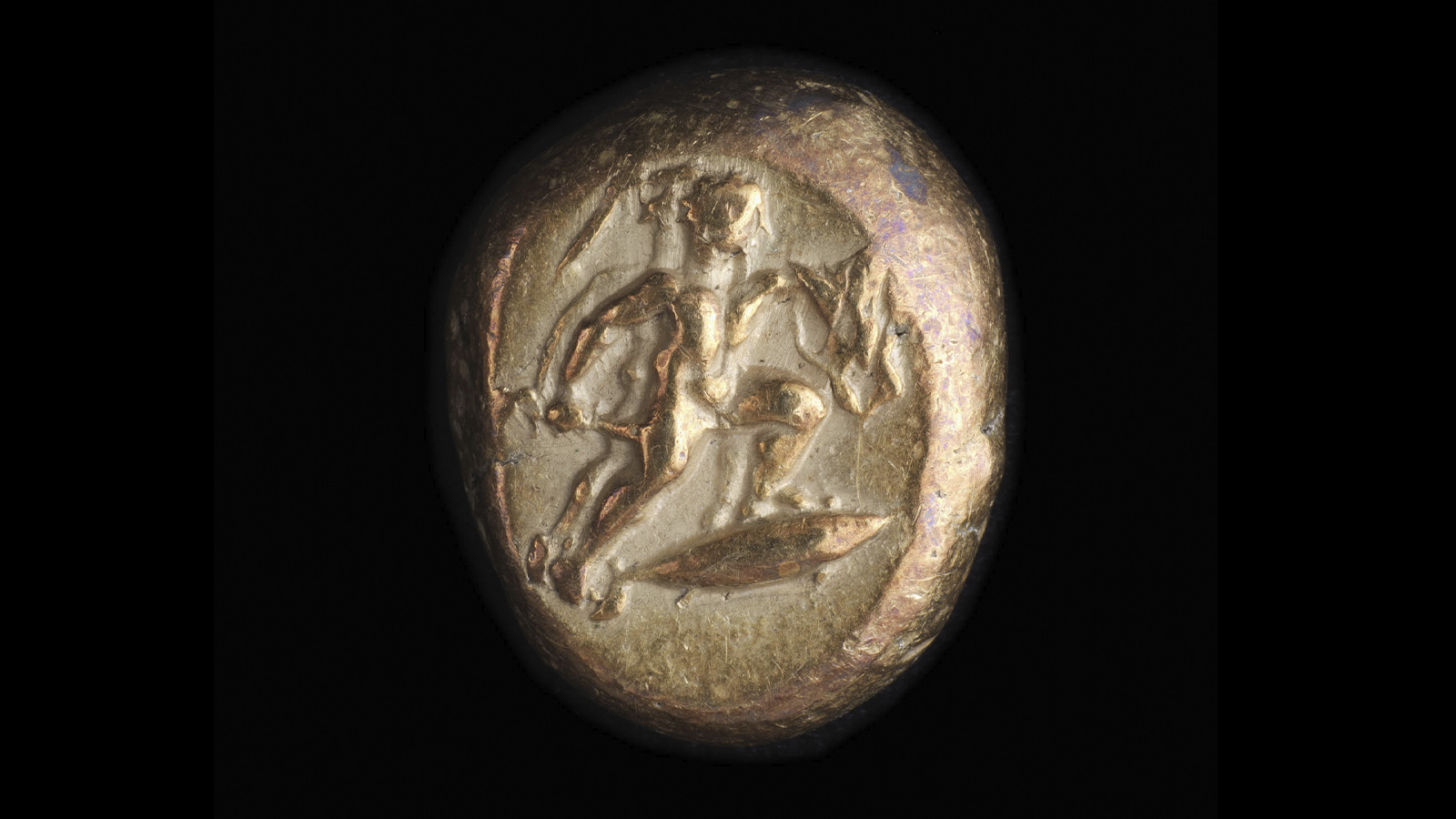
Another medal in the museum depicts the Athenian Aristogeiton, protector of the young Harmodius, with whom he was in a stable relationship. The invidiousness of certain political figures in Athens led the pair to prepare the assassination of the tyrants, but things did not go according to plan. Harmodius was killed by guards, while Aristogeiton was ultimately tortured to death.
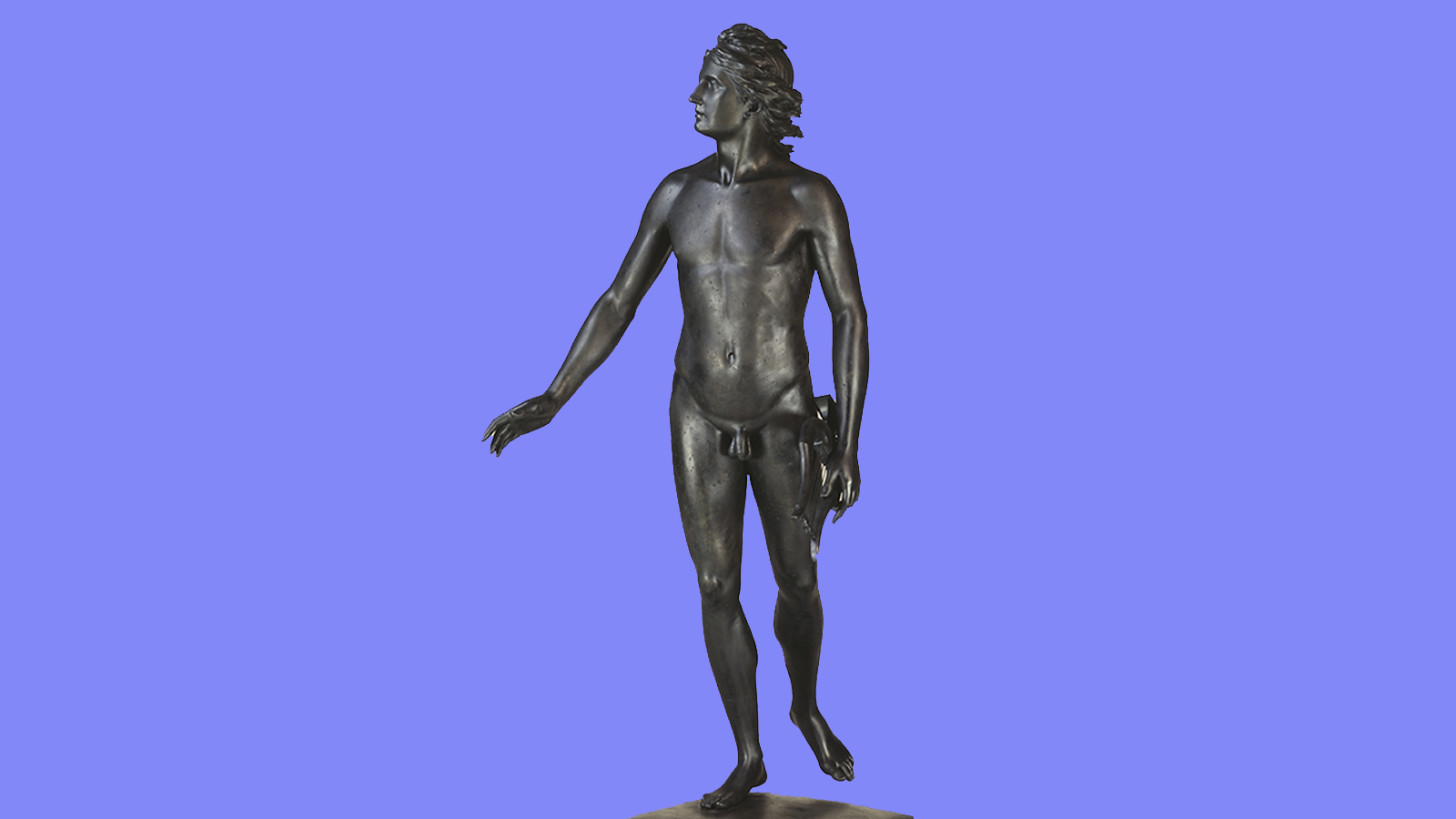
The mythologies represented in numerous works in the Gulbenkian Collection also serve to illustrate these other realities. Michael Langan had already drawn attention to the Apollo sculpture by Jean-Antoine Houdon in the Museum’s entrance hall, but the Collection also contains another depiction of him, in a gem. Apollo, the god of sun, loved both women and men, notably Hyacinthus, a Spartan also coveted by Zephyrus, god of the West wind. One day, during a discus throw practice between Apollo and Hyacinthus, Zephyrus, consumed by envy, blew the discus off course, whereby it fatally wounded Hyacinthus in the head, the youth dying in Apollo’s arms shortly thereafter.
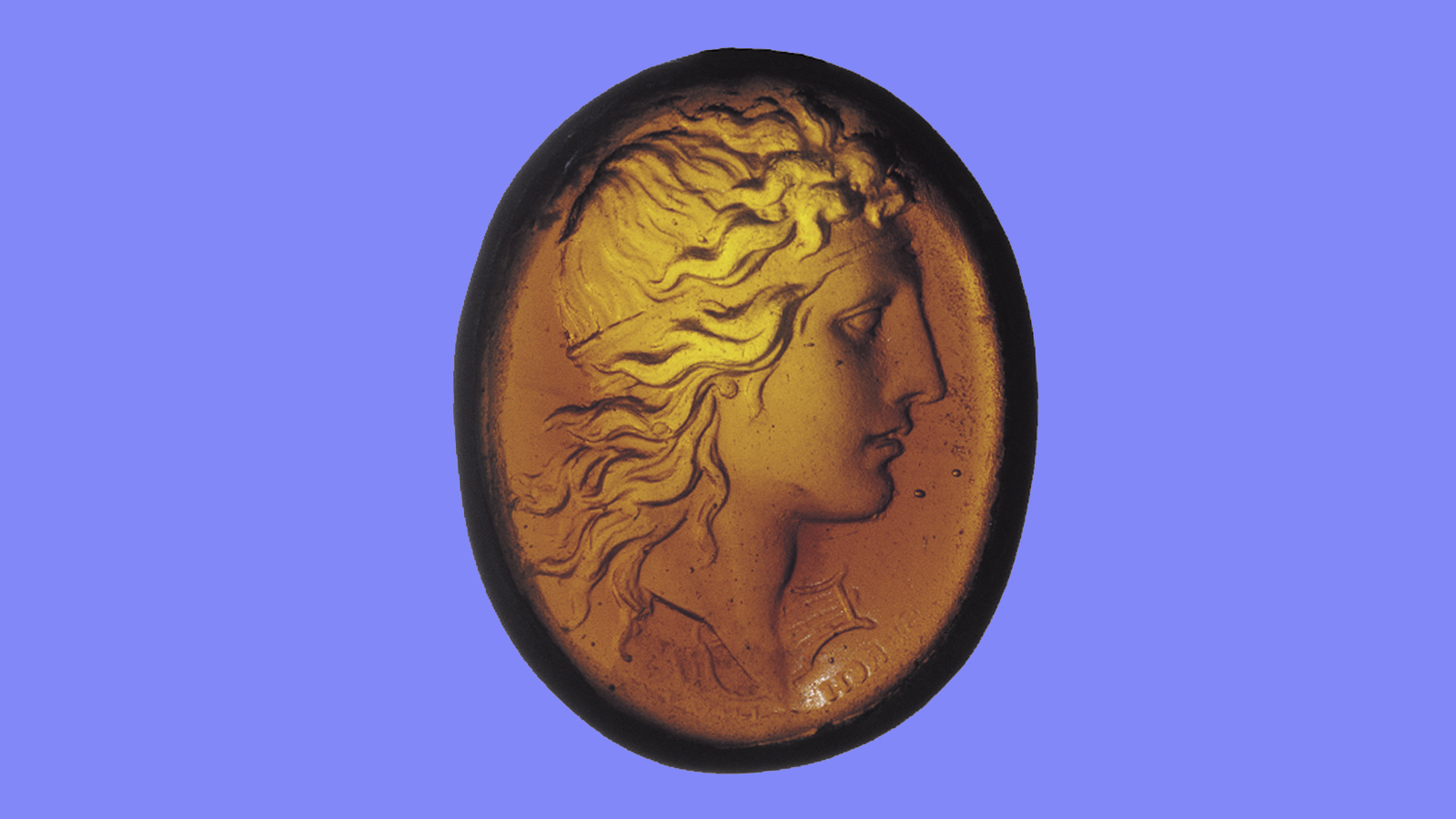
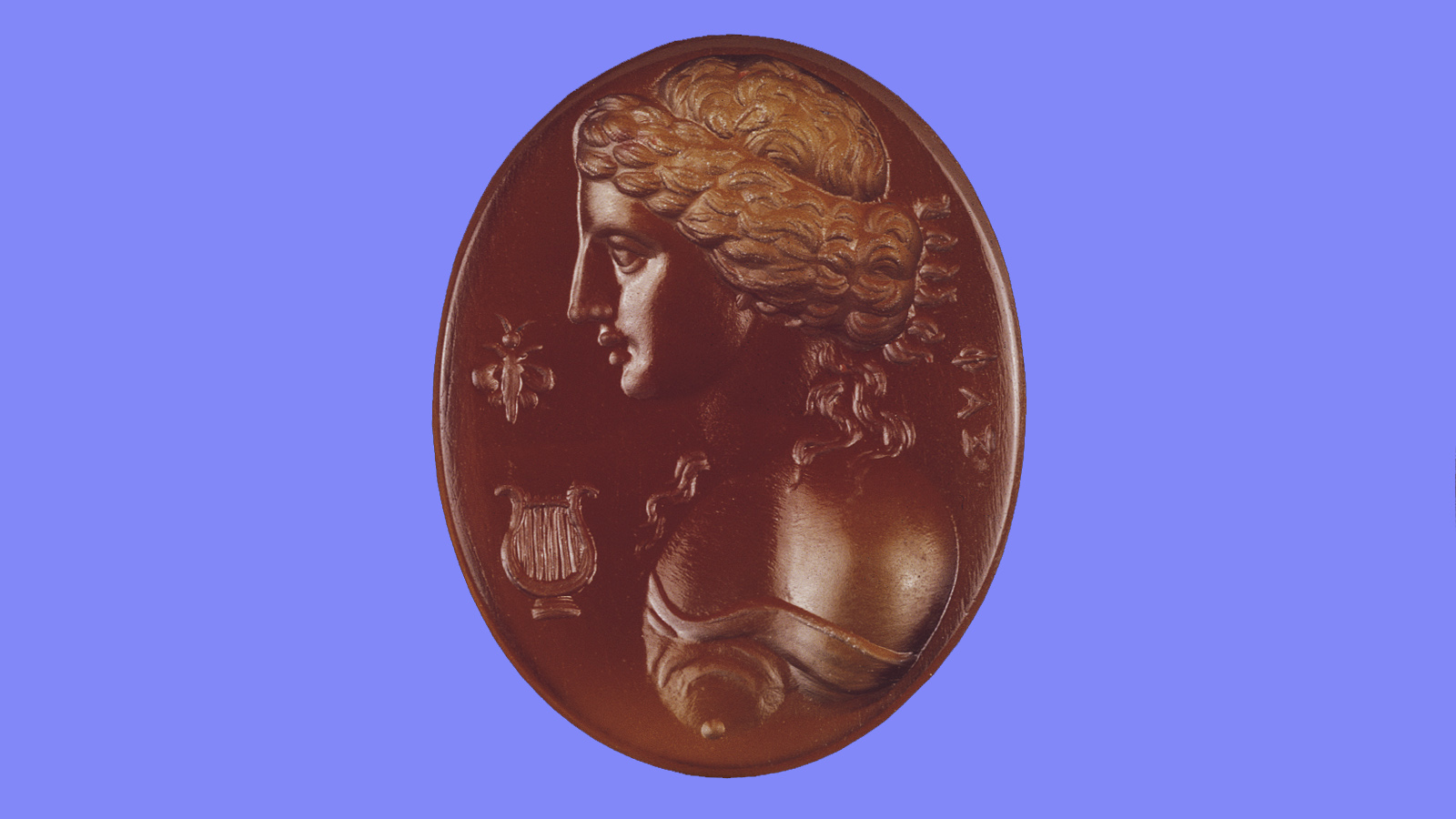
It is also interesting to look at some of the books purchased by Calouste Gulbenkian. Some of this literature is contrary, opposing the ideas of the time and recounting stories with characters on the margins of society, having been penned by transgressive literary figures. Such is the case with the poet Sappho (610-570 BCE), who is also depicted on a gem, along with a bee and a lyre. Born on the island of Lesbos, Sappho left a vast but fragmented literary oeuvre describing love between women. They are poems about loss, desire and disillusionment, set in the landscapes of the Mediterranean. Although she speaks of love between women, the way in which Sappho describes the whirlwind of emotions is universal. This gem embodies her existence as a queer person and immortalises her image.
As we can see, far from being absent from the collection, she and so many others like her are instead a prominent presence.
The museum out of the closet
Explore the series
No results were found for your criteria.
You may also like

No results were found for your criteria.