
The Egyptian pond: a dialogue between the Garden and the Museum
Designed by landscape architects António Viana Barreto and Gonçalo Ribeiro Telles, the Gulbenkian Garden is the first place people pass through when they visit the Foundation. Besides being the element that links the Foundation’s Head Office, the Centro de Arte Moderna and the Calouste Gulbenkian Museum, the Garden is also home to various flocks of birds sitting in the shade of the oak and eucalyptus trees.
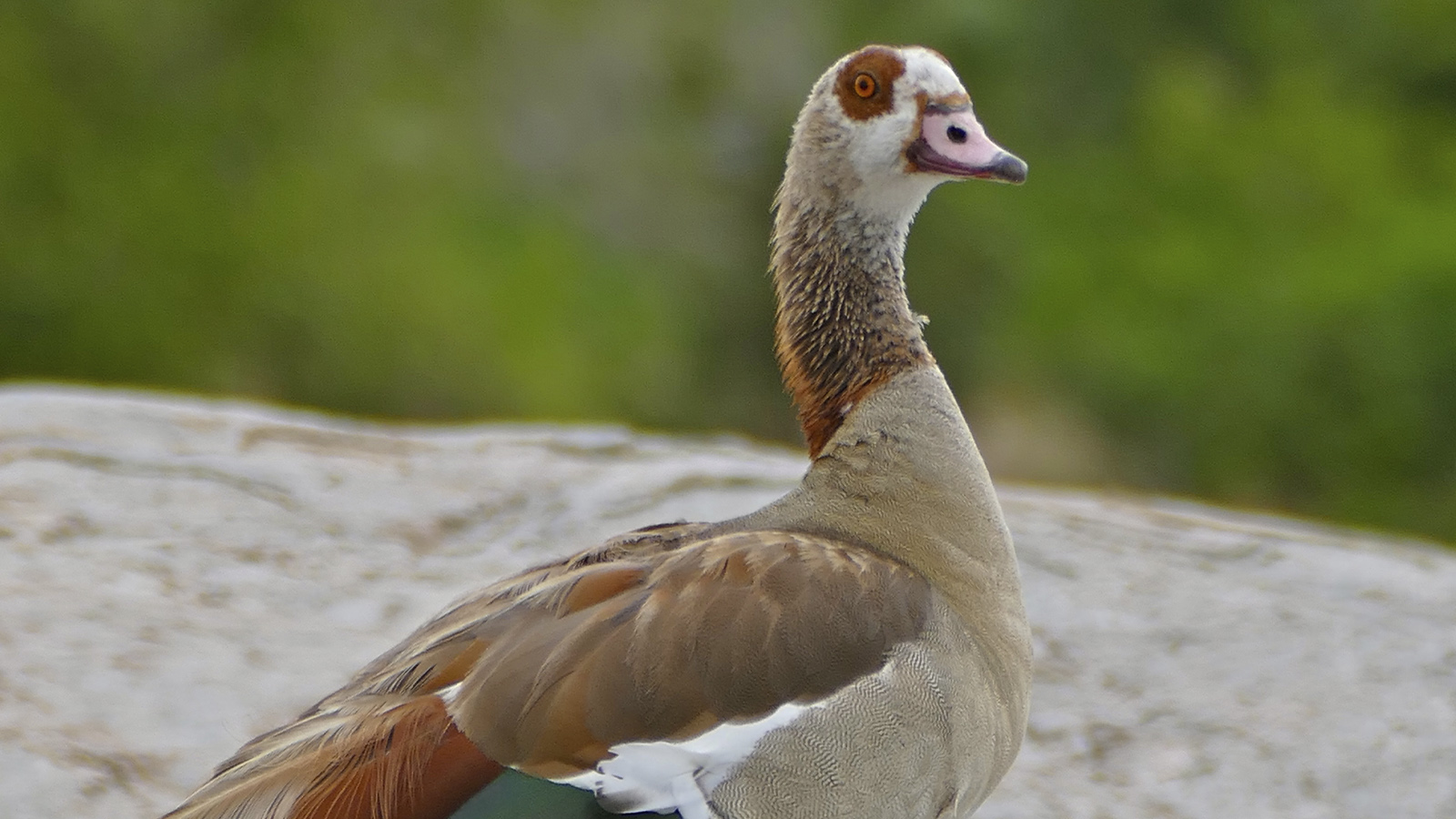
If you keep an eye out while approaching the Museum, the Egyptian goose will also invariably appear. Easily recognisable by its brown ‘mask’ over grey to light brown plumage and its pink legs, it will be watching the hurried visitor from the artificial pond between the museum entrance and the side of the temporary exhibition gallery.
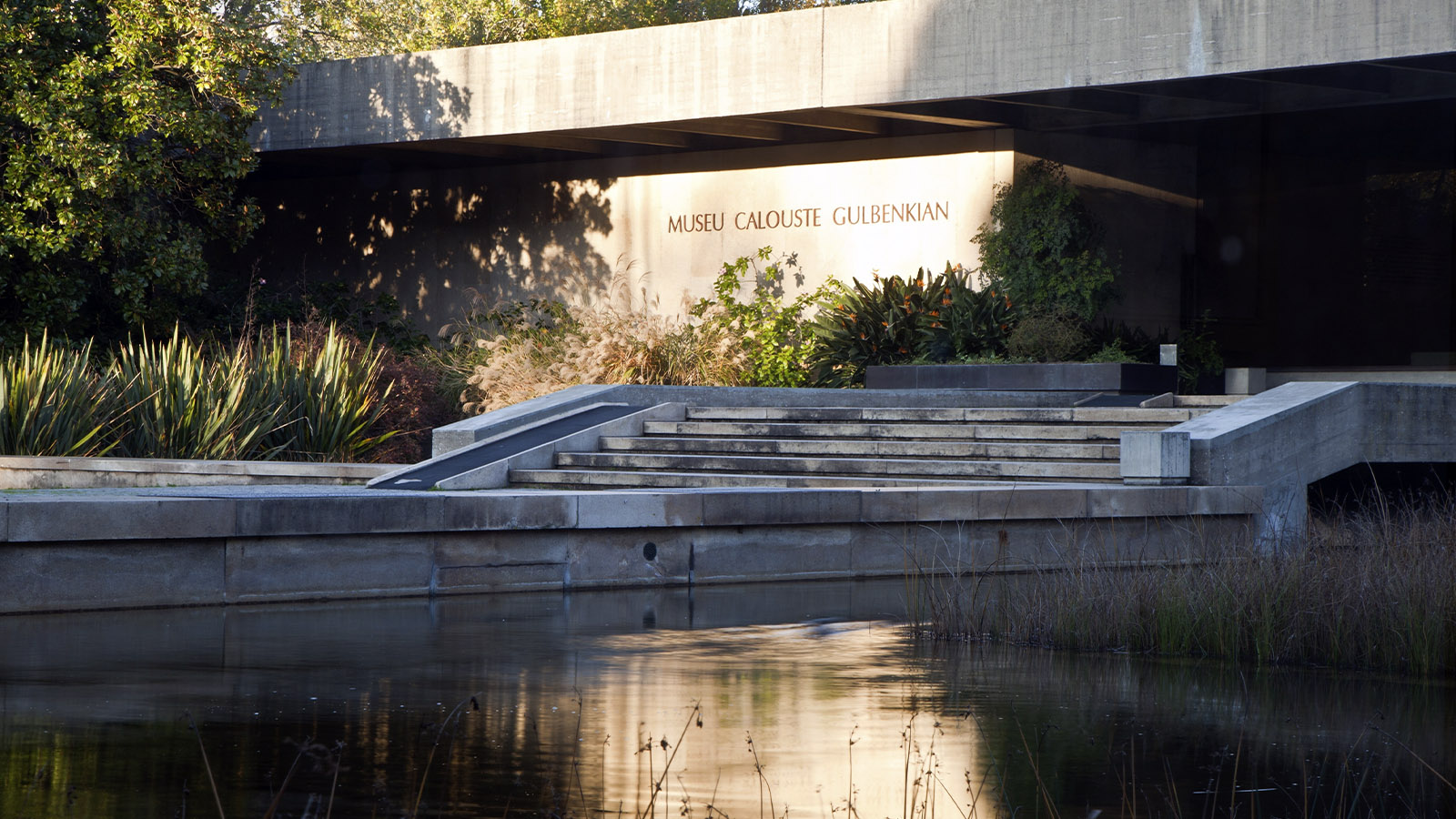
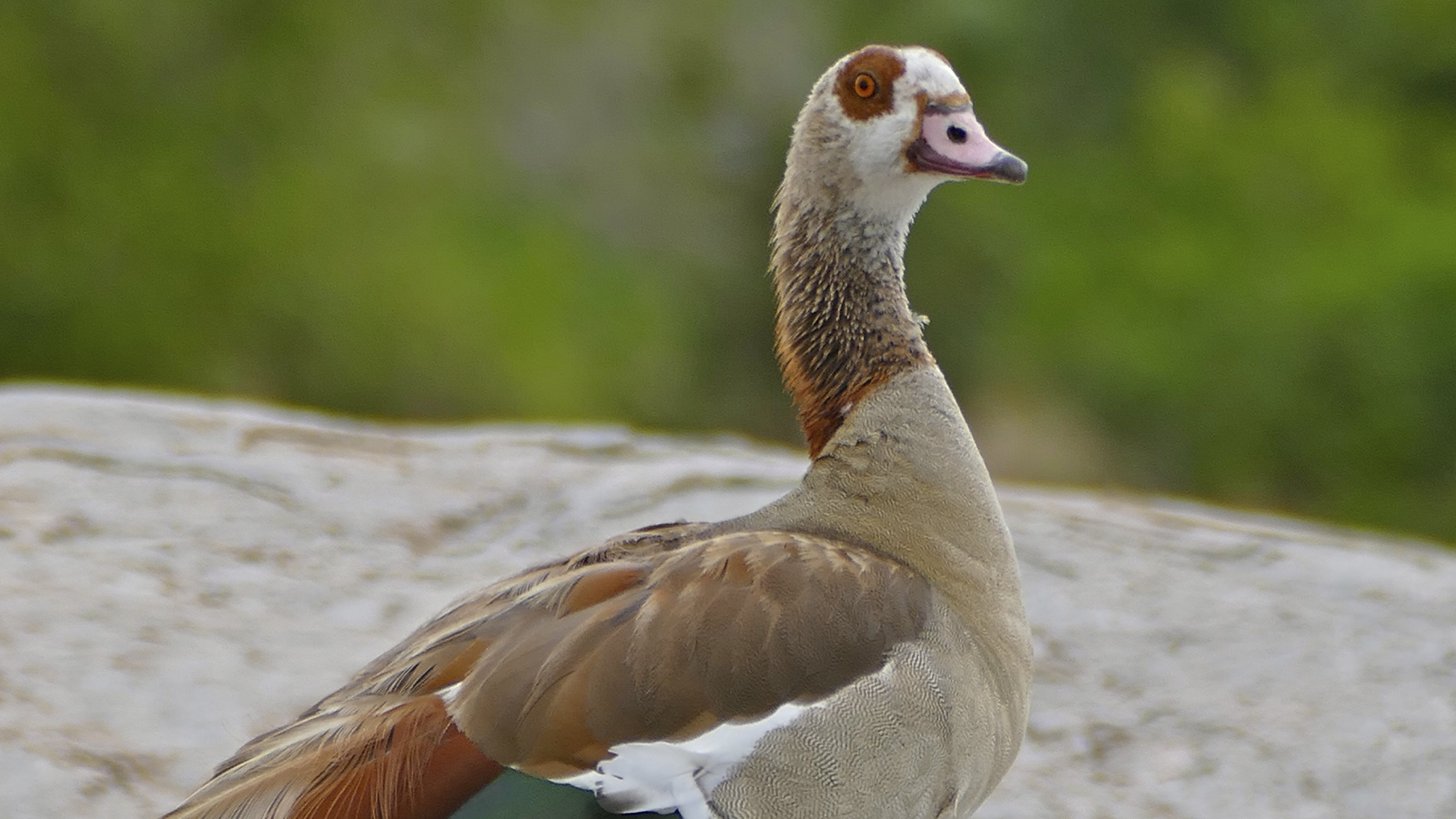
Conceived as an environment with vegetation reminiscent of the Nile river basin, the pond is home to groups of these geese, reminding the discerning visitor of the strong connection between nature and the Calouste Gulbenkian Museum collection.
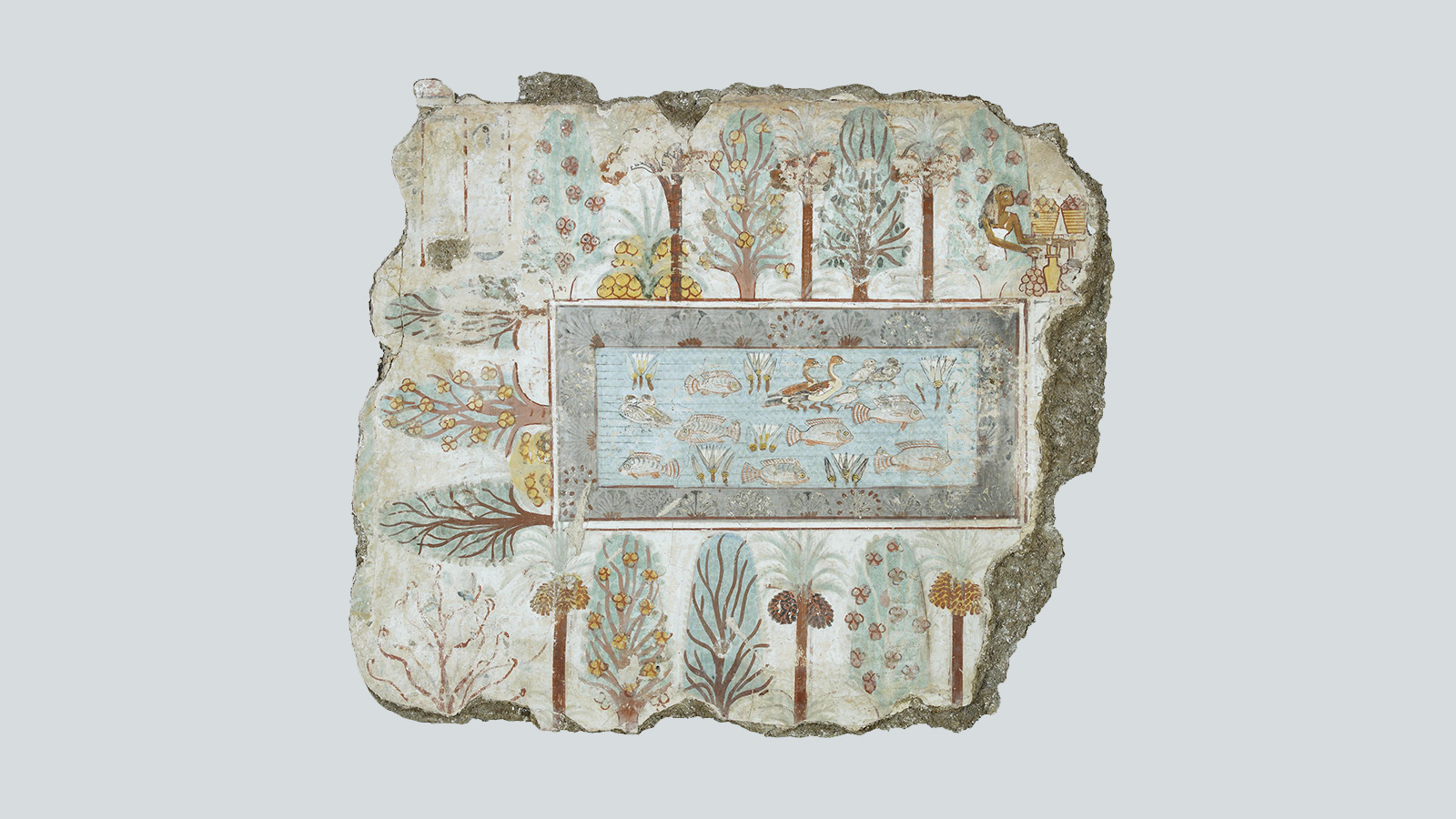
The link between everyday Egyptian life, fauna and flora has been the subject of many representations throughout Antiquity, although the proximity of this pond to Egyptian flora points to one element in particular: a fragment of a wall painting taken from the tomb of Nebamun, which dates from the 18th dynasty. Held by the British Museum in London, it depicts an Egyptian garden surrounded by species of trees (including date palms, fig trees and sycamores) bearing fruit or products used in offerings for the dead. The scene is centred on a pond in which a number of fish and birds swim, including the Egyptian geese that also inhabit the pond in the Gulbenkian garden.
In Lisbon, as in London, its presence does not stop at the museum gates. In fact, just as the garden and the building are intertwined, this relationship between nature and architecture also resonates in the collection that inspired the museum’s construction. Visitors will discover the silhouette of the Alopochen aegyptiaca in the very first gallery of their visit to the Museum. Dedicated to the Egyptian art collected by Calouste Sarkis Gulbenkian, this gallery reveals another facet of the Egyptian goose that dates back thousands of years.
By examining this pair of panel fragments from a painted ivory box, visitors will notice the presence of a bird that could be associated with an Egyptian goose, firmly held by the neck by the male figure depicted. Alongside the basket of fruit the man carries on his opposite shoulder, the bird forms part of a set of offerings that were particularly popular in Egyptian iconography.
Renowned for their meticulous depiction of the flora and fauna around them, Egyptian craftsmen were able to imbue each element of their work with a symbolic dimension. Here, it is the particular way in which the figure holds the bird that gives us the key to understanding the scene. Both worshipped and hunted, birds held a special place in Egyptian symbolism. Although they were associated with the wisest and most important deities in the divine pantheon (Ra, Horus, Thoth), they were also one of the most common offerings for the cult of the dead.
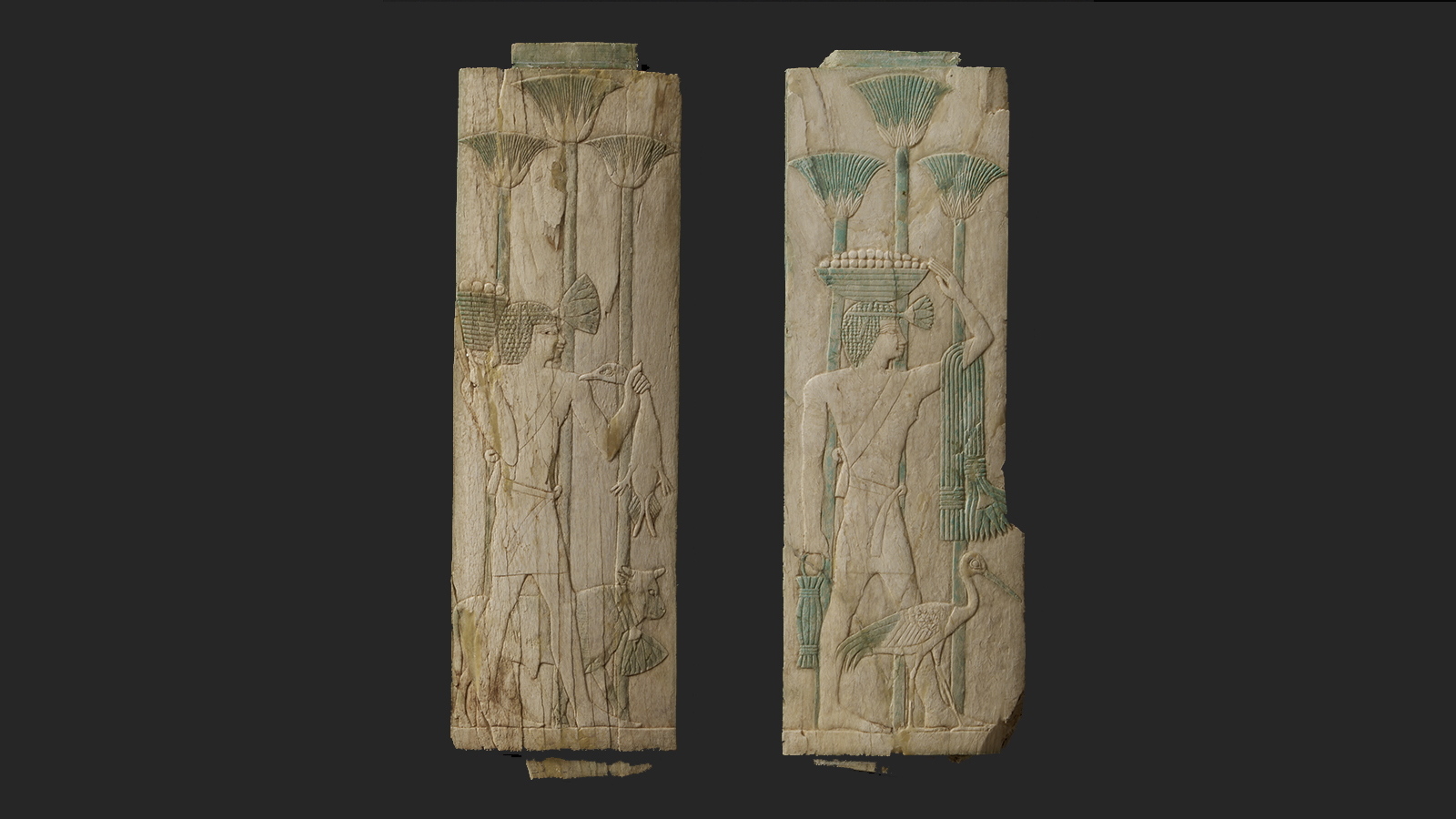
Reflecting the need of balance between opposing yet complementary forces central to ancient Egyptians conception of the world, the wild birds that populated their territories were considered as representatives of Isefet, sometimes referred to as the embodiment of chaos, an allusion to the disorderly nature of certain environmental elements. According to Egyptian thought, these chaotic elements needed to be brought under control by the agent of the opposite force – Ma’at – namely by the Pharaoh. If the chaotic reputation attributed to birds is derived from the way they suddenly flap their wings to intimidate a potential predator or to escape in flight, it is understandable that their capture and ‘mastery’ involves restraining their necks or wings in some way, as suggested on this ivory plaque.
From the banks of the Nile to the banks of the Tagus, Egyptian geese are still at the heart of the garden’s fauna. They announce to future visitors the content of their visit, or prolong the memory of those who have already passed through the Egyptian gallery.
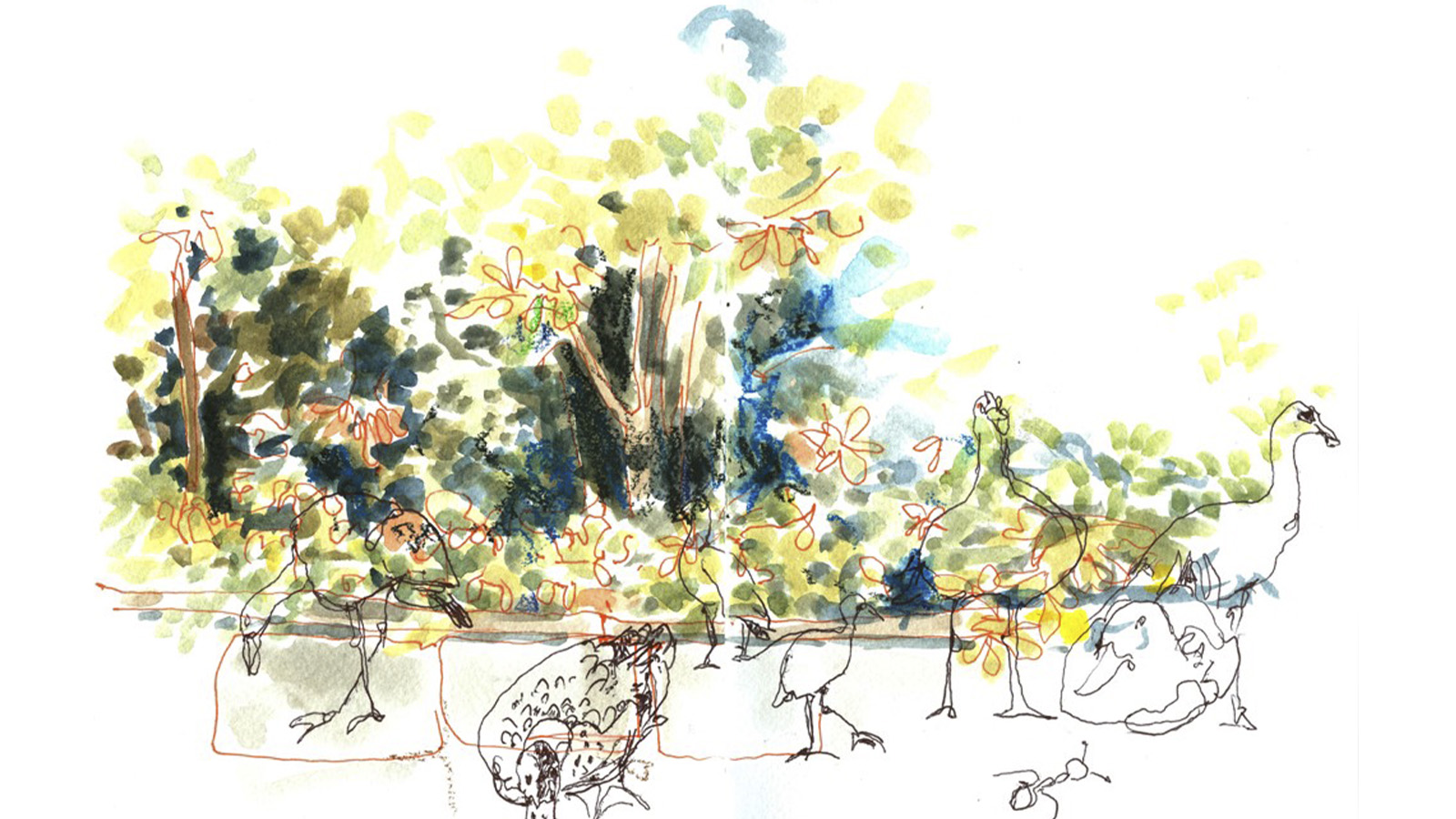
And although the temptation to chase after them is strong among the garden’s youngest visitors, their calmer existence continues to inspire contemporary works.
You may also like
No results were found for your criteria.