
Should we feed wild birds?
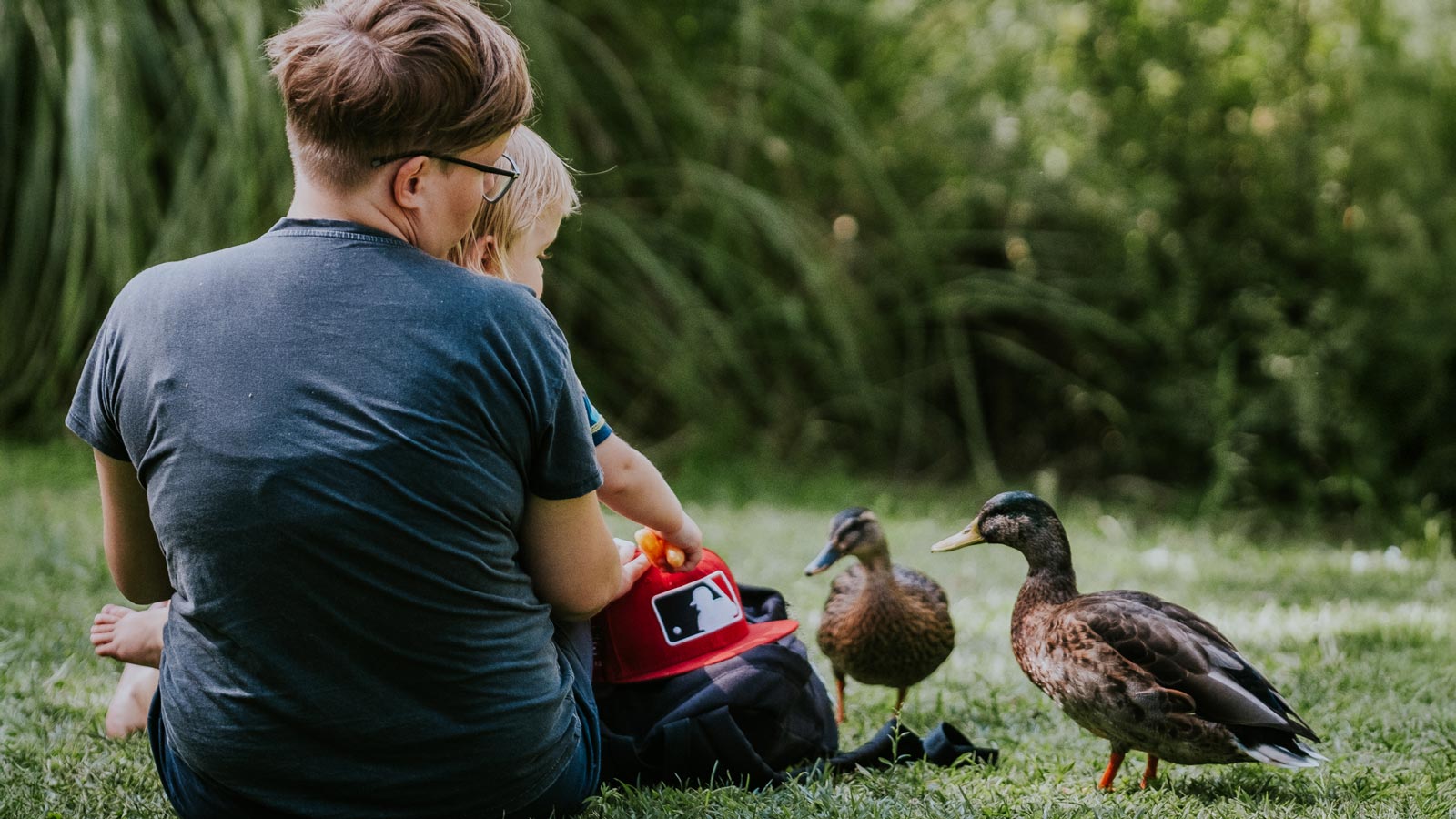
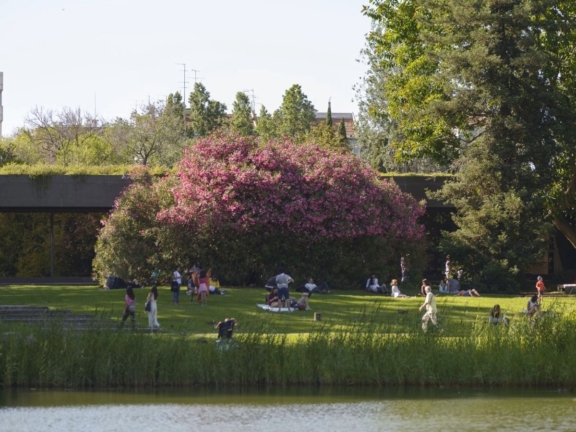
Feeding stations for common city birds – in gardens, balconies, or parks – are becoming increasingly popular. But are they truly beneficial? And what about feeding ducks in urban parks, such as those in the Gulbenkian Garden?
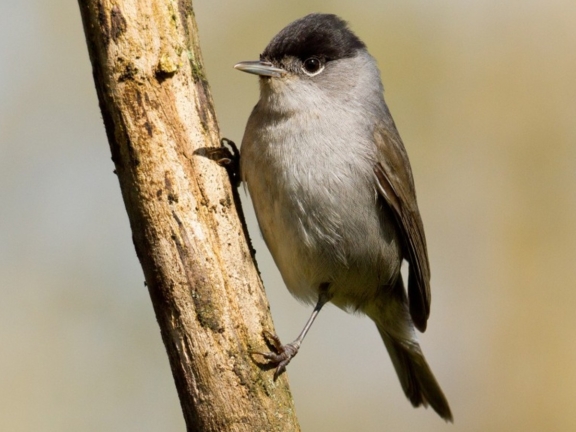
According to the SPEA’s Terrestrial Conservation Coordinator, most birds in Portugal don’t actually need extra food. “They find all they require in nature,” she explains. From seeds and berries to small insects, there’s enough available year-round – even during the colder months.
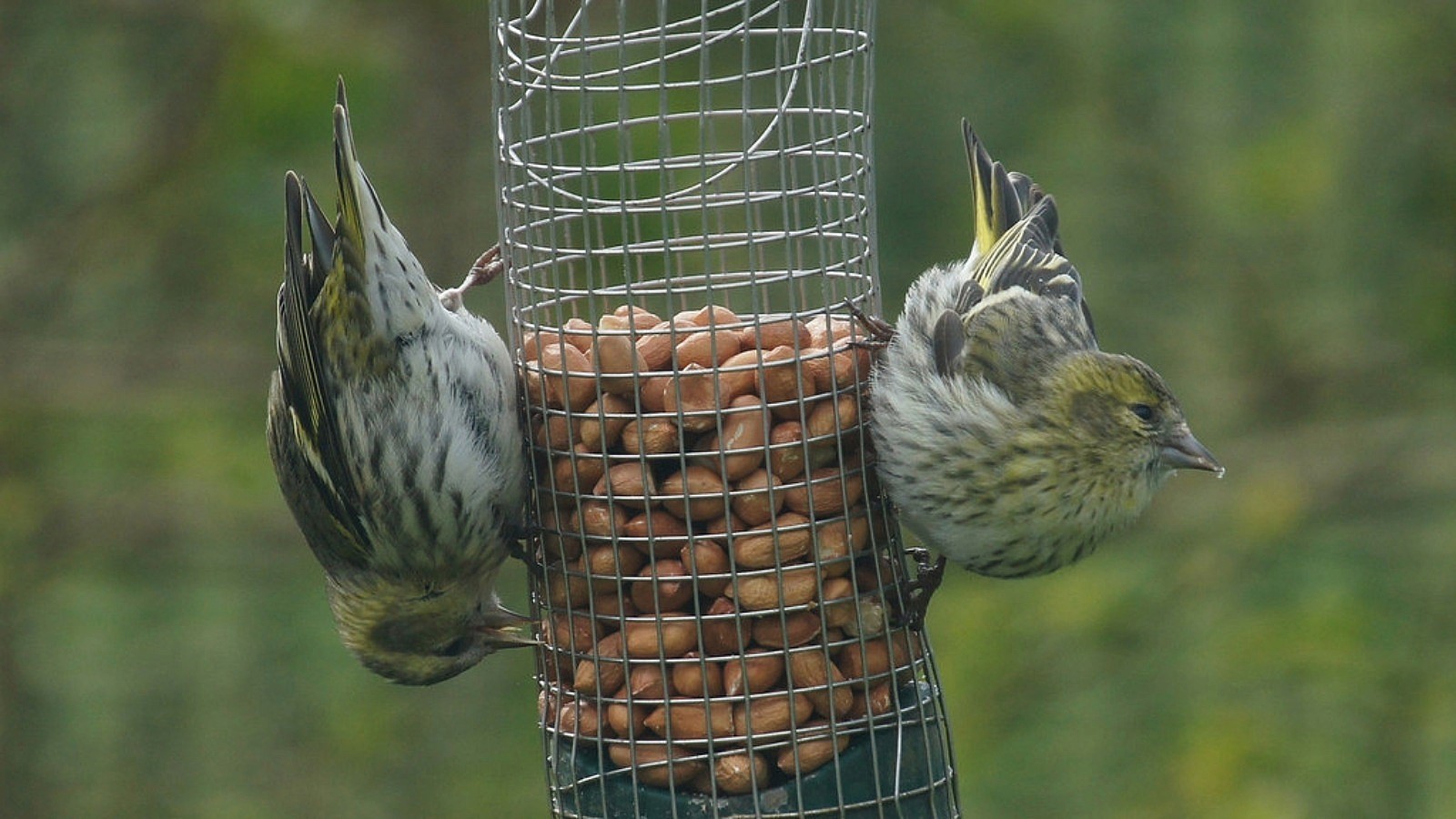
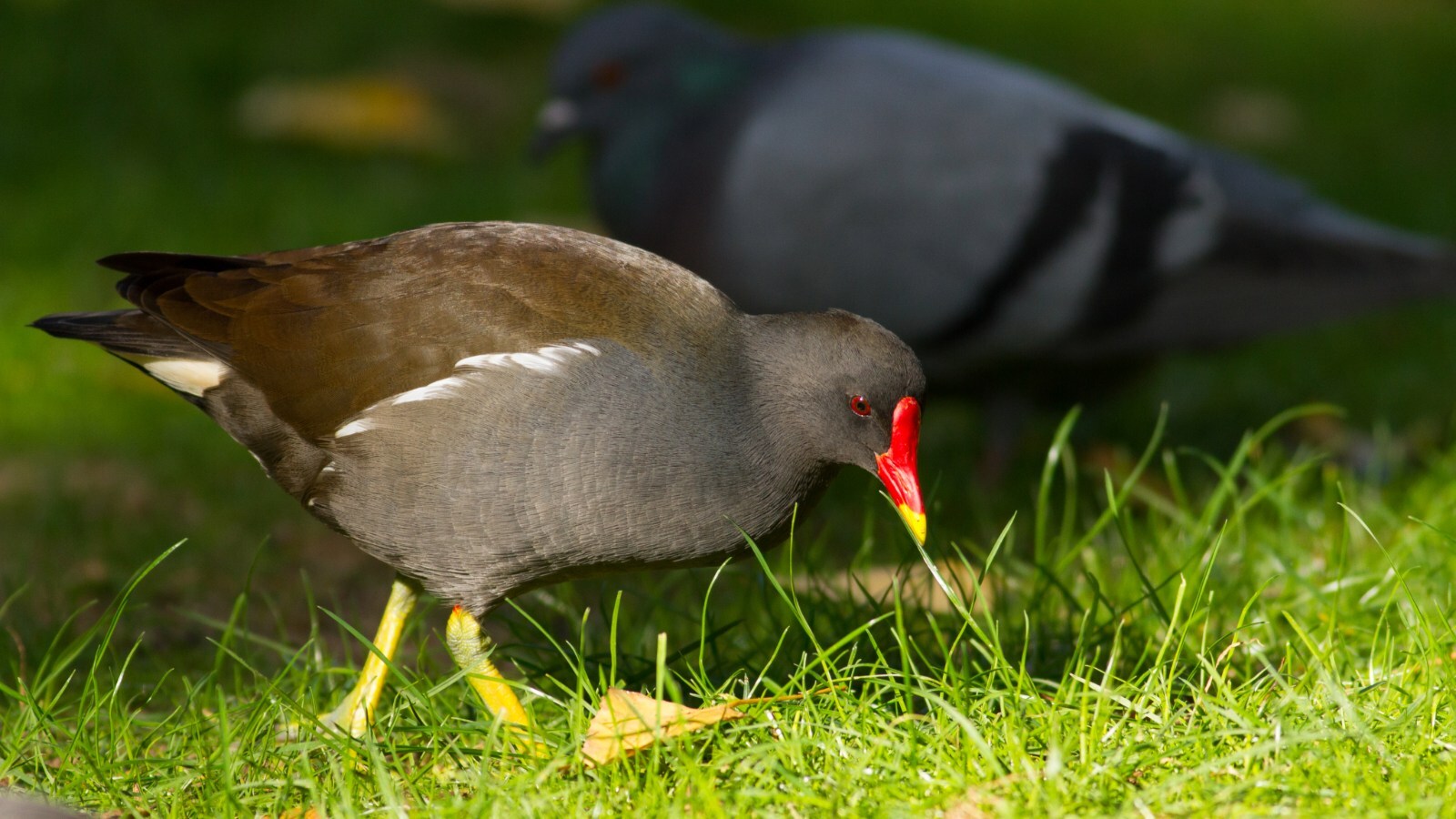
However, she notes, a feeder can be useful “during particularly harsh winters, when snow prevents birds from reaching natural food sources.” It can also be a delightful way to attract birds for observation and photography – a gentle act of connection with nature itself.
That said, Julieta Costa warns that feeding wild birds should be the exception, not the rule. In conservation projects, food supplementation may make sense – especially for endangered species or when natural conditions are poor. But in most cases, feeding can cause more harm than good. Gathering many birds in one spot can increase the risk of disease transmission, both directly and indirectly – through droppings, saliva, or contaminated seeds.
Some known examples include Salmonella sp. in Common Chaffinches across Europe and North America, Trichomonas gallinae in British Greenfinches (responsible for major die-offs), and avian pox virus in Tits. Low-nutritional foods like bread or leftovers are another problem. “They can cause nutritional deficiencies and other health issues,” Julieta Costa says. Even more concerning is that artificial feeding can alter natural behaviour, reducing birds’ ability to find food on their own – and creating dependency.
And what about water?
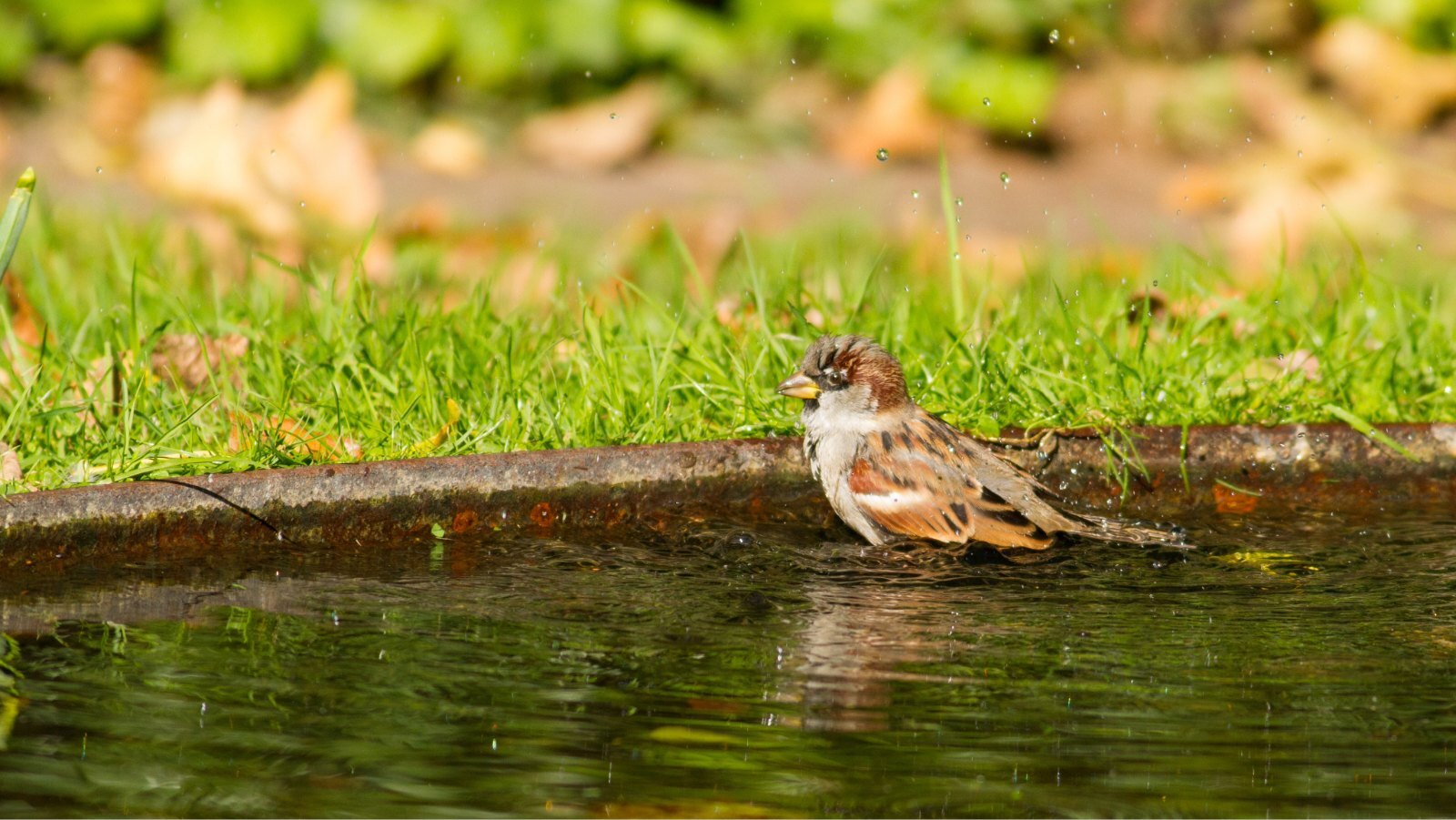
When it comes to water, the story is quite different. In Portugal’s hot months, water scarcity affects much of the country – and can become a real challenge for birds. “In countries like ours, where seasonal water stress is real, artificial water points such as ponds, tanks, or even simple containers can be extremely helpful, especially in summer,” she explains. “In fact, in these situations, the lack of water can be more limiting than the lack of food – even in cities.”
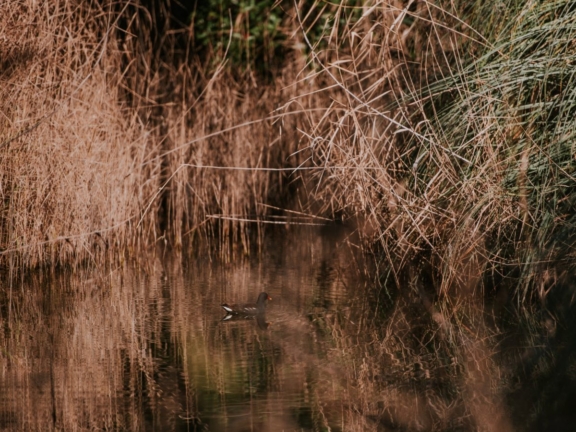
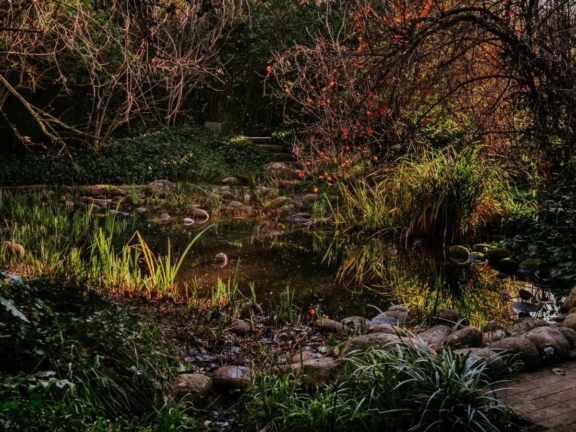
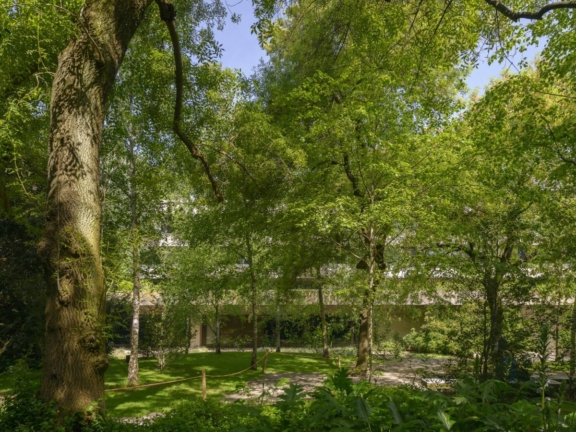
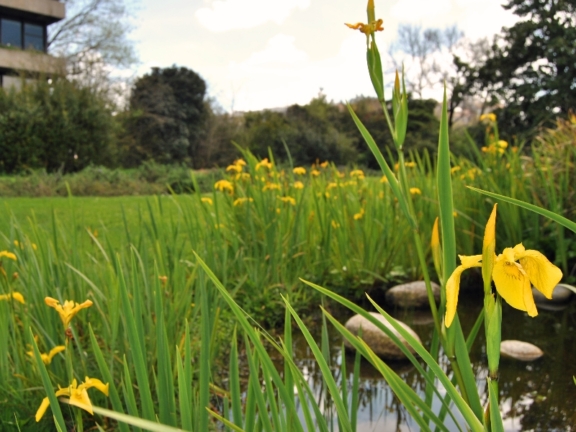
The Gulbenkian Garden provides several examples of well-balanced water habitats – streams, ponds, tanks, and lakes – that support birds and other wildlife. But even at home, anyone can help.
Costa recommends shallow containers, just a few centimetres deep, allowing birds to drink and bathe safely. Keep them out of reach of cats, and ideally in a shaded area to keep the water cool. Placing them away from windows or glass surfaces also helps prevent collisions.
Creating these small gestures – providing safe access to clean water, observing rather than interfering – helps maintain the delicate balance between human spaces and the wild lives that share them. Sometimes, the best way to care for birds is simply to let nature feed itself.
Science in the Garden
Explore the series
No results were found for your criteria.
You may also like

No results were found for your criteria.