
University City of Coimbra
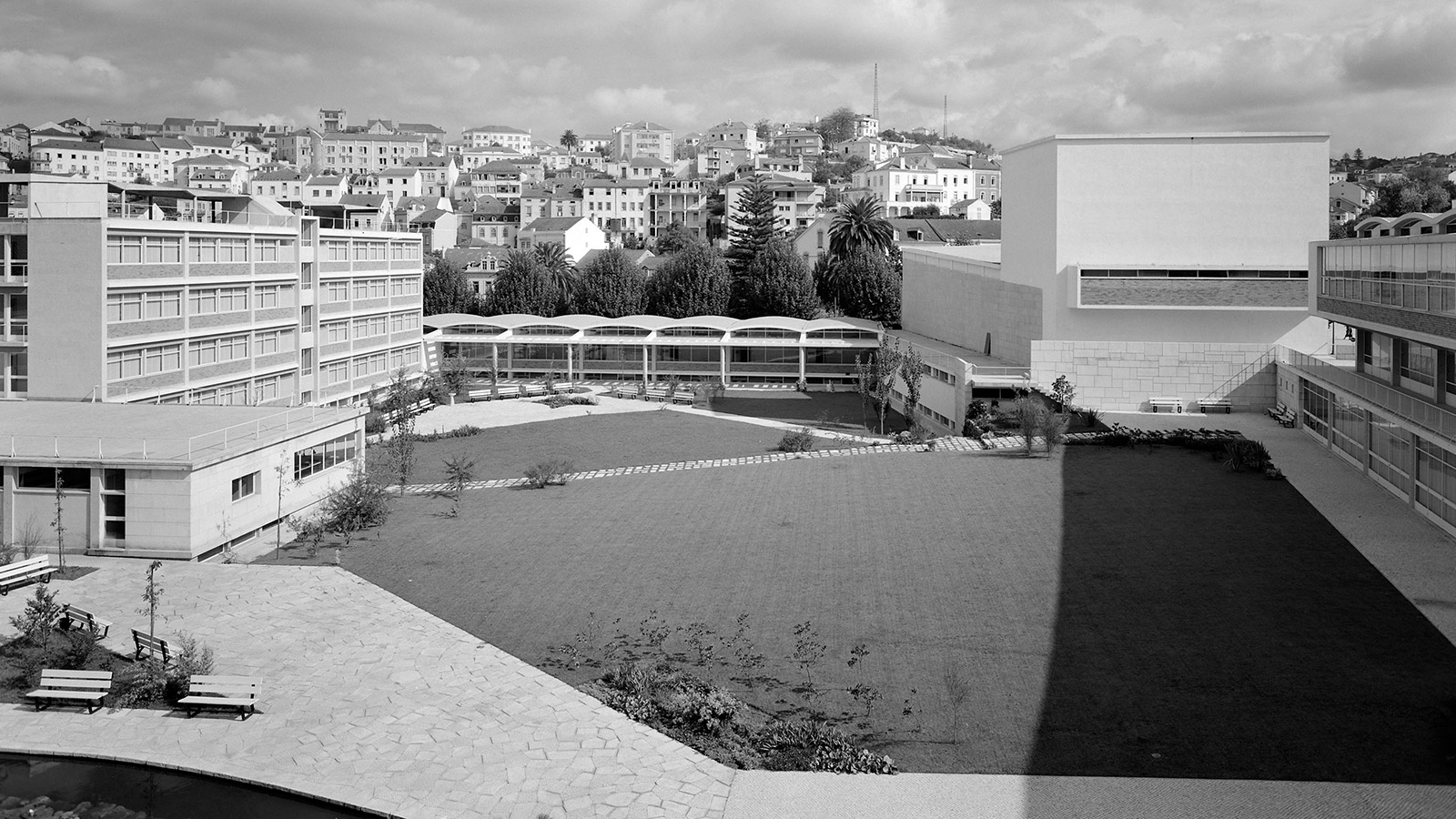
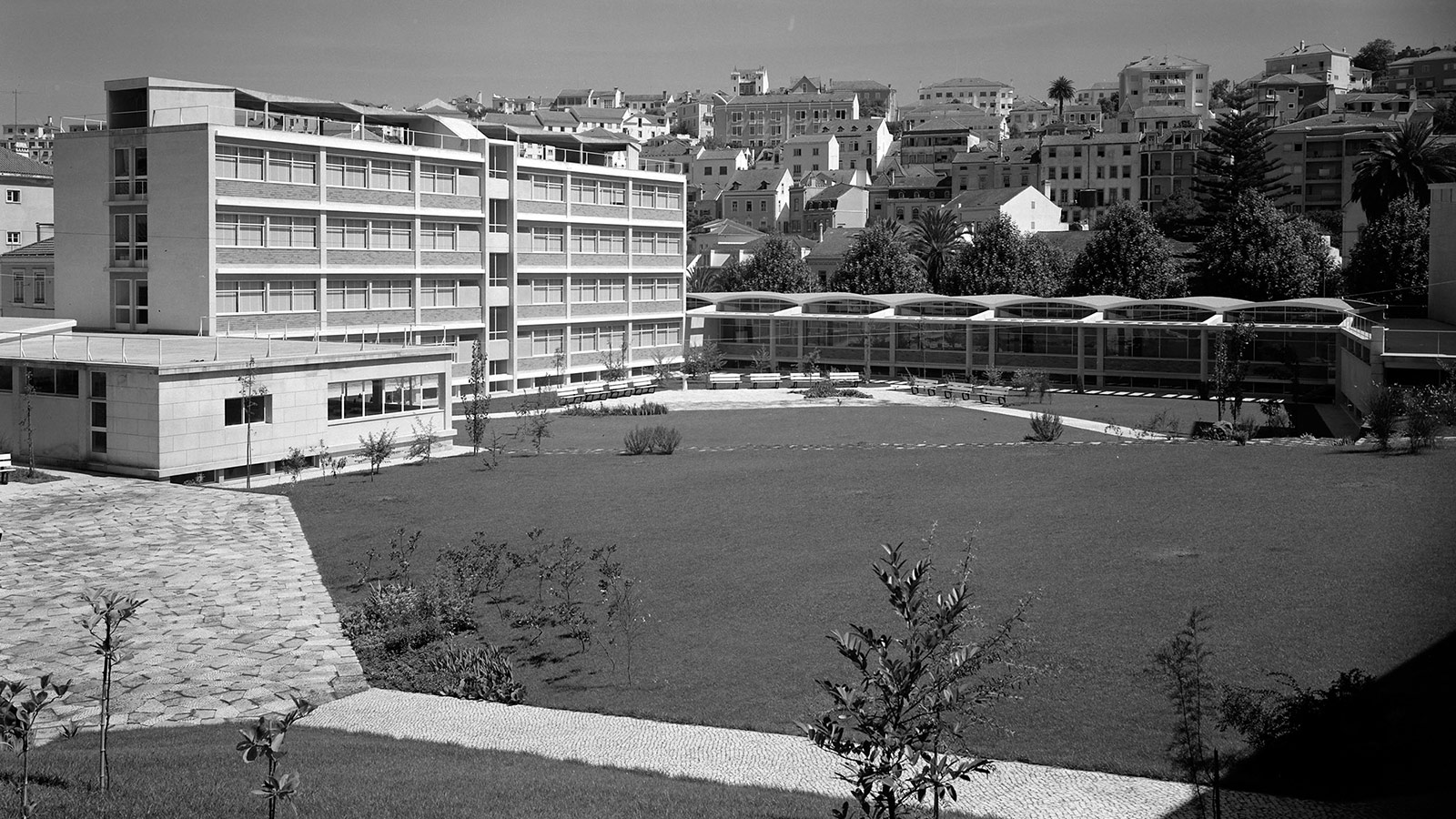
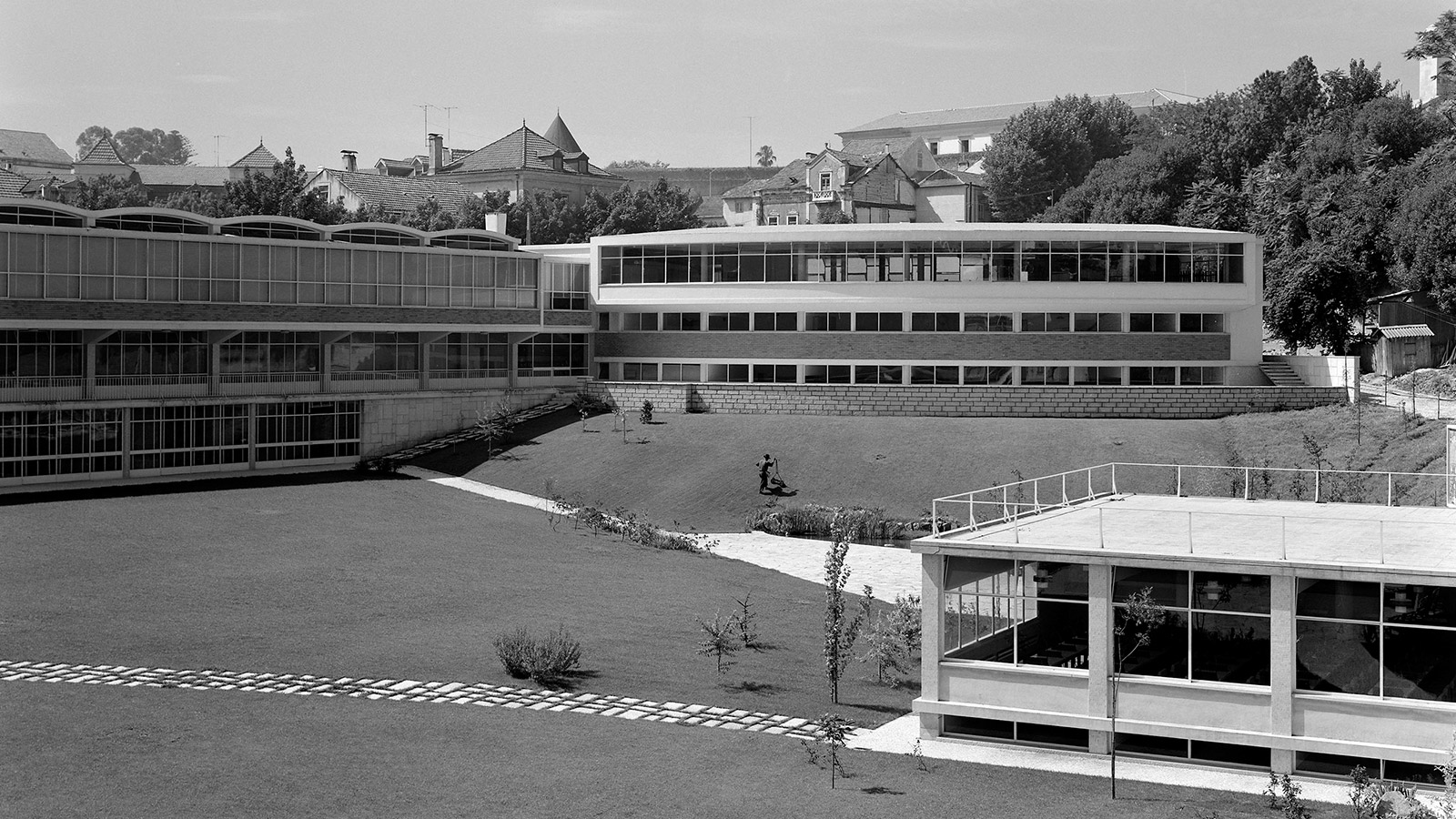
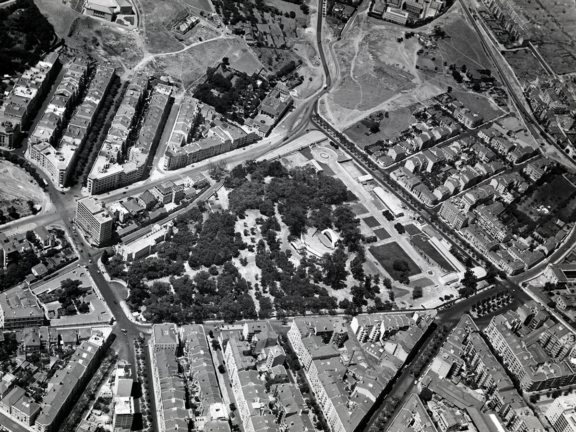
This architectural complex, which began to be designed in 1954, is located on the outskirts of Coimbra’s University City, in a central and easily accessible location. The facilities comprise three independent buildings, which group together related services, and an interior garden.
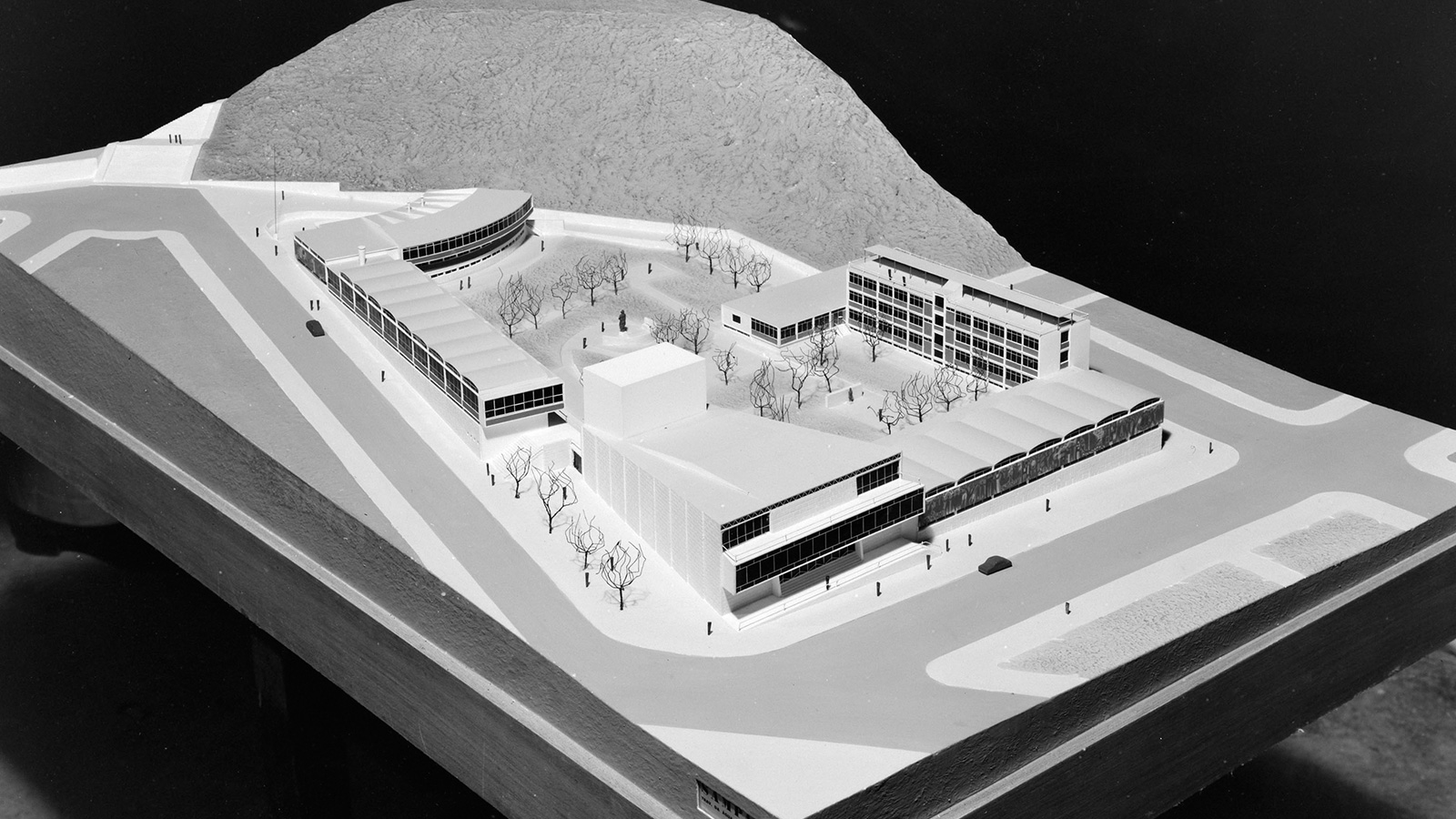
Block I
A five-storey building with a floor area of approximately 3,000 square metres. It houses the management, departments, medical services, library and museum.
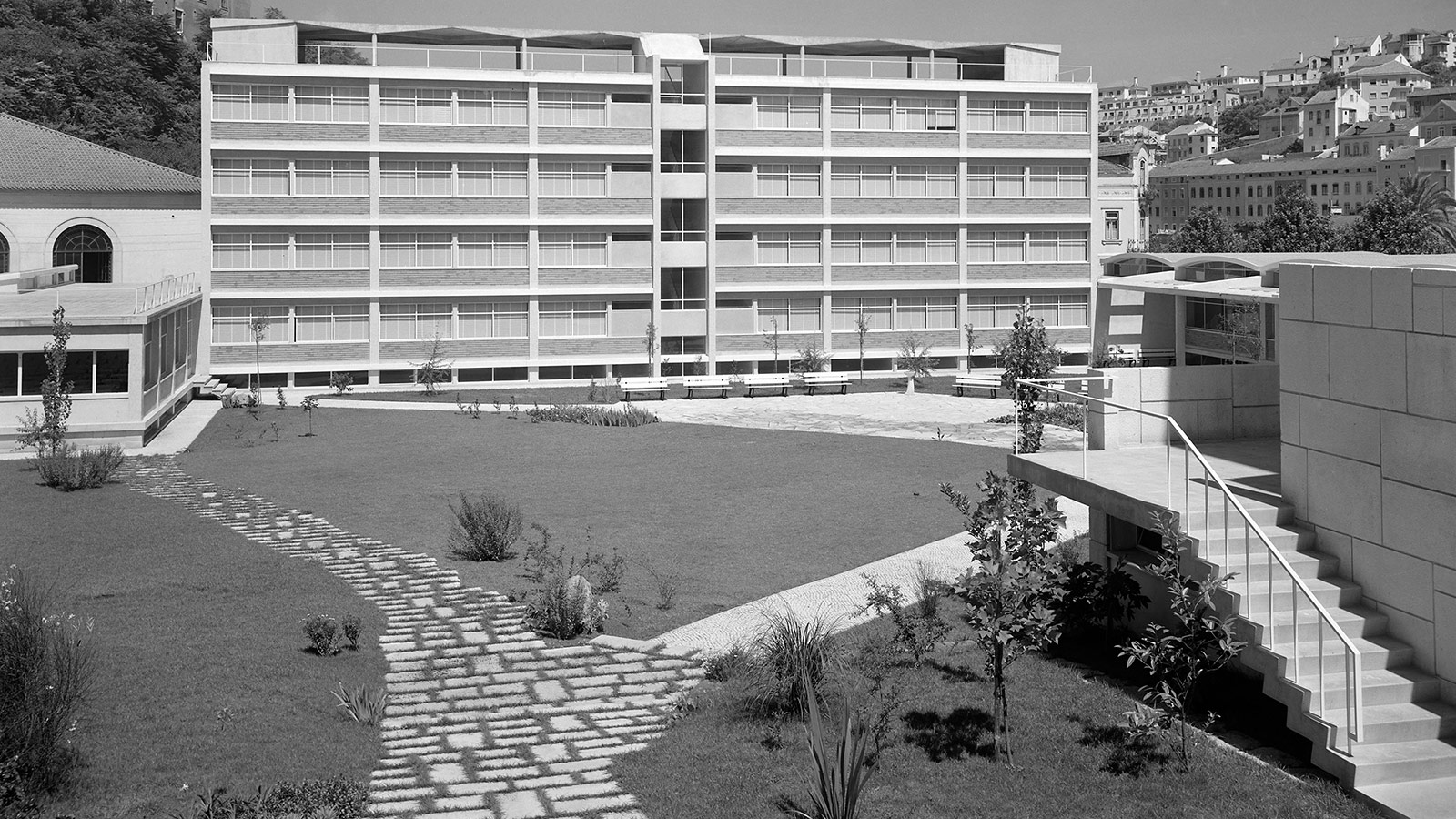
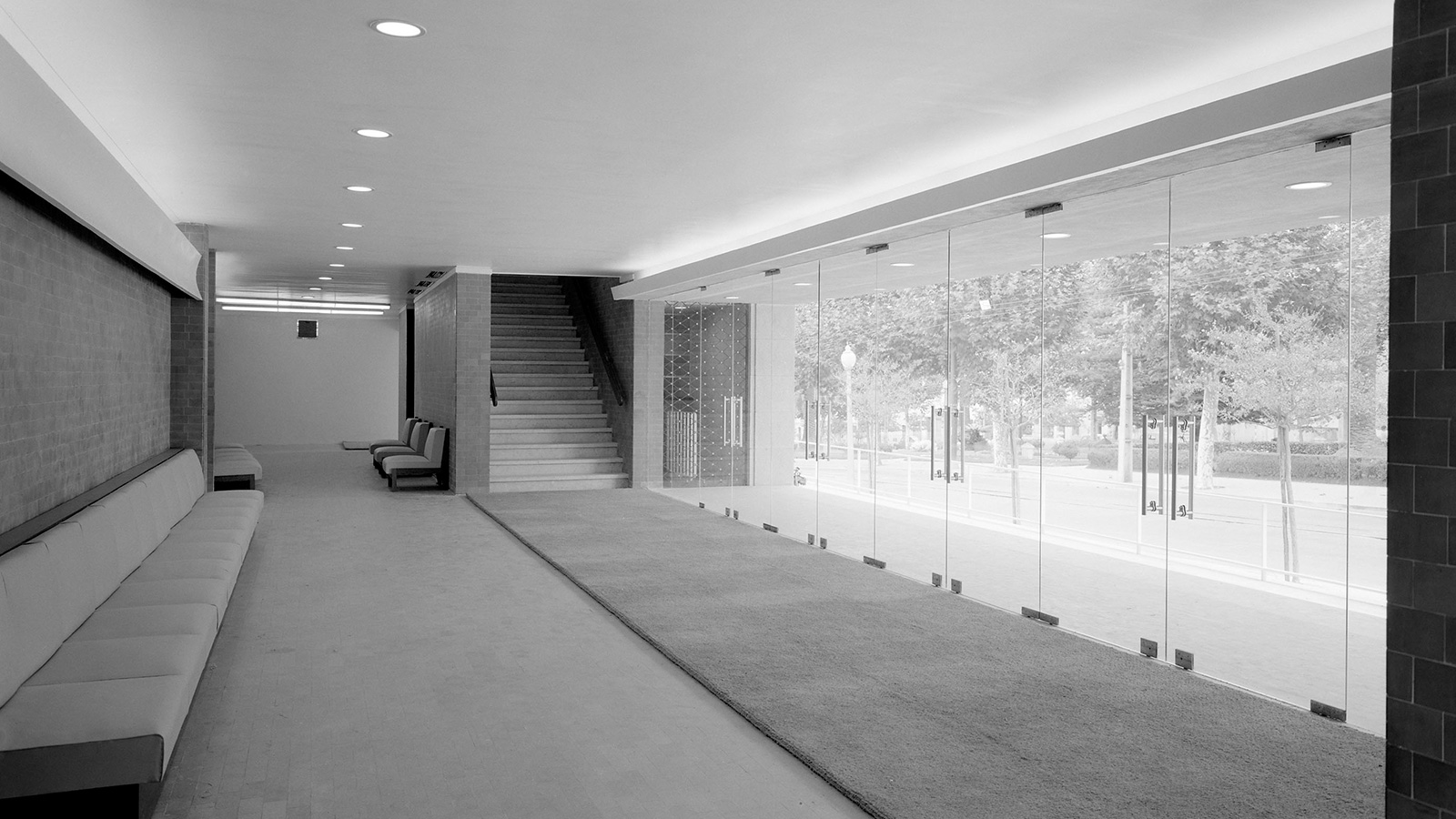
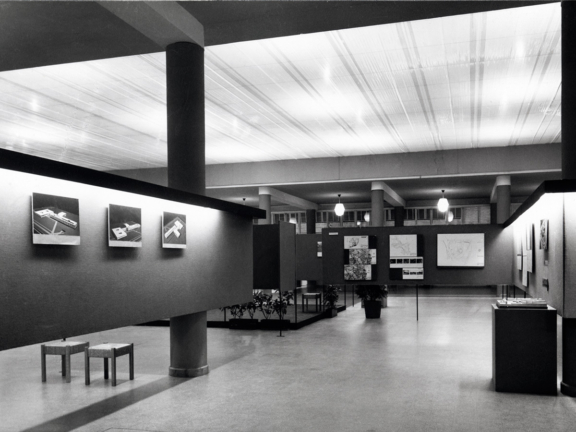
The medical services are located on the first floor, with a private entrance. The departments, archives and meeting rooms occupy the second floor and are directly connected to the library, museum and exhibition hall. The third floor houses the management, the boards and their respective meeting rooms. The fourth and top floor is reserved for the Association’s cultural and sports sections.
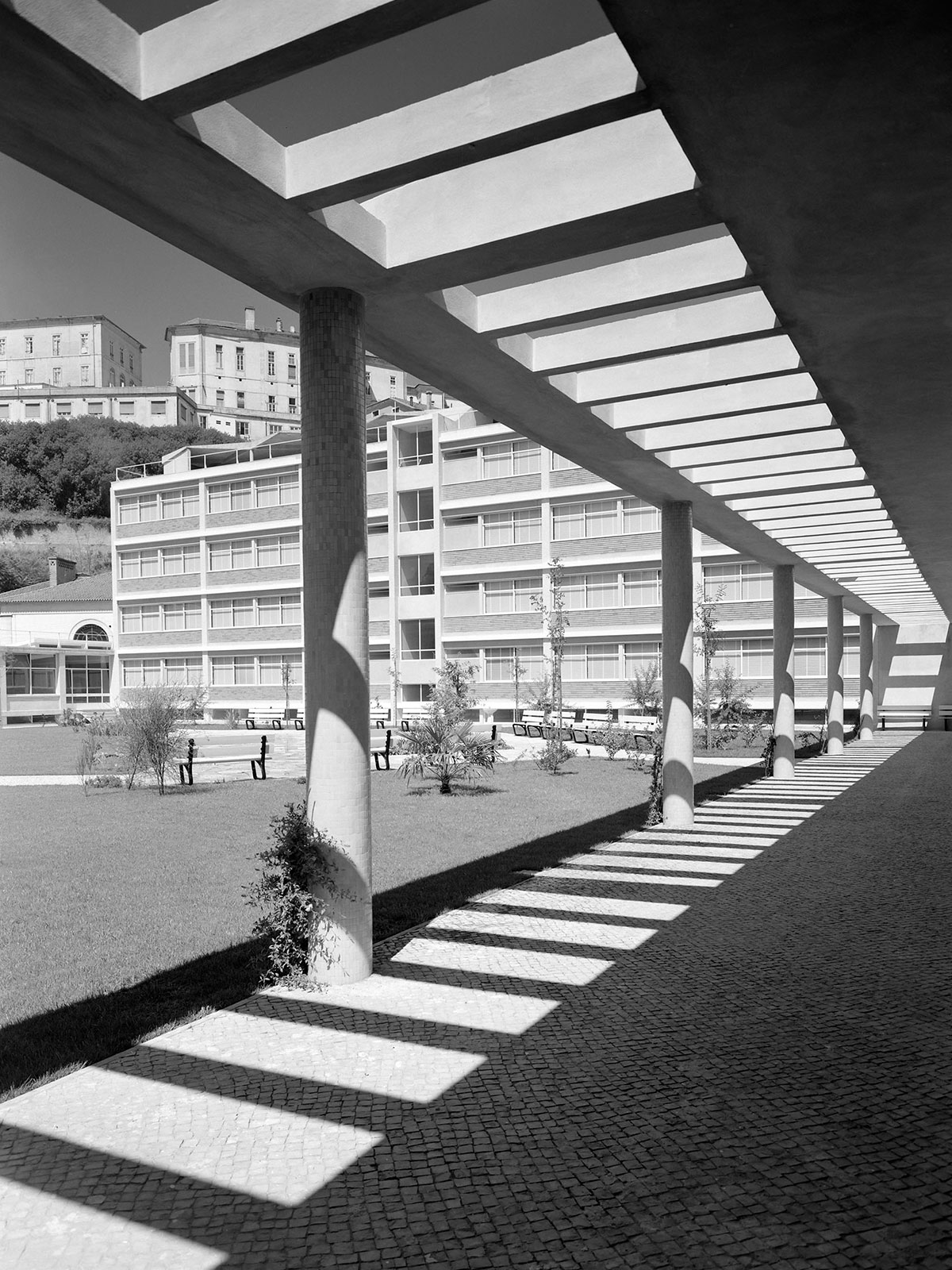
Block II
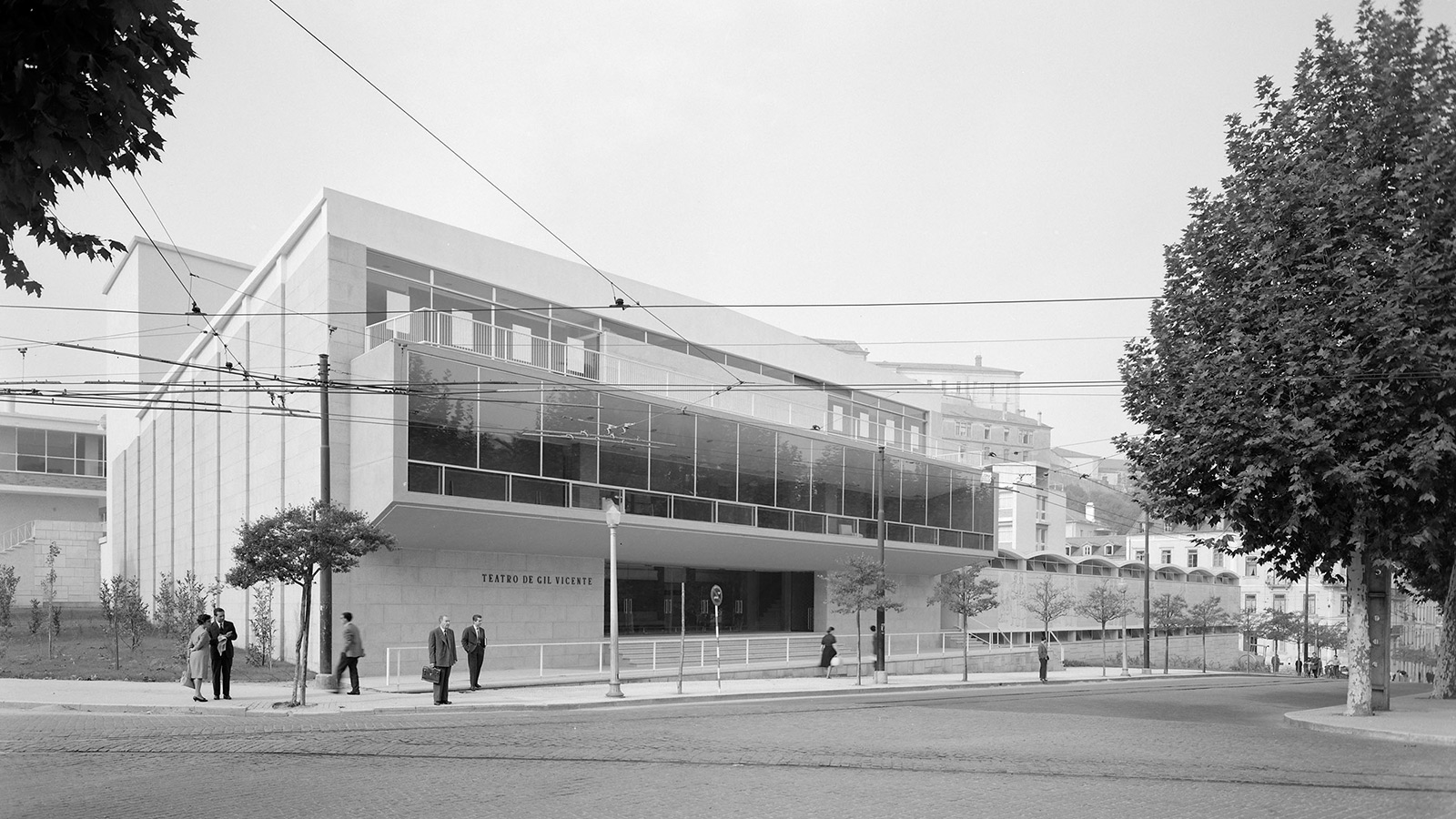
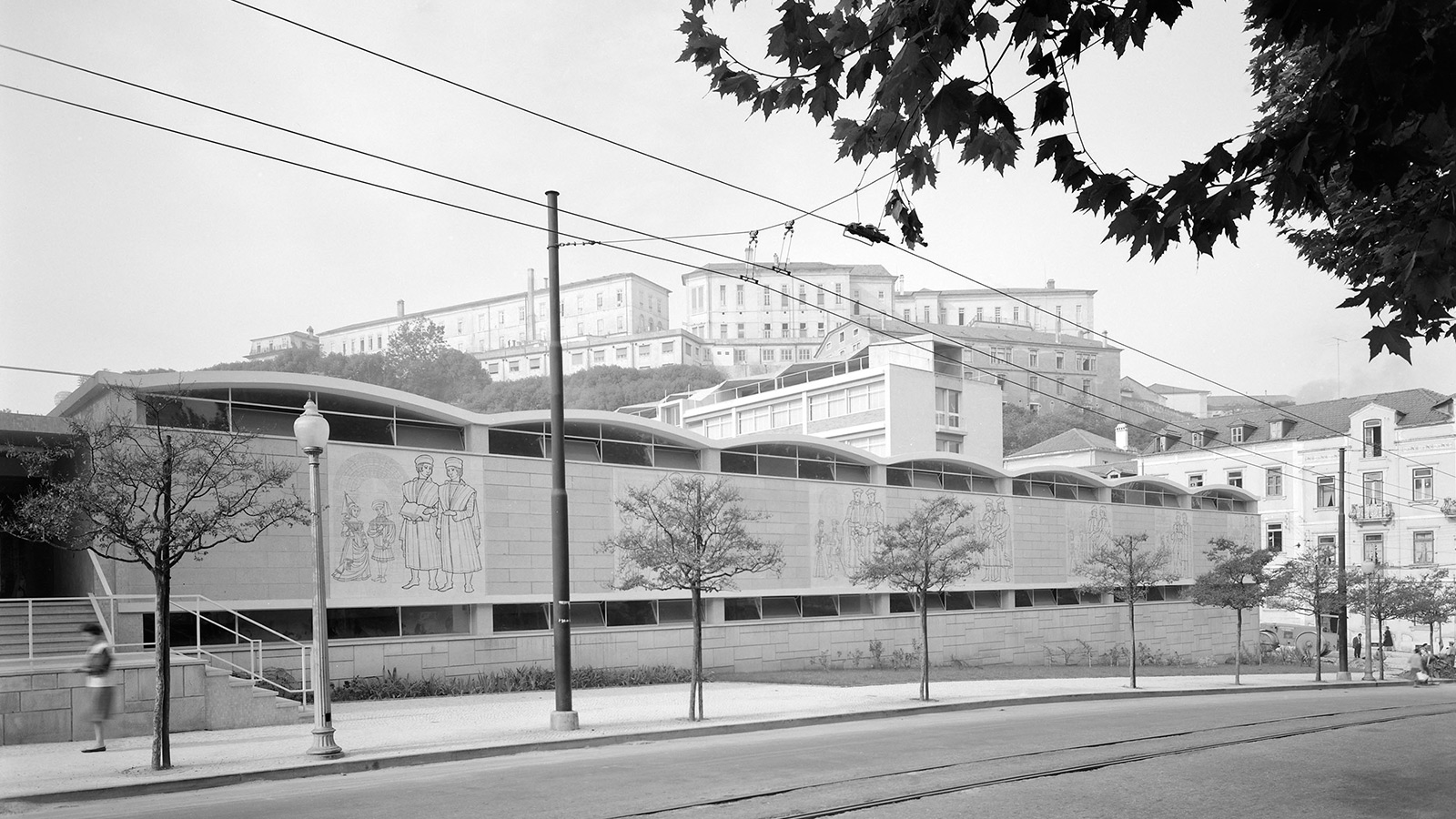
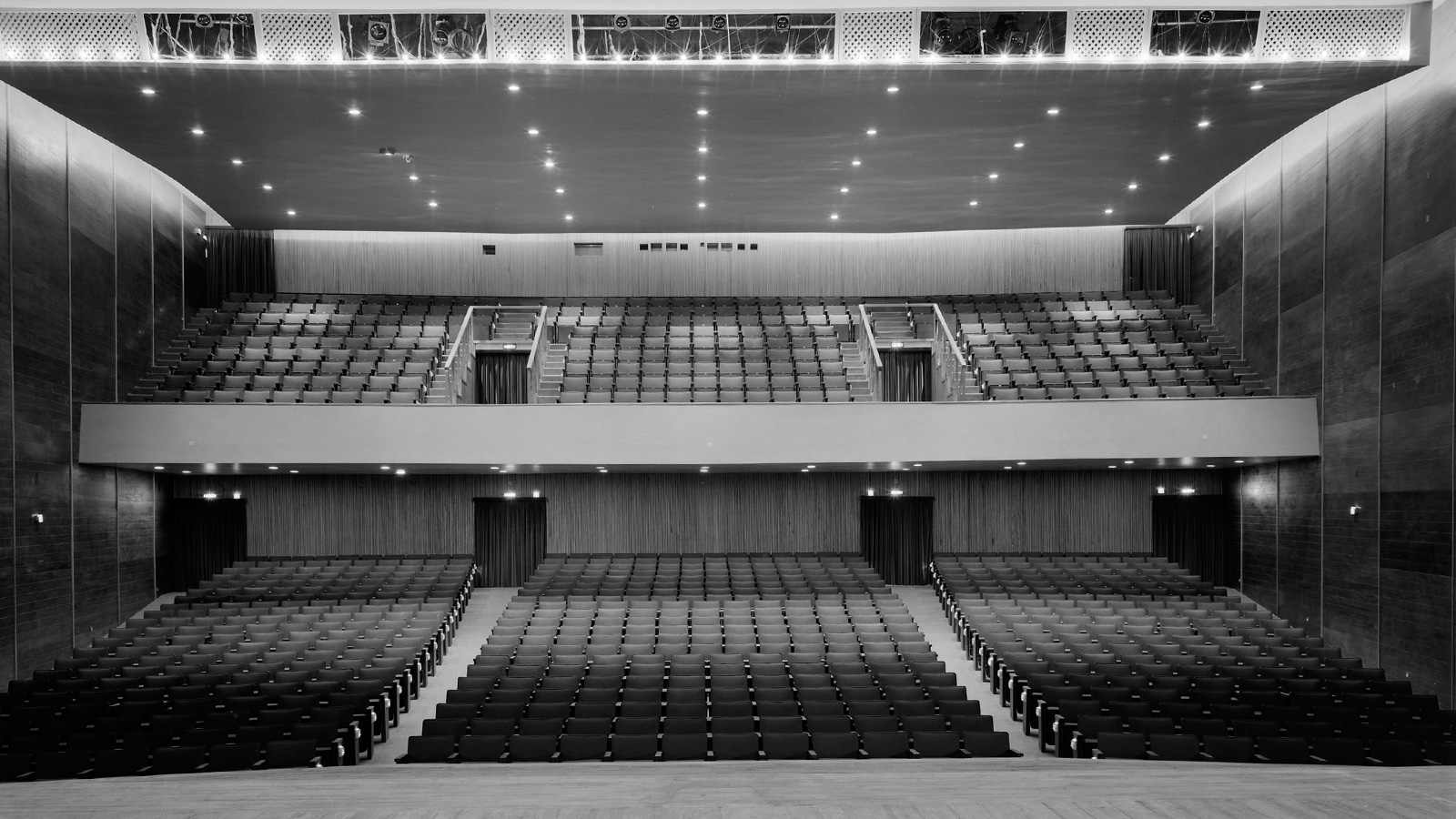
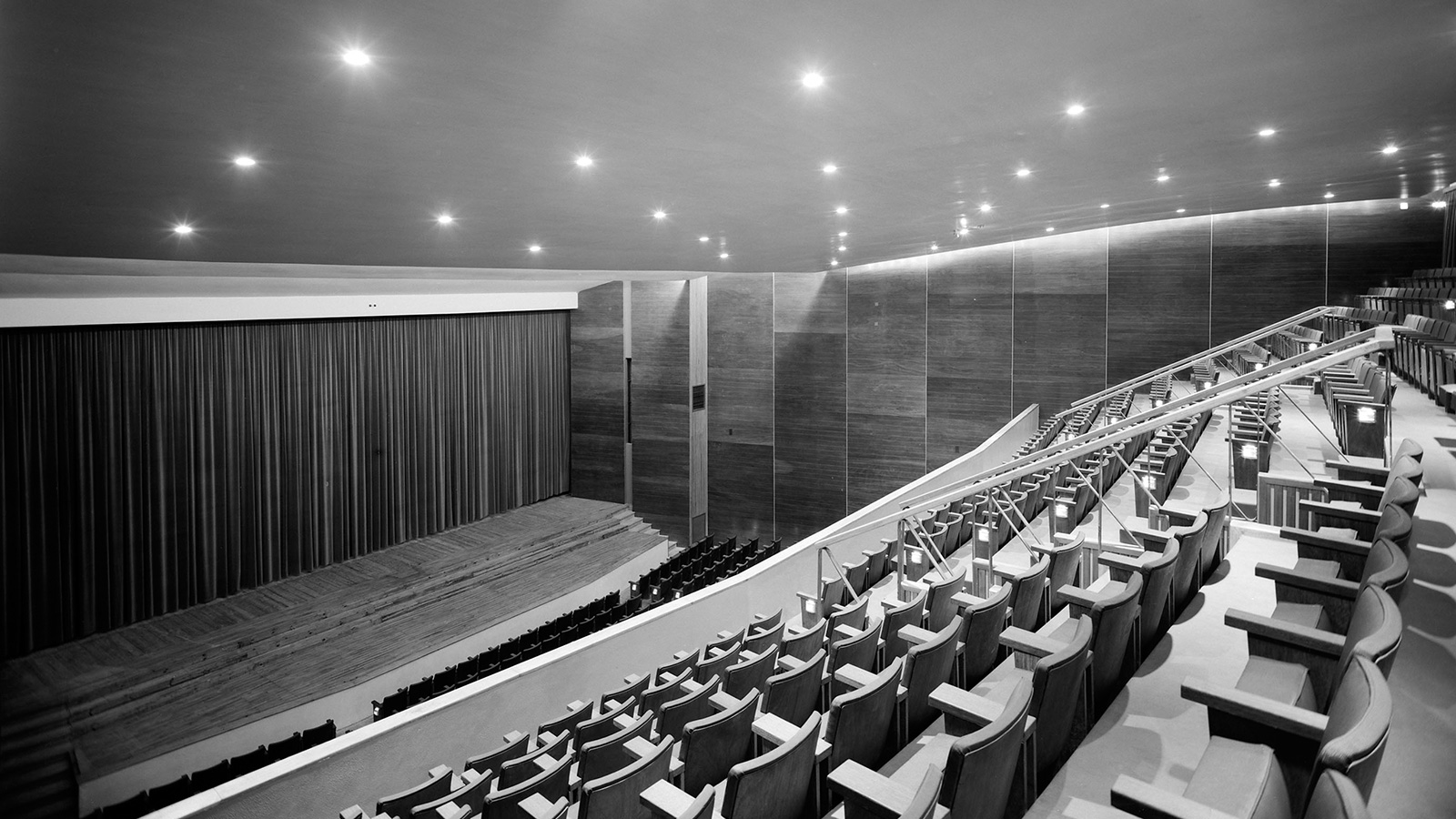
This building houses the theatre and rehearsal rooms. The Teatro de Gil Vicente has a stalls area with 772 seats and a balcony with 328 seats. The exterior façade is decorated with seven tile panels by João Abel Manta, representing the evolution of academic dress since the 18th century.
Block III
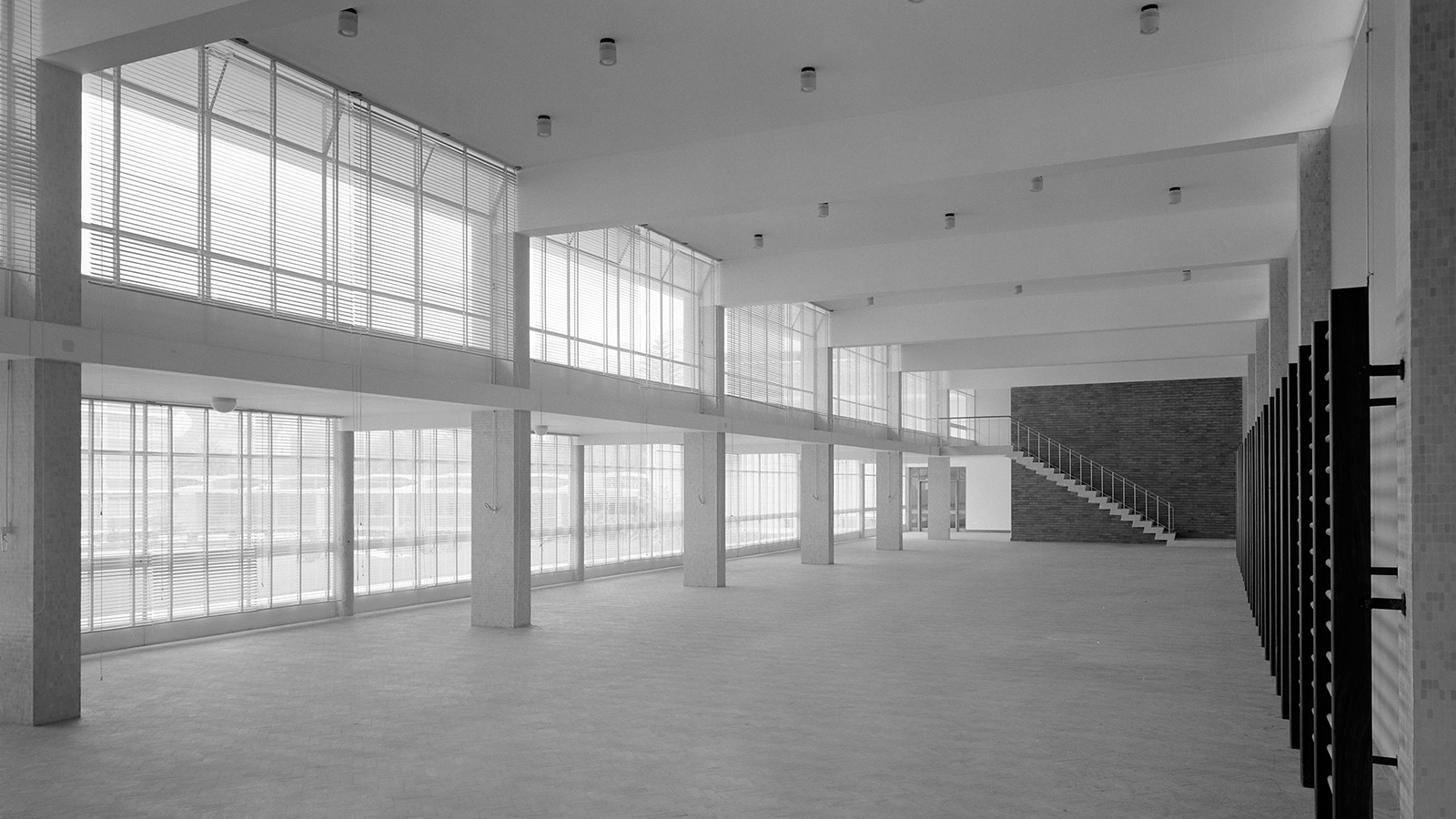
Living areas building. Consisting of two wings, with a usable area of over 3,000 square metres, spread over two floors and a basement.
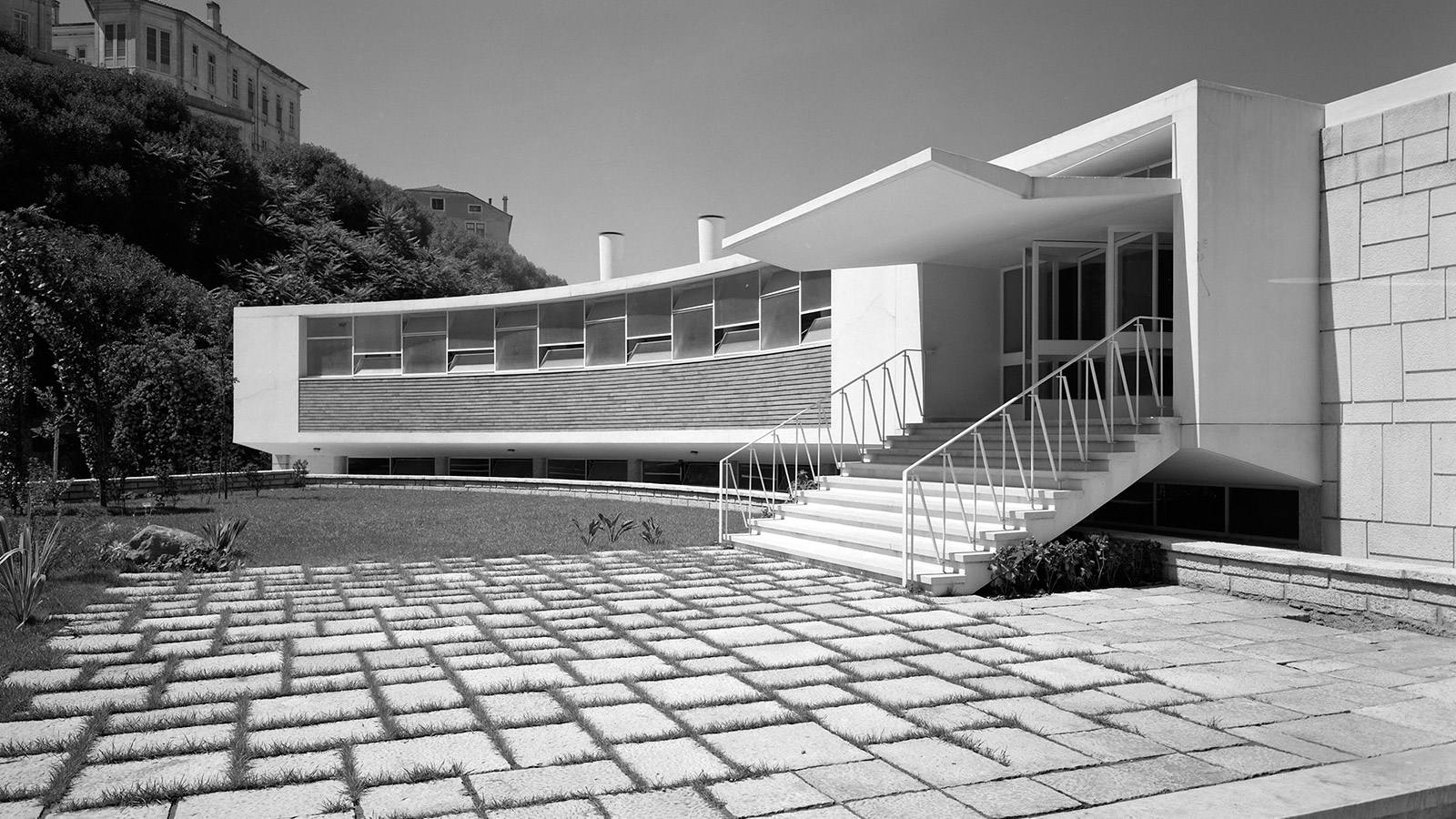
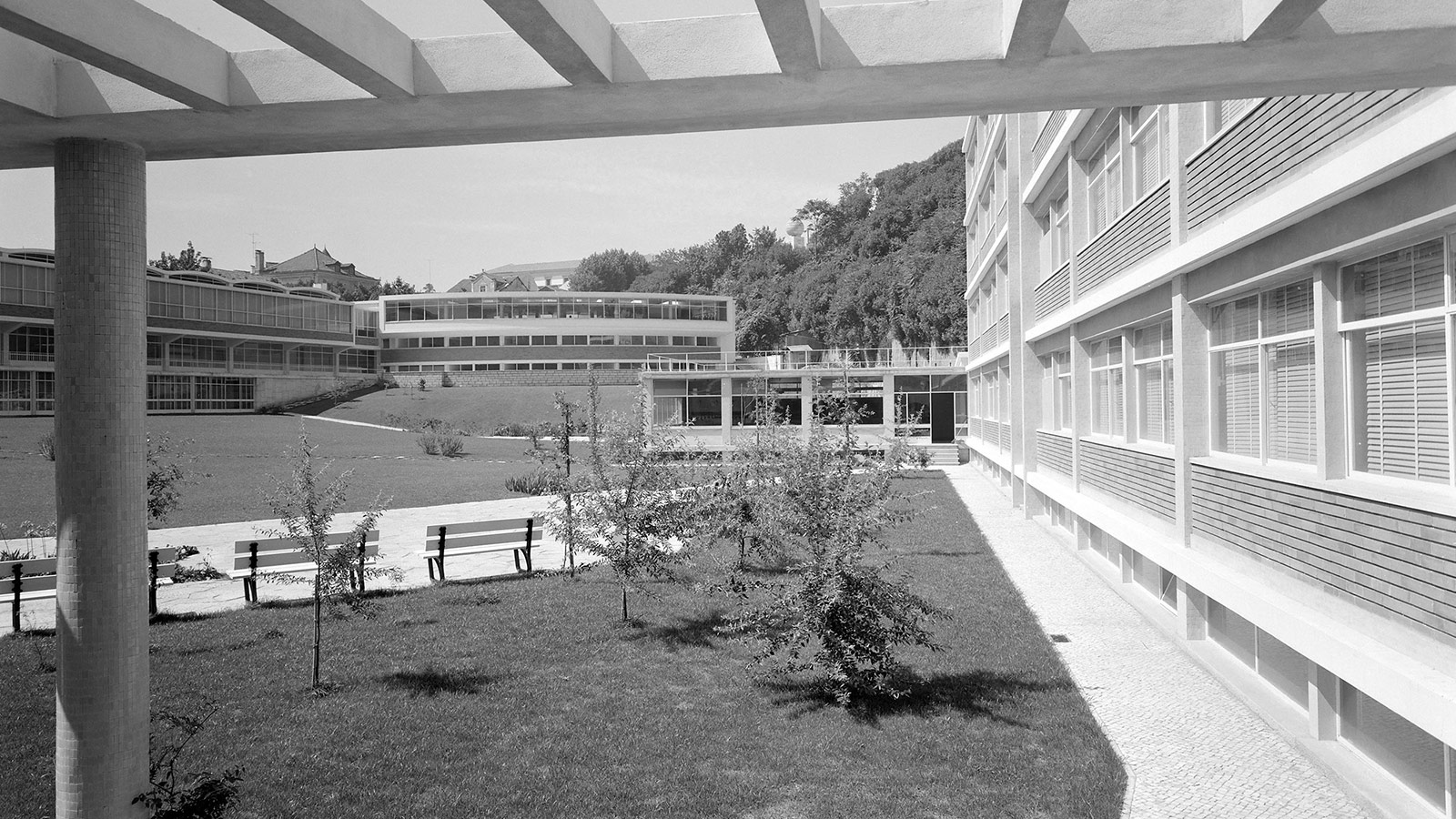
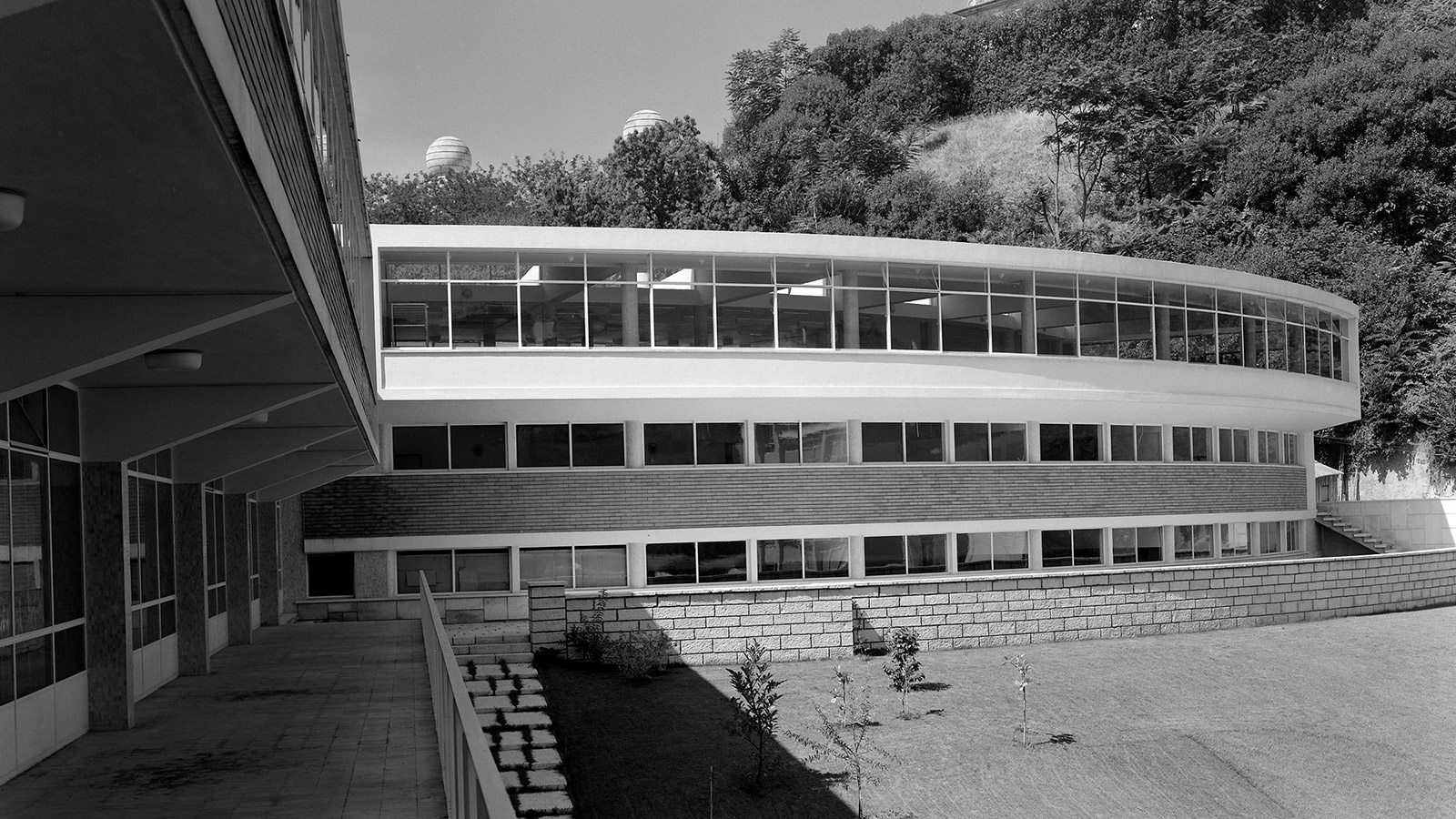
On the same floor, at the main entrance level, are the games room, bar, restaurant and cloakroom. On the lower floors are the social rooms, craft rooms, aeromodelling room, changing rooms and gymnasium.
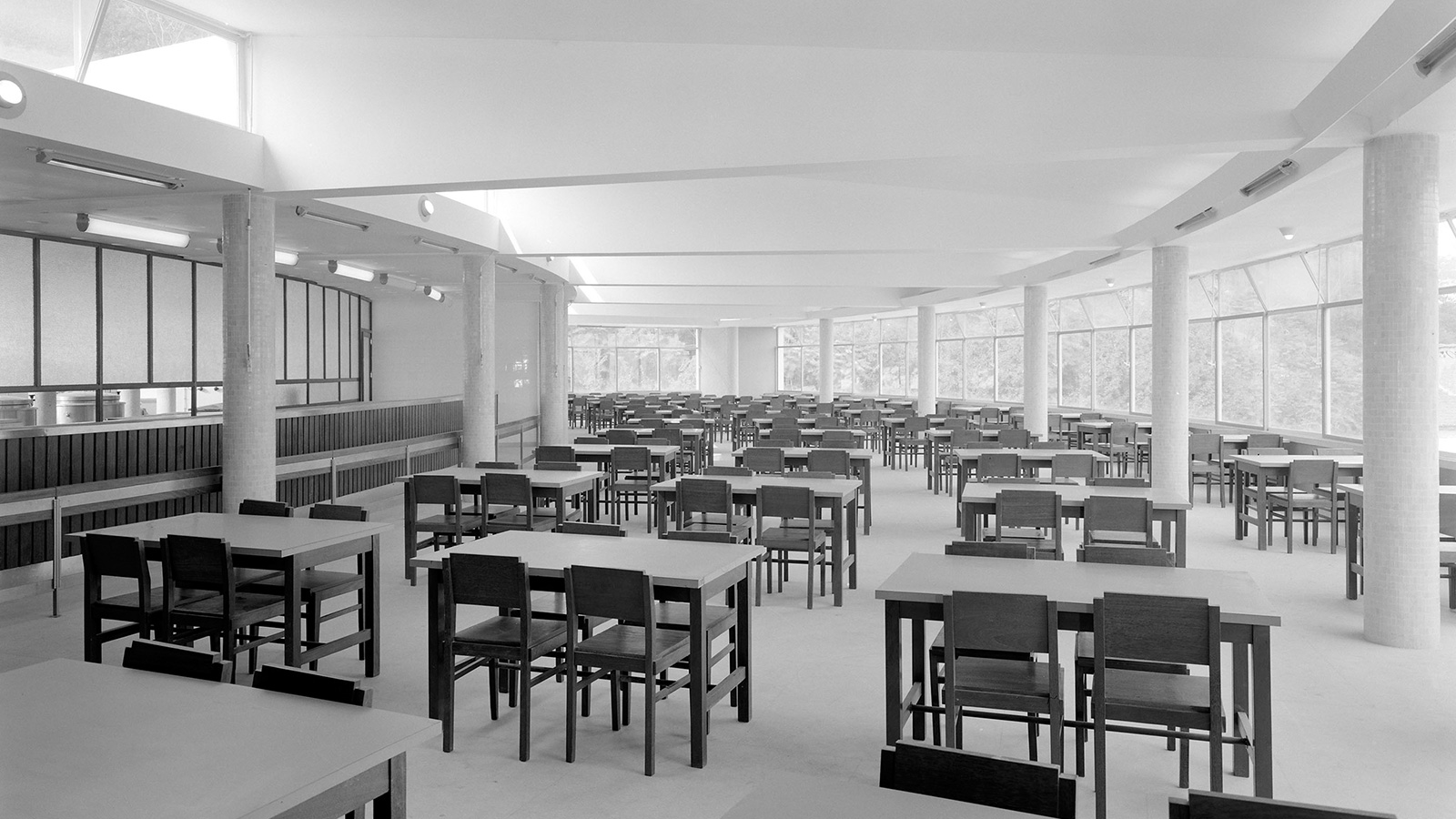
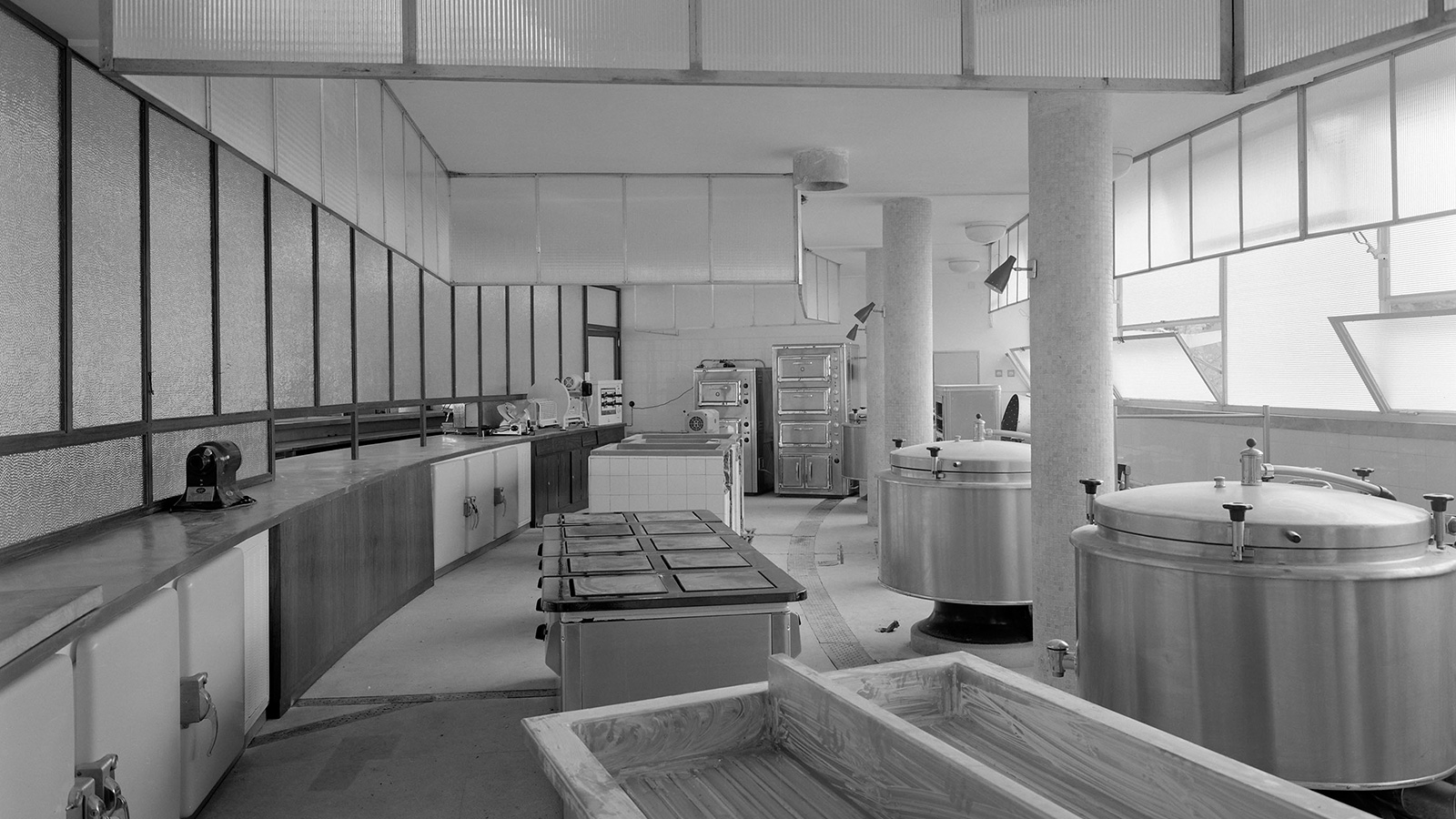
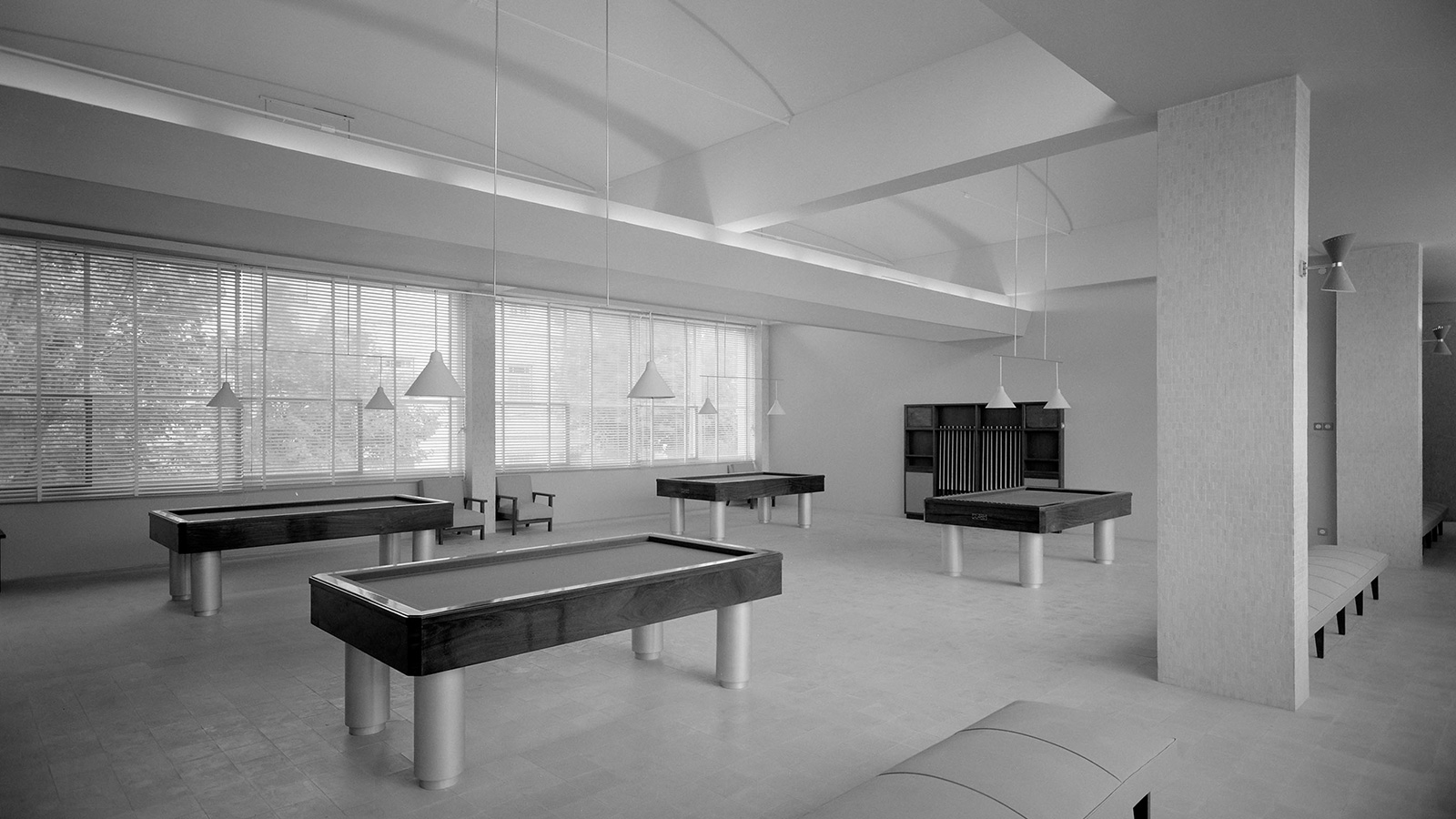
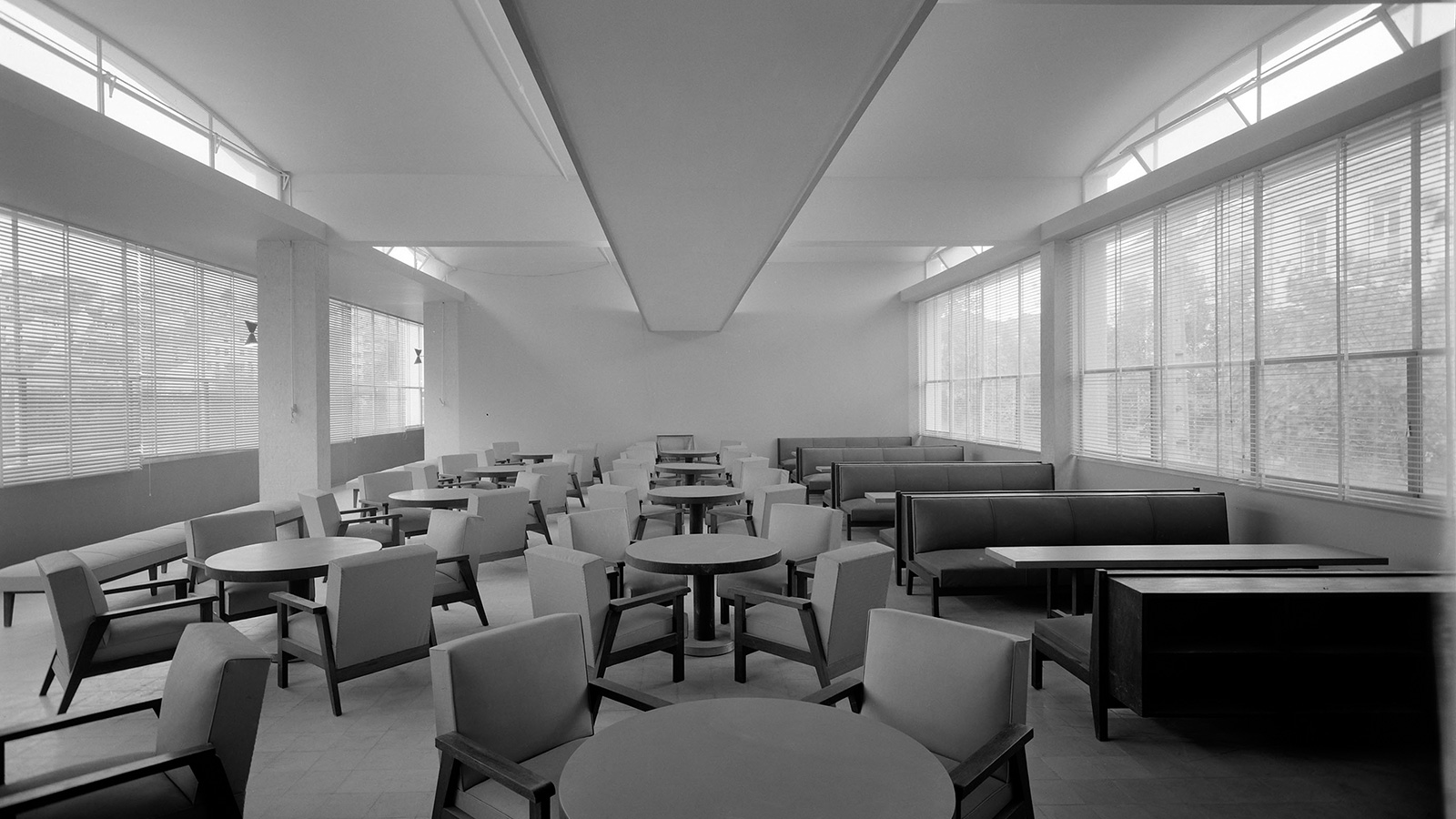
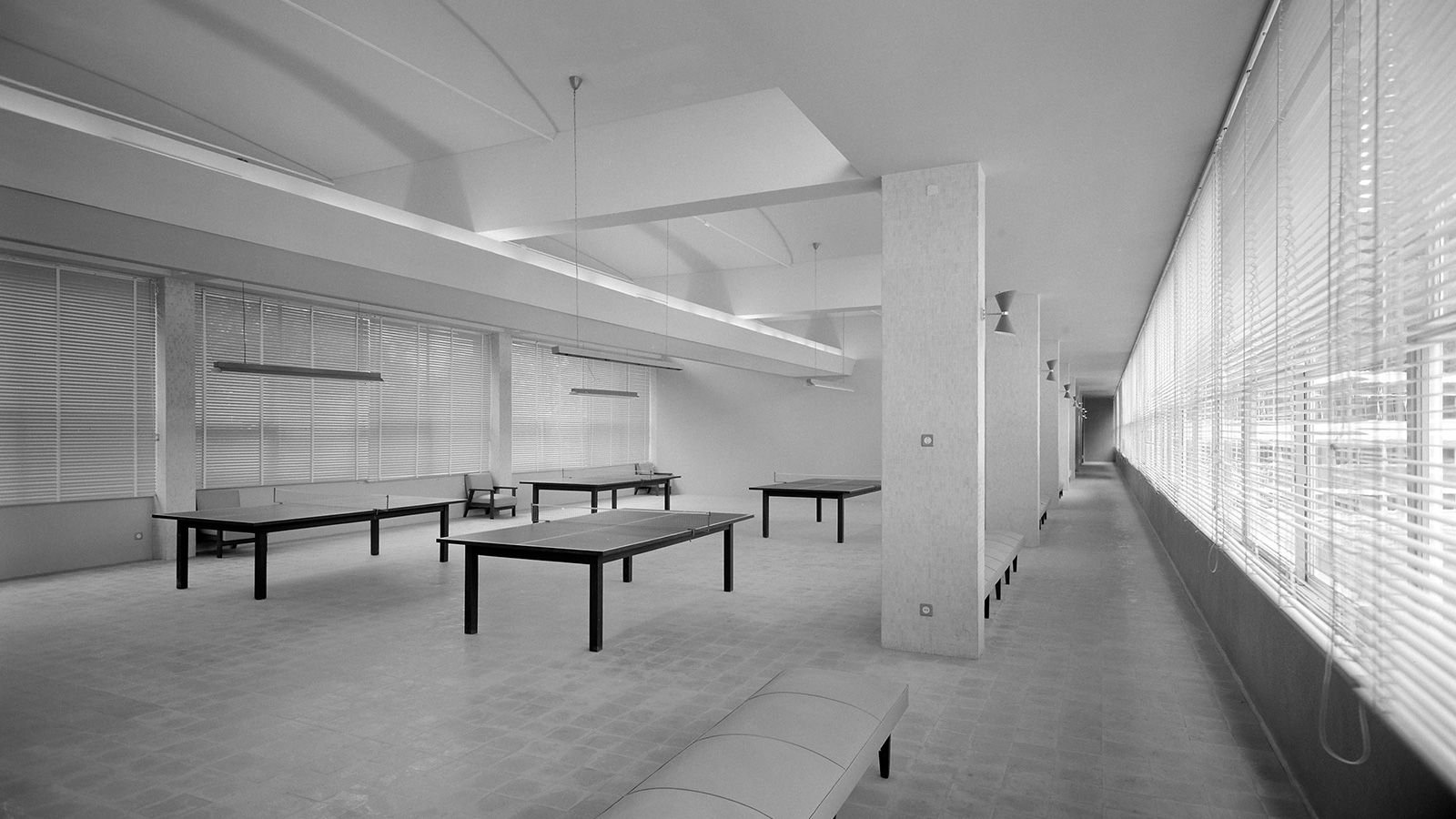
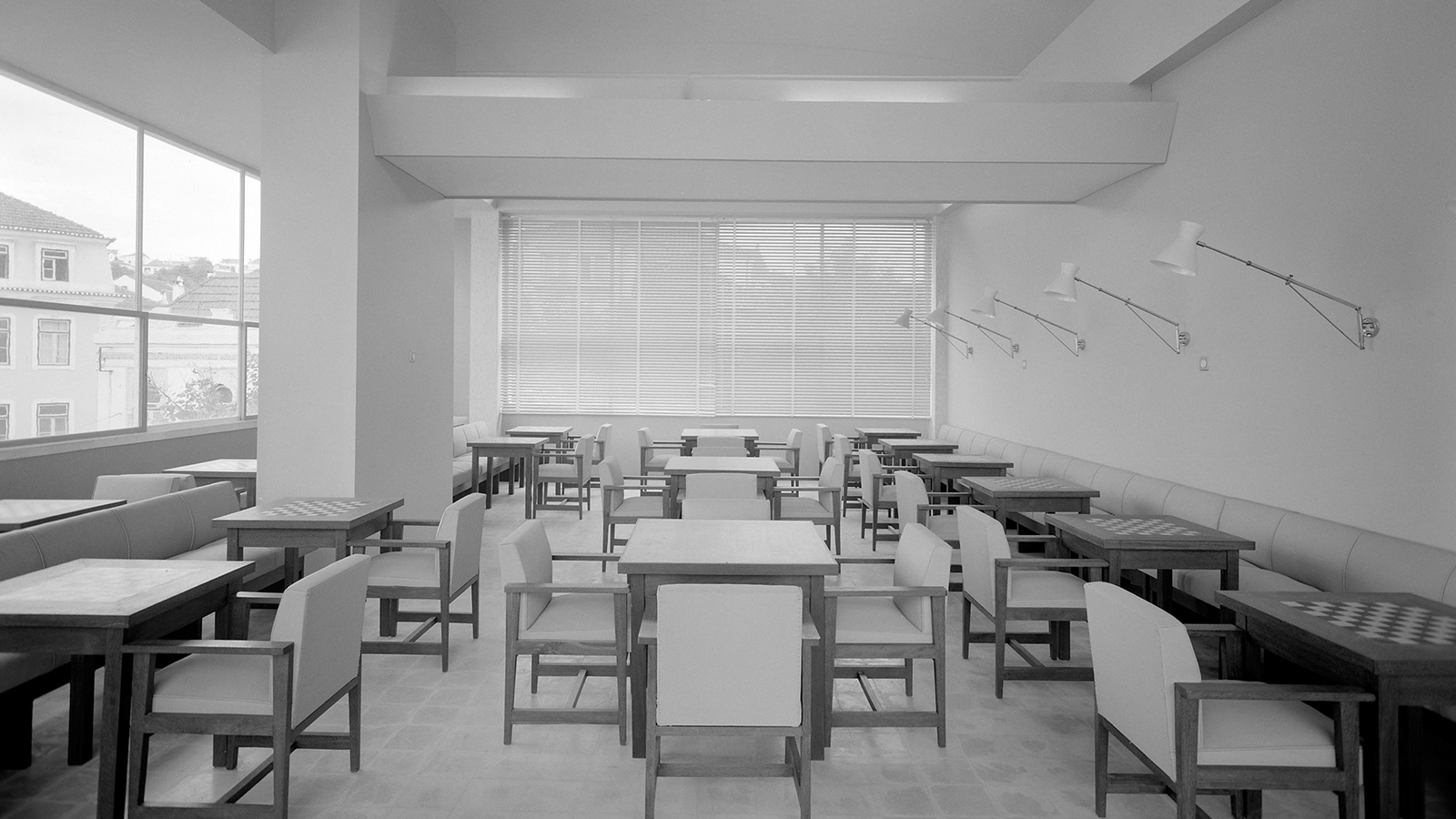
The gymnasium serves as a function and conference room. Facing the interior garden, it has a private entrance from Praça da República.
Garden
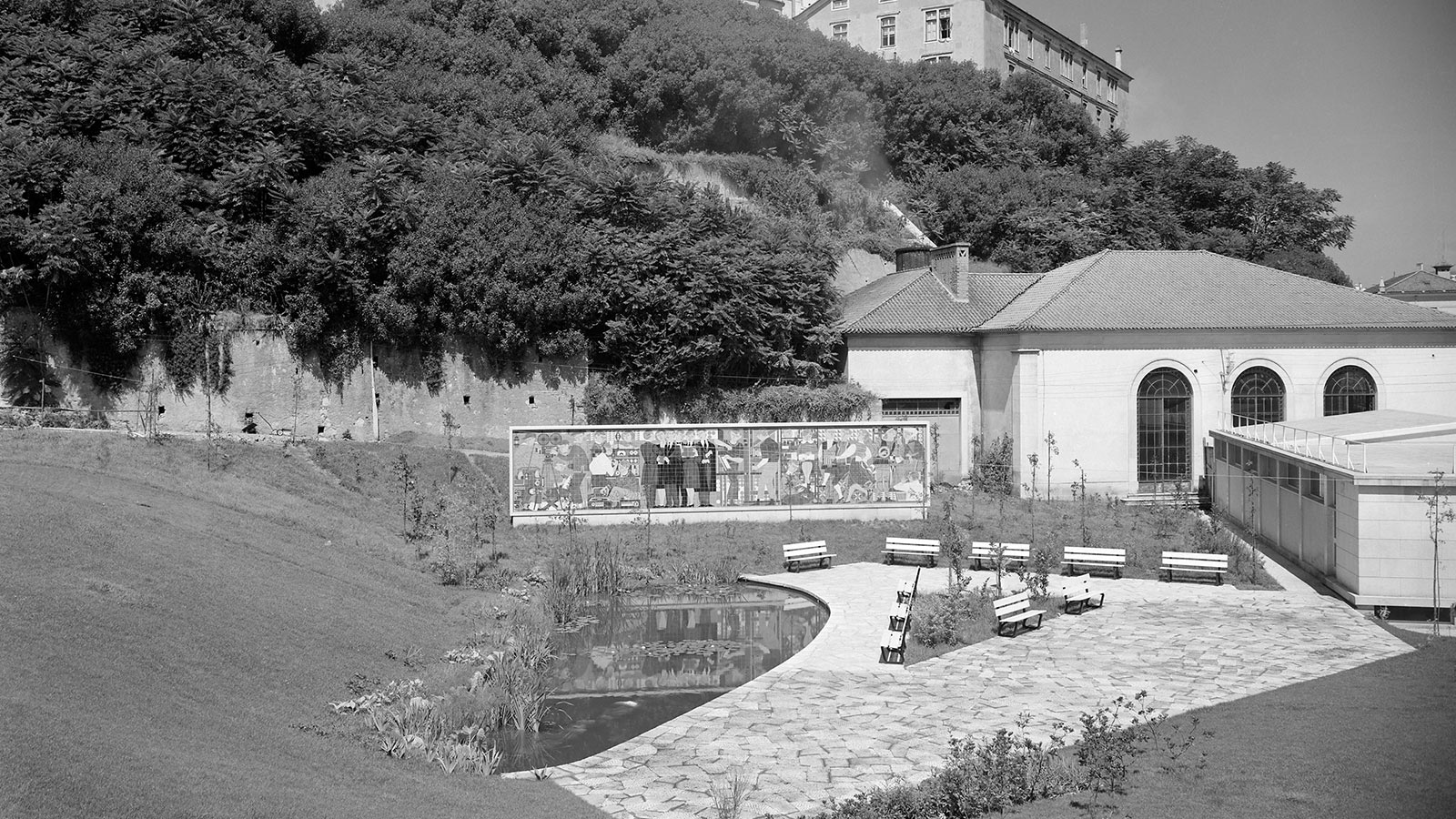
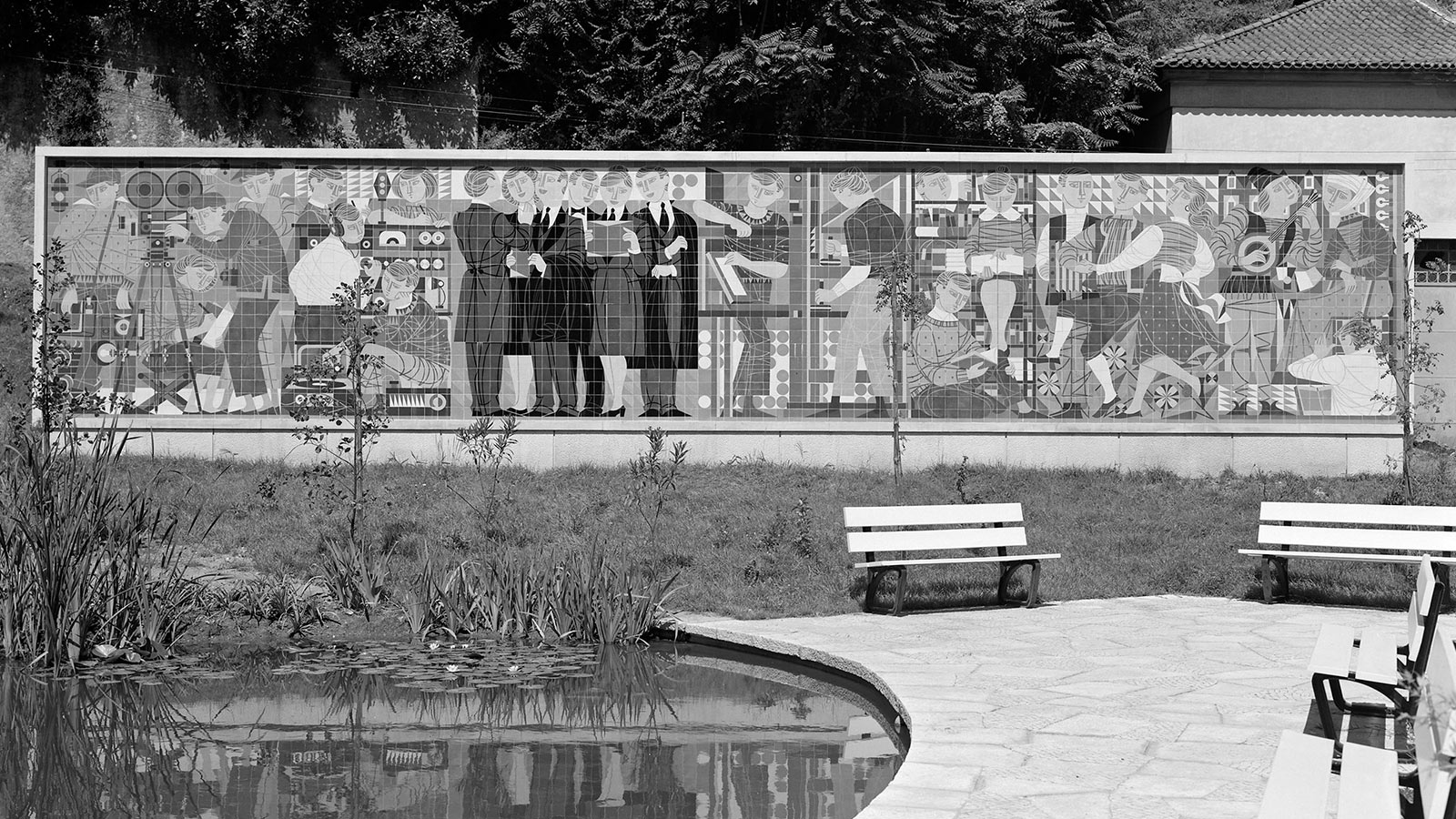
The interior garden was designed by architect Manuel Cerveira and features a polychrome ceramic panel by João Abel Manta.
Sports area
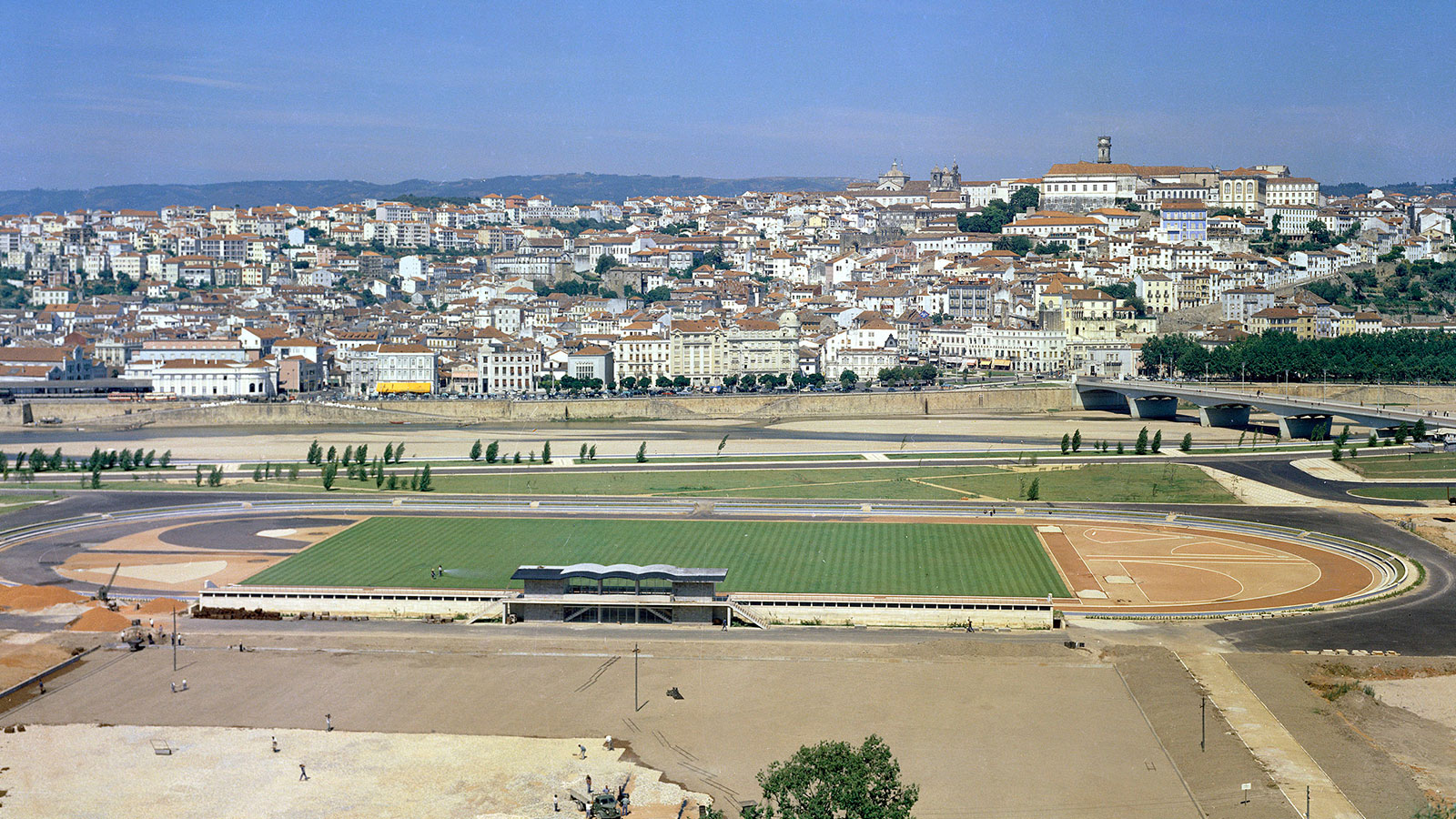
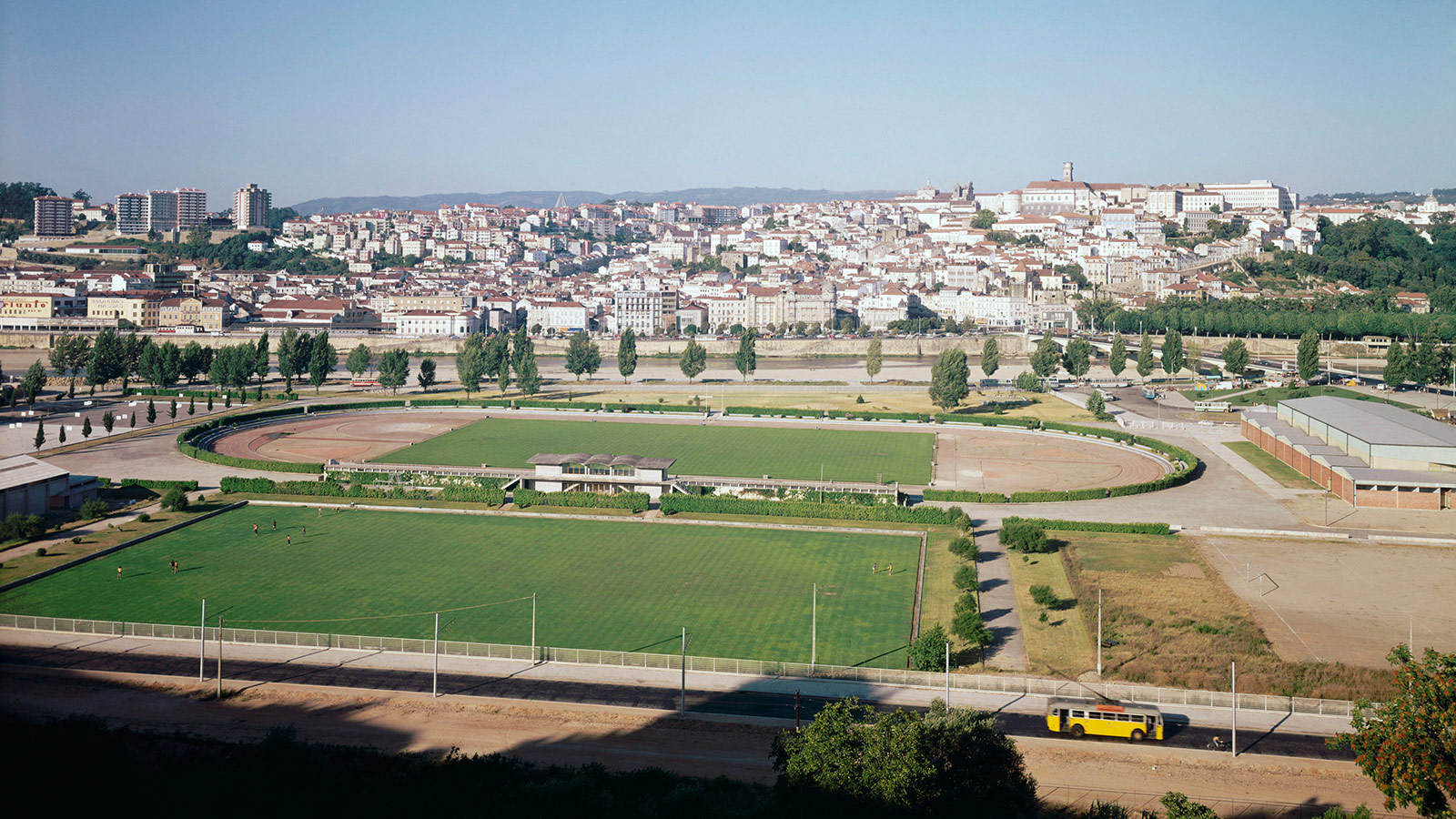
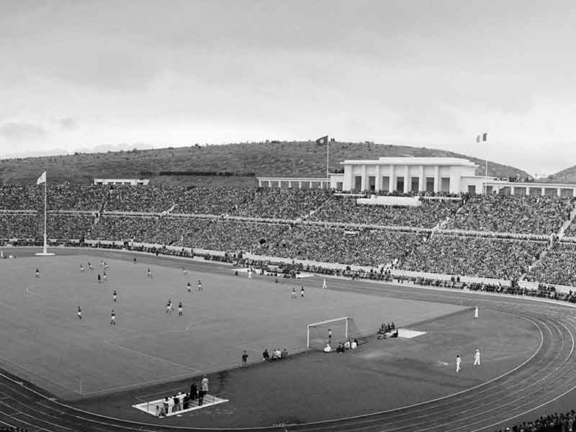
The sports programme is separate from the students’ cultural and social activities because the University City campus is clearly insufficient in size. Therefore, the sports facilities are designed on a 135,000 square metre site located on the left bank of the Mondego River.
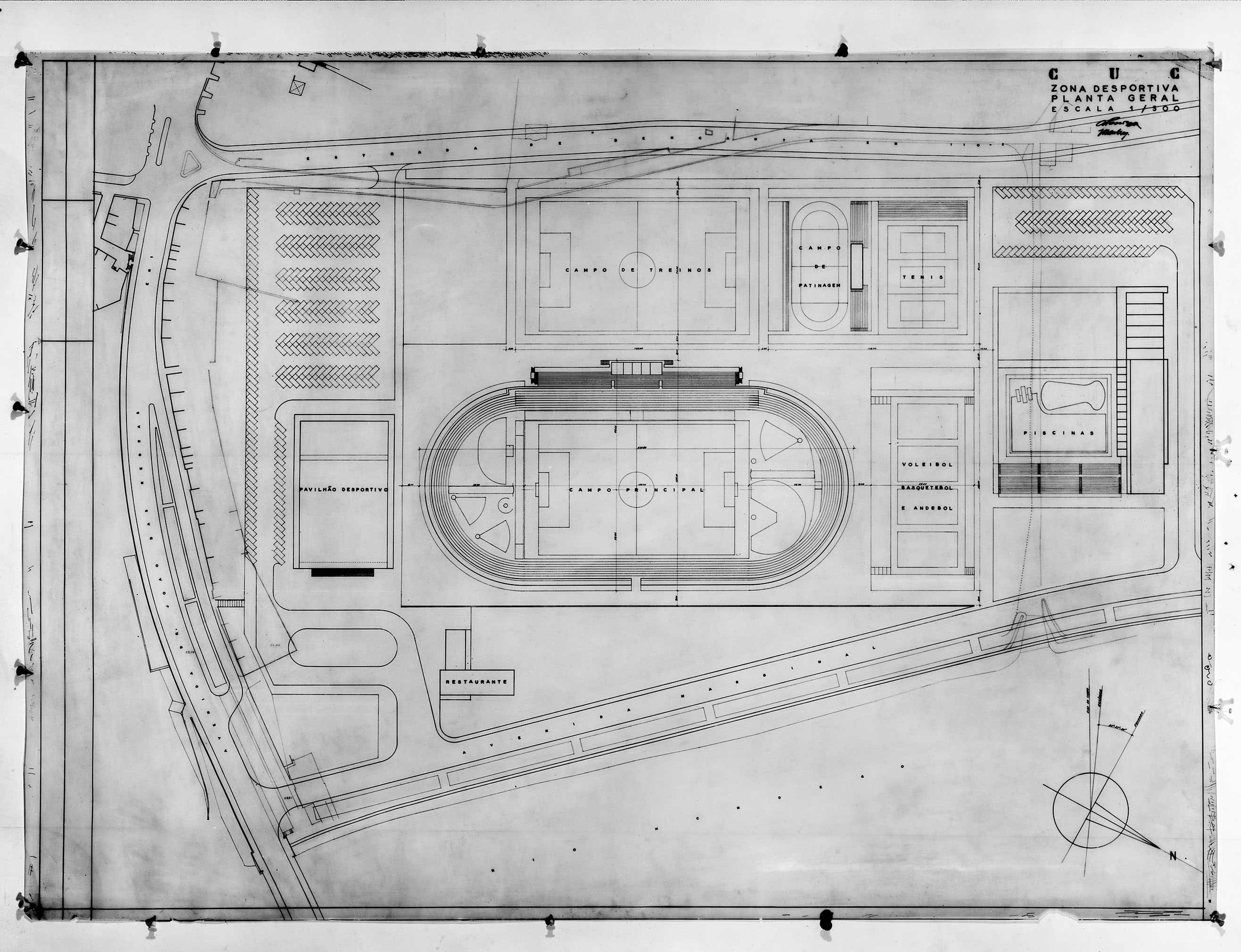
Between 1955 and 1961, architects Alberto Pessoa and João Abel Manta, with the collaboration of landscape architects António Vieira Barreto and Manuel Cerveira, designed the sports facilities.
After construction, students will be able to enjoy a main playing field, six running tracks, throwing and jumping areas, a training field, four basketball, handball and volleyball courts, three tennis courts, a sports hall, a swimming pool, a gymnasium and a restaurant.
Photos with history
Explore the series
No results were found for your criteria.
You may also like




No results were found for your criteria.