
Illuminated signs
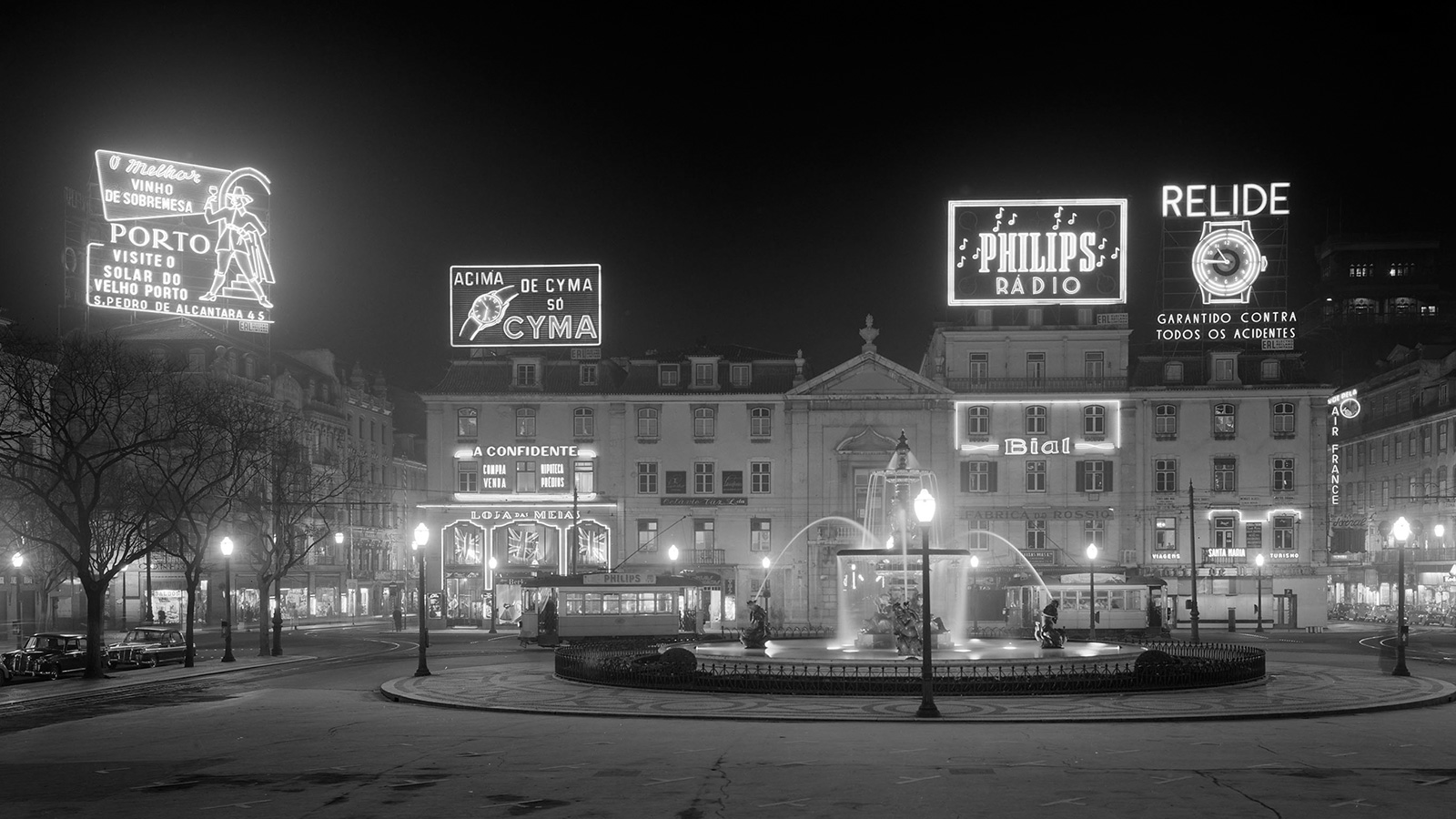
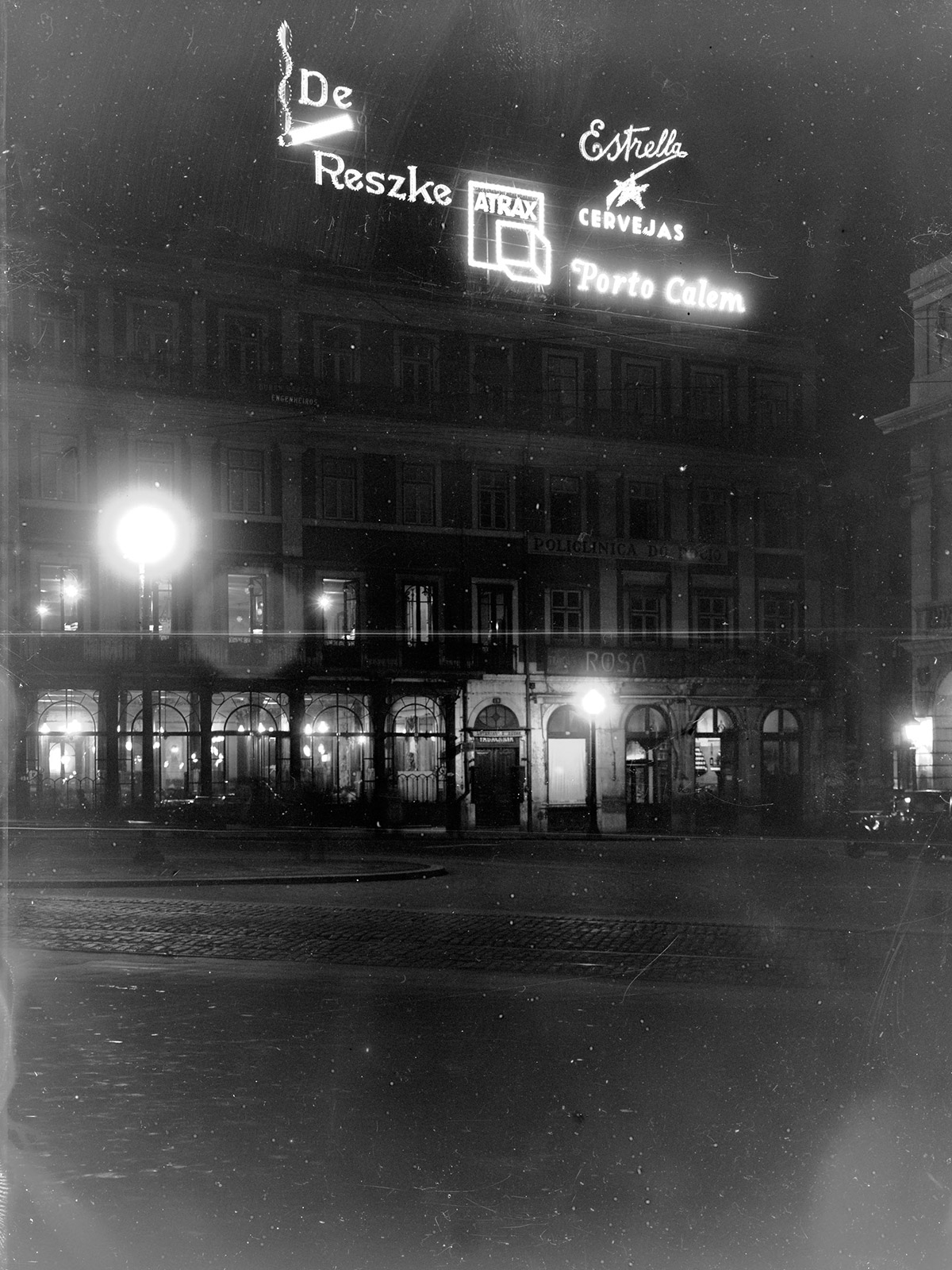
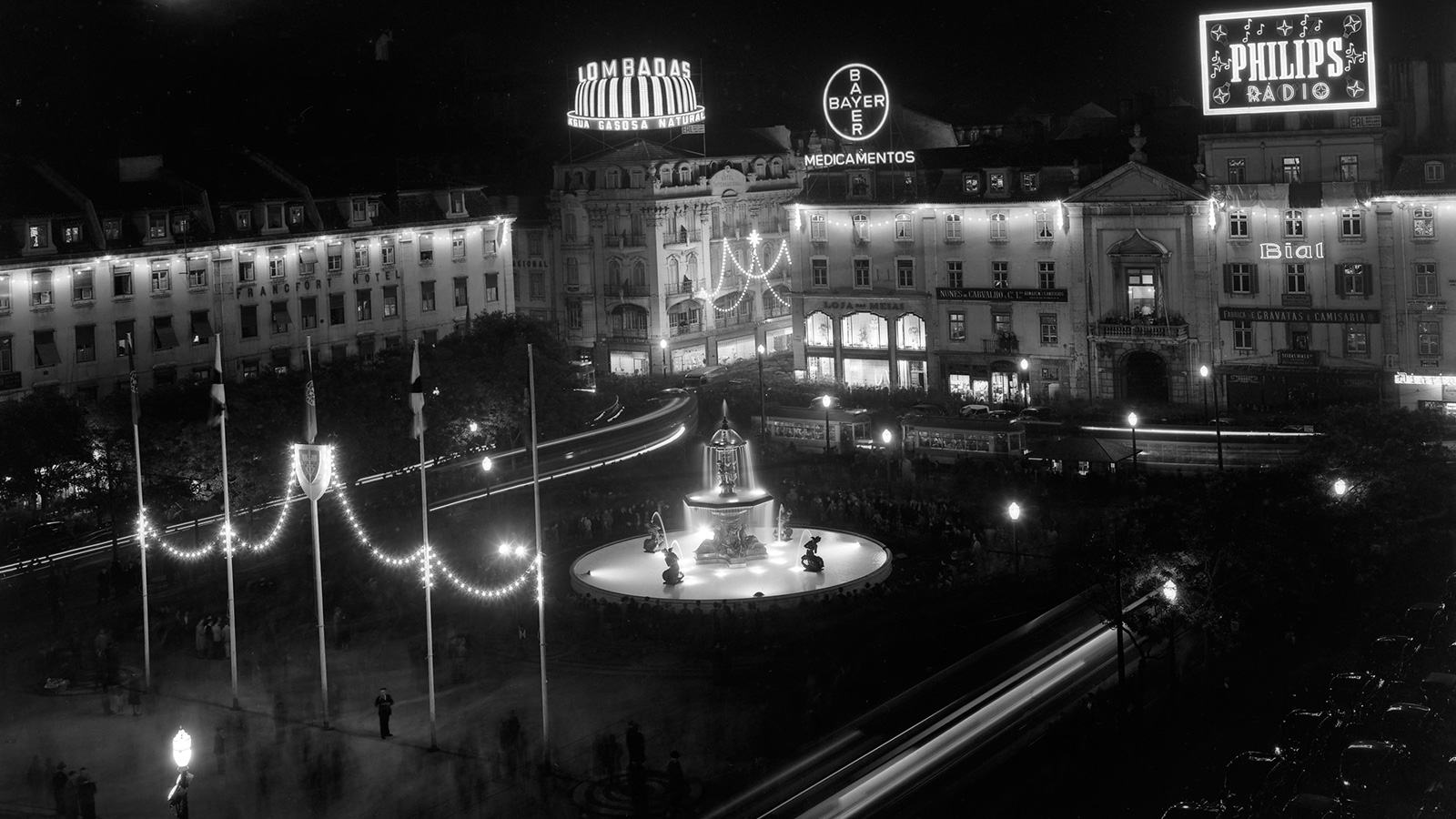
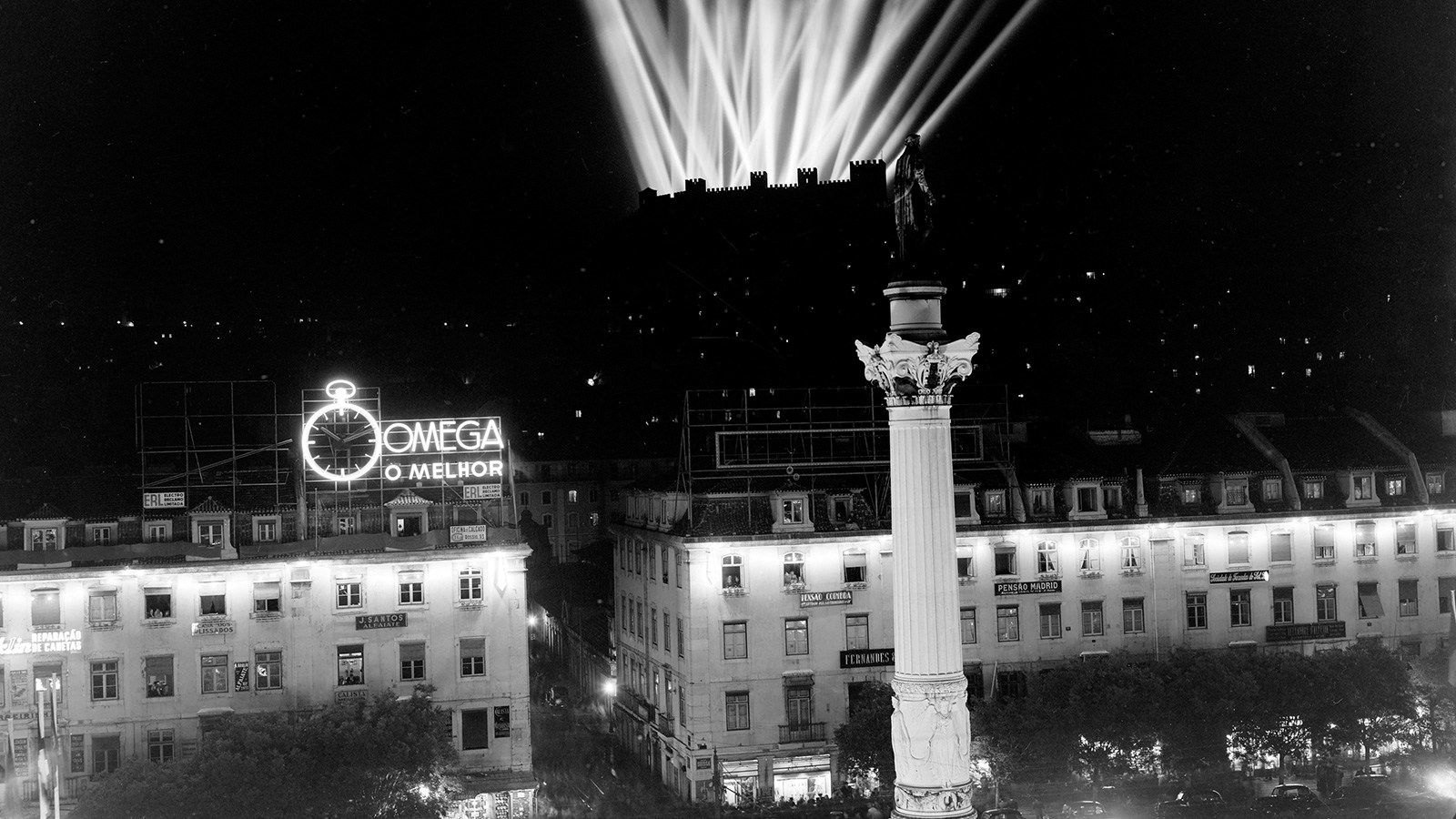
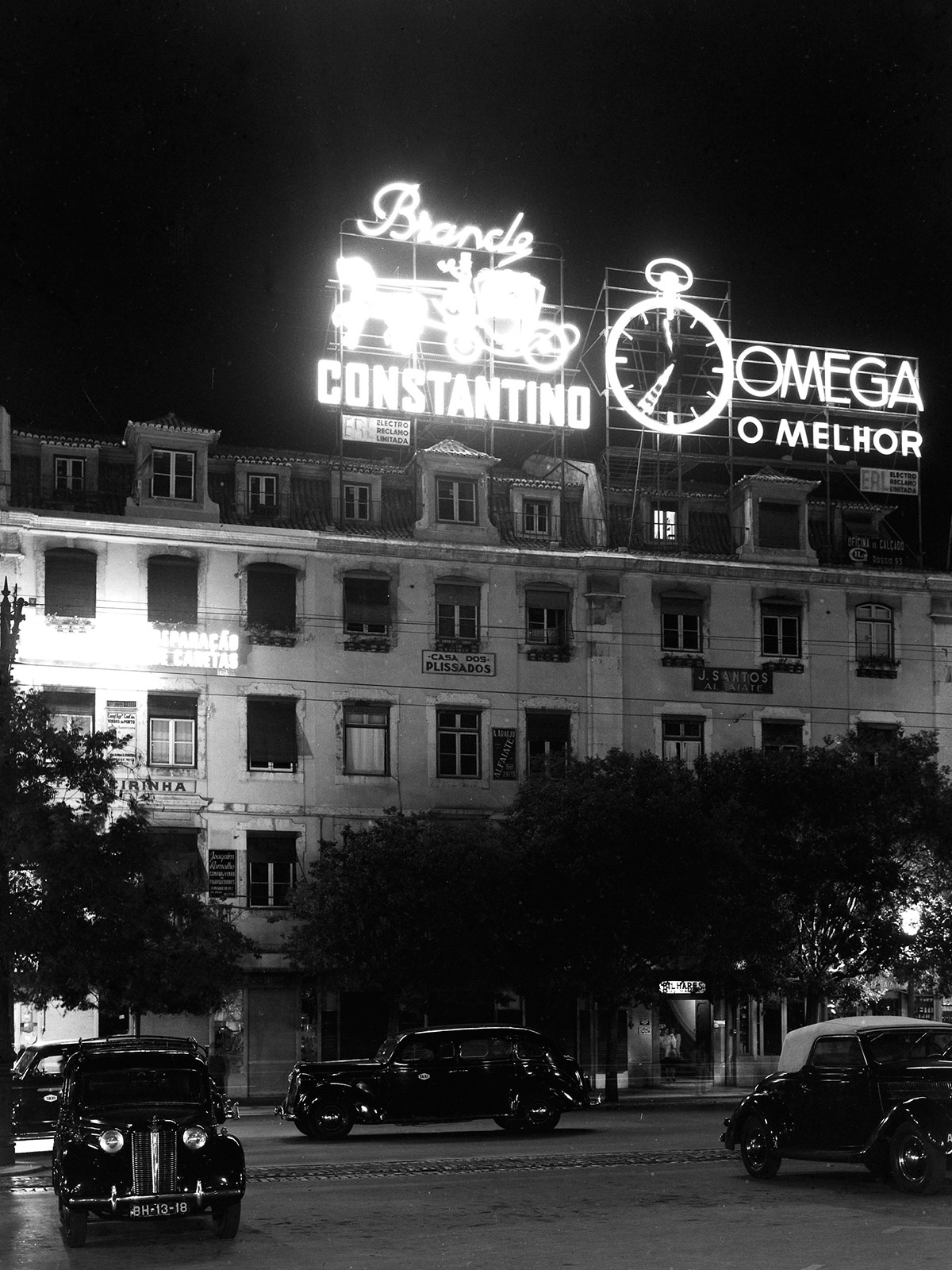
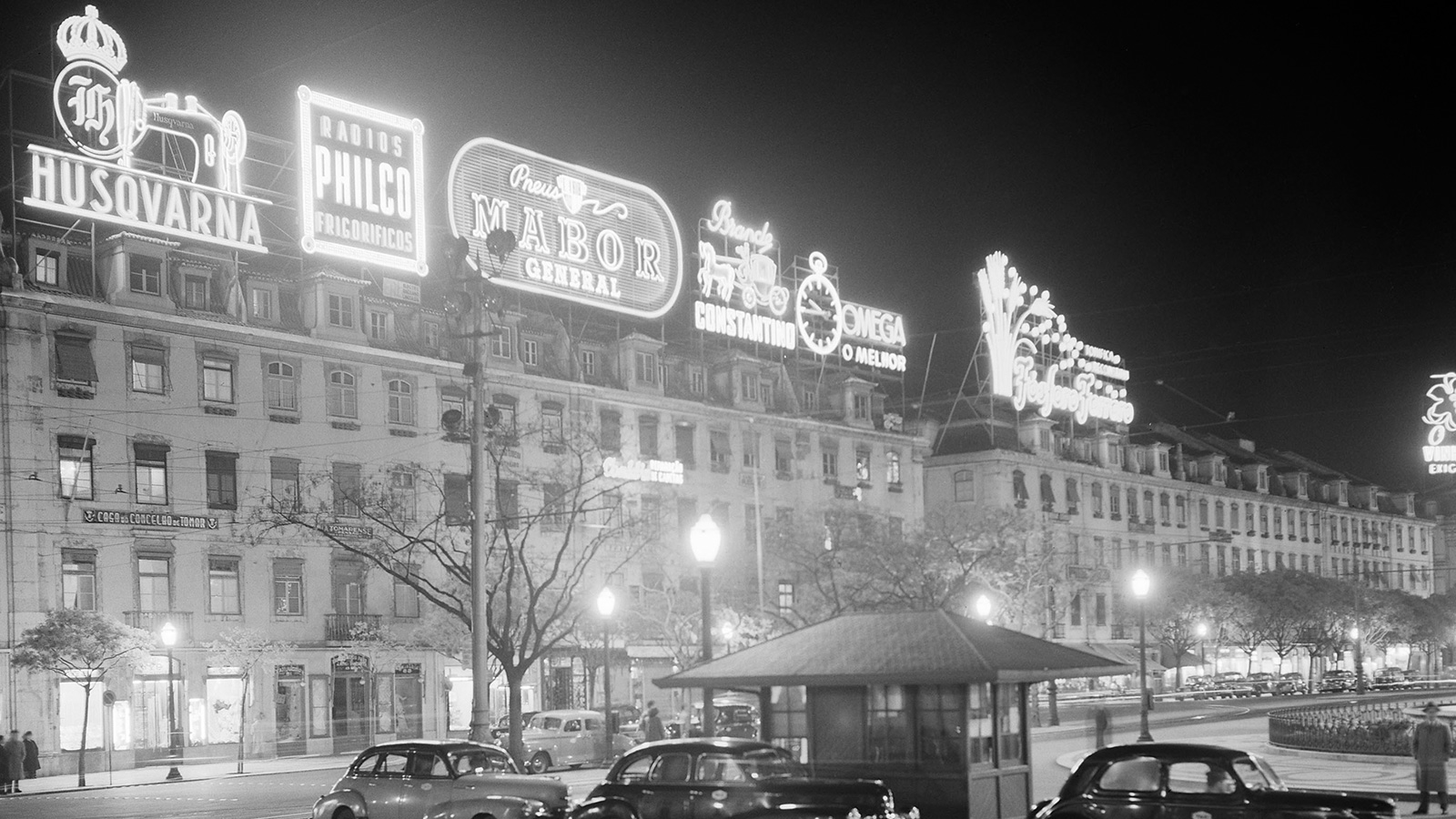
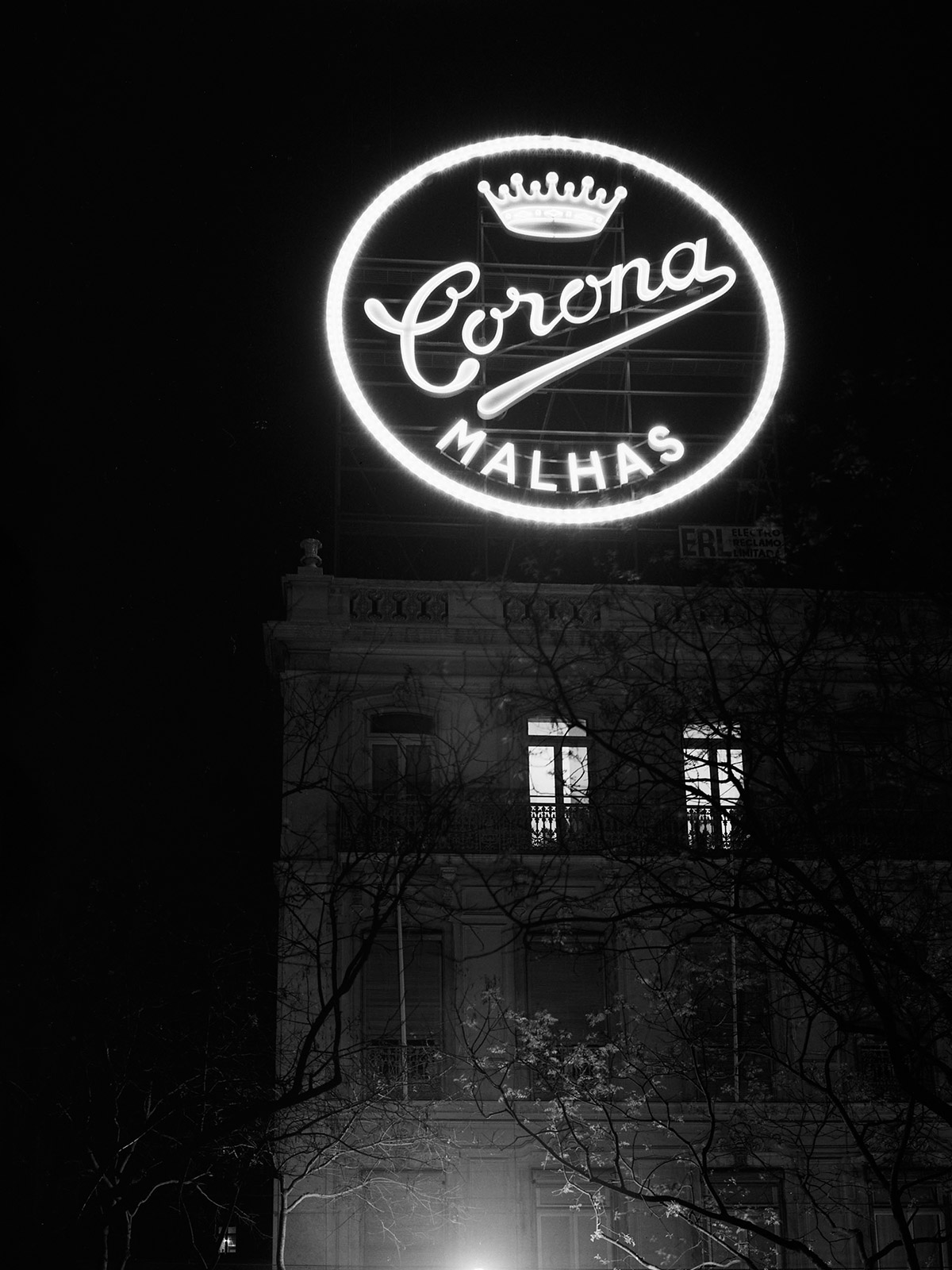
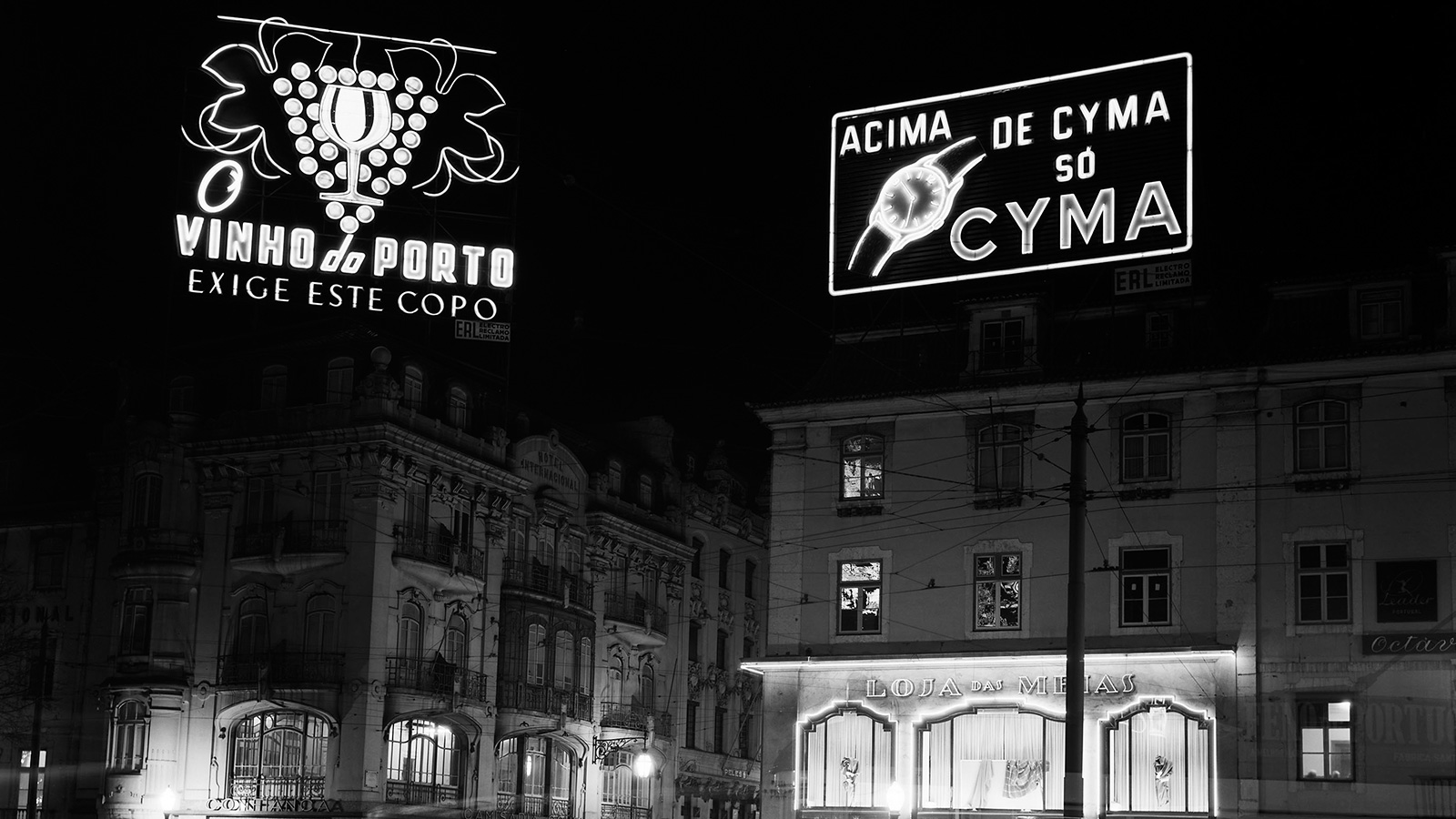
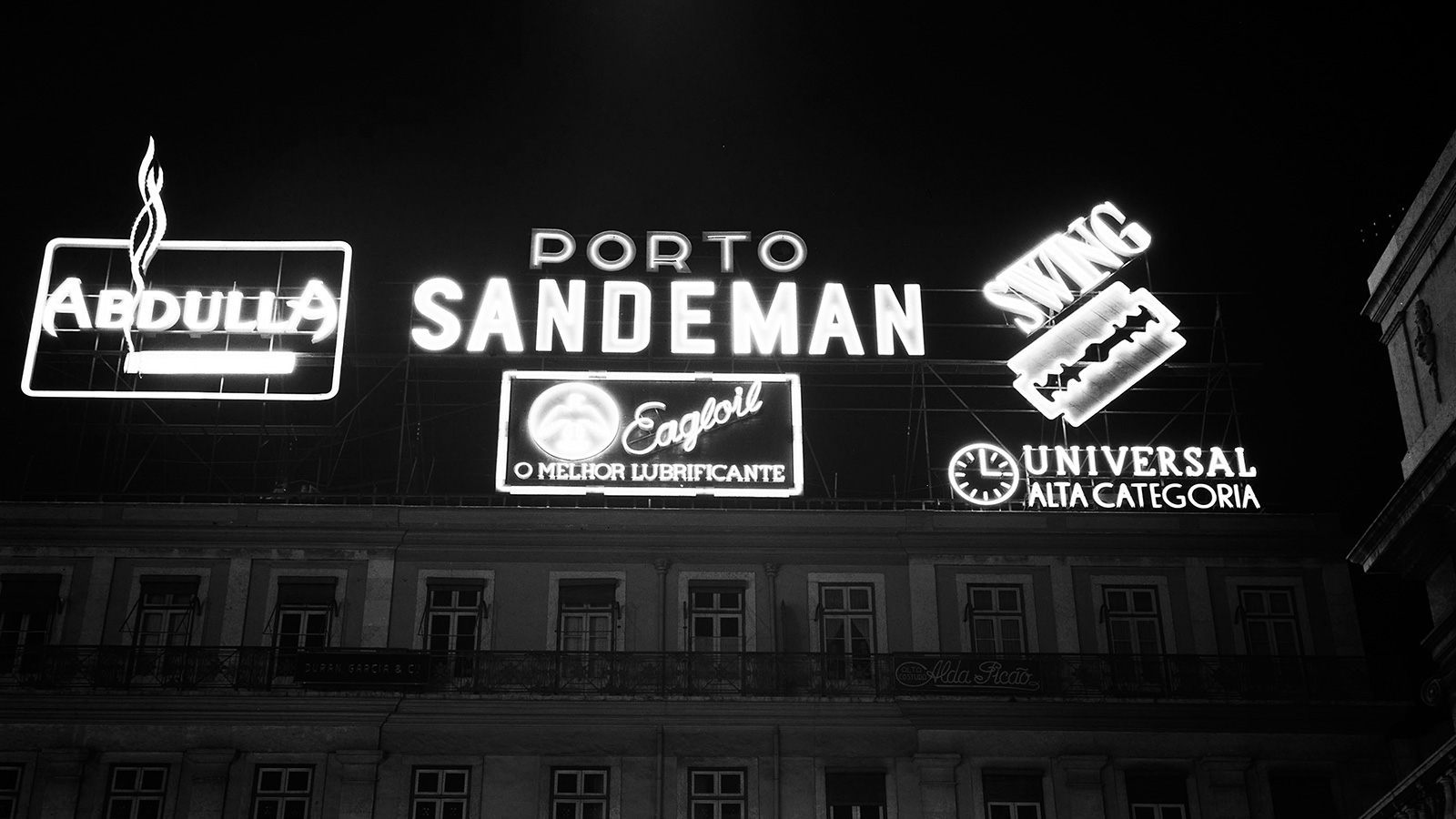
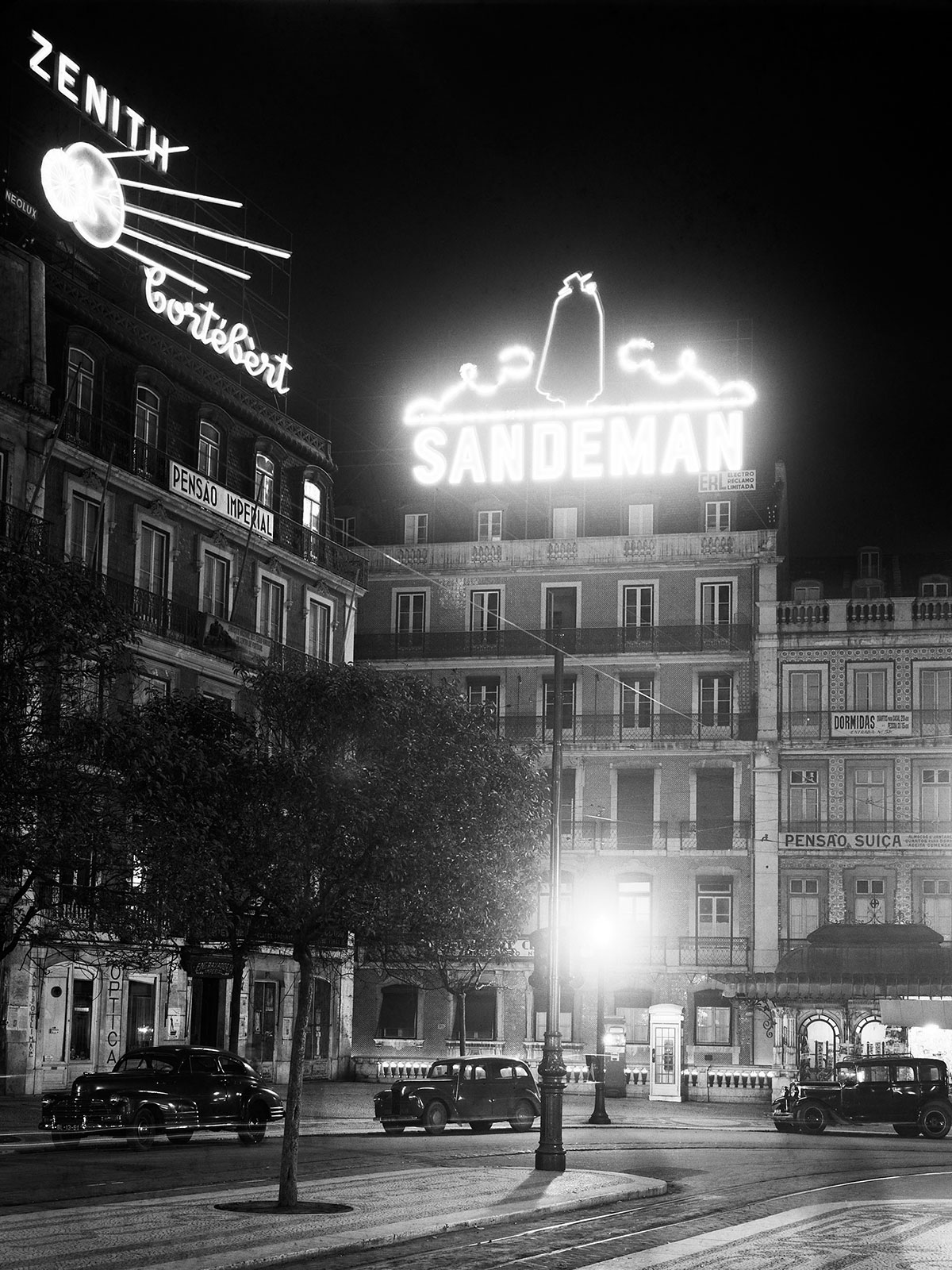
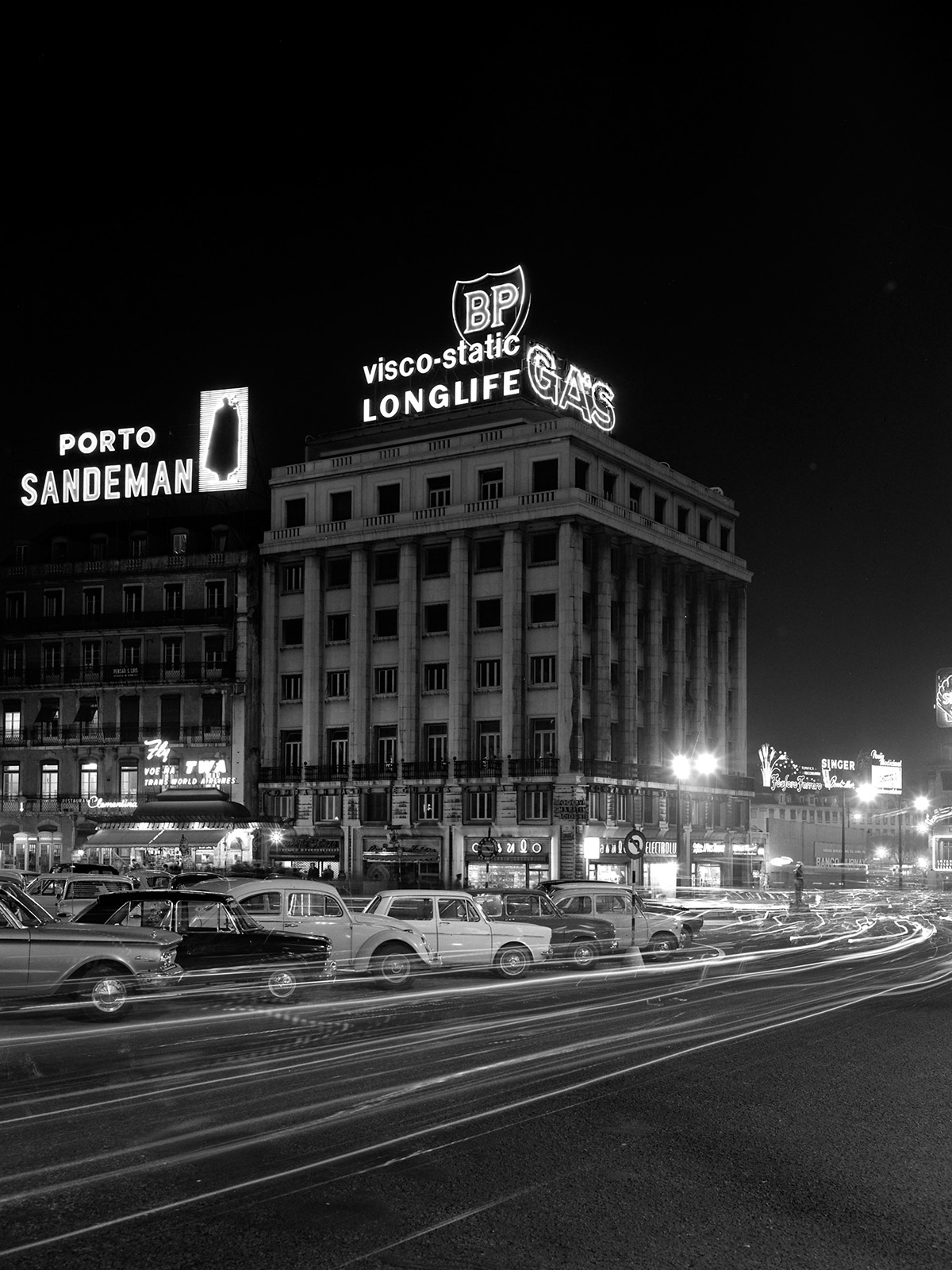
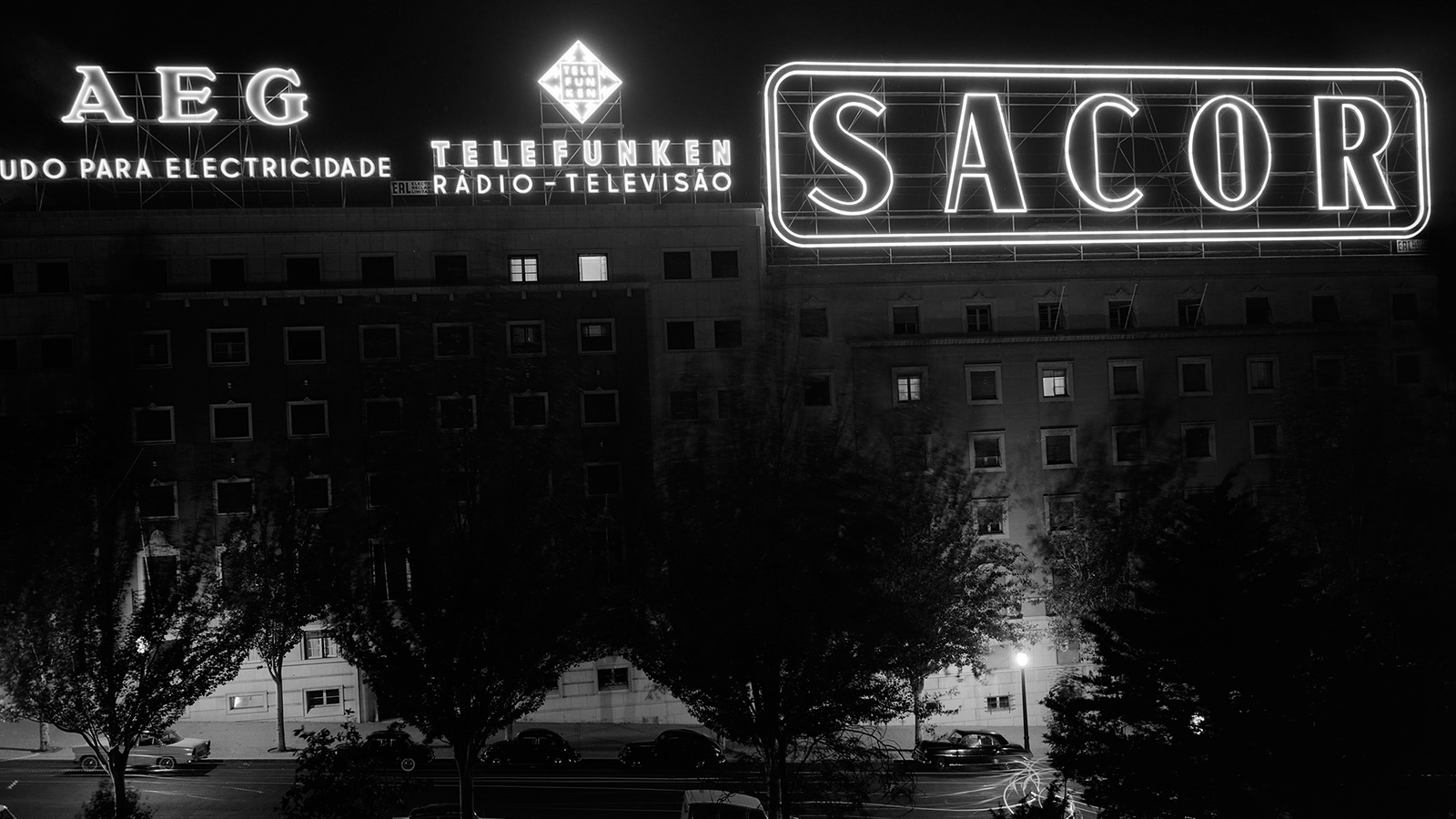
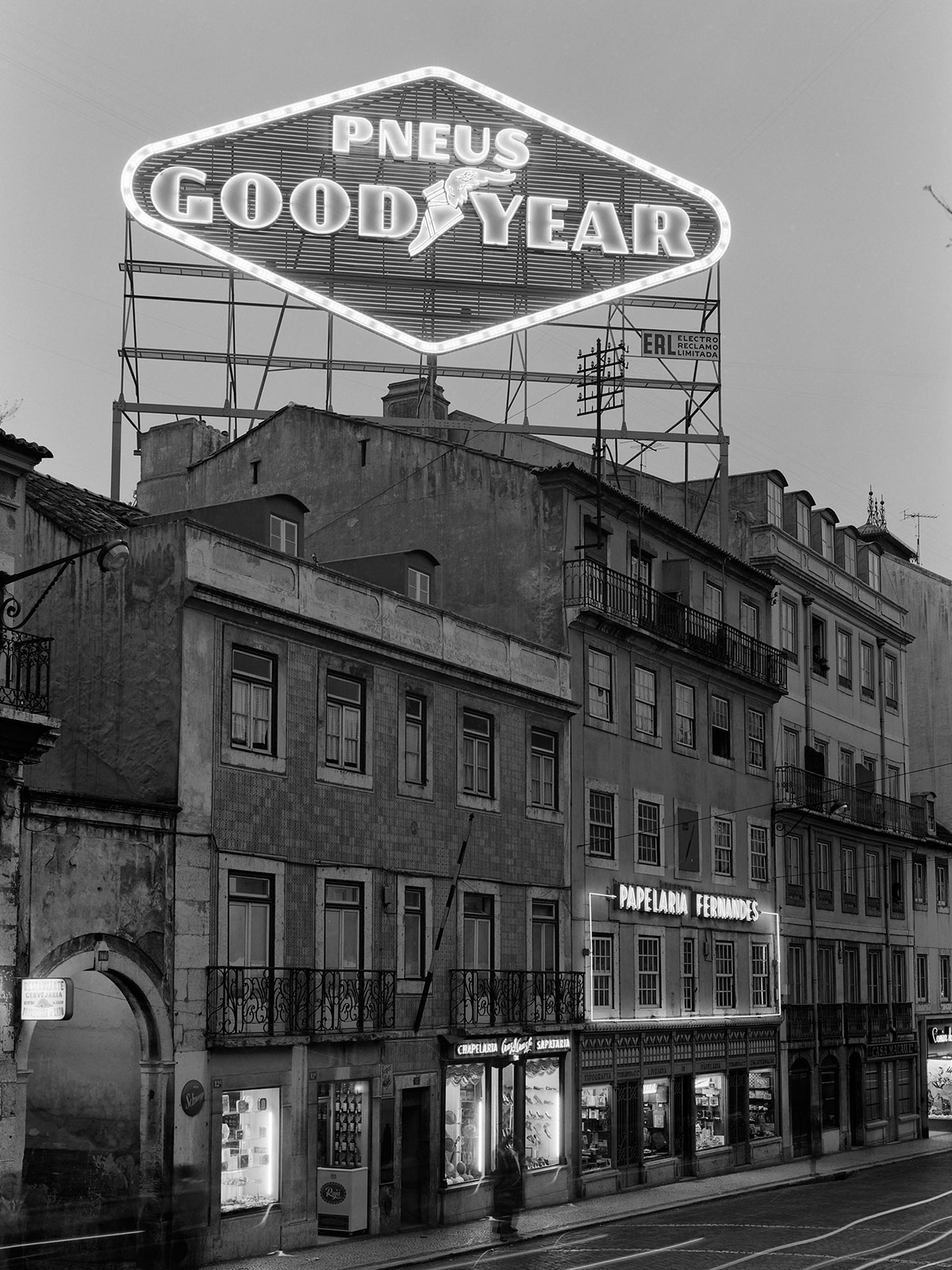
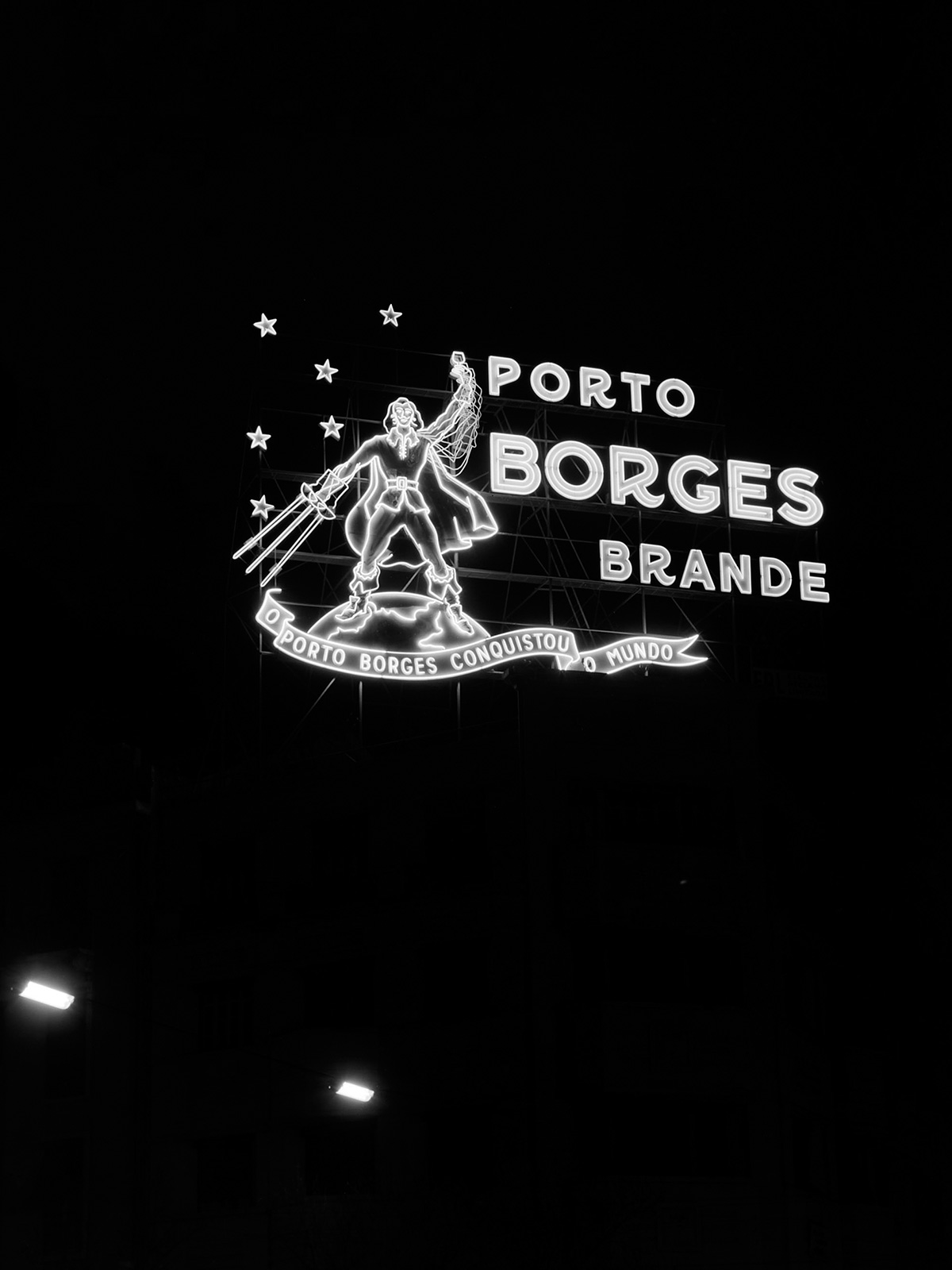
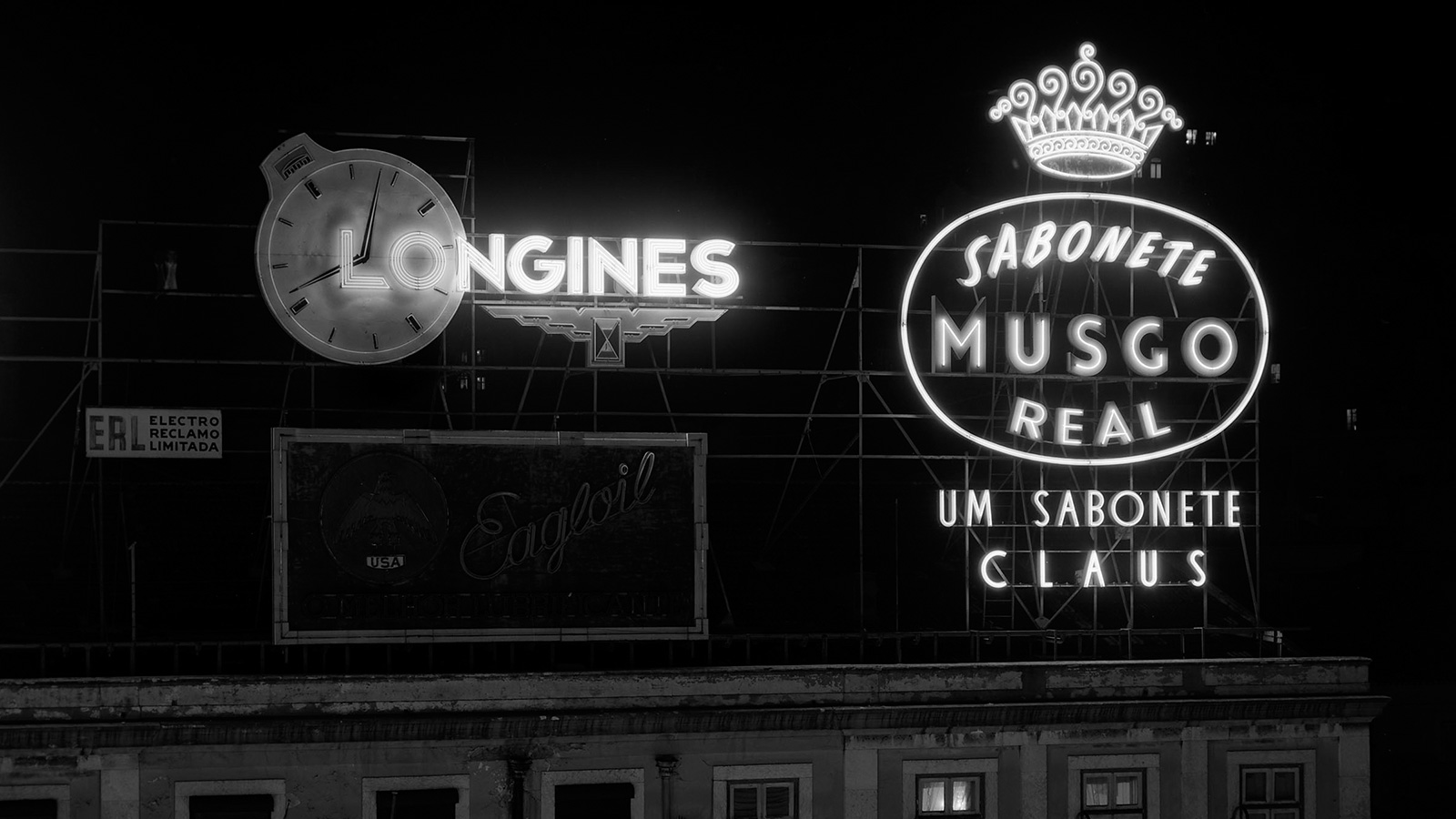
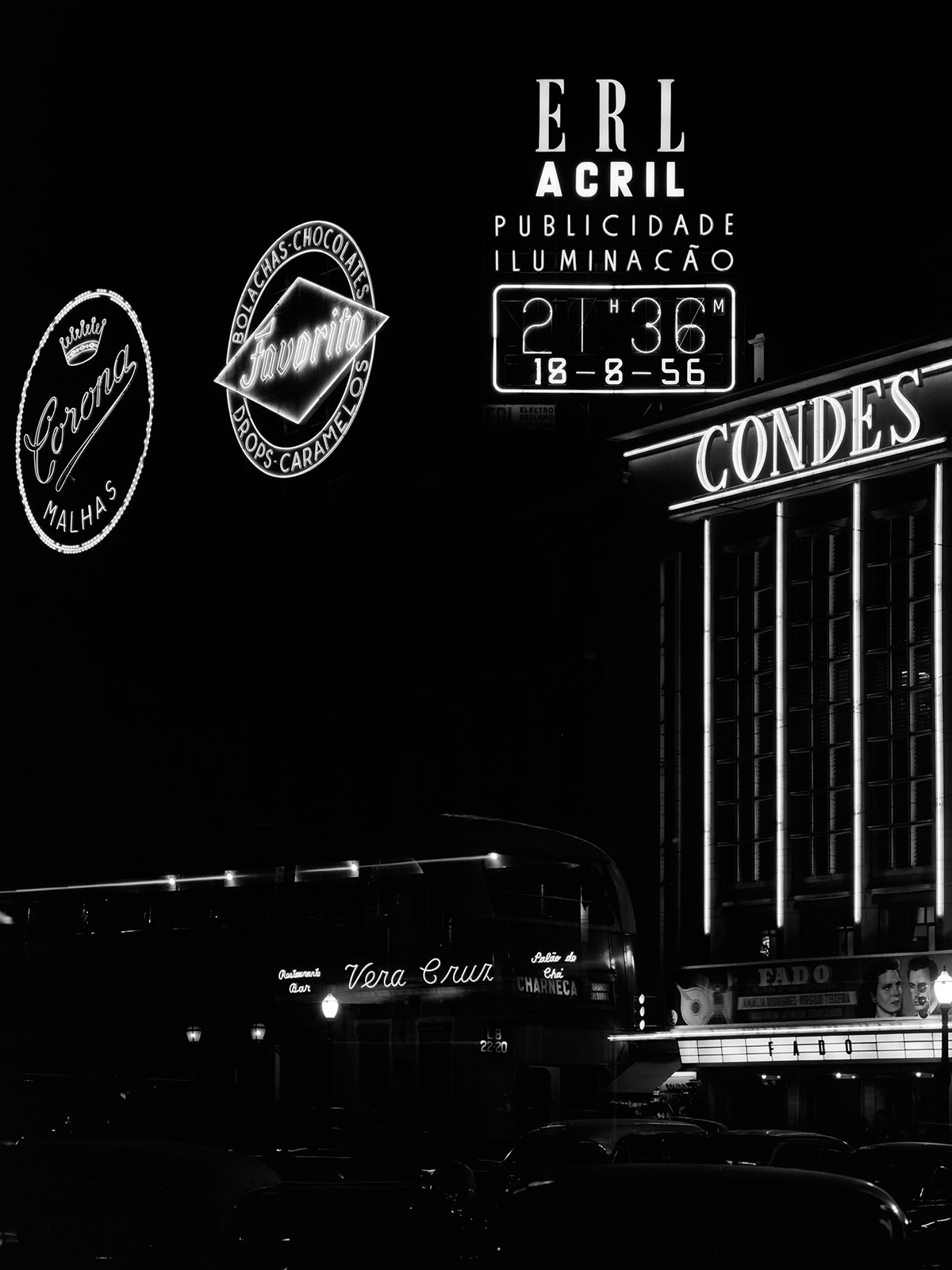
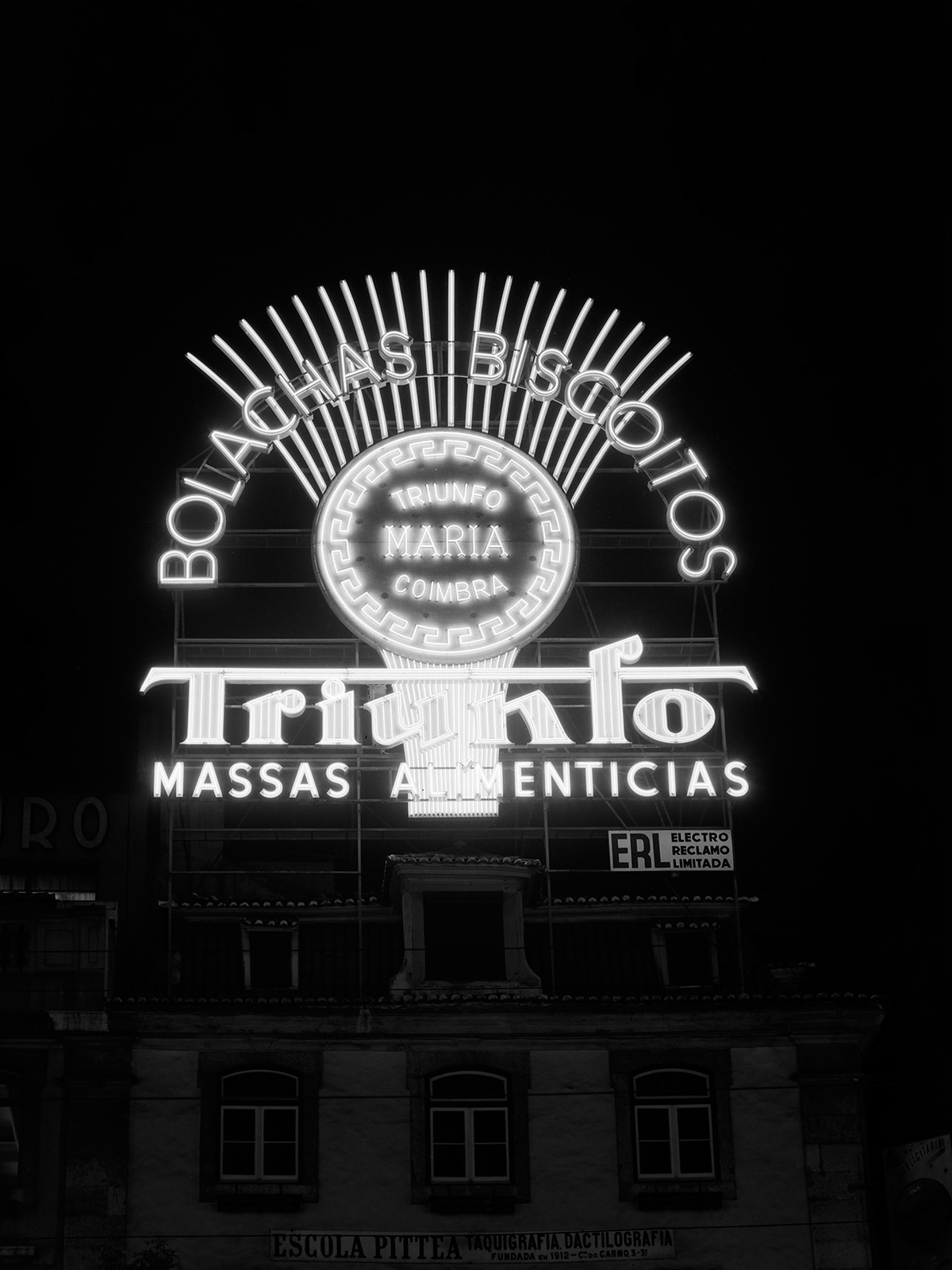
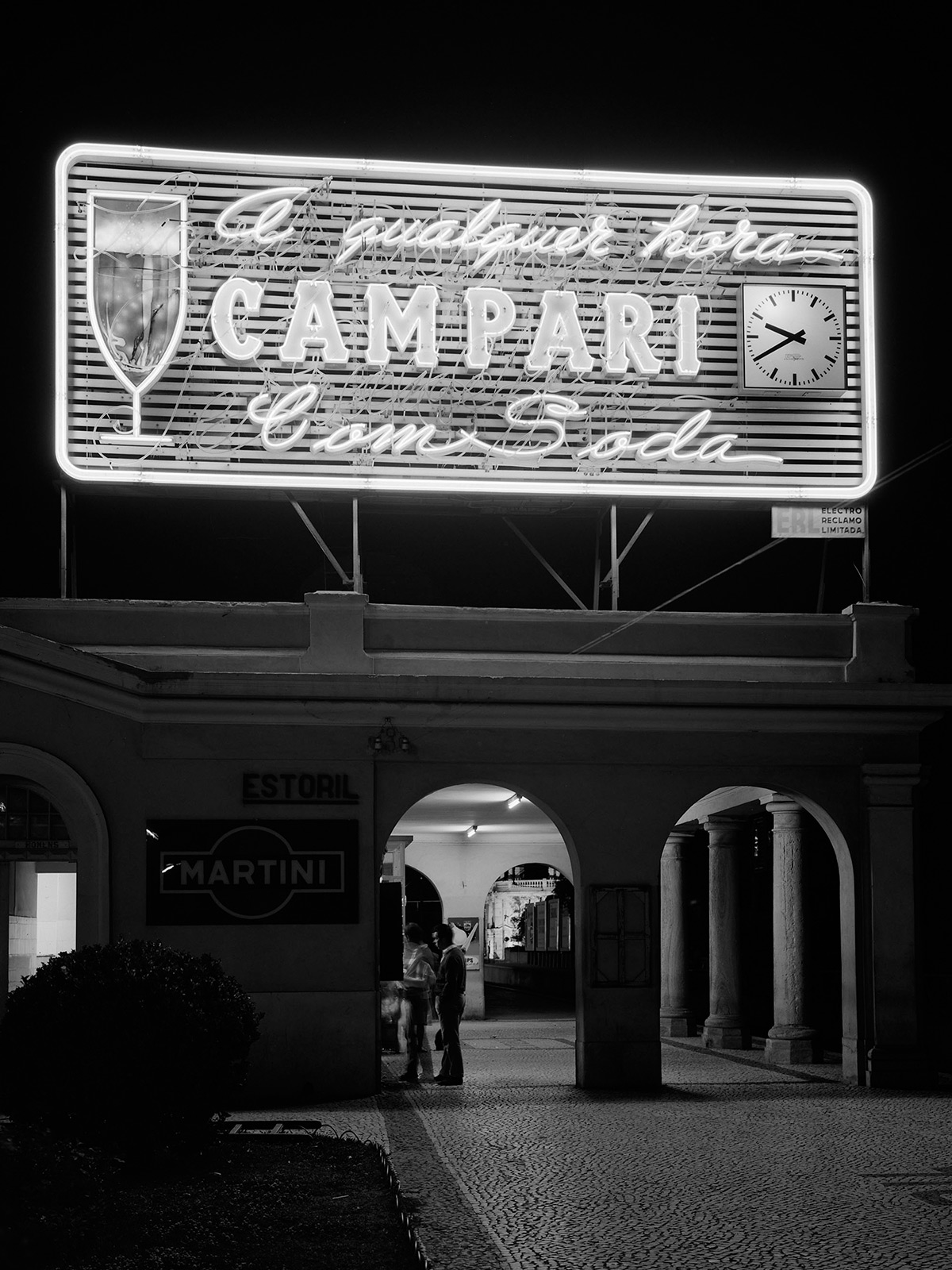
Until the 1990s, illuminated signs and advertisements could be seen in Chiado, Rossio, the main thoroughfares of Baixa Pombalina, Avenida da Liberdade and, sometimes, Avenidas Novas. Lisbon, which wanted to be modern and civilised, had a visual landscape created by illuminated advertisements that were used as a means of communication and to promote brands and establishments.
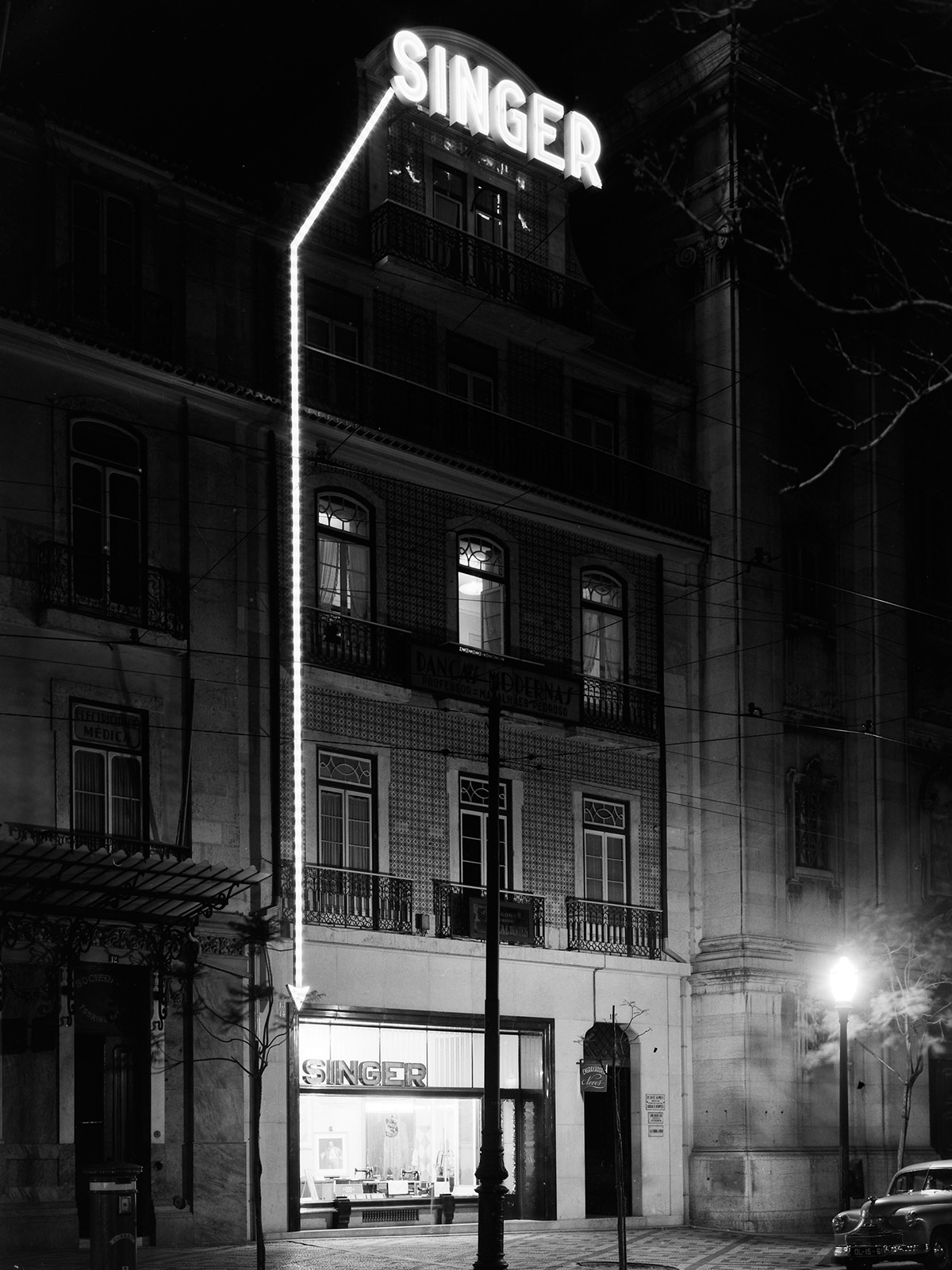
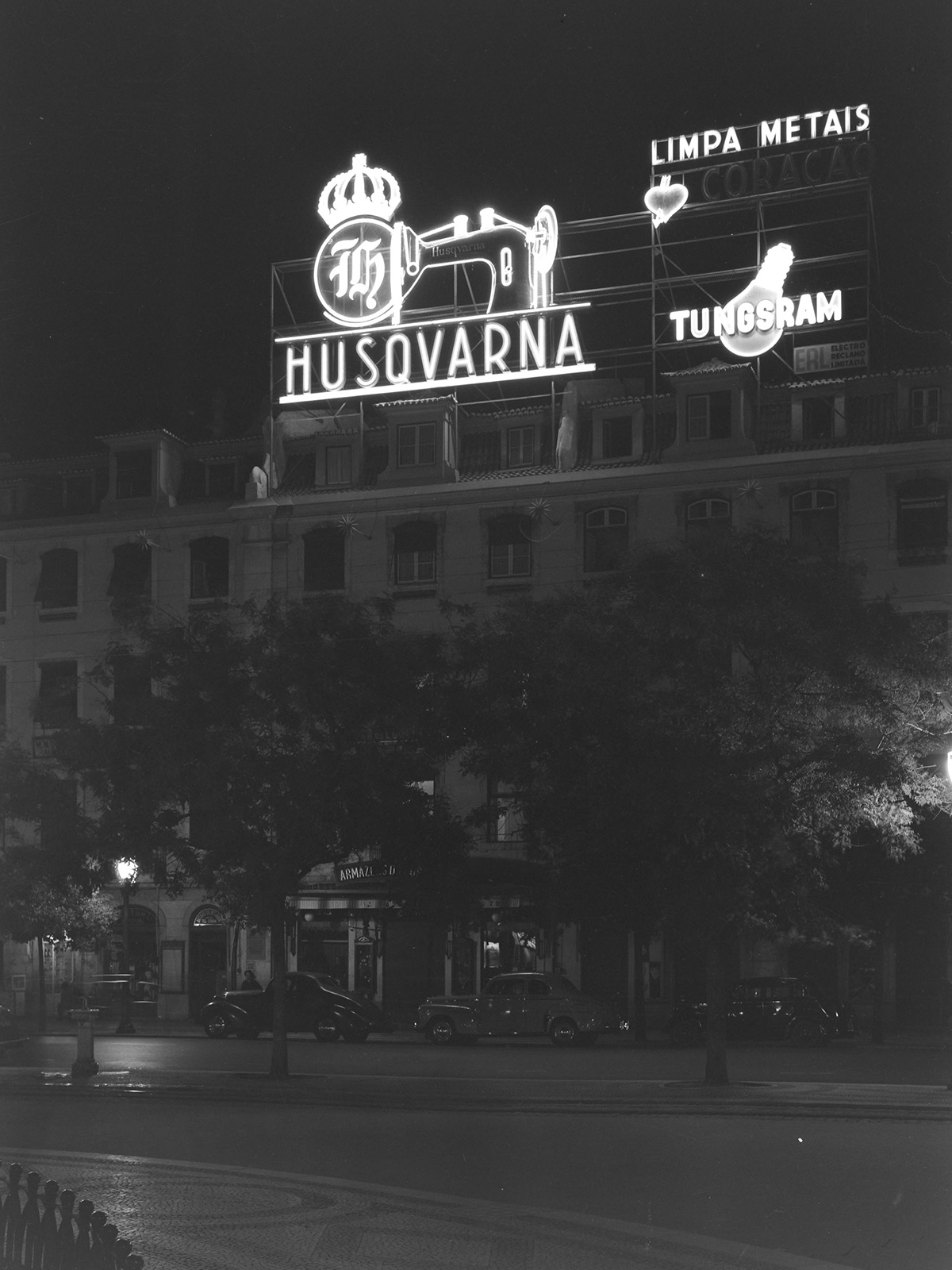
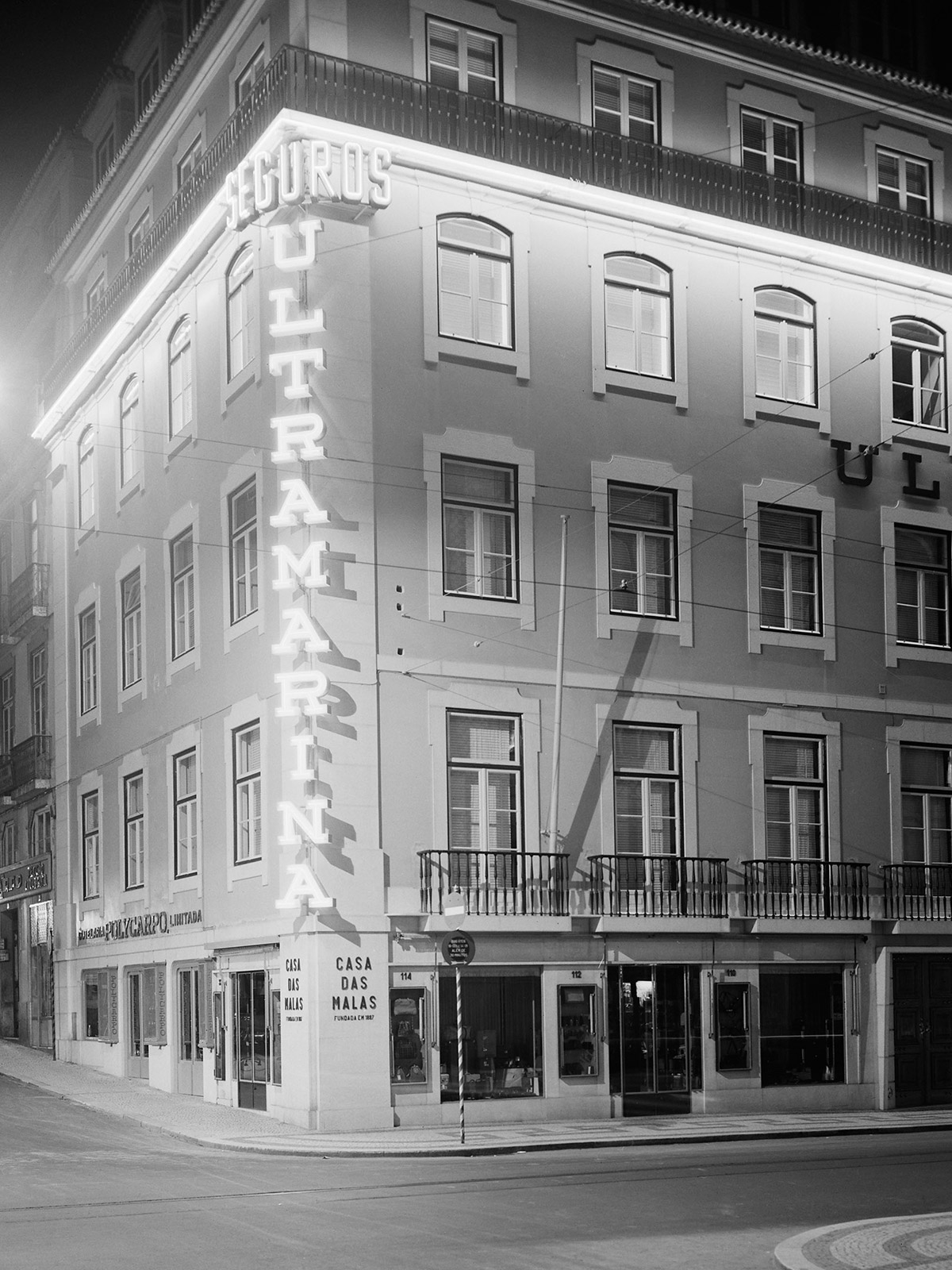
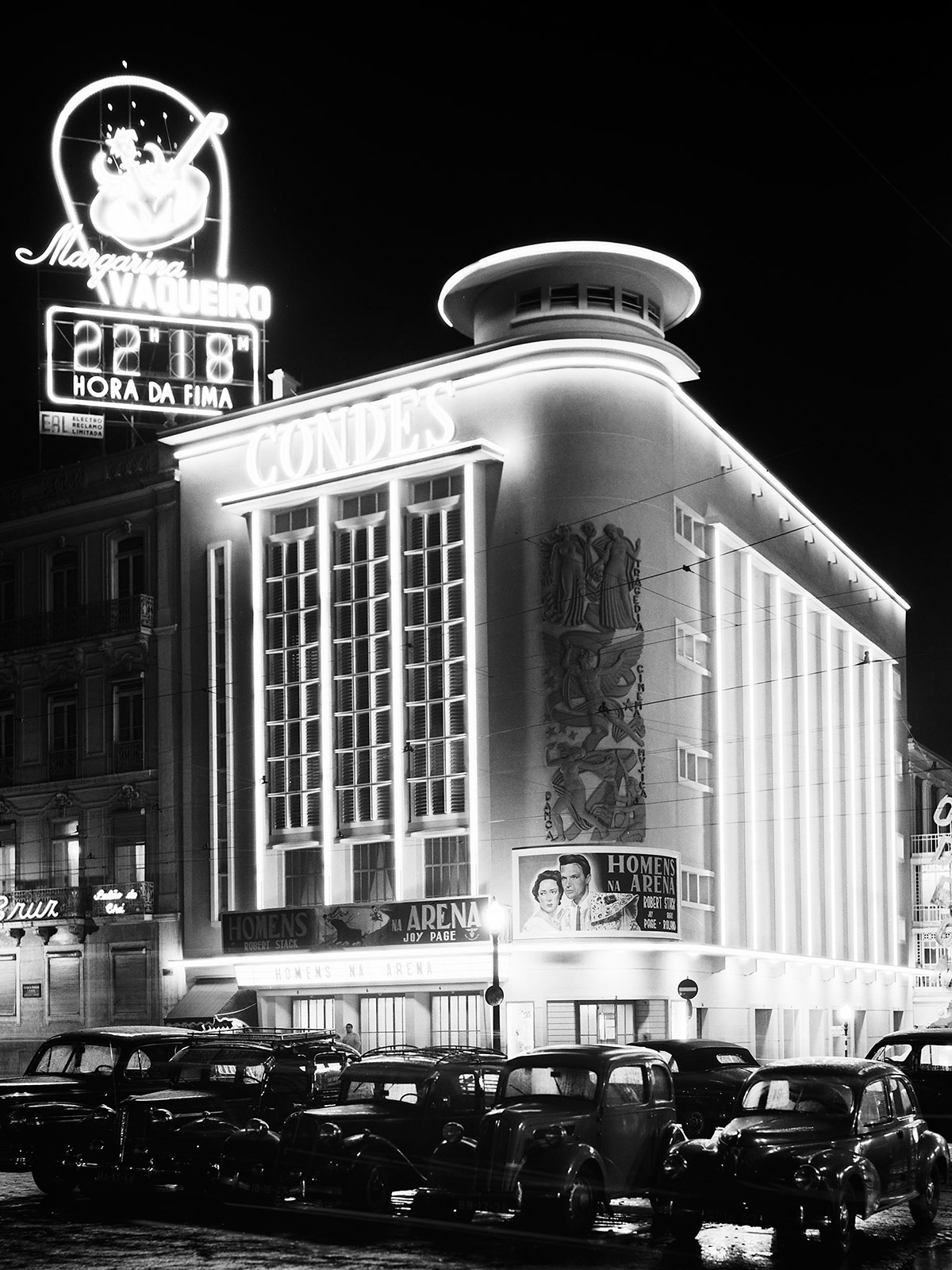
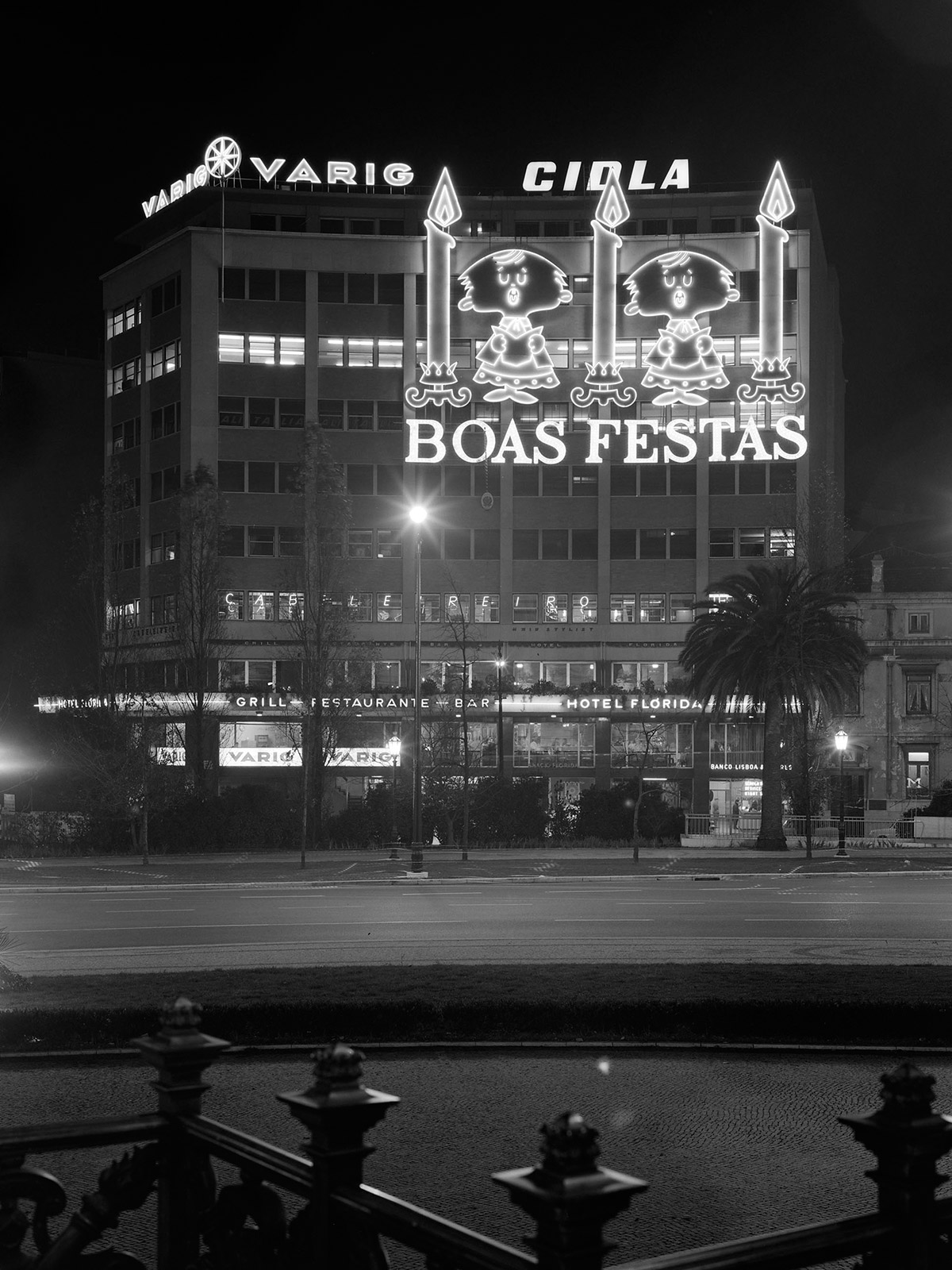
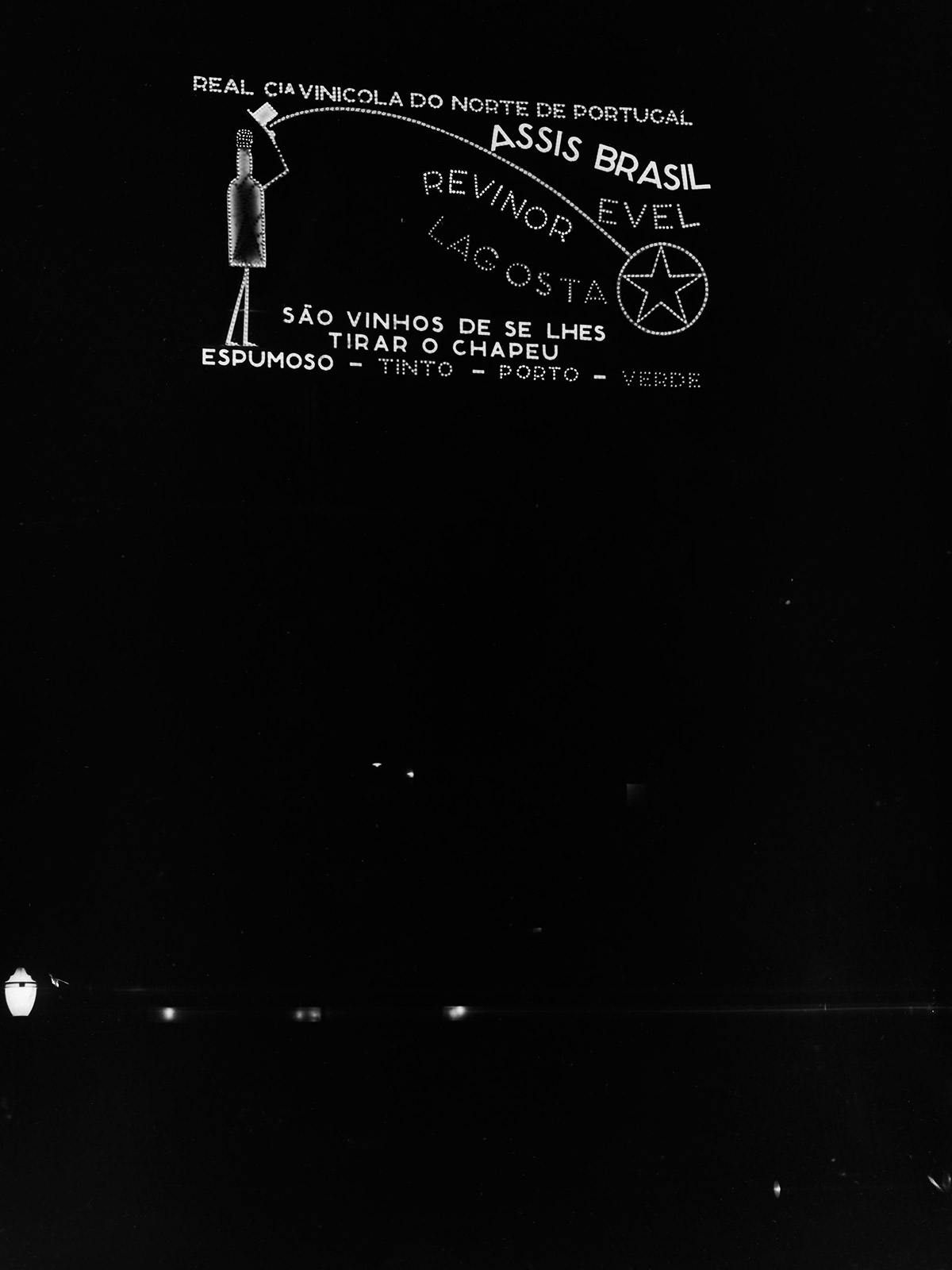
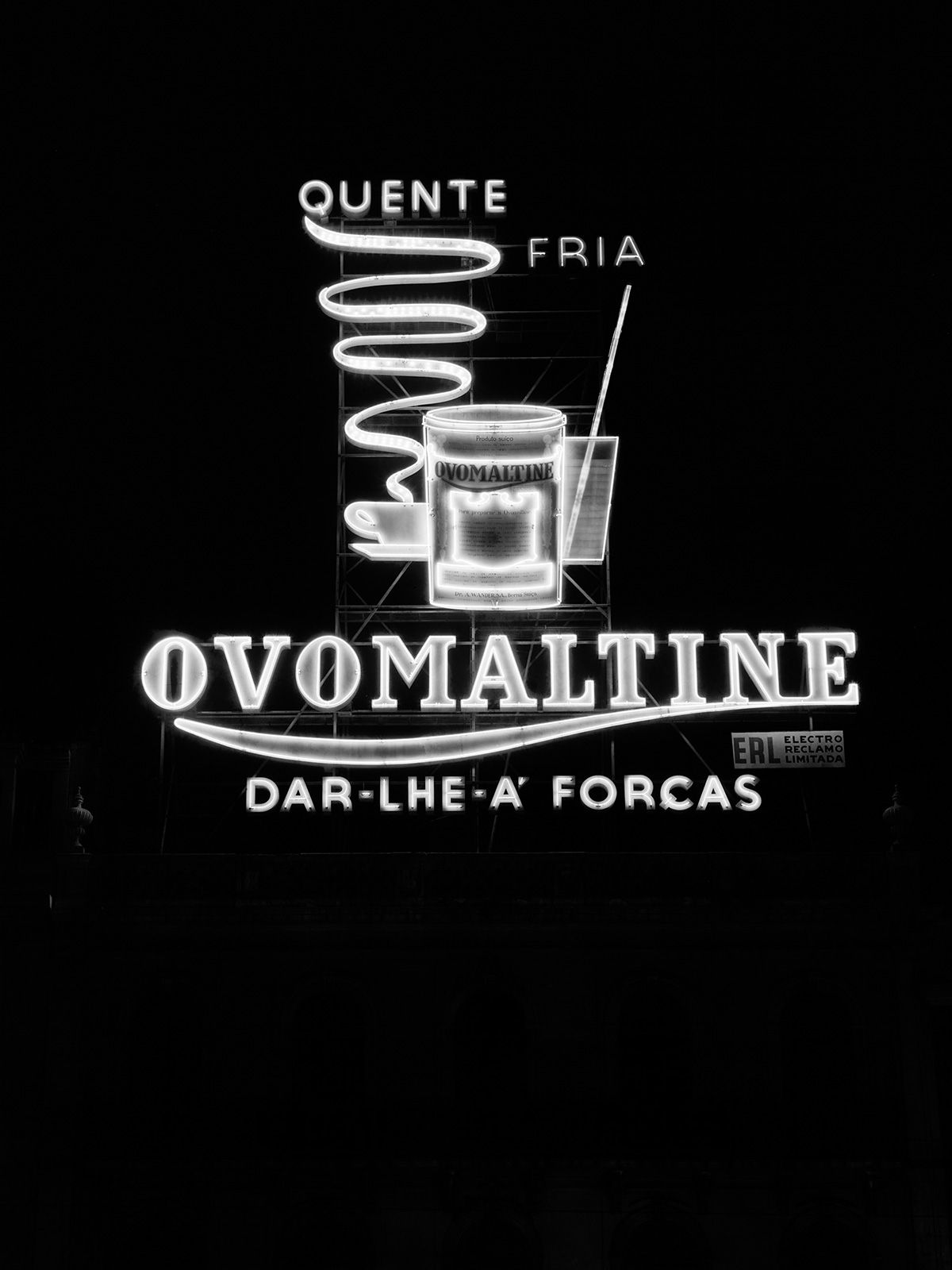
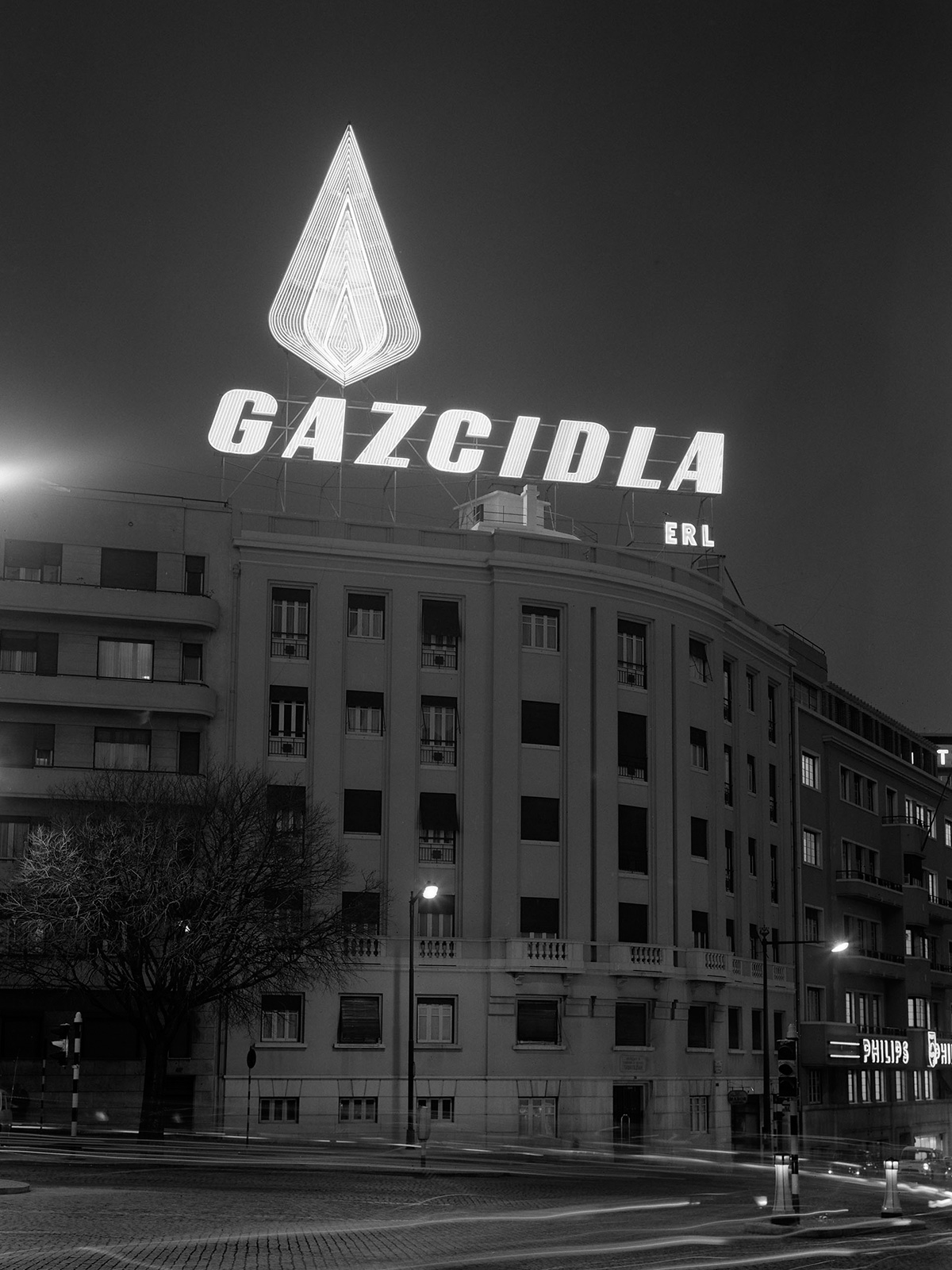
Photographs of signs and illuminated advertisements allow us to follow the development of advertising and changes in the economic and social life of the city.
Illuminated advertising signs
The photographic records of the Novais brothers can also contribute to the study of manufacturing techniques, the different types of lettering used, and changes in taste and aesthetics over the years.
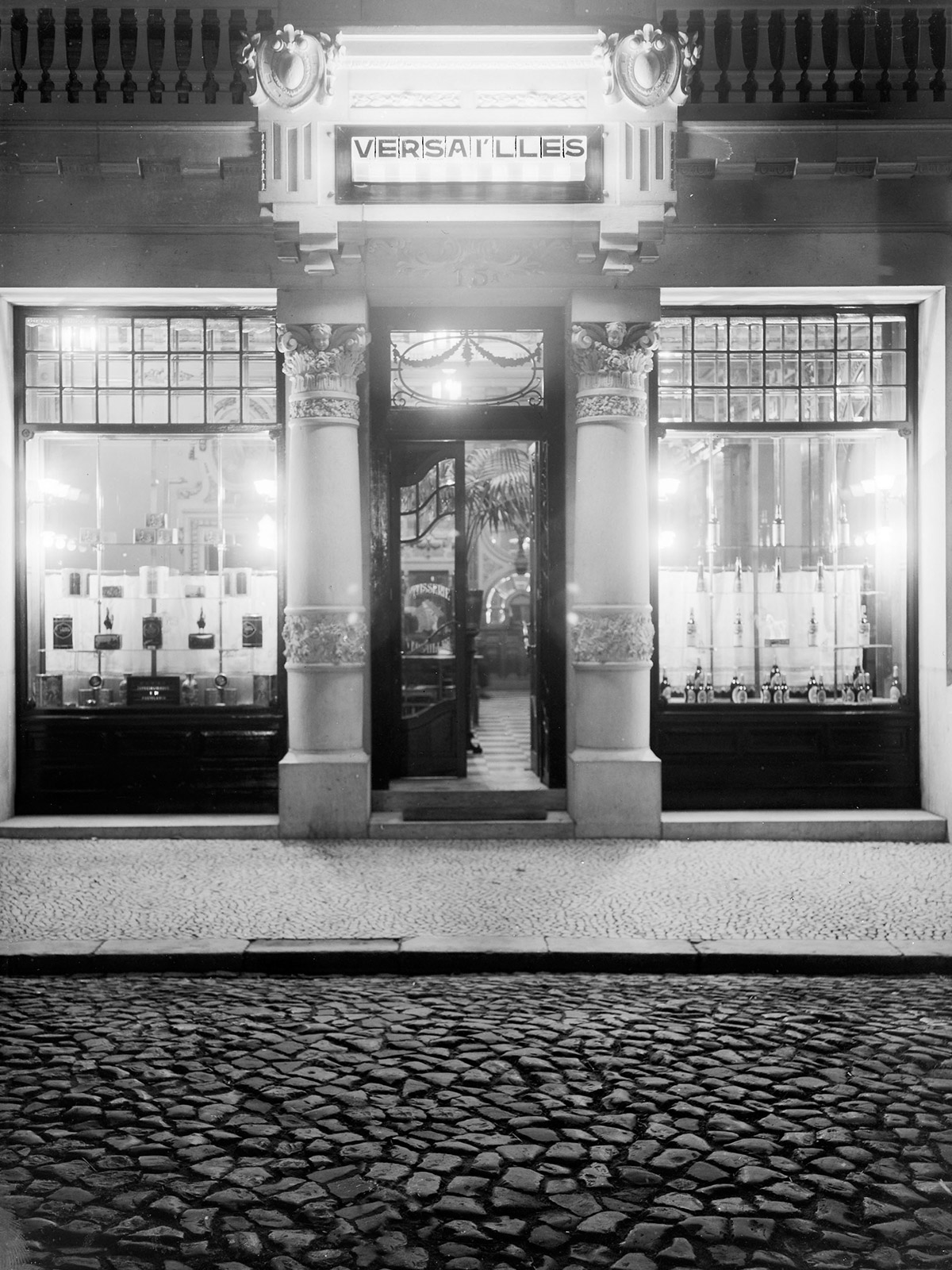
Illuminated signs for establishments
The façades, gable walls and roofs of buildings no longer display signs and illuminated advertising because traditional commercial establishments have closed and because a technological shift has taken place.
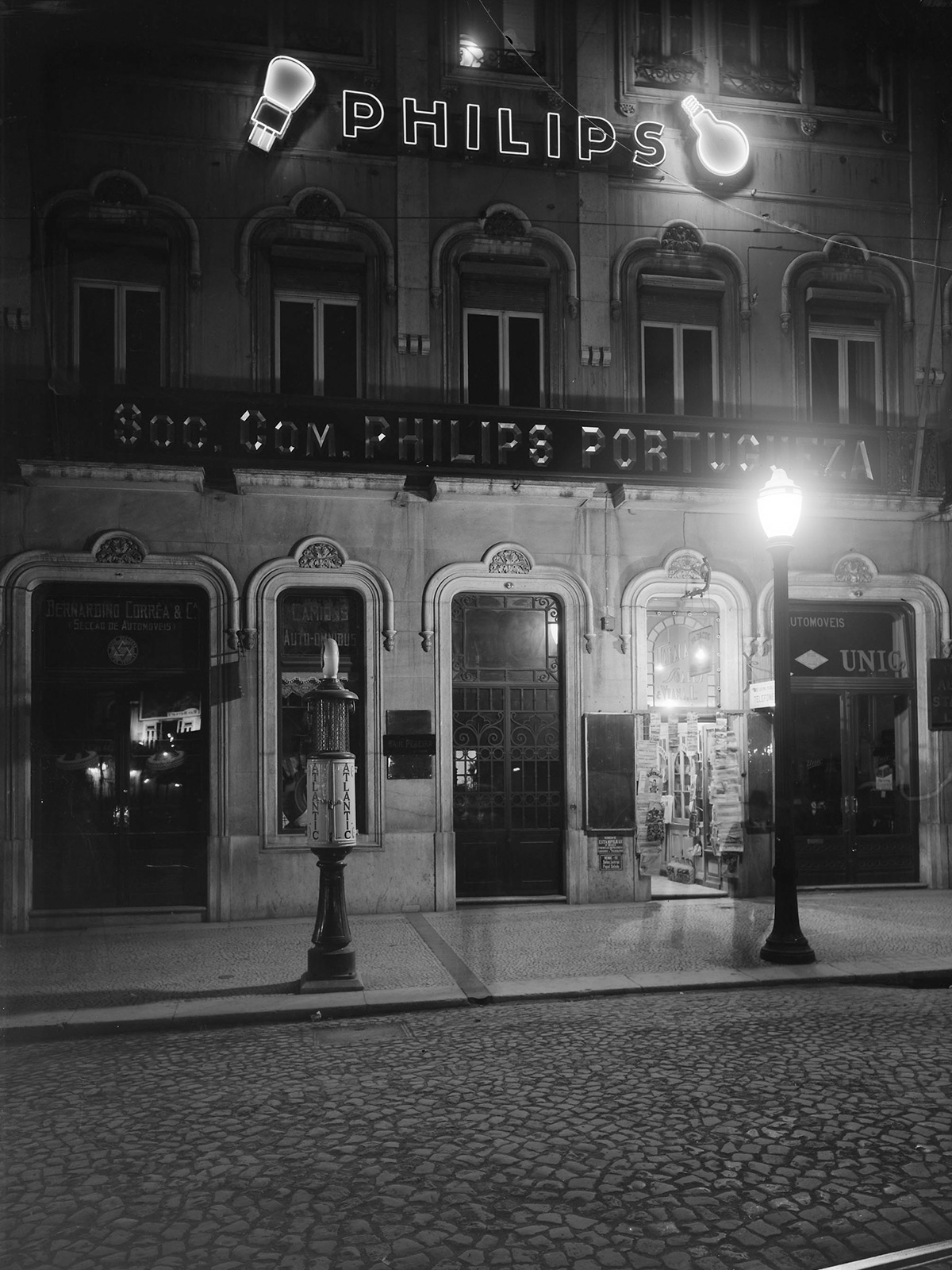
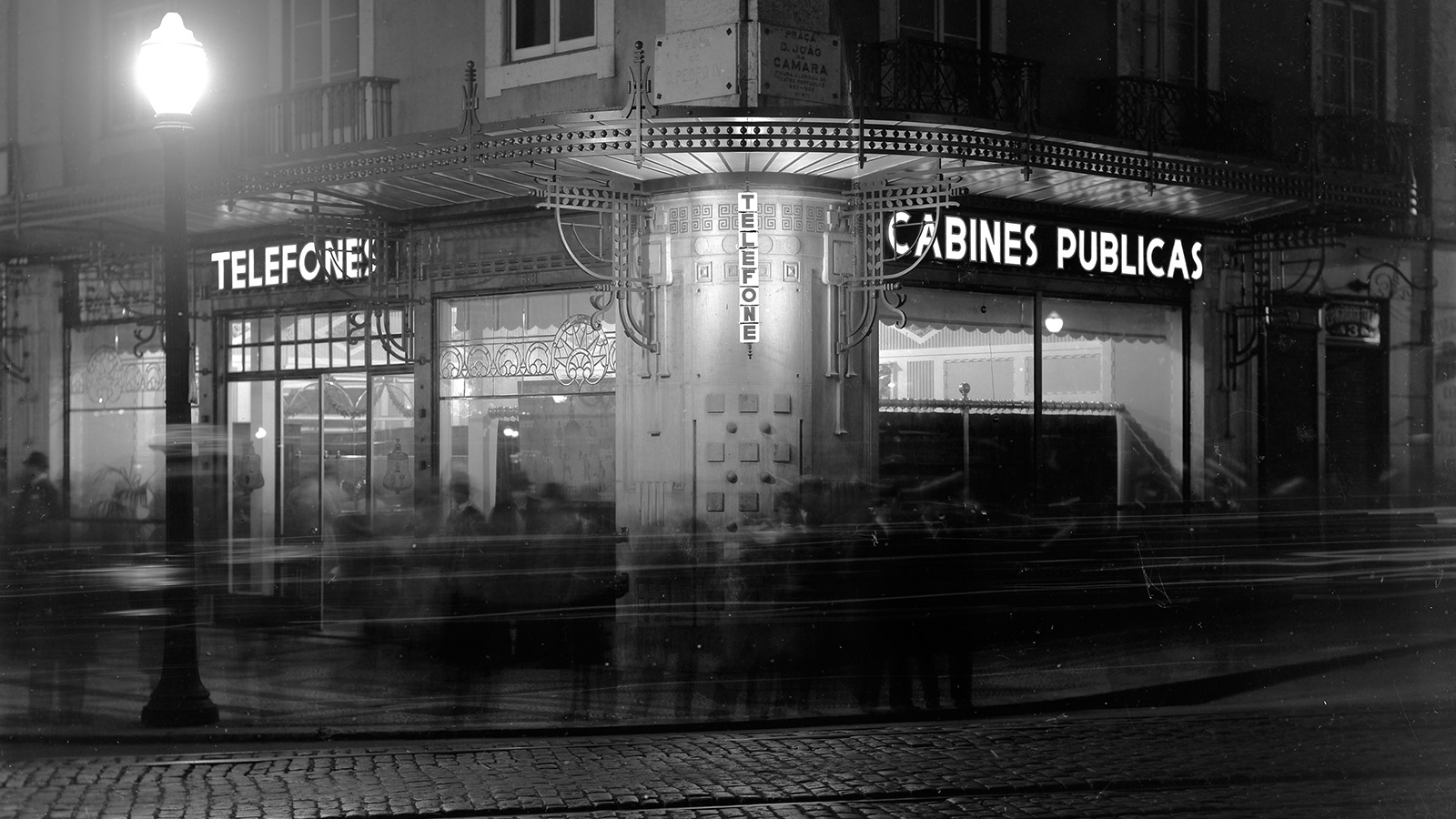
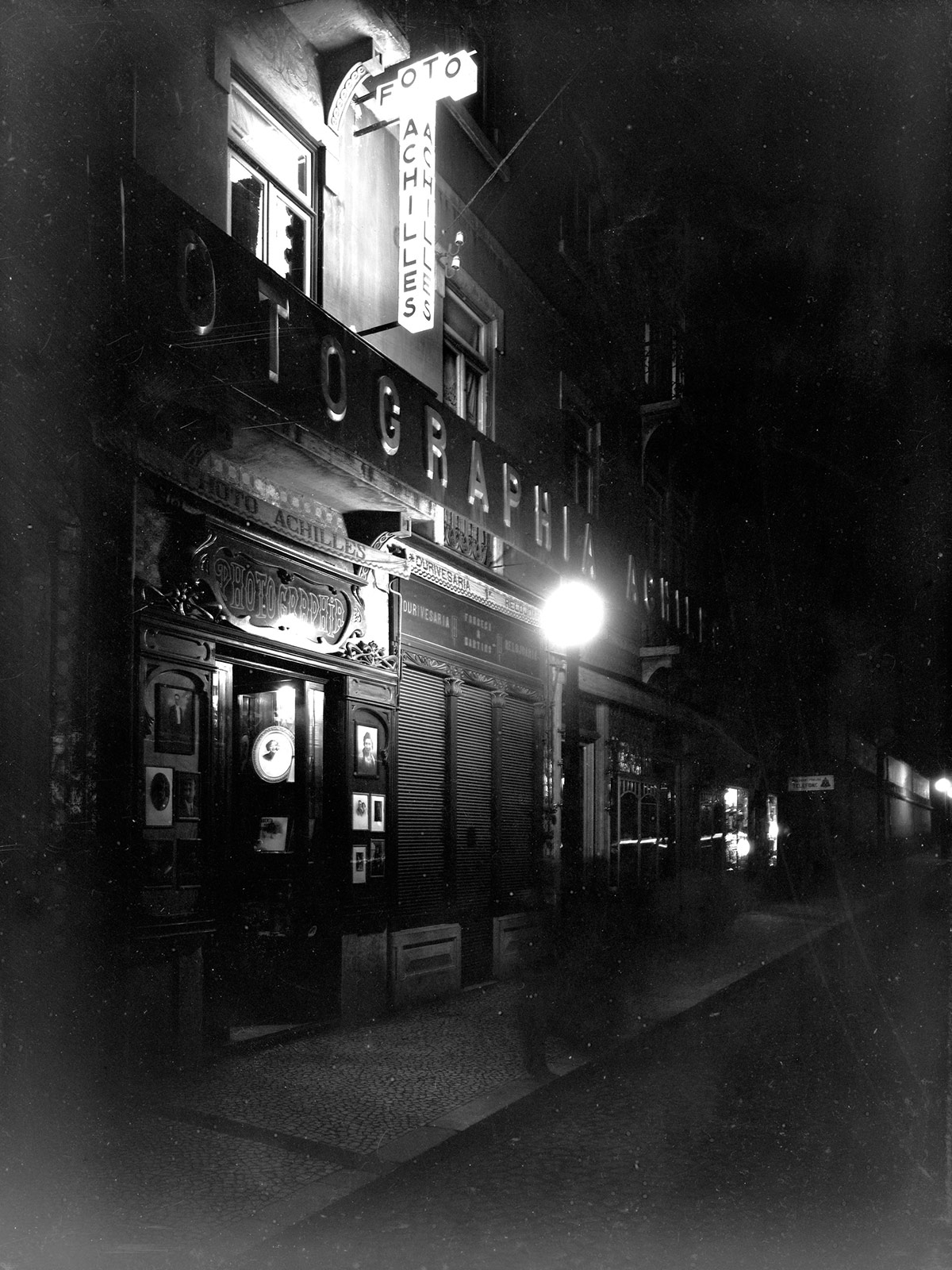
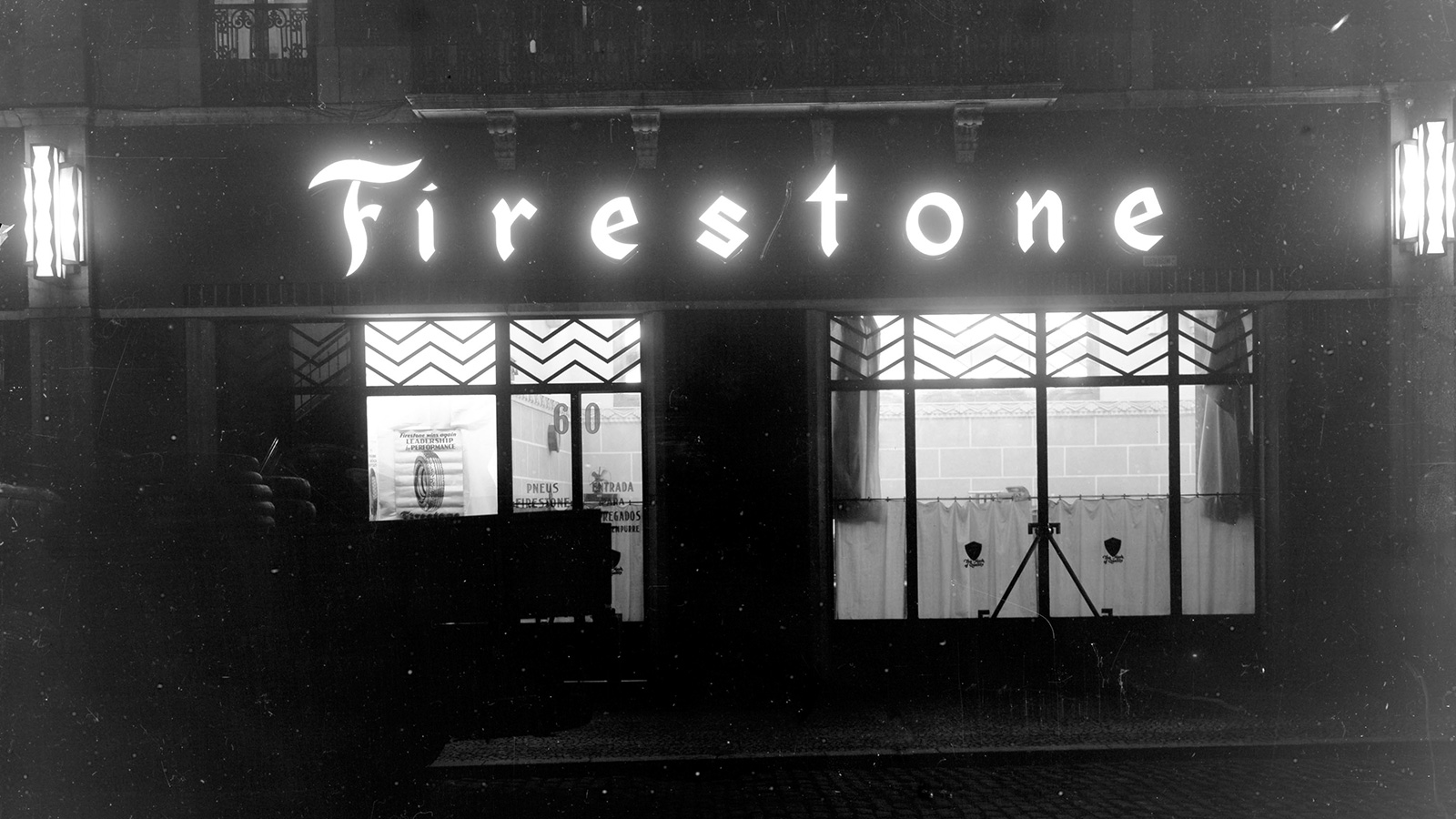
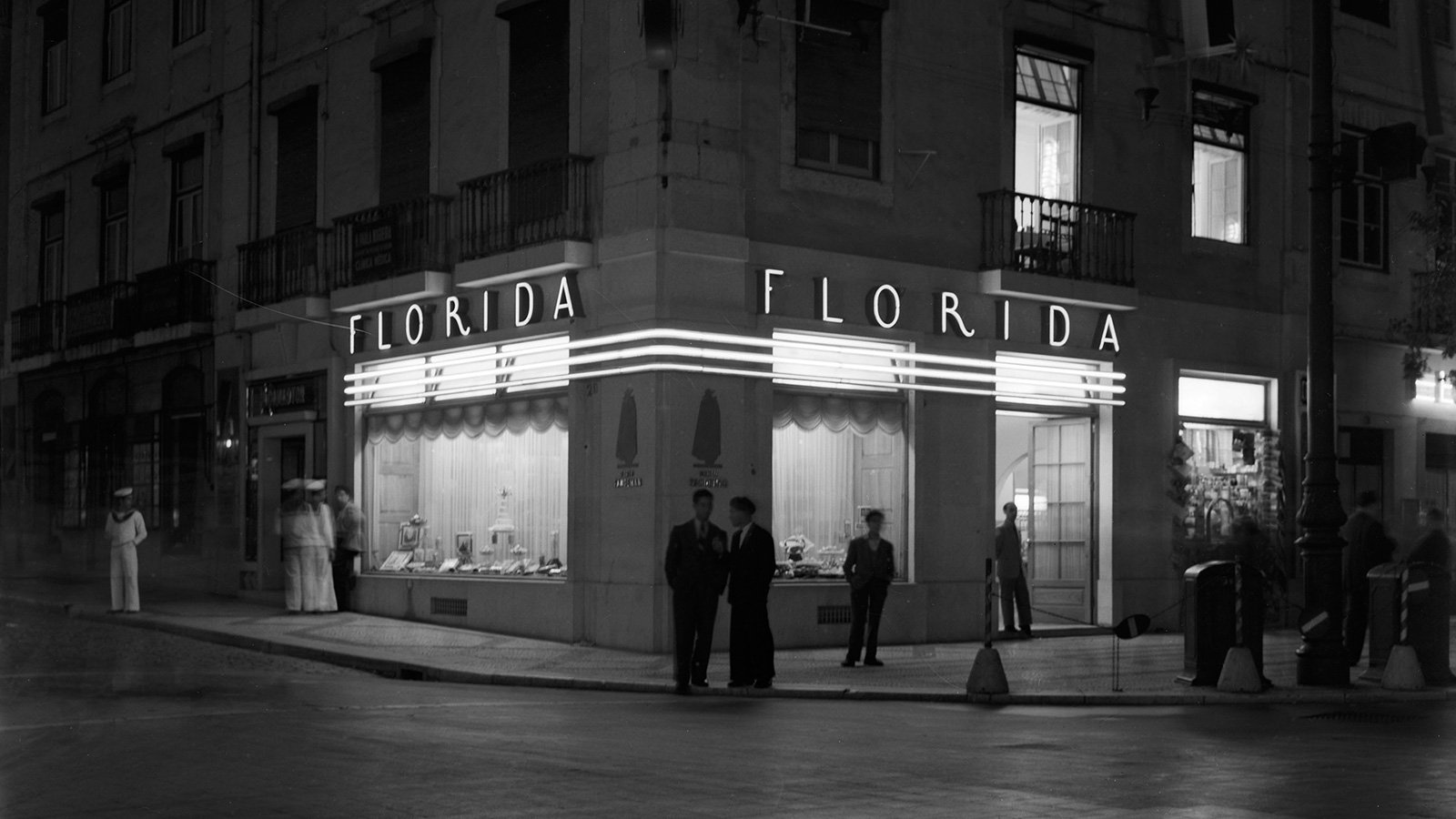
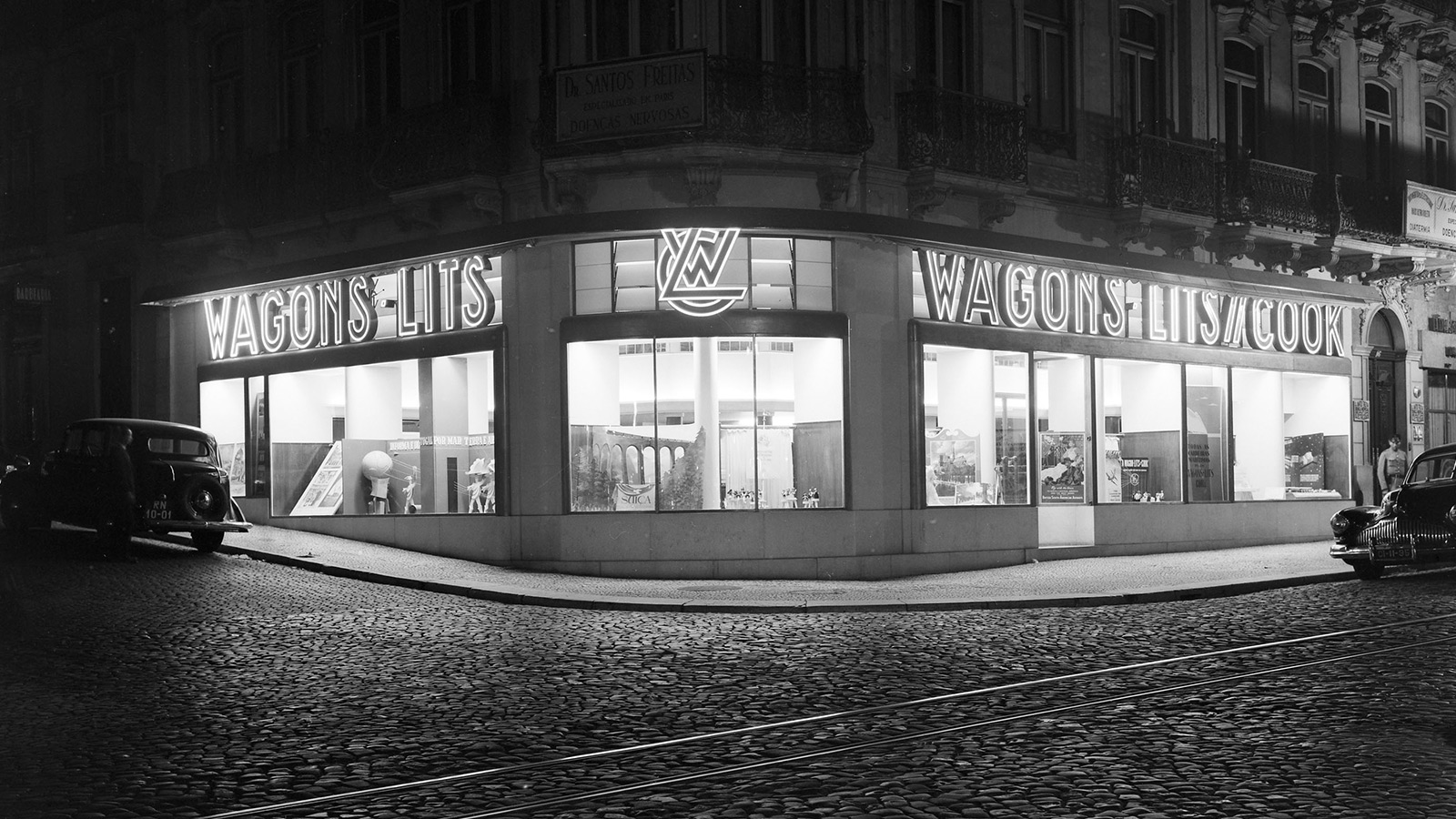
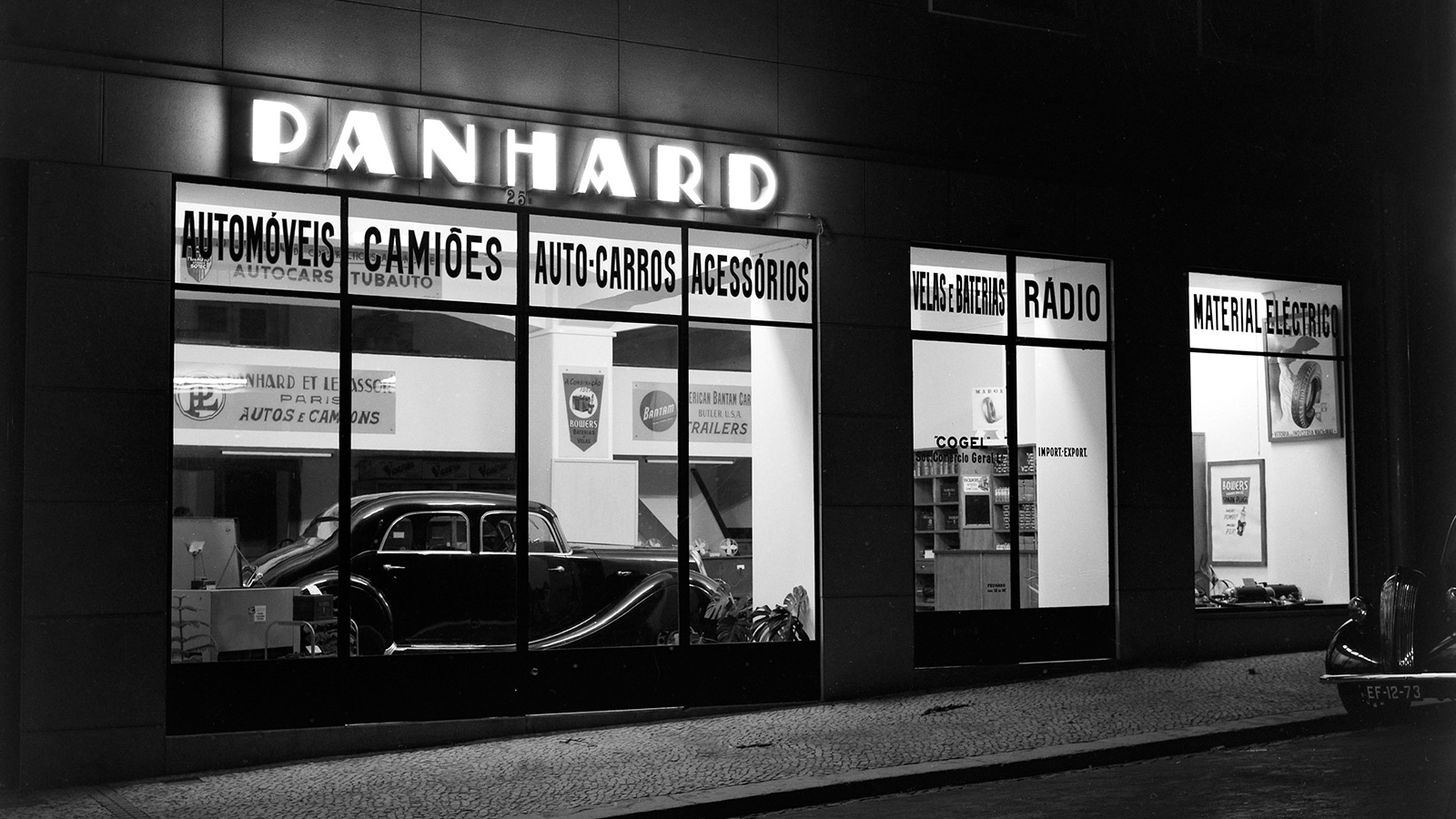
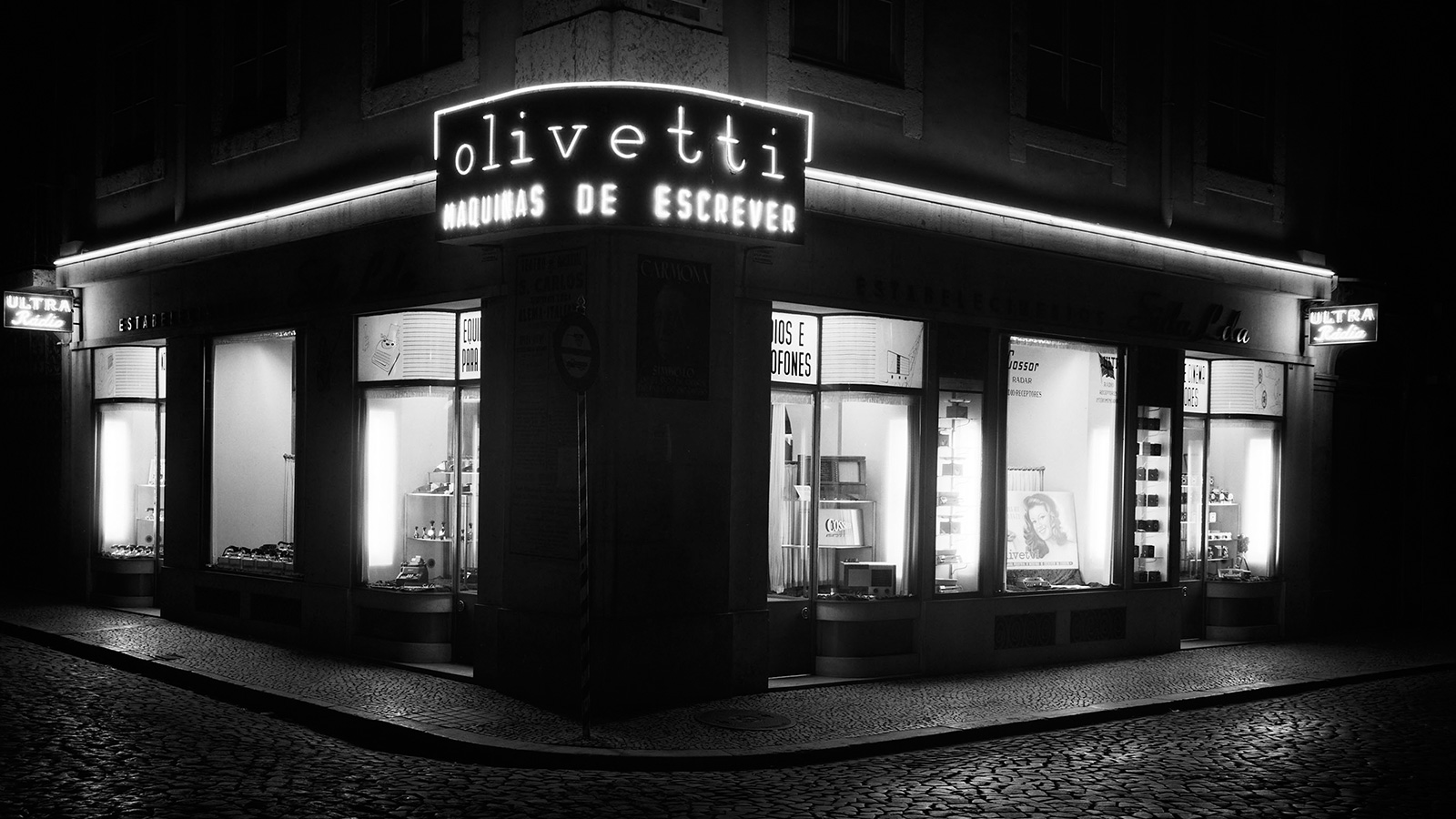
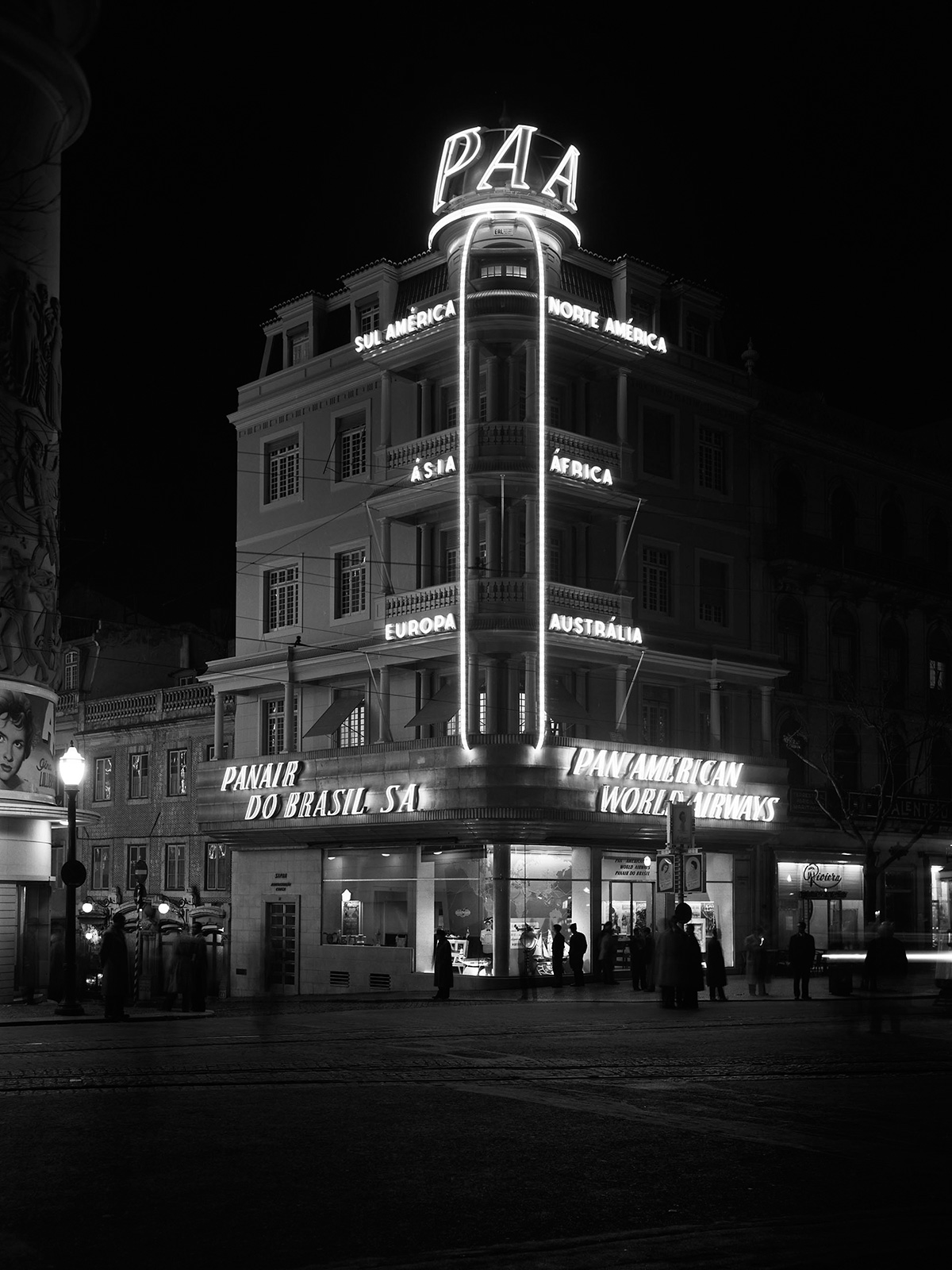
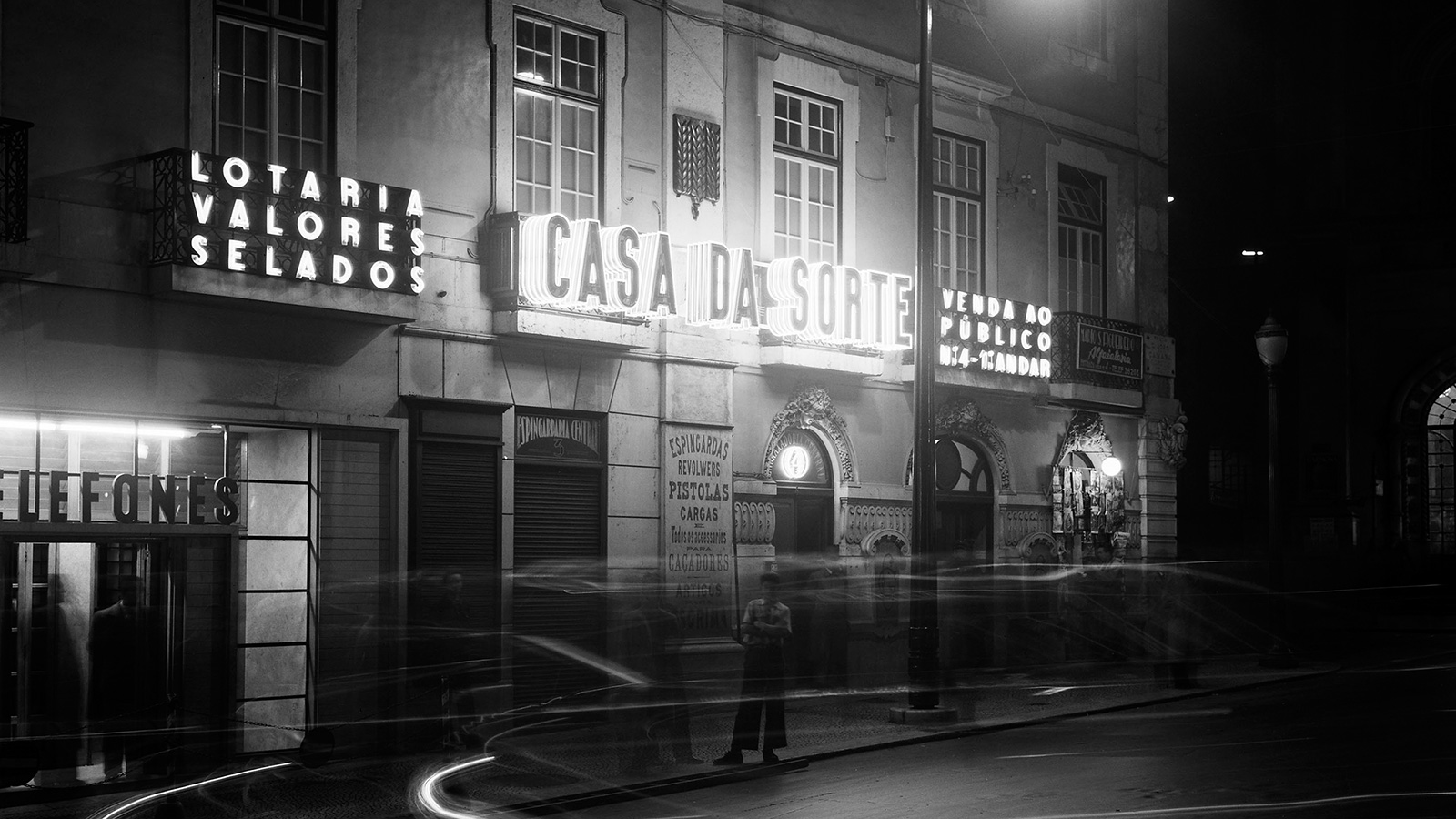
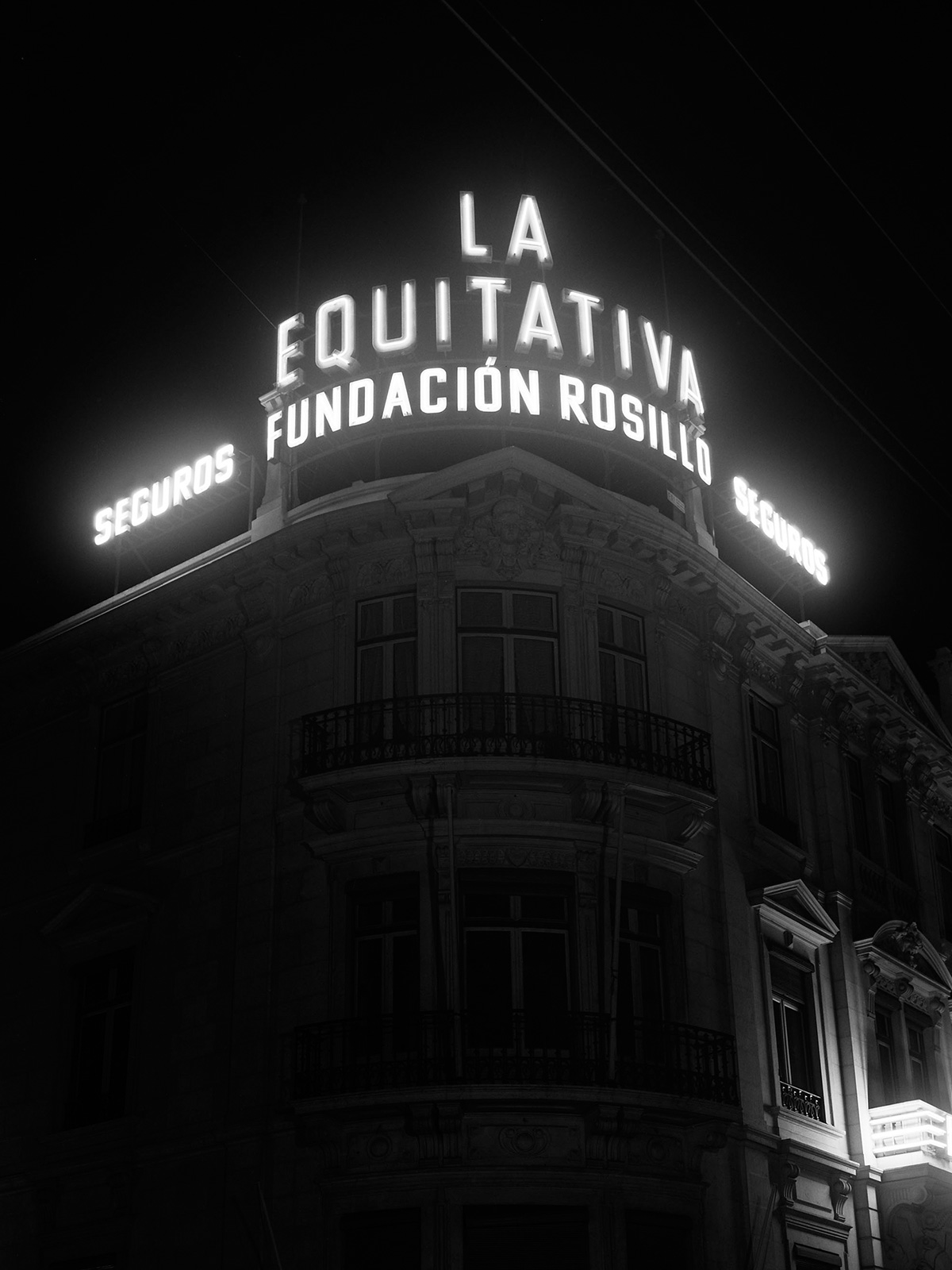
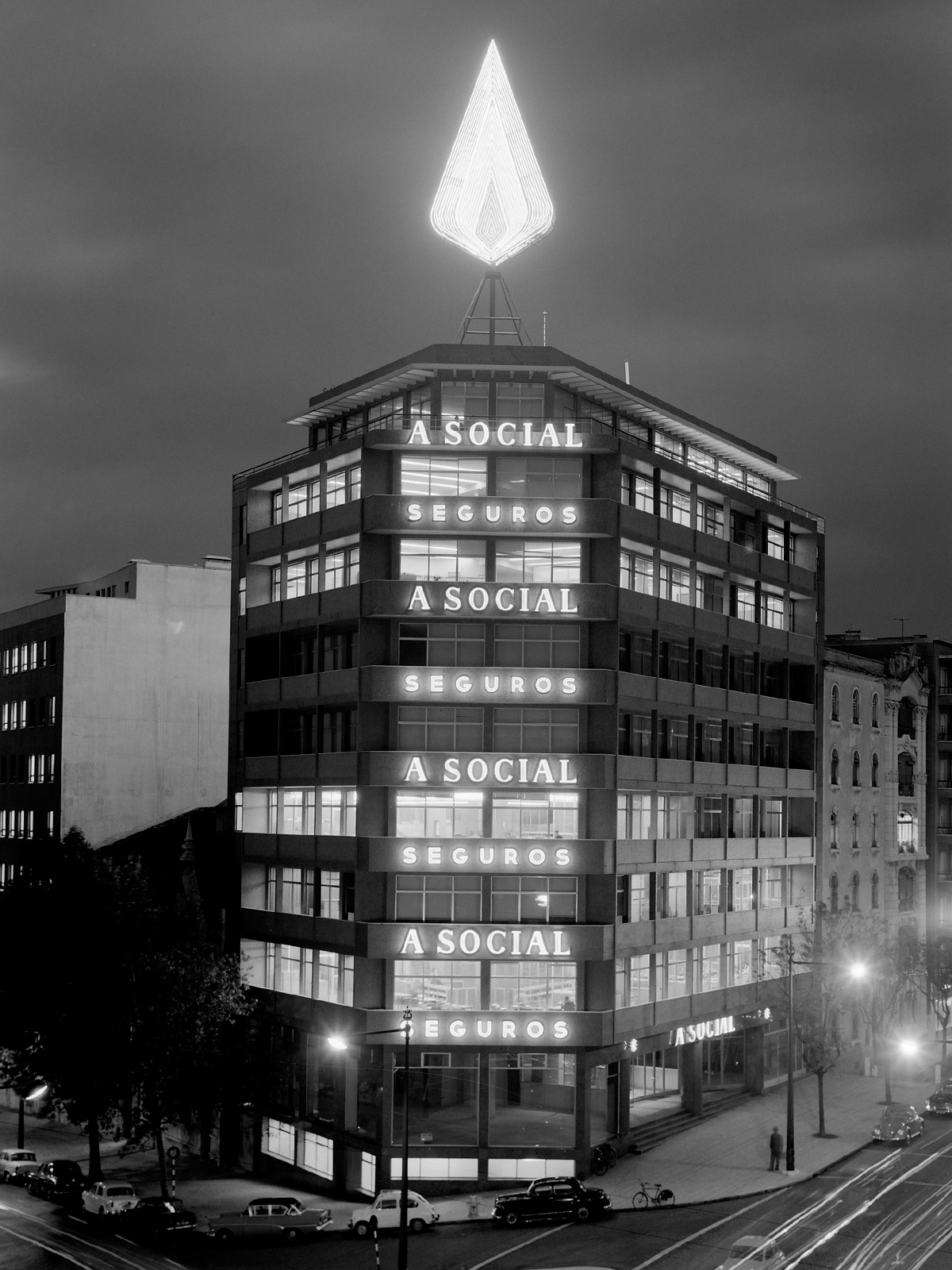
The manufacture of illuminated signs used light bulbs in the 1930s and 1940s. From the 1940s until the 1990s, neon tubes came into use. With the adoption of LED lighting systems, which have lower maintenance costs, the urban graphic landscape underwent changes (Cidade gráfica. Lisboa: MUDE, 2017. Catalogue of the exhibition held at the Convento da Trindade, Lisbon (Portugal), from 25 November 2016 to 19 March 2017, pages 137, 143).
Photos with history
Explore the series
No results were found for your criteria.
You may also like




No results were found for your criteria.