
Gulbenkian Heritage Prize – Maria Tereza and Vasco Vilalva
Applications until 31 March 2026
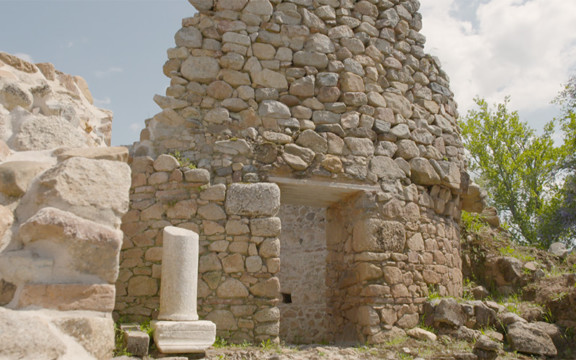
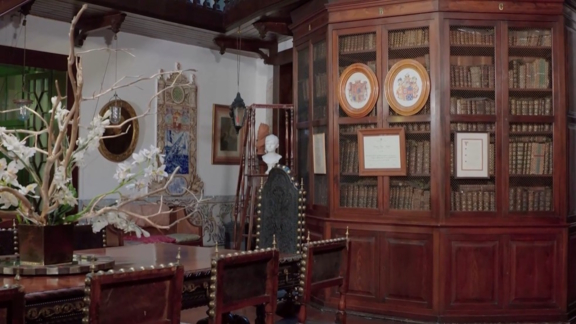
The Gulbenkian Heritage Prize – Maria Tereza and Vasco Vilalva Award, valued at 50,000€, honours outstanding projects in the conservation, restoration, development, and promotion of Portuguese heritage, both tangible and intangible.
Fulfilling the wishes of Maria Tereza Burnay de Almeida Belo Eugénio de Almeida, who sought to commemorate her husband Vasco Vilalva – a great patron to whom Portugal, and especially the Alentejo region, owes much in the field of heritage preservation – the Calouste Gulbenkian Foundation established this annual award in his name.
The prize aims to highlight exemplary interventions in cultural heritage, whether material or immaterial, with the goal of fostering its protection and revitalization. First awarded in 2007, following the death of the Countess of Vilalva, the prize was renamed in 2017 to honour both Maria Tereza and Vasco Vilalva.
No results were found for your criteria.
Frequently asked questions
What is the Gulbenkian Heritage Prize – Maria Tereza and Vasco Vilalva?
The Vilalva Prize was established by the Calouste Gulbenkian Foundation in 2005 in honour of Vasco Vilalva, a patron to whom the country owes a great deal in the field of heritage restoration and enhancement.
The Prize seeks to recognise outstanding and exemplary interventions in the conservation, restoration, enhancement, or promotion of Portuguese heritage, particularly immovable or movable assets of cultural value, with the aim of encouraging their preservation and rehabilitation.
It is awarded through an annual competition.
Who was Vasco Vilalva?
Vasco Maria Eugénio de Almeida, Count of Vilalva – commonly known as Vasco Vilalva – was a man of strong Christian and humanist convictions, marked by remarkable philanthropic dedication. He was deeply engaged with educational, social, and regional concerns, and recognised culture as a driving force for development, particularly in the Alentejo region.
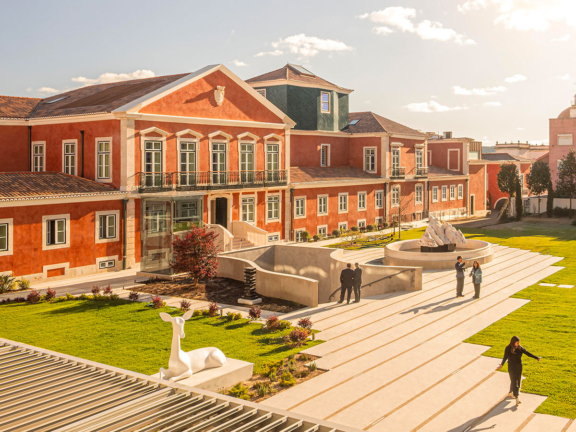
He was also the former owner of Parque Santa Gertrudes in Lisbon, the site that today houses the main building and museums of the Calouste Gulbenkian Foundation.
How much is the Prize worth?
The Gulbenkian Heritage Prize – Maria Tereza and Vasco Vilalva is valued at €50,000 (fifty thousand euros).
Who selects the winner of the Prize?
The winner of the Gulbenkian Heritage Prize – Maria Tereza and Vasco Vilalva is chosen by the Board of Trustees of the Calouste Gulbenkian Foundation, based on a proposal prepared by the Prize Jury.
Which projects are eligible for the Prize?
Eligible interventions include:
Interventions concerning assets owned by the State, including local municipalities, may only be considered if these assets are leased or concessioned to private entities.
What are the criteria for assessing applications?
Applications are assessed on the basis of:
What are the current priorities in heritage enhancement?
Current European-level priorities in heritage enhancement include: