
MACAM wins Vilalva Award 2025
He purchased his first original – an untitled painting by Rogério Ribeiro – in 1974. Twenty-five years later, Armando Martins, who is an engineer by training and a businessman by profession, had a considerable collection and a desire to show it to the world.
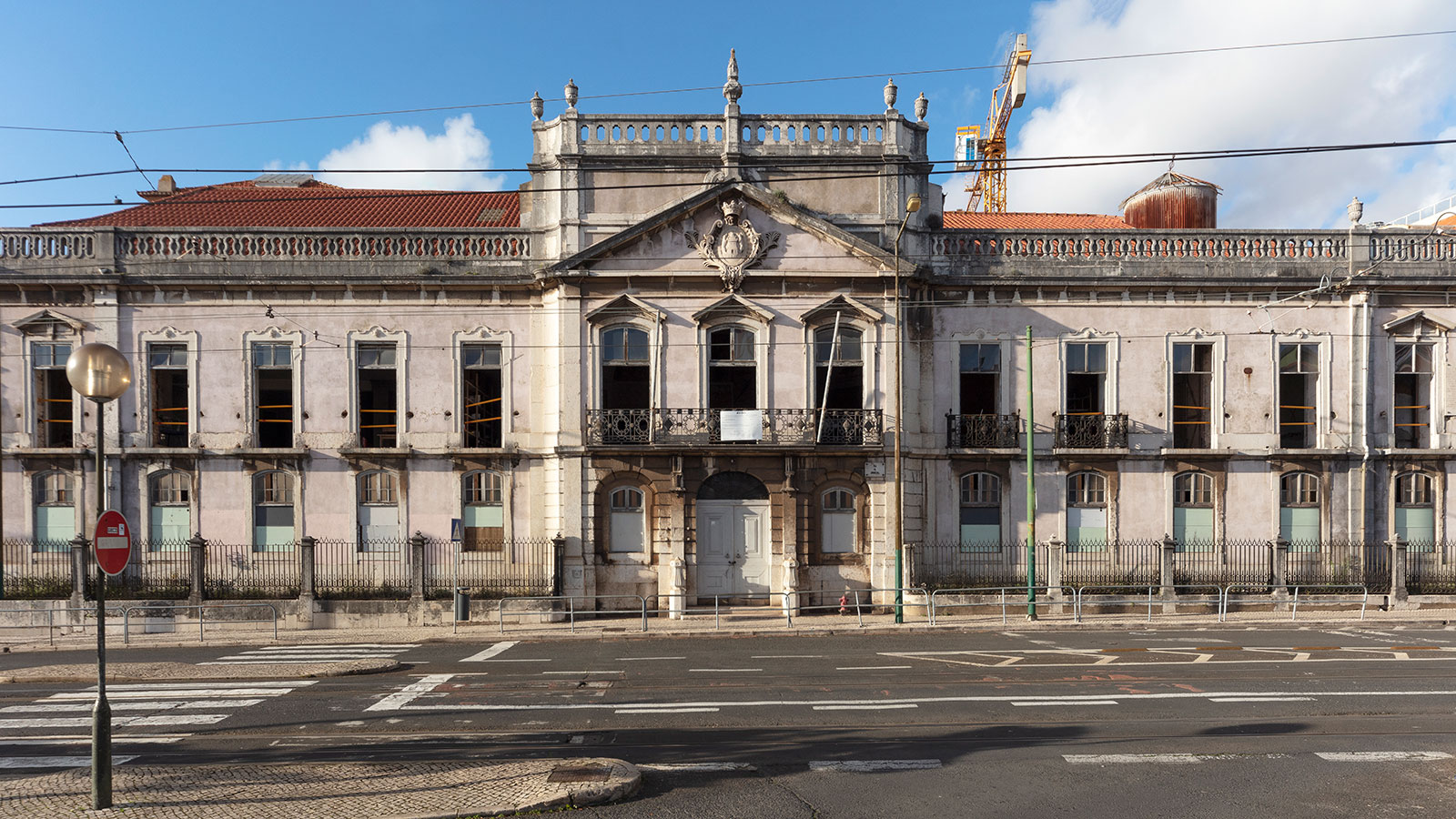
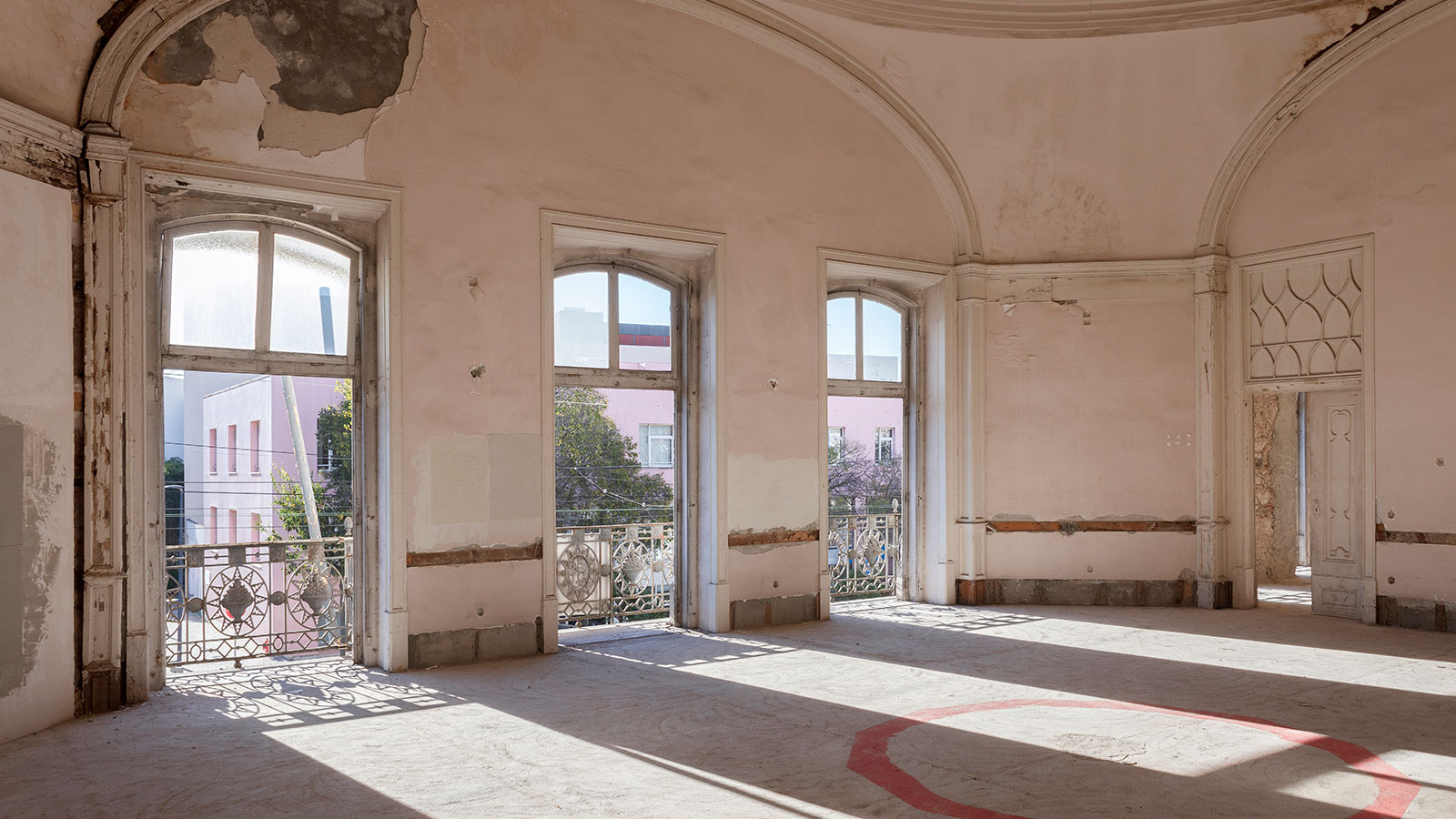
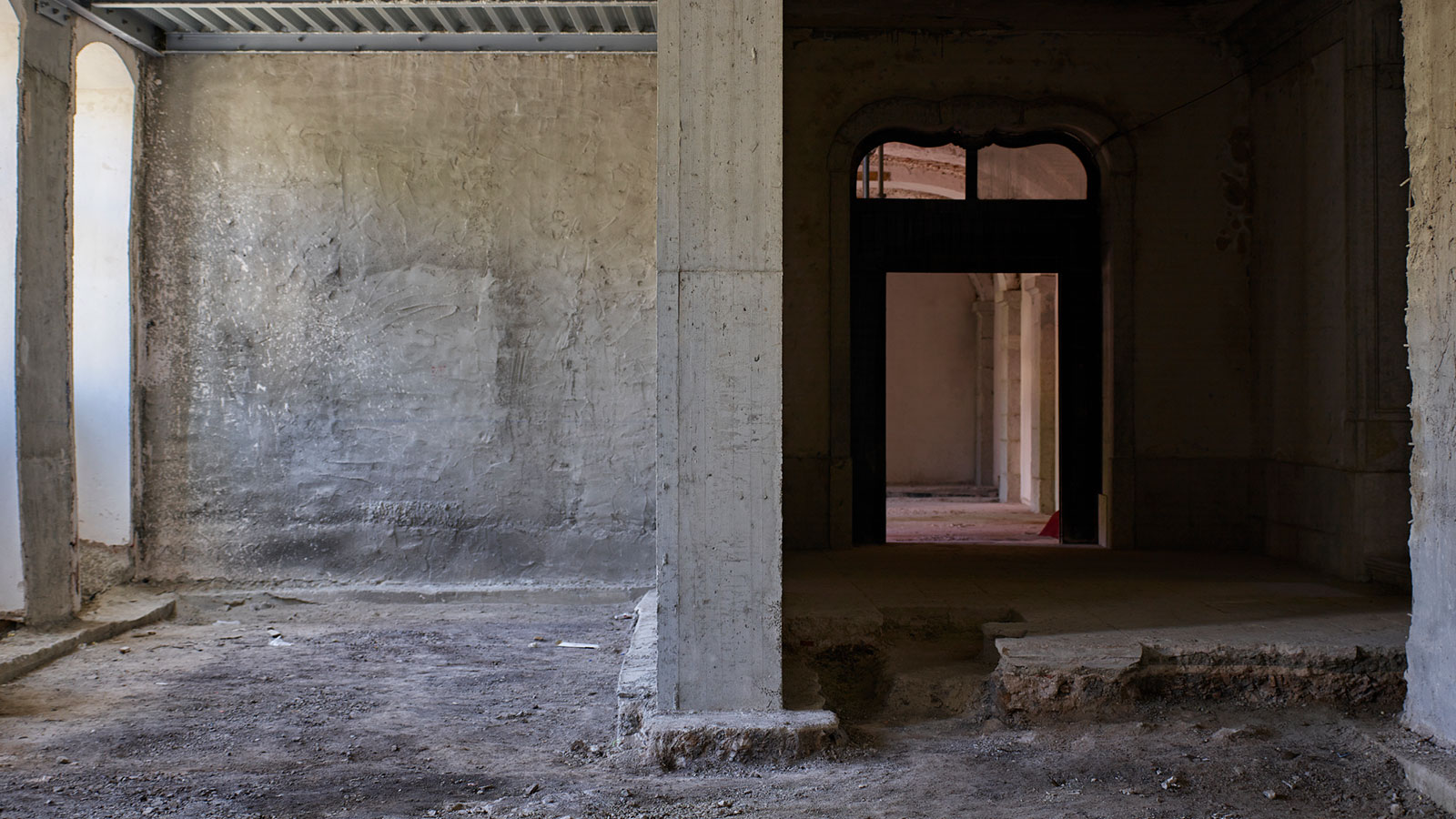
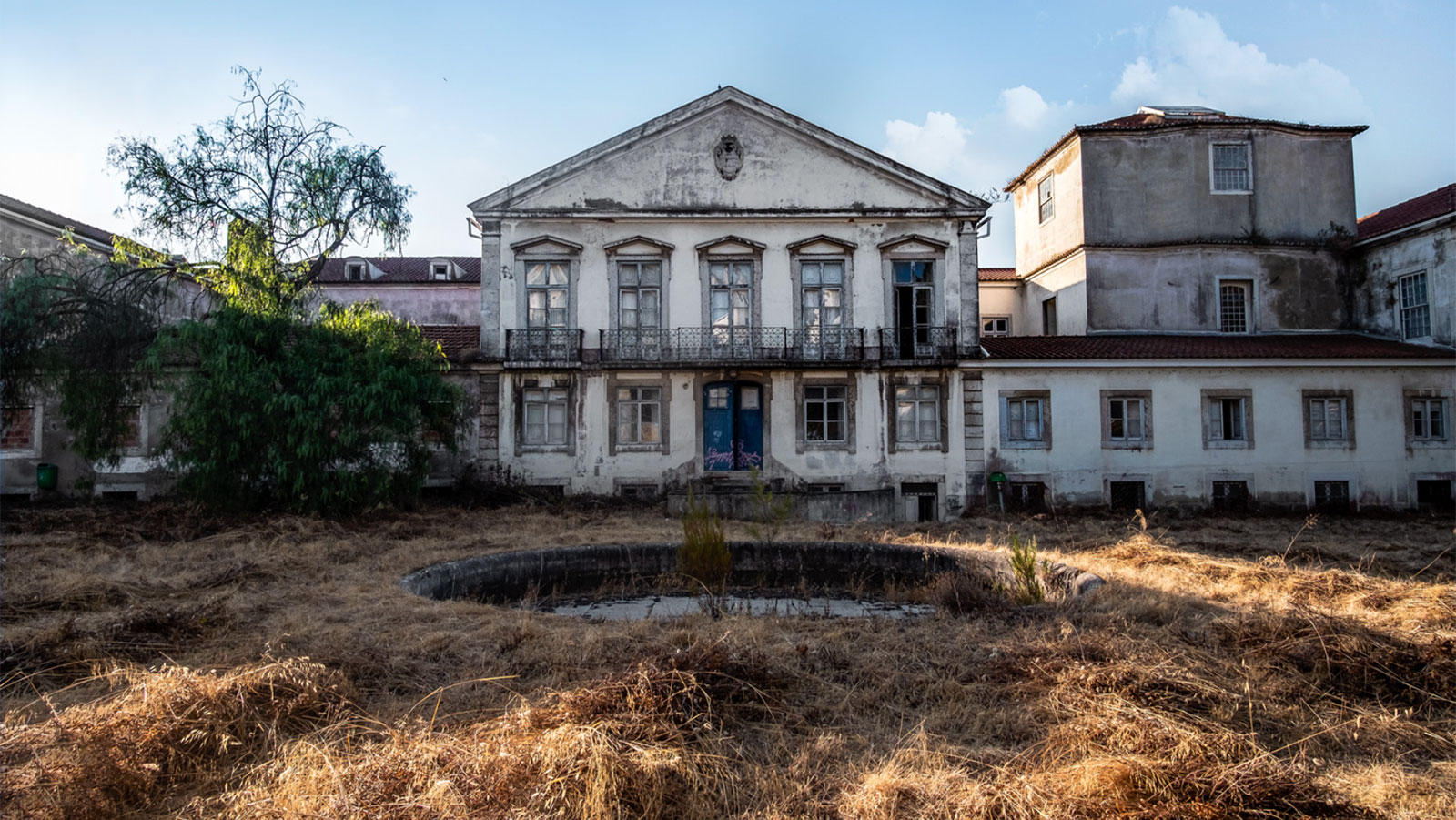
After a fruitless attempt at finding a space, in 2006-2007 he acquired the palace of the Counts of Ribeira Grande in Lisbon. The building was in poor condition and required significant restoration, but it was the ideal space to fulfil his vision: to create a museum where he could display his extensive collection, and a hotel that would ensure the project’s sustainability.
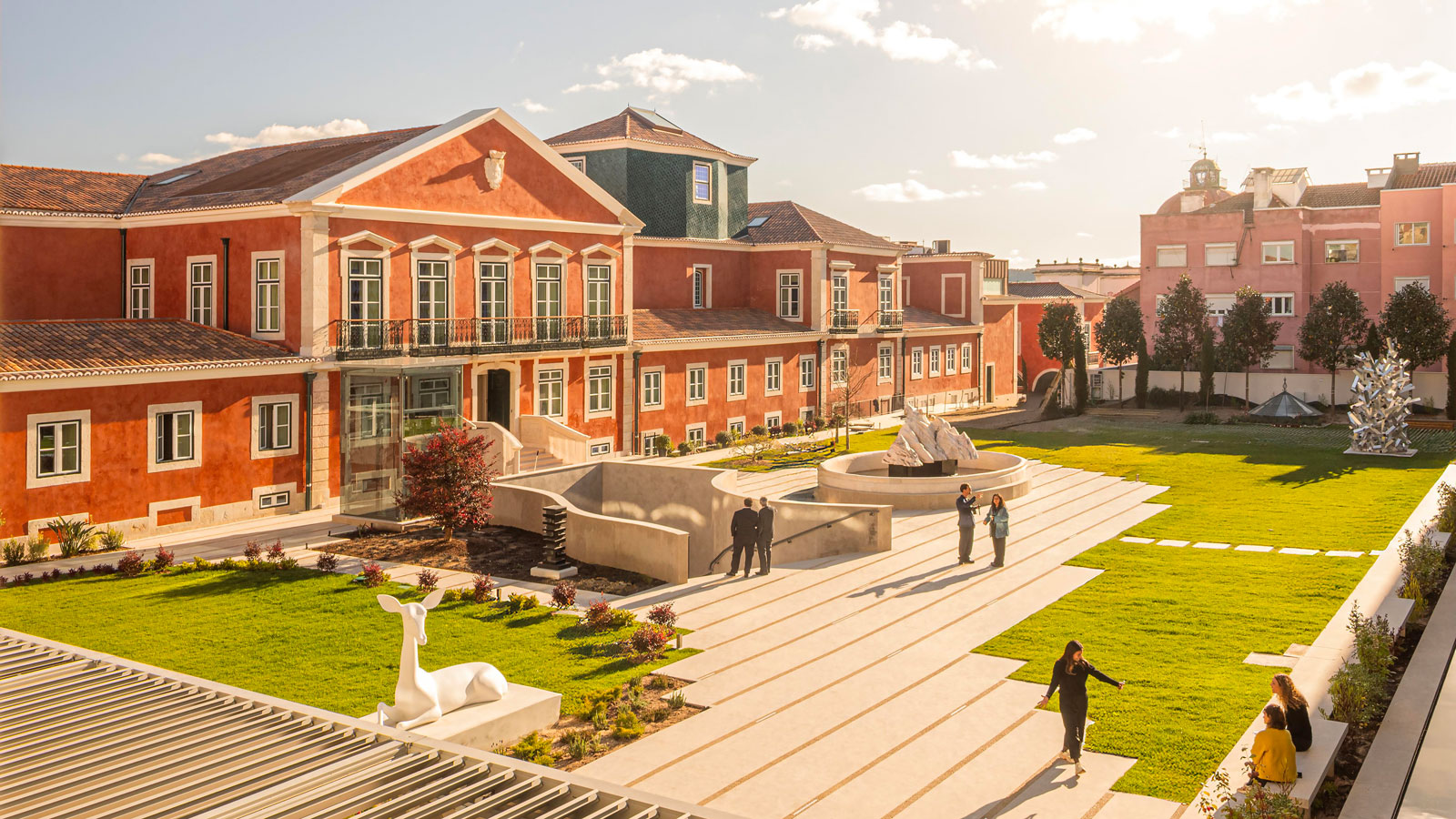
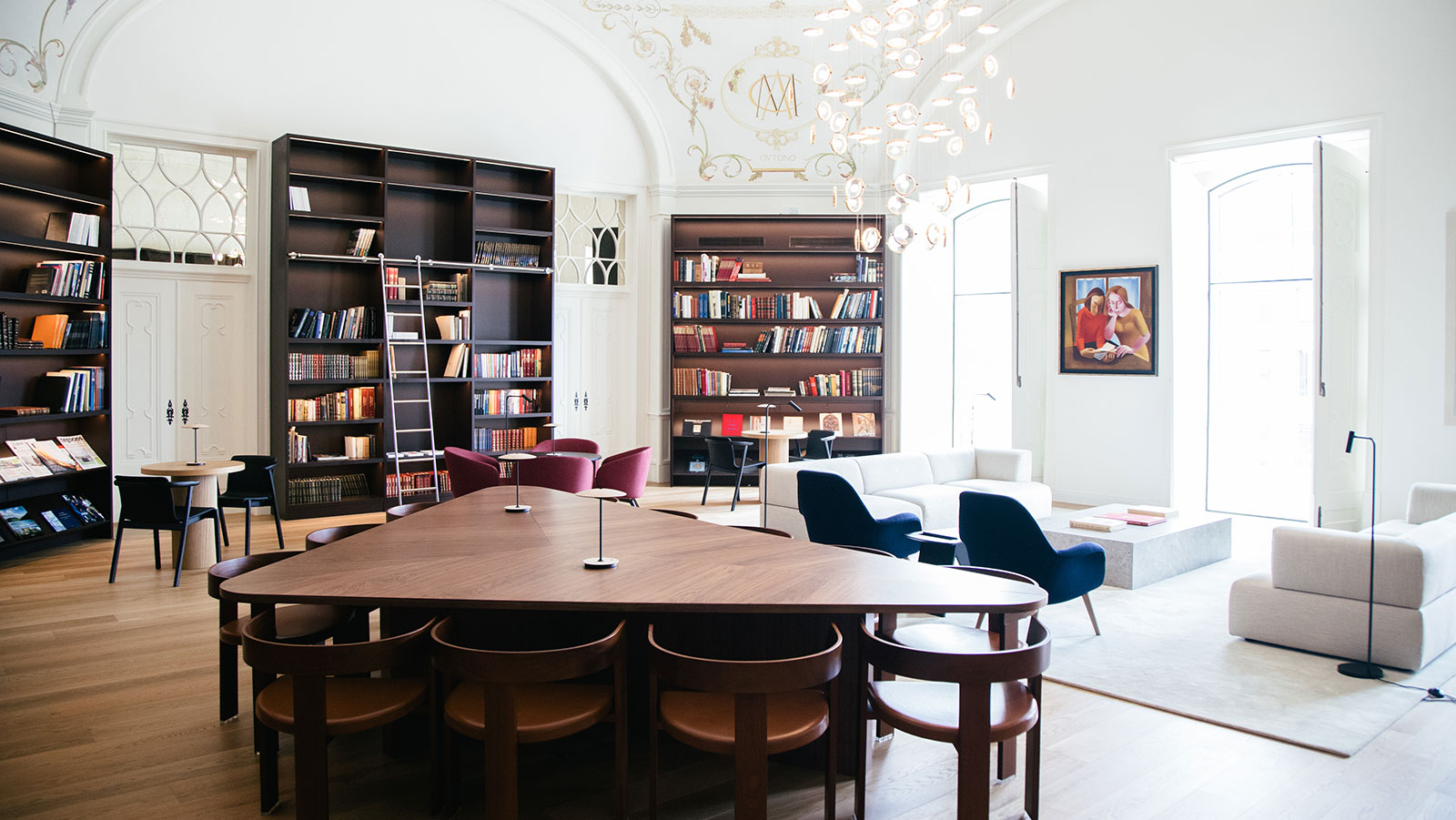
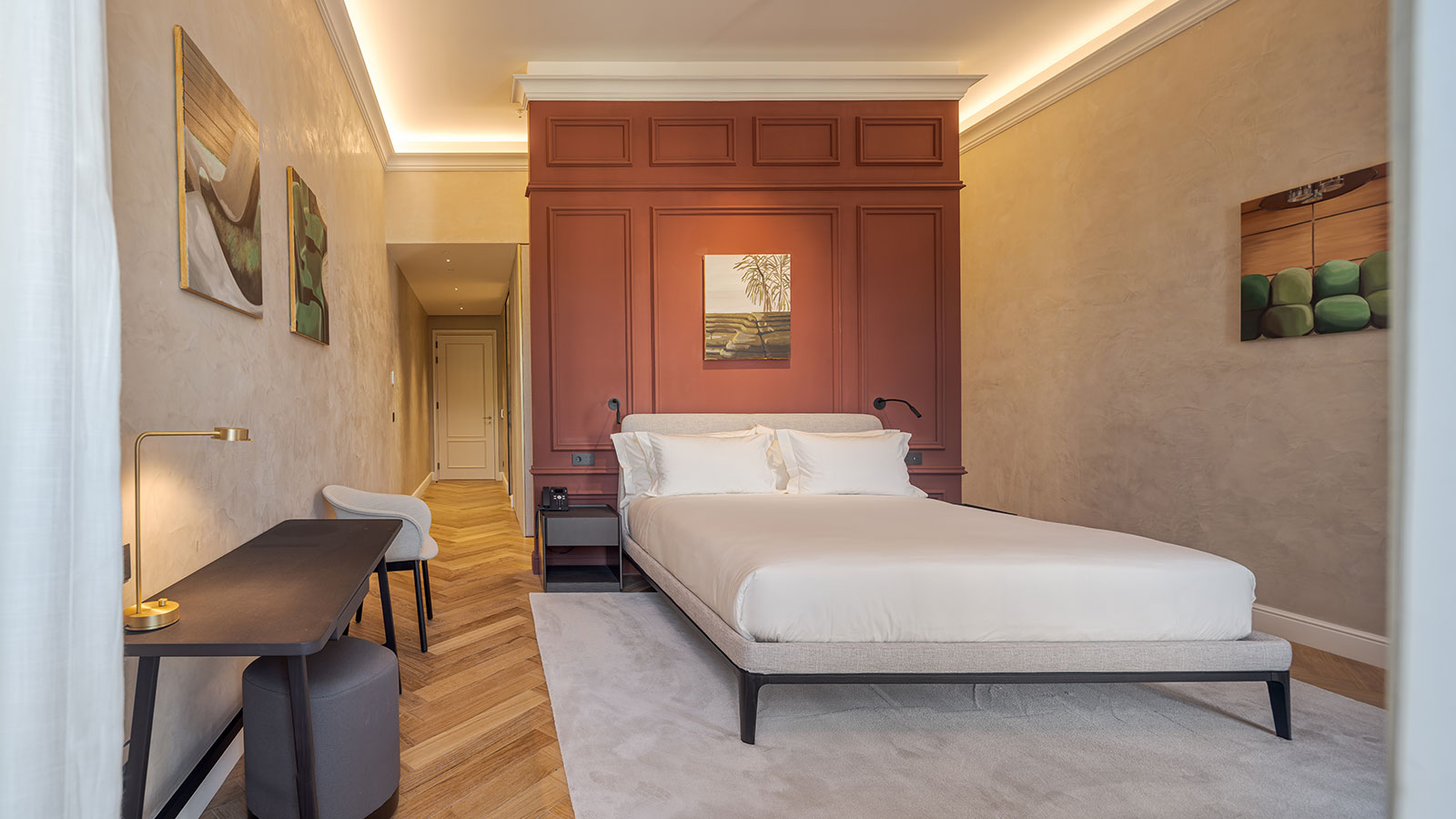
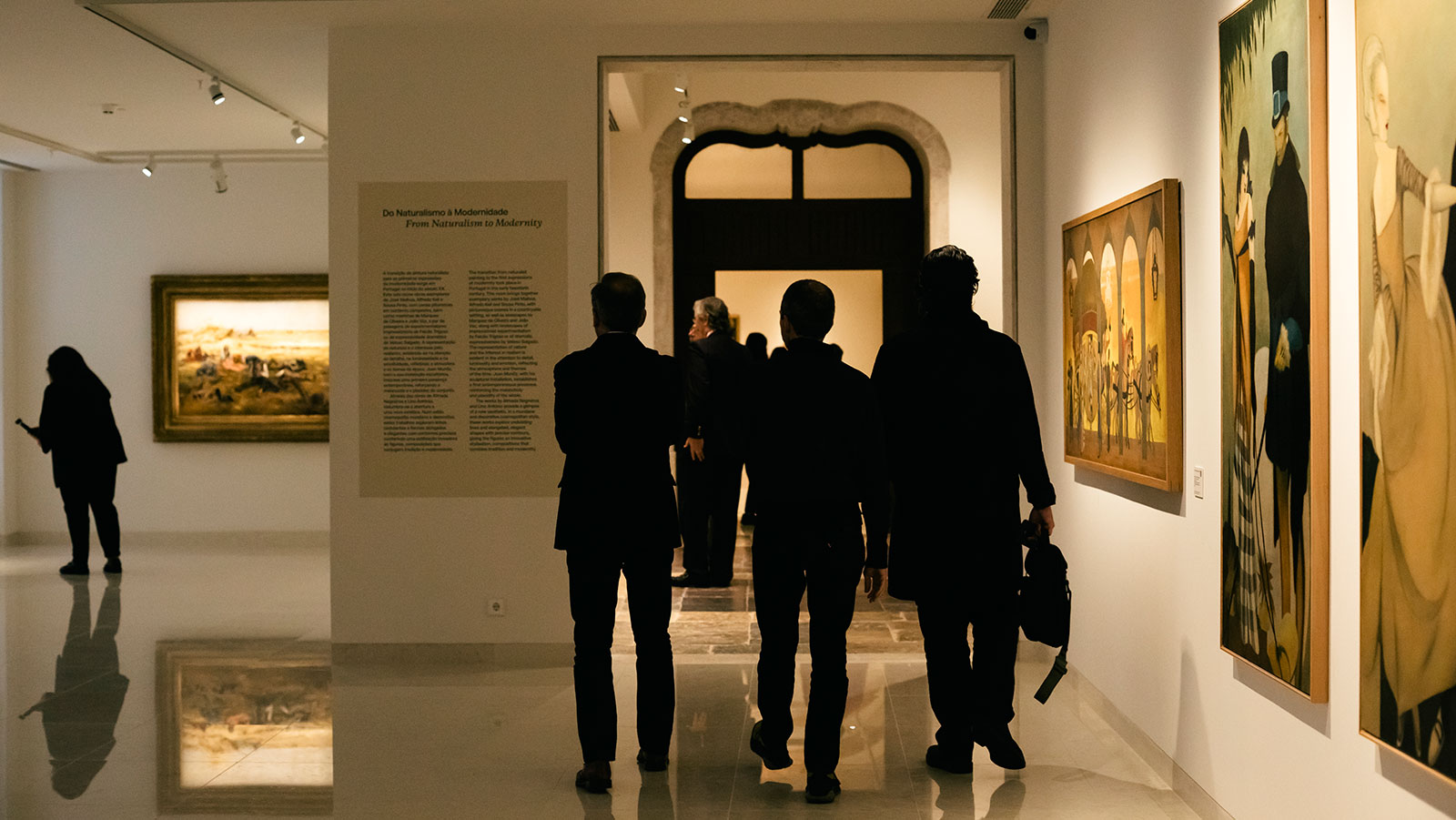
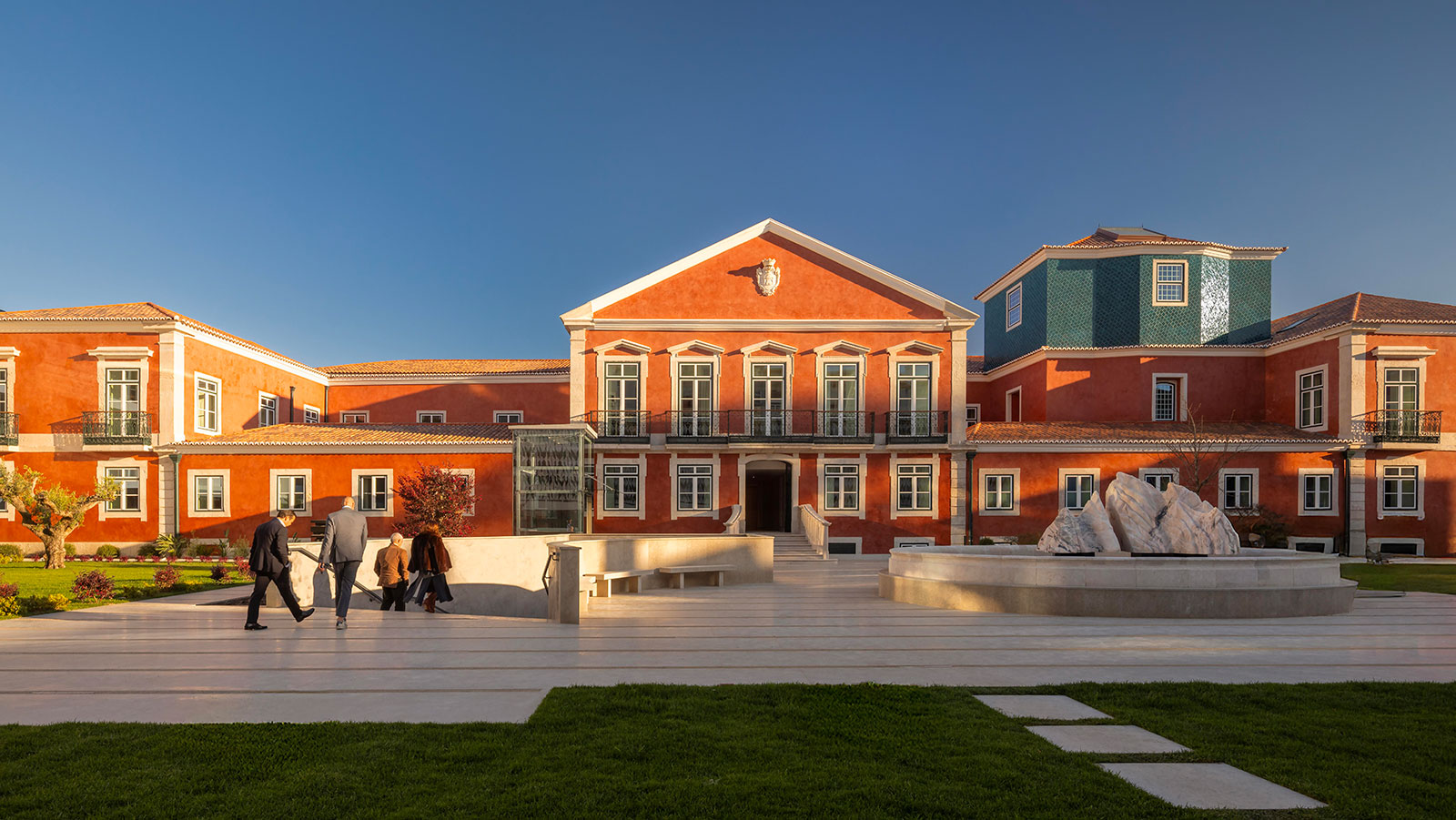
The palace of the Counts of Ribeira Grande was opened in March 2025, just as its owner had envisioned: as a museum and hotel, MACAM. In the 18 years between purchasing the property and opening it to the public, Armando Martins managed to survive the subprime crisis and the challenges posed by the Covid-19 pandemic. The renovation and expansion of the Palace caught the attention of the jury of the Gulbenkian Heritage Prize – Maria Tereza and Vasco Vilalva, who selected it as the winner in 2025.
The jury’s decision was unanimous
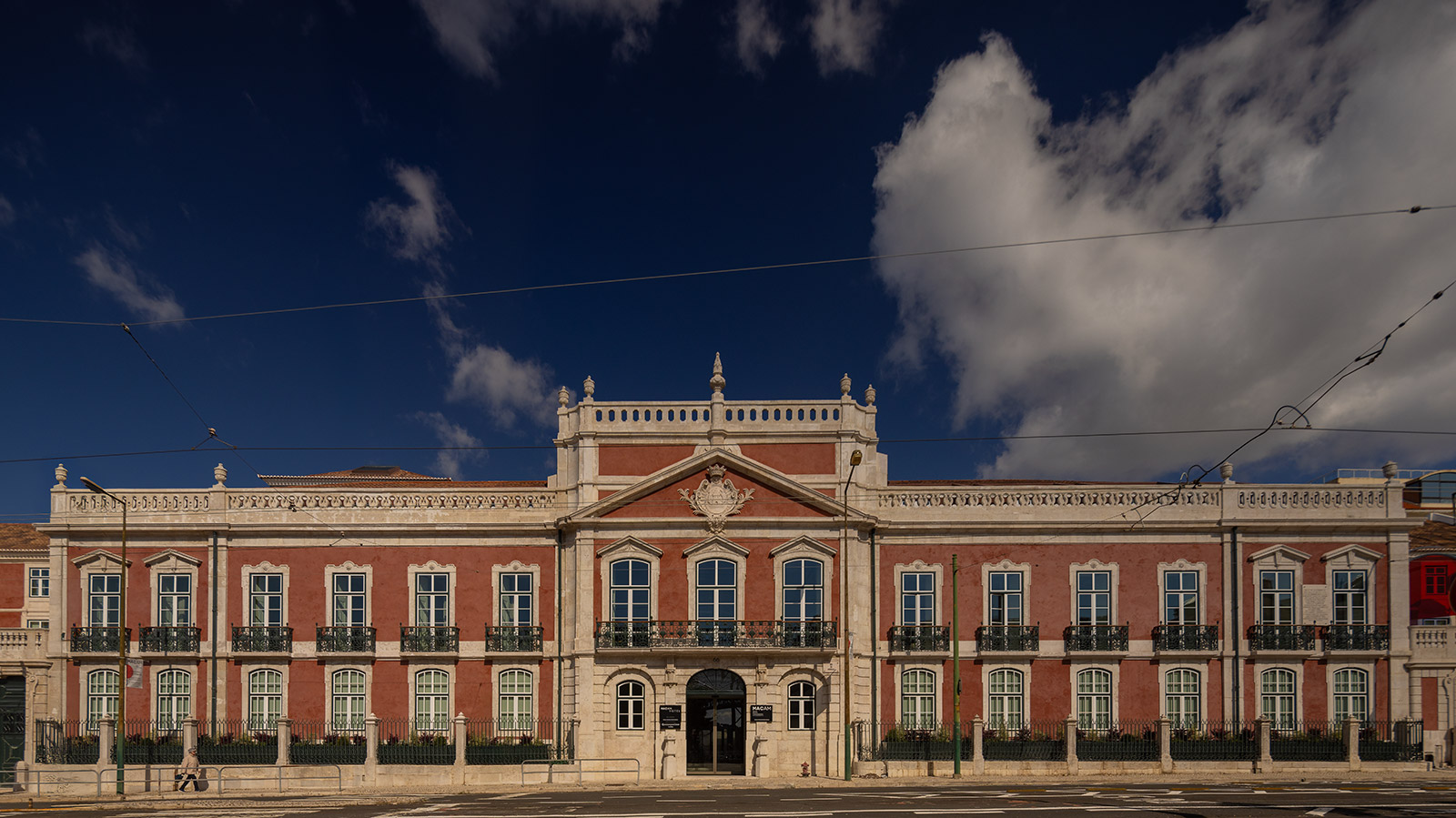
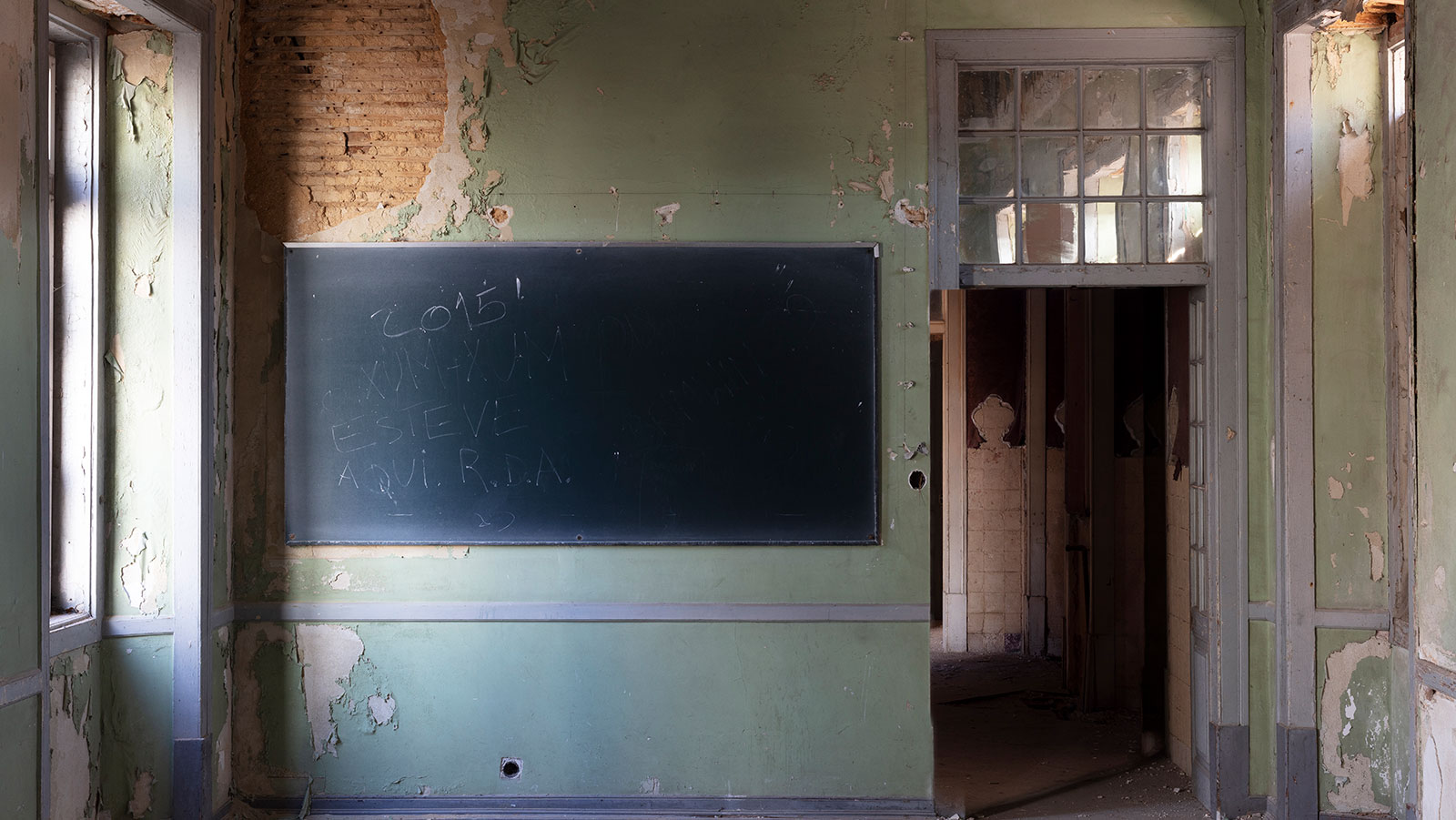
The jury, chaired by António Lamas, mentioned that the building is “one of the most important palatial buildings in Lisbon from the mid-18th century, a period of great construction activity and the revalorisation of Rua da Junqueira as the axis between the city and the Royal Palace, which was installed in the Real Barraca da Ajuda after the earthquake of 1755. Throughout the 20th century, nearly all of the building was occupied by educational institutions, most notably the Rainha Dona Amélia Secondary School.”
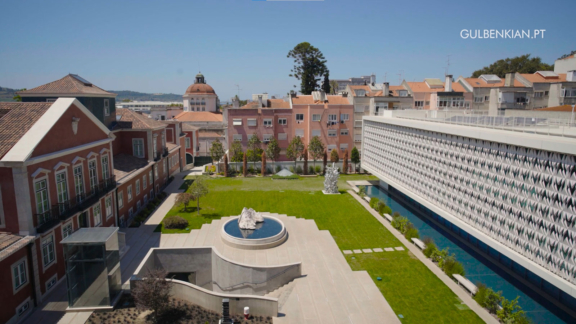
The palace was renovated by Metro Urbe, led by architects João Pedras and Hélder da Silva Cordeiro, who, according to the jury, created a captivating balance between heritage preservation and restoration and the structural, functional and aesthetic requirements of the new facilities.
Armando Martins says that “combining the two projects [the museum and the hotel] stemmed from a practical necessity. A museum isn’t profit-oriented, so we had to create a business that would support it. I hope this is a perfect match and, above all, that it will outlive its founder.” His daughter, Sophia, already works with her father, and his 11-year-old granddaughter is slowly learning the ropes, he says.
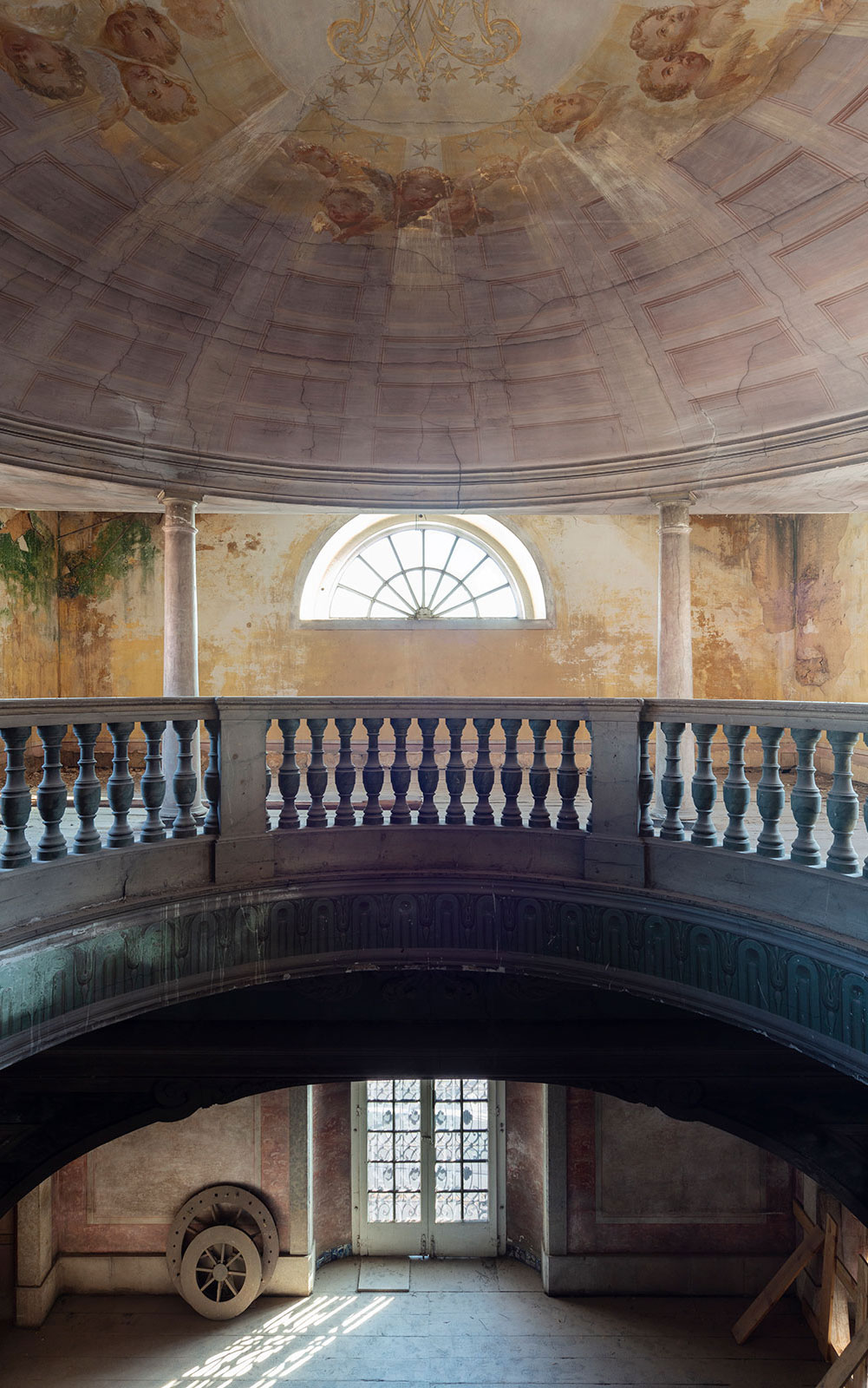
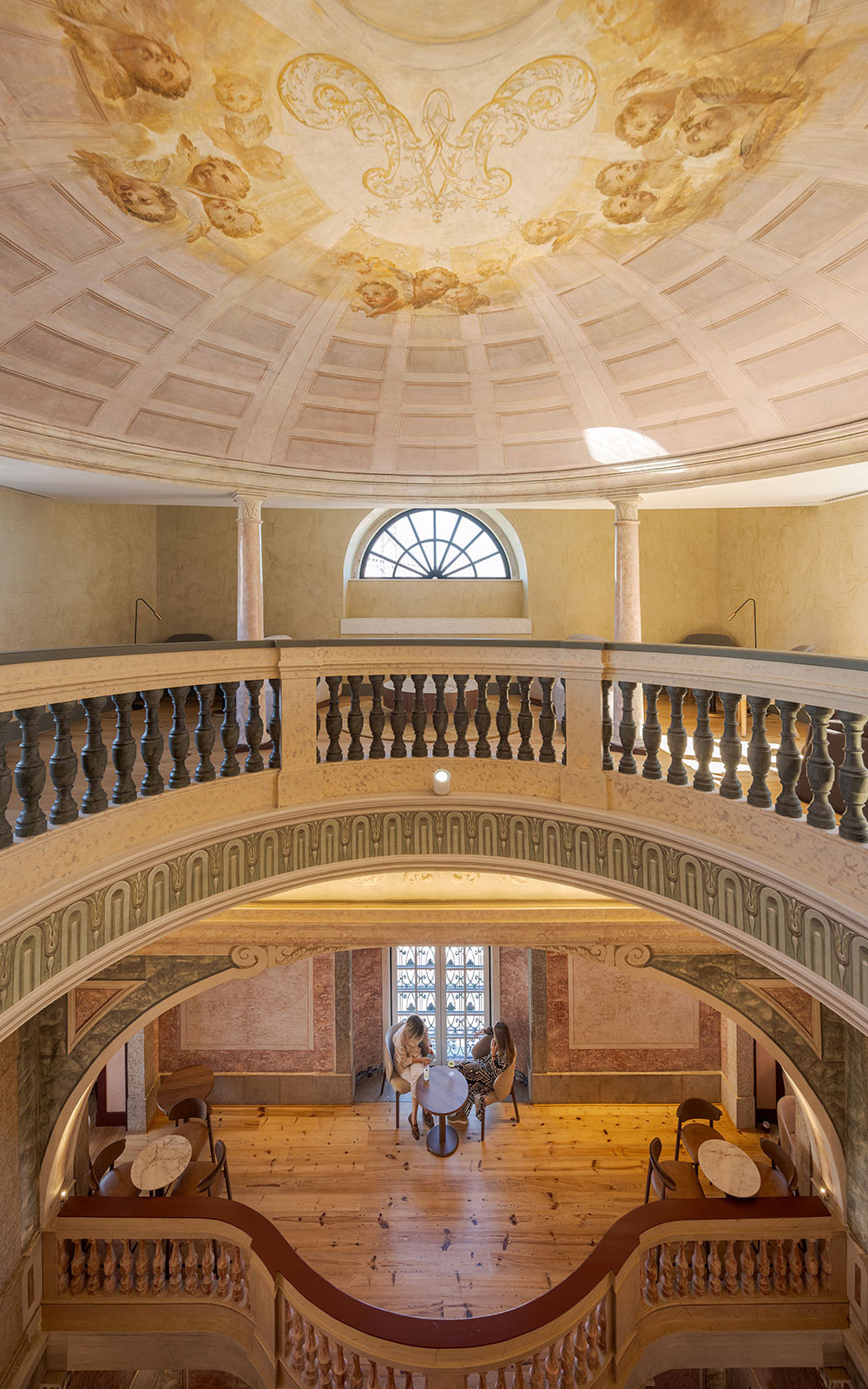
João Pedras had other concerns. As an architect, he wanted to build a “project that respected and valued the space and offered an experience in which architecture was also an art form”. This was a major challenge. It required “intervening in the existing building and extending it with new wings – and a non-antagonistic dialogue that differentiated between the existing and the contemporary”. It also involved adapting to legal and patrimonial constraints, as well as to current construction, safety and comfort rules capable of accommodating both a museum (Armando Martins already has 600 to 650 works) and a five-star hotel project.
Not to mention all the setbacks and surprises that usually arise during renovations. In this case, there was a need to convert or demolish the pavilions built to serve the school community at the time, but also the discovery of fireplaces and fountains hidden behind walls or under the courtyard. And there was also the challenge of levelling the façade, built specifically to give a palatial dimension and a unified look to a group of pre-existing buildings.
No results were found for your criteria.
Three honourable mentions
In this edition, the jury for the Gulbenkian Patrimony – Maria Tereza and Vasco Vilalva Award received 23 applications and, apart from the award, also chose three projects which received honourable mentions: the Lousal Mining Museum, the Casa do Passal – Aristides de Sousa Mendes Museum and the Church of Nossa Senhora da Lagoa in Monsaraz.
The Lousal Mining Museum, housed in the former power station building of the Lousal pyrite mines, which operated between 1900 and 1988, preserves its original machinery, carefully restored, and an extensive collection of German-made mine models acquired for the Instituto Superior Técnico. Opened in 2001, the museum underwent a renovation process in 2024, which resulted, among other things, in the modernisation of the museographic material which enriches and contextualises the collection and includes living testimonies from miners and their families who settled around the mine over the decades.
The restoration of Casa do Passal – Aristides de Sousa Mendes Museum has been carried out in two complementary ways, with memory preservation playing a decisive role: on the one hand, the renovation of the building, based on a meticulous study of its pre-existing features; and, on the other, the preservation of the memory of Aristides de Sousa Mendes. The dispersion of objects belonging to the family was addressed through a documental exhibition that contextualises the diplomat’s role and his humanitarian action.
The Church of Nossa Senhora da Lagoa, classified as a National Monument in 1986, is an example of the Counter-Reformation architecture of King João III. Located in Largo do Pelourinho, in Monsaraz, its interior today conveys the serene atmosphere of a historical temple that has regained its continuity as a living space. Alongside the renovation of the building, there was a comprehensive and careful restoration of carvings, altarpieces and altars, and a significant lighting intervention, in an exemplary work by architects, restorers, archaeologists, lighting technicians and builders, but also in collaboration with the authorities, ecclesiastical organisations and the local population.
About the Gulbenkian Heritage – Maria Tereza and Vasco Vilalva Award
Created in 2007 in honour of Vasco Vilalva, the Award aims to recognise exemplary interventions in movable and immovable property of cultural value that encourage the preservation and restoration of patrimony.
The Gulbenkian Heritage – Maria Tereza and Vasco Vilalva Award is worth 50,000€.
More info