
Brotéria wins Vilalva Award 2024
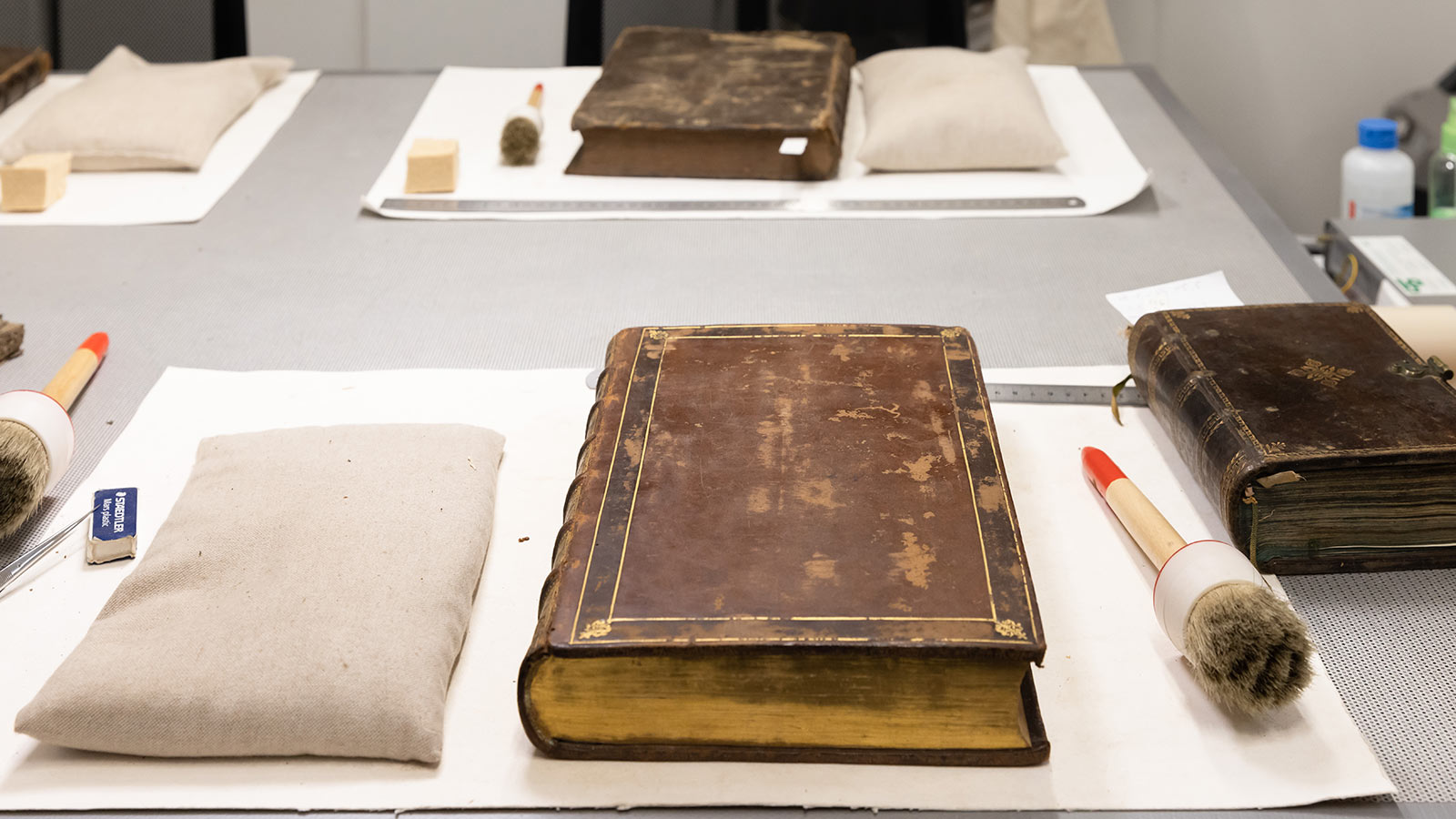
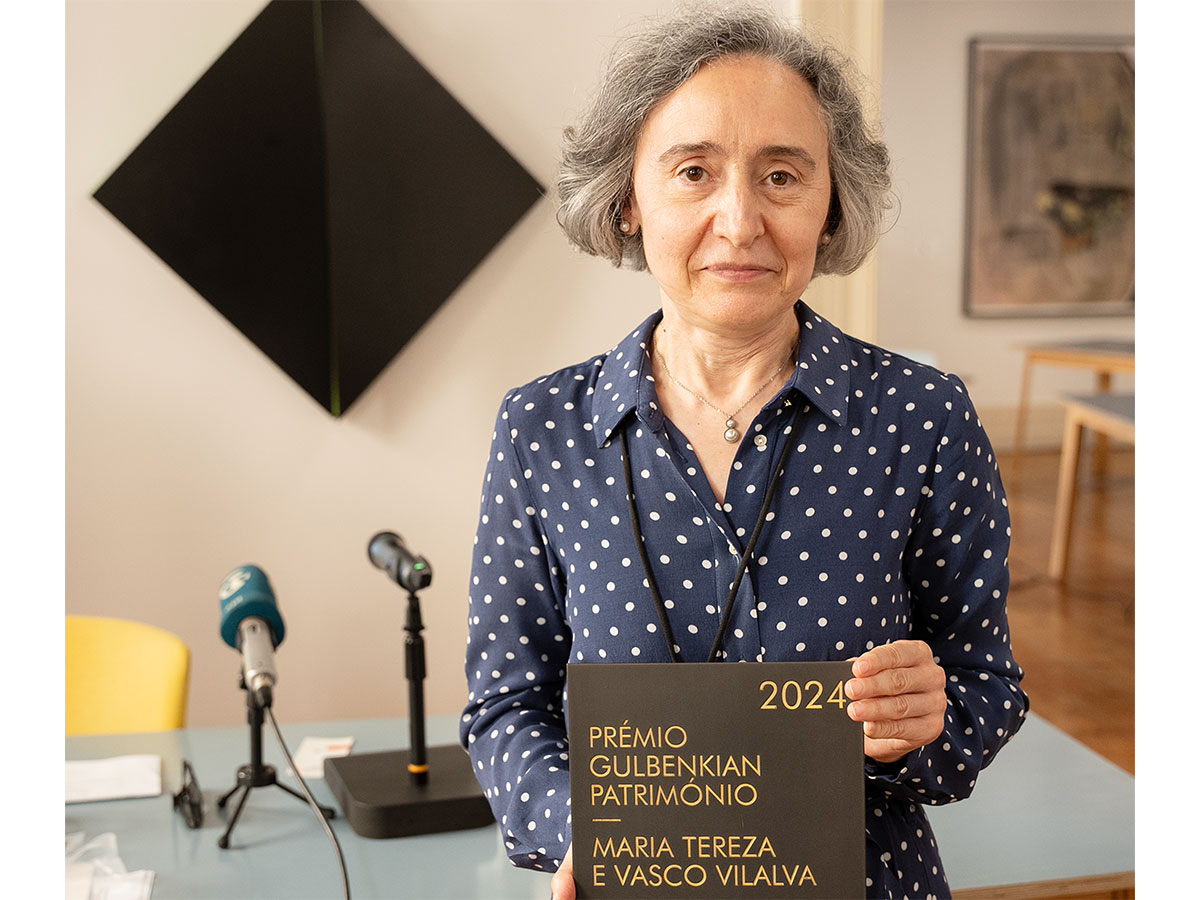
This year’s Gulbenkian Heritage Prize — Maria Tereza and Vasco Vilalva goes to the Brotéria Library Project – Cleaning, Hygienisation and Restoration of Books. The application, submitted by Brotéria – Associação Cultural e Científica, stood out for its “exemplary methodology for the inventory, preservation, restoration and subsequent public availability” of this valuable bibliographic collection.
The Brotéria bibliographic collection has been gradually put together throughout the last 100 years and currently comprises around 160,000 volumes – 90,000 titles belonging to the General Collection, nearly 4,000 to the Antique Book Collection (published up to and including the year 1800) and around 65,000 periodicals – dedicated to the following themes: History of the Society of Jesus, Philosophy, History, History of the Church, Theology, Patristics, or Political Sociology, but also (in the case of the Antique Book Collection) Liturgy, Sermonistics, Lexicography, Grammar, Mathematics, Astronomy, and Pedagogy.
No results were found for your criteria.
The intervention involved not only cleaning and stabilising all volumes, but also the restoration, by specialised professionals, of the items in the most critical state of conservation. The project also aims to promote scientific research, a passion for reading and debating ideas. This is achieved by making the bibliographic collections of various researchers available, offering digital access to the documentary collections of the Roman Archive of the Society of Jesus and the ‘Jesuits in Asia’ collection of the Ajuda Library, opening the library to the public free of charge, and offering an intensive programme that includes courses, lectures, round tables, and exhibitions.
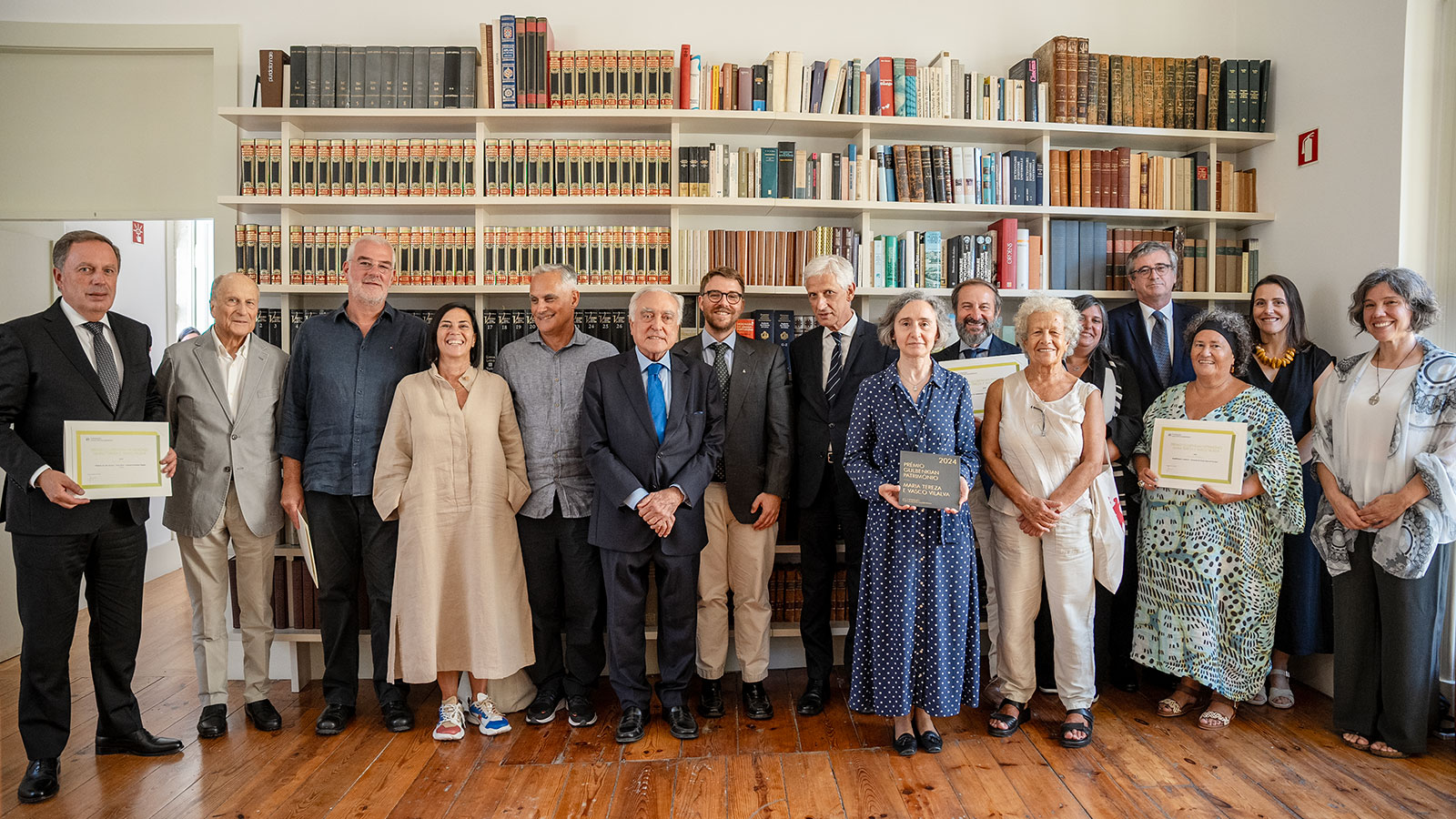
In conclusion, the jury, which included António Lamas (chair), Gonçalo Byrne, Raquel Henriques da Silva, Rui Vieira Nery, and Santiago Macias, considered that this project also contributes “to the local consolidation of an important centre for cultural promotion, which is also linked to a network of neighbouring institutions of a similar nature” – namely the Palace, the Church and Museum of São Roque, the Chiado Museum, the São Carlos, São Luiz and Trindade theatres, the Faculty of Fine Arts and the National Conservatory.
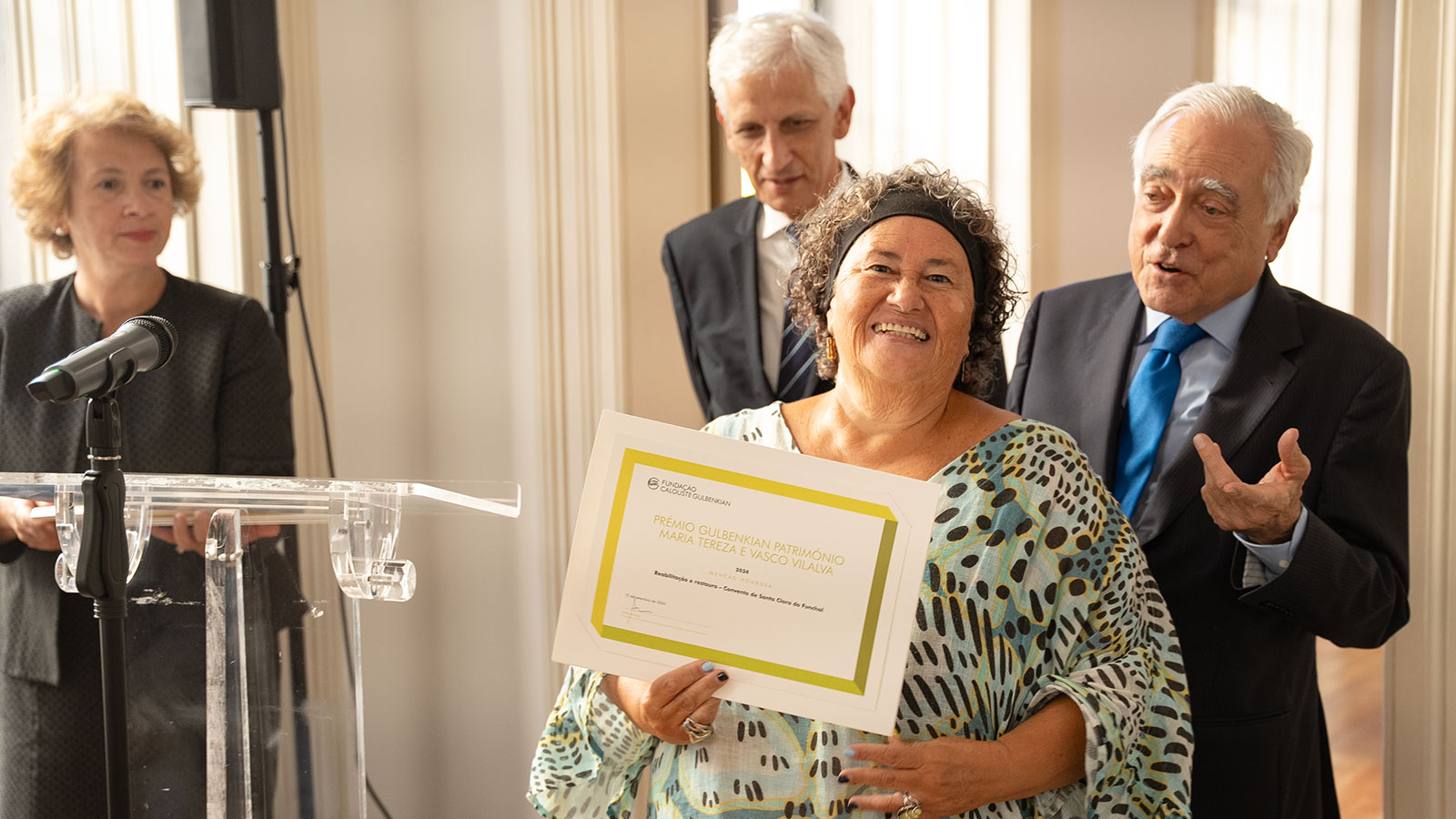
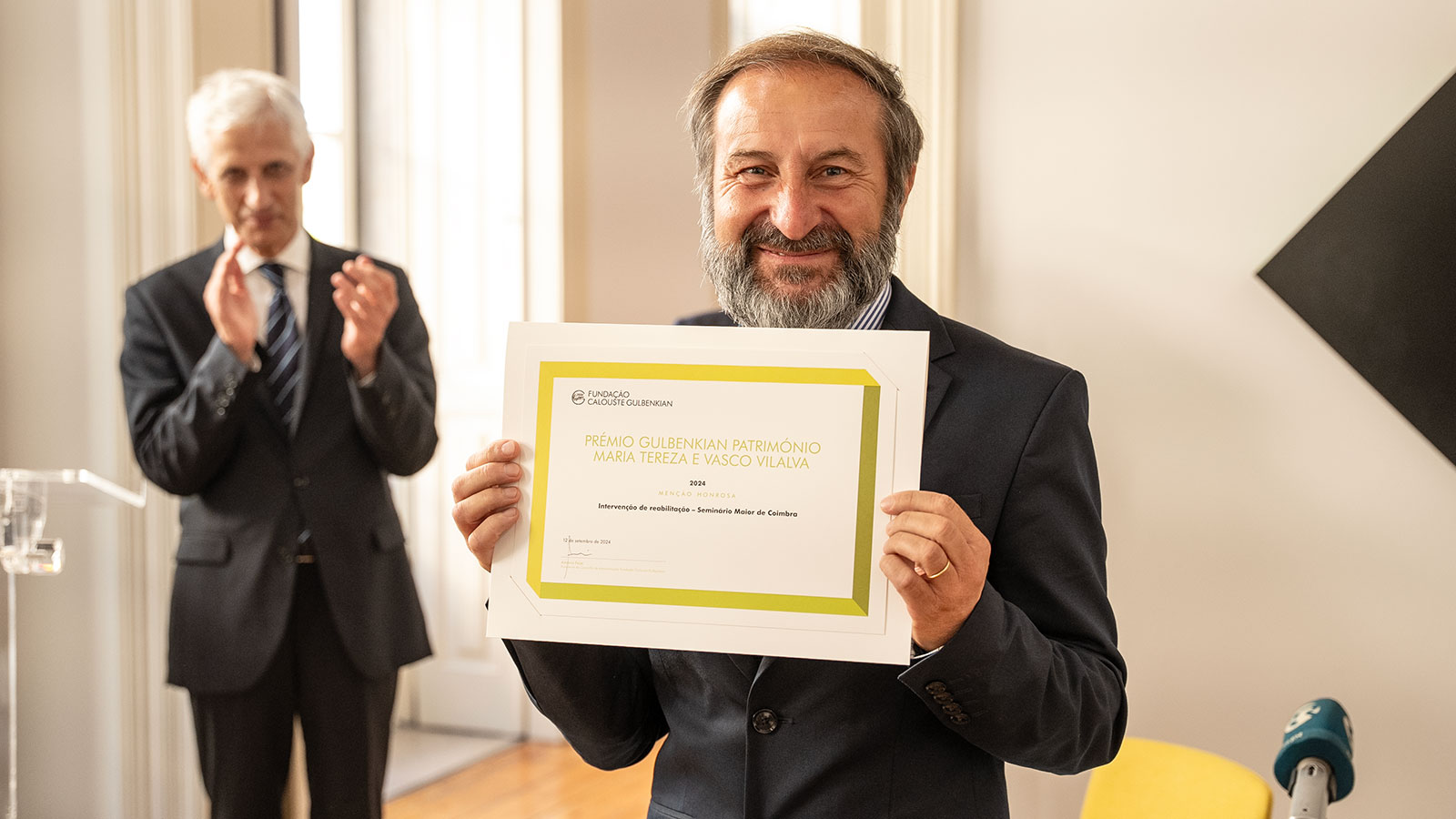
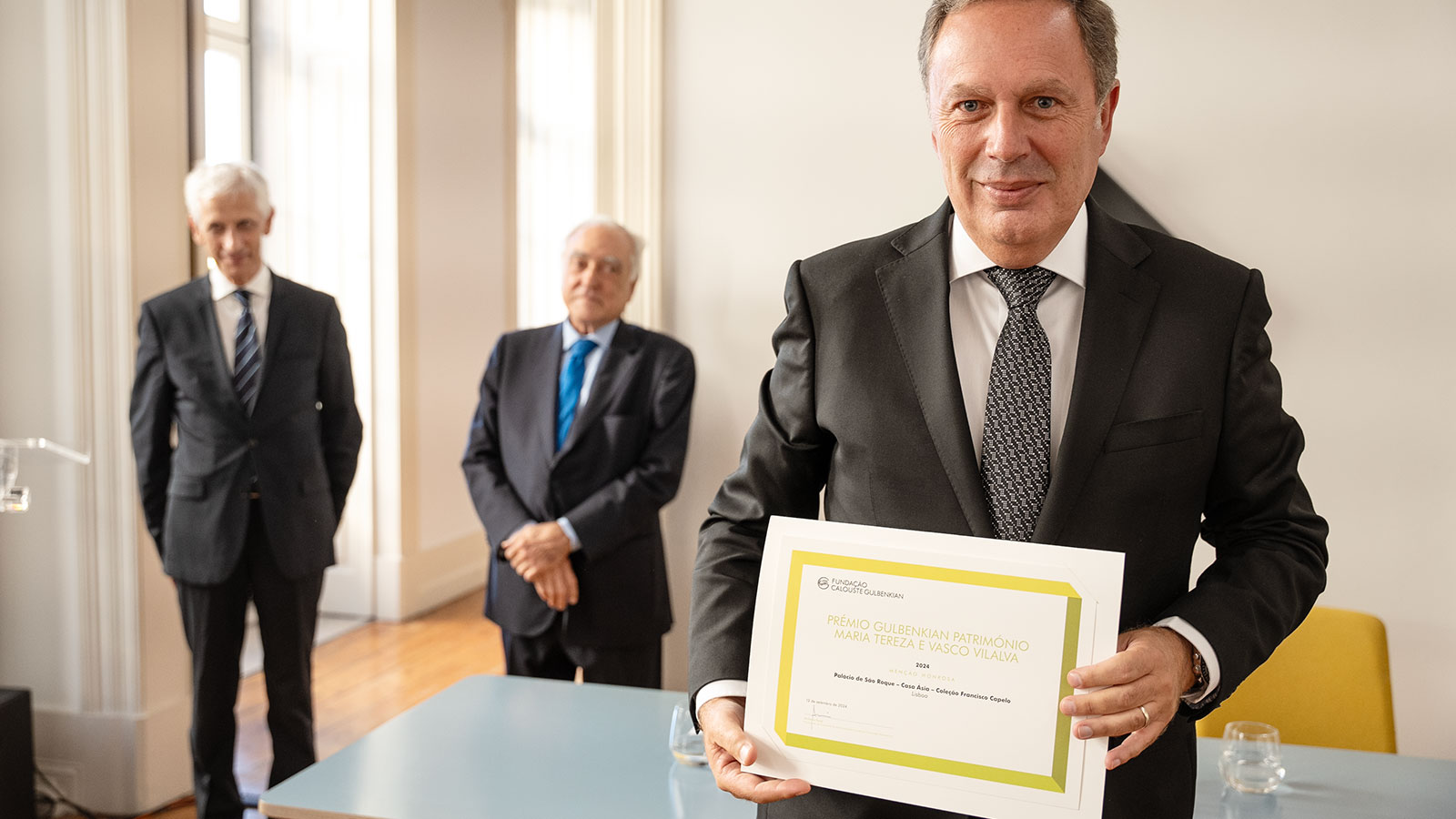
Three Honourable Mentions
Given the quality of the 20 projects submitted from all over the country, the jury also proposed to the Board of Trustees of the Calouste Gulbenkian Foundation that honourable mentions be awarded to the projects for the restoration of the Palácio de São Roque – Casa Ásia – Francisco Capelo Collection (Lisbon), the rehabilitation of the Major Seminary of Coimbra and the rehabilitation and restoration of the Convent of Santa Clara in Funchal.
Palácio de São Roque – Casa Ásia – Francisco Capelo Collection (Lisbon)
The São Roque Palace was distinguished for its restoration, rehabilitation and reuse process, which involved restoring the palace’s architectural integrity – owned by Santa Casa da Misericórdia, in the heart of Chiado – and adapting the building to the needs of a new museum, open to the city – Casa Ásia, which exhibits Francisco Capelo’s collection of Asian art.
The jury also emphasised the participation of 12 specialist teams in this project, as well as the partnership between Santa Casa da Misericórdia de Lisboa and the collector Francisco Capelo, and the coordination with the cultural dynamics of Chiado and Bairro Alto.
Major Seminary of Coimbra
This Portuguese Baroque building, classified as a national monument, has undergone an ambitious conservation and modernisation programme to bring the facilities up to contemporary standards.
Whilst a number of projects are underway (namely the study, conservation and restoration of the diverse collections of furniture and the bookshop), the Major Seminary, located within the urban fabric of Coimbra, has opened its doors to the city with a programme of guided tours that include the garden overlooking the River Mondego. It also has some rooms available for religious and academic tourism.
The jury considered that, in addition to the importance of the building and its history, the approach taken to its study, restoration and opening to the public complies, with distinction, with current guidelines for protecting and valuing historical heritage.
Convent of Santa Clara in Funchal
The rapid pace at which construction of the Convent of Santa Clara began at the end of the 15th century, and the manner in which it was enlarged, reflects the economic power of the Funchal grant. Classified as a National Monument in 1943, the Convent has benefited from several renovation initiatives over the years.
The jury wished to recognise this rehabilitation and restoration project carried out by teams of different specialities for the careful and meticulous research, gathering and replacement of scattered materials in their original locations; the conservation and restoration of paintings, sculptures, gilded woodcarvings and tiles; the creation of a new visitor route; the ingenious display of the high altar, which had been dismantled for over 200 years; and the permanence of a nursery on site, which was also subject to improvement works, in an interesting coexistence between patrimony and the social importance of a facility intended for children.
More info