Chalet Ficalho wins Vilalva Prize 2023
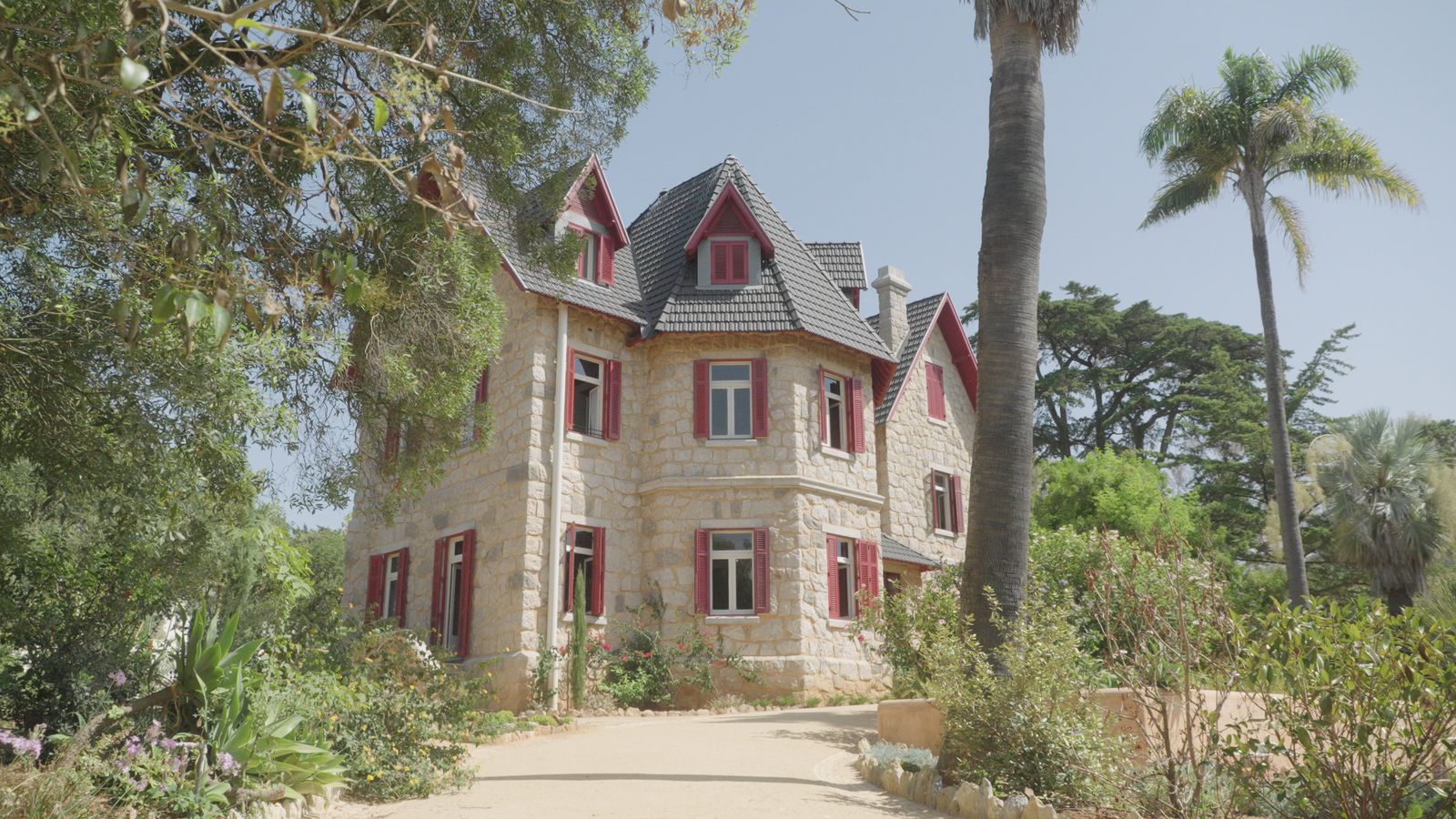
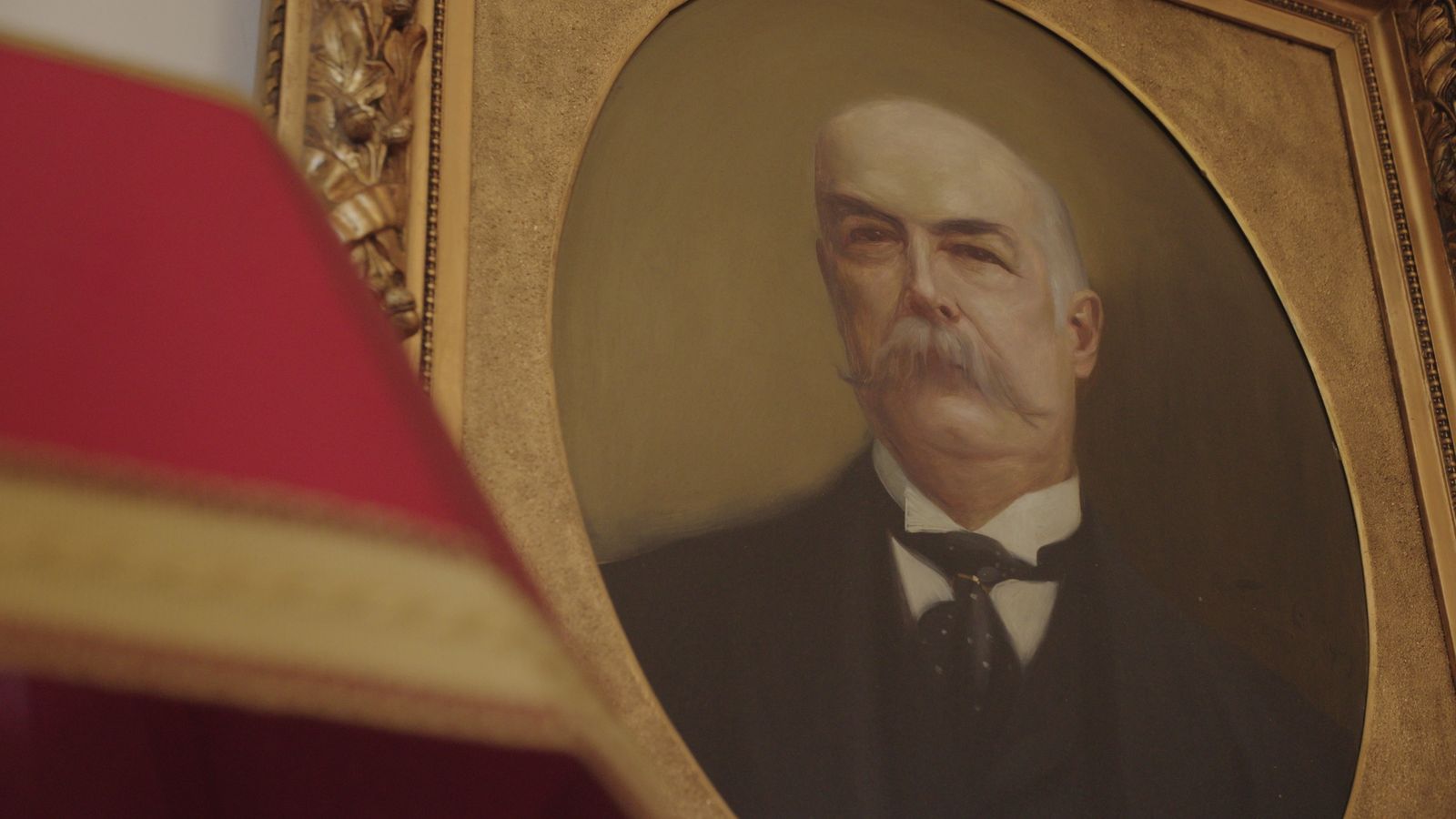
The building has remained virtually unchanged since it was commissioned in 1887 by António da Costa e Silva and his wife, Maria Josefa de Mello, for their daughter, Helena Maria Luísa, who had been encouraged by her doctor to enjoy the “sea air”. More than a hundred years later, the house has more bathrooms (at the time it only had one), the attic, that was a delight for the younger ones, has been transformed into two bedrooms, and amenities such as air conditioning, a lift and a swimming pool in the garden have been added, all to accommodate guests. But the idea was to put into practice Lampedusa’s maxim that something must change so that everything can remain the same. Everything that could be restored was restored, trying to preserve (almost) everything as it was when the Counts of Ficalho used to spend their summers there.
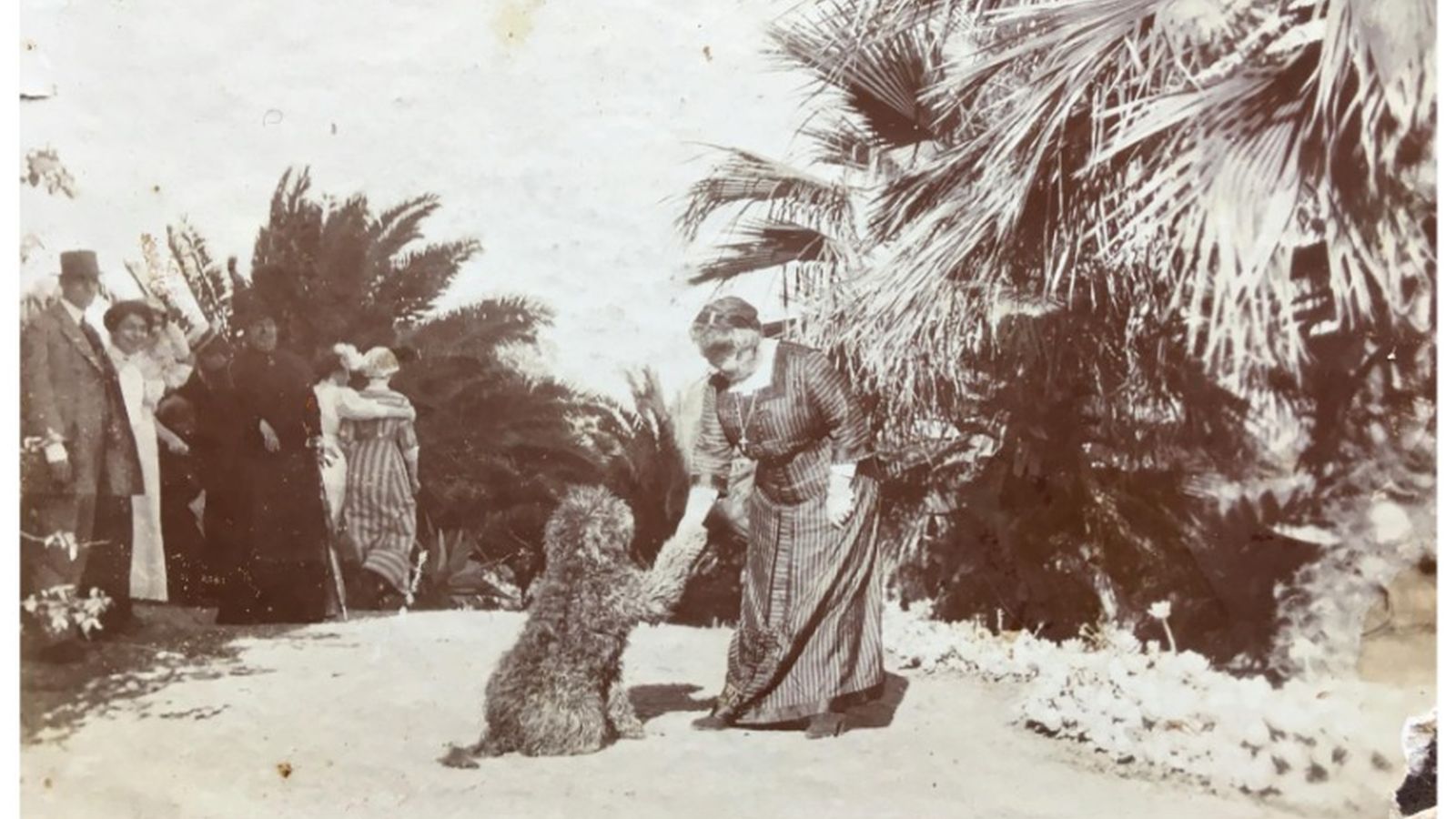
Built 136 years ago, Chalet Ficalho has seen it all – it was a summer residence (when, in the 19th century, Cascais became a seaside resort regularly visited by the Royal Family and the Court), it was abandoned when its owners went into exile following the regicide, it was transformed into a “retirement home” in the post-25 April period, it became part of the Cascais Summer Architecture Route (it is the 19th of 36 stops) and, as it has been in the same family since 1887, it could not avoid a lengthy process of division.
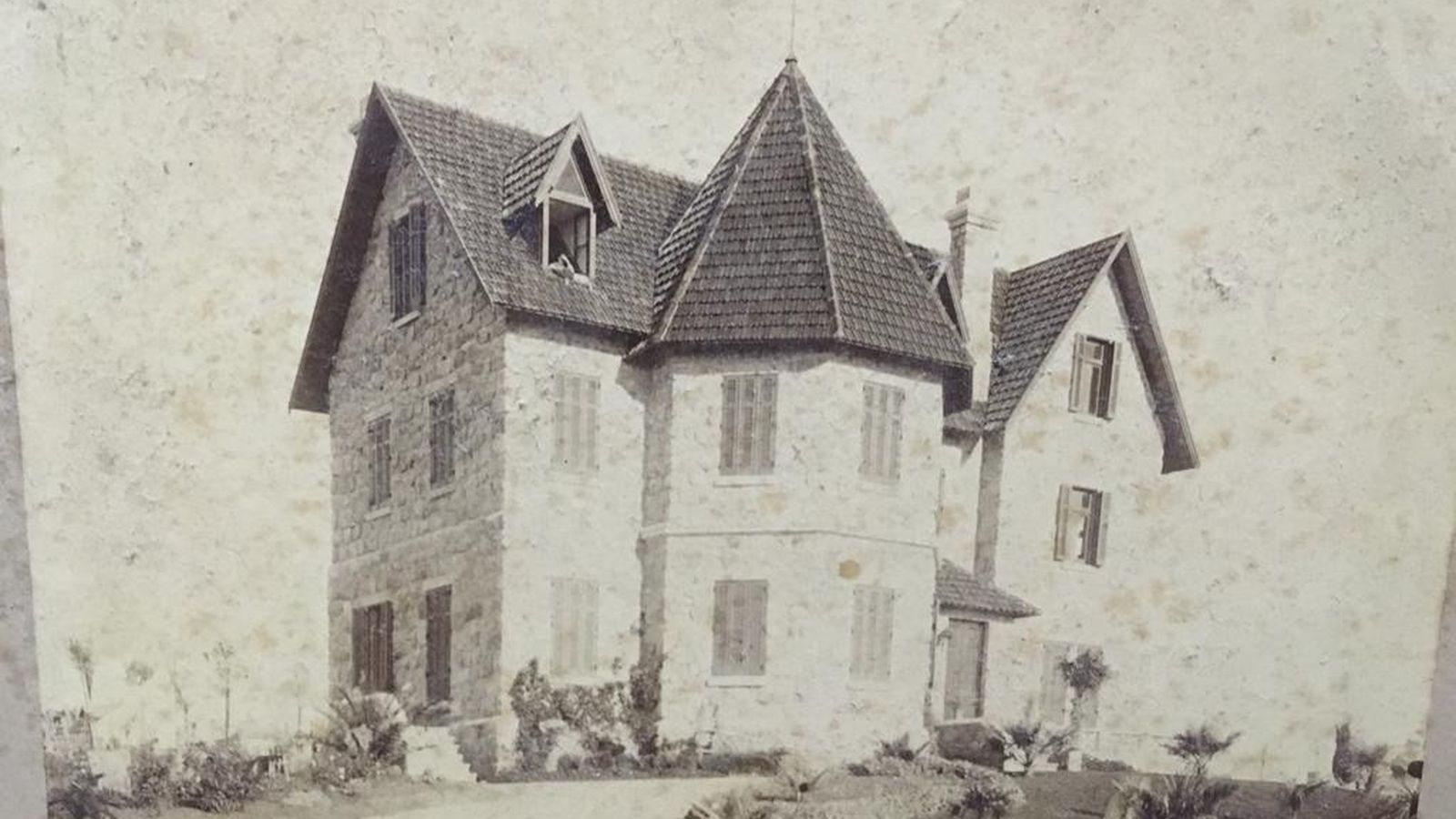
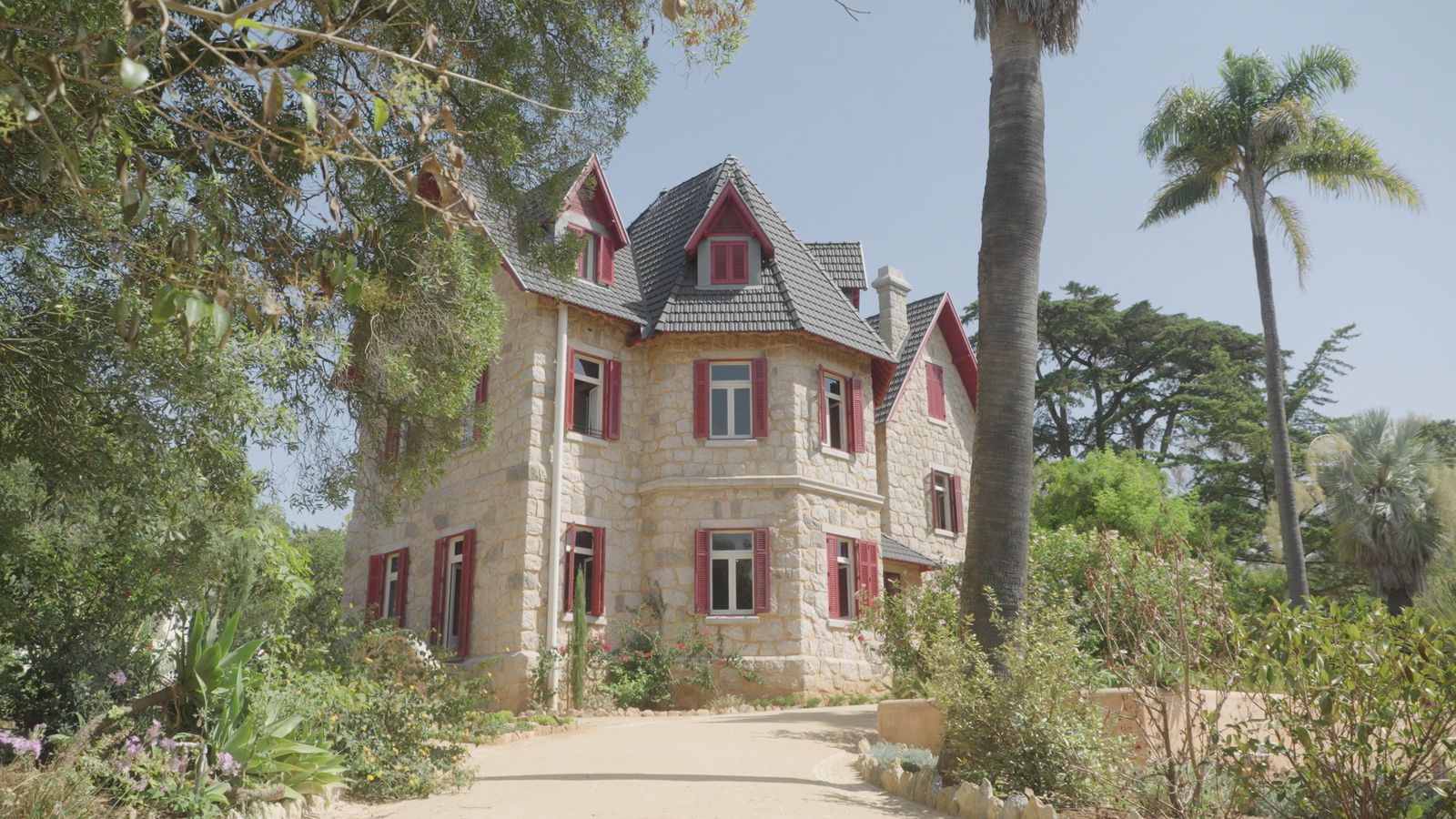
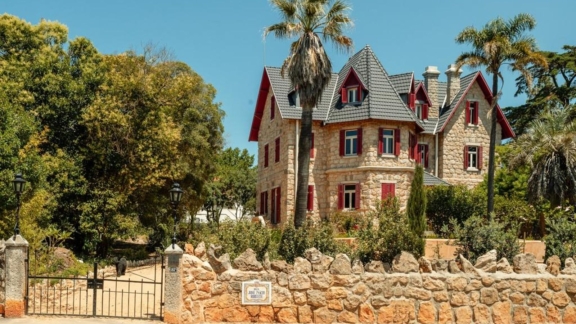
In 2023, Chalet Ficalho, a property classified by the local authority, was awarded the Gulbenkian Heritage Prize – Maria Tereza and Vasco Vilalva, “for the importance of the building’s heritage as an example of an architectural style that has now largely been lost in most of the country’s seaside resorts, for the exemplary respect for the original techniques and materials in the restoration project and for the outstanding balance between preserving the building as a whole and adapting it to its new function as a hotel,” said the jury, which included António Lamas (chair), Gonçalo Byrne, Raquel Henriques da Silva, Rui Vieira Nery, and Santiago Macias. In its appreciation, the jury also emphasised the fact that the building is located in a small park with exotic tree species and has been restored with great care to remain faithful to the original landscape design, as the father of the Countess of Ficalho was one of the founders of the Lisbon Botanical Garden.
The application for the restoration of the Chalet was submitted by architect Raúl Vieira (Artradi Architecture Office) and Maria de Jesus da Câmara Chaves (owner of the property).
No results were found for your criteria.
In this edition, two honourable mentions were also awarded:
Águas Livres Building, Lisbon
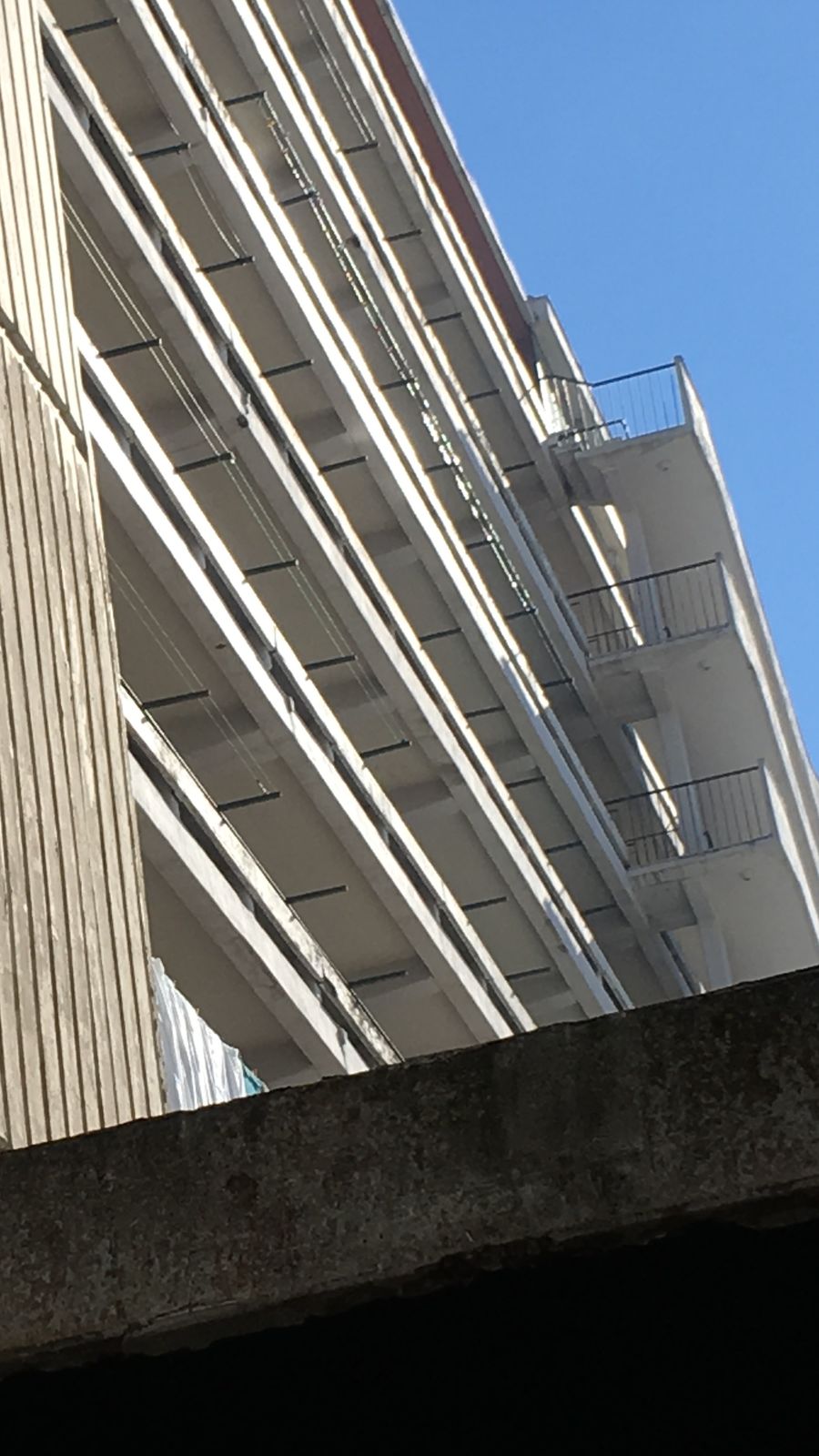
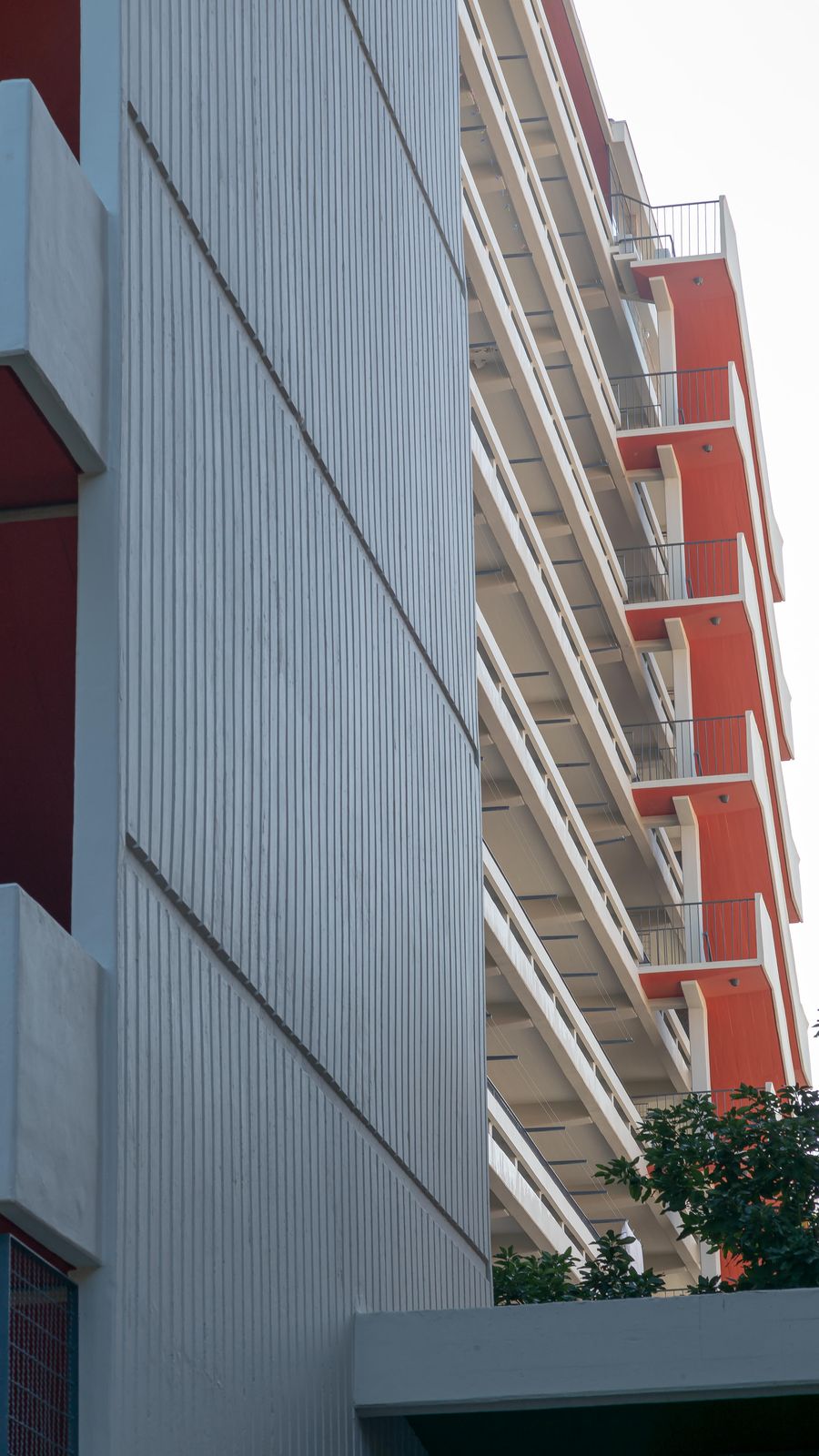
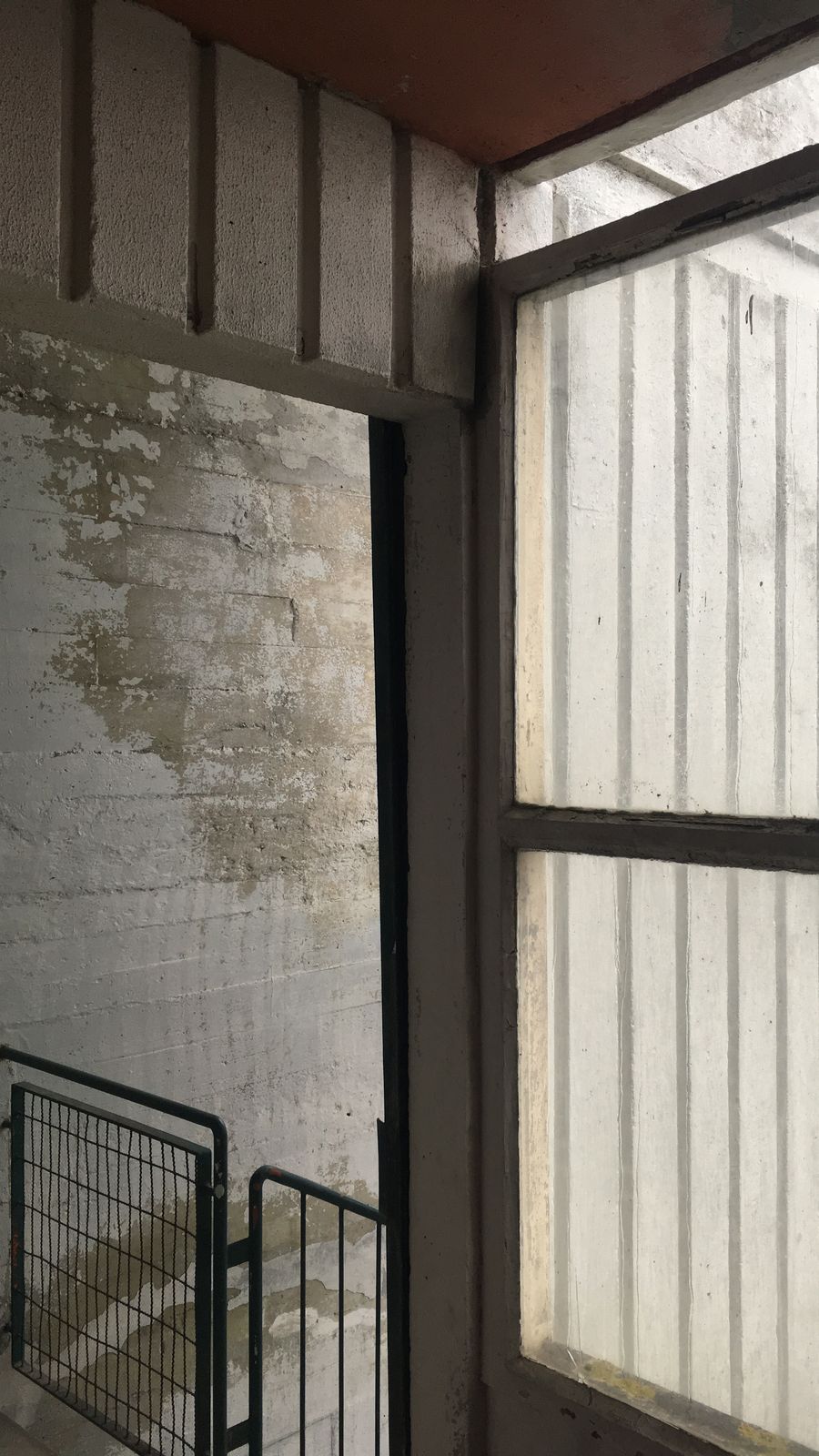
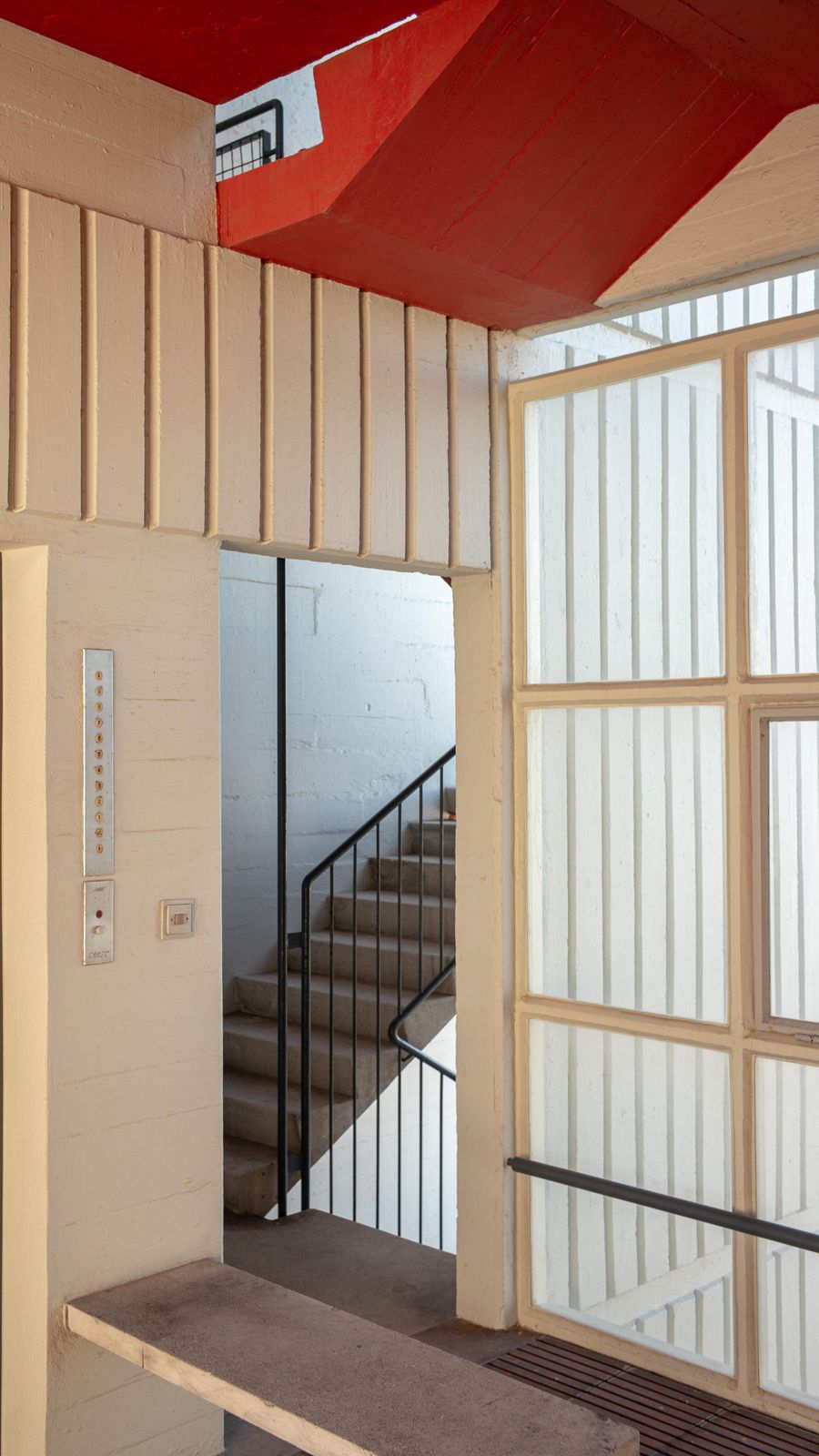
The renovation and refurbishment of the common areas and communal spaces of the Águas Livres Building in Lisbon (proposed by the Águas Livres Condominium and architect Rui Mendes, who worked closely with co-author architect Bartolomeu Costa Cabral) was recognised for having succeeded in “proposing, in a different technological, environmental and regulatory context, extend the building’s life cycle, reversing the natural erosion of construction elements and materials”. The jury also highlighted that, in addition to the “protection and restoration” work already carried out, “rehabilitation and review processes are still underway for five new areas of work necessary for the maintenance of the building and, consequently, for improving the quality of life of its residents”.
Casas Nobres de João Pereira e Sousa, Lisbon
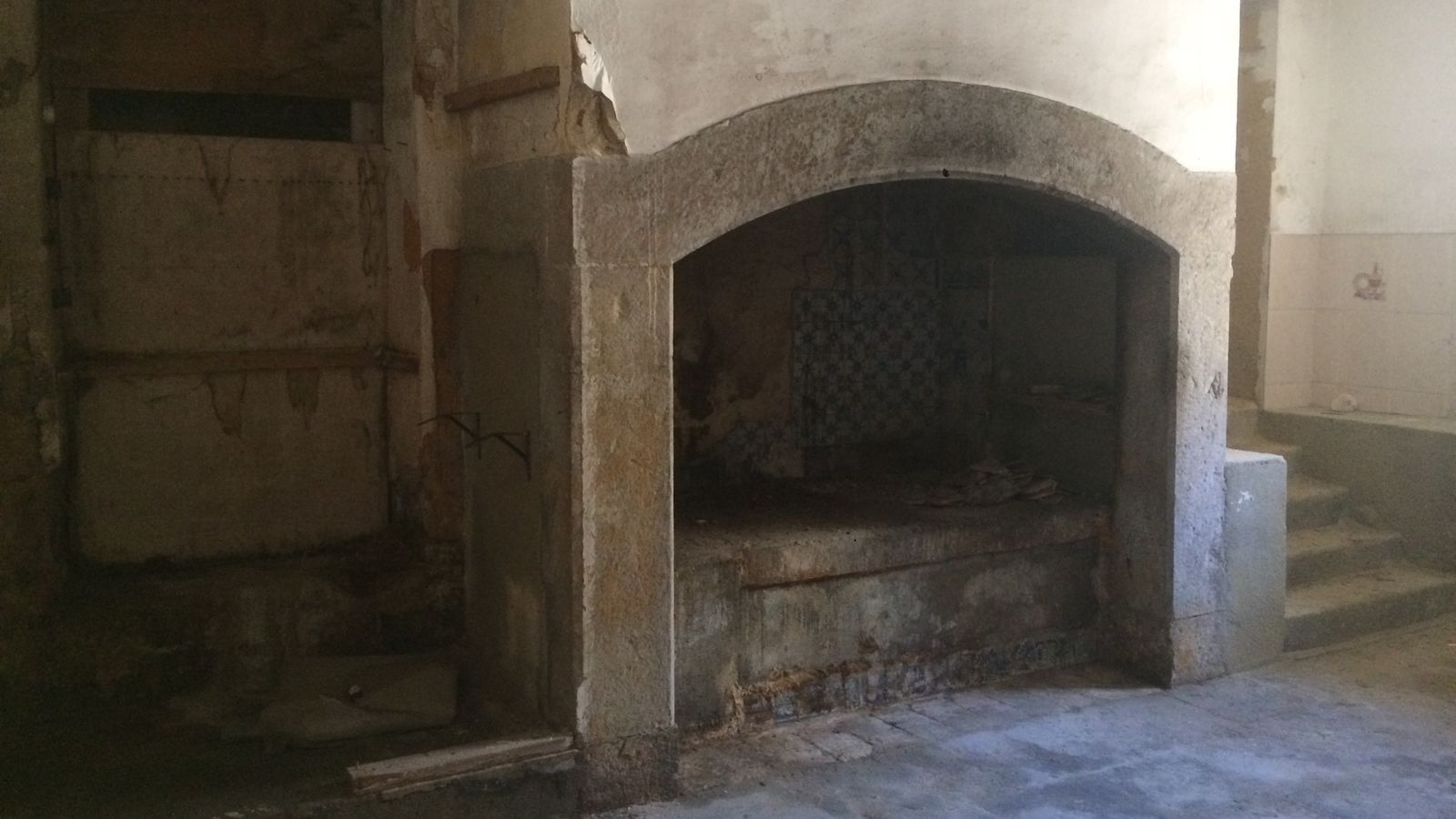
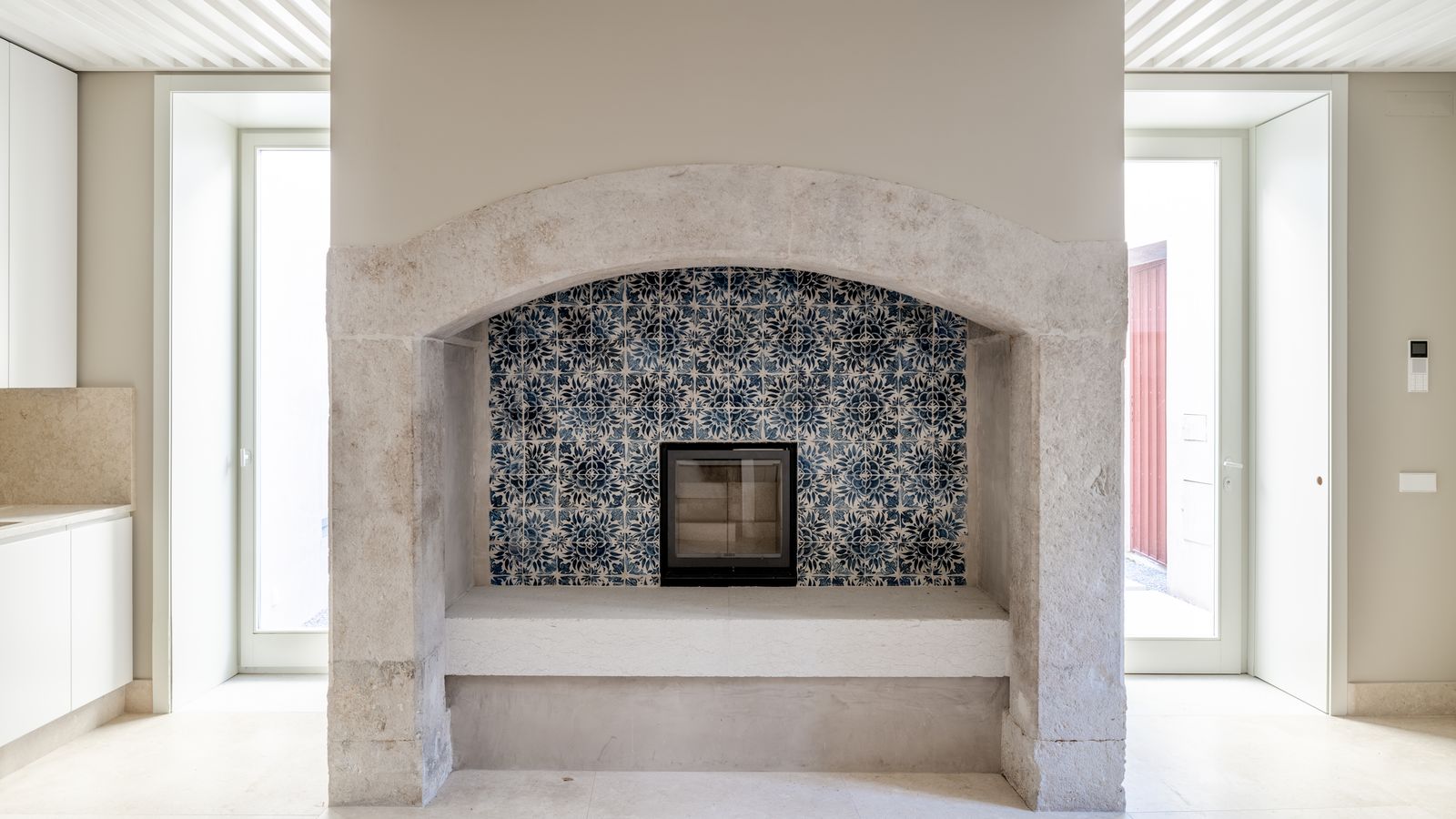
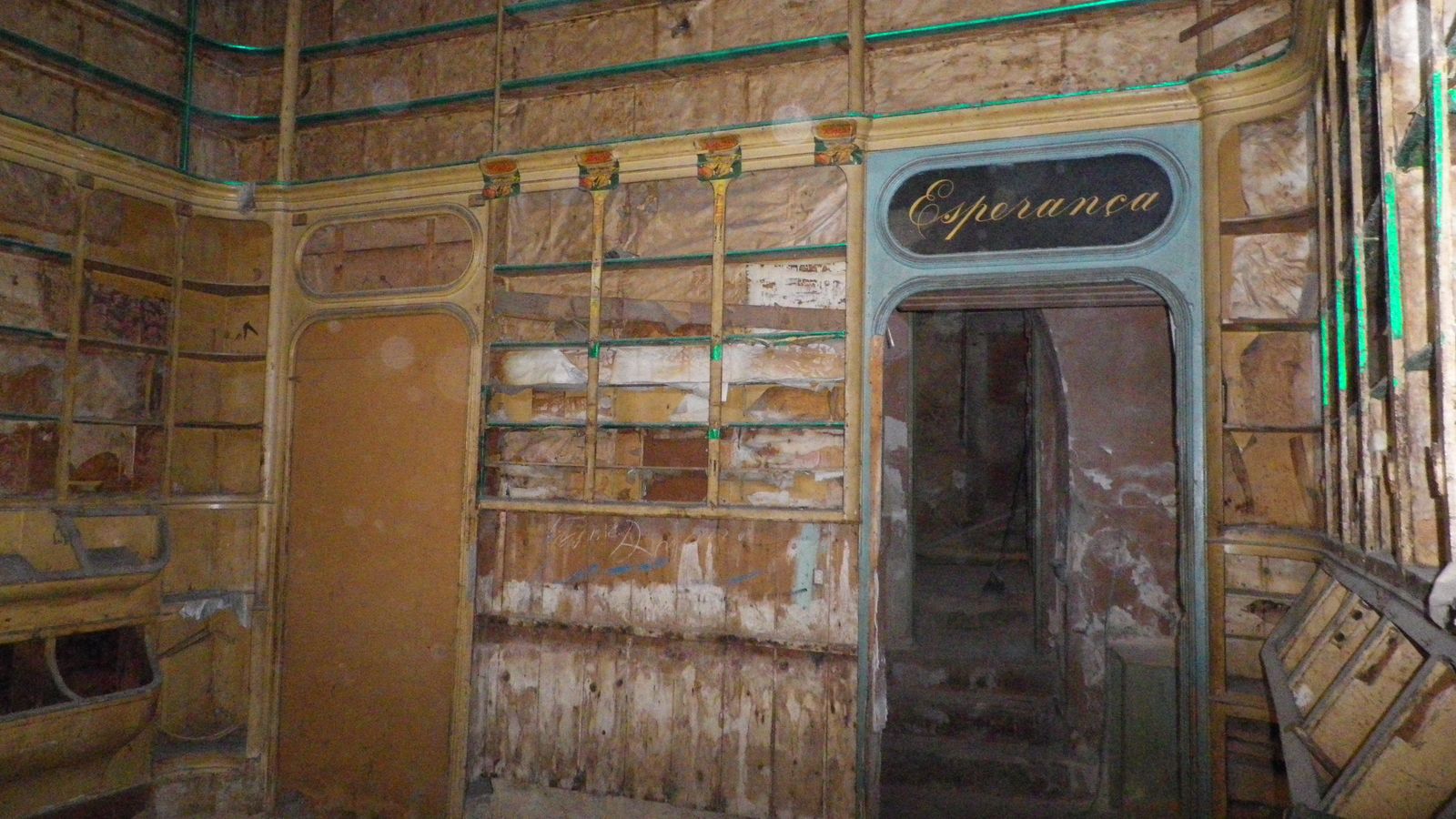
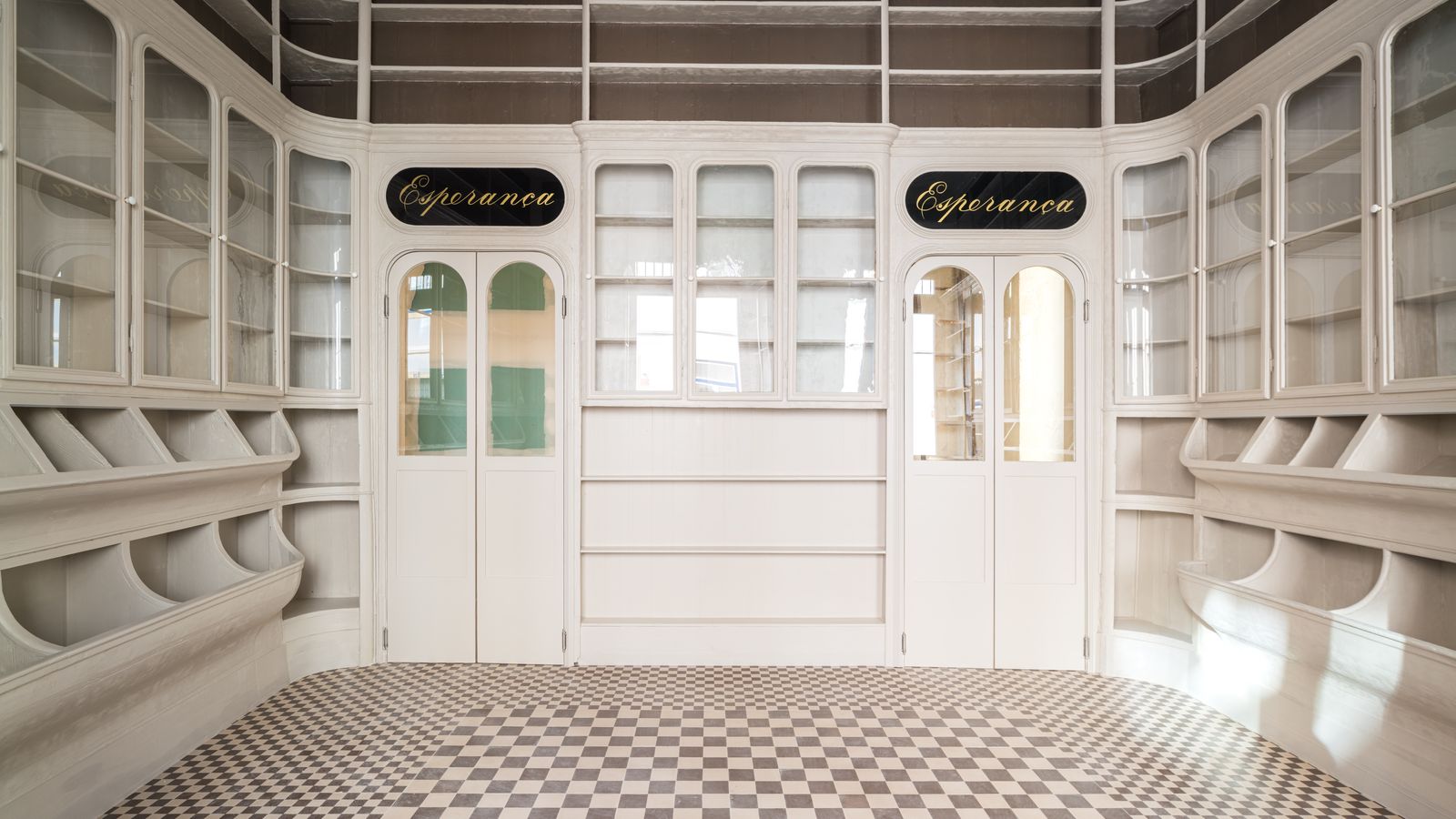
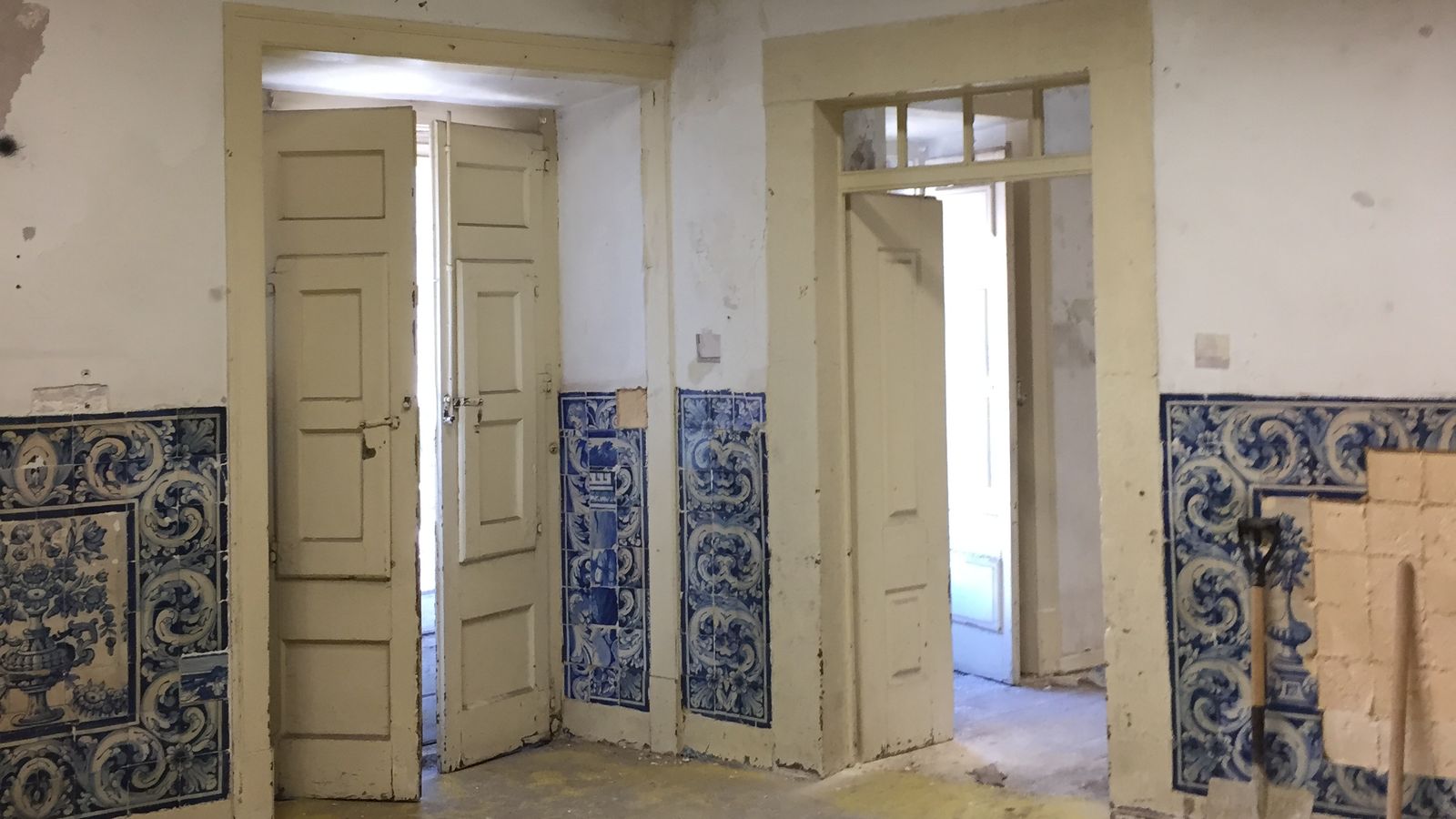
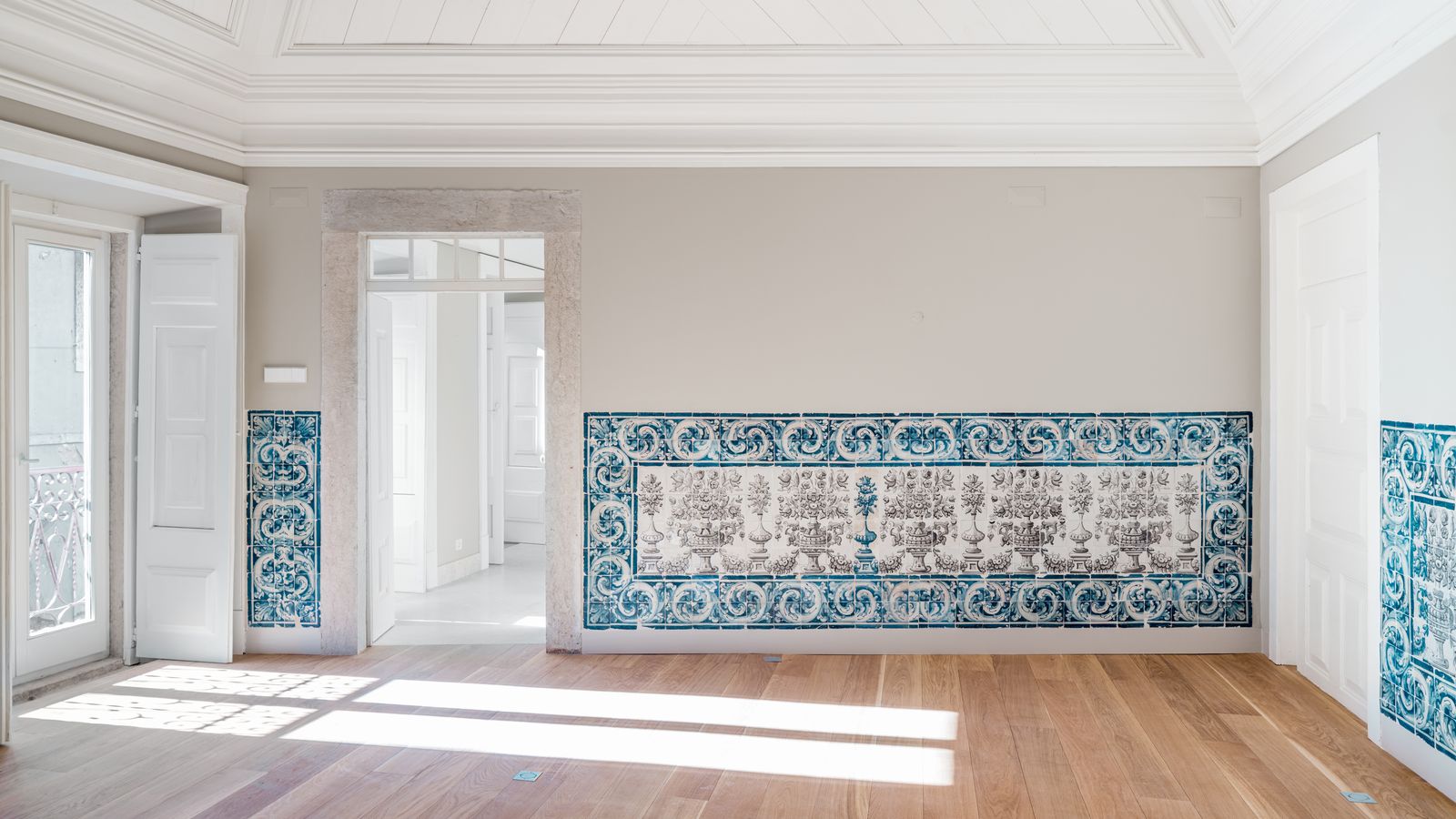
The Casas Nobres de João Pereira e Sousa, also in Lisbon (a joint application from Arquitetura e Azulejaria, submitted by the studios Appleton e Domingos, Arquitectos, and Can Ran Arquitectura), stood out for the “restoration of the furniture of an old grocery store”, “the restoration and valorisation of the existing coffered ceilings, the window frames and the floorboards of some of the floors that bear witness to the passing of time, the efficiency of new elements” as well as for “the solutions found to improve the existing tile elements, including the creation of new panels”.