
Art & Fashion
Event Slider
Date
18 Apr – 21 Jun 2026
- Fri, Sat and Sun,
- Closed on Tuesday
- Sold out
Location
Main Gallery Calouste Gulbenkian FoundationPricing
Free – Under 18
25% – Under 30
10% – Over 65
Cartão Gulbenkian:
Free – Under 30, fridays and saturdays, 18:00 – 21:00
50% – Under 30
20% – Over 65
10% – 30 to 64
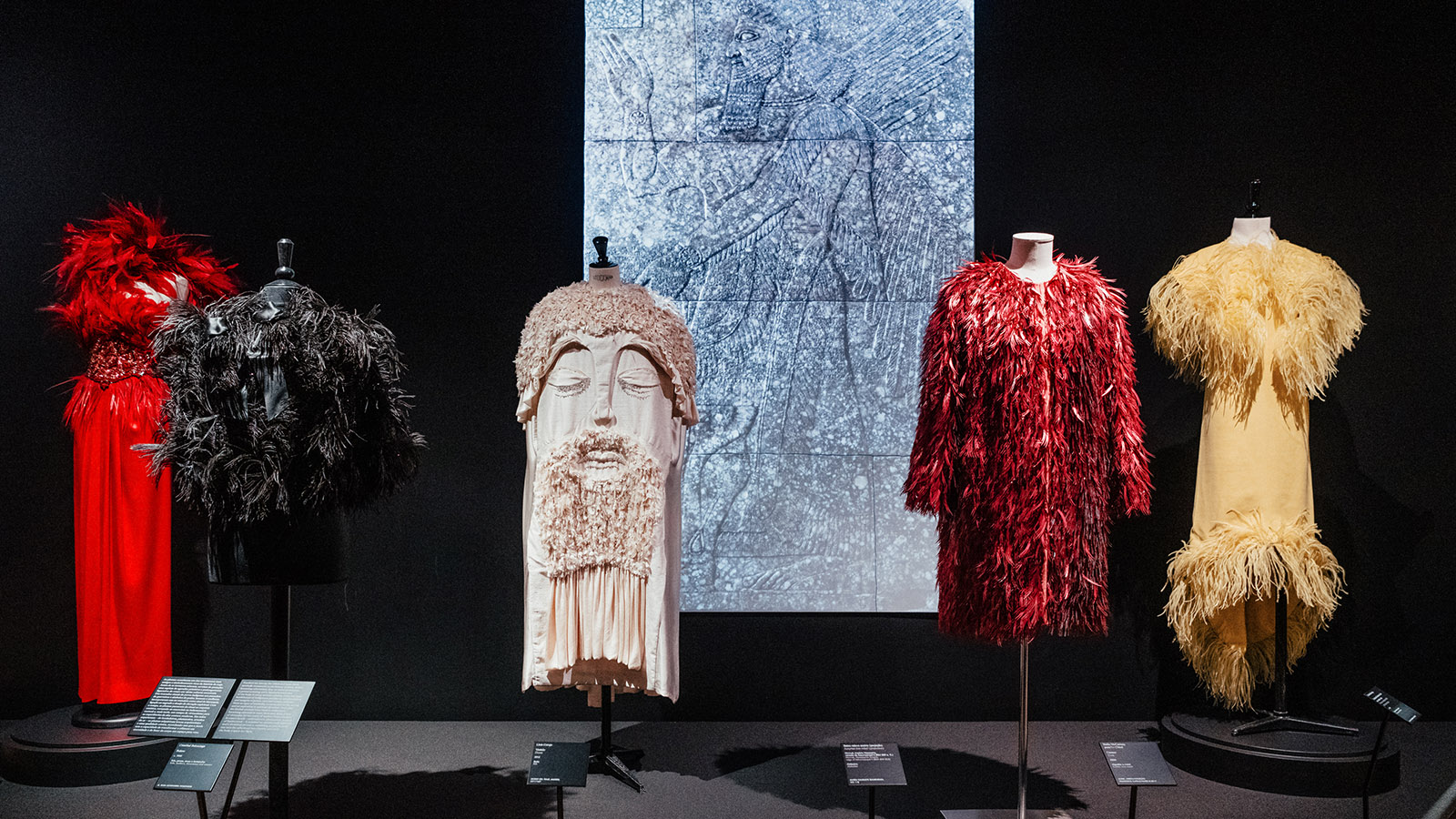
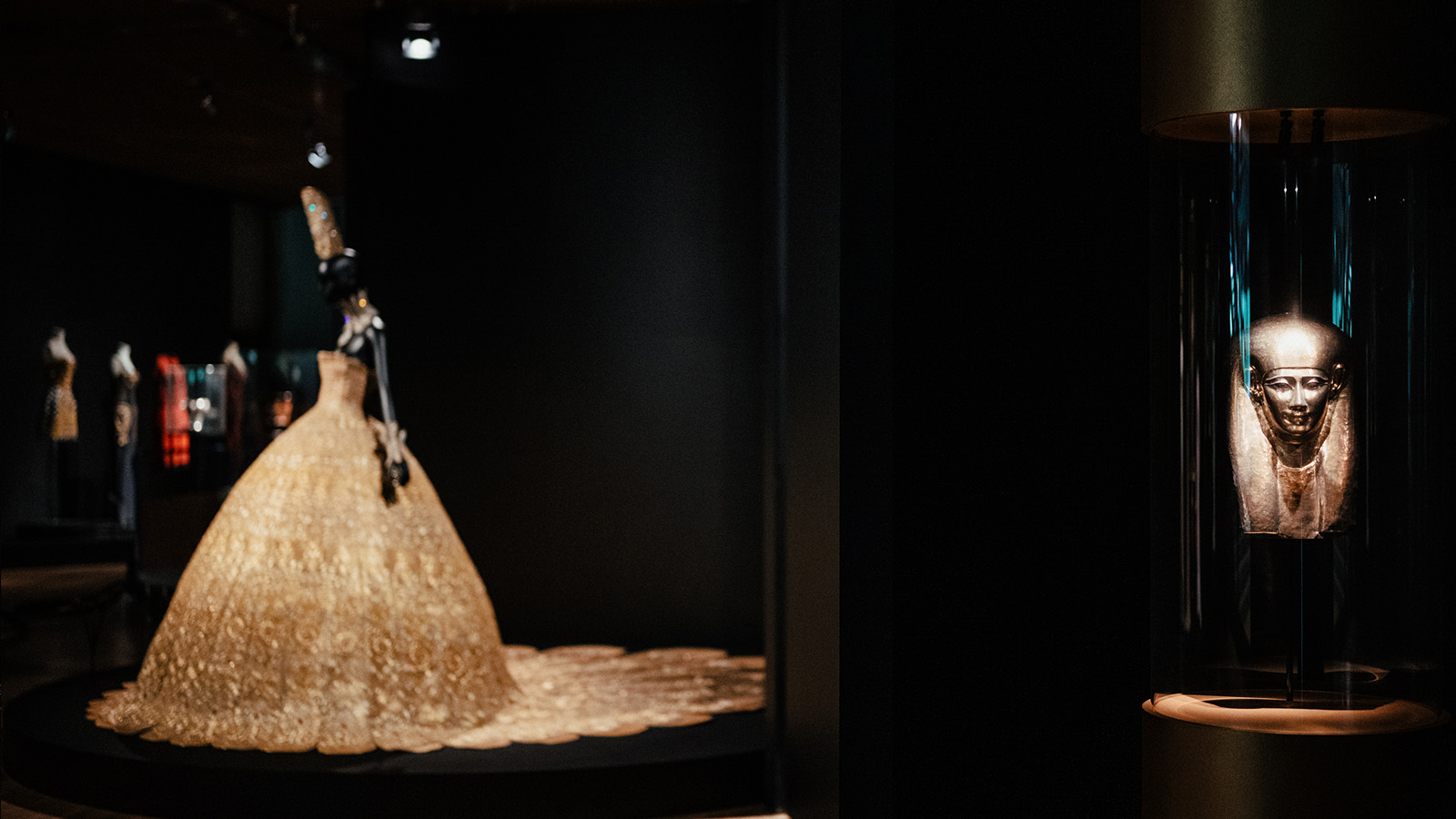
What connects Vivienne Westwood to 18th-century France, Guo Pei to an ancient Egyptian funeral mask, Balenciaga with an Assyrian low-relief or Alexander McQueen and Givenchy to Japanese prints?
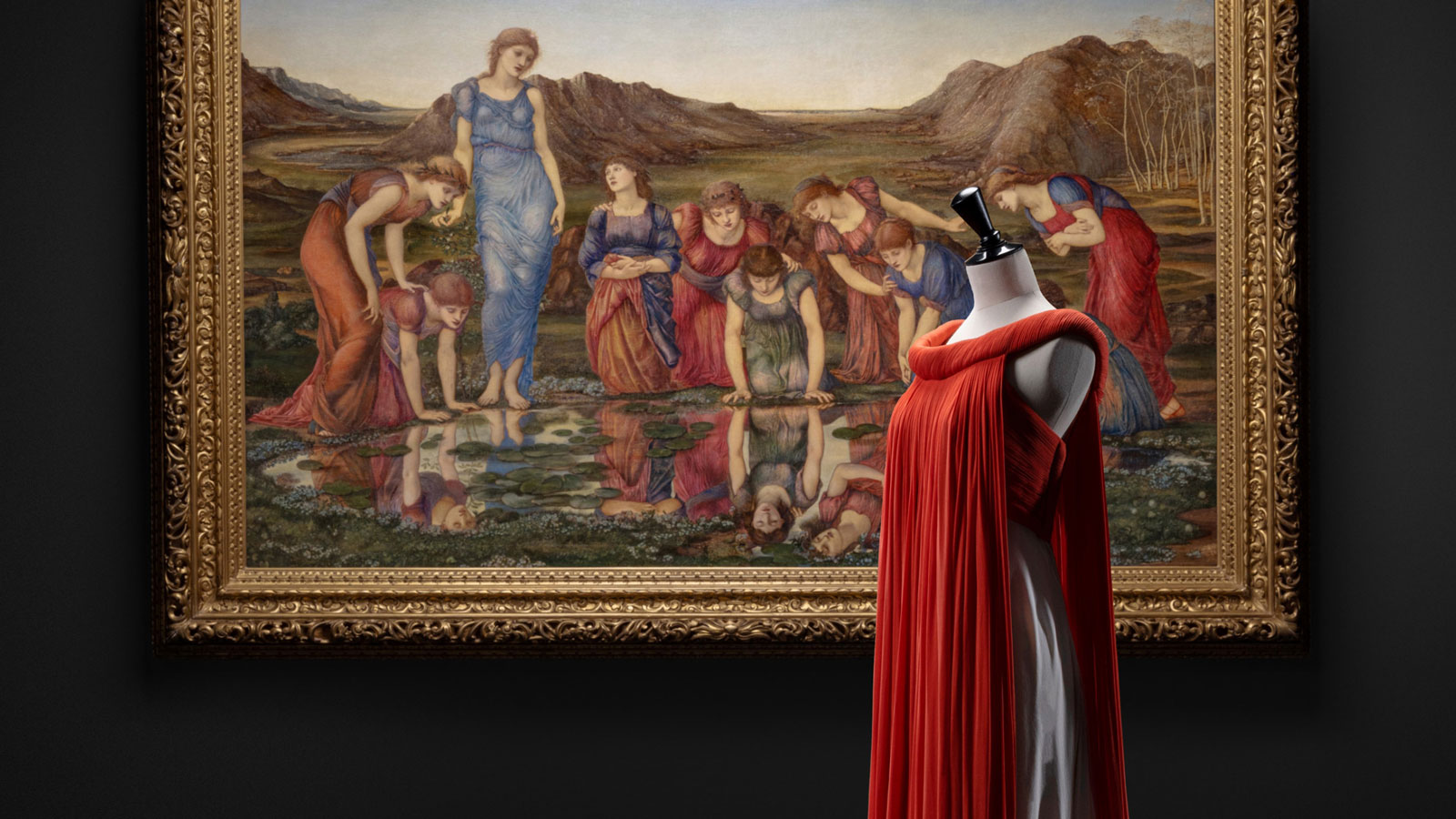
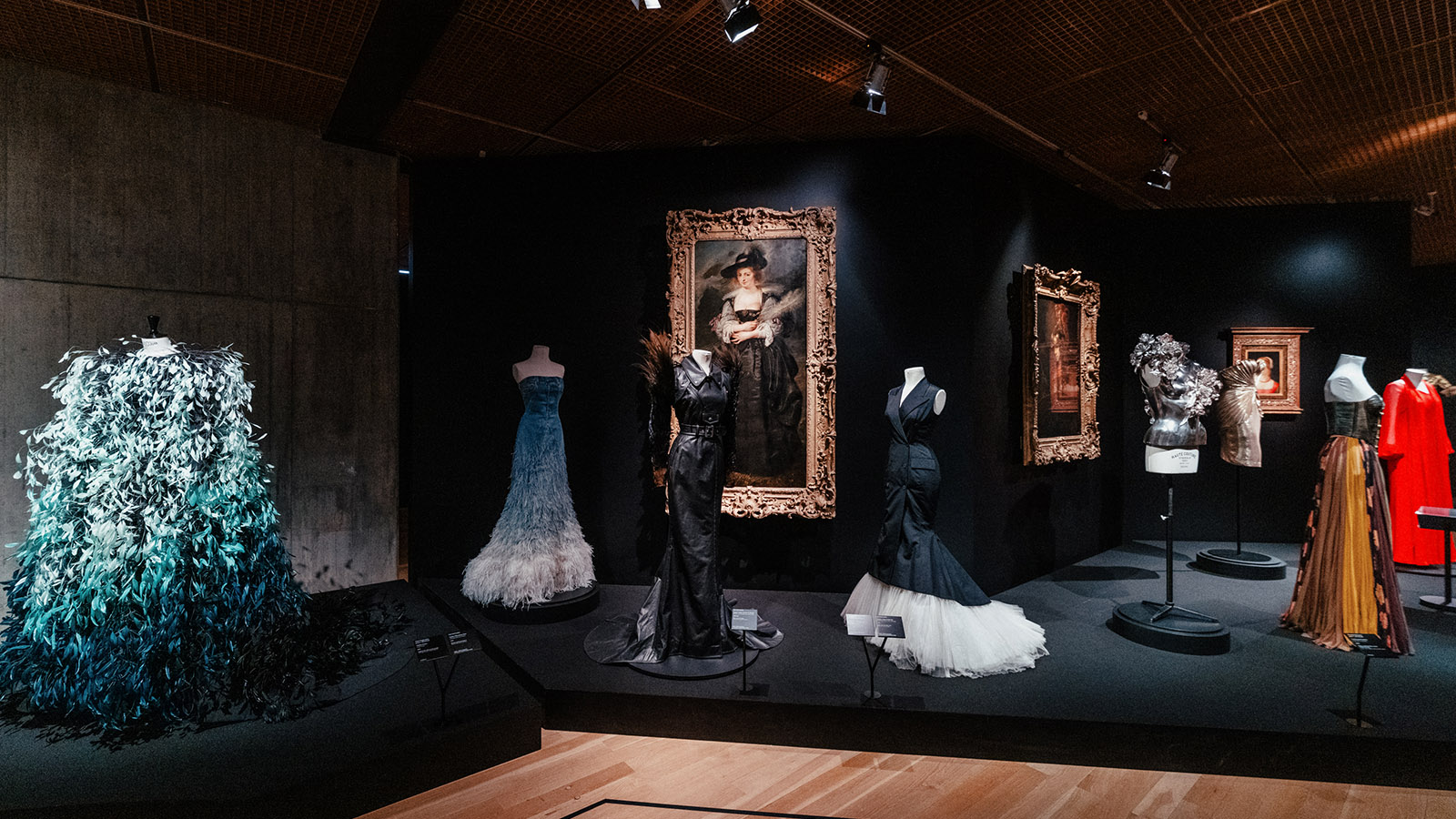
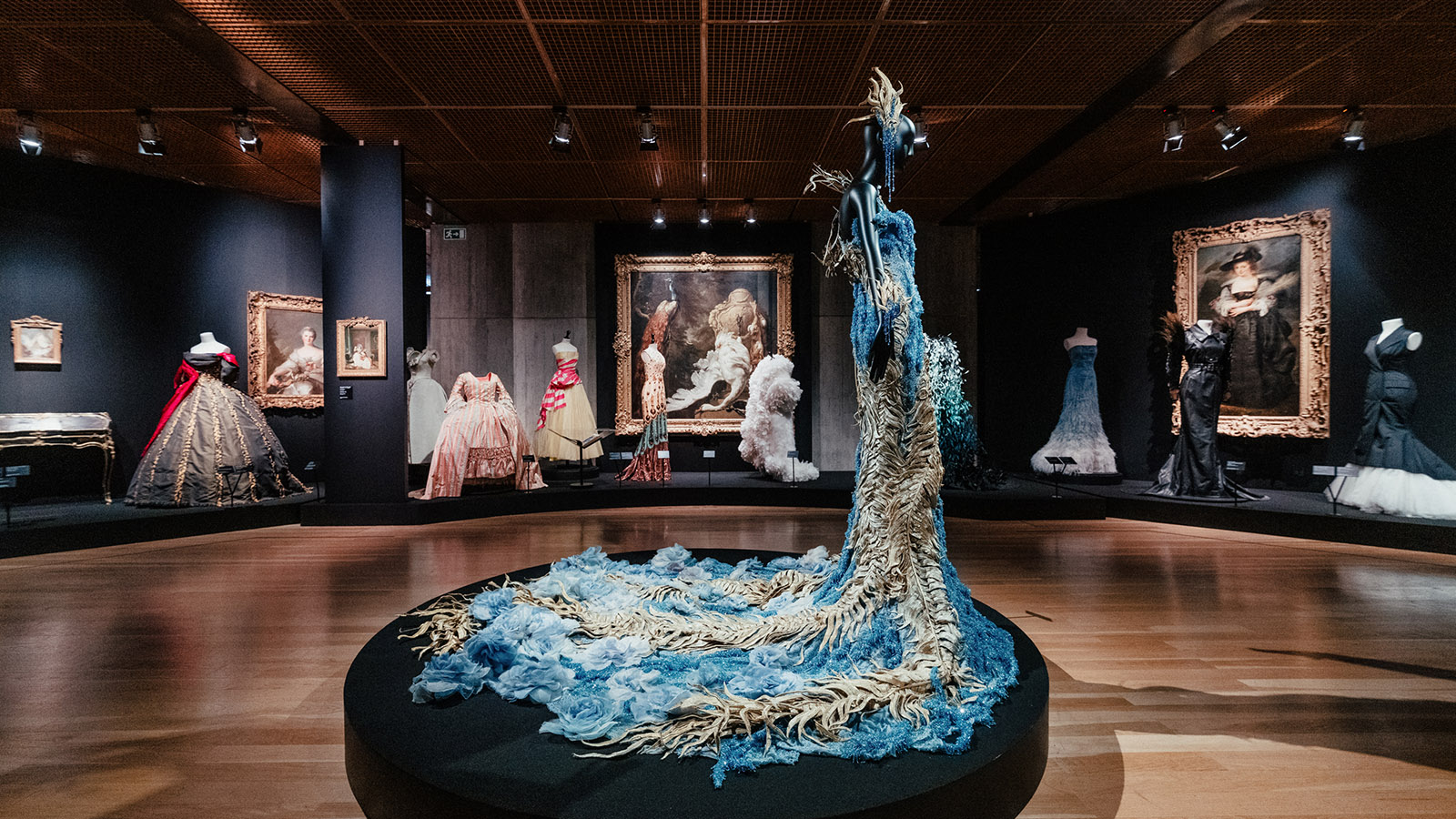
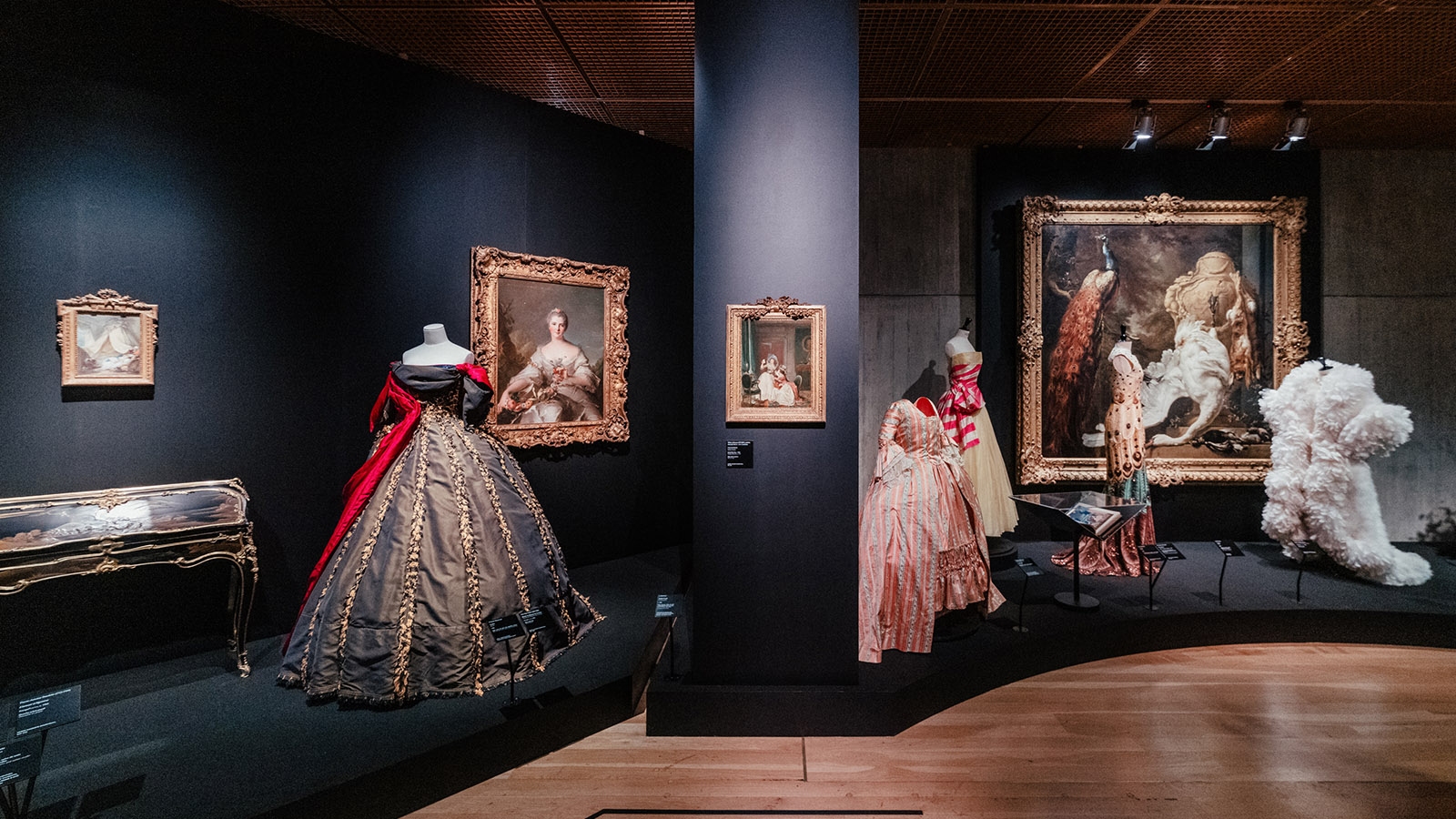
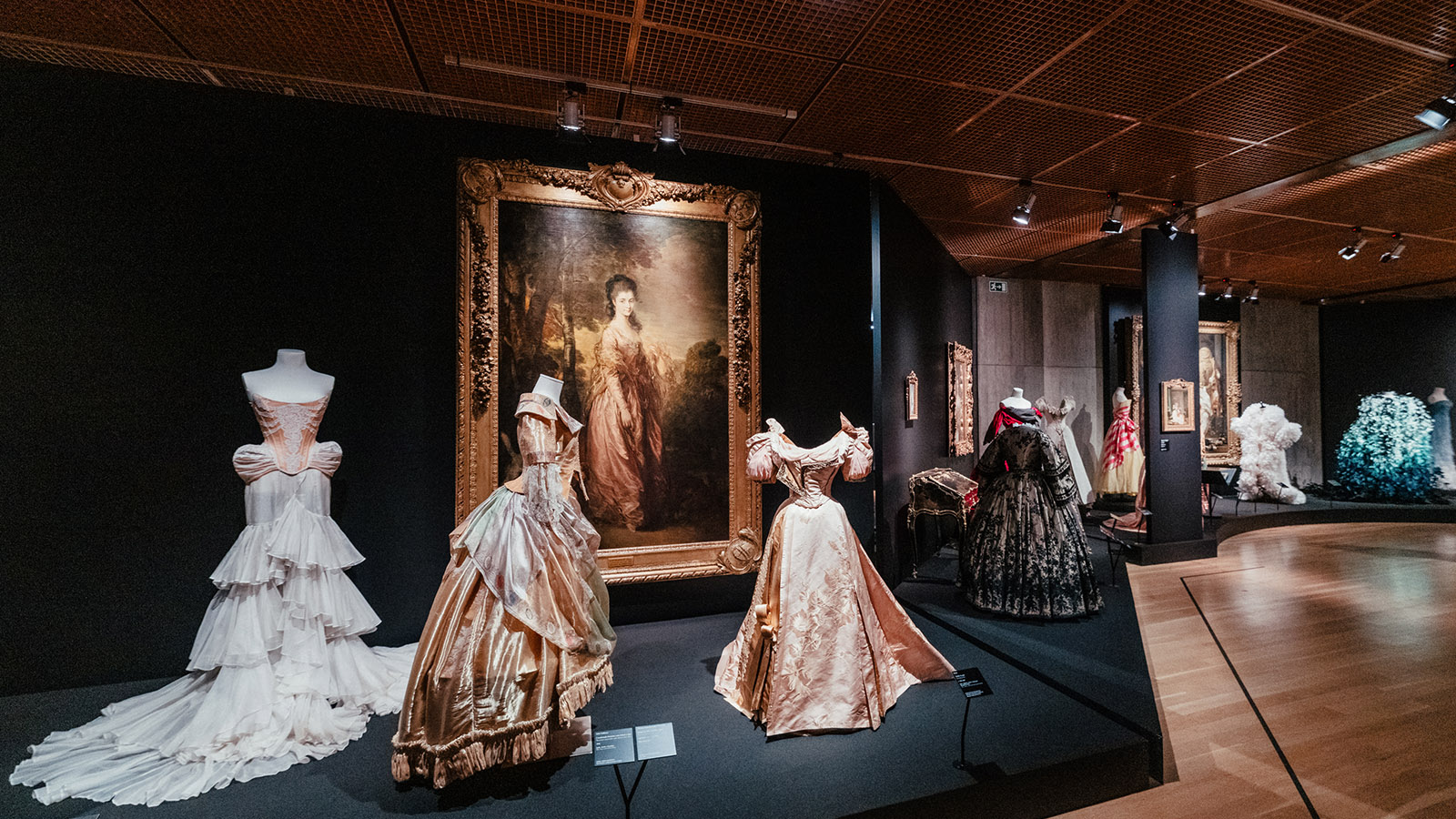
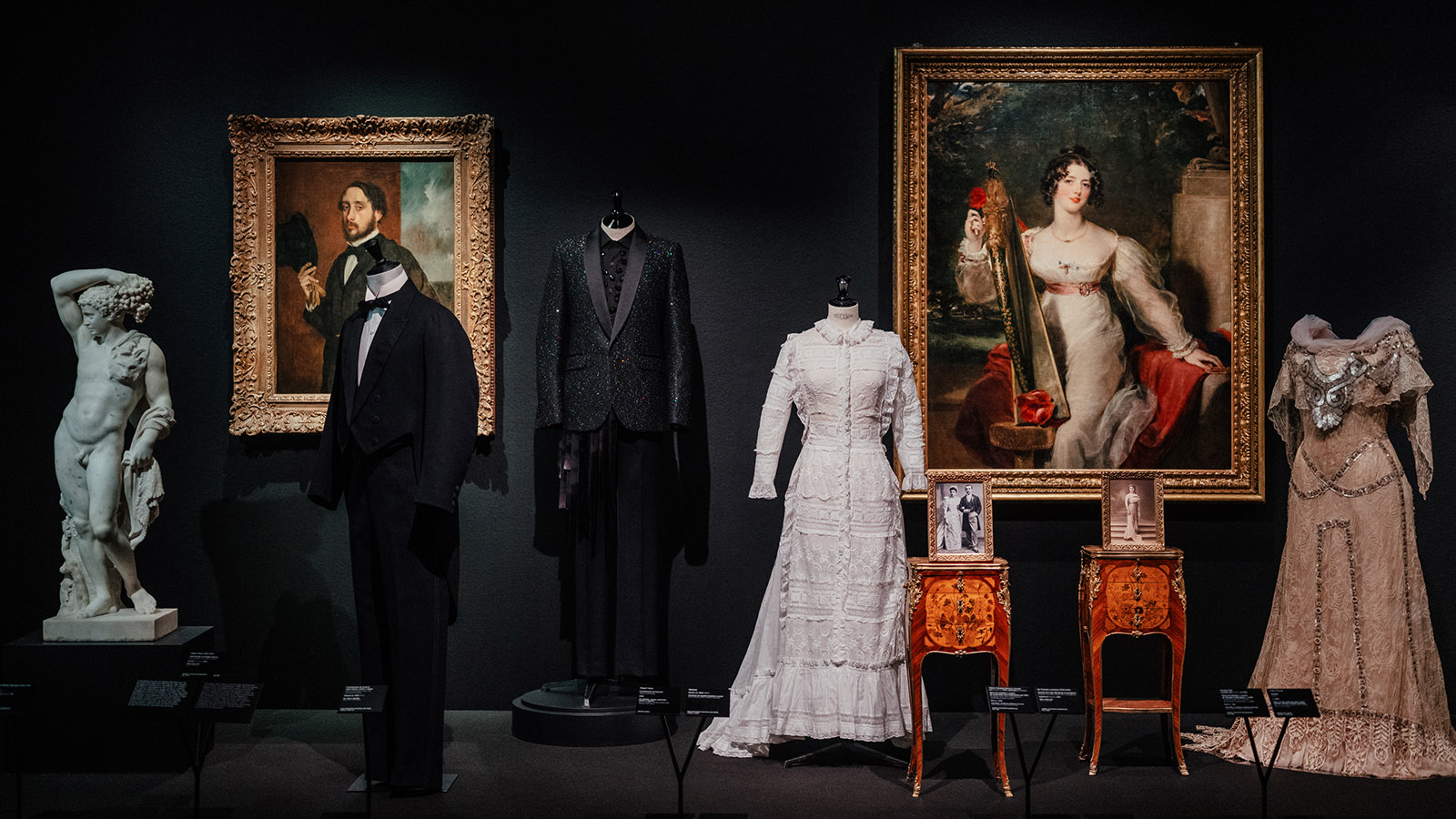
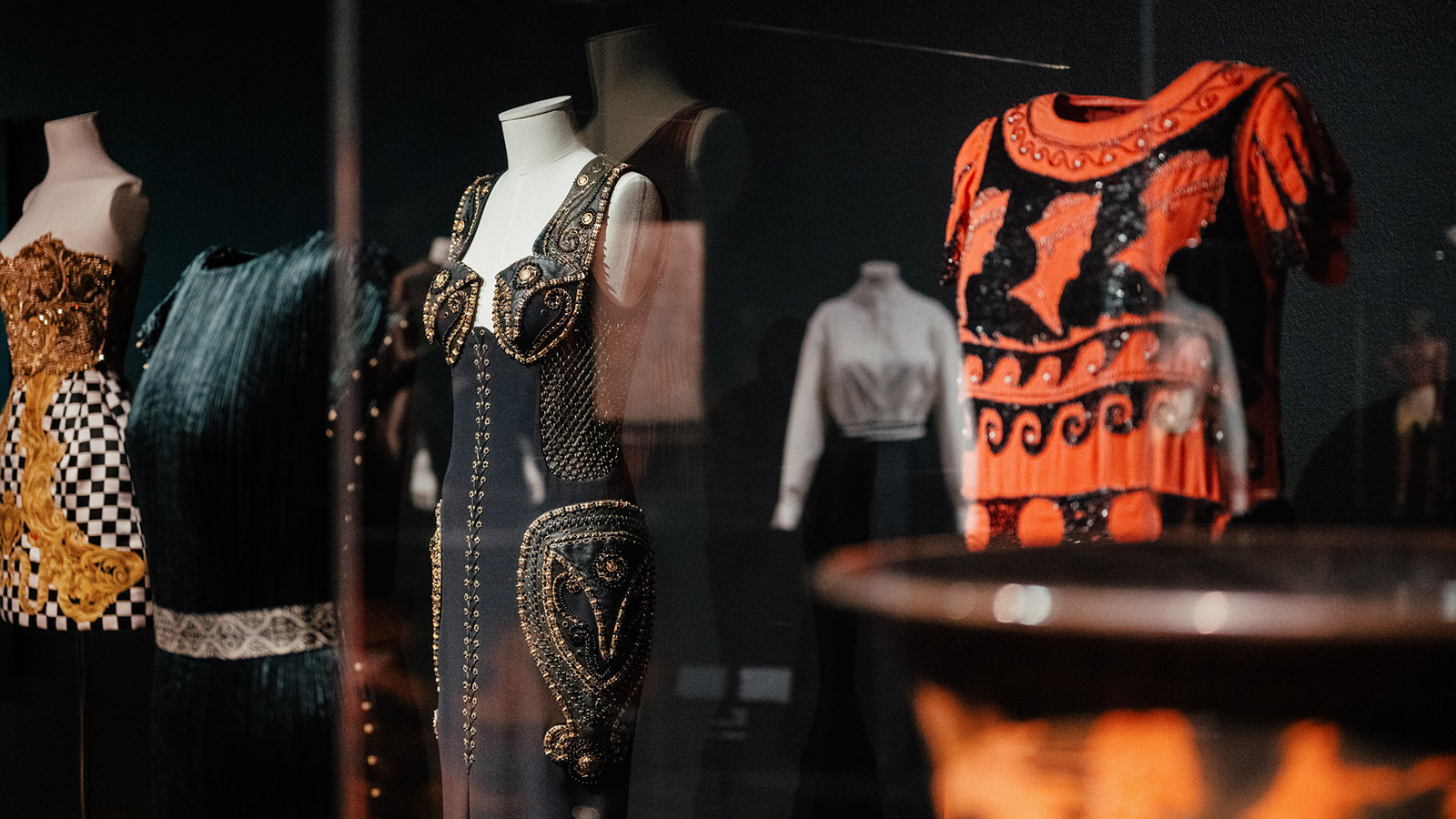
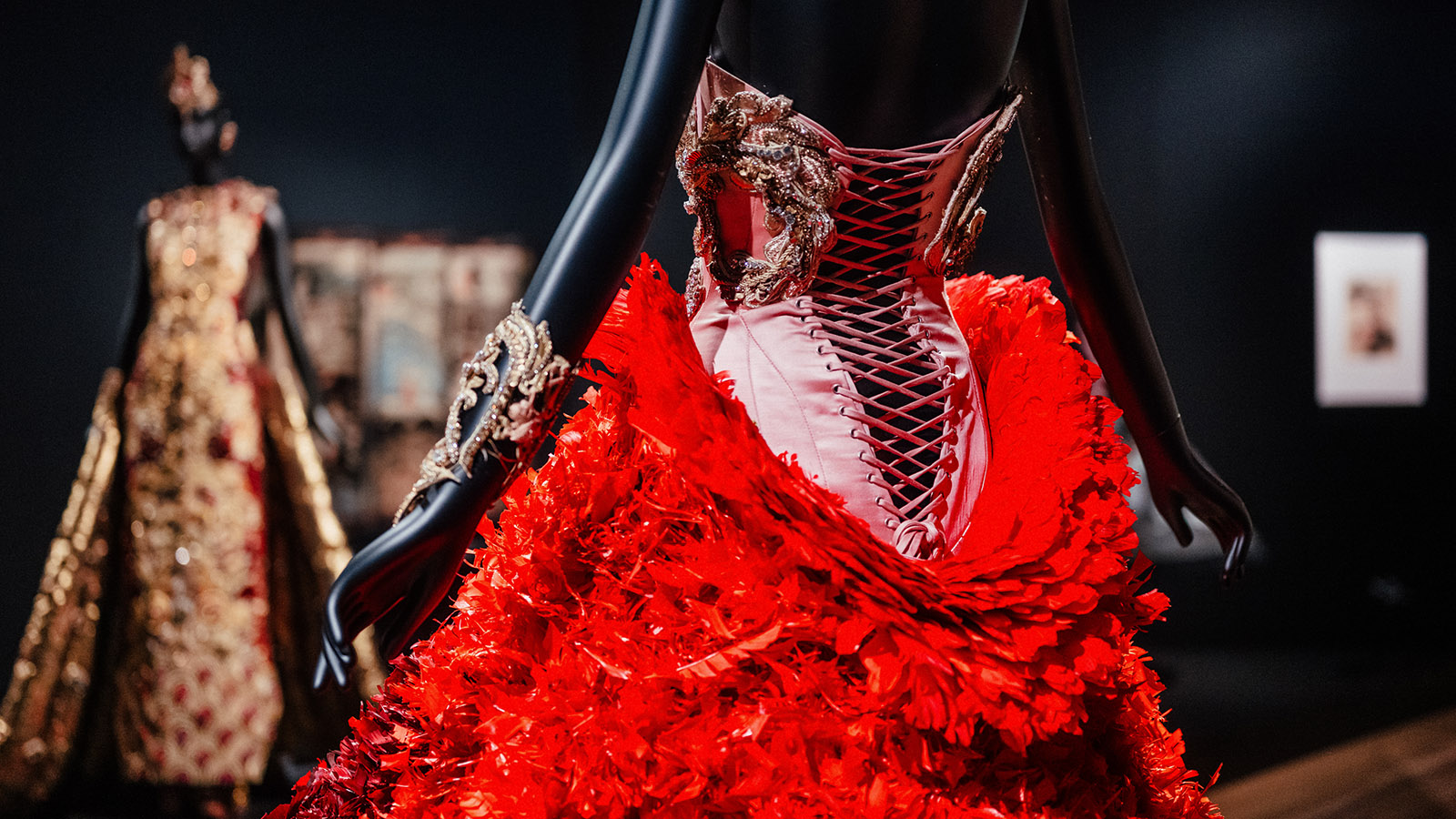
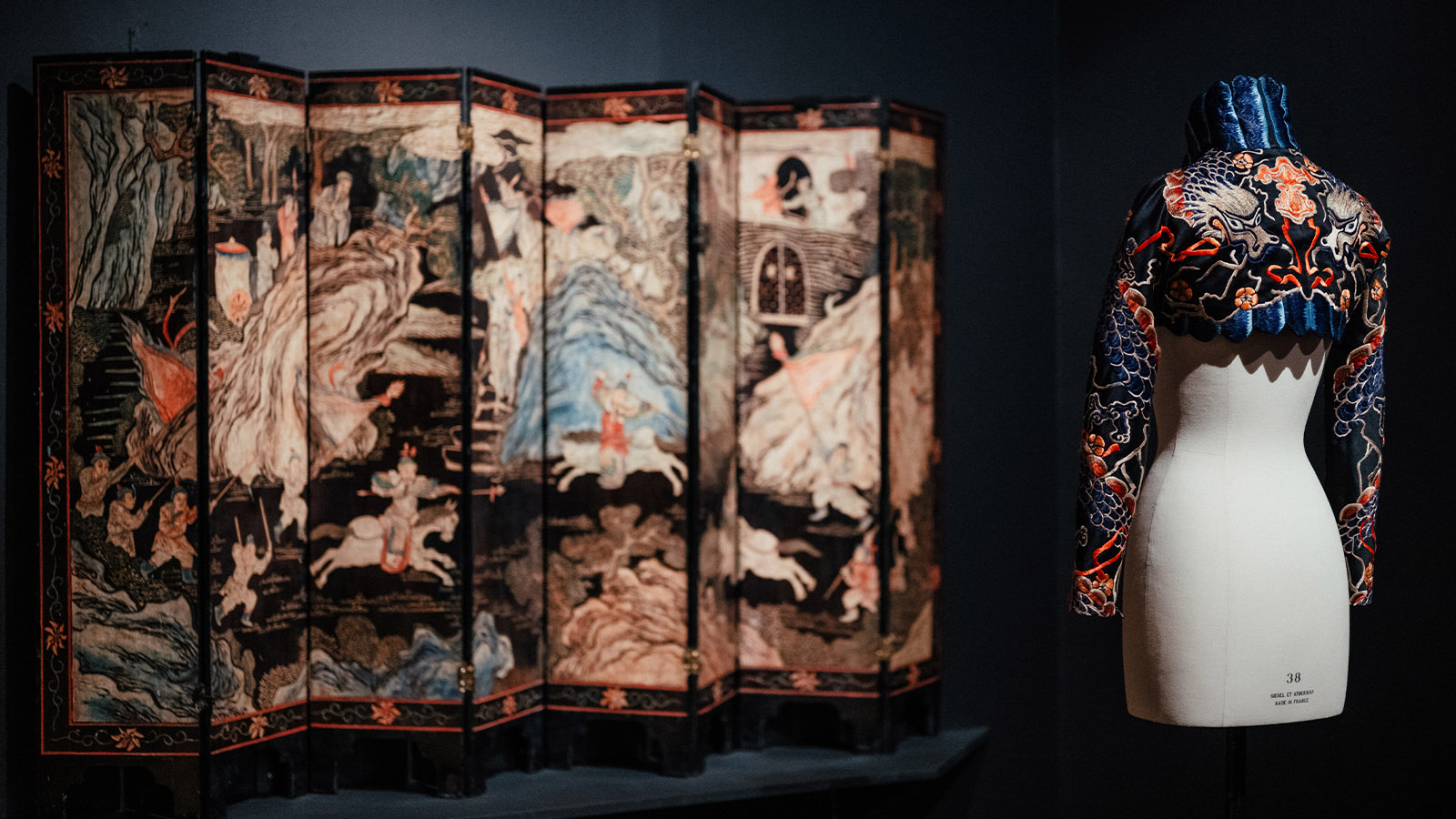
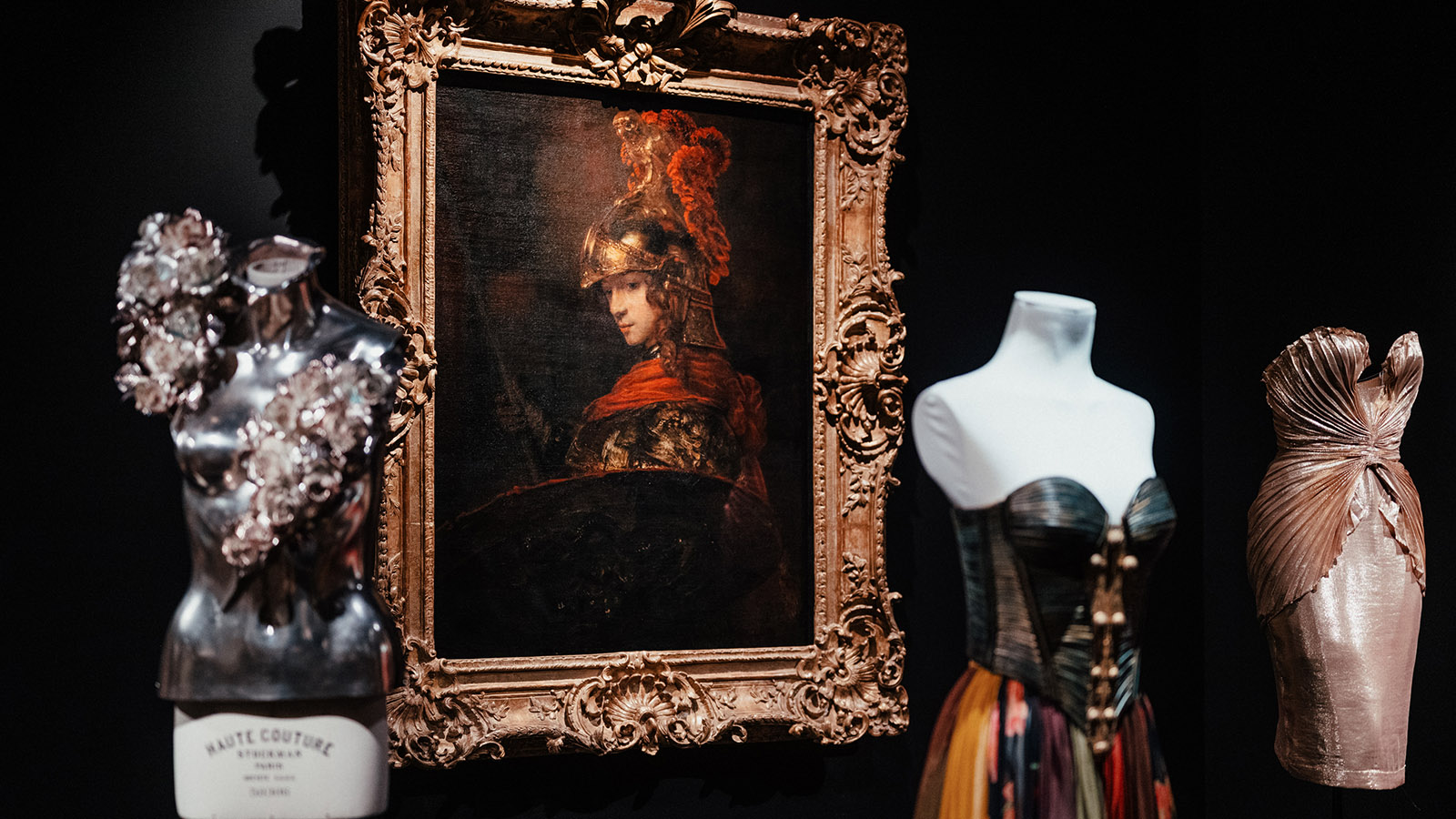
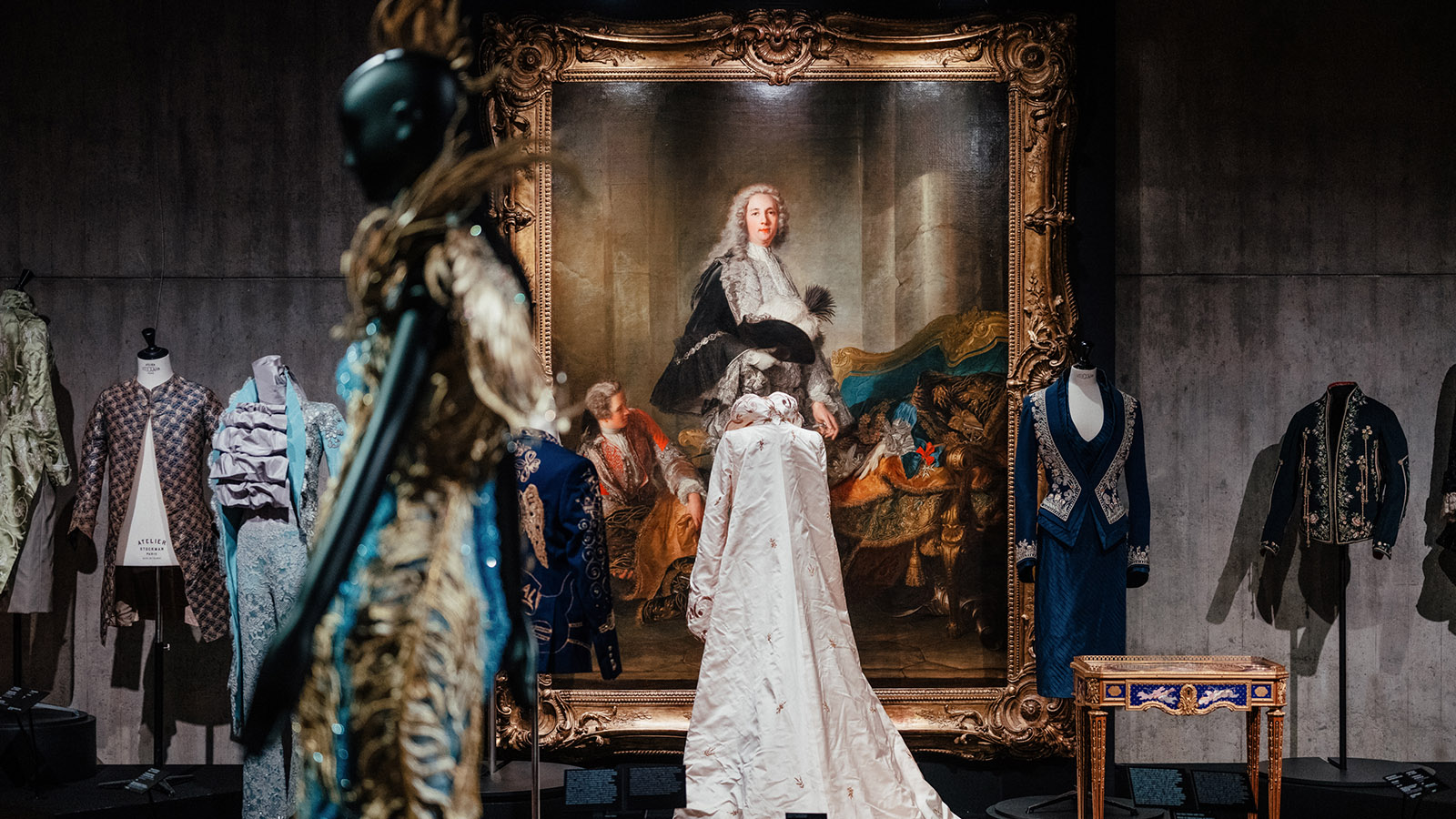
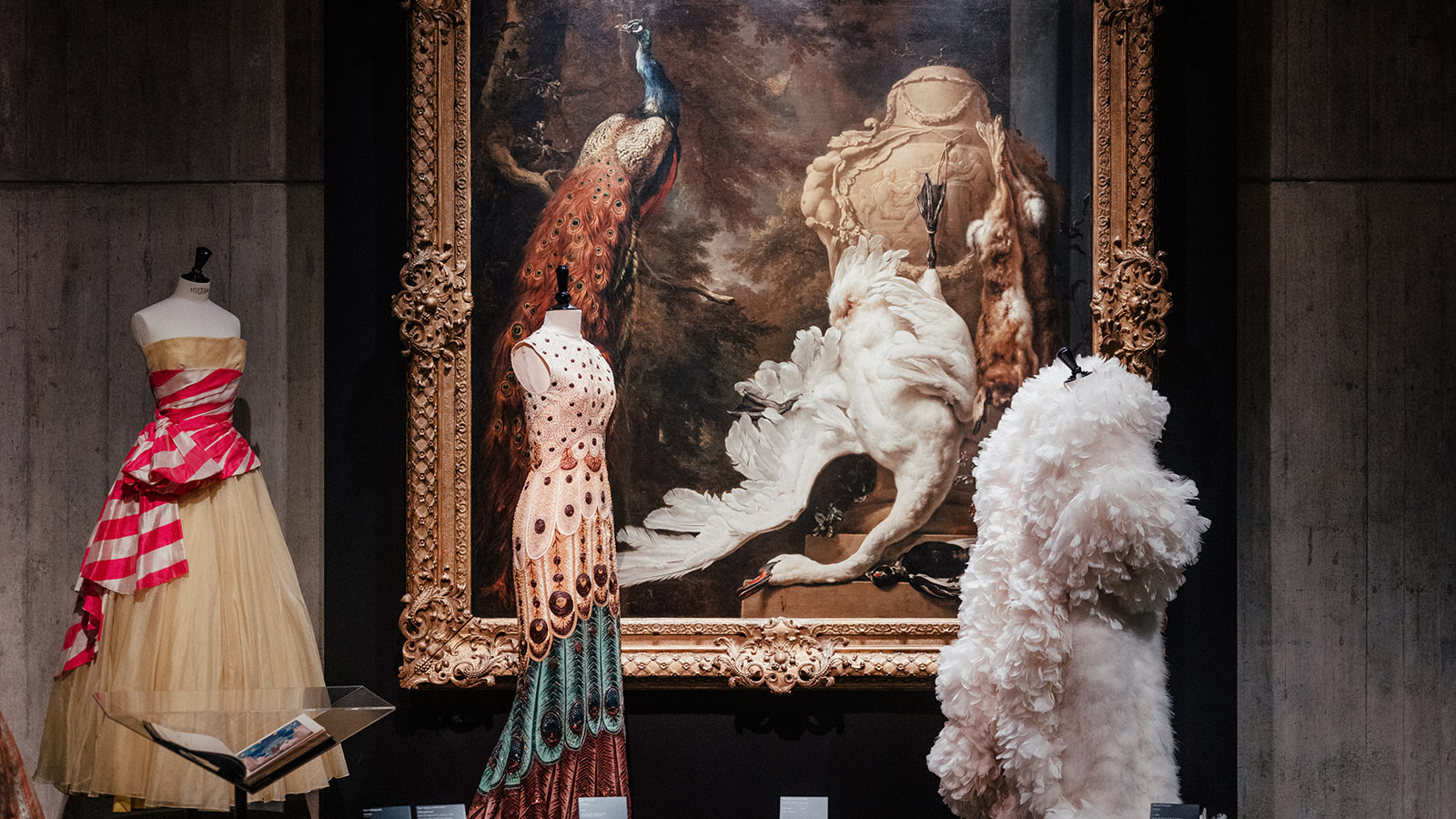
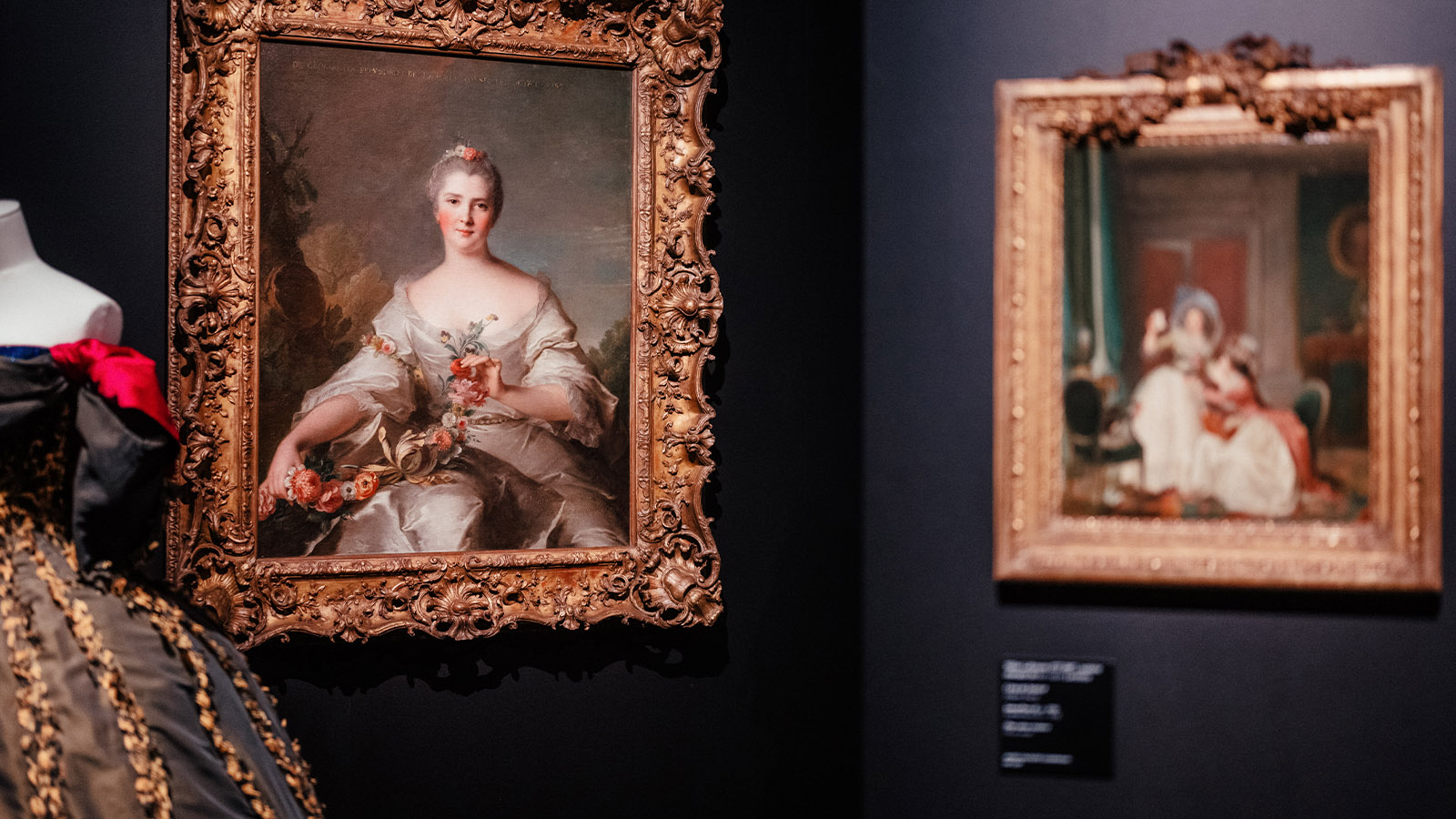
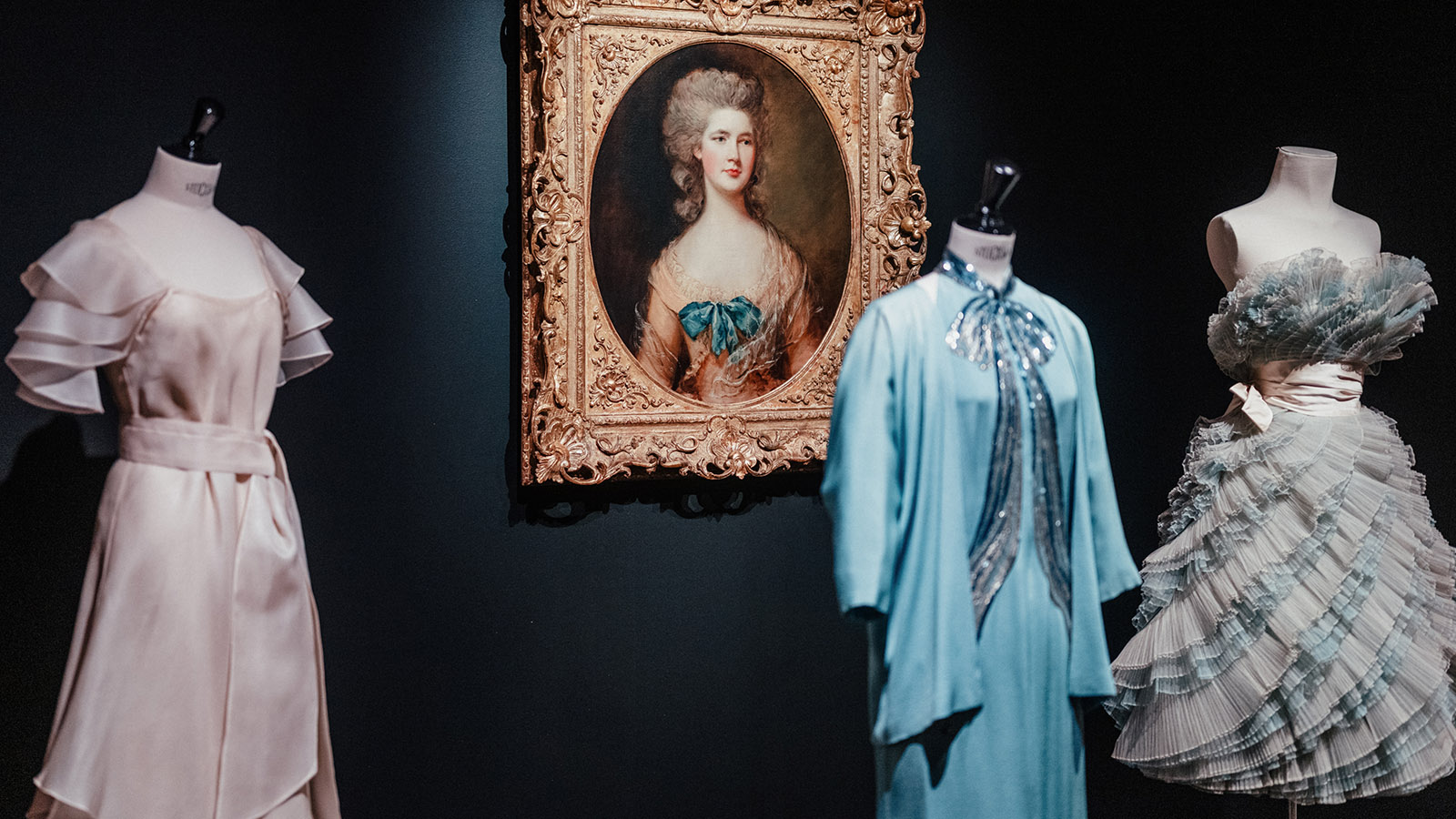
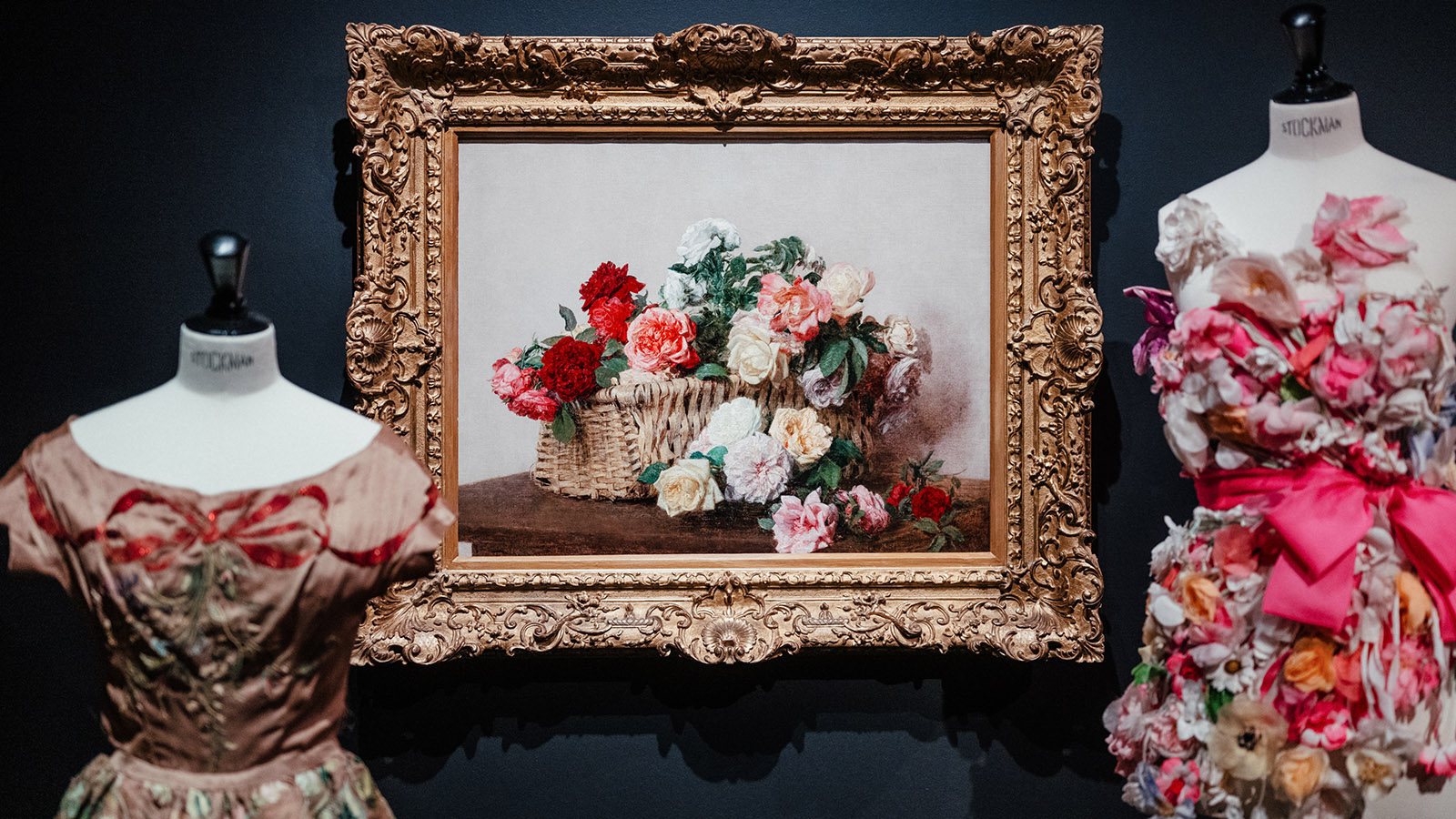
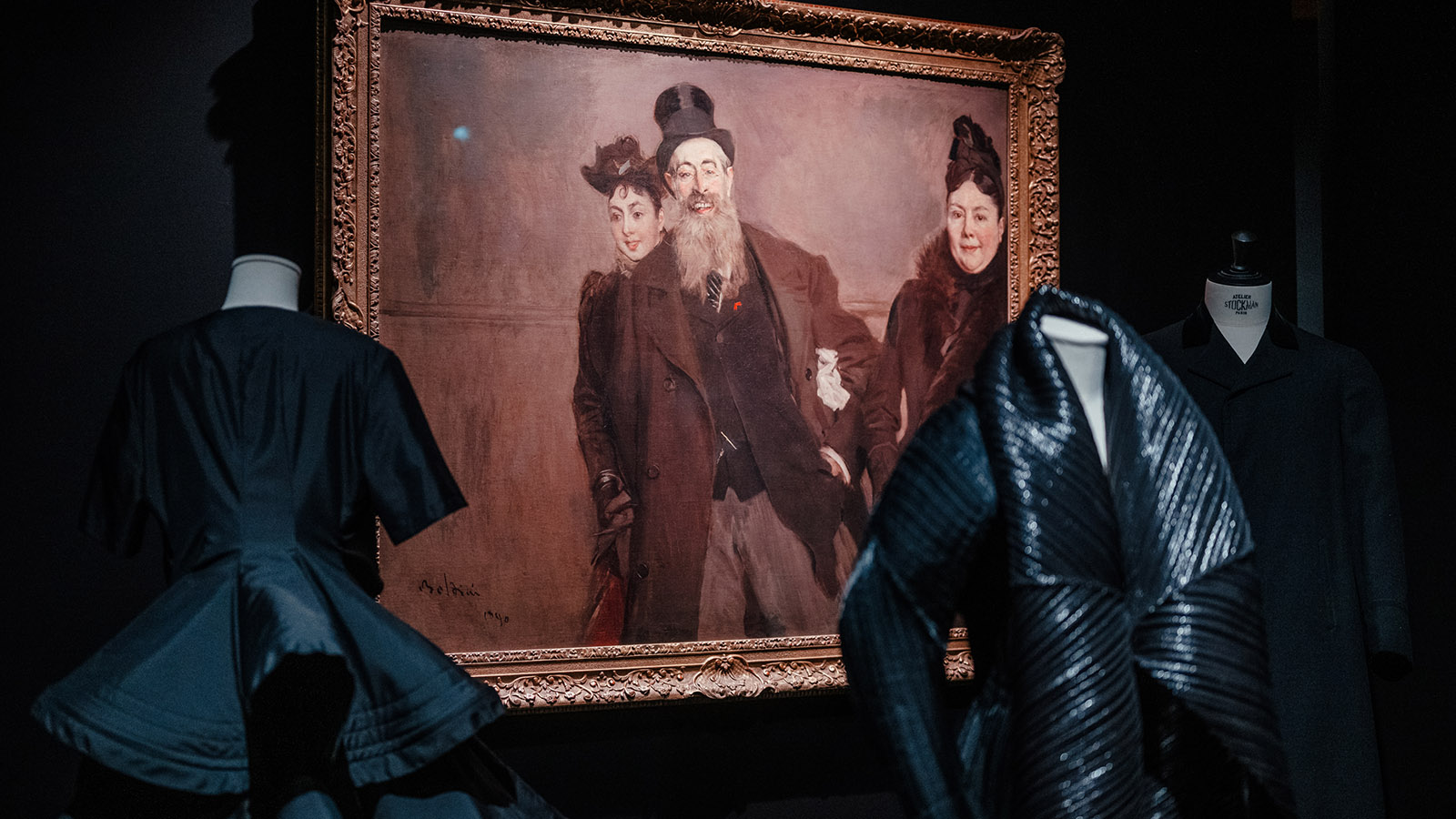
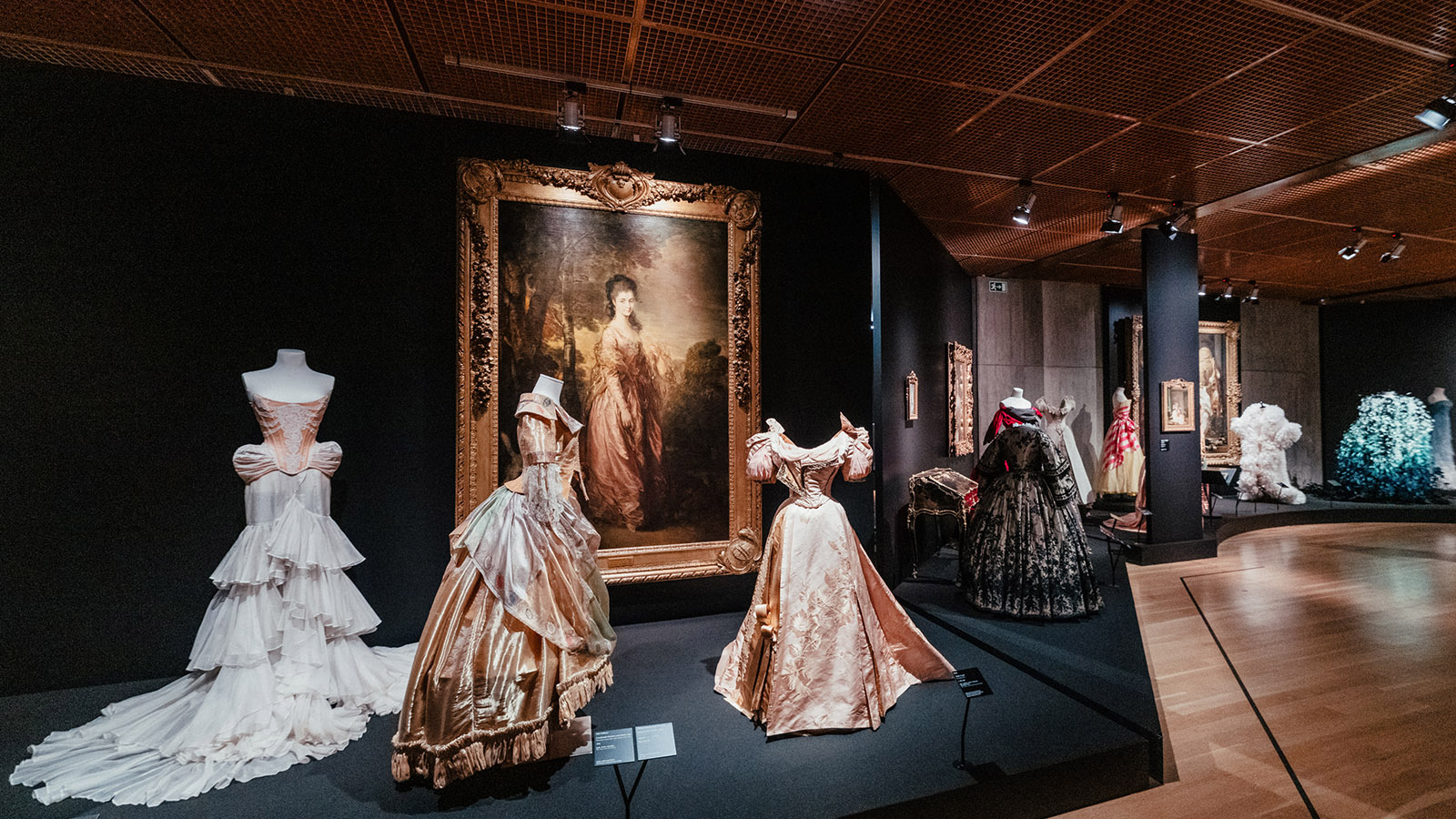
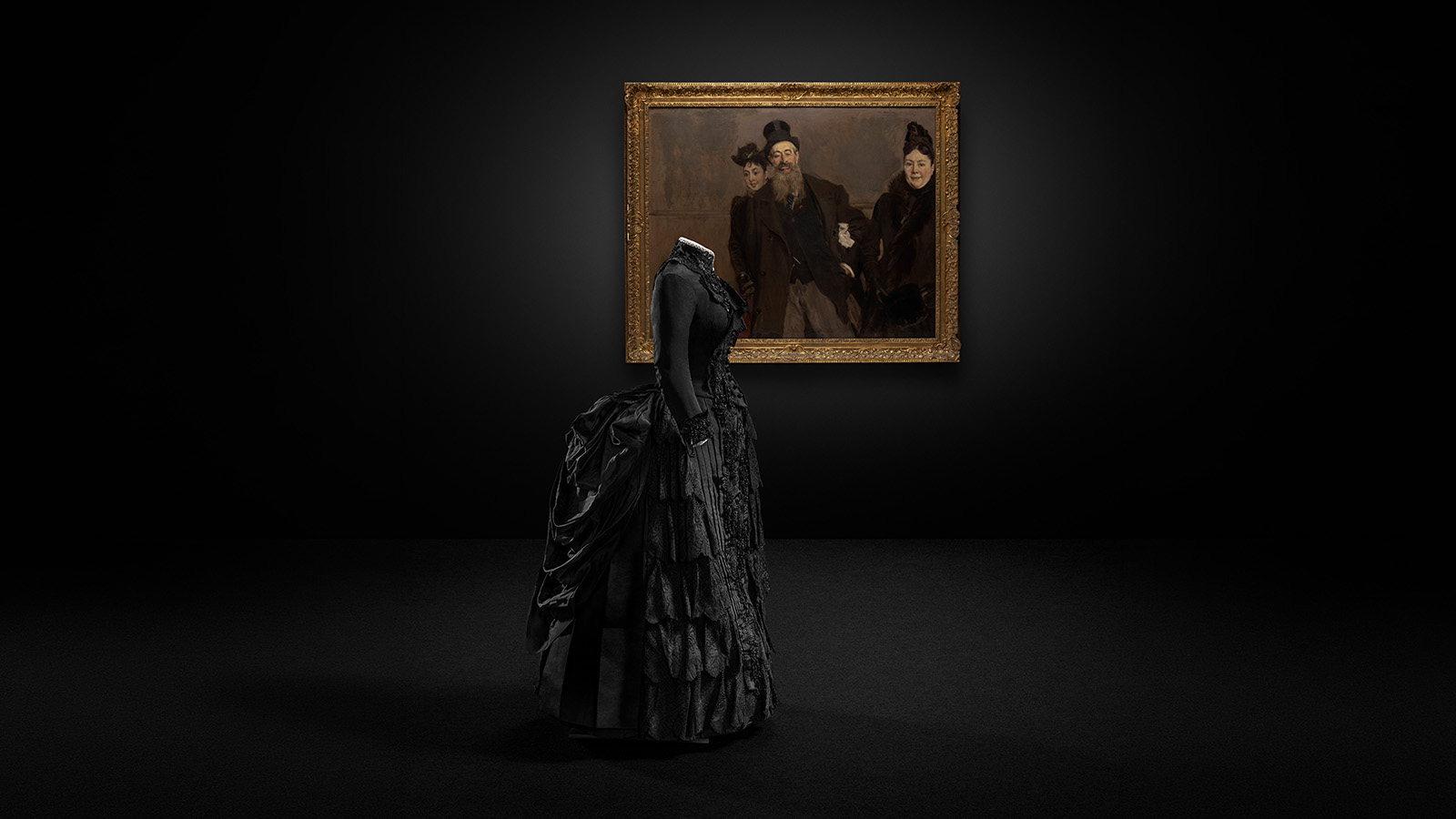
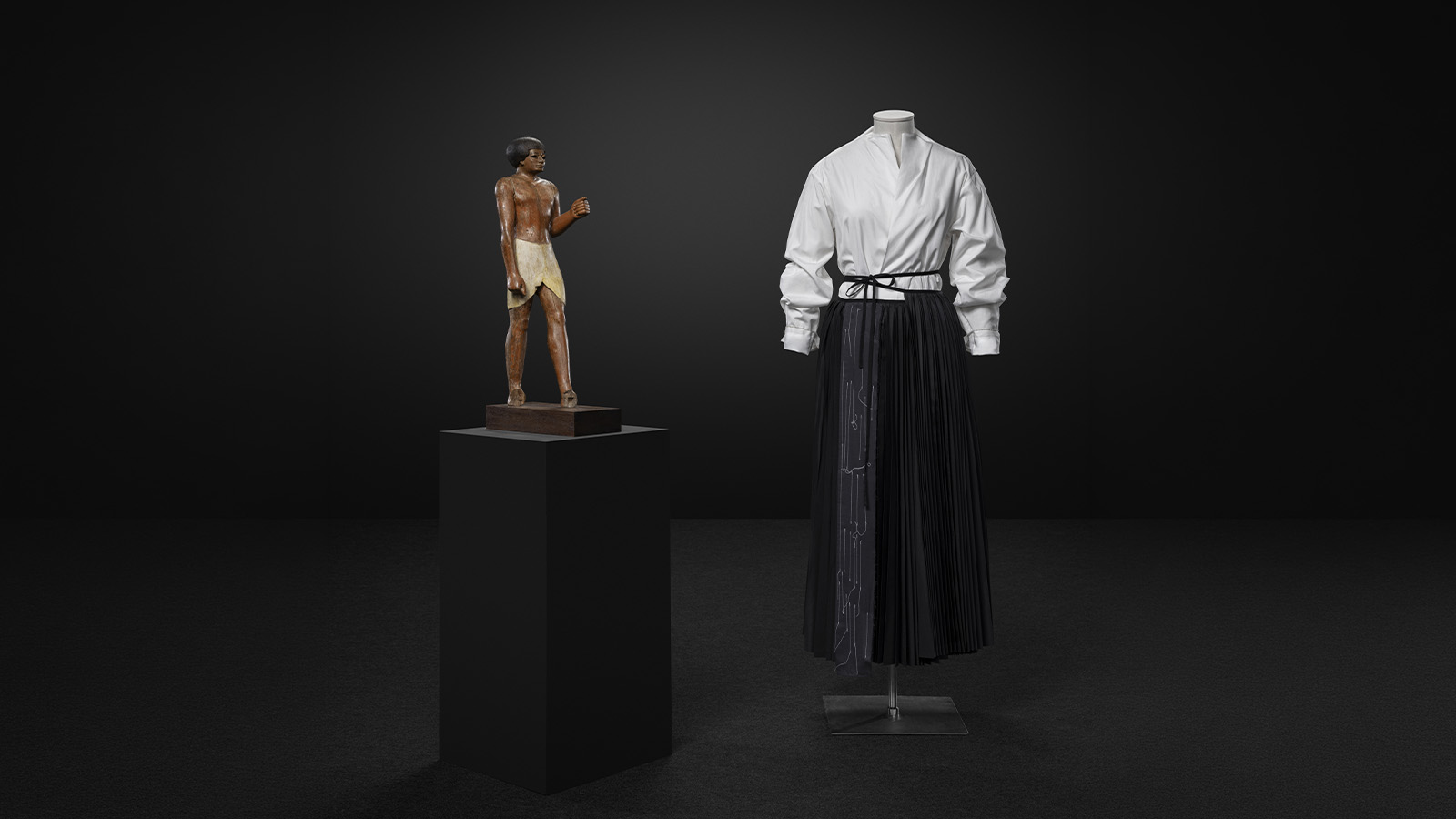
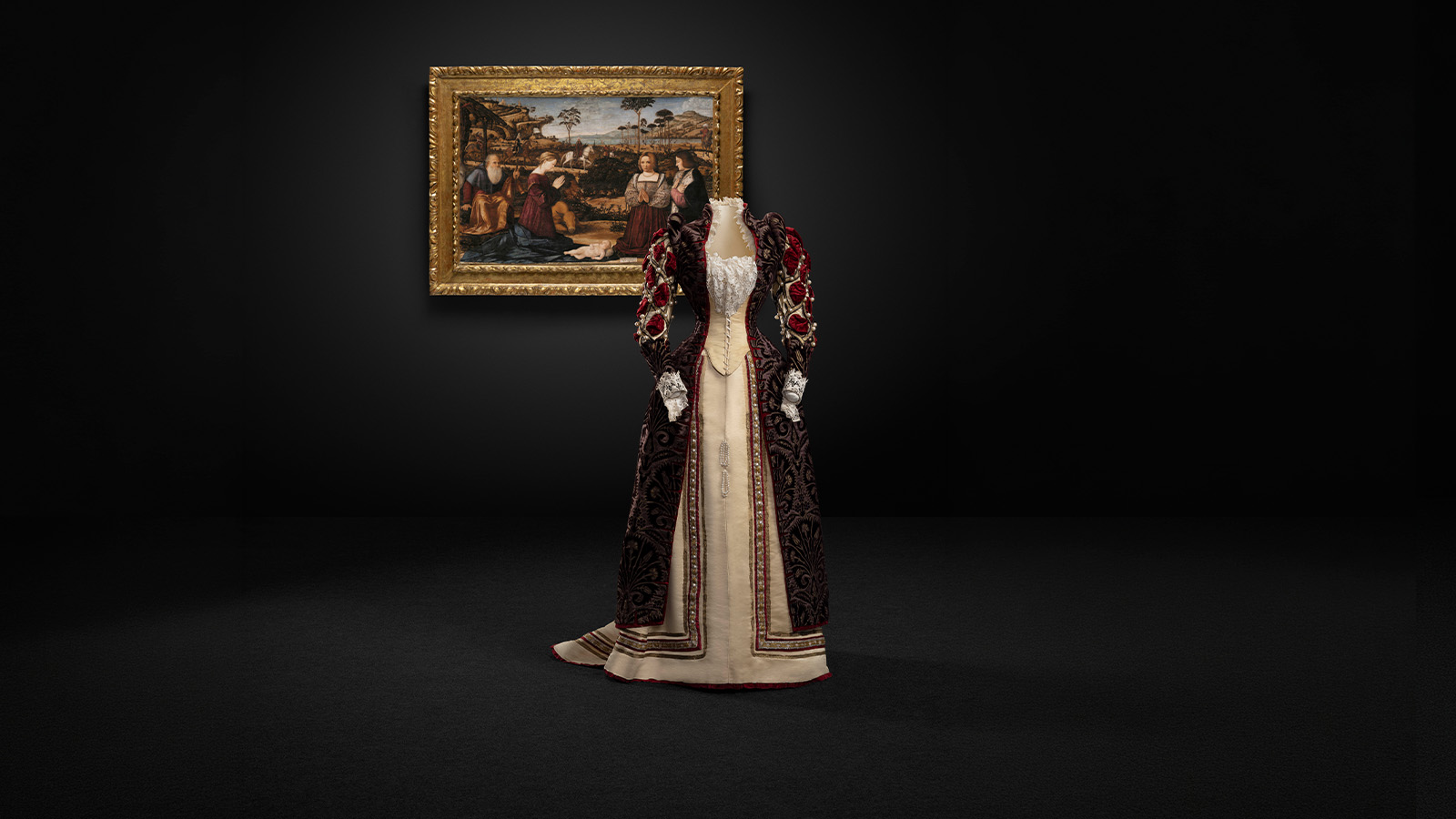
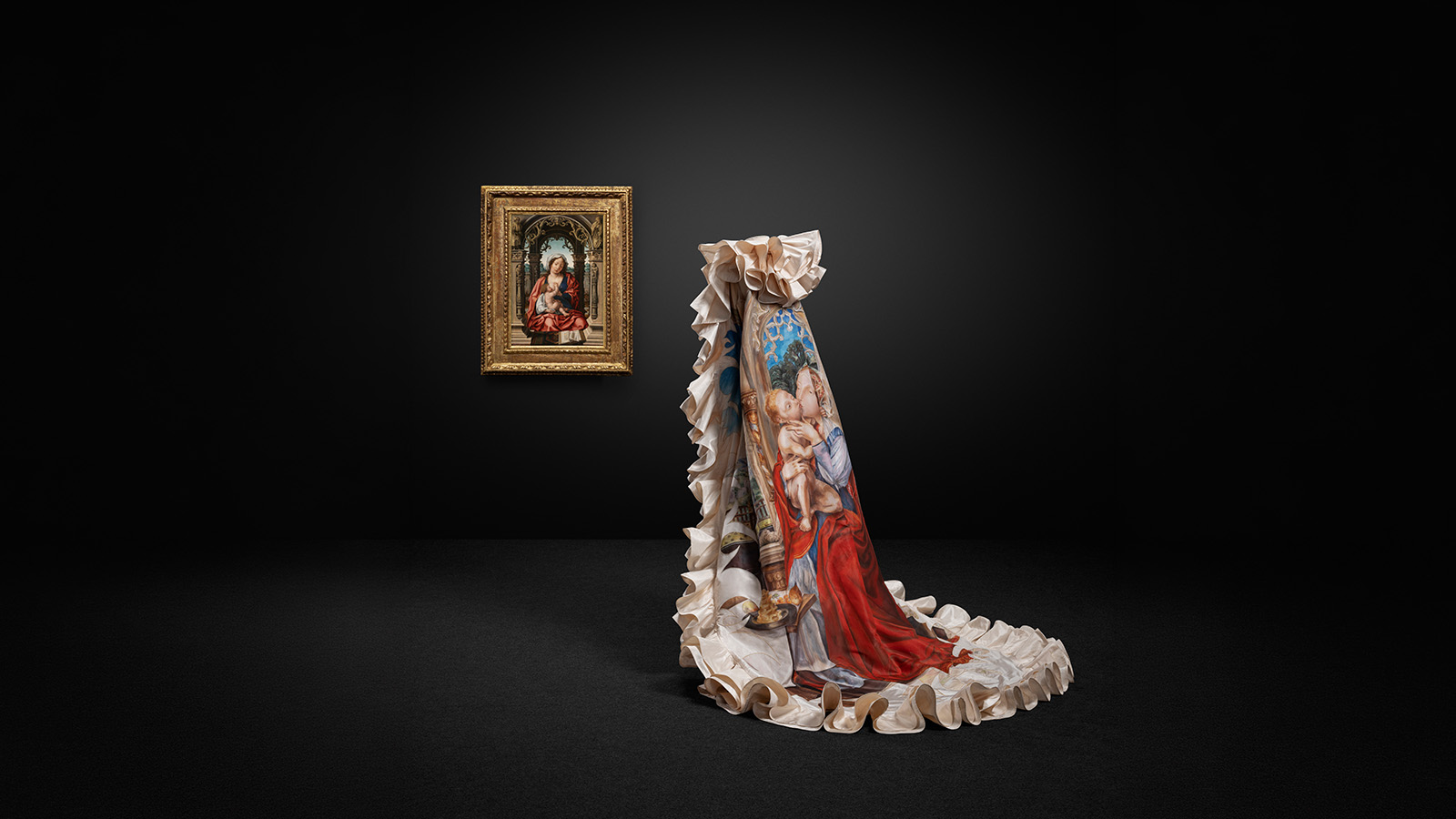
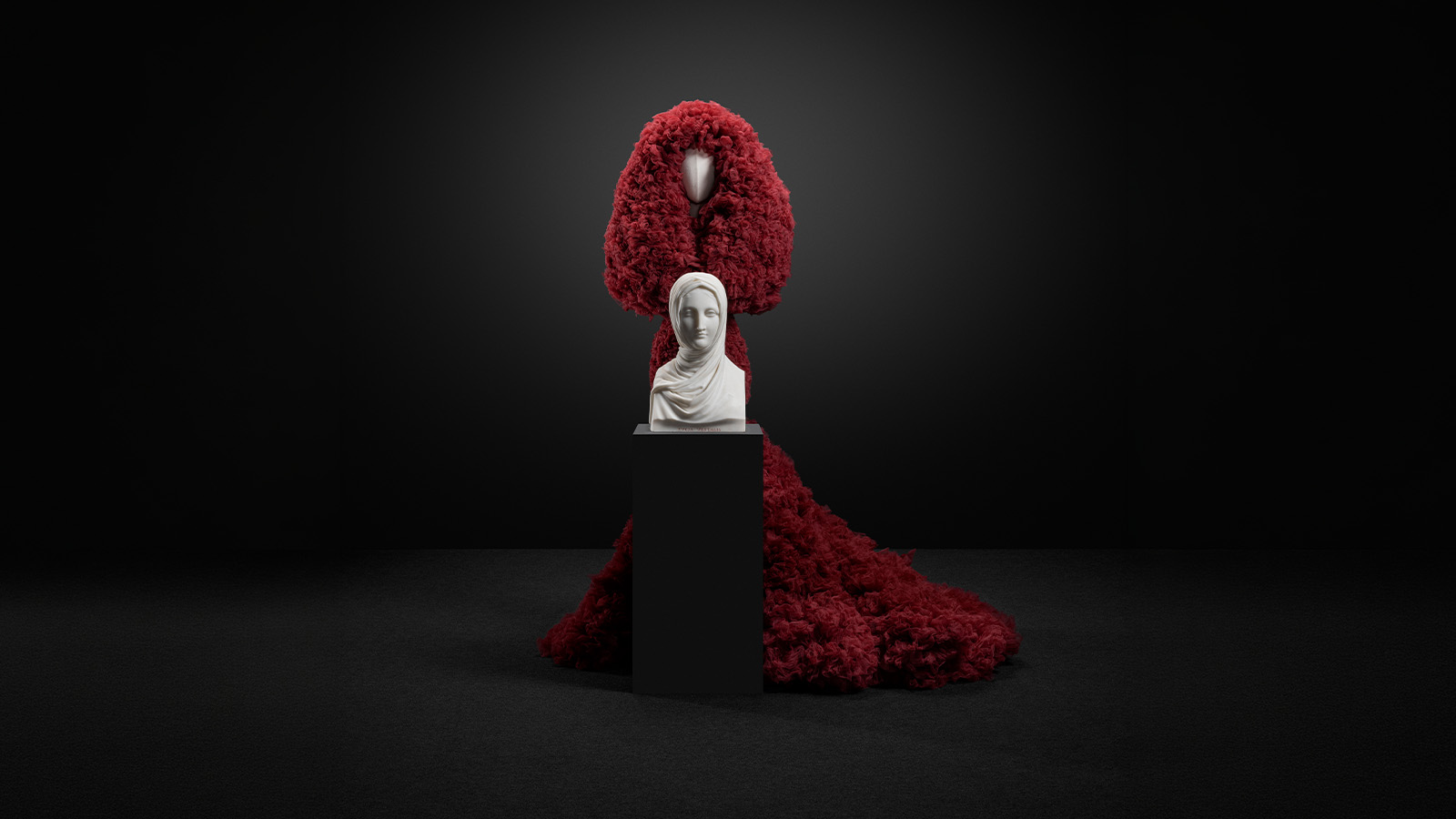
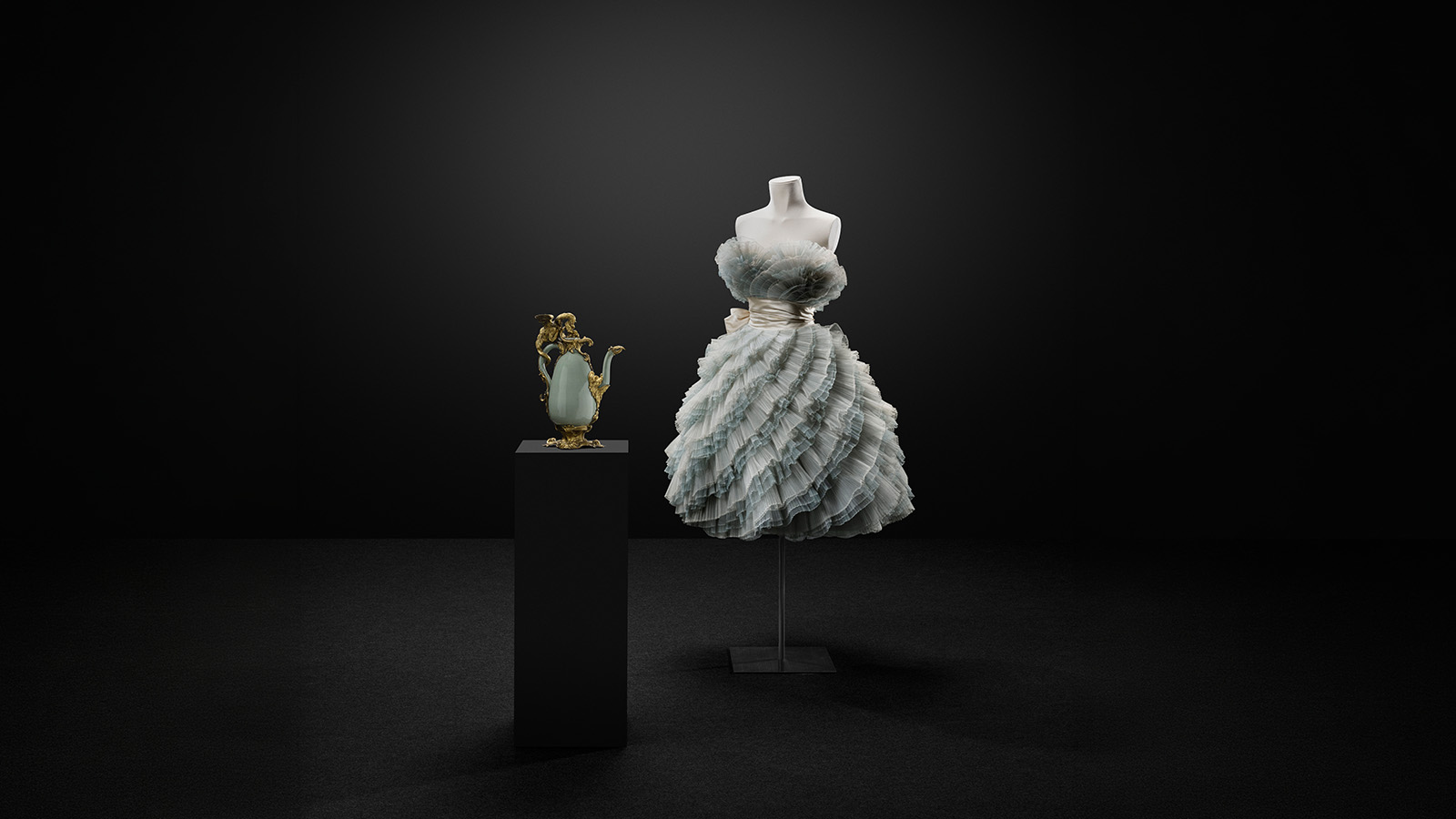
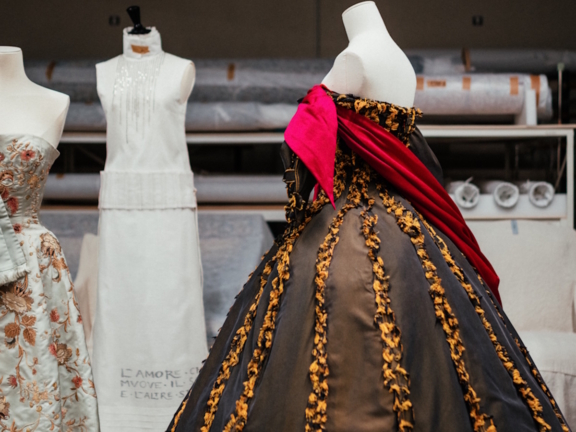
Art & Fashion invites visitors to enter a realm where art breathes fashion and fashion awakens art. In a sensory experience, the works of art of the Gulbenkian Collection dialogue with the creativity of the greatest haute couture couturiers and contemporary designers, revealing how forms, symbols, and emotions travel through time.
The exhibition stems from Calouste Sarkis Gulbenkian’s (1869–1955) deep interest in the arts and fashion and explores how the Gulbenkians kept up with the trends of their time.
/
The richness and diversity of the Gulbenkian Collection – with works of art ranging from Ancient Egypt to the 20th century – allows us to explore how certain motifs and themes addressed in art history endure or are reformulated in contemporary national and international fashion.
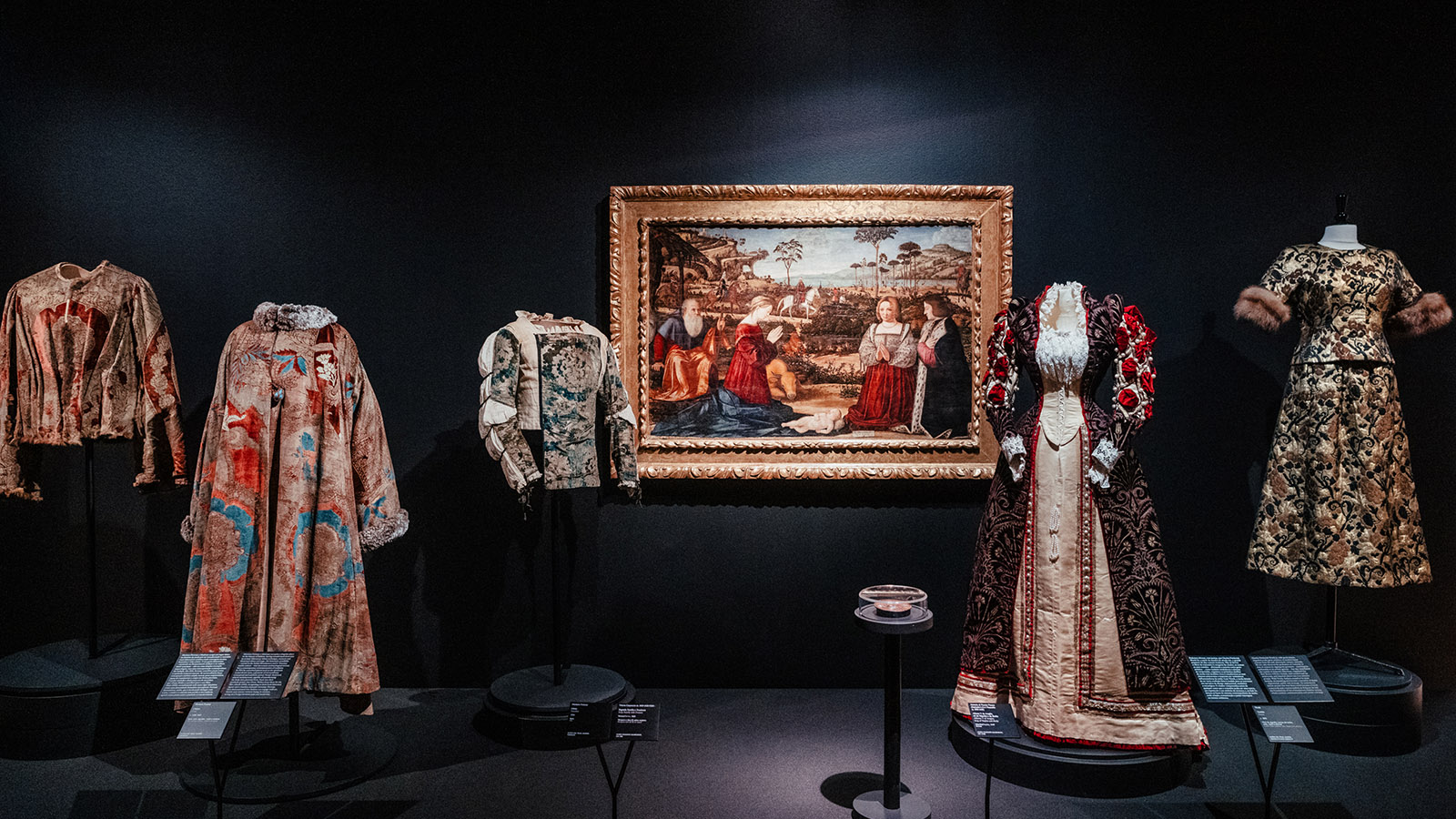
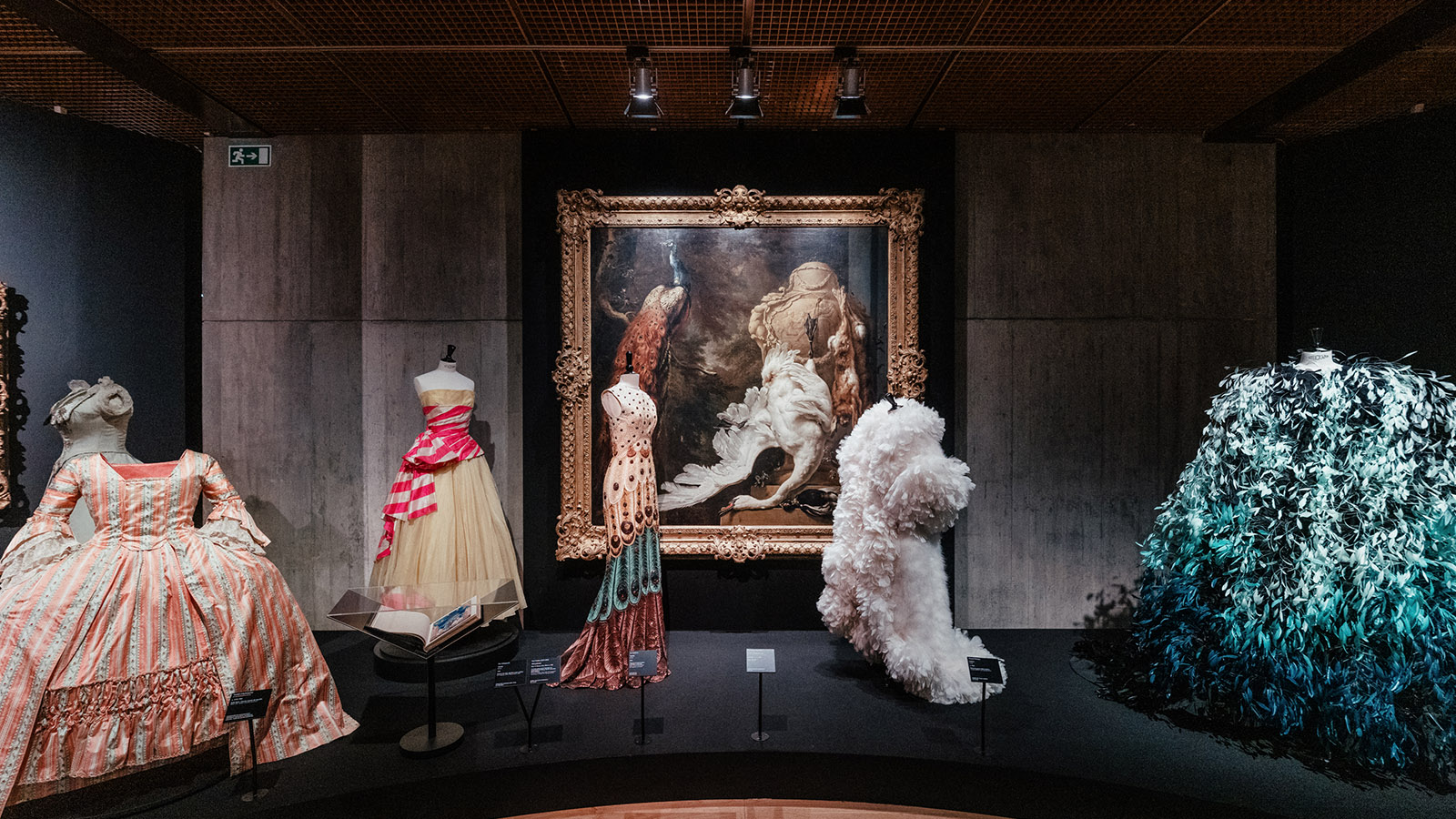
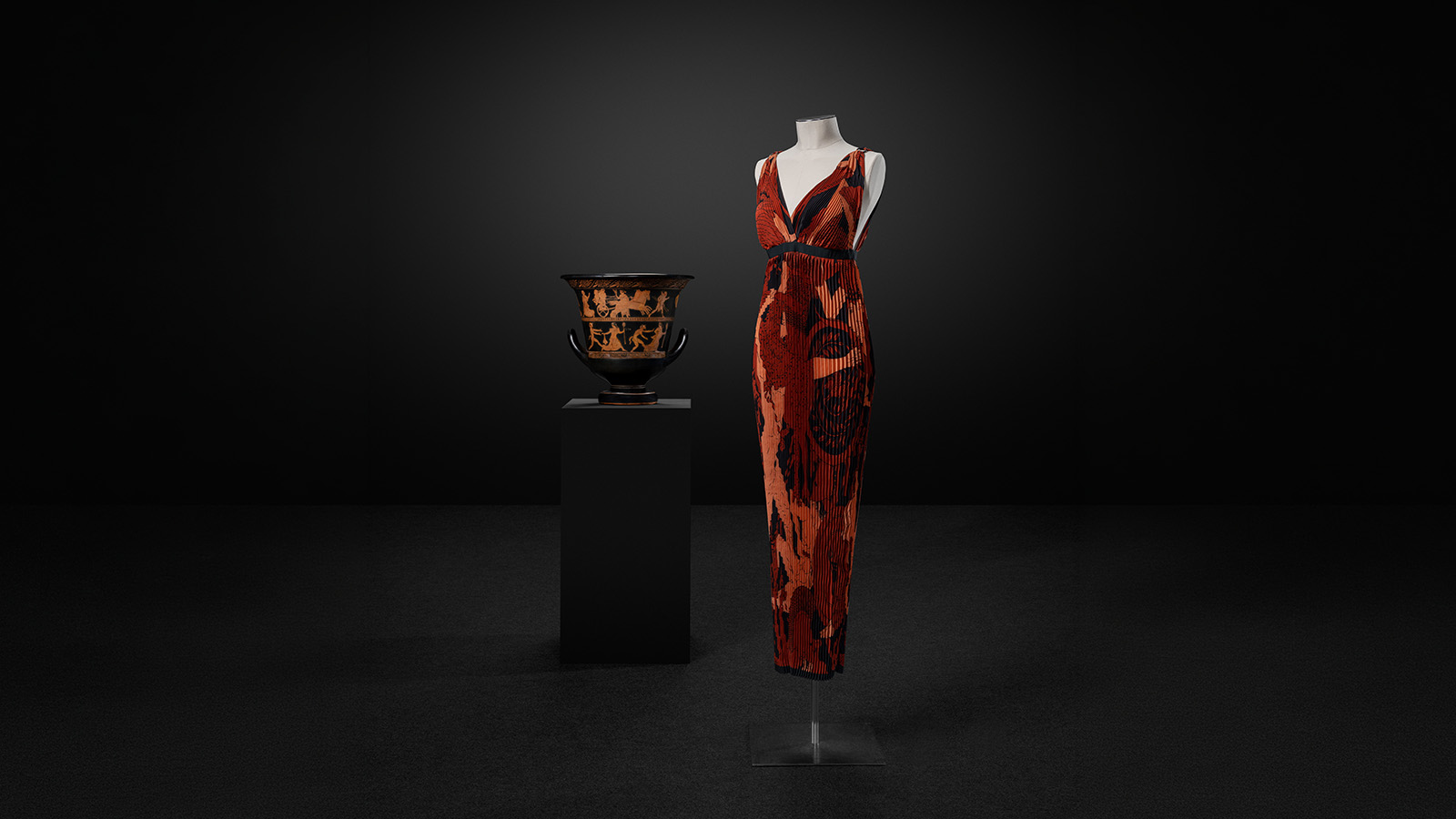
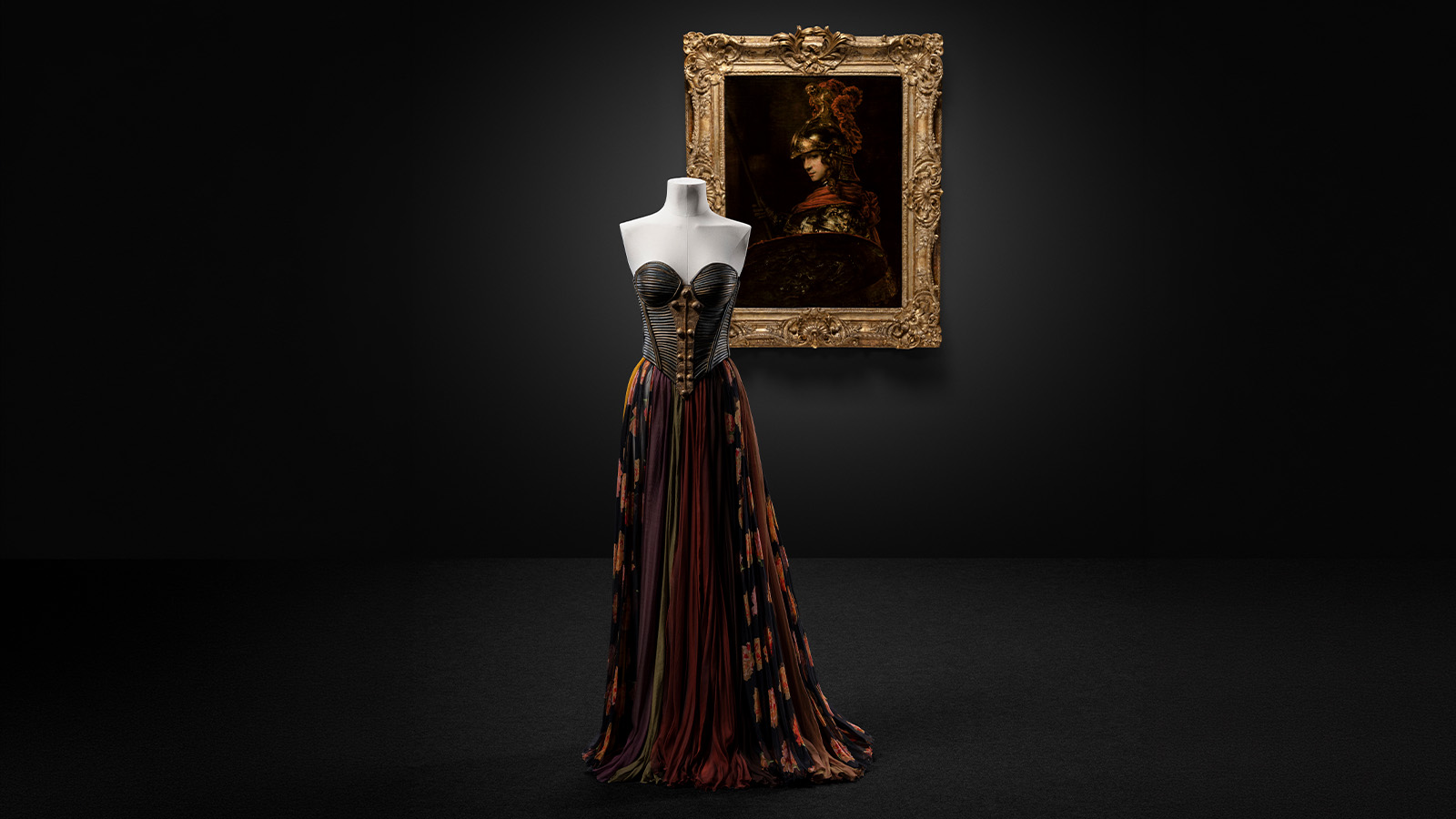
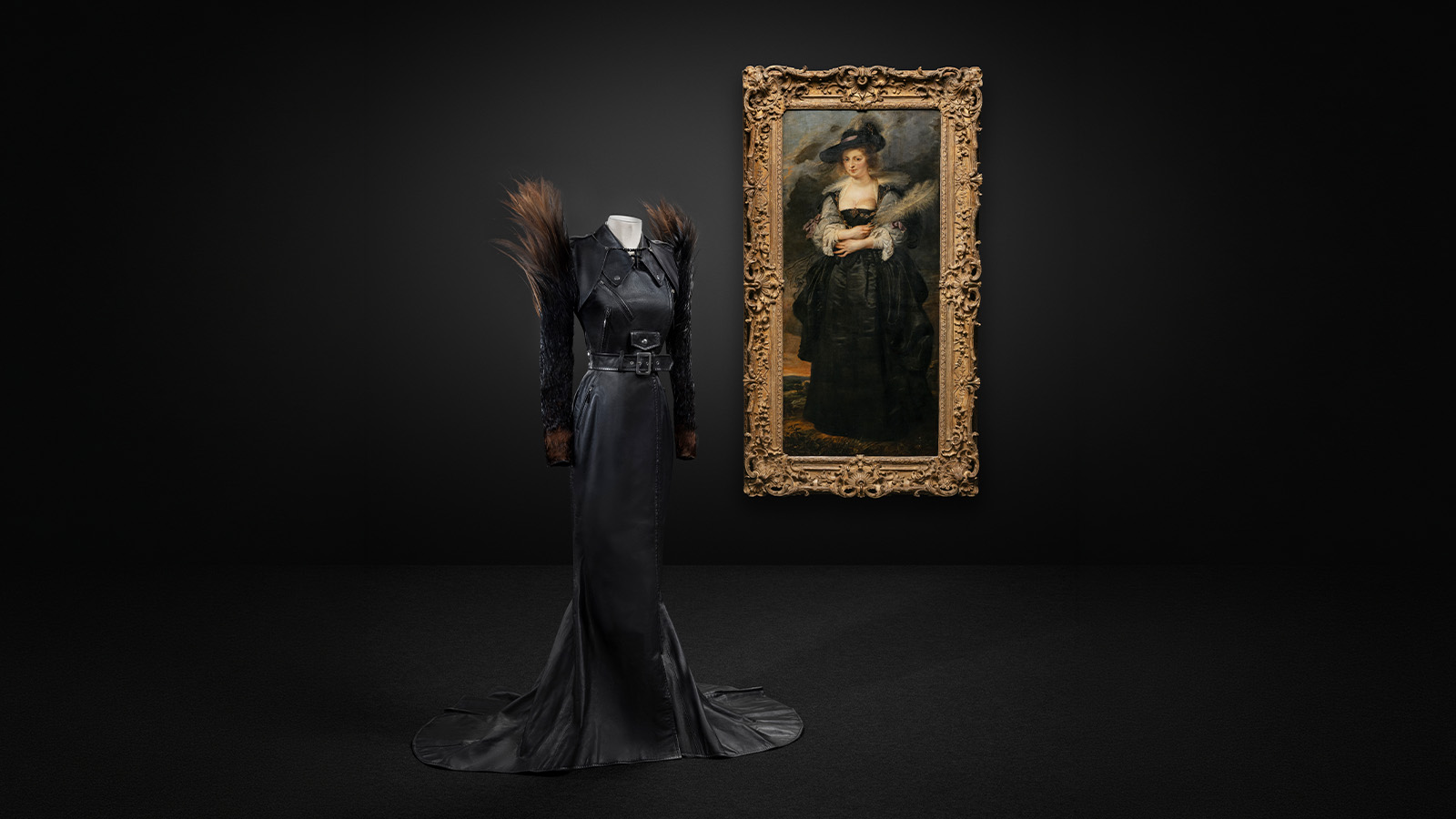
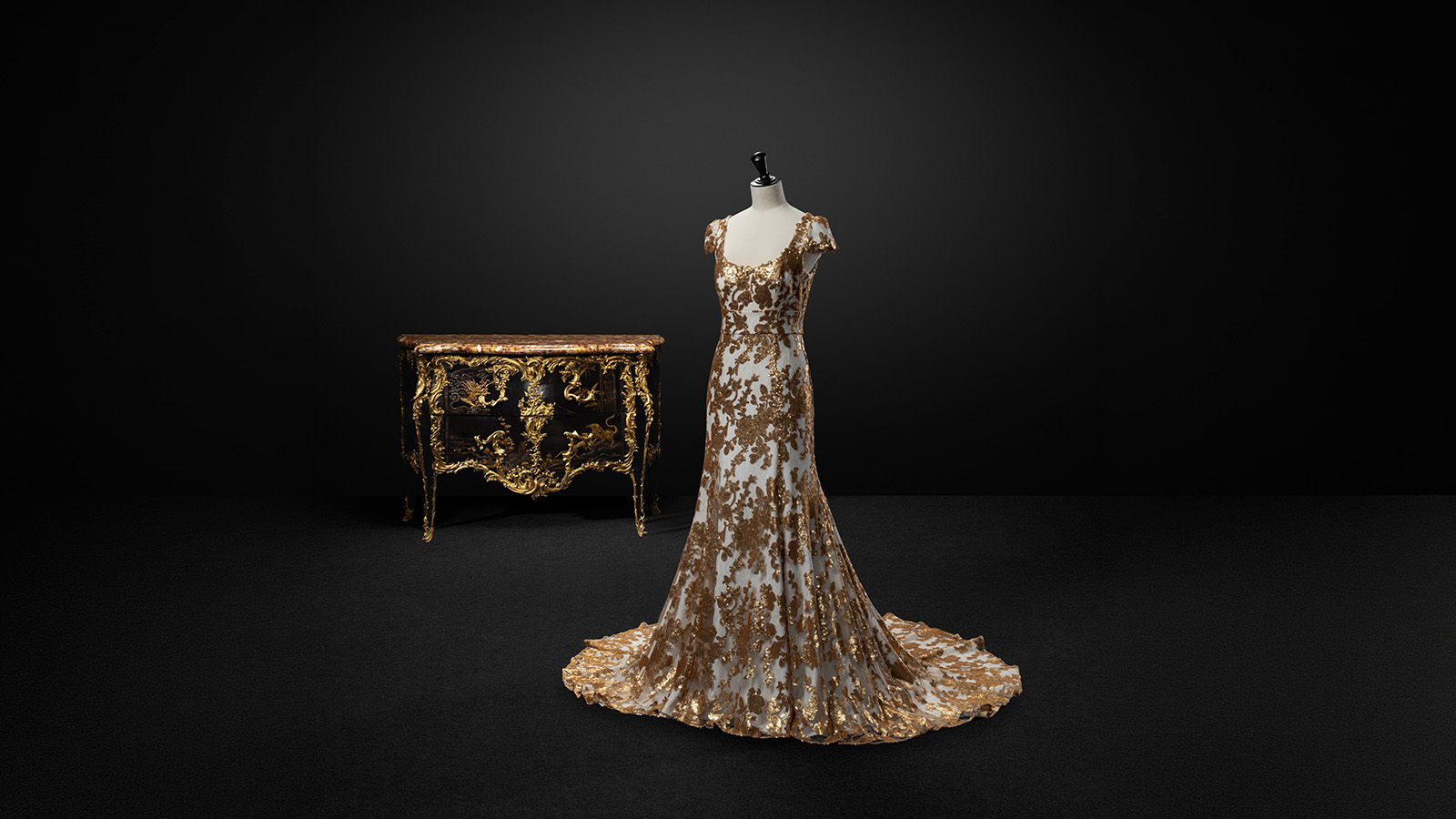
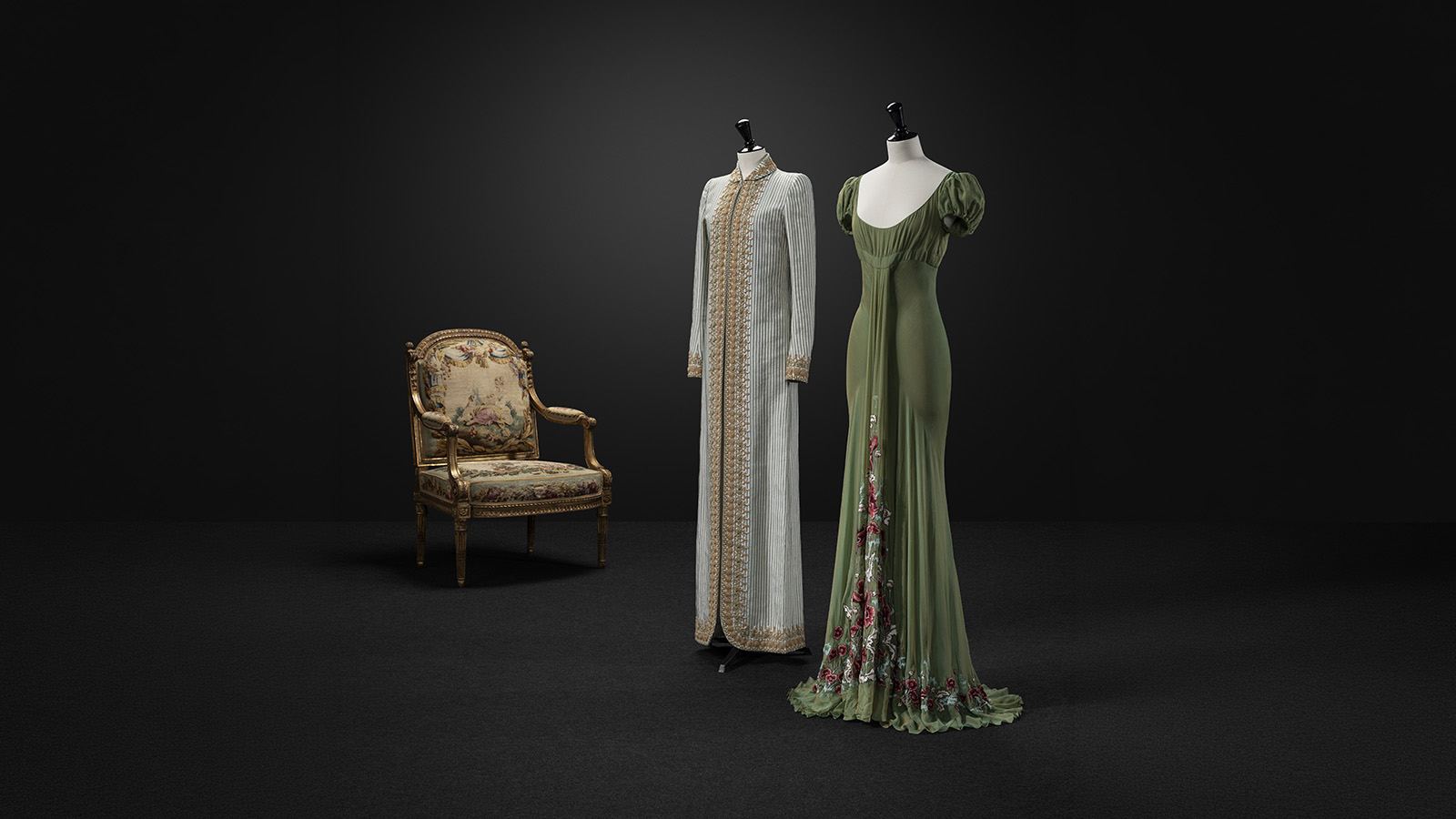
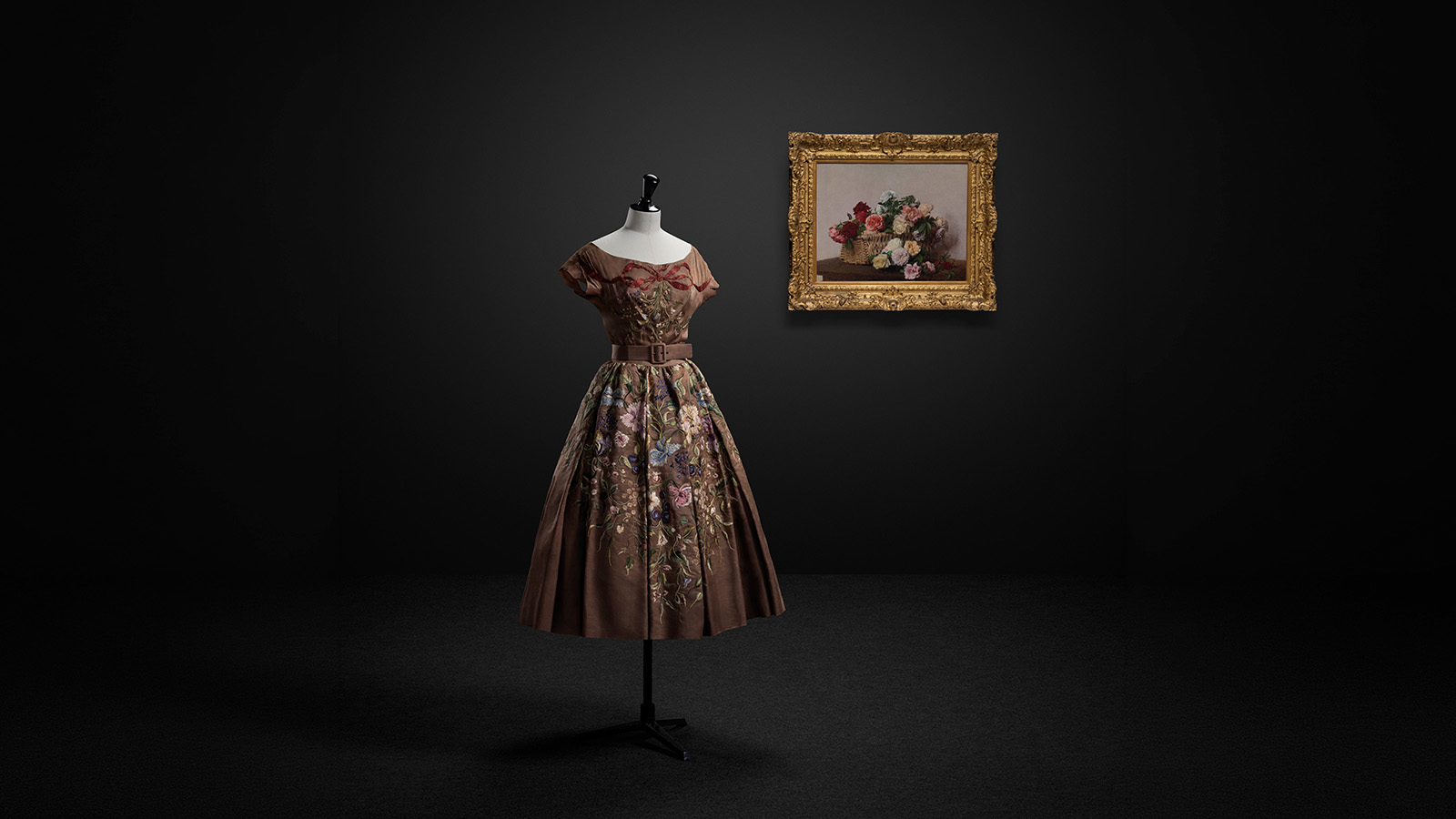
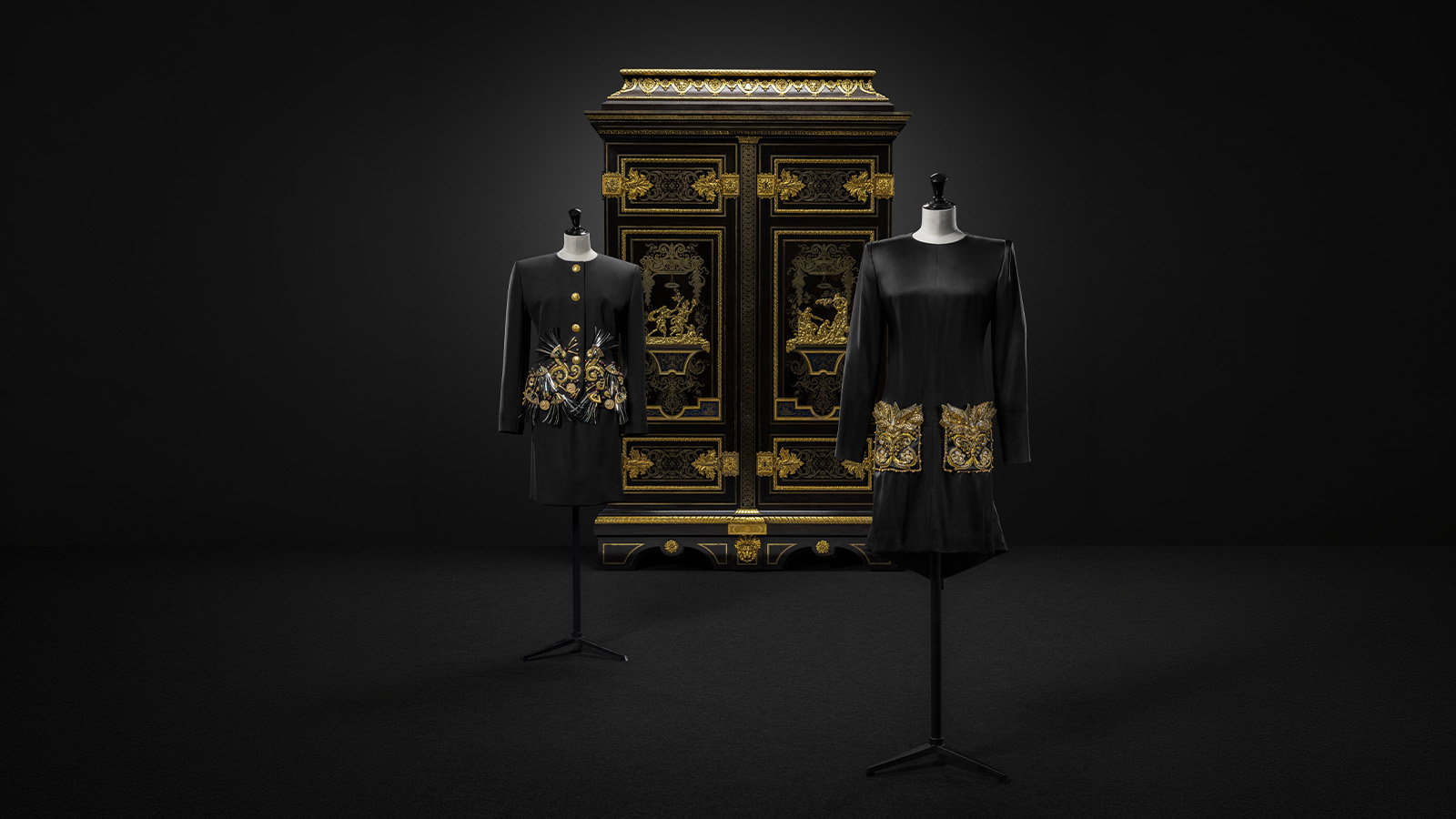
Paintings, sculptures, jewellery, and objects dialogue with fashion pieces that reinterpret, narrate, decipher, or complete them. These are unexpected encounters that show how the aesthetics, ideas, and sensibilities that inhabit the collection have continued to illuminate the universe of fashion.
/
The exhibition is also an invitation to understand how beauty travels through time. The dresses allow us to read what the texts do not always tell: hierarchies, aspirations, social rituals, silences, and revelations. From classical portraiture to contemporary design, clothing becomes a mirror that shows that art and fashion have always shared the desire to narrate the human being.
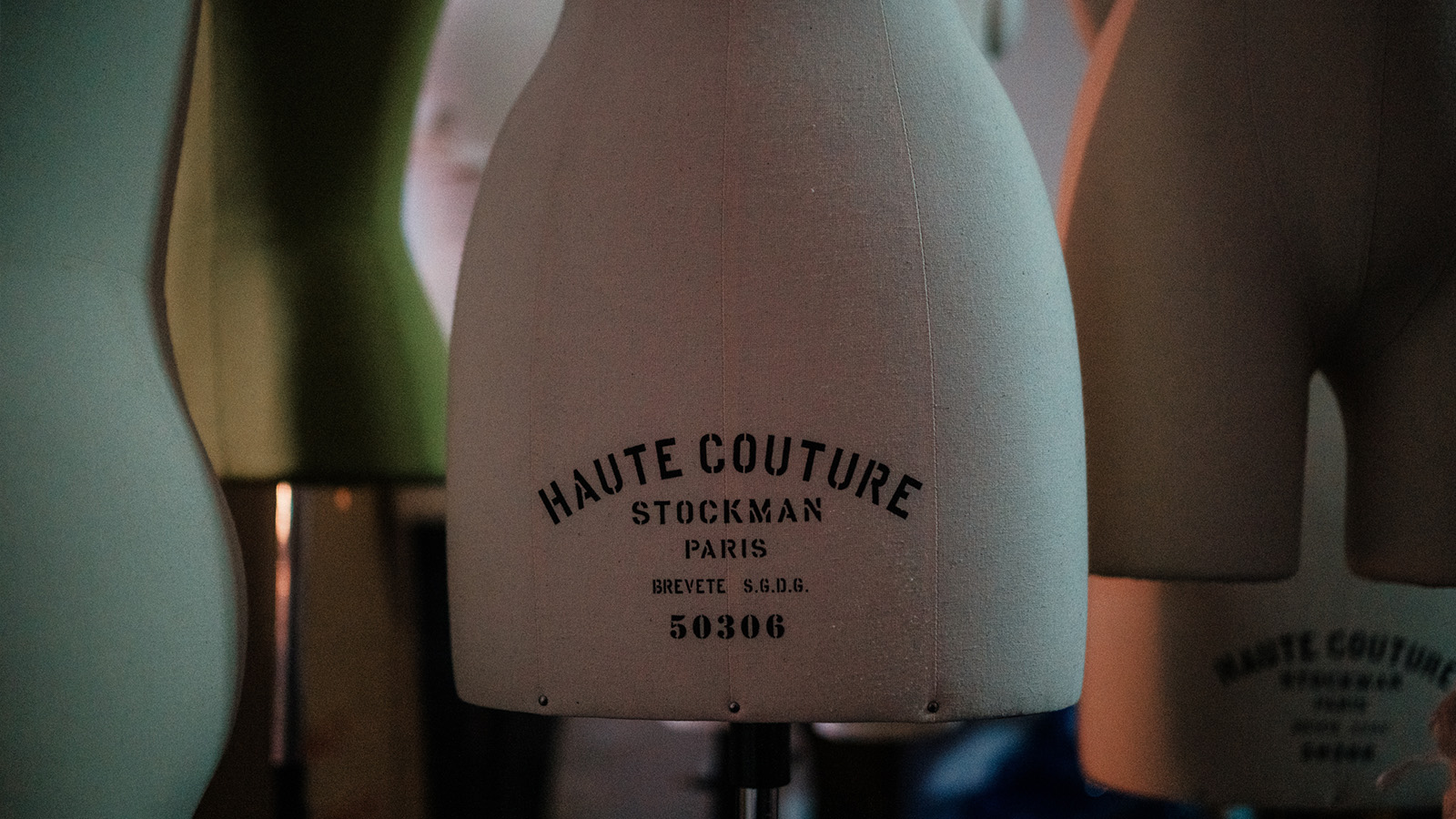
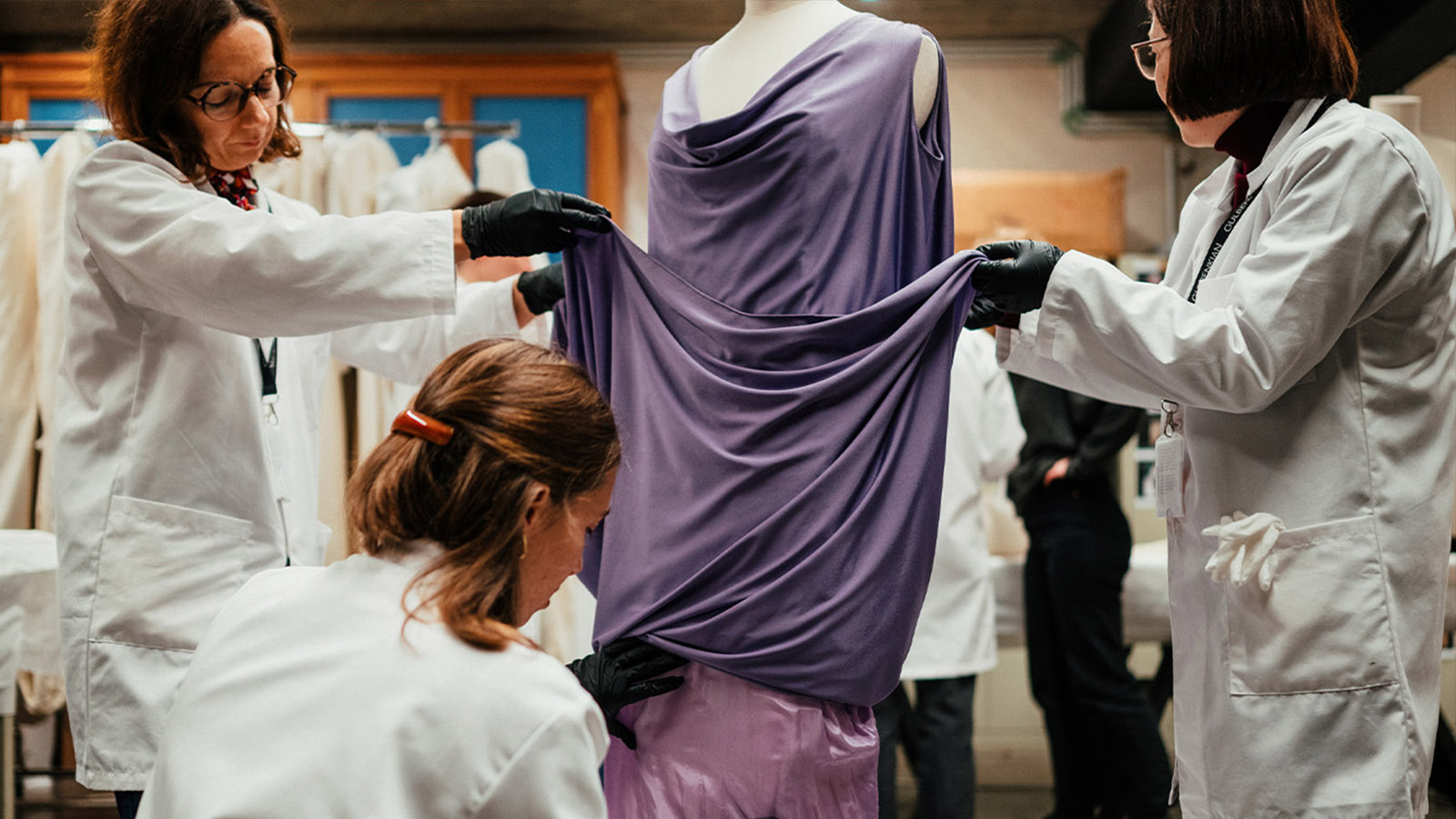
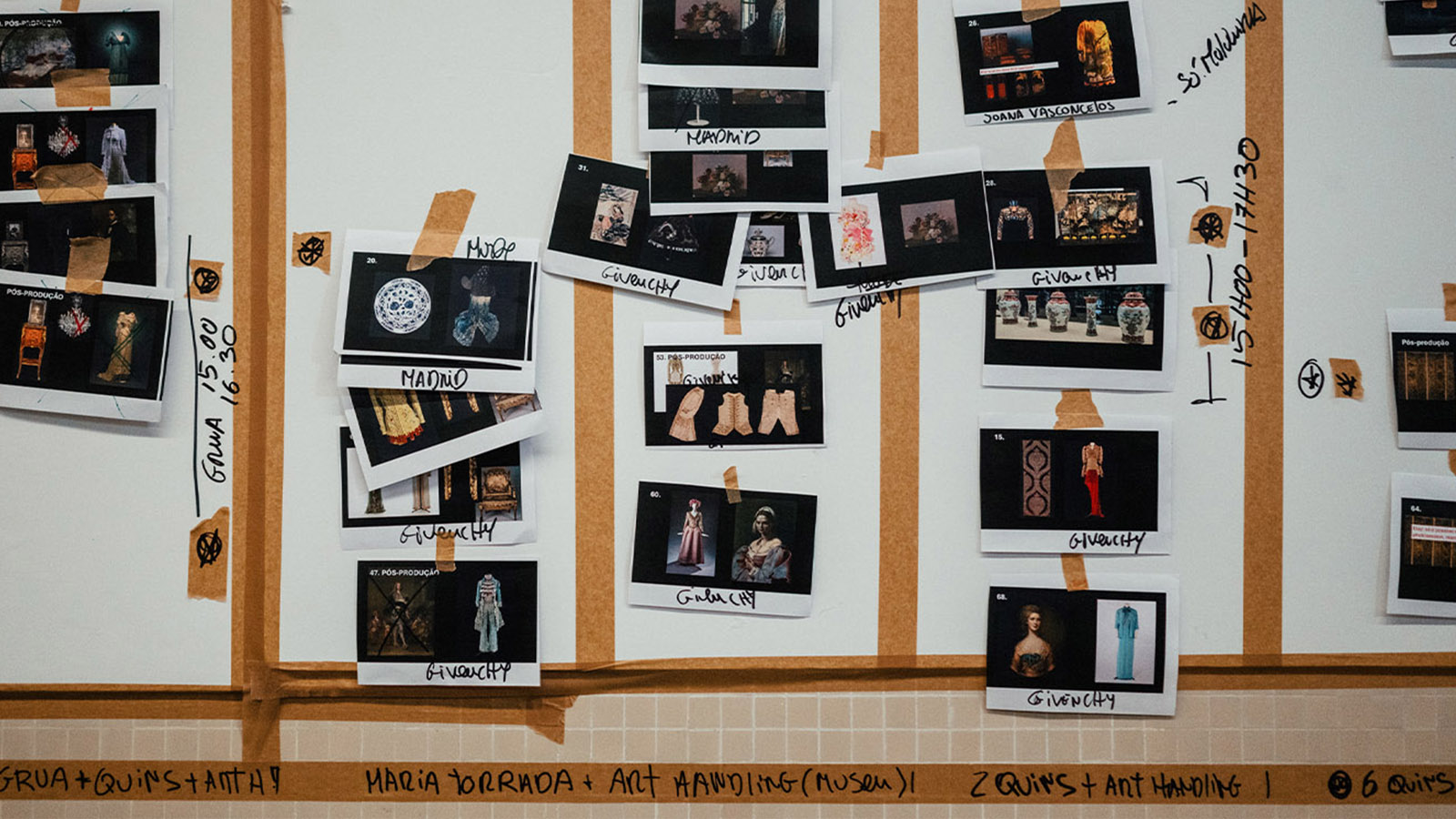
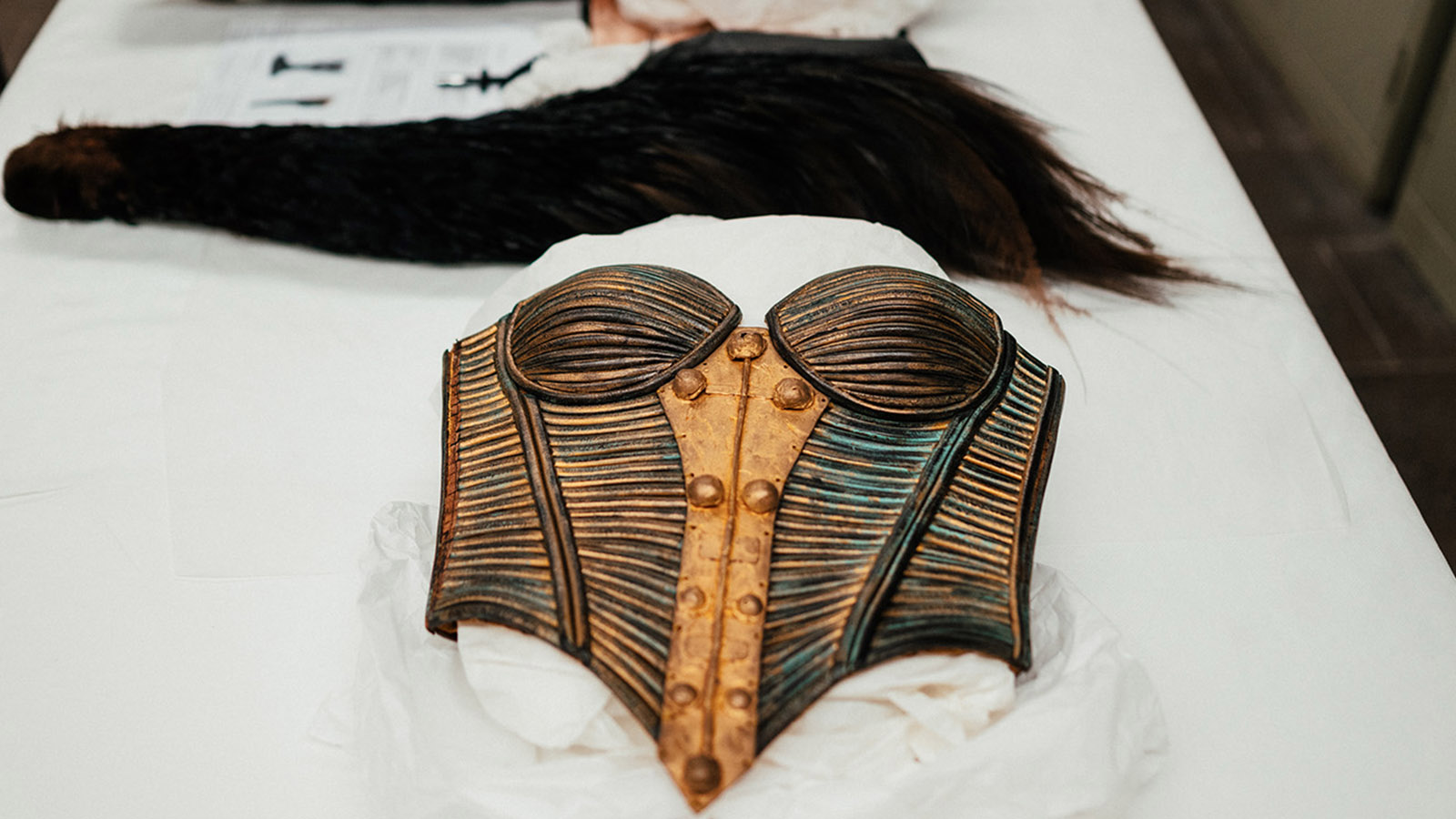
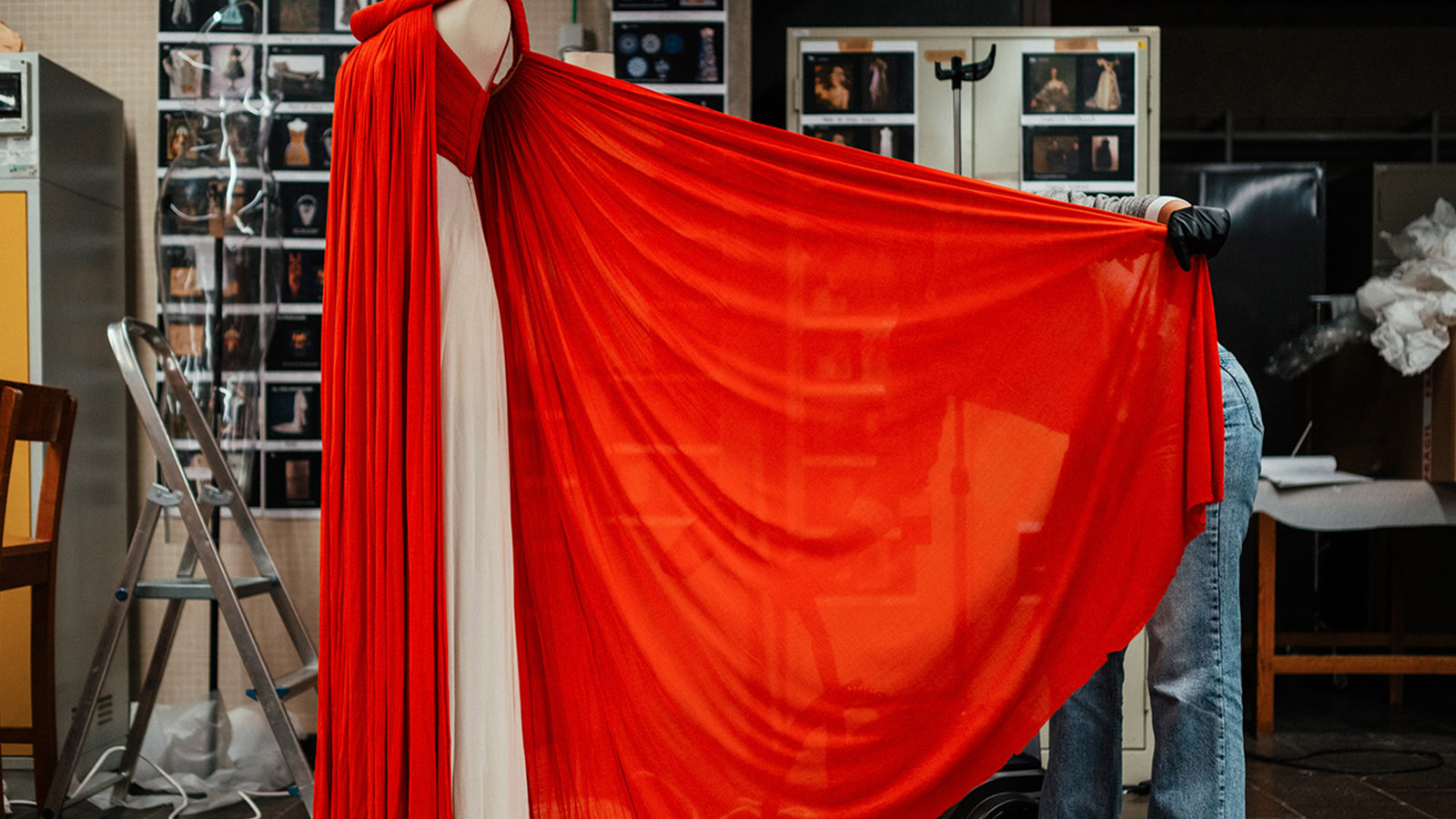
Throughout the display, more than 100 works of art from the Collection are exhibited alongside 140 pieces of clothing designed by Dior, Balenciaga, Givenchy, Yves Saint Laurent, Versace, Jean-Paul Gaultier, Vivienne Westwood, Alexander McQueen, Guo Pei, Hubert de Givenchy and Azzedine Alaia and, on the national scene, by the duo Alves/Gonçalves, José António Tenente, Maria Gambina, Miguel Vieira, Nuno Gama and Nuno Baltazar.
/
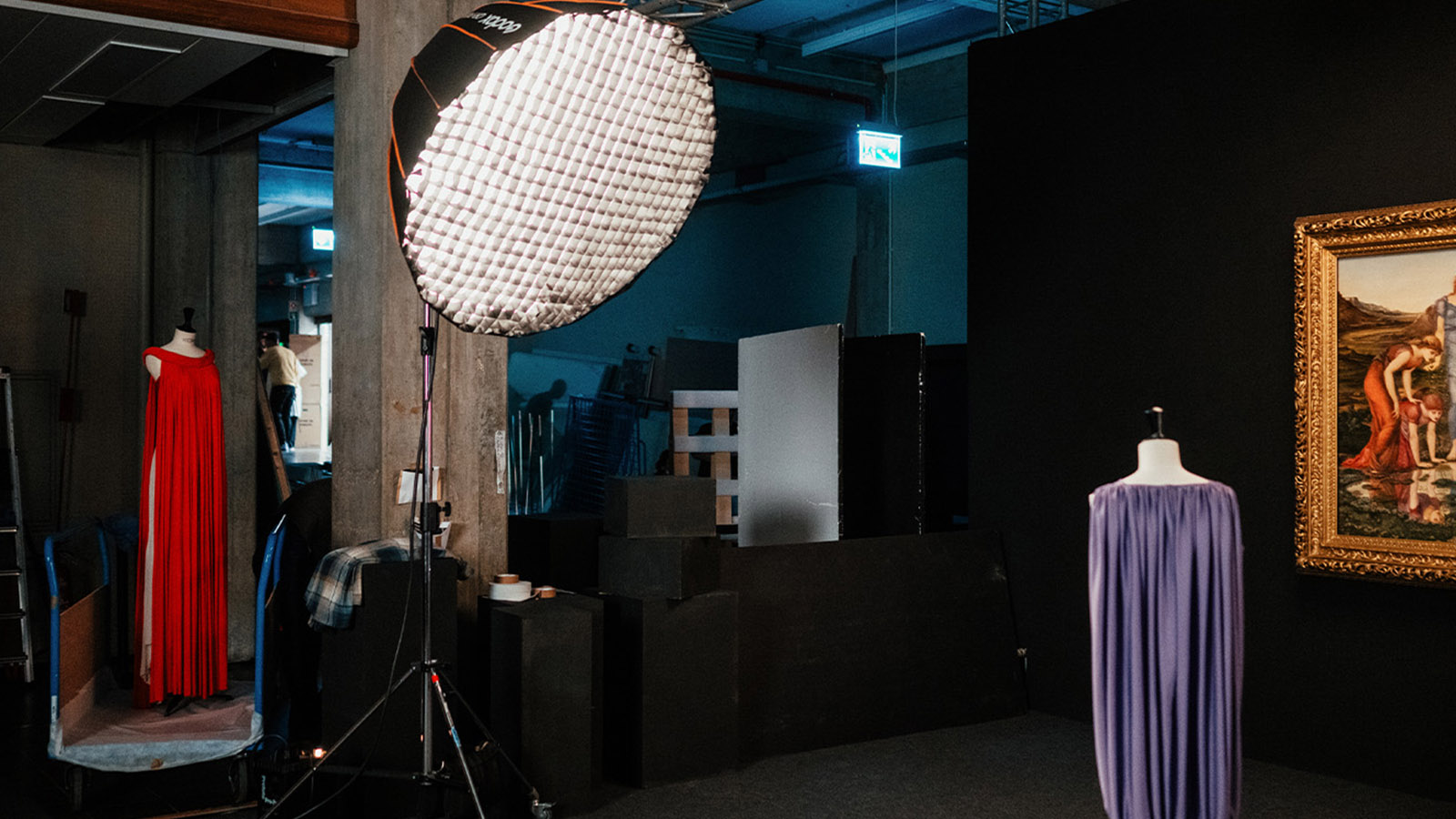
Curated by Eloy Martínez de la Pera, the exhibition is accompanied by a catalogue featuring photographs by Jon Cazenave, produced exclusively for this project.
Art & Fashion is part of the celebrations for the 70th anniversary of the Calouste Gulbenkian Foundation.
Topics
Antiquity
Islamic World
China
Japan
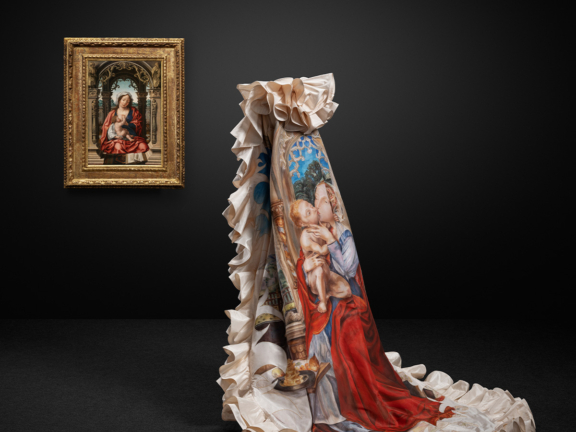
Renaissance
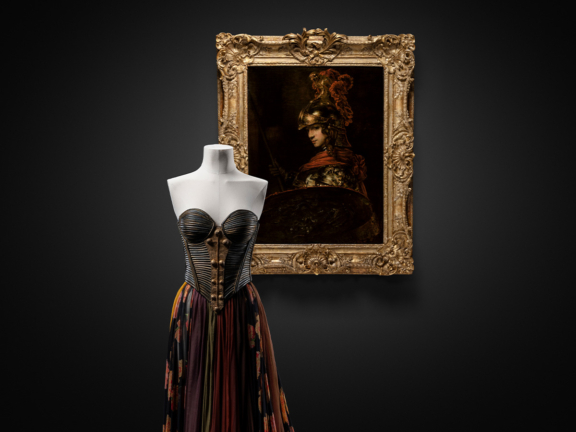
Seventeenth Century
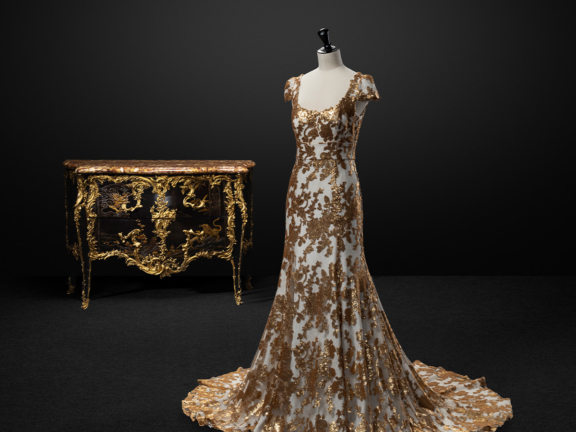
Eighteenth Century
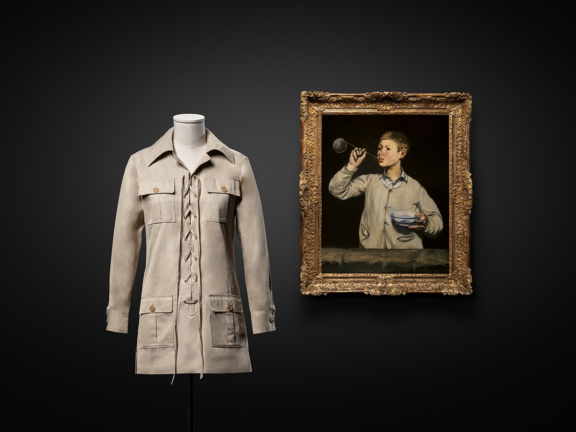
Nineteenth Century
René Lalique and Burne-Jones
-
Nevarte and Calouste Gulbenkian
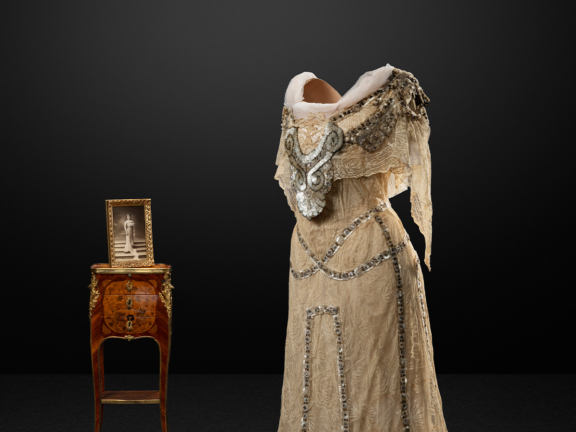
At the beginning of the twentieth century, while Paris defined women’s fashion, men’s style was firmly associated with the English model. Calouste Gulbenkian and his wife Nevarte’s refined taste was evident in their choice of materials and their preference for bespoke clothing, which confirmed their social standing.
The couple regularly subscribed to popular fashion publications to keep abreast of emerging trends. Photographs of Nevarte from this period reveal her careful attention to her appearance. She is shown wearing light, flowing dresses adorned with embroidery and lace typical of the Belle Époque. Meanwhile, Gulbenkian’s atire reflected the sobriety and discretion characteristic of Savile Row tailoring in London, expressing authority and distinction – values central to the ideal of the gentleman.
-
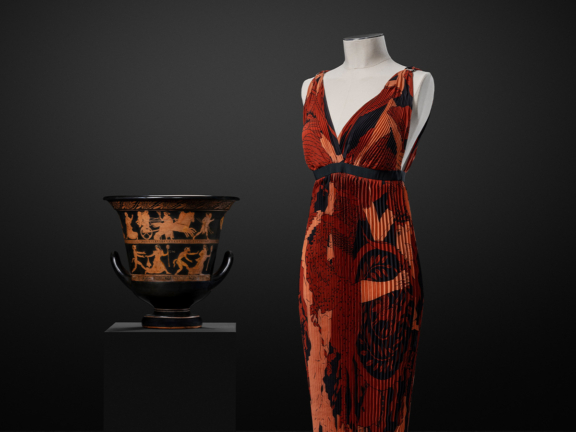
Antiquity
Throughout history, fashion has served as a powerful form of communication and a key marker of identity. In the earliest civilisations, however, clothing and the materials used to make it were primarily functional.
In Antiquity, materials were chosen for their value and political significance. The Egyptians, for example, used gold from what is now Sudan and silver from present-day Türkiye – raw materials obtained from regions of geopolitical importance to the elites.
Artefacts such as the calyx-krater vase and Assyrian reliefs highlight the importance of iconography in distinguishing Mediterranean cultures, such as that of Greece, from other, more distant civilisations. Gods, heroes and mythical creatures were recognisable by their physical attributes, accessories and garments, which in many cases evoked mythological scenes.
-
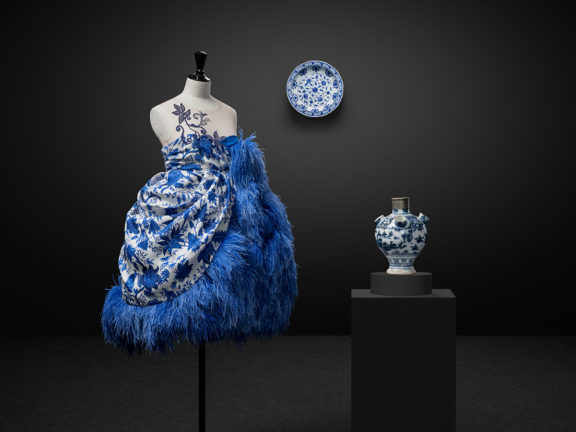
Islamic World
In the Islamic world, flowers were commonly used as decorative elements in textiles, associated with the pleasures of real gardens and with paradise, a theme found in the Qur’an.
Compositions of natural motifs, often stylised, were an importante feature of Islamic aesthetics and still inspire fashion designers today. Carnations, tulips, roses and hyacinths are recurring motifs in Turkish textiles, particularly from the second half of the sixteenth century.
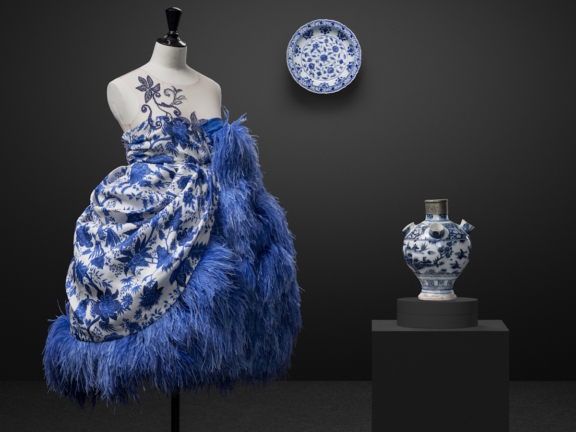
his taste for botany extended also to Turkish ceramics, developed in the workshops at Iznik, supported by the patronage of the Ottoman court. Although they took their inspiration from Chinese Ming blue-and-white, Turkish production rapidly extended the colour palette beyond cobalt blue to paint gardens: sage green, manganese purple, tomato red, turquoise blue, and emerald green.
-
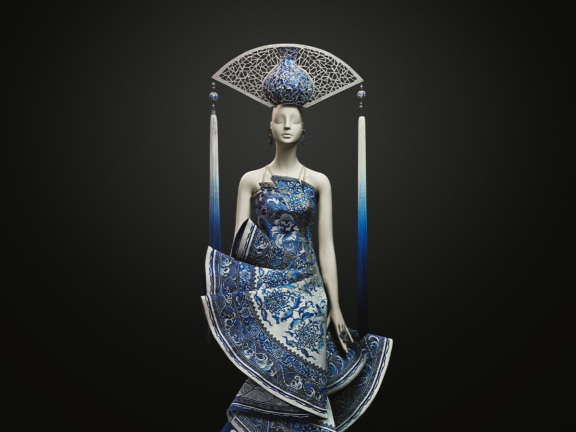
China
The choice of Chinese potters to combine white porcelain and brilliant blue painting beneath a transparent glaze proved a global triumph in the fourteenth century. Jingdezhen, in southeastern China, established itself as the leading centre of porcelain manufacture for centuries, driving the refinement of this technique. Subsequent experiments with imported enamels, known as ‘foreign colours’, allowed artisans to develop a wider range of tones.
In the seventeenth century, the taste for blue-and-white spread to Japan, Southeast Asia, Europe, Mexico and Brazil, attracting consumers worldwide and continuing to inspire artists across many disciplines to this day. One such example is the designer Guo Pei, whose decorative motifs evoke the tradition of Chinese ceramics through their colour palette and motifs such as lotus flowers.
-
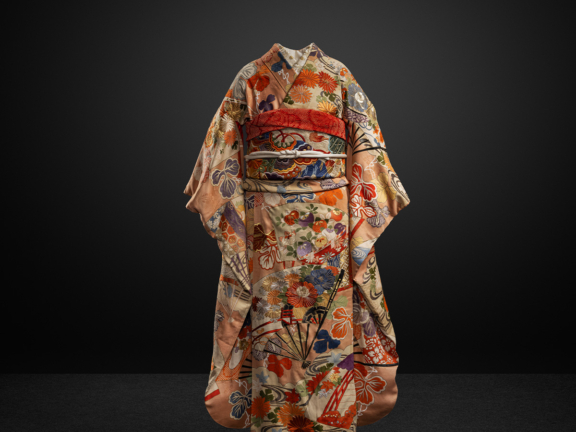
Japan
Fashion in Japanese art reflects the local culture and serves as a means of aesthetic and identity-based expression. During the Edo period (1603–1868), urban fashion spread into everyday life, gaining prominence through depictions of geishas and courtesans. This imagery was widely represented in kabuki theatre and in ukiyo-e prints, as can be seen in the examples on display in the exhibition.
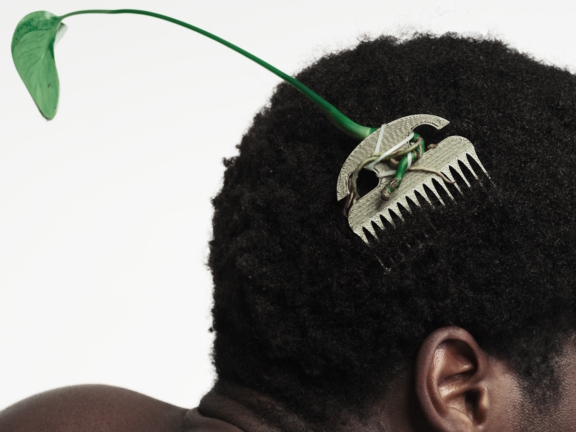
Some woodblock printing masters, including Kitagawa Utamaro and Utagawa Kunisada, focused on women’s clothing, hairstyles and accessories such as kanzashi hairpins. Elaborate kimonos, with seasonal plant motifs on luxurious fabrics were depicted with meticulous detail, whilst the obi (kimono sash) was used as a marker of status. Lacquerware from this period, such as inrō (used on the sash), also exemplify the artistic and technical sophistication of feudal Japan.
-
Renaissance
The Calouste Gulbenkian Collection brings together a significant group of works from the fifteenth and sixteenth centuries. Religious themes are particularly prominent in this section, especially in Flemish and Italian paintings where colour plays a key role in reinforcing the symbolic content of the composition. This is most evident in the colours chosen for the figures’ clothing.
Florentine and Venetian traditions signal as well the growing influence of humanist values in painting, with the human figure now being depicted with particular prominence. Armour also appears as an identifying feature of certain figures, serving to assert their status and temporal power.
-
Seventeenth Century
The depiction of the human form was a key feature of seventeent-hcentury painting, particularly in Northern European portraiture. In the Dutch tradition, shaped by Protestantism and a bourgeois mentality, a sober mode of figuration emerged, associated with a distinctive colour palette that extended to dress. Indeed, such austerity in clothing is a dominant feature in several works.
By contrast, Flemish painting clearly affirms Baroque opulence and the three-quarter portrait, enriched with decorative elements that signal the sitter’s power.
Still life also became a recurring subject in paintings of this period, notable for the naturalism of its compositions, which elevated its status within the hierarchy of pictorial genres.
-
Eighteenth Century
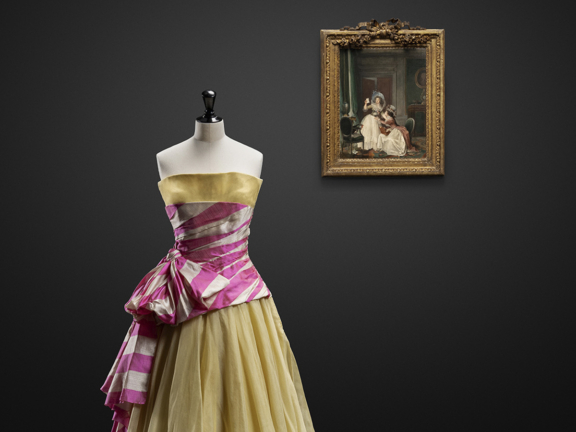
Gold – or more precisely, gilding – was one of the most emblematic features of French decorative arts in the eighteenth century. Used in clocks, candelabra, candlesticks, porcelain, furniture and textiles, it was central to palace decoration, becoming a symbol of the Ancien Régime’s power and luxury culture. As a precious commodity, gold was only accessible to the elite and therefore became an outward sign of wealth and status, reflected in the fashion of the period.
The richness of the materials used to make clothing demonstrated the wearer’s high social standing. Fashion was not merely aesthetic; it obeyed a representational code that dictated what each person should wear according to their status.
-
Nineteenth Century
In this century, Western artists increasingly turned to everyday life as a recurring theme in their work, reflecting the deep transformation of society. As the epicentre of modernity, Paris was the leading stage for this pivotal moment in cultural and aesthetic history.
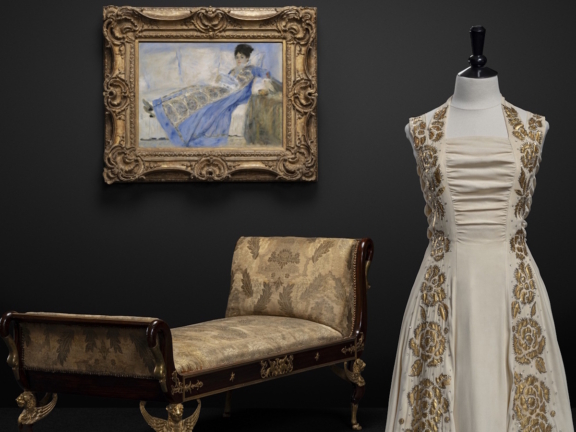
At the same time, the French capital also emerged as the centre of fashion, with artists such as Manet, Renoir and Sargent expressing their fascination with modernity in portraiture and the clothing of their subjects. Whether in intimate interiors or settings frequented by bohemian artistic circles, leading painters of the second half of the nineteenth century found a new freedom of representation encompassing both depictions of a new reality and unstoppable artistic expression.
-
René Lalique and Burne-Jones
René Lalique was a pivotal figure of the Art Nouveau period, later becoming a key driving force behind the Art Deco aesthetic. His success at the 1900 Paris Exposition cemented his reputation as a jeweller to the elite, attracting illustrious and bohemian clientèlethat included actress Sarah Bernhardt, the Countess of Béarn, the dancer Liane de Pougy, the poet Robert de Montesquiou and, naturally, the collector Calouste Gulbenkian, his personal friend and distinguished client.
Among his many influences, nature was the most significant, often guided by a vision aligned with the naturalist spirit of Japanese art, which had spread through artistic circles following the success of the 1889 and 1900 Paris Expositions.
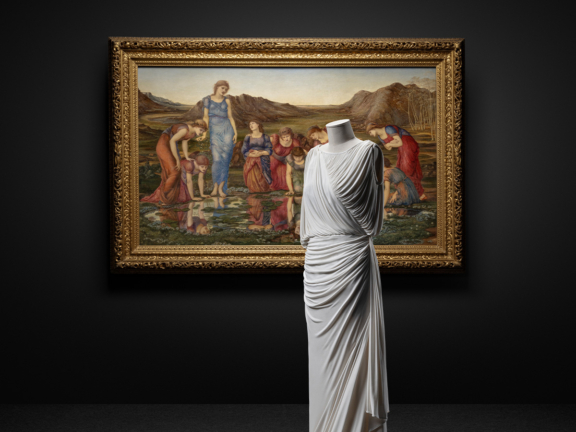
On the other hand, Sir Edward Burne-Jones evokes a relationship with nature and with idealized beauty, deeply inspired by the Hellenic world.
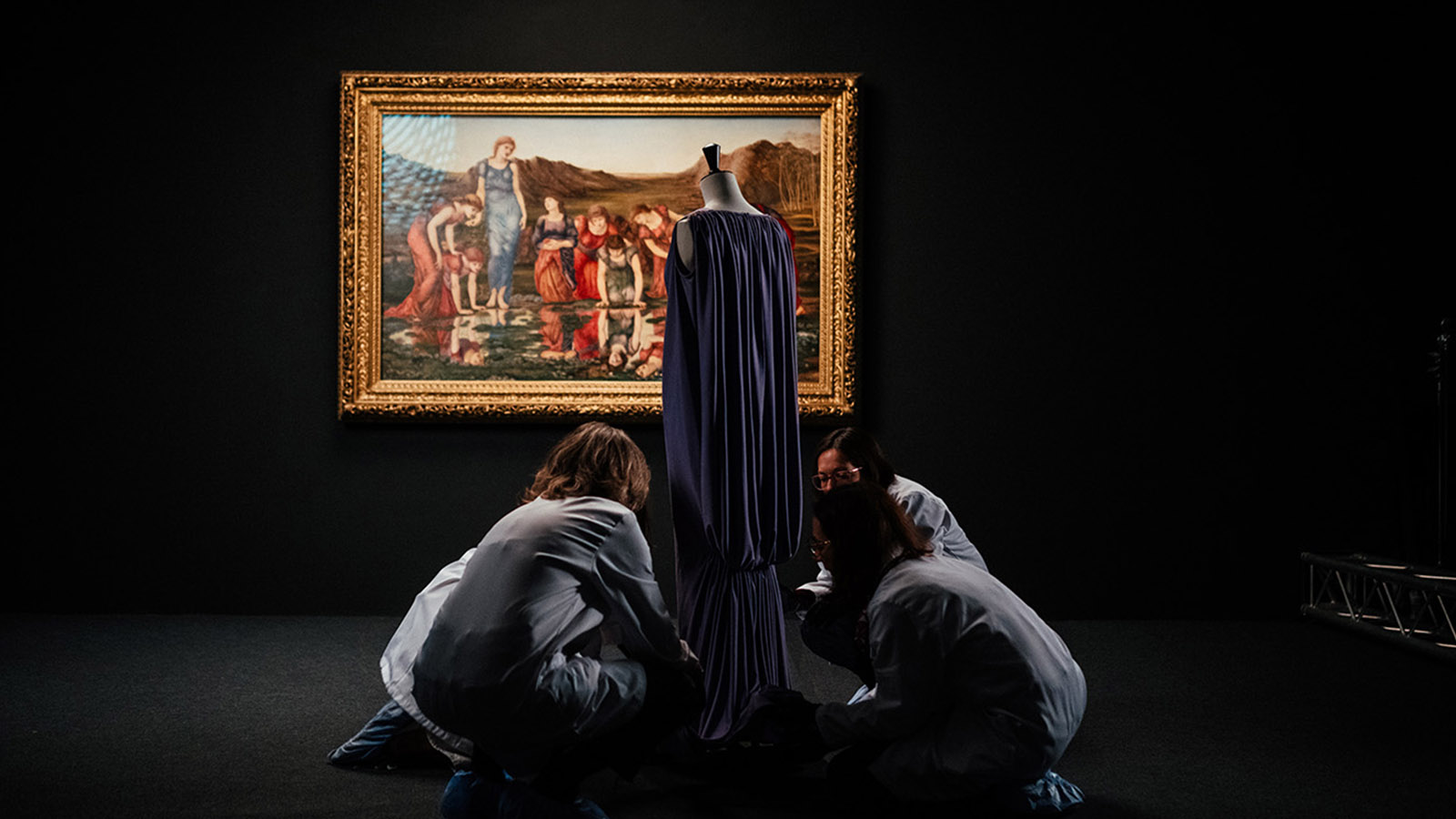
Burne-Jones became one of the leading figures of the Pre-Raphaelite movement. In the painting The Mirror of Venus, the artist depicts figures in costumes alluding to classicism, in a linear distribution, in the manner of a Greek-inspired frieze.
Sponsors


Sponsor Hotel

Related

No results were found for your criteria.