Portuguese artists in postwar London
Talks about British Art
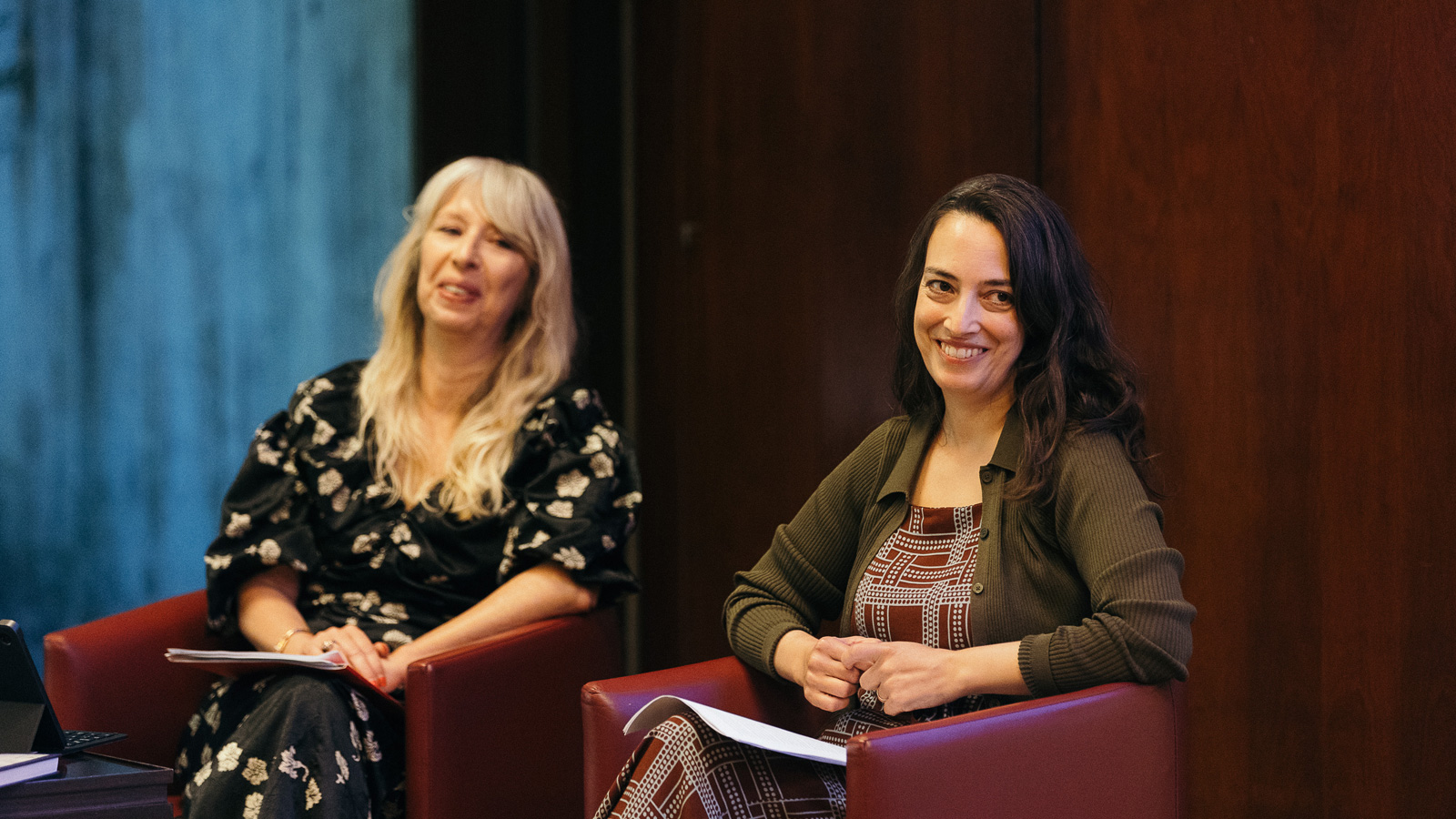
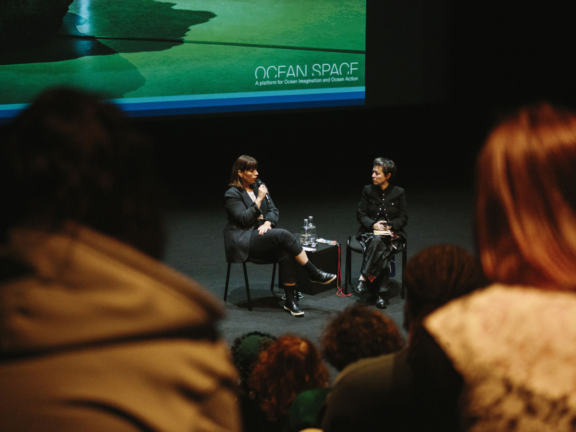
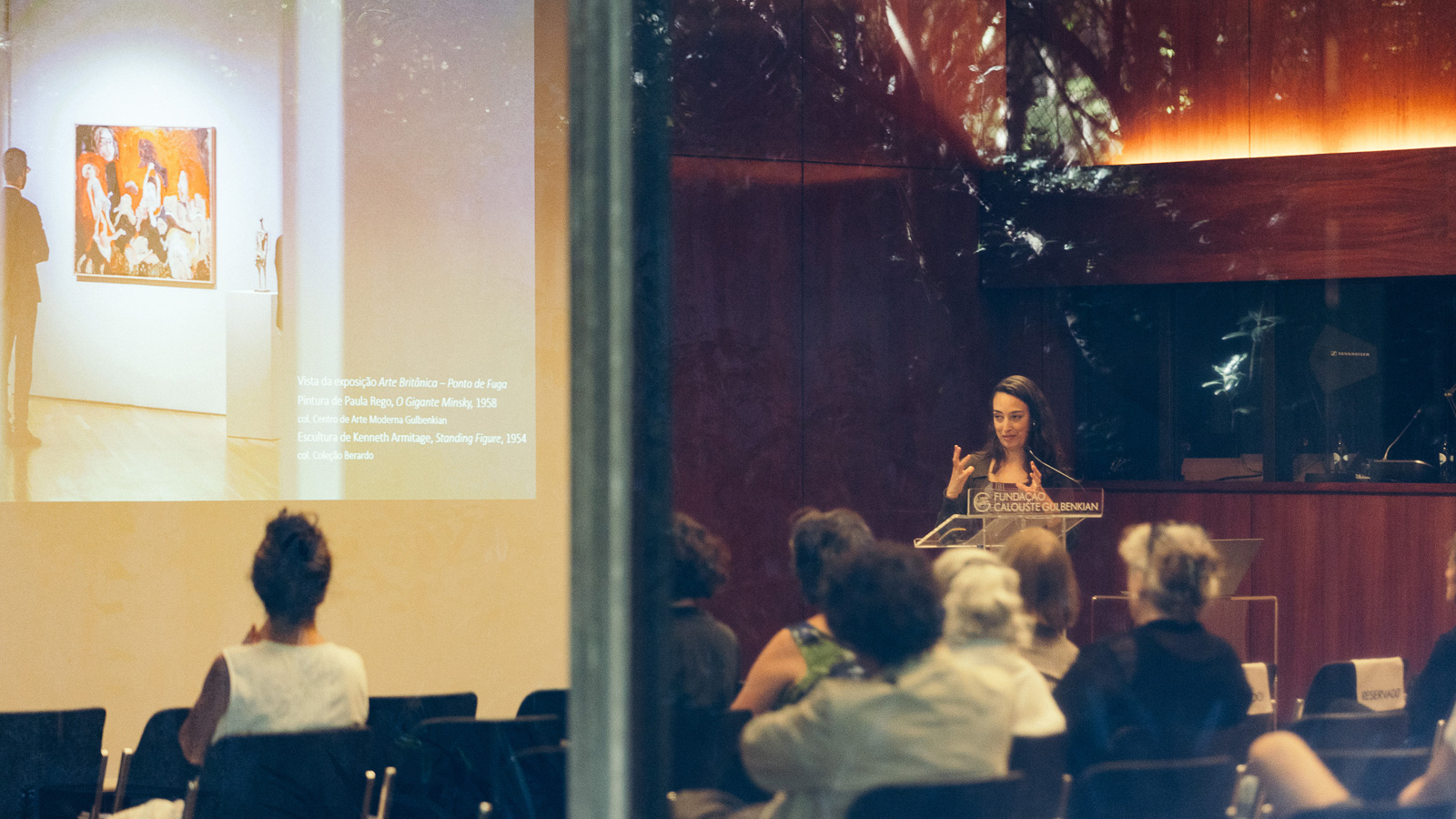
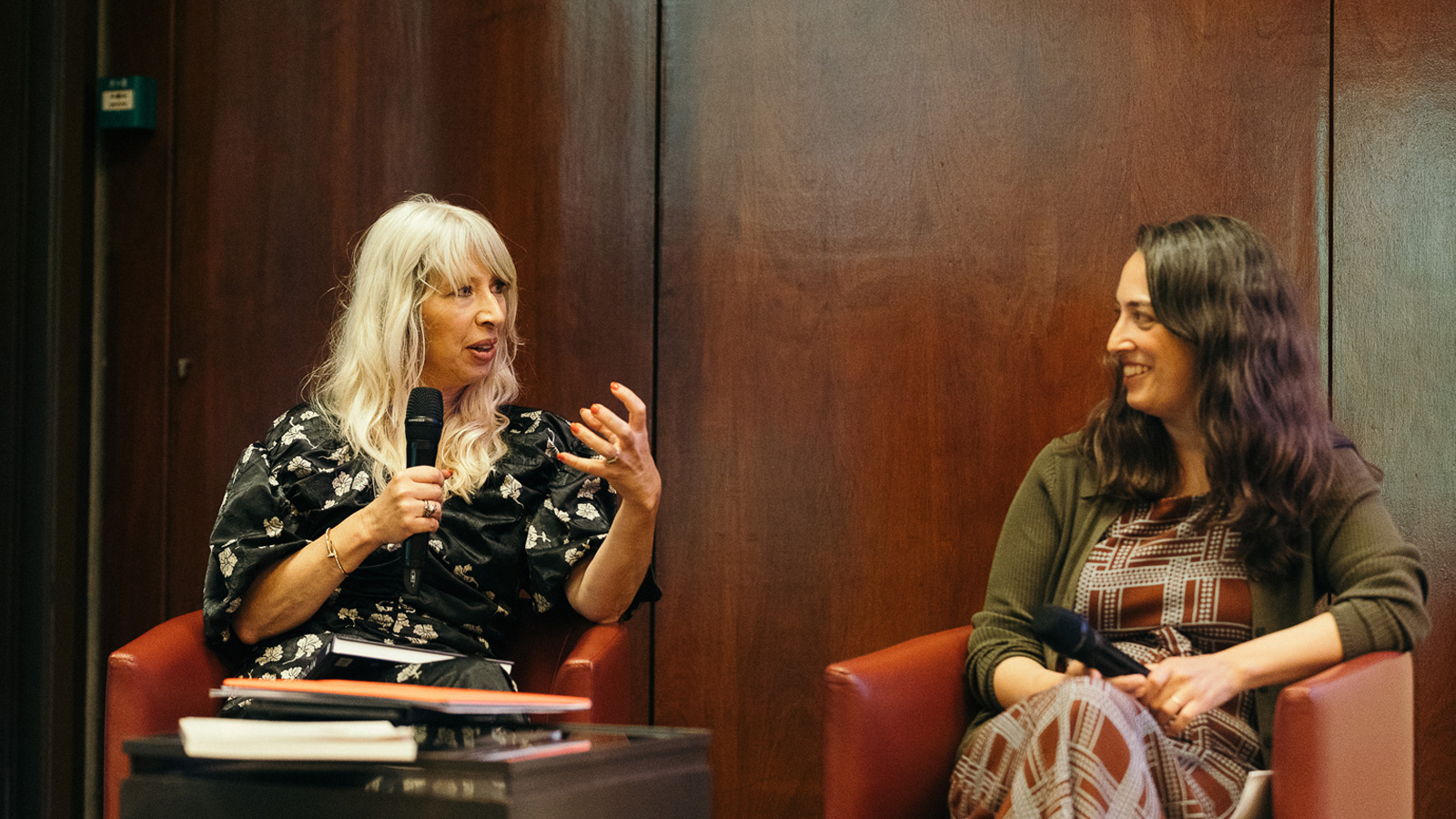
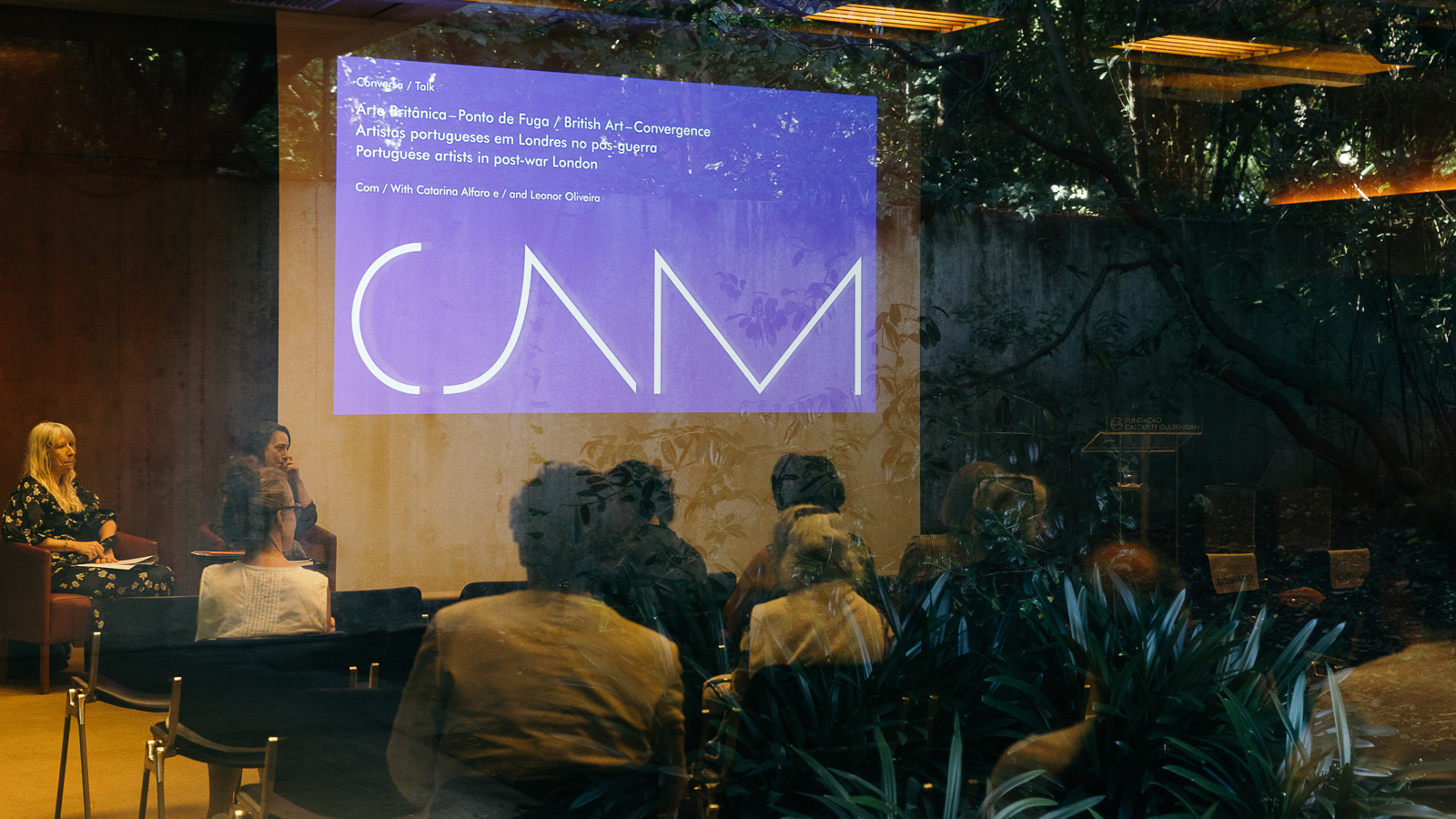
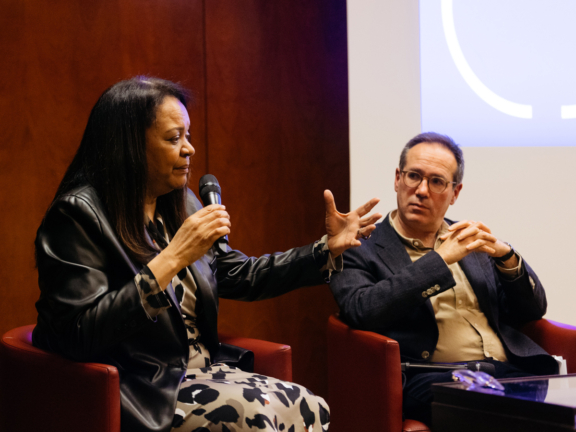
Leonor de Oliveira takes as a starting point the work ‘Portuguese Artists in London’ (Routledge, 2020), which outlines the journey and experimentalism of Portuguese artists who, from the 1950s, following World War II, defined an artistic route that offered an alternative to Paris, the destination of which was the city of London. Paula Rego (1935–2022), Jorge Vieira (1922–1998), Bartolomeu Cid dos Santos (1931–2008) and João Cutileiro (1937-2021) are some of the artists who made a mark during this period, sharing references and experiences which they expressed with a freedom of visual development that had no place in their own country at the time.
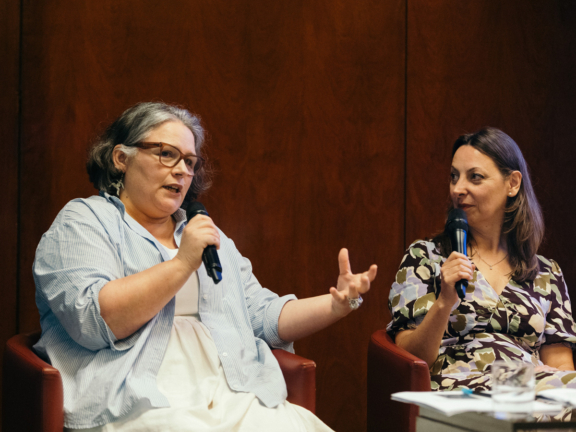
Catarina Alfaro offers a contextual frame for the exhibition, emphasising the role of the exhibitions ‘The New Generation and 54–64: Painting & Sculpture of a Decade’, held in London in 1964, in the constitution of CAM’s Collection of British Art. The curators also explore the thematic, narrative and disciplinary world of Paula Rego, through the programme and the role of the Museu Casa das Histórias/Fundação D. Luís I. Rego’s friendship with Menez (1926–1995) offers another point of reflection, as an example of contact based on a relationship of mutual intellectual respect and artistic admiration.
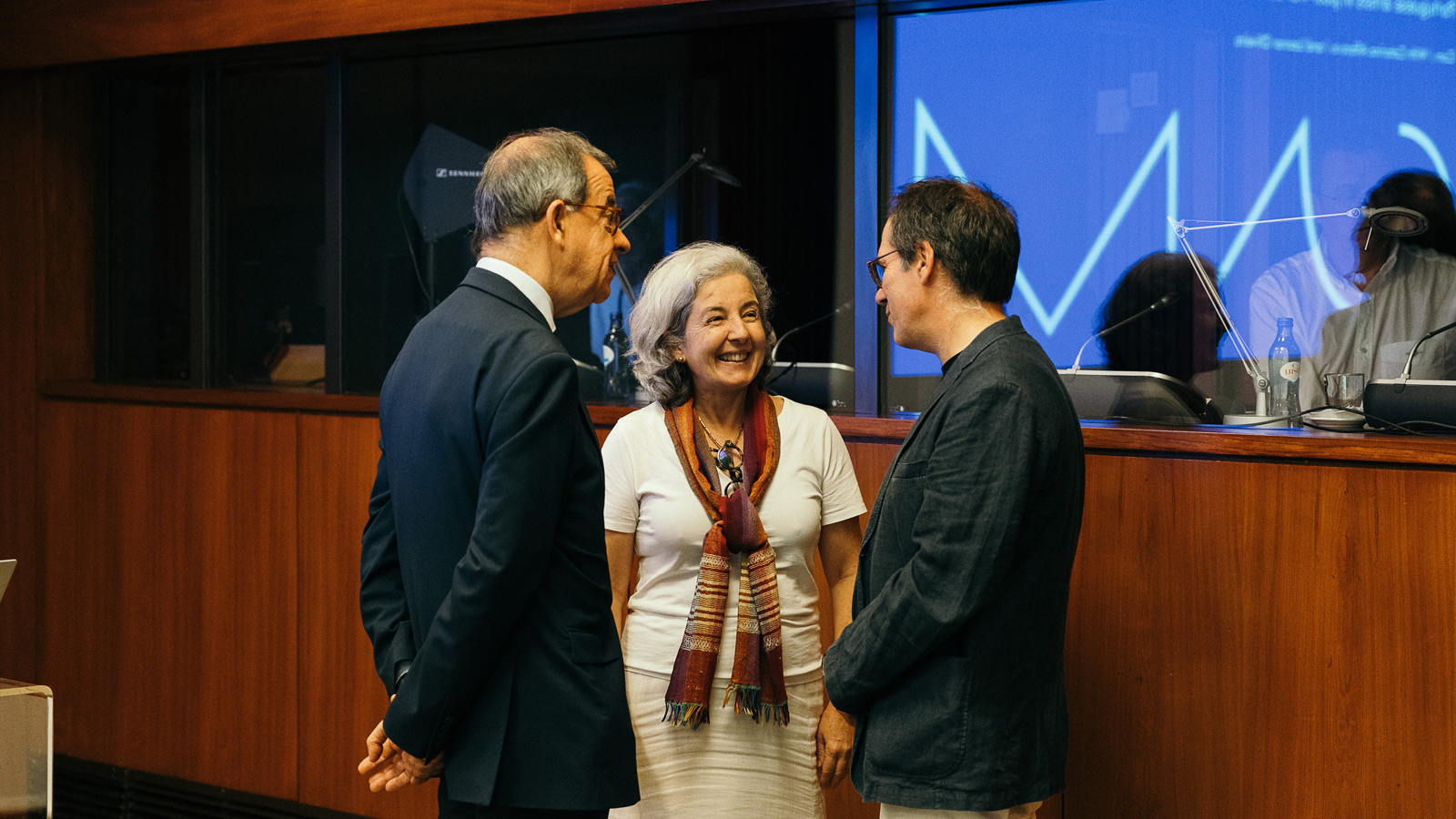
In the audio recording shared here, Leonor de Oliveira and Catarina Alfaro aim to expand the lines along which British art from this period has been defined, through a reading based on the experiences of Portuguese artists, with in-depth, personal and creative involvement.
Talks about British Art
Explore the series
No results were found for your criteria.