
British Art – Convergence
Event Slider
Date
- Sat,
- Closed on Tuesday
Location
Main Gallery Calouste Gulbenkian FoundationPricing
Free – Under 18
25% – Under 30
10% – Over 65
Cartão Gulbenkian:
Free – Under 30, saturdays,
18:00 – 21:00
50% – Under 30
20% – Over 65
10% – 30 to 64
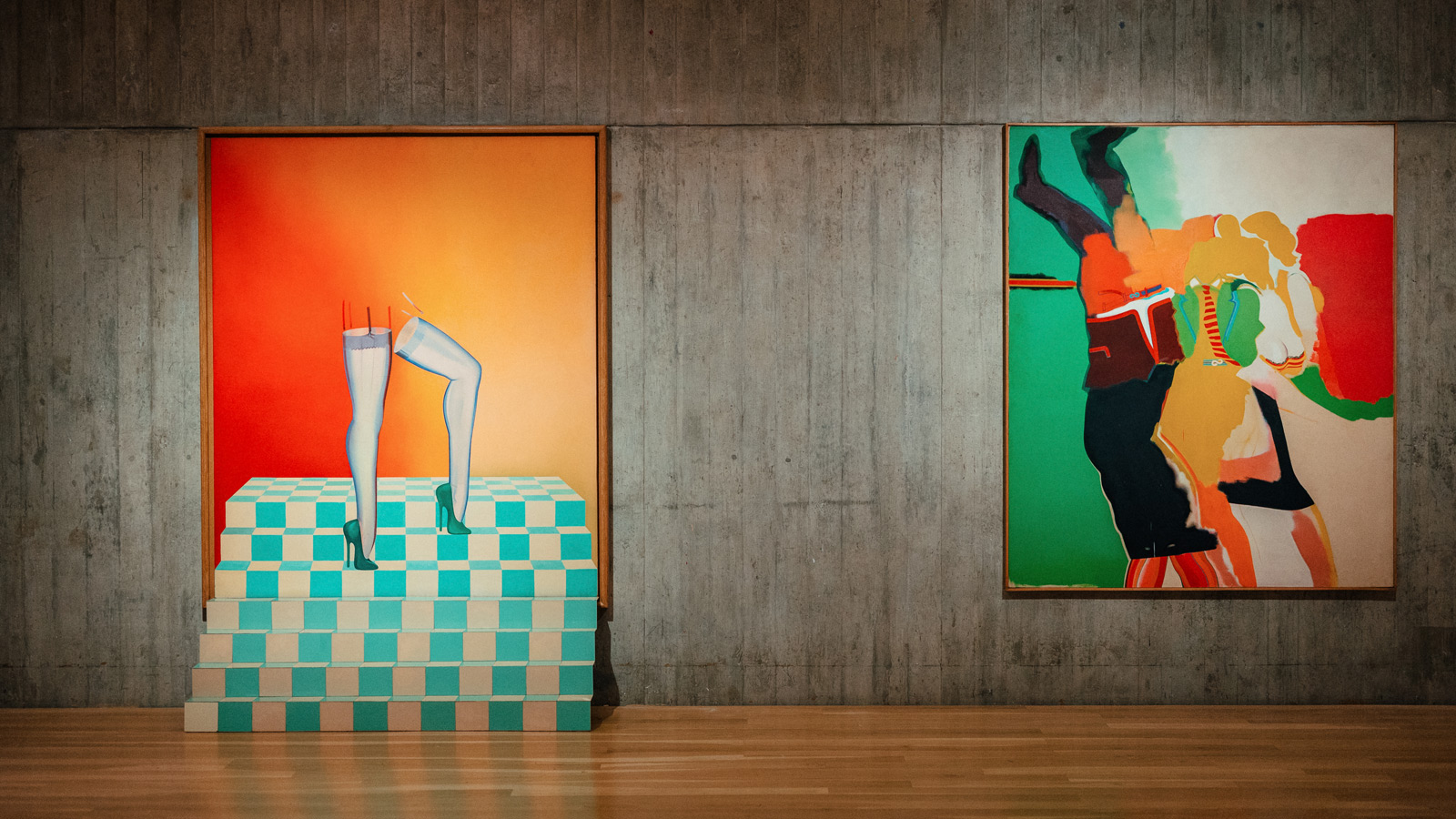
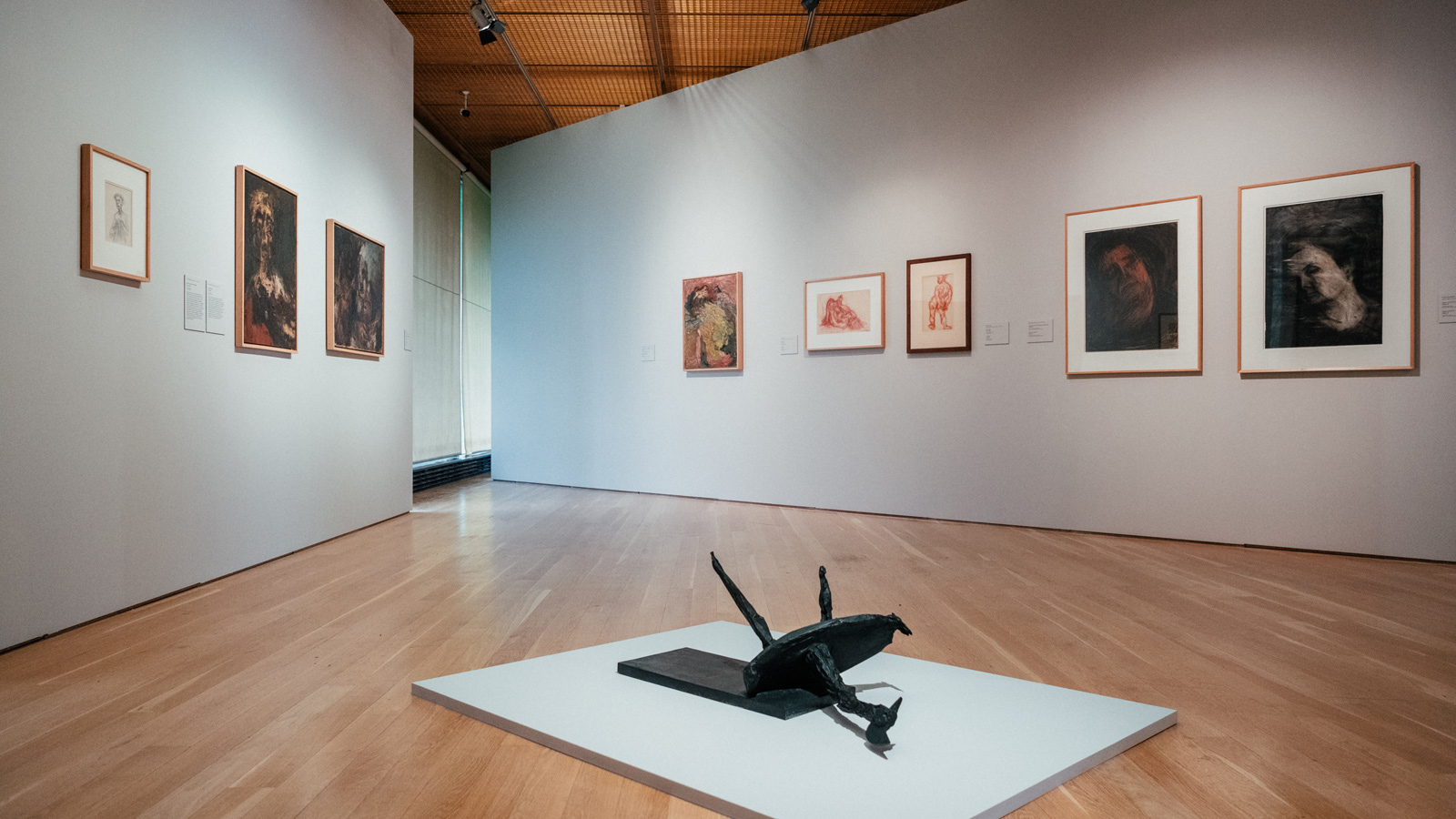
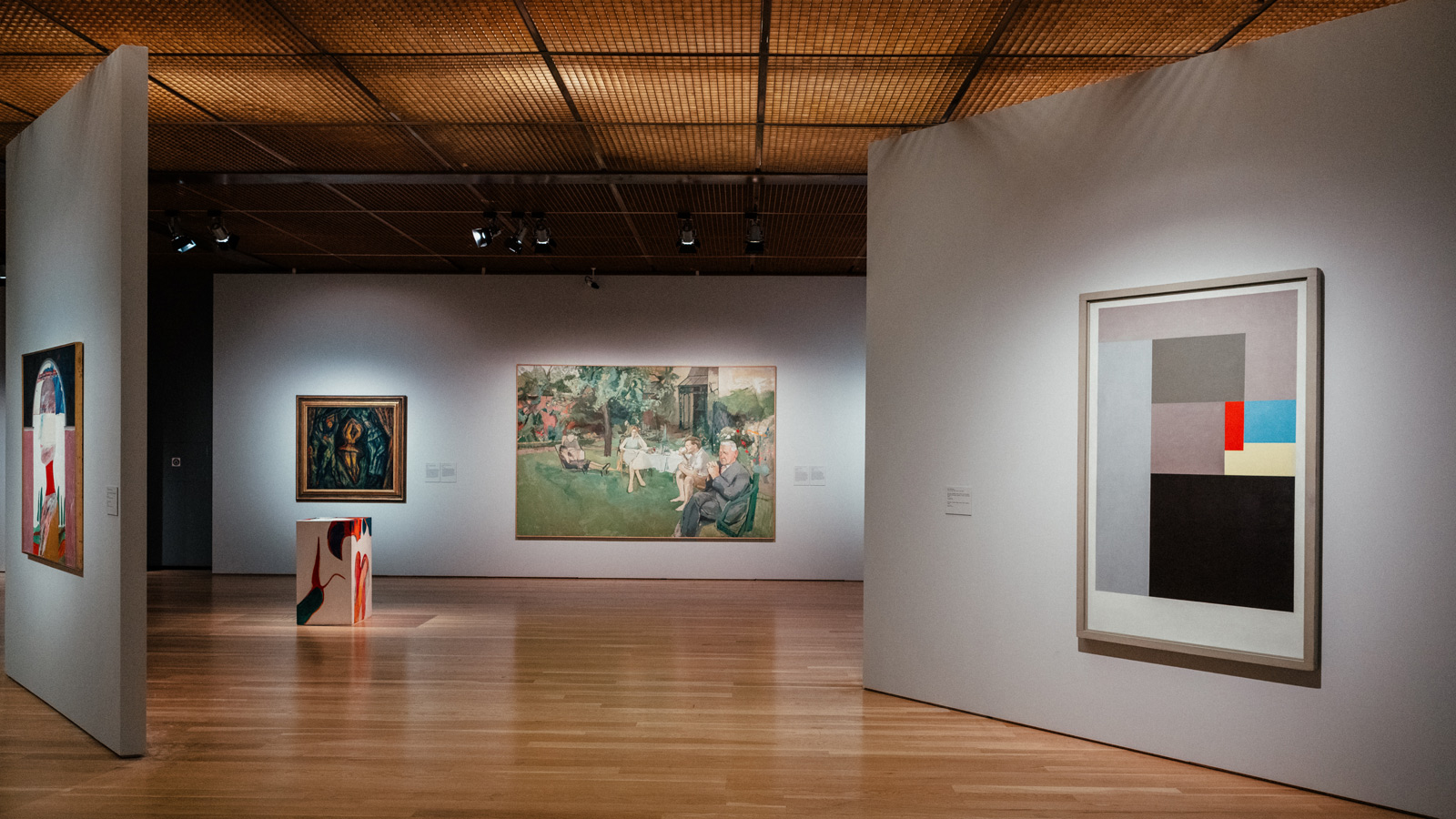
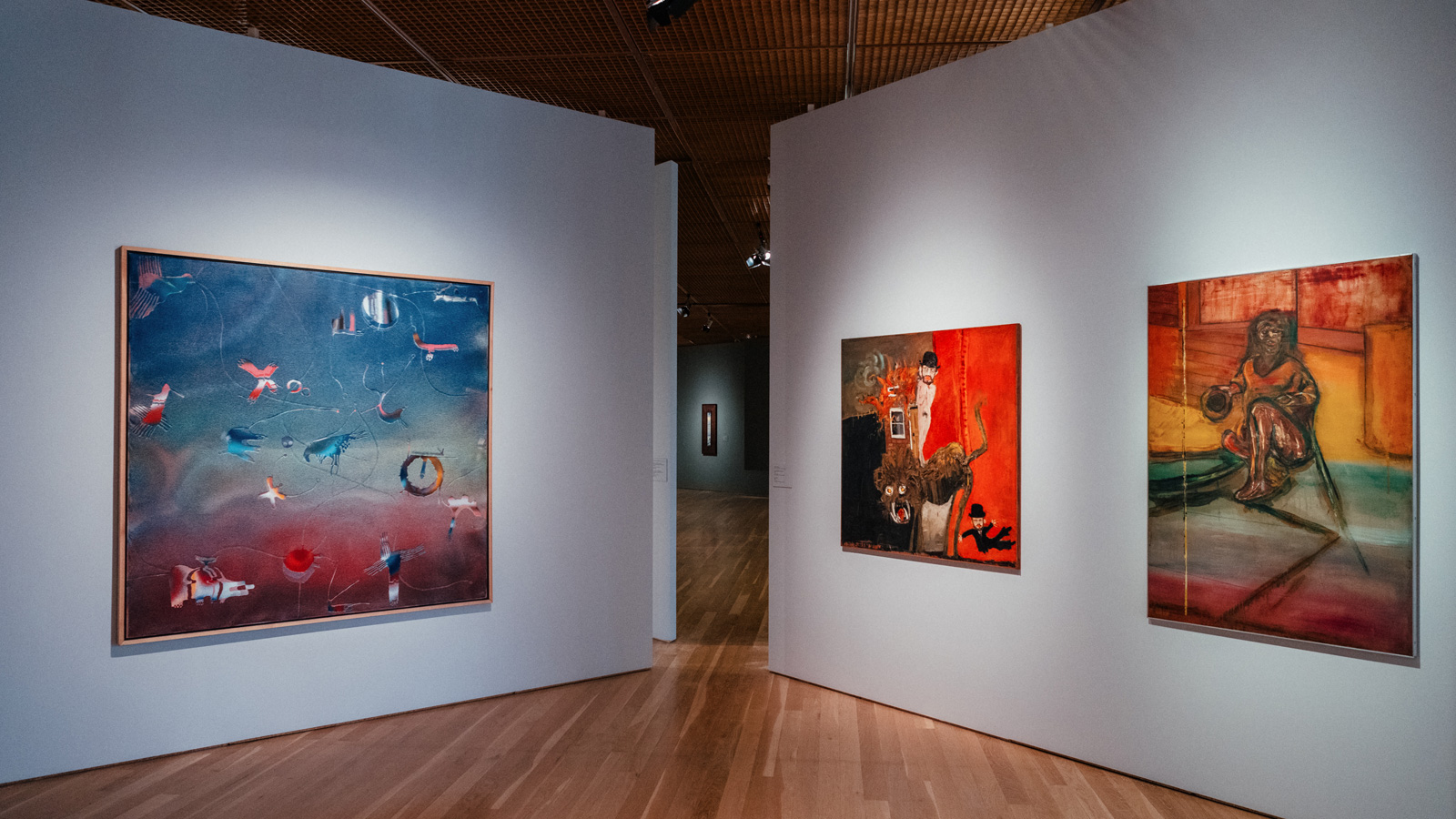
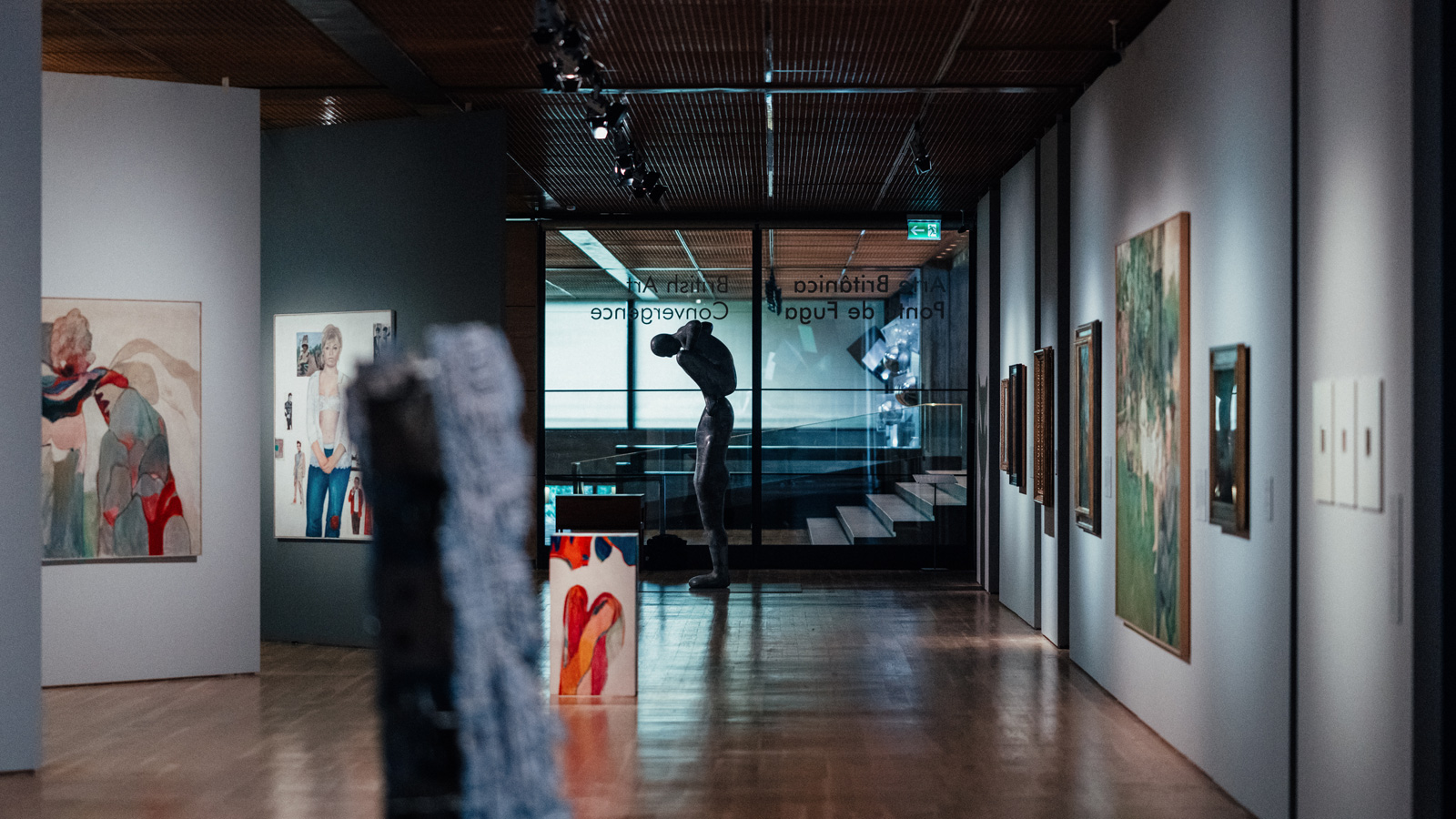
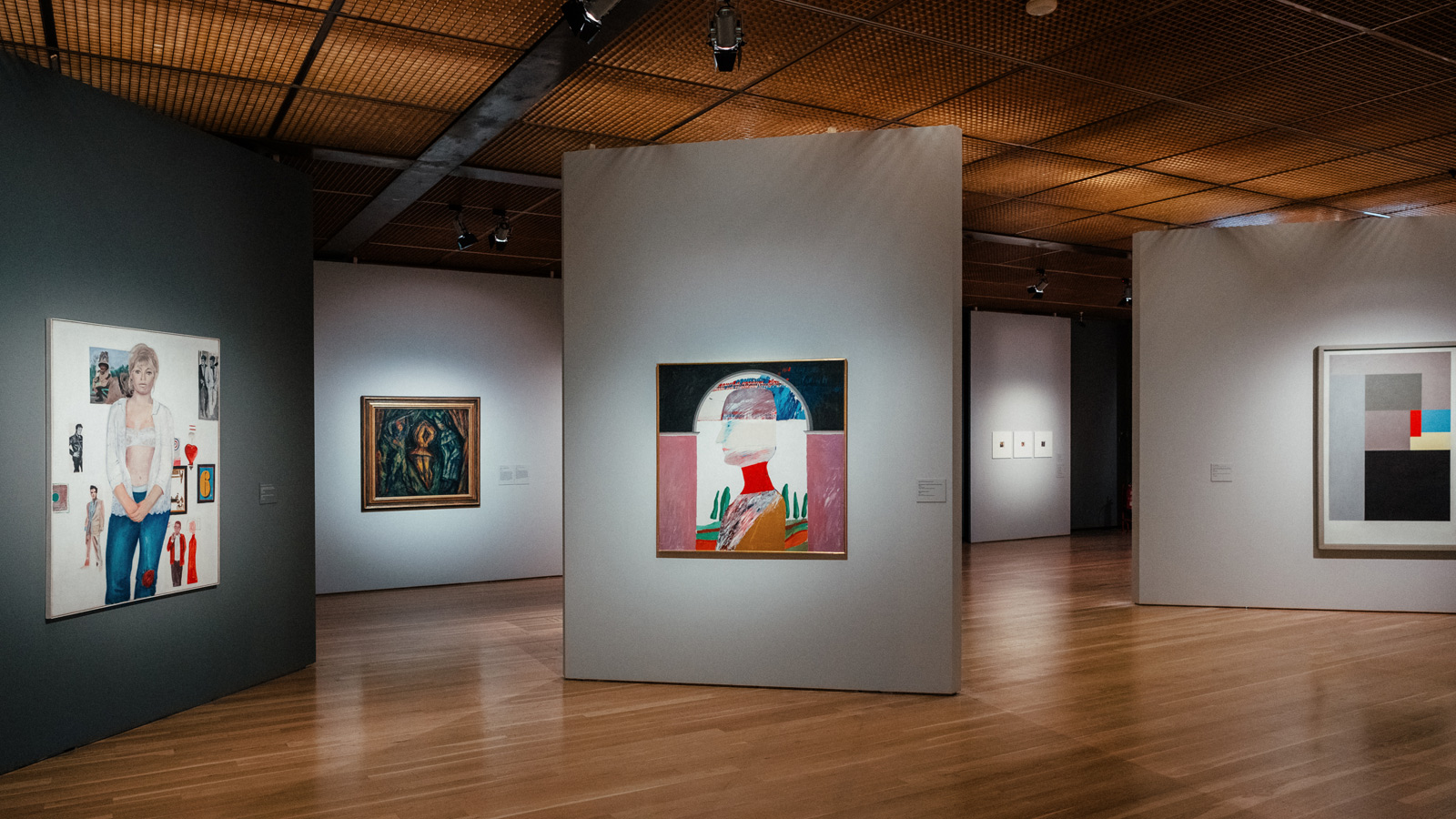
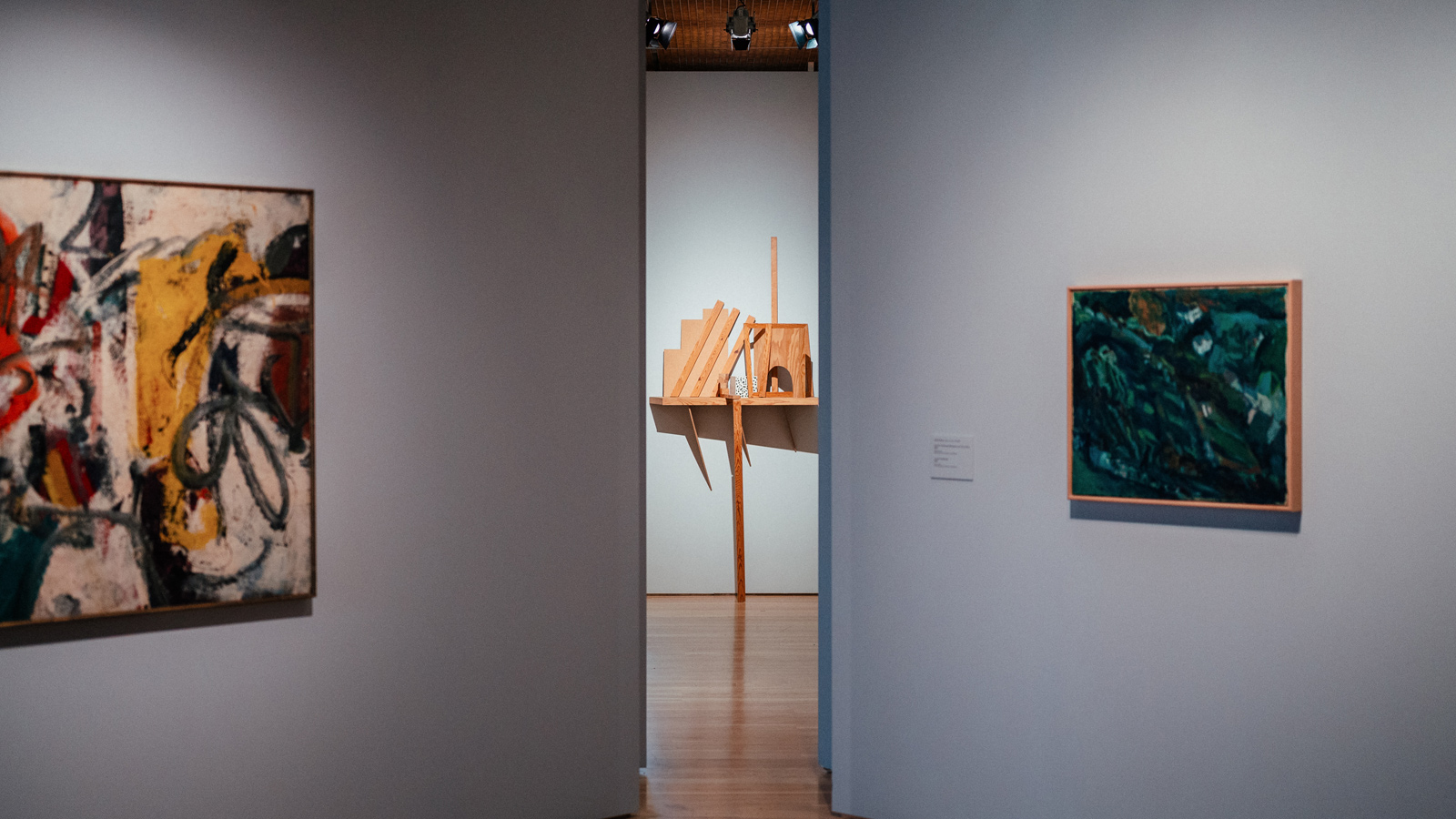
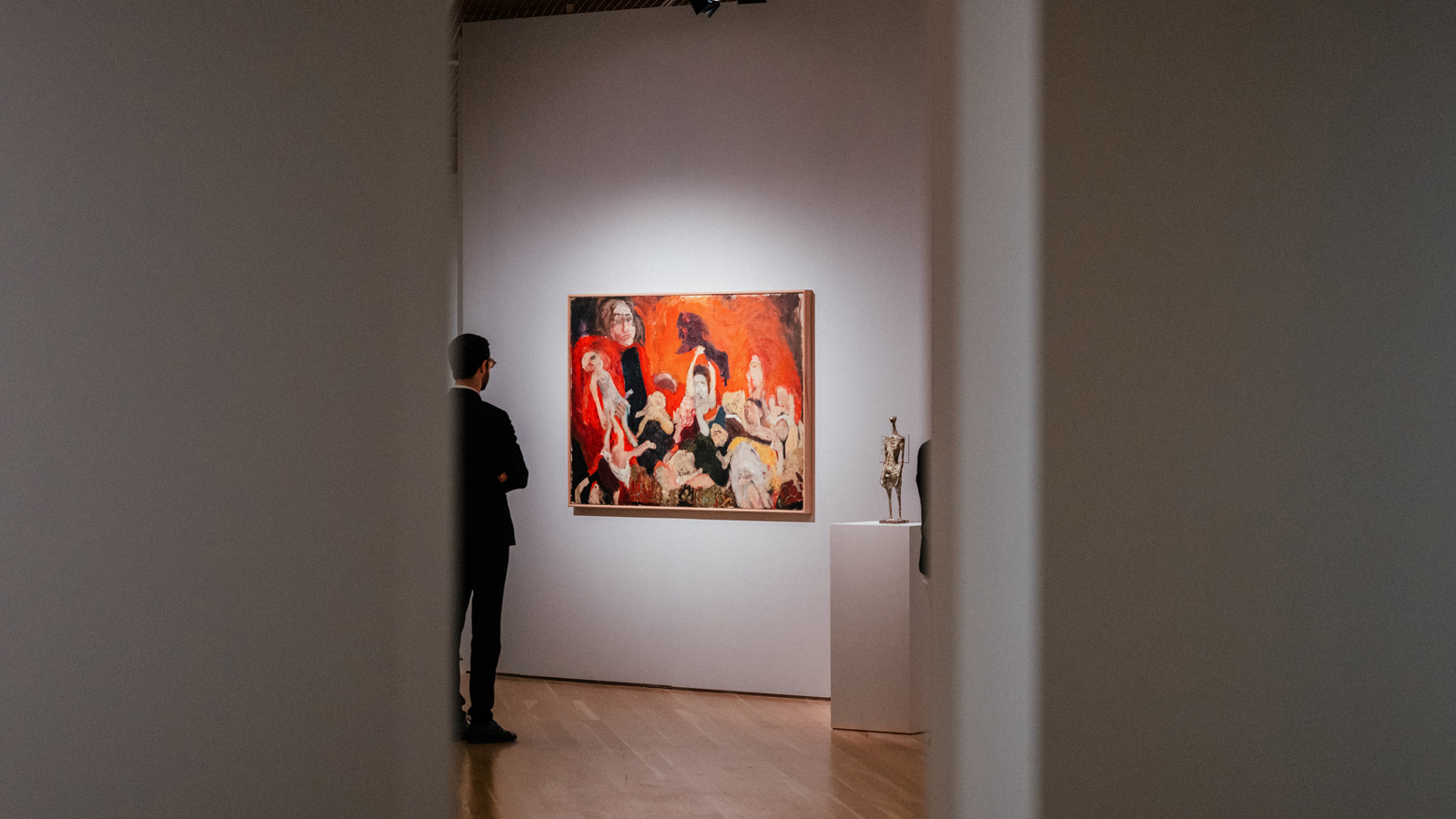
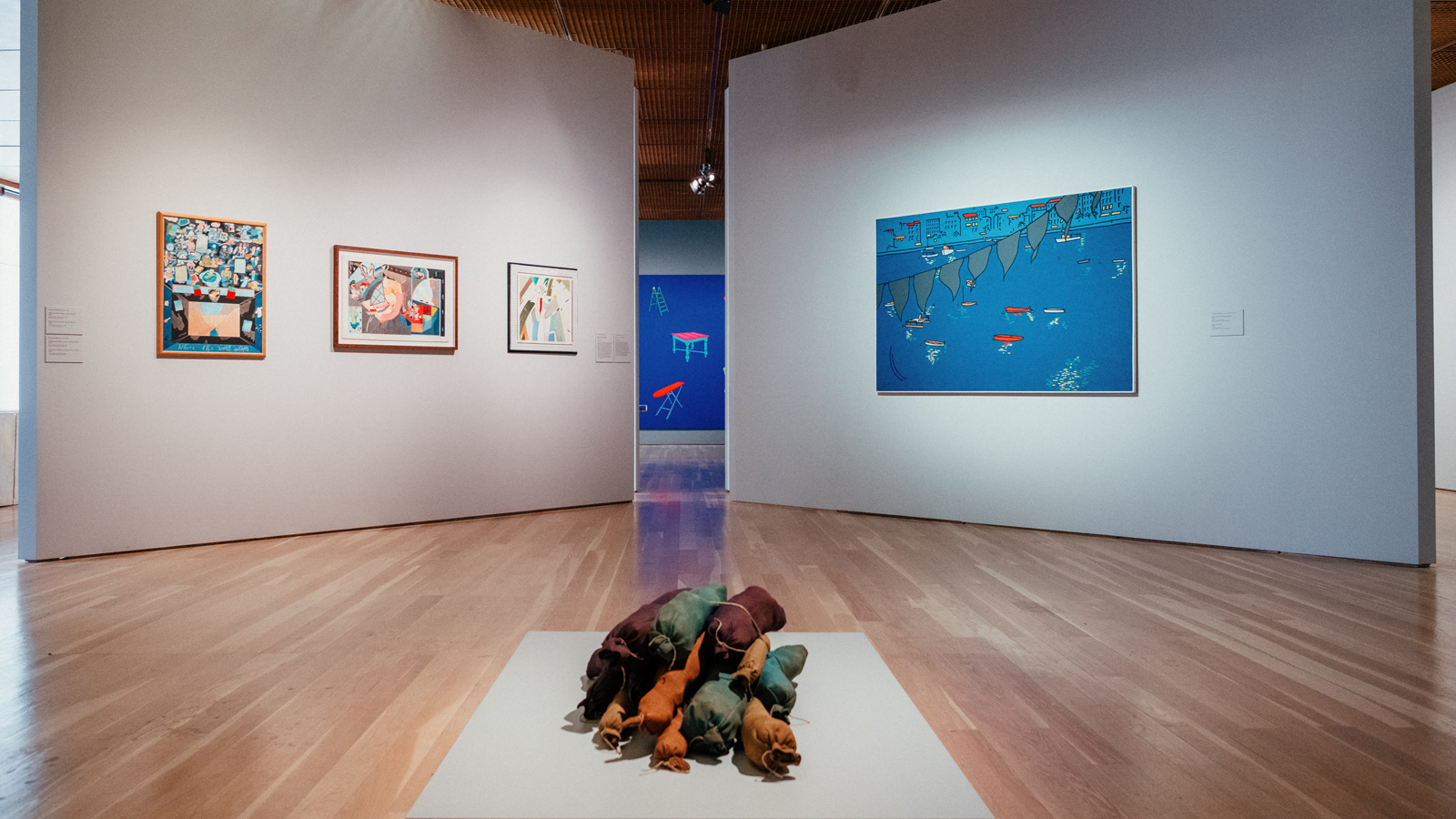
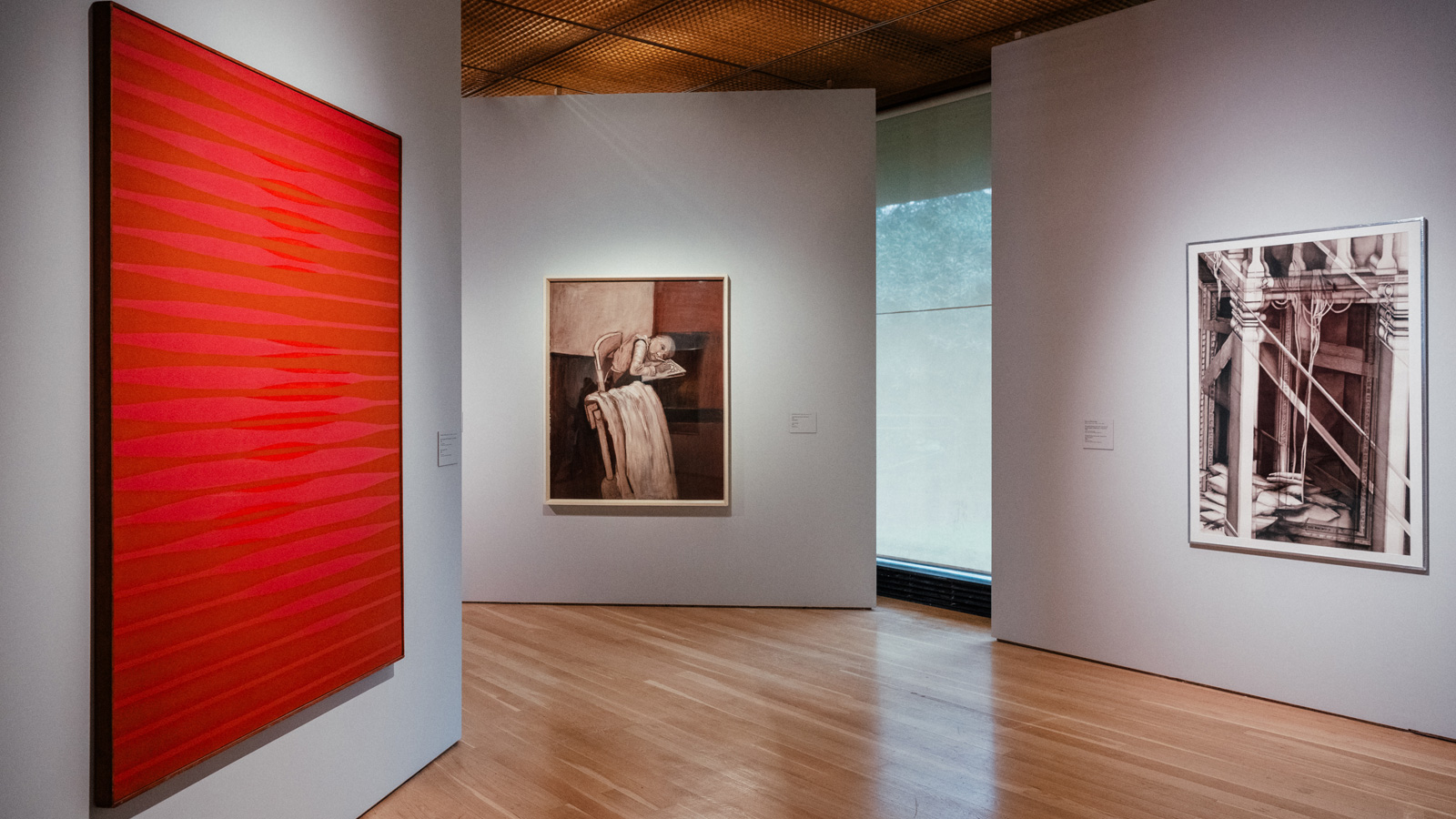
‘British Art – Convergence’ brings together more than 100 works by 74 artists, principally from two major private Portuguese collections, CAM – Centro de Arte Moderna Gulbenkian and the Berardo Collection. These works are complemented by relevant external loans from Britain and France to further contextualise a narrative foregrounding the significant cross-national transference that distinguished British art practice in this century.
The question of what constitutes British art – past and present – is always in flux. The past two decades have seen a major reassessment and foregrounding of the immigrant and diasporic influence on ‘British’ art as part of a move to decolonise the canon. The exhibition demonstrates Britain’s significant artistic dialogues with France, America and Portugal, via both well and lesser-known artists, connected not only by artistic movements and practices, art school training and exhibition platforms, but also through shared personal histories including national and ethnic identities, émigré trajectories and experiences.
Following a thematic rather than a strictly chronological approach, the exhibition highlights major themes including the dominance, lapse and then resurgence of figuration and the many strands of realism in late nineteenth and twentieth-century British visual culture.
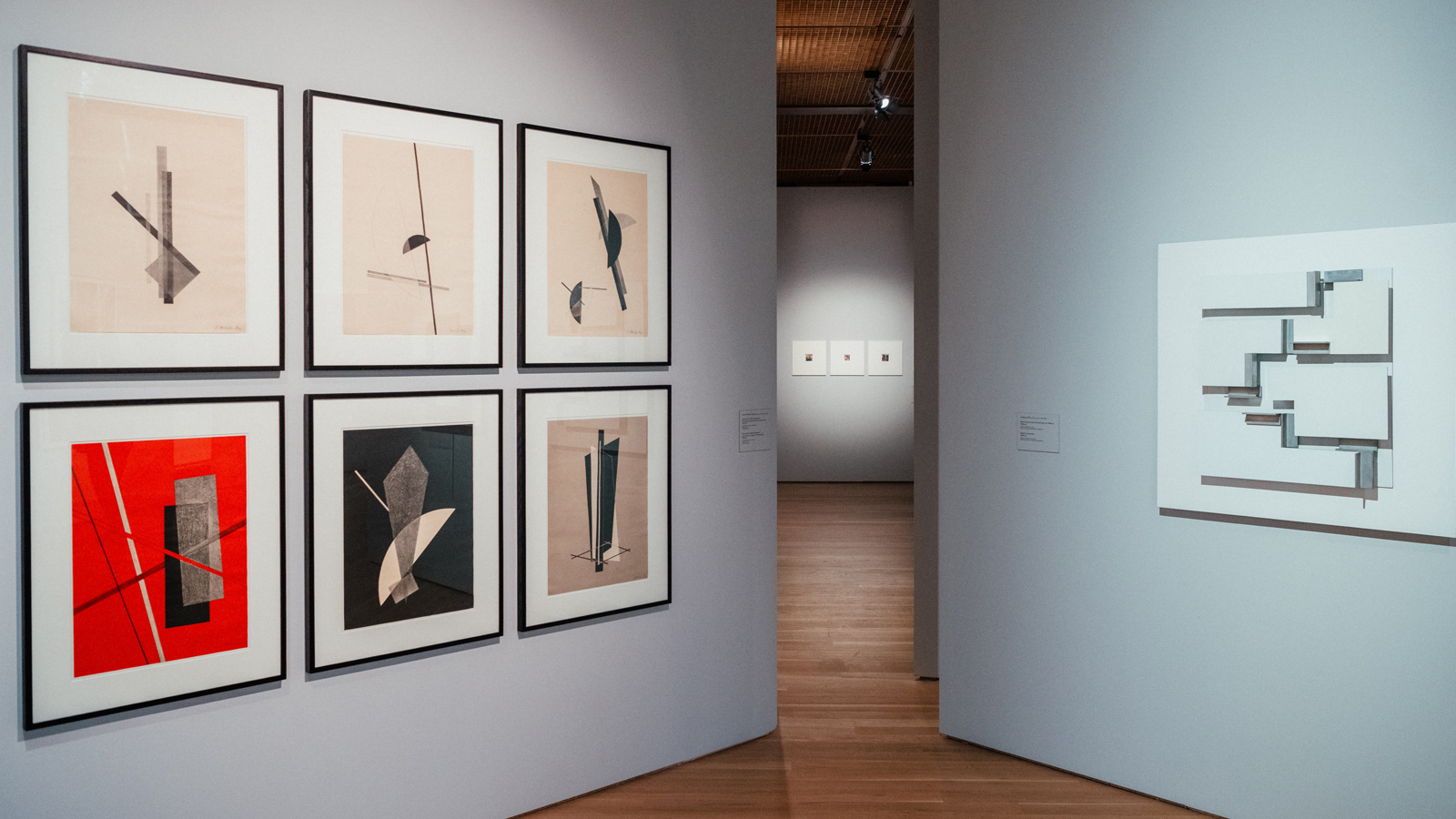
Of equal importance, is the rise of abstraction and its many variants, with a strong emphasis on constructivism. The great English tradition of landscape – though not a dominant theme – is signalled by the presence of J. M. W. Turner, whose long legacy is represented by a seascape.
Postwar migrations from countries with repressive regimes, including South Africa and Portugal, established new ‘pontos de fuga’ – lines of convergence, which can also be divergent – that continue to this day.
Émigré or temporarily displaced artists, have been central to all of these movements and have played a vital role in forming and stimulating dialogue, drawing on their own experiences and backgrounds to contribute to a revitalized and, ultimately, more inclusive British art scene.
The exhibition’s online catalogue is available for consultation.
Exhibiting artists
Eileen Agar, Michael Andrews, Kenneth Armitage, Art & Language, Frank Auerbach, Gillian Ayres, Francis Bacon, Eduardo Batarda, Ella Bergmann-Michel, Peter Blake, David Bomberg, Pauline Boty, Frank Bowling, Edward Burne-Jones, Fernando Calhau, Patrick Caulfield, Bartolomeu Cid dos Santos, Michael Craig-Martin, Alan Davie, Barry Flanagan, Hamish Fulton, Mark Gertler, Pamela Golden, Antony Gormley,Henryk Gotlib, Derrick Greaves, Anthony Green, Richard Hamilton, Jann Haworth, Anthony Hill, David Hockney, Allen Jones, Peter Joseph, Erich Kahn, Balraj Khanna, Michael Kidner, R.B. Kitaj, Leon Kossoff, Mark Lancaster, Peter Laszlo Peri, Kenneth Martin, Mary Martin, Bernard Meadows, Reuben Mednikoff, Menez, Lászlo Moholy-Nagy, Henry Moore, Henry Moore, Ben Nicholson, Julian Opie, Grace Pailthorpe, Eduardo Paolozzi, Victor Pasmore, João Penalva, Roland Penrose, Graça Pereira Coutinho, Deanna Petherbridge, Marc Quinn, Paula Rego, Bridget Riley, Adrian Ryan, Rui Sanches, Kurt Schwitters, Peter Sedgley, Walter R. Sickert, John Singer Sargent, Jack Smith, Joe Tilson, J.M.W. Turner, Paule Vézelay, Mark Wallinger, Rachel Whiteread, Gillian Wise, Alfred Wolmark.
Credits
Curatorship
Ana Vasconcelos
Rita Lougares
Scientific coordination
Sarah MacDougall – Ben Uri Foundation, Londres
Scenography
Mariano Piçarra
Main image
© Pedro Pina
The Calouste Gulbenkian Foundation reserves the right to collect and keep records of images, sounds and voice for the diffusion and preservation of the memory of its cultural and artistic activity. For further information, please contact us through the Information Request form.