Exile and expatriation in post-1945 Britain
Talks about British Art
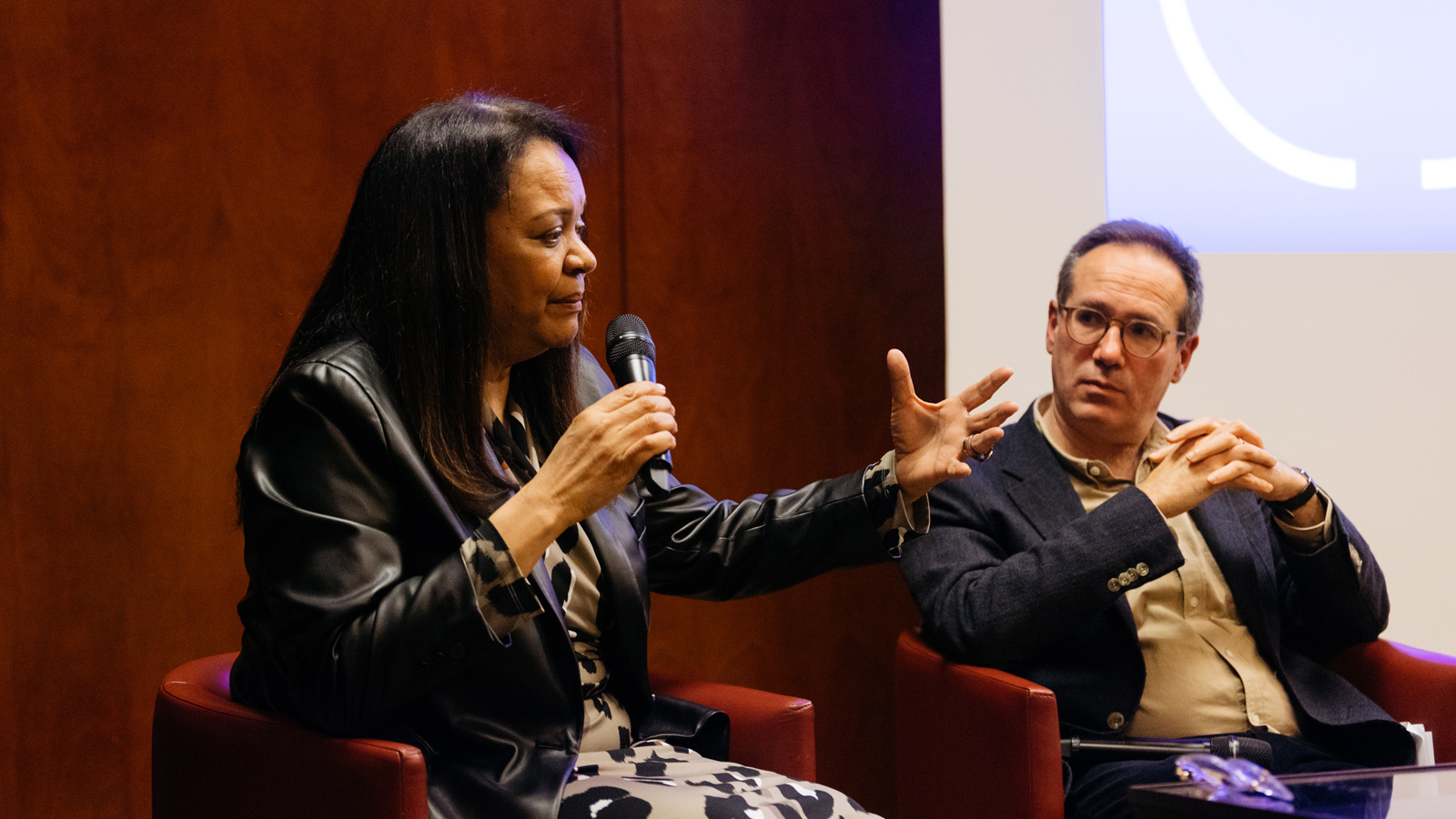
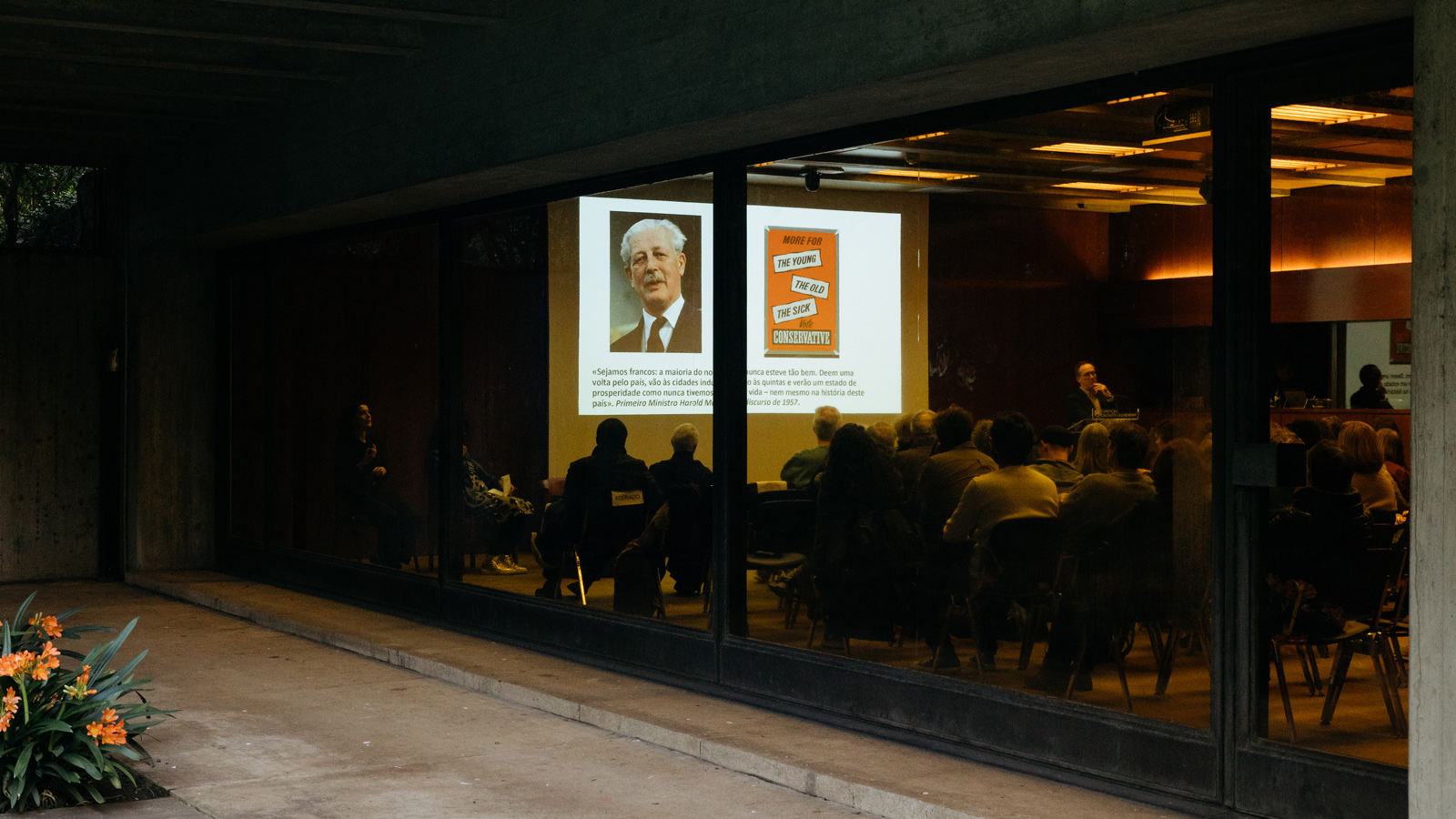
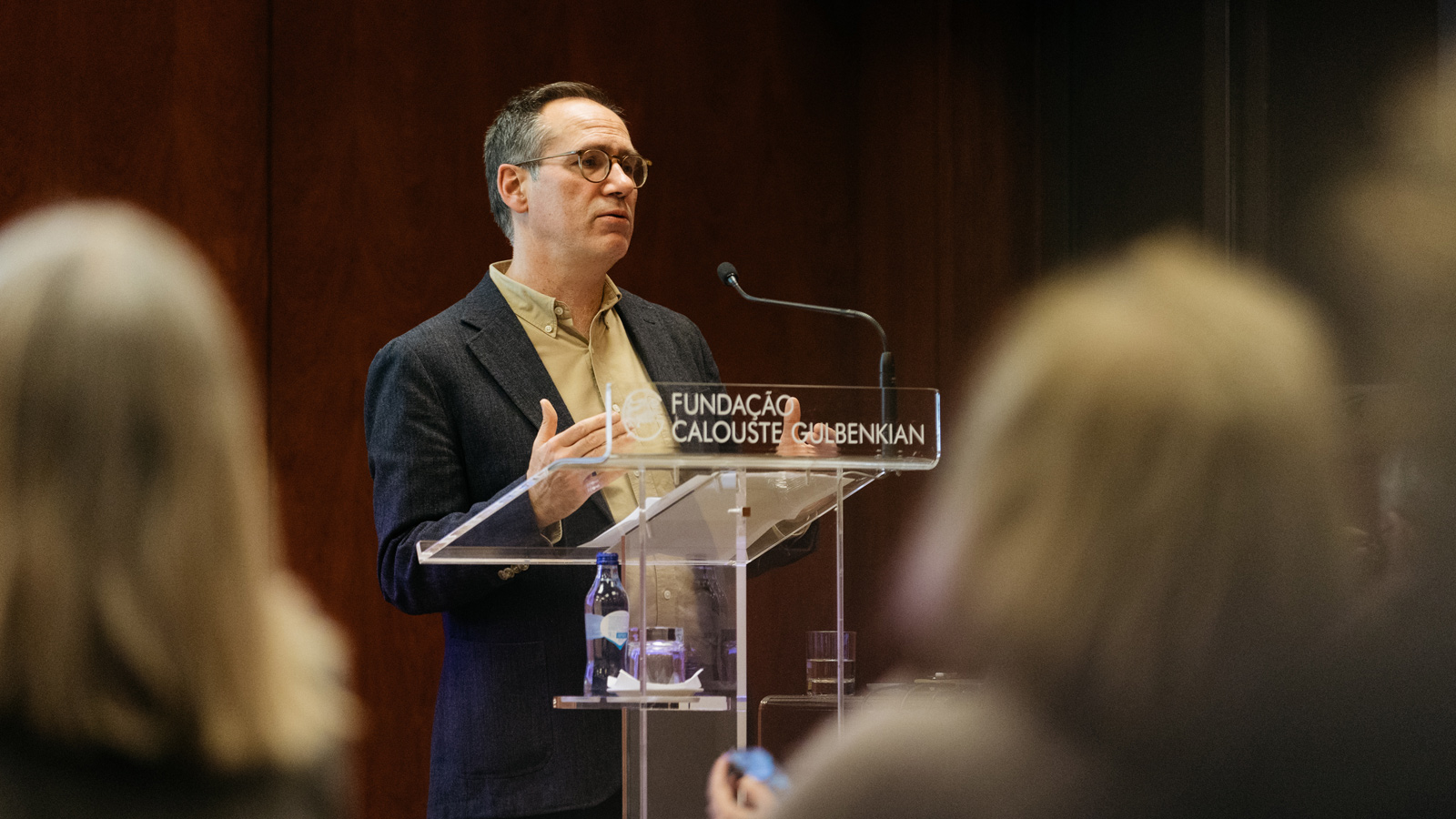
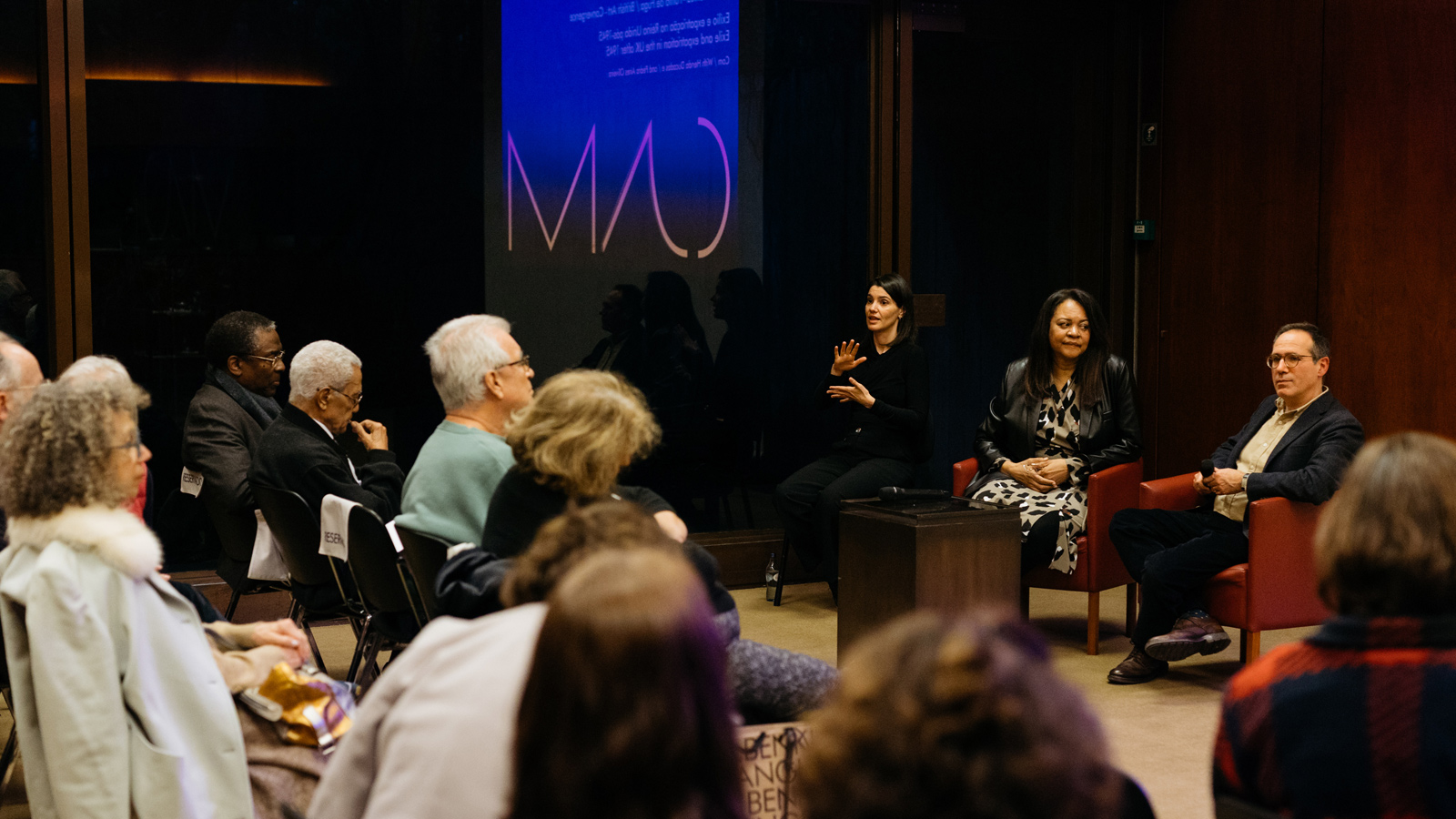
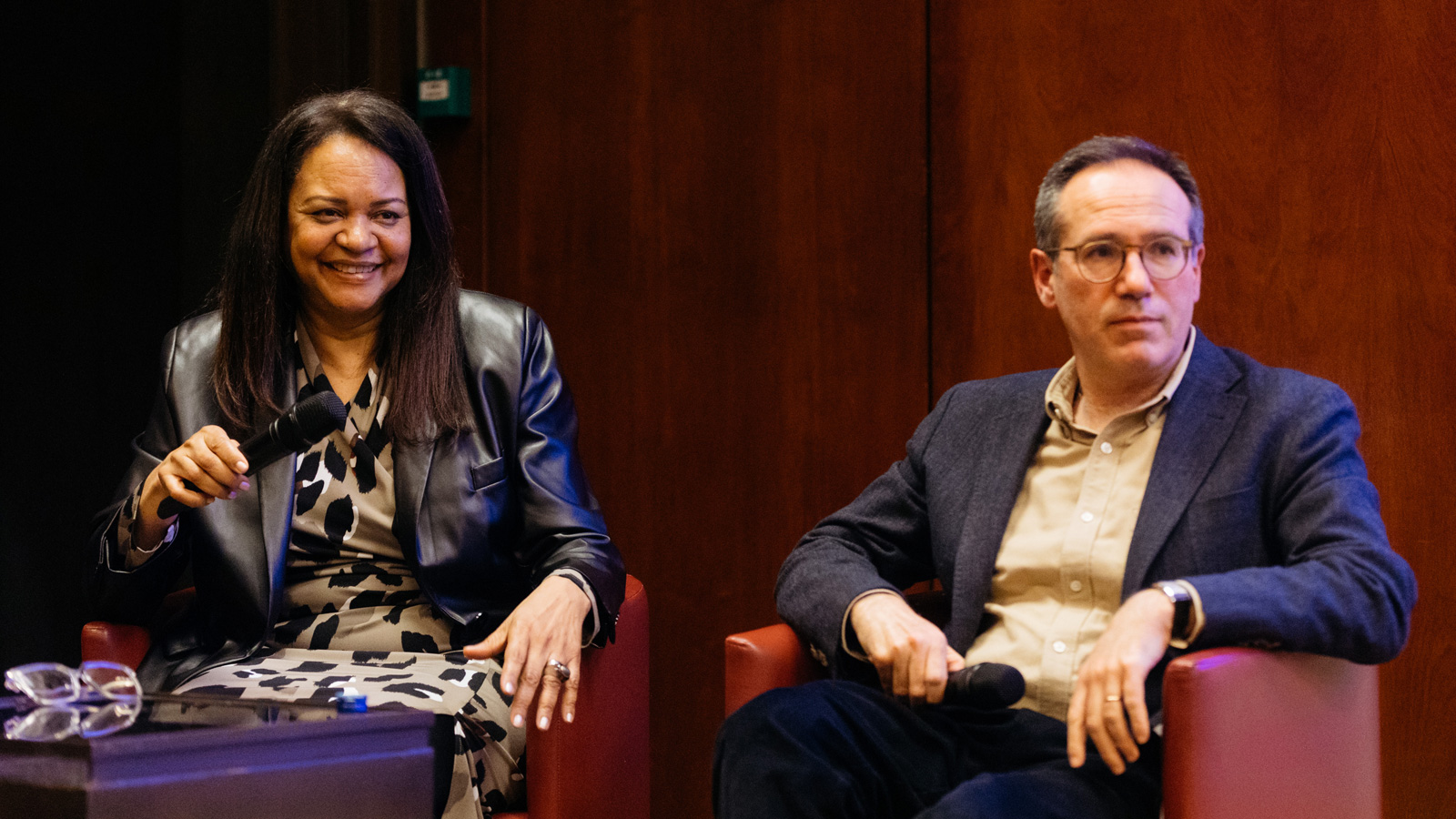
Within the framework of the great transformations that marked the decades following World War II, Pedro Aires Oliveira shows us how cultural changes and shifting mindsets, migratory dynamics and the emergence of social consensus, which lasted until the late 70s, contributed to building a multicultural society in the United Kingdom. Through this lens, we are invited to reflect on the exile and expatriation experienced by the Portuguese, either as a result of political persecution or through motivation and desire expressed in a spirit of stimulating artistic creation.
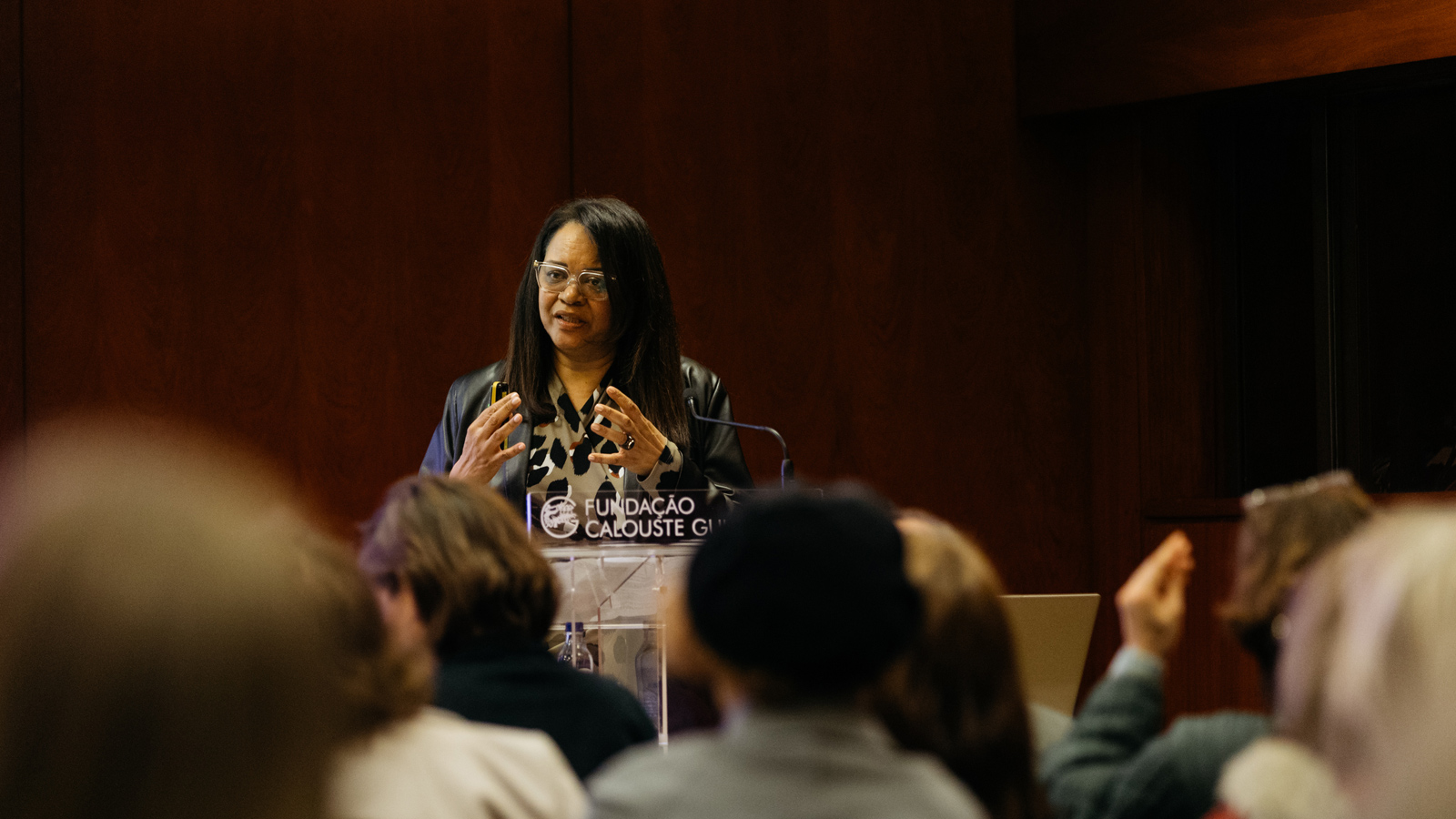
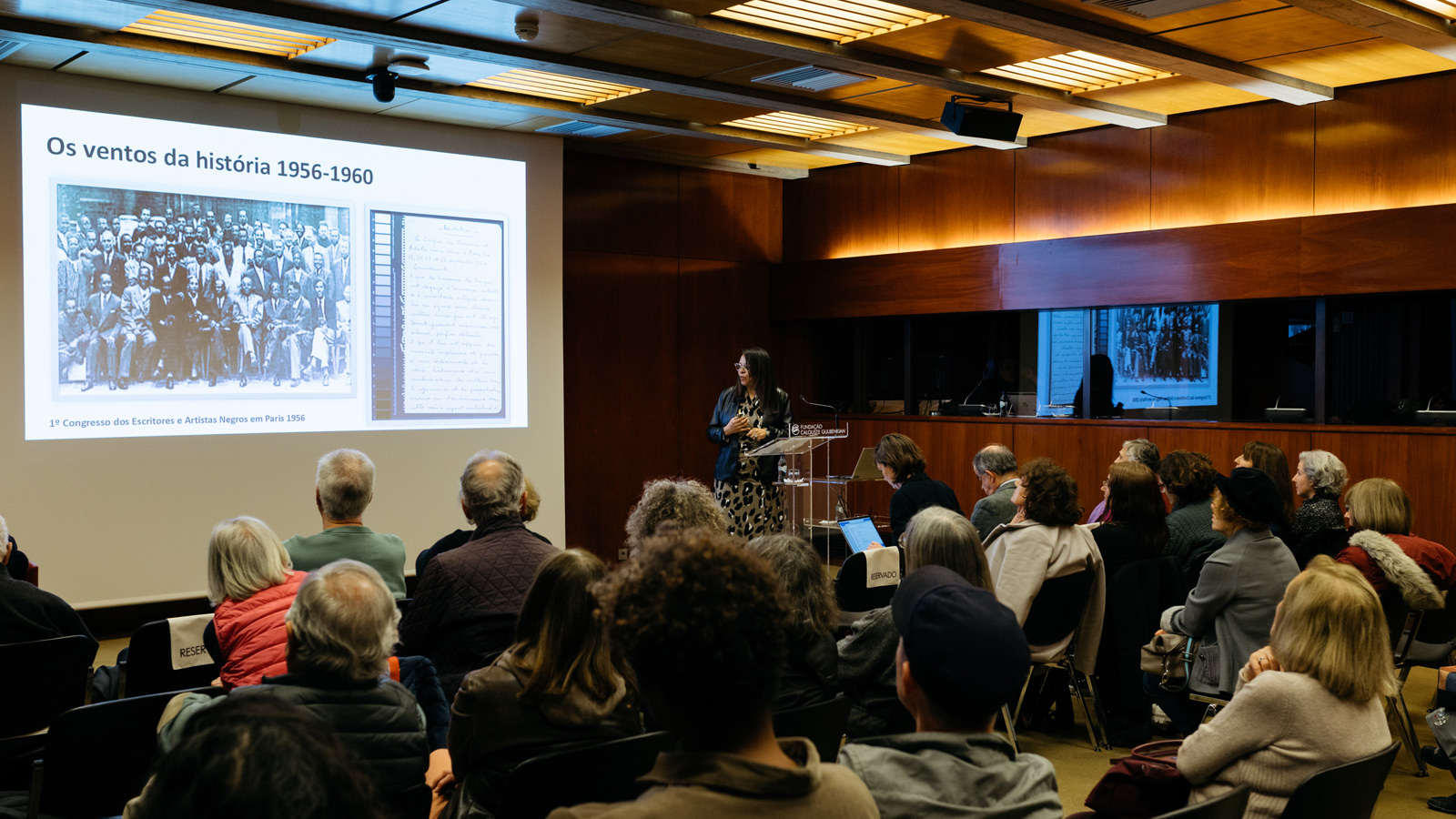
Henda Ducados focuses on the speech made by Amílcar Cabral and Mário Pinto de Andrade in the House of Commons, in 1960, which she takes as a starting point to reflect on the motivations, strategies and impact of decolonial collective consciousness. She goes on to highlight how the First Congress of Black Writers and Artists, held in Paris in 1956, as well as the press conference in 1960, contributed to framing, questioning and denouncing the Portuguese colonial regime, driving the debate and raising awareness of the independence movements in African colonies.
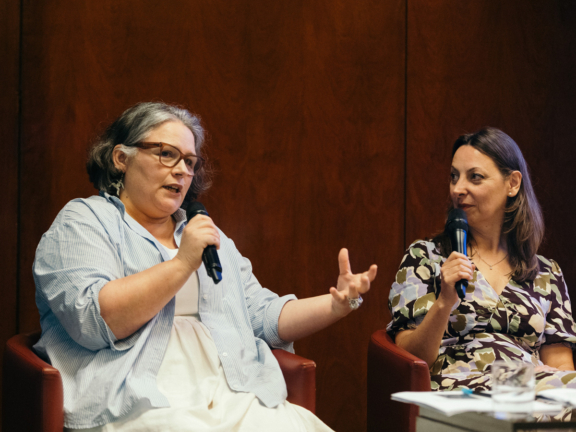
In the audio recording shared here, Pedro Aires Oliveira and Henda Ducados present a view of the work produced abroad by Portuguese artists, as an integral part of the visual arts scene in Portugal.
Talks about British Art
Explore the series
No results were found for your criteria.