



Penélope
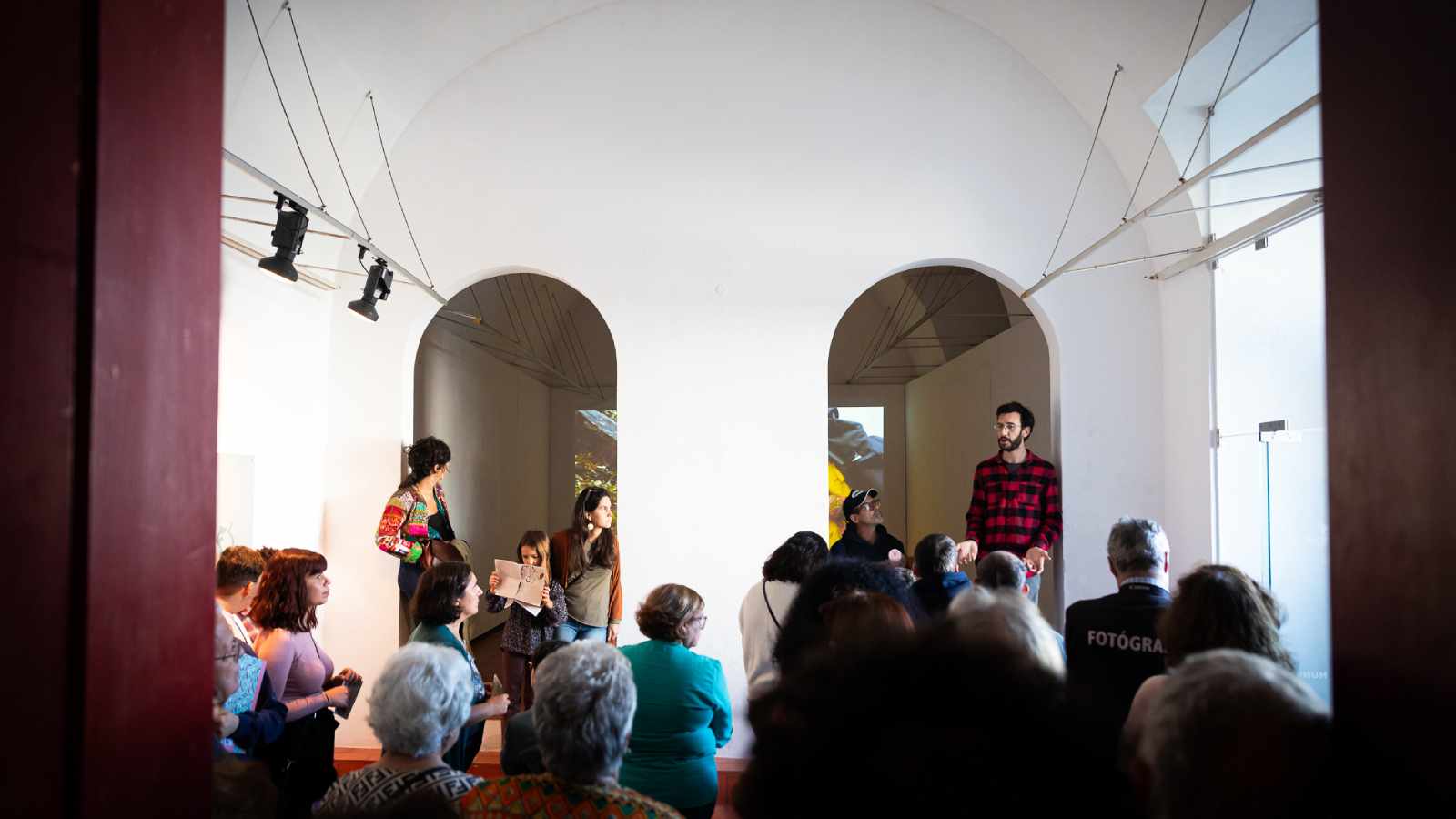
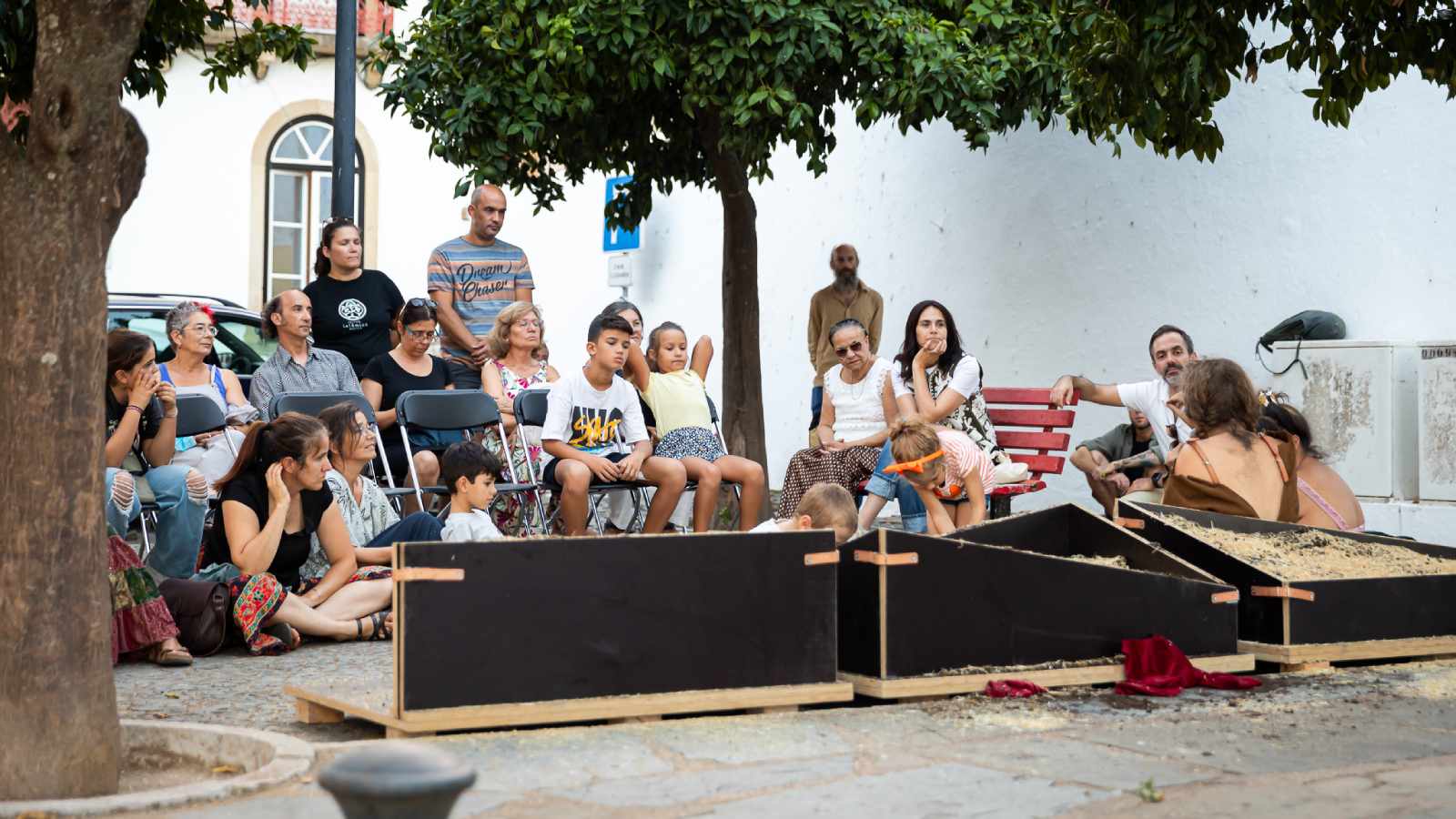
Penelope is based on the work of Alice Sampaio, a writer born in the parish of Mido (Guarda district) in the last century. When she began the project of responding to James Joyce’s Ulysses, she did so as a woman and as a Portuguese person, evoking a series of signs that take us back to the Portuguese colonial war.


/
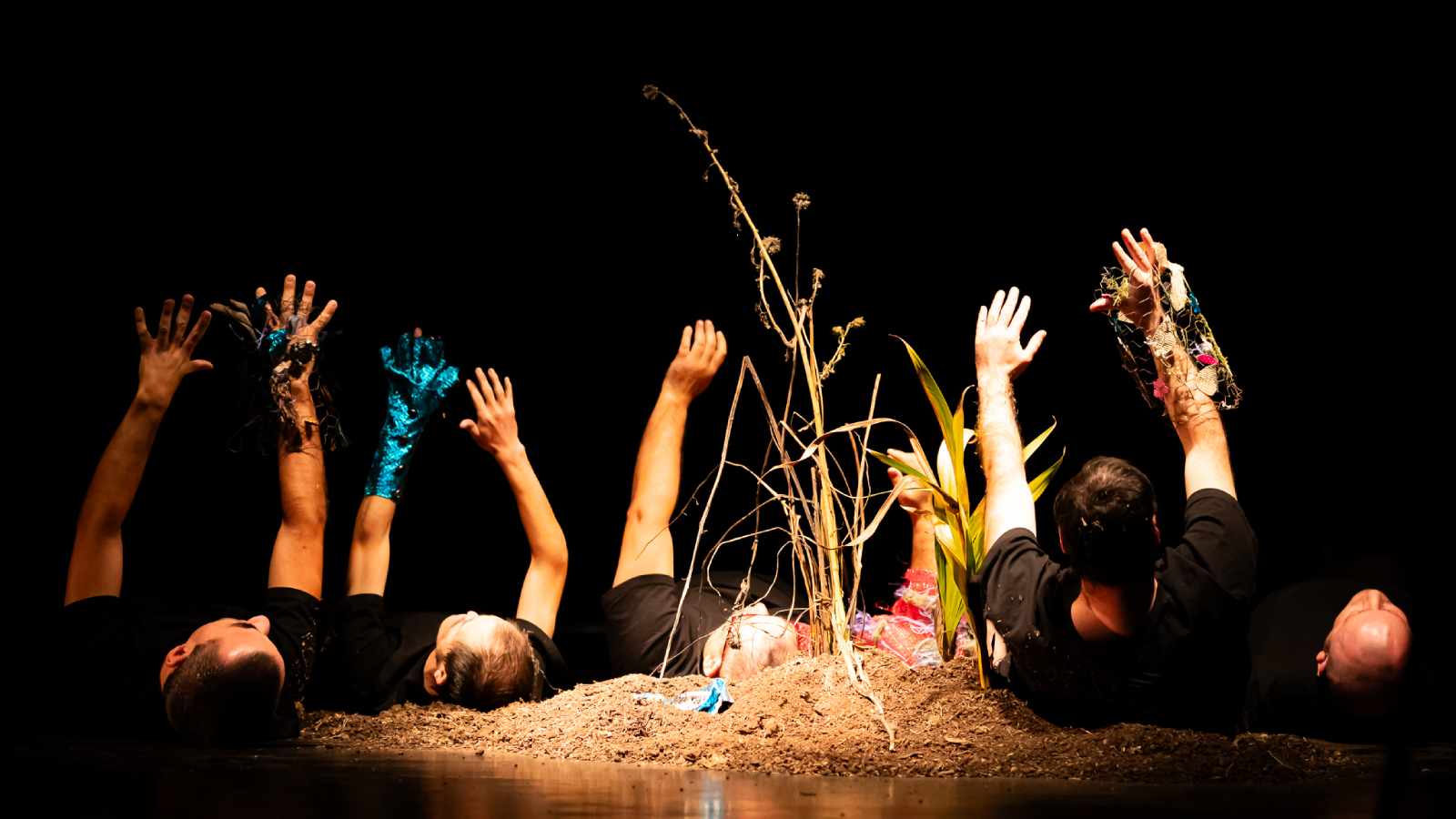
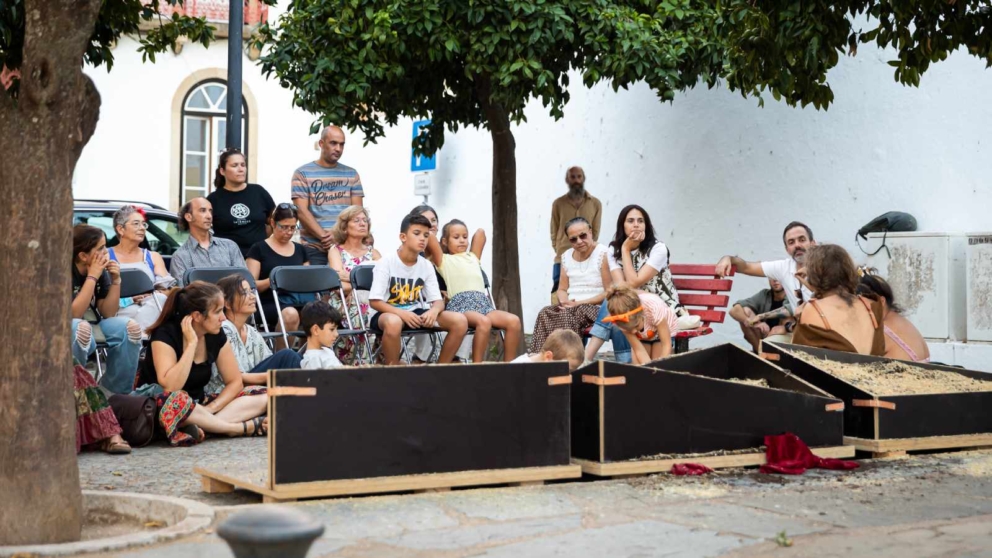
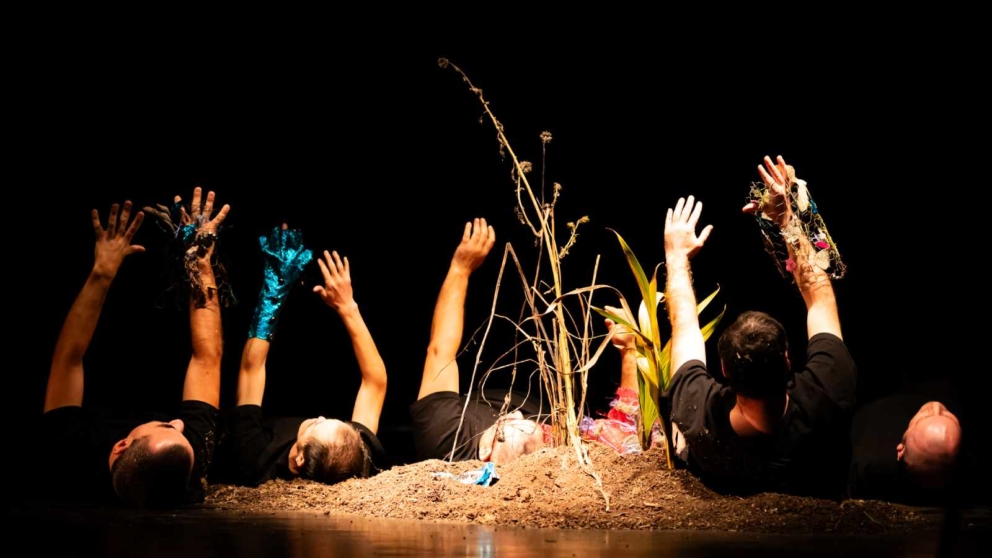
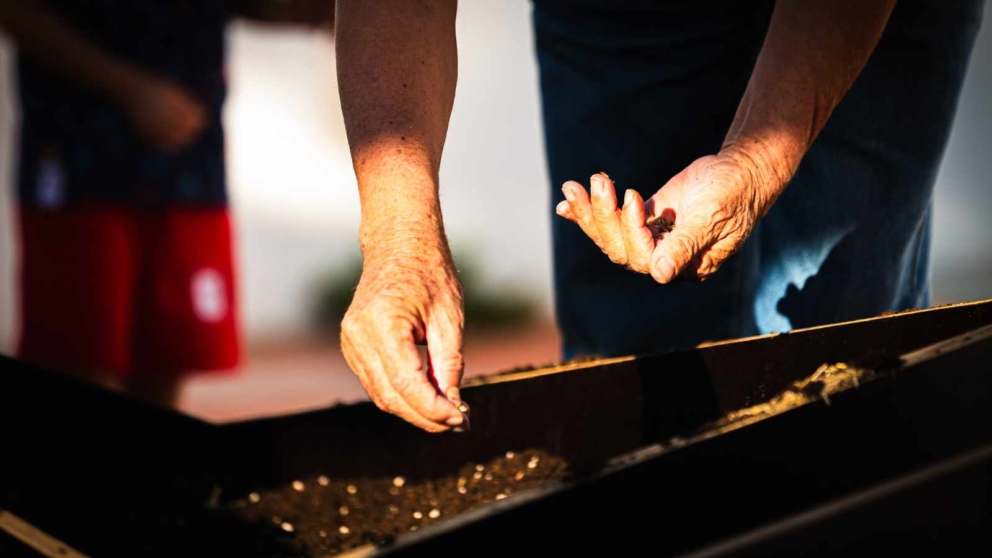
We began reading Penelope as a collective character, referring to a group of women who, day after day, kept hope alive (hope for the return of their men – sons, husbands, fathers and brothers) while ensuring that the home and the land did not perish. These two dimensions of care are united in the image of the flower. Throughout the 20th century, Portuguese women were home to plants and children.
Penelope is based on the work of Alice Sampaio, a writer born in the parish of Mido (Guarda district) in the last century. When she began the project of responding to James Joyce’s Ulysses, she did so as a woman and as a Portuguese person, evoking a series of signs that take us back to the Portuguese colonial war. We began reading Penelope as a collective character, referring to a group of women who, day after day, kept hope alive (hope for the return of their men – sons, husbands, fathers and brothers) while ensuring that the home and the land did not perish. These two dimensions of care are united in the image of the flower. Throughout the 20th century, Portuguese women were home to plants and children.
The project was developed as part of ATOS, an initiative of the D. Maria II National Theatre and the Calouste Gulbenkian Foundation.
- Promoters
- Teatro Nacional D. Maria II e Fundação Calouste Gulbenkian
- Programmes
- ATOS
- Social Issues
- Lack of access to cultural practices and expression, Social and/or geographical isolation
- Artistic Area
- Theater
- Beneficiaries
- Adults, Children, Elderly, Youth+65 years, 0-6 years, 16–25 years, 26–64 years, 7–15 years
- Date
- 2023 – 2023
- State
- Done
- Territories
-
Alentejo Central, Alentejo Litoral, Alto Alentejo, Baixo Alentejo
Grândola, Mértola, Montemor-o-Novo, Portalegre